





Building Momentum: Organizational Development as a Catalyst for Business Transformation
In today’s competitive world of business, firms continue to experience the need to adapt in response to the changes in the market, technology, and customers’ needs. Success is not only defined by the introduction of innovative products or the profitability of an organization but is rather defined by the creation of resilient organizations that can adapt to the changes confidently. Organizational development is important in this regard. This is because it offers a systematic way of developing an organization in terms of processes, leaders, employees, and even the culture that creates room for growth and innovation. Instead of considering transformation as a one-time effort, the most successful organizations see it as an ongoing process. The reason behind this is that true improvements can only be made when all three elements, namely people, strategy, and operations, work in sync towards the vision. To create a base for success amid uncertainty, organizations have to focus on leadership, communication, collaboration, and learning. Driving Change Transformation of businesses is not something that can be done solely using technology. Although technologies and automation have become critical aspects of businesses today, what makes a difference is the extent to which people can adapt to change. Companies that focus on developing themselves organizationally provide a setting in which employees feel that they know why the changes should happen, that they embrace innovations and participate in a common goal. Communication, leadership, and constant involvement help minimize any kind of resistance and develop mutual trust among all organizational members. To be successful in transforming an organization, one needs to have an idea of its strengths and areas where improvements can be made. For leaders to come up with initiatives, they first need to evaluate the current setup of the organization in terms of structures, processes, and capabilities in order to come up with a solution that fits within the long-term vision of the organization. Once the employees are given proper training and support, they too will get involved in the process of change. They will not be mere spectators watching the changes happen. Building Capability High-performing companies recognize that their competitive edge is their employees. The development of their employees, the skills of their leaders, and collaboration across departments result in a pool of employees who are ready to face changing requirements in the business environment. Continuous learning allows employees to gain new skills, make better decisions, and offer innovative ideas. Empowering employees to assume ownership of their work results in increased productivity, higher engagement, and customer satisfaction. Such developments will enhance retention among the company’s employees. The element of leadership is also key in determining the organizational culture. Good leadership ensures that there is guidance, teamwork, and an atmosphere where accountability and transparency become the norm. The leaders understand that change has to be consistent and not just an activity. It is through open communication and diverse viewpoints that teams can tackle problems. This human element helps organizations to be resilient and ready to adapt to different market conditions. Sustaining Growth The ability for any business to be successful for the long run relies on the organization’s ability to sustain itself by making continuous improvements after transformation. Businesses that focus solely on short-term objectives do not become successful since change is an ongoing process that requires continuous analysis and evaluation. Evaluation through performance appraisals, feedback from employees, and defined goals enables the management in the organization to assess areas of improvement, as well as reinforce the right behavior. As markets keep changing, organizations need to be flexible without ignoring their core values and vision. Organizational development will offer the needed platform for striking the balance between innovation and discipline to ensure that growth is sustainable and scalable. Organizations that develop their leaders, engage their employees, and improve their organizational capability stand out by effectively managing disruptions, taking advantage of opportunities, and positioning themselves well. Making organizational development an integral part of business strategy will allow organizations to foster an adaptive and resilient culture. Conclusion Business transformation is not something that can be achieved through one particular undertaking or a huge capital expenditure in technology. Rather, it is accomplished through continuous investment in the development of individuals, leadership, process, and most importantly, an organization’s culture. Organizations that spend time and money in their OD efforts are creating more solid bases for innovation, excellence, and resilience. These organizations will be much better prepared to deal with shifting conditions in the marketplace while still staying focused on strategic objectives and customer value creation. As the rate of change becomes faster, organizational development is going to continue playing an integral role in driving business success. Those companies that can ensure that their organizational development processes can adapt to the changing business environment will have an easier time in addressing any obstacles and capitalizing on new opportunities. By treating organizational development as a continuous strategic objective as opposed to a one-off activity, organizations will be able to create the requisite level of agility, capability, and resilience required to facilitate growth and transformation of their businesses. Read Also : The Foundation of Efficient Warehouse Solutions
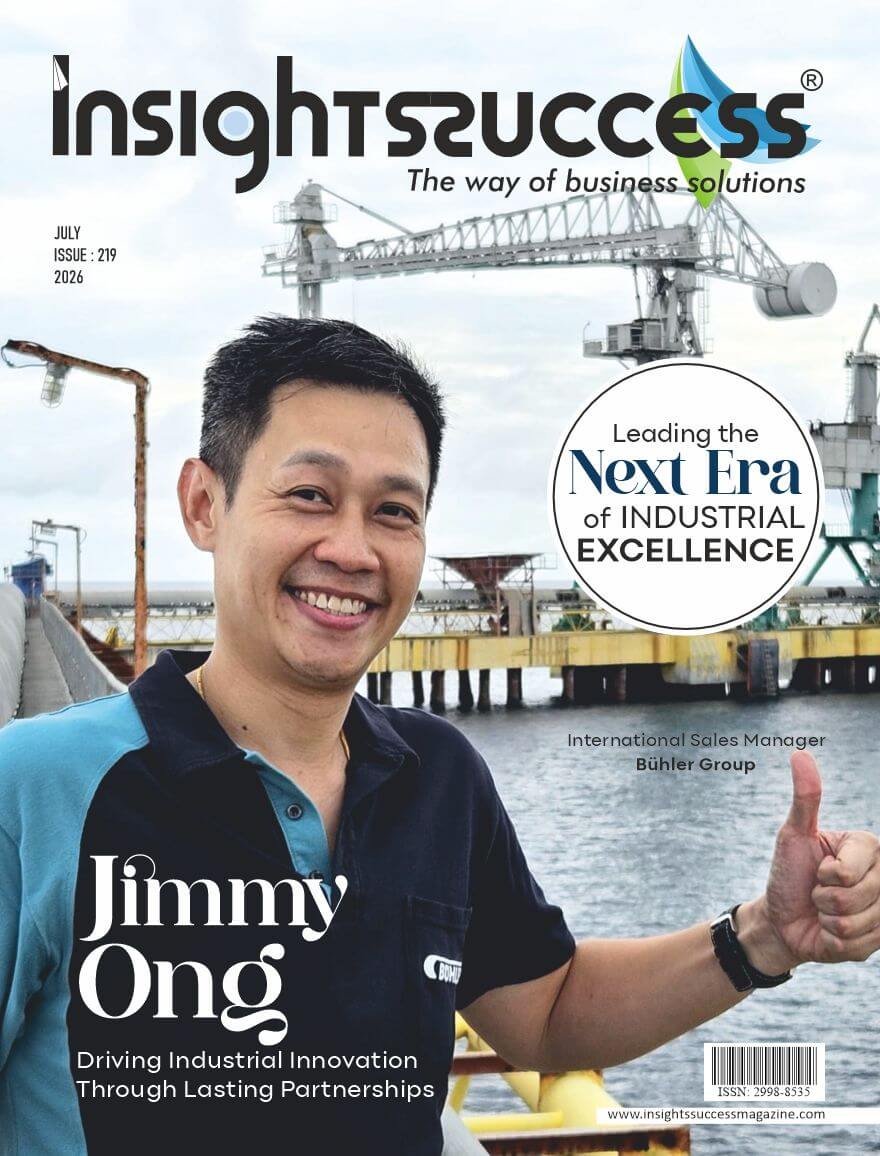
Leading the Next Era of Industrial Excellence
Leading the Next Era of Industrial Excellence Celebrating visionary industrial leaders driving innovation, operational excellence, sustainable growth, and technological advancement while transforming manufacturing, engineering, and global industries through strategic leadership, resilience, and forward-thinking solutions in 2026. Digital Link Quick highlights Digital Link Quick reads
Jimmy Ong: Driving Industrial Innovation Through Lasting Partnerships
Ask anyone who’s spent time around shipyards or industrial trade shows in Southeast Asia, and they’ll tell you the region’s capital goods market runs relationships more than catalogs. Equipment specs get you in the door. Trust is what closes the deal and keeps the customer coming back five years later. Few people understand that better than the man currently running Bühler’s Ship Loader and Unloader business across the region. Jimmy Ong didn’t plan a career in international sales; he trained as a marine engineer and served as a commissioned officer in the Singapore Armed Forces, picking up lessons about leadership long before anyone handed him a title. That grounding followed him into capital goods sales, and eventually into his current role as International Sales Manager at Bühler Group, the Swiss industrial company founded back in 1860 and still headquartered in Uzwil. Across a career that’s taken him through product management and full commercial leadership roles across Asia Pacific, Ong has built something less flashy than a sales record: a habit of solving the actual problem in front of him, which tends to be why customers stick around. From the Engine Room to the Boardroom Ong is candid about where his leadership instincts come from, and it isn’t a business school case study. He says, “I learnt early that leadership is not merely about authority. It is about earning the trust of the people around you and inspiring them to achieve beyond what they believe is possible.” That conviction carried him out of marine engineering and into the world of capital goods sales across Asia Pacific, where he found something that genuinely held his interest: a mix of technical depth, relationship-building, and strategic thinking that most sales roles don’t require. What he learned quickly is that the salespeople who last aren’t the ones with the slickest pitch. He explains, “The most effective sales professionals do not simply sell products. They solve real problems and build lasting partnerships.” That idea, sharpened across years of competitive selling in multiple industries and geographies, still shapes how he approaches every account he touches. Milestones Earned, Not Handed Ask Ong about his career highlights and he won’t point to a single big win. He points to a string of harder, less glamorous transitions. Moving from sales engineer into regional sales management taught him what deep customer focus and genuine product mastery look like in practice, and the recognition he earned for it still means something to him today, years on. As his responsibilities grew into product management and eventually general management, his thinking had to grow with them. He stopped looking at individual transactions and started looking at the business, weighing decisions in terms of long-term positioning rather than the next quarter’s numbers. The chapter he calls most transformative came when he took on full commercial leadership of an organization and steered it through a period of ambitious growth, expanding its product range, opening new market channels, and turning what had been a narrow-focus distributor into a comprehensive solution provider with internationally recognized brand partnerships. No single sale, he says, taught him as much about leadership as that did, partly because nearly every part of it forced him to operate outside his comfort zone at once. Strategy and Execution, Working in Lockstep Plenty of leaders talk about balancing vision with execution. Ong treats the tension between the two as productive rather than something to resolve. He says, “Strategy without execution is fantasy; execution without strategy is exhaustion.” In his current role representing Bühler’s Ship Loader and Unloader business across Southeast Asia and Oceania, that balance gets tested constantly, not in theory but in live deals. Closing a major capital equipment contract in his first year at Bühler wasn’t luck. It came out of disciplined market intelligence, consultative customer engagement, and tight coordination across engineering, technology, design, and finance teams that all had to move together for the deal to land at all. Innovation Isn’t a Department Ong pushes back gently on the idea that innovation belongs to a particular team or function. He says, “Innovation is not a department. It is a mindset that must be cultivated across every function of an organization.” In his experience, the breakthroughs that move the needle in industrial sales rarely come from a dramatic new piece of technology. More often, they come from rethinking how value gets delivered and how customer relationships get structured in the first place. He’s seen that play out directly. Leading the shift from transactional product selling toward comprehensive solution and service partnerships changed the commercial results of a business he ran. More recently, he conceived and organized the first ever regional forum for ship loading and unloading customers in Southeast Asia, a platform that opened up genuine industry dialogue, deepened relationships with key stakeholders, and helped establish Bühler as a real thought leader in the region rather than just another equipment vendor. Leading Responsibly in an Industry Under Scrutiny The sectors Ong operates in, including bulk material handling, food processing technology, and capital equipment, face growing pressure to cut their environmental footprint and operate with real transparency. He doesn’t treat that as a compliance issue. He says, “Senior leaders have a genuine responsibility to champion sustainable practices, not merely as a corporate mandate, but as a sincere commitment to the communities and generations that follow us.” Bühler’s own mission, built around sustainable innovation in food and mobility, lines up with how Ong already thinks. He’s proud to work for an organization that puts sustainability near the center of its long-term strategy rather than treating it as a side initiative, and he frames responsible leadership in fairly simple terms: make decisions today that the people around you, and the people who come after, will still respect decades from now. What a Global Crisis Taught Him About Character The hardest stretch of Ong’s career arrived during a period of acute global disruption that hit construction and industrial sectors almost overnight. Travel restrictions froze project pipelines, supply

The Foundation of Efficient Warehouse Solutions
Terminal Management With the ever-increasing globalization of trade, companies are under constant pressure to deliver their products faster, more efficiently, and economically. The importance of ports, distribution centers, and logistics hubs cannot be overstated when it comes to maintaining an uninterrupted supply chain and addressing increasing demands of consumers. Effective Terminal Management has become indispensable when it comes to controlling the flow of cargo in and out of the facilities, as well as managing resources. On the other hand, modern Warehouse Solutions help companies maintain efficiency in managing their inventories. Improving Operational Efficiency The modern terminals process many loads per day; thus, it is necessary to coordinate the work of various transportation companies, warehouses, customs, logistics companies, etc. Terminal Management makes this work more effective due to the use of standardized procedures, automation, and control of cargo. This leads to the elimination of delays and increased speed of loading/unloading and storing goods. In the same way, Warehouse Solutions will optimize the placing of inventory, its movement, and decrease the time of handling due to using advanced storing systems and automated retrieval systems. Technology Transforming Logistics Operations The digital transformation is still affecting the field of logistics via artificial intelligence, cloud computing, Internet of Things (IoT), robotics, and predictive analytics. Thanks to these technologies, it becomes possible to track cargo movement, usage of the equipment, and inventory levels more accurately. Terminal Management makes use of automated gates, digital documentation, and tracking software solutions to increase the visibility of operations and minimize delays. As for Warehouse Solutions, they utilize barcode scanning, RFID solutions, AGVs, and warehouse management software. Strengthening Safety and Resource Utilization Efficient and safe operation is one of the key elements for successful logistics management. Effective Terminal Management ensures the reduction of traffic and increased efficiency through standardizing work procedures and implementing automatic monitoring systems. At the same time, advanced Warehouse Solutions contribute to safe warehouse operations through optimization of product storage, minimization of handling, and proper use of equipment. Building Resilient Logistics Infrastructure With the increase in complexity of the supply chain, it is important for the companies to invest in infrastructure so as to have flexibility, efficiency, and scalability in the business. The current logistic centers are equipped with intelligent loading facilities, automatic storage facilities, and monitoring systems to ensure efficiency in cargo transportation and process control. This helps in improving Terminal Management through better coordination of transportation carriers, warehouses, and distribution networks. Simultaneously, intelligent Warehouse Solutions help in increasing accuracy of inventory management, efficiency of warehousing, and order processing speed. Scalable logistics infrastructure allows companies to quickly react to changes in demand without compromising service quality. Driving Collaboration Through Digital Integration To have efficient logistics operations, there must be good collaboration among ports, cargo carriers, warehouse workers, custom officers, and IT companies. With the aid of digitalization, it will enable them to communicate well and make good decisions without delays. Through Terminal Management solutions, all cargo, equipment, and scheduling activities can be viewed from a single point, thereby enabling better decision-making and quicker communication. Similarly, Warehouse Solutions ensure that everything from inventory management to order fulfillment, transportation scheduling, and analytics is done through one single solution. The Future of Intelligent Logistics The future of logistics will be driven by automation, connectivity, and data-based decisions. Companies that develop and adopt Terminal Management Systems will get faster cargo handling and optimization of their resources along with higher visibility in their operations. At the same time, new generation of Warehouse Solutions will keep developing with the help of robotics, artificial intelligence, automated guided vehicles, analytics, and intelligent inventory management systems, which will increase efficiency and lower costs of operations. This will help businesses react better to the changes in consumer demand, higher trading volumes, and disruptions of global supply chains. Through the combination of Terminal Management technologies and Warehouse Solutions, businesses can increase efficiency in cargo transportation, ensure better organization of inventory, and provide quick and efficient services. Effective cooperation of logistics firms, technology firms, warehouses, and transport firms is needed to promote innovation and achieve sustainable development. Through further development of the logistics network, companies will be able to develop resilient and effective distribution systems for their long-term economic growth and success in international business. Read Also : The Key to Smarter Dry Bulk Handling
The Key to Smarter Dry Bulk Handling
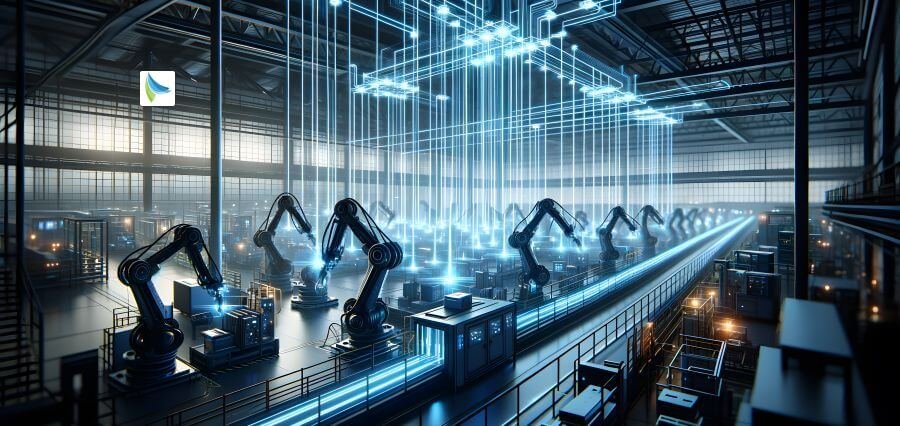
Industrial Automation Organizations working with bulk materials are always looking for solutions that will help them increase their efficiency, safety, and operational reliability. The rising needs, increasing quantities of produced goods, and environmental issues have led to the increased use of innovative technologies within the industry. Of the many innovations used today, Industrial Automation is one of those that can be considered the core of efficiency. While efficient Dry Bulk Handling will help to ensure the reliable movement, storage, and processing of cement, grains, minerals, fertilizers, coal, and chemical products. Enhancing Operational Efficiency Modern manufacturing plants rely on automation technology to enhance the efficiency of transferring materials. Conveyor technology, automation in loading, robotic technology, and intelligent monitoring systems ensure that there is no delay and efficiency is increased. With Industrial Automation, multiple operations in a manufacturing facility can be done at once with precision and consistency. Similarly, Dry Bulk Handling technology results in reduction of losses, improved inventory management, and continuous production. Companies that invest in automation will benefit from optimum resource management and reduced maintenance costs. Technology Driving Smarter Operations In fact, digital technologies continue to revolutionize operations within the industry in terms of artificial intelligence, predictive maintenance, industrial Internet of Things (IIoT), cloud-based monitoring, and analytics. Digital technologies help operators understand the condition of machines, production processes, and material handling in real time. Industrial Automation employs smart sensors and control systems that help to detect problems before they cause expensive downtime. Likewise, Smart Dry Bulk Handling equipment helps to improve material tracking and minimize risks of contamination. Improving Safety and Environmental Performance Safety is considered one of the top priorities in industries. Automation systems minimize exposure of workers to unsafe work environments since many tasks are carried out using intelligent machines. Dust collection systems, enclosed conveyors, loading stations, and constant monitoring techniques make the workplace safe as well as have less effect on the environment. The Industrial Automation System helps an organization comply with safety regulations using standard operational protocols and automatic emergency response systems. Moreover, dry bulk handling systems minimize spills, emissions, and wastage of materials. Building Resilient Industrial Infrastructure In the course of increasing complexity of industrial operations, the organization will have to develop robust infrastructure for its support. Contemporary production plants use such technologies as automated conveyors, intelligent storage, and monitoring technologies to increase their efficiency. The development of robust infrastructure will benefit Industrial Automation by creating better conditions for integration between equipment, personnel, and manufacturing systems. On the other hand, advanced Dry Bulk Handling infrastructure will enhance logistics and minimize material losses in the process of transportation and storage of products. Scalable infrastructure will allow the organization to respond promptly to changes in demand for production. Encouraging Innovation and Collaboration The continued success of industries relies on the cooperation between equipment suppliers, technology suppliers, engineers, and plant operators. Through collaboration, firms can come up with innovations that increase efficiency, decrease risks, and minimize any environmental damage. The commitment to conducting research is important for the success of Industrial Automation, which makes use of intelligent robotics and control systems to ensure efficient production. Similarly, through Dry Bulk Handling innovations, materials can be moved more safely, and there will be increased reliability and flexibility of operations. The Future of Intelligent Material Handling The future of industries is going to be characterized by intelligence, efficiency, and sustainability. Industries adopting Industrial Automation will gain more productivity, low operational expenses, improved safety, and decision-making power through data intelligence. At the same time, new Dry Bulk Handling will keep developing thanks to automation, digitization of processes, and equipment that helps to maintain industrial processes sustainably. Optimal performance of the machinery with no downtime will be guaranteed through the use of Artificial Intelligence, IIoT, digital twin technology, and prediction analytics. Companies will gain more competitive advantage by focusing on worker training, digitization, and smart infrastructures. Due to the use of advanced technology of Industrial Automation systems and Dry Bulk Handling technologies, the entire manufacturing process will not only become reliable but also waste-free to create value for the customer in the long run. Due to the current trend of modernizing industries, it has now become essential for automation and material handling to become a part of any business to survive in the future. Read Also : The Future of Industrial Leadership

The Leadership Superpower No One Talks About: Relational Power
In boardrooms, leadership conferences, and management discussions, we often hear about strategy, innovation, execution, and decision-making. We celebrate leaders who possess deep expertise and those who hold influential positions. Yet, there is a leadership superpower that quietly shapes careers, drives organizational success, and often determines who thrives during challenging times—Relational Power. Today’s workplace is vastly different from what it was a decade ago. Organizations are flatter, teams are distributed across geographies, and success depends increasingly on collaboration rather than hierarchy. In such an environment, positional authority alone is no longer enough. The ability to influence without authority has become one of the most valuable leadership capabilities. Power in organizations broadly comes from three sources—Positional Power, Personal Power, and Relational Power. Positional power comes from the role we hold. Personal power comes from our expertise, experience, and credibility. Relational power comes from the trust, goodwill, and networks we build over time. The most effective leaders understand that sustainable influence comes from blending all three. Positional power provides authority, personal power builds credibility, and relational power creates commitment. While organizations grant positional power and individuals develop personal power, relational power must be earned. It is built through authenticity, trust, reciprocity, and a genuine willingness to help others succeed. We have all encountered individuals who may not hold the highest designation but are sought out for advice, trusted during crises, and capable of bringing people together to solve problems. Their influence stems not from authority, but from relationships. This becomes even more important in today’s matrix organizations, where success often depends on collaborating with stakeholders over whom we have no direct authority. In such situations, relationships become the bridge between intention and execution. The rise of Artificial Intelligence further reinforces the value of relational power. As technology automates tasks and enhances analytical capabilities, uniquely human qualities such as empathy, trust-building, collaboration, coaching, and influence become even more important. These are the capabilities that differentiate exceptional leaders from competent managers. Relational power also becomes critical during times of uncertainty. Whether it is organizational restructuring, business transformation, or economic turbulence, employees do not simply look for instructions—they look for leaders they trust. In many ways, trust has become the new currency of leadership. However, relational power is not about collecting contacts or networking for personal gain. Genuine relationships are built through sincerity, consistency, and mutual respect. The strongest professional networks are often built long before they are needed. The Bhagavad Gita offers a timeless insight into leadership: “Yad yad ācarati śreṣṭhas tat tad evetaro janaḥ“ (Bhagavad Gita 3.21) “Whatever a leader does, others follow; whatever standards they set, others emulate.” This verse reminds us that leadership is fundamentally relational. People follow leaders not because they have authority, but because they trust and respect them. Professor Vishal Gupta, in his writings on power and leadership, highlights how relational power enables individuals to influence outcomes and navigate organizational complexities beyond what positional authority alone can achieve. As leaders, we invest heavily in building knowledge and expertise. Equally important is investing in meaningful relationships. Titles may change and organizational structures may evolve, but the trust and connections we build endure. Because in the end, leadership is not just about the position you hold. It is about the people who are willing to stand with you, support you, and follow your lead. Read Also: A Tribute to Purposeful Leadership and Enduring Impact
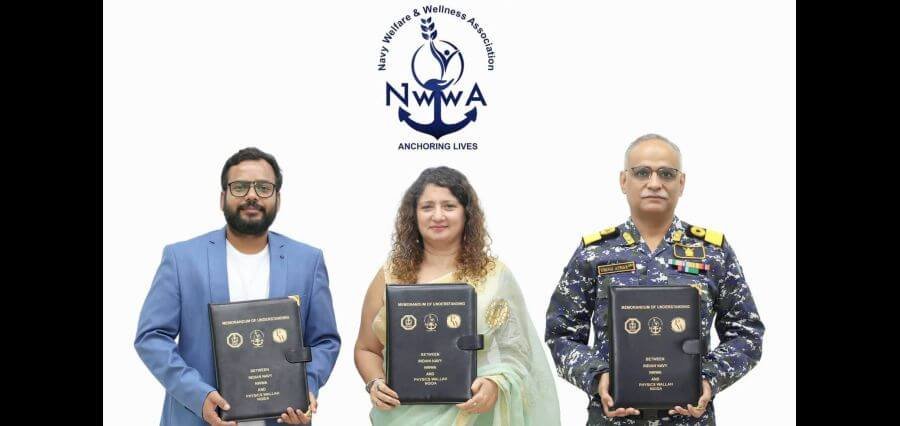
PhysicsWallah Partners with Indian Navy Welfare & Wellness Association to Provide Scholarships for Naval Families
New Delhi | 23 July 2026: Education company PhysicsWallah (PW) has signed a Memorandum of Understanding (MoU) with the Indian Navy Welfare & Wellness Association (NWWA) to provide educational support for the families of Indian Navy personnel through a structured scholarship program. The initiative aims to improve access to quality education by offering scholarships across a range of competitive examination preparation programs. Under the agreement, the program provides full scholarships for the wards of Indian Navy martyrs and personnel who lost their lives while in service. In addition, children of serving and retired Indian Navy personnel will be eligible for a 35% fee waiver on offline coaching programs and a 25% fee waiver on online courses offered by PhysicsWallah. Eligible applicants will be required to submit relevant service and identification documents as part of the application process. Scholarship applications will be jointly verified by the Indian Navy Welfare & Wellness Association and PhysicsWallah before enrolment. The scholarship program will provide access to coaching for a wide range of competitive examinations, including the Joint Entrance Examination (JEE), National Eligibility cum Entrance Test (NEET), Union Public Service Commission (UPSC), Staff Selection Commission Combined Graduate Level (SSC CGL), and various State Public Service Commission examinations. Students will have the option to pursue these programs through PhysicsWallah’s digital learning platform or its network of offline learning centers. Commenting on the initiative, Alakh Pandey, Educator, Founder, and Chief Executive Officer of PhysicsWallah, said: “Education creates opportunities and provides long-term security for families. Indian Navy personnel dedicate themselves to safeguarding the nation, often while spending extended periods away from their loved ones. Through this initiative, we hope to contribute meaningfully to the educational aspirations of their children and support the families who stand behind our naval forces.” A spokesperson for the Indian Navy Welfare & Wellness Association (NWWA) said: “Supporting the welfare and development of naval families remains one of our key priorities. Education plays a vital role in shaping the future of our children, particularly given the unique challenges associated with military life and frequent relocations. Our collaboration with PhysicsWallah seeks to provide structured learning opportunities that help children continue their academic journey with greater confidence and continuity.” The initiative reflects a shared commitment by PhysicsWallah and the Indian Navy Welfare & Wellness Association to strengthen educational opportunities for the naval community while supporting students preparing for higher education and competitive examinations. About PhysicsWallah PhysicsWallah Limited (PW) is an education technology company founded in 2020 by Alakh Pandey and Prateek Maheshwari. The headquarters is in Noida, Uttar Pradesh. The company delivers educational programs through online, offline, and hybrid learning platforms. Originally launched as a YouTube channel in 2014, PhysicsWallah has expanded into a comprehensive education ecosystem that includes test preparation, higher education coaching, skill development programs, and study-abroad services. The company offers courses in multiple Indian languages through its mobile application, digital platforms, and technology-enabled offline learning centers. PhysicsWallah Limited was listed on the National Stock Exchange of India (NSE) and BSE Limited on 18 November 2025. Read Also : The ePlane Company and Apollo Hospitals Collaborate to Advance Emergency Medical Air Mobility in India
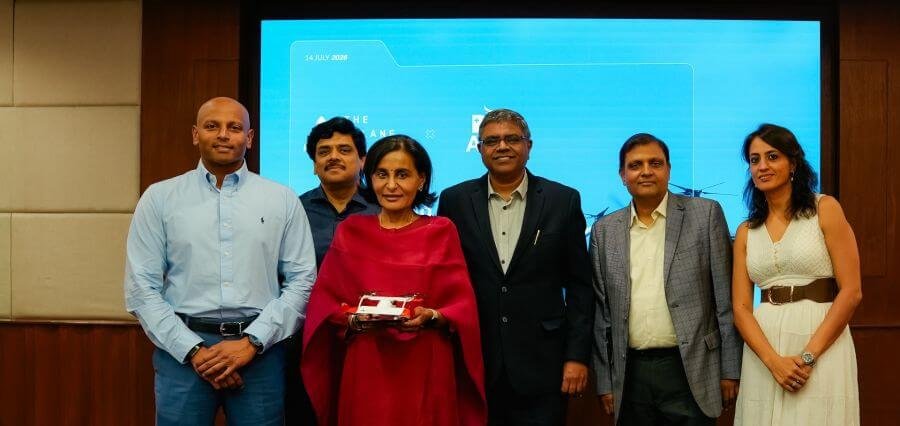
The ePlane Company and Apollo Hospitals Collaborate to Advance Emergency Medical Air Mobility in India
Chennai, India & Farnborough, UK | 23 July 2026: The ePlane Company and Apollo Hospitals have announced a strategic collaboration to explore the deployment of electric air ambulances and medical delivery drones as part of India’s emergency healthcare infrastructure. The partnership follows the signing of a Memorandum of Understanding (MoU) in Chennai and was announced at the Farnborough International Airshow 2026 in the United Kingdom. The collaboration seeks to address one of India’s most pressing public health challenges—improving access to timely emergency medical care. According to available data, more than 170,000 people lose their lives in road accidents in India each year, while only a small proportion of trauma patients receive specialized treatment within the critical “golden hour.” Traffic congestion, long travel distances, and delayed access to advanced medical facilities continue to impact emergency outcomes across the country. Through this collaboration, Ubifly Technologies Private Limited (The ePlane Company) and Apollo Hospitals Enterprise Limited aim to evaluate how advanced air mobility solutions can complement existing emergency response systems by reducing transportation time for critically ill and injured patients. Building an Integrated Emergency Response Ecosystem The initiative will explore the integration of electric aviation technology with Apollo Hospitals’ healthcare network to improve emergency response capabilities across urban and remote regions. The proposed ecosystem includes: Electric Air Ambulances: The ePlane Company’s e200X aircraft is being developed for rapid inter-hospital transfers, trauma response, cardiac and stroke emergencies, and organ transportation. The aircraft is designed to significantly reduce travel times compared to conventional road transport while offering a more cost-efficient alternative to traditional helicopter-based air ambulance services. Medical Delivery Drones: Through its subsidiary Amber Wings, The ePlane Company is developing unmanned aerial systems capable of transporting blood products, organs, vaccines, medicines, and diagnostic samples between healthcare facilities, enabling faster delivery of critical medical supplies. Apollo Hospitals’ Healthcare Network: The collaboration intends to leverage Apollo Hospitals’ extensive ecosystem, including its network of hospitals, clinics, pharmacies, diagnostic centres, and over 1,000 ambulances, to evaluate integrated emergency response models supported by advanced air mobility. Together, these capabilities are expected to create a connected emergency healthcare framework designed to improve access to life-saving treatment across densely populated cities and underserved regions. Improving Access During the Golden Hour For patients experiencing severe trauma, cardiac emergencies, or stroke, timely medical intervention is often the determining factor between recovery and fatality. However, delays caused by traffic congestion and long transfer distances frequently prevent patients from reaching specialized trauma centers within the recommended treatment window. The proposed collaboration seeks to reduce these delays by enabling faster transportation directly to advanced medical facilities, potentially improving emergency care outcomes. Future Roadmap Under the Memorandum of Understanding, Apollo Hospitals has expressed its intention to evaluate the potential procurement of the e200X electric air ambulances and Amber Wings medical delivery drones, subject to future commercial discussions. The agreement also outlines the possibility of exploring a strategic investment by Apollo Hospitals in The ePlane Company, contingent upon mutually agreed commercial terms. Both organizations intend to engage with the Directorate General of Civil Aviation (DGCA) and other relevant regulatory authorities to support the development of operational frameworks and infrastructure required for advanced air mobility services in healthcare. Leadership Perspectives Commenting on the collaboration, Dr. Prathap C. Reddy, Chairman of Apollo Hospitals Group, said: “India continues to lose far too many lives because timely access to specialized medical care remains a challenge. Throughout Apollo Hospitals’ journey, we have believed that access to quality healthcare is as important as clinical excellence itself. Our collaboration with The ePlane Company reflects our commitment to exploring innovative solutions that can help extend advanced emergency care to more people, regardless of their location.” Prof. Satya Chakravarthy, Founder and Chief Technology Officer of The ePlane Company, added: “Every minute is critical during a medical emergency. Through this collaboration with Apollo Hospitals, we aim to evaluate how electric aircraft and medical drones can support faster patient transportation and improve access to specialized trauma care across India. We believe advanced air mobility has the potential to become an important component of the country’s future healthcare infrastructure.” About The ePlane Company Founded in 2019 and incubated at the IIT Madras Incubation Cell, The ePlane Company (Ubifly Technologies Pvt. Ltd.) is an Indian deep-tech aerospace company focused on developing advanced electric vertical take-off and landing (eVTOL) aircraft for urban air mobility applications. Headquartered at the IIT Madras Discovery Campus in Chennai, the company operates a dedicated integrated facility for the design, prototyping, manufacturing, and testing of electric aircraft. It is the first private aerospace company in India to receive Design Organization Approval (DOA) from the Directorate General of Civil Aviation (DGCA) for electric aircraft development, while its flagship e200X platform is the first eVTOL aircraft accepted into India’s official type certification process. The company develops zero-emission aviation technologies designed for passenger transport, emergency medical services, and urban cargo operations. About Apollo Hospitals Enterprise Limited Established in 1983, Apollo Hospitals Enterprise Limited (AHEL) is one of India’s largest integrated healthcare providers. The organization operates more than 76 hospitals with over 10,400 beds, alongside an extensive network of 6,600+ pharmacies, 264 clinics, 2,182 diagnostic centers, and 800+ telemedicine centers. Apollo Hospitals is recognized globally for its expertise in advanced healthcare delivery and has performed more than 300,000 angioplasties and 200,000 cardiac surgeries. Supported by a workforce of approximately 120,000 healthcare professionals, the organization continues to focus on expanding access to quality healthcare through innovation and technology. Media Contacts Kavya Ramesh +91 99451 77838 Harsha V K +91 81235 67214 Read Also : Gargi by PNGS Expands Retail Footprint with New Jewelry Kiosks in Hyderabad and Delhi
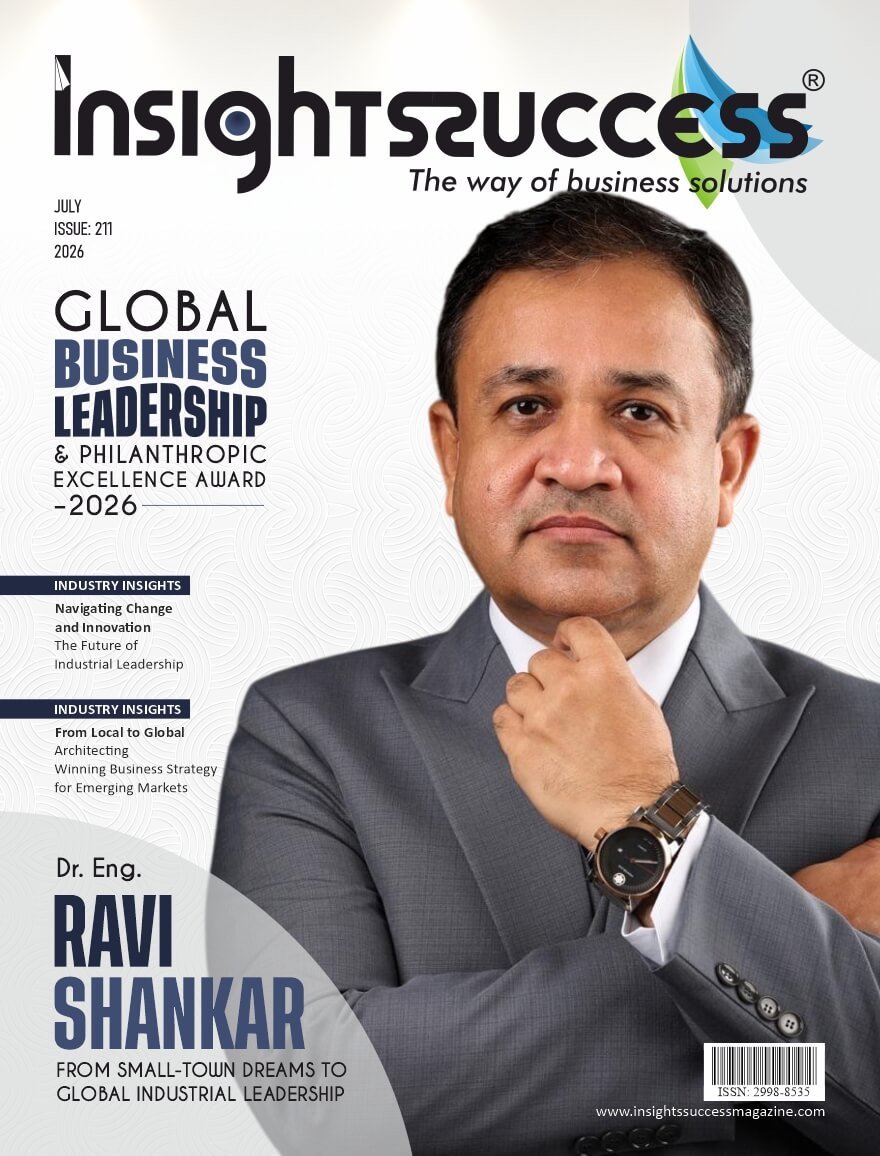
Global Business Leadership & Philanthropic Excellence Award – 2026
Global Business Leadership & Philanthropic Excellence Award – 2026 This edition celebrates visionary leaders who combine business success with a deep commitment to social impact. This prestigious recognition honors individuals and organizations driving innovation, ethical leadership, and meaningful philanthropy while creating lasting value for communities, industries, and the global economy. Digital Link Quick highlights Quick reads
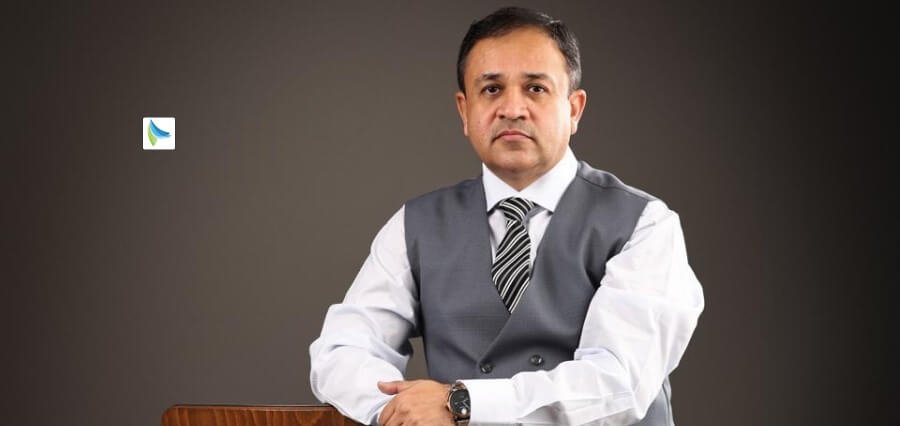
Dr. Eng. Ravi Shankar: From a Small Town with Big Dreams to Building an Industrial Legacy Across Three Continents
Dubai has a particular relationship with ambition. It draws people from every corner of the world who arrive not because the path is easy but because the possibility feels real, and it rewards those who come prepared to work harder than the city itself demands. Dr. Eng. Ravi Shankar arrived in that spirit. He came from a small town where government schools and limited resources were the starting conditions, not the excuse, and he brought with him an academic portfolio that most professionals never accumulate across an entire career: Mechanical Engineering, an MBA in Marketing, master’s degrees in Sociology and Education, and a Diploma in Human Resources. He was not hedging his bets. He was building a foundation deliberately wide enough to support whatever he decided to construct on top of it. What he constructed was Efficient Air Conditioning Industries LLC, a manufacturing enterprise now operating across the GCC, West Africa, and the United States, and a leadership identity defined equally by what he has built commercially and what he has given back to the communities that shaped him. Today, Ravi Shankar is the Founder and CEO of Efficient Air Conditioning Industries LLC, a Dubai-based manufacturing enterprise established in 2016. He is also the author of Legacy to Leadership, a book that distills the hard lessons of his journey into a practical guide for aspiring entrepreneurs, and a committed servant of society through decades of active involvement with Rotary International. His story is not one of the inherited advantages. It is one of the constructed purposes, built decision by decision, over a career that refuses to stay inside a single lane. The Making of a Multidimensional Leader Ravi’s academic journey is unusual in its breadth, and that breadth was deliberate. Mechanical Engineering gave him the technical precision to understand industrial systems at their core. An MBA in Marketing gave him the commercial language to take those systems to market. Master’s degrees in Sociology and Education gave him the human context to understand the communities his businesses would serve and the teams they would need to build. A Diploma in Human Resources completed the picture by grounding him in the organizational architecture that makes companies function with consistency under pressure. Most business leaders develop depth in one discipline and borrow from others. Ravi Shankar built genuine fluency across all of them, and it shows in the way he leads with equal confidence in technical decisions, commercial strategy, team development, and community engagement. That foundation did not insulate him from difficulty. It equipped him to navigate it with more tools than most. He reflects, “Your starting point does not define your destination; your determination does.” Building Efficient Air Conditioning Industries from the Ground Up The founding of Efficient Air Conditioning Industries LLC in Dubai in 2016 was not a calculated exit from a comfortable corporate career. It was a leap taken with full awareness of the risk and a clear-eyed understanding of what the HVAC manufacturing sector in the region needed. Ravi Shankar left the security of employment behind and began building from scratch, and the early days were as demanding as any founder story tends to be. He describes sitting on the floor, working through the night, facing financial pressures that would have ended a less committed venture, and navigating operational challenges that arrived without warning and required improvised solutions. What sustained the company through those early years was not capital or connections but character: the same discipline and resilience he had been quietly accumulating across years of working in roles that never fully matched his ambition. The company grew. It expanded into the GCC, establishing a regional footprint that positioned it among the credible players in a market that rewards technical quality and operational reliability above all else. It then extended further into West Africa and the United States, a geographic reach that speaks not just to commercial ambition but to the genuine transferability of the products and solutions Efficient Air Conditioning Industries produces. The company has created jobs, developed innovative HVAC solutions tailored to the energy and climate demands of different markets, and built a manufacturing operation whose growth has been recognized through prestigious industry awards. For Ravi Shankar, the milestone that matters most is not the revenue or the geography, but the value created for clients, employees, and communities along the way. Three Principles That Guide Every Decision Ask Ravi Shankar to distill his leadership philosophy, and he does it without hesitation: Integrity, Innovation, and People. These are not values written on a wall and forgotten between strategy meetings. They are the operating principles that have guided every significant decision he has made as a business leader, and the sequence of matters. Integrity comes first because trust is the foundation everything else is built on. Without it, client relationships erode, team cohesion fractures, and the long-term sustainability he prizes above short-term gains becomes impossible to maintain. Innovation comes second because the HVAC and manufacturing sectors are not static. The market is moving toward smart, energy-efficient solutions, and companies that fail to lead that transition will be displaced by those that do. People come third not because they matter least but because they are the mechanism through which integrity and innovation actually manifest in the world. His decision-making framework reflects this sequence consistently. He evaluates strategic options through the lens of long-term sustainability, holds accountability as a non-negotiable standard across all levels of the organization, and deliberately creates the conditions for his teams to take ownership of their work. The result is a culture where creativity is not just encouraged but expected, where clear goals align effort with outcome, and where responsibility is distributed rather than concentrated at the top. He states, “Leadership is not authority; it is responsibility. Great leaders don’t create followers; they create more leaders.” The Future of Manufacturing: Sustainability, AI, and Smart Solutions Ravi Shankar has spent enough time inside the manufacturing and industrial sectors to read their trajectory with confidence. The next decade,