





A Global Leadership Sherpa – Dr. Emmanuel V. Dalavai: Developing Today’s Leaders and Mentoring the Aspiring Leaders of Tomorrow
In the highly transformative world of executive coaching, where personal growth and professional success intersect, few can reflect the authority and the influence of Dr. Emmanuel V. Dalavai. As a Founder and Executive Coach at Live Out Loud! Coaching, he has devoted his life to transforming the communities in which we live by developing today’s leaders and mentoring tomorrow’s aspirants. A speaker, coach, educator, and “global ambassador of possibilities,” Dr. Dalavai’s work is rooted in the powerful fields of positive organizational scholarship and positive psychology, and he is committed to developing “HEROs,” those individuals who embody the attributes of Hope, Efficacy, Resilience, and Optimism by harnessing and building upon their strengths. Dr. Dalavai has 27 years of experience in the corporate space and possesses numerous advanced degrees and certifications, which have helped him to partner with clients to transform their lives for the better. Dr. Dalavai’s novel approach is not about simply developing leaders; rather, it is about transforming inside out and holistically. He gets a lot of his inspiration from his parents, Dr. Jay Dalavai, and his late mother, Jaya Dalavai. When asked about their influence on his life, the younger Dr. Dalavai replied, “My parents lived not by command, but by example—through hard work, sleepless nights, and hearts that gave without asking. Their legacy is not in what they built, but in who they raised: children who work with purpose and lead with humility.” A leader who endeavors to practice what he preaches, his journey from an enthusiastic sportsman to research scientist, to being a global ambassador of empathy and optimism shapes the future of leadership that transcends time. An Ever-Evolving Journey of Continuous Learning Dr. Dalavai’s career, spanning over two decades across diverse sectors, is not merely a resume of achievements but a journey of personal, professional, and spiritual evolution. “I think that as you evolve in your career from individual contributor to manager to even executive, you gain certain experiences that hopefully help you become a better person and leader,” he shares. As a leader who evolved from such experiences, he adds ‘That’s definitely the case with me.’ After over 25 years now in Corporate America, “I have gained a little bit more practical wisdom and experience that I didn’t have in my early to mid-20s.” As a result, he has resolved to help pass on those lessons learned forged through learning agility and the “school of hard knocks” to help both current and aspiring executives be the best versions of themselves. For him, the role that is a perfect fit is that of Executive Coach. The Symphonic Dance of Leadership Having worked with iconic global brands like AT&T and Boeing, Dr. Dalavai is no stranger to the challenges that come with large-scale organizations. “Whenever you work with extremely large companies and global ones at that, there is usually a fair amount of bureaucracy, hierarchical “frustration,” as well as other challenges you deal with regularly.” The key, for him, has been to learn how these large, complex organizations work – not only tactically, but also strategically and culturally. “As I mentioned earlier, I have evolved as a leader and human being, just as companies like AT&T and Boeing have evolved over time. I think the beautiful thing about life is that when you can evolve together, it results in a symphonic melody of sorts, a wonderful dance, if you will. (Can you tell I love music? Ha ha!)” Just like he’s had numerous ups and downs in life and in his career, so do organizations, in general. Learning through those change curves has helped him to become a better leader of people, a better change agent in the business world, and a much better executive coach, helping others to navigate the volatility, uncertainty, complexity, and ambiguity that so many of us are facing today. A Compass of Core Values Throughout his dynamic journey, Dr. Dalavai has remained guided by a steadfast set of personal values: Respect, Integrity, Compassion, and Excellence. These principles are not just words on a page; they are the bedrock of his leadership philosophy and the compass that directs the decisions he makes. It is this constant commitment to his values that has enabled him to not only succeed in a variety of roles but also to partner with leaders in their respective journeys, helping them to become the best versions of themselves. The Four Intelligences and Trust Dr. Dalavai’s seminars are well known for their transformative impact, and he attributes this to a focus on creating measurable and sustainable results. His principles are not just theoretical; they are practical tools designed to inspire real change. In his seminar, “The Four Intelligences (Intelligence Quotient, Emotional Quotient, Physical Quotient, and Spiritual Quotient),” Dr. Dalavai emphasizes the need for balance in life. He teaches that a leader’s growth and maturation depend on more than just their IQ. He believes that by practicing good self-care, mindfulness, and exhibiting high emotional intelligence, individuals can avoid getting stuck in the “corporate rat-race” and prevent their priorities from becoming misaligned. This holistic approach ensures that leaders are not just effective in the boardroom but are also well-rounded individuals who can give the best of themselves to the communities they serve. Dr. Dalavai also places a premium on trust building behaviors. In his seminar on the ‘3 Is and a T (Intentionality, Interactivity, Inclusivity and Trust),’ he teaches what he believes in ardently. “I’ve really tried to help others understand that the most important facet of leadership is trust. Covey likes to say it this way – “Trust is the single greatest currency in the economy of relationships.” And how do you build trust most effectively? By practicing the 3 Is: being intentional (practicing proactiveness), being more interactive (connecting with others and mastering the art of relationship management), and being more inclusive (getting others’ perspectives on projects and ways to get things done). Mastering Emotional Intelligence Emotional intelligence is also a central theme in Dr. Dalavai’s work, and he

Why Life Coaching Matters More Than Ever
The Power of Reinvention Reinvention is arguably one of the major things that our generation is characterized by. In a world that is characterized by rapid change, shifting priorities, and an unprecedented level of uncertainty, people are not only required to adapt, but also to evolve. Consequently, careers are being changed, identities are doubted, and life stories are being changed. People especially crave clarity, balance, purpose, and direction than ever before. This is the reason why life coaching has attracted so much attention and is no more considered a luxury, but a necessity. A life coach is a person who helps clients to undergo the complicated process of reinvention and at the same time provides them with the organization, accountability, and insight in the time when most people feel overwhelmed or stuck. Coaches encourage people to revitalize their power, reconstruct their objectives, and develop the courage to face a world that is constantly changing. Reinvention in a Changing World The speed of the change today is something that has never been seen before. Technology, globalization, and social changes have multiplied the necessity for people to reinvent themselves—professionally, personally, emotionally, and spiritually. What was effective yesterday may not be effective tomorrow. Reinvention is not a dramatic life change move anymore—it is an ongoing cycle of looking back, renewing, and redefining. Life coaching is a way to deal with such a cycle, providing one with the necessary tools and support, and encouraging one to take initiative rather than be scared. A coach is the person who helps you realize who you will be, not just who you have been. Building Confidence and Self-Belief Confidence goes hand in hand with reinvention and yet, in the first place, it is usually lost during transition periods. Life coaches have a decisive function in bringing that confidence back by focusing on the person’s qualities, encouraging the person’s development and progress, and also through the celebration of the victories which are most of the time unnoticed by the person. They give people the power they need to be in control of their own story and also, they can rely on their gut feeling and they get the ability to see that they are capable of growing. When people are able to trust in themselves again, then going through the reinvention process is not only possible but also very exciting. Accountability That Fuels Progress Reinvention is a process that requires tireless work. Even with the most inspired of plans, lack of accountability can make the whole idea fade away. The partnership that life coaches form with their clients is a way to provide a framework accountability which fosters focus, engagement, and the drive to go through a personal transformation. This accountability is considerate, non-judgmental, and always looking forward. In a way, it supports the individual’s inner discipline, insists on endurance, and facilitates the transformation of one’s personal intentions into long-term practical presence. Thus, with suitable accountability on one’s side, reinvention turns out to be a procession of continuous achievements rather than delays of work. Emotional and Mental Resilience The technique of remaking oneself pretty much always calls for an assortment of uncomfortable emotions comprising among others: uncertainty, grief, anxiety, and frustration. Life coaches are the emotional stabilization for their clients bridging them over these mental turmoils with kindheartedness and vigor. Life coaches instruct clients in coping mechanisms, nurture their emotional developmental stamina, and encourage individuals to be self-reliant, especially in the change process. Holding this emotional ability for change becomes a long-term valued gift that will make it possible for the individual to transition faster and safer into future changes. Aligning Life With Purpose Reinvention at its core is the process of alignment—matching your current self with the future one. Life coaches educate clients about motivating or recognizing their goal, re-establishing contact with inner loves and interests, and planning for a future that mirrors the most authentic self. This alignment is what ultimately leads to happiness. When people act in ways that are consistent with their core purpose, their lives become fuller and more joyful, energetic, and meaningful. Hence, change becomes really nothing else but a deep internal transformation besides the external shift. Reinvention as Empowerment The truth is the need for life coaching is even more essential now when the question “What’s next?” is on everyone’s lips due to the rapidity of changes in the world. It is one buzz phrase, but the concept of a “life reboot” is hardly key in our existence; as a matter of fact, the reinvention process is now to be seen as the constant evolution of an individual’s being. They do so using and keeping the three core qualities personality provided with: consciousness, willpower, and presence. The main source of the power of reinvention comes from you getting back your personal narrative and deliberately designing your future—and basically the whole process is facilitated by life coaches’ role as guides. Read Also : How Life Coaches Guide People Toward Transformation

How Life Coaches Guide People Toward Transformation
The Art of Becoming Transformation remains to be one of the most intense and phenomenal human experiences—it, however, scarcely happens by pure chance. Being aware, having an intention, and the bravery to go beyond one’s comfort zone are what unfold it. The truth is that this voyage can be too much for some to handle. The role of life coaches is precisely to come and help. They are the driving forces, the mirrors as well as the navigators that accompany people on the way to their highest self-expression. Life coaching is not a doer’s manual; rather it is a means to get the unrevealed potential to come to life. The relationship is like a club, powered by the members’ trust, inquisitiveness, and deliberate exploration. To a large extent, it could be considered the art of becoming. It is about the individual gradual transformation into the very version of self that is one longed for but most of the time reached with struggle and in solitude. A Journey Driven by Awareness Change, at its very beginning, is also change awareness-wise: to understand one’s self and one’s location and to acknowledge the existence of one’s limitations. Life coaches work on the development of awareness in their clients by providing them with the deep, insight-provoking questions that they seldom raise themselves. They point out recurring issues, bring forward limiting beliefs, and give very friendly support to reluctant reflection. Such an elevated awareness serves as a launching pad for change. It affords the very persons necessitating change the understanding that, besides stumbling blocks, they have talents, values, and the unused potential. Where there is clarity, there is also direction-an indispensable first step in the process of becoming. The Power of Perspective Life coaches master the craft of altering one’s view. They enable clients to find the situation not only in its raw form but also in what it might be. Such a positioning change provides a person with the opening to a world beyond the limits set by the old storyline, unsupported fears, or even uncorroborated notions. The coaches, by providing a fresh perspective, are in fact letting the people understand that the world of new opportunities stretches far beyond their present view. One single change in viewpoint could revolutionize a person’s manner of dealing with difficulties, relationships, ambitions, and confidence. Perspective, thus, becomes the very thing that moves one from being inactive to making progress. The Emotional Space for Growth To change a person for the better, they have to first show their weak side and for them to do that, a feeling of security is required. Getting life coaches on board, one would usually be certain of having a safe environment where there is no judging and thus freedom to discuss one’s fears, insecurities, dreams, and desires. The provision of this emotional room for individuals makes it possible for them resurfacing that side of them, which has been there all the time but is secretly—the old wounds, the hidden strengths, and the unvoiced aspirations. It is there in that satisfied, uncritical space that breakthroughs happen at the deepest level. Life coaches assist individuals in realizing their feelings instead of hiding them, thus making a transition from emotional insight to emotional intelligence. Empowering People to Rewrite Their Stories One of the main ideas in life coaching is the concept that a person’s past does not determine their future. A person is however determined by the kind of stories he chooses to live. Thus, coaches help the clients to literally rewrite their life stories with characters that have the traits of doing it with intention, strength, and purpose. The journey here includes throwing off the shackles of limiting beliefs, repairing emotional wounds, and, at the same time, accepting a brand new story constructed out of limitless possibilities. Indeed, the intimate story transformation individuals engage in, is the reason their external world changes too. Moreover, “becoming” is not just a matter of doing more but of being more. Creating Transformation That Lasts Lasting change is probably the most significant result of life coaching. Not a short-lived motivation or cheerful inspiration—but a lasting change that literally reshapes the very core of one’s identity, as well as habits and mindset. Thanks to awareness, perspective, intention, accountability, and emotional growth individuals come to self-leadership more effectively. Consequently, they become more confident, self-aware, and more in harmony with their truth. Life coaching endows individuals with skills that are beyond the coaching engagement, and thus they will always be able to find a way through decision-making, emotional resilience, clarity, and personal growth. The Art of Becoming Becoming is an ongoing evolution—a lifelong journey of aligning who you are with who you aspire to be. Life coaches are instrumental in this transition as they encourage people to realize their potential with clarity, compassion, and purpose. The art of becoming is the art of transformation—one that life coaches help unlock with intention, presence, and profound insight. Life coaches, however, do not bring about the change for their clients; rather they give people the power to do it themselves. The very act of this empowerment, however, entails the reshaping of lives, the rewriting of futures, and the happening of the extraordinary. Read Also : How Visual Identity Builds Market Advantage

Trusted and Recommended by World Champion Nishad Kumar: Shilamax Brings Pure Ayurvedic Vitality to Modern Lifestyles
Ayurvedic wellness is increasingly becoming the preferred choice for individuals seeking natural, holistic solutions that support long-term health. In today’s fast-paced lifestyle, people are moving away from chemical-heavy products and are instead embracing gentle, plant-based alternatives that strengthen immunity, reduce stress, and restore internal balance. Ayurveda uses time-tested herbs and botanicals that work with the body’s natural processes rather than offering quick, temporary fixes. With preventive healthcare gaining popularity, Ayurvedic products help individuals maintain consistent energy levels, mental clarity, emotional stability, and overall vitality. As awareness around sustainability and clean living grows, consumers trust Ayurvedic supplements as safe, eco-friendly, and reliable options for daily wellness. People are increasingly choosing Ayurvedic supplements because they provide natural, safe, and holistic support rooted in centuries-old knowledge. Unlike synthetic formulas that only treat symptoms, Ayurvedic supplements help strengthen the body from within by enhancing immunity, digestion, sleep cycles, and mental balance. Pure herbs and botanical extracts ensure better absorption and reduce the risk of side effects. As lifestyle-related stress and health issues continue to rise, Ayurveda offers long-term, sustainable benefits that align with the body’s inherent healing abilities. In a world overwhelmed with fatigue, stress, and lifestyle disorders, individuals are seeking solutions that genuinely nourish the body rather than simply mask concerns. This is where Shilamax stands out. The brand addresses modern wellness challenges through products enriched with potent minerals, herbs, and essential nutrients that boost energy, enhance vitality, and promote overall balance. By seamlessly blending ancient Ayurvedic wisdom with modern quality standards, Shilamax makes preventive, sustainable, and holistic wellness accessible to everyone. The brand offers a diverse and research-backed product portfolio, including Shilamax Shilajit Capsules, Shilamax Moringa Powder, Shilamax Ashwagandha Capsules, and Shilamax Shilajit Resin. One of the brand’s flagship offerings, Shilamax Shilajit Resin, is crafted using the traditional Suryatapi method — an ancient Ayurvedic technique where herbs are kept under direct sunlight for several days or weeks to achieve slow, natural infusion. Instead of using fire (Agni), the ingredients are gently exposed to solar warmth (Surya), activating subtle energies and enhancing medicinal properties in a stable and balanced manner. The product is also tested and approved by government-recognized laboratories for quality and purity. Just like this resin, every Shilamax product undergoes meticulous R&D, stringent quality checks, and purity testing before reaching customers. With this scientific yet Ayurvedic approach, Shilamax is redefining how people manage everyday health issues. These powerful formulations help individuals overcome chronic fatigue, low immunity, stress, anxiety, weak stamina, digestive imbalances, nutrient deficiencies, poor sleep patterns, and slow metabolism—all of which are increasingly common in today’s demanding lifestyle. By delivering clean, effective, and time-tested Ayurvedic wellness solutions, Shilamax empowers people to regain their health naturally, sustainably, and confidently. Association With World Champion Nishad Kumar Today, Shilamax proudly collaborates with World Champion Ni shad Kumar as the brand’s official ambassador. As a high-performance athlete, Nishad prioritizes strength, stamina, recovery, and overall wellness. He op enly shares that Shilamax products have become a trusted part of his daily routine, helping him stay energetic, maintain endurance, and remain naturally active throughout intense training sessions. He highlights noticeable improvements in vitality and balance, further reinforcing his confidence in Shilamax’s purity, scientific development, and commitment to natural health. Closing Statement At a time when modern lifestyles demand more energy, clarity, and resilience, Shilamax stands at the forefront of natural wellness—offering products backed by Ayurveda, strengthened by scientific testing, and trusted by world-class athletes like Nishad Kumar. By combining purity, potency, and performance-driven formulations, Shilamax inspires individuals to take control of their health naturally and sustainably. With every capsule, powder, or resin, the brand reaffirms its mission: to help people live stronger, healthier, and more balanced lives through the power of Ayurveda. Disclaimer – This article is a work of original content created for public relations and informational purposes only. It may be published across multiple digital platforms with the full knowledge and consent of the author/publisher. All images, logos, and referenced names are the property of their respective owners and used here solely for illustrative or informational purposes. Unauthorized reproduction, distribution, or modification of this article without prior written permission from the original publisher is strictly prohibited. Any resemblance to other content is purely coincidental or used under fair use policy with proper attribution. Read Also : Stardust Perfume: A Fragrance Store in Kuwait Offering Luxury Creations in Retail and Wholesale Prices
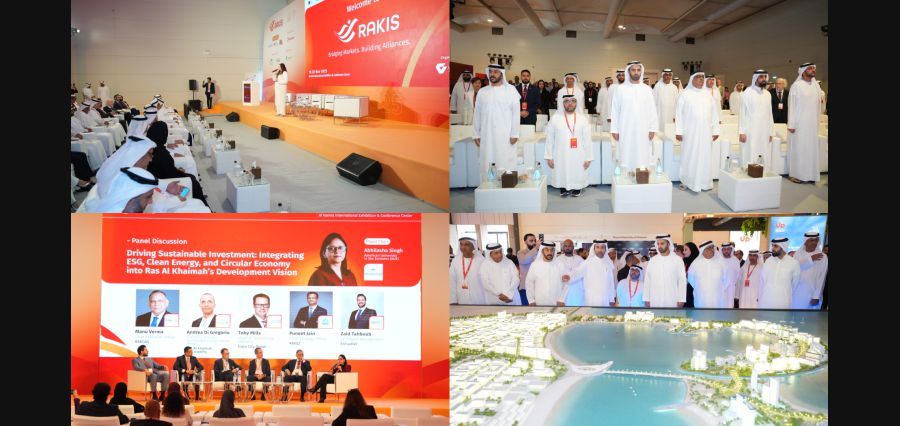
What’s Driving Investor Interest in Ras Al Khaimah? RAKIS 2025 Reveals the Momentum
How Will RAK Shape the Future of Business in the UAE? Key Takeaways from RAKIS 2025 What’s Driving Investor Confidence in RAK Today? RAKIS 2025 Offers Clear Answers What’s Powering RAK’s Rapid Economic Rise? Insights Emerge at RAKIS 2025 How Will RAK Shape the Future of Business in the UAE? Key Takeaways from RAKIS 2025 What Opportunities Are Emerging in RAK’s Fast-Growing Economy? RAKIS 2025 Brings the World to Find Out. RAKIS 2025 concludes, Highlighting What Drives Investor Confidence In Emirate Ras Al Khaimah, November 21: The Ras Al Khaimah Investment and Business Summit (RAKIS) 2025 successfully concluded at the Al Hamra International Exhibition & Conference Centre after two high-impact days of dialogue, collaboration, and dealmaking. Held under the patronage of His Highness Sheikh Saud bin Saqr Al Qasimi, UAE Supreme Council Member and Ruler of Ras Al Khaimah, the summit gathered global investors, senior government leaders, innovators, and policy experts to explore the Emirate’s expanding economic landscape and future development priorities. The summit commenced with an official walkthrough by HE Sheikh Mohammed bin Saud bin Saqr Al Qasimi, Crown Prince of Ras Al Khaimah, along with HE Mohammad Abdulrahman Alhawi, Undersecretary of the Ministry of Investment, who visited key exhibitors and engaged directly with participating companies across the show floor. Leaders Outline Strategic Priorities for a Future-Focused RAK The conference opened with keynote addresses from senior representatives of RAK Chamber, RAKEZ, Marjan, MoIAT, RAK Properties, and other leading institutions. Their insights set the stage for an agenda focused on strengthening the emirate’s role as a competitive hub for sustainable growth, industrial diversification, and investment-driven development. In-Depth Sessions Spotlight Policy, Sustainability, Real Estate and Finance Trends Throughout the first day, participants joined a series of thematic discussions outlining RAK’s near-term and long-term development priorities across policy, sustainability, real estate and finance. Speakers from MoIAT, Marjan and RAK Properties outlined how regulatory clarity and federal initiatives such as Make it in the Emirates are shaping new industrial and investment opportunities. Sustainability leaders from RAKGAS, RAK Municipality, Expo City Dubai, RAKEZ, EtihadWE and RAKNOR highlighted the emirate’s shift from long-term planning to tangible action across clean energy, ESG integration and circularity. In real estate and infrastructure, experts from EtihadWE, BNW Developments, Union Properties and Al Tamimi & Co discussed how smart development models, green infrastructure and digital-first planning are reshaping investor appetite. Meanwhile, finance and investment stakeholders including Changer, RAK ICC, RAK DAO, Khatib & Alami and the Joint Italian-Arab Chamber of Commerce explored how fintech, new capital channels and cross-border expansion are strengthening RAK’s position as a growing regional hub. Day 2 continued with high-level discussions that brought together senior government leaders, diplomats, global advisors and industry experts to map out RAK’s future economic direction. There were sessions which underscored how international partnerships, sustainability-driven policies and bilateral trade linkages are strengthening the emirate’s competitiveness. The programme also delved into the UAE’s evolving financial landscape with insights on building a secure and inclusive digital financial ecosystem, alongside forward-looking conversations on tourism, green mobility and destination development. Further discussions spotlighted how advanced technologies, regulatory enablement and industrial innovation are accelerating RAK’s transition toward a future-ready manufacturing and business environment. Exhibition Floor Sees High Participation and Interest Energy remained high across the exhibition on both days, where companies spanning real estate, utilities, infrastructure, technology, manufacturing and facilities management reported an active pipeline of enquiries. Delegates engaged in product showcases, project discussions and investment briefings, with strong interest from regional and global investors. The exhibition also hosted investor roundtables, curated networking sessions, business matchmaking meetings and dedicated partnership forums, enabling exhibitors and delegates to tap into new collaboration channels and identify potential commercial synergies. Exhibitors including BNW Developments, EtihadWE, Union Properties, Khatib & Alami, One FM and Azzurro Facilities Management drew consistent visitor traffic, with many noting the high quality of investor interactions further amplified by the Crown Prince’s walkthrough. Stakeholders Praise RAKIS 2025’s Impact The summit received strong endorsement from national entities and industry leaders. The UAE Ministry of Investment described RAKIS as a vital platform for strengthening the country’s investor ecosystem and supporting activities aligned with national economic priorities. RAK International Corporate Centre (RAK ICC) noted that the summit was “a powerful showcase of what is ahead for global investors and advisors.” AE Coin, the first Central Bank–licensed AED-pegged stablecoin, highlighted the event’s role in advancing dialogue around regulated digital finance. “The summit allowed us to connect with partners and strengthen collaborations that support the UAE’s leadership in digital finance and innovation.” Organisers Announce Three New Sector Platforms for 2026 To further deepen engagement across the emirate’s strategic sectors, Valiant Market Services announced three specialised platforms scheduled for 2026: RAK Estate – April 08–09, 2026 | RAK Exhibition Centre RAK Build – April 08–09, 2026 | RAK Exhibition Centre RAK Manufacturing Week – October 21–22, 2026 | RAK Exhibition Centre These platforms will amplify opportunities within real estate, construction, and advanced manufacturing, positioning Ras Al Khaimah as an expanding hub for sustainable, innovation-led development. Disclaimer – This article is a work of original content created for public relations and informational purposes only. It may be published across multiple digital platforms with the full knowledge and consent of the author/publisher. All images, logos, and referenced names are the property of their respective owners and used here solely for illustrative or informational purposes. Unauthorized reproduction, distribution, or modification of this article without prior written permission from the original publisher is strictly prohibited. Any resemblance to other content is purely coincidental or used under fair use policy with proper attribution.
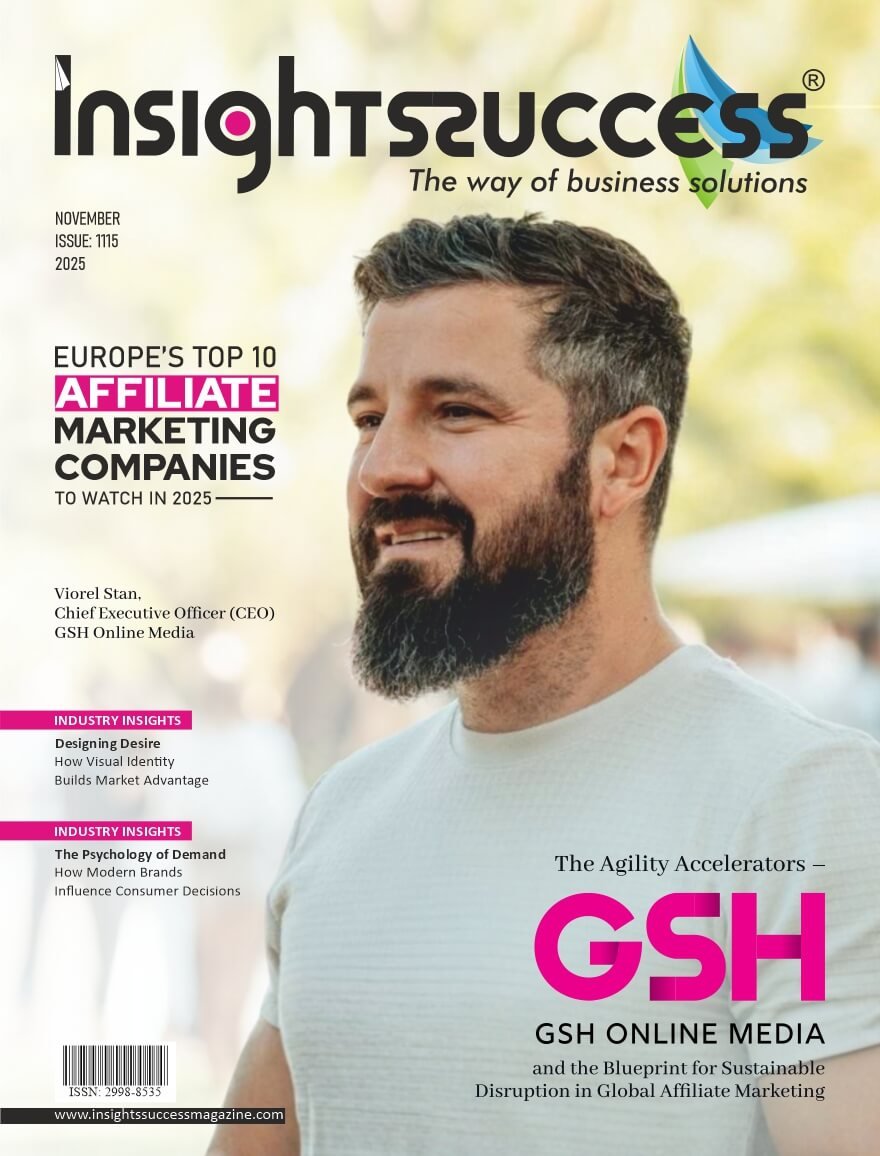
Europe’s Top 10 Affiliate Marketing Companies to Watch in 2025
Europe’s Top 10 Affiliate Marketing Companies to Watch in 2025 As digital ecosystems expand and performance-driven strategies redefine how brands scale, affiliate marketing has emerged as one of the most powerful growth engines in Europe’s modern business landscape. This edition highlights the trailblazing organizations that are pioneering new standards of innovation, transparency, and measurable impact in this fast-evolving industry. Quick highlights Quick reads

The Agility Accelerators – GSH Online Media and the Blueprint for Sustainable Disruption in Global Affiliate Marketing
The online gambling industry represents a booming, multi-billion-dollar cyclone – a digital Wild West where sites and apps can emerge overnight and vanish just as quickly. For the average consumer, it is not a chance at opportunity; it is a swirling mess of infinite promotions, mixed reviews, and confusing Terms and Conditions. The endless possibilities leave them in a spinning storm of gambling options and little more than noise instead of a trusted guide. This is the critical breach that GSH Online Media was built to conquer. The Precision Strike of Insight GSH Online Media doesn’t just navigate this torrent; it tames it. The company stepped onto the scene not as another vendor, but as the consumer’s essential tool kit and insight engine. The firm’s core mission is an audacious declaration of war against confusion: to offer a clear, accessible platform where individuals can effortlessly compare a wide array of online gambling services. The goal is simple—to find the perfect match for every user’s unique requirements, cutting through the marketing fog with precise, current information. The company is the unblinking eye, the transparent repository of knowledge, providing deep-dive critiques and side-by-side evaluations of portals, games, and special offers—all accessible at no cost. The 360° Guardian Recognized as one of Europe’s Top 10 Affiliate Marketing Companies to Watch in 2025, GSH Online Media has transformed the affiliate model into an act of consumer advocacy. Its commitment goes well beyond clicks. The company is a tireless supporter of a safe and responsible gambling space. By focusing on user education and responsible gambling practices, it is truly enhancing the online experience for players globally. GSH Online Media isn’t merely a website; it is the 360° Guardian that is concerned with continuing to raise the standard of the industry for the integrity, enjoyment, and sustainability of the Online Gambling Community. The Unrelenting Drive of the CEO Viorel Stan, Chief Executive Officer (CEO) of GSH Online Media, describes the company’s journey not as a smooth ascent, but as an “incredible ride, intense, challenging,” yet fiercely rewarding. From the early days, the effort poured into building the platform was monumental, but for Stan, the relentless pressure is the point—the commitment was, and remains, never about settling. He holds an almost palpable excitement for the future, believing the true measure of success is constant motion. “The goal has always been and will always be to keep pushing, keep improving, and keep getting better,” he asserts, cementing a culture defined by forward momentum and high ambition. Diversification: The Agility to Pivot GSH’s instrumental success as a trusted operator partner rests entirely on diversification and agility. Stan recognized that in the volatile iGaming sector, a singular focus was a liability. The strategic decision was always to “launch multiple projects, move fast, and adapt even faster,” even if it meant starting specific ventures from scratch. By staying ruthlessly focused on customer needs and continuously upgrading its technology, GSH delivered superior results. This strength—the ability to “evolve quickly and never get stuck in one direction”—became the non-negotiable trait that earned the loyalty and trust of top-tier iGaming operators. Flagship Brands: The Iceberg of Innovation Stan emphasizes that while GSH’s flagship brands, BetBrain and SlotsCalendar, clearly reflect the company’s commitment to customer empowerment, their surface presentation is just the “tip of the iceberg.” The true differentiator lies in the massive volume of “work, tech, and innovation” that operates invisibly beneath the user interface. This foundational technical superiority is what truly separates GSH from its competition and sustains its rapid trajectory. For Stan, the core objective remains simple: to “deliver the best possible experience for the customer, powered by state-of-the-art technology.” Scale, Innovation, and the Customer-First Model In the increasingly saturated European affiliate market, GSH Online Media sets itself apart by refusing to be just another listing platform. Stan explains they go “far beyond being just another affiliation website” by prioritizing unprecedented scale and user engagement. Instead of simply showcasing a few selected offers, GSH provides players with access to all the offers in the market, establishing unmatched authority. This scale is paired with deep innovation, exemplified by proprietary features designed to excite and engage. A massive success is their social tournaments, which allow players to enjoy their favorite slots, compete with friends, and win prizes—all for free. This feature alone generates “over 25 million spins every month,” demonstrating immense user loyalty. On the sports side, GSH offers a legendary odds comparison engine, a vibrant tipster community, and specialized tipster tournaments. This potent mix of “scale, innovation, and customer-first features” is what guarantees GSH Online Media its leading position in the sector. Sustainable Conversions: The Value-Driven Filter While many affiliates focus solely on the high-volume mechanics of lead delivery, Stan and GSH Online Media have strategically redefined the objective. They insist that their main priority has always been the customer experience, rejecting the short-sighted pursuit of quick conversions. “We build everything around their needs and experience,” Stan states. By rigorously prioritizing player value—providing unparalleled data, critical comparisons, and free engagement tools—GSH ensures that conversions become a natural consequence, not a forced outcome. This customer-first philosophy is the key to their long-term success. Stan affirms, “If we succeed in delivering real value to players, conversions naturally follow — and that’s exactly why our business thrives.” This ethical filtration process guarantees the operators receive leads that are not only high-quality but also sustainable in the long run, solidifying GSH’s reputation as a reliable, strategic partner. The 2025 Gambit: Gamification and White-Label Dominance GSH Online Media operates in a state of perpetual forward motion, constantly pushing the boundaries of user interaction. Viorel Stan promises a cycle of relentless product improvement, from small UX tweaks to “major innovations that change how people interact with our platforms.” The most disruptive initiative for 2025 is the roll-out of full website gamification, transforming every single user touchpoint into a fun and engaging experience. Beyond evolving the user journey, GSH is making a strategic, company-defining move into B2B infrastructure. They
How Visual Identity Builds Market Advantage
Designing Desire In a time where attention is limited and the number of options is huge, brands do not compete only through quality or price anymore. They compete through desire. And what fuels desire most of all is visual identity. To a bigger extent than logos, colors, or typography, visual identity is the emotional language that a brand uses to express its personality, its values, and its reasons for existing. It is the initial experience, the memory that lasts, and the silent persuader that eventually forms the perception long before the first word has been spoken. Such brands don’t merely bring new customers in the door, they profoundly alter consumers’ behavior, ignite their aspirations, and establish a stronger bond that makes co- presence turn into loyalty. By presenting visually, they enhance their position not by loudness but by cleverness. The Emotional Blueprint of a Brand The power of visual identity lies in the fact that it meets the human nature element, which is our tendency to recognize emotion through pictures. Every color, figure, and pattern puts forward the associated subconscious idea, which affects the way we view a brand. For example, a simple layout emanates elegance; vibrant colors show self-assurance; naturalism shapes give out the idea of being friendly and genuine. Consumers may not always actively deliberate design, but they are affected by it. And the feelings that they have determine the choices they make. Strong brand identity through visuals gives consumers/fans a feeling of knowing the brand and of trusting it; hence setting the brand as the one to meet customer expectation. When this emotional architecture is done correctly, it actually becomes the main source of brand loyalty. Standing Out in a Saturated Market In saturated markets, standing out from the crowd is no longer just an option—it is absolutely necessary. One of the most powerful means a brand has at its disposal to stand out is visual identity. By using a specific look and feel, brands can talk directly to the consumer’s subconscious and thus establish a place for themselves in the mind of the consumer that nobody else can take away or imitate. Distinctive branding generates instant recognition. Consider the examples of famous brands visual systems – from the use of minimalism in the presentation of a tech product to the loud and striking visuals of lifestyle brands. These brand identities do not only separate the brands, but they become a source of new meaning as well. A familiar visual style communicates to potential customers what the brand stands for before they meet the brand in person. Eventually, this feeling of recognition turns into a competitive advantage that is like a moat. Creating Desire Through Storytelling The visual identity is storytelling. It takes a brand’s narrative, character, and promise and communicates them through the design elements. A brand’s visual universe has the potential to stir up want by showing the lifestyle or the experience that comes with the brand. With this visual storytelling, consumers are not the only ones who see the product—they also picture themselves having it. They get the feeling of the vibe, the goal, the community. Desire comes into existence when the visual identity of a brand is the brand image or the lifestyle of the consumer. This is the point where design turns into a strategy. Desire, when the visual identity is in harmony with brand story and customer aspiration, is a consequent of this synchronization. The Future: Brands Built to Be Seen and Felt As markets change, the next generation of brands will be those that marry intention with aesthetics. This entails designing visual identities that are emotionally resonant, immersive, and adaptable. The brands of tomorrow will require the support of visual systems which, apart from being shelf-friendly, would be screen friendly to the extent that the visual identity of a brand can smoothly move from one platform to another can also be interpreted by different cultures of the world and can be ready for an entirely new digital sphere. The visual identity will still be an influential weapon in the armory. It will redefine in less than a second, create emotional anchors and build desire with the help of immersive storytelling. Designing desire should not be equated with producing decorations—rather, it should be seen as the creation of meaning. The point is to build a visual language that not only mirrors the brand personality and values but also motivates consumers to see themselves as a part of that narrative. When visual identity becomes a strategic power, it does more than just creating recognition—it creates an advantage. It makes the progression of brands from the mere entities to experiences, the experiences to emotions, and finally, the emotions to utmost, enduring loyalty. Read Also : How Modern Brands Influence Consumer Decisions

How Modern Brands Influence Consumer Decisions
The Psychology of Demand In today’s highly competitive market, product features alone do not drive demand—it depends on psychology. New-age brands realize that buyers do not only acquire products; what they really buy are the associated feelings, meaning, identity, and experiences. The companies that are the most successful are those which are capable of discovering the subconscious elements that govern human behavior and, as a result, make big emotional connections which then influence the whole decision-making process up to the point of purchase. Understanding the Mind Behind the Market Consumer decision-making can be said to be an emotional one at the core. Decision-making logic is used only to justify things already done on instinct. Contemporary brands take advantage of this fact to come up with messages, experiences, and customer journeys that really touch and connect with their audiences on a level that is beyond the obvious. Irrespective of whether it is being a member of a group, obtaining a high social rank, enjoying convenience, gaining self-confidence or being able to express oneself, brands alter consumers & apos; behavior by talking to their psychological needs behind the purchase instead of the functional need only. The Power of Emotional Triggers Emotion has the greatest power to shape demand. Brands that raise one’s curiosity, excitement, comfort, or lifestyle create a memory that lasts forever. These emotional triggers not only promote loyalty but also serve as the base of consumer preference. Emotion, thus, becomes the vehicle that links one brand to its buyer, be it through heartfelt stories or visuals that evoke desire. A product may satisfy a need, however, it is an emotional bond that actually generates demand. Identity, Aspirations, and the Desire to Belong Consumers are not just buying products, but the version of themselves that these products stand for. Contemporary brands delve into identity-driven psychology by advertising their products as an extension of not only the buyer’s lifestyle but also their personality and personal aspirations. It does not matter whether a person wants to be more innovative, healthier, make more money, or to be more confident, brands create demand by tailoring their products to these longings and aligning themselves with them. When a brand is embedded in a consumer’s identity, loyalty ceases to be a mere business interaction – it becomes emotional. Social Proof and the Influence of Others One of the major factors that affect human behavior is the conduct and opinions of other people. Today, companies utilize such a natural human tendency by placing their products or services in the spotlight through reviews, testimonials, influencer partnerships, and community-driven content. It is very common for buyers to look at the pattern of others to choose, praise, or engage with a brand and feel assured—“If others trust it, it must be right.” The social psychology behind this is the driving force behind everything from viral trends to increased purchase confidence. The use of social proof goes beyond just providing a product with a seal of approval; it actually speeds up the demand of the product with the help of the feeling of progression that is generated. Scarcity, Exclusivity, and the Fear of Missing Out Marketers use scarcity as one of their most powerful psychological weapons. By introducing the idea of a limited-time-only offer, exclusive releases, and the use of the countdown, the marketers create the feeling of urgency mainly due to the resulting fear of missing out. People tend to consider things that are in limited supply to be of higher value. Modern brands do utilize this human instinct in their marketing to get the consumers to make their decision faster. Exclusivity, on the other hand, is very effective in motivating a consumer to feel unique as individuals often hunger for products to make them feel special and not simply satisfied. Scarcity psychology is the tool that converts a passive interest into an active demand. Creating Meaningful Experiences That Influence Behavior Contemporary brands are aware that demand does not only reside in transactions but in experiences too. Hence, every interaction – whether it is through the website, packaging, customer support, or post-purchase engagement – it has a say in how customers feel about the brand. Brands that provide memorable, easy, and fun experiences increase the level of emotional connection. No matter if it is through convenience, personalization, or delight, the experience becomes equally important as the product. When the experience is significant, demand becomes consistent. The Future of Influence Technology changes, so does the psychology of demand and it becomes even more complex. Among the new marketing techniques are: AI-driven personalization, immersive experiences, predictive analytics, and emotion-based targeting. The future is to be held by those companies which will not only be able to figure out what consumers want but also understand the reason why they want it. The stronger the psychological bond is, the greater will be the demand. The Heart of Modern Marketing The psychology of demand uncovers the simplest of truths: people do not purchase products but stories, emotions, solutions, and identities. Contemporary brands kindle demand by gaining insight into the human brain, respecting the emotional needs, and providing the experiences that strike a chord. Manipulation is not Influence—it is connection. And the brands which achieve this connection not only govern the markets, but also become the cultural leaders. Read Also : Redefining Mobility: Innovative Tech Solutions Transforming Logistics

Dr. Arpit Chopra Jain Receives Prestigious Invitation to the U.S. Presidential Inaugural Ball 2025
Washington, D.C. / Mumbai, India — In a remarkable international honor, Dr. Arpit Chopra Jain, a distinguished Homeopathic physician and Medical Director of Aarogya Super Speciality Modern Homoeopathic Clinic, has been formally invited to attend the Multicultural Coalition U.S. Presidential Inaugural Ball celebrating the commencement of the 2025 U.S. Presidential Inauguration. The official invitation, issued on November 28, 2024, highlights Dr. Jain among the distinguished global guests selected to attend the grand event honoring the inauguration of President-Elect Donald J. Trump. The prestigious ceremony is scheduled to take place on January 20, 2025, at the Washington Times Building Arbor Ballroom, Washington, D.C. This recognition reflects Dr. Arpit Chopra Jain’s groundbreaking contributions to evidence-based Homeopathy, particularly his pioneering research and successful outcomes in treating complex surgical and incurable medical conditions. With over 3,000 documented patient recoveries supported by pre- and post-treatment reports, Dr. Jain has emerged as a leading face of modern homoeopathic advancement from India. The Inaugural Ball is known for bringing together eminent personalities from various fields, offering a global platform for interaction with leaders, diplomats, medical professionals, and innovators from around the world. Dr. Jain’s presence not only honors his medical achievements but also positions India’s homoeopathic research on an international stage. The invitation was extended by Dr. J. Mark Burns, Chairman of the Multicultural Coalition Inaugural Ball Committee, expressing anticipation for Dr. Jain’s presence at the historic event. His participation is viewed as a symbol of India’s growing influence in global healthcare innovation. As Dr. Arpit Chopra Jain continues his mission to present his revolutionary clinical data to the World Health Organization (WHO), this international recognition further reinforces his vision to establish the future of modern Homeopathy on a global scale Disclaimer – This article is a work of original content created for public relations and informational purposes only. It may be published across multiple digital platforms with the full knowledge and consent of the author/publisher. All images, logos, and referenced names are the property of their respective owners and used here solely for illustrative or informational purposes. Unauthorized reproduction, distribution, or modification of this article without prior written permission from the original publisher is strictly prohibited. Any resemblance to other content is purely coincidental or used under fair use policy with proper attribution. Read Also : Monreale: How Thomas Tsavdaridis Is Shaping the Future of Global Luxury Fragrance