






Cybersecurity Educator Akshay Kumar Sharma Driving Awareness in the Digital Age
As digital transformation continues to reshape everyday life, the importance of cybersecurity awareness has become increasingly critical. With cyber threats evolving rapidly, the need for accessible education and preventive awareness is gaining urgency. Addressing this challenge is Akshay Kumar Sharma, a cybersecurity educator and digital awareness specialist from Rajasthan, who is working to promote safer digital practices through education and outreach. A Purpose-Driven Journey into Cybersecurity Akshay represents a new generation of professionals driven by purpose and adaptability. His journey into cybersecurity began as a response to the rising incidence of cybercrimes affecting individuals, including phishing scams, social media fraud, and identity theft. What initially started as curiosity later developed into a mission to educate people and help protect them from digital threats. His commitment to learning is reflected in the training he has undertaken with institutions such as the Indian Institute of Technology Kanpur, along with exposure to programs associated with the Indian Institute of Technology Kharagpur and the Indian Institute of Technology Roorkee. He has also completed a Cyber Job Simulation with Deloitte, gaining insights into real-world cybersecurity challenges. Expanding Digital Awareness Through Education As a cybersecurity educator, Akshay has conducted workshops and awareness sessions aimed at simplifying complex cybersecurity concepts for a broad audience. His sessions are designed not only for technical learners but also for students, beginners, and non-technical individuals who are often more vulnerable to cyber threats. His teaching focuses on practical safety measures, including creating strong passwords, identifying suspicious links, avoiding phishing attempts, and protecting personal data online. By translating technical knowledge into accessible guidance, he works to ensure that cybersecurity awareness reaches a wider segment of society. Contributions as a Digital Educator and Writer Beyond in-person sessions, Akshay has established himself as a technical writer and digital educator. Through articles and online content, he shares insights on cyber hygiene, fraud prevention, and digital rights. His work serves as a resource for individuals navigating the complexities of the digital environment. Recognition and Early Impact Akshay’s efforts have been recognized through awards such as the Rashtriya Pratibha Puraskar and acknowledgment by the National Education Forum for his contributions to digital awareness and cybersecurity education. These recognitions reflect both his achievements and the impact of his work at an early stage in his career. A Vision for a Digitally Aware Society Akshay views cybersecurity not just as a professional field but also as a social responsibility. His objective is to contribute towards building a digitally aware India where individuals are equipped with the knowledge to protect themselves from online threats. He emphasizes that awareness is the first line of defense against cybercrime, particularly in a context where a growing number of individuals are entering the digital ecosystem without adequate understanding of security risks. His efforts aim to bridge this gap through continuous education and outreach. Future Outlook Looking ahead, Akshay aims to expand his initiatives by developing structured cybersecurity awareness programs that can be implemented across schools, colleges, and communities. He also plans to collaborate with organizations and institutions to strengthen the broader digital safety ecosystem in India. Continuing Contribution to Digital Safety Despite being at an early stage in his professional journey, Akshay Kumar Sharma has demonstrated a commitment to public awareness, combining technical knowledge with social impact. His work reflects an ongoing effort to contribute to a safer and more informed digital environment. As cyber threats continue to evolve, initiatives focused on education and awareness remain essential. His efforts highlight the role of individual contributors in shaping a more secure digital future. Read Also : From Zero Capital to Recognized Business Consultant: Siraj Izhar Emerges as One of Dubai’s Youngest Business Experts

Enabling Future-Ready Workforce Leaders
Chief People Officer Strategy Leading through change is more demanding than it has ever been. Technology, shifting workforce expectations, and increasing operational complexity have all raised the bar for what good leadership requires. The businesses navigating this shift successfully are not necessarily the largest or the most established. They are the ones who have made a deliberate commitment to developing people who can think clearly, act decisively, and bring others with them through difficult periods of change. Businesses that ignore this reality risk being left behind, while those that invest in strong leadership development put themselves in a far better position to grow and stay relevant over the long term. Enabling future-ready workforce leaders has therefore emerged as one of the most strategically significant priorities for any business serious about its future. The Evolving Mandate of People Leadership Leadership in the modern enterprise carries a far broader mandate than it once did. Where the role was once about managing performance and maintaining structure, it now involves shaping culture, growing talent, and giving people a sense of purpose beyond short-term results. The expectations on leaders have grown, and the businesses that recognise this are the ones building something that lasts. A Chief People Officer strategy that reflects this shift is no longer a secondary consideration. It is a defining feature of businesses that lead rather than follow. Businesses that are succeeding in this area are not doing so by accident. They are building deliberate, structured approaches to identifying and developing leadership capability across every level. When the CPO function is positioned as a true strategic partner rather than an administrative one, the business gains the capacity to build leadership pipelines that are resilient, diverse, and aligned with where it is heading. Establishing the Conditions for Workforce Resilience Resilient businesses are not constructed from processes and systems alone. They are built on the quality of the people within them and specifically on the ability of those people to lead through complexity, uncertainty, and change. Enabling future-ready workforce leaders requires creating the structural and cultural conditions in which that capability can be identified, nurtured, and sustained over the long term. Leadership development must be treated as a continuous and embedded practice rather than a periodic intervention. Strong leaders are shaped through real challenges, honest feedback, good mentorship, and the chance to make decisions before they feel fully ready. Businesses that wait for certainty before giving emerging leaders responsibility will consistently fall behind those that invest in them earlier. A well-constructed Chief People Officer strategy addresses each of these dimensions. It maps the leadership capabilities a business will require in the future, assesses where those capabilities currently exist, and builds structured pathways to close the gap. Crucially, it connects individual development to business strategy so that leadership growth and business growth reinforce one another in a way that can be seen and measured. People Strategy as a Structural Advantage Businesses that treat people strategy as a support function rather than a strategic priority tend to find themselves in a reactive position. Talent is managed rather than developed. Leadership gaps get filled through external recruitment rather than internal development. The cost of this adds up quickly, lost capability, weaker retention, and reduced agility, even when it never shows up on a balance sheet. Enabling future-ready workforce leaders fundamentally alters this dynamic and moves the business from a reactive stance to a position of genuine strategic strength. When leadership development is embedded into the operating rhythm of a business, the returns are sustained and compounding. Team performance improves. Decision-making at every level becomes more assured. Retention strengthens. And the business builds a reputation as an environment where professional growth is real, and career progression is meaningful, which in turn enhances its ability to attract high-caliber talent. These are the tangible outcomes of a Chief People Officer strategy genuinely anchored in long-term workforce readiness. They are not aspirational. They are measurable, and they accumulate with consistency and intent. Summary The businesses best positioned for the decade ahead are those treating investment in human capability with the same rigor and strategic discipline they apply to technology, infrastructure, and market development. Enabling future-ready workforce leaders is not a programme with a defined endpoint. It is an ongoing institutional commitment to developing the people who will carry the business forward through whatever challenges and opportunities lie ahead. A Chief People Officer strategy built on this foundation does more than produce capable individuals. It develops the capacity to grow with confidence, lead through disruption, and remain competitive in an environment that will continue to evolve. That is not simply a people agenda. It is a business imperative. Read Also : Powering Talent Transformation Strategy
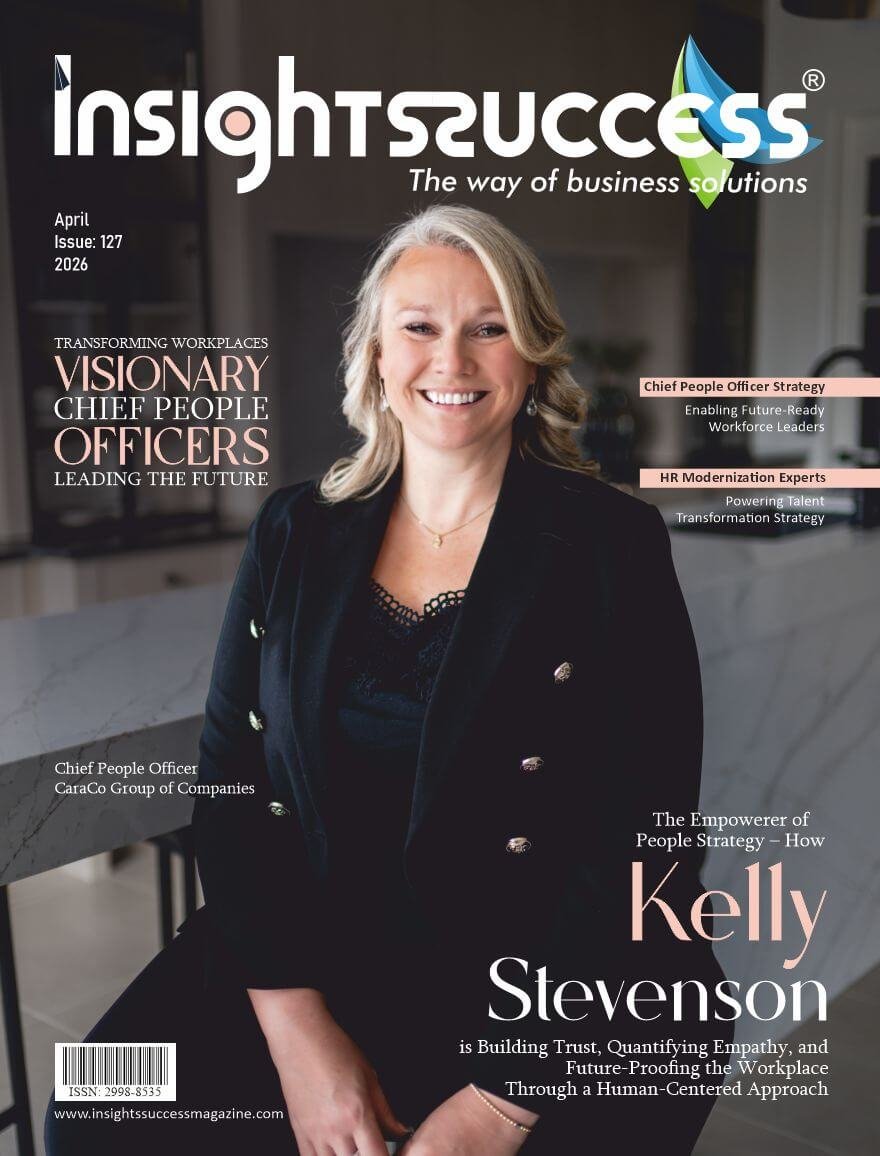
Transforming Workplaces: Visionary Chief People Officers Leading the Future
Transforming Workplaces Visionary Chief People Officers Leading the Future An insightful edition spotlighting visionary Chief People Officers redefining workplace culture, driving innovation, empowering talent, and shaping resilient, inclusive organizations prepared for the evolving future of work globally, modern today. Digital Link Quick highlights Quick reads

The Empowerer of People Strategy – How Kelly Stevenson is Building Trust, Quantifying Empathy, and Future-Proofing the Workplace Through a Human-Centered Approach
In our new era of global commerce, a balance sheet is only as good as the human spirit behind it. The most powerful leaders in today’s world are those who know talent is the ultimate strategic advantage. Further, they understand the future of work will be defined not just by technology, but by how we approach the human equation. Amidst them is a catalyst for meaningful change and a trusted voice in the industry, Kelly Stevenson, MIR, QARB, Chief People Officer at CaraCo Group of Companies. She has emerged as the ultimate architect of sustainable organizational structure, personified in the theme of transformational places of working, shaping a better future. Her distinguished career has been a masterclass in converting complex Human Resources functions into powerful, competitive business strategy. Kelly’s career exemplifies the effectiveness of a generalist equipped with specialist knowledge. With longstanding experience across Human Resources, Labor Relations (LR), and Global Strategy, she has emerged as a stern thought leader and change agent. She has a single-focused mission: to use talent and strength to provide power for one another through collaboration rather than top-down control. While Kelly broadly leads the many specialized areas of her expertise in LR, culture, engagement, education, and law cement her as a source of organizational resilience. Her enthusiasm for laying the groundwork to construct a workplace that is intentionally collaborative, inclusive, and agile is unparalleled — a workplace where employees are not simply retained, but flourish and grow. This human orientation is a direct cause and effect of her successes as a recognized Human Resource Leader, and her partnership with CaraCo creates a recipe for long term success. Kelly is a unique generalist and brings a very multi-faceted profile to her role. Not only does Kelly hold a Master’s of Industrial Relations (MIR) from Queen’s University and is a Qualified Arbitrator (QARB), but she also has a deep understanding of the human-work contract. This understanding spills into the community, where she sits as an advisor for several programs at Loyalist College and is the Kingston East representative for the City of Kingston’s Planning Advisory Committee. Kelly leads with a unique combination of strategic authority and perspective shaped by compassion and connection, which supports the CaraCo culture as a stable and competitive advantage in the market. The Foundation of Influence: Action Over Authority Kelly’s career arc was not guided by a rigid template but by a deep commitment to continuous learning and observation. Early in her journey, she dedicated herself to studying a spectrum of leadership styles—the effective, the ineffective, and everything in between—internalizing the value of quiet brilliance that is shaped by each experience and encounter. She learned that even a style contrary to her own could offer valuable insight, noting, “regardless of if I agree with a specific style of leadership, I am always open to learning from others strengths and opportunities”. Her roots in labor relations provided a trial-by-fire environment, exposing her to countless leadership failures and successes in managing people and conflicts. When she eventually stepped into senior leadership roles, she did so with a robust, people-centric foundation already established. She quickly realized that in management, the formal title is secondary to one’s conduct. For Kelly, leadership is less about hierarchy and more about authentic connection. “It’s about your actions, how you influence people, and building that trust,” she asserted. This action-oriented mindset, focused relentlessly on influence and trust-building rather than on positional authority, became the bedrock of her subsequent people strategy. The Art of Balance: Law, Process, and the Inner Self Kelly’s unique skill set is dramatically shaped by her life outside the corporate suite. She is not only an HR executive but also a qualified arbitrator, and a yoga teacher—roles that, while seemingly disparate, contributes powerfully to her holistic approach to the workplace. She recognized that HR is a largely unregulated field, making adherence to law and process essential for organizational success and differentiation. The arbitrator’s credentials intentionally cultivated her connection to “law and legal and process and judgment,” honing the precise legal acumen required to navigate the profession’s black-and-white areas. The complementary role of a yoga teacher served as her necessary balance. Kelly understands that sustained excellence is impossible without attention to “self-reflection and EQ” (Emotional Quotient). She views the two roles as intentional forces “by design,” creating a perfect equilibrium: “as a professional you need to balance and intertwine the art of your craft, and in HR this for me is creative, an art form, and the union between the two makes perfect sense to achieve this balance” This balanced perspective allows her to see people as complex human beings, not just corporate resources. Furthermore, she encourages her teams to bring all their diverse skills—whether they are a soccer coach or a Reiki master—into the workplace, believing that this diversity creates a “stronger and resilient team that leverages all multitudes of strengths.” Vulnerability: The Undervalued Asset In shaping organizational culture, Kelly leans most heavily on her personal commitment to vulnerability. She considers it “one of the most important undervalued assets that people have and can build.” For Kelly, vulnerability is not weakness; it is a profound leadership strength that fosters psychological safety, allowing teams to connect genuinely and take necessary risks. This value system was central to her decision to join the CaraCo, a decision preceded by her investigation into their culture. She was drawn in by the company’s deep-seated values—accountability, respect, commitment, and integrity—which aligned perfectly with her vision of a thriving workplace. Growing up in Kingston, she already associated the CaraCo brand with high quality and community trust. Her desire for continued personal development was equally important; she chose CaraCo partly because she knew the CEO, Gennaro DiSanto, would provide a “learning opportunities” where she could continue her own growth journey. The company’s diversified nature—spanning construction, property management, and hospitality—also appealed to her own diverse interests, creating a differentiated environment where when it comes to innovation and growth “nothing’s off the table.” Kelly adds that

Powering Talent Transformation Strategy
HR Modernization Experts Companies are always under increasing pressure to work harder, faster, and better utilizing the talent they have in place. The employees aren’t just another resource anymore; the workforce becomes the heart of the company’s growth process. Firms that can focus on their human resources properly are those that can remain ahead of the curve against their competitors. This is why developing a Talent Transformation Strategy has been one of the highest priorities for any organization out there today. Many firms find themselves using dated HR processes and systems that were not intended for the present-day challenges companies face. The reality is that the distance between what HR does today and what it will need to do tomorrow is quite far apart indeed. Closing this gap will take much more than mere intentions. That is exactly the value that HR Modernization Experts bring to the table for businesses ready to move forward. The Shifting Demands on Modern HR The nature of work has changed considerably over the past several years. There are emerging skills demands, changing employee expectations, and an increasingly competitive labor market for talent. HR practices that have traditionally focused on administrative and regulatory roles are being tasked with workforce planning, developing leaders, and shaping organizational culture. This represents a substantial change, and some organizations may not be ready for it. A Talent Transformation Strategy gives organizations a structured way to respond to these changes. It helps businesses identify the skills they currently have, the skills they will need, and the steps required to close that gap. Rather than addressing issues as they come up, a strategy helps organizations proactively build the workforce needed for tomorrow. Creating the Foundation for Change Workforce transformation is not achieved through one-off initiatives or training sessions. It must be done holistically across the entire employee lifecycle, including hiring and onboarding, performance management and leadership development. Each of these elements must be evaluated and then reformed as needed, with an eye towards the business strategy. This is where businesses can get stuck without expert support. HR Modernization Experts assist companies in establishing this foundation in an effective and efficient manner. They provide an external perspective, industry experience and a process that ensures businesses make the right moves. This ensures that a transformation is sustainable and delivers an impact on the business. Better Tools for Better HR Technology is fundamental to the operation of today’s HR. Hiring, training, engagement, and productivity tools, like applicant tracking and workforce analytics, enable HR to make quicker and better decisions. Technology is never an afterthought in a well-supported Talent Transformation Strategy because the right tools are crucial for enabling HR to do its job. HR Modernization Experts are crucial in helping organizations navigate this space. They evaluate existing systems and identify areas of need, and recommend systems that support the HR strategy and business goals. More significantly, they make sure that the technology is effectively implemented and used in a way that enhances the day-to-day operations of the HR function. Keeping Transformation on Track Perhaps the most ignored element of a transformation project is measurement. Without the right measurement, it is hard to determine whether a Talent Transformation Strategy is achieving its objectives. Companies must set their sights early in the transformation process and measure progress against these metrics along the way. HR Modernization Experts work with organizations to define relevant performance metrics and establish reporting structures to keep management engaged and involved. Periodic reviews help businesses make adjustments as needed and build on their successes. This focus on measuring and tracking is what distinguishes companies that drive and maintain change from those that lose momentum when the initial change management effort wears off. Conclusion: Strategy Meets Competitive Advantage An effective Talent Transformation Strategy optimizes HR operations, but it also optimizes the company. It embeds the company’s competitive advantage. When people are managed well, developed consistently, and supported by modern systems and processes, the business becomes more capable, more agile, and more competitive. The investment in transformation pays dividends across every function and every level of the company. Working with experienced HR Modernization Experts gives organizations the knowledge and structure needed to make that transformation real and lasting. The companies that commit to this work today are the ones that will be best positioned to grow, lead, and succeed in the years ahead. The time to act is now. Read Also : Smart Infrastructure Development Africa Shaping the Future of Urban Growth
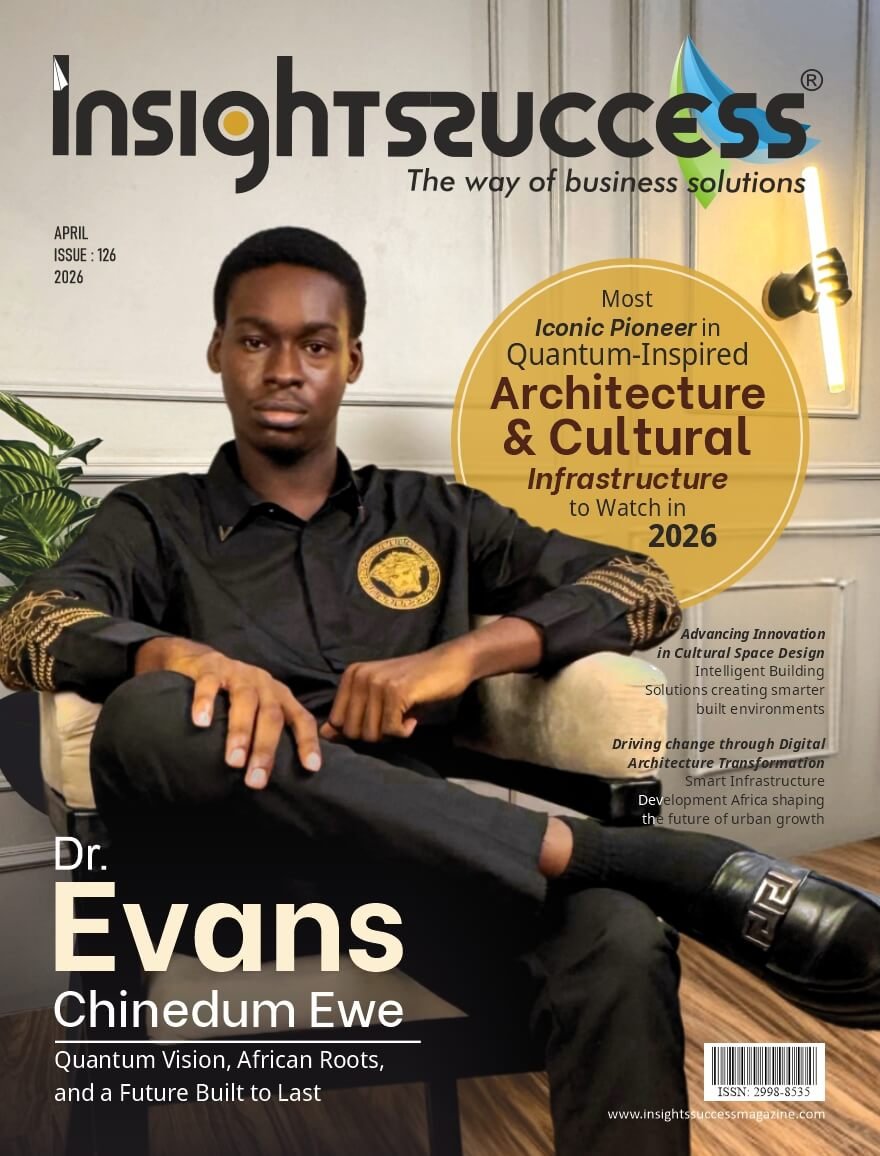
Most Iconic Pioneer in Quantum-Inspired Architecture & Cultural Infrastructure To Watch In 2026
Most Iconic Pioneer in Quantum-Inspired Architecture & Cultural Infrastructure To Watch In 2026 This edition celebrates a visionary redefining the intersection of advanced science and design, blending quantum-inspired thinking with cultural infrastructure. It highlights groundbreaking approaches that transform spaces into intelligent, adaptive environments, setting new benchmarks for innovation, sustainability, and human-centric architecture poised to influence global design narratives in 2026 and beyond. Digital Link Quick highlights Quick reads

Dr. Evans Chinedum Ewe: Quantum Vision, African Roots, and a Future Built to Last
The next revolution in architecture will not come from where most people expect it. It will not emerge purely from the glass towers of established capitals or the research labs of institutions that have long defined the field. It will come from thinkers who carry a different inheritance, a deeper relationship with community, climate, culture, and the human need for spaces that do not simply contain life but actively support it. It will come from pioneers who ask not only how to build smarter but how to build with meaning, not only how to design for efficiency but how to design for dignity. In 2026, Dr. Evans Chinedum Ewe stands as one of the most iconic figures at that frontier. As a quantum-inspired architect, author, and multi-award winning global leader, he is developing a body of work that redefines what infrastructure can be, buildings that sense and respond like living organisms through AfaSense, learning environments that bring imagination into physical space through Intersense, and cultural platforms through Art In Heart Gallery ltd. that position African creativity at the centre of the global conversation. His is not a vision borrowed from elsewhere. It is entirely, deliberately, and powerfully his own. By ‘quantum-inspired,’ Dr. Evans refers to a way of thinking that sees reality as interconnected, adaptive, and influenced by observation, possibility, and relationships rather than isolated systems. A Creator Before a Leader The journey that brought Dr. Evans to the forefront of quantum-inspired architecture and cultural infrastructure did not begin in a boardroom or a lecture hall. It began with a question that has followed him throughout his life: how do ideas influence the future of societies? From his earliest interests in art, culture, technology, and philosophy, he was drawn to the observation that every great civilisation is first built in the imagination before it is built. That realisation did not simply inform his thinking. It became the architecture of his entire career. He began as a creator long before he became a business leader, and that sequence matters. It means his approach to leadership is rooted in the understanding that creativity is not separate from business. Creativity is the engine of business. The people who shape industries are those who can see what does not yet exist and then organise people, systems, and resources around that vision. “I became interested in leadership because I saw many important African ideas, inventions, and cultural perspectives remain unrealized simply because there was no structure to carry them into the world,” says Dr. Evans. That observation became the driving force behind everything he has built since. Not the desire for status, but the desire to create systems that outlive him. Through Art In Heart Gallery ltd., he set out to prove that art is not merely decoration but a force capable of shaping identity, inspiring people, and influencing how societies think. Through AfaSense, he began exploring how African-centered technology and intelligent infrastructure could redefine safety, sustainability, and the very future of buildings. The Architect of Possibilities AfaSense represents perhaps the most ambitious expression of that vision. Inspired by the way the human nervous system senses, regulates, and defends the body, AfaSense explores the concept of buildings that can sense, respond, protect, and communicate. A working model has been developed at Advanxis Technology Ltd. in Port Harcourt, Nigeria, marking a significant milestone in translating this bold concept from vision into tangible reality. It is a vision of intelligent architecture that does not simply stand in space but actively serves the people within it, monitoring conditions, enhancing security, and adapting to human needs in real time. The technology is further distinguished by its capacity to operate in Nigerian local languages including Igbo, Hausa, and Yoruba, as well as other African languages, ensuring that the future of intelligent infrastructure speaks to the people it is built for. AfaSense represents perhaps the most ambitious expression of that vision. Inspired by the way the human nervous system senses, regulates, and defends the body, AfaSense explores the concept of buildings that can sense, respond, protect, and communicate. It is a vision of intelligent architecture that does not simply stand in space but actively serves the people within it, monitoring conditions, enhancing security, and adapting to human needs in real time. The technology is further distinguished by its capacity to operate in Nigerian local languages including Igbo, Hausa, and Yoruba, as well as other African languages, ensuring that the future of intelligent infrastructure speaks to the people it is built for. Dr. Evans asserts, “I am interested in how technology can serve humanity rather than dominate it. The future of infrastructure is not just about stronger buildings, but about buildings that can sense, respond, protect, and communicate.” Alongside AfaSense, he is developing Intersense, a concept that seeks to redefine the traditional model of learning. Where the internet enabled the sharing of thoughts and knowledge, Intersense is designed to enable the sharing of imagination itself, bringing ideas alive through augmented reality and moving the classroom from a century-old factory model toward something more personalised and experiential for every learner. And through Art In Heart, he has pioneered a practice of growing crops with specific sound frequencies as a way of inspiring Africans to see farming not as labour but as a creative, purposeful, and joyful relationship with the land. Three Principles That Guide Every Decision When asked about the leadership principles that guide his decision-making, Dr. Evans identifies three without hesitation: vision, integrity, and purpose. Vision, he argues, requires the courage to imagine a future that others may not yet understand. If an idea is immediately accepted by everyone, it is probably not visionary enough. Leadership means staying committed to a meaningful vision even before the world fully recognises its value. He adds, “If an idea is immediately accepted by everyone, it is probably not visionary enough.” Integrity, in his view, is the most important currency a leader carries. No amount of intelligence or talent can replace honesty, consistency, and authenticity.

Smart Infrastructure Development Africa Shaping the Future of Urban Growth
Driving Change Through Digital Architecture Transformation Every year, millions of people move to cities in Africa which have become one of the fastest urbanizing areas in the world. The area experiences rapid expansion, which leads to significant challenges but also opens up extraordinary opportunities for development. Efficient urban environments for all people in African cities depend on intelligent infrastructure systems development through technological progress, sustainable development, and innovative solutions. The 21st-century experience of urban development on the continent undergoes transformation through the combined efforts of governments and investors and local communities. Understanding Smart Infrastructure Development Africa in a Rapidly Urbanizing Landscape Urban expansion across Africa is unavoidable. The urban development process without proper strategic planning results in excessive population growth, together with resource shortages and insufficient public facilities. Smart infrastructure development in Africa needs to become essential because of this situation. The system develops operational improvements through digital technology that integrates into all physical infrastructure elements, including transport systems, energy grids, water management systems, and communication networks. Advanced technology forms the foundation of smart infrastructure, but organizations use it to create solutions for actual problems. Intelligent traffic systems enable cities to maintain order during high traffic periods because they effectively manage vehicle flow. The implementation of data-driven solutions together with infrastructure development enables African cities to create intelligent adaptive systems that surpass conventional development methods. The Role of Technology in Driving Smart Infrastructure Development Africa The modern infrastructure system depends entirely on current technological developments. African nations use mobile networks together with digital technological progress to change their industrial sectors which leads to new methods of designing their cities. African cities achieve better operational results through smart infrastructure development which combines Internet of Things (IoT) devices with artificial intelligence and data analytics technologies. Smart grids create better energy distribution systems through their ability to decrease power outages and their capacity to improve energy consumption patterns. Digital platforms for public transportation systems create better system reliability while making these systems more accessible to users. The complete waste management system transformation mission uses sensor-based systems which optimize waste collection routes through route optimization and environmental impact reduction. The infrastructure gaps that have obstructed African development require these specific technological improvements. Smart solutions enable the continent to create modern cities that need advanced development methods that do not depend on traditional systems. Sustainability at the Core of Smart Infrastructure Development Africa People must fulfill sustainability requirements, which essentially make up their obligations. The entire continent faces urgent threats from climate change, resource depletion, and environmental destruction. The African continent achieves its sustainable development goals through smart infrastructure development, which centers on environmental protection. Renewable energy projects now drive urban development through the implementation of solar and wind farm systems. Green buildings, which use energy-efficient architectural designs, achieve two goals by decreasing their carbon emissions and decreasing their operational expenses. Cities can achieve better resource management through water recycling systems and sustainable drainage solutions, which enable them to operate their resources more effectively. Africa possesses a distinctive advantage because it can implement sustainability practices from its basic level. The cities in Africa can develop their infrastructure systems with integrated environmental protection measures, while developed regions must adapt existing systems. The organization establishes a sustainable framework that supports enduring environmental resilience and meets worldwide sustainability requirements. Economic Growth and Opportunities Through Smart Infrastructure Development Africa The process of intelligent infrastructure system investment leads to improved urban development, which functions as a vital component for promoting economic growth. African nations achieve their development goals through smart infrastructure projects, which create employment opportunities, draw international investors, and drive technological progress. The execution of infrastructure projects requires expertise from multiple fields, which include engineering and construction, data science, and urban planning. The program offers local talent development through its skill-building initiatives. The improved infrastructure systems attract more businesses to urban areas, which results in increased trade and economic development. The establishment of smart cities enables the creation of innovation centers which assist startups and entrepreneurs who use technology to address community problems. The combination of growth and creative activities establishes Africa as an important participant in worldwide economic activities. Challenges Facing Smart Infrastructure Development Africa Smart infrastructure development faces various obstacles that prevent its successful implementation. The funding requirements for large-scale projects create a substantial obstacle that needs to be overcome. The existing regulatory frameworks, together with governance systems, require development to create environments that allow for innovative progress to occur. The main obstacle that needs to be addressed involves creating systems that accommodate all people. All citizens of Africa should benefit from smart infrastructure development, which must proceed to solve their needs. The solution requires two steps, which include closing digital gaps and increasing technological availability while building systems that protect rural and underserved areas from digital exclusion. Organizations must devote their primary resources toward improving their organizational capabilities. Smart infrastructure development requires experts who can manage complex technical systems to operate their advanced systems. Environmental protection efforts must receive direct support from educational training programs, which serve as sustainable development pathways for upcoming generations. The Future of Smart Infrastructure Development Africa African countries are preparing to construct smart infrastructure, which will create new opportunities while producing transformative effects. Cities will benefit from technological advancements, which will improve their operational performance and strengthen their relationship with residents. Different stakeholder organizations need to work together to achieve success in this project. The three sectors of government, private industry, and international organizations need to collaborate for effective knowledge and resource sharing alongside the establishment of best practices. The fast adoption of smart solutions will benefit from public-private partnerships, which serve as effective implementation mechanisms. Community participation will serve as the fundamental element for success. Infrastructure development requires system construction but also needs to identify and meet user requirements. Citizens who actively participate in planning activities will help cities create solutions that foster inclusivity and sustainability. Read Also : Intelligent Building Solutions Creating Smarter Built Environments

Intelligent Building Solutions Creating Smarter Built Environments
Advancing Innovation in Cultural Space Design The process of designing, building, and operating buildings has reached a major turning point. The growing need for environmentally friendly solutions, together with urban population expansion, requires advanced smart infrastructure systems. The implementation of intelligent building solutions functions as the primary catalyst for the transformation because these solutions integrate technological components with data management systems and user-centered design to create adaptable spaces that fulfill multiple purposes. Understanding Intelligent Building Solutions in Modern Infrastructure The smart building solutions combine modern building technologies through which buildings use Internet of Things devices and artificial intelligence analytics and automated systems, and advanced sensors to optimize their operations. The systems enable buildings to perform intelligent operations, which enable them to assess their current state and optimize their functions throughout the day. Intelligent buildings differ from standard buildings because they operate with dynamic systems, which allow them to gather operational data and analyze it for better energy efficiency, occupant satisfaction, and operational efficiency. Current infrastructure systems achieve higher operational effectiveness through automated building systems, which control lighting and climate, and through predictive maintenance systems. The Role of Intelligent Building Solutions in Energy Efficiency The built environment faces its biggest challenge from energy consumption problems, which need to be addressed. The world needs to build efficiency as buildings consume a major portion of global energy resources. Intelligent building solutions create their most important impact in this particular area. Smart energy management systems track energy usage in real time and use this information to control lighting and heating, ventilation, and air conditioning systems. For instance, sensors detect occupancy levels, which allow them to decrease energy consumption in spaces that people do not occupy. Machine learning algorithms improve system performance through their time-based learning process, which requires little resources for continuous system development. Intelligent buildings deliver two main benefits through their operations, which include lower operational expenses and a significant reduction in carbon emissions. Enhancing Occupant Experience Through Intelligent Building Solutions The intelligent building solutions provide more benefits to building occupants than their efficiency improvements. The modern occupants of space require three fundamental needs which intelligent systems provide through their features. The user enters an office space which automatically adjusts its lighting to match their personal preferences and establishes their desired temperature while reserving meeting rooms according to their scheduled activities. The combination of smart access systems and indoor air quality sensors protects building security while creating safer spaces for people to work. The features create two benefits for users, which include enhanced satisfaction and improved productivity but also create an essential advantage for residential and commercial spaces. Intelligent Building Solutions and Predictive Maintenance The existing maintenance system responds to problems only after the problems have become visible to technicians. Intelligent building solutions now enable building operators to move from reactive maintenance practices to predictive maintenance techniques. Building systems use connected sensors and data analytics to identify anomalies that will develop into major system failures. A smart HVAC system uses its capabilities to discover operational problems and equipment failures, and it automatically notifies maintenance personnel before these issues occur. The approach decreases equipment shutdowns while lowering expenses for repairs, and it increases the duration of equipment functionality. Predictive maintenance enables building operations to function at maximum efficiency while it protects against interruptions that would affect both building occupants and business activities. Driving Sustainability with Intelligent Building Solutions Sustainability has become an essential requirement that society must fulfill. The three groups, which include governments and organizations, and individual people, work together to reduce their environmental impact through intelligent building solutions, which provide them with effective methods to achieve their sustainability goals. The systems support environmental sustainability efforts by their ability to decrease resource consumption while connecting renewable energy systems and providing advanced waste management solutions. Water conservation systems enable monitoring of usage patterns, which leads to immediate detection of leaks. Smart grids enable buildings to connect with energy networks, which helps them maintain better control over energy supply and demand requirements. Intelligent buildings achieve sustainable development through their use of technology, which creates a more environmentally friendly future. The Future of Intelligent Building Solutions in Smart Cities Cities will develop into interconnected ecosystems through the implementation of advanced building technologies which will create their urban environments. The building system will operate as part of smart city networks that require complete building integration. The combined building data will support better urban planning and traffic management and energy distribution functions. Intelligent systems use their capabilities to manage transportation networks in order to achieve optimal commuting patterns and to control energy use during peak times. The implementation of smart city frameworks at building sites will result in urban areas that achieve better operational efficiency and increased quality of life and environmental sustainability through invisible technological systems that improve daily activities. Read Also : Resilient IT Infrastructure for a Digital-First Era

Maharashtra Excellence Awards 2026 Set to Honor Top Entrepreneurs and Industry Leaders at a Premier Industry Awards Event in Pune
The stage is set for one of the most anticipated top industry awards events in Pune as the Maharashtra Excellence Awards 2026 is officially announced to take place on 1st May 2026 at the prestigious Radisson Blu Hotel, Kharadi, Pune. Bringing together an elite gathering of entrepreneurs, corporate leaders, innovators, and policymakers, the event is poised to celebrate excellence, leadership, and transformative impact across industries. Organized under the Insights Excellence Awards platform, the ceremony is designed as a high-impact recognition platform that will honor individuals and organizations contributing significantly to Maharashtra’s economic and industrial growth. The event is expected to attract participation from across India, positioning it as a nationally significant business gathering. A Landmark Industry Recognition Platform Widely regarded as a top industry awards event in Pune, the Maharashtra Excellence Awards 2026 aims to recognize visionaries who have demonstrated innovation, resilience, and measurable business success. The awards will spotlight leaders who are shaping industries, driving employment, and contributing to sustainable economic development. The ceremony will be graced by acclaimed actress Pooja Sawant as the Chief Guest, adding cultural prominence and public appeal to the occasion. As one of the most prominent business recognition platforms in the region, the event will feature a curated evening of keynote addresses, award presentations, and high-level networking opportunities. Celebrating Excellence Across Key Sectors The Maharashtra Excellence Awards 2026 will honor outstanding achievements across a wide spectrum of industries, including: Technology and Digital Transformation Banking, Finance, and FinTech Healthcare and Pharmaceuticals Manufacturing and Infrastructure Education and EdTech Hospitality and Tourism Startups and Entrepreneurship Sustainability and Social Impact By recognizing excellence across these diverse sectors, the ceremony reinforces its position as a top industry awards event in Pune, showcasing the state’s dynamic business ecosystem and its contribution to India’s growth story. Strengthening Maharashtra’s Business Ecosystem Maharashtra has long been a driving force in India’s economic landscape, leading in sectors such as manufacturing, finance, technology, and services. Events like this play a vital role in highlighting the achievements of individuals and organizations that continue to push boundaries and set new benchmarks for excellence. As a top industry awards event in Pune, the platform not only celebrates success but also fosters collaboration, innovation, and knowledge exchange among industry stakeholders. The event is expected to host CXOs, startup founders, investors, and policymakers, creating a powerful environment for networking and strategic partnerships. Backed by Credibility and Industry Insight The Maharashtra Excellence Awards 2026 is backed by the strong legacy of Insights Excellence Awards, an initiative that recognizes businesses and leaders for their innovation, leadership, and measurable impact across industries. With a structured evaluation process and a focus on merit-driven recognition, the awards maintain high standards of credibility and transparency. This rigorous approach further strengthens its standing as a trusted and influential top industry awards event in Pune. Driving National-Level Impact Beyond regional recognition, the Maharashtra Excellence Awards 2026 is positioned as a platform of national importance. By bringing together leaders from diverse sectors, the event aims to inspire future-ready enterprises, encourage innovation, and contribute to India’s broader economic vision. As one of the most anticipated business events of the year, the event is expected to amplify the voices of changemakers and set new standards for leadership excellence across the country. About the Organizer Insights Success Media is a globally recognized business media platform committed to showcasing influential leaders, innovative enterprises, and transformative business stories. Through its publications, awards, and events, the organization continues to build platforms that celebrate excellence and drive meaningful industry conversations. Disclaimer – This article is a work of original content created for public relations and informational purposes only. It may be published across multiple digital platforms with the full knowledge and consent of the author/publisher. All images, logos, and referenced names are the property of their respective owners and used here solely for illustrative or informational purposes. Unauthorized reproduction, distribution, or modification of this article without prior written permission from the original publisher is strictly prohibited. Any resemblance to other content is purely coincidental or used under fair use policy with proper attribution. Read Also: Riyadh Prepares to Host Global Excellence & Leadership Awards 2026, Recognizing Top Business Leaders