






Developing Global Brand Strategy Leadership Through Data-Driven Decision Making
Metrics Matter Organizations need their leaders to handle all types of challenges while their international business operations expand. The main force driving this transformation is the combination of worldwide brand strategic leadership and data-based decision-making. Current leaders now use data analytics The new way for leaders to build cross-cultural brands involves using data as a strategic resource that helps organizations grow their business while adapting to changing market conditions. The combination of leadership and analytics creates a new framework to develop and implement international brand strategies. Understanding Global Brand Strategy Leadership in a Data-Driven Era Global brand strategy leadership requires professionals to establish a unified international brand identity while enabling local markets to maintain their respective brand identities. Professionals working in this area need to maintain brand consistency while developing specific brand messages that meet different audience’s needs without losing their fundamental brand identity. The achievement of this equilibrium depends on data which functions as the vital component for organizational success. Leaders can establish effective global brand positions through their research on consumer behavior and market trends and cultural differences. The organization develops growth initiatives which adapt to various local conditions through this method which reduces uncertainty. How Data Empowers Global Brand Strategy Leadership The system provides worldwide brand strategy guidance through its explicit instructions which assist organizations in handling complex market challenges. Organizations that implement advanced analytics tools enable their leaders to access information which traditional analysis methods did not provide. Businesses use customer data to monitor customer preferences and purchasing patterns and customer interactions across various business sectors. Brands develop customized messages which express their brand identity through this method. Market intelligence data provides information about upcoming market opportunities and potential market threats which help leaders sustain their competitive edge. Data functions as the primary resource which drives all innovative activities. Leaders who comprehend both successful strategies and unsuccessful strategies should assess new methods while implementing existing successful programs. Global businesses require this capacity because their customer base constantly modifies its preferences. Building a Culture of Global Brand Strategy Leadership Through Analytics Various leaders must implement global brand strategies because brand management should become an essential part of organizational culture. The leaders need to create a data-driven environment which unites their marketing staff with their analytics team and their strategic planning group. The process starts with making everything accessible. The team members need to access pertinent information together with tools which enable them to analyze that information. Training and upskilling are equally important, ensuring that employees can translate data into actionable insights. The process requires transparency because it serves as the essential element that underpins all operations. The leaders develop trust with their teams through open data sharing which creates alignment between team members who work toward shared objectives. The entire organization from top executives to entry-level workers knows how their work contributes to the overall brand strategy. Organizations which develop a culture that treats data as a vital asset will create decision-making processes which use data insights to guide their actions while sharing responsibility for building innovations. Challenges in Global Brand Strategy Leadership and Data Integration The implementation of data into worldwide brand management systems progresses through several obstacles despite its ability to create major benefits for companies. The primary obstacle which organizations must solve involves data fragmentation problems. Organizations which operate in multiple markets encounter challenges when they attempt to combine their various operational data. The organization must overcome another challenge because it needs to keep its data accurate and current. The leaders must separate important insights from unimportant data which lets them track brand performance through relevant metrics. Data users who depend too much on information without understanding the context will not comprehend the data correctly which leads to poor strategic decisions. The Future of Global Brand Strategy Leadership in a Data-First World The evolution of technological developments will lead to a stronger link between data and successful global brand management during the upcoming years. Brands use artificial intelligence and machine learning together with predictive analytics to create their strategies which help them predict consumer behavior and react to market fluctuations. The upcoming generation of leaders will require skills in strategic thinking together with proficiency in data analysis. Brand leaders need to develop skills for handling complicated data sets while they work toward achieving a unified brand vision. The ability to handle multiple responsibilities will create the essential leadership quality required for future leaders. Personalization will become even more critical. The consumers expect brands to deliver personalized experiences based on their specific preferences. Data-driven strategies will enable leaders to meet these expectations on a scale, creating deeper connections with audiences worldwide. The future will depend on sustainability and ethical issues. Brand leaders will use data analysis to make responsible decisions which will enable them to create brand strategies that reflect both societal values and environmental sustainability targets. Strengthening Global Brand Strategy Leadership Through Continuous Learning The path to achieving successful global brand strategy leadership requires continuous progress. Leaders need to adapt their strategies through ongoing data analysis which leads to their operational improvements as markets change. The process requires organizations to track industry developments while adopting advanced technologies and collecting input from all relevant parties. Leaders who dedicate themselves to continuous learning acquire superior skills for navigating unpredictable situations while developing new ideas. The process of mentorship and working together with others has an important impact on organizations. Leaders who exchange their knowledge and experiences create stronger professional relationships which result in more effective organizational strategies. The group knowledge helps organizations to make better decisions which leads to their achievement of sustained success. Read Also : Redefining Top Semiconductor Manufacturers

5 Predictions from a Strategic Brand Development Expert on the Future of Brand Identity
Beyond Logos The current marketplace environment experiences rapid changes which emerge from technological advancements and evolving consumer preferences and worldwide interconnectedness. Brand identity now requires businesses to establish an identity that extends beyond their logos and color schemes and their promotional catchphrases. The brand identity of a business needs to establish complete harmony between its public statements and its actual business operations according to future brand development requirements. The five upcoming predictions show the ways brand identity will change throughout the next few years. Strategic Brand Development Will Prioritize Purpose Over Promotion People today possess greater knowledge and understanding of their values than in any previous time period. People make purchases to support brands which share their personal values. Strategic brand development will shift its focus from aggressive marketing efforts to authentic brand purposes. Businesses must explain their fundamental purpose which extends beyond generating profits. Organizations will establish their identity through their established purpose which defines their dedication to sustainable practices and inclusive policies and socially responsible initiatives. Companies that fail to demonstrate genuine commitment will struggle to build long-term trust. The shift is simple but powerful: brands will no longer ask, “How do we sell?” but rather, “Why should people care?” This change will transform the ways people create messages and stories and build their organizational culture. Strategic Brand Development Will Be Driven by Personalization at Scale The standardized brand identification methods have reached their final point of usage. Today’s consumers expect brands to identify their specific needs and respond accordingly to their established behavior patterns and their personal goals. Companies now use technological innovation together with data-driven insights to create personalized brand experiences which serve as their main strategic direction. The current shift represents more than just targeted advertising since it establishes brand identities which adapt to the evolving needs of consumers. Brands work to develop stronger connections with their audiences through personalized product recommendations and tailored content delivery systems. The organizations need to execute their strategies exactly because they must develop personalized customer experiences. Organizations need to reveal their methods of gathering customer data and their procedures for using that data while they implement security measures to protect customer information. The brands that achieve successful personalization together with customer trust will emerge as the leaders in a market where competition thrives. Strategic Brand Development Will Integrate Human and Digital Experiences Seamlessly As digital ecosystems expand, the line between physical and virtual brand experiences will blur. The future of strategic brand development requires businesses to create unified brand identities which operate consistently across all customer interaction points. The brand identity needs to maintain consistency across all customer touchpoints which include the website and mobile app and social media and in-store experience. The development of these interactive experiences will rely on AI and augmented reality and immersive platforms as essential technologies. Human interaction will maintain its critical role in all technological progress. Brands that combine digital efficiency with genuine human connection will create stronger emotional bonds with their audiences. Strategic Brand Development Will Embrace Dynamic and Evolving Identities The concept of static branding has entered its final stage of existence. Future brand identities will display greater flexibility than present-day identities which follow established patterns. The strategic brand development process will create adaptable identity systems which preserve their fundamental identity throughout their development. This requires logos which change according to different situations, messages which develop according to audience emotional changes, and visual identities which adapt to societal transformation. Brands must maintain their current market presence while they continue to follow their fundamental operational principles. Brand identity functions as an ongoing dialogue that develops through time. The organization requires a system for continuous development which includes active listening and adjustment processes. The organizations which adopt this adaptable methodology will develop strength to handle all situations which come their way. Strategic Brand Development Will Be Rooted in Authentic Storytelling Every strong brand is built on its powerful core story. The upcoming brand development work will focus more on creating real and relatable stories that connect with people through their emotions. Consumers are drawn to narratives that reflect genuine experiences, struggles, and successes. The use of highly refined or exaggerated messages will result in lost credibility. Brands must demonstrate their transparent business operations together with their vulnerable moments and actual business operations. Storytelling will evolve into an interactive experience. The brand story will develop through contributions from customers and employees and members of the community. Identity construction will center around user-generated content and testimonials and actual life experiences. The Road Ahead: A More Human-Centered Brand Identity The future of brand identity needs to establish real connections with people not to achieve better visibility. The predictions show that strategic brand development will adopt a human-centered approach in which empathy and authenticity and adaptability lead the process. Brands need to improve their active listening skills while they execute their plans and maintain their core principles. The organizations that succeed will understand that branding needs continuous work because branding needs continuous effort to build their brand identity. The brands that succeed in an environment where consumers can choose from countless options will be the ones that create authentic connections with their audience. The solution requires authentic representation which maintains essential aspects while establishing powerful connections to its target audience. Read Also : Developing Global Brand Strategy Leadership Through Data-Driven Decision Making

Cultural Gravity: How Emma Kendrick Cox Turns Subcultures into Brand Empires
Most marketing departments are built to avoid mistakes. They run ideas through layers of approval, sand down the edges of anything that feels too bold and optimize relentlessly for the comfort of the committee rather than the attention of the consumer. The result is a world saturated with campaigns that are technically competent, strategically defensible, and completely forgettable. Emma Kendrick Cox built her entire career in direct opposition to that model. As Global Marketing Director at Mack Brands in Cape Town, she operates on a simple conviction: if your work is not making someone uncomfortable, it is not working. That conviction did not arrive in a classroom or a strategy session. It was inherited. Raised by entrepreneurs who treated disruption not as a buzzword but as a daily operating condition, Emma grew up watching her parents build things from nothing with the kind of stubborn, visionary energy that most people only read about. They were dreamers and doers in equal measure, radically hardworking, and sharp enough to know that playing it safe is simply a slower route to irrelevance. Emma absorbed all of it. By the time she walked into her first boardroom, she was not looking for a seat at the table. She was looking to change the conversation happening around it. Today, she leads what she describes as a high-velocity hunting unit, a team built for speed, cultural precision, and the kind of creative ambition that leaves the competition still deciding what to say. From Gut Instinct to Global Strategy Her career has not followed a straight line, and that is precisely the point. She has moved across creative disciplines, consultancy environments, and brand ecosystems, accumulating something that traditional career progression rarely delivers: genuine breadth. What has remained constant across every role is her refusal to settle for the safe option. She built her reputation on bridging high-concept creative thinking with aggressive commercial growth and doing it with a consistency that only comes from deep conviction. Moving through consultancy into in-house leadership at Mack Brands sharpened that instinct considerably. The shift from advising brands to building one from the inside, with full accountability for outcomes, is a different kind of pressure entirely. Emma stepped into it without hesitation, and it is where her thinking has crystallized most clearly. She operates in a space where gut feel is not a fallback position but a primary instrument, one she has spent years calibrating. She says, “When the data is still catching up, I trust my intuition to navigate the noise.” The Psychology of Subcultural Infiltration “My passion isn’t for advertising or building a perfect brand bible. It’s for the psychological game of bypassing consumer cynicism,” Emma says, and that single line dismantles the conventional understanding of what a marketing leader is supposed to care about. Ask her what drives her passion for marketing, and she will not mention campaigns, KPIs, or brand guidelines. She will talk about psychology. Specifically, the art of infiltrating a subculture is so effective that a brand becomes an organic part of its identity. Not an advertiser sitting alongside the community, but a genuine participant within it. This distinction sits at the heart of everything she builds, and it is what separates her work from the mass-market saturation that most brands continue to rely on out of habit rather than evidence. The mechanics of that approach are deliberately demanding. Emma leads her teams with utter intentionality, pushing them beyond the vanity of broad reach and into the discipline of deep, high-value engagement. Regions, she argues, are just borders. The subcultures are global. Whether she is looking at Cape Town, New York, or London, she is always searching for intellectual disruptors in that space. The people who set cultural direction before the mainstream even notice it is moving. Finding them, earning their trust, and building an authentic brand presence within their world is where the real competitive advantage lives. Cultural Gravity and the Measure of Real Growth In most organizations, growth is measured in revenue figures, market share percentages, and campaign metrics. Emma measures it differently. At Mack Brands, the team tracks what she calls Cultural Gravity: the expansion of a brand’s equity through uncompromising, relentless, and sometimes deliberately audacious experimentation. It is the measure of how deeply a brand embeds itself in the subcultures it serves, how naturally it is referenced in conversation, and how authentically it is defended by the communities that have adopted it as their own. Achieving that kind of gravity requires a specific operating tempo that most marketing teams are simply not structured to sustain. The Mack Brands team maintains weekly high-velocity deliverables and challenges its own thinking daily. There is no room for complacency in the cycle, and no tolerance for work that exists merely to fill out a content calendar. Every output is expected to earn its place in the cultural conversation it enters. That shift in posture, from broadcaster to genuine participant, is one of the most difficult transitions for established brands to make, and Emma builds it into team culture from day one so that it becomes instinct rather than instruction. She says, “Growth happens when you stop behaving like a corporate entity and start behaving like a high-value participant in the subcultures you serve.” Bravery as a Business Strategy “Most brands are terrified of being disliked, so they settle for being ignored,” Emma says. It is a diagnosis, not a provocation, and it is delivered with the quiet certainty of someone who has watched it play out too many times to have any patience left for it. Her framework for what makes a strategy genuinely successful begins not with audience analysis or channel selection, but with bravery. The willingness to hold a position that not everyone will applaud, to be specific enough to alienate some people, and to be genuinely distinctive enough to capture the attention of exactly the right ones. Safety in marketing is not a risk management strategy. It is a well-documented route to irrelevance.
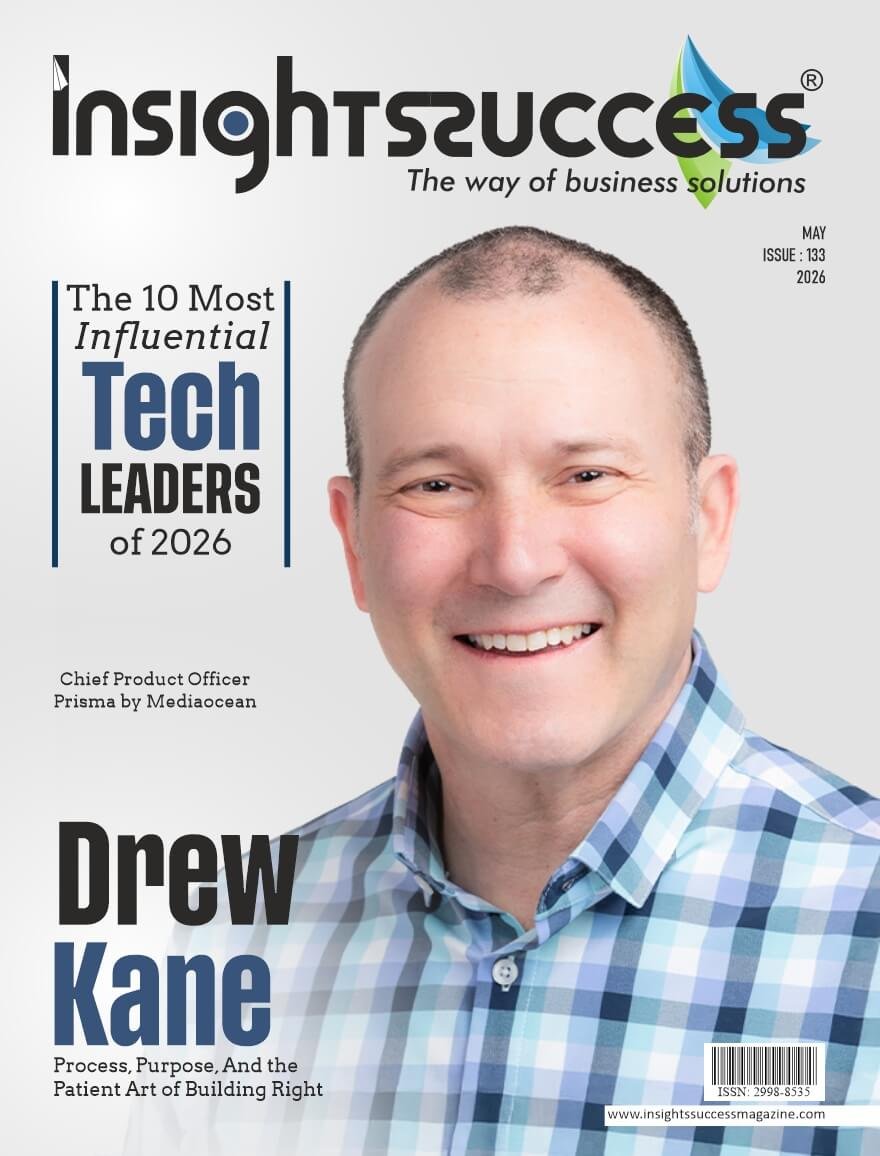
The 10 Most Influential Tech Leaders of 2026
The 10 Most Influential Tech Leaders of 2026 Showcasing visionary executives transforming industries through innovation, strategic leadership, and digital excellence, this feature highlights pioneers shaping future technologies, driving global impact, and redefining success across rapidly evolving technological landscapes. Digital Link Quick highlights Quick reads

Driving Growth Through Tech Innovation Leadership
Tech Industry Thought Leaders Growth depends on how well businesses are using technology to fix real business problems. Markets move fast, customer needs change quickly, and competition comes from many directions. In this environment, companies need leaders who can connect technology plans with clear business goals. This is where Tech Innovation Leadership becomes important. It helps organizations improve efficiency, create better customer experiences, and open new revenue streams. Many businesses invest in tools, software, and digital systems, but investment alone does not create results. Success comes when leaders know how to guide teams, set priorities, and turn ideas into value. Tech Industry Thought Leaders often show that growth is not only about adopting new tools. It is about using them with purpose, discipline, and long-term vision. Aligning Technology with Business Goals Strong growth begins when technology strategy supports business priorities. The leader should know where and in what way the company should prosper, namely, by further markets, by better service, or even by enhancing operations. They then choose digital solutions that directly support those targets. Tech Innovation Leadership ensures that technology spending is tied to measurable outcomes instead of isolated projects. For example, a company looking to improve customer retention may invest in data systems that track customer behavior and service quality. Another company may focus on automation to reduce costs and improve speed. In both cases, technology becomes a business tool rather than a separate function. Tech Industry Thought Leaders often stress that growth comes faster when leaders speak both the language of business and technology. Building a Culture That Welcomes Experimentation One of the most important things a leader can do is make it safe for teams to try new things. Tech Innovation Leadership depends heavily on creating a workplace where people feel comfortable testing ideas, even if some of those ideas do not work. Organizations that punish failure end up with teams that avoid risk, and teams that avoid risk rarely innovate. The key is to make experiments small, fast, and cheap, so the cost of being wrong stays low. This mindset has been championed consistently by Tech Industry Thought Leaders who run the world’s most innovative companies. Amazon’s approach of working backwards from the customer, testing ideas in writing before a single line of code is written, is a well-known example. The goal is not to be careful and responsible. It is to be structured about how you explore uncertainty. Teams that learn to experiment well build confidence over time, and that confidence leads to bigger, bolder bets. Allocating Resources with Strategic Intent Growth through technology requires deliberate investment. Many companies struggle because they spread their resources too thin, funding too many initiatives without enough focus. A useful approach is to think in three horizons: protecting the core business, exploring adjacent opportunities, and placing a small number of transformational bets. Such an approach means knowing which horizon deserves attention at any given moment and being willing to shift as the business evolves. Resource allocation is also about people, not just money. The best technology leaders invest in hiring, developing, and retaining talent that can carry innovation forward. They build cross-functional teams that bring engineering, product, and business perspectives together. When the right people work on the right problems with sufficient support, results tend to compound over time. A well-funded innovation agenda without the right people will stall. The reverse is equally true. Developing Scalable Teams and Systems Growth creates pressure on people and systems. What works for a smaller business may fail when demand rises. Leaders must build teams, platforms, and processes that can scale without losing quality. These include cloud computing technology, cybersecurity measures, and efficient workflow processes. Tech Innovation Leadership focuses on preparing the organization to meet future demand rather than existing demand. Humans are equally critical as machines. Change management, problem solving, and meeting the objectives of a project are all dependent on skilled teams. Leaders must ensure their teams are properly trained and that working relationships across technology, operations, and commercial functions are strong. One major theme that Tech Industry Thought Leaders emphasize is that growth is synonymous with talent development. Conclusion: Leading With Technology as a Growth Strategy It is precisely the companies that succeed in uncertainty who have always developed solid technology leadership right from the beginning. They are proven practices demonstrated repeatedly by Tech Industry Thought Leaders who have turned technology into a competitive advantage that lasts. For B2B organizations in particular, the case for Tech Innovation Leadership has never been stronger. Clients today expect their partners and vendors to be ahead of the curve, not catching up to it. Leaders who embrace this responsibility, who treat technology as a strategic asset rather than a back-office function, will be the ones who define their industries in the years ahead. The time to start is not when disruption arrives. It is now. Read Also : 5 Predictions from a Strategic Brand Development Expert on the Future of Brand Identity

How They Are Shaping Global Digital Leaders
Innovation Strategy Experts Every business competing in today’s digital economy is only as strong as the people leading its transformation. Companies that take the development of global digital leaders seriously are not simply filling positions at the top. They are making a deliberate decision about the kind of company they want to be and how far they intend to go. Innovation strategy experts have become central to that process. As industries face faster disruption and greater complexity, the need for leaders who combine strategic thinking with digital fluency has moved from desirable to essential. Companies that understand this are not leaving leadership development to chance. They are investing in it with the same discipline they bring to product, technology, and growth. Digital Leadership as a Strategic Business Priority The role of a digital leader has changed substantially. Strong technical skills used to be enough. Now, global digital leaders are expected to shape strategy, tie technology spending to real business results, and guide their teams through a pace of change that shows no signs of slowing down. That combination of skills does not develop through technical experience alone. Leaders who rise through delivery roles often arrive at senior positions without the strategic and organizational tools the role demands. Innovation strategy experts close that gap with structured frameworks, honest external perspective, and focused professional engagement that accelerates capability in ways that operational experience alone simply cannot replicate. Companies that promote on technical merit without investing in leadership development are not just managing a skills gap. They are taking on compounding risk that surfaces at the worst possible moments, during periods of rapid growth, structural change, or increased competitive pressure. The Measurable Impact of Structured Development The global digital leaders who make a measurable difference in their businesses share a particular quality. They do not simply react to change. They build environments where their teams can anticipate it, absorb it, and use it as a competitive advantage. That quality is built deliberately, over time, with the support of innovation strategy experts who understand both the technical and human sides of leadership at scale. Structured development sharpens executive communication, the ability to translate complex technical decisions into clear business direction for boards, investors, and cross-functional teams. It builds the judgment to make sound calls under pressure and the self-awareness to understand how leadership style directly affects team performance, morale, and delivery outcomes. Leaders who go through this process do not just become better managers. They become the kind of people their companies rely on when the stakes are highest. The Business Cost of Weak Digital Leadership Poor digital leadership rarely announces itself clearly. It shows up gradually in rising attrition, stalled initiatives, technology investments that fail to deliver, and teams that lose confidence in the direction they are being asked to follow. By the time these signals become obvious, significant damage has already been done. Innovation strategy experts help businesses get ahead of that outcome. Their work is not about fixing problems after they emerge. It is about building the leadership strength that stops those problems from taking root in the first place. When global digital leaders operate at a high level, teams execute with clarity, delivery becomes more consistent, and the business retains the talent it needs to sustain long-term performance. The Compounding Value of Early Investment Leadership development compounds over time. A global digital leader who receives structured professional support early in a senior role builds habits, perspectives, and capabilities that strengthen every decision made afterward. The return on that investment shows up in team performance, in the quality of strategic decisions, and in the stability of a business navigating significant change. Innovation strategy experts provide the external perspective and structured engagement that internal programs rarely match. They bring objectivity that reporting lines cannot offer and experience drawn from working with leaders across industries and stages of growth. That combination produces leaders who are prepared not just for the demands of today but for the ones that follow. The Path Forward The pressure on digital leadership is not going to ease. The businesses best positioned to compete will be the ones directed by global digital leaders who combine genuine strategic depth with the ability to build, align, and sustain high-performing teams through continuous change. Engaging innovation strategy experts is not a one-time intervention. It is a professional relationship that develops alongside the leader and the business, staying relevant through each stage of growth and each new set of demands. The objective is not simply to prepare leaders for what is coming. It is to develop global digital leaders of such capability and conviction that what is coming becomes the exact conditions under which they deliver their most important and enduring work. Read Also : Driving Growth Through Tech Innovation Leadership

Drew Kane: Process, Purpose, And the Patient Art of Building Right
The most dangerous moment in any technology career is the one where the tool becomes the goal. Where the platform replaces the purpose. Where shipping features feels like making progress. Drew Kane spotted that trap early, stepped around it, and has spent 18 years at Prisma by Mediaocean building a career on the right side of that line. As Chief Product Officer, he leads not with what technology can do, but with what it should do, and why that difference is everything. He says, “Process, impact, and outcomes come first. Technology exists to support them, not the other way around.” In a world that often celebrates the builders of the most complex systems, Drew is making a quieter, more disciplined argument. That the best technology leaders are not the ones who know the most about technology. They are the ones who never forget what it is for. The Foundation Was Built Early Drew’s career did not begin inside a product team or a startup. It began in technology consulting, working on business process reengineering initiatives. That environment asked a deceptively simple question at every turn: what needs to happen, and how can technology help make it happen? The sequence mattered. Purpose first, platform second. It was a lesson that sounded obvious but proved rare in practice, and Drew carried it forward into every role that followed. From consulting, he moved to a fast-growing inline skate and snowboarding retailer, an environment that demanded full presence at every level of the organization. The work was unpredictable. One day the focus was warehouse logistics. The next it was standing alongside frontline teams, doing whatever the moment required. He highlights, “Rolling up your sleeves alongside people builds trust quickly, and effective leadership requires the ability to operate at 30,000 feet while seamlessly dropping down to 300 feet when needed.” That range, the ability to hold strategic vision while staying close to ground-level reality, became one of his most defining leadership qualities. Most leaders eventually settle at one altitude, drawn either toward the big picture or the operational detail. Drew moves between them with intention, and it is that mobility that makes him effective precisely when organizations need both at the same time. Innovation That Justifies Itself In a landscape where innovation is simultaneously a mandate and a misunderstood one, Drew brings a precision to the concept that cuts through the noise. He is not drawn to newness for its own sake. He is drawn to newness that solves something real, something a customer genuinely needs, something the business can actually act on. Anything short of that standard does not hold his attention for long. His teams operate with explicit objectives, aligned on outcomes, and focused on delivering within timeframes that customers and the business actually need. The pressure to innovate is real in his industry. He acknowledges it directly. But he also understands that innovation disconnected from relevance creates its own kind of organizational debt. He mentions, “Innovation without relevance is just wing-flapping without flight, and failing to address real-world challenges only accelerates the wrong outcome for everyone involved.” He also builds teams that are genuinely curious about emerging technologies, encouraging people to dig in and explore because curiosity keeps them motivated and sharp. But every exploration has to answer a clear and unsparing question: what does this actually solve? He explains, “I am not interested in solutions in search of a problem, and where possible we test on a smaller scale to prove value before committing.” That filter, consistently applied, eliminates significant noise and keeps the organization pointed toward what matters most. When Change Did Not Ask Permission The moments that have most tested Drew as a leader have not been technical ones. They have been deeply human, built around transitions that arrived without invitation and demanded a response before he had time to prepare one. New ownership. New leadership structures. Acquisitions. Each carried its own particular disruption, and each required him to find his footing in unfamiliar terrain. About five years ago, the terrain shifted dramatically. Drew moved from a Chief Customer Officer role into a Chief Transformation Officer role. It was driven by new marketplace dynamics, and it was not his choice. He went from managing a team of more than 100 people to building a team of three, himself included. For many leaders, that contraction would have registered as a demotion, a signal to start looking elsewhere. He chose a different frame. His team locked in on what they could control: a clear mission, a small but determined group, and relentless alignment on outcomes. He says, “Change was not happening to me, it was happening for me, and that perspective is what allowed us to stay focused on outcomes rather than circumstances.” That reframe is not the language of someone performing optimism. It is the language of someone who has practiced it under real pressure and knows what it actually costs. Last July, Drew stepped into the Chief Product Officer role, joining a team already under significant pressure to deliver on transformation work in motion. The operating mode he brought to that moment was precise: clear communication matched with decisive action. He mentions, “That combination is ultimately what builds trust, and it continues to guide how I lead today.” The Rule That Raises the Bar Drew has a rule that everyone on his team learns quickly: if you bring him a problem, you must bring a solution with it. Not necessarily the correct one. But a considered one. The thinking must accompany the issue. That expectation alone changes the culture of a team in ways that no leadership workshop can replicate. It makes critical thinking non-negotiable and shifts the default from reactive to reflective. Creative thinking, he believes, goes a step further and should never fall out of fashion. He actively builds environments where strong ideas get visibility. When someone brings compelling thinking forward, it gets discussed, shared, and given space in front of the broader team. He highlights,
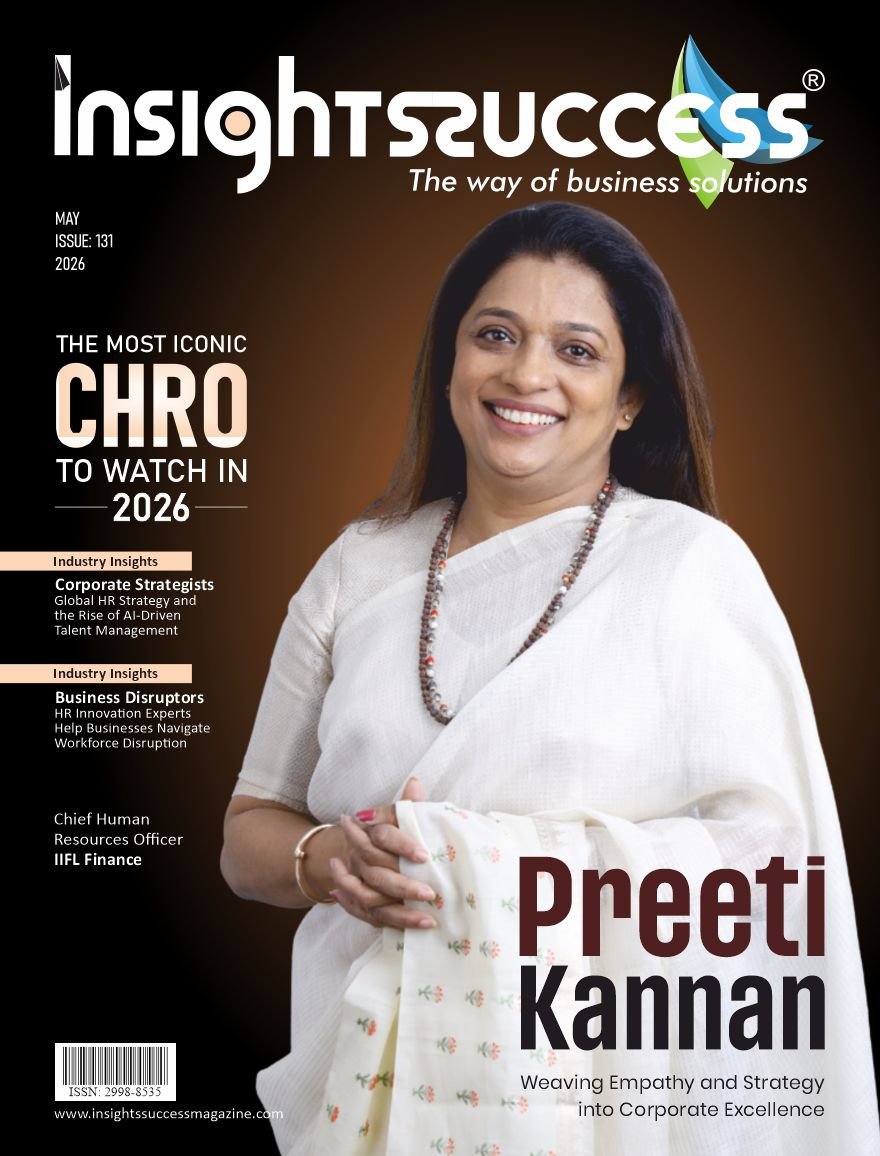
The Most Iconic CHRO to Watch in 2026
The Most Iconic CHRO to Watch in 2026 Preeti Kannan exemplifies modern HR leadership by integrating empathy with strategic execution. As CHRO at IIFL Finance, she drives cultural transformation, fosters ownership, and leverages technology to enhance human potential. Her career reflects a commitment to inclusive growth, transparency, and resilience, positioning people as the cornerstone of sustainable organizational success. Digital Version Quick highlights Quick reads

Corporate Strategists: Global HR Strategy and the Rise of AI-Driven Talent Management
Organizations are experiencing fundamental changes in their workforce structure because they need to adapt to three factors which include technological interruptions , changing employee needs and the rising competition for skilled workers. Human resources, once viewed primarily as an administrative function, has evolved into a strategic pillar that shapes organizational resilience and long-term growth. The process of artificial intelligence implementation for talent management systems represents the core development which enables companies to achieve better operational efficiency, flexibility and capacity to understand their business activities. Today, Global HR strategy extends far beyond compliance and hiring. It includes workforce planning, leadership development, employee engagement, and culture development throughout different regions. HR leaders face difficulties because they must handle two problems. The first problem requires them to handle cultural diversity while the second problem requires them to address existing talent shortages. Organizations use artificial intelligence to solve these problems because it helps them connect their talent management approaches with their overall business goals while maintaining operational efficiency. Strategic Alignment A global HR strategy needs to connect its workforce capabilities with strategic business needs of the organization. Organizations today use data-driven methods to predict their talent requirements while they detect existing skill deficiencies and create specific solutions. AI analytics systems can analyze enormous data sets to deliver workforce trend insights which HR managers use to make timely data-driven choices. The process of strategic alignment needs organizations to grasp regional differences while they uphold their shared corporate mission. Organizations use AI tools to achieve their dual mission because the tools as they provide local information and global performance benchmarks. They also use predictive models to assess attrition risks across various regions which enables them to develop retention strategies that match regional, cultural and economic characteristics. HR leaders can use AI technology for strategic planning which helps them create talent initiatives that boost organizational performance and ensure long-term sustainability. Intelligent Recruitment Recruitment has been one of the earliest and most visible areas of AI adoption in HR. The traditional hiring process experiences efficiency problems, unconscious bias issues and it cannot scale effectively. The AI-driven system addresses these challenges by automating resume screening, conducting initial candidate assessments, and identifying high-potential candidates who meet defined criteria. The hiring process becomes faster because of this system as it improves hiring results through its assessment of candidates based on their skills and competencies instead of using personal judgment. Intelligent recruitment platforms that work globally allow organizations to access diverse talent pools from different regions of the world. The combined power of natural language processing and machine learning algorithms enables the system to evaluate candidate profiles which come from professional networks for the purpose of finding suitable candidates. The AI-powered chatbots enhance candidate experience through their capacity to deliver immediate communication and feedback. The existing problems of algorithmic bias can be solved through ongoing monitoring which combines with ethical design frameworks that create fair and inclusive hiring processes. Workforce Optimization Organizations use AI technology for workforce management and employee development purposes because its potential extends beyond hiring processes. The AI-powered performance management system provides employees with ongoing feedback through its system, which replaces traditional yearly performance evaluations with assessments that use real-time data. The system uses employee performance data and their collaboration patterns and learning metrics to create customized development plans for employees. The process of workforce optimization extends to learning and development because AI technology develops personalized training programs. Adaptive learning platforms create special learning pathways that match the skill levels and career goals of each student. AI-powered workforce planning allows organizations to test various scenarios which include market growth and economic decline to establish appropriate talent management plans. Conclusion Artificial intelligence now serves as a pivotal element which guides international human resources methods to transform organizational approaches towards employee management in complicated and competitive professional landscape. The implementation of artificial intelligence through strategic alignment processes, recruitment activities and workforce optimization methods enables organizations to shift from their existing reactive operations to proactive systems which utilize data analysis for decision-making. This transformation enables HR leaders to not only anticipate workforce needs but to create an agile, inclusive, and performance-oriented organizations that are better equipped to navigate global challenges. The success of an AI-based human resource approach depends on how organizations implement it. Teams should use data-driven insights together with human-centered leadership which will help them handle upcoming challenges while they build transparent systems that enable technological progress and maintain ethical standards and treat all employees fairly. Read Also : How They Are Shaping Global Digital Leaders

Preeti Kannan: Weaving Empathy and Strategy into Corporate Excellence
At a historical turning point, the contemporary global workforce is undergoing a profound and long-lasting transformation. Neither the clinical efficiency of the late 20th-century corporate models nor the outdated ideas of “personnel management” are relevant today. In today’s high-velocity, hyper-connected economy, the most valuable currency is not capital or even proprietary technology. It is human potential. As traditional hierarchies dissolve and the very definition of a “workplace” continues to be rewritten by digital innovation, the role of a Chief Human Resources Officer has shifted from being a back office support function to becoming a frontline strategic architect. A truly great leader in this sophisticated landscape does not merely fill seats or manage payroll; they meticulously craft an ecosystem where purpose, trust, and psychological safety coexist with high performance. They balance the cold, analytical precision of data-driven insights with the warm, non-negotiable necessity of human empathy. This shift requires a unique brand of leadership- one that is as agile as it is grounded. It demands a professional who can look past rigid structures and see the latent talent in every individual, fostering a culture that thrives on shared ownership and collective growth. The Rise of a Strategic Mind: Preeti Kannan’s Professional Odyssey At the very heart of this organizational metamorphosis stands Preeti Kannan, the Chief Human Resources Officer at IIFL Finance. With a distinguished career spanning more than Two dynamic decades, she brings a depth of experience that is both exceptionally rare and deeply impactful. Her journey is a testament to the power of steady, deliberate growth and an unwavering commitment to operational excellence. Preeti is not merely an observer of the corporate world; she is a builder. She has navigated diverse industries and complex organizational structures, always with a clear, laser-sharp focus on driving excellence through strategic leadership. Before she took the helm at IIFL Finance, Preeti honed her craft at some of the most prestigious names in the Indian financial and consulting landscape. She served as the Executive Vice President of Human Resources at Kotak Mahindra Bank, where she was responsible for leading the HR function for consumer assets. During her impactful four-year tenure there, she did not just maintain the status quo; she spearheaded significant transformations. She moved the organization beyond traditional engagement models toward a progressive philosophy of happiness and genuine fulfillment, ensuring that the workplace became a “Happy Place to Work.” Her work at Kotak Mahindra Bank was marked by a shift from purely transactional interactions to a more holistic, talent-centric strategy. Preeti’s path to the C-suite was paved with roles that demanded a rigorous combination of operational precision and strategic foresight. At Bajaj Finserv, she served as the National Head of Shared Services and Automation HR. In this capacity, she managed large-scale operations and focused on optimizing efficiency through the early adoption of automation and streamlined processes. This experience gave her a deep, foundational understanding of how technology can serve as a force multiplier for human potential when implemented with the right intent and transparency. Furthermore, her tenure at Fujitsu Consulting as the Head of Global Operations expanded her influence across international borders, including India and the Middle East. Overseeing talent strategy on a global scale allowed her to develop a sophisticated perspective on multicultural workforces and the complexities of varying business models. Preeti’s early career milestones at Oracle Financial Services Software Ltd and senior roles at organizations like Mindtree and Symbiosis College added further layers to her leadership philosophy. These diverse environments taught her how to build resilience and maintain a steady hand through different market cycles. Her academic foundation is equally robust, holding a prestigious postgraduate degree in Human Resources from the Tata Institute of Social Sciences (TISS) and an undergraduate degree from Ramnarain Ruia College, Mumbai University. A Leadership Philosophy Rooted in Radical Ownership Preeti’s leadership approach is built on a simple yet revolutionary belief: people are not just assets; they are the primary architects of organizational transformation. At IIFL Finance, she is currently fostering a culture of ownership grounded in three core values: Fairness, Integrity, and Transparency. It’s a framework she famously refers to as “FIT.” For Preeti, leadership is the art of ensuring these values are embedded in every decision the organization makes, from the executive boardroom to the smallest branch office. She drives accountability and trust across a massive network of more than 2,300 offices, ensuring that every voice is heard, and every contribution is recognized. She approaches employee engagement as a “lived experience” rather than just a collection of corporate programs. Preeti has moved the needle beyond superficial “fun Fridays” and focuses instead on building authentic, long-term connections. By utilizing anonymous surveys and open forums, she has established a robust two-way communication model that allows for real-time feedback and honest dialogue. This transparency builds a bedrock of trust, aligning individual professional purposes with the broader goals of the enterprise. In her view, when people feel like true owners of the business, they are motivated not just to perform, but to innovate and evolve alongside the organization. Leading Through the Fog: Agility and Stability in Uncertainty The contemporary business environment is more dynamic and volatile than ever before. Preeti navigates this complexity with a unique blend of “startup agility” and “enterprise stability.” Even while operating at a massive scale, she encourages her teams to maintain a nimble, curious mindset. She believes that strategic agility is not just about the speed of movement; it is about the intelligence and clarity of that movement. When the path ahead is obscured by uncertainty, she chooses to communicate with radical openness and high frequency. This transparency acts as a stabilizing force, keeping teams aligned and focused on what truly matters. Preeti is a firm advocate for empowering people to make decisions as close to action as possible. By setting well understood boundaries and providing a clear “North Star,” she gives her team the psychological freedom to act with confidence. This approach masterfully balances long-term strategic vision with the grit of daily execution.