






Advancing Security Through Visionary Leadership
Enterprise Technology In today’s world, more and more companies rely on systems integration, cloud computing technologies, software and data driven processes for delivering their offerings. As the use of technology becomes vital to company performance, security needs to be equally important in organizational strategy. Enterprise Technology serves as an environment where applications, data, employees, clients, processes operate, which makes it absolutely necessary to ensure that it is secured in order to protect business operations. Thus, the Security Leader needs to go beyond the scope of individual threat management and take into account technology, people, processes and governance aspects. Aligning Security with Business Strategy Security is not just confined to technical experts anymore. Decisions made by businesses regarding the use of cloud services, remote working, artificial intelligence, digitized services, and external systems can all present new risks. The Security Leader will be able to advise the business leaders about the risks and ensure that adequate security measures are integrated into the strategy. The security professional will be in a position to point out weaknesses through participation in technology and business meetings even before such initiatives are introduced. Strengthening Organizational Resilience Digital disruptions may lead to issues related to efficiency, consumer trust, income generation, and reputation. Resilience is achieved through the development of a system that can ensure continued operations despite the occurrence of any form of disruption. The Security Leader will be able to add value to resilience through the establishment of incident response plans, access control, monitoring and recovery processes. It is possible to conduct assessments and tests in order to discover weaknesses. In Enterprise Technology, resilient architecture may offer the ability to operate despite any disruptions. Managing Data Responsibly Data is one of the most precious assets in any contemporary organization. Data pertaining to customers, finances, intellectual property, employees, and operations has to be protected throughout its lifecycle. Enterprise technology can facilitate data management via methods such as encryption, identity control, surveillance, data classification, and data storage. A Security Leader can create policies governing who gets access to information, how information is managed, and how abnormal activities are investigated. Data governance is crucial not only from a security perspective but also in ensuring regulatory compliance. Creating Security-Aware Cultures Technological solutions alone cannot make the organization risk-free. The employees are always interacting with technology and hence it is important that awareness along with responsible conduct becomes an essential part of the security equation. The security culture of the organization could be strengthened through proper training, simulations, policies and a report mechanism which is easy to use. The Security Leader can inspire the employees to look out for suspicious behavior, safeguarding their credentials and responsibilities when dealing with sensitive data. The Enterprise Technology requires individuals who realize the impact of their conduct on security. Using Intelligent Security Capabilities Analytics and Automation are transforming the way organizations detect and react to potential threats. It is possible for security professionals to review system logs, detect anomalies, rank alarms, and automate certain reactions. Such skills could enhance visibility while minimizing the effort required for repetitive monitoring. An astute Security Leader will have to find out ways of adding value through automation without overstepping human intervention. Incorporating intelligence into Enterprise Technology could be an important way for organizations to react efficiently and be prepared for emerging threats. Preparing for Continuous Change Technology environments are constantly evolving as businesses implement new technologies, applications, connectivity, and digital services. For this reason, a security strategy needs to be flexible as opposed to being reliant on a specific set of controls. Enterprise Technology should provide flexibility and proper security standards that work in evolving environments. The role of the Security Leader is to make sure that there are constant reviews, assessments, technology evaluations, and employee education about security. This will ensure that security changes with the evolving needs of the business. Leading Toward a Secure Future The future of business will require companies that can marry the advances in technology with proper security techniques. Enterprise Technology can afford businesses immense potential in terms of cooperation, efficiency, automation, and client interaction, but these potentials require reliable security measures. The Security Leader is able to offer the necessary strategic direction to link security to organizational goals. Effective security leadership entails creating a culture where innovation and protection go hand-in-hand. With enhanced governance, employee development, data security, increased resilience, and intelligent monitoring, companies will be able to lay better groundworks for future development. Effective security planning is not a barrier to progress but rather an assurance to companies that they can venture into different directions safely and without losing control or continuity. As the use of technology becomes pervasive in business operations, firms which see the link between security and their business strategies will definitely have an upper hand. Read Also : Strengthening Enterprise Protection Through AI Technology

How Are AI and Analytics Transforming Business Decision-Making?
Introduction Business decision-making has changed over the years. Firms are not only using experience, intuition, and past practices while taking key decisions. Instead, they are increasingly using AI and analytics to get better insights, learn from patterns, and take wise decisions. AI and analytics assist companies in converting huge data into knowledge. Whether it is the knowledge about the customer preferences, better business operations, or opportunities in the future, such technologies have proved to be an essential tool for various companies. As firms move towards digitization, there is an increasing realization among management that mere use of technology does not help. They require an understanding of how to interpret insights, guide people, and ensure alignment of decisions. That is one of the reasons why many individuals are taking a look at Strategic Leadership Course and strategic leadership classes. This article explains the impact of artificial intelligence and analytics on business decision-making. The Growing Role of AI and Analytics in Business AI and analytics cooperate in enabling organizations to gather, analyze, and make sense of data in an efficient manner. The role of analytics is mainly concerned with analyzing data to find patterns, trends, and insights. AI makes this task easier by detecting relations between data, finding opportunities, and making better decisions. Used in tandem, these tools help organizations go beyond mere speculation and base their decisions on solid facts and insight. They will have a better grasp of the market environment, customer trends, performance and opportunities, thereby being able to make sound decisions. How AI Improves Business Decision Making ·Faster Access to Insights Business leaders often need information quickly to respond to changing situations. AI allows the processing of vast amounts of information in an efficient manner, making it possible for businesses to have access to useful insights at the appropriate time. Having access to the right information in a timely manner makes it easier for decision-making. ·Better Understanding of Business Performance Companies provide insights from various business functions, including sales, production, customer support, finance, and marketing. The role of AI and analytics is to gather all of this information into one coherent image that helps to understand the performance of a company better. It allows management to find strengths and weaknesses. ·Improved Accuracy in Decision Making The key issue facing any business is how to make decisions under conditions where information is scarce. By using analytics, businesses can obtain credible information, while at the same time AI will enable them to detect hidden patterns. ·Enhanced Strategic Planning Successful organizations have an eye not just for their immediate objectives but for their long-term growth as well. AI and analytics help leaders get insights into what is going on around the company. These insights aid in making proper plans and formulating effective business strategies. Key Areas Where AI and Analytics Are Making an Impact ·Customer Experience Expectations of customers keep changing; hence, it is crucial for organizations to know their customers well. AI and analytics are tools that allow organizations to gain valuable information about their customers’ likes, behavior, and needs. ·Marketing Decisions Marketing departments depend on data for audience interaction and effectiveness of the campaigns. AI enables the analysis of the consumer behavior, identification of the trends, and better personalization of marketing efforts. ·Operational Efficiency Optimized process is vital for business efficiency. Through the application of AI and analytics, companies are able to analyze process efficiencies and improve their processes. This can be used by leaders to enhance their efficiency. ·Financial Management Financial decisions require careful evaluation and strong analytical capabilities. Analytics enables organizations to achieve insight into their financial performance, trend analysis, and planning efforts. AI enables better processing of data to derive insights from the data for decision-making purposes. ·Talent and Workforce Management People will continue to be one of the most valuable resources of an organization. AI and analytics are used for workforce planning, employee development, and talent management initiatives. Organizations can make better decisions concerning hiring, learning, and engaging employees. Benefits of AI and Analytics for Business Leaders Modern leaders increasingly depend on data-driven decision-making. Some key benefits include: Greater confidence in business decisions Improved visibility into organizational performance Enhanced ability to identify opportunities Better alignment between strategy and execution Stronger risk management capabilities Increased operational effectiveness Improved collaboration across departments Better understanding of customer needs These advantages help leaders make decisions that contribute to long-term business success. Emerging Trends Shaping the Future ·Data-Driven Leadership Leadership is becoming increasingly connected to analytics. Leaders are expected to understand how data influences strategy, operations, and organizational performance. As a result, many professionals pursue Strategic Leadership Courses to build the skills needed to lead effectively in a technology-driven environment. ·AI-Supported Decision Frameworks Organizations are incorporating AI into decision-making processes across multiple business functions. These frameworks help leaders access relevant insights quickly and improve consistency in organizational decision-making. Increased Focus on Predictive Insights Businesses are becoming more proactive rather than reactive. AI and analytics help organizations identify potential opportunities and challenges before they become significant concerns. This forward-looking approach supports stronger planning and business preparedness. Stronger Integration Across Functions AI and analytics are no longer limited to specialized departments. Organizations are integrating these capabilities across marketing, operations, finance, customer service, and human resources. This broader adoption is creating more connected and informed decision-making processes. Leadership Development for a Data-Driven World As technology becomes more central to business success, leadership development is evolving as well. Professionals are increasingly seeking strategic leadership courses that combine business strategy, analytical thinking, and decision-making skills. These learning opportunities help leaders understand how to translate insights into meaningful business actions. Why Organizations Must Embrace AI and Analytics Organizations which have the potential to utilize AI and analytics can be at an advantage when it comes to adapting to change in their surroundings. They can make sound decisions and capitalize on growth opportunities. Nevertheless, success cannot solely be determined by technology. There is also a need for business leaders that can make sense of data and

Planning Longer City Explorations With Vacation Rentals as a Comfortable Central Home Base
Exploring a city thoroughly requires more than moving quickly between its best-known attractions. Visitors who allow several days for discovery can experience residential streets, independent shops, cultural venues, parks, markets, and quieter districts that shorter itineraries often overlook. A well-positioned home base makes this style of exploration easier because travelers can organize each day around manageable sections of the city. Vacation Rentals can support city-focused trips by giving visitors a consistent place to begin and end their daily explorations. Rather than treating every morning as a race toward a major attraction, travelers can organize outings by neighborhood, transportation options, personal interests, and available time. This approach can reduce unnecessary movement while creating opportunities to understand different parts of the destination more naturally. Stay Portland can provide visitors with a comfortable base while they gradually discover the city beyond a conventional sightseeing checklist. Longer explorations become more rewarding when travelers balance planned attractions with neighborhood walks and spontaneous discoveries. Thoughtful daily organization helps visitors see more without making every day feel overloaded. Divide the City Into Manageable Areas A common mistake during city travel is crossing the destination repeatedly because attractions were selected without considering their locations. The result can be unnecessary transportation and less time actually experiencing each area. Travelers can instead group activities by neighborhood or general district. Museums, restaurants, shops, parks, and architectural landmarks located relatively close together can form the foundation of one day’s itinerary. This strategy does not require rigid scheduling. It simply provides geographical structure, allowing visitors to explore naturally once they reach an area rather than repeatedly checking directions to distant destinations. Identify a Few Priorities Before Arrival Longer trips provide flexibility, but arriving without any priorities can still create indecision. Travelers should identify several experiences that matter most and organize the remaining itinerary around them. These priorities might include cultural attractions, particular neighborhoods, restaurants, performances, or architectural sites. Reserving time for essential experiences prevents them from being unintentionally postponed until the final day. Stay Portland guests can keep the rest of their schedule relatively open. Once major priorities have suitable places in the itinerary, less structured periods can accommodate recommendations, discoveries, and changes in interest. Learn the Transportation System Early Understanding local transportation can significantly improve a city-focused trip. Visitors who know how to reach different districts can make decisions more confidently and spend less time researching routes every morning. Test Useful Routes During the First Days Travelers can begin with straightforward journeys and become familiar with the transportation options relevant to their plans. Current schedules and official information should be checked whenever timing matters. Vacation rental services in Portland provide a consistent starting point, making frequently used routes easier to remember as the trip progresses. Familiarity can gradually turn unfamiliar city travel into a routine part of each day’s exploration. Walk When the Journey Adds Value Transportation is useful for covering longer distances, but walking can reveal details that disappear when travelers move directly between destinations. Architecture, small businesses, public spaces, and neighborhood character often become more noticeable at street level. Visitors should not assume every distance needs to be walked. Comfortable footwear, weather, available time, and individual mobility should influence the decision. The goal is purposeful exploration rather than maximizing step counts. Walking works best when the route itself offers something interesting instead of simply becoming an exhausting way to reach another attraction. Leave Open Time Within Each Neighborhood Detailed itineraries can unintentionally prevent discovery. A traveler rushing from one reservation to another may pass interesting places without having enough time to investigate them. Leaving open periods creates room for unexpected cafés, galleries, stores, gardens, or streets that attract attention. These discoveries can become some of the most personal memories of a city trip. Stay Portland can serve as the stable part of the itinerary while daytime plans remain flexible. Travelers know where they are returning, which makes it easier to allow individual outings to develop without controlling every hour. Use Different Days for Different Interests Cities offer more variety than most travelers can comfortably experience at once. Organizing days around broad interests can make longer explorations feel more coherent. One day might emphasize architecture and history, while another focuses on food, shopping, parks, or cultural institutions. Travelers can still combine activities when convenient without forcing unrelated experiences into a crowded schedule. This method also creates variety across the trip. Each morning begins with a different purpose, helping longer stays remain interesting without requiring visitors to constantly search for increasingly elaborate activities. Build Breaks Into Full Exploration Days Urban sightseeing can be surprisingly tiring. Walking, transportation, crowds, decision-making, and constant visual stimulation can accumulate even when individual activities are not physically demanding. Vacation Rentals can give travelers a comfortable place to return during longer days when the itinerary allows. A break for food, rest, or reorganizing plans can restore enough energy for an enjoyable evening. Travelers should not view these pauses as wasted vacation time. A sustainable pace often allows people to experience more across the complete trip because exhaustion does not build continuously from one day to another. Experience Ordinary Neighborhood Routines Major attractions explain part of a city’s identity, but everyday places provide another perspective. Local cafés, parks, markets, bookstores, and neighborhood streets can reveal how different areas function outside traditional visitor routes. Travelers can spend an occasional morning or afternoon exploring without a major attraction as the endpoint. Observing ordinary activity can make the destination feel more understandable and less like a collection of isolated landmarks. Stay Portland guests can combine these slower outings with busier sightseeing days. The contrast creates a more varied experience while preventing every part of the trip from following the same tourism-focused rhythm. Keep Notes About Places Worth Revisiting Longer visits sometimes provide opportunities to return to places discovered early in the trip. Travelers may find a favorite café, shop, park, restaurant, or neighborhood they would enjoy experiencing again. Keeping a simple list prevents those places from being forgotten among photographs and

Working With a Siding Contractor When Updating Several Exterior Features at the Same Time
Updating several exterior features during one renovation can transform how a home looks and functions, but it also creates coordination challenges. Siding, windows, doors, trim, gutters, lighting, and other components frequently meet along the same walls. If each improvement is planned independently, homeowners may discover that completed work needs adjustment when the next phase begins. Working with a Siding Contractor as part of a coordinated exterior project helps homeowners consider those connections before materials are removed. The order of installation, transition details, access requirements, and material selections can influence how smoothly different improvements come together. Early planning also gives individual professionals a clearer understanding of the complete renovation rather than only their portion. Speaks Custom Windows and Doors can help homeowners evaluate siding alongside windows, doors, and related exterior features. Considering the complete facade creates opportunities to coordinate colors, proportions, trim, and project sequencing before installation starts. A unified approach can produce an exterior that looks intentional while reducing unnecessary disruption during construction. Define the Complete Exterior Project Before Scheduling Work Homeowners should begin by listing every exterior improvement they expect to complete. Even projects planned several months apart may affect decisions being made today. Windows, entry doors, siding, gutters, exterior lighting, roofing, trim, and landscaping can interact physically or visually. Knowing the broader plan helps determine which improvements should happen first and which can comfortably follow later. This planning stage is also useful for separating essential work from optional upgrades. Establishing priorities prevents the project from expanding unexpectedly once construction is underway and helps homeowners make decisions with a clearer understanding of their goals. Coordinate Window Projects With Siding Installation Windows create numerous transitions within exterior walls. When siding and windows are both being updated, planning them together can simplify decisions about trim, surrounding materials, and the appearance of each opening. Homeowners should communicate window plans before siding work begins. Waiting until a wall has recently been completed before announcing another major improvement can create unnecessary complications around finished areas. Speaks Custom Windows and Doors can help homeowners consider how new windows will relate to the surrounding exterior system. Accurate product information and clear scheduling allow different portions of the renovation to be planned around established conditions instead of last-minute assumptions. Plan Door Updates Before Finalizing Nearby Materials Entry doors are another prominent feature that directly meets siding and trim. Changes to the door system may influence how surrounding exterior materials need to be finished. Review the Complete Entrance Area Homeowners should look beyond the door panel and consider sidelights, trim, thresholds, lighting, house numbers, and nearby architectural details. These components collectively determine how the entrance relates to the renovated facade. When several features are changing, decisions about dimensions and finishes should be established early. This gives the project team a clearer target and reduces the possibility of incompatible details appearing around one of the home’s most visible areas. Consider Trim as a Connecting Design Element Trim can visually connect siding, windows, doors, corners, rooflines, and other architectural features. Its color and proportions can strongly influence whether a renovated exterior feels cohesive. Homeowners do not necessarily need every detail to match. Contrast can work effectively when it is deliberate and repeated in appropriate locations throughout the design. A Siding Contractor can evaluate how siding transitions into existing or planned trim conditions. Discussing these details before installation allows homeowners to make coordinated choices instead of selecting individual finishes without seeing how they will interact. Discuss Roofing Projects Before Exterior Work Begins Roofing and siding occupy different parts of the building, but their systems meet around rooflines, walls, and architectural transitions. A planned roofing project should therefore be mentioned during broader exterior discussions. The condition and timing of gutters may also influence scheduling. Removing or modifying components after adjacent work has been completed can create avoidable repetition. Homeowners do not always need to complete roofing and siding simultaneously. They should, however, understand how one project could affect another and establish a sequence that protects completed improvements whenever possible. Coordinate Gutters With the Renovation Schedule Gutters and downspouts are highly visible against siding and trim. Their location can also affect access to exterior wall areas during construction. If gutter replacement is already planned, homeowners should discuss its timing with the professionals involved in other exterior work. The best sequence depends on the property and the exact scope of each project. Downspout locations deserve attention as well. A newly redesigned facade can look less resolved when drainage components appear to have been positioned without considering windows, doors, corners, and other visible architectural features. Build a Unified Exterior Color Palette Updating several features creates more color choices than homeowners may initially expect. Siding, doors, window components, trim, roofing, masonry, and gutters can all contribute to the exterior palette. Samples should be evaluated together rather than individually. A siding color that looks attractive alone may interact differently with an existing roof or newly selected entrance finish. Speaks Custom Windows and Doors can help homeowners consider how window and door selections fit the broader exterior concept. Limiting the palette to complementary choices can create visual consistency without requiring every material to share the same color. Think About Architectural Proportions Alongside Materials Material coordination is important, but proportions have an equally strong influence on exterior design. Window sizes, door configurations, trim widths, and siding profiles create lines that shape how the facade is perceived. Homeowners should review the entire elevation when making significant changes. Focusing too closely on one feature can produce a selection that looks appealing individually but feels out of scale with surrounding elements. Photographs or project drawings can make these relationships easier to understand. They provide context that small product samples cannot show and help homeowners judge whether individual decisions contribute to a balanced overall composition. Establish a Practical Installation Sequence Multiple exterior improvements require a logical order. The correct sequence depends on the scope, existing construction, products being installed, and any repairs discovered during the project. Homeowners should avoid assuming that every

7 Browser Habits That Waste More Time Than You Think
I lost an afternoon last month to something embarrassing. Not a meeting, not a crisis. I spent it reopening tabs I had closed, retyping queries I had run a hundred times before, and refreshing a dashboard that had not changed since Tuesday. None of that felt like a waste while it was happening. That is the problem with browser habits. Each one costs a few seconds, and a few seconds never register as a loss. You only notice the total when you go looking for it. The moment that made me start paying attention was small. My cursor was sitting in an empty address bar, and I realised I had no rule for what happened next. Sometimes I would type an address from memory. Sometimes I would run a query. I was making the same decision dozens of times a day without ever having decided anything, which is why I eventually wrote down how I decide between the two whenever I have to search Google or type a URL. Below are the seven habits that cost me the most, and what I replaced each one with. Key Takeaways Guessing at addresses fails silently, which is why it stays invisible Tabs kept as reminders stop working as reminders after about a dozen Any query you run daily should be a shortcut instead Recurring manual checks are the most expensive habit on this list Four keyboard shortcuts cover most of what the mouse does more slowly Habit 1: Guessing at Web Addresses Instead of Deciding I used to type addresses from memory to avoid the extra step of reading a results page. It felt efficient. It was not. Why Guessing Feels Faster and Is Not A wrong address does not politely tell you it is wrong. It loads whatever sits there, which might be a parked page, a redirect, or something worse. Then you go back and run the query anyway, having spent more time than the query would have taken. The cost is hidden because the failures do not look like failures. They look like a page you did not want, and you move on without counting it. The Fix I ask one question before I touch the keyboard. Do I know the destination, or do I only know what I want? If I know the address and trust the site, I type it. If I only know what I am after, I run a query and let the results narrow it down. That single question removed all guesswork. Habit 2: Using Tabs as a To-Do List Open tabs feel like a memory aid. Up to about a dozen, they are. Past that, they become a second inbox you never process. What Thirty Open Tabs Actually Cost The tab strip stops showing titles, so finding a specific tab becomes a small search in itself. Each of those searches takes a few seconds and a bit of attention. Worse, most of the tabs I was keeping were not tasks at all. They were things I had decided not to decide about. The Fix I gave tabs an expiry. If a tab survives past the end of the day, it is not a tab. It is either a task, in which case it goes on the list, or a reference, in which case it gets bookmarked. Everything else closes. The rule sounds severe and takes about a week to feel normal. Habit 3: Re-Searching the Same Thing Every Day There are queries I have typed several hundred times. The same tool, the same internal page, the same documentation section. Every time I typed it out, I got the same result. The Query You Have Already Typed Two Hundred Times This one hides well because typing feels like progress. But a query you already know the answer to is not research. It is navigation done the slow way, and it repeats every single day. The Fix Most browsers let you set a shortcut that searches inside a specific site. You assign a short trigger, press Tab, and query that site directly without loading its homepage first. I set up four of them for the sites I use daily, and a fifth for my documentation tool. It took ten minutes and removed roughly a dozen small detours a day. Habit 4: Checking Manually What Something Else Could Watch This is the most expensive habit on the list, and the one people defend most fiercely. Why Manual Checking Costs More Than It Looks I was opening the same handful of pages every morning to see whether anything had changed. Analytics, a project board, and a couple of accounts I track for work. On most days, the answer was no change. I was paying full attention for a null result. The cost is not just the minutes. It is that each check pulls you into whatever else is on that page, and you surface somewhere unrelated ten minutes later. The Fix: Let Something Else Do the Watching Anything that produces “nothing new” most days belongs to a tool, not to your morning. Alerts, digests, and monitoring services all do the same job: they stay quiet until something is worth your attention. The specific tool depends on what you are tracking. For site data, scheduled reports replace the daily dashboard visit. For competitor or campaign research on Instagram, something like Dolphin Radar monitors publicly available account activity, so you don’t have to refresh profiles yourself to spot changes. For code or documents, a watch or subscription feature usually already exists in the tool you are using. The principle transfers to everything else. If you are checking to find out whether something has changed, that is a job for software. If you are checking because you need to think about what changed, that is your job. Habit 5: Reaching for the Mouse for Keyboard Jobs I resisted shortcuts for years because learning them felt like a detour. It is, for about two days. Four That Earn Their Muscle Memory Jump the cursor to the address bar without moving your hand Reopen the tab you just closed by accident Move between tabs without aiming at anything Find a word on the page instead of scanning for it That is it. Four. I ignored every long list I found because long lists are why people give up

Alphabet’s SpaceX Stake Multiplies 100-Fold In A Decade
Prime Highlights- Alphabet holds 551.2 million SpaceX shares, valued at about $94.2 billion at quarter end. Musk holds a 48.4 percent stake in SpaceX, according to a regulatory filing. Key Facts- Alphabet emerges as SpaceX’s largest institutional shareholder following the company’s landmark IPO. Early $900 million investment showcases the strength of Alphabet’s long-term strategic bets. Background- Alphabet’s early investment in SpaceX has multiplied more than 100-fold over the past decade, with the Google parent disclosing a stake worth about $94 billion at the end of June, up from a $900 million investment made in Musk’s rocket company a decade earlier. Alphabet stands out as the largest single institutional holder of SpaceX following the company’s $86 billion IPO in June, according to a Reuters analysis of quarterly filings made public so far. The filings offer fresh insight into the scale of positions built by SpaceX’s backers as the company moved from a closely held startup to a publicly traded company, highlighting how significantly early investments have grown in value. Alphabet held 551.2 million SpaceX shares at the end of the second quarter, valued at about $94.2 billion based on SpaceX’s quarter-end share price of $170.86. More recently, the position stands at about $77.9 billion, still around 86.5 times the size of Google’s original investment. Fidelity Investments ranks as the second-largest reported institutional holder, with 302.6 million SpaceX shares, followed by Gigafund Management with 171.8 million, Baillie Gifford with 51.4 million and BlackRock with 51.0 million. Together, Alphabet, Fidelity, Gigafund Management, Baillie Gifford and BlackRock account for nearly three quarters of reported SpaceX shares, reflecting strong institutional confidence concentrated among a handful of major investors. Separately, SpaceX disclosed in a regulatory filing that Musk holds a 48.4 percent stake in the company.
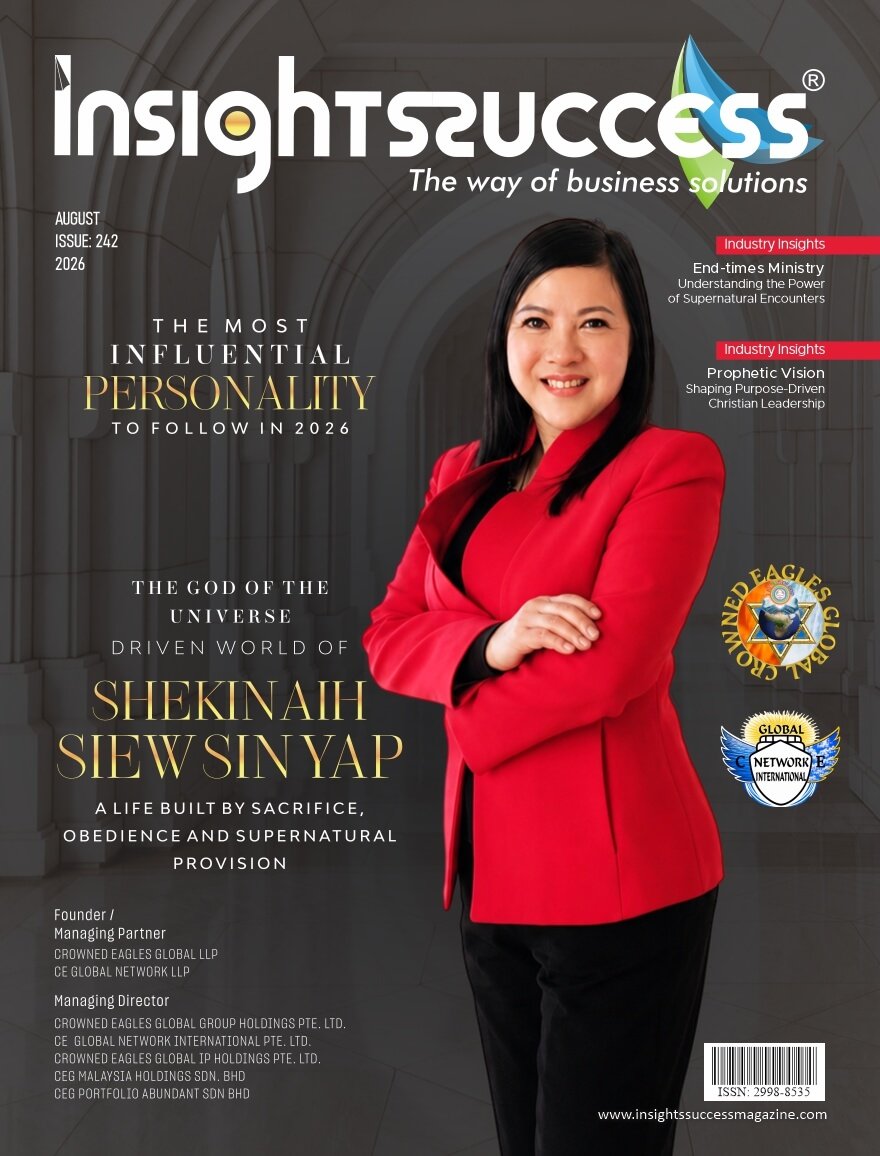
The Most Influential Personality To Follow In 2026
The Most Influential Personality To Follow In 2026 This feature recognizes an exceptional individual whose vision, achievements, and influence inspires meaningful change, shape conversations, and leaves a lasting impression across their field and community. Digital Link Quick highlights Quick reads

DR.SHEKINAIH SIEW SIN YAP: THE GOD OF THE UNIVERSE-DRIVEN WORLD OF DR SHEKINAIH SIEW SIN YAP
A Life Built by Sacrifice, Obedience and Supernatural Provision Most business biographies begin with an idea: a market gap is identified, a product is conceived and a spreadsheet is built to determine whether the numbers work. The story of DR.SHEKINAIH Siew Sin Yap begins differently. It begins with professional discipline, sacrificial service and what she testifies was the direct instruction and supernatural provision of THE GOD OF THE UNIVERSE. Born in Kuala Lumpur, DR.SHEKINAIH SIEW SIN YAP earned a Bachelor of Business Studies in Accounting and Finance from Massey University in New Zealand. Her early professional formation came through audit work with Deloitte and approximately six and a half years in financial control and corporate banking at United Overseas Bank in Singapore. Those years trained her to examine facts, understand risk, protect financial integrity and make disciplined decisions. Yet the most decisive education of her life began after she left banking. For the next ten years, she devoted herself to social and humanitarian service. She prayed for and ministered to people recovering from drug addiction in a halfway house, people who were blind, persons with intellectual disabilities and elderly residents in care homes. She also took into her heart and responsibility a fatherless nineteen-year-old young man. Following what she understood to be the instruction of THE GOD OF THE UNIVERSE, she paid for his university education, helped his family obtain a new home, placed food on their table for six years and, after he graduated with a computer-science degree, emptied her savings to purchase a tuition centre so that he could teach, earn an income and care for his family. That act of obedience occurred on the very day her husband was retrenched. What followed was a six-year season in which he submitted more than 200 job applications—even for positions paying as little as SGD 2,000—without receiving an offer. DR.SHEKINAIH SIEW SIN YAP describes this as a season of ‘closed heaven’ after seven years of plenty. Yet throughout those six years, she testifies that THE GOD OF THE UNIVERSE provided for them supernaturally. When their bank balance was approaching zero, she prayed that it was time for heaven to open. Within two weeks, a headhunter called her husband and said that, although other suitable candidates existed, he felt the role was meant for him. Her husband received the position at remuneration equivalent to his previous salary. “My story did not begin with influence, awards or enterprise. It began with sacrifice, obedience, service and supernatural provision—and those foundations continue to govern everything THE GOD OF THE UNIVERSE builds through me.” The Business Began with a Divine Encounter DR.SHEKINAIH’s business journey did not begin with a conventional market forecast, advertising campaign or branding strategy. According to her testimony, it began with a divine encounter. THE GOD OF THE UNIVERSE stood before her and told her how much business would be brought to her year after year. She was instructed that THE GOD OF THE UNIVERSE, through her, would train and purify the partners and staff, impart wisdom and enablement to them to do the work, prepare customers and bring those customers to the company supernaturally. Her responsibility, she explains, was not to manufacture the vision but to obey it. THE GOD OF THE UNIVERSE would stand before her and instruct her step by step—what to establish, whom to appoint, when to move, how to structure, when to wait and when to advance. For more than thirty years, she has sought to follow those instructions even when they contradicted visible circumstances or required personal sacrifice. CROWNED EAGLES GLOBAL LLP was established as a platform where business, leadership, humanitarian service, publishing, media and ministry could operate as one integrated mission. At its spiritual center is CROWNED EAGLES GLOBAL HEAVEN THRONE ROOM MINISTRY, representing THE GOD OF THE UNIVERSE, CE GLOBAL NETWORK LLP, subsequently restructured into CE GLOBAL NETWORK INTERNATIONAL PTE. LTD., was built as an international freight-forwarding enterprise focused on reliability, accountability and solutions. DR.SHEKINAIH SIEW SIN YAP testifies that customers came without conventional advertising or branding. The enterprise grew because clients experienced responsiveness, practical wisdom and results. Her corporate background supplied discipline; the direction she attributes to THE GOD OF THE UNIVERSE supplied the blueprint; and her team supplied committed execution. Together, these became the foundation of a multimillion-dollar enterprise and a wider group of Singapore and Malaysian companies designed for logistics, intellectual property, investment, agriculture, land development, hospitality, training and humanitarian work—including preparation of food resources for what she believes will be future worldwide famine arising from nuclear world wars and abnormal weather phenomena. The idea was—and remains—larger than profit: to build enterprises that become instruments through which people are trained, families are sustained, economies are connected, impossible problems are addressed and divine purpose is translated into practical structures on earth. The Business Built on Trust, Direction and Responsibility CE Global Network (International)’s growth was driven primarily by referrals, client trust, service reliability and long-term relationships rather than dependence on conventional advertising or paid lead generation. Customers came because DR.SHEKINAIH SIEW SIN YAP and her team did what they said they would do, communicated truthfully when circumstances were difficult and remained present when standard procedures offered no adequate answer. International logistics constantly tests operational discipline through volatile rates, shifting regulations, congested ports, changing documentation requirements and urgent client demands. Her background in accounting, audit, financial control and corporate banking enabled her to manage risk, protect liquidity, monitor receivables and examine contractual and operational consequences. At the same time, she testifies that prayer and the step-by-step direction of THE GOD OF THE UNIVERSE governed major decisions. “Trust is a form of capital. Clients remember who answers the telephone, who tells the truth and who remains present when conditions are difficult.” CE Global Network (International) has since received the Singapore SME 500 Winner Award 2026 and recognition under the Dun & Bradstreet Business Eminence Awards 2026 Silver Category. Divine Order in Professional and Personal Leadership DR.SHEKINAIH SIEW SIN YAPdoes not describe balance as

Shaping Purpose-Driven Christian Leadership
Prophetic Vision Leadership in religious contexts is not limited to activity organization or message dissemination. Character, responsibility, service, discernment, and purposefulness are essential for leadership in a faith community. The Prophetic Vision can be a model that helps Christian leaders to explore their calling, direction, and the needs of those served by them. Christian Leadership will become stronger if spiritual conviction is blended with humility, wisdom, accountability, and service. It is not enough for the influence of a leader to have recognition from the community; it is necessary to inspire other people and stay true to one’s values. Connecting Calling with Purpose Many leaders start off their career with a feeling of calling, which is fostered through prayer, study, mentoring, and personal reflection. The vision will aid them in expressing the sense of calling and thinking about how they can use their abilities for the larger good. Instead of being concerned only with future possibilities, responsible vision will make leaders think about their current obligations. As a result, faith-based leadership may consist of finding ways to help others and build communities through spiritual growth. Developing Discernment Discernment is key in spiritual leadership since everything does not necessarily have to be viewed as God’s will. Spiritual leaders can use scriptures, prayer, counsel, experience, and consequences as ways to measure their understanding. This vision will be more useful if it fosters patience and contemplation as opposed to rash actions. Such a way, spiritual leadership will remain practical and allow leaders to achieve their goals. Serving Rather Than Controlling Leadership that is driven by purpose is always associated with service. The leader is able to influence the community through listening, understanding other viewpoints, and allowing other people to participate. Faith-based leadership involves accountability to people as opposed to being all about authority. This type of leadership enables the leader to give direction while being open to queries, criticism, and advice from the group. Building People and Communities Good leaders also develop other people through teaching, mentoring, motivation, and delegation. These actions will help potential leaders understand their strong sides and gain confidence in their abilities. this vision can motivate the community to think about the future and about what they can do together. Faith-based leadership is more sustainable if leadership development becomes a shared practice rather than the practice of one person. Navigating Change with Wisdom Religious organizations, like all organizations, are faced with the challenges of culture, society, and technology. The response needs to be handled in a manner that does not forget the organization’s core values. An informed vision may provide guidance, even as the strategy is adjusted to fit the new conditions. faith-based leadership will entail communication that is sincere, compassionate, and clear. If the leaders take time to tell people why change is necessary and involve them in the process, they become active participants. Creating Ethical Influence Leadership brings with it responsibilities in decision making, since some decisions may have implications for individuals, families, and communities. Ethical leadership is marked by openness, accountability, consistency, and respect. The leader must not use spiritual powers to manipulate people or instill fear in them. This vision of faith-based leadership must inspire people to act responsibly and with integrity. Leading Toward a Meaningful Future Purpose-driven leadership is more than merely trying to predict what will happen. Rather, purpose-driven leaders seek to make people realize why their efforts matter and how they could contribute to something bigger. Prophetic Vision may inspire, and practical planning may transform dreams into actions. Christian leadership benefits from vision combined with discipline, teamwork, prayer, and service. With the future looming in sight for faith-based organizations, leaders can achieve a lasting legacy through the blend of a strong faith foundation together with great principles of leadership. The leaders will be able to motivate others to realize their gifts, develop leaders, respond appropriately to problems, and remain motivated to serve others. With the presence of vision, people can be brought together through some common values, and at the same time, grow and learn from each other. Through the approach of humble and bold leadership, leaders can influence people’s lives beyond just the programs and institutions. This balance enables leaders to stay focused on conviction while appreciating the value of preparation and accountability. This balance makes the community evaluate leadership through those who have been prepared, whose relationships have been built, and whose responsibilities they accept. Vision is achieved when it motivates others to act. Read Also : Advancing Security Through Visionary Leadership

Understanding the Power of Supernatural Encounters
End-times Ministry Faith groups have always considered issues of purpose, spiritual preparedness, service, and the understanding of divine guidance by believers. In this context, End Times Ministry is usually portrayed as a calling that inspires believers to remain spiritually attuned to the scriptures, prayer, spiritual development, and the call to serve others. These supernatural encounters may prove to be significant encounters in this spiritual odyssey especially when they inspire thought, build faith, and compel compassionate service. Such supernatural encounters should not be seen only in terms of supernatural experience but also in the light of scriptures, wisdom, community, and discernment. Preparing Through Faith The notion of the ministry emphasizes the idea of preparation from a spiritual point of view and a feeling of responsibility towards other people. The preparation may be associated with such things as teaching, praying, discipleship, outreach, and encouraging other people to live by their beliefs. The preparation is not always connected with the predictions of some events. It can be connected with the development of character, spiritual discipline, and willingness to serve. Discussing these experiences in the context of the ministry, believers can reflect on their beliefs and connection with God. The Role of Discernment Spiritual experiences may prove quite subjective and be open to different interpretations by different people. Thus, the need for discernment becomes critical. Faithful people can judge their experiences using prayer, biblical knowledge, godly wisdom, and fruits being borne in their lives. The experience which inspires humility, sympathy, accountability, and ministry can help in the spiritual growth process. This way, End-times Ministry can take advantage of such an approach since it will ensure that spiritual experiences remain related to the broader principles of faith and not just unique experiences alone. Encouraging Responsible Leadership There is a need for those who lead in the context of faith communities to exercise care in communication. They may be leading people from different backgrounds and who interpret and understand spiritual experiences in their own way. A proper strategy allows room for questioning but not to instill unnecessary fears and undue certainty in things that cannot be proven. Supernatural encounters may be presented as one’s experience with the need for interpretation and discernment in mind. Serving People with Purpose A true spiritual call must eventually result in people treating each other in a different manner. Service, compassion, generosity, praying, and encouraging can all be practical ways of expressing one’s faith. In that regard, the ministry of the end-times can have emphasis on both spiritual expectations and people’s responsibilities toward families, their communities, and those who are suffering. When people talk about such experiences, the most productive approach can be reflecting upon how these experiences motivate people to serve each other better. Building Communities of Hope Spiritual groups can offer a forum where members engage in dialogue about spiritual matters, seek counsel, and grow together. Spiritual education, prayer meetings, mentoring, and fellowship can aid individuals in developing self-confidence in their spirituality. Supernatural Encounters could form part of these dialogues, but healthy spiritual groups can facilitate the practice of approaching such encounters with modesty and prudence. End-times Ministry can aid in creating such an atmosphere through focusing on hope, readiness, morals and serving aspects of spirituality. Looking Toward the Future Spiritual Ministry in the future will undoubtedly include questions regarding faith, technology, culture, community, and experience. However, as one who is practicing the End Times Ministry, having a solid scriptural foundation and praying, ministering, and wise leadership will give direction during uncertainty. Supernatural Encounters are indeed meaningful for the believer; however, it may be viewed from a broader perspective of faith and character. A good balance can be achieved where spiritual experience will challenge one to reflect rather than replace wisdom, community, and discernment. In conclusion, the ministry gets enhanced when there is a conversion of extraordinary experience into everyday commitments. The ministry is reflected in compassion, integrity, patience, generosity, and service. Through provision of spaces where reflection and spirituality can take place, leaders may assist believers in confronting the issues of the future with hope instead of fear. Hence, spiritual preparation should not be aimed only at anticipation but also include hope, responsibility, and concern for other people. This viewpoint also pushes the leaders to differentiate between spiritual encouragement and speculation. Education enables people to stay grounded while debating challenging issues regarding the future. The community can highlight the significance of praying, serving, being accountable, and compassionate while letting individuals analyze their personal experiences. This type of strategy provides room for faith to develop, for relationships to flourish, and ministry to center around hope, service, responsible hermeneutics, and the dignity of each individual. Read Also : Shaping Purpose-Driven Christian Leadership