




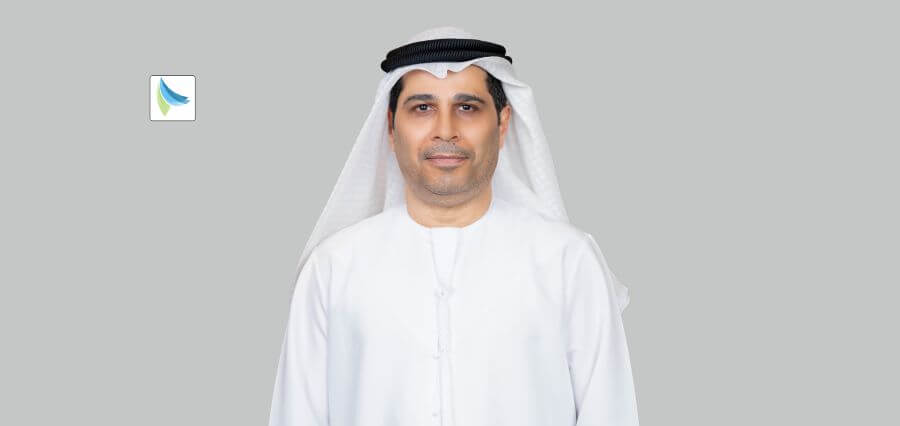
Sultan Alghfeli: Engineering Growth while Fueling Innovation
In the dynamic world of international energy, the United Arab Emirates finds itself at a special crossroads—trading on its heritage as an oil giant while pursuing a vision of a diversified, sustainable, and innovation-driven future. Guiding this transformation are leaders whose strategic vision and leadership are shaping the future. One such prominent leader is Sultan Ahmed Alghfeli, the Chief Strategy Officer of Emarat—Emirates Petroleum Company P.J.S.C. Sultan Alghfeli’s journey is not just a testament to professional resilience, but also a reflection of how adaptability, human-centric leadership, and strategic thinking can drive monumental change. His narrative, rich with cross-industry experience and transformation leadership, captures the essence of modern Emirati excellence—rooted in purpose, powered by innovation, and guided by people. A Cross-Industry Odyssey: From Oil Fields to Customer-Centric Frontlines Sultan Alghfeli’s professional journey is as complex as it is motivating. He started in the conventional core of the UAE economy—oil and gas—in a cost-center organization that worked in oil refining and gas processing. This initial exposure to industrial processes provided him with a strong operational background, but his path was never meant to be straightforward. Shifting from institutional oil and gas to a contractor-based system brought him closer to the heartbeat of implementation. But it was in 2001 that a dramatic change took place—Sultan Alghfeli made a conscious transition from oil and gas to the telecom sector, stepping into a pure commercial space. This move was not opportunistic; it was personal and strategic. “I needed to relocate to establish a home of my own,” he says. This geographic imperative coincidentally fell in with the launching of a national initiative—Thuraya Satellite Telecommunications. It was a start-up venture, full of promise, and Sultan Alghfeli saw in it not just an opportunity to serve a national cause but also an opportunity to widen his professional scope. The transition exposed him directly to the customer experience—a significant shift from his previous work. This exposure to frontline operations, customer analytics, and big data was a strong foundation for his subsequent roles, especially in Emarat, where customer-centricity is now an integral ethos. Strategic Leadership Forged in Transformation When Sultan Alghfeli became the CSO at Emarat, he had already gained a unique depth of experience in commercial, operational, human resource, IT, and billing functions. These different verticals gave him an integrated view of business dynamics—a pre-requisite for effective strategy leadership. His rise to CSO was not a coincidence; it was the culmination of persistent alignment with transformation imperatives in each organization he worked for. “Every milestone in my career coincided with an opportunity for transformation, fueled by a leadership vision to go from good to great,” Sultan states. At Emarat, that change is about much more than meeting numbers—it’s about embracing the UAE’s national purpose, reimagining the organization’s identity, and future-proofing its role as a mobility hub in a rapidly changing energy world. Philosophy and Values: Aspirations Over Limitations When queried about the essential philosophy that motivates his strategic thinking, Sultan is quick to respond: “You have to scale up your resources to be in line with your ambitions. Never lower your ambitions to your current capabilities.” This is the strategy that Emarat operates on. It is not reaction-led; it is vision-driven. Strategic building at Emarat is about driving the benchmark, questioning assumptions, and resetting what’s possible. It’s about imagining results beyond the immediate horizon and empowering teams to take that step. No less critical is execution on strategy, which Sultan calls “the joy of problem-solving.” To him, there is immense pleasure in facing what seems to be an unconquerable problem and dissecting it until it succumbs to creativity, teamwork, and determination. Building Buy-In and Execution through Co-Creation Sultan Alghfeli is well conscious that strategy without implementation is merely theory. At Emarat, strategic planning is a co-creation process. “You create buy-in in development—not in implementation. It’s too late then,” he asserts. This model guarantees that business unit leaders become stakeholders right from the start. By owning the initiatives, they don’t merely approve strategic roadmaps —they commit. This deeply ingrained ownership manifests as accountability, flexibility, and most importantly, results. His leadership philosophy is rooted in empowerment and clarity. He practices leading by example and empowering his teams with tools, authority, and autonomy. Every project or initiative has a well-defined owner, and when ownership is taken, the organization supports them wholeheartedly. Future-Ready Transformation: From Fuel Stops to Mobility Destinations Though Emarat is well known to operate fuel stations, Sultan Alghfeli is changing what that image entails. “We are not fuel stations. We are mobility hubs,” he declares. With Sultan’s strategic vision at the helm, Emarat is looking for expansion in areas of aviation fuel, natural gas distribution, LPG, and logistics, and so on. But what makes the vision so unique is the customer. The transition of Emarat as a customer-oriented marketing company signifies that it’s not about the product—it’s about the experience. Whether powering internal-combustion-engine or electric vehicles, Emarat is attuned to what the customer holds dear—convenience, service quality, and brand trust. “We are not biased towards a particular energy source; we are biased towards customer preference,” Sultan Alghfeli explains. This subtle yet potent shift in orientation is driving Emarat’s entire future strategy. Harnessing Technology and Market Intelligence When asked how Emarat translates complicated market information into actionable plans, Sultan’s answer demonstrates pragmatism and vision. “Our plans are data-driven and financially stringent. But they are never set in stone.” In a world where market conditions and technologies evolve rapidly, flexibility is key. Emarat continuously de-risks its strategies by maintaining a pipeline of innovation. “We plan thoroughly, but we recognize change is inevitable. So, we innovate constantly,” he notes. Digitization, big data, and AI are already part of Emarat’s customer experience and operational efficiency. But Sultan Alghfeli feels the actual disruption lies elsewhere, it’s about enhancing the customer experience. “AI won’t replace people, but it will enable us to serve customers better, faster, and more intuitively.” Workforce Strategy: Talent as a Strategic Asset Underpinning Sultan Alghfeli’s strategic vision is a people-first

Petra Wicklandt: Leading with Purpose to Shape a Sustainable Future
In an era where sustainability is reshaping the way businesses operate, Petra Wicklandt stands out as a leader who is driving meaningful change. As the Chief Sustainability Officer of Merck KGaA, Darmstadt, Germany, Petra has played a pivotal role in integrating responsible practices into core business strategies. Her thoughtful leadership, grounded in transparency, collaboration, and strategic execution, has helped the company make notable strides toward its ambitious sustainability goals. For Petra Wicklandt, sustainability is not an isolated initiative—it is a central pillar of corporate success. Under her guidance, Merck KGaA, Darmstadt, Germany, has taken significant steps toward climate neutrality by 2040, building sustainable supply chains, and embedding ethical governance into operations. The company’s purpose— “Sparking Discovery, Elevating Humanity”—is more than a slogan. It reflects a deep, centuries-old commitment to creating innovations that improve health and well-being while respecting planetary boundaries. Petra Wicklandt’s leadership journey at Merck KGaA, Darmstadt, Germany, spans more than 30 years—a tenure that surprises many. But Petra never found time to get bored. She’s held diverse roles across R&D, production, and strategic leadership, constantly evolving her expertise. Starting as a Pharmaceutical Development Lab Manager after leaving DuPont, she soon advanced to leading teams and eventually managing the modernization of a pharmaceutical manufacturing site. This role taught her resilience, long-term vision, and the value of persistence, as she navigated budgets, influenced stakeholders, and led large-scale transformation. Her dream job came next—leading Pharmaceutical Development and later Chemical and Pharmaceutical R&D. Contributing to treatments for cancer and multiple sclerosis was particularly meaningful. These roles honed her communication skills and taught her that engaging teams goes far beyond simply sharing information; it’s about listening, building consensus, and fostering purpose. Petra Wicklandt then stepped outside her comfort zone to build a government affairs organization and lead the company’s corporate sustainability strategy. This experience broadened her perspective across sectors and functions, showing her the importance of big-picture thinking and bold change. In her current role, Petra Wicklandt oversees several critical functions, including Sustainability, Cybersecurity, Trade Compliance, Bioethics, Crisis Management, and more. She continues to grow as a leader, applying lessons from her past to navigate new challenges with clarity and calm. One such challenge is measuring the return on sustainability investments. For example, Merck KGaA, Darmstadt, Germany’s commitment to climate neutrality involves complex calculations, particularly for Scope 3 emissions across its vast supply chain. Petra Wicklandt acknowledges that some variables remain uncertain, such as future carbon pricing or offset costs. But she believes in acting today to secure long-term resilience, even if the business case seems speculative now. She’s confident that, with time, what feels difficult today will become obvious in hindsight. For Petra Wicklandt, leadership is rooted in three dimensions: innovation, continuous improvement, and inspiration. She believes in building highly engaged teams, where fair decision-making, open communication, and mutual appreciation create a strong sense of trust. Petra views purpose as a powerful force, embedded in every project her team undertakes—from improving patient health and reducing environmental impact to ensuring ethical business practices. Managing global and hybrid teams comes with unique challenges, but Petra Wicklandt sees great opportunity in uniting diverse talents. She makes use of digital communication tools but also prioritizes in-person interactions, believing that nothing replaces the connection formed through face-to-face engagement. Regular town halls and on-site visits help her maintain a strong sense of connection across geographies. Work-life balance is another area where Petra Wicklandt brings realism and empathy. For her, family is the foundation of her balance. As a full-time working mother of two daughters, she knows the juggling act firsthand. Support from her husband—who took parental leave before it was common—and her extended family made it possible. She encourages others to build a support network and to extend grace to themselves, especially working parents who often carry an unfair sense of guilt. Outside of work, Petra Wicklandt lives her values. She shops locally, avoids energy waste, and drives a hybrid car powered by solar panels from her roof. Sustainability, for her, is not just professional—it’s personal. Petra Wicklandt’s accomplishments are always team-driven. She is most proud of her daughters, now young women making thoughtful decisions about their futures. Her oldest is studying medicine, and her youngest is preparing for a semester abroad. In business, Petra Wicklandt takes pride in having contributed to Merck KGaA, Darmstadt, Germany’s long history—from modernizing facilities and developing life-changing medicines to advancing the company’s sustainability transformation. When asked about legacy, Petra Wicklandt acknowledges it’s a big word, but she hopes that her deep conviction—that doing the right thing for the planet, human health, and society creates shared value—continues to guide future leaders. She knows that change is constant and that the next generation must address new challenges with new tools. But if her purpose-driven approach leaves a lasting impression, she’ll consider that a success. Petra Wicklandt is a shining example of how strategic leadership, personal integrity, and a commitment to sustainability can shape the future of responsible business. Through her work at Merck KGaA, Darmstadt, Germany, she is proving that doing the right thing is not only possible—it’s profitable, impactful, and essential for long-term success. Read More: Eoin Daly: Driving Sustainable Transformation in Banking

Eoin Daly: Driving Sustainable Transformation in Banking
Redefining Financial Stability Through Environmental and Social Impact The banking industry is undergoing a profound T transformation as it embraces sustainability as a core business imperative. Regulatory pressures, climate risks, and growing stakeholder expectations are reshaping how banks operate, finance, and engage with communities. At the heart of this shift is a commitment to aligning financial success with environmental and social responsibility—paving the way for a more stable and equitable future. Eoin Daly, Head of Sustainability at the Commercial Bank of Dubai (CBD), is a leading voice in this transformation. His journey into sustainability was sparked by a deeply personal moment: a question from his then-seven-year-old daughter who asked, “Daddy, what are you doing about climate change?” His honest response— “not enough”—became a defining call to action. Around that time, sustainability reporting became mandatory for listed entities in the UAE, creating a timely opportunity for Eoin Daly’s to lead CBD’s transition toward a more sustainable future. Backed by the support of CBD’s CEO, Dr. Bernd van Linder, Eoin Daly’s was given the mandate to integrate sustainability into the bank’s strategy. Dr. van Linder recognized the importance of maintaining the bank’s social license to operate and committed to addressing the externalities of banking operations. With that, Eoin Daly began laying the groundwork for CBD’s sustainability journey. Embedding Sustainability into Strategy Eoin Daly’s diverse professional background in management consulting and leading strategic teams within CBD provided a solid foundation for his sustainability leadership. His experience building the Change Management Office, Channels and Digitization, and Customer Engagement teams translated seamlessly into forming a high-performing Sustainability team. Recognizing that sustainability transformation requires organization-wide engagement, he advocated for a systemic shift: every function within the bank needed to contribute. This led to the creation of an ESG Council, composed of representatives from various departments, which was tasked with driving key ESG initiatives and tracking their performance. This cross-functional approach ensured that sustainability was not siloed but embedded across the organization. From Vision to Action: Key Achievements Under Eoin Daly’s leadership, CBD has achieved several significant sustainability milestones. Among the most notable was the issuance of its first green bond in 2023—an initiative that ring-fenced $500 million for projects aligned with their sustainable finance framework. The Green Bond Report released in June 2024 revealed that the projects funded avoided over 100,000 tCO2e in emissions—the equivalent of what 7 million trees would sequester in a year. The bank also established its first greenhouse gas (GHG) emissions baseline across scopes 1, 2, and 3, with the assistance of external experts. While the majority of emissions stem from financed activities, CBD recognized the need to lead by example. They publicly committed to achieving carbon neutrality for their operations by 2030—demonstrating their intent to “get their own house in order” before expecting customers to follow suit. Other notable initiatives included revising the bank’s risk management framework to account for climate-related risks, co-hosting the inaugural Future Sustainability Forum, and launching their first sustainability hackathon. These projects reflect CBD’s broader commitment to innovation, education, and community collaboration in the sustainability space. A Strategic Approach to ESG Integration Eoin Daly and his team conduct annual materiality assessments to identify the most impactful ESG priorities, consulting a wide range of stakeholders including customers, NGOs, and government entities. This ensures that the bank remains focused on the initiatives that matter most while adapting to the evolving sustainability landscape. CBD’s sustainability approach is also client-centric. For corporate customers, they provide transition finance solutions—loans tied to sustainability-linked KPIs that support the shift toward greener business models. For retail customers, green banking products help promote eco-friendly financial choices. These efforts reflect CBD’s ethos of “backing customers’ ambitions”—many of which are increasingly aligned with environmental goals. Cultivating the Right Mindset: The “3Ps” When it comes to building a career in sustainability, Eoin Daly emphasizes three critical qualities: passion, patience, and perseverance. Passion is essential because sustainability is purpose-driven work; it requires belief in the mission. Patience is necessary because not everyone will be on the same page initially—people come to their “climate awakening” at different times. Perseverance is key because the work is often long-term and challenging, requiring resilience and consistency. “You don’t need to be Greta Thunberg or Al Gore, but you do need to believe in the cause and recognize there is no ‘Planet B’.” Eoin explains. Changing Perceptions and Building Collaboration Historically, sustainability was seen as a cost—either for compliance or for marketing. But this perception is shifting. Increasingly, banks and businesses are recognizing that ESG oriented practices lead to stronger, more stable financial performance. For banks, managing climate risk is not just a moral obligation but a financial necessity. Ignoring these risks could lead to significant losses down the line. Eoin Daly stresses the importance of partnerships and collaboration. CBD has actively sought to “stand on the shoulders of giants,” learning from global leaders, forming local alliances with other banks, and co-developing sustainable finance frameworks. This collaborative spirit has helped accelerate progress and ensure best practices are shared across the industry. Looking Ahead: Sustainability as Second Nature Eoin Daly believes the ultimate goal is for sustainability to become fully embedded in an organization’s strategy and culture. Eventually, it should be so deeply integrated that it becomes “second nature”—not just a separate function but part of every decision, process, and value system within the bank. His advice to aspiring sustainability professionals? “Take the first step. Don’t wait to know everything. You’ll learn as you go, and you’ll be surprised by how much support you’ll find along the way.” Through vision, leadership, and an unwavering commitment to purpose, Eoin Daly is proving that sustainability and financial performance are not mutually exclusive. At the Commercial Bank of Dubai, he’s helping redefine what it means to be a responsible bank in the 21st century—one that doesn’t just manage money, but also shapes a better future. Read More: Empowering Dreams: Ali Alamri’s Contribution to the Growth of Saudi Entertainment
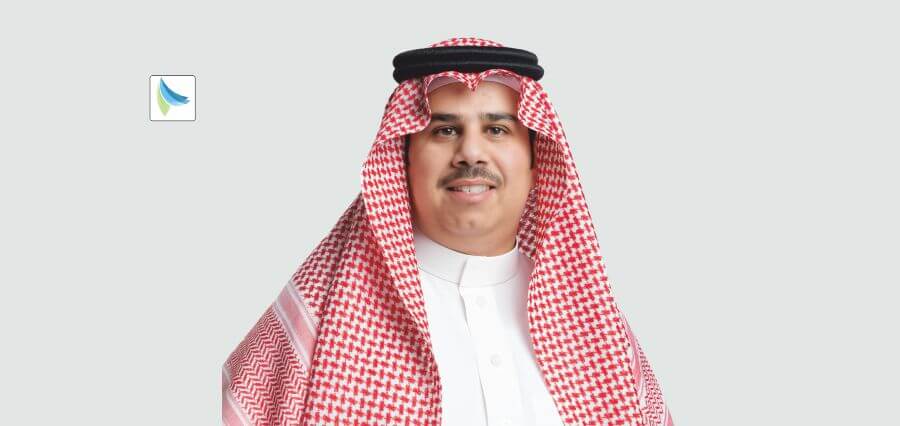
Empowering Dreams: Ali Alamri’s Contribution to the Growth of Saudi Entertainment
In the heart of Saudi Arabia’s journey transformative journey under Vision 2030 lies a vibrant and rapidly evolving entertainment industry. One individual playing a pivotal role in shaping this dynamic sector is Ali Alamri, a seasoned expert in strategic innovation and business development. With over 18 years of experience spanning both public and private sectors, Ali has become a name synonymous with visionary leadership and excellence. His story is not just about professional accolades but about a deeper mission—to drive sustainable growth, empower local talents, and position Saudi Arabia as a global entertainment hub. A Visionary Strategist in a Transforming Nation Ali Alamri’s expertise is anchored in a strong academic foundation—an MBA with Merit from Manchester Business School—and a suite of professional certifications including Project Management Professional (PMP), Certified Balanced Scorecard Professional, and ISO 9001 & 27001 Lead Auditor. These credentials underscore his multifaceted skill set, encompassing strategic formulation, execution, governance, and organizational excellence. But Ali Alamri’s real edge lies in his ability to transform strategy into tangible results. In a landscape where every challenge is a doorway to opportunity, he has consistently crafted strategies that guide entities through complex transformations. Reflecting on Saudi Arabia’s rapid development, he says, “Transforming entities under the ambitious Vision 2030 is no walk in the park.” Bridging the Gap Between Vision and Execution Ali Alamri’s career reflects a rich tapestry of experiences across the Capital Market Authority, Private Banking, the SME Authority, and the General Entertainment Authority (GEA). Each role has further honed his perspective, enabling him to bridge gaps between government vision and private sector innovation. His strategic foresight has led to the establishment of foundational frameworks including Strategy Management Offices, Project Management Offices, and Organizational Excellence models. These structures are crucial in translating policy into action and ensuring continuity in implementation. “Building these foundations demands not just strategic acumen,” Ali Alamri explains, “but also a keen understanding of human dynamics.” This understanding has been especially crucial in balancing two often conflicting objectives: expanding market reach and maintaining regulatory integrity. Ali adds, “Achieving this equilibrium fosters a thriving business environment while upholding governance.” Championing the Private Sector With over 15 years of private sector experience, Ali Alamri understands the nuances of business growth. His approach is pragmatic yet strategic, always aimed at minimizing bureaucratic hurdles while maximizing value creation. “I use my combined knowledge to bring bigger value,” he explains, “it’s about making strategic moves that support and elevate the private sector without adding unnecessary burdens.” This ethos is deeply woven into his work at GEA, where he’s played a vital role in crafting strategies that empower SMEs, attract international investments, and provide startups with a nurturing environment. His focus remains on stimulating a balanced ecosystem—one where large investors and small entrepreneurs alike find fertile ground to thrive. Technology and Innovation: The New Frontiers Ali Alamri’s role also extends into one of the most exciting developments in entertainment—technology. He recognizes the transformative power of innovations such as AI, Augmented Reality, and Virtual Reality. “These technologies enhance customer experiences,” he says, “creating entirely new dimensions of engagement.” One standout success story is the exponential growth of the e gaming sector in Saudi Arabia. Powered by robust 5G and fiber internet infrastructure, the Kingdom has emerged as a global hub for gamers and developers alike. “KSA’s dedication to e-gaming sets a global standard,” Ali notes, “making it a hotspot for gamers and industry pioneers.” Yet, the role of technology isn’t limited to front-end experiences. Behind the scenes, data analytics tools are shaping smarter decisions. “Technology empowers us to understand markets deeply,” he explains, “offering valuable insights that guide investors towards more profitable ventures.” Preserving Legacy, Embracing Tomorrow At the center of Saudi Arabia’s entertainment revolution is the General Entertainment Authority (GEA), with a bold vision to quintuple the sector’s market value to $6 billion by 2030 and generate over 450,000 direct jobs. Ali sees this not just as an economic objective but a social mission. “It’s about transforming dreams into reality,” he asserts. GEA’s three strategic pillars—Enriched Experience, Thriving Sector, and Sustainable Capabilities—are not just guiding principles, they are actionable frameworks. From curating unforgettable events to supporting startups and training local talent, each pillar contributes to a sustainable and inclusive entertainment ecosystem. Ali Alamri’s fingerprints are evident on several key initiatives—from the successful hosting of the IAAPA Summit in Riyadh to international investment roadshows across the US, UK, France, China, and beyond. “These efforts position Saudi Arabia as a credible and exciting market for global entertainment players,” he says. He’s equally passionate about grassroots initiatives like The Hawi (Hobby Clubs Association), designed to support community-driven entertainment by fostering hobby-based clubs. “It’s about creating spaces where passions are nurtured, not just businesses,” Ali adds. Catalyzing Entrepreneurial Growth Ali Alamri’s commitment to nurturing local entrepreneurship shines through in the launch of two accelerators under GEA’s umbrella. These platforms are tailored to support startups, offering them the guidance, exposure, and funding needed to succeed in a competitive market. “We’re making entrepreneurial dreams more attainable,” he notes. Moreover, the entertainment ecosystem is backed by unprecedented government support—incubators, funding programs, and regulatory reforms. “Funding has never been easier or more accessible,” Ali emphasizes. “It’s a golden age for startups in Saudi Arabia.” Recognition and the Road Ahead Under Ali Alamri’s leadership, GEA earned the prestigious EFQM Excellence Award, a testament to its commitment to quality, innovation, and impact. For Ali, accolades like these reflect the hard work of many but also reaffirm the strategic direction being pursued. Looking ahead, Ali Alamri remains deeply committed to Vision 2030. “My objective is to deliver upon the promises of Vision 2030 in every possible way,” he states. His focus remains on nurturing talent, attracting investments, and creating a sustainable framework for the entertainment sector’s long-term prosperity. Lights, Camera, Enterprise Entertainment is now one of the fastest-growing sectors in Saudi Arabia, opening doors for profitable business opportunities. With strong government backing, accessible funding, and a tech-savvy population, the sector is ripe for innovation

From Roadmap to Results: Transform Your Business with Strategic Innovation
In times of uncertainty and competition, innovation is no longer an adjective—but a requirement. Companies that fail to innovate are bound to become obsolescent, inconsequential, and ultimately, insolvent. Strategic innovation fills the gap by linking innovation activities to long-term business objectives. The forward-looking framework helps companies develop new markets, redefine customer connections, and redefine business models. Strategically executed, innovation can be the cornerstone of competitive superiority. Strategic innovation is more than product improvement. Or even feature development. It is about breaking old paradigms, overturning the value chain, and rethinking how to create value. Through digital transformation, service repositioning, or market redesigning, strategy-driven innovation unlocks opportunities that merely operationally-focused solutions cannot. Learning the Function of Strategic Innovation Strategic innovation is conscious planning and implementation of new and creative ideas that are in tandem with an organization’s long-term strategy. It is not about profitability in the short term but thinking about how a company can be unique and relevant in an ever-changing world. This involves finding reluctant customer needs, probing new technologies, and identifying new business models. The goal is to reimagine how the business produces value such that it shatters paradigms or constructs new markets. There are certain shared characteristics that all leaders of strategic innovation share. They possess a highly acute insight into their customers, competitors, and broad market trends. This allows them to foresee behavior change and respond with similar solutions in kind. Consider the case of business entities such as Tesla or Netflix that disrupted the auto and entertainment industries by envisioning new paradigms. They did not become successful by accident but by having a vision clear enough that prioritizes innovation in the midst of its goal. Second, strategic innovation encourages long-term thinking. It asks questions like: Where is our business headed in the next five or ten years? How do we shape that future? How do we stay relevant to our customers as their needs evolve? Creating a Culture That Embraces Innovation A culture that will support and enhance an innovative approach cannot be a thing without leadership encouraging openness, experimentation, and cooperation actively. Leadership encouraging openness, experimentation, and collaboration is the basis of an innovating culture. A culture of innovation does not come from setting only objectives and norms; leaders must be models for demonstrating that innovative thinking is valued and failure, when responsibly necessary, is tolerated as part of learning. Employees will not risk undertaking the risk required to stimulate real innovation without psychological safety. In addition to good leadership, a company needs processes that allow interdepartmental collaboration. Silos between departments provide breeding grounds for contemplated innovation to be blind spots or underrated possibilities. Cross-functional collaboration allows for variety in thought and expertise, which is critical in idea creation. Innovation also thrives in companies where learning as a lifestyle is the norm. That translates to investment in access to training, workshops, and experimental hands-on training so as to make employees inquisitive and capable. Reward structures play an important role in creating innovation culture as well. Praising innovative thinking publicly, although it will fail on day one, is a strong message sent well to the employees. It tells them that they matter and innovation is each employee’s job, not the task of some group. Technology and Data to Drive Innovation Technology is maybe the most powerful driver of strategic innovation. Machine learning and artificial intelligence, blockchain and Internet of Things (IoT) are some of the technologies continuously changing, and they lead to new ways of value delivery, encouraging efficiency, and engaging with the customer. The key to success, however, is not pursuing every trend, but choosing technologies to drive particular business goals. Having a clear vision for what issues and possibilities the organization faces is what determines which innovations are most appropriate. Data is the motivation here. Business analytics provides organizations with sharp facts about what customers need, firm performance, and market trends. These inform wise decisions and identifying areas of space for innovation. Predictive analytics, for instance, allows potential customer behavior to be forecasted so that firms can fine-tune their products prior to widespread adoption. Automation does the same to procedures, costing less and freeing human capacity for more strategic purposes. Digital transformation projects must also include assessing organizational readiness. Investing in new technology without any infrastructure or capability typically equates to underwhelming results due to neglect. Companies need to spend on upfront investment in people and infrastructure in order to benefit from most technology-fueled innovation. Conclusion Strategic innovation is a prime driver of business change, and long-term success. Strategic innovation enables organizations to shape market change, create differentiated value propositions, and revitalize industries. By infusing innovation into the DNA of strategy, creating a culture of experimentation, and utilizing technology and data, organizations have the capability to be leaders in change and bring about huge growth. With an environment that is full of uncertainty and complexity, businesses cannot hope to thrive based on past successes or incremental progress. They must think boldly, act courageously, and innovate smartly. They will not just survive but also thrive. Read More: The Essential Skills Every Financial Strategist Must Master in 2025
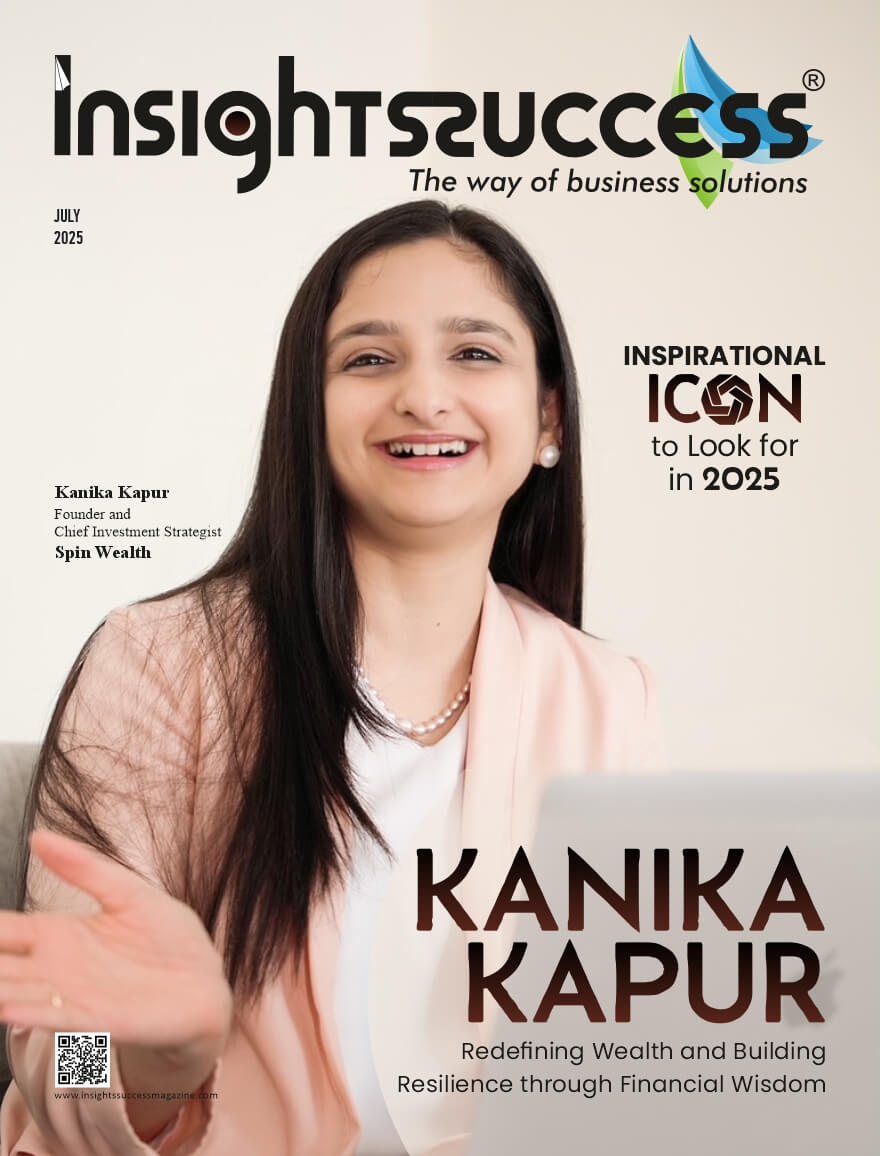
Inspirational Icon To Look For In 2025
Inspirational Icon To Look For In 2025 The edition is featuring Kanika Kapur celebrates visionary leadership, resilience, and transformative impact. Kanika Kapur exemplifies purpose-driven excellence, inspiring individuals across industries with her passion, authenticity, and innovation. This special feature honors her journey as a beacon of hope and influence for the year ahead. Quick highlights Quick reads

Kanika Kapur: Redefining Wealth and Building Resilience through Financial Wisdom
With financial literacy being more crucial than ever but elusive these days, Kanika Kapur is the beacon of clarity, empowerment, and confidence. An unwavering champion of democratizing the creation of wealth, she has revolutionized how human beings—women, in particular—are relating to money. As Founder and Chief Investment Strategist at Spin Wealth, Kapur’s journey from being a high-achieving student in Mumbai to becoming a trailblazer in personal finance is an expression of a passionate belief: financial independence is not merely a destination but a journey towards freedom and resilience. Early Foundations: The Genesis of a Financial Visionary Kanika Kapur’s childhood was steeped in the vibrant but conservative life of a large joint family in Bombay. Among 14 cousins’ sisters in her extended family, she alone was the woman who broke classical molds and pursued a career with conviction and faith. This unorthodox line of work was not a whim but was rooted in a deep love of numbers and logic—ability that raised a gentle challenge to the social norms that sought to silence women’s voices. Her brilliance in studies was evident right from the start when she topped her finance course at Mumbai University, receiving the prestigious Student Excellence Award and a cash prize. It was this prize that prompted her very first investment test—a selection of shares after reading annual reports rather than succumbing to temptation to spend. This initial test of investment was a turning point: money no longer was just a medium of exchange but a powerful instrument of personal empowerment and growth. The 2008 financial crisis was the ultimate test of Kapur’s skill and temperament. While others toiled in doubt, she correctly forecasted earnings for her fund, earning professional recognition and personal wisdom. This success affirmed her belief that managing money was not just a career—it was her purpose. Spinning Wealth from the Ground Up: From Humble Origins to Sector Pioneer In 2009, with the aim of making money work harder for people, Kanika Kapur founded Spin Wealth. The entity began life as a small gesture—a kindness to family and friends who needed investment suggestions—and organically developed into an established wealth guidance‑oriented firm renowned for its personal, empathetic service. Unlike other guidance‑oriented entities with an excessive product orientation over people, Spin Wealth is Kapur’s ideology of personal service brought to life. Each portfolio is designed with the awareness that investment ideas must address the personal narratives, aspirations, and emotional landscapes of customers’ experiences. This personalized concept has given rise to Spin Wealth as a place beyond just a business entity; it’s a sanctuary of finance where wisdom, confidence, and expertise are cultivated. Kanika Kapur’s deliberate act to hire a women-only team at Spin Wealth is a reflection of her faith in not just financial inclusion but also gender equality in the field. It is a sensible as well as a personal decision, driven by her own experience of financial vulnerability during her divorce. Financial independence for Kapur is a lifeline—required for dignity as well as self-empowerment. Championing Women’s Financial Independence: A Cause and a Mission Kanika Kapur’s professional life is indelibly associated with a passionate crusade for women empowerment through financial literacy. She observes the irony of Indian society: women are worshipped in the form of goddesses in festivals and rituals but are often pushed to the fringes in real money matters. This contradiction led her to develop projects such as finance workshops exclusively for women and the pioneering “Financial Black Box“—a tool that enables women to secure their financial future and weather emergencies with confidence. Her audience is not just limited to her organization. Via her podcast MoneyWise, guest lecturing at elitist schools such as the BSE Institute, and her TV lectures on networks like Brut India and Tweak India, Kanika Kapur deconstructs financial lingo into accessible, actionable wisdom. She seeks to demystify investing, making it a landscape not so intimidating for women from diverse backgrounds. Her message is straightforward and compelling: financial freedom is not a luxury—it is a right, an obligation, and a force for personal change. By promoting confidence and offering unvarnished guidance, she encourages women to take back their rightful place as active participants in shaping their economic destinies. Strategic Vision and Investment Philosophy Kanika Kapur’s strategic strength is a blend of analytical discipline and empathetic sensitivity, a rare combination. She has professional training in the form of an MBA and successful completion of CFA Level I and II exams. Furthermore, she has a well-developed analytical background. But it is a sharp sensitivity to the discipline of behavioral finance—the interface of emotion and financial decision-making—that truly distinguishes her. Her investment strategy is centered on disciplined diversification across asset classes—equity, debt, and alternative assets—and is risk appetite neutral and life cycle neutral. She emphasizes disciplined, long-term investing with strategies designed to smooth out market volatility and align portfolios with individual goals — avoiding reactive decision-making and short-term noise Kanika Kapur’s client-centered, transparent, and patient leadership inspires trust by allowing open communication, breaking down jargon, and maintaining an emphasis on long-term value creation over short-term gain. Her stability was especially evident during the COVID-19 downturn in markets, with her calm coaching safeguarding client portfolios and confirming the long-term worth of a clear-headed, well-researched position. Resilience and Leadership: Navigating Through Challenges with Clarity Leadership, in Kanika Kapur’s view, is more than titles and bottom lines. It is a daily dedication to transparency, consistency, and fortitude. She embraces vulnerability as resilience. She acknowledges that true equilibrium comes from being able to recognize when to stop, rest, and hold firm against distractions that dilute intention. Building Spin Wealth required surmounting complex personal and professional obstacles. Kapur’s journey has been informed by moments of introspection and self-discovery—moving from internalizing enforced silence as a child to unwaveringly embracing herself within the traditionally male sphere of the finance field. Her resilience is a testament to her persistent commitment to leading with empathy and creating spaces in which others—most specifically women—can thrive. Her daily schedule balances strategy and self-care, breaking

The Essential Skills Every Financial Strategist Must Master in 2025
With technological change at a pace that is unprecedented, companies cannot afford to fall behind anymore. To succeed in the rapidly changing world takes more than technical prowess—it takes vision, flexibility, and a sense of future direction. At the forefront of all this stands the digital innovation leader, a role now critical to driving meaningful change and remaining ahead of the game in today’s global economy. Whether you’re charting a path through a startup or a large company, the road to innovation is fraught with promise and pitfalls. So, just what do all digital innovation leaders need to know about next-generation technologies to drive a real impact? The Role of Strategic Alignment Not all technologies are worth pursuing regardless of how brilliant they appear superficially. The first and most important skill a digital innovation leader must learn is that of strategically matching new technologies with the long-term strategic objectives of the firm. That involves asking hard questions: Will this innovation enhance customer experience? Can it enhance operations or generate new revenues? Does it align with our purpose? For example, deploying AI onto battlefields is not just automating for the sake of automating. In a suitable setting, it might activate predictive capabilities that revolutionize how customers are handled or enable superior resource allocation. Likewise, embracing blockchain may be better applied to dismantling supply chain obscurity or corruption than monitoring the recent cryptocurrency craze. Seeing the real-world worth and uses of such technologies rather than being a victim to hype—is what constitutes leaders, not followers. Continuous Learning is Vital The developing technology ecosystem continues to evolve. It is not the role of a digital innovation leader to take things easy or focus on past achievements alone. They should infuse continuous learning in their genes. It does not just mean staying updated on industry trends or monitoring tech news feeds; it also includes serious engagement in innovative communities, academia, and other fields. Take quantum computing. Though its mass mainstream adoption is still years away, those visionary leaders who begin investigating its possibilities today understanding the ways it can recast cybersecurity or logistics are the ones who will define its uses in the years to come. Similarly, leaders must value the potential of 5G, augmented reality, digital twins, and edge computing—not individually as standalone technologies but as enablers that, when considered aggregate, have the power to disrupt entire sectors. Embracing Risk and Creating Safe Spaces to Experiment Innovation is not a solitary activity. It needs space where people can experiment and experiment without a sense of fear of getting things wrong. A forward-thinking digital innovation leader does this type of culture by encouraging calculated risk-taking and celebrating success and learnings. Instead of punishing failure, they see it as a steppingstone to breakthroughs in creativity. They promote cross-functional collaboration, de-siloing, and giving teams the power to try new things in pilot programs or sandbox environments. These pilot programs don’t always yield results right away, but they create the organization’s capacity to innovate sustainably. This shift in mindset from perfection to progress is crucial to organizations attempting to reinvent with new technology. Human-Centric Technology Implementation Another fundamental space in which a digital innovation leader must become proficient is the people side of technology. As much as one may be drawn to being enamored with algorithms, automation, and virtual reality, the greatest innovations are ones that really solve real problems for real people. To cite one, IoT- and AI-based wearable health devices are revolutionizing patient care, but only because they react to a primal human demand for more efficient, improved health tracking. Likewise, virtual reality in training spaces succeeds not because it’s novel, but because it makes learning more engaging and intuitive. Those leaders who put people at the forefront of each technology decision will build trust, fuel adoption, and develop solutions that endure. Balancing Ethics and Innovation Great technological power carries great responsibility. As technologies such as AI, facial recognition, and predictive analytics seep into every corner of life, digital innovation leaders are being asked to look beyond profitability and convenience. They must also consider ethics, privacy, bias, and accountability. It’s not so much what technology can do, it’s what it ought to do. A moral leader implements precautions, ensures transparency, and advocates for digital ethics with stakeholders. This way, they not only contain risk but also enhance their firm’s reputation and immunity from criticism. The Power of Storytelling and Influence Lastly, it is not sufficient to know about technology leaders must also be able to enlist others to follow. That is where the art of storytelling comes in. A digital innovation leader must be able to bring a compelling vision of the future so that employees, executives, and investors can envision possibilities on the horizon. Whether it is promoting a new AI-based product or an initiative to go digital, the power to engage emotionally and intellectually with stakeholders is the difference between a risk-averse organization and one that is self-assured. Final Thoughts A digital innovation leader’s job is as daunting as it is fulfilling. Amidst a world that has changed as the only constant, these leaders need to be visionaries, strategists, technologists, and humanists combined. They are the bridge between complexity and simplicity, making certain that new technologies aren’t merely adopted, but comprehended, aligned, and utilized to create profound results. For those who approach this mandate in full strength, the benefits are limitless beyond the achievement of business, towards a world that serves all. Read More: Financial Empowerment for Women in the Modern Economy

Financial Empowerment for Women in the Modern Economy
In today’s speedy and speedier global economy, women’s economic empowerment is not just a social necessity, it’s an economic necessity. Women are shattering glass ceilings in business, leadership, and education across the globe, yet fiscal autonomy is the only field in which gender disparities persist. Closing these disparities is not merely about fairness; it’s about enabling half the world to be part of the economic development and innovation game. This article analyzes the definition, issues, and boundaries to women’s monetary empowerment in contemporary economy, combining data examination with human perception. Understanding Financial Empowerment for Women The economic empowerment of women refers to the ability of women to make meaningful choice over money, to control it in a productive manner, and to achieve economic well-being. It encompasses access to finance services, control over income, and asset accumulation potential. Financial empowerment in its most basic sense is being able to make choices regarding earning, saving, spending, and investing. This. form of empowerment allows women to build safe futures and lives for themselves and their dependents. It allows them to invest in saving, enterprise, health, and education and thus generate a more successful and stronger economy. Why It Matters: The Bigger Picture As women become more economically empowered, the effects are felt at the level of communities. Raising women’s control over household spending has been found to boost expenditure on children’s health, nutrition, and education, according to the World Bank. Women entrepreneurs are also found to create employment and contribute importantly to GDP growth, especially in developing countries. Despite these benefits, there is the economic gender gap. Women, on an average, have lower pay for doing the same job, are more limited by barriers in obtaining credit, and have fewer legal rights to land or property in much of the world. The road to women’s economic empowerment is therefore not merely about personal gain but about change. Barriers to Financial Empowerment There are several systemic and cultural barriers to women’s complete economic empowerment. These include: Limited Access to Financial Services: Women are less likely in most areas to have a bank account or access formal financial services due to limited documentation, poor literacy, or social norm. Unequal Pay and Job Access: Overrepresentation of women in poorly paying fields and lowest rungs of leadership and gendered pay gap hinder their capacity to accumulate assets. Social Gender Roles and Expectations: In which women continue to be socialized to make finances dependent upon male kin, autonomy is thwarted. Financial Illiteracy: Most women are unaware of personal financial planning, investing, or credit management purely because they are not well educated and trained. Pathways to Progress: Translating Barriers into Opportunities Although issues are expansive, solutions are not insurmountable. Some of the most important ways of empowering women economically are: Financial Literacy Programs It begins with education. Governments, NGOs, and the private sector should invest in women’s financial literacy. Budgeting, saving, investing, handling debt, and online banking should be made accessible through neighborhood courses, mobile software, and publicity media campaigns. Inclusive Financial Services Banks and fintech can be agents of change by developing products to meet the specific needs of women—e.g., microloans with low interest, shared savings accounts, or insurance bundles. Mobile banking has especially opened new space for women in rural and under-served areas. Policy and Legal Reforms States ought to target discriminatory laws depriving women of rights to property, inheritance, or conducting business. Enactment of equal pay acts, advocacy for maternity rights, and expanding women’s working-age employment in the labor force are all the essential policy interventions. Empowering Women Entrepreneurs Support systems such as mentorship networks, business grants, incubators, and training programs can enable more women to venture and expand businesses. Women into new fields like tech, engineering, and finance are also encouraged. Real Stories: Empowerment in Action Consider Anita’s story, a seamstress working in a small Indian town and becoming part of a women’s savings group with assistance from an area-based NGO. She learned to save, budget, and take a microloan as a member of the group. She invested the funds in buying herself a sewing machine and started receiving orders from towns around her. She now not only sustains her family but also empowers other women to start businesses. Her tale illustrates the miracle of women’s economic empowerment—it transforms a mere competence into stable income with a multiplier effect in society. The Role of Men and Society Financial empowerment is not only a woman’s mission. It must be achieved together. Men need to be partners in opposition to traditional norms and in favor of shared financial involvement in households. Girls and boys need to be taught financial independence and economic rights right from childhood. Employers must make the workplace inclusive by providing equal opportunities, granting parental leave, and empowering women to develop professionally. Looking to the Future: The Inclusive Future The future of the new economy is defined by how well we harness the potential of all citizens men and women. Investment in women’s financial empowerment means unleashing vast economic potential, fostering greater innovation, and building more prosperous and more equal societies. When people, communities, corporations, and governments get mobilized, the purpose is clear: to create a world where every woman has access to information, resources, and freedom to map out her own economic future. Read More: The Essential Skills Every Financial Strategist Must Master in 2025

Inspirational Icon to Look For in 2025
Inspirational Icon to Look For in 2025 This edition honors Mr. Neven Roginić for his exceptional leadership, visionary mindset, and unwavering commitment to innovation and impact. His journey inspires aspiring leaders across industries, making him a standout figure poised to shape the future with purpose, resilience, and transformative influence. Quick highlights Quick reads