





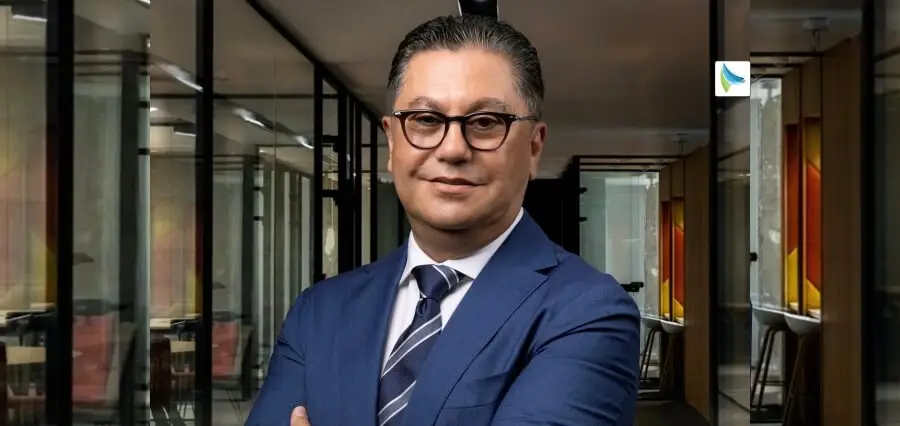
NaturaSeal International: Rewriting the Rules of Sustainable Waterproofing
While even the smallest segments of the construction industry work to protect their most valuable assets, NaturaSeal has pioneered advanced methods for safeguarding modern structures. The company now operates from Dubai as its international hub, delivering innovative waterproofing solutions tailored to the specific demands of Middle Eastern and global construction projects. NaturaSeal develops eco‑friendly building envelope systems that support environmental sustainability, guided by core principles of durability, sustainability‑driven engineering, and high product performance. The vision of NaturaSeal International is guided by the leadership of Raymond George, who brings over 25 years of waterproofing and construction expertise across North America and the Middle East. Having built his career across multiple continents, he now leads the company’s international expansion, shaping NaturaSeal into a modern leader in building envelope protection—not only in North America, but across global markets. A Journey Forged Across Continents Raymond George grew up in Iraq, where he completed his foundational education, before making a defining move in 1996 when he immigrated to Canada. It was there that his professional identity took shape, particularly within the highly specialized and mission‑critical field of construction waterproofing materials. In 2001, he began his career with a prominent Canadian manufacturer in the sector, where he spent several years building a strong foundation in building science, product development, and the commercial dynamics of the industry. By 2008, George transitioned into international business development, focusing on expanding operations beyond domestic markets. In 2010, he relocated to Dubai to lead the establishment of a Middle East operation from the ground up—managing market entry, securing technical approvals, shaping product positioning, educating clients, selecting appropriate systems, and overseeing initial project delivery. He subsequently scaled the venture into a fully operational regional entity. This experience of transforming a start-up presence into a mature organization became a defining milestone in his career. Over the following decade, he continued to deepen his regional expertise. In 2022, he launched another startup in Dubai, this time representing a different Canadian manufacturer within the same domain. Today, NaturaSeal International operates from Dubai as its international hub, with George leading the company’s global expansion efforts. With more than 25 years of comprehensive experience in construction waterproofing—spanning product development input, system design, and regional execution across North America and the Middle East—he brings an invaluable, end‑to‑end perspective to a region experiencing one of the most ambitious construction booms in modern history. Bridging Two Worlds: The Professional Re-Adaptation For George, returning to the Middle East after years of practice in North America did not come with the cultural sticker shock; he had, after all, grown up in the region. But professionally, the transition demanded something more substantial: a complete re-adaptation. The construction methods, climatic conditions, design philosophies, and regulatory frameworks of the Gulf are fundamentally different from those in Canada. A product formulation that works seamlessly in Toronto’s freeze-thaw cycles may fail entirely under the intense heat and humidity of a Dubai summer. “When you bring certain technology and certain product ranges from North America to the Middle East, not all of these products are necessarily applicable to the region in terms of construction method or climate. You have to go through a complete redesign of the product mix, a complete redesign of the application procedures and sequences and then you have to hit the market and convince the design community to accept these kinds of new, innovative ideas,” he explains. This is precisely the kind of challenge NaturaSeal International was built to meet. Rather than importing a one-size-fits-all solution from the West, the company develops and adapts its product portfolio specifically for the region’s demanding conditions. That localized approach, combined with a genuinely differentiated product philosophy, forms the foundation of its competitive edge. The One Percent Problem Ask any project manager what waterproofing represents as a share of their total construction budget, and the answer will almost always be the same: less than one percent. That number, deceptively small, sits at the heart of the misunderstanding that NaturaSeal International has made it its mission to correct. “Waterproofing probably does not exceed one percent of the total project cost. But everybody, or most people, does not give it the importance that is required. And yet this is the only thing you do not want to compromise on, because it is the only thing protecting the integrity of your structure,” George says plainly. He paints a vivid picture of the consequences when decision-makers optimize short-term cost savings over long-term structural protection. Dubai’s skyline is filled with projects that cost billions of dollars, towers, resorts, mixed-use mega-developments that push the boundaries of engineering ambition. Yet if the waterproofing systems beneath those structures fail, the water pressure that follows does not merely inconvenience occupants. It attacks the structural integrity of the building itself, compromising foundations, and triggering remediation costs that dwarf the original savings. It is a blind spot the industry has carried on for decades, and one that the old guard of conventional waterproofing materials has done little to resolve. Into this gap steps NaturaSeal International, offering not just better products, but a better argument. Green by Design: The 100% Sustainable Difference What truly sets NaturaSeal International apart in a crowded market is its unwavering commitment to sustainable technology, not as a marketing afterthought. George states the company’s position with quiet conviction: the organization is likely the only manufacturer in its segment producing waterproofing solutions that are 100% green and sustainable. In a sector that still leans heavily on bituminous sheet membranes, solvent-based coatings, and chemically intensive systems developed half a century ago or even more the company’s product philosophy represents a generational shift. The construction industry globally faces mounting pressure to reduce its environmental footprint, accounting for nearly 40% of global carbon emissions and building materials manufacturers find themselves squarely in the crosshairs of that accountability. The company is VOC-free and solvent-free formulations address this pressure head-on. Beyond environmental compliance, these formulations deliver real, practical advantages on the job site — speed of application with improved safety for

The Foundation of Reliable Building Protection Solutions
Concrete Rehabilitation Strategies Structures are meant to last long, but they can start to weaken over time through various factors like climate, dampness, high usage, chemicals, bad construction, and natural wear and tear. Damage in the form of cracks, corrosion, leaking, and other forms of deterioration go beyond being just aesthetic issues since they can interfere with the functionality of a structure. It is thus necessary for building protection to be done with knowledge of the state of the structure. Some of the most effective ways of protecting buildings include that of concrete rehabilitation. Understanding Structural Deterioration Despite the durability of concrete, the material is still commonly used for building due to its strength and flexibility. Nevertheless, no matter how effectively designed the concrete structure is, there can be deterioration over time. Constant exposure to rain, humidity, temperature variations, pollution, chemicals can weaken the surface of concrete. Detecting these problems at their earlier stages helps to make the right decision about the further steps to prevent deterioration. A professional inspection can help find out the visible and hidden problems with a structure and decide what type of work should be done: the restoration of a surface, reinforcement, waterproofing, etc.The concrete rehabilitation Program helps to handle all these problems in a systematic way. Restoring Strength and Performance Rehabilitation of concrete involves more than just filling cracks or fixing damaged surfaces. For one to effectively do this, there should be an understanding of why such damages have occurred. This will help in the assessment of the concrete and determination of how best to proceed with the repairs. The methods chosen will depend on what needs to be done and could involve things like crack repair, concrete repair, reinforcement corrosion repair, protective coatings, grouting, waterproofing, and strengthening. Concrete rehabilitation can also minimize the cost associated with rebuilding since it allows for repairing of damaged areas as well as protection from future deterioration. The Importance of Preventive Protection Corrective actions after substantial damage have occurred can be costly and cumbersome. In this case, preventive maintenance is a more effective solution. The process of inspecting can reveal such problems as cracks and moisture entry in the initial stages when they are still not critical for the structure. It is important to focus on waterproofing since moisture can hasten the process of corrosion and concrete degradation. Additional protective layers can be applied to increase the resistance to environmental factors. The drainage system should be operational to prevent water from staying on vulnerable surfaces. In conjunction with maintenance works, concrete rehabilitation will become the process of protection. Technology and Skilled Execution The approaches to modern protection of buildings are based on the application of new types of materials and diagnosis. Non-destructive testing can assist specialists in evaluating the condition of concrete and diagnosing internal issues without creating any extra harm. Specific repair materials may offer enhanced bonding, durability, and protection from the external environment. Still, technology alone cannot assure good results. Specialists should be competent in terms of the design of the building and choice of the material; they should also conduct proper preparation of the surface and correct application. A well-conducted concrete rehabilitation project combines all the necessary aspects. Building for Long-Term Value Effective protection of buildings is worth more than just fixing the problem. Well-maintained buildings are safer, function better, look nicer, and require less maintenance in the future. In addition, they can provide a safeguard of investments in case of significant reconstruction needs. Concrete rehabilitation is an efficient approach for those who want to save and utilize concrete buildings. This applies to both residential and commercial properties as well as industrial buildings, bridges, parking lots, and others. A Smarter Approach to the Future The key to ensuring future building protection involves proactivity, intelligent materials choice, skillful construction and ongoing evaluation. Property owners are now becoming aware of the fact that in many cases it is much easier to protect their existing structures rather than build new ones. An effective rehabilitation plan for Concrete will help structures be reliable, durable and resilient for many years ahead. Provided with proper inspection and maintenance, it converts what was once an expense into a long-term investment. Protection is all about one thing in the end – acting on time, choosing appropriate solutions and caring for the structures. Read Also : Advancing Structural Durability Through Anti-Corrosion Coatings

Advancing Structural Durability Through Anti-Corrosion Coatings
Concrete Protection Solutions Concrete is the building block for the construction of roads, bridges, buildings, parking lots, tunnels, water reservoirs, and industrial complexes. However, even though concrete seems sturdy, long-term exposure to water, chemicals, salts, and temperature changes can cause degradation of concrete. Rusting of the steel bars inside the concrete is one of the biggest reasons for the decay of concrete. Rusting of steel occurs when water and chemicals attack the embedded steel reinforcement. As the steel bars begin to rust, they expand in volume, creating pressure inside the concrete. This will cause cracking, spalling, weakening of the reinforcement, and repair work. Anti-corrosion coatings play a vital role in protecting concrete from rusting. The Role of Anti-Corrosion Coatings Modern day coatings form a layer that protects both the concrete and the reinforcement from any damage. These coatings may have the ability to withstand penetration from water, chemical attack, carbonation, and many other environmental attacks. It will also aid in minimizing maintenance costs and increasing the lifespan of the structures. Concrete protection solutions are dependent on selecting the proper coating based on the structure, exposure and required lifespan of the structure. For instance, a bridge that is exposed to de-icing salt may require a different solution than an industrial plant exposed to chemicals. Extending Service Life One of the most powerful advantages of Concrete protection solutions lies in the fact that they provide longer service life of structures. Rather than relying on the appearance of damages, one may apply coating during preventive maintenance. The right choice of a coating will lower water penetration into concrete as well as the migration of aggressive substances through concrete. Thus, it ensures the protection of the reinforcement and minimizes the risk of cracking and damage to the surface of a structure. Preventive protection will help reduce major repair works and will aid in budgeting. Choosing the Right Protection System There is a need for varying needs. Before choosing any coating system, engineers need to take into account the condition of concrete, exposure, surface preparation, temperature, humidity, traffic, and expected durability. The process of surface preparation is just as crucial as well. It needs to be done right since there should be no dirt, oil, loose concrete, and corrosion before applying any coating. Otherwise, it can lead to the failure of the coating to perform as expected. That being said, effective concrete protection solutions require not only appropriate material but also proper inspection, preparation, application, and quality control. Supporting Sustainable Construction Durability is another factor that promotes sustainability. Structures that function for a long time enable organizations to save materials that would otherwise be used for constant rebuilding and repair of the structure. Preserving current infrastructure will therefore benefit the environment as well as the economy. For the owners of infrastructures, the concrete protection solutions are an effective option to conserve the assets they have while minimizing wastage. Looking Ahead Structural protection technology will evolve towards greater strength, better applications, and better performance within the environment. Progress in material science research promotes innovation of technologies for harsh conditions and maintenance procedures. Proactive maintenance will be more necessary as structures grow old. Concrete protection solutions could help in moving from repair work towards proactive protection. Structural protection is possible when proper engineering and suitable coating technology are used. In the final analysis, anti-corrosion coatings are not mere surface treatment. Coatings are just one of the components in the greater plan for durability of structures. Structures can endure harsh conditions and serve society for many years to come. In the right hands, Concrete Protection Solutions could be very valuable for structural protection. Read Also : The Foundation of Reliable Building Protection Solutions

How Automation Is Rewiring the Long-Term Care Revenue Cycle
Skilled nursing and senior living facilities margins, operating under complicated American healthcare billing regulations. Until recently, the manual process of health insurance eligibility verification, claim submission and denial chasing had been performed by overburdened business office staff through various portal interfaces and spreadsheets. This is all about to change – the change being automation. The shift is based on a steady accumulation of software – robotic process automation, application programming interfaces, and, increasingly, machine learning – that quietly absorbs the repetitive, rules-based tasks that once consumed a biller’s day. Those small efficiencies compound into something strategically significant in an industry defined by low margins and high administrative burden. Increased Pressure Three forces are converging to make automation a must-have tool for long-term care operators. The first is economics. Post-acute and long-term care providers depend heavily on Medicaid and Medicare, both of which reimburse at rates that leave little room for administrative waste. Every claim that is denied or written off cuts the operating margin. Then there is labor. LTC sector faces a shortage of really skilled revenue-cycle staff, and the specialized knowledge required to bill Medicaid correctly takes months to build. Institutional know-how may walk out the door with a person when he or she decides to leave. Automation offers a way to encode some of that expertise into software that doesn’t resign. The third is regulation. The rules that govern reimbursement keep tightening, and the margin for human error keeps shrinking. A recent example: under the 2025 budget-reconciliation law, the window for retroactive Medicaid coverage is being cut for most beneficiaries — from three months down to two beginning in January 2027. For a nursing facility, that compression means a slow or mistimed eligibility check can turn recoverable revenue into bad debt far more easily than before. When the tolerance for delay narrows, manual processes that used to be merely inefficient become genuinely risky. The Primary Streams for LTC Automation Not every part of the revenue cycle is equally ripe for automation. The early wins tend to cluster around high-volume manual tasks. Eligibility and coverage verification is the clearest example. Confirming that a resident’s insurance is active (and catching any changes) is foundational to prepare clean claims, yet historically it meant logging into payer portals one patient at a time. A new generation of tools now automates this work, continuously checking eligibility and flagging coverage changes without a human initiating each query. Instead of a point-in-time snapshot taken at admission, the facility gets ongoing monitoring that surfaces a lapse or a new plan the day it happens, rather than weeks later on a denied claim – thanks to modern automated verification tools. Claims and denials management is a second frontier. Robotic process automation can assemble and submit claims, scrub them against payer-specific rules before they go out, and route rejections into structured work queues rather than leaving them to pile up. Automating the checks that catch those errors upstream prevents the costly rework of appeals, because a large share of denials trace back to avoidable front-end errors, including wrong plan information, missing authorization, mismatched patient data. Prior authorization, long one of the most despised bottlenecks in American healthcare, is a third. Automating the tracking of authorization requirements and the status of pending requests helps avoid unnecessary rejections. Technology Behind the Scenes Behind the scenes, however, much of what goes into this effort relies on some pretty unspectacular yet dependable components. Robotic process automation recreates the click-and-typing actions of a human being in legacy systems that have no ability whatsoever to communicate with each other. Where available, APIs can speed up the process of passing information between payers and clearinghouses. On top of it all, machine learning models start providing a forecastive element, predicting which claims may get rejected, which customers need to be worked with first, and where coverage gaps may arise. Traditionally, revenue cycle activities followed certain events: verifying the patient upon admission, billing at the end of the month, responding to denials. Now, automation allows doing these tasks continually in the background, thus catching errors before they become too costly. The Payoff and the Limitations There is a well-known list of advantages associated with automation that comes with successful implementation. These include less denial, prompt cash realization, and decreased cost-to-collect. Just as importantly, automation allows precious human experts to do away with data input and portal checking and concentrate on the difficult decisions where expertise remains superior to algorithms. However, automation is far from being a magic wand, and that is recognized by the most successful players in the game. Poor underlying data quality simply lets a system make mistakes faster. Integration with existing clinical and financial platforms is often the hardest and most underestimated part of any deployment. And regulatory nuance, which, for example, for Medicaid varies by state, still demands human oversight that no rules engine fully replaces. What is clear is the development direction. The long-term care operators that thrive will be the ones that have quietly rebuilt their revenue cycle around software that never sleeps, forgets a redetermination, or lets a coverage change slip through unnoticed. The back office is becoming a technology story and in long-term care, it is arriving just in time. Read Also : Key Employment Law Matters That May Require Legal Representation

NBExperience Announced as Co-Presenter for Global Infra & Realty Awards 2026, Dubai
NBExperience, the Dubai-based global recognition and event platform founded by digital strategist and brand leadership expert Ms. Neelima Kurapati, has been announced as the Co-Presenter for the Global Infra & Realty Awards 2026, set to take place in Dubai. The announcement marks a significant milestone for NBExperience as it extends its footprint into the infrastructure and real estate space, aligning with the platform’s mission to celebrate innovation, leadership, and impact across industries worldwide. The Global Infra & Realty Awards 2026 is poised to bring together developers, investors, architects, urban planners, and infrastructure leaders from across the globe to recognise the individuals and organisations shaping the future of the built environment. As Co-presenter, NBExperience will play a central role in curating the recognition experience, lending its signature approach of meaningful, elegant, and globally resonant celebration to an industry defined by ambition and scale. Speaking on the announcement, Ms. Neelima Kurapati, Founder of NBExperience, said, “Infrastructure and real estate are the foundations on which economies and communities are built. Presenting with the Global Infra & Realty Awards 2026 allows us to bring our philosophy of purposeful recognition to a sector that quite literally shapes the world around us. We are honoured to stand alongside such an esteemed platform and look forward to celebrating the visionaries redefining this industry.” Since its inception, NBExperience has positioned itself as more than an awards platform it is a movement built on the belief that recognition should empower, not merely applaud. Under Ms. Kurapati’s leadership, the brand has cultivated a growing global community of professionals across business, fashion, media, technology, real estate, and social impact, delivering curated recognition moments and substantial brand exposure to honourees and partners alike. With Dubai as its launching ground and a vision that extends far beyond, NBExperience continues to build a reputation as a credible, elegant, and forward-thinking name in the global recognition space. This latest partnership with the Global Infra & Realty Awards 2026 reinforces NBExperience’s growing influence beyond its flagship initiatives, including its Pillars of Asia platform, as it continues to forge collaborations that bridge industries and geographies. The association is expected to bring heightened visibility to both platforms, uniting NBExperience’s global recognition ethos with the Global Infra & Realty Awards’ focus on excellence within infrastructure and real estate development. As preparations for the Global Infra & Realty Awards 2026 gather pace, stakeholders across the infrastructure and realty ecosystem are invited to be part of this landmark celebration in Dubai, where innovation, leadership, and legacy will take centre stage. About NBExperience it’s a Dubai-headquartered global recognition platform founded by Ms. Neelima Kurapati, dedicated to celebrating individuals and organisations that move industries forward. Powered by Neelima Buzz Pvt Ltd, NBExperience curates immersive, credible, and globally resonant recognition experiences across categories including business, fashion, media, technology, real estate, and social impact, with a vision to expand its footprint from Dubai to the world. About the Global Infra & Realty Awards 2026 The Global Infra & Realty Awards 2026 is a premier recognition platform dedicated to honouring excellence, innovation, and leadership within the global infrastructure and real estate industries, bringing together key stakeholders shaping the future of urban and economic development. Disclaimer – This article is a work of original content created for public relations and informational purposes only. It may be published across multiple digital platforms with the full knowledge and consent of the author/publisher. All images, logos, and referenced names are the property of their respective owners and used here solely for illustrative or informational purposes. Unauthorized reproduction, distribution, or modification of this article without prior written permission from the original publisher is strictly prohibited. Any resemblance to other content is purely coincidental or used under fair use policy with proper attribution.

Tasneem Khamkar: A Multi-Award-Winning Woman Shining with Purpose, Power & an Unstoppable Spirit in the UAE
Some people change the world with big speeches and bold headlines. Tasneem Khamkar does it differently. She does it by sitting next to a stranger on a crowded bus, noticing the sadness on her face and simply asking if she’s okay. Tasneem has built her impact not through fame or formal campaigns, but through something much more personal: her willingness to listen, support and stand beside people when they need it most. Across the UAE, and increasingly beyond it, she has become known as someone women turn to when they have nowhere else to go. She has built a reputed career in Human Resources, specializing in Emiratization, for more than 10 years across the UAE. Off the clock, she becomes something else entirely: a listener, a comforter, and to many of the women she has helped, a healer. A Childhood Moment That Shaped Her Purpose Her story starts long before any of this, in a simple moment from her childhood. Tasneem was just six or seven years old when she saw a mother sitting on the roadside with two young children, all of them hungry and worn down. Most people walked past. Tasneem didn’t. She had saved up 20 dirhams of her own money, and without thinking twice, she used it to buy the family a meal. What she remembers most isn’t the food itself, but what happened after. The mother’s tears turned into a smile. She prayed for Tasneem, thanking her again and again. For a young girl, that moment left a lasting mark. She has said that watching someone’s pain turn into relief, right in front of her, made her realize what she wanted to do with her life. When Bus Rides Became Moments of Connection Years later, Tasneem’s daily commute between Sharjah and Dubai turned into something unexpected. Surrounded by other working women making the same long trip, she began noticing the quiet weight so many of them carried. One conversation changed everything. A woman sitting beside her, clearly upset, opened up about her struggles after some gentle encouragement. By the end of the ride, she was smiling again. Before getting off the bus, she told Tasneem she was a healer, someone who could bring back a lost smile. That single sentence stuck with her. From that point on, Tasneem started showing up for people in a way most of us rarely do. She has no formal counseling degree, and she’s the first to admit it. What she offers instead is her full attention: no judgment, no lecture, just someone willing to sit and listen for as long as it takes. Every conversation stays private, and she never charges a cent. She has said her real motivation isn’t recognition. It’s a personal, quiet sense of peace that comes from watching someone feel lighter after they’ve spoken to her. That role became even more important during the isolation of the COVID-19 years, when loneliness hit harder than usual and simple human connection was in short supply. Seeing Strength Instead of Victimhood Ask Tasneem how she talks about the women she supports, and one thing stands out immediately. She refuses to call them victims. She calls them heroes. In her view, every woman carries her own private battles, and pushing through them, day after day, takes real strength. Her goal isn’t to feel sorry for someone. It’s to remind them of the strength they already have. Turning Real Experiences into a Book In late 2024, Tasneem added another chapter to her mission by publishing her first book, Amelia, through Austin Macauley Publishers in the UAE. The story follows a young girl navigating pain, loss, and the slow, difficult process of finding her own strength again. While the character is fictional, the emotions running through the book are drawn from Tasneem’s real conversations and observations over the years. Readers have responded warmly, many saying the story felt personal to them in ways they didn’t expect. For Tasneem, that reaction matters more than sales figures. She hopes to keep writing books built around real human experiences, stories meant to comfort people going through hard times, not just entertain them. Creating a Safe Haven for Women Tasneem’s next goal is her most ambitious yet: building a shelter for single mothers and working women who arrive in the UAE hoping for a better life, only to find themselves exploited, unsafe, or scammed by fraudulent job agents. Her vision is straightforward. A shelter offering free housing, meals, and basic necessities, giving women a safe place to stand while they search for stable, legitimate work. She’s now looking for partners and funding to help turn that vision into something real. Recognized for Her Impact Tasneem’s quiet dedication, both in her HR career and in the community work she does off the clock, has not gone unnoticed. Over the years, she has been honored with multiple awards and recognitions celebrating her contributions as a humanitarian, counselor, and author, a reflection of the same purpose, power, and unstoppable spirit that define everything she does. The Legacy She Wants to Leave When asked what kind of legacy she wants to leave behind, Tasneem doesn’t mention fame or achievement. She says that even a simple prayer from someone she once helped would be enough, that this, more than anything else, is the legacy she’s hoping to build. Her advice to anyone struggling in silence is simple: you are not as alone as you think, and reaching out to someone, anyone, can change everything. In a world full of people chasing attention, Tasneem Khamkar has built a different kind of following, one quiet conversation at a time. Read Also : NBExperience Announced as Co-Presenter for Global Infra & Realty Awards 2026, Dubai

Why More Clients Are Choosing National Family Law Specialists
Family law has never been purely local, but for years it was often treated that way. If you were separating, arranging child contact, or trying to protect assets before a marriage, the default assumption was simple: find the nearest solicitor and start there. That model is changing. More clients are now looking beyond the closest high-street option and choosing national family law specialists instead. It is not hard to see why. Modern families are more mobile, finances are more complex, and many disputes cross regional or even international lines. At the same time, people going through divorce or child arrangements want more than basic legal competence. They want strategy, discretion, speed, and advice that reflects the realities of their lives. Choosing a family lawyer is still a deeply personal decision. Local knowledge can be valuable. But the rise of national specialists reflects something bigger: family law problems increasingly demand broader expertise and more flexible support. The old “local first” approach no longer fits every case Families are more geographically spread out A generation ago, many family law cases were handled within one town or one city. Today, that is far less common. Spouses may live in different parts of the country. One parent may relocate for work. Children may split time between households in separate regions. Property portfolios can span multiple locations, and business interests may not be tied to one court district at all. In that environment, choosing a solicitor purely because their office is nearby can feel limiting. Clients are starting to ask a different question: who is best equipped to handle the case, wherever it unfolds? Complexity has become the norm, not the exception Even cases that seem straightforward at first can become layered quickly. A divorce may involve pensions, trusts, inherited wealth, company valuations, or questions about jurisdiction. A dispute over children may involve schooling, travel, safeguarding concerns, or allegations that need careful handling. National specialists often appeal because they are structured to deal with that complexity every day. Rather than treating unusual issues as one-off challenges, they are more likely to have established processes and access to wider specialist knowledge. What national family law specialists do differently They bring focused expertise, not just general practice experience One of the biggest reasons clients make the switch is specialism. Not every solicitor who handles family matters is a family law specialist in the truest sense. In smaller practices, lawyers may divide their time across several areas. In contrast, national specialist teams are more likely to focus exclusively on family law and the issues that sit alongside it, such as tax, reputation management, cross-border enforcement, or complex financial disclosure. That depth matters when the stakes are high. The right legal argument is important, but so is timing, case strategy, negotiation style, and understanding how judges tend to approach certain disputes. They can support clients wherever the case takes them This is particularly relevant for people whose personal or financial lives do not fit neatly into one region. Remote consultations, digital document sharing, and hybrid hearings have made it easier for clients to instruct the right adviser rather than simply the closest one. For those navigating cases with a wider geographic footprint, access to legal representation across the UK can be a practical advantage rather than a luxury. That broader reach also helps when a matter needs coordinated input from barristers, forensic accountants, mediators, or international advisers in different locations. A national specialist is often better placed to assemble the right team quickly. They are often better prepared for sensitive, high-pressure situations Family law is rarely just about law. It is about pressure, privacy, and decision-making during one of the most emotionally demanding periods in a person’s life. Clients with public profiles, significant assets, or urgent disputes often want advisers who are used to handling intense, fast-moving matters discreetly. That does not mean every case needs a large team or a national firm. It does mean experience counts. Lawyers who regularly deal with contested children cases, emergency injunctions, or high-value financial disputes tend to be more confident under pressure and more realistic about what works. When wider reach matters most Cases involving children and relocation Disputes concerning children are one area where national reach can be especially helpful. If parents live in different cities, or if one is seeking to move with a child, the practicalities can become complicated quickly. The legal test may be clear on paper, but the evidence, logistics, and emotional context often are not. A specialist who regularly handles relocation and cross-regional parenting disputes is likely to have a firmer grasp of the arguments that matter most, from schooling and routines to travel burdens and the child’s welfare overall. Financial cases with business, property, or international elements Financial remedy proceedings are another example. A couple may own homes in different parts of the country, hold overseas assets, or rely on income from a family business. In those cases, broad family law experience is useful, but it may not be enough. Clients often need legal advisers who understand how to coordinate valuations, trace assets, review corporate structures, and negotiate settlements that are both fair and durable. This is one reason national specialists are increasingly attractive to entrepreneurs, professionals, and internationally mobile families. Their cases do not fit standard templates, so they look for advisers who are not reliant on standard solutions. How clients are choosing more wisely Reputation now travels faster than postcode Another shift is how people find legal help in the first place. Recommendations still matter, but they no longer come only from neighbours or local contacts. Clients now compare lawyers based on published commentary, reported cases, specialist rankings, and referrals from accountants, therapists, or private client professionals. That makes the market more merit-based. A solicitor’s reach is no longer limited by geography in the way it once was. The smarter question to ask National reach alone is not proof of quality. Clients should still look closely at whether a lawyer has handled

Overcoming Common SEO Mistakes That Cost Montreal Small Businesses High-Value Clients
Operating a business in Montreal means navigating a dynamic, bilingual marketplace where consumer expectations shift quickly. Local enterprises across the metropolitan area strive to capture the attention of high-value clients, yet many watch their marketing budgets evaporate without securing meaningful returns. When digital campaigns fail to attract lucrative contracts, the underlying issue is rarely a lack of quality in the company’s core services. Instead, it typically stems from avoidable strategic errors and technical missteps that alienate prospective buyers before they ever pick up the phone. Recognizing and correcting these frequent optimization pitfalls is essential for turning an underperforming web presence into a reliable engine for commercial growth. Chasing Generic Traffic Instead of Commercial Intent One of the most damaging mistakes regional business owners make is prioritizing raw visitor volume over actual buyer intent. Many marketing campaigns are structured around broad, high-volume search terms that bring casual browsers to a website rather than decision-makers ready to spend money. For instance, ranking for a vague national keyword might generate thousands of monthly sessions, but if those visitors are located thousands of miles away or lack the budget for your premium services, those numbers are entirely worthless. Capturing high-value clients requires a deliberate shift toward commercial and transactional search queries. When local businesses align their digital strategy with the exact phrases used by prospects who are actively seeking professional solutions, conversion rates rise dramatically. Eliminating unfocused keyword targeting ensures that every piece of content serves a precise financial purpose and attracts qualified leads from the local market. Ignoring the Nuances of a Bilingual Market Marketing successfully in Quebec demands an authentic understanding of a bilingual consumer base. A frequent error among regional businesses is relying on automated translations or implementing a rigid, one-size-fits-all messaging approach that fails to resonate culturally with both French-speaking and English-speaking prospects. When visitors land on a page that feels awkward or disconnected from their linguistic preferences, they lose trust instantly and navigate away. True regional authority requires native-level consideration for how different communities search for services across the greater metropolitan area. Ensuring that service pages, local directory listings, and landing copy feel natural and welcoming to both linguistic groups builds immediate credibility. Partnering with an expert SEO Company Montreal helps businesses navigate these regional communication nuances seamlessly, ensuring no valuable demographic is left behind. Overlooking Mobile Performance and Core Usability Consumer behavior has shifted decisively toward mobile devices, yet many company websites still treat smartphone users as an afterthought. If a local enterprise’s web pages suffer from slow loading speeds, broken layout elements, or hidden contact information, potential high-value clients will abandon the site within seconds. High-net-worth buyers and corporate decision-makers expect a frictionless, professional digital experience when researching service providers. Modern web architecture must prioritize rapid performance and intuitive user navigation. Every landing page needs to feature clear, prominent calls to action and concise messaging that communicates value instantly. When a website loads smoothly on a mobile phone and guides visitors effortlessly toward scheduling a consultation, bounce rates drop and qualified inquiries increase. Operating Without Advanced Lead Tracking and Attribution Another critical misstep that drains marketing capital is the reliance on surface-level analytics. Many organizations evaluate their digital success based entirely on vanity metrics such as overall impressions, social likes, or broad traffic spikes. These figures offer zero insight into actual customer acquisition costs or closed sales revenue, leaving executive teams completely in the dark regarding true return on investment. Implementing rigorous attribution modeling and connecting website forms directly to customer relationship management systems completely transforms operational visibility. Businesses need to know precisely which search phrases and pages generate phone calls and signed contracts. You can explore further insights on attribution frameworks through resources like HubSpot’s Marketing Attribution Models Explained to better understand how multi-channel tracking eliminates guesswork. This data-driven clarity empowers management to reallocate capital toward strategies that produce proven financial returns. Fostering Long-Term Customer Trust and Retention Acquiring a high-value client is only the beginning of a sustainable commercial relationship. Many small businesses make the critical error of treating search engine optimization as a purely transactional lead-generation tool, completely ignoring the post-conversion experience. When a client transitions from an online search query to a signed contract, the digital touchpoints that brought them there must align seamlessly with their onboarding and service delivery. Building lasting trust requires ongoing communication, transparent project reporting, and a website that continues to serve as an educational and operational resource. By nurturing these relationships and maintaining high standards across every digital and physical touchpoint, local enterprises transform initial website visitors into lifelong brand advocates who drive recurring revenue and powerful word-of-mouth referrals. Building Lasting Authority Through Strategic Consistency Overcoming these common optimization errors requires a commitment to ongoing refinement rather than treating digital marketing as a one-time project. By correcting keyword targeting, respecting bilingual search habits, optimizing mobile usability, and enforcing transparent revenue tracking, local enterprises establish themselves as undisputed market leaders. Avoiding these costly pitfalls removes uncertainty from scaling operations and paves the way for predictable, long-term business expansion. Read Also : Why More Clients Are Choosing National Family Law Specialists

The Human Side of Leadership: The Defining Advantage in an AI-Driven World
In a world increasingly shaped by artificial intelligence, automation, and constant disruption, the essence of great leadership remains profoundly human. While technology continues to transform how organisations operate, it cannot replace the qualities that inspire trust, build relationships, and unite people around a common purpose. Leadership today is no longer measured solely by financial outcomes, operational efficiency, or strategic brilliance. Instead, it is defined by a leader’s ability to connect with people, navigate uncertainty with empathy, and bring out the best in others during both success and adversity. The most memorable examples of leadership often emerge during difficult times rather than periods of stability. When organisations face challenges, employees look beyond titles and authority; they look for authenticity, compassion, and reassurance. Leaders who demonstrate empathy, kindness, and genuine concern for their teams create environments where people feel valued and supported. Such workplaces foster trust, psychological safety, and collaboration, enabling individuals to contribute their best even under pressure. It is during moments of adversity that the true character of both leaders and teams becomes visible. Modern leadership also requires a deep understanding of human nature. Contrary to the belief that people are primarily motivated by self-interest, experience repeatedly shows that individuals are capable of remarkable generosity, resilience, and commitment when they feel connected to a larger purpose. Leaders who cultivate values-driven cultures often witness extraordinary teamwork and selflessness. When people believe in a shared mission and trust those leading them, they are willing to go beyond their formal responsibilities to help the organisation succeed. Another defining characteristic of human-centered leadership is the ability to balance results with relationships. Organisations exist to achieve goals, but sustainable success is rarely built through numbers alone. Leaders must make difficult decisions, yet they must do so with integrity and consideration for the people affected by those decisions. Employees may not always agree with every choice, but they are more likely to respect and support leaders who communicate openly, act ethically, and demonstrate genuine care. In today’s transparent and interconnected world, integrity has become one of the most valuable leadership currencies. The rise of AI has further elevated the importance of distinctly human capabilities such as emotional intelligence, communication, ethical judgment, and empathy. While machines can process information and generate insights at unprecedented speed, they cannot replicate human understanding, compassion, or moral reasoning. As routine tasks become increasingly automated, these human qualities will become even more critical. The leaders who thrive in the future will not necessarily be those who know the most, but those who can create trust, foster belonging, and inspire collective action. Leadership is ultimately about people. Strategies, technologies, and business models will continue to evolve, but the need for connection, meaning, and purpose will remain constant. The leaders who leave a lasting impact are those who recognise that behind every role, process, and metric is a human being seeking respect, growth, and contribution. In this sense, leadership is not merely a business function, it is a human responsibility. As we navigate an increasingly complex and technology-driven future, the greatest competitive advantage may not be artificial intelligence but human intelligence expressed through empathy, integrity, and compassion. The organisations that succeed will be led by individuals who understand a simple yet powerful truth: leadership is, and always will be, deeply human. Read Also : From Quality Professional to Strategic Leader: Why Healthcare Needs Leaders Who Understand Both Care and Business

Buying Silver Coins: A Practical Guide for New and Experienced Buyers
Buying silver coins can be a straightforward way to add physical precious metals to a collection or investment portfolio. They are tangible, widely recognised, available in a range of designs and price points, and generally easier to buy in smaller increments than large bars. Whether you are purchasing your first ounce of silver or building a broader bullion position, the key is understanding what you are buying, how pricing works, and which products best match your priorities. Why Buy Silver Coins? Silver coins appeal to two types of buyer: people who want exposure to physical silver and collectors who value a coin’s design, issuing mint, rarity, or historical significance. Often, there is overlap. A modern bullion coin can contain a set amount of silver while also being a recognised product with strong resale appeal. Compared with larger silver bars, coins can offer more flexibility. It is easier to buy a few one-ounce coins over time, and smaller units can be more convenient if you later decide to sell part of your holdings rather than an entire large bar. That convenience does come with a trade-off: coins commonly carry a higher premium over the underlying silver price than larger bars. The right choice depends on whether you value recognisability, design, collectability, divisibility, or the lowest possible cost per ounce. Bullion Coins vs. Collectible Coins Before you buy, it helps to separate two broad categories. Bullion coins are primarily valued for their precious-metal content. Many modern examples contain one troy ounce of silver and are issued by sovereign mints. Their price usually tracks the current silver spot price, plus a premium that reflects minting, distribution, demand, and dealer costs. Collectible or numismatic coins may be worth more than their silver content because of age, condition, scarcity, mint mark, historical importance, or collector demand. A coin can be both silver and collectible, but the buying decision requires more research than a standard bullion purchase. If your primary goal is accumulating silver ounces, widely traded modern bullion coins and lower-premium options are usually the simplest starting point. If you are buying for the collection, focus on reputable descriptions, images, condition details, and the coin’s place in its series. Popular Silver Coins to Consider Several well-known silver coins are popular because they are easy to recognise and widely followed by buyers around the world. Examples include: American Silver Eagles Canadian Silver Maple Leafs Chinese Silver Pandas Austrian Silver Philharmonics British Silver Britannias Mexican Silver Libertads Each series has its own design, purity, production history, and typical premium. Some buyers prefer a familiar one-ounce sovereign coin for liquidity and recognition; others enjoy collecting different countries, annual designs, privy marks, or themed releases. Golden Eagle Coins carries a broad selection of silver products, including American Silver Eagles, Canadian Maple Leafs, Chinese Pandas, UK Britannias, Austrian Philharmonics, Mexican Libertads, and older U.S. silver coinage. That variety makes it easier to compare bullion choices alongside more collectible pieces in one place. How Silver Coin Prices Work Silver prices move throughout the day, so the price of a silver coin is not fixed. A coin’s total price is generally made up of: Spot price: the current market value of silver per troy ounce. Premium: the amount added above spot for fabrication, distribution, product availability, and dealer margin. Collectible value, where applicable: an additional amount based on rarity, condition, demand, or historical value. When comparing products, look at the cost per ounce as well as the total purchase price. A lower premium is often attractive for straightforward bullion accumulation, while a higher premium can be reasonable for a specific coin, scarce date, attractive design, or collectible series. Do not assume that the least expensive coin is automatically the best buy. A highly recognisable coin may command a stronger resale market, while a less common product could be right for a collector. The best choice is the one that fits your purpose and budget. Should You Buy Silver Coins, Bars, or Rounds? All three can contain investment-grade silver, but they serve slightly different preferences. Silver coins are often the best option for buyers who want sovereign-mint products, familiar designs, and smaller, easily identifiable units. Silver bars commonly offer a lower premium per ounce, especially as bar size increases. They can be a cost-effective route for buyers focused on obtaining more silver for their money. Silver rounds are privately minted pieces, usually in one-ounce sizes. They are not legal-tender coins, but they can offer an appealing middle ground: a wide range of designs and pricing that is often closer to silver bars than government-issued coins. A mixed approach can work well. For example, a buyer might choose lower-premium bars or rounds for the core of a silver holding and add recognised coins for variety, gifting, or collectability. Don’t Overlook 90% Silver U.S. Coins Pre-1965 U.S. dimes, quarters, and half dollars made with 90% silver are another familiar way to buy physical silver. Often called “junk silver,” the phrase does not mean the coins are worthless; it simply distinguishes common circulated pieces from rare collector coins. These coins are popular because they are fractional, recognisable, and have a long history in the precious-metals market. Their actual silver content is lower than a one-ounce .999 fine bullion coin, so buyers should understand the face-value-to-silver-content relationship and compare the premium before purchasing. A Checklist Before You Buy Use this simple checklist to make a more informed decision: Decide whether you are buying for silver content, collecting, gifting, or a combination of all three. Check the product’s weight and purity rather than relying on its size or appearance. Compare the premium over the current silver spot price. Consider product recognisability and likely resale demand. Buy from an established dealer with clear pricing, product descriptions, and terms of sale. Set a budget and avoid treating any precious-metal purchase as a guaranteed return. Have a storage plan before your order arrives. Storing Your Silver Coins Silver is durable, but coins should still be protected from unnecessary scratches, fingerprints,