






How Strategic Design Thinking Improves the Built Environment
The built environment profoundly influences how people live, work, and connect with the world around them. From transport networks and commercial centres to housing, civic infrastructure, and public spaces, design decisions shape social outcomes, economic performance, and environmental resilience for generations. As Australian cities undergo rapid growth and increasing urban complexity, conventional linear design models are proving inadequate. In response, strategic design thinking has emerged as a critical approach for delivering more meaningful and future-ready outcomes across the built environment. Strategic design thinking brings together human-centred design, long-term planning, systems thinking, and cross-disciplinary collaboration, an approach embedded in the practice of Plus Studio. Moving beyond a narrow focus on form, regulation, or short-term outcomes, it places people, purpose, and performance at the core of decision-making. When applied effectively, strategic design thinking supports the creation of built environments that are resilient, inclusive, sustainable, and commercially viable. Understanding Strategic Design Thinking in the Built Environment Strategic design thinking is an iterative, evidence-based approach that aligns design solutions with broader organisational, community, and environmental objectives. In the context of the built environment, it moves beyond aesthetics and functionality to consider how spaces operate within complex systems such as transport networks, ecosystems, economies, and communities. This approach encourages designers, planners, developers, and stakeholders to ask deeper questions at the outset of a project: What problem are we solving? Who are the users, and how will their needs evolve over time? What long-term impacts will this development have on place, behaviour, and sustainability? By addressing these questions early, projects are better positioned to deliver meaningful and enduring value. Enhancing User Experience and Community Outcomes One of the most significant benefits of strategic design thinking is its focus on human experience. Built environment projects that adopt a user-centred mindset are more likely to respond to the diverse needs of communities, including accessibility, safety, wellbeing, and cultural identity. In Australian cities, where demographic diversity and urban density are increasing, design solutions must accommodate a wide range of users. Strategic design thinking employs research, stakeholder engagement, and co-design processes to ensure that developments reflect the lived experiences of the people who use them. This leads to public spaces that encourage social interaction, workplaces that support productivity and wellbeing, and residential environments that foster a sense of belonging. Supporting Sustainable and Resilient Development Sustainability is a defining challenge for the Australian built environment. Climate change, resource scarcity, and environmental degradation require design approaches that prioritise long-term resilience over short-term gains. Strategic design thinking supports this by embedding sustainability objectives into the core of project planning rather than treating them as add-ons. Through systems thinking, designers can assess how buildings and infrastructure interact with natural systems, energy networks, and water cycles. This enables informed decisions around material selection, passive design strategies, and lifecycle performance. As a result, projects are better equipped to reduce carbon emissions, manage environmental risks, and adapt to future conditions. Resilient design also extends to social and economic sustainability. Strategic design thinking considers how developments can support local economies, adapt to changing uses, and remain relevant over time, reducing the need for costly retrofits or redevelopment. Improving Collaboration and Decision-Making Built environment projects typically involve multiple stakeholders, including government agencies, consultants, developers, contractors, and community groups. Misalignment between these parties can lead to inefficiencies, delays, and compromised outcomes. Strategic design thinking provides a shared framework that facilitates collaboration and clarity. By articulating a clear design vision and aligning it with strategic objectives, teams can make more informed decisions throughout the project lifecycle. This approach encourages transparency, reduces silos, and enables stakeholders to evaluate trade-offs holistically rather than in isolation. In complex Australian infrastructure and urban renewal projects, this level of alignment is essential for achieving successful outcomes. Driving Innovation and Value Creation Strategic design thinking fosters innovation by challenging assumptions and encouraging exploration of alternative solutions. Rather than defaulting to familiar models, project teams are empowered to test ideas, prototype concepts, and respond to emerging insights. This can lead to more efficient use of space, innovative construction methods, and improved operational performance. From a commercial perspective, design-led strategy can also enhance long-term value. Developments that are adaptable, desirable, and well-integrated into their context are more likely to achieve strong market performance and stakeholder support. In an increasingly competitive Australian property and infrastructure market, this strategic advantage is significant. Aligning Policy, Place, and Purpose In Australia, built environment projects must navigate complex regulatory and policy frameworks. Strategic design thinking helps bridge the gap between policy objectives and on-the-ground outcomes. By aligning design decisions with broader planning goals such as liveability, density, and environmental stewardship, projects can achieve smoother approval processes and stronger public trust. This alignment ensures that developments contribute positively to place-making and reflect shared values. Whether delivering transport infrastructure, mixed-use precincts, or civic spaces, strategic design thinking ensures that purpose and performance remain central throughout the project lifecycle. Conclusion Strategic design thinking is transforming how the built environment is conceived, delivered, and experienced in Australia. By integrating human-centred principles, systems thinking, and long-term strategy, it enables the creation of places that are not only functional and compliant but also meaningful, resilient, and future-ready. Read Also : How to Keep Your Baby Happy in a Play Pen

How to Keep Your Baby Happy in a Play Pen
A play pen is often one of the most practical and reassuring additions to an Australian home with a baby. It provides a secure, enclosed area where little ones can safely explore, play, and rest, giving parents peace of mind and the freedom to manage everyday tasks. When used well, a play pen supports both a baby’s independence and a caregiver’s routine. However, choosing and using baby play pens thoughtfully is essential for creating a space where your child feels comfortable, stimulated, and content. This guide explores practical, evidence-based strategies to help keep your baby happy, engaged, and secure while spending time in a play pen, supporting healthy development during these early months. Understanding the Purpose of a Play Pen A play pen is not a substitute for parental interaction or supervised free movement, but rather a supportive environment designed for short, purposeful periods. When used correctly, it provides a balance between safety and stimulation. Babies thrive when they feel secure yet challenged, and a well-set-up play pen can meet both needs. Play pens are particularly useful during busy times of the day, such as meal preparation or household chores, allowing your baby to remain nearby and engaged. Choose the Right Play Pen for Your Baby Selecting a high-quality play pen is the first step in ensuring your baby’s comfort. Look for a model that complies with Australian safety standards, offers adequate space for movement, and has breathable mesh sides for airflow and visibility. The play pen should be placed on a flat, stable surface, away from direct sunlight, heaters, or draughts. A familiar, central location in the home can help your baby feel included rather than isolated. Create a Comfortable and Inviting Environment Comfort is essential for a happy baby. While many play pens come with a padded base, adding a firm, well-fitted mat can provide additional support. Avoid overly soft bedding, pillows, or loose items, as these can pose safety risks. Ensure the temperature is appropriate and dress your baby accordingly. Babies can become unsettled if they are too hot or too cold, especially in enclosed spaces. Rotate Toys to Maintain Interest Babies can quickly lose interest if they are surrounded by the same toys every day. Instead of filling the play pen with numerous items at once, select a small number of age-appropriate toys and rotate them regularly. Incorporate toys that encourage different types of play, such as: Soft sensory toys with varied textures Teething toys for comfort Stackable or graspable items to develop fine motor skills Musical toys with gentle sounds Keeping the selection fresh helps stimulate curiosity and reduces frustration. Encourage Independent Play Without Isolation Independent play is an important developmental skill, but it should be introduced gradually. Sit near the play pen at first, maintaining eye contact and speaking reassuringly. Your presence helps your baby feel secure while learning to entertain themselves. As your baby becomes more confident, they will begin to explore independently for longer periods. However, frequent interaction, such as talking, singing, or smiling, reinforces emotional security. Establish Positive Associations with the Play Pen Babies are highly perceptive and quickly associate environments with emotions. Introducing the play pen during calm, content moments rather than when your baby is tired or upset helps create positive associations. Avoid placing your baby in the play pen as a response to crying or frustration. Instead, use it as a space for play, discovery, and relaxation. Over time, your baby will view the play pen as a familiar and enjoyable part of their routine. Use Short, Age-Appropriate Time Periods Babies have limited attention spans, and expectations should align with their developmental stage. Younger infants may only tolerate a few minutes at a time, while older babies may happily play for longer periods. Watch for cues such as fussiness, disengagement, or fatigue, and remove your baby from the play pen before they become distressed. Ending play pen time on a positive note encourages future acceptance. Support Development Through Interaction While the play pen encourages safe exploration, it should not be a passive environment. Talk to your baby about the toys they are using, name objects, and respond to their vocalisations. These interactions support early language development and strengthen your bond. Simple activities such as reading a short book aloud or singing familiar songs nearby can significantly enhance your baby’s enjoyment and sense of connection. Maintain Safety and Cleanliness A clean and well-maintained play pen contributes to your baby’s comfort and health. Regularly inspect the play pen for loose parts, damaged mesh, or worn padding. Clean toys and surfaces frequently, especially during teething stages when items are often mouthed. Remove any objects that could pose a choking hazard, and avoid attaching additional items that are not designed for use with the play pen. Balance Play Pen Time with Free Movement While play pens are useful, babies also need opportunities to move freely on the floor, practise crawling, and interact with their wider environment. A balanced routine that includes supervised floor play, tummy time, and outdoor experiences is essential for physical and cognitive development. The play pen should be one element of a varied daily routine, rather than the primary space where your baby spends most of their time. Conclusion Keeping your baby happy in a play pen is about more than containment; it is about creating a safe, engaging, and emotionally supportive environment. By choosing the right play pen, providing comfort, rotating stimulating toys, and maintaining regular interaction, parents can ensure play pen time is both enjoyable and beneficial. When used thoughtfully and in moderation, a play pen can become a trusted space where your baby feels secure, curious, and content, allowing them to play happily while you manage the demands of everyday life. Read Also: How High-Growth Brands Use Event Intelligence to Strengthen Market Positioning
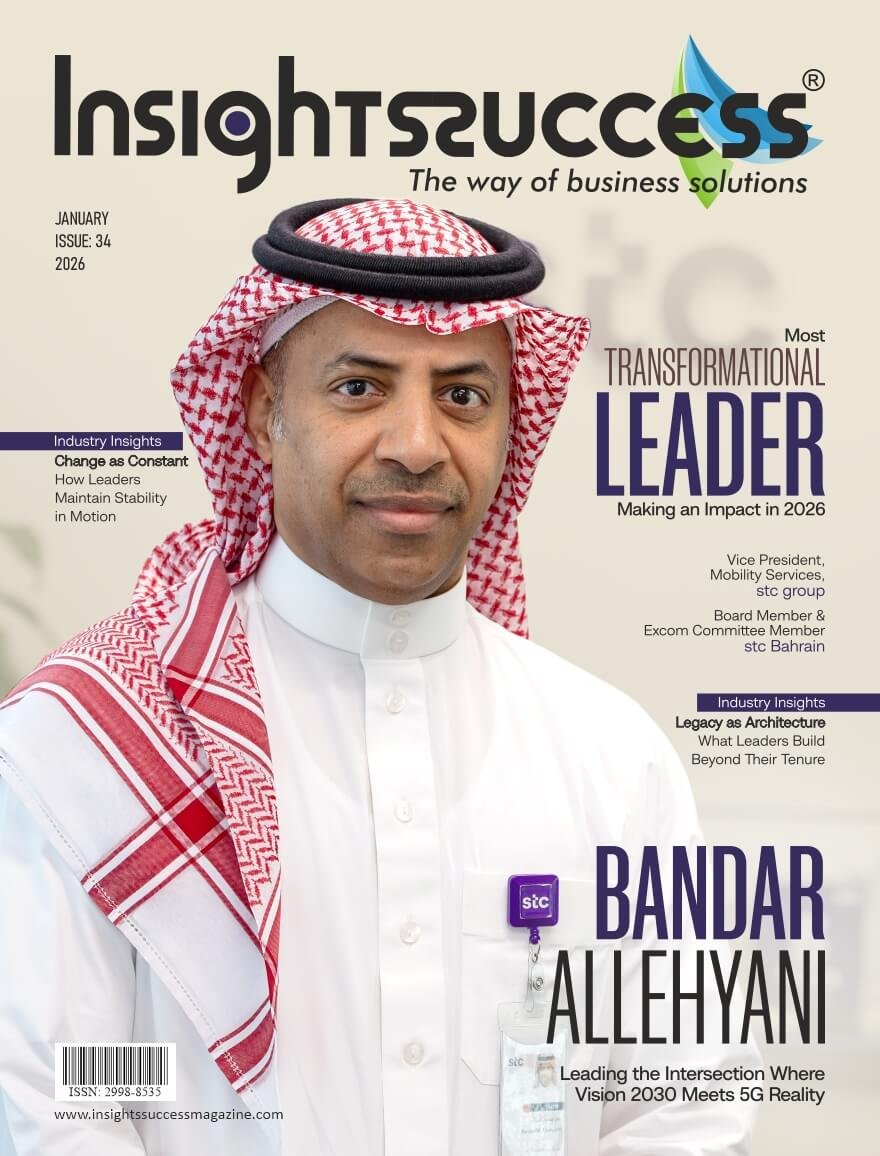
Most Transformational Leader Making an Impact in 2026
Most Transformational Leader Making an Impact in 2026 This edition is dedicated to Bandar Allehyani, an exceptional changemaker whose bold leadership, strategic clarity, and measurable outcomes are driving meaningful transformation—recognized for redefining excellence through innovation, influence, and sustained impact. Digital Link Quick highlights Quick reads
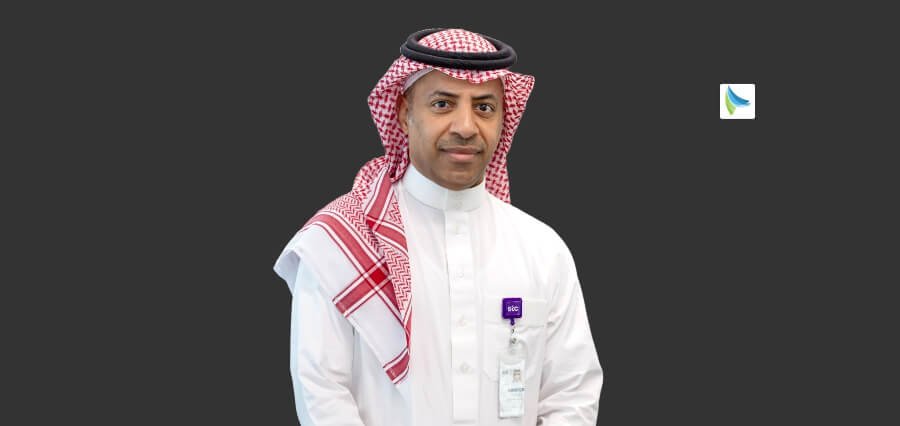
Bandar Allehyani: Leading the Intersection Where Vision 2030 Meets 5G Reality
Few sectors of the modern economy’s architecture pulse with the intensity and impact of telecommunications. It is the unseen infrastructure that drives trade, links continents, and converts abstract information into real-world human experience. Beneath flawless connectivity, however, is a battleground of rival technologies, unstable markets, and unrelenting consumer demands. Strategic thinking is not enough for leadership in this situation. It necessitates the uncommon capacity to simultaneously decode complexity in technical, commercial, and human dimensions. These are people who use disciplined innovation to create the future rather than just reacting to disruptions. Few leaders fully embody this philosophy in the Middle East’s telecommunications landscape, where national vision and digital ambition converge. Bandar Allehyani is one such leader. The Architecture of Leadership Every transformational leader carries an origin story of deliberate preparation. For Allehyani, that foundation was built in Saudi Arabia within an environment that prized responsibility, education, and perseverance. Even in his early years, he exhibited insatiable curiosity about systems- how they function, how they fail, and how they can be optimized. His family cultivated values that would become leadership anchors: integrity that refuses compromise, humility that tempers ambition, and commitment to meaningful impact rather than superficial achievement. Allehyani’s academic trajectory reflects both excellence and strategic intent. He earned his bachelor’s degree in Electrical Engineering with specialization in Electronics and Communications from King Abdulaziz University, graduating with distinction. But he recognized what many technical professionals discover late: engineering excellence opens doors, but business acumen determines how far you walk through them. He pursued an MBA and achieved a perfect GPA, deliberately building competencies in strategy, finance, and marketing. This wasn’t credential collection; it was capability construction. His educational journey created a rare convergence: circuit-level understanding paired with customer psychology, network architecture aligned with market positioning, and operational efficiency integrated with strategic vision. Mastering the Ecosystem Allehyani joined Saudi Telecom Company (stc) in the early 2000s, starting deep in technical and operational roles with prepaid systems and network operations. While many view early technical positions as launching pads to abandon quickly, he approached them as essential education. He was building what few executives possess: an intimate knowledge of how telecommunications actually work beneath strategic presentations. This grounding proved decisive when he later led commercial transformations, because he understood which promises technology could deliver and which were aspirational fiction. Allehyani’s career progression was intentional. He moved systematically across engineering, operations, marketing, product management, and strategy. Each transition demanded reinvention and new languages. Over more than two decades, he built what industry veterans call a 360-degree perspective- understanding the telecommunications value chain from infrastructure to customer experience, from technology constraints to market opportunities, and from operational realities to strategic possibilities. When he entered commercial leadership, he brought technical credibility that pure marketers lacked. When he shaped strategy, he understood operational constraints that pure strategists often missed. His philosophy crystallized: leadership in telecommunications requires mastery of ecosystem, not functional specialization. True influence emerges when you understand technology, customer behaviour, economics, and execution as interconnected systems rather than isolated domains. Reimagining Digital Connectivity The most revealing test of leadership isn’t managing the familiar; it’s creating the unprecedented. For Allehyani, that test came with leading Jawwy, stc’s digital-first brand. The challenge was formidable: transform telecommunications from a transaction-based utility into a digital-first experience in a market dominated by traditional models. Success required a fundamental reimagination of what telecom could be. He led Jawwy’s repositioning around principles that seem obvious now but were revolutionary in execution: transparency over opacity, flexibility over rigidity, and digital empowerment over process dependency. He aligned technology infrastructure, brand identity, and customer insight into a coherent proposition that resonated with digitally native consumers. The results validated the vision. Under his leadership, Jawwy surpassed one billion Saudi Riyals in revenue within four years and exceeded one million subscribers in a saturated, intensely competitive market. What made Jawwy significant was its proof that established telecommunications companies could compete with digital disruptors by embracing offensive agility rather than defending legacy positions. Jawwy wasn’t a side experiment; it was a statement about telecommunications’ digital future, and Allehyani was its architect. Leading Transformation at Scale Today, as Vice President of Mobility Services at stc, Allehyani operates at the apex of complexity. He oversees one of the largest consumer portfolios in the region, responsible for strategic direction, operational execution, and commercial performance affecting millions of subscribers. Under his leadership, the mobility portfolio delivered consistent annual growth over multiple consecutive years in a mature, saturated market; not through market expansion, but through disciplined innovation. His most visible accomplishment was leading stc’s nationwide 5G network rollout across Saudi Arabia. He oversaw deployment of over 8,000 5G sites within three years, leveraging mid-band spectrum, massive MIMO technology, network slicing, and fiber-backhaul integration. This wasn’t merely infrastructure expansion; it was strategic positioning for the Kingdom’s digital future, directly supporting Vision 2030 objectives and strengthening national digital infrastructure. The 5G rollout exemplified his leadership philosophy: transformation requires both technological excellence and execution discipline at scale. Rolling out thousands of sites across diverse geographies demanded coordination across engineering, operations, regulatory affairs, and commercial planning while maintaining service continuity for millions of users. Beyond traditional connectivity, Allehyani champions ecosystem expansion. He contributed to launching stc Play, a gaming platform that reached over one million registered users, demonstrating his conviction that telecommunications companies must evolve into integrated lifestyle platforms. Governance and Strategic Oversight Allehyani’s influence extends through his role as Board Member and Executive Committee Member at stc Bahrain. This dual responsibility, operational leadership in Saudi Arabia and governance oversight in Bahrain, reflects his ability to operate effectively at different organizational altitudes. He brings to governance the rare credibility of someone who has led transformations operationally, navigating market dynamics and delivering digital transformation firsthand. The Philosophy Behind Performance Allehyani’s leadership philosophy centers on strategic clarity paired with execution discipline. He rejects the notion that strategy exists in presentation decks. Strategy is a practical roadmap that directs resources, energizes teams, and creates measurable outcomes. He translates complex market

What Leaders Build Beyond Their Tenure
Legacy as Architecture Leadership is frequently evaluated by the outcomes that can be seen—growth, transformation, market share, and performance metrics. However, the most significant standard of leadership is not only the quarterly results and even tenures but also legacy. Not as reputation but as architecture: the systems, standards, culture, and capability a leader has built that continues to influence performance even after he or she is gone. Legacy is not what a leader has accomplished while present. It is what still goes on when they are not. In contemporary companies, where change is the norm and leadership shifts are unavoidable, legacy has turned into a tactical obligation. Leaders should not only consider their own tenure but also set up infrastructures that last. Legacy Is Built Through Systems, Not Charisma A lot of the time, leaders will imprint their personality on the organization: vibrant character, personal sway, and a leadership style that cannot be mistaken for anyone else. But the charisma does not last beyond the leader’s era. It vanishes with the departure of the leader. The legacy of architecture is contrary. It is made through systems. Systems are the ones that outlive the people since they are the ones that turn the leaders’ intentions into execution that can be repeated. The leaders of lasting organizations do not mind being the hero but rather work on making the operating system more powerful. They include frameworks for making decisions, governance systems, performance rhythms, and operational models that keep the organization aligned even during disruptions. The stronger the systems are, the more the organization remains directed without needing to depend on a single person. Culture as the Most Durable Structure Culture is the longest lasting and still the most powerful type of architecture. It influences people’s behavior, cooperation, decision-making, and management of pressure. Whereas strategy can be rewritten, culture remains ingrained. Through setting the tone and continuously reinforcing it, leaders are going to create a cultural legacy. What accountability is. How conflicts are solved? The way talent is nurtured. The meaning of excellence. The behaviors that are not allowed. The cultural legacy of a leader can be seen in the new organizational arrangements regarding what the leader has left behind; that is, the organization will be either willing or unwilling to accept those arrangements. Culture is the final and only one type of continuity blueprint. Decision Architecture: How Leadership Stays After Leaders Leave The organizations with the fewest decisions are not necessarily the strongest ones. Rather, the most powerful ones are those that have better decision systems. Leaders, who set a legacy regarding design decisions and the corresponding architecture, clarify who decides what, how trade-offs are made, what data is required, and how accountability is enforced. This architecture not only alleviates bottlenecks but also curbs drifting. If decision rights and escalation paths are well-defined, the organization remains robust and quick in its responses. If they are not, the organization becomes bogged down with politics and is slow to move. Hence, decision architecture is one of the most persistent and priceless contributions of leadership. It turns into an imperceptible structure that controls the choices made long after the leadership has been changed. People as the Final Legacy Maybe the strongest inheritance is the successors a leader leaves behind. The character of organizations depends on the people who are developed, promoted, and trusted. Investment in mentoring, sponsorship, and leadership development by the leaders results in long-term continuity. They produce the future-makers who will bear the cultural and strategic standards. This is the reason why talent strategy equals legacy strategy. Leaders who cultivate the leadership pipelines make certain that the organization stays stable and empowered even after their departure. The quality of the people who succeed the leader makes the leader’s legacy noticeable. Conclusion Inheritance is not a personal statue that one can build for himself. It’s rather the buildings’ inner structure of the organization. Great leaders leave their real legacy through the institutions they create, the attitudes they always support, the political ways they set up, and the skills they implant. A strong leader will have an organization that will continue to function without him/her and at the same time a successor/leader who is strong and credible enough to carry on the journey. At the end of it all, leadership is not only about the things accomplished during the period of the leader’s stay. It is about the things that will still be there after the departure of the leader. Read Also : How Leaders Maintain Stability in Motion

How Leaders Maintain Stability in Motion
Change as Constant Traditionally, changes within organizations happened in stages. After a new leader had come in, the organization had been restructured, new technology had been introduced, and the market conditions were changing, the organization would then go through a period of stability. The regularity that defined the modern business change rhythm is no more. Nowadays, businesses are constantly changing. The market changes more quickly than the planning cycles. The progress in technology is faster than the enhancement of skills. The customer’s wants and needs change more quickly than the outdated systems can react. In such a situation, the role of management has shifted from being the change driver from time to time to being the one who constantly keeps the organization moving but does not let it lose its balance. The modern-day leadership dilemma is unequivocal: how to keep things stable while the entire world around is in a constant state of change? The stability of an organization during the period of change is not the result of resistance to change. Rather, it is the result of creating effective systems, the right culture, and discipline in decision-making that can change the normal way of doing things. The New Reality: Change Is the Operating Environment Organizations find themselves navigating through different varieties of transformations simultaneously, such as fluctuations in the economy, changes in regulations, disruptions in technology, changes in the workforce, and reinvention of competition. All these forces are connected to each other, thus creating complexity and uncertainty. Disruption from outside is not the only risk. The internal risk is represented by change fatigue. The performance of the team becomes unstable when they undergo constant reorganization, changing priorities, and urgency that never ceases. People become less involved, the quality of the execution drops, and the speed of decision-making decreases. The leaders must realize that uninterrupted change will necessitate another operating model. It cannot be likened to a temporary program and managed like one. It has to be managed like a continuous environment. Stability Comes from Purpose, Not Predictability In case the environment is uncertain, then the source of stability has to be something else. That purpose is the thing. Those organizations that are always moving and still remain stable have a well-defined identity: what their cause is, what they value, and how they are going to compete. This purpose works as a compass. It does not get rid of uncertainty but rather makes it easier to prevent one from drifting. The leaders ensure the stability by constantly emphasizing the core direction of the organization. The strategy might change. The processes might change. But the purpose is always the same, and thus it serves as a stable psychological anchor for the teams. When a constant meaning is present, people stir up to the change more easily. Clarity Reduces Anxiety The most important reason for instability in the course of change is not the change itself but the confusion that comes along with it. When the priorities are suddenly changed without any clear communication, the employees get mixed up about what to do and how the decisions are being made. When leaders provide support through transparency, they get the whole picture. They explain the process of change, the reason for it, and what aspects will not be affected. They make the strategy understandable by breaking it down into actionable priorities so that the teams are aware of what to implement. In the end, being clear leads to people having trust. It is true that the results are still not guaranteed, but people will always give their best when they are told what to do even in the case of uncertainty. Maintain Stable Standards While Methods Evolve One of the most practical methods to establish stability among changes is to maintain the rules as they are. Companies can and must not change the quality and trust protecting performance expectations during the changing of tools, structures, products, and processes. Leaders reduce the effect of fluctuations in the market by setting up standards in areas such as customer experience, ethical conduct, accountability, and execution discipline. They let the methods change, but they have the same expectations. This difference is very important. Trust collapses when standards change. Change is no more than a gradual process when standards are constant. Conclusion Traditionally, one would say that change has become an event but now it has become the environment. In this new world, the leader is the person who can keep the teams and the company’s environment strong and aligned, even when situations are changing, making performance steady and culture strong while conditions are fluctuating. Leaders do so by providing their teams with a shared purpose, a clear vision, stable standards, a disciplined decision-making process, a culture that can withstand the ups and downs, and the right pacing. They do not get rid of change. They create a sustainable change process instead. In the present day, the most powerful organizations will not be the ones who manage to avoid being disrupted. Rather, they will be those who maintain their stability while speeding up their movement. Read Also : Corporate Executives and the Future of Business Innovation
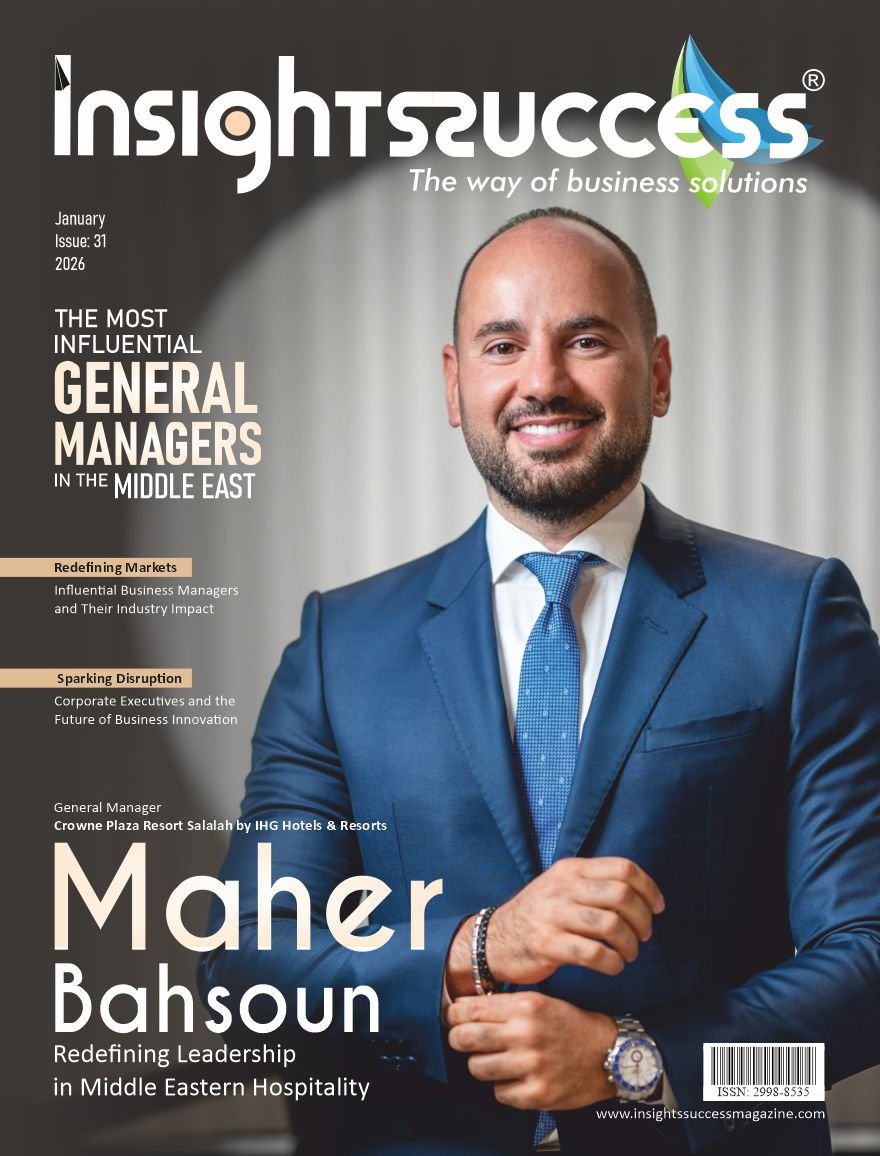
The Most Influential General Managers in the Middle East
The Most Influential General Managers in the Middle East This edition highlights visionary leaders who drive operational excellence, strategic growth, and organizational resilience. This edition showcases general managers redefining leadership through innovation, cultural intelligence, and decisive execution, shaping competitive enterprises while navigating the region’s dynamic economic landscape with foresight, agility, and impact. Digital Link Quick highlights Quick reads

Corporate Executives and the Future of Business Innovation
Sparking Disruption Business innovation has always been the outcome of ambition, curiosity, and the courage to challenge the accepted norms. However, innovation is no longer a minor or experimental function in the present day. It is an essential part of the company’s operations in terms of survival and being up to date. The corporate leaders have now to deal with immense disruptions that are the result of digital re-engineering, the new expectations of the workers, the sustainability requirements, and the unpredictability of the world situation, to name a few. Therefore, the future of business innovation will be determined by the corporate executives’ decisions, values, and leadership behavior. In this scenario of change, the management of the companies by the executives will not be just the management of the company; it will be the management of the ecosystem, it will be the influencing of the culture, and it will be the setting of the times for the advancements. The Executive’s Role as a Vision Architect At the very top, the vision is the driving force of the new inventions. The company’s upper management is accountable for giving a very clear and cohesive interpretation that helps the innovation to overlap with the long-term business goal. Without such an inspiring vision, the new inventions are left wandering, being created in a reactive mode, or even being totally misaligned with the business objectives. The top management team needs to be on the lookout for the signals from the present and have an idea of the trends, customer needs, and market changes that are coming. This not only demands strategic foresight but also entails an intellectual curiosity and humility that comes with the learning process. Those who, through their openness to new ideas and diversity of opinions, will become the leaders will easily guide the organizations to the future of business innovation. A top executive who demonstrates a flexible and learning character not only shows that the organization is innovating in the labs or hidden areas but has really spread the innovation to the leadership itself. Creating An Environment Where Innovation Can Flourish Corporate graveyards, i.e., harsh and fear-based environments, cannot expect any innovation. It is the chief executives who create the organization’s climate which then decides if innovation will thrive or be buried. If the workers are guaranteed and recognized, it is quite natural that they would get involved in daring experiments, taking up new things, and communicating the ideas. The top management that ignites open dialogue and embraces the risk-taking that is calculated is the one that creates the setting for the new ideas to be developed. When failure is viewed as a learning opportunity rather than a career halting incident, it becomes a major factor that stimulates growth. This kind of cultural support is essential for the future of business creativity as it makes it possible for people in all ranks to a large extent take part in it. Thus, future of business innoavtion is no longer the sole responsibility of the top management but rather a joint one. Technology as an Enabler, not a Shortcut Digital technologies such as AI, cloud computing, and data analytics might have the whole process of organizational innovation upside-down. But still, technology is not the only factor to make an impact, and that is why sometimes we must think big and go beyond the strategic-human investment of the company to see the tech done right. The leaders who have the most significant influence on the organization are those who not only ask what technology can do but also monitor and analyze why it is important and in what ways it helps people’s lives, processes, and experiences. You align purpose with technology, and the executive transforms the tools into value creation enablers. Different departments have very carefully integrated the digital capabilities of technology, and this is very crucial for the future of business innovation because it ensures that the innovation will not be disruptive for its own sake, but rather it will be relevant, ethics-driven, and sustainable. Innovation Through Collaboration and Ecosystems Innovative practices in organizations are no longer done in isolation. The involvement of startups, academic institutions, customers, and even competitors is becoming a necessity. Corporate executives’ ability to establish these ecosystems by dismantling silos and promoting collaboration beyond their organization is unique. These partnerships not only help with speeding up the process of learning and reducing the time for a new product to enter the market but also bring in new ideas to the companies. Executives who promote openness and co-creation increase their organization’s ability to adapt. They also make it clear that the future of business innovation is a collective effort rather than an internal competition, recognizing the fact that shared progress usually has a greater long-term impact. Innovation’s double-edge sword of responsibility With the speedy development of new products and services, the corresponding corporate social responsibility also escalates. Company leaders must cope with the said issues and even more – ethical questions, data privacy, environmental effects, and social responsibility. The expectations from the stakeholders for the leaders to do their innovations in a responsible way have grown; thus, they must look for a way to do this by granting both profits and purposes at the same time. Executives who allow sustainability and ethics to enter the discussion while framing their innovation strategies are the ones to win the most. They know that their innovative effort will last as long as it is valued by society. By taking that route, companies will keep on being a part of the responsible change that is taking place in society, the market, and the planet, instead of being unwitting contributors to the opposite. Conclusion: Leading Forward with Intention The future will not rely solely on technology, but rather on the quality of leadership that will direct its use. Corporate leaders find themselves right in the middle of strategy, culture, and innovation. The decisions they make today will eventually impact organizations’ evolution, competition, and contribution tomorrow. Executives
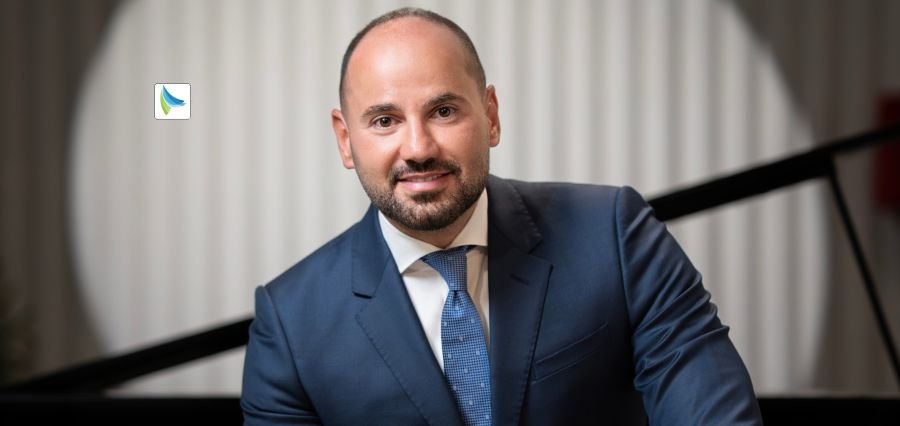
Maher Bahsoun: Redefining Leadership in Middle Eastern Hospitality
Leaders in the hospitality business are distinguished by the fact that they have the ability not just to manage but also to breathe life into their properties. They create environments that are more than just buildings; they create experiences. They take disparate groups of workers and put them together to form cohesive teams that provide exceptional service. They take plans for operations and turn them into orchestras of service. Effective leadership provides a competitive advantage for those who are prepared to excel in an ever-changing world of high expectations and rapid market change. Leadership is the unifying element that binds people, performance, and purpose. It is what creates a great experience for customers. Maher Bahsoun embodies this caliber of leadership. As General Manager of Crowne Plaza Resort Salalah by IHG Hotels & Resorts, he stands at the intersection of tradition and innovation, where Oman’s rich hospitality heritage meets the future of experiential travel. His journey spans more than two decades of disciplined growth and strategic evolution, but what distinguishes him isn’t simply an impressive portfolio of achievements. It’s the philosophy that anchors every decision he makes true excellence emerges when compassion walks hand in hand with ambition, when financial performance aligns with human flourishing, and when operational precision serves a deeper purpose. The resort he leads sprawls across 45 acres of pristine Dhofar coastline, holding the distinction of being Salalah’s first five-star establishment. Under his stewardship since September 2022, this storied property has experienced a renaissance that honours its legacy while boldly embracing tomorrow. Maher doesn’t just maintain standards; he redefines them, orchestrating a comprehensive transformation that positions Crowne Plaza Salalah as a benchmark for modern Omani hospitality. The Foundation Years Maher’s story began over 20 years ago with a foundation built on Swiss precision and global perspective. His formal training commenced at the prestigious César Ritz Colleges Switzerland in 2003, where he completed his Management Training Internship at Hôtel des Trois Couronnes in Vevey. This institution, renowned for merging heritage with innovation, shaped his fundamental understanding of exceptional hospitality. In 2004, he launched his IHG journey at the InterContinental Phoenicia Hotel in Lebanon, spending five formative years in various managerial positions. These early roles in room operations and front office taught him lessons that continue to guide his leadership today. He learned that service excellence and operational precision aren’t abstract concepts, but daily practices rooted in attention to detail. He discovered that leadership happens not behind closed doors but on the floor, shoulder-toshoulder with teams during demanding moments. His progression through IHG’s portfolio took him to the United Arab Emirates, where positions at Staybridge Suites Abu Dhabi and Crowne Plaza Yas Island enriched his expertise across rooms division, operational management, and commercial verticals. Each role added layers to his understanding of how diverse departments interconnect to create seamless guest experiences. Crisis as Crucible The trajectory of Maher’s career reached a defining inflection point in November 2020, when he assumed the role of General Manager at Crowne Plaza Duqm. The timing could hardly have been more challenging- the global pandemic had brought the hospitality industry to its knees. Hotels worldwide struggled with disrupted supply chains, shifting regulations, and devastating revenue losses. Maher, however, saw beyond survival. He focused on three critical priorities: protecting his team, stabilizing operations, and securing long-term resilience. Through transparent communication, strategic cost control, and fostering unprecedented unity across departments, he achieved what seemed impossible. Crowne Plaza Duqm became the only IHG hotel in Oman to actually improve its bottom line during the pandemic. This wasn’t luck; it was leadership distilled to its essence. The principles that guided him through those volatile months were clarity, empathy, and courage. He learned a profound truth: in times of uncertainty, teams watch their leader’s reactions more closely than they listen to instructions. Remaining calm, decisive, and compassionate allowed the organization not just to endure the crisis but to emerge demonstrably stronger. The Salalah Renaissance When Maher took the helm of Crowne Plaza Resort Salalah in September 2022, he inherited more than a hotel. He stepped into stewardship of Oman’s hospitality heritage. As the region’s first five-star property, the resort carries significant historical and cultural weight. Yet the competitive landscape had evolved dramatically, with newer properties offering contemporary architecture and flashier amenities. Rather than viewing this as a disadvantage, Maher recognized an extraordinary opportunity. His vision crystallized around a powerful concept: elevate Crowne Plaza Salalah into a premier destination where authentic service, forward-thinking innovation, and environmental sustainability converge seamlessly. He began with a comprehensive assessment, identifying strengths to amplify and gaps to address. The transformation unfolded strategically. Structural upgrades modernized physical infrastructure while preserving the property’s distinctive character. Service innovations redefined the guest journey. Technology integration streamlined operations without diminishing human touch. Throughout this evolution, Maher built on existing foundations rather than discarding them. The results speak eloquently. Under his leadership, the resort has achieved new financial heights while securing consecutive titles at the World Travel Awards and World Luxury Hotel Awards. Recognition followed: Oman’s Most Influential General Managers by CMO Global Oman Leadership Awards 2025, shortlisted as GM of the Year: Oman in the GMs Award 2025 by Hotelier Middle East, Oman’s Best General Manager at the CMO Global Oman Leadership Awards 2024, the IHG IMEA GM Innovation Impact Award, and a featured position on the Hotelier Middle East GM Power List 2023. Leading Through Change In hospitality, change arrives constantly. Guest expectations evolve, technology advances rapidly, and markets shift with increasing speed. Maher embraces this reality rather than resisting it. He stays informed about industry trends, remains open to new ideas, and demonstrates willingness to adjust strategy swiftly when circumstances demand. When leading teams through transformation, communication becomes its most powerful instrument. He explains not just what is changing but why it matters- the reasoning behind decisions, the benefits anticipated, the challenges that might emerge. This transparency creates alignment, and alignment generates genuine commitment rather than mere compliance. He implements change gradually and inclusively. Teams are invited to

How High-Growth Brands Use Event Intelligence to Strengthen Market Positioning
High-growth brands rarely rely on instinct alone to guide their market presence. Their decisions are shaped by patterns, signals, and insights drawn from how industries move and which platforms attract the right mix of buyers, partners, and competitors. Among these platforms, industry events hold a unique position. Events act as meeting points for innovation, influence, and opportunity. Therefore, a Forbes article states that they should be part of a business’s growth strategy. They foster strong connections, build brand visibility and authority, and help gather data to generate insights. This makes them powerful tools for brands that want to sharpen their market identity rather than simply maintain visibility. Event intelligence, when approached with intention, becomes a strategic asset. It allows companies to move beyond surface-level participation and turn each appearance into a data-rich experience. Understanding Event Intelligence as a Strategic Asset Event intelligence refers to the structured process of gathering, analyzing, and applying insights related to industry exhibitions, conferences, and trade shows. It leverages analytics, primarily AI-based, to deliver unified insights across platforms and departments. It brings together event correlation, topology mapping, pattern recognition, and automated remediation to provide unified visibility and incident management across diverse systems and tools. This enables organizations to detect and resolve cascading faults more efficiently by consolidating data from multiple monitoring sources and applying AI-driven analysis. Instead of viewing events as isolated marketing moments, high-growth brands treat them as part of a continuous feedback loop. This approach reshapes how leadership teams evaluate success. The goal is no longer limited to leads collected or meetings booked. It expands to include how the brand is perceived within the broader industry narrative, which conversations it is associated with, and how often it appears in strategic discussions among peers and partners. What internal skills or roles are needed to manage event intelligence effectively? Managing event intelligence often benefits from a cross-functional approach that includes marketing analysts, sales leadership, and operations or strategy team members. While advanced data science skills can be helpful, the most important capability is the ability to interpret patterns and translate them into practical business actions. Strong communication between teams ensures insights are not isolated within one department. Choosing the Right Events for Market Impact There are many worldwide events scheduled every week. For instance, Growth Elevated, Fortune Global Forum, Startup Grind Global Conference, Web Summit, TechBBQ, etc., are some events every entrepreneur should attend. The same goes for SaaStr Annual, Collision Conference, and Money 20/20. However, as a company, it is essential to determine which of them is the right fit for you. Selecting the right events is one of the first points where intelligence makes a measurable difference. High-growth brands study past exhibitor lists, keynote themes, and media coverage to understand the type of influence each event carries within the sector. For example, Las Vegas businesses faced a challenging year in 2025, as tourism declined. However, they are optimistic about 2026. Some businesses were already planning to leverage the First Friday festival at the Art District. However, it might not be the right event for all companies. Brands should do research to find which ones they should be in. During this research phase, many teams rely on centralized resources that track major industry gatherings across different regions and sectors. A comprehensive resource like a Las Vegas trade show calendar can give basic details of every event. According to Step And Repeat Las Vegas, choosing the event to be at beforehand allows time for proper planning. Businesses can plan booth graphics, trade show displays, and backdrops in advance. How can brands evaluate the long-term relevance of an event that is new or rapidly growing? For newer or expanding events, brands can assess long-term potential by examining the quality of sponsors, the background of speakers, and the industries represented among early exhibitors. Reviewing the event’s media partnerships and post-event content can also indicate whether it is building thought leadership or simply attracting attendance. Turning On-Site Presence into Market Insight Once at the event, high-growth brands move with a different mindset. Every conversation becomes a source of information. Sales teams listen for repeated challenges mentioned by prospects. Product managers observe which features attract attention at competitor booths. Executives note which themes dominate panel discussions and informal networking spaces. This flow of qualitative insights often reveals market gaps that formal research misses. It can highlight emerging needs, shifting expectations, or new language that customers use to describe their problems. A study shows that organizations can use data analytics and customer insights to strengthen their market positioning. Its findings reveal that applying analytical tools to understand consumer behavior, preferences, and emerging trends gives businesses clearer, actionable direction. This allows them to refine products, services, and marketing strategies to better match local market needs and build a stronger competitive advantage. Measuring Influence Beyond Immediate Returns Post-event analysis is where intelligence turns into long-term strategy. Instead of limiting evaluation to lead counts or short-term revenue, high-growth brands look at broader indicators. They track changes in website traffic from event-related sources, growth in inbound partnership inquiries, and shifts in how often the brand appears in industry conversations. This broader view helps leadership teams understand how each event contributes to market perception. Over time, patterns emerge that show which platforms consistently elevate the brand’s status and which ones offer limited strategic value. These insights inform future investment decisions, making event participation more focused and more impactful. Another layer of measurement involves tracking how event participation shapes long-term relationships rather than short-term transactions. Brands often monitor the progression of contacts made at events over months or even years, noting which interactions evolve into strategic alliances, joint ventures, or repeat collaborations. Strengthening Brand Narrative Through Storytelling Storytelling has long helped people understand and organize their experiences. In today’s period of rapid technological and social change, it plays an even stronger role in capturing and sustaining audience attention. Storytelling extends beyond creativity into the sphere of leadership, where emerging technologies give leaders new ways to craft