




Influential People Who Define 2025
Influential People Who Define 2025 This edition celebrates the exceptional individuals whose vision, resilience, and leadership are actively rewriting the narrative of what is possible. These are the thinkers, builders, disruptors, and humanitarians who stand at the intersection of courage and creativity. They challenge outdated systems, pioneer groundbreaking ideas, and lead with purpose at a time when the world needs direction more than ever. Quick highlights Quick reads

Laura M. Troyer, MBA- Navigating Business, Family, and The Pursuit of Mastery
The journey to fulfilling your professional aspirations is not a linear path, but rather a complex map created with commitment and resilience. Center stage on this map is Laura M. Troyer, MBA, a professional whose career trajectory is defined by her unwavering inner essence. She is an award-winning Business Consultant, best-selling author, and impactful international speaker. Laura is driven by her heart for humanity and a passion for solution-oriented outcomes. Laura’s life story underscores a manifesto for perseverance in her personal and professional life. Growing up the second oldest of six children in Ohio, she quickly learned that anything is possible when we work together. Now living in Greenville, South Carolina, she works in high-stakes professional sectors; including legal, healthcare, and higher education, while continuing to prioritize her family. As a mother of three successful adult children and ‘Gigi’ of three grandchildren (with two more due in 2026), her personal life has become the compassion-fuelled engine for her involvement in the community. While navigating through corporate life, Laura maintains a relentless focus on the profound and weighty work of empowering individuals, as she is living proof that leadership is a legacy defined by being present, remaining teachable, and always inviting the higher bar of integrity. Early Life and Professional Awakening Laura’s narrative begins in Toledo, Ohio. Her large family structure immediately shaped her collaborative spirit and instilled essential resilience, lessons learned daily from her parents, Chuck and Pam Kessinger. After completing her high school education, she continued her path of discipline and focus, earning her bachelor’s degree from Grace College in Winona Lake, Indiana. Her initial career stepping stone was in the banking industry, where she gained foundational knowledge in finance and client service. She later made a profound, conscious choice to pivot and become a stay-at-home mother, a period that became, unexpectedly, her true professional awakening. Her transition into sales began accidentally when she simply needed a Mary Kay consultant after moving. Though she previously rejected the notion of being a “salesperson,” she viewed the opportunity as a positive environment for building new friendships. She quickly realized the core truth: sales is about talking authentically, listening intently, and providing solutions, not just selling products. She rapidly ascended to team leader, and this hands-on, home-based business served as the accidental yet crucial launchpad for her future consulting career. Following a divorce, Laura returned to the full-time workforce in demanding business sales consultant roles, driven by a single, profound motivation: to be the reliable provider and a pillar of strength for her children. She maintains a passion for nature-based activities like camping and boating, finding peace outdoors with family and friends. She also remains a loyal fan of the Ohio State Buckeyes and Cincinnati Bengals, proving her roots run deep. Strategic Career Design and Mastery Laura’s career trajectory is deeply and intentionally marked by her commitment to keeping her family as her non-negotiable anchor. Early on, she established a firm boundary, refusing any professional role that required lengthy travel away from her children. This commitment came at the cost of promotions and higher salaries, but she reasoned that her most vital role was raising the next generation of leaders, instilling core values like integrity, a strong work ethic, and modelling respect. To successfully integrate her career with her children’s active lives, she strategically sought out outside or field sales consultant roles with a strict one-hour geographic constraint on her territory. This strategy forced her to maintain control over her own schedule and master exceptional time management skills. Her natural excellence in remote work, long before it was common, became a powerful, strategic enabler of her sustained work-life balance and high performance, cutting commute times and reducing costs. Decades after her undergraduate studies, Laura pursued a lifelong aspiration: an MBA. This was a challenging commitment, as she began her studies while balancing a career and family. Despite falling slightly short on the GMAT, she successfully submitted a persuasive appeal based on her two decades of high-level professional experience, gaining acceptance on probation. Her intense dedication paid off: she graduated with her Master of Business Administration (MBA) from the Raj Soin College of Business at Wright State University in December 2019, a monumental achievement that validated her commitment to continuous intellectual growth and the pursuit of mastery. The Consultant’s Core: Purpose, Resilience, and Tenacity Laura holds an enormous appetite for the world of business, viewing it as the “engine that makes the world go round,” but her focus remains relentlessly on individual empowerment. Her professional drive is dedicated to helping organizations find solutions and achieve success, fuelled by the conviction that assisting someone professionally inherently helps them personally by providing financial stability and mental health security. She finds great satisfaction in leveraging her entrepreneurial spirit to manage her own book of business and make crucial strategic decisions. Her constant application and sharpening of skills across diverse industries, legal, healthcare, and higher education, ensure her ongoing learning and mental stimulation. Her internal drive is supported by exceptional time management and a highly task-oriented nature, built on the discipline of completing one task entirely before moving on. Critically, she learned that true leadership isn’t a title; it is built upon caring sincerely about others. This perspective guides her: a great leader must hire competent people, provide training, and release them with the essential gift of trust to execute their roles. They must prioritize their team’s total well-being, avoiding the debilitating stress of micromanagement and recognizing employees have lives outside of work. Crucial personal lessons were mastering the power of humility, which she views as a strength born from learning from mistakes, and recognizing that “it’s ok to say ‘no’ sometimes” to maintain focus and avoid burnout. She actively works on developing robust emotional resilience against toxic work environments, learning to pause, step away, and not overthink scenarios involving workplace pressures. Her unwavering passion for truth, integrity, and maintaining a clear conscience forms the ethical foundation of her professional life. Enduring the Post-Pandemic Upheaval The

Women Leading with Heart and Strategy
Redefining Authority Leadership has always mirrored the era it lived in, and now it is being rewritten. A study across the three verticals of industries, countries, and roles revealed that women are the ultimate re-definers of leadership. No longer confining themselves within obsolete notions of dominating power and control, female execs are setting the stage for a fresher model that couples empathy with perfection, intuition with reason, and compassion with insight. Alongside these attributes, they involve not only the brain but also the strategy, the heart. The Shift from Power to Purpose The standard framework for authority was basically that of a power grab—one that, through manipulation and exploitation, enforced control and thus respect. However, in such a fast-changing world, which is built on the principles of collaboration, inclusion, and innovation, these kinds of models have their days numbered. The new age of leadership is about influence, not intimidation; about vision, not volume. These are the same women leaders who have accepted the challenge and are leading such changes. The dominant characteristic of their method of authority is a sense of mission. They lead not to command, but to connect; not to dictate, but to inspire. Their power comes from being sincere– a quality of living their faith and dream by virtue of their humanity. They subordinate authority by showing that it is not about being in charge—it is about being responsible. The Power of Leading with Heart Once empathy was regarded as an undesirable “soft skill”, but now it is one of the most strategic and influential powers a person can have. Women leaders who are usually very much in touch with their emotional side are proving that leadership centered around the heart is not emotional, but rather it can be sustained for a long time. In allowing empathy to guide their leadership, they thus become able to trust, loyalty, and resilience emerge in their groups. Help the leader to be seen by society as an artist of the job and open the partnership idea to the colleague through his heartfelt listening. Correctly managing under stress while estimating the emotional part of the performers grants infinite development not achievable by numbers alone. By their very nature, workplaces are becoming more volatile, with a growing emphasis on emotional intelligence as the platform upon which security and belonging will reside. Breaking the Mold, Building the Model The evolution of female leadership is not solely about smashing glass ceilings; it’s about establishing new roots. Each woman who combines love and cleverness in her leadership defies the old story demanding that leadership must be a certain way. She doesn’t just become the example of leadership—it’s the one she leads–equilibrated, participative, and profoundly a human being. Such leaders grasp the idea that power should not be gained through the demonstration of superiority, but rather through the acquisition of trust. They change the meaning of influence to empowerment, thereby, giving more power, not less, instead of controlling. They do not just create success stories in systems; they ensure success remains in these systems—systems where development is collective, and ascent is mutual. The Future is Balanced Gender will not be a factor in determining future leadership. It will be the leaders whose balanced emotional intelligence and strategic intelligence, authenticity and ambition, and collaboration and conviction stand out. We have a proven record of women leaders who are successfully navigating this path, one of leadership, whereby it is not a matter of choosing either of heart or strategy but rather a matter of merging both. Without doubt, they promote the leadership model, which is based on their insight and experience, just like the model that treats people and considers them as the greatest asset besides profits and purposes. The next-generation leadership, mainlined by their principles, is the one that can adapt, be accountable, and be strong. A Redefinition Rooted in Humanity Rebuilding the definition of power implies bringing back the human side of it. The woman leader who combines strength and sensitivity in her leadership style calls the shot and reminds the audience that leadership is not a matter of being at the top but a matter of standing shoulder to shoulder with others. It is about helping others ascend and not getting them down. It’s about turning empathy into new opportunities and strategy into action. In the era when the planet requires both innovation and moral principles, such leadership is not only welcome—it is necessary. Leaders who are this way, women are the very force of a silent revolution—one that subjugates care for the controlled and replaces hierarchy with harmony. Read Also : Balancing Innovation with Integrity

Balancing Innovation with Integrity
The Dynamic Leaders Leadership is heading to an intersection in a world that is mainly composed of disruption, progress, and change that is constant. We have never witnessed innovative breakthroughs to be so rapid, yet the need for integrity could not be any higher. On one hand, the world celebrates the visionaries who upset the industries, but on the other hand, it expects leaders that uphold and live their values. Finding the right balance: balancing the talent to innovate with the integrity to be honest and fair actually constitutes both the biggest challenge and, simultaneously, the biggest accomplishment of leadership nowadays. The leaders that will shape the future are those who can make changes without losing their character, who can move forward without their moral compass and who are able to combine ambition with authenticity. The Age of Dual Demands Today’s leaders are surrounded by conditions that call for and benefit from speed, experimentation, and constant reinvention. Markets can be altered to an extreme degree in just a day, new technologies can make entire industries obsolete and competitors can come from any part of the world. Innovation has become necessary for success. However, despite this constant call for new things and disruption, there is at the same time a growing perception that innovation without integrity cannot last. The most effective leaders are those who understand that the pursuit of progress must be accompanied by principles. It is integrity that gives innovation the right direction; it is the element that makes new inventions not only for the profit but also for the benefit of people. The core of modern leadership, which is not only capable of change, evolution, and inspiring but is also founded on trust and transparency, is based on this balance. Innovation: The Engine of Progress Innovation is the most important thing of the life of the organizations that successfully continue their activities. It confronts the organizations with problems that solving the problems is the matter of the process itself, is seeking it with curiosity and is bold enough to see a better way through it.. The leaders that are in power constantly alive and know how to keep this energy going, do it by leading the activities that create a fertile soil for the idea to sprout and for the testing to be done from which they learn. They give their squads the freedom to take risks, doubt, and learn from failure. However, innovation stands for a lot more than just invention, it reshapes the world with a purpose. Not at all, innovations are simply newly made things, but better ones from the old. The real innovators are not motivated by the desire to cause disruption for its own sake, but to make the world a better place. Their creative work is regulated by ethics, so that what they do for progress does not cause a decrease in the standards of life, but increases them. The Human Dimension of Dynamic Leadership Leadership at its core is a very human thing to be. While innovation may have the power to change whole industries, it is still integrity that changes people. Leaders who are able to keep both in balance know that their power goes far beyond the company and its products – it is the power of touching people’s lives. Such leaders use intellect as well as empathy in their leading. They see success not only in figures but also in the value. They generate the kind of environment where employees are at the same time both motivated and supported, where the drive for success is controlled by responsibility, and where inventiveness is accompanied by morality. The human side of leadership through changes teaches us that innovation is not a matter of substituting human work by technology but rather to improve humanity by means of technology. It is about keeping the progress pursuit in harmony with the principles that make progress valuable. The Future Belongs to the Balanced The demand for balanced leadership is becoming more and more evident as the world is changing at an unprecedent rate. Leaders of the next decade will be required to be able to use one of the greatest assets of their time, creativity, without losing their credibility and at the same time make relentless progress on issues without giving up their principles. The future will not be the children of the reckless innovators nor the followers of the past who hold on to it tightly but it will be the leaders who are able to balance both sides with elegance and unwavering faith that will take charge. Such a leader is not only able to foresee the future but is also a careful custodian—he protects values while leading change. They make us recall that innovation may alter the world, but it is integrity that keeps it. And it is in this equilibrium that the true power of modern leadership is found—the authority not only to create the new, but also the right. Read Also : Why Emotional Intelligence Defines Modern Leaders
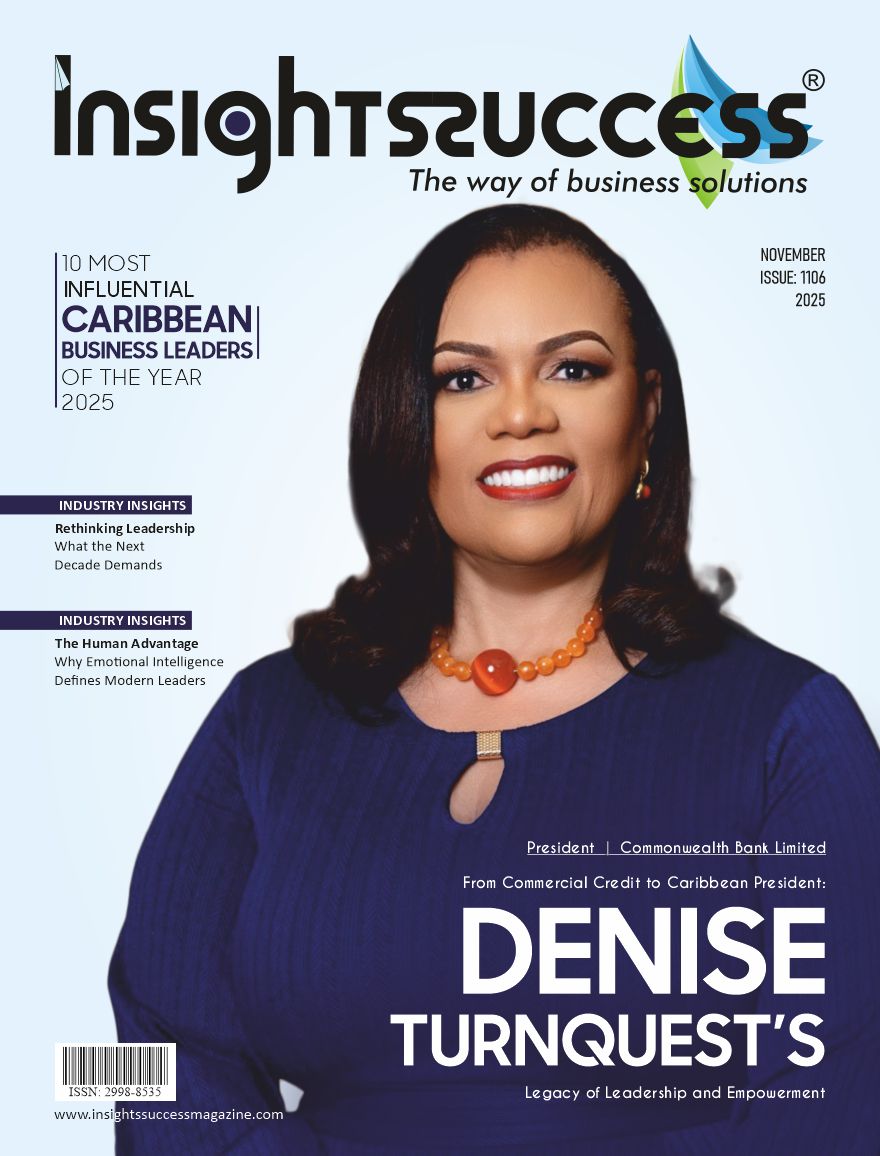
10 Most Influential Caribbean Business Leaders of the Year 2025
10 Most Influential Caribbean Business Leaders of the Year 2025 This edition honors those exceptional individuals who are redefining leadership through innovation, integrity, and impact. These leaders are not just steering companies; they are building movements—from finance to renewable energy, real estate to tourism, education to technology. Digital Link Quick highlights Quick reads
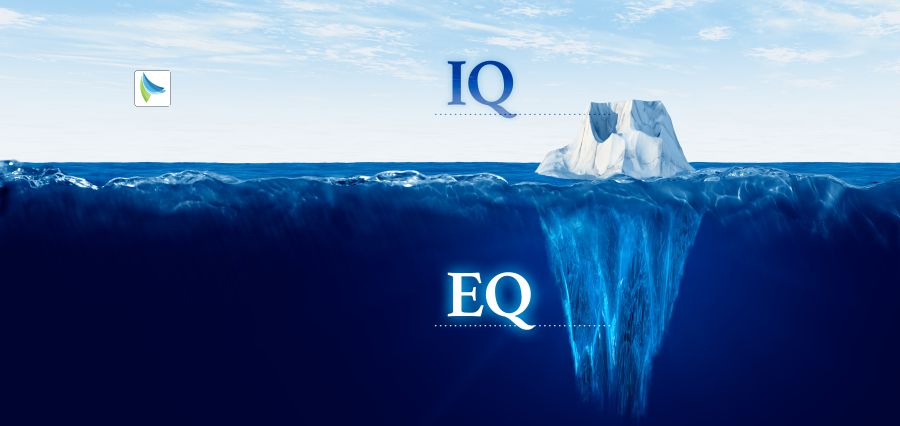
Why Emotional Intelligence Defines Modern Leaders
The Human Advantage In a time where the world seems to be ruled by algorithms, automation, and artificial intelligence, the notion that leadership is about dominating systems, data, and technology is quite appealing. Nevertheless, the one fact that remains after the digital revolution is that emotional intelligence is what separates great leaders from good ones, not technical expertise. Next leadership generation will not require knowing more but feeling more. The human advantage, to its ultimate, is in the ability to relate to, understand, and motivate others. The Shift from IQ to EQ For a long time, successful leadership was judged by the mental capacity, the strategic thinking, and the skill level of the leader. In such a role, leaders had to rapidly think through a situation, make a decision quickly, and carry out the task without error. However, as larger organizations tend to become more complicated and the workplaces more multicultural, an entirely different type of intelligence has come out on top as the most important one—emotional intelligence (EQ). EQ includes the skills of identifying, understanding, and dealing with the personal emotions, as well as detecting and influencing the emotions of other people. With it, leadership can turn from a transactional to a relational one. Smart IQ may create the strategy, but strong EQ unites people so that they can bring it into action with enthusiasm and a sense of purpose. In the world we live in where most tasks are automated, the leader’s advantage is not being more efficient—it is being more empathetic. Machines are capable of performing calculations, analysis, and even making predictions, but they are not capable of establishing connections, giving comfort, or inspiring. These, still, remain as human qualities. The Emotional Core of Leadership At its heart, leadership is a matter of emotion. People do not follow leaders because of their titles—rather, they follow leaders they trust. They are not straitjacketed by the strategies of the leaders—they commit to those making them feel valued, understood, and respected. Emotional intelligence equips leaders to convert this gap from control to trust into experience from being an authority to sharing authenticity. Understanding oneself is what constitutes the basis of this skill. Leaders who are aware of their own emotions have the capacity to control them rather than be under their power. They act from their control instead of their reactivity. The very act of this self-control adds to one’s credibility, especially in difficult situations where calm and confidence are most required. The inner side of emotional intelligence, on the other hand, empathy, is also very powerful in its effect. It provides the ability to understand others’ viewpoint, to detect the unspoken, and to use not only logic but also compassion in leading. By doing so, they provide a platform where everyone can openly participate, voice their opinion, and develop themselves. Emotional Intelligence as a Cultural Multiplier Modern-day companies not only require a well-thought-out strategy, but also depend heavily on their culture. Culture eventually is a very emotional thing. Culture is influenced by the people’s way of feeling, not only by their way of functioning. Leaders having high emotional intelligence realize that what keeps the company going is the good spirit of the people and what makes the people more effective is the feeling of being part of a group. On the other hand, emotional intelligence is a lifeline that is thrown especially to diverse and globalized work environments. It helps leaders to understand subtle differences in culture, to have conversations despite differences among them and to encourage the feeling of being included. Emotional fluency is as important as language fluency in such a world. Leading Through Empathy in a Digital World The rapid development of technology made the human touch, the most important thing in communication, the most endangered one. The introduction of remote work, AI-driven management systems, and digital communication has complicated the problem of making connections but, at the same time, has made the solution of the problem more critical than ever before. In such a world, as social media used to be acknowledged, emotional intelligence turns into a new form of digital fluency. Leading the next decade will call for this equilibrium—the capability of mixing the accuracy of technology with the power of human instinct. Emotional intelligence is going to be the tool that in our haste to automate processes, helps us keep the human side of leadership. The Future Belongs to the Emotionally Intelligent Leaders of tomorrow will be recognized for the depth of their understanding rather than the breadth of their knowledge. Their strength will be derived not from rank, but from their being human. They will institute the atmosphere of care, employ emotional literacy in their leadership, and turn workplaces into communities of belonging. For leadership, at its core, is not a mechanical but a moral act. It’s not about enforcing performance, but nurturing potential. Emotional intelligence is not only the characteristic of present-day leaders—it is the hallmark of leaders who transcend time. Read Also : What the Next Decade Demands

What the Next Decade Demands
Rethinking Leadership Leadership, as it was globally understood, is changing radically. The 20th-century style – which was heavily dependent on hierarchy, control, and logical thinking – is being replaced by a more flexible, democratic, and responsive manner. We are not even a decade into the new era that is characterized by disrupting technologies, climate change crisis, changing of power among the nations, and the redefinition of work, and yet it is already very clear that leadership concepts of the past cannot be used to solve the problems of the future. The leaders of tomorrow must be different leaders such as those that lead their followers not with power, but with purpose; not through authority, but through authenticity; and not by commanding others, but by connecting with them. The End of the Traditional Leadership Paradigm Leadership was for most part of the last century considered a function of power—establishing direction, preserving law, and increasing productivity. Leaders who could successfully bring about the structures and foresee the outcomes were viewed as the most effective. However, the world is no longer the same. Among others, the pace of innovation, the rise of remote collaboration, and the increasing expectations of purpose-driven employees have changed the context in which leadership works. Control will not be a sign of a leader’s strength in the coming years; instead, adaptability will be. Leaders who are able to handle the unclear situation with their composure, still talk during the madness, and rally people even though things are uncertain will be considered top-notch. They will gain their identity not from the degree to which they control but from the extent that they enable. The Rise of Purpose-Driven Leadership Leaders who represent values bigger than money will be the main characters of the following ten years. As the consumer market becomes more socially conscious and the loyalty of employees is affected by it, companies cannot anymore allow themselves to separate business success from the positive impact on society. Those leaders who will remain afloat are the ones finding the match between their vision and their values—that is, leaders who not only talk but also in their very core integrate sustainability, ethics, and inclusion in their decision-making. Purpose-driven leadership will not just be a phrase flaunted on banners, but rather an actual plan of action. It will be an absolute necessity for executives to spell out directions beyond numbers why their businesses exist and what they do to help the world. Thus, they will not only make their employees enthusiastic but also provide their organizations with stability and endurance. Embracing Technology Without Losing Humanity In the following years, artificial intelligence, automation, and digital ecosystems will be the major revolutions of the industries and the way jobs are arranged. Nevertheless, the biggest leadership issue in parallel with the technological progress will be to keep the human side of it. The leaders of the next decade must balance technological intelligence with emotional intelligence. Moreover, they ought to view tech not as a severer between human bonds but rather as a promoter of them and thus act accordingly. Such a measure between the two spheres calls for not only insight but also moral principles. Executives are the ones to take the responsibility to make innovations the servant of mankind, not vice versa. They should proceed with a “yes” to the question “Can we do it?” only if preceded by a “should we?”. The future managers’ legacy will be those who will be able to humanize technological means—who can, through technology, hasten creativity, inclusiveness, and empathy instead of letting them wear away. The Leader of Tomorrow The leader of tomorrow is a connector rather than a commander; a builder of trust rather than a systems manager. They lead through empathy, they act with integrity, and when they think, they think “without any limits”. They perceive risk as a window for success and inclusion as their power. Rethinking leadership involves changing the mental picture of the world that requires leaders to have courage, compassion, and consciousness. The next ten years will be the ones of the leaders who know that leadership is not about being on top but rather among. Moreover, it is not about leading the change—it means being the change. Eventually, those who are future leaders will not be the ones who crave for more power but rather those who seek for purpose. The upcoming decade will forcibly require leaders with such characteristics as far-sightedness, deep empathy, and brave decision-making skills. These leaders are able to simplify complexity and conversely, see it as an opportunity. They will not only see the value of their vision but also create it. The quote about leadership now needing a rethink is the very one that tells us that we are not only getting ready for the future but we are also shaping it. Read Also : Lessons from Effective Leadership
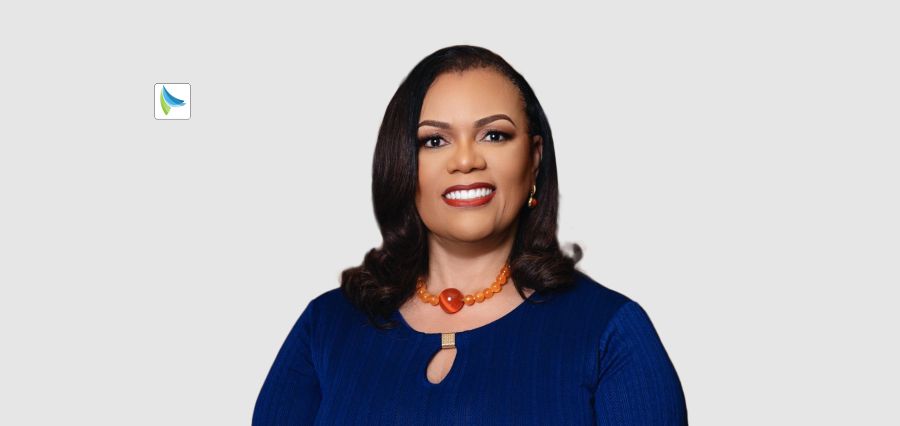
From Commercial Credit to Caribbean President: Denise Turnquest’s Legacy of Leadership and Empowerment
In the forward-looking Caribbean finance environment, where old Caribbean concerns intersect with new Caribbean innovations, a new set of transformational leaders is emerging. At the forefront of this emerging generation is Denise Turnquest, President of Commonwealth Bank Limited. With extensive experience in all aspects of financial services, including lending, collections and operations, she is a tour de force. A certified public accountant and a distinguished graduate of Harvard Business School’s Program for Leadership Development, Denise has a career predicated upon a commitment to continuous development and implementation through concrete expertise. Her commitment to education and development, reflecting her pledge to continued professional and personal development, extends from her early studies after Ivey Business School at Western University to her 2021 designation as Chartered Banker, being recognized by the Chartered Bankers Professional Forum. Her experiences during the Harvard Business School Program were transformative, focusing on recent best practices, improving and developing through personalized coaching by exceptional professors, and engaging and sharing experiences and learning with peer leaders from around the world. which has shaped her as a professional and the remarkable leader she has become. Doing Her ABCs in Banking Denise’s career is a masterclass in leadership and learning, rooted in a solid focus on finance and financial services. Indeed her background makes her one of the most experienced and influential leaders across the business environment in the Caribbean. Denise’s journey is a testament to the power of continuous learning and adaptability. Her career, which she describes as having “done my ABCs in banking” by working at American, British, Canadian, and Caribbean banks, in a series of progressive roles that consistently facilitated growth and development. “I’ve been really blessed to have had a progressive career, always taking on the roles that added responsibility and gave me opportunities for growth,” she feels. Experiences outside the Bahamas including studying at the Ivey School of Business in Canada and working in Puerto Rico and Venezuela, taught her she could “keep pace, thrive, and in fact excel” in varied circumstances and with people from all over the world. Varied Experience Which Prepared Denise Denise’s extensive experience in varied circumstances and with people all over the world was a defining aspect of her career. Early on, in Puerto Rico, she underwent commercial credit training alongside colleagues from across the region. As one of the top performers, she was selected to work in Venezuela. Though she spoke very little Spanish at the time, she quickly learned and made strong contributions. She spent most of her formative years honing her skills in commercial lending. Upon joining Commonwealth Bank, known as a leader in personal lending, she expanded her expertise to become equally skilled in consumer lending. Her progression at Commonwealth Bank enabled her to assume roles outside of lending, including operations, human resources and information technology. She also gained critical experience in delinquency management, a key success factor for any personal lending institution. Taking on these diverse roles exposed Denise to virtually all functions and uniquely prepared her for the Bank’s presidency. A Legacy of Mentorship and Growth Denise attributes much of her success to two impactful mentors. One, whom she describes as somewhat of a perfectionist with very high standards, taught her a valuable lesson: “If you come to me with a problem, you’d better be recommending a solution.” This mantra forced her to think critically and pushed her beyond being dependent on others for answers, to come up with recommendations, and to address problems with well thought-out solutions. Today, she pushes her team to think beyond their roles, preparing them for higher-level responsibilities. Executive leadership programs at both Ivey and Harvard Business School also shaped her. Both institutions use the case study method, which allowed her to collaborate with a diverse group of peers – sharing and gaining new insights. This approach, she says, taught her to “consider and understand different perspectives on a particular issue and then…make the best decision for all concerned.” Her Guiding Principles Also, for Denise, resilience and adaptability are not just buzzwords; they are the very principles that have guided her remarkable career. She believes that self-inspiration is key, as external validation or promotions may not always come. “I have set very high standards for myself, and I work to those standards,” she says. She advises others, particularly women, to never “work to rule” out of disappointment. This mindset, she says, only confirms any doubts others might have. Instead, she sees failures as opportunities to learn and grow, not as an end to the road. She looks back at challenging situations and asks herself, “What could I have done differently?” This self-critical, learning-oriented approach has allowed her to keep moving forward. Modeling the Way Forward When it comes to encouraging younger women, Denise believes in leading by example. “I try to model what I’m teaching,” she states. A powerful tool in her leadership arsenal is humility. She shares with her team that she has taken on roles in the past where she “really didn’t know anything about the area but committed to learning quickly” By being vulnerable and open to learning from those with more experience, she earns respect and the right to recommend and make changes. She also embodies a strong work ethic. Known for being the last one to leave the bank in the evening, she laughs as she shares her secret: she is not a morning person and uses that quiet time to focus. People appreciate her accessibility and her willingness to put in the time and effort. She knows the bank “inside and out” because she has worked side-by-side with her team. She encourages every member of her team to always give their best, because everything they do adds a building block to their reputation. “If someone asks you to do something and you’re not able or prepared to give it your best, tell them sorry, I can’t do it,” she advises, a powerful message for aspiring leaders. Remaining Two Steps Ahead Denise has a keen
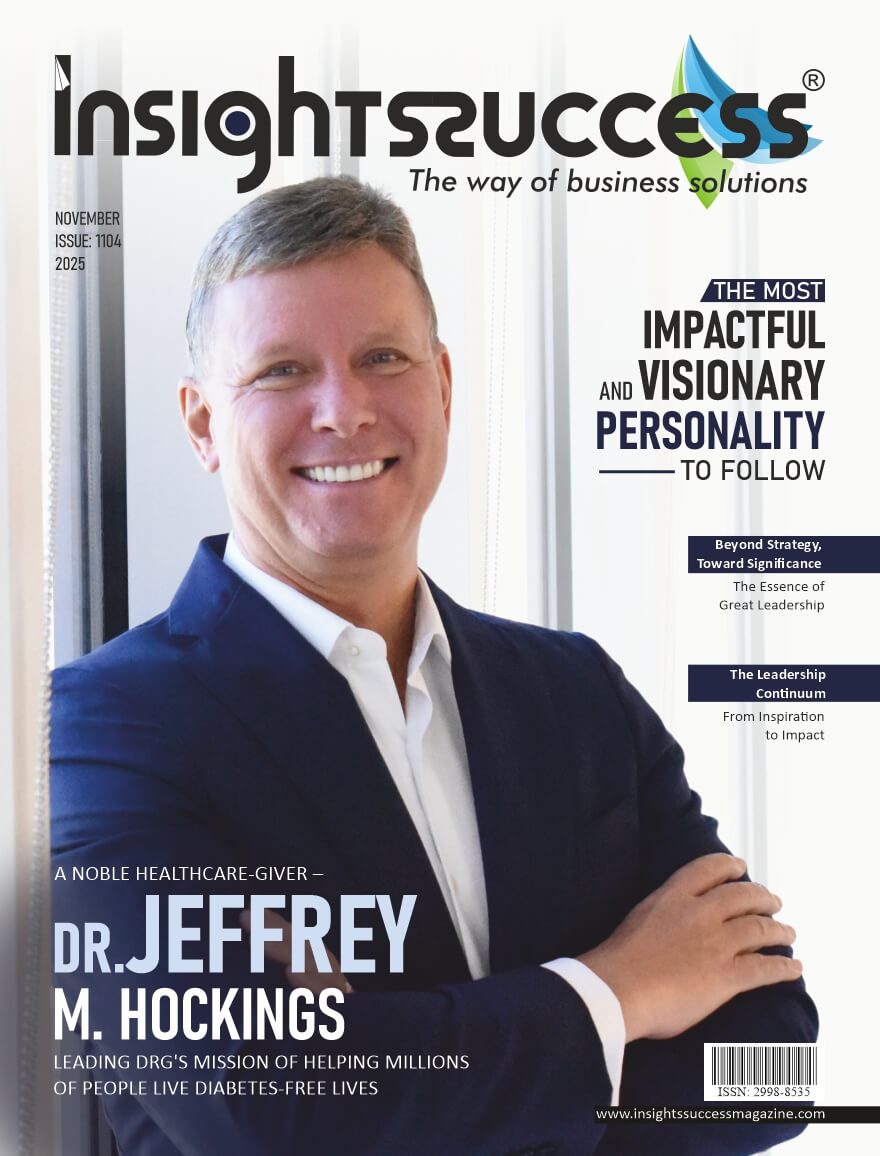
The Most Impactful And Visionary Personality To Follow
The Most Impactful And Visionary Personality To Follow Dr. Hockings’ journey is more than a medical endeavor—it is a revolution in wellness. His pioneering system challenges the traditional healthcare narrative by focusing on reversing the root cause of diabetes rather than masking its symptoms. Under his leadership, DRG has not only transformed lives but also reshaped global perspectives on what’s possible in preventive and regenerative medicine. Quick highlights Quick reads

A Noble Healthcare-giver – Dr. Jeffrey M. Hockings: Leading DRG’s Mission of Helping Millions of People Live Diabetes-free Lives
When a system does not work for the very people it was created to serve in the first place, or does exactly the opposite of what it has promised, then it is high time that system must be replaced with a better one. A similar kind of belief was behind Dr. Jeffrey M. Hockings’ inspiration to launch a medical revolution. The story of Diabetes Reversal Group (DRG)― the world’s only Patented Type 2 Diabetes Reversal system that guarantees results―of which Dr. Hockings is the Founder and CEO, began with a simple but life-changing realization: the healthcare system was managing diabetes, not reversing it, he states, as he’s spent more than three decades helping patients transform their health, but couldn’t ignore the frustration he saw in people who were told their condition would only get worse. “I knew there had to be a better way,” he acknowledges. Keeping the Promise What began as a mission to help a few patients reclaim their health became a 16-year journey of research, refinement, and results that led to a patented system — the only one in the world proven to reverse Type 2 Diabetes. Dr. Jeffrey M. Hockings inspiration has always been rooted in hope that is backed by data, science, and faith. “Watching patients reduce or eliminate medications, normalize blood sugar, and reclaim their energy reminded me that true healthcare should restore life, not manage decline.” He also has an aunt and father-in-law who died of diabetes, “So helping reverse it now is a personal mission for my wife and me.” Turning a Business Model into a Healing Model Before this happened, there was a pivotal moment, a kind of personal experience that strengthened Dr. Jeffrey M. Hockings resolve to challenge conventional diabetes care models and pursue a reversal-based approach. The turning point came during his years running multiple clinics when he realized that ‘disease management’ had become a business model — not a healing model. He watched patients do everything their doctors told them, yet their medications increased and their health declined. “That didn’t sit right with me, so we (my wife and I) decided to sell our wellness clinics and focus 100% of our time tackling the Type 2 Diabetes epidemic.” He ardently believed that the world doesn’t need another medication; it needs a movement that restores health and hope. A Body Can Heal in the Right Environment DRG has become a faithful caregiver for the last 16 years since its inception in 2009. It has built a unique position in healthcare by offering hope to millions living with diabetes.Dr. Jeffrey M. Hockings states, “Our philosophy is simple but radical in the medical world: the body is designed to heal when given the right environment. We focus on root cause correction — not symptom suppression.” Dr. Jeffrey M. Hockings and his team of compassionate healthcare professionals combine advanced diagnostics, personalized nutrition, lifestyle restructuring, and behavioral coaching under one unified, patented system. The results speak for themselves: patients consistently experience normalized A1C levels, medication reduction and elimination, and restored vitality. But the true impact goes beyond numbers. It’s watching someone cry tears of joy after their doctor says, ‘You no longer have diabetes.’ That moment never gets old, shares Dr. Jeffrey M. Hockings. “We’ve built a company that delivers those moments every day — and that’s why DRG exists.” Relentless in Ethics-based Results As both a healthcare professional and a visionary entrepreneur, Dr. Jeffrey M. Hockings says that balancing scientific rigor with innovation to ensure that DRG’s programs remain effective, ethical, and evidence-based is everything. “We’re relentless about results, but also about ethics.” Their 16-year track record, patent approval, and an independent third-party study validate what they do. They’ve developed repeatable systems backed by data, not hype. At the same time, innovation drives them forward. They constantly refine their algorithms, patient education modules, and engagement tools to improve outcomes. Every decision at DRG passes through two filters: Is it scientifically sound, and is it in the best interest of the patient? “If it doesn’t meet both, it doesn’t make it into our program. Our team at DRG all share the same conviction — healing isn’t theoretical; it’s measurable.” Deleting Diabetes Completely from the Health System The term ‘reversal’ in chronic disease care often invites skepticism. DRG counters it with an approach of scientific and results-oriented awareness and education to help people truly understand what sustainable diabetes reversal entails. Dr. Jeffrey M. Hockings explains, “Reversal doesn’t mean a temporary fix — it means restoring normal metabolic function without dependency on medication.” They’ve educated thousands of patients and physicians on what true reversal looks like, and their data consistently support it. “Education is central to our mission.” They hold webinars, produce physician-level training modules, and provide every patient with one-on-one coaching and ongoing support. They also highlight the difference between reversing and management. Reversal is a state you can maintain through lifestyle and understanding — not luck. Once patients experience that firsthand, the skepticism disappears. Management is when you stay status quo and continue taking medications the rest of your life, says Dr. Jeffrey M. Hockings Tech-powered Scalability Technology and data analytics play a growing role in personalized health solutions. And they are the backbone of DRG’s scalability.Dr. Jeffrey M. Hockings adds, “We have a robust patient App, where patients log in their blood sugar, blood pressure, weight, and daily food intake, which is monitored by their support coach.” Patients are guided through our platform with measurable milestones, and DRG’s clinical team reviews progress dashboards to make real-time adjustments. “We’ve integrated AI-driven analytics to predict potential plateaus and help our team proactively intervene. That’s how we maintain engagement and prevent regression.” Patients feel supported, seen, and empowered — not managed by an algorithm but guided by insight. DRG’s system makes what was once a local clinic experience accessible nationwide. It’s precision healthcare, personalized and scalable. Eliminating Misconceptions In his journey, Dr. Jeffrey M. Hockingscame across some of the most challenging misconceptions about diabetes