





Enhancing Competitive Brand Positioning Through Data Intelligence
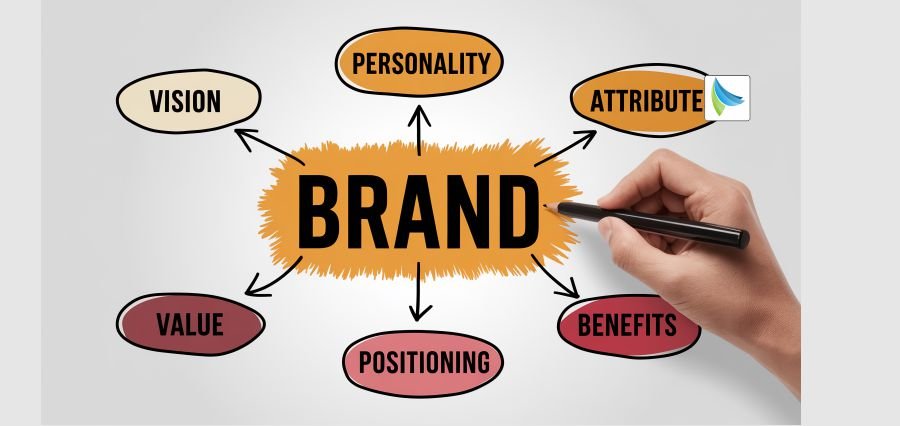
AI in Marketing Strategy There is a lot of pressure on businesses to stand out in saturated markets in the fast-paced digital economy, and they have to keep up. AI has become a revolutionary change in marketing strategy, allowing organizations to optimize their competitive brand positioning to a level never seen before. Through data intelligence, organizations will be in a better position to learn more about consumer behavior, trends, and develop specific campaigns that resonate with their followers. The Growing Role of AI in Marketing Strategy Using AI in the marketing strategy is not a far-off vision but a current need. Artificial intelligence is being adopted in organizations in industries to process large amounts of data instantly. This ability enables marketers to see the patterns and insights that were not visible. This means that companies are able to offer more personalized and relevant experiences, which enhance their competitiveness on a brand level in the market. Furthermore, AI in marketing strategy enables organizations to automate their daily operations like customer segmentation, email marketing and campaign optimization. This does not only enhance efficiency but also the marketing efforts are always in line with the changing customer expectations. These improvements when done well, go a long way to improve competitive brand positioning, by making sure that brands are responsive and nimble. Data Intelligence as a Catalyst for Brand Differentiation Data intelligence is very important in the formation of competitive brand positioning. Using AI-based tools, companies are able to combine and analyze customer information across various touchpoints such as social media, websites and previous purchases. This integrated perspective helps organizations to develop strategies that resonate deeply with customer needs and preferences. With the integration of AI in the marketing strategy, businesses will be able to go beyond generic messaging and provide hyper-personalized marketing content. Such customization will create a higher emotional attachment to the consumers, which will ultimately support competitive brand positioning. Moreover, AI-driven predictive analytics will assist brands in predicting market changes, enabling them to remain on top of the market. The other benefit of incorporating AI into marketing strategy is the possibility to perform real-time performance analysis. The campaign effectiveness can be immediately measured by marketers and data-driven changes are made. This is an ongoing optimization process that allows sustaining of competitive brand positioning that is relevant and powerful in a continuously evolving environment. Enhancing Customer Experience Through AI Customer experience is one of the determining factors of competitive brand positioning. Companies, which focus on smooth and interactive communication, have more chances of establishing long-lasting relationships with their audience. The AI in marketing strategy helps companies provide such experiences through offering customized suggestions, chatbots, and personalized content. As an example, chatbots with AI can be used to offer immediate assistance, which enhances customer satisfaction and retention. In the same manner, recommendation engines examine user behavior in order to recommend products or services that individuals prefer. The innovations which are AI-led in the marketing strategy help in giving the competitive brand positioning a boost through better customer engagement as a whole. Moreover, AI enables brands to be consistent throughout all customer touchpoints. Online or offline, the experience that a consumer has with a brand is coherent and consistent with the brand identity. This uniformity is critical in developing trust and strengthening competitive brand positioning in the long run. Challenges and Considerations Although AI has immense advantages in marketing strategy, there are several challenges that organizations need to overcome. Ethical issues and data privacy are paramount aspects that cannot be ignored. Companies should make sure that the information about a customer is treated in a responsible manner, and within the laws. The other problem is the implementation of AI technologies with the already existing systems. To make the most of AI in marketing strategy, companies must invest in the proper infrastructure and talent to utilize the potential of AI. The effect on the competitive brand positioning can be curtailed without a proper implementation. Nevertheless, these obstacles are far less than the benefits. Those organizations that effectively implement AI-based strategies are more likely to have sustainable growth and sustain their market presence. Conclusion The intersection of data intelligence and AI in marketing strategy is transforming how business focus on branding and customer relationship. Using the force of artificial intelligence, organizations can develop their competitive brand positioning and build meaningful relationships with their audiences. With the ongoing advancement of technology, the value of AI in marketing strategy will only grow, and it will become an essential resource of a modern marketer aiming at achieving long-term success. Read Also : Empowering Customer-Focused Logistics

Driving Omnichannel Marketing Approach for Unified Brand Experience
Cross-Industry Brand Strategy The modern global marketplace is not only interconnected but also not restricted to the brands to one sector or audience. Companies are now embracing the cross industry brand strategy to increase their target, diversify their products and remain competitive. Meanwhile, the need to have an uninterrupted customer interaction has increased the pace at which an omnichannel marketing strategy has been adopted. Collectively, these strategies can help businesses to create a cohesive brand experience that cuts across platforms and industries. The Evolution of Cross-Industry Brand Strategy Cross industry brand strategy is the strategy that relies on the knowledge, experience, and innovations across industries to enhance brand presence and identity. Using this strategy, companies can transcend the conventional boundaries and develop new value propositions. As an illustration, partnerships between tech companies and healthcare or retail brand companies and financial services have shown how cross-industry brand strategy can open up new growth prospects. Businesses are better placed to appreciate the changing consumer expectations by incorporating different perspectives. Such integrated knowledge underpins the creation of an omnichannel marketing strategy that is in line with the customer behaviors at various touchpoints. The cross-industry brand strategy can only be more critical as the industry nears convergence, whereby the brands can still stay relevant within an evolving environment. Omnichannel Marketing Approach for Consistency A good omnichannel marketing strategy will make sure that the customers experience a brand across the board, irrespective of the channel they use. Consumers want an easy experience, regardless of whether they communicate via social media, mobile applications, brick-and-mortar shops, or customer service. Omnichannel marketing approach needs the combination of data, technology and communication strategies. This strategy is even stronger when there is a cross-industry brand approach. Experiences in other industries can be used to guide improved customer engagement behaviors and improve the experience. Companies that effectively integrate a cross-industry branding strategy and an omnichannel marketing system can provide customized and integrated interactions, enhancing brand loyalty. Consistency is key to building trust. An effective omnichannel marketing strategy will make sure that there is no disconnect in messaging, tone, and brand values on any of the platforms. This congruency is not only enhancing customer satisfaction but also reinforcing the cross-industry brand strategy effectiveness. Enhancing Customer Experience Through Integration A cross-industry brand strategy and an omnichannel marketing approach are centered on customer experience. A combination of systems and data of various channels by the businesses will result in a single customer perspective. This facilitates more precise targeting, enhanced personalization, and decisions. Inter-industry branding offers great insights on how various industries respond to the needs of their customers and through this, organizations can learn best practices. These lessons can then be implemented in an omnichannel marketing strategy to have more valuable interactions. Examples of how hospitality expertise can be applied to other industries involve improving customer experience through lessons learned in the hospitality sector, or improving payment processes through innovations in fintech. The combination of a cross-industry brand strategy and omnichannel marketing approach provides the synergy which will help to make each interaction with the customer part of a unified brand story. This is not only going to increase satisfaction but also long-term engagement and loyalty. Overcoming Challenges in Implementation Although it has its benefits, the adoption of a cross-industry brand strategy and an omnichannel marketing approach has some issues. Integration of different systems and data sources is one of the major challenges. Companies have to invest in a strong infrastructure or technology to facilitate a smooth channel communication. The other issue is consistency and adjustment to various industry standards. A cross industry brand strategy will demand a keen alignment of brand values to make sure that core identity is not compromised. Likewise, an omnichannel marketing strategy requires an ongoing optimization and monitoring to maintain with the evolution of consumer demands. Collaboration and training are also needed. To effectively implement both a cross-industry brand strategy and omnichannel marketing approach, teams should be provided with skills and knowledge to implement it. By overcoming these challenges, the businesses will be able to realize the potential of these strategies. The Future of Unified Brand Experiences With the further development of the markets, a combination of a cross-industry brand strategy and an omnichannel marketing strategy will grow in significance. New technologies (artificial intelligence and advanced analytics) will also contribute to the provision of personalized and consistent experiences. To sum up, a cross-industry brand approach and an omnichannel marketing strategy are the keys to the success of contemporary companies that want to be competitive in the market. Organizations can enhance their relationships with their audiences and experience sustainable growth by gaining knowledge across industries, providing consistent experiences across channels. Read Also : Enhancing Competitive Brand Positioning Through Data Intelligence

The Advocate in the Room: How Felicia-Antoinette Knowles Is Changing the Insurance Landscape in the Bahamas
She was eleven years old when the Queen of England told her she was the most beautiful little girl she had ever seen. Standing there in the Bahamas, roses in hand, young Felicia-Antoinette Knowles absorbed that moment, not as a fairy tale, but as confirmation of something she already sensed about herself: that she belonged in rooms others might not expect her to enter. Decades later, that quiet confidence still defines her. Today, Felicia is the founder and principal broker of Life Line Insurance Agents & Brokers Company Ltd., a force in the Bahamian insurance sector, a former President of the Bahamas Insurance Brokers Association, and one of the most tenacious advocates the industry has ever seen. She has spent her career doing what few in her field have dared to do: treating every client not as a transaction, but as a responsibility. But to understand where she stands today, you have to go back to where it all began. From Saturday Hair Braider to All-American Scholar Felicia grew up as the third of six children, with five sisters and one brother to whom she was especially close. Her family was lower middle class, supported solely by her mother, a shrewd observer and strong provider who raised her children largely on her own. She stood out from early on: red hair, freckles, and a sweater worn regardless of the weather. She often felt like an outsider, excluded from the sleepovers and special trips her sisters enjoyed. But her mother refused to let her feel diminished. She gifted her a book called “My Everything Book,” a gesture that sparked her imagination and fuelled a lifelong thirst for knowledge. To fund her books and her education, Felicia found her own way. Her brother made her a mop-head doll, and using it as her practice tool, she taught herself to braid hair and became the neighbourhood’s Saturday stylist at five dollars a head. Her first paid job came at age twelve, working at House of Values. School, however, presented its own battles. She was held back in elementary for being “too young” and placed in a lower stream in junior high, where bullying followed. Her mother’s response was to fill her with affirmations, including a shirt that read “I’m Perfect.” She recalls, “My mother explained that the bullying was jealousy in disguise, and that encouragement changed everything for me.” She found her outlet in sport, excelling in basketball and netball, earning multiple gold medals and representing her country on the national netball and basketball teams. She went on to earn a Bachelor’s degree in Business from Barber Scotia College and an MBA from Nova Southeastern University, receiving national recognition in debates, named an All-American Scholar and Dean’s List honouree, and graduating top of her class in Business. The girl who braided hair on Saturdays to buy books had built herself into a formidable force. Building Lifeline: Where Advocacy Meets Insurance Felicia’s path into insurance did not begin with a business plan. It began with a conviction. At eighteen, she joined ALICO and discovered that insurance, done right, is one of the most powerful tools available to ordinary families. She learned that it was not just a policy but a vital tool for safeguarding wealth and ensuring fairness for future generations, protecting families during difficult times and supporting children’s education through dividends. That insight anchored everything that followed. Her career took detours through leadership roles across petroleum, retail, wholesale, spirits and beverages, and restaurant management, with each role deepening her understanding of how performance, processes, and people intersect. But it was in the liquor industry that a defining turning point arrived. Felicia became increasingly aware of the social and medical impacts alcohol was having on communities. She tried to implement social programmes and give back, but resistance from leadership made it impossible to effect change. She realised she needed a profession where making a direct and positive impact was the mission itself, not a battle to be fought. She moved into health insurance and immediately identified a critical gap: only about 30% of the Bahamian population held medical insurance. She repositioned herself from policy-seller to educator and advocate, sitting with clients through claims, benefit verifications, and life-changing events. Felicia explains, “I shifted my focus from simply selling policies to educating clients and advocating for them. That client-first approach sometimes put me at odds with executives, but it fuelled my passion for advocacy and transparency.” After a challenging partnership with a broker who undervalued her contributions, she took the leap. Life Line Insurance Agents & Brokers Company Ltd. was founded on a clear premise: the firm would be more than brokers and agents. It would serve as advocates who support clients from the initial prospecting stage through claims and life-changing events, working closely with insurance carriers, healthcare providers, families, and employers. Today, Life Line offers health, life, business, home, and vehicle insurance, and is currently focused on increasing pension plan participation in the Bahamas, where less than 20% of the population holds such plans, with a goal to grow that figure by 10% annually. Patience, Transparency, and the Long Game Breaking into a male-dominated, entrenched industry that resisted both women and change required a particular kind of discipline. Felicia chose patience over confrontation and transparency over political manoeuvring. She shared knowledge, created opportunities, and fostered teamwork, gradually shifting attitudes and expanding access to insurance products across the Bahamas. She explains, “Instead of direct confrontation, I relied on patience, transparency, and a values-driven approach. By sharing knowledge and creating opportunities, I gradually shifted attitudes and expanded access to insurance products in the Bahamas.” That approach carried her to the presidency of the Bahamas Insurance Brokers Association (BIBA), where she served from 2012 to 2016, championing policies like VAT integration to protect intermediaries and contributing to shaping national health insurance regulations. She expanded community engagement through youth programmes and climate change forums. She went on to serve as Executive Secretary of the Bahamas Insurance Association (BIA)
Visionary Caribbean COOs Driving Operational Excellence in 2026
Visionary Caribbean COOs Driving Operational Excellence in 2026 Highlighting transformative leaders redefining efficiency, innovation, and resilience, this feature showcases strategic vision, digital adoption, and leadership excellence shaping operations, driving sustainable growth, and elevating organizational performance across industries in 2026. Digital Link Quick highlights Quick reads

The Future of Automation in Operational Excellence
Caribbean Executive Spotlight The modern business environment in the Caribbean is changing drastically, as the rapidly changing technology and the shifting market demands are influencing the environment. The focal point of this change is the increasing focus on automation in operational excellence that is transforming the manner in which organizations operate and compete. This Caribbean leadership highlight discusses how leaders in the region are adopting innovation to spur efficiency, resilience, and long-term growth. Leadership Driving Change in the Caribbean It is clear in this Caribbean executive spotlight that progressive leaders are focusing on modernization in order to remain relevant in a global economy. Executives are also becoming aware that the old models of operations are not adequate to withstand the challenges of the contemporary fast-paced world. Through operational excellence through automation, they are automating operations, cutting on costs and increasing general productivity. Caribbean organizations are using the new high-end technologies like artificial intelligence, robotics, and data analytics to streamline their operations. In this Caribbean executive spotlight we get to see how leaders are using these tools to improve decision-making and achieve improved results. Consequently, operational excellence automation is turning out to be a strategic planning pillar in the various industries. The Role of Automation in Operational Excellence Operational excellence is being revolutionized by automation and is changing how business organizations handle their processes and resources. Through automation of repetitive and time-consuming activities, organizations are able to concentrate on more strategic activities that create value. This change is especially significant in the Caribbean, where companies need to cope with special issues, including the scarcity of resources and the geographical factors. This Caribbean executive position showcases the role that companies are automating to increase accuracy, minimize human error and provide improved service delivery. As an example, automated systems can simplify supply chain management, maximize inventory levels, and timely delivery of goods and services. These enhancements lead to efficiency and competitiveness in operations. Additionally, operational excellence through automation allows organizations to expand their operations without necessarily having to grow the costs. This scaling is critical to the companies that are willing to increase their reach and explore new opportunities. And with this Caribbean executive spotlight, it is now evident that automation is not merely a fad but rather a requirement to sustainable growth. Enhancing Customer Experience and Agility The expectations of the customers are changing at a very high rate and companies have to change accordingly to address the needs. Operational excellence automation is an important aspect of customer experience, as it allows faster service delivery, personalized communication, and service quality delivery. Here in this Caribbean executive spotlight, leaders have stressed on the need to align operational strategies and customer needs. Companies can be more agile and responsive by incorporating automation into their business processes. This will enable them to respond swiftly to the changes in the market and provide value to their customers. The experiences provided in this Caribbean executive spotlight show how automation is being applied in organizations to develop efficient and seamless customer experiences. Also, operational excellence through automation helps in making data-driven decisions. Businesses can make strategic decisions by analyzing real-time data to identify trends, future customer needs, and make informed decisions. This ability is critical towards sustaining a competitive advantage in an ever-changing market. Challenges and Opportunities Even though automation has numerous positive aspects for operational efficiency, companies also have to face many challenges. One of the key issues highlighted in this Caribbean executive spotlight is the need for investment in technology and infrastructure. Automation solutions are costly and may be a hindrance to certain companies. The other issue is that it requires talent. The era of automation progresses companies in ensuring that their employees are equipped with skills needed to operate and optimize these systems. This Caribbean executive highlight shows the relevance of training and development in the facilitation of positive implementation. Looking Ahead The future of business in the Caribbean is directly related to the usage of new technologies and innovative practices. The element of automation in operational excellence will remain to be critical in the transformation of the economic landscape of the region. Leaders who accept automation technology which the Caribbean executive spotlight demonstrates will achieve more successful results to manage unpredictable business situations while they guide organizational development. In conclusion, this Caribbean executive spotlight reveals that automation is a key driver of operational excellence and business success. Organizations are able to create resilient and efficient operations through the deployment of technology, investment in talent, and attention to customer needs. With the region still developing, operational excellence automation will be a crucial element of sustainable development and competitive advantage. Read Also : Driving Omnichannel Marketing Approach for Unified Brand Experience

Strengthened by Strategic Operations Management
Innovation in Financial Services The financial services sector is experiencing a blistering change due to technology, regulation, and changing customer expectations. Innovation in financial services has become a critical issue in the environment where institutions need to be relevant and grow. Organizations should provide quicker, smarter, and more niche solutions than ever. Nevertheless, success is not only related to ideas, but also to discipline in execution. Strategic operations management offers a framework that helps in translating the vision into outcomes, aligning the processes, resources, and objectives. Devoid of this, even good initiatives may end up failing as integration between innovation and operations is essential in sustaining performance and long-term competitive advantage in contemporary global markets today. Evolution of Financial Innovation Innovation in the financial services industry has over the last ten years moved beyond the conventional products to include digital platforms and automation, as well as data driven insights. AI, blockchain, and cloud infrastructure are increasingly becoming solutions to the efficiency and transparency of financial institutions. The changes have restructured customer engagement and made experiences channel accessible. The markets are now changing rapidly, and competitors are coming out of fintech ecosystems, which requires continuous experimentation. Organizations that want to stay functional have to integrate innovation in their daily procedures and have to ensure that an idea goes through the cycle of conception to implementation in the shortest possible time without compromising on reliability and security as well as the stability in service delivery to the customers across the globe in dynamic conditions. Strategic Operations Management as a Foundation Strategic operations management helps in aligning strategy and implementation to support this transformation. It incorporates planning, allocation of resources, and optimization of processes to accomplish long term goals. Organizations have a chance to minimize inefficiencies and manage risks by standardizing the workflows and enhancing the level of coordination. This science helps institutions to be able to scale initiatives without losing uniformity or quality. Also, it sets performance metrics that are clear to steer decision making and accountability. With strategically managed operations, innovation activities are formalized and repeatable, enabling institutions to respond to change dynamically and operational stability across department and geographies in complex financial environments at the global scale to ensure future sustainability. Bridging Innovation and Execution Whether ideas bring value or not depends on the relationship between innovation in financial services and strategic operations management. The emerging products and services need strong systems, adherence to regulations, and smooth customer experiences. Operational structures are the way of aligning technology, human resources, processes to achieve consistent delivery. Institutions can reduce time to market and enhance quality by aligning innovation pipelines and execution capabilities. This integration minimizes risk and improves responsiveness to customer needs. This means that organizations can implement changes without fear as they are assured that sustaining performance, resilience and trust in all business functions and stakeholder relationships in markets with changing regulatory demands and competitive forces. Technology and Operational Alignment Technology is a fast driver of change, but it offers advantages based on its alignment to operations. Strategic operations management makes sure that new systems do not disrupt the existing infrastructure, but rather fit well with it. Scalability, security, and compliance, which are necessitated in financial settings, are aided by careful planning. Companies that align technology with operations have the potential to use data analytics and automation to improve decision making and efficiency. This strategy builds resilience and allows it to make constant improvements. With sound governance and accountability, institutions can embrace emerging tools without fear of losing the reliability, customer trust and regular service delivery through all channels and touchpoints to stakeholders around the world as change accelerates and competition intensifies. Overcoming Challenges Such aspects of financial services integration as legacy systems, regulatory complexity and cultural resistance pose a challenge to integration of innovation and strategic operations management. Institutions have to update infrastructure, enhance compliance capacity, and invest on the skills of workers. Interdepartmental cooperation is necessary to eliminate silos and hasten the implementation. Leadership and effective communication can be used to align teams to strategic priorities. A structured approach allows organizations to balance experimentation and control, such that innovation initiatives can deliver value without destabilizing, jeopardizing security, or compliance with regulation in the multifaceted and highly dynamic financial markets today, even as efficiency, transparency, and accountability are underpinned in the processes, systems, and stakeholder relationships across the processes, systems, and stakeholder relationships throughout the globe today. Future Outlook and Conclusion In the future, innovation in financial services will keep defining the competitive advantage with increasing customer expectations and technology advances. Organizations that incorporate disciplined execution in their plans will outplay other organizations by providing trusted scalable solutions. Operational excellence focus helps to adapt more rapidly, manage risks, and enhance customer experiences. Organizations are able to optimize processes and open up new opportunities by maintaining a culture of continuous improvement. Finally, this blend of innovative thought and strict action will characterize leaders, which will allow long term expansion, stability, and value generation in an ever more complicated global financial ecosystem to stakeholders in any area, segment, and digital medium. Read Also : The Future of Automation in Operational Excellence

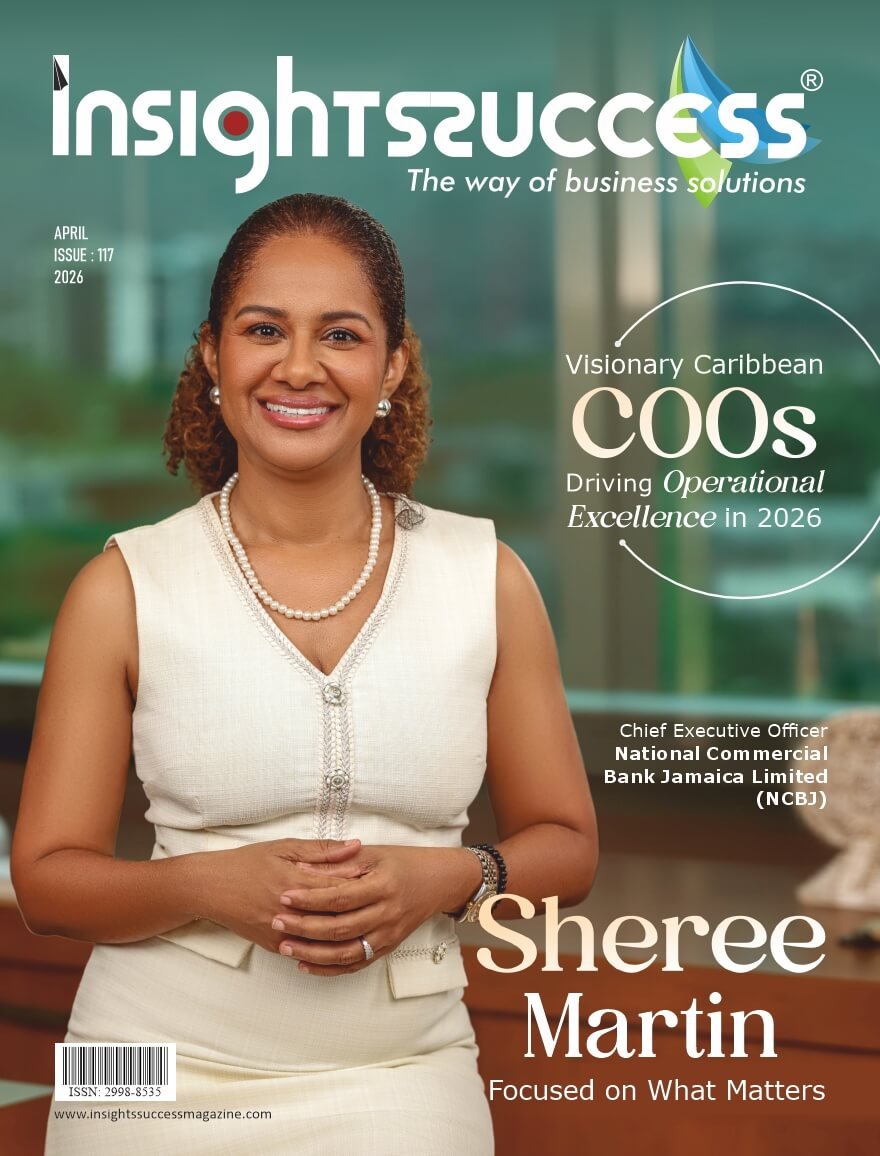
Sheree Martin: Focused on What Matters
When Sheree Martin stepped into the role of Interim CEO at National Commercial Bank Jamaica Limited, the significance of the appointment was immediate. The first woman to lead the institution. A moment that would be talked about well beyond the walls of the bank. She has never dismissed that. But she does not linger there either. “For me, the appointment is less about a personal milestone and more about the responsibility that comes with stewardship of an institution that has served Jamaica for nearly two centuries,” she says. It is a telling response. Where others might center the achievement, she centers the obligation. National Commercial Bank sits at the core of Jamaica’s financial system, touching everything from individual savings to business expansion and national development. Stepping into leadership of an institution like that shifts your perspective quickly. The focus sharpens. The margins narrow. “The focus becomes ensuring the Bank remains sound, well governed, and positioned to serve customers and support economic activity across the country,” she explains. It is not the language of celebration. It is the language of responsibility. Growing With The Organization Martin’s career has unfolded inside NCB, across multiple layers of the organization. She has led in retail banking, marketing, and digital channels, before moving deeper into enterprise operations and eventually into the role of Chief Operating Officer. That journey matters because it shapes how she sees the institution. “My career at NCB has always centered on strengthening execution, improving systems, and ensuring the Bank operates with discipline,” she says. It is a through line that runs across every role she has held. As COO, her focus sat squarely on the bank’s internal engine. Technology, operations, customer experience, and the systems that connect them. It meant looking closely at how work moved through the organization, where friction slowed things down, and where risk sat beneath the surface. Operations, she explains, trains you to think in systems. You begin to see patterns, dependencies, and points of failure that are not always visible from the outside. You are constantly asking: What is the process? Where are the risks? How do we make this work more efficiently and more consistently? It is a mindset built on detail, but also on accountability. In financial services, the consequences of failure are rarely abstract. They are felt directly by customers, businesses, and the wider economy. “Whether it is risk management, operations, or customer service, the margin for error is small,” she says. Over time, that environment shaped her approach. Clear thinking. Direct engagement with problems. A focus on getting things right, not just getting them done. Expanding Her Field of View The transition into the CEO role expands the scope of that thinking. Where her focus once centered on execution, it now stretches across the full enterprise. Strategy, governance, culture, and long-term direction now sit alongside the operational discipline that has defined her career. “Moving from COO to CEO expands the scope of that work. Instead of focusing primarily on operational performance, you are now responsible for the full enterprise – strategy, culture, governance, and long-term direction,” she notes. The lens widens, but the foundation remains. “As CEO, that mindset remains valuable, but the lens widens considerably. The role requires balancing day-to-day execution with long-term strategy and institutional resilience,” she says. That balance shows up in how decisions are made. Immediate needs must be addressed without losing sight of long-term impact. The pressure to deliver results now sits alongside the responsibility to protect the institution over time. “Her stakeholder landscape has also expanded. Conversations now extend beyond internal teams to include regulators, shareholders, policymakers, and the wider community. Each group brings its own expectations, its own lens on performance and accountability. It is a broader, more exposed role. One that requires both perspective and precision. Focused on Consistency Martin steps into leadership at a time when the bank is focused on consistency. After a period of adjustment, the emphasis has shifted toward disciplined execution. Maintaining strong capital and liquidity positions. Reinforcing governance. Continuing to invest in digital capabilities and customer experience in ways that are measured and sustainable. Her approach reflects that reality. “Operational discipline and strategic transformation are not competing priorities. In fact, they depend on each other,” she says. The work ahead is grounded in that understanding. Innovation must sit within strong risk frameworks. Growth must be supported by stability. “Our approach is therefore grounded in three principles: efficiency, governance, and customer experience,” she explains. Those principles are not abstract. They show up in how the bank manages capital and liquidity, how it assesses risk, and how it continues to refine its systems and processes. A sound bank is the foundation of every promise that they make to customers. How She Leads There is a directness to Martin’s leadership style that reflects her background. She does not rely on overly polished language or abstract framing. Her thinking is grounded in execution, shaped by years of working within the operational core of the organization. “One of the most important lessons I learned early in my career is that credibility comes from delivery,” she says. It is a principle that has guided her through increasingly complex roles. Over time, she has built a reputation for reliability and clarity, particularly in environments where the stakes are high and the room for error is limited. “I focused on building a reputation for reliability, clarity of thinking, and a willingness to address difficult issues directly,” she explains. That willingness matters in a sector defined by complexity and regulation. Banking requires a constant balancing of risk and opportunity, with decisions that must stand up to scrutiny from multiple directions. Her leadership reflects that balance. Steady, deliberate, and grounded in what can actually be delivered. The Weight of Representation Her appointment carries significance beyond the institution, particularly for women in financial services. She recognizes that. Representation matters because it signals what is possible. Visibility can shift perceptions, opening pathways that may not have seemed accessible before. But

What Really Drives FMCG Growth in Emerging Markets?
Introduction In emerging markets, FMCG growth is often discussed through the lens of pricing strategies, consumer behavior, or brand positioning. However, one critical factor consistently determines long-term success: the strength and reliability of distribution networks. As markets become more fragmented and operational complexity increases, distribution has evolved from a logistical function into a strategic growth driver for FMCG brands operating in developing economies. ________________________________________ Distribution as a Strategic Advantage Unlike mature markets, developing economies present unique structural challenges. Retail environments are often fragmented, infrastructure varies significantly by region, and consumer demand can change rapidly. In this context, retail distribution networks are no longer passive channels. They actively shape: Market penetration speed Product availability consistency Brand visibility at the point of sale FMCG companies that align with capable local FMCG distributors gain an operational advantage that is difficult to replicate through marketing investment alone. ________________________________________ The Role of Nationwide Reach in Syria One of the defining characteristics of effective distribution in emerging markets is nationwide coverage. In Syria, this becomes even more critical due to regional fragmentation, infrastructure challenges, and varying local market dynamics. Limited regional distribution often leads to inconsistent product availability, which directly impacts sales speed and weakens brand trust among both retailers and consumers. A strong nationwide distribution network in Syria enables brands to: Reach both major cities like Damascus and Aleppo, as well as secondary and rural markets simultaneously Maintain consistent pricing and merchandising across different regions despite market volatility Reduce dependency on informal and unregulated supply chains, which are still common in certain areas In a market like Syria, where access and reliability can vary significantly by region, scalable and well-managed nationwide coverage is not just an advantage, it is essential for sustainable growth and long-term brand positioning. ________________________________________ Building Supply Chain Resilience Emerging markets are inherently more susceptible to supply chain disruptions. Economic fluctuations, changes in fuel prices, and regulatory changes can rapidly impact the movement of goods. Resilient distribution models are typically built on: High-capacity warehousing infrastructure Strong fleet and route management systems Data-driven inventory planning For FMCG brands operating in complex environments, partnering with reliable FMCG distributors in Syria and similar markets can help mitigate operational risks while maintaining uninterrupted market presence. ________________________________________ Beyond Transportation: The Modern Distributor Today’s distributors take on a much broader role than simple product transportation. Especially in rapidly growing markets like Syria, choosing the right distributor plays a key role in brand growth and market acceptance. Modern fast-moving consumer goods distributors fulfill the following key roles: Demand forecasting and stock optimization Direct-to-retail execution Performance tracking across regions Strong local market knowledge and on-the-ground expertise Established relationships with retailers and regional stakeholders Building trust through consistent service and long-term partnerships Agile response to market fluctuations and regional demand shifts Large-scale operators such as B2B.LLC exemplify how structured distribution ecosystems can support consistent retail execution while enabling brands to scale efficiently across multiple territories. ________________________________________ Selecting Distribution Partners in Emerging Markets Choosing a distribution partner is a strategic and important decision with long-term consequences. This decision directly affects your brand’s positioning and success in the local market. FMCG product brands should evaluate potential partners based on the following criteria: Geographic reach and retail coverage Operational scale and logistics capabilities Experience with multinational brands Transparency and reporting standards Strong partnerships are built on operational alignment rather than short-term commercial gains. ________________________________________ Conclusion In emerging markets like Syria, distribution is not just a support function, but a fundamental pillar of fast-moving consumer goods (FMCG) growth strategy. Brands that invest in robust, scalable, and locally based distribution networks, such as those offered by established and market-dominant distributors like Brinji to Business, can build long-term competitiveness and broad market dominance. As emerging economies continue to develop, the role of distributors will become increasingly central to how FMCG brands grow, adapt, and succeed. Read Also : How Not to Lose Money When Investing in Tech Companies

QXO Agrees to Buy TopBuild for $17 Billion, Eyes North America’s No. 2 Spot
Prime Highlights Jacobs said the TopBuild deal gives QXO critical mass in insulation and strengthens its position in high-demand sectors like data center construction. The $505 per share cash offer represents a 23.1% premium over TopBuild’s last closing price. Key Facts TopBuild is a leading installer and specialty distributor serving residential, commercial, and industrial construction markets across the U.S. and Canada. QXO completed over $13 billion in acquisitions in just 11 months, including Beacon Roofing Supply and Kodiak Building Partners. Background QXO, a U.S. construction supplies distributor, agreed to acquire building products installer and distributor TopBuild in a $17 billion deal. The acquisition will make QXO the second-largest publicly traded building products distributor in North America, with combined revenues exceeding $18 billion. Under the terms of the deal, TopBuild shareholders can choose between $505 in cash or 20.2 shares of QXO common stock for each share they hold. However, the total payout will be structured as roughly 45% cash and 55% QXO stock. The cash offer reflects a 23.1% premium over TopBuild’s last closing price of $410.31. Both companies’ boards unanimously approved the deal, and QXO said it expects the acquisition to boost its earnings immediately. QXO Chairman and CEO Brad Jacobs said the company had built itself into a market leader in just 11 months through more than $13 billion in acquisitions, including Beacon Roofing Supply and Kodiak Building Partners. He called TopBuild the company’s most significant acquisition yet. Jacobs added that the deal would give QXO a strong presence in the insulation sector and expand its reach into large, complex projects such as data centers. The deal is set to complete in the third quarter of 2026. After QXO completes its closure, approximately 28,000 employees will work at more than 1,150 sites across all 50 states of the United States and seven provinces of Canada, while operating more than 10,000 vehicles. The acquisition contributes to the increasing trend of mergers that currently exists within the U.S. building products industry as companies pursue growth while dealing with tariff-related supply chain challenges. Read Also: Indonesia rolls out digital health toolkit to strengthen care delivery and system efficiency

Women Redefining Strategic Communications
Voices of Influence The leadership discourse is evolving, with one of the core changes being an intensely charged shift in the way the communication is structured, presented, and interpreted. Women are entering important roles with a mindset that places an emphasis on being clear, intentional and engaging in meaningful encounters over volume and presence. This development is changing the nature of strategic communication into a field that transcends the act of messaging to create a feeling of trust, credibility, and long-term relations. This shift becomes even clearer in the field of wealth advisory services, where trust and transparency directly influence decision-making. Women leaders aren’t just perfecting the communication approaches of the organizations, they are also transforming the client experience of those approaches. They combine structure and empathy in their approach, which ensures that the communication is effective and human. With a new focus in strategic communication, as organizations aim to achieve greater closeness with their audiences, this new path is establishing a standard of what good leadership really can appear like. A New Force in Leadership The place of women’s contribution in the development of communication in the highest spheres of business and the government is not a silent transformation anymore, but a blunt movement with attainable results. Women are injecting clarity, purpose and long-term thinking into strategic communication across sectors, altering the way organizations relate to people and build trust. Instead of noise, they do it with meaning; instead of speed, they do it with accuracy. The emergence of the new architecture leader is also associated with this change, which is now termed as a name used to describe people and their elaborate design of communication structures that are precise and intensive in intent. Clarity Over Noise Clarity is one of the best attributes women will offer to strategic communication. Audience saturation with the information overload today, concise messaging is very noticeable. Women leaders are prioritizing structured narratives to ensure their relevance to business goals and still be relatable. This style resembles the reasoning of an up-and-coming architecture leader, with each message constructed as a powerful base. Women professionals are redefining the way firms convey fiscal information, but in a way that the clients do not feel bombarded. The incorporation of strategic communication in their wealth advisory services is pioneering new standards in regard to transparency and reliability. Trust as the Fundamental Value It is no longer possible to do without trust. Women leaders are putting trust as the centre of strategic communication, and all messages should be consistent with organizational values. This is especially apparent in wealth advisory services, where credibility has a direct influence on client relationships. Women are establishing networks in which there is coherence in communication channels, which leadership diminishes confusion and enhances brand equity. When strategic communication is in line with trust, it can be a potent retention and growth tool. This in the wealth advisory services would equate to less ambiguous interaction with the client, improved expectation management, and enhanced loyalty. Human-Centric Messaging The other characteristic feature is the emphasis on human relations. Women are transforming strategic communication to focus on empathy and understanding. They are developing chats that touch emotions based on real issues and ambition rather than strictly transactional communication. Such human relevancy correlates well with the ideology of a rising architecture leader, where message delivery is modelled centrally on the audience as opposed to the organization itself. This transition is particularly effective in wealth advisory services. Clients are not simply seeking advice outlining when to invest and when not to invest; they are seeking comfort and understanding with regard to their future. Through the empathy-driven strategic communication, women are changing wealth advisory services to a more person-centric experience, where communication is used to establish trust and long-term relationships. The New Era of Strategic Communication Women will further define strategic communication as they will continue to pay attention to precision, empathy and structure in their work. The emergence of the new architecture leader is an indicator that the communication practices are to shift towards more conscious and deliberate. With a number of industries such as wealth advisory services becoming more and more complex, the demand for clarity and reliable communication will be on the rise. Women are already spearheading this shift, which has become the standard of prioritising clarity, consistency and human connection. Strategic Communication is not merely about getting the message across, rather than being merely a communication process, it is a relationship process.