





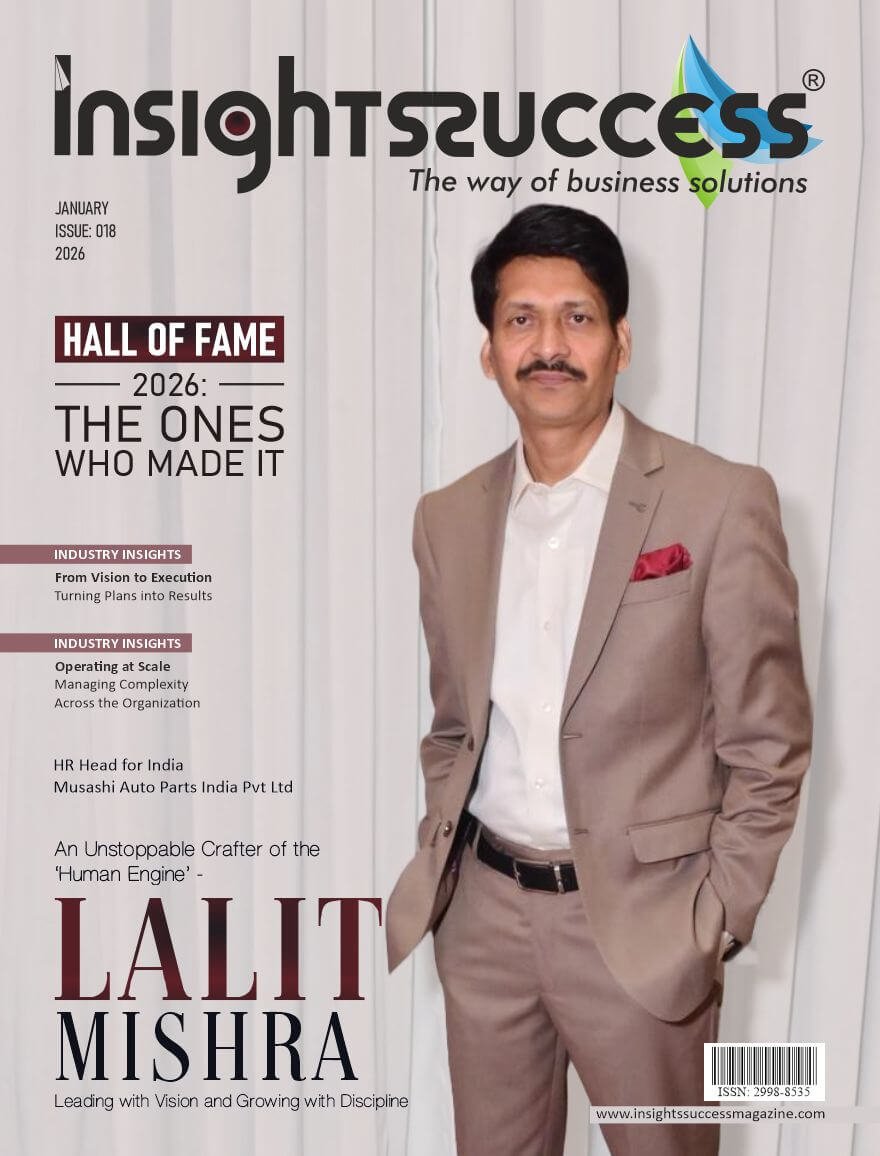
Hall of Fame 2026 The Ones Who Made It
Hall of Fame 2026 The Ones Who Made It This edition honors Lalit Mishra, an achiever whose commitment, defining achievements, and lasting influence have earned them a place among the most respected—celebrating legacies built on excellence, resilience, and impact. Digital Link Quick highlights Quick reads
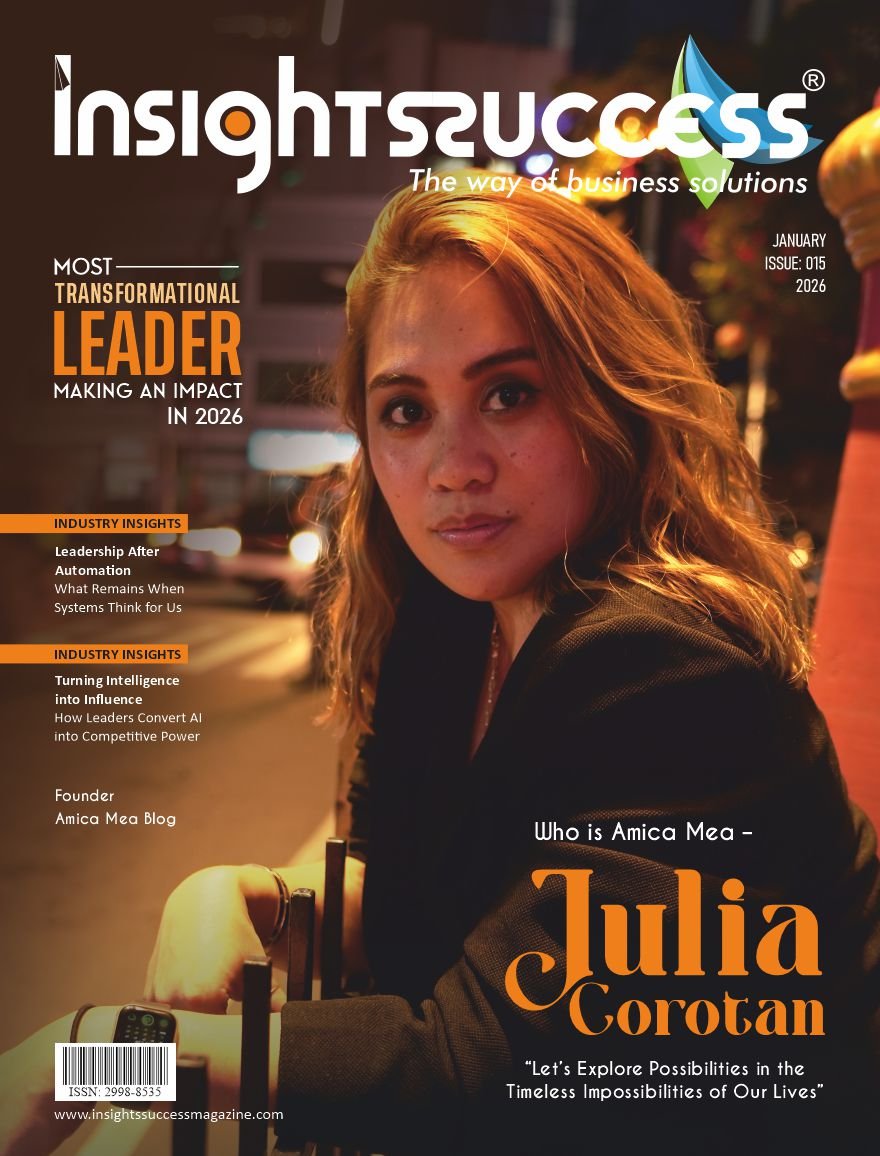
Most Transformational Leader Making An Impact In 2026
Most Transformational Leader Making An Impact In 2026 Honors Julia Corotan a visionary changemaker whose bold leadership, strategic clarity, and measurable outcomes are driving meaningful transformation, setting a powerful standard for influence, innovation, and sustainable impact. Digital Link Quick highlights Quick reads

Who is Amica Mea – Julia Corotan: “Let’s Explore Possibilities in the Timeless Impossibilities of Our Lives”
In today’s constantly changing times, life, for the majority of the transformational leaders, means making a positive impact both professionally and personally. Instead of a pursuit of perfection, one must strive for compassion along with keeping alive one’s own passion to make that impact long-lasting, feels Julia Corotan. That passion drives her. “The thought that there are people out there going through something every single day, and feeling alone, lost, and not knowing what to do. I know that it is the impossible dream to have my story reach every single person out there in the world.” But the thought—the same thought she had when she first started Amica Mea, was just reaching one person every day is all that matters. Julia is someone who is driven by her own story and her own journey in life. To the question of what drives her, Julia knows that this is not a conventional answer. But through the 30 years that she has lived so far, her life has been one big roller coaster ride, and she knows that it does not stop there. “Life is full of surprises.” She used to be someone who hated surprises, but through the years learned that life is full of surprises, and “honestly, no matter how hard we plan for life, something will always not go as planned.” So, she has learned just to relax, sit back, and enjoy life, no matter how stressful, surprising, or challenging it can be. Because life is really about the journey, not the destination. The destination is only the reward; the journey is the memories no one can ever replace. A Safe Platform for People to Come and Go That same passion explains her appetite for business. Every time the question of passion arises, Julia goes back to her WHY. “Why did I start my blog in the first place?” Because that reason is her drive and her appetite for her own business. “I know Amica Mea Blog can be seen as a company. But in all honesty, I personally just see it as a platform, a safe space for people to come to, to go to when they are trying to find a place, a community that understands them, who will be there for each other in moments where we think we are alone.” Amica Mea started as a passion project. Julia had just ended her term as the Country Director for Digital Marketing in AIESEC in Malawi, a non-profit youth leadership organization she was a part of. When that role ended, Julia wanted to continue helping and mentoring, but this time not just focused on the youth, but on anyone who would relate to her story, message, and lessons. The idea started from her experiences of being burned out, lost, and finding her way and purpose in life. “When I ended my term in AIESEC, I wanted to continue doing something similar, to help people, to continue my work in AIESEC, but this time through something different.” And through this, she decided to share her story, her letters, in hopes that maybe it could be of help to others. To let anyone out there who may be or may have gone through something similar to know that they are not alone. “Because when I was going through everything, I felt like I was alone in this battle that was only happening in my head.” So Julia wanted to create a space where people can feel safe and a place to know that you aren’t alone in this journey, that there are people out there who understand what they are going through. Discover Your Passion and Pursue It to the End Another secret to balancing personal and professional life is Julia’s personal philosophy. “What I always tell everyone. Find something you truly enjoy and would always look forward to. Life always throws unexpected obstacles our way. And honestly, sometimes it is hard to find the balance between the two.” So, over the years, she has found that finding something to look forward to at the end of every workday helps her balance both her personal and professional lives. She always has to remind herself that both her personal and professional lives are two separate lives. The moment she steps out of the office, she is no longer ‘Office Julia.’ “I am just now “Regular Julia.” It’s hard, honestly, to separate them, especially on those busy days at work, but having something to look forward to doing when going home helps a lot when it comes to balancing the challenges of both her professional and personal lives. Also, treating yourself at least once or twice a year makes a big difference. “For me, I love to travel, I love going to new places and discovering new cultures, so every year I make it a point to travel not for work but for pleasure. This helps me look forward to something that helps elevate the stress of work.” “A Pandemic That Revealed Our Limits” Sometimes the challenges are global, like the recent pandemic. Reflecting on it, Julia says that actually, Amica Mea Blog was launched during the pandemic. “It was during this time that I had left my role as the Country Director for Marketing and Communications in AIESEC Malawi.” She was feeling burnt out, lost, and in all honesty, hopeless. Her mental health had taken a turn, and towards the end of 2020. “I sat down and thought to myself, ‘I can’t do this anymore. ‘I wanted to keep working, to keep doing what I was doing in AIESEC by coaching and mentoring people.” She remembers sitting down and rereading her old letters to herself. “I love to write letters to myself and to my future significant other as a way to rant, or release any frustrations, emotions, or feelings I may have had at that moment.” And while rereading her letters, Julia realized she did not want anyone to feel what she had felt – the feeling

What Remains When Systems Think for Us
Leadership After Automation Automation has not only influenced the work landscape but also made it utterly different. Systems nowadays can perform data analysis, process optimization, outcome prediction, and decision-making at a speed and scale that were unthinkable before. The situation where machines more and more become our “thoughts” brings up the basic question for leaders: if intelligence is in the systems and not in the people, what is left of leadership? The reply is different leadership and not less leadership. Automation will not drive away the need for leaders but will rather uncover what leadership has always been about. When Thinking Is Automated, Judgment Becomes Central The strengths of automation lie in performing logical operations, recognizing patterns, and carrying out tasks according to pre-set rules. However, it is still incapable of making decisions in cases that are unclear, associated with conflicting values, or totally new. While machines take over to help with routine thinking, the leaders’ role is relegated to the higher-order judgment that requires more thinking than the ordinary one. It is becoming increasingly common for leaders to make decisions regarding what issues to tackle, what compromises to make, and what results are most important. These choices are connected with morality, sustainability, and human beings—areas that are not easily programmed. Automation limits uncertainty; leadership decides on the way to go within what remains uncertain. One of the major skills that a leader of the future will have is the ability to make sound decisions. Sense-Making in a World of Abundant Intelligence One of the paradoxes related to automation is the issue of abundance. The heads of the organizations are not anymore limited by the unavailability of information but by the overabundance of it. The machines are constantly generating insights that are often faster than the organizations can process them. After automation, one of the main tasks for leaders is to make sense of what is going on—interpreting the signals, putting the insights in context, and telling what is important from what is only measurable. The leaders have to link data with strategy, insight with intent, and intelligence with action. If there is no such interpretive layer, the automated intelligence will run the risk of turning into noise rather than an advantage. Values and Ethics as Leadership Infrastructure The involvement of automated systems in decision making that impacts human life—such as recruitment, credit provision, medical care, security—puts the ethical aspect of leadership into the spotlight. The systems themselves are not ethical; the leaders are. The automation leads to the need for an ethical leader to be present in the organization. The leaders should set the limits within which the application is considered acceptable, determine the cases when fairness should prevail over efficiency, and make sure that human accountability is not obscured by the algorithms. The trust that the stakeholders have in the organizations that rely heavily on automation is not primarily based on the technologies used but rather on the perceptibility of the human accountability. In situations when the systems take actions, the stakeholders still expect the leaders to take up the role of the accountable person. Designing the Human–System Relationship Automation not only alters the nature of work but also the workers’ attitude towards it. The functions move from doing to overseeing, from executing to choosing, from following the process to focusing on the goal. The leaders should strategically plan this relationship. If automation is brought in without a consideration of the roles, it results in disengagement, loss of skills, or opposition. If it is accompanied with clear communication, it positively affects the human input. The leadership after the robotization includes the task of making the people think only about what machines cannot do: imagination, compassion, analytical reasoning, and networking. It is not a technology hurdle; rather, it is a challenge related to the organization and culture. Culture Matters More, Not Less Automation does not wipe out culture but rather brings it out louder. In a culture of high trust, automation quickens the performance rate. In low-trust culture, it quickens the rate of malfunctioning. In the case that people are afraid of being punished, they will act defensively and override the systems. If intuition is put ahead of evidence, the intelligent systems will be neglected. If learning is not supported, then automation will be like a rock. Leadership in the era of automation is a matter of culture. The leaders have to create the kind of environment where the systems are used with a lot of care, are subjected to constructive critiques, and are constantly improved. Conclusion Automation does not mean the end of leadership, rather it brings out the important features of it. When machines take over thinking and decision-making, leaders are required to make even tougher decisions and face ethical dilemmas, while being responsible for their choices. The organizations that will come out on top are not the ones who do the most automation, rather, they are the ones who manage to lead better—the ones that comprehend that with machines thinking for us, leadership retains the appeal of being the human task of making the right choice, acting with care, and designing the future with purpose. Read Also : What Leaders Actually Shape

How Leaders Convert AI into Competitive Power
Turning Intelligence into Influence AI is easily accessible now. Besides, algorithms, platforms, and tools that provided competitive edge are today nearly within the reach of all organizations. Thus, only the intelligence factor is no longer a distinguishing mark. What gives power to the leaders and weakens the followers in the AI economy is the capability to transform intelligence into influence—converting insights into decisions, adoption into outcomes, and technology into a sustained competitive power. The shift is a challenge for the leaders, not for the tech guys. Intelligence Without Influence Has Limited Value A lot of organizations produce enormous quantities of AI-generated insights but have difficulties to turn them into activities. Data visualization tools are not used, advices are not taken, and smaller projects do not grow. The issue is not a lack of ability but a lack of influence. Influence is produced when intelligence affects behavior: decision-making, resource distribution, and strategy change, for example. Those executives who notice the alteration, apply less on AI installation and more on its integration into the very core of decision-making. Competitive edge is gained when intelligence continuously determines results. Leadership Ownership of AI Outcomes Misplaced ownership is among the most frequent obstacles to driving influence. If AI is considered as a technology-driven project, possessed by the data or IT departments, its effect will still be confined only to that specific area. The executives, who transform AI into a competitive advantage, do not shy away from letting everyone know about the outcomes. This signifies linking AI projects right to the strategic priorities of the organization—like growth, margin increase, risk minimization, or customer differentiation—and then making the top leaders responsible for the resulting situation. The moment AI is part of the same discussions regarding capital investment and strategy, its power is magnified. The focus of leadership makes the intelligence justifiable. Embedding AI into Decision Authority Artificial intelligence becomes more powerful when it participates in actual decision-making. The understanding is that AI will just provide information for decision-making, be in total control of decisions, or human supervision will be necessary in certain areas. The process of setting these boundaries is a way of gaining acceptance and support and a way for leaders to get the most out of their teams. The organization and its members understand the cases when AI will determine what data and information should be trusted and when there will be room for involving human judgment. The process of assigning the decision-making power becomes quicker and more uniform, while still maintaining the same level of accountability. The classification of this balance is a typical case of the organizations having AI tech that is capable but still being disregarded for the sake of operations. Building Trust in Intelligent Systems Influence is reliant on trust. AI outputs will not be acted upon if leaders and teams do not place trust in them. The main components of trust are transparency, reliability, and explainability. The role of leaders in establishing expectations is critical. They make sure that models are validated, biases are tackled, and constraints are expressed in layman’s terms. Offering too much hampers credibility; cautious usage encourages trust. Trust is fostered when AI is helpful in real-life decisions instead of being just spectacular in demos. Aligning Culture with Intelligence Cultural misalignment is the commonest cause of failure for AI adoption over technical weakness. Intelligence is unable to influence organizations where intuition is more valued than proof or where senior judgment is not to be contested. Culture is the key factor in determining which leaders turn AI into a competitive weapon and those who do not. Data-informed decisions are rewarded, constructive challenges are encouraged, and learning from outcomes rather than defending positions is practiced. Scaling Influence Through Operating Models For a company to have a competitive edge, it has to be big. The top executives of the company have to make sure that the intelligence from AI is not only available to certain teams or functions. This means changing the whole operating model by redesigning the processes, workflows, and incentives that support the intelligent decision-making throughout the company. To illustrate, the AI insights that are included in pricing and supply chain planning or in customer engagement systems have a daily impact on the outcomes instead of having it only once in a while. Companies that give more importance to integrating their systems rather than to performing trials can reach the required dimensions sooner. The very first impact is small but it grows steadily once intelligence becomes part of the daily routine. Conclusion AI has evolved into a technology that offers high-quality intelligence. However, the power to influence are the scarce ones. The top players in the market are those who merge understanding and execution—those who make AI a part of their decisions, factor culture with evidence, and make intelligence an extensive and ethical practice. Using intelligence to gain influence is not a matter of simply getting new technology. It calls for a certain kind of leadership that knows where the creation of value takes place: when the change in action occurs due to insight, and then the action generates advantage. Read Also : Transformational Leadership: Top Women Leaders in 2026 Driving Sustainable Growth
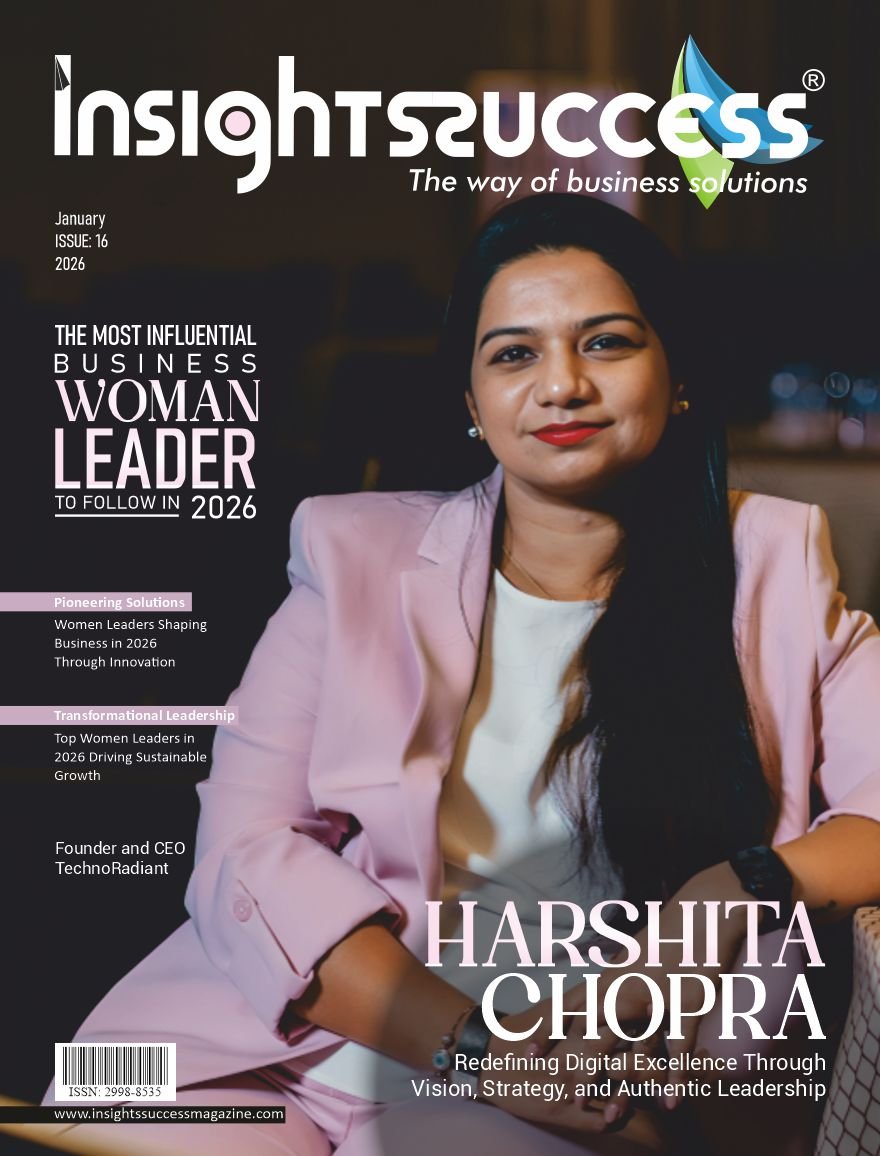
The Most Influential Business Woman Leader to Follow in 2026
The Most Influential Business Woman Leader to Follow in 2026 Harshita Chopra, Founder and CEO of TechnoRadiant, exemplifies authentic digital leadership through strategic clarity, ethical practice, and measurable impact. Rejecting hype-driven marketing, she builds sustainable growth frameworks grounded in patience, precision, and partnership, redefining digital excellence while delivering lasting value for clients, teams, and the wider business ecosystem. Digital Link Quick highlights Quick reads

Transformational Leadership: Top Women Leaders in 2026 Driving Sustainable Growth
Sustainable growth has emerged as a major priority in governments, corporations, and investors across the world in 2026. The environmental responsibility, social inclusion as well as good governance have ceased to be perceived have been the key to long term competitiveness. Women leaders are at the centre of this change because they are developing policies that would lead to a balanced economic performance and well-being of society. Their management is a move away from short term benefits to long term value creation. Women are actively reshaping how organisations approach sustainability across sectors such as renewable energy, finance, technology, and public policy. They are affecting the decisions in the boardroom, capital placement, innovation pipeline and stakeholder engagement. These leaders are proving that in the ever-evolving global economy, responsible growth is possible and that it is necessary by integrating sustainability into its daily operation and future planning. ESG and Sustainability Leaders Female executives in major companies are increasingly involved in mainstreaming the Environmental, Social, and Governance values. They ensure that climate commitments and social responsibility translate into measurable outcomes by aligning sustainability goals with core business objectives. Their efforts have contributed to putting ESG out of the compliance activity and into a strategic framework that determine investment choices, risk management, and corporate culture. A case in point is Vaishali Nigam Sinha who has significantly contributed towards sustainability in the renewable energy industry. Being a top executive of a multinational energy firm in the clean sector, she has spearheaded campaigns aimed at decarbonisation, community, and responsible growth. Her leadership has enhanced the incorporation of sustainability into the corporate governance in addition to increasing the contribution made by businesses towards national and global climate objectives. She also has an impact on the industry platforms where she helps in creating sustainability standards and corporate responsibility agendas. The leaders like Kara Hurst globally have shown how sustainability can be institutionalized in large, complicated organisations that work on a large scale. Such leaders are changing the way multinational companies respond to the impact on the environment by being concerned about the reduction of emissions, accountability of their supply chains, and novel ways. Green Industry Innovators In addition to existing corporations, women entrepreneurs are changing the world by establishing and expanding green-based innovative businesses. The technological solutions to these issues are clean energy access, resource efficiency, and waste reduction, which these founders are dealing with. The sustainability of their enterprises demonstrates that sustainability serves as a powerful driver of business and economic growth. Other innovative thinkers who have entered the market with unconventional ideas in the renewable energy industry are Inna Braverman, who embraces natural resources in new form. The use of renewable energy technology in her work of waves energy technology throws light on how alternative solutions can supplement solar and wind energy. Such entrepreneurs are contributing to diversification of the global clean energy portfolio by practical deployment and scalability to provide additional investment opportunities in new technologies. There are other women founders who are establishing sustainable businesses in the urban infrastructure, manufacturing and consumer sector. Such leaders are creating business models, which focus on the principles of environmental circular economy, responsible sourcing, and inclusive growth. Others are also active mentors and advocates who contribute to the development and preservation of startups at the initial stages and motivate additional female involvement into green industries. Global Sustainability Thought Leaders Women who shape policy and global structures are also defining sustainable growth in 2026. These leaders are the ones who fill the gap between science, economics and governance, facilitating complex transitions in organisations and governments. Their practice highlights the need to change the system and not individual action. Sandrine Dixons-Declave is commonly known as a person who made tremendous contributions to the discussion of climate change and sustainable development. She has been a pioneer of long-term planning and systems thinking through her position as a leader in international think tanks and advisory groups. Her advocacy states that economic models should be transformed so that they consider both climate risks, inequality, and resource constraints. Through her interaction with policymakers and business executives she has enabled sustainability to be a priority in the economy rather than environmental issue. Simultaneously, female leaders who have been identified in the global sustainability councils and industry organizations are shaping the manner in which enterprises are conducting changes. They work in consumer goods, manufacturing, technology and energy rates. They are showing how organisations can ensure profitability, good environmental and social results by integrating sustainability into strategy and operations. Conclusion The contribution of women leaders to the sustainable growth in 2026 is extensive and far-reaching. These leaders are redefining the meaning of effective leadership in an uncertain and changing world whether they work in international corporations, construct innovative new green startups, influence international policy debate, or shape the global policy agenda. Their styles emphasize the importance of long-term thinking, inclusivity, and accountability. With the issue of sustainability taking a lead in economic agendas, the example set by these women provides a good blueprint in future. By making growth and environmental responsibility to coincide, they not only advancing organisational success but making the world a more resilient and transparent global economy. Their influence will still be felt in the way businesses and societies will react to the challenges and opportunities in the decades to come. Read Also : What Leaders Actually Shape

Harshita Chopra: Redefining Digital Excellence Through Vision, Strategy, and Authentic Leadership
The field of digital marketing has become inundated with rapidly evolving trends as well as deceptive quick fixes or empty promises designs that generate immediate but unsustainable outcomes. As a result of these trends, many times, marketing agencies utilize buzzwords as a substitute for the value that companies expect from their investment in marketing. As a result, the need for leaders who will provide an authentic experience to companies through strategic leadership has increased. The difference between a fleeting digital presence and a sustainable competitive advantage lies not in following the loudest voices, but in partnering with leaders who understand that real transformation requires patience, precision, and an unwavering commitment to substance over style. It is within this challenging terrain that exceptional entrepreneurs emerge- those who build not on hype but on a foundation, who measure success through client prosperity rather than agency profit, and who recognize that true digital excellence demands both analytical rigour and human-centered values. The Visionary Behind Strategic Transformation Harshita Chopra stands as the Founder and CEO of TechnoRadiant. This digital growth consultancy has carved a distinctive path by fundamentally reimagining what client partnership means in the digital age. Her entrepreneurial journey didn’t begin with a business plan, chasing market trends or capitalizing on industry hype. Instead, it emerged from a penetrating observation of systemic failures that were costing businesses millions in wasted resources and eroding the trust between organizations and their marketing partners. Early in her professional career, Harshita witnessed a troubling pattern repeating across industries and company sizes. Organizations were investing substantial capital into digital marketing initiatives, yet these investments frequently lacked clear strategic frameworks, accountability structures, or defined pathways to measurable business outcomes. The industry had become enchanted by buzzwords- “growth hacking,” “viral marketing,” “disruptive strategies”. These terms sounded impressive in presentations but rarely translated into sustainable business growth. Campaigns were launched with fanfare but without a proper foundation, creating a cycle where effort didn’t match outcomes and investment didn’t correlate with returns. This recurring inefficiency wasn’t merely a business problem; it was an industry-wide crisis of credibility. Harshita recognized that the traditional agency model, focused on billable hours and deliverable checklists rather than actual business impact, was fundamentally misaligned with what clients truly needed. This realization became the catalyst for TechnoRadiant’s founding philosophy: to approach digital growth not as a series of transactions but as a long-term partnership invested in genuine client success. From the very beginning, TechnoRadiant operated differently. Rather than rushing to implementation, the company invests considerable time understanding each client’s unique business context, competitive positioning, market dynamics, and long-term strategic objectives. Rather than applying standardized templates, Harshita’s team crafts customized growth strategies designed to create sustainable competitive advantages. This approach requires patience, depth of expertise, and genuine commitment to client outcomes- qualities that distinguish TechnoRadiant in an industry often characterized by speed over substance. Demonstrating Excellence Through Tangible Results In a sector where promotional rhetoric often substitutes for actual performance, Harshita has built TechnoRadiant’s reputation on a foundation of demonstrable impact. The consultancy has enabled businesses to triple their qualified inbound leads within twelve-month periods without increasing advertising expenditure. It’s a remarkable achievement reflecting improved funnel efficiency and strategic targeting. Multiple clients have achieved consistent top-tier organic search visibility for highly competitive keywords within six to nine months, establishing sustainable discoverability that continues generating value long after initial optimization efforts. Perhaps most significantly, the frameworks implemented under her guidance have helped organizations reduce customer acquisition costs by over twenty-five per cent while simultaneously improving engagement quality and lead qualification rates. This dual achievement represents the rare combination of lowering costs while enhancing quality; a balance TechnoRadiant has made repeatable across diverse client engagements. These outcomes, complemented by industry awards and professional recognitions, serve as external validation. Yet Harshita views such recognitions pragmatically, appreciated as affirmation that the approach resonates broadly, but secondary to the fundamental work of delivering strategic value for clients who trust TechnoRadiant with their business growth. Strategic Global Expansion: The UK Market Entry TechnoRadiant’s expansion into the United Kingdom represents strategic growth executed with characteristic thoughtfulness. The decision emerged organically over the previous eighteen months as UK-based enterprises and international businesses operating in British markets increasingly sought the type of strategic clarity and operational accountability that TechnoRadiant provides. What began as occasional inquiries evolved into substantive conversations extending well beyond tactical campaign execution. Discussions increasingly addressed broader strategic challenges: digital transformation roadmaps, data strategy development, and long-term competitive positioning. These conversations revealed not just demand for services but appetite for a genuine strategic partnership. Recognizing this pattern, Harshita is launching TechnoRadiant.uk, which will soon go live offering region-specific services tailored to UK market dynamics. The new entity will focus on organic growth strategies, SEO-led visibility frameworks, and data-first demand generation- core competencies refined through years of client success but adapted to regional market characteristics, regulatory environments, and competitive landscapes. This enables closer engagement with local business ecosystems, operation within convenient time zones for seamless collaboration, and partnership development focused on creating substantial value rather than merely producing regular reports. Leadership Principles That Transform Organizations Harshita’s leadership philosophy rests on three interconnected pillars: empathy, accountability, and clarity. She fundamentally rejects hierarchical notions of leadership that concentrate power and decision-making at the top. Instead, she views leadership as an enabling function, creating environments where talented individuals can think independently, take genuine ownership of their work, and contribute meaningfully to collective success. Within TechnoRadiant, this manifests in concrete organizational structures. The organization prioritizes systematic information sharing, ensuring that expertise flows freely between teams rather than becoming locked in separate silos. Cross-functional collaboration is actively prioritized, allowing diverse perspectives and specialized expertise to inform client strategies comprehensively. Outcome-driven reviews replace activity-based checklists, shifting organizational focus from measuring busy work to evaluating meaningful results. This leadership approach creates cascading benefits. Team members develop broader capabilities and deeper strategic thinking. Client engagements benefit from integrated expertise rather than fragmented specializations. The organization builds institutional knowledge that survives individual transitions. Most importantly,
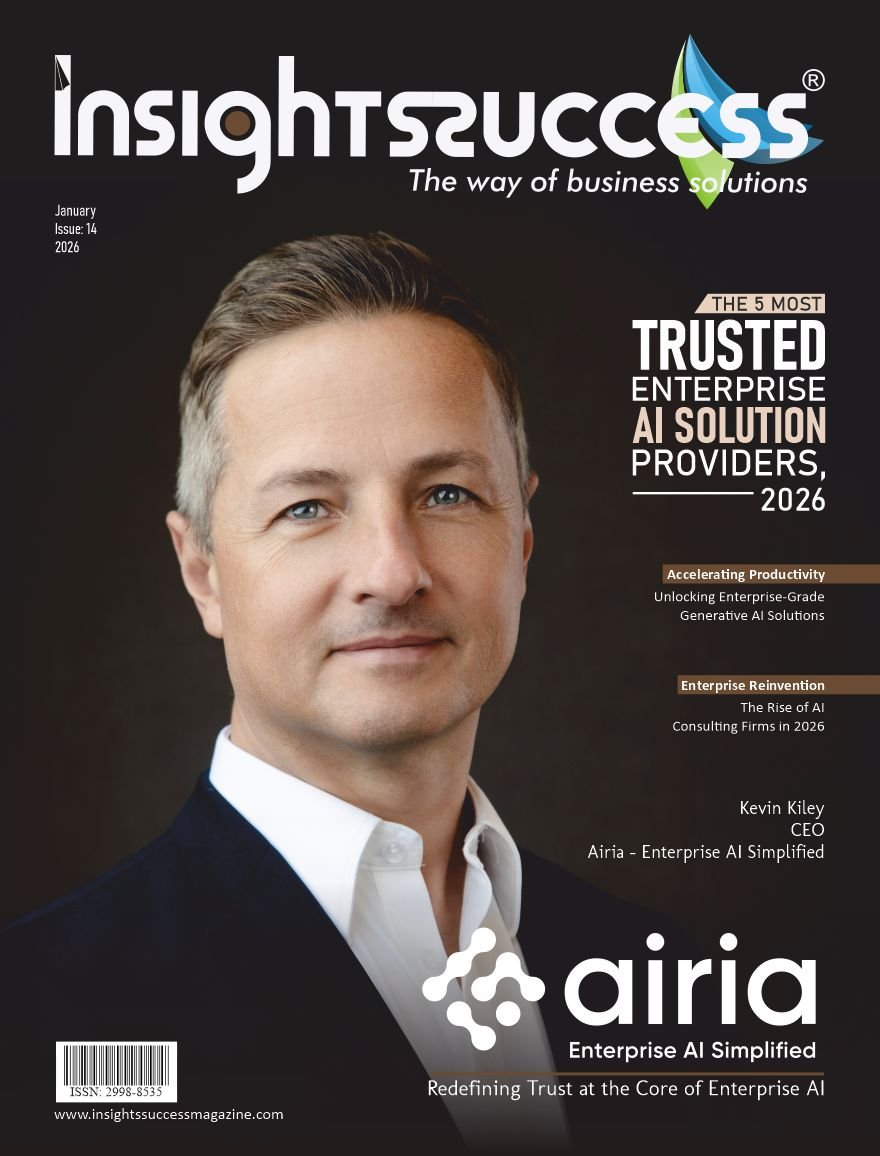
The 5 Most Trusted Enterprise AI Solution Providers, 2026
The 5 Most Trusted Enterprise AI Solution Providers, 2026 Airia Enterprise AI Simplified was founded to address a critical enterprise concern: adopting AI without losing control. Guided by CEO Kevin Kiley, the company prioritizes security, governance, and flexibility, delivering a disciplined, model-agnostic platform that enables enterprises to adopt AI confidently, responsibly, and at scale. Digital Link Quick highlights Quick reads

Accelerating Productivity: Unlocking Enterprise-Grade Generative AI Solutions
Generative AI is swiftly transcending the phase of experimentation and turning into a business technology, changing the way businesses produce contents, analyze data, and interact with consumers. The pilot projects showed great promise, but the effort to deploy these systems into the enterprise level needs much more than access to models. Businesses should make sure that generative AI solutions are trustworthy, safe, and legal and provide quantifiable business value. As a result, the focus has shifted from novelty to value creation, strong governance, and operational excellence. The decryption of enterprise grade generative AI solutions implies the compatibility of sophisticated models with strong structures, rigorous procedures, and explicit strategic direction. Successful organizations do not view generative AI as a discrete tool but as a fundamental digital capability, which is connected to the existing systems, workflows and decision-making frameworks. Enterprise AI Foundation Enterprise grade generative AI is based upon architecture and data readiness. Businesses work highly dynamic environment with their fragmented data sources, legacy systems and high security needs. The generative AI solutions should be adhered to fit the platform of other systems like enterprise resource planning, customer relationship management, and data lakes. This needs clearly defined application programming interfaces, scalable cloud or hybrid application and well-defined data pipelines that guarantee quality inputs. Without a good base, not even the best models will be able to provide any steady and repeatable results. Data governance is also very crucial. Generative AI systems learn and reason over the data that they have accessed and therefore the quality of data, its provenance and access control are important. Businesses should come up with policy that stipulates what information will be utilized, how the information will be anonymized and how the results will be checked on accuracy and bias. Security teams are critical in safeguarding sensitive information and models that do not leak proprietary or personal information accidentally. A strong underbelly provides a balance between innovation and control and allows teams to be built with confidence and to fulfil regulatory and ethical demands. AI for Business Impact Enterprise grade generative AI is successful upon being closely correlated with business goals. Instead of implementing mass solutions, organizations need to find high impact cases of use where generative AI can be used to increase efficiency, better decision making, or even generate new revenue stream. Automated document processing, software code generation, and scale-based personalized marketing are just some examples. The use cases must be measured against measures which are clear and measurable like cost reduction, improvement in cycle time or customer satisfaction. The alignment of leadership is a must in this stage. Technology teams, domain experts, and business leaders should work together to prioritize the initiatives and determine the success criteria. This partnership will make sure that generative AI solutions solve actual pain points instead of being disconnected technological experiments. Change management is also very critical. The employees should be trained and instructed to trust and utilize AI produced outputs successfully. Enterprises can transform the potential of technology into long-term business value by integrating generative AI into daily operations and evaluating the results of such applications rigorously. AI Governance and Scalability With the utilization of generative AI becoming an integral part of processes, governance and risk management have become the main issue. Enterprise grade solutions mandate explicit responsibility over model conduct, outputs as well as updates. This entails setting up review mechanisms on critical use cases, documenting model constraints and keeping track of audit trails on compliance. Other ethical issues that should be taken care of by governance structures include fairness, transparency and responsible utilization, especially in customer facing or decision critical applications. Continuous improvement and flexibility are the keys to long term scalability. Generative AI models are advanced and firms should be ready to change or upgrade models as the requirements evolve. This demands modular architectures and vendor strategies that are not lock in and at the same time provide stability. Continuous review of performance, costs and risk will ensure that solutions are kept in line with the business requirements as time goes by. With well-designed systems and strong governance, enterprises can scale generative AI responsibly and sustainably, turning it into a lasting competitive advantage. Conclusion Companies that make strategic investments in technology, data, and governance, enterprise-grade generative AI presents a future-ready opportunity. Achieving success requires more than sophisticated models; organizations must establish a strong foundation, align AI with high-value business applications, and implement rigorous controls to manage risk and ensure compliance. With the adoption of generative AI into operations processes and continuous performance control, businesses can obtain significant efficiency, improved decision-making, and novel customer experiences. Businesses can responsibly and sustainably scale generative AI by addressing it as a fundamental enterprise capability and not a standalone tool. In doing so, they gain a competitive advantage that shapes the kind of work, corporate action and value creation in the digital economy in addition to enhancing productivity and operational resilience. Read Also : How Work Really Gets Done