






Storytelling Strategies for Luxury Fashion Brands
Crafting Authenticity Luxury fashion brands tell stories through combining style with status and what people aspire to. Today, people want stories that move them and remain with them, not just excellent products. Luxury brands are gravitating towards allowing people to express who they are, and so labels should create stories that strike a chord. This calls for an invitation into a world of heritage, enhancement, and aspirations rather than mere show and tell of items. The Power of the Past: Making stories that Last The majority of luxury fashion brands have a history, sometimes a long one. What a brand can do best is highlight this past as something crucial to who they are, rather than just being something old. When labels actually share how they began, what they care about, and how their style morphed over time, people feel part of something timeless. Such consistency gives the label the aura that they are not going anywhere anytime soon. A label tells stories by weaving its past into them, items become special, and people feel fortunate they become a part of such a story that has been going on for years, turning buying into joining something lasting. This is a feeling that will keep the customers coming even after the first excitement is gone. Making things as a story: Showing how it’s done Every high-end product has some sort of method to its production-usually an outdated method that’s near impossible to reproduce. Fashion luxury brands benefit by giving some of this away. People relate more to stories of how things are made, such as factory stories, drawings of designers, or even people who sew each piece. Whenever people can see the work, the skill, and the heart that goes into something, it is no longer just physical; rather, it is art. A story like this makes them value it more and evoke emotions. Making up stories reminds every one of the worth of hard effort, talent, and real work in a world of fast fashion. Modern identity and purpose: Linking stories to values Luxury fashion today relates to what people believe in and how they view themselves; it’s not just about showing off. Many luxury fashion brands incorporate values, inclusivity for all, and concern for the world into their narratives. It is due to these stories that they are able to strike a chord with shoppers who want more than just a name when they purchase. Stories of morals appear to be true. When a label uses methods to help the world, consumers want to like labels that are in agreement with them. It is saying what one believes in that matches a person’s personal hopes with who they are, thus making help for a label into strong support. The Role of Feeling: Making Stories Memorable Stories work because of feeling. There are worlds created by luxury fashion labels, drawing people in through movies or designer’s notes. Luxury stories stick by focusing on feeling. A dress means feeling sure of yourself, a bag for standing on your own, or a smell for a memory. These are the feelings that create a strong friendship. Stories such as these are much more than an item may cost, can get deeply personal, and change the way a person sees themselves. Being There: Allowing Shoppers to Join the Story Now, stories also get a chance to participate, not only pictures and words. The opportunities that people get through experiencing the story are provided by the luxury fashion brands. Be it some weird digital fashion film, a creative party, or a pop-up shop on the history of the label- whatever it is, these opportunities make people closer to the label. Those are events that combine what people want and what is real. Customers join in, they don’t just watch. They feel stronger, and they remember more when they join the label’s world. Right now, live stories are very strong. Digital Storytelling Merging Old and New Even old luxury fashion companies know they need to accept now to stay in the game. Social media, VR, and online fashion shows have changed the way stories are told. Labels can use digital stories to reach more people while remaining special through carefully chosen content. Good digital stories do not make old stories forgotten; they make them better. Labels that combine their past with the styles of today create stories that are great and complete. Short-format films, collaborations with influencers, behind-the-scenes clips, and online experiences provide fresh ways to tell a story without losing any of the fancy feelings of luxury. Conclusion Storytelling, summarized, in the world of luxury is not just of sales; it is what the label is. The most striking narratives behind luxury fashion brands merge old and new, how things are made and the feeling, what’s special and what’s real. Told with heart, these stories change items into signs and shoppers into fans. As luxury evolves, storytelling remain one of the top priorities. With fantastic, personal stories, labels create desire, devotees, and what they will become known for. Read Also : Why Adaptability has Become the Ultimate Power Skill
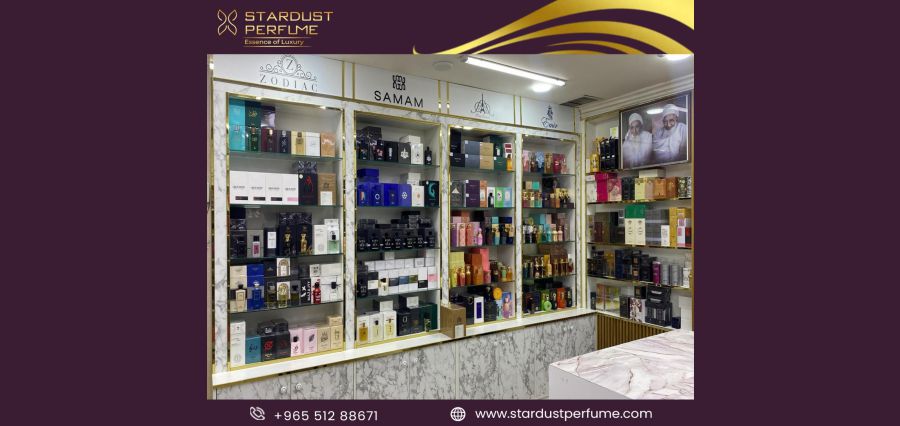
Stardust Perfume: A Fragrance Store in Kuwait Offering Luxury Creations in Retail and Wholesale Prices
Have you noticed lately how Kuwait is becoming a premium perfume haven? The region preserves the cultural and traditional value of Arabic perfumes, now enhanced with modern twists for a larger audience. No wonder it has become a hub for premium, niche, and curated fragrances. Kuwait’s current perfume landscape is on an upward trajectory. The market was valued at $189.27M in early 2025. According to experts, it’s projected to grow at a CAGR of 6.93% from 2026 all the way to 2034, reaching $USD 346.05 M by 2034. Contributing to this growth is Stardust Perfume – A one-stop shop for authentic, branded fragrances in Kuwait. With an extensive collection of bona fide brands, like Paris Corner, Samam, Zodiac, Lattafa, Dyrose, Pendora Scents, and more, this perfume curator has an impressive online presence for enthusiastic shoppers. Its physical store is located on Abdul Razzak Darwaza, Kuwait City (Full address – Office No 48, 2nd Floor, Souk al Mubarkiya, Abdul Razzak Darwaza, Kuwait City 47060, Kuwait), where you can experience these fragrances up front. Another store is about to open its doors on 4th December, 2025 for B2B resellers, where they can buy premium branded perfumes in bulk at wholesale prices. Spanning Through Classic And Modern Trends In Fragrances The Stardust Perfume collection currently features both traditional Arabic resinous perfume blends, like oud, amber, musk, sandalwood, and patchouli and contemporary creations, like spicy zests and fresh florals. Each bottle is curated after careful analysis of its aromatic profile, lasting properties and popularity among wearers and collectors in the region. These creations can elevate both personal collections and retail shelves with their unique blend of tradition and modernity. Premium Labels In The Stardust Perfume Portfolio Stardust Perfume has an impressive collection of men, women and unisex perfumes that are trending. These fragrances not only belong to esteemed brands but are also favourites among individual collectors and perfume retailers in Kuwait. Given below are some of the highlighted brands in its extensive collection: PARIS CORNER – Dubai-based traditional perfumes with a modern touch LATTAFA – Middle-Eastern fragrances offering long-lasting grace RASASI – Heritage, oriental blends, perfect for Gulf-based collectors SAMAM – Modern perfumes blending traditional and contemporary trends PENDORA SCENTS – Paris Corner branch flaunting diverse olfactory profiles IVEN – Featuring versatile, every-day scents with lasting elegance DYROSE – A contemporary brand highlighting modern classic blends SEZAN – Distinct women’s perfumes with soft and fresh feels DATURA – Floral freshness blended with Arabic perfume preferences LORD OF HISTORY – Statement, signature scents with lasting profiles WEST WORLD – Distinct oud Arabia with aromatic woody blends LA VICTOIR – Chic, charming fragrance line for stylish personalities DAVID WALTER – Characteristically male, woody perfume for summer wear QUAINTNESS – Statement fragrances with lasting, sophisticated charm ZODIAC – Primarily unisex perfume brand with diverse, modern creations Oud Arabia to travel perfumes and light, workday fragrances, every creation holds olfactory experiences that the store has managed to translate quite ingeniously. The variety in products help even casual customers identify their signature perfumes without much ado. Guaranteeing An Exceptional Shopping Experience Whether you are a reseller, distributor or individual collector, Stardust Perfume’s in-store and online perfume shopping experience will exceed your expectations with reliable and attentive services. You can contact Mr. Hasan Bohra, the CEO of the company, to state your purchase requirements. He will personally look into the matter and guide your buying journey with his expert recommendations. If you need to shop online, sign up for a distinguished experience. You can also call directly at +965 512 88671 for custom shopping assistance or in case of queries. You may also follow the brand on Facebook and Instagram to keep a track on trending deals, offers and new collections regularly. Are you planning to set up a small perfume store with premium products that are popular in the region? Mr. Hasan is your go-to person for all the advice and suggestions. He assures that bulk purchases at the store will never exceed your budgetary inclusions. The Stardust Perfume Vision For The Future Mr. Hasan Bohra, the CEO, feels that the Arabic perfumes are a part of the region’s cultural history and should be preserved through widespread distribution. His current venture (Stardust Perfume) involves making some of Kuwait’s most trending perfumes easily available for the community. To propel this vision further, he’s ready to open another store on 4th December, 2025 at Souk Al Mubarak (Behind Sultan Exchange) in Kuwait City, Kuwait. Retailers and wholesale buyers can purchase premium perfumes in bulk at unbelievable rates. At the 29th Edition of Beautyworld Middle East, held at the Dubai World Trade Centre from October 27–29, Mr. Bohra connected with prestigious perfume manufacturers in the region, like Paris Corner and Samam. He also met some of the industry leaders, like Daniel Rene, a musical influencer, Moosa Haji, the founder of Fragrance World and the owner of French Avenue to expand his vision of Stardust Perfume. In his interactions with the media, he said, “Perfumes are a part of our culture. We should preserve it by supporting large-scale distribution among regional and global communities. I want to extend my support towards that direction. And Stardust Perfume will help me.” Disclaimer – This article is a work of original content created for public relations and informational purposes only. It may be published across multiple digital platforms with the full knowledge and consent of the author/publisher. All images, logos, and referenced names are the property of their respective owners and used here solely for illustrative or informational purposes. Unauthorized reproduction, distribution, or modification of this article without prior written permission from the original publisher is strictly prohibited. Any resemblance to other content is purely coincidental or used under fair use policy with proper attribution. Read Also : Engr. Zahid Khan: A Visionary Leader Empowering Education and Community Development
Inspirational Icons to Watch in 2025
Inspirational Icons to Watch in 2025 As the world enters a defining phase of reinvention—where innovation, empathy, and resilience shape the future—certain individuals stand out as beacons of hope and catalysts of meaningful change. This edition honors these extraordinary figures whose journeys, leadership, and impact continue to uplift communities, challenge norms, and inspire a global audience. Digital Link Quick highlights Quick reads

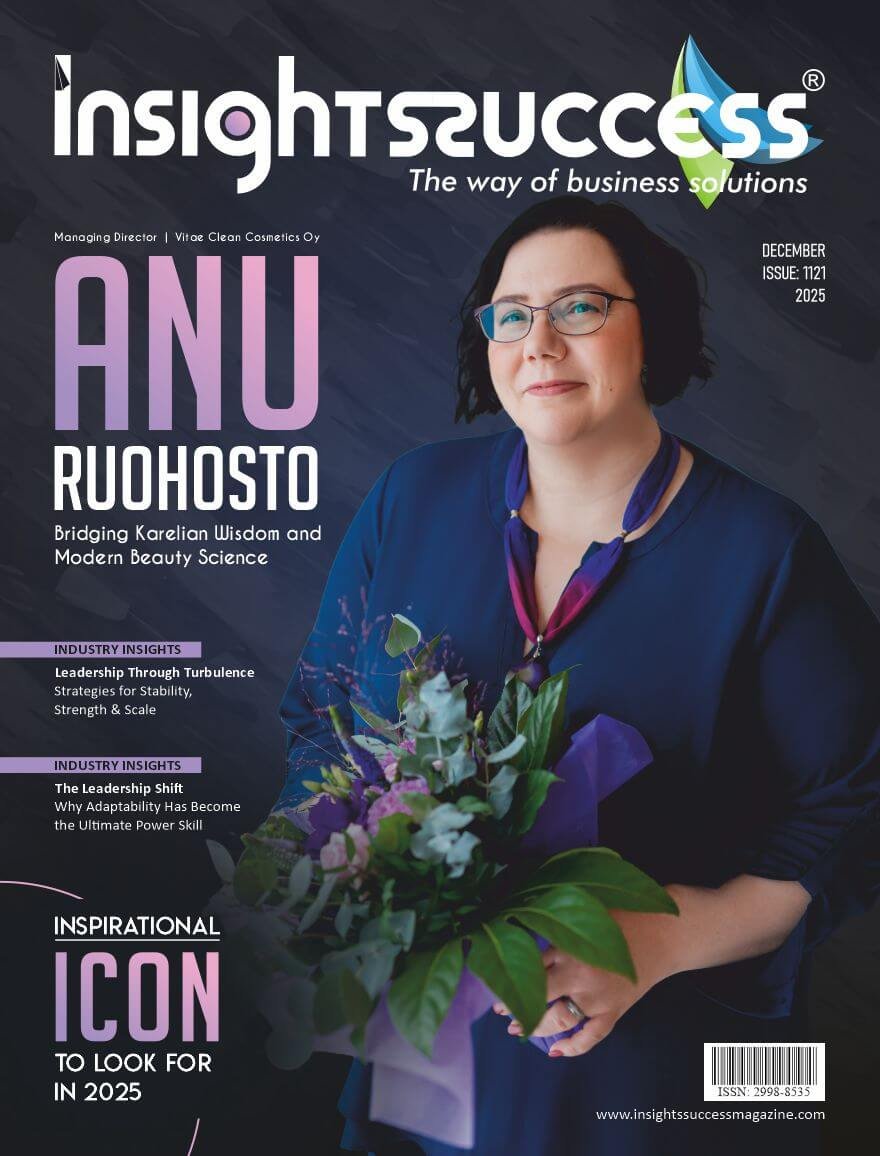
Anu Ruohosto: Bridging Karelian Wisdom and Modern Beauty Science
Amidst the old forests of Karelia, there once was a little girl playing with the trees that had been there for time immemorial. By placing her hands on the rough bark of one of these ancient trees, she felt centuries of knowledge about healing through plants. She heard her grandmother tell her stories, over bundles of dried herbs, which will someday turn into recipes used throughout Europe; she didn’t know then that these would give her a blueprint for life, but she knew she spoke the language of nature: the cycles of the moon, the medicinal qualities of different plants, the power of intention to produce transformations along with the earth. Decades later, that child, Anu Ruohosto, has become a cosmetic scientist whose laboratory serves as a sanctuary where folklore embraces chemistry, where traditional Karelian wisdom mingles with molecular biology. In an industry worth over $500 billion annually, an industry often criticized for prioritizing profit over purity and marketing over meaning, Anu represents something increasingly rare: a formulator whose products carry both scientific credibility and ancestral soul. Her journey defies conventional narratives. This is not a story of ambition conquering adversity, nor of calculated business strategies leading to inevitable success. Instead, it is a quieter, more profound tale of remaining faithful to whispered truths when the world demands louder, shinier alternatives. Over twenty-five years, Anu has developed more than a thousand formulations, guided countless brands from conception to international recognition, and accumulated over fifty international awards. Yet her greatest achievement may be something unmeasurable: proving that beauty products can heal rather than merely decorate, that commercial success and ethical integrity are not opposing forces, and that sometimes the most revolutionary act is simply remembering what our grandmothers knew all along. Where Roots Run Deep: The Making of a Plant Whisperer Anu’s childhood was not typical by modern standards. While contemporary children absorbed digital entertainment, she absorbed lessons from the forest. Her early education occurred among pine trees and medicinal herbs, guided by generations of traditional knowledge embedded in Karelian culture. Her grandmother’s stories were not mere entertainment; they were sophisticated knowledge systems disguised as folklore, refined through centuries of observation. Those formative years created something remarkable: a mind comfortable holding both mysticism and methodology, intuition and investigation. She learned that nature operates through rhythms and relationships, that healing supports rather than suppresses, and that every plant exists within complex ecosystems requiring respect and understanding. These principles, absorbed unconsciously during childhood, would later become the philosophical DNA of her entire career. As she matured, curiosity crystallized into calling. Studying chemistry and herbal medicine provided frameworks for understanding what she had always felt. She finally possessed the language to explain why certain botanical compounds penetrated skin barriers, how specific molecular structures triggered cellular renewal, and why her grandmother’s seemingly simple remedies produced undeniable results. Her cosmetology training completed the transformation. Theory met practice. She encountered clients desperately seeking solutions that were gentle, effective, and genuinely trustworthy, not empty promises wrapped in glossy packaging. She also confronted a troubling industry reality: products marketed as natural often contained minimal authentic botanical ingredients. This disconnect between marketing claims and actual formulations disturbed her profoundly. That dissonance became her catalyst. If the skincare she envisioned didn’t exist, she would create it herself. Building a Philosophy: Where Passion Becomes Purpose Anu’s first formulations were humble beginnings- small batches crafted with meticulous intention, each ingredient chosen for purpose rather than profit margin. She didn’t promise miraculous overnight transformations. Instead, she offered something the industry had nearly forgotten: products that genuinely worked with the body’s innate wisdom. Her approach spread organically. Friends became clients. Clients became passionate advocates. What began as personal exploration evolved naturally into a professional direction. She faced the crossroads every artisan eventually encounters: remain small and personal, or scale while maintaining integrity. Anu chose expansion without compromise, a challenging path requiring equal parts conviction and skill. Her research intensified considerably. She sought out folk healers and traditional practitioners, documenting disappearing knowledge before time erased it. She studied modern bioactive compounds, discovering how contemporary science validated ancient wisdom. Most significantly, she developed a synthesis methodology weaving traditional knowledge with scientific precision to create formulations honouring both lineages. This integration evolved into her defining philosophy: skincare should support skin’s natural intelligence, not overwhelm it. Nature’s diversity serves a purpose, not decoration. Effective products need not be complicated. They require deep knowledge, clear intention, and profound respect behind every ingredient. These weren’t marketing slogans but operational guidelines governing every formulation decision. Over twenty-five years, this philosophy has guided her work with countless brands across every industry angle- startups taking uncertain first steps, established companies seeking authentic reinvention, and international brands setting global trends. Through all these experiences, her core beliefs remained unshaken. The Balancing Act: Sustaining Excellence Without Sacrifice Professional mastery in cosmetic chemistry demands intense focus and relentless learning. Yet Anu recognizes a fundamental truth: sustainable success requires personal replenishment. Her approach to balance is neither a rigid schedule nor a prescriptive formula. It is an adaptive practice grounded in self-awareness. Family anchors everything. She establishes firm boundaries, protecting evenings for genuine presence rather than distracted multitasking. Small rituals create essential transitions between professional and personal worlds. Closing her office door at day’s end represents mental and emotional boundary-setting. Lighting candles during dinner transforms routine into a ceremony. Quiet walks in nature provide a perspective that strategic planning cannot offer. Self-care is non-negotiable. She understands she can only serve others from a place of personal wholeness. Movement keeps her body vital. Nutritious meals fuel clear thinking. Moments of stillness allow integration and reflection. She protects these activities with the same diligence applied to critical meetings. Leadership as Service: Elevating Rather Than Dominating Anu’s leadership philosophy centers on inspiration, trust, and authentic human connection. She rejects hierarchical models where leaders stand above their teams, issuing commands. Instead, she walks beside colleagues, helping them recognize strengths they may not yet see in themselves. Her style blends transformational vision
Why Adaptability has Become the Ultimate Power Skill
The Leadership Shift Leadership is radically changing. A world dominated by fast technological changes, changing market situations, global unrest, and changing employee expectations, the characteristics that used to make up good leadership are no longer sufficient. The old command-and-control leadership style has been replaced by one that is more fluid, responsive, and human. The main factor of this change is one indispensable skill: adaptability. Adaptability is the most important power skill today – the skill that allows leaders to deal with complexity, change their behavior with the change, and lead their companies in unpredictable environments. It is no longer a nice-to-have trait, but a leadership must-have. The New Reality: Constant and Unrelenting Change The current world is too fast for a rigid leadership style. Strategies become obsolete faster, market conditions change overnight, and disruptions arise without giving any advance warning. Leaders who stick to their old ways of doing things may become victims of their own inertia. By contrast, adaptable leaders see changes as opportunities to make a difference. They do not fear the unknown, are always ready to challenge their assumptions, and will change their direction if the new facts require it. Their adaptability allows them to keep up their effectiveness even when the situation is unstable. In a time where change is the only thing that is constant, adaptability is the lifeline that holds leaders firmly. Decision-Making With Agility and Insight Adaptable leaders do not wait for the presence of the right conditions or the availability of complete information before they take action. They take decisions with a clear mind while at the same time accepting that they may need to make changes later on. This nimbleness gives them the capability to be one step ahead of their rivals, on the lookout for new possibilities, and answering to difficulties before they get worse. Rather than depending on inflexible plans, adaptable leaders use iterative thinking—testing, learning, and refining. They are both strategic and responsive. This flexible method is very important in situations where the existence of opportunities is very brief. Leading Through Uncertainty With Confidence Uncertainty is perhaps the heaviest burden of leadership. Adaptable leaders play the game well by being strong and calm inside. They see the bigger picture even when they are not sure of the results, and therefore, base their decisions on their values and not on fear. Their assurance is not brought about by their power to foresee the future, but by their power to tackle it. They have faith in their power to adapt and this faith brings serenity to their team members. When leaders demonstrate calm adaptability, thus, they enable their teams to face uncertainty with courage instead of fear. Embracing Innovation and New Thinking Innovation can only flourish in places where adaptability is practiced. Leaders who accept change, bring in new ideas, encourage trial and error, and give support to those who take risks. They know that, most of the time, failure is the way one has to take in order to get the breakthrough. Their being open to new things, attracts diverse ideas and hence gets creativity going in the whole organization. They do not support the use of old methods just because they have worked before; instead, they challenge the status quo and look for new ways of solving problems. Adaptability is what makes it possible for an organization to keep innovating and be relevant for a long time. Empowering Teams Through Flexibility Adaptable leaders not only adjust themselves—they foster flexible environments where teams thrive. They evolve the processes they establish with differing needs, grant the freedom of making decisions to individuals, and provide teams the liberty to testing new methods. This giving power to the team members results in the development of an agile and ownership-oriented mindset among them. People are trusted to innovate, respond quickly, and take initiative. The outcome is the organization that is synchronized with change instead of resisting it. Learning as a Leadership Lifestyle Adaptable leaders are always eager to learn. They look for feedback, don’t lose their curiosity, and are always upgrading their skills. They realize that being a good leader is not a final point but a continuous transformation. They learning orientation keeps them up-to-date in a world where knowledge is short-lived. It also helps team members to develop, get more courage, and polish their skills. considering learning as a lifestyle, adaptable leaders are creating a culture of ongoing development and collective intelligence. Balancing Stability with Agility Although adaptability entails being flexible, it does not equate to being unstable. Good adaptable leaders balance their act—they are still very much connected with their mission and values, but are flexible when it comes to the strategy and implementation of the plan. They are aware of the things that must go on being the same and the things that must be changed. Thus, the balance they maintain creates a place that is at once safe and energizing, giving the teams the assurance that they can move forward even in times of change. Such leaders who have the ability to adapt are not only managing the changes caused by the disruption, but they also become the leaders of the world that will guide the way through it. Read Also : Strategies for Stability, Strength & Scale

Strategies for Stability, Strength & Scale
Leadership Through Turbulence Turbulence has become a major characteristic of leadership in recent times. Economic volatility, technological disruption, shifting workforce expectations, global uncertainties, and competitive pressures, to name a few, are continuously reshaping the business landscape. In such a world, a leader’s role is not just about managing the day-to-day operations, rather it is about stabilizing uncertainty, creating power out of crisis, and increasing size from complexity. The leaders who are successful in such a situation are those who act as a beacon for their organizations during turbulence and show clarity, resilience, and strategic foresight. Leadership in turbulent times requires a mentality that does not resist but welcomes change. The leader’s personality should generally exhibit emotional intelligence, tactical agility, and long-term vision. Above all, leaders should be the ones who keep their composure in the middle of chaos and, simultaneously, encourage others to move on with confidence. Creating Stability Amid Uncertainty When the going gets tough, one cannot rely on controlling every variable to bring about stability; instead, one must depend on clarity, consistency, and trust. Stability is made by leaders through defining the unchangeables: the mission, the values, and the dedication to collective progress. Such stability is not inflexible, rather it is comforting. It assists workers to find support even though the road ahead is unknown. Some of the factors which keep companies juntas and purposeful are open communication, challenge-taking honesty, and prioritization by being clear in everything. People realize stability when they are sure of their status and the goals they work for even when situations change. Building Strength Through Adaptability Not infrequently, leadership strength is confused with firmness or resistance. However, during turbulent periods, true strength of character springs from adaptability, that is the ability to change one’s course rapidly, make a wise decision, and be able to develop further indefinitely. Leaders who are able to adapt will not hold on to strategies that are no longer relevant; they will learn, change, and create. Such leaders see, at the earliest stage, the new worlds, question the existing assumptions and, empowering their teams, allow them to try out the new ideas in a safe way. Their readiness then becomes a tactical weapon, thereby effecting the change from disturbance to opportunity and from uncertainty to movement. Strength is the skill of being able to bend without breaking and to come out stronger after every change. Scaling With Vision and Precision Turbulent times are not the times to go for scaling a business just with mere ambition. What it calls for is a leadership filled with vision coupled with a rigorously disciplined approach to execution. Leaders should begin by spotting the potential openings while concurrently working on strengthening the systems, streamlining the processes, and making sure that the organization is resilient from an operational point of view. Scaling efficaciously is tantamount to the decision of when to let go of the accelerator, and when to tap the brake; when to exploit the core strengths, and when to branch out. It consists of, on the one hand, putting in place the structures capable of maturing without forfeiting the agility, and, on the other hand, the creation of those cultures which can extend without identity weakening. Good scaling leaders mix daring vision and exact strategy; they are able to maintain the balance between giving the company long-term direction and short-term adaptability. Investing in the people and cultures that last Turbulent organizations will not survive systems of these because of people; leaders must therefore put their efforts into the development of talent, the making of trust-based cultures, and the strengthening of collaboration. To this end, it is important to empower teams with autonomy, provide them with upskilling opportunities and cultivate leaders at every level who will be able to share the responsibility of navigating uncertainty. Quite simply, when people are recognized and equipped, they become carriers of the organization during turbulent times and thus unity and determination. Culture thus becomes the anchor that steadies the organization—and the engine that drives it. Purpose is the most powerful stabilizer in turbulent times. It is the one that aligns teams, gives them resilience, and makes leaders take decisions that are grounded in meaning rather than fear. Purpose is the thing that keeps an organization firmly planted on earth of what is really important: the impact it creates, the people it serves, and the values to which it adheres. Purpose-driven leaders lift performance beyond the level of tasks—they become the source of commitment, pride and long-term loyalty. Read Also : The New Era of Strategic, Empathetic, and Impactful Leadership
Most Impactful Women Personalities To Follow In UAE
Most Impactful Women Personalities To Follow In UAE The United Arab Emirates has become a global symbol of progress, innovation, and limitless possibility—and at the heart of this transformation stand remarkable women whose leadership, vision, and influence continue to redefine what the future looks like. This edition celebrates these exceptional figures who are shaping industries, inspiring communities, and driving meaningful change across the region and beyond. Digital Link Quick highlights Quick reads

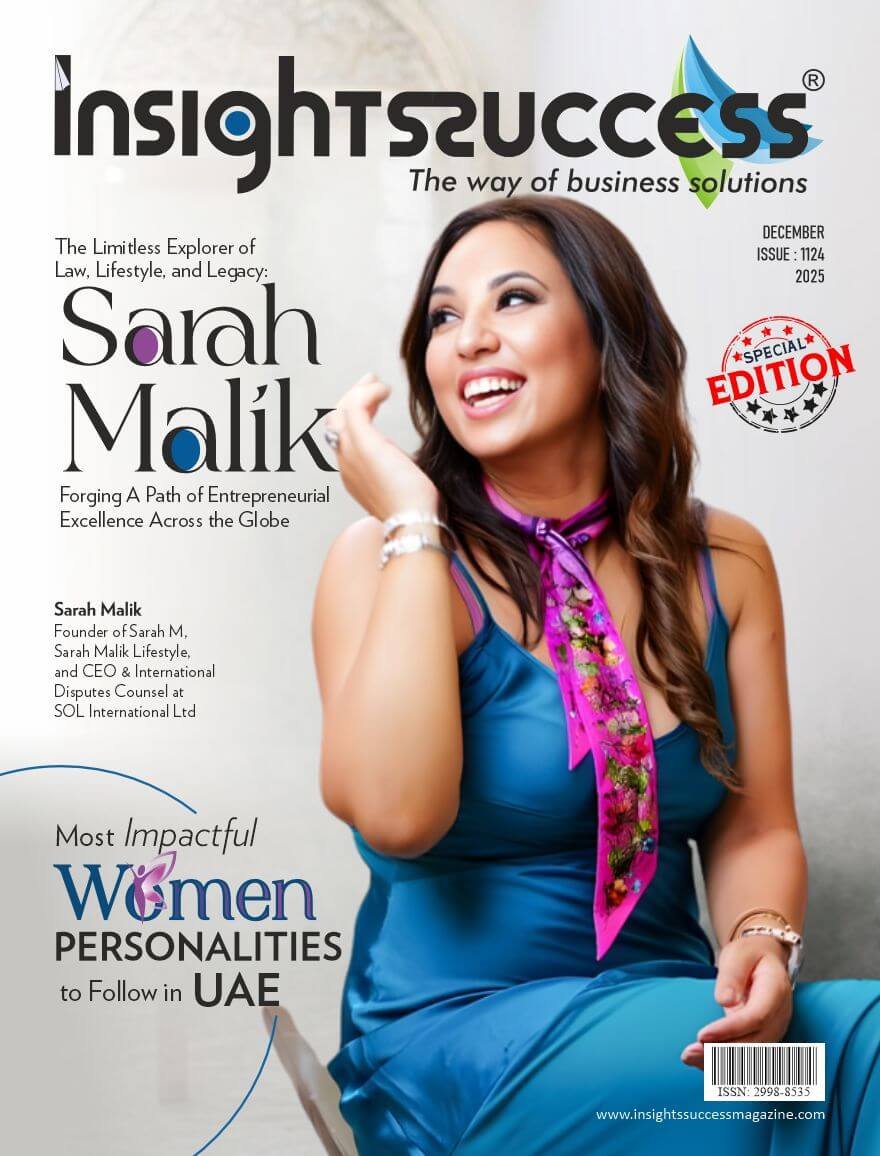
The Limitless Explorer of Law, Lifestyle, and Legacy: Sarah Malik: Forging A Path of Entrepreneurial Excellence Across the Globe
Life is a journey exploring two sides of the same coin, personal limits and possibilities of one’s internal and external limitlessness self-evolution. Having such an explorer’s mindset, from her early childhood, Sarah Malik has always been ambitious and enjoyed challenging herself in exploring those personal limits of possibilities. In her words, she has never been content with routine or repetition. “I like variety, and I thrive on pushing myself, multitasking, and the ability to get things done. I have always had a strong drive to push boundaries, challenge stereotypes, and explore new opportunities.” She envisages business in a manner that she wants to experience and be part of, and then goes back and works to create that vision in whatever she does. This mindset has shaped the way she approaches her career, not confined to one domain, but rather open to exploring different fields that inspire her and allow her to bring her ideas to life. There was no one defining moment where Sarah decided that she wanted to be involved in different disciplines. It was in her DNA to be different. Sarah comes from an entrepreneurial, hardworking, and successful background. Her family has always been involved in business, with several members also in law. From a young age, she was surrounded by strong role models who valued ambition, integrity, and grit. Their influence instilled in her a drive to continuously learn, grow, and challenge herself. These early experiences shaped her approach to leadership. She says, “It cannot be a coincidence that I grew up in a family heavily involved in fashion and entrepreneurship, as well as law, and I have adopted both worlds professionally.” The Complete Package: A Trailblazer’s Odyssey Sarah’s career is not merely illustrious; it is a multi-disciplinary triumph spanning two continents and 25 years. A UK-qualified Counsel who practiced for 15 years at leading commercial chambers in the UK, she brought her extensive expertise to the Middle East, becoming a true force multiplier in the legal and business worlds. Her peers describe her as ‘the complete package,’ ‘excellent advocate,’ ‘first class lawyer,’ and ‘very results driven.’ Today, Sarah is far from an ordinary leader; she is a trailblazer whose success is woven across multiple disciplines: a thriving legal consultancy, a lucrative property portfolio, and a fashion brand (Sarah M). Her personal brand, Sarah Malik Lifestyle, encompasses bespoke mentoring, strategic consultation, operational advice, and press relations. She is a multi-award-winning International Disputes Counsel, Multi-Business Owner, Published Author, Lecturer, International Speaker, Board Member, and a devoted mother of two. SOL International: The Testament to Integrity In August 2018, Sarah founded SOL International Ltd, a legal consultancy that quickly became an internationally recognized brand of repute in dispute resolution. The firm’s rapid ascent is a testament to her clear and uncompromising philosophy. “SOL is testament to the fact that we are all capable of achieving anything we put our minds to and that we are passionate about,” Sarah states. Her mandate is built on unwavering character: “Never limit yourself and always deliver with integrity, honesty, and transparency. SOL will always tell you how it is, even if this is not what you want to hear.” The firm’s performance has earned continuous high praise: SOL was named a ‘Firm to Watch in Dispute Resolution’ by Legal 500 EMEA (2022). Sarah herself was recognized in the Arbitration Powerlist Middle East Legal 500 EMEA (2023). Her personal accolades include winning ‘Litigator of the Year’ and receiving an Honourable mention as ‘Law Firm Leader of the Year’ at the inaugural GCC Women in Law Awards 2022. The name SOL, recognized internationally, holds a deeply personal meaning: “SOL stands for Sarah Omar Lina,” a permanent reminder that all she does is for her two children. Legal Strategy: A 360-Degree Framework As the CEO and International Disputes Counsel at SOL International Ltd, Sarah views legal strategy as far more than just courtroom maneuvering; it is a “framework for influence, leadership, and impact.” Her approach requires a holistic understanding of every matter, necessitating the ability to look from different angles, dissect every avenue, and anticipate outcomes. She has applied this same strategic mindset beyond her legal work, using it to connect with diverse audiences and make informed business decisions. By viewing situations through “multiple lenses and reaching a 360 audience,” she is able to “drive meaningful results that inspire confidence and trust.” This comprehensive, strategic outlook defines her powerful brand of leadership. Innovation: Law Without Rigidity In a sector historically known for its rigidity, Sarah brings a deep personal vision of agility and innovation. She emphasizes that “ my personality is not traditional and my vision of forward-thinking has always been part of me since day one.” Her non-conformist approach started early. Even 25 years ago, as a pupil Barrister, she was developing her skills and client relationships, undertaking traditional work in an “innovative and modern way.” She notes that while the Bar may be a conservative profession, she has witnessed a “wholesale change in attitudes over the last 25 years.” Sarah is a definitive catalyst in this evolution. She asserts that the law is “not so rigid anymore,” paving the way for her personal brand of practice where agility and vision are paramount. Her practice at SOL is a living testament to how innovation can break the mold, proving that drive can influence the conventions of a centuries-old profession. The Global Counsel: Expertise and Influence Sarah’s influence extends from the courtroom to the classroom and the global stage. She acts as Counsel in complex multi-jurisdictional disputes across the DIFC, ADGM, and UK Courts, specializing in international commercial arbitrations and litigation. She maintains her ties to London as an Associate Member of a Chambers. Her commitment to sharing knowledge is evident in her academic appointments: she is Adjunct Faculty at Middlesex University, Dubai (LLM), and a Guest Lecturer at AlFaisal University, Riyadh (LLB). She is also Adjunct Faculty at the Italian Institute of Fashion Management in Milan. She is a published author of legal texts,
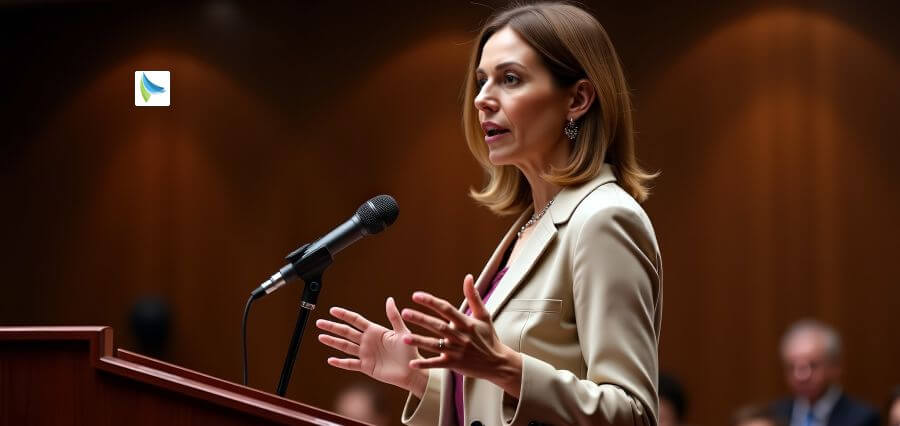
The New Era of Strategic, Empathetic, and Impactful Leadership
Leading With Strength A new generation of leadership is showing—one not characterized by authority, hierarchy, or dominance, but by a more profound, holistic kind of power. The leaders of today are required to be both cerebral and human, be a dreamer and still be grounded, make up their mind and still be sympathetic. Along with that, they have to incorporate their intellect with their intuition, their ambition with their sense of responsibility, and their performance with their purpose. Reflecting this transformation, it is an evolved world in which the problems have become more complex, the people more demanding, and the organizations have to be agile and at the same time trustworthy with their values. Leading with strength in this new era is not about the dominance of one’s power—it is rather about enhancing one’s potential. The leadership character exhibited here is the ability to influence with integrity, guide with clarity and, to motivate with great emotional depth. To be able to do this is the leadership that truly makes the difference not by power, but by connection. Modern Leadership That Thinks Beyond the Horizon Present-day leaders deal with the rapid changes brought about by the technology, the disruption that it causes, and the global interdependence. Therefore in this case, a strategy is much more than a well-structured plan—it is a way of thinking. Present-day leaders must discover those patterns which nobody else see, forecast those changes that no one is aware of, and decide that take into consideration the effects of the decisions over a long period, rather than immediate profits. Being strategic means having the strength to successfully manage a complex situation with an advantage of the foresight, flexibility and courage. It is also the self-discipline to ensure that each and every act is in harmony with one grander goal and the clearness to lead teams in times of uncertainty by showing them the way and reassuring them with confidence. Empathy is the New CEO Advantage Empathy has become the most significant leadership strength in the modern world. It is far from being just one of the soft skills, empathy provides a deep insight to leaders into the needs of their subordinates, it is the base of trust, and the glue which keeps together the team. Moreover, it aids in solving conflicts, raising the level of involvement, and forming kinds of work communities where the individual feels recognized and appreciated. In this era, empathy does not refer to an extra feature—it means an advantage. Those leaders who utilize empathy in their leadership style, undoubtedly, establish working environments that are characterized by collaboration, creative spirit, and loyalty that comes effortlessly. If a person is made to feel understood, then he or she will certainly offer his or her best not because it’s an obligation, but simply because that’s what he or she wants to do. Leadership That Leaves a Mark and Stems From Ethical Principles The hallmark of effective leadership can no longer be defined by profit alone. It is gauged by the changes that a leader spearheads-for people, communities, and the future. Such leaders are the ones who hold on to integrity as a compass and see to it that their deeds are in line with a mission higher than themselves. Leaders driven by purpose will give power to others, evoke meaningful work and be there for the core values that not only strengthen the company but also become the roots of the culture. What they do doesn’t just lead to the most immediate results; rather, it leads to legacy. Impact ceases to be a mere result but becomes a mirror of a leader’s presence at every instant. Leading People Instead of Only Processes Leadership today has a strong human side. It is about understanding one another’s motives, being able to recognize the emotions and creating such conditions that people would thrive. Yes, processes are important, but people are even more so. Leaders who are only preoccupied with the running of the business fail to see the bigger picture, which is the truth: success results from the engagement, belonging, and shared mission. Those leaders who build authentic relationships, give the freedom of choice and, at the same time, recognize and celebrate the contributions create such teams which not only achieve but exceed their goals through unity and enthusiasm. This is the kind of leadership that supports both effectiveness and the employees’ health, as strength is not simply the output, but also the uplift. The Right to Speak That Strengthens Relationship Present-day leadership communication is more than just passing on information. It demands not only being clear, but also being transparent and having the emotion as the point of contact. Leaders of our time communicate so as to connect. They genuinely put forward the vision, are good listeners and, instead of talking at length, they facilitate the dialogue. Such communication as this lowers the level of confusion, trust becomes stronger and the so-called psychological safety gets setting. It turns teams into communities and goals into shared commitments. Read Also : Leadership That Inspires, Transforms, and Sustains Growth

Leadership That Inspires, Transforms, and Sustains Growth
The Feminine Edge A new form of leadership is transitioning to the forefront–the one, the attributes, the attributes, the characteristics, the perspectives often related to the feminine most prominently formed the new leadership paradigm. However, it is not a question of gender but qualities that have been historically undervalued in traditional leadership models, such as: empathy, collaboration, intuition, emotional intelligence, resilience, and use of influence for the good of the community. These qualities, in fact, make up the feminine edge—a power leadership mode that attracts people to the leader, changes the organization, and contributes to the leader’s and the organization’s sustained growth in the complexity and change-dominated world. The feminine edge is a representation of the change from control to connection, from hierarchy to humanity, and from authority to authenticity. The leadership style thus described moves downward, not upward – by helping others, bringing personal values in line with the vision, and making it possible for people and ideas to flourish in the places that are created. Inspiring people through authentic presence The feminine edge is built around the concept of authenticity. Those leaders who possess such traits reveal with their personality openness, honesty, and emotional clarity. Their leadership presence does not come from intimidation but from a firmly rooted confidence and the leader’s real self-expression. Such authenticity one finds in them inspires trust. It makes people willing to be themselves, creates psychological safety, and deepens the connection between the team and the leader. If individuals feel acknowledged and understood, they will, almost automatically, become more involved, inventive, and loyal. Authentic leaders are not merely facilitators of motivation—they are burners who set aflame the latent potential. Transforming through Empathy and Emotional Intelligence Empathy is now one of the main factors leading to the effectiveness of modern leadership. With the feminine edge, leaders do not employ empathy as a mere kindly gesture but rather as a core strategic capability. These leaders listen profoundly, understand myriad perspectives, and deal with issues friendly and sympathetically. Such emotional intelligence helps them to solve issues without creating further problems, talk easily with other people’s feelings in mind, and establish deep bonds of friendship. It results in a company where cooperation replaces rivalry, and where difficult situations are faced with the help of the group, not the individual. The turning point of transformation is when people recognize that they matter—and empathy serves as the basis. Continuing Growth through Collaboration and Inclusion The feminine edge is amplified by collaboration. It understands that the effective answers are those that come out from the different viewpoints and from the common usage of the solution. Leaders that think this way open the door for the flow of ideas, equalize the hearing of different entities, and make the participation of the capable come with full fruition. Such a collaborative method results in better decision-making, more robust teams, and a greater number of innovations. It also leads to development which can be sustained because the people are emotionally involved in the vision that they have cooperated in shaping. Inclusion is not an endeavor—it is the natural inclination of the feminine leadership. Purpose as a Leading Power A leader motivated by purpose is one of the key traits of the feminine edge. Those leaders facilitate the linkage of the abstract to the concrete, the vision to the meaning, the strategy to the values, and the success to the impact. They are not only the metrics of performance, but also the desire to improve people’s lives and the world which guide them. Purpose is what makes the fire burn stronger. It uses top talent to its advantage, makes organizational culture stronger, and is the main reason for its steadiness during times of change. When a team is aware of the reason why their work has to be done, its members take challenges more readily and with a higher degree of perseverance and optimism. Purpose enables development to continue because it places the achievements on a level which is deeper than that of merely having numbers. Intuition used as a Competitive Tool Female leaders, as well as leaders with the feminine edge, usually rely heavily on their intuition. This is not a guess; it is a very special skill to identify the options, understand the emotions of the people involved, and being able to foresee the coming changes even before they unravel. Intuition works well together with data by providing a more complete and human side to the decision-making process. It is through this that a leader gets to be more agile in his/her response, be an active participant more than a listener, and lead an organization in a wise rather than a reactive manner. As per the complexity of the world, not every factor can be quantified and hence, intuitive is a leader’s strategic accomplishment. Read Also : The Leadership Skill Separating Winners from the Rest