





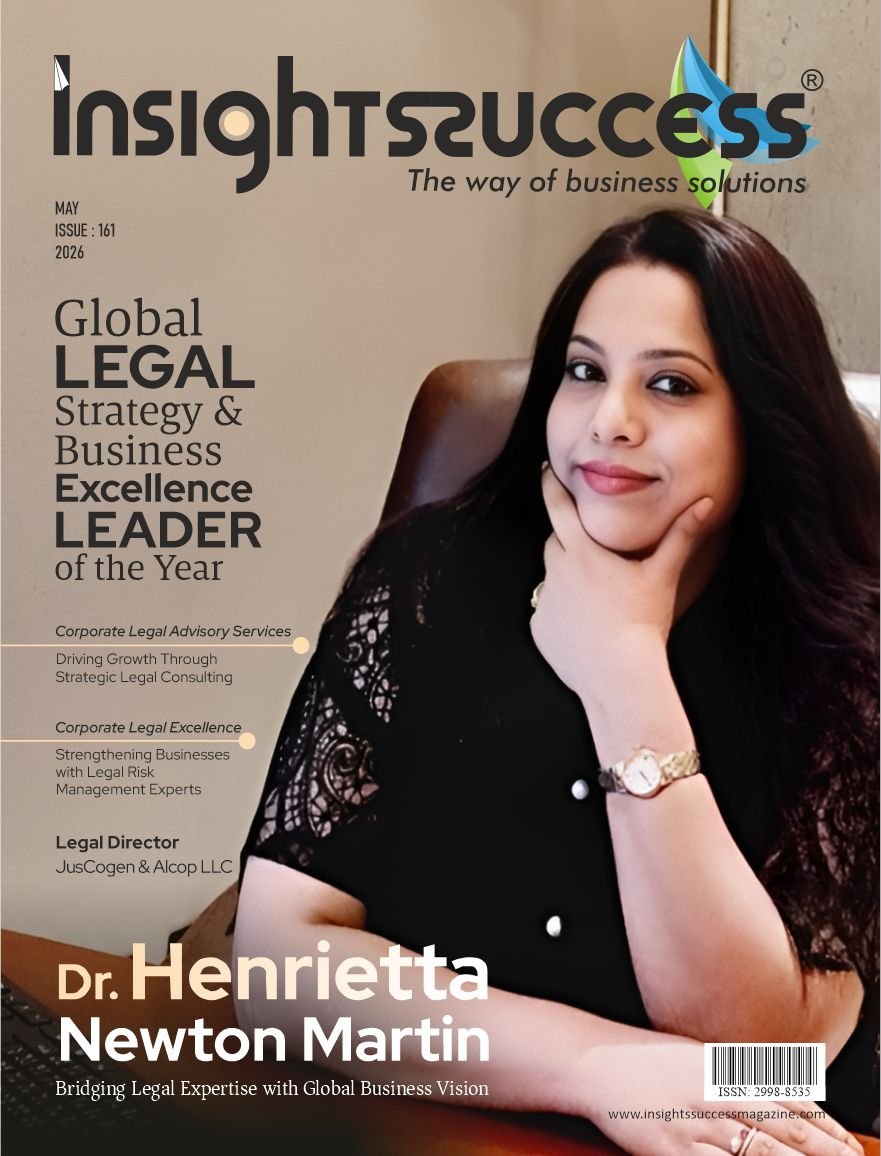
Global Legal Strategy & Business Excellence Leader of The Year
Global Legal Strategy & Business Excellence Leader of The Year Celebrating an exceptional global legal leader recognized for strategic excellence, corporate governance expertise, business transformation, and innovative legal leadership while driving operational integrity, sustainable growth, and international business success across industries. Digital Link Quick highlights Quick reads

Strengthening Businesses with Legal Risk Management Experts
Corporate Legal Excellence The legal and regulatory landscape is getting more complex for organizations of all kinds, in this ever-changing world of globalization technology and shifting compliance standards. In today’s business setting, it really matters that companies make sure their operations run smoothly, while also keeping an eye on financial risks, reputational damage, and the fines that are imposed by the regulatory bodies themselves. A lack of proper legal structures can create operational challenges which can reduce long-term stability and confidence in the company. Within this context, Corporate Legal Excellence is a critical issue for organizations that want to grow and/or become operationally resilient. There is a higher demand from businesses for structured legal systems that can give more clarity , responsibility, and forward looking oversight of compliance. Companies that put an emphasis on legal excellence are pretty well equipped to handle the changing regulatory requirements as well as commercial risks. Meanwhile, seasoned Legal Risk Management Experts are supporting organizations to enhance their governance systems and enhance business decision-making processes. They work with businesses to pinpoint weaknesses, enhance compliance procedures, and minimize exposure to legal and financial hazards throughout operations. Governance, Compliance, and Operational Stability Organizations are now running in a highly regulated environment where governance practice and legal responsibility have a tremendous effect on the performance of the business. Businesses have to deal with the demands of contracts, employment practices, financial statements, cybersecurity as well as compliance issues. Strong Corporate Legal Excellence is the process of helping organizations to better develop policies, enhance governance processes, and ensure greater regulatory consistency. Companies with a strict legal structure can benefit in minimizing uncertainty in operations and in providing a framework that promotes ethical and transparent business practices. In the same way, Legal Risk Management Experts who have a wealth of experience can support businesses in their quest for resilience by assessing operational risks and taking proactive measures to manage them. Structured legal risk management programs tend to help companies better prevent disputes and keep stakeholders confident. There’s also a growing trend toward organizations embedding legal accountability into their overall plans and business transformation efforts. When corporate governance systems are designed in keeping with the business goals, they can help companies to be more competitive and stable in the long run. Technology and Legal Innovation Technology is still revolutionizing the way around-the-world businesses manage legal matters and reduce risk. AI, cloud compliance technology, automation, and predictive analytics are enhancing efficiency and tightening compliance and reporting requirements. Several firms are currently using Corporate Legal Excellence in order to drive digital transformation, which helps them make things clearer, and also establish stronger regulatory liability.. At the same time, compliance automation systems, plus digital reporting tools, aid companies in getting more visibility with less overall complexity, and fewer delays when it comes to compliance. Meanwhile, digital tools are becoming the go-to solution for modern Legal Risk Management Experts to assess risks in their operations, enhance compliance reports, and enable forward-thinking legal planning. With technology-based risk management systems, companies can boost the collaboration between leadership teams, legal teams, and operational managers while keeping better track of regulatory requirements. Data privacy and cyber security are also top concerns in contemporary legal practice settings. Digital systems need to be secure and compliant with regulations and need to maintain operational continuity in organizations which have to process sensitive operational and financial information. Building Sustainable Legal Resilience For organizations trying to stay successful long term, it matters a lot to have a governance and legal framework that is flexible enough to deal with market disruptions, and, those constant shifts in regulations. In today’s era, where companies are spread across various and competitive industries, the importance of legal responsibility is getting more and more attention, as it has a direct effect on business stability and even investor confidence . Strong Corporate Legal Excellence helps organizations be more resilient— in practice, it’s about their transparency, governance, and responsible day to day operational decision making, kind of like less chaos. Businesses that really put legal accountability first can keep long-term, steady and reliable growth happening, and also earn that stakeholder trust over time. Similarly, seasoned Legal Risk Management Experts can play a vital role in enhancing operational resilience by assisting organizations in developing advanced compliance management frameworks, fortifying dispute prevention measures, and providing proactive legal oversight. Firms with a strong risk management team tend to be more likely to be able to adjust to changing market conditions and expectations. The Future of Legal Risk Management Organizations will have to depend on governance accountability, plus documented legal risk management frameworks more than ever, to stay competitive and stable even as the world of business keeps shifting. In today’s increasingly complex international markets, companies that can actually fuse legal know-how with operational efficiency and a more proactive approach to compliance oversight are probably going to see stronger resilience, and more sustainable growth. At the same time they’ll be maintaining responsible governance, and supporting long-term organizational success, at a global scale. Read Also : Meet the Team Behind Jones Injury Attorneys

Driving Growth Through Strategic Legal Consulting
Corporate Legal Advisory Services Globalization, a changing commercial landscape and a varying regulatory environment all contribute to a complex environment in which organizations from all industries must function. Organizations are competing in an environment of evolving market conditions, shifting expectations and legal responsibilities in today’s world. Inadequate legal structures result in financial hazards, operational disruptions, and reputational damage, threatening long-term stability. In such a context, Corporate Legal Advisory Services are becoming a necessity for businesses aiming for sustainable growth and operational resilience. Legal expertise to help resolve conflicts and to inform business strategies, compliance programs, and organizational decisions is becoming increasingly important for businesses. Structured legal advisory frameworks enable companies to better manage emerging legal and commercial issues. Concurrently, companies are spending huge amounts of money on Strategic Legal Consulting to enhance governance practices and operational efficiencies. In this modern day and age, legal consulting services are also playing a huge role in assisting businesses in managing risk, sustaining expansion projects and maintaining better accountability with regards to the various departments and operations. Strengthening Governance and Compliance Today’s companies have a variety of legal obligations and responsibilities, including: Contracts, Employment practices, Financial reporting, Corporate governance. The rising expectations of regulators in various industries make businesses need to have more disciplined and transparent compliance regimes. Comprehensive, effective CLAS support organizations in developing better contracts, enhancing policy development, and supporting regulatory compliance efforts. Proactive legal planning can help companies better manage potential conflicts in operations and minimise risks to financial loss. In the same fashion, effective Strategic Legal Consulting plays a sort of role in building better organizational governance by pushing legal strategies that line up with long-term business goals and operational priorities, yes. And it is common that companies that bring legal consulting into their strategic planning process they tend to run smoother operations, and they can build trust with stakeholders in a more steady way. Governance and compliance strategies are also increasingly becoming part of broader business transformation programs. Companies that connect legal responsibility to operational efficiency can develop better long-term organization stability and resilience. Technology and Legal Transformation Technology is a significant part of the overall puzzle for changing how law firms deal with their legal work and legal compliance, sort of. With AI and automation in place, plus cloud compliance tools, and predictive analytics, they get clearer insights into operations. Legal monitoring and reporting also get more solid, more or less, because the systems keep track in a steadier way. Corporate Legal Advisory Services are being increasingly embraced and introduced by companies as they strive for digital transformation, thereby enhancing the efficiency and minimizing the risk in the company’s operations. Better legal-exe workflow transparency and collaboration through automated legal workflows and single documentation system. At the same time, Strategic Legal Consulting is increasingly turning to digital technologies to help with regulatory oversight, analyzing contracts and compliance reporting. Advanced technologies can help increase the transparency of operations and improve responsiveness to changing legal requirements and market conditions for companies. Cybersecurity and data privacy also stay pretty essential inside legal management frameworks. Organizations that handle sensitive financial and operational information need to make sure their digital systems stay secure, while still keeping regulatory compliance and operational continuity in place. At the same time it can feel a bit like governance and protection are tangled, but they have to be addressed together, otherwise the whole setup gets fragile. Building Long Term Organizational Resilience Legal structures need to be robust enough to support resilience in times of economic change and uncertainty if a sustainable growth is to be achieved. In highly competitive industries, businesses are increasingly aware of the importance of a robust legal advisory system for its direct impact on the stability of the organization and the trust of the stakeholders. Effective Corporate Legal Advisory Services are aimed at optimization of risk management, development of more effective dispute prevention and assistance in making operational decisions effectively. Companies with forward-thinking legal planning procedures are better positioned to face the shifting legal and market landscape. Similarly, strategic Legal Consulting contributes to better organizational resilience by assisting in ethical governance, operational accountability, and transparency of business dealings. Businesses that make an investment in strategic legal planning are likely to be in a stronger situation to keep the investors and ensure their business continues to perform sustainably. The Future of Strategic Legal Services The future of global business is ever-changing, and integrated legal advisory systems and strategic consulting frameworks will become more vital to organizations to ensure they remain competitive and operationally stable. Companies that thrive at integrating legal knowledge with governance accountability and effective business operations will have a heightened level of resilience and sustainable growth in increasingly complex global economies and markets and contribute to global stakeholder trust and responsible business leadership today. Read Also : Strengthening Businesses with Legal Risk Management Experts

Dr. Henrietta Newton Martin: Bridging Legal Expertise with Global Business Vision
In the current global business landscape, legal leadership is crucial for safeguarding organizations and facilitating long-term development. With regulations evolving across jurisdictions and businesses operating in increasingly complex markets, companies require legal professionals who combine strong legal foundations with strategic business insight. Dr. Henrietta Newton Martin, Legal Director at JusCogen & Alcop LLC, represents this balance through her extensive experience in corporate and commercial law. With 18 years of expertise spanning litigation, cross-border legal advisory, and compliance leadership, she has built a career shaped by precision, adaptability, and a strong understanding of international legal frameworks. A Career Built on Defining Legal Turning Points With extensive experience in corporate and commercial law, Henrietta has built a career shaped by courtroom discipline, corporate advisory expertise, and international leadership. Several defining moments have profoundly influenced both her approach to global legal strategy and her perspective on business leadership. Her early years as an accomplished Advocate before the Bombay High Court, including appearances before the Goa Bench, as well as the District and Sessions Courts across Goa, Maharashtra, and Karnataka, were particularly formative. Practicing in demanding judicial environments instilled discipline, precision, and the ability to think critically under pressure. It also provided her a strong foundation in advocacy, litigation strategy, and procedural law. During this period, she developed a deep appreciation for studying judicial precedents in India within the common law framework, strengthening her ability to construct arguments grounded in jurisprudential reasoning and evolving legal interpretation. During this time, she was presented with the opportunity to step into a judicial role as a JMFC/CJJD early in her career, an honor reflecting her professional standing and commitment to the law. While she was prepared to pursue this path, a significant personal inflection point led her to relocate to the Middle East. This transition marked a defining shift in her career. Moving into a new legal landscape required adaptability and resilience. She transitioned into corporate legal advisory, cultivating a nuanced understanding of commercial frameworks, regulatory architectures, and cross-border business practices. This experience reshaped her perspective from litigation-focused work to a strategic and preventative approach aligned with business objectives. Working in the Middle East exposed her to complex multi-jurisdictional transactions and culturally diverse environments, reinforcing the importance of agility, cultural fluency, and pragmatic problem-solving. Her professional evolution further expanded through leadership roles requiring strategic oversight, decision-making authority, and stewardship of legal and compliance functions within complex organizations. These experiences taught her to calibrate legal risk against commercial opportunity, navigate regulatory flux, and foster trust-based relationships with stakeholders. Her journey from litigation to international corporate advisory has shaped a leadership style that is grounded in legal fundamentals, commercially astute, and deeply attuned to the realities of the global business landscape. Aligning Legal Strategy with Business Growth in Global Markets Henrietta believes that “ensuring legal frameworks remain aligned with business objectives in rapidly evolving international markets requires a proactive, integrated, and commercially attuned approach.” Rather than treating legal review as a final checkpoint, she embeds legal considerations at the inception of business decisions. This allows legal risk to be assessed alongside commercial opportunity and ensures regulatory requirements are treated as parameters for sustainable growth. In cross-border environments, continuous horizon scanning becomes essential. She places emphasis on monitoring legislative developments, regulatory shifts, and geopolitical factors that may impact operations. This forward-looking approach allows organizations to anticipate change rather than react to it, preserving agility in decision-making. She also stresses scalable and adaptable legal frameworks. In international markets, uniformity is often less effective than flexibility. She focuses on creating governance structures, contractual models, and compliance systems that are robust yet adaptable to meet jurisdiction-specific requirements without compromising overall strategic coherence. Collaboration remains a critical pillar. Alignment between legal, finance, operations, and commercial teams ensures that legal strategy is not developed in isolation. By fostering cross-functional dialogue, she ensures that legal input is fully integrated into business planning and execution, supporting informed and balanced decision-making. Technology and process efficiency also play an increasing role, particularly in multi-jurisdictional environments where complexity can otherwise create inefficiencies. Alongside this, she places strong emphasis on risk prioritization and proportionality, ensuring that focus remains on high-impact exposures without overburdening business processes. Ultimately, she believes “alignment is achieved by positioning the legal function as an enabler of strategy rather than a gatekeeper.” Leadership in Cross-Border Litigation and Dispute Strategy Cross-border litigation requires a disciplined, strategic, and highly adaptive leadership approach. Henrietta’s decision-making in such contexts is guided by principles that ensure legal rigour and commercial alignment. Foremost is strategic clarity under ambiguity. Multijurisdictional disputes evolve unpredictably, requiring the ability to distil complexity into clear priorities. She maintains a structured legal strategy anchored in the merits of the case, jurisdictional advantages, and realistic enforcement pathways. Closely linked is forum intelligence and jurisdictional optimization. She emphasizes the importance of identifying advantageous legal fora and understanding how different jurisdictions may influence outcomes. This includes sequencing proceedings to maximize leverage while preserving procedural integrity. Another guiding principle is disciplined risk calibration. “Cross-border disputes are tough, but the desired outcome can be achieved by eagle-eyed vision.” Further, she continuously assesses litigation risk against commercial exposure. This ensures decisions on escalation, settlement, or continuation are grounded in both legal reasoning and business pragmatism. She also prioritizes coordinated execution across jurisdictions. Managing multiple legal teams requires alignment, clear communication protocols, and strong internal governance. Ensuring external counsel operates within a unified strategic framework prevents fragmentation and inconsistency. Cultural and procedural fluency remains equally important. Different legal systems operate with distinct norms of advocacy and negotiation. She also values resilience and composure in high-stakes environments, maintaining focus and decisive judgment throughout prolonged disputes. She remains outcome-oriented, focusing not only on procedural success but on preserving enterprise value. A Multi-Industry Perspective That Strengthens Legal Strategy Having worked across aviation, FMCG, hospitality, technology, oil & gas, and manufacturing, Henrietta has developed a strategic legal perspective shaped by both universal legal principles and sector-specific nuances. Aviation and oil & gas reinforced the importance of precision, compliance, and long-term
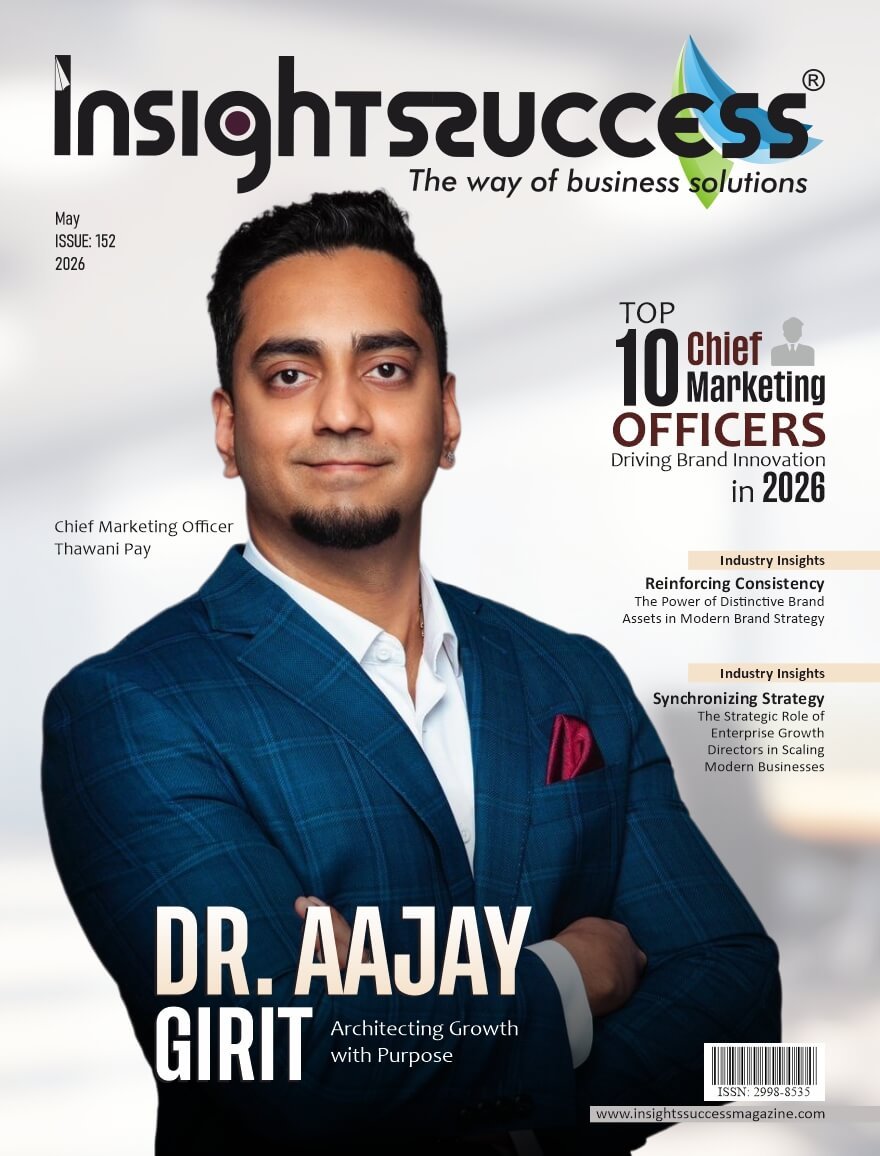
Top 10 Chief Marketing Officers Driving Brand Innovation in 2026
Top 10 Chief Marketing Officers Driving Brand Innovation in 2026 Dr. Aajay Girit has built a distinguished career by combining strategic marketing leadership with purpose-driven growth. With over two decades of experience across industries and global markets, he continues to shape modern marketing through data-led innovation, customer-centric thinking, and a leadership approach grounded in trust, transformation, and sustainable business impact. Digital Link Quick highlights Quick reads
Reinforcing Consistency: The Power of Distinctive Brand Assets in Modern Brand Strategy
In the highly competitive market, branding takes place not only in physical stores but also through different channels such as the Internet and the television. People see logos on their smartphones, hear brand songs in commercials, notice products’ packaging in retail shops, and encounter visual identities online on different websites, Facebook, Instagram, and other platforms. In such a case, it is not enough to just offer customers an excellent product or a service anymore. The brand should be distinctive and recognizable. Distinctive brand assets refer to all unique sensory markers that enable consumers to recognize a particular brand. The list may include logos, fonts, colours, packaging, slogans, shapes, sounds and special movements of digital brands. By using distinctive brand assets consistently, companies create memorable shortcuts for consumers that make it possible for them to recognise a brand at first sight without even reading its name. The shorter the attention span of consumers becomes and the more competitors there are, the more important it is for businesses to be recognisable. Brand Recognition Brand assets that have a distinct identity are crucial to branding as they provide the basis for brand recognition. The most direct role played by such assets is recognition. In extremely competitive industries in which people are subjected to hundreds of choices every single day, recognition plays a critical role in whether they will consider using the particular brand. Brand recognition occurs through a combination of things such as color, shape of packaging, or even sounds used by the organization. When people see something that appears familiar to them, they automatically feel more comfortable about the product. Consumers spend less time figuring out who the brand belongs to because they recognize it immediately, hence making them feel more at ease. Therefore, when people are comfortable with something, they will be able to use it without second thoughts. As a result, organizations invest in protecting their brand assets and ensuring that there is consistency in them. Emotional Connection In addition to recognition, distinctive brand assets aid in giving the brand an emotional edge. For example, the logo or visual identity of the brand is not merely used to distinguish the business. Instead, after a while, it will represent experiences and memories, which consumers form in relation to the asset due to their interactions with products or services of the brand in question. As such, the color of the brand may be associated with reliability. The sound of the brand logo may trigger a feeling of nostalgia. Finally, packaging may induce excitement or comfort in the consumer. The significance of the emotional edge of the brand lies in the fact that decision making is not always based solely on rationality. In the case of B2B markets, there may also be factors other than cost involved. Therefore, the use of distinctive brand assets can help to communicate to the customer what is special about your brand. In doing so, you could indicate that the product is innovative, premium, sustainable, or fun among other traits. Consistency in these associations creates a connection with consumers. Strategic Consistency A distinctive brand asset strategy relies on consistent application across every consumer touchpoint and brand experience. Even though a business could boast of a powerful logo or striking packaging design, inconsistency makes these assets ineffective. Today, consumers interact with a business brand through websites, applications, physical store locations, advertisements, e-mail, and even events. In each one of these cases, the consumers are getting closer to the brand experience. Using the assets consistently will help create a more uniform experience, which will in turn help to solidify the structure in their memory and make brand recognition easier. In terms of marketing, consistency brings efficiency in campaigns. If consumers already recognize certain visual elements in connection with a specific brand, then each campaign does not have to start everything from zero. Existing brand equity is used to further promote the message, introduce new products or partnerships, and so on. All this may bring better effectiveness of advertising, as well as reduced customer acquisition costs. When it comes to expanding into new markets or adding new product lines, consistency is critical for creating connections. Conclusion Distinctive and identifiable brand elements have emerged as crucial components in effective brand strategy in today’s era. They act as key elements in enabling companies to differentiate themselves from one another through a clear and distinct brand identity in an ever-increasingly competitive and complex marketplace. It is important to note that such brand elements do more than just ensure brand visibility; they play a crucial role in the formation of perceptions, the reinforcement of memory, and the creation of emotional connections in the minds of consumers. In light of evolving consumer preferences and increasing digitization of marketing efforts in today’s age, it can be expected that there will continue to be an emphasis on investment in brand identifiers in the future. Companies that bring their brands into place by putting together distinct and easily recognizable brand elements, will usually be in a better position to stay relevant. Read Also : Driving Growth Through Strategic Legal Consulting

Dr. Aajay Girit: Architecting Growth with Purpose
In a time when marketing is typically measured in clicks, conversions, and what’s known as campaign velocity, Dr. Aajay Girit has built his career by looking a little, possibly more than a little, beyond the dashboard. His journey is like how contemporary marketing has evolved, moving from stand-alone campaigns to integrated company ecosystems, and from rapid transactional promotion to intelligence-led growth. What began as a keen understanding of performance measurements progressively evolved into a more comprehensive way of thinking that was based on long-term value creation, strategic discipline, and customer trust. With more than 20 years of experience spanning digital marketing, fintech, banking, martech, AdTech, Insurtech, e-commerce, and telecommunications, Dr. Aajay brings a rare combination of strategic marketing leadership, data-driven execution, and regional business exposure across APAC and the GCC. His academic and professional credentials, including a Doctorate in Business Administration and the designation of Chartered Marketer with the Chartered Institute of Marketing, further strengthen his perspective as both a seasoned practitioner and a purpose-driven business leader. It is this distinctive blend of cross-industry depth, global exposure, and rigorous academic grounding that continues to shape the way he approaches marketing, not as a functional discipline, but as a strategic force for sustainable growth. He is currently working at the intersection of fintech innovation, consumer behavior, and business transformation as Chief Marketing Officer of Thawani Pay. He has developed a leadership style that combines analytical accuracy with emotional awareness across a variety of industries and even global markets. This combination enables him to guide teams through uncertainty without losing sight of the customer experience. Marketing is more than just messaging under his leadership. Data, cross-team collaboration, and deliberate innovation turn it into a growth engine. Additionally, Dr. Aajay is working to reimagine how trust, accessibility, and technology may work together to provide genuine outcomes for businesses and customers at a time when digital payments and financial services are reshaping daily life in Oman Discover how Dr. Aajay is redefining modern marketing leadership by transforming performance into purpose-driven growth. From Performance to Purpose: A Philosophy in Motion Dr. Aajay describes his early career as one grounded in the mechanics of performance marketing acquisition funnels, conversion rates, and media efficiency ratios. He was good at the numbers game, and he knew it. But somewhere along the way, as he moved across industries and geographies, the philosophy began to shift. “Marketing evolved from ‘driving campaigns’ to ‘building growth systems.’ A CMO must be both a brand custodian and a business architect,” he says. At Thawani Pay, he translates that philosophy into daily practice. He aligns brand strategy, data analytics, customer experience, performance marketing, and partnerships into a single, coherent operating rhythm. The goal is not to run campaigns in isolation but to create a connected intelligence engine that understands where the customer is, what they need, and how the brand can show up meaningfully, measurably, and at the right moment. Thawani Pay itself is no ordinary fintech. Born as an Omani payment platform, it has grown into a comprehensive digital financial ecosystem offering digital wallets, payment gateways, payment links, prepaid cards, money transfers, insurance, merchant solutions, and donation services. It serves individuals, corporates, merchants, and partners, and it does so in a market where digital financial literacy is still evolving. His job, then, is not just to market a product. It is to help shift behavior, build trust, and make finance feel accessible. The Three Qualities That Define a Future-Ready Marketing Team When asked Dr. Aajay about what separates a good marketing team from a great one, he does not reach for creativity or brand instinct. He reaches for structure. For him, future-ready teams are built on three non-negotiable qualities: adaptability, data fluency, and emotional intelligence, and they are held together by a fourth, often underrated, trait: commercial discipline. “Markets change faster than planning cycles. A future-ready team needs leaders who can simplify complexity, make decisions with incomplete information, and create confidence during uncertainty,” he explains. On data fluency, he draws a line that most practitioners miss. He does not believe every marketer needs to become a data scientist. But every marketer must read customer signals, segmentation, attribution, lifecycle value, and performance metrics. “Creativity without measurement becomes subjective. Data without creativity becomes mechanical. The best work lives in the intersection,” he argues. Meanwhile, emotional intelligence is what holds everything together. He builds high-performing teams not through pressure but through trust, creating psychological safety where people feel empowered to challenge ideas, propose solutions, and learn openly from mistakes. In a diverse, cross-cultural environment like the Gulf, that quality is not a soft skill. It is a leadership imperative. Creativity With a Business Case In fintech, where the competitive landscape is dense and customer switching costs are low, a beautiful campaign can fail completely if it does not move the customer closer to the brand. Aajay knows this. He structures every marketing initiative around a set of questions that anchor creativity to commerce: What customer behavior are we trying to change? What value are we creating? How will we measure success? And how does this strengthen the brand in the long term? “Creativity gives the brand emotion. Strategy gives it direction. Business objectives give it discipline. The balance happens when all three work together,” he says. At Thawani Pay, this means his team does not just build campaigns; it builds propositions. Merchant propositions. Customer lifecycle journeys. Segmentation frameworks. Onboarding flows reduce friction and increase activation. Communication strategies that simplify what digital finance can feel like for a first-time user. Innovation, for him, is often found not in grand product launches but in the compound effect of small improvements done with discipline. Leadership Under Pressure: When to Accelerate, When to Pause One of the most revealing things about any leader is not how they perform when conditions are ideal, but how they perform when the pressure is maximum and the information is incomplete. Dr. Aajay has faced his share of those moments, and he speaks about them
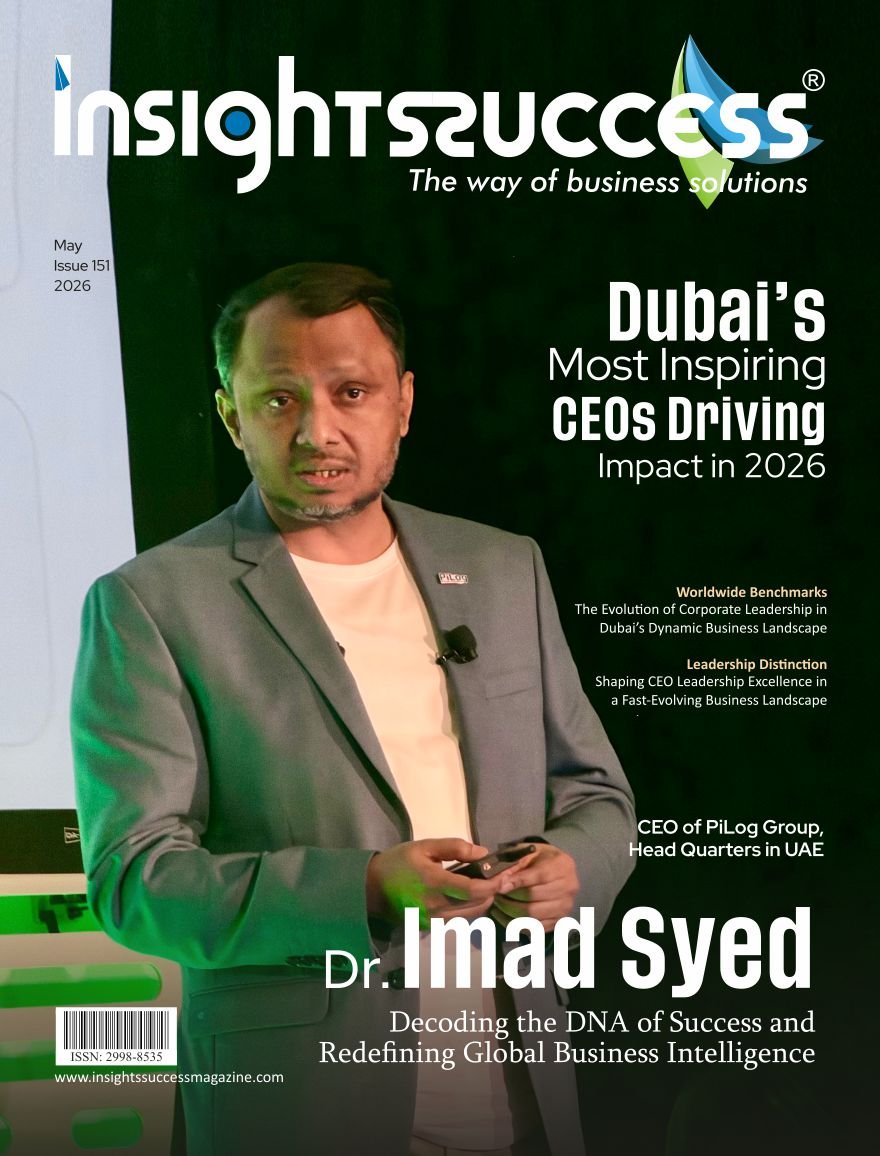
Dubai’s Most Inspiring CEOs Driving Impact in 2026
Dubai’s Most Inspiring CEOs Driving Impact in 2026 Dr. Imad Syed, CEO of PiLog Technology Solutions, has redefined global business intelligence through his expertise in data management, digital transformation, and enterprise strategy. With over three decades of innovation, he empowers organizations to leverage data-driven insights, enhance operational efficiency, and achieve sustainable growth in an increasingly digital economy. Digital Version Quick highlights Quick reads

Worldwide Benchmarks: The Evolution of Corporate Leadership in Dubai’s Dynamic Business Landscape
Dubai has grown into one of the most powerful business centers of the modern age due to its fast-growing economy, large inflow of foreign investments, and proactive policies. In the past decade, its corporate environment has moved from hierarchical leadership approaches to innovation-oriented systems that better address the current challenges faced by organizations. This is has been brought about by changes in the business world coupled with the initiatives that have been taken by the country to position itself as a significant international center for business. The development of areas such as the real estate industry, aviation, logistics, finance, and tourism has significantly contributed to it. In Dubai, companies are part of a highly interconnected business environment where executives need to act quickly and react to changing external conditions to remain competitive. As a result, the existing environment has led to a transition from the former rigid system of decision-making towards much more flexible approaches. The leadership style of corporations in Dubai has evolved due to a combination of diverse cultures and high ambitions of businesses. Business executives here are dealing with multinational corporations and partnerships. Shift Models Leadership in corporations in Dubai has transformed drastically from centralization of decision-making systems to decentralized systems, where leaders facilitate collaboration within the organization to make important decisions. Previously, businesses were organized in a way that made decision-making very centralized, with important decisions made by a small group of top-level managers. However, the current scenario in which there is an inflow of multinational corporations and development of knowledge-based sectors has seen the adoption of flatter organizational structures to empower middle-level managers to be more responsive to adapt to any market disruption. The transformation in the corporate sector has led to an increase in trust and enhanced productivity, especially in highly competitive sectors. As decision-making becomes more decentralized, leaders must guide actions while also facilitating processes that promote and strengthen collaboration. Another feature of such a transformation has been the globalization of management styles. Currently, managers integrate global management styles with local business wisdom. Digital Drive Apart from changes in the economic and marketing environments, the digital age has introduced new challenges for businesses operating out of Dubai which now requires leadership that is innovative. In the current world, leaders should have knowledge of technology like data analytics and artificial intelligence. It means that in the current age, leaders should understand information technologies and how to use them when making decisions. Digitalization has revolutionized how organizations operate through the capability of businesses to extend themselves outside their geographical limits, streamline their supply chains, and offer customers personalized service delivery. Digital technologies, including artificial intelligence, cloud computing, big data analysis, and automation, among others, have increased organizational effectiveness and opened up new avenues for innovation and development. With such, organizations can be able to adapt promptly to changes in the markets and increase their competitive advantage in a highly interconnected world today. Digitalization has also brought about a change in what is expected of modern leaders. Not only should leaders use traditional management techniques, but they should also have the capacity and understanding to incorporate technology into organizational operations. Global Edge The significance of Dubai as an international business center has obliged many corporate managers to reconsider their perspectives with a view to expanding globally. This is because its location in the Middle East makes it a natural entry point into other markets for global firms. Thus, global considerations such as cultural intelligence, geopolitics, and international regulations must be considered when formulating leadership strategies. A leader should be able to observe world trends and ensure that their organization makes timely strategic decisions based on these trends. Such an ability has allowed companies from Dubai to effectively expand into markets in different parts of the world, such as Asia, Europe, and Africa. Consequently, Dubai has strengthened its position as one of the world’s leading international business centers. Conclusion This development indicates the evolution of corporate leadership in Dubai in response to economic changes resulting from globalization, disruption caused by technology, and a changing mindset regarding the nature of work itself. In Dubai, leadership styles have transformed as corporations have continued to develop and spread their wings across various business sectors. Leadership in future organizations operating in the dynamic Dubai business environment will thus become increasingly dependent on being able to combine vision with agility. Corporate leaders in Dubai will need to emphasize sustainability, digitalization, and cultural intelligence as the three main elements that characterize successful leadership. Future leadership styles in Dubai’s fast-moving business environment will increasingly favor leaders who are not just decision makers but also innovators and change drivers. This evolution is critical not only in improving leadership effectiveness but also in ensuring that Dubai remains competitive in its quest to attract more investment opportunities. Read Also : Reinforcing Consistency: The Power of Distinctive Brand Assets in Modern Brand Strategy

Dr. Imad Syed: Decoding the DNA of Success and Redefining Global Business Intelligence
In today’s fast-paced business world, information flows in the form of a giant tidal wave; it is huge, unstoppable, and often overpowering. While the idea of data as the “new source of power” prevails in this modern age, many leaders around the globe perceive it as nothing more than a wild jungle of information rather than something that helps create strategies. Think about how an excellent architect could raise a tall building without any blueprints in hand, or how a skilled sailor could sail through an endless dark sea without any compasses. The structure lacks, but the components needed for success are available. In order to become great leaders in this technological environment, one must not only learn about technology but also undergo a complete paradigm shift by perceiving information as something that breathes. The future belongs to those people who know how to convert numbers into a “digital truth”; otherwise, in 2026, humanity will face a situation where its spirit of innovation will be inhibited by the system’s inherent chaos. Dr. Imad Syed is the steady hand guiding this transformation. As the Chief Executive Officer of PiLog Technology Solutions LLC, he does not merely manage a technology firm; he architects the invisible frameworks that allow global enterprises to breathe, expand, and thrive. He views data not as a static record of the past, but as the foundational DNA of a company’s future. He believes that a business is only as resilient as the integrity of the information it consumes. Dr. Imad Syed spends his days bridging the gap between cold, complex algorithms and the warm, practical realities of human ambition. His mission is to make data management so seamless and intuitive that it disappears into the background, leaving behind a pristine landscape where creativity can finally soar, unburdened by the friction of digital disorder. A Global Journey Rooted in Practical Expertise Dr. Imad Syed did not arrive at these deep insights overnight. His perspective is forged from decades of international experience, having navigated the complexities of diverse markets and industries. His background spans the entire spectrum of the modern enterprise, from the intricacies of supply chains and asset lifecycles to the highly specialized world of master and meta-data management. Dr. Imad Syed has spent years in the trenches, working with finance leaders, healthcare providers, and industrial giants. This cross-functional expertise allows him to see the big picture while never losing sight of the smallest detail. He doesn’t look at a warehouse or a balance sheet as just a physical space or a set of numbers; he sees them as vital data points that must communicate with each other to create value. Dr. Imad Syed is a master at fostering data-driven cultures. He understands a fundamental truth that many tech consultants overlook: you cannot simply buy “digital transformation” off a shelf and plug it in. Real change must be woven into the culture of the office. He believes that if the people on the ground, the analysts, the managers, and the engineers, do not trust the data on their screens, then the most expensive AI in the world is essentially a paperweight. This is why Dr. Imad Syed focuses so heavily on transparency and integrity. He uses ISO standards not as a boring regulatory necessity, but as a promise of quality to his clients. He wants every employee in an organization to feel the confidence that comes with knowing their information is accurate, up-to-date, and ready for action. From Policing to Liberty: A New Philosophy of Governance In the traditional corporate world, data governance has long been viewed as a policing function, a series of hurdles and manual checklists designed to slow things down in the name of safety. Dr. Imad Syed is completely flipping this narrative on its head. In his view, proper data management is actually the ultimate engine of “Creative Liberty.” He uses a brilliant analogy to explain this: when a pilot knows that every dial on the instrument panel is 100% accurate, they are free to fly the plane with total confidence. They can push the limits of the aircraft because they aren’t second-guessing the fuel gauge or the altitude. At PiLog,Dr. Imad Syed is leading a revolutionary shift toward “Policy as Code.” He wants governance to happen automatically, silently, and flawlessly in the background. If the system handles the repetitive and exhausting tasks of validating, cleaning, and mapping data, the human workers are finally set free from digital drudgery. They can spend their time on high-level strategy, creative design, and building real human relationships. Dr. Imad Syed is moving away from the era of manual intervention and toward a world where the software itself ensures compliance. This approach removes the friction that usually bogs down large organizations, allowing them to move with the agility of a startup despite their size. The Innovation Engine: Building the Software of Tomorrow Dr. Imad Syed is a true builder at heart. He is not a CEO who stays in the boardroom; he is deeply involved in the research, design, and architecture of the solutions PiLog brings to market. He specializes in SaaS-based, multi-cloud platforms that leverage microservices and subscription models. While that sounds highly technical, the underlying goal is very human: he creates tools that help companies turn their internal knowledge into a sustainable competitive advantage. Dr. Imad Syed is the creative force behind the PiLog DQG Suite, iMDRM, and the PiLog Cloud. These are not just software products; they are the physical manifestations of his “iVision” framework. He has meticulously designed every phase of the data lifecycle to ensure nothing is lost in translation. He created the “iData” series- a suite of processes including iDataAcquisition, iDataHarmonization, iDataTransformation, and iDataAnalytics. These tools ensure that data is handled with extreme care from the moment it enters a system until the moment it is used to make a critical, multi-million-dollar decision. Dr. Imad Syed also developed the Smart InteGraphics platform, which offers incredible flexibility. Whether a company prefers to keep