





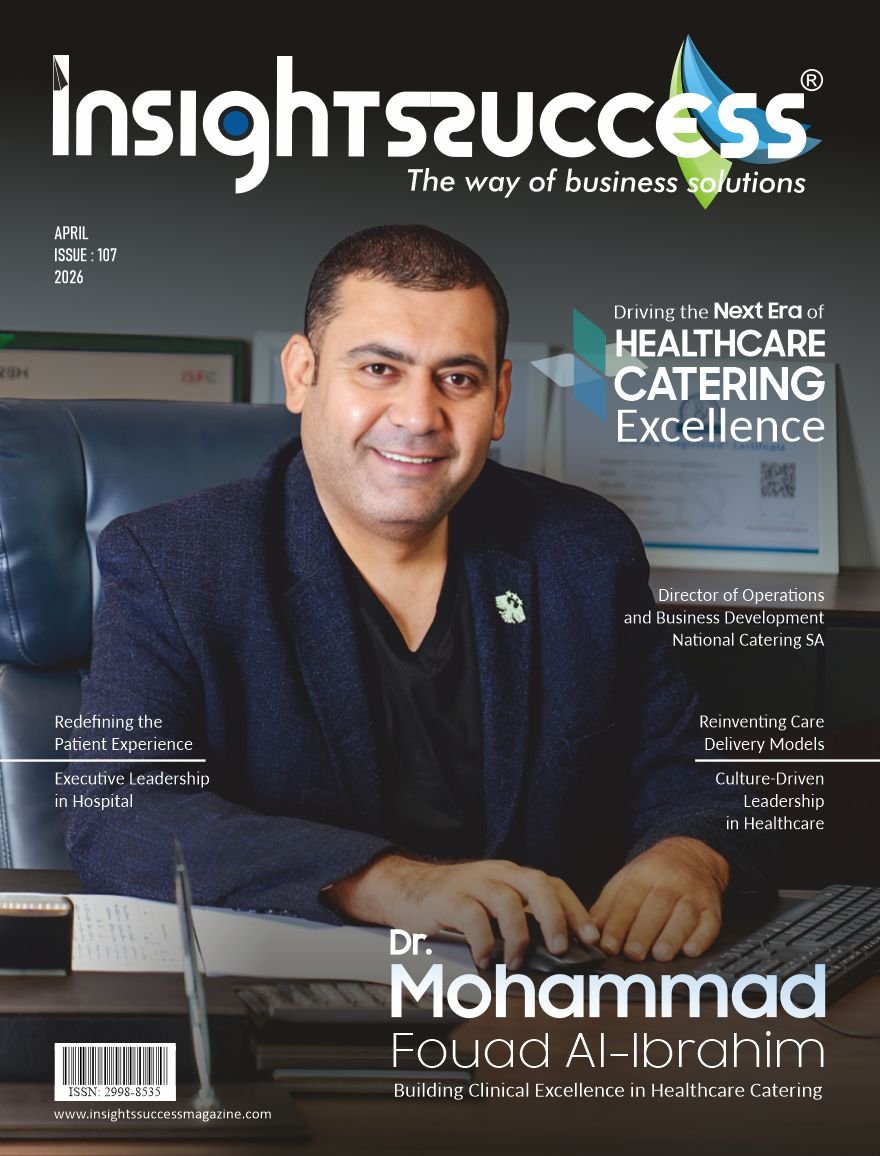
Driving the Next Era of Healthcare Catering Excellence
Driving the Next Era of Healthcare Catering Excellence Honoring a visionary leader redefining workplace culture through innovative people strategies, inclusive leadership, and a strong commitment to employee engagement, driving organizational excellence and shaping the future of human-centric workplaces. Digital Link Quick highlights Quick reads

New Delhi Hosts Asia’s Business Leadership Awards 2026, Honoring Leaders Shaping Tomorrow’s Economy
New Delhi, India, March 27, 2026: The Asia’s Business Leadership Awards 2026, hosted by Insights Excellence Awards and organized by Insights Success Media, concluded on a grand and impactful note at Radisson Blu, Dwarka, New Delhi. The prestigious event brought together an influential network of business leaders, entrepreneurs, policymakers, and innovators from across Asia, reinforcing its position as one of the region’s most significant platforms for leadership recognition. The ceremony served as a powerful celebration of excellence, honoring individuals and organizations that have demonstrated exceptional leadership, strategic vision, and measurable industry impact. Recognized among the top business award platforms in Delhi, the event highlighted the achievements of those who are driving transformation across industries while contributing to economic growth at both national and international levels. The awards showcased excellence across a wide spectrum of sectors, including technology and digital innovation, banking and financial services, healthcare and life sciences, manufacturing and infrastructure, hospitality, education, startups, and sustainability. Each honoree was selected based on their ability to innovate, scale, and lead with purpose, setting new benchmarks within their respective industries. Celebrating Outstanding Leaders Across Asia The Asia’s Business Leadership Awards 2026 recognized the following exceptional leaders and organizations: Sthapana Projects received the Rising Star in Architecture & Interior Design award, presented to Mr. Mukesh Bhardwaj, Founder & CEO Derm Ease (A division of Yaxon Biocare Pvt. Ltd) was honored with the Excellence in Cosmetic Manufacturing Award 2026, received by Mr. Vipin Satija, Director Fast Track Health Care Foundation earned the Outstanding Service in Healthcare Award 2026, accepted by Mr. Parmanand Jha, MD & CEO Dermakind received the Excellence in Advanced Skin Care Clinic Award 2026, presented to Reeti Upadhyay, Director Innovative Digital Marketing was recognized as The Leading Digital Marketing Agency in Delhi NCR, represented by Mr. Punit Sharma, Owner Dietitian Aruna Malhotra was honored as The Most Trusted Dietitian of The Year (Delhi) Digital Grow India received the Women Empowerment through Digital Skills Awards 2026, accepted by Mr. Sunil Saxena, Founder Moni’s Health Care was recognized as Best Holistic Transformation & Energy Healing Expert of The Year 2026 (Greater Noida), presented to Dr. Moni, Founder Chandrakant Hospital Multispecialty Hospital received recognition for Most Advanced Care & Trusted Experts, accepted by Dr. Munish Agarwal, Chairman GP Life Wellness Pvt Ltd was honored as Most Trusted Wellness Brand of the Year 2026, presented to Dr. Chetankumar Himatbhai Savaliya, Founder & CEO Vanasthali Group of Schools received the Leading School in Delhi NCR Award 2026, accepted by Ms. Anuradha Jain, Chairperson QA Virtual Health Care was recognized for Best Doctor for Stem Cell Therapy & Advanced Health Care Solutions in India, presented to Dr. Ravi Ranjan, CEO Swapniil’s Aatmanirbhar Import Export Academy earned the Outstanding Contribution to Import Export Education Awards 2026, received by Mr. Swapniil Khude, Founder and EXIM Coach Divine Lovelleen was recognized as Best Past Life Regression & Hynoheal Therapist, Tarot Card Reader & Sound Healer In Delhi NCR, presented to Angel Lovelleen VPI Group received the Leading Real Estate Developer of the Year award, accepted by Mr. Bentesh Kumar and Mr. Gaurav Dhingra, Directors APSG Events Sports & Celebrations was honored as The Most Trusted Event Management Company of the Year (Delhi/NCR), represented by Mr. Gaurav Joshi, Managing Director IN-Dial Nutrients Pvt Ltd received recognition as an Iconic Brand in Natural Health & Nutraceutical Excellence, presented to Mr. Jagseer Singh, Director Sri Sri 1008 Swami Krishnanand Ji Maharaj Mahamandleshwar was honored with the International Social & Spiritual Iconic Award, received by Dr. Krishna Bhardwaj Rahul Model Public School received the The Most Innovative CBSE School of the Year 2026 (Delhi) award, accepted by Dr. Rashmi, Vice Principal BS Coaching Centre was recognized as Leading SSC Coaching in Delhi NCR, represented by Mr. Pardeep Malik, Director, and Nikki, CEO DOMEK International Builders Pvt. Ltd received the Best Real Estate Company in Uttar Pradesh 2026 award, accepted by Ms. Robina Khan, Vice President Isabellas International School was honored with the Outstanding International School Education Award 2026, presented to Dr. Himani Londhe, CEO OM Aggarwal Associates earned The Excellence in Real Estate Consulting Award 2026, received by Mr. Gopal Krishna Singhal Reiki & Astro Healing Institute was recognized as Global Outstanding Institute For Healing Science 2026, presented to Prof. Dr. Umakant Sharma, Founder & CEO Scholiv Education Pvt Ltd received the Innovative Education Startup of the Year award, accepted by Mr. Soham Kanaujia, Founder Asian Water Machine was honored as Leading Mineral Water Machine Manufacturer of the Year 2026, represented by Mr. Samaresh Dey and Beauti Sarkar Nextsync Solutions received recognition as Most Trusted Digital Marketing Solutions Provider of the Year 2026, presented to Er. Santosini Bhatta, Founder & CEO Satyam Dental Clinic was honored as Most Trusted Dentist & Nutraceutical Ayurveda of the Year, presented to Dr. MK Singhaniya Trinetra Consultants earned the Healthcare Consulting Excellence Award of the Year 2026, received by Mr. Rajeev Mishra, Director Tariq Hashmi was recognized as Iconic Leader in Pharmaceutical Strategy & Market Expansion – 2026 Samt Global Education Pvt Ltd received the Excellence in Consulting Services Award of the Year 2026, accepted by Mr. Ahmad Raza, Managing Director VEDAPULSE (Brand of Carewell herbs) was honored as Innovative Nutraceutical Brand of the Year 2026, presented to Meenakshi Bhati, Marketing Head Revners Hospitality earned the Excellence in Hotel Revenue & Marketing Growth 2026 award, received by Amit Rao, MD, and Archana Bhawan, Founder Society of Community Health Oriented Operational Links (SCHOOL) was recognized for Leadership in Elder Care, presented to Dr. Benazir Patil, CEO SIF360 received the India’s Leading Specialized Investment Platform of the Year 2026 award, accepted by Sandeep Seth, Founder & CEO The Nail Concept was honored as Creative Nail Design Salon of the Year 2026, presented to Ms. Dipti Gupta Azad Legal Consultancy received recognition as The Most Trusted Law Firm of the Year 2026, accepted by Ms. Neha Azad Pooja Sidharth Rao was recognized as Asia’s Business Leader in Healthcare & Academic Excellence, Co-founder & Executive Director Huma Khan earned the Excellence

Indonesia rolls out digital health toolkit to strengthen care delivery and system efficiency
Prime Highlights- Indonesia has introduced a digital health toolkit to improve patient care and support a shift towards value-based healthcare. Integration with SATUSEHAT is set to enhance data sharing and decision-making across the healthcare system. Key Facts- The VDHIC, launched in March, helps hospitals design digital solutions focused on better outcomes and efficiency. SATUSEHAT links healthcare providers, enabling smooth data exchange and improved care coordination. Background- Indonesia is upgrading its healthcare system through a new digital health toolkit designed to enhance patient care and service quality. Created by national health officials working with Monash University researchers, the program supports the move toward value-based healthcare nationwide. The Value-Based Digital Health Innovation Canvas (VDHIC), introduced in March, gives hospitals a structured approach to develop and roll out digital tools. It emphasizes concrete gains in patient treatment, operational efficiency and overall care standards. Authorities noted the program will assist healthcare facilities in delivering improved services while cutting down on system waste. A central feature is its planned link with SATUSEHAT, the national unified health data system. The platform brings together hospitals, clinics, labs and pharmacies to simplify sharing of patient information. This connection should boost teamwork among healthcare providers and allow them to decide more quickly and accurately. Experts believe the program will help improve Indonesia’s digital health system by promoting standard practices and practical solutions. Both city and village populations are expected to gain better access to quality healthcare. Growing government spending on healthcare and focus on digital progress are pushing these initiatives ahead. Partnerships with international organizations are also accelerating innovation and technology adoption. The rollout of this digital health toolkit represents an important move toward creating a more streamlined, integrated and patient-centered healthcare framework in Indonesia. Read Also: From chip assembly to industrial AI, Vietnam targets higher-value manufacturing amid trade realignment
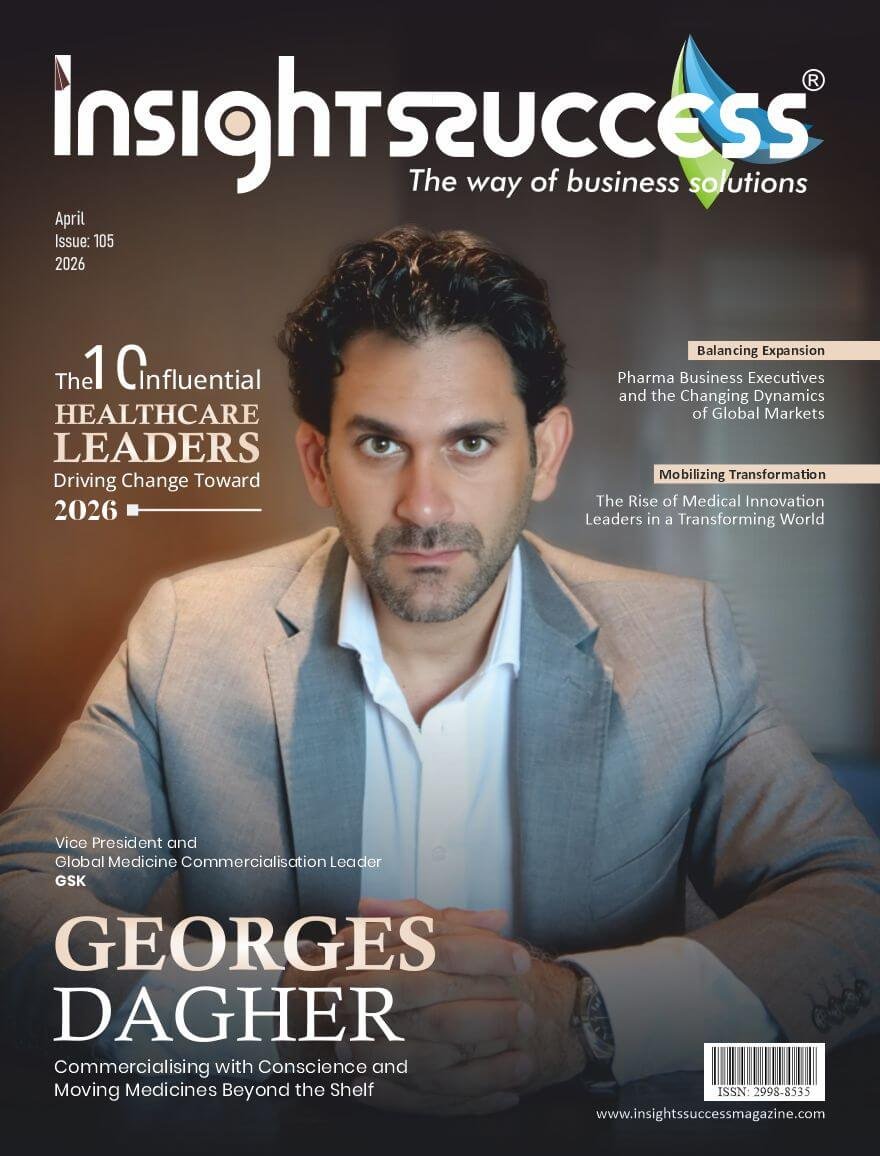
The 10 Influential Healthcare Leaders Driving Change Toward 2026
The 10 Influential Healthcare Leaders Driving Change Toward 2026 Georges Dagher champions purpose-driven commercialization, viewing medicines’ success not in approvals but in patient impact. As a global leader, he bridges science and access, emphasizing trust, ethical responsibility, and local adaptability. His cross-sector experience shapes a strategy where innovation reaches patients effectively, ensuring sustainable value creation and improved health outcomes worldwide. Digital Link Quick highlights Quick reads
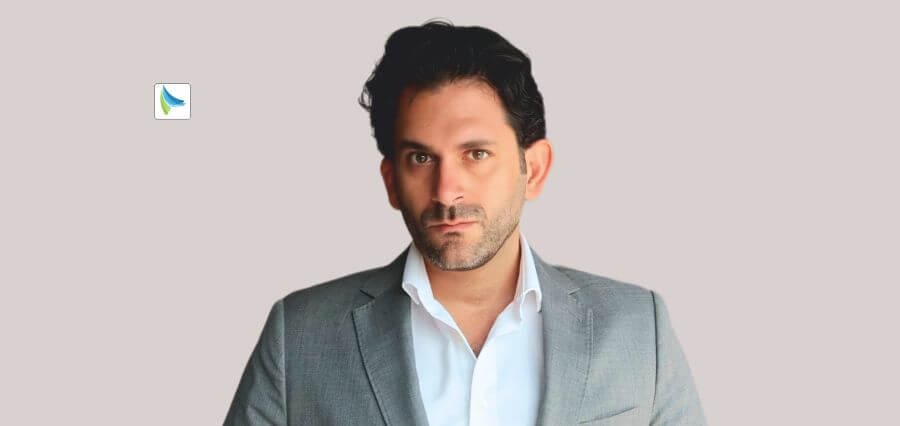
Georges Dagher: Commercialising with Conscience and Moving Medicines Beyond the Shelf
Healthcare is a career path for some people. Georges Dagher discovered his calling in this profession. For him, a product launch, a regulatory milestone, or a line item on a balance sheet are never enough to define success. According to him, a medication that is kept on a shelf has untapped potential. An approval letter is just an authorization to start. The actual finish line is much more intimate; it is the instant a patient gets that treatment, puts it to use, and lives a life that is visibly better as a result of its existence. That conviction, unwavering, purposeful, and profoundly human, shapes the way Georges Dagher leads as Vice President and Global Medicine Commercialisation Leader at GSK. He does not see commercialisation as a business function alone. He sees it as a responsibility: to ensure that innovation travels the full distance from laboratory breakthrough to lived impact. Georges Dagher has built his career across some of the most demanding corners of modern medicine: respiratory disease, HIV, oncology, and vaccines. Each field gave him something different. Respiratory taught him the complexity of chronic care. HIV showed him what stigma does to access. Oncology showed him what urgency feels like when every day counts. Vaccines reminded him that the greatest power in medicine is prevention- stopping a disease before it ever begins. Together, these experiences shaped not just his expertise but his character. A Career Shaped by Real Stakes Georges Dagher did not step into a senior global role and picked up a philosophy along the way. He arrived with one already formed- built over years of working on medicines that genuinely changed outcomes for patients. Among those milestones were first-in-class biologics for severe asthma, medicines that gave patients with limited options a real path forward. He also contributed to long-acting HIV treatments that transformed daily life for people managing a condition that once demanded constant vigilance. These were not incremental upgrades. They were meaningful shifts and being part of them left a mark. “A medicine has no impact until it reaches a patient,” he says. “Commercialisation is the bridge between scientific possibility and human reality.” What it really means is this: no matter how brilliant the science, none of it matters if the person who needs the medicine cannot get it. That gap between the laboratory and the patient is exactly where Georges works. A Licence You Earn, Not Own There is a question Georges Dagher returns to often, and his answer surprises some people. When asked about the right of pharmaceutical companies to exist, he skips the corporate language. He says something direct: “they do not have a right to exist. They have a licence to operate which is earned through trust, integrity, and honest value creation. The moment a company stops earning it, the licence begins to erode.” Georges Dagher has overseen costly changes to packaging that made medicines safer to use. He has pushed for additional clinical trials that added real evidence. He has supported new medicine presentations that served patients better, even when the business case was not immediately obvious. None of these moves maximised short-term profit. All of them built something more valuable: trust and as a result, product preference and long-term sustainable business growth. “The most sustainable commercial strategy in healthcare is simple,” he says. “Do great by doing good.” He adds that this is not naivety. Sustainable access depends on sustainable innovation, which, in turn, depends on a business that remains viable. He holds both truths at the same time, without letting one cancel the other. First you need to make great products. Second, ensure their value is recognized and embedded into a system. Then, continue to act responsibly to sustain the business overtime. Global Thinking, Local Doing According to Georges Dagher , commercializing medicine across more than fifty different countries is both practical and principled. His philosophy is captured in four words: globally guided, locally led. What that looks like in practice is a global framework, built on strong scientific evidence, consistent quality standards, and a clear value story, that holds firm across all markets. That backbone matters. It protects scientific integrity and ensures that the medicine is positioned honestly and consistently everywhere it goes. But within that framework, local teams have real authority. They know their healthcare systems. They understand their patients. They know which conversations to have and with whom. Georges Dagher trusts them to use that knowledge. He has witnessed the consequences of a lack of confidence. Headquarters attempts to oversee every aspect remotely or countries avoiding engagement with the global teams to run their own agenda without seeing the bigger picture. Launch slows down and teams lose confidence. His method makes up for that. Treating all markets equally does not lead to healthcare equity. Giving each market what it genuinely needs to thrive is how it is accomplished. Leading Across Functions, Not Just Teams Commercialising medicine is never one person’s job, or even one team’s. It pulls together scientific affairs, regulatory, market access, manufacturing, supply chain, and commercial execution, all at once, often under significant time pressure. The question is not whether these functions are all performing well individually. The question is whether they are moving together. Georges Dagher is direct about what makes cross-functional leadership work: clear decision ownership. Not consensus for its own sake, not hierarchy for its own sake, but a clean answer to the question of who makes the final call on any given topic. And that person, he insists, should be the most competent for that specific decision, not simply the most senior in the room. He backs this up with shared KPIs, regular alignment meetings, and defined pathways for escalating disagreements before they become delays. The goal is not to eliminate friction. The goal is to make sure friction does not quietly become paralysis. When teams are truly aligned, they do not just move faster. They move smarter. Technology That Serves, Not Replaces Georges Dagher watches the rise of artificial

Balancing Expansion: Pharma Business Executives and the Changing Dynamics of Global Markets
The pharmaceutical industry is experiencing rapid change due to dynamic markets, technological advancements, and ever-evolving regulatory frameworks. Business leaders in the pharmaceutical industry need to develop their abilities to handle multiple challenges while acquiring essential knowledge about upcoming changes that will affect all aspects of drug development, production and distribution. The pharmaceutical industry now explores new methods to develop, collaborate and sell products which create fresh business opportunities that disrupt existing market trends. Executives today are expected to balance multiple priorities simultaneously. They need to achieve sustainable growth while their operations must comply with various regulations and they must handle supply chain risks and speed up their innovation processes. The COVID-19 pandemic brought about rapid transformations because it revealed the flaws in healthcare systems while showing that the industry could quickly adapt and work together to solve problems. Pharma leaders now develop business strategies that build resilience because they understand modern markets will always display unpredictability. Market Shifts The global pharmaceutical market has experienced its most important transformation through the existing market conditions which have shifted from traditional developed economies to emerging markets. Healthcare spending in Asian countries, Latin American nations and several African regions has increased due to their growing middle-class populations and better access to medical care. Pharmaceutical companies encounter new business prospects from these factors, but they must handle involved challenges which impact their pricing, distribution and regulatory obligations. Executives must tailor their strategies to address the unique needs and constraints of these diverse markets. Developing markets now face slower economic growth because patent expirations, pricing pressures and regulatory scrutiny have created economic challenges. The increasing presence of generic and biosimilar products has created greater demand for pharmaceutical companies to develop unique products. Pharmaceutical executives are directing their attention toward three areas which include specialty drugs, personalized medicine and value-based healthcare delivery systems. This business approach needs a shift from sales methods based on product quantity to methods which need proof of clinical and economic value to reach market success. Innovation Pressure The pharmaceutical industry depends on innovation as its fundamental principle, but the nature of innovation is changing. The fields of biotechnology, genomics and digital health have created new opportunities for discovering and developing new drugs. Pharmaceutical executives show growing interest in advanced technologies which include artificial intelligence, machine learning for their potential to accelerate research processes while increasing success rates. This technology enables researchers to identify diseases with greater accuracy while they can categorize patients more effectively and conduct clinical trials in a more productive manner, which leads to decreased expenses and shorter time intervals until product release. The need for innovation creates difficulties which must be overcome. Research and development expenses keep increasing while the probability of failure stays at elevated levels. To reduce their risks, organizations establish partnerships with academic institutions, biotech startups and technology companies through collaborative models. Open innovation ecosystems are becoming more prevalent, allowing companies to use outside knowledge while distributing their operational risks. Executives must manage these partnerships effectively to translate innovation efforts into commercially viable products. Strategic Adaptation Executives in the pharmaceutical industry are adapting their business practices to changing market conditions. The company needs to adopt decentralized decision-making systems because its competitive success depends on both agility and speed. The digital transformation process enables organizations to implement real-time data analytics while improving customer engagement and operational efficiency. The global disruptions which occurred recently have proved that companies which rely on single sources from specific regions for their production materials face major operational threats. Pharmaceutical executives are now expanding their supply networks through investments in domestic production facilities and the implementation of emerging technologies which include automation and blockchain systems to achieve supply chain visibility and operational performance improvements. The organization uses these initiatives to maintain consistent product distribution while fulfilling all necessary regulatory requirements and quality control standards. Conclusion Pharmaceutical business executives need to adapt to changing market conditions which affect their industry. The market environment together with innovation requirements and strategic planning needs has created major transformations which now reshape the industry. The leaders who possess abilities to forecast upcoming developments together with their capacity to manage transformations will achieve success in this complicated situation through their accurate implementation skills. The capacity of pharmaceutical companies to succeed depends on their ability to maintain equal weight between three key factors which include innovation, operational efficiency and corporate duty. Organizations will drive future growth by anticipating market trends and relying on leaders who can effectively guide them through emerging changes. Executives in the pharmaceutical industry must see prospects for expansion in precision medicine and digital health. Organizations need to take preventive actions because they face emerging threats which include rising legal obligations and changing health standards. Read Also : Culture-Driven Leadership in Healthcare
RBC BlueBay Core Plus Bond Fund Wins LSEG Lipper Award Two Years in a Row
Prime Highlights RBC BlueBay Core Plus Bond Fund wins the LSEG Lipper Award for Best Core Plus Bond Fund for the second year in a row. The fund beats 69 competing Core Plus Bond Funds based on risk-adjusted performance over a three-year period. Key Facts LSEG Lipper Fund Awards have recognised top-performing funds for over three decades using independent, quantitative methodology. RBC Global Asset Management manages around CAD 572 billion in assets with 1,600 employees across four continents. Background RBC Global Asset Management-U.S. picks up a prestigious industry honour for the second year running, with its RBC BlueBay Core Plus Bond Fund winning the LSEG Lipper Fund Award for Best Core Plus Bond Fund at a ceremony held in New York City in the second week of March. The fund earns the 2026 award based on its investment excellence over three years, standing out among 69 Core Plus Bond Funds on the basis of risk-adjusted performance for the period ending in late November 2025. The LSEG Lipper Fund Awards use a quantitative and independent methodology to measure fund performance, making the recognition a strong marker of consistent results. Stu Kedwell, Global Chief Investment Officer at RBC Global Asset Management, says the award reflects the dedication and depth of experience within the BlueBay U.S. Fixed Income team. He adds that the team’s active management approach and disciplined investment strategies drive its ongoing commitment to delivering strong and consistent returns for investors. Receiving the recognition for a second consecutive year, he notes, is a significant honour for the entire team. The LSEG Lipper Fund Awards have been recognising top-performing funds and fund management firms for more than three decades, evaluating funds over three-year, five-year, and ten-year periods relative to their peers. RBC Global Asset Management serves as the asset management arm of Royal Bank of Canada. The organization oversees 572 billion Canadian dollars in assets while maintaining a workforce of 1,600 employees across Canada, the United States, Europe, and Asia. The Royal Bank of Canada serves 19 million clients worldwide through its 101000 employees who work in Canada, the United States, and 27 other countries. Read Also: Artemis II Nears Moon as Astronauts Prepare for Key Flyby
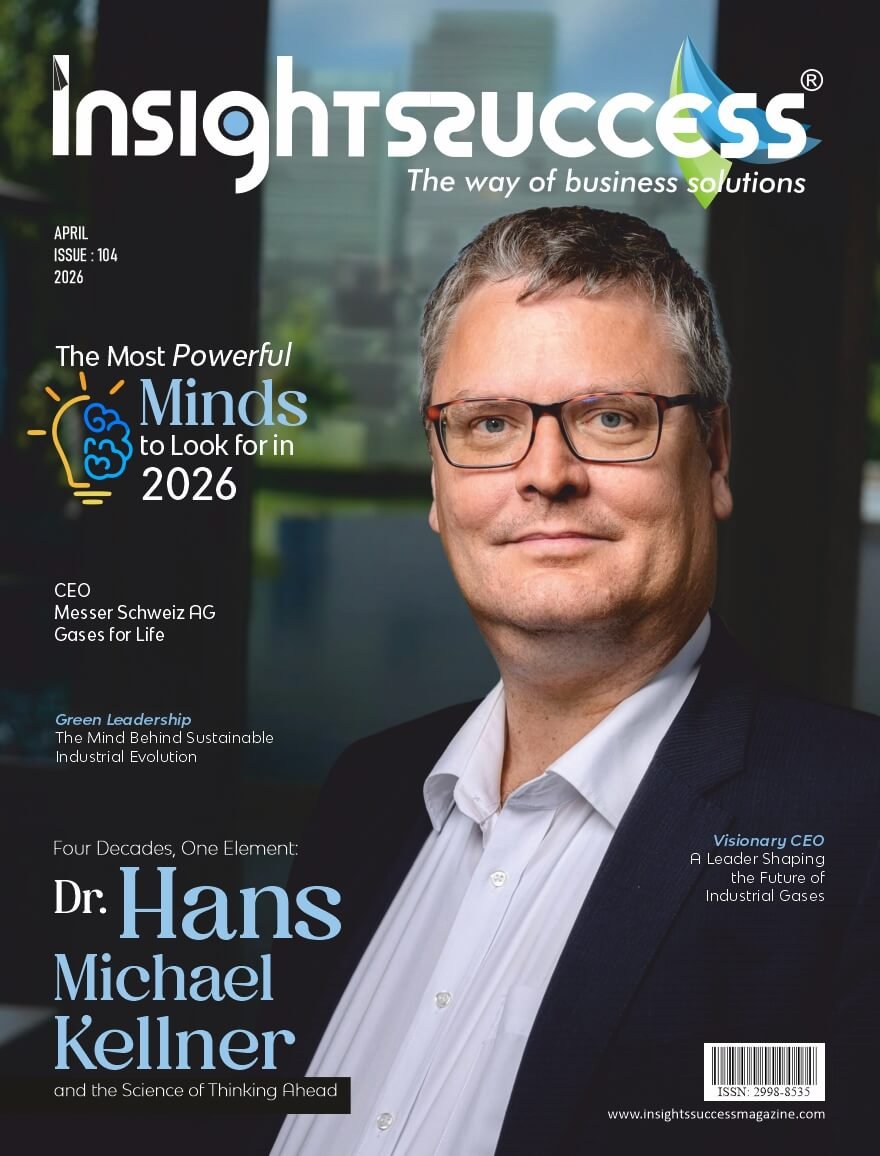
The Most Powerful Minds to Look For in 2026
The Most Powerful Minds to Look For in 2026 An insightful exploration of an exceptional mind, revealing his vision, achievements, and influence, and how his innovative thinking and leadership are driving meaningful change across industries and shaping the future. Digital Link Quick highlights Quick reads
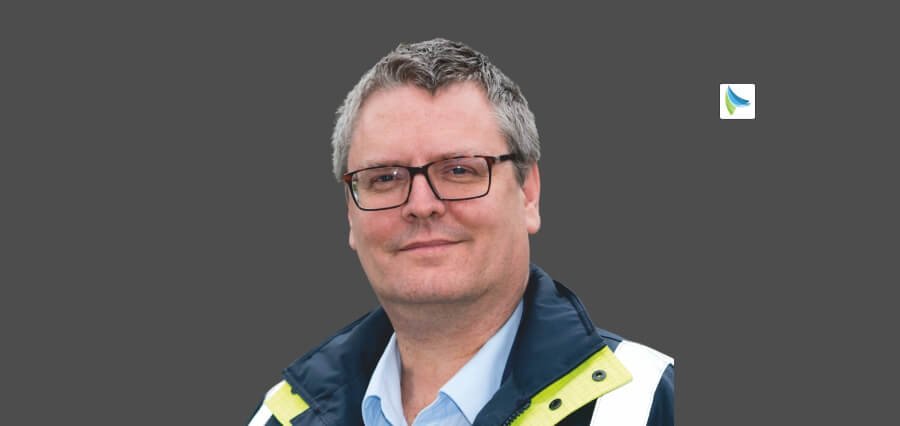
Four Decades, One Element: Dr. Hans Michael Kellner and the Science of Thinking Ahead
There is a photograph that does not exist but should. A young boy in Barcelona, who was in the factory of his father, and was observing the raw material change to something useful. Something that would find its way in the hands of the common people and slowly make their lives better. That picture, in memory genuine though not printed, tells practically all about Dr. Hans Michael Kellner. He had been brought up in industry transforming the world. He made the choice, at a tender age and without even a shade of uncertainty, to continue to do the same throughout his career. Today, as CEO of Messer Schweiz AG, Dr. Hans leads an organization at the precise intersection of industrial heritage and technological frontier. The company of the internationally operating Messer Group, Messer Schweiz, is the largest hydrogen supplier in Switzerland. The company increased its sales twice and its profits almost thrice during the 20 years of his leadership without reducing its workforce. It designed the first hydrogen filling station in the world with metal hydride technology. It invented an industrial hydrogen compressor that consumes no electrical power, has no moving components and presses gas up to 700 bar. And it has accomplished all of this without losing what Hans considers the most asset that the company has a culture where people up actually want to attend. Barcelona to Lenzburg: An Engineer’s Origin Story Hans was born bilingual in Barcelona to German parents. He attended the German School there before his father’s death prompted a move to Germany. The loss arrived just before he finished school. It did not break his direction. It clarified it. He enrolled at the University of Essen to study mechanical engineering in the combined field of energy and process engineering. Part-time work in mining brought him repeatedly into contact with process engineering plants. It eventually led to a diploma thesis on extracting pure oxygen from air through adsorption technology using activated carbons derived from hard coal. That thesis marked his first serious encounter with gases, a subject that would accompany him without interruption for the next four decades. His doctoral thesis followed, grounded in intensive practical experience and producing his first invention. Specializations in food, medical, and specialty gases led to his first patent. A subsequent role as sales manager allowed him to combine technical expertise with commercial intelligence, laying the foundation for the CEO position he would eventually assume. “The possibilities to change or improve something with gases seemed limitless to me. I learned to master their properties and the possibilities of extracting or separating them individually from each other,” he recalls. Applied research, commercial discipline, and relentless curiosity became the signature of everything Hans would go on to build. The Hydrogen Pioneer Messer Schweiz AG has supplied Swiss industry with self-produced hydrogen for more than 70 years. But the company’s hydrogen story accelerated dramatically under Hans’s leadership, through a series of innovations that consistently placed it ahead of both the market and the regulatory landscape. The trajectory began in the 1990s. Messer Schweiz supplied Switzerland’s first fuel cell car, the Esoro, with hydrogen. Next came a mobile hydrogen filling station, built to demonstrate the advantages of a fuel cell municipal sweeper at multiple locations. Then a stationary filling station to supply buses while a client completed its own electrolysis infrastructure. The decisive breakthrough arrived through an unexpected encounter. EPFL in Sion had developed a hydrogen storage system based on metal hydride and presented it jointly to Lonza and Messer. During the presentation, the technology revealed an unanticipated second application: metal hydrides could function not only as storage but as an alternative hydrogen compressor. “Metal hydrides form a chemical bond with hydrogen immediately upon contact at ambient temperatures. If this is done in a closed container, the pressure increases. Electrical energy is not required for compression, even up to 700 bar,” Hans explains. That insight produced the world’s first hydrogen filling station with metal hydride, refuelling Switzerland’s first fuel cell forklift truck. It also produced the world’s first industrial hydrogen compressor with metal hydride for filling hydrogen transport vehicles. Two further inventions followed: a thermal compressor for industrial gases and a fuel-free power generator that converts waste heat into electricity around the clock. At the international Greentech Festival, the private hydrogen filling station was voted one of the three best solutions in its category. Their technologies earned front-page coverage in Switzerland’s largest Sunday newspaper. The company holds the Swiss Arbeitgeber Award certification for 2026, Dun and Bradstreet’s lowest risk company recognition, and the Greentech Festival Top 3 designation. Hans serves as President of the Swiss Industrial Gases Association and Vice-President of Hydropole, the internationally active hydrogen association. Economic Environmental Protection Hans is not a conventional environmentalist. He approaches sustainability with an engineer’s discipline and an entrepreneur’s realism. The combination produces a philosophy he calls economic environmental protection. “Developing sustainable, energy-efficient solutions that remain competitive is my focus. Additional costs are only bearable to a limited extent in a globalized world,” he asserts. He asks a question most innovators skip: what if this solution were implemented worldwide? What downstream problems might it create, and how can those be anticipated today? That question prevents today’s innovations from becoming tomorrow’s burdens, in the same way oil, asbestos, and plastics created problems their inventors never foresaw. His vision extends far beyond Switzerland. He sees emerging economies as entitled to industrial prosperity, but without the environmental cost that Western development extracted. He envisions plastics made from recovered carbon dioxide and surplus hydrogen rather than crude oil. Synthetic natural gas produced through the same processes. Emission-free mobility for populations not yet locked into fossil fuel infrastructure. “Other regions of the world are only at the beginning of their industrialization. They should not have to repeat the same mistakes, but benefit from our progress,” he says. The Leader Behind the Lab Inside Messer Schweiz, Hans runs an organization shaped by values he practices visibly. Once a month, the company holds

The Mind Behind Sustainable Industrial Evolution
Green Leadership The current industrial environment which develops at a fast pace has made Sustainability a crucial element for strategic decision-making. Environmental requirements together with regulatory demands and stakeholder expectations have transformed industries which used to prioritize scale and efficiency as their main focus. The transition has created a new group of leaders who establish different standards for responsible progress and development. The Shift Toward Responsible Industry Industrial growth has historically depended on resource consumption and emissions output. The modern industrial economy now works toward separating economic growth from its environmental effects. Industrial Innovation serves as the essential driving force in this process. Industries can achieve lower emissions through innovative development which includes both cleaner production techniques and new gas technology applications. Hydrogen-based energy systems and carbon capture and combustion processes in their improved form are responsible for bringing about operational changes in industrial environments. The industrial gases which remain invisible to people yet serve as vital components of this transformation enable industries from manufacturing to healthcare and energy to achieve cleaner and safer operational methods. Leadership in the Age of Sustainability Effective leadership in this era requires more than operational expertise. The business needs a long-term vision that shows sustainable development as its main operational framework. Leaders need to achieve two goals which involve managing business success while protecting environmental resources because they have to prevent hindering future development. The primary trait of this leadership style shows itself through its ability to predict future changes. Industry leaders who practice forward-thinking show their dedication to their fields by funding sustainable technology solutions and environmentally efficient business methods rather than just meeting basic legal requirements. The organizations achieve dual objectives by demonstrating their compliance status while establishing themselves as leaders in environmental advancement. Innovation as a Catalyst for Change The role of Industrial Innovation extends beyond technological advancements because it includes both new business models and collaborative ecosystems. The development of sustainable solutions is progressing at an accelerated pace through partnerships between industry players and research institutions and policymakers. The use of hydrogen as an alternative fuel source has been growing in popularity because industries want to decrease their dependency on fossil fuels. Companies achieve better efficiency through industrial gas optimization which also results in reduced carbon emissions. The developments show that Industrial Innovation enables organizations to achieve both economic benefits and environmental sustainability. Challenges on the Path Forward The process of achieving sustainable industrial development faces obstacles. Industrial operations face three main challenges which include high capital expenses and limited infrastructure and changing regulatory requirements. The shift to sustainable systems demands both financial resources and extended dedication from organizations. Sustainability at scale requires organizations to align their entire value chain operations. The three groups of suppliers manufacturers and end-users need to collaborate for developing solutions which deliver both effective results and economic benefits. The process needs effective leadership together with a common goal that all people involved share. Building a Culture of Sustainability Sustainable transformation depends on three elements which include technology, strategy, and organizational culture. Organizations that prioritize Sustainability create a company culture which drives ongoing environmental progress through their entire workforce. The cultural transformation process requires both education and awareness programs as essential elements. The companies establish a sustainable practice through their empowerment of teams with knowledge and tools, which creates a sustainable practice framework for their daily operations. The Road Ahead Industrial Innovation will become more important because industries develop through their ongoing evolution. The combination of new technologies and increased environmental awareness will create a new period of industrial growth. Sustainability exists as an everlasting process which countries must continuously pursue. The leaders who adopt this viewpoint gain superior abilities to handle unpredictable situations while achieving substantial organizational transformation. Industrial Innovation enables them to design systems which achieve operational efficiency and economic success while delivering environmentally sustainable results. This is not just about reducing possible impact by green leadership; this role is about completely molding a green future on new grounds for the first time. Read Also : Culture-Driven Leadership in Healthcare