






Google upgrades Workspace with AI tools to speed up office work
Prime Highlights- Google has upgraded its Workspace platform with new AI features to help users work faster and reduce routine tasks in daily office work. The company has introduced Workspace Intelligence and Gemini-powered tools that help users write, edit, and organize work using simple instructions. Key Facts- Workspace Intelligence works across Gmail, Docs, Sheets, Chat and Drive, and users can control or switch off data access at any time. Google Sheets can now create and fill spreadsheets automatically, with the company claiming it can make data work nearly nine times faster than manual entry. Back ground- Google has rolled out major updates to its Workspace platform, adding new features to help people work faster and more efficiently. The company said the changes will help users cut down on routine tasks and finish daily work more quickly. The updates bring new tools across Gmail, Docs, Sheets, Chat and Drive. Google has introduced a system called Workspace Intelligence, which pulls data from these apps to help users write emails, create documents and organize files. The company said users can control what data the system can access and switch it off at any time. One of the key updates is new smart tools for Google Sheets powered by Gemini. Users can now build spreadsheets using simple instructions and fill in data automatically. Google said this can make spreadsheet work nearly nine times faster by cutting manual entry. It can also turn raw data into neat, organized tables. Google has also upgraded writing tools in Docs. Users can now create, edit and improve documents using basic instructions. The system can also pick up a user’s writing style by learning from past documents and emails. The company said these tools are meant to reduce repetitive work and improve efficiency at the workplace. It added that the tools will help workers spend more time on important tasks instead of manual formatting and data entry. Google is up against other big tech firms also building smart office tools. The company said its edge lies in the wide use of Workspace across workplaces around the world, which makes it easier to roll out new features quickly. Read Also: SpaceX Secures Right to Acquire AI Startup Cursor in $60 Billion Deal
How to Improve Employee Retention in a Competitive Job Market
Keeping good employees has become harder than ever. Companies are competing not just on salary but also on experience, growth and work culture. Many organisations now turn to People Management Courses to understand what truly keeps employees engaged. The idea of Employee Retention is no longer just about reducing exits. It is about creating a workplace where people choose to stay and grow. Managers today must think beyond basic benefits. They need to build trust and value. This blog explains practical ways to improve Employee Retention in a competitive job market. Ways to Improve Employee Retention in Today’s Job Market The following points will help you to improve Employee Retention by creating a workplace where people feel valued and supported: Build a Positive Work Culture There is an important correlation between a healthy work environment and Employee Retention. Respect, fairness and assistance are things that employees value. Leaders who have completed People Management Courses typically have an understanding of how culture influences behaviour and maintains the connection between teams. Offer Clear Growth Opportunities When they imagine a future for themselves in the organisation, employees tend to remain with the company for longer periods of time. Career advancement is a powerful factor that contributes to Employee Retention. The provision of learning routes and internal opportunities contributes to the development of loyalty and commitment over the long term. Recognise and Reward Efforts The act of recognising employees helps them feel valued. Employee Retention can be improved with even a modest amount of gratitude. The confidence of employees increased and they are encouraged to maintain their level of engagement with their work. Improve Communication Open communication between managers and teams helps to establish trust between them. It is important that employees feel recognised and understood. A reduction in confusion and an improvement in Employee Retention are both outcomes of clear communication. This is something that a lot of executives study in People Management Courses. Provide Work Life Balance Balance is something that employees value more than ever before. Burnout and stress are two potential outcomes of working long hours. Both Employee Retention and general happiness can be improved through the implementation of supporting policies and flexible working choices. Invest in Employee Development Giving team opportunities to learn helps to keep them motivated. Programmes of training help increase both one’s talents and one’s confidence. Employees who feel encouraged in their professional development are more likely to remain with an organisation that engages in the practice of providing them with training in People Management. Build Strong Leadership It is more common for employees to leave their supervisors than their organisations. In terms of Employee Retention, the quality of leadership has an important effect. When managers lead with empathy and clarity, they create an environment that is encouraging and helpful for their employees. Create a Sense of Belonging Employees want to feel appreciated and included in their workplace. Emotional connection is strengthened when there is a strong sense of belonging. The use of inclusive policies can make it easier to keep employees and increase team engagement. Use Feedback to Improve Receiving input on a regular basis helps discover problems at an earlier stage. Quick action can be taken by managers as a result of this. Over time, listening to employees helps boost Employee Retention and improve trust between employers and employees. Promote Fair and Transparent Policies In the workplace, fairness is highly valued by employees. When it comes to promotions, salary and performance, having clear policies in place builds trust. When employees believe that choices are made fairly, there is a natural increase in Employee Retention. When managers have a better understanding of this through the use of People Management Courses, they are more equipped to construct a work atmosphere that is trustworthy and transparent. Conclusion It takes persistent work and sincere concern for employees to improve team retention. Policies are only one aspect of it; another is fostering an environment where individuals feel appreciated and supported. Managers are better able to implement these tactics thanks to the knowledge they acquire from People Management courses. Oakwood International recognises that strong Employee Retention supports long-term success. When employees feel valued, they remain engaged, perform better, and contribute more meaningfully to overall business growth. Read Also : Types of Accounting You Should Know Before Starting a Career
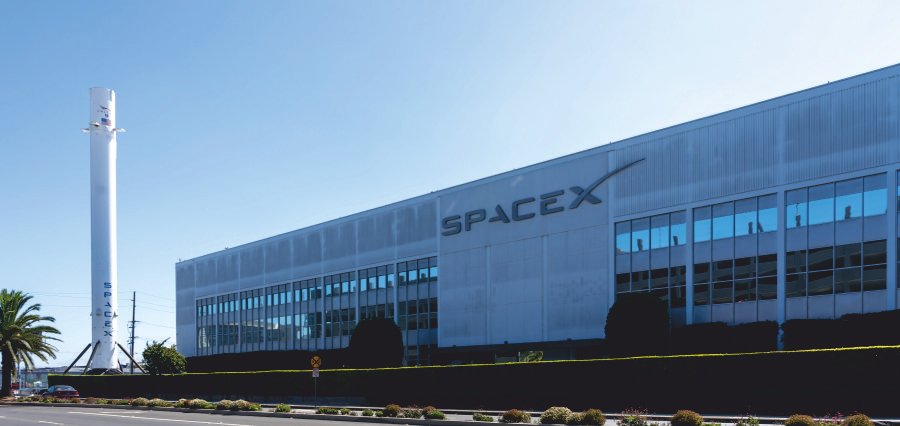
SpaceX Secures Right to Acquire AI Startup Cursor in $60 Billion Deal
Prime Highlights- SpaceX has secured the right to acquire Cursor in a deal worth about $60 billion. The partnership focuses on building advanced coding and knowledge-based technology tools. Key Facts- SpaceX has the option to acquire Cursor’s parent company, Anysphere, within a year, or pay a $10 billion breakup fee. Cursor has crossed $2 billion in annualized revenue but faces strong competition from other tech companies expanding coding tools. Background- SpaceX secures the right to buy coding startup Cursor in a deal worth about $60 billion, making a big move into software development and technology. The agreement comes as the company aims to strengthen its position in the fast-growing AI sector before a planned public listing. Under the deal structure, SpaceX has the option to acquire Cursor’s parent company, Anysphere, within the year. If the company chooses not to complete the purchase, it will pay a $10 billion termination fee for the partnership. The arrangement reflects the scale and strategic importance of the collaboration. SpaceX said both companies will work together to build advanced AI tools focused on coding and knowledge work. Cursor, which has grown rapidly since its launch in 2022, will use SpaceX’s computing resources to improve its AI coding system. The startup’s tools are already used by software engineers to improve productivity and support coding tasks. Cursor’s revenue has grown strongly, crossing $2 billion in annualized earnings. However, the company faces strong competition as big tech labs expand their coding tools. The partnership with SpaceX is expected to support further development and expansion. SpaceX is growing its technology work by bringing together space, digital systems, and infrastructure projects. The company is also raising its spending on computing and tech systems to support future growth. The deal shows rising competition in advanced technology and strengthens SpaceX’s position in the global tech market. Read Also: Google upgrades Workspace with AI tools to speed up office work

What Homeowners Should Prioritize During Major Renovations
Major home renovations can be exciting, but they also require careful planning and smart decision-making to avoid costly mistakes. Homeowners often focus on design upgrades while overlooking essential elements that impact safety, efficiency, and long-term value. Prioritizing structural integrity, system upgrades, and functional improvements ensures that the renovation delivers lasting benefits. It is equally important to address hidden areas of the home that may not be immediately visible. These areas still play a critical role in overall performance. For instance, aspects like basement electrical wiring should be evaluated early to ensure the home meets modern safety standards and supports future energy needs. In this article, we will explore what homeowners should prioritize during major renovations to achieve the best results. Setting Clear Renovation Goals and Budget Before beginning any major renovation, homeowners should define clear goals and set a realistic budget. Identifying priorities, such as improving functionality, boosting property value, or enhancing aesthetics, guides decisions effectively. A well-planned budget must include materials, labor, permits, and a contingency fund to manage unexpected expenses. Carefully researching costs and comparing estimates from multiple contractors can further improve budgeting accuracy and prevent costly surprises. Fortune reported that nearly 80% of homeowners exceeded their renovation budgets, highlighting how common poor financial planning can be. The report also noted that about two-thirds took on debt to complete projects. This underscores the importance of setting clear goals and establishing a realistic, well-structured budget before starting. Focusing on Structural Integrity First Residential Design reported that nearly 60% of owner-occupied homes in the US were built before 1980. About 35% were constructed before 1970, indicating aging structures. This makes addressing foundational and structural issues essential. Addressing structural integrity, including the foundation, framing, roofing, and building envelope, is the most critical step in any renovation. Ignoring issues like leaks or cracks for cosmetic upgrades can lead to costly consequences. Prioritizing these “invisible” repairs ensures safety, durability, and protects all future investments. Upgrading Essential Systems and Infrastructure Prioritizing vital utility systems during major home renovations is essential for long-term project success. Homeowners should carefully review plumbing, HVAC, and electrical systems for outdated or weak components. Replacing unsafe installations reduces risks and breakdowns. It also enhances the performance, efficiency, and long-term reliability of the home. It is equally important to address often overlooked areas like basement electrical wiring, which can pose hidden safety risks if ignored. Ensuring these systems meet modern standards improves safety and efficiency. This approach helps create a reliable home while preventing costly future repairs. Table Mountain Electric advises that basement wiring must comply with the National Electrical Code (NEC) and local codes. Moisture-prone areas require GFCI protection. This includes unfinished spaces, laundry zones, and areas near sinks. GFCI outlets shut off power during faults, helping prevent electric shock and improving overall safety. Improving Energy Efficiency and Sustainability The US Department of Energy highlights that commercial and residential buildings consume 40% of the nation’s energy. Consequently, the average American wastes $200 to $400 annually due to drafts and outdated systems. Addressing these leaks and HVAC inefficiencies during your renovation is essential. A few strategic upgrades directly convert wasted expenditure into long-term household savings. Prioritizing high-performance windows and insulation reduces your carbon footprint while slashing monthly costs. Choosing sustainable materials like reclaimed wood preserves resources and adds unique character. These upgrades ultimately transform your home into a high-functioning, comfortable asset. Investing in efficiency ensures year-round comfort and significant long-term financial savings. Enhancing Functionality and Space Utilization Beyond aesthetics, successful renovations must improve how you inhabit your space. Enhancing functionality involves rethinking underused areas and optimizing layouts to support your lifestyle. Smart storage and multi-purpose rooms make a home feel larger without increasing its physical footprint. These strategic changes ensure your floor plan serves your daily needs. Fortune Business Insights reported that functional renovations dominate the market in 2024, driven by demand for improved efficiency and usability. Upgrades like kitchens, bathrooms, and energy systems enhance comfort and value. The segment is expected to grow further, gaining an additional 0.04% market share by 2026. Hiring the Right Professionals and Ensuring Compliance Skilled architects, contractors, and licensed specialists bring expertise that helps avoid costly mistakes and ensures efficient project execution. Homeowners should conduct thorough research, check references, and verify credentials before making hiring decisions. Equally important is ensuring compliance with local building codes, permits, and safety regulations, which protect both the property and its occupants. Non-compliance risks substantial fines, project delays, or the necessity for costly rework. Working with experienced professionals and following legal standards helps homeowners streamline renovations, maintain quality, and ensure long-term reliability, safety, and overall peace of mind. Frequently Asked Questions Should homeowners move out during major renovations? Moving out is often recommended to avoid the noise, dust, and daily disruptions of a construction zone. It significantly accelerates the contractor’s timeline and protects your mental well-being. Ultimately, your decision depends on the project’s scale and your tolerance. Can renovation projects increase property taxes? Major renovations often trigger property tax reassessments, as significant improvements typically increase a home’s market value. Local assessors usually update tax records once permits are finalized for structural or functional upgrades. Budgeting for these potential long-term cost increases is essential. How should homeowners handle disputes with contractors? Homeowners should address disputes with contractors through clear communication and documented agreements. Reviewing the contract and keeping records of work and payments helps resolve issues. If conflicts persist, mediation, arbitration, or legal advice can ensure a fair and structured resolution. Prioritizing What Truly Matters A major renovation is an investment in both your lifestyle and your financial future. By prioritizing structural integrity and essential infrastructure over fleeting aesthetic trends, you ensure your home remains a secure asset. Integrating energy-efficient upgrades and functional layouts further enhances daily comfort while boosting long-term resale value. Remember that a disciplined budget and clear goals are your best tools for navigating complex projects. Ultimately, a well-planned renovation transforms your living space into a high-performing sanctuary tailored to your needs. Read Also : How Changing

How Changing Weather Is Reshaping the Way We Maintain Our Homes
The way we think about home maintenance is shifting, and climate has a lot to do with it. Weather is becoming more unpredictable, and changes feel faster than before. To cope, many homeowners are turning to more durable materials. Stone-coated steel roofing is gaining attention for its strength and impact resistance, while weather-resistant coatings and reinforced siding are becoming common for walls. These choices are meant to last longer, but even the strongest materials aren’t immune to repeated exposure. That’s why maintenance can’t be delayed anymore. Whether it’s stone-coated steel roof repair or restoring exterior wall finishes, changing weather is pushing homeowners to act earlier and stay consistent with upkeep. Instead of focusing on quick fixes, they are starting to make more deliberate, long-term decisions shaped by the growing impact of extreme weather. Weather Is Revealing Where Homes Fall Short Homes were once built around relatively stable climate patterns. That assumption no longer holds. According to the World Meteorological Organization, the Earth’s climate is now more out of balance than at any time in observed history. This is largely driven by rising greenhouse gases that are heating the atmosphere, oceans, and ice systems. This imbalance isn’t just a scientific concern. It shows up in the form of more intense heat, heavier rainfall, and stronger storms that place greater stress on buildings. Events that were once occasional are becoming more frequent, and in many cases, more severe. Roofs, in particular, are feeling the impact. What might have been a minor leak earlier can now worsen quickly under sustained rain or repeated weather exposure. Heat also plays a role, gradually weakening materials and making them more vulnerable during storms. As these patterns become more common, homeowners are beginning to see maintenance differently. It is no longer just about wear and tear over time. It is about whether a structure can handle increasingly unpredictable conditions. This is why more people are inspecting and reinforcing exposed areas more regularly, focusing on resilience rather than routine upkeep alone. Maintenance Is Shifting from Reactive to Preventive There’s a clear shift in how homeowners are approaching maintenance, and rising costs are a major driver behind it. The gap between early action and delayed response is no longer minor. It’s substantial enough to influence decisions. According to findings reported by 2News Oklahoma, small issues can escalate quickly when ignored. Roof repairs that might cost between $200 and $800 can turn into $15,000 to $50,000 problems over time. A $150 leaky pipe repair can lead to nearly $7,000 in water damage if left unaddressed. The contrast becomes even clearer when looking at overall spending. Preventive maintenance typically costs around $100, while emergency repairs average more than $1,200. These numbers are changing how people think. Maintenance is no longer just a routine task that can be postponed. It is increasingly seen as a way to control long-term costs and reduce risk. More homeowners are beginning to act earlier, focusing on smaller fixes before they grow into larger, more disruptive problems. Material Choices Are Becoming More About Durability Climate pressure is changing not just how homes are maintained, but also what they are made of. Homeowners are becoming more selective, leaning toward materials that can handle repeated stress rather than just keeping initial costs low. Research highlighted by the Chicago Tribune points to a clear shift ahead. Studies suggest that larger, golf ball-sized hail could become more frequent as climate patterns change. That kind of impact goes beyond surface damage. It can weaken roofing layers over time, reduce material lifespan, and lead to recurring repair cycles, especially in regions where hail is already common. This is where material choice starts to matter more. Traditional options that performed well under milder conditions may not hold up the same way when exposed to repeated impact and wider weather fluctuations. As a result, homeowners are paying closer attention to durability, especially for areas that face direct exposure. Roofing stands out in this shift. Instead of relying on repeated fixes after each storm, some are considering longer-term solutions like stone-coated steel roof repair in regions prone to hail. According to Restoration Contractors, it reflects a growing focus on reducing repeated damage, limiting disruptions, and maintaining stability over time. Energy Use and Climate Adaptation Are Becoming Linked Climate change isn’t just about visible damage. It’s also changing how efficiently homes operate day to day. As temperatures rise and heatwaves last longer, homes that aren’t well insulated or ventilated end up using far more energy just to stay comfortable. At the same time, energy itself is becoming more expensive. NPR reports that electricity prices have jumped about 40% since 2020, rising faster than the overall cost of living. In fact, residential electricity rates are now increasing roughly twice as fast as inflation. This is driven by higher demand, grid upgrades, and the growing energy needs of technologies like AI. This is where maintenance starts to overlap with efficiency. Sealing gaps, improving insulation, and maintaining airflow are no longer small upgrades. They directly affect how much energy a home consumes. Roofing plays a role here as well. A well-maintained roof helps regulate indoor temperatures and reduces strain on cooling systems. As costs rise, more homeowners are starting to see maintenance as a way to manage energy use and control long-term expenses. FAQs What is the most costly repair on a house? Major structural repairs are usually the most expensive in a home. Foundation damage or full roof replacement can cost tens of thousands of dollars. These issues often worsen over time, especially when early warning signs are ignored or maintenance is delayed. What to do after water damage in the house? Start by stopping the water source and removing excess moisture quickly. Dry affected areas using fans and dehumidifiers to prevent mold growth over time. Then inspect for hidden damage and consider professional help to safely repair structural or electrical issues. What does extreme heat do to a house? Extreme heat can cause materials to expand and

How Can a Business Create a Wellness-Focused Culture
Prolonged work hours and deadlines make life hard for employees, and poor posture makes things even worse. According to Sage Journals, office workers are seated for roughly two-thirds of their workday. Unfortunately, this prolonged sitting, coupled with poor posture, minimal breaks, and a more sedentary lifestyle, has been associated with lower back pain (LBP). Many people end up seeking help from a full-service chiropractor to address pain and correct their posture. In such a situation, emphasizing well-being becomes essential for employers. It goes beyond perks and is about embedding a mindset into your leadership and daily practices. With employee wellness initiatives, you can help your team feel more energized, valued, and prepared to excel. When you consider your employees’ health, you create a work environment that feels more supportive and sustainable in the long run. This article examines tactics companies can use to cultivate a culture that emphasizes wellness and well-being. Implement Flexible Work Arrangements The World Economic Forum states that businesses implementing flexible work arrangements often see a boost in worker satisfaction, retention, and productivity. When employees can control their work schedules and methods, they tend to be more engaged, dedicated, and efficient. It is a win-win for everyone involved. Such flexibility helps lower stress and prevent burnout. It also shows your team that you have faith in their ability to manage their time effectively. When they have this level of freedom, it often leads to better focus as they can work in a way that aligns with their natural productivity rhythms. Consider offering choices such as remote work, hybrid schedules, or flexible hours, depending on the position. It is equally important to set clear expectations to ensure that productivity and accountability remain high, even as flexibility increases. Combining structure with freedom creates a nurturing environment where employees feel valued. Create an Ergonomic Physical Space According to Forbes, ergonomics aims to enhance the connection between the worker and their workspace. It promotes better health, well-being, and productivity. Setting up a workspace with an ergonomically designed desk, chair, and computer monitor can prevent issues such as back, neck, wrist, and shoulder pain. Designing the workplace to promote comfort, alleviate strain, and prevent long-term health problems makes a significant impact. You can enhance your office environment by regularly checking in on the setup and making changes based on your employees’ requests. Consider adding standing desks, monitor risers, or even some quiet areas for focused work and relaxation. When you invest in well-organized workstations, you demonstrate that your team’s physical well-being is just as important as their output. A comfortable environment helps everyone stay energized and engaged throughout the day. In the long run, this fosters a workplace where people feel appreciated, supported, and ready to give their best every day. Provide Comprehensive Health Support Fostering a wellness-centered culture in your business includes offering robust health support. It means considering the full spectrum of physical and mental health needs your employees might have. Think about offering quality health insurance, access to preventive care, and tools that help your team manage stress and maintain their well-being throughout the year. According to Governor’s Park Chiropractic, chiropractic solutions are often regarded as the safest treatment options available for lifestyle improvement. You can make a real difference by introducing employee assistance programs, wellness check-ins, and awareness sessions that inspire healthier lifestyles. When you guide your employees to prioritize early care and regular health management, you reduce long-term absenteeism and enhance overall productivity. Over time, this creates a work environment where individuals feel supported and assured that their health is a priority throughout their career journey. Lead by Example Indeed notes that leading by example is a leadership approach that emphasizes the importance of demonstrating behaviors for others to follow. You need to develop social skills such as active listening, empathy, and emotional intelligence. When experienced leaders embody these qualities, they inspire those around them, making these behaviors spread naturally. It benefits the leader and fosters growth for everyone in the team. As a business owner, your habits, decisions, and overall attitude toward well-being set the standard for everyone in the organization. When you prioritize your own health, manage your workload responsibly, and respect boundaries, your employees are more likely to do the same. This way, wellness transforms from a mere policy into something real and actionable. You can enhance this approach by actively promoting healthy work habits, taking breaks when necessary, and encouraging your team to do the same without feeling guilty. When you demonstrate that rest, balance, and mental well-being are important, you foster a safe and supportive atmosphere. Over time, this builds trust and inspires employees to embrace healthier habits. FAQs Why does work culture matter to employees? Employees care about work culture since it plays a crucial role in their motivation, well-being, and performance. A positive work environment nurtures trust, respect, and teamwork, making individuals feel appreciated and supported. It also helps to minimize stress, enhance job satisfaction, and promote long-term loyalty, enabling employees to develop and succeed in their roles. How to handle burnout at work? Setting clear boundaries between your work and personal time is crucial. You must prioritize your tasks and take regular breaks to regain your energy. It is also important to communicate openly with your managers if you are feeling overwhelmed. You must get enough sleep, exercise, and maintain a healthy routine. Furthermore, you can rethink your obligations to rejuvenate if you are still feeling burned out. How to keep your employees motivated? You must set clear goals so that employees know exactly what success looks like. Regularly recognizing and rewarding achievements helps reinforce positive behavior. Providing chances for learning and growth can keep the work atmosphere lively and engaging. Moreover, supporting work-life balance and fostering a positive environment where employees feel valued, trusted, and empowered is essential. Fostering a wellness-oriented culture is all about how you engage with your people daily. Centering care, respect, and balance in your business, create something that lasts well beyond immediate

A Guide to Selling Real Estate to Retired Couples
Selling real estate to retired couples requires a thoughtful approach. After all, their priorities often shift away from growth potential toward comfort and long-term livability. For instance, the Denver Gazette reports the Denver metro housing market is experiencing significant growth. Homes are selling quickly, with the median days on market dropping to just 16 days. Now, if you’re trying to sell a Denver house to a retired couple, you can promise them good resale value. However, many seniors or retired people struggle with mobility issues. So why not tell the couple that the best chiropractic adjustment in Denver awaits their arrival and is located just around their house? And if your clients have mobility issues, they are bound to be interested in the property. Therefore, your job is to present the property as a place that supports those goals clearly and convincingly. Here’s how. Understand Their Lifestyle and Priorities According to the National Association of REALTORS, Baby Boomers remained the top home buyers in 2025. This group, many of whom are approaching retirement age, possesses high mobility and significant housing equity. This allows them to easily purchase new homes. While this is good news for realtors, remember that retired couples are not just buying a house. They are shaping their daily lives for years ahead. Many are downsizing, simplifying, or relocating to areas that better suit their pace and interests. This means your approach should focus less on future resale value and more on present comfort. You should highlight features that reduce effort and increase enjoyment in everyday living. Single-level layouts, minimal maintenance, and quiet neighborhoods tend to stand out strongly. Outdoor spaces that are easy to manage can also appeal without overwhelming them with responsibility. It is also important to recognize emotional factors that influence their decisions significantly. When you speak to those feelings, your message becomes far more persuasive and relatable. Focus on Comfort and Accessibility Features Comfort is often at the top of the list for retired couples when evaluating properties. They want a home that supports their physical needs without requiring major adjustments later. This is where accessibility features become extremely valuable during the selling process. Wide doorways, step-free entrances, and walk-in showers can make a strong impression immediately. Even small details like good lighting and easy-to-reach storage areas can add meaningful value. These features reduce strain and help buyers picture themselves living comfortably long term. You should present these elements as lifestyle upgrades rather than just structural benefits. When buyers see how a home simplifies daily routines, they become more emotionally invested. That emotional connection often plays a major role in their final decision. Highlight Nearby Healthcare and Wellness Options Access to healthcare and wellness services is a major consideration for retired buyers making long-term decisions. They want reassurance that support is available whenever needed without long travel times. This factor can heavily influence whether a property feels suitable or not. You should mention nearby clinics, hospitals, and wellness centers in a natural and reassuring way. The goal is to show that the location supports a healthy and balanced lifestyle. When buyers feel secure about their access to care, they become more confident overall. For example, proximity to providers offering chiropractic care can be a strong selling point for many couples. Services like chiropractic adjustment can support mobility and reduce everyday discomfort. According to the Denver Integrated Spine Center, most patients experience almost immediate relief after getting a chiropractic adjustment. The relief often lasts several weeks. When you highlight these options clearly, buyers see added value beyond the property itself. Emphasize Community and Social Opportunities Retirement often brings more free time, which many couples want to spend socially and actively. However, an AARP survey shows nearly a quarter of adults over 50 socialize less than once a week. This occurs despite the known benefits of staying connected with others. Many seniors are missing out on these vital social interactions. Properties located near vibrant communities can become much more attractive because of possible community building and socializing prospects. You can highlight nearby community centers and social events that encourage interaction and engagement. Many retirees appreciate opportunities to meet people and build new friendships in their surroundings. This helps prevent isolation and creates a stronger sense of belonging. Mentioning walkable areas, parks, and casual gathering spots can also strengthen your pitch. These features show that the property offers more than just shelter. It offers a connected and fulfilling way of living that aligns with their stage in life. Showcase Easy Maintenance and Long-Term Practicality Maintenance becomes a bigger concern as people age and want fewer responsibilities. Retired couples often look for homes that will not demand constant upkeep or expensive repairs. This is where you can position the property as a stress-free choice. Talk about durable materials, updated systems, and features that reduce the need for frequent maintenance. A newer roof, modern appliances, and efficient plumbing can all provide peace of mind. These details reassure buyers that they will not face unexpected burdens. You should also emphasize practicality in everyday living situations. Homes that are easy to clean, manage, and operate tend to stand out clearly. When buyers see that a property supports a relaxed lifestyle, it becomes far more appealing. FAQs Do retired couples invest in real estate? Yes, many retired couples invest in real estate for steady income and long-term security. Rental properties or downsized homes can provide cash flow. However, choices often depend on risk tolerance, maintenance effort, and the desire for simplicity during retirement. What type of housing do retired people look for? Retired people often prefer low-maintenance, accessible homes with fewer stairs and safety features. Smaller properties, retirement communities, or single-level homes are popular. Proximity to healthcare, family, and essential services is also an important factor in their decision. Why is it difficult to sell homes to retired people? Selling to retirees can be difficult because they are cautious with spending and prioritize long-term comfort. They often have specific needs and

How Not to Lose Money When Investing in Tech Companies
Investing in tech companies can feel exciting, fast-paced, and full of promise, especially when headlines highlight massive success stories. At the same time, it can quietly drain your money if you move without a clear plan or understanding. For instance, earlier in February, top tech stocks have dropped sharply this year as investors doubt AI spending returns. As Yahoo reports, Microsoft shares fell 17%, erasing over $600 billion in value due to rising competition and AI risks. Concerns over heavy capital expenditures are causing major pullbacks in valuation for sector leaders. Many investors jump in too quickly, chasing trends rather than focusing on long-term value and sustainability. As a result, they often end up investing in companies that might eventually lose money over poor business decisions made in the past. The truth is that tech investing rewards patience, research, and a bit of skepticism toward hype. You do not need to be a genius to succeed, but you must stay disciplined and thoughtful. In this article, we will walk through a few practical tips that can help you avoid unnecessary losses. Focus on Understanding the Business, Not Just the Buzz One of the biggest mistakes people make is investing in companies they do not truly understand. It is easy to get pulled in by trending technologies, flashy announcements, and confident founders making bold promises. However, if you cannot clearly explain how a company makes money, you are taking a risky gamble. Take NFTs as an example. Remember how companies were pouring investor money into these digital assets? The hype around NFTs was real, till it wasn’t. NFT trading volumes plummeted in 2024, falling 19 percent to nearly $14 billion. According to Yahoo, this represents the market’s lowest activity level recorded since 2020. The digital asset class faced a significant decline compared to previous years. Strong tech companies have clear revenue models and investment approaches. They work with realistic growth plans and develop products that solve actual problems for customers. When you understand these basics, you can make decisions based on logic rather than excitement. Take time to read company reports, listen to earnings calls, and study their competitors carefully. This extra effort helps you spot warning signs that others might ignore during hype cycles. You will also become more confident in holding your investment during market swings. A company with real value tends to recover even after temporary setbacks. Invest in Companies from Countries That Actively Support Innovation Countries that prioritize tech development often build strong ecosystems around startups, including research institutions and skilled talent pools. This creates a cycle of innovation that benefits both companies and investors. When evaluating international opportunities, it is worth considering how much support the government provides. A supportive environment can make a significant difference in how companies perform. A great example is Israel, where startups receive structured support through programs like the Israel Innovation Authority’s funding grants. These grants help early-stage companies cover research, development, and scaling costs without relying entirely on private investors. You might wonder, but why invest in Israel, and the answer lies in its consistent track record of innovation. Some people even say Israeli startups guarantee returns, especially startups in the Israeli tech sector, though no investment is ever truly guaranteed. The country is also known for Israel’s AI solutions, which continue to shape the global tech market. The Israeli AI landscape attracts talent and funding from around the world, making Israeli startups highly competitive. This combination of support and innovation creates opportunities that many investors find hard to ignore. Pay Attention to Valuations Before You Invest Many investors lose money because they buy into companies that are priced far above their actual worth. High valuations often come from excitement rather than solid financial performance. When expectations become unrealistic, even a small disappointment can cause stock prices to drop sharply. This is especially common in the tech world, where innovation creates constant hype. Paying attention to valuation metrics helps you avoid overpaying for future growth that may never happen. Look at key indicators like price to earnings ratio, revenue growth, and profit margins before making a decision. These numbers give you a clearer picture of whether a company is reasonably priced or dangerously inflated. Diversify Across Different Tech Segments Putting all your money into one tech company or one sector can quickly backfire when conditions change. The tech industry includes many segments, such as software, hardware, artificial intelligence, cybersecurity, and cloud computing. Each of these areas reacts differently to economic shifts, regulations, and consumer trends. By spreading your investments across multiple segments, you reduce the impact of a single failure. For instance, investing in AI companies is all the rage right now, and you can invest in this sector as well. But why not invest in something else, like data center GPUs? Grand View Research notes that globally, the data center GPU market, as of 2024, is valued at almost $14.5 billion. It is projected to reach $190.10 billion by 2030, representing significant growth for the industry. This also means data center GPU companies deserve your attention if you’re looking to diversify your tech investments. Diversification does not eliminate risk, but it helps manage it more effectively over time. Think of diversification as a way to balance opportunity with protection. Some sectors may grow rapidly, while others provide stability during uncertain periods. When one part of your portfolio struggles, another may perform well and soften the impact. FAQs Which tech is risky to invest in right now? Risky tech investments often include early-stage startups, unproven AI tools, and highly speculative sectors like new cryptocurrencies. These areas can be volatile and lack stable revenue. High competition and rapid change increase uncertainty, making thorough research and diversification especially important. Why do tech companies regularly need investors? Tech companies need investors because development, research, and scaling require significant capital. Many operate at a loss early while building products and user bases. External funding helps cover costs, support innovation, and sustain growth until

The 10 Data Center Executives Defining the Future in 2026
The 10 Data Center Executives Defining the Future in 2026 Chris Clarkson exemplifies enduring leadership by combining deep technical expertise with commercial acumen. A Principal Consultant at double c consultants, he bridges engineering and business realities, guiding complex decisions with clarity, resilience, and integrity. His approach consistently aligns innovation with practical outcomes and long-term value creation for clients globally today. Digital Link Quick highlights Quick reads

Chris Clarkson: Architecting Trust and Engineering Truth and Commercial Clarity
The fastest processor, the fastest deployment, or the most innovative concept are all celebrated by the tech industry. Staying power, however, is something it hardly ever honours. It is a distinct kind of accomplishment to be able to endure decades of change and yet be truly valuable. It calls for more than just technical expertise. It necessitates understanding how people operate, how transactions are completed, and how to maintain your composure in the face of intense buzz. In the IT industry, very few professionals acquire all of these traits. Among them is Chris Clarkson. Chris Clarkson serves as Principal Consultant at double c consultants. He has spent over 35 years in the IT industry, and the phrase he uses to describe himself, “a technologist turned deal maker,” tells you almost everything about how he works. He began his career deep inside the machines. He ended up at the table where the big decisions are taken. And unlike most people who make that journey, Chris Clarkson never left either world behind. He carries both with him into every room he enters. From the Engine Room to the Boardroom Chris Clarkson did not build his career on theory. He started where the pressure is real- in high-performance computing, a discipline where the margin for error is thin and the consequences of a wrong call are immediate. Understanding thermals, latency, and power economics was not an intellectual exercise for Chris. It was the daily reality of his work. That grounding shaped the way he thinks about every technology decision he encounters today. As his career progressed, so did the scope of his responsibilities. Chris Clarkson moved from hands-on engineering into managing hardware, software, and professional services business units. He developed and led business plans, shaped sales and marketing strategies, and sat across the table from some of the most demanding negotiators in the industry. Each chapter added something new to Chris’ toolkit- not just skills, but judgment. The kind of judgment that only comes from having made real decisions with real consequences. By the time he established himself as Principal Consultant at double c consultants, he had accumulated the kind of experience that cannot be taught in a workshop or picked up from a business book. It had to be lived. And it shows in everything he does. Leading with Technical Empathy If you ask Chris Clarkson what shapes his work, he will bring up a concept he calls ‘Technical Empathy’. It is a leadership framework he has spent decades developing, and it starts with one clear rule: commercial ambition must never get ahead of engineering reality. He has watched too many deals fall apart; not because of bad intent, but because someone moved too fast and skipped the hard questions. Chris Clarkson does not make that mistake. The framework has three parts. The first is ‘Engineering Integrity’. Before a pricing conversation even begins, Chris Clarkson makes sure the architecture can actually hold up under the workload. If it cannot, nothing else in the deal matters. The second is ‘Bidirectional Translation’- his ability to speak both languages fluently. He takes engineering constraints into commercial meetings and business realities into technical ones. Both sides end up working from the same honest picture, which makes the whole process smoother and safer. The third is ‘Failure-Mode Forecasting’. He maps out what happens downstream when shortcuts get taken- the outages, the cost overruns, and the reputational damage. When clients see that picture clearly, doing things properly stops being a burden and starts being common sense. This is not a framework that lives on a slide deck. It is the way Chris actually works, every day, with every client. Rewriting the Story of the Data Centre There is a conversation happening in the data centre industry right now, and Chris Clarkson is one of the people driving it. The old way of describing these facilities- floor space, power capacity, and cooling density, is no longer good enough. It undervalues what data centres actually do, and it limits how organisations think about their own infrastructure. Chris Clarkson is working to change that. He positions the modern data centre not as real estate with servers in it, but as the central nervous system of the global economy. Chris helps clients to stop thinking in square metres and to start thinking in terms of sovereignty, resilience, and economic impact. Compute becomes national infrastructure. AI factories become productivity engines. GPU clusters become strategic assets. This shift in language is not just cosmetic; it opens doors to better customers, stronger government relationships, and a seat at the table alongside energy, transport, and water as critical national infrastructure. The organisations that are making this shift are realizing that it changes everything- from who they attract as clients to how seriously policymakers take them. Chris Clarkson is not just advising on this. He is leading it. Knowing the Difference Between a Wave and a Ripple Every few months, something new arrives in the technology industry that everyone says will change everything. Most of it does not. Sorting the genuine shifts from the expensive distractions is one of the most important and one of the hardest things a consultant can do. Chris has built a way of doing it that draws directly on his engineering background. He puts every emerging technology through three filters. The first is Physics. If something contradicts the basic rules of thermodynamics, latency, or power economics, it is a fad- no matter how convincing the pitch. The second filter is Procurement Cycles. If CIOs cannot build a realistic five-to-ten-year budget around something, it is not ready for serious investment. The third is Ecosystem Commitment. When hyperscalers, chipmakers, and regulators all start moving in the same direction at the same time, that is a structural shift worth paying attention to. This approach has a proven record. Chris Clarkson saw the rise of GPU-accelerated high-performance computing before most of the industry did. He called the end of monolithic storage at a time when