





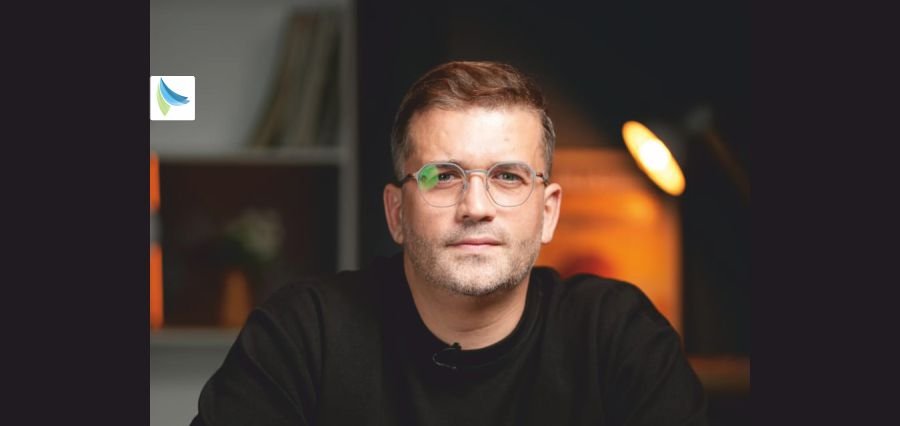
Ahmad Kazem: An Architect of Resilience Steering Modern Hospitality Through Turbulent Times
In the high-stakes arena of global hospitality, where ephemeral moments become lasting memories, there are leaders who don’t just manage properties, they cultivate experiences. Step into the world of Ahmad Kazem, General Manager of FP Le Verdun, a distinguished Marriott International property, and you encounter such a figure. His is a philosophy that sees hospitality not through the lens of transaction, but as a genuine calling to enrich lives and build meaningful human connections. This powerful, human-centric vision, deeply rooted in the ethos of servant leadership, is the creative energy driving the hotel’s success. His journey is far from ordinary; it’s a narrative of passion ignited early, honed through decades of experience, and tested against unprecedented regional challenges, all while maintaining an unwavering focus on his people. His career trajectory is a meticulously constructed masterpiece, built not by swift leaps but by comprehensive mastery. His early start in the restaurant business sparked a lifelong passion for hospitality. Armed with a Master’s in Hotel Management and several leadership program completions such Cornell University, he deliberately immersed himself in every facet of the operation, gaining crucial hands-on experience across key departments, from food & beverage to finance. This cross-departmental exposure granted him a solid, 360-degree understanding of the full operation, enabling him to drive consistent growth and exceptional performance throughout his journey. Today, he channels that depth of insight into a leadership style that is genuinely refreshing: a strategic mind that champions a “people first” culture and consistently elevates global standards through the authentic warmth of the local touch. Leadership Defined: A Servant’s Heart at the Helm The engine driving Ahmad’s management style is his conviction in servant leadership. For him, the role of a General Manager is not to issue directives, but to support, guide, and empower the team to perform at their absolute best. He focuses intensely on the line staff, recognizing them as the face of the operation and the key to success. This deliberate focus acknowledges that the guest experience is ultimately shaped at the point of interaction, making the line team the most vital part of the operation. He delivers a profound, daily visual statement of this belief: in the staff area of FP Le Verdun, the organizational chart hangs upside down. This tangible symbol places the General Manager and the executive team at the bottom and the line teams at the top. It serves as a simple yet powerful reminder that true leadership is dedicated to serving the people who serve the guests. This distinct approach has demonstrably built strong engagement, accountability, and great results across the teams he has led. He firmly believes that associate engagement is one of the most important metrics for success, understanding that when people are engaged, positive results, including financial improvements, naturally follow. Ahmad Kazem ensures the “People First” culture is not just a slogan but a living, breathing part of daily life. He genuinely checks in on the well-being of his teams, addressing needs not just professionally, but personally as well. His leadership extends to providing emotional and, when necessary, financial support during difficult times. He makes a point of celebrating achievements, recognizing efforts, and meticulously ensuring the work environment is well taken care of. His teams also enjoy a workplace where things are kept fun with small surprises, little indulgences, and team activities that powerfully remind them they are truly appreciated. The goal is to cultivate a space where people feel valued, supported, and motivated. The Art of Authentic Excellence FP Le Verdun is celebrated for its masterful integration of global excellence with local authenticity. Ahmad Kazem ensures this unique balance permeates every facet of the guest experience. The property holds a strong reputation in the Lebanese market spanning over 20 years, known for delivering international service standards while maintaining a genuine local touch- a characteristic that truly reflects the spirit of the Four Points by the Sheraton brand. His strategy for enriching the guest experience blends the international with the deeply local: Culinary Fusion: The food offering is a thoughtful blend of international dishes and authentic Lebanese cuisine, which is cherished for its rich flavors, freshness, and variety. Local Support: Through the Best Brews program, the hotel serves draft beers sourced from local suppliers. This initiative proudly celebrates authenticity while actively supporting local businesses. Ahmad Kazem anchors his approach to service in the fundamental truth that hospitality has always been about people, built upon human interaction and genuine connection. The key to exceptional service, in his view, is maintaining a personal touch: being friendly, approachable, and warm, yet always professional. The teams focus on delivering personalized service in a relaxed, comfortable atmosphere. They meticulously review guests’ past stays, understand their preferences, and pay close attention to small details, ensuring they consistently not only meet but exceed expectations every time. He recognizes that guest satisfaction is the second most crucial metric for success, demonstrating that the effort put into personalization pays clear dividends. Innovation, Resilience, and a Vision for a Greener Future Under Ahmad’s direction, sustainability at FP Le Verdun is viewed not as a passing trend, but as the future they are actively building for their children, essential for a greener and healthier world. His core focus is to embed a culture of sustainability within every team member, ensuring it naturally integrates into their daily tasks. The property has achieved numerous operational milestones: utilizing energy-efficient lighting and equipment, installing water-saving devices in showers and taps, implementing waste sorting, and actively managing food waste through careful portioning, menu planning, and local sourcing. It is a holistic effort to make sustainability an intrinsic part of the daily operation. Beyond environmental stewardship, Ahmad Kazem actively nurtures a culture of innovation. He constantly prompts, and encourages his teams to ask, how they can enhance the workforce, improve the guest experience, increase revenue, reduce costs, or find smarter, more effective alternatives. A hallmark of this innovative spirit is the ‘BIR’ project, or Business In-Room. This practical solution provides guests with a

Most Transformational Leader Making An Impact In 2025
Most Transformational Leader Making An Impact In 2025 In a year defined by reinvention, innovation, and purposeful action, a select group of leaders stand apart for their ability to turn vision into measurable change. This edition honors Gurpreet Singh whose leadership transcends conventional success and inspires real transformation across people, industries, and communities. Digital Link Quick highlights Quick reads

Gurpreet Singh: From Numbers to Narratives of Change
In the era of acceleration, when algorithms determine choices, and turbulence characterizes vision, change has turned into demand. However, not every leader realizes that actual change is not about embracing technology but a reconsideration of purpose. It requires the audacity to challenge what is working, the precision to restructure what is not, and the compassionate nature to make sure progress does not become an end in itself. The real change, however, begins inside. It is true that when a majority of leaders consider disruption as a storm that they have to withstand numerous challenges and come up with transformative solutions. Gurpreet Singh sees it as the wave that carries change. He has confronted complexity not by refusing to deal with it but by demystifying it- making ambiguity his architecture, crises his engines of reinvention. In all positions, he has reinvented finance as an adaptive and intelligent instrument. Where others would only perceive ledgers and figures, he views patterns of possibilities. His leadership is not about change management but rather about controlling momentum, making destinies where purpose, performance, and progress run in the same direction. He has a strong history of multiplexed experience in a career of more than 23 years as the head of finance strategy and transformation in IT, FinTech, and diversified environments. Being the CFO and head of strategic finance, he has spearheaded business growth, operational excellence, and financial discipline. Re-engineering Finance for the Future A Chartered Accountant with CS, CISA, CIA, and ACCA (UK) qualifications, Gurpreet blends technical depth and strategic acumen in finance transformation, business strategy, FP&A, controllership, and risk management. He optimizes capital structures, scales high-growth ventures, and strengthens investor confidence. Hailing from a humble public servant’s family, he values integrity, perseverance, and purpose. Outside work, he cherishes family time for grounding balance. A CFO’s Journey Across Conglomerates and Code Gurpreet’s journey began at Deloitte in Assurance, auditing major corporations. This foundation built his expertise in financial discipline, detail orientation, governance, and integrity. These core values guide his career. He then joined Aditya Birla Group, a leading Indian conglomerate, gaining deep insights into manufacturing and industrial operations. There, he observed how strategy, execution, and finance converge to achieve scale and sustainability. Transitioning to GE Capital proved pivotal, entering financial services. In leadership roles for the GE Capital-State Bank of India Joint Venture, Gurpreet mastered technology-driven transformation. He learned how digital tools and data analytics revolutionize finance, operations, and customer experience. At HCL Technologies, he took a global role in managing complex commercial structures for international clients while fueling profitable growth. While expanding enterprise transformation and global finance practice leadership, he advised Fortune 100 companies on tech-enabled restructuring and innovation. Shifting from a multibillion-dollar firm, Gurpreet became CFO at PayU, building the FinTech startup from scratch. He explored digital payments and new products in a disruptive, high-speed environment. Today, as CFO of Waisl, he leads digital transformation in transport infrastructure, creating solutions that improve passenger experiences for millions while driving partner profitability. Gurpreet finds privilege and passion in this impactful intersection of technology and purpose. Each phase, from global giants to agile startups, has driven continuous learning, transformation, and purpose. This reinforces his view that finance, fused with technology and strategy, propels business evolution and enduring value. Beyond the 50/50 Myth Gurpreet highlights, “Balancing professional and personal life, especially in a demanding leadership role, is less about achieving a perfect equilibrium and more about finding harmony through clarity and prioritization.” Balance starts with purpose and perspective. At work, he drives meaningful outcomes by empowering teams, promoting growth, and creating value. Effective delegation and trust in colleagues free him to focus on strategy over operations. With family, he disconnects fully to recharge and reflect, returning energized. Presence, not time, defines quality in boardrooms or at home. He maintains discipline through fitness, reading, and mindfulness to stay focused amid financial demands on resilience and judgment. Balance remains dynamic, requiring ongoing recalibration. Work may dominate at times, family at others. Alignment with core values ensures professional success never compromises well-being or relationships. Blending Discipline with Disruptive Innovation Gurpreet recalls, “My appetite for business has always been driven by curiosity, purpose, and impact.” He is driven to understand how strategy, people, technology, and finance converge to create enduring value, keeping him engaged in evaluating models, shaping growth, and leading transformation. He sees business as a platform for innovation and value creation, not just profit. Across IT, FinTech, and manufacturing, he has learned resilience, adaptability, and growth, reinforcing that success blends financial discipline with entrepreneurial agility. Guided by strategic pragmatism, Gurpreet balances ambition with accountability. He thrives on scaling businesses, unlocking efficiencies, and ensuring sustainable growth through sound stewardship. Equally, he invests in people, building trust, nurturing teams, and promoting empowerment. In essence, his drive is simple: contribute meaningfully, learn continuously, and leave every organization stronger. Thriving at the Intersection of Finance and Future Gurpreet is driven by continuous learning and the thrill of solving complex problems through innovative thinking. Every challenge, operational, strategic, or transformational, offers a chance to learn, adapt, and improve. Finance evolves with technology, regulation, and markets, demanding an open, curious mindset beyond technical skills. He thrives on exploring how new ideas, technologies, and models reshape operations and value delivery, keeping him energized and agile. He excels at connecting insights to action, turning complexity into scalable solutions: optimizing performance, driving digital transformation, or crafting growth strategies. Innovation means smarter, sustainable problem-solving and building resilience. Learning flourishes through diverse teams, fresh perspectives, and fearless experimentation. Gurpreet mentions, “I find immense satisfaction in cultivating environments where ideas can grow and where people feel empowered to question the status quo.” His passion is the ongoing journey of learning, evolving, and innovating, using each experience to create lasting impact for businesses, people, and ecosystems. Gurpreet’s Pivot to Profitable Resilience The COVID-19 pandemic tested leadership like never before, requiring agility, empathy, and decisive action. As a CFO, Gurpreet prioritized business continuity and employee well-being, blending financial prudence with human sensitivity. He

People First, Performance Always
The Leadership Balance Leadership is no longer a decision that people or performance have to be prioritized separately in the rapidly changing world of today. Those leaders who actually succeed in the long run – and therefore lead to lasting success – recognize that the two cannot be separated. They understand that the source of sustained performance is putting people first and that it is not at all a barrier to success but rather the most dependable engine of achievement. The leadership balance does not involve a choice of trade-offs but rather represents a disciplined philosophy. Among the features of this philosophy are empathy combined with accountability, compassion with clarity, human bonding with measurable outcomes. As a result of mastering this equilibrium, the leaders’ teams will not only work harder but also smarter, with a sense of purpose, vigor, and shared commitment. Putting People First is Not a Sentiment But a Strategic Move First of all, leading with a people-first approach does not signify lowering standards or shying away from tough decisions. What it means is that performance is the outcome of workplaces where every individual feels valued, supported, and mentally safe. Employees that trust their leaders are more inclined to bring fresh ideas without any hesitation, take ownership of their tasks, and be emotionally committed to the results. These employees will be engaged not because it is demanded from them but because they will feel that they matter. When people get recognized and listened to, productivity is no longer a metric to chase – it becomes a natural result. The leaders who focus on well-being and respect for their staff are doing this because it leads to positive outcomes, not because it sounds good. Accountability That Motivates, Instead of Scaring Performance is at its best when accountability is just, consistent, and openly communicated. Leaders who carry balanced accountability in their performance do not micromanage or manipulate – instead, they communicate the set of expectations clearly, give enough assistance to their teams, and are in control of the situation when it comes to their own follow-through. They establish the environment where progress is measured in an honest way and feedback is given for development purposes rather than for punishment. In this case, accountability turns into a tool for getting better, not for creating anxiety. It does so by transforming the latent potential into capability and the capability into excellence. If people are aware of what is required and are given the means to fulfill the task, performance will not be a show of force, but rather it will be a result of their efforts. Communication That Provides Clarity and Connection Both Good communication is extremely important for balanced managers. Without it, they wouldn’t be able to reach this delicate balance. Besides being direct and clear, communication strategies of leaders must also be humanistic. Leaders are to convey goals, deadlines, and priorities of work, but at the same time, they should also accept doubts, listen attentively, and answer with understanding. Clarity functions as a means of creating a path. Connection serves to generate the necessary drive. Neither of these elements is sufficient for conversion of the plan into a practical action. Good leaders communicate not to gain obedience, but to produce coordination. They communicate not only what is to be done but also why. They let others see the decisions being made, rather than keeping them in the dark. Transparency fosters trust, while engagement foster loyalty. People First, Performance Always The greatest leaders are aware of one very important fact: the act of putting people first is the one that leads to outstanding performance. When people are given respect, cultures become healthy, communication is clear, and accountability is effective, then the results will be the natural consequence. Leaders are not required to make a choice between caring and achieving. What they have to do is combine these two deliberately. People are not different from performance — they are the source of it. Leadership balance is all about recognizing this and, therefore, building success on trust, clarity, empowerment, and integrity. It is the creation of those groups who are able to perform not because they are forced upon, but because they feel pride. Read Also : Leadership Habits That Create Champions

Leadership Habits That Create Champions
Teams That Win Championship teams do not come about by chance. They are thoughtfully formed by leaders who realize that it is the consistent habits — rather than fleeting inspirational moments — that mainly bring about long-term success. Such leaders do not depend on motivation alone; rather, they establish systems, mindsets, as well as daily routines that ultimately result in turning potential into performance. Winning teams are not fortunate — they are ready, in harmony, and fueled by habits that support excellence, resilience, and shared ambition. Success is not simply a moment. Instead, it is the result of a certain culture. Setting Standards, Not Just Goals Proper leaders do not only set goals — they also determine standards. While goals provide a sense of direction, standards create the team’s identity. A winning team is one that can still say what “great” means on a normal Wednesday morning, a hard week, and even under pressure. The leaders get to decide the company’s atmosphere in areas like concentration, implementation, getting ready, communication, and taking responsibility; at the same time, they keep to those same standards themselves. Excellence, when it becomes habitual, makes performance almost automatic. It is the standards that change the team’s efforts into continuous endeavors, and these into final results. Practicing Radical Clarity Productive teams never question what is of utmost importance. Leaders inform their subordinates about the priorities, the roles, and the expected results. Clarity gets rid of confusion, replication, and wasting of effort. It also opens a way for everyone to use their energy only for the things that really move the mission ahead. Winning teams understand what, who, and why is being done, and how success will be quantified. Clarity is not a single speech — rather, it is a constantly transparent communication and corresponding action. Building Trust Through Presence Trust is the base on which every successful team is built. Without it, talent pits itself against talent instead of teaming up. Leaders raise trust not by big acts, but by their everyday presence: listening attentively, doing what they promise, admitting faults, and showing that they are fair especially in difficult times. Trust changes teams from simple groups of people into a strong and united team. It makes the so-called psychological safety, thus allowing people to say the truth, to challenge the views, and to take part without fearing. Where trust is, growth gets even faster. Turning Feedback into Fuel One of the main characteristics of champions is that they are created in the difficult places where honest feedback meets good intentions. Such leaders, who bring up champions, make feedback normal — they do it constructively, take it with humility, and use it for guidance to get better. Winning teams don’t put up a facade for the sake of ego; they safeguard progress. Feedback thus becomes a mutual engagement rather than a locating downward correction. The question is not “Who did it wrong?” but “How can we get better together?” This habit changes the (re)experience of failures into (re)learning and (re)learning into a competitive edge. Training Resilience, Not Just Skill Skill is what gets you going; resilience is what keeps you going. Those who win are practicing resilience just as deliberately as they are practicing their skills. Leaders demonstrate their strength when they are under pressure, and view problems as a way to increase their flexibility. Resilience practices comprise of controlled reactions, getting one’s center back in a moment of stress, and accepting failure as a piece of information. Those teams who work on their resilience are able to deliver even when they have good days, bad days, or when the situation is unpredictable. Winning teams are not those that never struggle, but those that get back on their feet swiftly. Empowering Ownership The most effective leaders are not the ones who create followers — they are the ones who create owners. Ownership is when an individual has the feeling that he/she is the agent of the decision, is proud of the contribution, and feels responsible for the collective results. If ownership is strong enough, discipline will be internal rather than imposed. People will willingly take initiative, find solutions to problems in a proactive manner, and not wait for instructions to hold themselves accountable. The culture of ownership is a source of leaders at all levels. Where every member is a leader, those teams are the ones that keep winning. Champions are Created Daily The habits that form winning teams are straightforward, though not simple. They demand from the leaders consistency, discipline, humility, and courage, and also that they set examples rather than request it. Winning teams possess standards, clarity, trust, feedback, resilience, and ownership on their daily walks — without fail. They do not go after moments of glory; instead, they establish systems of greatness. It is in that steadiness that champions are created — and maintained. Read Also : Women at the Forefront of Legal Innovation
ADEETYA MOHTA (NAGPUR): FIRST INDIAN MAN IN THE WORLD SINGLE PARENT TO ADOPT 3 MALE KIDS BRAHMA (CREATOR) VISHNU (PRESERVER) MAHESH SHIVA (DESTROYER)
ADEETYA MOHTA (NAGPUR): FIRST INDIAN MAN IN THE WORLD: SINGLE PARENT TO ADOPT 3 MALE KIDS SIBLINGS TOGETHER IN 2017 TO SHARE HIS WEALTH, WISDOM AND HAPPINESS IN HIS 1 LIFE BY GIVING 3 MORE LIFES: KIDS NAMED AS TRIMURTI BRAHMA(CREATOR), VISHNU(PRESERVER), MAHESH(SHIVA DESTROYER): 5 ENGAGEMENTS: 2 MARRIAGES: FEW RELATIONSHIPS: IVF: SURROGACY: MISCARRIAGES : LEAD TO AGAIN MIRACLE BLESSINGS FROM UNIVERSE QUALIFIED ON MERITS FOR ADOPTION AT CARA NEWDELHI: OTHERS FAILED I DINT: MY LIFE IS GOVERNED BY SUPREME POWER LORD SHIVA WHO WANTED ME TO BECOME NUMBER 1 IN THE WORLD. In today’s changing world, stories of unconventional families are becoming more visible, yet few are as emotionally stirring as the journey of Adeetya Mohta of Nagpur. Born into a well established family, From an early age he felt his life was guided by a higher force and his devotion to Lord Shiva shaped his belief that destiny had a special purpose for him from his one life to lifes. Through adulthood, his search for family went through many wonderful phases which was like an MBA or PHD. Adeetya life journey has been of many exciting, surprising moments and experienced five engagements, Two marriages, Divorce, miscarriage, IVF attempts and even consultations at top fertility centres along with surrogacy at the India one of the best centres. Each experiences, attempts, bold decisions and desire at building a traditional family fulfilled but dint last no consistency. Yet, he remained determined, convinced that the universe would eventually lead him toward the path meant for him as faith can move mountains and when there is a will there is a way, whatever happens happens for the best. In 2017, his life took a profound turn when he applied for adoption through CARA New Delhi. After undergoing extensive medical tests, counselling sessions, background verifications and financial scrutiny, he was declared eligible solely on his own merits as an single parent. What followed was unexpected miracle as the system automatically selects instead of one child, the system allotted Adeetya Mohta three biological real brothers so he got excited and felt blessed Without hesitation and welcomed all three kids, naming them Brahma, Vishnu and Mahesh, symbolising the Trimurti of creation, preservation and transformation which was an life changing experience. Bringing the 3 children from Rajasthan to Nagpur at his residence 742 Additya House Nelson Square Nagpur;440013 marked one of the most joyous unforgettable chapters of his life. Adeetya embraced the role of both mother and father, caring for them entirely on his own. However, joy soon collided with harsh reality suddenly which has changed his life 30 decree as some family members strongly opposed the adoption suddenly, reacting with hostility and hurtful remarks about the children’s background. He recalls moments where he was allegedly denied entry into his own home mansion with the children, forced to stand outside while the children cried for food and water while coming back from the doctor checkup. The situation escalated during the big fight dispute created by father of the Adeetya who tryied very hard with other relatives to throw Adeetya the newly became father of 3 kids out of the mansion Additya House which was shocking and life threatening by his own father, uncles and other relatives who had allegedly attempted to illegally grab his assets in his property using forged signatures on the Rs 50 stamp paper just notarised not even Registered document. This led to police complaints, FIRs, legal civil and criminal cases and ongoing property disputes. In the middle of the adoption celebration where in adeetya was so happy to be a father of 3 kids, he felt as if it was a million dollar jackpot he won or like Oscar award or national award, he struggled to keep the children safe due to relatives threath, with time adeetya realised that he could not shield kids every hour of the day while managing work and life responsibilities and huge legal battle as their was life threatening to kids from relatives. Faced with rising threats, emotional pressure and concerns for the children’s safety, Adeetya made the most painful decision of his life: to legally cancel the adoption within the permitted time window and return the children safely to the authorities. He describes this not as abandoning them, but as protecting them from harm that could arise from the environment around him. Even today, he considers that one month with the three brothers the most meaningful chapter of his 1 life with other 3 lifes. The experience reaffirmed his belief that love is not defined by birth, bloodline or social norms, but by intention and the courage to stand up for vulnerable lives. Adeetya often says that while he could not keep the children permanently, one life gave him the chance to embrace three more, and that is a blessing that will remain with him forever as Adeetya feels always and says all the time that I dint fail others did. His journey, filled with emotional highs, deep struggles and unwavering resilience, stands as a reminder that parenthood is not only about raising children but about the willingness to fight for them. Adeetya Mohta of Nagpur continues to believe that his life’s path is written by a divine force, and his story today reaches hearts around the world as a testament to faith, compassion and extraordinary courage to make good differences and change makers in life by inspiring millions around the world. To learn more about Adeetya Mohta or to connect with him, please click the links below. Facebook: https://www.facebook.com/share/1BhmYHtus9/ Instagram: https://www.instagram.com/adeetyamohta?utm_source=qr&igsh=ejFzODU2aWVjZXFz YouTube: https://youtube.com/@adeetyamohtanagpur?si=ortzQLaiP7Wk58YY Disclaimer – This article is a work of original content created for public relations and informational purposes only. It may be published across multiple digital platforms with the full knowledge and consent of the author/publisher. All images, logos, and referenced names are the property of their respective owners and used here solely for illustrative or informational purposes. Unauthorized reproduction, distribution, or modification of this article without prior written permission from the original
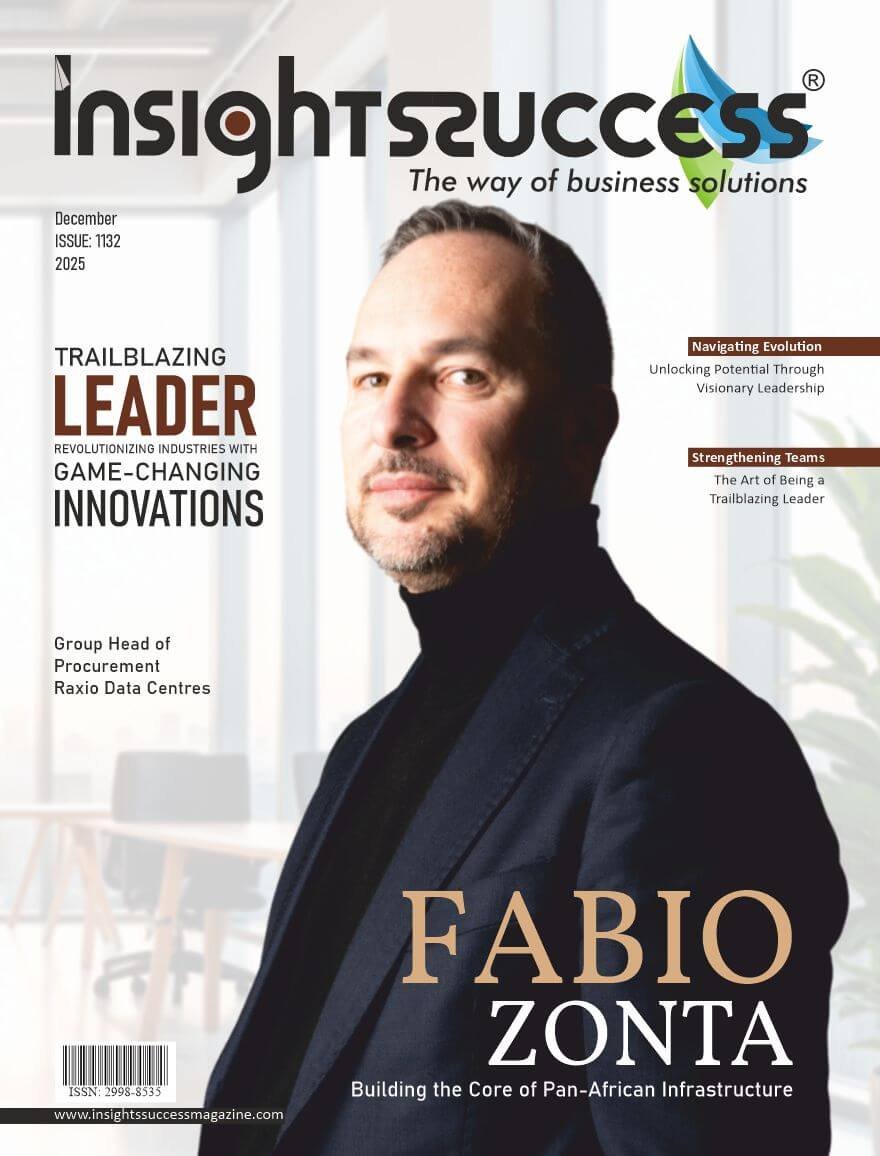
Trailblazing Leader Revolutionizing Industries with Game-Changing Innovations
Trailblazing Leader Revolutionizing Industries with Game-Changing Innovations Fabio Zonta, Group Head of Procurement at Raxio Data Centres, transforms procurement into a strategic engine, bridging global technology and local infrastructure. Guided by integrity, innovation, and purpose, he builds resilient, inclusive digital networks, empowering communities, enabling connectivity, and shaping Africa’s technological landscape with foresight, sustainability, and enduring impact. Digital Link Quick highlights Quick reads
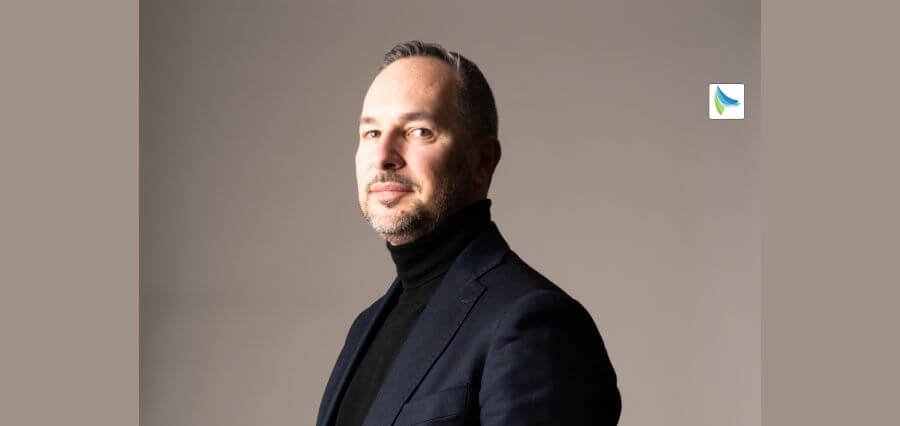
Fabio Zonta: Building the Core of Pan-African Infrastructure
One of the most important revolutions in the 21st century is happening via the digital wave coursing across Africa: a historic stretch in a blossoming continent awakening its vast technological potential. It is worth noting that meaningful changes, such as this transformation, do not happen by happenstance; they are being manifested layer by layer, through a driven existence inside the data centres of your continent, where they serve as the beating, humming nerve centres of Africa. Within this lifestyle we live in, at not progressive speeds, not progressive accuracy, where ambition must be fixed to exact execution; we turn to Fabio Zonta, Group Head of Procurement for Raxio Data Centres. Fabio is more than a logistics manager, he is an architect creating infrastructures spanning the continent to yield hidden opportunity as visible digital tender. Fabio is literally shaping the future by making sure that every wire, every server, and every partnership is executed with maximum influence. He occupies a decisive intersection, the critical nexus where the vast capability of global technology must seamlessly align with granular, urgent, and local infrastructure needs. While conventional leaders view procurement as an exercise in cold efficiency, Fabio sees it as the strategic crucible where vision is forged into reality. He has fundamentally redefined his function, elevating it from a supportive cost centre to a powerful, forward-driving strategic engine designed to propel market penetration and community empowerment. His leadership is characterized by an unwavering conviction that technology must be the bridge to possibility. He himself is the “quiet architect” ensuring this span is constructed on robust foundations of absolute integrity, profound sustainability, and transformative purpose. His career narrative demonstrates a powerful truth: the deepest digital transformation is realized not in the server room, but in the visionary decisions made at the sourcing table. The Magnetic Call: From Process Manager to Legacy Builder Fabio’s magnetic pull toward leadership was not a gradual career ascent; it was a compelled revelation. He has always operated under the powerful premise that technology is the ultimate enabler, a decisive mechanism for unlocking vast human potential. This belief transformed his perception of procurement; he views the function as the vital artery where grand strategy is swiftly translated into tangible, operational impact. He was driven to reimagine and lead procurement as a force amplifier for digital inclusion and robust growth. He champions the catalytic idea that by embedding core principles, such as innovation, sustainability, and local empowerment, into the very DNA of every sourcing strategy, the outcome is immeasurably more valuable than simple cost savings. They are not merely fuelling corporate expansion; they are actively propelling community and regional development. For Fabio, his role at Raxio Data Centres represents the ultimate meeting point between global technological mastery and urgent local impact, a powerful space where purpose and profit align in spectacular, continent-spanning fashion. The Defining Epiphany: Witnessing the Ignition of Hope The genesis of his unwavering commitment to digital inclusion lies in a past project, an indelible memory that remains the philosophical bedrock of his professional life. He was part of a landmark initiative dedicated to extending connectivity to a remote, underserved community. He vividly recalls the electrifying, transformative sight of local children, accessing the vast world of online learning for the very first time. Their unadulterated, contagious excitement was an emotional and philosophical catalyst. This moment served as a profound reminder that every single component he procures, every crucial megabyte of data, every foundational tower built, and every strategic partnership forged, is ultimately a mechanism designed to connect human beings to boundless opportunity. That experience instantly cemented his resolve: he was determined to lead procurement, understanding acutely that within the demanding IT and telecommunications sectors, every singular decision holds the potential to empower millions- whether by providing a farmer with critical market data, granting a student access to virtual classes, or giving an entrepreneur the essential platform to build a global business. This realization is the deeply human motivation that continuously fuels his tireless drive. The Strategic Vanguard: Fulfilling Africa’s Digital Promise Fabio draws his greatest strategic and personal inspiration from the unparalleled energy and vitality of Africa’s digital transformation. He celebrates the continent’s ingrained diversity, unstoppable creativity, and profound resilience, viewing these qualities as making the region the most compelling global arena for essential innovation and infrastructure development. He does not shy away from the colossal challenges- the ubiquitous presence of fragmented supply chains and pervasive infrastructure gaps. Instead, his guiding leadership philosophy dictates that these challenges are never obstacles to be sidestepped, but rather potent catalysts for revolutionary progress. He frames these difficulties as urgent opportunities to pioneer truly adaptive, localized, and resilient solutions. In the high-stakes environment of data centre deployment, his specific expertise is absolutely pivotal. He spearheads the strategic effort to effectively bridge the technological divide, ensuring Raxio can efficiently and sustainably deploy world-class infrastructure while deftly navigating local regulatory environments and powerfully harnessing regional supply potential. His dynamic approach demands managing complexity to inspire universal transformation, viewing procurement not merely through the narrow lens of cost-cutting, but as a sophisticated discipline of value creation. He meticulously balances global best practices with the imperative of local content creation, actively building an infrastructure of supply that is as resilient and localized as the communities it is designed to serve. This strategy ensures that the digital infrastructure growth is truly inclusive, equitable, and sustainable. The Dynamic Philosophy of True Innovation When engaging in discussions about innovation, Fabio provides a definition that instantly cuts through all corporate jargon, stating with conviction: “True innovation isn’t measured by the ledger’s profit or the number of product launches. It’s measured by the lives we ultimately touch and the futures we actively help shape.” For him, innovation is permanently anchored in purpose, the proactive, disciplined act of challenging the comfortable status quo to engineer potent solutions that genuinely improve people’s lives. He defines innovation as possessing the raw, essential courage to ask, “What if?” These hypothetical questions are the highly charged engine

Navigating Evolution: Unlocking Potential Through Visionary Leadership
As the business environment is changing rapidly; the impact of a visionary leader is being regarded as the major component that defines a company’s success. A leader with a clear, future-oriented vision guides their team and organization toward sustained progress in a world shaped by technological disruptions, market volatility, and evolving stakeholder expectations. These types of leaders, in fact, not only foresee the changes but also, by offering a purpose which is appealing and goes beyond the whole organisation, they mobilize the stakeholders. Their ability to offer a direction that is both theoretical and practical makes the employees understand the bigger framework in which they operate and invites them to participate in the achievement of long-term goals. In contrast to traditional leadership which emphasizes managing the present, visionary leadership is about cultivating the capability of handling the future. Leaders who present a vision that is both inspiring and achievable unlock the untapped potential of their employees, enabling them to act with confidence and clarity. Purposeful Direction Visionary leaders move beyond setting goals by crafting narratives that link each individual’s contribution to the organisation’s broader mission. This feeling of a common purpose deepens employee engagement and, also, increases the collective ownership of the organisational outcomes. When people understand the impact of their efforts, they demonstrate greater commitment, perseverance, and creativity. Purpose transforms tasks into meaningful work and aligns individual aspirations with the organisation’s goals. It fosters team spirit across departments and allows individuals to recognize the significance of their role in advancing the organisation’s vision. Moreover, a compelling vision can offer guidance when there is uncertainty. In the case of volatile markets, technological changes, or organisational transitions, a vision that is clear and well-communicated functions as a guiding compass. It is this vision that keeps teams from being merely reactive to external pressures as they stay focused on their long-term priorities. Such steadiness may, therefore, greatly lessen the strife and the confusion going on inside the organisation especially at times when quick decisions have to be made. Having a clear direction in place also gives power to the people to make their decisions without any doubt, as they know they are in line with the greater strategic intent. Empowering Innovation Visionary leadership is the main driver for a culture where innovation is not only facilitated but also expected. These leaders, who transcend present limitations in their thinking, motivate their employees to come up with new ideas and to question the existing way of doing things. They make it safe psychologically by explicitly showing that testing and taking risks, especially in a constructive way, is their preference. People operating at this level are those who dare to think outside the box and to come up with courageous solutions. Newness is generated when people are convinced that they are free to think outside the box and that their ideas will be taken seriously. Such organisations are a source of continuous improvement and at the same time, they keep the doors open for survival amid worldwide changes. Besides the direct encouragement of ideas, visionary leaders put a higher value on the empowerment of their followers. They know that the real power can only be unleashed when people are given the freedom, the competence, and the necessary tools for thriving in their roles. In most cases, empowerment initiates with trust. When managers are confident in their employees regarding the handling of their duties and as a result, leaders’ hand over the steering wheel to their teams, it heightens the eagerness of the employees and their performance get lifted as well. Freedom to act gives the employees the power to decide, to try out innovative ways, and solve issues on their own. Also, if teams invest in their skills through various development initiatives, they become better equipped to meet challenges coming their way. Empowered employees, in fact, are the main drivers of organisational progression, innovative practices they bring from within the organisation, rather than depending on leadership guidance. Transformational Impact One of the powers of visionary leadership is its ability to bring about transformational change that leaves a deep organisational impact. Such leaders with the far-reaching perspective understand that significant change means changing systems, processes, and even people’s way of thinking. They are capable of mobilizing different groups to work towards a common goal and making sure that change initiatives are in line with core organisational values. Visionary leaders reduce resistance to change by actively involving employees in the process, enabling change to gain momentum and progress effectively. Change management becomes most successful when leaders listen to employees’ concerns and value their participation. Visionary leaders do not stop at merely one conventional authority but rather create and maintain organisational cultures that are based on innovation, collaboration, and accountability. These cultures become self-sustaining when employees fully commit to the vision, enabling teams to drive the organisation forward even during leadership transitions. This stability strengthens the organisation’s resilience, allowing it to face new challenges while preserving its core values. Eventually, visionary leadership results in a legacy of people whose power is entrusted to them, solid morals, and a shared determination for excellence. Such leadership structures institutions that become not only successful but also influential for the next generations. Conclusion Essentially, visionary leadership is a compelling mechanism that facilitates both human and organisational potential. By setting a clear direction, supporting innovation, and giving freedom to individuals, visionary leaders create environments which are self-motivated to attain and thus substantially contribute to the common objectives. Their skill in anticipating changes and encouraging everyone to cooperate in taking the initiative, ensures that organisations remain strong, flexible, and prepared for any kind of challenges in the future. As the world continues to evolve, the need for leaders who can look beyond the present and shape a purposeful, transformative future is increasingly indispensable. Visionary leadership is not merely a tool but it is a foundation for lasting growth, sustained impact, and enduring organisational excellence.

The VAT Consultant to be Co-host of Global Excellence & Leadership Awards 2026
DUBAI, UAE – November 26, 2025 – Insights Success announced today the Global Excellence & Leadership Awards 2026, a comprehensive recognition program celebrating achievement across 20 industry sectors. Co-hosted by The VAT Consultant, the event will take place on January 24, 2026, at the DoubleTree by Hilton, Dubai, bringing together business leaders, innovators, and decision-makers from across the globe. About The VAT Consultant The VAT Consultant is a leading advice organization that provides value-added tax compliance, strategic tax planning, and financial consulting services throughout the Gulf area and globally. The organization is a valued partner to enterprises who are looking to improve their tax strategy while remaining fully compliant, thanks to its extensive experience which assisting businesses in navigating complicated regulatory environments. As Co-Host of the Global Excellence & Leadership Awards 2026, the organization exhibits its dedication to recognizing and advancing corporate excellence, innovation, and professional standards across all industries. The firm’s involvement ensures that participants have access to industry-leading organizations as well as specialized expertise, which fosters business growth and sustainability. Comprehensive Recognition Across Key Sectors The 2026 awards program includes 20 unique categories that highlight essential aspects of the contemporary corporate scene. Honorees will be recognized in the Business Leadership & Excellence, Technology & Innovation, Healthcare & Life Sciences, Finance & Banking, and Manufacturing & Industrial categories. Additional categories include Retail & E-Commerce, Energy & Sustainability, Hospitality & Tourism, Education & EdTech, Real Estate & Infrastructure, Media & Entertainment, Agriculture & Agritech, Logistics & Supply Chain, Food & Beverage, Automotive & Mobility, Fashion & Lifestyle, Telecommunications & Connectivity, Legal & Professional Services, Nonprofit & Social Impact, and Startup & Entrepreneurial Excellence. Each category recognizes firms and individuals making significant advances in their respective areas, ranging from revolutionary startups to established worldwide enterprises. Strategic Engagement Platform Unlike traditional evening ceremonies, the award presentations involve a full-day program focused on substantial networking and collaborative exchange. Participants will get the opportunity to connect with international corporate executives, investors, and innovators who are actively influencing the global economic climate. The recognition continues beyond the January ceremony, thanks to Insights Success’ international media network. Honorees receive sustained visibility across digital publications, press releases, executive interviews, and strategic media placements reaching over 500,000 readers and 1.5 million professionals across 45 countries. Participation Benefits Organizations chosen for recognition will receive access to a variety of benefits. Emerging firms will get visibility alongside established industry brands, while renowned enterprises will strengthen their market positioning and global credibility. The recognition platform offers international media coverage in 45 countries, executive interviews, digital feature placements, and strategic networking with industry leaders and investors. Event Information Event: Global Excellence & Leadership Awards 2026 Date: Friday, January 24, 2026 Time: Full-day program Venue: DoubleTree by Hilton, Dubai, UAE Co-Sponsor: The VAT Consultant Organizer: Insights Success in association with Insights Excellence Awards For information about participation criteria, nomination processes, and event registration, visit www.insightsexcellenceawards.com. Disclaimer – This article is a work of original content created for public relations and informational purposes only. It may be published across multiple digital platforms with the full knowledge and consent of the author/publisher. All images, logos, and referenced names are the property of their respective owners and used here solely for illustrative or informational purposes. Unauthorized reproduction, distribution, or modification of this article without prior written permission from the original publisher is strictly prohibited. Any resemblance to other content is purely coincidental or used under fair use policy with proper attribution.