






Implementing Trust-Based Investor Relations for Startups
From First Contact to Exit In the fast-evolving domain of startups, the process of acquiring investors is often comparable to the making of a product in terms of difficulty. Apart from making financial estimations and coming up with brilliant ideas, there is a factor that is less visible but still very important that can determine the fate of the funding chances: trust. Trust-building and trust-maintaining have become the norms in the startup world regarding investors. Simply put, this is the basic principle of trust-based investor relations for startups, which is a method that transforms the involvement of investors from simply transactional interactions to long-term strategic partnerships. Getting to Know Trust-Based Investor Relations At the very beginning, on the very surface, trust-based investor relations for startups are characterized by transparency, and honesty, and the promise of good communication. In contrast to the conventional investor relations that might choose to only highlight the metrics and growth reports, trust-based relationships acknowledge the human aspect of relationships. Investors are not simply the funds’ sources, they are the partners who in most cases provide mentorship, access to networks, and strategic guidance. When a startup puts trust first, it not only creates an environment for confidence but also attracts the loyal and supportive customers thus forming a sustainable ecosystem for growth. Startups that lack trust generally have a difficult time in the next funding rounds since the investors’ doubts increase because of the non-transparency. If the founders were to build a trust-based relationship from the outset, they would be able to easily avoid misunderstandings, set realistic expectations, and thus be equipped to handle challenges without damaging the investor relationships. Building the Foundation: Transparency and Communication The first step of trust-based relationship between investors and startups is transparency. The investors’ need is to have a complete picture of both the business’s opportunities and risks. Founders need to provide constant, clear, and data-supported updates on product development, market adoption, and financial position. On the other hand, transparency doesn’t only mean disclosing figures; it means engaging in different conversations concerning difficulties, the decision to switch, and the lessons learned. Moreover, communication that is frequent and orderly has the same importance. By having quarterly updates, monthly newsletters, or making special investor portals, the company not only keeps its investors updated but also engages them. This kind of approach reduces uncertainty, stops rumor mills and at the same time enhances the startup’s trustworthiness. Open communication is more than just informing and updating, it is respect for the investors’ time and money and hence, trust is built naturally. The Role of Authenticity and Consistency Trust is something very fragile, and a tiny inconsistency can be a reason for investors to lose interest. The startups should be very careful to ensure that their words match their actions. No matter how tempting it might be, they should refrain from making unrealistic promises at the time of pitching, and when giving milestones, if there is a delay, they should come clean about it. The truthfulness is very crucial – investors are very quick to tell whether the founders are either overstating or withholding important information. Trust-based investor relations for startups require honesty from the initial contact and throughout the whole process. It might be as straightforward as discussing the cash burn rates or honestly admitting the competition in the market. Leveraging Relationships Beyond Capital Using a trust-based technique is not only about obtaining capital. It’s really about the connections that generate value for both sides. An investor who has a trustworthy and reliable relationship with the startup will be more likely not only to promote the startup to potential clients, strategic partners, or even other investors but also by himself/herself to the resulting network. This two-way connection can be really beneficial, especially in the early days when the new business has hardly any reputation and no connections. Moreover, it is the case that in most cases investors will have the biggest fragment of the company’s leadership and thus authority in the company’s crucial decisions whether they are related to human resources, the company’s direction, or entering new geographical areas. A startup that keeps the communication open with its investors based on trust not only provides the investors with a guarantee of their loyalty but also gives the investors the comfort to expose their views without the fear of getting too involved. This combination of openness and collaboration further strengthens the startup’s ecosystem and boosts its capacity to endure crises. Strategies for Implementing Trust-Based Investor Relations Develop a Clear Communication Plan: For investors’ updates agree on the frequency and channels of communication. A well-structured and organized approach to communication will remove ambiguities and build trust. Be Transparent About Financials and Milestones: Both achievements and difficulties should be celebrated. Learn from failures and successes and share them. Engage Investors in Strategy, Not Just Reporting: Stimulate the investors to give their opinions and take advisory positions. This will create a feeling of collaboration instead of just financial oversight. Deliver on Promises: If a certain milestone gets delayed, explain why and provide the plan for overcoming the situation. Being responsible for one’s actions fosters trust. Showcase Authenticity: Let the investors see the human side of the startup Evaluating Winning in Trust-Based Relations To measure success in trust, one must consider the engagement and sentiment which can be quantified equally with trust; on the other hand, Trust, have not the same value as sales and customer acquisition metrics, still, it is a fundamental aspect of the business. The quality of the relation with the investors can be established from their rapid response, readiness to suggest and offer help, and the willingness to put money in the future rounds, etc. Indicators of trust and confidence include investor feedback, participation in strategic discussions, and being referred to other investors. A startup that has gained trust-based investor relations with the support of venture capitalists can expect a positive chain reaction: the investors are generally supporters, the startup is seen as more credible
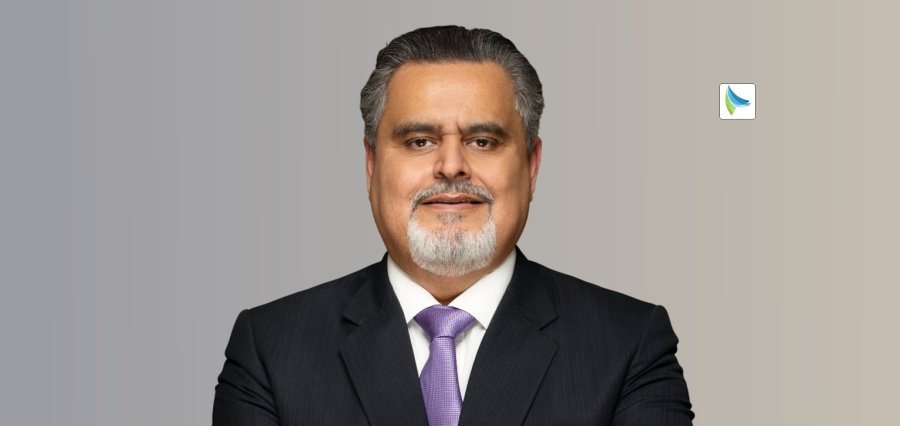
Hammad Khan: The Unflinching Architect of Capital and Strategy
The sprawling, dynamic insurance landscape of the Middle East is a complex ecosystem, one where multi-billion-dollar capital structures meet stringent regulatory oversight, and conventional prudence must align with the ethical demands of insurance principles. It is a field that requires more than just financial acumen; it demands the strategic foresight of a visionary and the resilience of a crisis manager. Standing at the epicenter of this complexity is Hammad Khan, the Interim CEO and Chief Financial Officer at Sukoon Insurance. To call him merely a Chief Financial Officer is to use a ledger to describe a skyscraper. Khan is an individual who can greatly expand capacity and impact; he is an experienced leader whose influence goes beyond finance and accounting. His biography reads like an impressive matrix detailing foundational accomplishments and strategic decisions that have materially transformed finance departments and capital efficiency across the GCC, with successful M&A transactions. He is not just an executive; he is a builder. His career bears the indelible mark of successfully heading up finance and accounting in three startup insurance companies, demonstrating an unparalleled capacity to craft complex operations from the ground up, a successful transformation journey with the UAE’s leading insurance and takaful companies, developing essential business processes, guidelines, and manuals—from Investment and Credit Policies to comprehensive Delegation of Authorities. Khan’s expertise is defined by its breadth and depth: A Master of Capital and Risk: His experience spans intricate Solvency and risk-based capital computations (including involvement in the Draft UAE Insurance regulations ), ensuring institutional stability against a shifting regulatory tide. This strategic mastery is vital in his roles as a member of the Investment Committee and the Risk Management Committee. The Transformation Catalyst: He is the executive who has driven the transformational strategies with several key insurance organizations, including the reorganization of Finance & Accounting Departments and spearheading critical System Implementations (Sun Accounts, Oracle Financials, Core Insurance Solutions, BI), fundamentally modernizing the financial infrastructure of major regional carriers. The Trusted Regulator’s Voice: His periodical interaction with regulators, including providing crucial feedback on insurance regulations, positions him as a key voice in policy formation, reflecting a deep understanding of the region’s unique market and regulatory dynamics. The highest accolades have publicly affirmed his influence: he was selected as the “UAE MOST INFLUENTIAL CFO” by the Khaleej Times Editorial Board in 2025 and previously awarded the “CFO OF THE YEAR” by Middle East CFO Magazine in 2017. As an Executive Management Committee member and key inviter to both the Board of Directors, Board committees, and the Shariah Supervisory Board, Khan sits at the nexus of corporate strategy, ethical compliance, and financial engineering. He is the unflinching architect who fortifies balance sheets, profiles asset liability for optimal investment management, and guides institutions through the complexities of M&A Due diligence and Rating Agencies Reviews (S&P and AM Best). A Legacy Forged in Finance: The Genesis of Strategic Vision For a leader whose career is defined by transforming multi-million-dollar finance functions, the origins of Khan’s interest were less a sudden discovery and more a deeply rooted heritage. He openly shares that finance was simply “part of his life.” His childhood was immersed in the financial sector, a continuous observation shaped by a family dedicated to banking. This early exposure was not just casual viewing; it provided him with a foundational understanding of business, economics, and the banking industry that sparked his lifelong interest and led him to pursue the rigorous discipline of Chartered Accountancy. Yet, this structured path only served as the foundation for a greater ambition. When he started his career three decades ago, Khan immediately challenged the status quo. He saw the finance function traditionally boxed as a mere “control function”—a role he fundamentally rejected. His core motto was to bring about a change: positioning finance not as a gatekeeper of spending, but as a key strategic player dedicated to driving business success and maximizing shareholder value. “My thought process was never wrong, and it’s great to see now that finance is really a true partner to business.” Leading the Transformation: Trust, Agility, and Empathy The technical rigor of Chartered Accountancy provided him with invaluable tools—depth in financial expertise, solidified risk awareness, and, crucially, early access to senior leadership. At the age of 23, his training required him to liaise with key stakeholders, CEOs, and even the Board, giving him a commanding perspective from a young age. When faced with the monumental transformation journey at Sukoon Insurance, Khan leveraged these experiences, identifying a clear methodology for leading people through uncertainty. He knew transformation, by its nature, breeds anxiety, so his approach centered on building an unshakeable team foundation: clear vision, absolute commitment, and unwavering transparency. To navigate the uncertainty, Khan emphasized the need to build trust and empower people. His leadership style during this period was defined by resilience, agility, and a critical component often overlooked in high finance: empathy. By listening closely to his teams and maintaining a flexible, collaborative work environment, Khan ensured the workforce did not just endure the change but became the driving force behind the company’s success. It is this combination of technical mastery and human-centric leadership that allowed him to steer Sukoon Insurance into its new, distinct horizon. The CFO to CEO Shift: Strategy Over Sums The transition from CFO to Interim CEO, especially within an institution undergoing massive transformation, marks the apex of Khan’s career evolution. For him, the shift was less a drastic departure and more a natural progression, built on three decades of deliberate strategic thinking. He firmly states that the modern CFO’s world is no longer about “number crunching,” but about strategy and empowering the business—a philosophy he has long embraced. His financial discipline—a solid foundation built on data, risk awareness, and market intelligence—served as his bedrock. The challenge in the CEO role lay not in the figures, but in the soft skills required to lead a vast organization. “I need to focus more on how I can inspire teams and provide the right

Modern Venture Matchmaking Strategies for Accelerators and Incubators
Beyond the Pitch Deck In today’s world, which is changing and innovating at a fast pace, the role of the accelerators and incubators has reached a point where it is no longer just providing mentorship and a workspace. The success of these entities is increasingly determined by how they connect new ventures with investors, strategic partners, and market opportunities—this whole process is what is called modern venture matchmaking. Such a method does not stop at just relying on traditional networking; it goes beyond the conventional and by means of data, technology, and personal engagement, it creates connections that are profound and advantageous to both parties. Understanding Modern Venture Matchmaking The contemporary venture matchmaking emphasizes connecting the startups to the suitable choices at the right moment. Pitch days or demo showcases are no longer the only options for accelerators and incubators. The programs that endure today make use of analytics, AI-based platforms, and personalized communication to accurately find the Investors, corporate partners, or industry experts who would be the ideal match for a startup considering its specific stage, sector, and growth potential. In the past, the networking approach meant casting a wide net and praying for the best; but, on the contrary, the modern venture matchmaking process is to be very purposeful, and it is supported by data and focused on achieving a specific outcome. Thus, the startups receive more customized support while the investors get the high-potential ventures aligned with their strategic objectives. Proper utilization of technology for matchmaking is a great success story Technological upheaval to the whole scenario of venture matchmaking has been nothing short of a miracle. Platforms with AI and machine learning applied can decipher startup profiles, investment patterns, and even market dynamics to come up with the most suitable matches. The same instrument can even forecast the probability of triumph by scrutinizing historical data and so giving the startups and investors the information they need to make the right moves. Virtual networking and the digital ecosystems have helped a lot in making it easy for different parties to get access to funds and form partnerships. Startups located in developing markets which were previously overlooked due to their geographical location are now able to contact the investors and mentors globally. The usage of these methods by the accelerators and incubators can significantly enhance the quality and speed of their matchmaking process thus creating measurable value for their participants. Personalizing Engagement as a Key Factor The huge benefit of getting insight from technology comes along with the indispensable human factor in the contemporary venture matchmaking process. Personalized engagement, one-on-one mentoring, custom introductions, and strategic guidance are all ways in which technology enabled connections still deemed very meaningful and possessing the traits of being actionable. Accelerators and incubators are beginning more and more to staff their matchmaking teams with relationship managers who intimately know the start-ups’ journeys and investors’ priorities as if they were one hand. It is exactly the kind of personnel who leads the conversation to be deeper, identifies the barriers as potential ones, and ushers. Building Ecosystem Partnerships The modern venture matchmaking that has succeeded is largely characterized by the creation of a strong ecosystem of partners. Nowadays, startups are not only connected with the traditional investors, accelerators, and incubators but also with corporate innovators, research institutions, and government programs as a result of these partnerships. The development of pilot projects, co-development, and early customer acquisition, all of which are significant milestones for every nascent venture, are made possible through these collaborations. Accelerators can thus generate a plethora of diverse and interlinked network that will ensure that startups receive not just the financial backing but also the strategic resources that will hasten their growth. This ecosystem approach marks the evolution of transaction-based matchmaking to relationship-based growth, which is the ruling principle of modern venture matchmaking. Measuring Impact and Continuous Improvement Venture matchmaking is a process that has to be continuously monitored, assessed, and refined; this is what it means to be a dynamic process. The number of successful matches, follow-on funding, and partnerships formed after the program are the main indicators used by startups and incubators. More and more often, they are tracking the success rate of their matchmaking through these and other parameters. The startups and investors feedback is taken into account while designing the matchmaking algorithms, engagement strategies, and partner selection processes that are more effective. This process ensures that every cohort benefits from the experience gained, thus improving the reputation of the accelerator and the likelihood of the startup’s long-term success. Case Studies: Success Through Strategic Matchmaking Today the global stage, a number of accelerators are leading the way in demonstrating the power of modern venture matchmaking. The programs have a big role of AI-based tools and personalized mentorship—they have been the successful in getting more funds and fast growth of the startups. Industry-specific accelerators, for example, have brought ventures and corporate partners that are willing to test the new solutions which has resulted in very positive outcomes like sales, higher investor confidence, etc. These wins show, on one hand, the great advantage of technology and the need, on the other hand, of human’s insight and ecosystem alliances that form a kind of trinity which determines the modern venture matchmaking. The Future of Venture Matchmaking in Innovation Hubs Eventually, the modern venture matchmaking process will still be the same but very well sophisticated. The already emerging technologies, such as predictive analytics, blockchain for transparent deal-making, and virtual reality for immersive investor engagements, will certainly change the way accelerators and incubators connect startups with opportunities. Nevertheless, the human aspect, which includes empathy, judgment, and relationship-building will be unavoidable even in the presence of all those technological advancements. The accelerators that find the right mix of data-driven insights and personalized engagement will be the ones that will lead the way in nurturing the next generation of transformative startups. Conclusion Venture matchmaking practice is now the main method which accelerators and incubators use for

Björn Schättgen: Engineering Trust in the Age of Innovation
Many leaders talk about closing the gap between ideas and execution. Björn Schättgen works in the messy middle, where strategy becomes decisions and decisions become adoption. Across 40+ countries, he has seen how promising technologies get stuck in pilots and how innovation often succeeds or fails on whether teams can move confidently from one phase to the next. As Chief Growth Officer at Match-Maker Ventures (MMV), Björn builds the conditions for partnerships to move beyond introductions into measurable outcomes. He combines transparent collaboration with clear next steps, so promising ideas do not stall after the first handshake. What stands out is his mix of human empathy and technical depth: enough to earn trust across stakeholders, and enough commercial discipline to keep momentum when the work gets hard. Engineering Meets Ambition Björn’s defining choice arrived early. At Hamburg University of Technology, he refused to choose between business and engineering, pursuing a dual-track Master’s path that became a strategic foundation rather than an academic indulgence. Engineering trained his mind to dissect complexity and understand systems at their core. Business added commercial instinct and strategic vision. The combination forged something uncommon: a thinker who respects technical brilliance but demands commercial viability, who appreciates the art of innovation but insists on the discipline of execution. This intellectual infrastructure proved essential. His curiosity runs practical and analytical, constantly probing: What potential does this technology hold? What must be true for it to deliver in real conditions? What needs optimization to make it scalable? These questions, asked early and honestly, separate leaders who admire innovation from those who actually deploy it. Philips: Learning Trust as Strategy When Philips selected Björn for their “Young High Potential” program in Germany, they invested in his leadership potential. This wasn’t rotation schedules and safe assignments. It was immersion into culture that became his philosophical bedrock. Philips operated on radical principles. Trust wasn’t rhetoric; it was operational reality. Young professionals received genuine responsibility because they demonstrated clear thinking and sound judgment. Björn thrived because it matched his wiring. Ideas needed a clear explanation, not political manoeuvring. Quality thinking earned authority, not tenure. The culture was human-centric in the truest sense, respecting people enough to hold them accountable, trusting them enough to let them lead. From Germany to France, to the headquarters in the Netherlands, and finally to Scandinavia, the journey grew internationally. Each move taught new rhythms: how decisions flow across cultures, how relationship-building shifts across borders, and how leadership must adapt without losing authenticity. Recognition came in 2005 when he won Philips’ Quality Improvement Competition as a German winner, validating what was already visible: he could translate complex challenges into systematic improvements that actually worked. Samsung: The Crucible That Forged Steel Moving from Philips to Samsung wasn’t a lateral shift; it was a cultural whiplash that led to a professional transformation. Samsung was extremely demanding, commercially aggressive, and target-driven in ways that at first seemed harsh. The pressure was constant. Targets were commitments that shaped careers. Performance measured results, not effort. Instead of rejecting this culture, Björn learned from it. Across seven years in European roles spanning marketing, sales strategy, and key accounts, he pushed beyond what he thought was possible.. He mastered resilience under sustained pressure, developed commercial discipline that survived scrutiny, and delivered when stakes were high and timelines tight. Samsung named him their most accurate sales manager, an acknowledgement of realistic forecasting and a rare ability to deliver precisely what was promised. But something more valuable emerged. Björn didn’t abandon Philips’ lessons about trust; he integrated them with Samsung’s insistence on performance. The synthesis became his advantage: a leader who holds exceptionally high standards without sacrificing humanity, drives commercial outcomes without losing sight of people development, and operates under intense pressure while maintaining strategic clarity. Following Samsung, he spent nearly two years at Lumileds, gaining deeper exposure to a faster, US-style operating cadence and decision-making. The Entrepreneurial Awakening After navigating corporate structures across multiple countries, Björn faced a decision successful leaders rarely make. He could continue ascending established hierarchies or walk toward something less certain but more aligned with growing frustration. He chose disruption over comfort. His frustration had crystallized: corporate environments produced impressive pilots, but conversion rates from innovation to implementation remained devastatingly low. Brilliant solutions languished while real problems persisted. Reporting cycles consumed more energy than customer impact. Risk aversion rewarded caution over effectiveness. Björn wanted to work at the precise moment when innovation becomes decision, and when decisions become adoptions. Returning to Germany, relocating to Austria, co-founding a startup, and eventually joining Match-Maker Ventures as Chief Growth Officer wasn’t random wandering; it was a purposeful redirection. The ecosystem offered faster learning cycles, fewer constraints, creative freedom, and the ability to test without waiting for permission from six organizational layers. Match-Maker Ventures: Where Potential Meets Reality At Match-Maker Ventures, Björn operates where startup innovation collides with enterprise adoption barriers. His role transcends traditional growth; he’s an architect of conditions where promising technology survives commercial reality’s brutal honesty. This means understanding not just what startups build, but how enterprises buy. Mapping stakeholder incentives across procurement, IT, operations, compliance, and finance. Translating technical capability into business value that boards approve and teams implement. Navigating the messy middle where enthusiasm meets budgets, pilots become rollouts, and proof-of-concept confronts proof-of-value. The results speak clearly. Björn has enabled more than 100 partnership initiatives and influenced hundreds of millions of euros in pipeline and revenue impact across enterprise markets, working across 40+ countries. These represent real contracts signed, actual implementations launched, and genuine value created that survived beyond initial enthusiasm. His approach centers on consistent principles. Validate early with real buyers and real constraints. Document reality to create shared understanding. Maintain momentum through specific next steps. Vague agreements die quietly; specific commitments convert into progress. Build trust by delivering on promises, especially when difficult. Stay obsessively focused on buyer logic: understanding who decides, who influences, what objections will surface, and what compliance requires. Balancing Intensity With Sustainability Leading at the
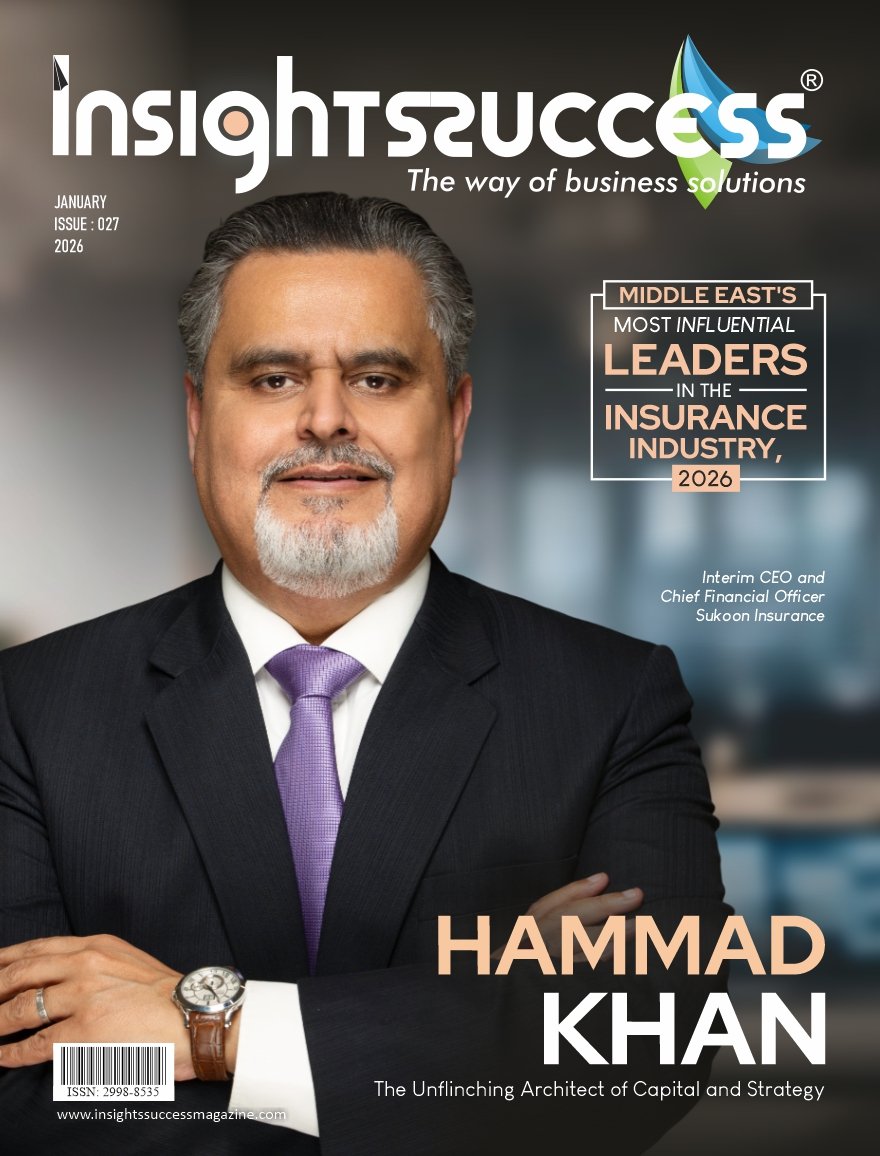
Middle East’s Most Influential Leaders in the Insurance Industry, 2026
Middle East’s Most Influential Leaders in the Insurance Industry, 2026 This edition is dedicated to visionary executives and change drivers who are redefining risk management, customer experience, and digital transformation—recognized for strengthening trust, advancing innovation, and shaping the future of insurance across the region. Digital Link Quick highlights Quick reads
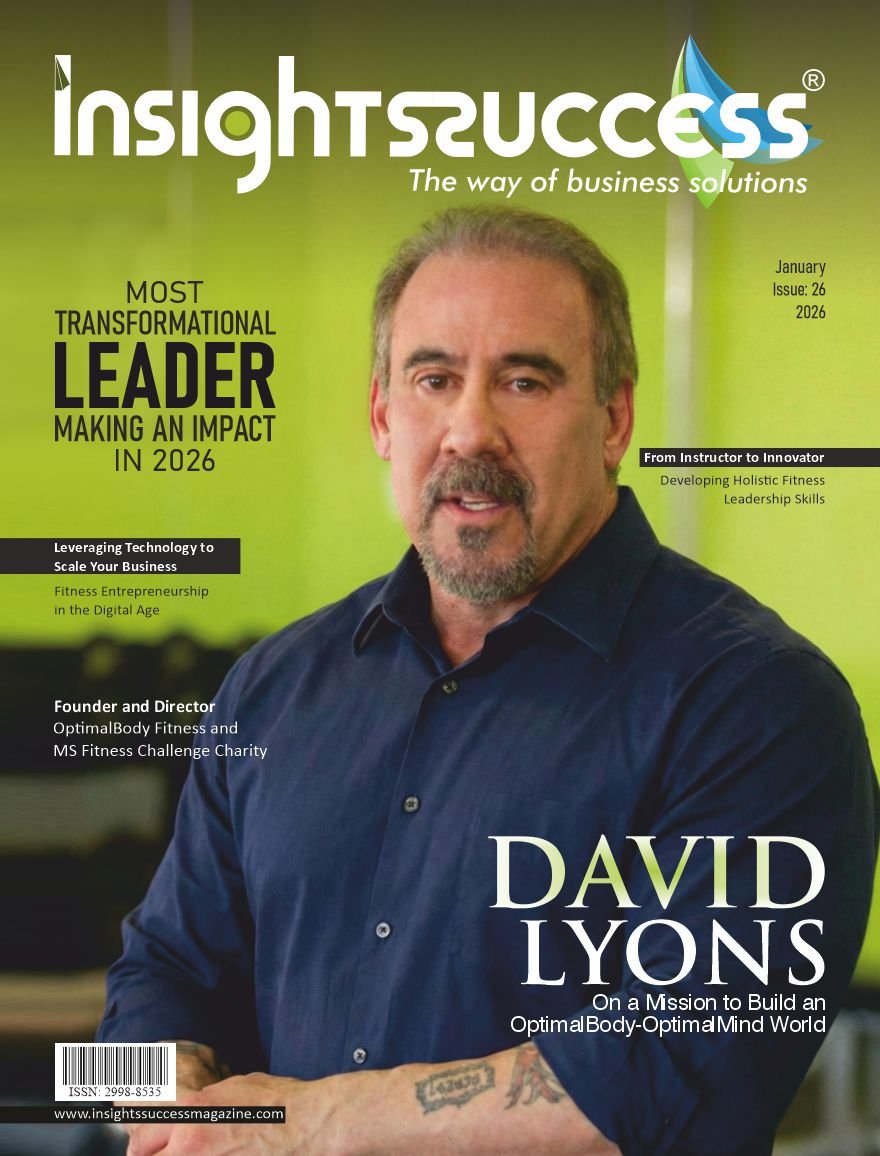
Most Transformational Leader Making an Impact in 2026
Most Transformational Leader Making an Impact in 2026 This edition celebrates visionary leadership, purpose-driven innovation, and measurable influence. This edition highlights David Lyons’ ability to inspire change, drive strategic growth, and create lasting value, showcasing how transformational leadership can redefine industries and empower people in an evolving global landscape. Digital Link Quick highlights Quick reads

Fitness Entrepreneurship in the Digital Age
Leveraging Technology to Scale Your Business The evolution of the fitness sector has been so extensive that it can hardly be equated with its previous incarnation of ten years ago. Back then, the scenario was ruled by gym facilities and in-person training sessions while now, due to technological innovations, social media, and consumers adopting new ways, the entire global digital ecosystem wants to be part of the excitement. A case of professionals who are so passionate about health and fitness and are hoping through their start-ups to ride has been opened. And a behavioral change where fitness entrepreneurs have become the innovators aligning with people’s needs has been called this way and rather the heart of the change. Today’s fitness entrepreneurs are not just trainers but also content marketers, community builders, educators, and brand advocates. The internet era has eliminated the entry barriers thus allowing both the expert and the authentic to attract a following that is much larger and beyond their local area. Technology as a Growth Catalyst Having digital tools is the custom of the fitness business in the contemporary era. It is impossible to ignore the impact that mobile apps, wearable technology, AI-powered workout programs, and virtual coaching platforms have had on the fitness industry. The entrepreneur is now able to monitor the client’s progress from afar, customize the programs using the data-driven insights, and even provide feedback in real-time—all these without being physically present. For those who are in fitness entrepreneurship, technology is not a necessity but a strategic plus. Subscription models, on-demand workouts, and hybrid coaching that fuses automation with human connection are all made possible by cloud-based technologies. This shift implies that fitness businesses. Social Media: Visibility to Community The fitness industry has changed marketing in a big way and social media has been the main factor. Instagram, YouTube, and TikTok have not only taken the status of being the main promotion channels but also of being the places where trust is built and communities are grown. Audiences want to see struggles and real-life transformations, rather than just perfect bodies. The fitness entrepreneurs who are successful know that being real is the only way to get the most engagement. Displaying one’s true self by sharing glamorous lifestyle videos or client journeys and personal lessons makes the brand more approachable. Therefore, in the case of fitness entrepreneurship social media becomes a tool for building relationships in the long run rather than a tactic for making quick sales in the short term. Monetization Beyond the Gym floor The digital age has brought about a variety of income sources for the fitness industry. Online classes, digital meal plans, branded goods, health programs for companies, and communities based on membership fees are just a few examples. The fitness business has gone beyond the limitation of hourly rates and physical capacity. This transformation has given the professionals the power to come up with business models that are in sync with their lifestyle goals. For instance, they can either make money from digital products, or they can set up communities for coaching virtually all around the world. In short, fitness entrepreneurship has become much more flexible than the traditional models that rarely allowed that. Establishing Credibility in a Competitive Environment The introduction of a new product or service also means that there will be competitors in the market. The digital fitness market is very crowded which makes trust and credibility very necessary. On the other hand, the professional certifications, evidence-based practices, and the openness of communication are among the most important factors for a business to survive for the long run. Empathy is of utmost importance as well. Knowing the problems, time restrictions, mental health, motivation, and sustainability of the client helps the entrepreneur to create the right solution that is really useful to the people. In the contemporary fitness industry, the triumph of the entrepreneur is not determined by his/her skill in selling but rather by solving great problems through creating deep connections. The Significance of Individual Branding Personal branding is now the most powerful weapon in the digital fitness industry. The clients most of the time base their selection of the coaches not only on the latter’s knowledge but also on the former’s values, character, and philosophy. A strong brand voice, a unified communication style, and a clear mission are the essential tools for the entrepreneurs to differentiate themselves from others. Storytelling is central to this process. Sharing one’s journey—failures, growth, and lessons learned—creates emotional connection. In fitness entrepreneurship, people don’t just buy programs; they buy into belief systems and leadership. Difficulties and Determination in the Digital Era The digital age offers enormous opportunities and at the same time has very high demands in terms of adjustments. Some of the biggest ones are changing algorithms, reliance on platforms, and user burnout. The entrepreneurs have to keep learning, experimenting, and evolving to be the same. Resilience is a characteristic that every leader in fitness has to develop if he/she is to be successful. Among the most crucial are sharing views, investing time in self-improvement, and maintaining a good balance between being online and taking care of one’s self. The long-range vision, and not short-lived trends, is the proper ground on which fitness entrepreneurship is built. The Next Chapter of Fitness Entrepreneurship The next chapter reveals the progressive development of the overlap between fitness, technology, and entrepreneurial ventures. The future fitness industry will be featuring such attractions as virtual reality workouts, AI coaching, and holistic wellness ecosystems. Still, the human side of the industry will, by all means, be the crucial factor. The impact is the very foundation of fitness entrepreneurship, helping people to become healthier and stronger while creating businesses based on passion and purpose. It is indeed the digital era where those who combine innovation and authenticity will not only survive but also become the leaders of the future of the fitness industry. Read Also : Developing Holistic Fitness Leadership Skills

Developing Holistic Fitness Leadership Skills
From Instructor to Innovator The trajectory of fitness leadership has gone hand in hand with the wellness landscape, and today it is not restricted only to physical fitness. The contemporary fitness leaders are to assist the individuals to arrive at sustainable well-being that comprises of physical, mental, and emotional aspects. The entire affair of fitness leadership has been turned upside down and has become more inclusive; therefore, the technical capabilities-oriented training in only one of the human qualities, i.e., emotional intelligence, ethical responsibility, and long-term vision has become more intense. the winners of this battle will be the leaders who will not only inspire but also the whole community will adopt a healthier lifestyle, become more united, and trust each other more. Holistic Approach to Fitness Leadership Understandings A holistic approach considers fitness as an interconnected phenomenon that is closely linked to the mind, nutrition, recovery, motivation, and life balance. The good leaders recognize that their clients and teams are not just physical bodies to be trained but rather people affected by stress, habits, goals, and individual challenges. Thus, the development of a holistic fitness leadership skill is an integral part of the process of professional training that enables the trainer to perceive the whole picture where physical training strengthens mental resilience and emotional well-being. This typical perspective endorses the leaders to break away from the ‘one-size-fits-all’ practices and to step into individual counseling. It breeds the inclusivity, empathy, and flexibility traits in the leaders and hence, it empowers them to provide the good-considered and caring services to the different population groups. Emotional Intelligence: The Foundation of Impactful Leadership The emotional intelligence of a leader is an all-encompassing factor throughout the whole leadership process. A leader who can sense emotions—his or her own and those of others—has the potential of doing much more. For instance, in scenarios related to fitness where individuals bare their vulnerabilities, a leader with high emotional intelligence can create an environment where everyone feels secure enough to express and share their emotions. Leaders who engage in emotional intelligence development become more comprehensive and healthy as individuals. It will then be possible for them to establish, hear, and articulate the very ways of the heart. This human-centered approach will not only result in greater engagement and support—across the board in the process—behavioral change to be the real objective of fitness leadership will also be brought about. Mindset, Purpose, and Ethical Responsibility The start of leadership is marked by the clarity of the objectives, with no ambiguity. The fitness instructors who are operating through the purpose and the intention are the ones that will be the most trustworthy and consistent. Leadership based on purpose assures that tough decisions made will be aligned with the values of good health, respect, and environmental sustainability rather than profit, which is a short-term result. On the other hand, ethical responsibility is infinite and mandatory. The leaders are the ones that influence habits, the body image, and the self-worth. By employing holistic fitness leadership techniques, the leader will be the one to promote realistic goals and discourage harmful extremes whilst still contributing to overall well-being. The ethical leader always prioritizes safety, education, and empowerment over performance metrics and thus is the one who sets the standards that the whole industry has to follow. Communication and Relationship Building Clear and gentle communication is considered the strong quality of the fitness leader. The leader should be the one who communicates expectations clearly but is still approachable whether leading clients, mentoring trainers, or managing teams. Communication that is strong creates trust and accountability. When training the fitness leadership of a holistic nature, it is necessary to develop verbal and non-verbal communication skills, cultural awareness, and the ability to customize messages according to the person. When people feel that their opinions are valued and that they are treated well, they tend to be more committed and motivated towards their fitness journey. Continuous Learning and Self-Development Holistic leaders understand that there is no end to growth. They consider it necessary to keep up with the development in all areas such as exercise science, mental health, recovery techniques, and leadership psychology, which is the same as self-reflection—considering one’s positive traits, prejudices, and areas where one can improve. Leaders through continuous learning actively participate in the process of honing their holistic fitness leadership skills, which keeps them relevant and effective in an industry that is evolving quickly. This very commitment to growth is the same discipline and curiosity that they instill in others. Creating Sustainable Impact The heart of holistic fitness leadership is to create a lasting impact that is sustainable. People are seen as supporters who are helped to form lifelong habits rather than only short-term changes in their lifestyle, This is the meaning of it. Holistic leaders empower their followers to incorporate fitness into their daily lives, relationships, and personal values. When they see well-being, community building and personal empowerment from the larger perspective, fitness becomes a factor for the individual’s life improvement on a wider scale. A leadership of this nature leaves behind healthier individuals and communities that are more robust and resilient. Conclusion: Leading with Balance and Purpose The rise of holistic leadership in fitness is not just a question of the technical mastery but also necessitates the leader to be warm, ethical, and communicative while undergoing a process of personal development. Through adopting holistic fitness leadership qualities, the leaders’ role changes from that of a transactional trainer to an influencer of transformational power. They not only create better athletes or clients but also have a major role in the production of healthier, more balanced lives. Read Also : Turning Experiments into Capability
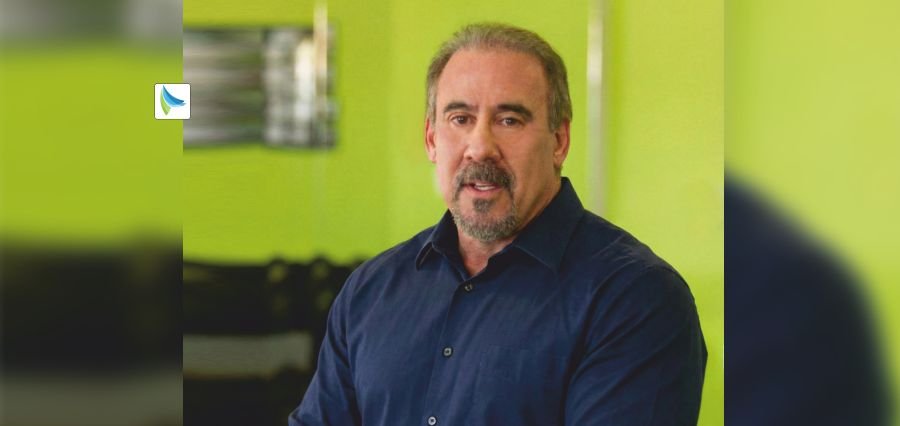
David Lyons: On a Mission to Build an OptimalBody-OptimalMind World
“Want to know how I was able to get into top shape when I received the Lifetime Achievement Award from Arnold Schwarzenegger and transformed my life through fitness?” asks David Lyons, a man diagnosed with Multiple Sclerosis at the age of 47, and then, fighting all odds, rose from the depths of despair to a bodybuilding contest stage. Born and raised in the vibrant, grit-filled streets of the Bronx and Queens, New York, David’s foundation was built on discipline and tenacity. This drive led him to enlist in the U.S. Marine Corps, where the rigorous training at Parris Island sharpened his resolve. Upon returning to civilian life, he initially pursued a path in film and television production at the New York Institute of Technology. “However, my true calling wasn’t behind a camera—it was in the arena of fitness.” As a martial artist, boxer, and competitive bodybuilder, David’s deep-seated passion for fitness and total wellness eventually overtook his interest in media, shifting his trajectory toward the fitness industry. No is a Detour, Not a Dead End David’s career has been a testament to the idea that ‘no’ is often just a detour, not a dead end. The early 1980s served as his first major professional ‘down.’ “I had a vision for my own gym, but faced the harsh reality of the financial world; with no formal business background, securing funding from banks or private investors proved nearly impossible.” Rather than retreating, David pivoted to strengthen his credentials, earning a B.S. in Nutrition while working on the gym floor at the Jack LaLanne chain. The ultimate ‘up’ came through sheer persistence and performance. While working as a salesman at a new facility in Queens, David rapidly climbed the ranks to General Manager. His dedication caught the eye of the owner, who was pivoting his time into his real estate business and offered David the chance of a lifetime: the opportunity to buy the business. “That single location became the catalyst for my dream, eventually allowing me to own and operate multiple successful gym locations across the United States.” Creating a Global Platform Through His Adversity Today, David serves as the Founder and Director of OptimalBody Fitness and the MS Fitness Challenge charity. While his early career was focused on general physical excellence, the ‘Aha!’ moment that redefined his life’s work came in 2006. “That was the year I received a diagnosis of Multiple Sclerosis.” In that moment of personal crisis, David realized there was a massive void in the fitness industry for those living with chronic conditions. Many felt abandoned by traditional fitness models or were told to ‘take it easy.’ He saw a desperate need for an advocate who understood the unique physiological challenges of MS but refused to accept physical decline as an inevitability. This led to the birth of the MS Fitness Challenge—a charity founded by David and his wife, Kendra, to provide vital resources to those fighting the disease—and OptimalBody Fitness, the professional framework helping people reclaim their lives from the inside out. The Passion of an Underdog David’s passion is fueled by the transformation of the ‘underdog.’ There is no greater reward than seeing a person who felt defeated by a medical diagnosis realize they still have a voice, a choice, and a body that can perform. “I am driven by the responsibility of leadership and the desire to leave a legacy that proves physical limitations do not define the human spirit. Every life reached through the MS Fitness Challenge and OptimalBody program is a reminder of why I started this journey.” When it comes to business, David describes himself as a calculated risk-taker. “I don’t believe in jumping blindly, but I also refuse to be paralyzed by the status quo. For a risk to be worth it, the reward must offer a significant impact on the lives of others.” David built a career by going where others said he couldn’t. “When I was told a kid from the Bronx without a business degree couldn’t own a gym, I did it anyway. When I was told that an MS diagnosis meant the end of my fitness career, I built a global movement instead. My appetite for business is driven by the word ‘impossible’—if a risk has the potential to break new ground for the chronic disease community, I am all in.” Democratizing Specialized Fitness on a Global Scale However, David’s real test came during COVID-19. Before the pandemic, his mission was largely mobile; he traveled across the U.S., hosting live events at gyms to train both MS warriors and the fitness professionals who wanted to support them. “When the world shut down, my physical reach was instantly severed.” However, what appeared to be a catastrophic roadblock became the greatest accelerator of his mission. David recalls, “COVID-19 forced us to pivot entirely to a digital landscape. We took our education and training modules online, birthing the global version of OptimalBody Fitness.” The result was staggering. By removing the barriers of travel and physical location, their charity and business exploded. They expanded their reach to 25 countries, “Impacting tens of thousands of lives that we never would have touched through physical events alone. We didn’t just survive the pandemic; we used it to democratize specialized fitness on a global scale.” The Owner of a ‘Triple A’ Personality Throughout his journey, David’s greatest strength is his relentless ‘Triple A’ personality. “That high-octane drive is what allowed me to scale businesses and reach 25 countries. However, that same strength is also my greatest ‘learning playground.” For years, David has struggled with the art of slowing down. His brain and body are constantly in ‘overdrive’ mode, and learning to shut it off effectively has been a challenge. He has had to learn that while his drive builds the vision, he must be intentional about rest and trusting that he is still moving forward during a break. It is a work in progress, but it serves as a reminder to other leaders that even

Improving Security Without Making the Yard Feel Closed Off
Security upgrades usually start after something feels off. A gate left ajar. Foot traffic is cutting through where it shouldn’t. Equipment moved slightly out of place. Property owners want protection, but they don’t want the space to feel tense or boxed in. The goal is not to build a barrier that dominates the yard. It is to create boundaries that work quietly and consistently. Experienced commercial fence planning begins with understanding how people already move through the space. Where do they enter naturally? Where do they hesitate? Where do they linger? Security improves fastest when design follows behavior instead of fighting it. Boundaries Work Best When They Feel Expected People respect limits more often than they test them. A fence does not need to feel aggressive to be effective. When boundaries align with how a yard is laid out, they feel natural. Paths end where they should. Access points appear intentional. Confusion disappears. This is why subtle fencing often performs better than tall, solid walls. Clear edges send a signal without creating resistance. Most security issues fade once movement patterns are clarified. Openness Can Still Communicate Control Blocking every view rarely improves safety. In many cases, it does the opposite. When sightlines disappear, hiding spots appear. Areas feel uncertain instead of monitored. Fencing systems that allow visibility discourage unwanted behavior simply by removing cover. Steel pickets, cable systems, and modern mesh designs hold their shape while keeping the yard visually open. These options feel lighter, yet they still resist climbing and forced entry. The space remains readable from multiple angles, which increases awareness without adding pressure. Layout Shapes Emotion More Than Height How a fence sits on the property matters more than how tall it is. Long, rigid runs can feel confining even at modest heights. Breaking those lines would change perceptions immediately. Adjusting alignment around corners and planting zones softens the structure. Layered zones guide movement. A yard with rhythm feels more intentional. Commercial properties use fencing to suggest direction. Where to walk. Where to pause. Where not to cross. That guidance reduces the need for heavy construction. Gates Set the Tone Most security weaknesses appear at gates. A poorly placed gate creates confusion. A gate that is too prominent draws attention. One that blends into the fence feels calm. Well-designed gates align with natural entry points. They open smoothly and close securely without drama. Automation can add control, but only when hardware stays subtle. When technology fades into the background, the yard keeps its character. Material Choice Changes the Atmosphere Every fencing material carries a visual weight. Solid wood can feel welcoming in small sections, but heavy when stretched too far. Meanwhile, steel offers strength but needs spacing to avoid feeling harsh. Composite panels balance consistency with durability. Selecting the right fencing solutions in Georgia often means considering how materials respond to heat, moisture, and seasonal shifts. Materials that weather evenly age better. A fence that looks stable over time feels less imposing because it belongs. Landscaping Is Part of the Security Plan Fences should not stand alone. Plants soften edges and help guide movement when placed thoughtfully. Low plantings preserve visibility. Taller greenery reinforces boundaries without blocking sightlines. Poor landscaping creates blind corners and maintenance problems. Thoughtful planting supports security by keeping edges clean and readable. When fence and landscape work together, the yard feels composed instead of divided. Lighting Should Support, Not Overwhelm Lighting completes the system quietly. Bright floodlights flatten the space and create glare. Lower, warmer lighting placed near gates and transitions offers clarity. Well-placed lighting extends the yard’s usability into the evening. It also reinforces boundaries after dark. With it, security becomes part of the environment. Here are principles that guide balanced fence design: Define access points clearly Preserve natural sightlines Break long fence runs visually Choose materials that age gracefully Coordinate fencing with planting and lighting Regulations Shape Smarter Designs Local codes influence placement and materials. Designs that respect these limits feel cleaner and more deliberate. On the other hand, fighting regulations only leads to bulky solutions and delays. Installers who are familiar with local expectations build fences that pass inspection without compromise. The result is a system that looks planned rather than reactive. The Best Security Feels Invisible When fencing works well, people stop noticing it. The yard feels open, and movement feels guided. Boundaries feel obvious without being loud. Security does its job quietly. That balance is not accidental. It comes from understanding behavior, materials, and layout together. With protection, the yard stays usable and secure. All these without ever feeling closed off. Read Also: How Performance Drivers Decide Which Components Are Worth the Investment