






The Ultimate Guide to Finding the Right Pilates Studio for You
Pilates has grown from a niche fitness method to a global wellness phenomenon because it offers a low-impact, full-body workout that improves strength, flexibility, posture, and body awareness. Whether you’re a beginner looking to try something new or an experienced mover seeking deeper results, choosing the right Pilates studio can make all the difference in your practice. With so many options popping up in cities and communities, it can feel overwhelming to decide where to start. This guide will walk you through what to look for pilates studios, why it matters, and how to find a studio that supports your goals. What Is Pilates and Why Choose a Pilates Studio Pilates is a movement system developed by Joseph Pilates that focuses on core strength, controlled movement, and mindful breathing. Unlike some high-intensity gym workouts, Pilates encourages precision, alignment, and longevity of movement. It can benefit people of all ages and fitness levels, from rehabilitation clients recovering from injury to athletes improving performance. A dedicated Pilates studio provides an environment designed specifically for this method, typically featuring certified instructors and specialized equipment like reformers, towers, and stability chairs. Benefits of Practicing Pilates in a Studio Setting Personalized Instruction One of the biggest advantages of attending a Pilates studio is the personalized attention you receive from trained instructors. In a group class, teachers can adjust your form, recommend modifications, and ensure you’re engaging the right muscles. In private sessions, this is taken a step further with tailored programming based on your body, goals, and any physical limitations. Access to Specialized Equipment While mat Pilates is excellent and accessible, many studios offer apparatus-based classes. Equipment like reformers and Cadillac towers add resistance, support, and variety to your workouts. These tools allow for greater challenge and progression, helping you deepen your practice safely and effectively. Community and Motivation Joining a Pilates studio means becoming part of a community of people who share your interest in mindful movement. This sense of belonging can boost motivation, make classes more enjoyable, and even lead to lasting friendships. For many people, this supportive environment is one of the most rewarding aspects of studio membership. How to Choose the Right Pilates Studio Consider Your Goals Before signing up, think about what you want to achieve. Are you looking to increase flexibility, improve posture, recover from an injury, or complement another sport? Some studios cater to specific populations (e.g., beginners, prenatal clients, athletes) and offer classes aligned with those goals. Choose a studio whose programs match your intentions. Check Instructor Qualifications Not all Pilates classes are created equal. Look for instructors who are certified through reputable organizations and who have experience teaching a variety of clients. A knowledgeable teacher can help prevent injury, challenge you appropriately, and adapt exercises based on your needs. Visit the Studio in Person If possible, schedule a visit or trial class before committing. Pay attention to the vibe of the space, the cleanliness of the facilities, the energy of the instructors, and how welcomed you feel. Trust your instincts—comfortable and welcoming studios tend to support better long-term engagement. Variety of Class Formats Many studios offer multiple class styles, such as beginner mat classes, reformer sessions, barre fusion, or small group privates. A schedule with variety can keep your workouts fresh and help you progress more holistically. Ask about class sizes, as smaller groups often mean more attention from the instructor. Pricing and Membership Options Studio pricing can vary widely, so consider what works best for your budget. Some offer class packs, monthly memberships, or packages that mix private and group sessions. Make sure you understand cancellation policies, expiration dates on class credits, and any additional fees. What to Expect in Your First Class Your first Pilates class might feel unfamiliar, especially if you’re new to the method. Expect an emphasis on controlled, mindful movement rather than high-speed repetition. Instructors will likely guide you through fundamental principles: breathing patterns, alignment cues, and core engagement. Don’t worry about being “perfect”; Pilates is about progress, not perfection. Focus on how your body feels, ask questions, and take your time learning the basics. Frequently Asked Questions About Pilates Studios Do I Need to Be Flexible to Do Pilates? Absolutely not. One of the benefits of Pilates is that it helps improve flexibility over time. Everyone starts somewhere, and instructors are trained to offer modifications for all levels. Is Pilates Good for Weight Loss? Pilates can contribute to weight loss, especially when combined with a balanced diet and other physical activities. It’s particularly effective for building muscle tone, improving posture, and supporting long-term fitness habits. Can Beginners Join Any Class? Many studios offer beginner-friendly classes or introductory packages. If a class seems advanced, ask the studio for recommendations based on your level and goals. Conclusion: Finding Your Pilates Fit Choosing the right Pilates studio is about more than location or price—it’s about finding a space where you feel supported, challenged, and inspired to move. Consider your goals, assess studio offerings, try classes, and don’t be afraid to ask questions. With the right environment and guidance, Pilates can become a transformative part of your fitness journey. Trust the process, enjoy each session, and celebrate your progress along the way. Read Also: What Is a Medico-Legal Report and Why It Matters: A Practical Guide

What Is a Medico-Legal Report and Why It Matters: A Practical Guide
A medico-legal report is a document that bridges the worlds of medicine and law. It is written by a qualified healthcare professional to provide an objective and structured account of a person’s medical condition, the cause and extent of injuries, and how those injuries relate to an incident with legal relevance. While the term may feel technical or intimidating, understanding what a medico legal report is and why it matters can empower patients, lawyers, insurers, and employers to make better decisions when health and legal issues intersect. What Is a Medico-Legal Report? Defining the Basics A medico-legal report is a formal written statement from a medical expert that summarizes clinical findings, medical history, diagnostic results, and professional opinions about injuries or conditions. It is often requested in situations where health outcomes have legal consequences, such as personal injury claims, workers’ compensation cases, criminal investigations, or medical negligence disputes. Who Can Prepare One? Typically, a qualified specialist clinician prepares a medico-legal report. This might include physicians, surgeons, psychiatrists, or other healthcare professionals with relevant expertise. Importantly, the clinician must be independent and impartial, meaning they have no vested interest in the legal outcome of the case. When Are Medico-Legal Reports Used? Personal Injury and Compensation Claims One of the most common uses of medico-legal reports is in personal injury cases. Whether arising from a road traffic collision, a slip and fall incident, or an accident at work, insurers and legal representatives rely on medico-legal reports to understand the nature of injuries and their impact on a person’s life. These reports help assess liability, determine the severity of harm, and estimate future care needs or loss of earnings. Workers’ Compensation Cases When an employee sustains an injury or develops an illness due to their job, a medico-legal report can clarify the causal link between the workplace incident and the medical condition. This supports decisions around compensation, rehabilitation needs, and return-to-work planning. Criminal and Police Matters In criminal cases involving physical or psychological harm, medico-legal reports can provide clear, medically grounded evidence. These reports might describe the extent of injuries, the likely mechanism of harm, and whether injuries are consistent with a particular version of events. Medical Negligence and Standard of Care In cases where medical treatment itself is under scrutiny, a medico-legal report can assess whether the care provided met accepted standards. This may involve reviewing clinical records, test results, and treatment timelines to provide a professional opinion on whether harm resulted from substandard care. What Goes Into a Medico-Legal Report? Clinical Assessment and History A thorough medico-legal report begins with a detailed clinical assessment. This includes taking the patient’s history, documenting symptoms, and reviewing relevant diagnoses. The healthcare professional may also examine prior medical records, imaging results, and treatment notes. Objective Findings and Documentation Reports must be grounded in objective observations. This means clear documentation of physical findings, test results, and diagnostic impressions. For example, an orthopedic report might describe range of motion, imaging abnormalities, and functional limitations. Professional Opinion and Causation The heart of a medico-legal report is the expert opinion. Clinicians explain how specific injuries likely occurred, the relationship between the incident and medical outcomes, and the expected prognosis. They may also comment on the need for ongoing treatment or rehabilitation. Functional Impact and Prognosis An effective medico-legal report considers how injuries affect the person’s daily life, work capacity, and overall well-being. This might include evaluations of pain, disability, psychological effects, and future recovery expectations. Key Characteristics of a Good Medico-Legal Report Objectivity A medico-legal report must be unbiased and fact-based. It should not advocate for any party but rather present a clear, evidence-driven assessment. Clarity and Structure Reports should be easy to read and logically organized. Legal professionals and insurance assessors rely on clear language that avoids unnecessary medical jargon. Relevance and Completeness Every statement in the report must directly relate to the legal question at hand. The clinician should cover all areas requested in the referral without omitting key details. Challenges and Considerations Timeliness Delays in obtaining a medico-legal report can slow legal processes. Scheduling assessments and ensuring comprehensive documentation requires coordination between healthcare providers and legal representatives. Cost and Accessibility Medico-legal reports can be costly, depending on the specialist’s fees and the complexity of the case. Accessibility may also be a concern in areas with limited specialist availability. Accuracy and Dispute In some cases, opposing parties may challenge a medico-legal report. This can lead to requests for independent examinations or expert cross-examinations in legal proceedings. Conclusion Medico-legal reports play a crucial role at the intersection of health and law. They provide structured, expert medical evidence that supports fair decision-making in personal injury claims, compensation cases, criminal matters, and medical negligence disputes. While the process may seem technical, the core purpose of a medico-legal report is to bring clarity, objectivity, and expert insight to situations where medical facts carry legal consequences. Understanding what these reports involve and why they matter can help individuals and professionals navigate complex legal and health-related challenges with confidence. Read Also: The Complete Guide to Dog Boarding: What Every Pet Parent Should Know
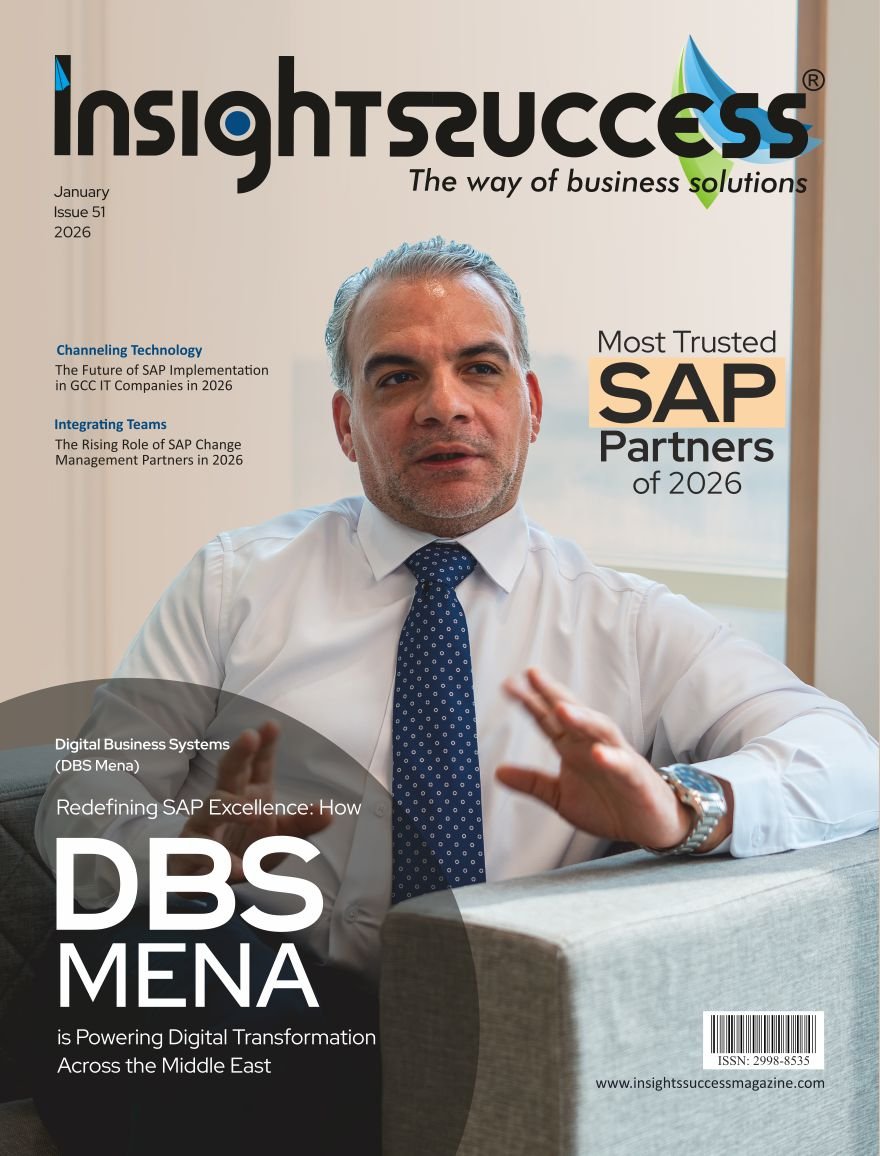
Most Trusted SAP Partners of 2026
Most Trusted SAP Partners of 2026 DBS MENA, a leading SAP partner in Saudi Arabia, delivers industry focused SAP solutions across manufacturing, retail, pharmaceuticals, mining, and EC&O. Led by Eng. Mahmoud Moussa, the firm drives S/4HANA, cloud, and analytics programs, combining global standards with regional expertise to enable measurable digital transformation outcomes for enterprises across MENA. Quick highlights Quick reads

Channeling Technology: The Future of SAP Implementation in GCC IT Companies in 2026
SAP implementation practices in the GCC are entering a decisive stage as organisations prepare to operate more digitally, adopt data driven decision making, and build platform centric business models in 2026. The sudden economic diversification, government-driven digital road maps, and the increase in competitive forces are compelling businesses to reorganize their fundamental technology arenas. As a part of this change, SAP platforms are becoming a focal point of integration of operations, intelligent automation, and enterprise level visibility. IT companies in the region are no longer considering SAP programs as a window dressing system update, but rather a strategic change agenda, which has direct impact on agility, resiliency and long-term growth. With the growing pace of cloud adoption and development of intelligent technologies, SAP implementation is experiencing a structural shift in the scope of implementation, delivery, and anticipated results. With Cloud first ERP implementations and new talent paradigms, as well as the industry solutions and automation of processes in AI, the SAP ecosystem of the GCC is becoming increasingly innovative and value driven. Cloud Driven Transformation In 2026, the cloud first strategies and accelerated digital transformation programs are likely to become a significant characterization of SAP implementation by IT companies in the GCC region. Businesses in industries like energy, logistics, retail and finance as well as in the government sector are migrating from old ERP systems to cloud based customer SAP applications like S/4HANA cloud. This has been brought about by the necessity to be scalable, have shorter deployment times, and also have better data visibility in distributed operations. The adoption of the cloud also facilitates the regional aspirations of creating digitally empowered economies, where governments are fostering businesses to upgrade their central systems and switch to the use of the modernized digital platforms. Cloud centric SAP programs are ceased to be restricted to the system replacement initiatives. They are more bound to enterprise wide transformation objectives. GCC IT companies are also marketing SAP programmes as business value initiatives which enhance efficiency of processes, minimize operational silos and facilitate real time monitoring of performance. The presence of standardised best practice processes within the contemporary SAP solutions has facilitated the streamlining of workflows and decreasing the burden of any customization in organisations. Delivery and Talent Shift GCC SAP implementation environment is also changing the models of delivery and the workforce strategy. The lack of highly skilled SAP professionals which are enjoying expertise in new generation platforms, industry-specific modules and advanced analytics capabilities is one of the most important challenges. The demand in the area of consultants who have experience and have worked with S/4HANA transformation, cloud integration, finance transformation, and digital supply chain remains high as compared to the supply. It is this gap that is driving IT companies to reconsider how they develop and manage SAP talent pipelines in the region. Organisations, in turn, are putting in greater investments in formal training, certification systems and collaborative relationships with technology vendors and educational systems. To minimize the reliance on external consultants, many firms are establishing internal centers of excellence as a way of knowledge retention. Remote and hybrid delivery model is in the process of becoming the norm which gives GCC companies an opportunity to capitalize on SAP experience globally, allowing governance and control to remain local. Managed services and long-term support contracts are becoming more popular as business organizations are pursuing continuity, predictability of costs and assurance of performance after going live. AI and Industry Integration The upcoming SAP application functionality at GCC IT companies will introduce improved artificial intelligence integration with automated systems and dedicated digital solutions for specific industries. The current SAP systems of businesses now support AI capabilities which enable predictive forecasting and intelligent invoice matching, automatic identification of anomalies and conversational analytics features. The features enable organisations to shift to proactive decision making as opposed to reactive reporting. With increasing data volume and decreasing business cycles, the AI-driven SAP systems will be at the center of the stage of refining the accuracy of the planning and responsiveness of operations. SAP solutions that are industry oriented are also becoming relevant in the GCC. Businesses need industry templates that are ready-made in the utilities, oil and gas, government, healthcare and retail industries. These off-the-shelf packages minimize implementation risk and time to value through alignment of system design to sector specific regulatory and operational requirements. Meanwhile, the connection with the external digital platforms, including IoT systems, customer experience tools, and advanced planning solutions, is emerging as a common requirement. Conclusion The future of SAP implementation in GCC IT companies in 2026 will be determined by the cloud acceleration, new delivery and talent strategies, and close integration with intelligent technologies. The implementation will become business oriented, easy to roll out and more closely associated with quantifiable results. Companies that adopt SAP programs as strategic transformation projects will be in a better position to realise value. When properly blended with great talent, organized management, and digitally oriented design, SAP will remain an enterprise backbone in terms of growth and innovation within the GCC region. Read Also: Digital Solutions: Revolutionizing Patient Care with Advanced Technologies

Redefining SAP Excellence: How DBS MENA is Powering Digital Transformation Across the Middle East
As one of the top SAP partners in Saudi Arabia, DBS MENA has progressively grown by providing solutions that blend international standards with regional significance. The company, which has its headquarters in Riyadh and offices in Dammam, and Cairo specializes in areas like manufacturing, pharmaceuticals, retail, mining and EC&O. It is also offering customized SAP solutions that improve growth, compliance, and operational efficiency. Under the direction of Eng. Mahmoud Moussa, the organization goes beyond system implementation. From SAP S/4HANA migrations to cloud adoption and advanced analytics, the company is supporting clients to get the most out of their technological investments. Their emphasis on measurable results, industry-specific innovation, and long-term collaborations distinguishes it as a strategic enabler of regional corporate success. Let’s delve into the conversation where Eng. Moussa shares insights into the company’s journey, its approach to SAP implementation, and how DBS MENA continues to drive digital transformation. Can you share the founding vision behind DBS MENA and how it has shaped the company’s role as a trusted SAP partner? DBS MENA was founded with one clear objective: to bring global-standard SAP expertise closer to businesses in the Middle East. From the start, we positioned ourselves not just as system implementers but as strategic enablers of business growth. Headquartered in Saudi Arabia, with offices in Riyadh, Dammam, and a hub in Cairo, we have deliberately built a strong regional footprint. This allows us to be close to our clients and to respond quickly to their business requirements. Our founding vision has shaped us into a partner that consistently delivers enterprise-grade solutions with measurable impact, aligning with global SAP standards while addressing the dynamic business needs of the region. How do you ensure that your SAP implementations are tailored to meet the unique needs of clients across different industries? We focus on industry specificity. Our teams are structured around vertical expertise, so when we work with a pharmaceutical manufacturer, a retail chain, or EC&O, we bring people who already understand the industry dynamics. We also invest in building end-to-end solutions. For example, we developed a comprehensive Retail Management System that not only matches international benchmarks but also integrates seamlessly with SAP. This system covers everything from point-of-sale operations to supply chain visibility, giving retailers in the region the same sophistication as their global counterparts. By combining SAP’s global framework with our industry accelerators, we make sure implementations deliver immediate, relevant value. How do you build and maintain long-term trust with your customers as their strategic SAP partner? For us, trust comes from delivery and consistency. Clients stay with DBS MENA because we provide predictable outcomes: projects delivered on time, budgets respected, and systems that run smoothly. We also emphasize ownership. Our teams work side by side with clients, ensuring knowledge transfer and continuity long after go-live. This reduces dependency and positions us as a true partner rather than just a service provider. It’s this reliability and measurable performance that builds long-term client relationships. What challenges do businesses in the MENA region face when adopting SAP, and how does DBS MENA address them? We are constantly navigating three major challenges. First, many organizations still rely on legacy environments, which makes transformation far more complex than it appears on paper. Second, we often have to bridge integration gaps, ensuring SAP works seamlessly with multiple third-party applications. And finally, effective management changes is essential, as teams need to adapt quickly to new processes and ways of working. We address these by deploying structured migration strategies, leveraging our retail and manufacturing accelerators, and ensuring seamless integration across platforms. Most importantly, we implement SAP with an eye on speed to value, ensuring clients see quick returns, not just long-term potential. Who is the key personality behind the success of DBS MENA, and what role have they played in its growth? Our growth has been driven by a clear focus on strategic expansion and operational excellence. From day one, we have concentrated on three priorities. First, I focused on building a strong regional presence establishing our headquarters in Saudi Arabia and expanding our footprint with offices in Riyadh, Dammam, along with a dedicated hub in Cairo. Second, we ensure that DBS MENA remained fully aligned with SAP’s global standards and future roadmap. And third, we are committed to driving industry-focused innovation, including the development of our end-to-end Retail Management System, which enhances SAP’s capabilities while meeting international benchmarks. This approach has enabled us to scale rapidly while staying relevant to fast-changing market needs across the region. With digital transformation accelerating, how is DBS MENA helping clients unlock more value from their SAP investments? Our role is to make sure clients don’t just implement SAP but maximize its ROI. We achieve this by migrating organizations to SAP S/4HANA, which allows for faster performance and real-time analytics. We also focus on enabling cloud adoption, helping businesses reduce infrastructure costs while increasing scalability. Additionally, we embed AI and advanced analytics into operations to enhance decision-making and drive operational efficiency. For instance, in manufacturing, predictive insights help reduce downtime. In retail, integrated SAP + RMS solutions improve sales visibility and customer experience. We focus on outcomes that directly translate to efficiency gains and revenue growth. How does your team balance global SAP standards with regional business and regulatory requirements? The balance comes from dual expertise. Our consultants are certified in SAP while also experienced in regional regulations and compliance. For example, our projects in Saudi Arabia are fully aligned with ZATCA e-invoicing requirements, while our Egypt hub ensures compliance with local tax and reporting frameworks. This dual focus ensures our clients get the best of both worlds: global standards without compromising local compliance. What initiatives has DBS MENA undertaken to stay ahead of emerging SAP technologies such as S/4HANA and cloud solutions? We consistently invest in capability development to ensure we stay ahead in delivering value to our clients. We have helped create a Center of Excellence for S/4HANA migrations to support clients transitioning from ECC, and I make it

Product Evolution: Software Company Strategies Driving Global Market Transformation
Digital infrastructure is emerging as a core competitive advantage for businesses and an integral element of national economic policy, with software firms playing a leading role in shaping global markets. Software companies no longer operate merely as technology vendors; through cloud platforms, artificial intelligence, cybersecurity capabilities, and industry-specific solutions, they now act as strategic partners that drive innovation, operational efficiency, and market transformation. They are ecosystem constructors, platform coordinators and transformation collaborators. Their initiatives and strategies shape the operations of industries, governments in addition to the relationships between consumers, products as well as brands. Maturation of the technology and repositioning of the strategy are the two factors that cause the rate of change. Software companies are leaving the product-based paradigms and integrating services, data platforms, and recurrence-based models. They are also seeking to increase influence by forming partnerships, developer ecosystems, and vertical specialization. These strategies are making the innovation processes faster and decreasing the barriers to entering the global market on the side of the providers and customers. Platform Expansion Platform expansion is one of the strongest tools that have been used to transform the market. The most successful software vendors are developing holistic systems that are inclusive of various capabilities like analytics, automation, security, and collaboration. These platforms provide cohesive platforms on which customers can execute important processes as they relate with third-party developers and service providers. This strategy enhances customer stickiness and builds network effects that enhance competitive advantage in the long-term. The platform strategies also facilitate the faster scaling of regions and industries. Companies also provide modularity and customization by the way of application programming interfaces and software development kits to enable their partners to create industry-specific and localized solutions on core platforms. This saves the customization costs and accelerates deployment. Core capabilities can be quickly adopted by the customer with specialized functionality being overlaid on top of that. Consequently, software infrastructure is serving as a base layer to industries including finance, health care, industry, logistics and government. They are also redefining value chains whereby they are standardizing digital operations and facilitating interoperability among organizations. Owning a platform accessible to many people can make a software firm a cornerstone of a complete market ecosystem. AI and Data Focus The use of artificial intelligence and innovative data solutions have become the primary pillars of strategy among software companies. Companies are integrating AI into product lines to enhance decision-making, automate processes and customize user experiences. It involves intelligent assistants, predictive analytics, automated security surveillance, and code generation, as well as, adaptive business application, which learns though user behavior and operations data. AI is also transforming how companies’ structure and maintain software. AI-assisted coding, testing, and debugging are becoming integral to development tools, improving reliability and reducing time to market. Enterprise applications are becoming embedded with intelligence and customer support functions are now being supplemented with AI agents, which assist individuals to act quicker and more correctly. This transformation equally involves data strategy. The software firms are spending a lot of money on the data management, governance, and real time analytics. They are assisting customers in consolidating disjointed sources of data and converting raw data into insights. This change is in favor of outcome-employ value propositions in which software is evaluated in terms of business effect than the feature set. Ecosystem and Verticalization The other significant change in strategy is the emphasis on the development of the ecosystems and vertical specialization. The software companies are creating large partner ecosystems which involve system integrators, independent developers, cloud providers, hardware vendors and consulting companies. Such ecosystems increase the market access and make it possible to deliver more complex solutions. Companies do not just sell standalone tools but develop solutions with their partners that tackle end-to-end business issues. Marketplaces and developer communities are very essential in this model. Software companies allow third parties to create extensions, connectors, and applications, which increases the ability to become innovative further than their internal staff. The customers enjoy the greater variety of solutions portfolio and partners can access the global channels of distribution. This is further enhanced through verticalization where the software solutions are specific to industries. They are creating industry clouds and industry specific applications in the banking, retail, energy, telecom, education, and public services sectors. These products consist of ready-to-use workflows, compliance platforms, and industry-specific analytics. The software providers minimise the time and effort taken to implement the software by matching the products with the needs of the industry and enhancing their relevance in the operations. Conclusion By uniting artificial intelligence abilities, information-driven understanding, service delivery patterns, and ecosystem collaboration, software companies are reinventing the outlines of worldwide rivalry. Their shift in roles as an enabler of transformation is transforming the way organizations design operations, offer services and how organizations become customer-centric. Expansion to platforms, AI utilization, verticalization, as well as ecosystem collaboration are not separate trends but interrelated levers that can collectively drive digital adoption and operational modernization in all sectors. The strategic power of software companies will only continue to grow as the global markets continue to go digital, become interconnected, and results-oriented. Firms that effectively integrate continuous innovation proposals with maintained platforms, partner clusters, and domain knowledge will be in the finest place to spearhead the following stage of market change. Read Also : Executive Transformation: The Expanding Role of the Regional Director in Driving Market Growth

Executive Transformation: The Expanding Role of the Regional Director in Driving Market Growth
Over the last decade, the position of Regional Director has transformed considerably. Previously viewed mainly as an operational manager overseeing sales teams and regional compliance, the modern Regional Director now drives strategic growth and market expansion. Organizations in industries have now asked their regional heads to be market architects whose role is to create expansion plans, accelerate revenues, and create robust ecosystems. This development is a manifestation of larger business trends in the world in which regional complexity, diversity of the customer, and competition require increasingly localized but strategically oriented leadership. The existence of globalization and digital connectivity has heightened the opportunity and risk in the markets. The customers are better informed and the competition is more fleet-footed and the regulatory systems are dynamic. This environment does not permit companies to be dependent on centralized planning and similar models of uniform execution. Local leadership has assumed a crucial role of aligning enterprise strategy to the local reality. Regional Directors are no longer judged by the performance quarterly but by the capacity to create long term market position and strategic edge. Strategic Market Leadership Regional Directors are increasingly shifting from target delivery to leading regional strategy. They analyze market dynamics, regulatory conditions, competitor strategies, and customer demands to develop growth plans tailored to their regions. They do not merely implement plans made by the headquarters, but rather they co-create strategy by finding whitespace opportunities, segment priorities, and areas to focus on investment. This closeness to the market enables them to be in a better position to identify new trends early in the market, and then match the organizational resources in connection with them. They are also useful in the risk assessment and scenario at the regional level. The volatility of the market, the shifts in policy, the effect on the supply, and changing demand on the part of the customer can have a severe impact. An effective Regional Director develops adaptive plans that contain contingency plans, and have quantifiable triggers on course correction. This proactive planning enhances resilience and the cost of reactive decisions. There is a growing trend of organizations relying on regional heads to deliver organized market intelligence that is used to drive enterprise wide planning cycles. Cross functional coordination is also needed in this strategic position. Marketing, product, supply chain and finance teams liaise with regional Directors to make sure that regional plans are viable and scalable. They determine the positioning of products, pricing strategies, and channel strategies on the ground level feedback. Revenue and Ecosystem Expansion Revenue growth is a fundamental task, although the approaches have become more diverse and to the point. Regional Directors are now in charge of creating and streamlining complete revenue ecosystems instead of only operating direct sales. This involves channel alliances, distributor networks and platform alliances. They determine which pathways to market will hasten the access and lessen the acquisition expenses, and organize engagement models that guarantee the long-term success. The present-day regional growth strategies tend to merge both physical and digital channels. Regional Directors endorse hybrid go to market systems comprising of e commerce, digital lead generation, and remote selling systems and structures in combination to traditional field sales. They keep track of risks of channel conflict and establish rules of segmentation that safeguard the interests of partners as well as leave margin intact. With their control, growth will be balanced in terms of channels and will not cause internal competition, which will undermine the brand. Moreover, Regional Directors are paying more attention to customer lifetime value as opposed to new customer acquisition. They propagate account-based strategies, enhanced customer engagement, and service-based differentiation to enhance retention and upsell chances. They assist in developing similar customer experiences by integrating sales, customer success and support functions under the same regional vision. Talent and Operational Excellence The other significant aspect of the growing Regional Director position is talent leadership. The quality and agility of local teams are very important to the development of the region. The Regional Directors are now very much engaged in the hiring, capability building, succession planning, and leadership development. They will establish high performance cultures that will balance between accountability and empowerment. It is in their mandate to coach frontline managers, strengthen mid-level leadership, and promote cross team collaboration. They should also localize the talent strategies to the realities on the ground. The availability of skills, cultural expectations and mobility of workforce differ among markets. Strong Regional Directors are investing into local training systems and leadership pipelines that mirror these differences. Their approach is to spot high potential employees at an early stage and give them stretch assignments and mentoring. This minimizes the leadership differences and maintains continuity when the regional business grows. They also have operational excellence at the forefront of their duties. Regional Directors need to make sure that processes, standards of governance, and performance metrics should be able to contribute to growth without introducing unnecessary bureaucracies. They are the ones to spearhead digital adoption programs, data driven performance tracking programs, and process optimization programs in their realms. Conclusion The position of Regional Director has shifted to being more than an operation supervisor towards a strategic market leader. Companies are using regional heads as a source of growth, ecosystem constructors, and culture creators. They impact the strategy, revenue, partnerships, talent, and operations. Due to the increased completeness and dynamic nature of the market, the role of robust leadership in the regions will only increase. Businesses that decentralize and enable its Regional Directors with decision making, data access, and cross functional support have a high chance of attaining a sustainable and diversified growth in the market. Read Also : Redefining Pedagogy: Visionary Academic Leadership in Emerging Education Ecosystems

Neré Jansen Van Vuuren: Pioneering Financial Inclusion Across Africa
Some stories are built on grit rather than smooth paths, Neré Jansen Van Vuuren’s journey is one of them. Adversity is served as both a teacher and a testing ground for her from an early age, creating the resilience that would later define her leadership throughout Africa’s technological and financial landscapes. What began as a humble beginning, serving tables in Cape Town restaurants has blossomed into an astonishing career that now sees her as C&R Software’s Regional Director for Africa, guiding the company’s strategic growth. Her rise was never linear; it was gained by perseverance, reinvention, and a firm belief in producing value beyond profit. Her transition from hospitality to technology exemplifies her talent for transformation, turning obstacles into opportunities and ideas into meaningful change. Empathy and authenticity guide her as she is advocating for solutions that promote financial inclusion and empower communities across the continent. Today, she is a dynamic leader who is bridging the gap between technology and humanity, demonstrating that true success is measured not by titles or awards, but by how one uses influence to help others. For her, leadership is an ongoing act of courage, connection, and purpose. Building Foundations Through Adversity Neré describes her childhood as complicated—a reality that could have broken her spirit but instead forged something stronger. Those early challenges became the crucible that tempered her resilience and deepened her capacity for empathy. “My complicated childhood wasn’t just a challenge—it was the forge that shaped who I am today,” she reflects. Her personal foundation rests on relationships that matter most. She married her high school sweetheart, a romance that kindled in 1989 and continues to burn bright decades later. Together, they raised two sons and welcomed a daughter-in-law whom she considers the daughter she never had. Now, as a grandmother to a seven-year-old granddaughter and four-year-old grandson, she finds pure joy in the simple moments that ground her ambitions. Animals have always occupied a sacred space in their lives. She has never lived with fewer than six dogs, and in 2016, she orchestrated an ambitious relocation of twelve dogs from Johannesburg to Cape Town. Leaving them behind simply wasn’t an optional decision that speaks volumes about her values and priorities. Her interests paint a picture of someone who seeks balance through variety. From the disciplined worlds of dancing and gymnastics to the adrenaline rush of full-contact karate and off-road quad racing, she embraces both precision and passion. She finds equal fulfillment in golf’s calculated strategy, hiking’s meditative serenity, and the creative expression of oil painting. Three individuals profoundly shaped her worldview. Her husband taught her that she is enough, exactly as she is a lesson that liberated her from the exhausting pursuit of perfection. Her uncle, whose unexpected death in 2020 left a void that still resonates, demonstrated how quiet excellence transforms industries through his work in wine science. Her first Cape Town CEO showed her that integrity creates space for growth through both triumph and failure. From Tables to Transformation Neré’s professional journey defies conventional wisdom about career progression. She completed a fashion design diploma after school, passing the traditional university route. Her expertise grew through targeted courses and hands-on experience, a testament to the power of practical learning and determined self-education. Her career began literally from the ground up, serving tables in Cape Town restaurants. But even in those early days, her instinct for spotting opportunities and implementing revenue-boosting strategies set her apart. She quickly advanced to Maître D’ and restaurant consultant, transforming struggling establishments into thriving businesses. The satisfaction of turning challenges into victories became her signature approach. The transition to corporate life arrived through an unexpected channel. She as a waitress once managed to receive a promotion and recommended her for the vacated position at Momentum, which required relocating back to Johannesburg. From there, her trajectory accelerated during a defining chapter at Discovery during its formative years. “The company was small enough that Adrian Gore would stop you in corridors to recite the core values,” she recalls. Those early days instilled a philosophy she still holds sacred: focus less on selling and more on adding value, and the selling naturally follows. The pivotal shift came when she moved into the technology sector, specializing in credit risk data, analytics, and decisioning technology. Organizations including KreditInform, Experian, Principa, and FICO each added crucial layers to her expertise, building toward her current role leading sales and go-to-market strategies across Africa for C&R Software. Today, she focuses on enterprise solutions that deliver measurable value to financial institutions throughout the continent. What drives her remains unchanged from her waitressing days, identifying opportunities to create meaningful impact and implementing ideas that transform businesses. The restaurant floor may have been replaced by boardrooms, but her commitment to authentic value creation has never wavered. The Balancing Act Behind every successful professional stands a support system that makes excellence possible. For Neré, that system has a name: her husband. He manages everything from grocery shopping to bill payments, home repairs to school pickups, never questioning, always supporting. He has even scheduled her hair and nail appointments. This rock-solid foundation gives her the freedom to pursue professional excellence without the weight of guilt that often accompanies ambition. Balance, she insists, isn’t about perfect time distribution. It’s about quality connections. The family maintains a non-negotiable tradition of weekly gatherings that bring together children, grandchildren, and her mother-in-law, who live with them and add immeasurable joy to their home. These meals nourish both body and soul, creating space for advice-sharing, life updates, and the kind of belly laughs that reset perspectives. “My husband has never once made me feel guilty about my drive for success, though I’ve certainly inflicted enough self-judgment for both of us,” she admits. They counterbalance intense work periods with activities that reconnect them: beach walks, hiking trails, scenic drives, golf games, or simply lounging with their pack of dogs. She has learned that balance emerges not through perfect equilibrium each day but through rhythms of

2026’s Most Impactful Personality
2026’s Most Impactful Personality Neré Jansen Van Vuuren is Regional Director for Africa at C&R Software, driving technology-led financial inclusion across the continent. Rising from hospitality to fintech leadership, she is known for resilience, strategic growth, and value-driven partnerships. She champions ethical innovation, enterprise transformation, and inclusive financial solutions that empower institutions and underserved communities across Africa. Quick highlights Quick reads

Most Iconic Education Leader Inspiring the Youth 2026
Most Iconic Education Leader Inspiring the Youth 2026 Dr. Dawn Menge is an award-winning educator, author, and CEO dedicated to advancing special education. With over 28 years of experience, she has empowered students with disabilities through inclusive, experiential learning and literacy initiatives, influencing global classrooms and communities while reshaping expectations around cognitive and developmental challenges worldwide today consistently. Quick highlights Quick reads