






Advancing Business with Digital Finance Transformation
Creating Lasting Value Businesses are currently working in a setting that requires speed, accuracy, and intelligent decision-making to ensure their success. In a world of increasing competition, companies have started to use more efficient finance strategies in order to be more effective. The digital finance transformation is one such factor in this regard, which not only simplifies finance functions but also prepares companies for their future needs. Finance departments today are no longer confined to accounting and reporting operations only; rather, they play a significant role in offering insights which prove useful for performance and planning. Digital developments have enabled organizations to make decisions fast, automate operations, and gain visibility into financial matters. Improving Efficiency Through Technology Conventional financial processes usually contain repetitive activities, paperwork, and manual entries. Such approaches tend to waste precious time and cause human errors. The modern organizations replace such outdated practices with advanced digital systems that automate the processes and increase productivity levels. The digital finance transformation makes it possible to automate such processes as invoicing, expense control, payroll, budgeting, and financial reporting. It becomes possible for finance experts to save time and analyze business efficiency. The cloud-based finance solutions offer secured access to the financial data from anywhere. It contributes to collaboration between the teams and quick responses to the changes in the business. Smarter Decisions with Real-Time Data Financial information must be accurate to make sound decisions. Firms cannot base their decisions simply on historical reports given that the market is dynamic, and they need information at the moment that enables them to respond promptly. The above statement describes the importance of digital finance transformation in such circumstances. Contemporary financial systems provide users with immediate access to information that enables them to view dashboard, performance and cash flow reports at any time. In addition, artificial intelligence and data analytics support decision-making processes through the identification of spending patterns, forecasting of future developments, and identification of possible financial risks. Such analysis enables firms to use their financial resources rationally and profitably. Leaders with access to financial data can make well-informed decisions that will be profitable for both firm and its clients. Strengthening Financial Security and Compliance With an increased number of companies going digital, there is a high need to ensure that financial data is well secured. Many organizations have a lot of confidential data and thus the security measures are necessary for gaining trust and complying with the set standards. The digital finance transformation improves financial security through the provision of encryption, multi-factor authentication, automation, and cloud security. This helps in decreasing fraud and detection of any abnormal activity in financial data to prevent any cyber-attack. Furthermore, digital technology makes the process of complying with regulations easier through the creation of accurate reports and records. Driving Business Growth and Innovation Finances are not just about transaction management. Today, it has transformed into a strategic activity aimed at contributing to the growth of the organization. Companies that choose digital finance transformation enjoy increased flexibility, allowing them to react to market changes and look for new business opportunities. Modern digital finance systems help different departments of an organization, including finances, sales, operations, and management, collaborate. It is because all the people involved have access to the same information which helps to achieve common business objectives. Affordable digital finance tools that used to be available exclusively for large companies have become available for small and medium sized organizations as well due to improved accessibility of technologies. Preparing for the Future The future of business belongs to companies that constantly develop financial expertise and capabilities. Innovative technologies such as artificial intelligence, machine learning, blockchain, and predictive analytics are set to transform the sphere of financial management in the coming years. Digital finance transformation today becomes a solid ground for the future of companies. Companies are able to react promptly to the changing market environment, improve relationships with customers, enhance operational performance, and bring value to all stakeholders involved. It is essential to note that transformation is also about people. Firms should invest in the development of employees, stimulate innovation and foster an open to change corporate culture. When technologies and professionals collaborate, there is the guarantee of financial performance and business resilience. Transformation will be one of the driving forces of success in rapidly evolving industries. It allows firms to improve their competitive advantage and become capable of sustainable growth. In the economy of clean technology, connections, and intelligent technologies, digital finance transformation becomes a strategic imperative. Read Also : Powered by AI and Cloud Integration

Phani Srinivasu: Building the Future of Finance with Trust and Accountability
The job of CEO doesn’t look like it used to. Economic uncertainty, fast-moving technology, and stakeholders who expect more transparency than ever have pushed the role well past financial reporting. Today’s CFO is expected to be a strategist, a risk leader, a change catalyst and a trusted advisor, all while maintaining the financial discipline that the role was originally built around. Balancing these demands requires more than technical expertise. It requires judgment, integrity and a genuine understanding of how businesses and people actually function under pressure. Phani Srinivasu Tripurari has spent three decades building toward exactly that kind of role. His background spans investment management, operations, behavioral science and international banking, and it shows in how he leads. As Chief Financial Officer at SBI Singapore, he leads with integrity, careful decision-making, and a real focus on people. One belief has stuck with him throughout his career; institutions last because of trust, and not only on strong results. Leading with Integrity, Strategy, and Purpose For Phani Srinivasu, the role of a Chief Financial Officer has evolved significantly over the years. While financial stewardship remains the foundation, today’s CFO is expected to shape strategy, strengthen governance, manage enterprise risk, and contribute to long-term value creation. He believes finance has become a catalyst for business transformation rather than merely a reporting function. His leadership philosophy is built on four principles: integrity, transparency, sustainable growth, and institutional responsibility. Every financial decision influence employees, customers, regulators, investors, and the organization. Therefore, he believes “Decisions should balance commercial objectives with long-term institutional credibility and improved stakeholder coefi,dence. ” One lesson that has consistently guided him is that numbers rarely tell the complete story. Financial statements explain outcomes, but understanding the business environment, customer behaviour, regulatory expectations, and market dynamics helps explain why those outcomes occur. Effective leadership, he believes, requires combining analytical rigor with sound judgment and a broader business perspective. A significant influence on his leadership has been his certification in behavioural sciences. It reinforced his belief that organizations are ultimately driven by people. Every strategic decision is shaped by human judgment, and understanding behavioural factors enables leaders to build stronger teams, improve collaboration, and make more balanced decisions. He believes leadership is tested most during periods of uncertainty. During such moments, people seek clarity, consistency, and confidence. While leaders may not always have immediate answers, they must provide direction, remain transparent, and uphold the values that define the institution. Trust, once earned, becomes the strongest foundation for sustainable success. Aligning Financial Discipline with Sustainable Growth Having worked across investment management, operations, business leadership, and international banking, Phani Srinivasu has witnessed the finance function evolve well beyond financial accounting and reporting. According to him, “Today’s CFO is expected to be a strategic partner which helps shape business direction, allocate capital efficiently, anticipate risks, and support sustainable growth. ” He views finance as an enabler of informed decision-making rather than simply a control function. Financial discipline should create confidence to pursue growth opportunities instead of restricting them. Every business initiative, in his view, should be evaluated not only for its financial returns but also for its strategic relevance, execution capability, governance standards, and long-term sustainability. His diverse professional experience has shown him how rapidly the external environment can change. Interest rate movements, geopolitical developments and uncertainties, regulatory expectations, technological disruption, and changing customer preferences all influence financial decisions. Sustainable organizations are those that remain agile without compromising financial discipline or governance. Innovation, he believes, extends beyond technology. It also includes improving processes, encouraging cross-functional collaboration, simplifying decision-making, and creating an environment where ideas are evaluated objectively. Finance contributes the greatest value when it participates early in strategic discussions, enabling better resource allocation and balanced decision-making. Ultimately, he believes the role of finance is to ensure that growth is supported by prudent risk management, strong governance, and disciplined execution. When strategy and financial discipline move together, organizations become more resilient and better positioned to achieve long-term goals. Balancing Risk with Opportunity Uncertainty has become a defining characteristic of today’s business environment. Rather than viewing risk as something to avoid, Phani Srinivasu believes organizations should focus on understanding, evaluating, and managing it effectively. Sustainable growth is achieved by taking informed risks supported by sound judgment and strong governance. When assessing opportunities, he deliberately looks beyond financial returns. Management capability, execution capacity, governance standards, regulatory considerations, and long-term sustainability often determine whether a business opportunity will ultimately succeed. Evaluating these dimensions together creates a balanced perspective and supports stronger decision-making. One experience early in his career had a lasting impact on his leadership approach. He chose not to go with a major business proposal despite its attractive commercial potential because he had concerns about the promoters’ managerial capability and the long-term sustainability of the business. Although the decision affected short-term growth, it protected the institution from potential future risks and reinforced his belief that leadership sometimes requires the courage to decline opportunities that do not align with sound principles. His understanding of behavioural science further strengthened this approach by highlighting how cognitive biases can influence judgment. Recognizing these biases encourages broader consultation, objective analysis, and better decision-making. One experience early in his career had a lasting impact on his leadership approach. He chose not to go with a major business proposal despite its attractive commercial potential because he had concerns about the promoters’ managerial capability and the long-term sustainability of the business. Although the decision affected short-term growth, it protected the institution from potential future risks and reinforced his belief that leadership sometimes requires the courage to decline opportunities that do not align with sound principles. His understanding of behavioural science further strengthened this approach by highlighting how cognitive biases can influence judgment. Recognizing these biases encourages broader consultation, objective analysis, and better decision-making. Ultimately, he believes effective risk management is not about avoiding uncertainty. It is about building resilient institutions that can pursue opportunities confidently while remaining true to their values and long-term objectives. Technology as a
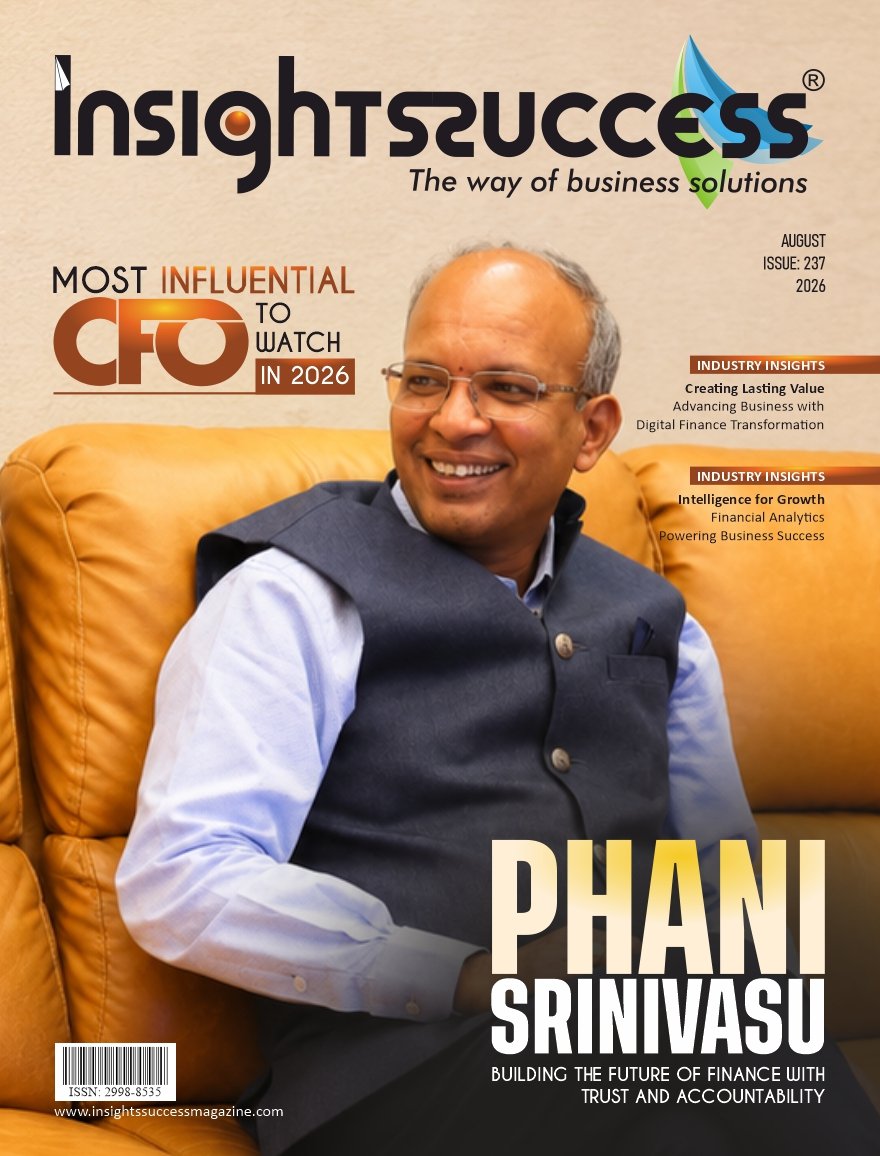
Most Influential CFO to Watch in 2026 august2026
Most Influential CFO to Watch in 2026 This edition of Most Influential CFO to Watch in 2026 celebrates Phani Srinivasu Tripurari, Chief Financial Officer at SBI Singapore, whose financial expertise, strategic leadership, and commitment to sustainable growth are strengthening organizational performance and creating lasting value in the global banking sector. Digital Link Quick highlights Quick reads
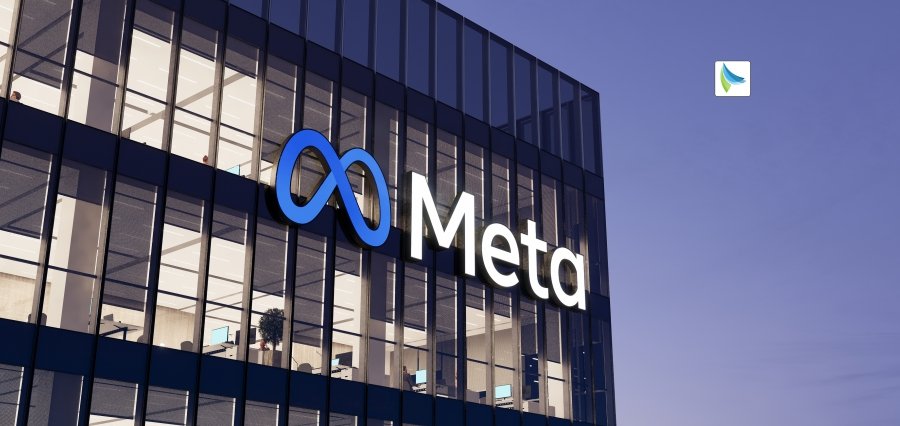
Meta Launches New AI Model As Zuckerberg Pushes Open-Weight Agenda
Prime Highlights Meta launches Muse Glimmer, its latest open-weight AI model built for on-device agentic tasks. Zuckerberg calls for lighter U.S. rules to help open-source AI compete with Chinese rivals. Key Facts Meta plans to release weights for Muse Spark 1.2, its most advanced model. Zuckerberg unveils a $1 billion fund to address data-center community concerns. Background Meta Platforms released a new open-weight AI model and signalled more launches ahead, as CEO Mark Zuckerberg pushed for lighter U.S. restrictions on open-source AI to help American firms compete with Chinese rivals. Muse Glimmer, the company’s newest model, comes smaller than rival systems and handles agentic tasks on a Mac or PC equipped with just one graphics card, meeting rising demand for AI that runs directly on personal devices. Zuckerberg said in a video post that larger models would arrive soon. In an accompanying 14-page essay titled “The Future is for Everyone,” he argued for spreading AI access widely rather than concentrating it among a few players, calling the idea that AI risk justified extreme power concentration fundamentally flawed. Rising cybersecurity focus across the AI industry, spanning Anthropic, OpenAI and Meta, is driving developers to build stronger safeguards, even as businesses wary of climbing AI costs keep backing open-weight models. Open-weight systems typically cost less and offer publicly accessible components that make customization easier, unlike closed models kept fully under company control. Meta also plans to release the weights for Muse Spark 1.2, its most advanced model yet, built by the superintelligence team it formed to strengthen its position in the AI race. Meta had backed open models early on and adjusted its approach further following Llama 4, refining its strategy for future releases. Zuckerberg’s essay introduced a new $1 billion fund aimed at easing community concerns tied to Meta’s data-center expansion. Community engagement around data-center projects continues to grow, prompting companies to strengthen dialogue with local residents. He said stronger U.S. infrastructure investment could help the country match the pace nations like China have set in building AI capacity, and called for policy changes around data use and distillation to help American open-weight models lead globally. Read Also: Airbnb Posts Best Quarterly Growth In Years On World Cup Momentum

Why Modern Businesses Choose Optima Office for Outsourced Bookkeeping Services
Running a small business today means wearing multiple hats, and keeping the books straight often falls to the bottom of a very long to-do list. Many owners start out handling bookkeeping themselves or with a part-time bookkeeper, but as transactions pile up and regulations get more complicated, that approach starts showing some cracks. That’s why more and more modern businesses are turning to outsourced bookkeeping, and Optima Office has become a go-to choice for many of them. Having solid bookkeeping is the foundation of any healthy company. It tracks every dollar coming in and going out, ensures accurate records for taxes, and provides the basic data needed for smarter decisions. When it’s done poorly or inconsistently, businesses face late filings, cash flow surprises, and even compliance headaches. Outsourcing takes that burden off internal teams and puts it in the hands of specialists who do it day in and day out. The Shift Toward Professional Bookkeeping Support The days of relying solely on spreadsheets or a single overwhelmed employees are fading fast. Modern businesses, from startups to established small and medium operations, want accuracy, timeliness, and scalability without the full cost of an in-house department. Optima Office stands out by offering customized outsourced bookkeeping that fits different stages of growth. Instead of a one-size-fits-all package, they match clients with experienced bookkeepers who understand specific industries and software platforms. Whether you’re in construction, healthcare, real estate, nonprofits, or professional services, the team gets up to speed quickly—often within just a few short days. This speed is a big reason why busy owners choose them over traditional firms that can take weeks to onboard. The Key Benefits That Make the Difference First and foremost, businesses can save a lot of time. Owners and managers can focus on sales, product development, and customer relationships instead of chasing receipts or reconciling accounts. One client, for example, went from struggling tremendously with spreadsheets to quickly unlocking much faster reporting after partnering with Optima. This gave them much needed time back and increased financial clarity into their business operations. Cost control is another major contributing factor. Hiring a full-time bookkeeper means salaries, benefits, training, and downtime during vacations or turnover. With outsourced bookkeeping services, companies pay only for the level of support they need right now. As the business grows, Optima can seamlessly add more advanced help like controllers or fractional CFO support without forcing a big internal expansion. Accuracy and compliance will also improve dramatically. Professional bookkeepers stay current with tax laws and reporting requirements, reducing the risk of mistakes that could trigger audits or penalties. Many clients report cleaner financials and fewer surprises during tax season. Perhaps most valuable is the peace of mind that owners and operators receive. Business leaders no longer lose sleep wondering if payroll taxes were filed correctly or if the numbers they’re looking at are reliable. Optima’s approach includes regular communication and insights that turn raw data into actionable information. Built for Today’s Flexible Business World Based in San Diego, Optima Office is a 100% woman-owned accounting firm that has developed a more practical, fractional accounting and bookkeeping model that works for companies across California and beyond. They handle everything from daily transaction recording and bank reconciliations to month-end closes and financial reporting. Their many clients deeply appreciate having one reliable partner instead of juggling separate vendors for accounting, HR, and other back-office needs. Their entire process emphasizes a customized fit. They look at industry experience, technical skills, location preferences (remote, on-site, or hybrid), and even personality to make sure the working relationship clicks. This attention to detail leads to smoother collaboration and better long-term results. Their several case studies highlight real wins: a staffing firm that gained financial clarity during rapid growth, a nonprofit that strengthened its reporting, and a tech company that cut month-end processing time significantly. These stories show how rock solid bookkeeping becomes a growth enabler rather than just a necessary chore. Is Outsourced Bookkeeping Right for You? If you’re spending evenings sorting expenses, dealing with frequent bookkeeper turnover, or lacking confidence in your financial reports, it might be time to consider professional support. Modern businesses choose Optima Office because they get experienced help without the overhead, quick implementation, and a team that treats their success as a priority. In the end, strong bookkeeping isn’t about pushing paper and tightening up your books—it’s about creating a solid financial base for long-term, sustainable growth. By outsourcing your bookkeeping work to accounting specialists like Optima, forward-thinking companies free themselves to focus on what they do best while knowing their financial foundation is in good hands. Whether your operation is just starting to scale or looking to streamline existing processes, exploring outsourced bookkeeping with Optima could be one of the smarter moves you make this year. A conversation with the right accounting partner often reveals opportunities many business owners didn’t even realize they were missing. Read Also : Robotic Cancer Surgery: Myths, Facts, Benefits, and Who Is the Right Candidate?

Robotic Cancer Surgery: Myths, Facts, Benefits, and Who Is the Right Candidate?
Robotic surgery has become an increasingly important option in the treatment of certain cancers, offering surgeons advanced tools to perform complex procedures through minimally invasive techniques. However, despite its growing use, misconceptions remain about how robotic cancer surgery works, whether it is suitable for every patient, and what patients can realistically expect during recovery. Robotic cancer surgery is not performed independently by a machine. Instead, a trained surgeon operates a sophisticated robotic surgical system from a specialized console, controlling every movement of the instruments throughout the procedure. The technology is designed to enhance the surgeon’s precision, visualization, and control; it does not replace surgical expertise or clinical decision-making. For appropriately selected patients, robotic surgery may offer advantages associated with minimally invasive procedures, including smaller incisions, reduced blood loss, less postoperative discomfort, and a potentially faster recovery. However, these benefits vary depending on the type and stage of cancer, the location and size of the tumor, the complexity of the procedure, and the patient’s overall health. What is Robotic Cancer Surgery? Robotic cancer surgery is a minimally invasive surgical approach used to treat certain cancers. Instead of making a large incision, surgeons typically operate through several small incisions through which specialized instruments and a high-definition camera are inserted. The surgeon controls robotic instruments from a console. Advanced visualization, including magnified three-dimensional views of the surgical area, can provide a detailed view of anatomical structures and help the surgeon perform precise movements in areas that may be difficult to access through conventional techniques. The robotic system is therefore best understood as an advanced surgical platform. It assists the surgeon but does not independently diagnose, plan or perform the operation. Does a Robot Perform Cancer Surgery on Its Own? Myth: The robot performs the surgery independently. Fact: The surgeon remains in control throughout the procedure. Robotic surgical systems do not independently make clinical decisions or carry out an operation without human control. The surgeon plans the procedure, controls the robotic system, and makes decisions during every stage of the operation. The system translates the surgeon’s hand movements into precise movements of specialized instruments inside the patient’s body. This combination of surgeon expertise and technology can provide enhanced control and visualization during selected procedures. Common Myths About Robotic Cancer Surgery Myth 1: Robotic Surgery Means the Robot Is Operating on the Patient Fact: The robotic system is controlled entirely by the surgeon. Technology provides greater dexterity, visualization, and instrument control, but all surgical decisions remain with the medical team. Myth 2: Robotic Surgery is the Best Option for Every Cancer Patient Fact: Robotic surgery is appropriate only for selected patients and procedures. The suitability of robotic surgery depends on several factors, including the type and stage of cancer, tumor size and location, previous treatments, overall health, and the complexity of the planned operation. In some cases, conventional open surgery, laparoscopic surgery or another treatment approach may be more appropriate. The decision should be made after a comprehensive evaluation by the treating surgical and oncology team. Myth 3: Robotic Cancer Surgery is Completely Risk-Free Fact: Robotic surgery, like every surgical procedure, carries potential risks. Possible complications depend on the type of operation, the patient’s health and the nature of the cancer. Robotic surgery may offer advantages in selected cases, but it does not eliminate surgical risks. Patient selection, surgeon experience, appropriate infrastructure and postoperative care all remain important factors in achieving a favorable outcome. Myth 4: Robotic Surgery is Extremely Painful Fact: Minimally invasive surgery may result in less postoperative discomfort for some patients. Because robotic procedures generally involve smaller incisions than conventional open surgery, some patients may experience less postoperative pain and require a shorter recovery period. However, pain levels vary between individuals and depend on the type and extent of surgery. Myth 5: Robotic Cancer Surgery is Available Only at a Few Major Hospitals Fact: Robotic surgical programs are increasingly available at advanced cancer centres. The availability of robotic surgery has expanded in India, but access to technology alone does not determine the quality of treatment. The experience of the surgical team, multidisciplinary cancer care, appropriate patient selection, and postoperative support are equally important. What are the Potential Benefits of Robotic Cancer Surgery? When robotic surgery is clinically appropriate, its minimally invasive approach may offer several potential advantages compared with some conventional open procedures. These may include: Smaller surgical incisions Enhanced surgical precision and instrument control Improved visualization of the surgical field Potentially less blood loss during selected procedures Reduced postoperative discomfort for some patients Lower risk of certain wound-related complications in appropriate cases Shorter hospital stays in some procedures Earlier mobilization and return to routine activities Smaller surgical scars However, these potential benefits should not be interpreted as guaranteed outcomes. Recovery and results depend on the cancer being treated, the extent of surgery, the patient’s overall health, and whether additional treatments such as chemotherapy or radiation therapy are required. Who is the Right Candidate for Robotic Cancer Surgery? There is no universal profile for a robotic cancer surgery candidate. Every cancer is different, and the decision must be individualized. Before recommending robotic surgery, a surgical oncologist may consider: The type of cancer The stage and extent of the disease The size and location of the tumour Imaging and biopsy findings Previous cancer treatments or surgeries The patient’s age and general fitness Existing medical conditions The complexity of the proposed procedure Whether minimally invasive surgery is technically and clinically appropriate After reviewing these factors, the treatment team can determine whether robotic surgery is suitable or whether another surgical or nonsurgical treatment would provide a more appropriate approach. What is Recovery Like After Robotic Cancer Surgery? Recovery varies significantly from patient to patient. It depends on the type of cancer, the specific procedure performed, the extent of surgery, the patient’s general health and whether additional treatment is required. Because robotic surgery generally uses smaller incisions, appropriately selected patients may be able to mobilize earlier and resume eating and routine activities sooner, depending on
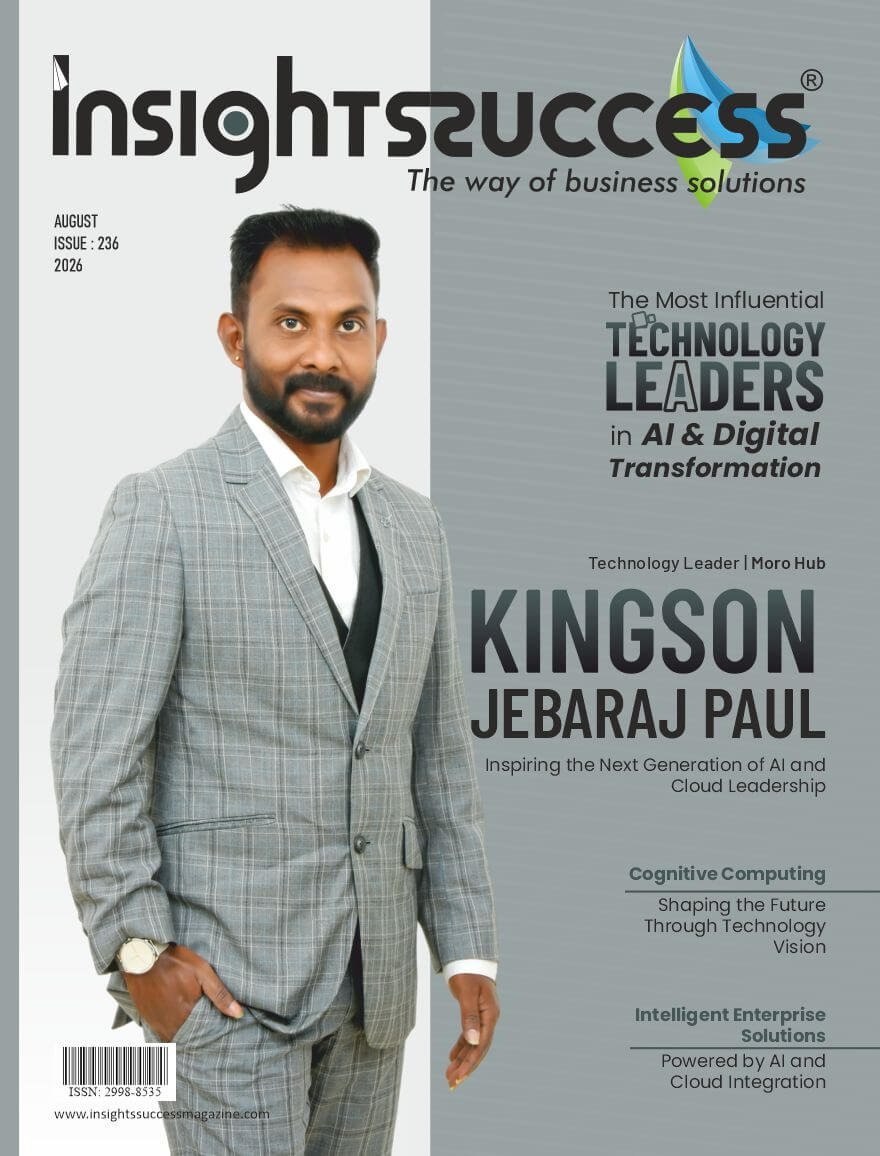
The Most Influential Technology Leaders in AI & Digital Transformation
The Most Influential Technology Leaders in AI & Digital Transformation Recognizing visionary technology leaders driving AI and digital transformation through innovation, strategic leadership, and emerging technologies, enabling organizations to accelerate growth, enhance resilience, and create lasting business value. Digital Link Quick highlights Quick reads

Kingson Jebaraj Paul: Inspiring the Next Generation of AI and Cloud Leadership
In enterprise technology, the leaders who create the most lasting impact are rarely those who moved fastest or collected the most credentials. They are those who stayed curious long after the external pressure to keep learning had diminished, who built communities around their knowledge rather than hoarding it, and who never confused the sophistication of a system with the value it creates for the people depending on it. Kingson Jebaraj Paul has built his career around exactly that distinction, and the organizations that have shaped him along the way read like a map of enterprise technology’s most consequential developments over the past fifteen years. There is a metaphor he uses to describe his own journey, and it is more precise than the usual language of professional development allows. He compares it to sculptures. Every role, every challenge, every organization he has worked with has contributed to shaping who he is today. Not sequentially, as if each experience replaced the previous one, but cumulatively, the way a sculptor works, adding definition, revealing form, and gradually producing something that could not have been planned in advance but makes complete sense in retrospect. Microsoft taught him the power of community and the discipline of continuous learning. G42 expanded his perspective on enterprise AI. Spektra Systems gave his passion for enabling people its fullest expression as Chief Technology Officer of CloudLabs. And Moro Hub, the Dubai-based digital transformation company and subsidiary of Digital DEWA, is where he now works at the intersection of cloud, cybersecurity, AI, sovereign infrastructure, and national-scale digital transformation. Each environment taught him something the previous one could not. Together, they produced a technology leader whose most consistent conviction has nothing to do with technology at all. He reflects, “Technology changes every day, but curiosity, continuous learning, and the ability to empower others are what truly define a technology leader.” The Recognition That Reframed Recognition In a career defined by continuous learning and genuine contribution, two milestones stand above the others. The first was receiving the Microsoft MVP award, a recognition that validated not just technical expertise but the commitment to community that had shaped his approach from the beginning. The Microsoft MVP program recognizes professionals who share knowledge, support peers, and contribute to the broader technology ecosystem rather than accumulating expertise privately. For Kingson Jebaraj Paul, the award confirmed something he had long believed: that impact is measured not by what you know but by how many other people you help to know it. The second milestone built on the first in a way that no career plan could have predicted. He became the first professional in the world to hold both Microsoft MVP and Alibaba Cloud MVP recognitions simultaneously, a distinction that reflected not merely the breadth of his technical knowledge, but the consistency of a philosophy applied across very different technological ecosystems. Two of the world’s most significant cloud platforms, each with its own community, its own standards, and its own criteria for recognizing exceptional contributors, had both concluded independently that he was someone worth honoring for the value he created for others. He notes, “Recognition is not something you chase. It is something you earn by consistently creating value for others.” Innovation With a Question Before It One of the most common and most costly failures in enterprise technology is the adoption of new tools because they are new rather than because they solve a problem worth solving. Kingson Jebaraj Paul’s framework for evaluating emerging technology is direct and deliberately resistant to the pressure of trends. Every innovation, in his assessment, should be preceded by three questions. What business problems are being solved? Why is this particular technology the right solution? And how will success be measured? The framework is especially relevant in the context of artificial intelligence, where the enthusiasm for implementation often runs well ahead of the clarity about what is being implemented and why. Not every business problem requires AI, and not every AI solution delivers the commercial value that justified the investment in developing it. Organizations that treat AI as a category of solution to be adopted rather than a tool to be applied to specific and well-understood problems tend to accumulate impressive pilot programs and struggle to justify their scale-up. His experience across Moro Hub’s portfolio, which serves critical government and enterprise clients across the UAE, has reinforced this conviction with force. When the systems you build and operate support national-scale infrastructure, the discipline of asking the right questions before making technology commitments is not merely a best practice. It is a professional responsibility. He states, “Innovation succeeds when it solves real business problems, not when it follows industry trends.” The Technology That Will Reshape the Next Five Years When Kingson Jebaraj Paul identifies the technology, he believes will have the greatest influence on enterprise transformation over the next five years, his answer is precise and grounded in current research rather than in the promotional language that tends to surround frontier technology. Agentic AI, he argues, will be the most transformative development in enterprise technology within that horizon. The distinction he draws is important and worth stating clearly. The AI that most organizations have encountered so far responds to questions, generates content, and supports specific analytical tasks. Agentic AI operates differently. It plans, reasons, collaborates with other AI systems, and executes complex multi-step business workflows with human oversight rather than requiring human initiation of each step. The transition from AI as a productivity tool to AI as an intelligent digital workforce represents a genuine shift in what enterprise technology can accomplish and what governance frameworks are needed to ensure it accomplishes the right things safely. The organizations that will gain the most from this transition, in his assessment, are those that invest in strong governance, security, and human oversight frameworks now, before the technology becomes ubiquitous and before the pressure to deploy it quickly creates the conditions for misuse or failure. He affirms, “Organizations that build strong governance, security, and human

Shaping the Future Through Technology Vision
Cognitive Computing Organizations are moving into a new age where intelligent systems will be needed to enhance decision making, increase efficiencies, and provide personalized experiences. Instead of depending only on automated processes, companies are now embracing advanced technologies that are able to learn, reason, and analyze complex data like humans do. With the help of Cognitive Computing, the transformation is being led because organizations will be able to process a large amount of structured and unstructured data and obtain relevant insights. Technology Vision plays a role in this transformation as it offers a strategy that guides organizations on how to use innovations to realize their goals. Turning Data into Actionable Intelligence Today, companies create huge amounts of information every single day, but getting meaningful information out of that data is hard work. The intelligent system that is fitted with advanced analytics, natural language processing, and machine learning helps businesses understand the pattern and predict the outcome and decision making. Cognitive Computing makes sure to turn information into actionable intelligence, which can help companies improve their performance, interact with customers, and plan strategically. However, Technology Vision motivates businesses to build scalable digital capabilities that can extract maximum benefit out of the information of the enterprise. Enhancing Customer and Employee Experiences Intelligent technologies are increasingly being acknowledged for their potential to enhance not only the satisfaction of the customers but also the performance of the workers. Recommendations, intelligent virtual assistants, support systems and knowledge management can make the service more responsive. Thanks to Advanced Cognitive Computing, organizations are able to comprehend the behavior of customers and respond to their demands in a targeted manner through different digital touchpoints. Also, because of Technology Vision, the innovations will be implemented in such a way that employees will be able to perform other valuable activities, leaving routine tasks to intelligent systems. Accelerating Innovation Across Industries Intelligent technology is being used by industries such as health care, finance, manufacturing, retail, and education to enhance their processes and generate business opportunities. Predictive analytics, intelligent automation, digital assistants, and data-based decision making have become essential elements for any modern business strategy. Comprehensively, Cognitive Computing helps businesses innovate through the resolution of complicated problems at a faster pace, enhancing the performance of their processes. In the same way, Technology Vision guides leaders in their innovation efforts by providing a long-term vision. Strengthening Resilience Through Intelligent Technologies With the growth of reliance on technology within organizations, there is need for resilience, security, and adaptability. Intelligent technologies aid organizations in monitoring their activities, assessing any risks, enhancing cybersecurity, and achieving business continuity through informed decisions. This is how Cognitive Computing accomplishes this through looking at big data, finding any deviations and predictions that will be made to reduce any operational risks. On the other hand, Technology Vision pushes businesses to create digital ecosystems that are adaptable, innovative and responsible with governance to make sure that investments made are protected. Preparing Organizations for the Future Technology has continued to impact customer expectations, workforce needs, and competitive environments. The companies that have the advantage of learning continuously, innovating digitally, and making smart decisions are well-equipped to take advantage of the opportunities presented without compromising on performance. Robust Cognitive Computing helps firms automate processes, increase efficiency, and innovate faster without impacting quality and accuracy. Similarly, Technology Vision helps managers have the framework for investment, digital skills development, and sustainable growth in today’s technology-centric economy. The Future of Intelligent Innovation For future enterprise success, what will matter is an organization that brings together intelligence technologies, strategic vision, and the drive for continuous innovation. With the increasing influence of technologies like artificial intelligence, machine learning, predictive analytics, and intelligent automation in different industries, the field of Cognitive Computing will be very important in enhancing decision making, customer experience, and deriving more business value from data. However, the Technology Vision will make it possible for firms to embrace technology and ensure that their digital transformation is aligned to their business vision. Those companies which adopt digital talent, intelligent infrastructure, technology ethics, and innovation are going to become resilient through sustainable competitive advantage. Applying the combination of Cognitive Computing and Future Technology Vision, companies will be able to become efficient, innovative and agile, thus creating future-ready companies which can embrace new technologies and changing environment. Read Also : Powered by AI and Cloud Integration

Powered by AI and Cloud Integration
Intelligent Enterprise Solutions Businesses from all industries have now opted to utilize intelligent technology solutions to increase productivity, enhance their decision-making process, and maintain competitiveness in the emerging digital economy. It is not only about the adoption of advanced technology anymore but using it in a smart way to build a productive, scalable, and technology-enabled organization. Nowadays, Intelligent Enterprise Solutions have become an integral component in the process of development because they connect all business processes, data and digitalization into one integrated system. In such a way, AI and Cloud Integration give enterprises the opportunity to combine the advantages of artificial intelligence and cloud services to automate processes, collaborate and get immediate business insights. Creating Agile and Connected Operations The modern enterprise demands a system that can adjust rapidly to varying demands and expectations from customers as well as changing circumstances. Conventional systems are not very effective in adapting to such demands, thus modernizing the systems is imperative. Efficient Intelligent Enterprise solutions make processes easier, streamline enterprise applications and facilitate collaboration within various departments without making it complicated. On the other hand, AI and Cloud Integration helps enterprises automate processes, better allocation of resources and smart decisions using analytics. Enhancing Decision-Making Through Data Intelligence All organizations accumulate a lot of data on operations, finances, and customers. Turning this data into useful business insight is vital for growth. AI-enabled Intelligent Enterprise Solutions employ artificial intelligence, predictive analysis, and automation to turn unprocessed data into actionable insights for informed decision-making. The same applies to AI and Cloud Integration, which provides scalable computing capability and data management along with real-time analysis, helping businesses increase visibility within all business functions. The availability of insight helps managers find new possibilities and mitigate risks. Driving Innovation Across the Enterprise Innovation relies on the capability of an organization to conduct experiments, cooperate, and execute new ideas quickly. Intelligent systems offer possibilities to companies to develop their products, improve the experience of their customers, and streamline their internal processes. Intelligent Enterprise Solutions support innovations through digital collaboration, intelligent automation, and connectivity across the enterprise. The same way, AI and Cloud Integration allow to accelerate application development, increase scalability of operations, and launch innovative digital services. Strengthening Security and Operational Resilience With businesses becoming more connected, the need for cybersecurity and business continuity has become important strategies that businesses need to adopt. Businesses need to ensure security of their information and business operation continuity in the digital ecosystem. Intelligent Enterprise Solutions ensure security and continuity of operations via effective cybersecurity by way of centralization, intelligent detection of threats, compliance automation, and secure data management. On the other hand, AI and Cloud Integration ensure resilience through scalable cloud infrastructure, disaster recovery, real-time monitoring, and intelligent risk management. Preparing for Long-Term Digital Success Due to the fact that the pace of developments in technology is rapid, businesses must continue to enhance their digital skills and cultivate innovation and flexibility. This ensures that the businesses will respond rapidly to any changes in customer requirements and competitive pressure within the industry. Intelligent Enterprise Solutions offer the needed agility for optimizing processes, enhancing the productivity of the workforce, and facilitating innovations across the organization. In the same manner, AI and Cloud Integration allow organizations to streamline technology management and drive digital transformation intelligently and effectively. The Future of Intelligent Enterprises The future of success for enterprises will depend on those companies which integrate intelligent solutions together with a business-oriented vision and innovation. With more and more industries being transformed with AI, cloud computing, automation, predictive analysis and other innovations, Intelligent Enterprise Solutions will keep playing an important role in helping companies become more flexible, make better decisions and achieve top performance results. On the other hand, AI and Cloud Integration will help companies update their infrastructure, facilitate collaboration, enhance customer experience, and innovate through digital platforms. Businesses that focus on technology advancement, workforce training, cybersecurity, and analytics will enhance their resilience and create competitive advantages. Businesses that integrate Intelligent Enterprise Solutions along with an AI and Cloud Integration strategy will help businesses increase efficiency, business agility, and innovation, and build future-proof enterprises that will be able to adapt comfortably to the changes in technologies and the market. Read Also : The Foundation of Telecom Digital Transformation