






Strategies for Redefining Leadership Impact in 2025
Through the twists and turns of 2025, the model of leadership is being dramatically transformed. Traditional paradigms characterizing great leadership are no longer able to keep up with the times; in their stead, are emerging new models better able to keep up with the demands of an evolving world. By 2025, leadership is not about hierarchical power; today it is becoming responsive, optimizing technology, and dedicated to sustainability and diversity. This article talks about some of the greatest strategies that can enable the leaders to redefine their influence and survive in this new emerging world. Authentic Leadership: The Foundation of Trust Authenticity is the new ingredient of leadership strength in 2025. As people prize openness and honesty, leaders must go beyond cosmetic displays of perfection and own authenticity with their people. Authentic leaders create spaces where vulnerability is the mark of courage, making openness and greater human connection possible. By exposing themselves to share their own struggles and adversity, they encourage teams to solve problems creatively and courageously. In addition, authentic leadership values diversity over enforcing homogeneity. The transition from bandaging so-called weaknesses to leveraging distinctive strengths reimagines organizational culture as diverse and innovative. Authenticity-driven leaders build workplaces where employees feel valued, safe, and empowered to contribute meaningfully. Harnessing Technology for Strategic Advantage Technology synergy is at the core of leadership in 2025. Artificial intelligence (AI) continues to revolutionize the manner in which industries function with data-driven information, process automation, and augmenting decision-making ability. Leaders need to not only learn how to implement AI but also handle its implementation with regard to values and human intuition. For example, AI can sort through vast repositories of data to forecast market trends or customer patterns and offer actionable intelligence to decision-makers. However, ethical uses of AI such as preventing algorithms from being biased must be sharpened over and over again. Investments in staff training that exposes employees to AI tools and raising awareness about their limitations also need to be made by leaders. Besides AI, blockchain and big analytics are also transforming operations. Those who use these in their strategies make their businesses agile to digital disruption. Having the focus on constant learning and flexibility, they become innovative-thinking leaders able to drive sustainable growth. Agile Leadership: Navigating Uncertainty Flexibility equals leadership strength in 2025. Being able to change in strategies while retaining long-term goals is essential in a time characterized by the pace of change. Flexible leaders make bottom-line decisions, decentralizing authority to avoid hurdles and become faster. Transparency in communication is required while creating agility. The choices need to be explained in a way that there is trust and coordination between the employees. Open conversation where employees are able to ask questions or add ideas encourages collaboration and innovation. Additionally, achieving bold long-term objectives and modest short-term victories energizes teams while keeping consistent momentum towards overall objectives. Prioritizing Employee Well-Being Employee experience is increasingly being understood as the foundation of leadership influence in 2025. Leaders need to place mental health programs, flexible work arrangements, and burnout avoidance cultures at the top of their agendas. The pandemic emphasized the need to focus on emotional needs in the workplace—a trend that continues to inform leadership planning today. Fair pay is at the forefront still of shaping workers’ experience. Managers who recognize employees’ efforts by giving them fair wages and benefits engender trust and dedication. Additionally, giving powers to employees and initiating discussion of mental health aids to create a business culture of caring for workers as well as enabling them. Partnership as an Engine of Innovation Collaboration powers top performers in 2025. Today, leadership influence is founded on breaking down organizational silos through constructing cross-functional work that allows teamwork and creativity. Cross-functional teams composed of diverse members with varying backgrounds have the ability to resolve complex problems in innovative manners. Constructing a culture of inclusiveness is essential in developing collaboration. Leaders can well spend on communication platforms like Slack or Microsoft Teams to facilitate convenient communication and harmonize departments. Using these tools in their best practices, they can improve productivity and abolish workflow inefficiencies. Beyond Profit: Leading with Purpose Leadership value contribution in 2025 requires leadership to rise above profit-centered approaches to internally driven approaches in order to make a greater society contribution. It is all about combining intrinsic values like sustainability, social responsibility, and good ethics into highest-order strategic objectives. Leaders who guide purpose ahead of raw profitability instill employees with the desire to contribute to goodness in their local communities. This new vision challenges leaders to shift from the old command-and-control hierarchies to collaborative, co-creation and shared-responsibility-based ones. As leaders transform, they redefine their own role as agents of innovation and resilience in an uncertain future. Conclusion: A Vision for Leadership Impact in 2025 2025 leadership must be re-designed with revolutionary changes of mind and strategy. Superficial displays of perfection must give way to authenticity; decision-making must be led by flexibility; technology must be responsibly used; collaboration must be prioritized; workers’ welfare must be safeguarded; and social impact must take precedence over short-term profit. These leaders will not only be comfortable with uncertainty, but also take their organizations to triumph through disruption. In this process, they will create new benchmarks for success in leadership—redefining what it is to be a successful leader in the new world and making key contributions towards a sustainable future. Read Also: Empowering Women Entrepreneurs in the Digital Age: Networking Powerhouse
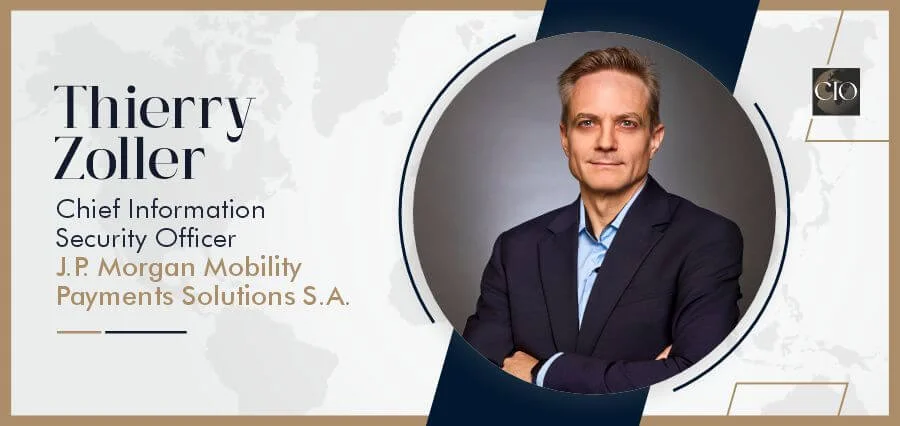
Future of Fintech: Thierry Zoller Earns Recognition in The CIO World as one of Europe’s Most Influential CISOs of the Year in 2024
As financial technology, or FinTech, keeps advancing at lightning speed, so do cyber-attacks. Cyber criminals identify vulnerabilities in payment platforms, putting billions of dollars and private data at risk. With 75% of the world’s customers already having access to FinTech services, it just keeps going with digital payments and online banking growing. A staggering 75% of customers across the globe now use at least one FinTech product, a figure that will continue to rise as online banking and digital payments become increasingly more mainstream. Thierry Zoller, J.P. Morgan Mobility Payments Solutions S.A.’s Chief Information Security Officer, is a front-line fighter against such threats. With almost three decades of experience, his technical expertise in cybersecurity, strategic perspective, and passion for technology propel his mission to protect mobile payments in a world that is rapidly becoming cashless. Thierry identifies three basic challenges that are prevalent in many different sectors, though each takes place under the specific circumstances. The first is the Asymmetry of Offense, where attackers have an easier and less expensive way to attack than defenders have to fend them off. New technologies such as AI can exacerbate the situation by introducing more vulnerability and attack surfaces. The second challenge is the talent shortage, as there is a significant gap between the demand for skilled cybersecurity professionals and the available supply. The shortage hinders organizations from being able to protect themselves adequately against threats, with high burnout and stress rates that only exacerbate retention. Finally, Thierry identifies Organizational Embedment as a key challenge. Cybersecurity must be embedded across the organization, there must be costs attached to security programs, and there must be shared responsibility for security. It can be addressed by shifting from reactive to proactive practices, more collaboration, and more executive involvement, posing a big challenge for CISOs. In solving such a challenge, Thierry emphasizes that the CISO must be well-versed in critical skills as leadership, business, and risk management. Even with the transformation of the CISO role, from the technical-focused mindset to the general organization leadership, these are what are required in achieving an impenetrable, integrated cybersecurity strategy based on the company’s objectives. Celebrated by The CIO World as one of Europe’s Most Influential CISOs of the Year in 2024, Thierry Zoller’s expertise highlights the critical need for proactive strategies to counteract the growing threat landscape, from the asymmetry of offense to the ongoing talent shortage. Read Also: Yashwardhini Chauhan | Breaking Barriers: The Rise of Women Leaders in India, 2024-25


Shann Jones: Leading the Way in Scientific Collaboration for Wellness
Science Meets Tradition! Natural health and wellness is gaining prominence as more people seek holistic approaches to well-being. With increasing awareness about gut health and its connection to overall vitality, the demand for probiotic-rich foods, herbal solutions, and sustainable skincare has surged. Consumers are moving beyond conventional treatments, exploring remedies that align with nature’s rhythm while supporting long-term health. Scientific research continues to validate the benefits of traditional remedies, encouraging a balance between age-old wisdom and modern scientific inquiry. This shift underscores the importance of products prioritizing purity, transparency, and ethical sourcing, reinforcing a collective return to nature’s healing potential. Shann Jones MBE, Founder and Director, has emerged as a compassionate force in this space, driven by personal experiences that shaped her belief in natural healing. Her leadership is deeply rooted in resilience, authenticity, and a relentless pursuit of solutions that genuinely help people. Rather than following conventional business models, she focuses on human impact, ensuring that every decision reflects integrity and care. She understands the struggles of individuals dealing with chronic conditions and is dedicated to creating products that offer relief and restoration. Her approach blends intuition with evidence, embracing a growth mindset that allows her to bridge the gap between nature and science. Through her work, she introduces effective remedies and develops a deeper understanding of self-care and well-being. Chuckling Goat has become a trusted name in natural health, known for its commitment to gut health, ethical farming, and scientific collaboration. What began as a personal journey developed into a purpose-driven enterprise that helps thousands worldwide. The company’s probiotic kefir, skincare products, and research-backed initiatives reflect a dedication to both tradition and innovation. It has cultivated a loyal community of individuals seeking natural alternatives by prioritizing quality and transparency. Its partnerships with leading institutions further reinforce its credibility, positioning it as a leader in merging ancestral knowledge with scientific advancements. As the industry grows, Chuckling Goat remains steadfast in its mission to offer solutions that empower individuals on their path to wellness. Let’s explore Shann’s ethical and sustainable approaches to wellness: Discovering the Healing Potential of Nature The turning point of Shann’s journey came when her husband, Rich, fell critically ill with a life-threatening MRSA infection that antibiotics couldn’t cure. Watching someone she loved struggle while conventional medicine failed was terrifying. She turned to natural remedies, researching kefir and goat’s milk. Living on a small farm in Wales with no background in health or farming, she learned to make kefir, incorporate essential oils, and formulate skin balms. These remedies helped heal Rich’s infection. That experience changed everything for Shann. She saw the power of nature firsthand and felt compelled to share it. What began as a desperate attempt to save her husband became Chuckling Goat—a journey of discovery, healing, and empowerment. Creating a Legacy of Positive Impact Success isn’t just about business milestones but the personal stories of healing Chuckling Goat hears daily. Shann feels fulfilled when customers mention that Chuckling Goat changed their lives by helping with chronic skin conditions, supporting gut health, or restoring confidence. One memorable moment is when a mother mentioned that the products finally brought relief to her little boy’s severe eczema after years of trying everything. Another notable moment was receiving the MBE for Charity and Innovation in the King’s New Year’s Honours List 2024. That honor wasn’t Shann’s alone; it belonged to the amazing team behind Chuckling Goat. Ultimately, success is measured by the positive impact created and the legacy built. Creating Remedies with Compassion and Integrity Resilience was forged during Rich’s illness. Watching him fight for his life while conventional medicine failed taught Shann resourcefulness and perseverance. Compassion inspired her to create remedies that have since improved many lives. Authenticity and integrity have been central to her work—she only creates products she would use for her own family. Living on a farm deepened her respect for nature, while collaborating with institutions like Cambridge University helped her bridge traditional wisdom with modern science. A growth mindset has allowed her to adapt and overcome challenges. Above all, gratitude keeps her moving forward. Every story of healing reinforces her sense of purpose. Blending Traditional Remedies with Modern Research Rich’s MRSA battle demonstrated that conventional medicine doesn’t always have the answers. Shann turned to natural remedies—kefir, essential oils, and herbal solutions—out of necessity. Witnessing their success where nothing else had been effective was transformative. Living on a farm reinforced her love of sustainability, purity, and working in harmony with nature. At the same time, she sought scientific validation, leading to collaborations with Cambridge University and the development of a scientific advisory board that includes distinguished scientists from around the globe. Chuckling Goat’s philosophy blends nature and science, honoring traditional remedies while embracing modern research. Healing is not just about products; it is about building trust, creating connections, and empowering people to take control of their health. Mission-Driven Business Decisions For Shann, the mission always comes first. Every business decision is guided by one question: “Is this going to help someone?” If not, it is not pursued, no matter how profitable it might be. At the same time, a sustainable business model allows the company to reach more people. That means hiring team members who share the vision, investing in research, and maintaining personal connections with customers. There is never a compromise on ingredient integrity or methods for the sake of margins. Ultimately, business success and mission go hand in hand—the better the company does, the more people it can help. Gratitude and Motivation from Success Stories She feels humbled and deeply rewarded when she learns that her efforts contribute to others’ well-being. Hearing from customers who have found relief after years of struggle is indescribable. Knowing that Chuckling Goat’s products bring hope to those who feel they have run out of options gives her purpose. This isn’t just business; it’s about creating a ripple effect of positive change. Healing one person can transform a family or a community. It’s a privilege to be

Empowering Women Entrepreneurs in the Digital Age: Networking Powerhouse
The information age brought with it entrepreneurial activities of the new age that never existed before, and today women are at the forefront of this dynamic revolution in large numbers. However, although phenomenal growth has been achieved, still women entrepreneurs have to fight abnormal barriers that are against them. This article is a discussion of the changing environment of women entrepreneurship during the information era, where the challenges they experience and the opportunities which they capitalize on in Empowering Women Entrepreneurs are emphasized. Introduction to Women Entrepreneurship Women entrepreneurship has witnessed a revolutionized boom because of technological progress and changing socio-economic patterns. As the web grew, women entrepreneurs brought geographical distances together and marked their presence in all the sectors of business. Convenience and simplicity of the web have brought entrepreneurship to all the corners and nooks wiping out barriers of entry in the form of limited access to funds and physical capital. This is a necessary transformation in Empowering Women Entrepreneurs by giving them the skills needed to excel. Problems Faced by Women Entrepreneurs Women entrepreneurs are subjected to numerous challenges in the digital world despite the opportunities: Restricted Access to Finance: Women generally suffer the most in accessing finance due to gender bias in the financial industry. Crowdfunding, women business angel investors, or women business grants are some of the funding sources that can bypass this obstacle and empower Empowering Women Entrepreneurs as part of the finance sector. Digital Skills Gap: Lack of exposure to digital tools and technology may hinder competitiveness. It is necessary to invest in digital literacy and industry-specific skills in e-commerce, digital marketing, and data analysis in order to Empower Women Entrepreneurs for the digital economy. Online Harassment and Sexism Discrimination: Sexism and online harassment can be faced by women entrepreneurs, which can weaken their confidence and business growth. Proper support systems and participation in positive online forums can overcome it and Empower Women Entrepreneurs by providing a healthy atmosphere. Domestic and Business Life Balance: Domestic and business life balance is a problem more commonly experienced by women. There has to be proper boundaries and time management tools have to be adopted to achieve balance for a better life, which is extremely essential to empower women entrepreneurs so that they may handle their business efficiently. Absence of Role Models/Mentors: Without the role models or mentors, women entrepreneurs may be deprived of the right guidance and advice. Formation of networks from online forums and interfaces with women entrepreneur societies can become helpful contacts and Empower Women Entrepreneurs by offering mentorship points. Market Saturation and Visibility: Getting noticed in a saturated market is challenging. Unconventional branding, customer service, and proper SEO practices can help in online visibility. Cybersecurity Threats: Cyber threat is a source of major concern. Expenditure on good quality security software and employee training in cybersecurity best practices is required. Opportunities and Solutions The age of technology has opened up for women entrepreneurs more than one window of opportunity to bridge gaps and build Empowering Women Entrepreneurs. Business websites have offered the levelling playing field of access to the marketplace in which women entrepreneurs are able to reach consumers anywhere on the planet without actually having a physical presence. Social networking websites are powerful means of brand name creation, consumer interface, and selling of products or services. Initiatives Empowering Women Entrepreneurs Some initiatives are in the process of Empowering Women Entrepreneurs in the age of the Internet: Digital Sarthak: A DEF initiative towards empowering women entrepreneurship by taking rural women nano-entrepreneurs online and empowering them to upscale their business through digital mediums. UNCTAD Reports: Moving towards working on how to speed up a more gender-inclusive digital economy in order to empower women’s economic and social empowerment. Conclusion Briefly, the age of the internet has opened unprecedented opportunities to women entrepreneurship, and it has opened a window of innovation, out-of-the-box thinking, and economic empowerment. With technological skills and by leveraging digital platforms, not only do women entrepreneurs challenge themselves to succeed, but they also build an inclusive entrepreneurial environment that flourishes. Overcoming obstacles in front of them demands embracing an integration of education, networking, and policy intervention. Whereas women are shattering ceilings in the virtual environment, their empowerment will be an impetus to economic growth and social transformation and hence more imperative to Empower Women Entrepreneurs. Read Also: The Dynamic Leader’s Guide to Building High-Performance Teams

The CIOWorld Honors Adriana Pirela for Driving Innovation and Strategic Brilliance in Marketing Leadership
In its recent edition. The Most Influential CMOS To Watch – 2024, The CIOWorld proudly features Adriana Pirela, an innovation marketing powerhouse whose vision, leadership, and results-oriented style continue to redefine how organizations construct their brands, connect with customers, and achieve sustainable growth. With a diverse career that has encompassed strategic planning, brand storytelling, and digital transformation, Adriana has established herself as an innovative marketing thought leader who does not simply stay ahead of trends—she invents them. Her work merges creativity and numbers, innovation and intelligence, leadership and empathy. It is this elusive mix that earned her an easy place in The CIOWorld’s spotlight. Adriana’s leadership represents a profound sensitivity to the evolving needs of today’s marketing. She traverses the intricacies of global economies with ease, always balancing strategy with innovation in order to deliver high-impact outcomes. From leading cross-functional teams, developing next-gen MarTech solutions, or scaling customer experience, she applies precision, energy, and excellence to each challenge. The CIOWorld selected Adriana not only for her outstanding marketing acumen. Her influence touches organizational culture and leadership development. She promotes an inclusive, collaborative culture that gives individuals the ability to think courageously, act boldly, and deliver innovatively. Her teams thrive not due to her competency but due to her ability to create trust and ownership at all levels. Shepherded by her leadership, brands don’t just grow—but change. Adriana has guided initiatives that brought life to stagnant campaigns, opened fresh market channels, and secured brand reputations in highly competitive landscapes. Her skill at aligning marketing efforts with business goals has delivered measurable returns in revenue, customer loyalty, and long-term brand equity. In addition to her professional success, Adriana is a women’s advocate and mentor in marketing, technology, and leadership. She participates in leadership forums, mentors future leaders, and speaks about the importance of emotional intelligence and authenticity in executive leadership. Her advocacy and mentoring are helping shape a more inclusive, vibrant, and equitable future in corporate leadership. What distinguishes Adriana is her absolute conviction that marketing can be a driver of innovation and change. She uses fact-based information, analysis of customer behavior, and digital technology to forecast trends and develop strategies that connect. She does not sell products—she constructs relationships, she narrates stories, and she sparks conversations that count. The CIOWorld celebrates the model leader who is changing the course of marketing—strategic, agile, empathetic, and always imaginatively innovative—with Adriana Pirela joining the cover. Less than proof of cautious game-changing leadership would ignite business success and empower a new generation of social change leaders on their path. Adriana Pirela constructs not just brands but the future of strategic marketing leadership. Read Also: Thierry Zoller | Europe’s Most Influential CISOs of the Year in 2024


The Dynamic Leader’s Guide to Building High-Performance Teams
High team performance and upkeep in today’s speedy competitive commercial life are one characteristic of phenomenal leaders. A high-performance team is not an excellent team comprising gifted individuals but rather a synergistic team whose efforts continuously result in outstanding output while working, trusting, and sharing a purpose. This article addresses key tips that leaders use in building and upholding the types of high-performing teams required for organizational prosperity in the long term. What Makes Up a High-Performing Team An effective team is one that can achieve difficult goals using innovation, accountability, and respect among team members. These kinds of teams exhibit: Shared Purpose: Members are deeply committed to the team’s mission and vision and align efforts with organizational objectives. Clear Roles and Objectives: All members know what they are supposed to do and how their contribution meets the greater good. Trust and Psychological Safety: Members feel safe to speak up, try out things, and experiment without retaliation. Continuous Improvement: High-performance teams continuously seek opportunities for process and outcome improvement. Key Strategies for Developing High-Performance Teams Create Clear Roles and Goals Leaders must ensure that every team member understands his or her role, responsibility, and team goals. This includes: Clearly articulating challenging but achievable goals. Aligning individual contributions with the team’s greater purpose. Developing quantifiable Key Performance Indicators (KPIs) to track progress. Foster Open Communication Open communication serves as the foundation for high-performing teams, fostering collaboration and efficiency. Leaders can cultivate this by scheduling regular check-ins or stand-up meetings, ensuring that team members have a platform to share progress, discuss challenges, and address any blockers in a timely manner. Additionally, establishing centralized repositories for collective knowledge and processes streamlines information sharing, enabling teams to access critical resources and maintain alignment. Furthermore, promoting transparency in decision-making builds trust and accountability, empowering employees to contribute effectively and stay informed about organizational goals and strategies. Create Trust and Psychological Safety There is an element of trust in teamwork. Leaders are required to: Model vulnerability through accepting mistakes and taking responsibility. Create a culture where members become valued and empowered. Celebrate wins to instill a healthy culture. Foster Collaboration Collaboration needs to be deliberate and equitable. Leaders can achieve this by embracing the use of tools like visual collaboration software to encourage inclusivity for hybrid or distributed environments or prioritizing scheduling brainstorming meetings that leverage a range of different perspectives. Scheduling team-building activities that foster interpersonal relationships also helps. Develop Leadership at All Levels Excellent teams are founded on distributed leadership, not hierarchies. Empowering team members involves, encouraging autonomy in decision-making, providing opportunities for individuals to lead projects or initiatives and developing strategic thinking skills through mentoring programs. Stages of Team Development Teams progress through a sequence of stages as they develop into high-performance teams. Leaders must adapt their approach at each stage: Forming: Establish early goals, establish roles, and agree on the purpose of the team. Storming: Overcome conflict in a positive way and reach mutual understanding among members. Norming: Establish shared values, trust, and confidence through shared activities. Doing: Maintain the momentum through automation and absorbing successes. Sustaining: Grow through changes such as new team members or altered goals without disrupting team harmony. Modern Challenges to Team Building The post-pandemic world introduced new challenges to leaders in building high-performing teams. Hybrid Work Dynamics Remote employees typically have communication gaps and fewer chances for spontaneous collaboration. Managers must: Make effective use of technology to bridge physical distances. Structure inclusive virtual meetings so all voices can be heard. Employee Engagement Consideringthe increased turnover during the “Great Resignation,” retaining top talent has become a critical priority for organizations. To achieve this, companies must invest in comprehensive professional development programs that enhance employees’ skills and career growth. Additionally, fostering a culture of recognition by publicly acknowledging individual performance on an ongoing basis can boost morale and engagement. Furthermore, offering flexibility in job design is essential to accommodate evolving workforce expectations, ensuring employees remain motivated and committed to the organization’s success. Accelerated Digital Transformation Quick adoption of emerging technologies requires learning processes that are adaptive at the team level. Leaders must: Employee learning of new tools. Experimentation with new solutions. The Leadership Role in Sustaining High Performance Effective leaders play a critical role in sustaining high-performing teams over the long term by ensuring continuous assessment, adaptability, and strategic foresight. They must regularly evaluate team performance against predefined standards to maintain alignment with organizational goals and drive operational excellence. Providing constructive feedback is essential, as it should be aimed at enhancing individual and collective capabilities rather than discouraging efforts. Additionally, leaders must anticipate potential disruptions, such as employee turnover or technological advancements, and proactively develop strategies to mitigate their impact. To navigate complex challenges, leaders should cultivate adaptive thinking—an essential skill for dynamic problem-solving—and foster this capability within their teams through structured discussions, scenario-based exercises, and role-playing activities. By embedding these practices into the organizational culture, leaders can create resilient, future-ready teams that consistently contribute to business success. Conclusion Building high-performing teams is an art and a science that requires conscious effort from leaders who are sensitive to the synergies of collaboration, trust, and continuous improvement. With defined roles, open communication, leadership at all levels, and adaptability in the face of the imperatives of today’s workplaces like hybrid workplaces, leaders can build teams that perform at high levels. Lastly, dynamic leadership is about creating conditions where individuals are free to perform at their best as they work together for organizational success. As the world becomes increasingly complex for business to navigate, high-performance teams will remain a source of innovation, resilience, and growth—making them an indispensable asset to any leader committed to excellence. Read Also: Hiring the Wrong Tour Guide: A Costly Mistake and How to Avoid It

Hiring the Wrong Tour Guide: A Costly Mistake and How to Avoid It
Traveling is bringing new culture, history, and memories to hold on to throughout life. Yet, with an inefficient tour guide, your otherwise ideal vacation gets spoiled. An ill-trained, corrupt, or inefficient guide may lead to the loss of money, wastage of time, danger to life, and an overall disappointing experience. In order to gain maximum out of the travels, there is a need to understand the sign of a bad guide and how to secure a trustworthy one. The Price of Having the Incorrect Tour Guide A quality tour guide does not merely drive you around; they add color to your experience with interesting facts, a compelling narrative, and effortless continuity. Having the incorrect guide, on the other hand, is marred by problems, some of which are: 1. Misinformation and Incompetence Some of the tour guides mimic experts but give you invented historical facts, general statements, or straight-up falsehoods. That deprives you of getting a good perspective on the cultural and historical importance of what you’re viewing. 2. Safety Issues A poorly informed guide may lead you into danger areas or overlook safety protocols. Venturing into crime-affected areas or attempting activities in a risky location without adequate arrangements, an ineffective guide exposes you to harm. 3. Inflated Charges and Additional Fees Tour guides will also charge innocent tourists more than they should, impose extra fees in the course of a trip, or force customers to buy expensive souvenirs in shops that give them a commission. In such cases of misinformation about prices, tourists are forced to pay extremely high amounts. 4. Lack of Planning Itineraries and Time Waste A poor guide is a waste of time, causing sites to be missed, lost waiting time, and an overall rushed or truncated experience. It is particularly galling for people who don’t have much time. 5. Shallow and Uninspired Experience Rather than an immersive experience, others provide canned trips that are superficial. Rather than genuine cultural immersion, travelers can have a flat, generic tour experience that fails to bring out the best in the destination. Real Life Tour Guide Horror Stories The “Expert” Who Knew Nothing – Rome, Italy The traveler who was interested in learning the historical richness of Rome had a personal guide booked who professed to be specialist in Roman history. But through the tour, it came to light that the guide was simply reading off what was written. When questioned thoroughly, they displayed evasive and ambiguous answers. It was later found out that the guide did not have formal training but was not officially licensed either. Left Behind in Thailand Several Thai backpackers had organized a trip to go see the country’s cultural attractions. The guide was late, spoke very little English, and then left them stranded at an isolated temple. Transport hadn’t been arranged, and the travelers had to struggle on their own way back, cutting short their vacation and paying top dollar to do so. The Souvenir Scam in Morocco On his trip to Marrakech, a tourist had a guide to go around the full souks. Rather than a genuine cultural experience, the guide took him around to select the shops where they had to purchase outrageously overpriced souvenirs. Later, it turned out that the guide had his own deals with such shopkeepers and was making a commission on every purchase. How to Select the Best Tour Guide To avoid such risks and enjoy a safe, informative, and fun journey, follow these: 1. Check Credentials and Licensure Professional credentials in the majority of nations exist, and guides ought to possess them. Always insist on viewing evidence of licensure and ask your national tourist authorities if you are engaging a certified expert. 2. Read Reviews and Ratings Read online reviews of other tourists. Travel forum opinions, review websites, and social media can reveal if a guide is professional, knowledgeable, and reliable. 3. Book With Established Tour Operators Booking with established tour operators ensures professionalism and less likelihood of scams. Experienced tour operators vet their guides to ensure quality and reliability. 4. Seek Recommendations from Trustworthy Sources Ask friends, family, or experienced travelers for recommendations. Travel bloggers and online forums can also provide valuable information about good guides. 5. Conversation Before Booking Before booking, converse with the guide to gauge their knowledge, communication skills, and compatibility with your travel vision. A brief conversation can reveal a lot about their professionalism. 6. Watch Out for Unofficial Tour Guides Locals at popular tourist spots may approach tourists with an offer for guiding services. Be cautious and check their credentials well in advance before availing their services. 7. Pre-Check Pricing and Itinerary Ideally, pre-check the total cost, i.e., additional costs for tickets, transportation, or food. A written itinerary prevents surprise cost or last-minute change. 8. Use Technology to Access Reliable Guides Most websites are well-versed guides with transparent prices and reviews from customers. Booking with such firms can guarantee satisfaction and provide quality. What a Good Tour Guide Can Provide A professional and experienced guide will turn your tour into an eye-opener. This is what a top-rated guide can offer: ✅ Authentic Knowledge – Excellent understanding of history, culture, and local customs. ✅ Interactive Storytelling – Entertaining, engaging, and informative tours. ✅ Safety and Comfort – Active attention to the risks and express desire to look after travelers. ✅ Well-Planned Planned Itineraries – Careful planning for optimal use of every minute and opportunity. ✅ Honesty of Pricing – Honesty of pricing without surprises or strong-arm selling. Last Words: The Value of a Quality Guide A good tour guide may be the key to a forgetful or memorable holiday. Spending time checking, verifing qualifications, and booking with approved agents ensures trouble-free and satisfactory experience. Avoiding unauthorised guides saves your money and time, enhances life and culture of your travel as well. Wherever you travel, be it to ancient sites, vibrant bazaars, or undiscovered riches, the right guide will lead you to the heart and soul of your travel destination. Travel smart, stay

How a Dynamic Leader Transforms Workplace Culture
Dynamic leadership ranks among the greatest forces behind the organizational culture at work, while dynamic leaders serve as change agents in creating forward-thinking, multicultural, and growing organizations. Adaptive practices and enabling employees, adaptive leaders reshape the organizational norms and thereby achieve ultimate success. Here, the introduction of the role of dynamic leadership in changing work culture and how it is of ultimate importance in organizational resilience begins. What is Dynamic Leadership? Dynamic leadership is a leadership approach that emphasizes flexibility, collaboration, and competency-driven decision-making. Beyond the standard hierarchical models, dynamic leaders promote the employees to do more than what falls within their job titles. This involves cross-functional collaboration, continuous skill development, and use of tools such as talent marketplaces to drive the employees against work projects based on career objectives and capabilities. Dynamic leaders are communicators, equity believers and employee engagement champions. They construct psychologically safe spaces where ideas take precedence over position, creating a talent meritocracy. Such an equalitarian ethos not only gives rise to job satisfaction but productivity by silo-busting. The Role of Leadership in Shaping Culture Company culture may be defined as the shared values, behavior, and norms that constitute an organization’s identity. Cultural architects are leaders who create expectations, set core values, and model desired behavior. Dynamic leaders offer more than management through innovation and flexibility in a quest to inject alignment towards the mission and vision of the organization. Dynamic Leaders’ Key Contributions Successful leaders are decisive in office culture by creating values that underlie everything, promoting diversity, promoting change, and maintaining growth. They define the purpose of the business and enable employees to understand how their work contributes to greater purposes. This alignment leads to a sense of belonging and a sense of purpose. They produce varied ideas and allow workers to be themselves without restriction, which inspires imagination and innovation. Successful leaders break through cultural resistance to change by drawing on collective involvement through open communication. Through ongoing learning and development, leaders empower employees with the capacity to learn competencies congruent with organizational requirements. Transforming Workplace Culture: Strategies for Vibrant Leaders Vibrant leaders utilize a number of strategies in transforming workplace culture into a sustainable one that flourishes by collaboration, trust, and innovation. Building Trust-Based Cultures Trust forms the foundation of an effective work culture. The leaders need to set the platforms where people are not hesitant to be themselves without fears of judgment or falling. Facilitation of failure and taking risks and fostering resilience comes in the equation. Feedback Generation Free-flowing lines of communication are essential in organizational transformation. The leaders need to seek employee views about organizational change and strategy and openly discuss the area of concern. Creating Collaboration Effective leaders break down silos by creating cross-functional collaboration. They use platforms like talent marketplaces that bring employees to projects based on interest and ability, allowing interdepartmental collaboration. Honoring Successes Individual and team success recognition reinforces desired behavior in the company culture. Recognition increases morale, improves engagement, and inspires employees to give more. Embracing Innovation Dynamic leaders develop an innovative culture in the organization through the development of creativity at every level within the organization. He provides freedom to his employees to experiment new approaches such that they become flexible in the face of a rapidly changing business environment. Benefits of Dynamic Leadership Dynamic leadership is of immense advantage to organizations that are ready to succeed in competitive markets. Enhanced Productivity: By delivering the greatest value to skills rather than fixed jobs, dynamic leaders enable employees to handle a series of unrelated projects. All such flexibility leads to optimal talent usage as well as bringing more efficiency into play. Enhanced Employee Engagement: Dynamic firms are characterized by high employee commitment due to their meritocratic culture and open practices. Happy employees bring with them improved levels of job satisfaction and, as a result, loyalty to the company’s cause. Enhanced Retention Rates: Sound leadership is supported by strong culture, which discourages turnovers through the generation of loyalty among the employees who are valued and motivated for development. Resistance to Change: Senior executives build resilience in businesses for disruption by building resilience in teams. Their keenness to learn continues to build a highly resilient workforce to manage adversity. Case Studies: Leadership’s Influence on Culture Leadership’s influence on organizational culture is seen by comparing cases within organizations In a team with a highly empathic and relationship-oriented leader, team members experienced high levels of involvement and emotional support within themselves. Directly due to the style of the leader, high-level balanced team dynamics in the team existed, and it provided a sense of belonging as well as shared accountability to the team members. By contrast, a second team with an unengaged leader was plagued by conflict and lack of morale due to unsolved issues. This demonstrates how work dynamics are directly influenced by leadership behavior with a focus on active involvement and communication. Conclusion Dynamic leadership is not a management style; it is an evolutionary power that transforms work culture into a cooperation-driven, diversity-powered, innovation-driven culture. Dynamic leaders close the gap between organizational values and the personal experience in a manner that inspires people to perform at their best. With the more dynamic business climate of our times, organizations are compelled to embrace dynamic leadership to make themselves competitive and sustainable. By creating a culture of trust, transparency, competency-driven projects, and celebrating success, these leaders create the pillars of successful sustainability and establish healthy work cultures. Read Also: This Blog Will Show You About The New Digital Technology in Thailand