





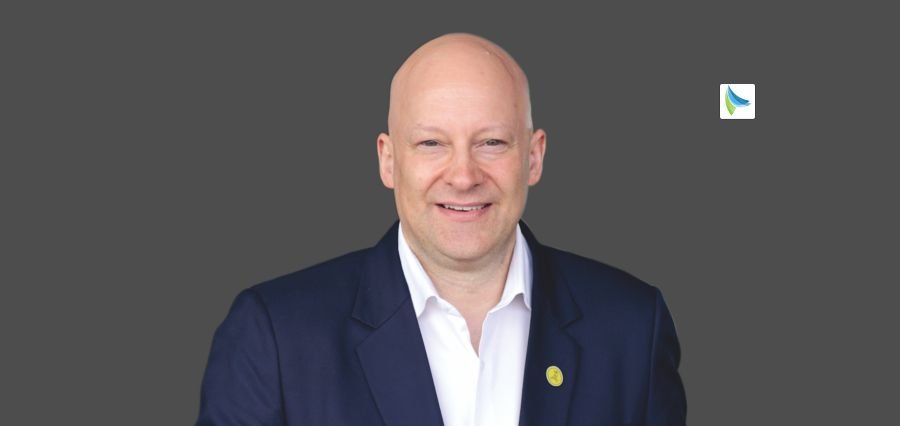
Roger Marti: The Visionary Behind Muscat’s Most Dynamic Hotel Experience
What if the best hotel in the room has nothing to do with the building? Guests today can book a room with one tap, compare hundreds of reviews in minutes, and check out without speaking to a single person. Technology has made hospitality more accessible, but in many ways, less personal. When the product starts to look the same across brands and price points, what actually keeps a guest coming back is harder to define and much harder to replicate. This is the environment Roger Marti works in every day as General Manager of IHG voco Muscat Al Mouj in Muscat, Oman. The job asks more than it ever has. Operational decisions, team development, guest experience, and financial performance rarely arrive in a neat sequence. They land together, and leaders either find a way to hold all of it or they don’t. What stands out about Roger is not a single achievement or a management philosophy pulled from a business book. It is the consistency of his approach across the small, everyday moments that most leaders overlook. His story is worth paying attention to, not because it is exceptional, but because it is honest. Let’s take a closer look at how Roger leads with purpose, agility, and vision! Understanding Dynamic Leadership A dynamic General Manager, in today’s context, is someone who thrives in uncertainty while maintaining clarity of vision. For Roger, this begins with adaptability. He believes in remaining flexible and responsive to changing market conditions, adjusting strategies as needed without losing sight of long-term goals. This adaptability is closely tied to innovation, where he encourages experimentation and fresh thinking within his organization. Strategic thinking plays an equally important role. Rather than focusing solely on immediate outcomes, his leadership is guided by long-term objectives that align with the broader mission of the organization. This forward-looking mindset allows him to anticipate opportunities while preparing for potential risks. Resilience, too, defines his approach. Challenges are not seen as setbacks but as opportunities to demonstrate strength and composure. His leadership reflects a steady presence, particularly in times of uncertainty, setting the tone for the entire team. Equally significant is his commitment to empowering others. He fosters an environment where diverse perspectives are welcomed and individuals are encouraged to contribute meaningfully. This culture of inclusion and collaboration strengthens both morale and performance. At the heart of his philosophy is a belief in continuous learning. Staying informed about industry trends and emerging technologies is not optional but essential. He also emphasizes the importance of building strong teams, guided by the principle, “Hiring the right people; I believe hiring people who are better than you is the key element of success. Hire specialists!” Evolving with Industry Demands The hospitality sector has undergone significant changes in recent years, driven by evolving customer expectations and technological advancements. In response, Roger’s leadership approach has shifted toward a more customer-centric model. Data and feedback are actively used to refine services and enhance the guest experience. Technology has become a central pillar in this transformation. From digital reservations to streamlined check-ins, the focus has been on improving efficiency while meeting the growing demand for seamless digital interactions. Agile decision-making has also become essential, enabling quick responses to market shifts. Despite these advancements, he remains deeply connected to the human aspect of hospitality. He emphasizes the importance of presence and engagement, noting, “It is important, as a General Manager, to be on the floor with the team, welcoming guests and engaging with your team; it certainly reflects well on the younger generations. Stay humble and professional.” Driving Innovation and Growth Innovation under Roger’s leadership is both practical and purposeful. Digital transformation initiatives have streamlined operations, reducing inefficiencies and enhancing service delivery. Automation and smart tools have been integrated to simplify processes and improve overall productivity. Personalization has become a defining feature of the guest experience. By leveraging data analytics, services are tailored to individual preferences, creating a more meaningful and engaging interaction for each guest. This approach reflects a deeper understanding of modern customer expectations. Sustainability is another area of strong focus. Efforts to reduce environmental impact include adopting paperless systems and minimizing plastic use. These initiatives not only support environmental goals but also resonate with increasingly conscious consumers. Collaboration extends beyond the organization. Partnerships with local artists and communities have added unique value to the guest experience, creating authentic connections and enriching the brand identity. Employee empowerment remains central to these efforts. Through training, development, and a supportive culture, team members are encouraged to innovate and contribute ideas. His leadership is anchored in optimism and mentorship, captured in the simple yet powerful reminder, “Stay a mentor with an always 100% optimistic approach, stay energetic, and always stay yourself.” Building Agile and Resilient Teams In a fast-paced environment, agility and resilience are essential qualities for any team. He fosters these traits through clear and open communication, ensuring that everyone understands both goals and changes. Creativity is actively encouraged, with team members invited to experiment and explore new ideas. This openness to innovation helps transform challenges into opportunities for growth. Decision-making is also decentralized, allowing individuals to take ownership and learn from their experiences. Continuous learning is a priority, with development opportunities designed to enhance adaptability. By modeling flexibility in his own leadership, he sets an example for others to follow. Team spirit is reinforced through shared achievements and a strong sense of unity. His guiding principle, “ONE Team, ONE Goal,” reflects a culture of collaboration and mutual support. This philosophy strengthens resilience and fosters a sense of belonging within the team. Navigating Modern Challenges General Managers today face a complex array of challenges, from rapid technological changes to talent management and economic uncertainty. Addressing these challenges requires a proactive and strategic approach. Technology has been embraced as a tool for both efficiency and engagement. At the same time, talent development remains a priority, with a focus on diversity and continuous learning. Strategic planning plays a crucial role in anticipating economic shifts

From chip assembly to industrial AI, Vietnam targets higher-value manufacturing amid trade realignment
Prime Highlights UOB backs Vietnam to move into higher-value manufacturing segments. Suan urges Vietnam to maximise its 16 free trade agreements. Key Facts UOB is a leading Singaporean multinational bank with Southeast Asia research presence. Vietnam ranks eighth globally in electronics exports. Background Vietnam stands to gain significant benefits from current international trade realignments, which particularly affect the electronics and semiconductor industries, according to Suan Teck Kin, who serves as Executive Director for Global Economics and Markets Research at United Overseas Bank (UOB). He shared the assessment at the “The Year Ahead 2026” forum in Ho Chi Minh City in the second week of April. The Vietnamese government has established its presence as the eighth largest electronics exporter worldwide while maintaining over 170 foreign semiconductor operations, which focus primarily on chip design and assembly work, testing procedures and packaging processes. The country will advance to higher-value market sectors because of its existing industrial capabilities, which include advanced semiconductor assembly and testing operations, precision component manufacturing and industrial artificial intelligence systems and automated production and distribution processes. UOB maintains a cautiously optimistic forecast for Vietnam in 2026. The economy will continue to grow because strong manufacturing, construction, service, export and foreign investment activities, which support supply chain diversification, will remain active. Rising energy costs have led the bank to trim its growth forecast, though it expects the State Bank of Vietnam to keep monetary policy steady. Globally, the WTO projects trade growth of around 1.9% this year, below 2025 levels. Geopolitical tensions and high energy prices could shave up to 0.5 percentage points off that figure. Suan pointed to a major shift in US import patterns since 2018. The percentage of US imports that have come from China in the last decade has decreased from a maximum of over twenty percent to around 7.8%, with the shares of ASEAN in US imports sitting at a higher percentage of 15.7% now. Vietnam accounts for 4.7% of China’s total trade, which shows its increasing participation in regional supply chains. He has now called upon the government to tap optimally into the 16 free trade agreements and move into the M.E., Africa, Latin America and Europe. Read Also: Amazon in Talks to Buy Satellite Firm Globalstar in Big Space Push
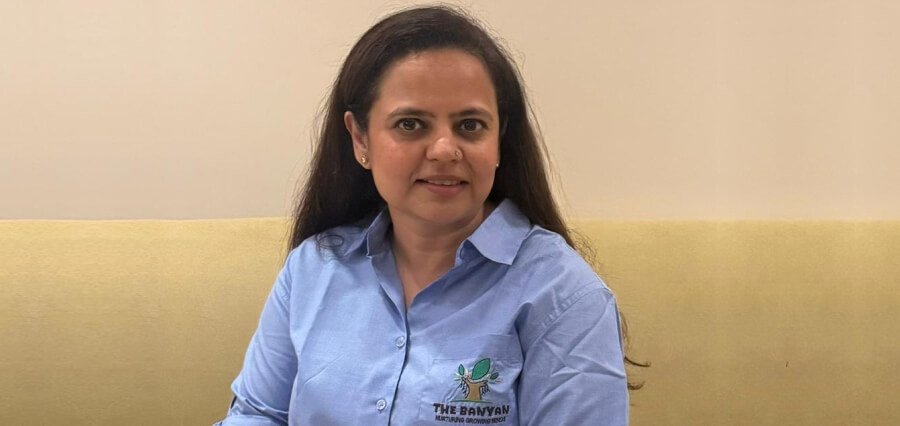
The Banyan Reinforces 24/7 Childcare Solutions in Delhi to Support India’s Round-the-Clock Workforce
New Delhi, India — As India’s economy continues to operate beyond conventional hours, the demand for reliable and structured childcare support is becoming increasingly critical. Addressing this pressing need, The Banyan, a pioneer in corporate childcare, is redefining Childcare Solutions in Delhi by offering comprehensive, flexible, and accessible daycare services tailored for shift-based industries. From the early hours of the morning at Indira Gandhi International Airport to late-night operations in power plants, hospitality chains, and government departments, thousands of professionals work around the clock to keep essential services running. However, for working parents, particularly those with younger children, one challenge persists, which is access to dependable childcare during non-traditional hours. Recognizing this gap, the organization has positioned itself as a trusted provider of Childcare Solutions in Delhi, delivering 24/7 support systems that align with the realities of modern work schedules. Addressing a Critical Workforce Gap In sectors such as aviation, hospitality, power utilities, and public sector enterprises, work shifts rarely coincide with standard daycare timings. Traditional childcare infrastructure often fails to accommodate early morning, late evening, or overnight requirements, leaving parents to be dependent on informal and inconsistent arrangements. This lack of structured support has far-reaching consequences. It contributes to increased absenteeism, reduced productivity, and higher attrition rates, particularly among women professionals, many of whom are compelled to step away from their careers due to childcare constraints. By offering reliable and flexible Childcare Solutions in Delhi, the firm is addressing this systemic challenge, enabling organizations to build more stable, inclusive, and resilient workforces. A 24/7 Childcare Ecosystem Established in 2003, this childcare facility consistently worked towards bringing childcare closer to the workplace. Its model includes on-site and near-site daycare centers designed to provide safe, nurturing, and development-focused environments for children from infancy through early childhood. What sets them apart in the landscape of Childcare Solutions in Delhi is their commitment to extended hours and round-the-clock care. By aligning daycare services with non-traditional work schedules, the organization ensures that parents working night shifts or irregular hours can access dependable childcare without compromise. These services are particularly impactful in industries where operational continuity is critical. Employees can perform their roles with greater focus and confidence, knowing their children are in safe and supportive environments. Enabling Women’s Workforce Participation A key impact area for the facility has been its role in reducing the “motherhood penalty” in the workplace. Many organizations face significant talent drop-offs after maternity leave due to inadequate childcare support. Through its structured Childcare Solutions in Delhi, they allow mothers the freedom to return to work with peace of mind, thereby supporting career continuity and strengthening gender diversity within organizations. By partnering with corporates, government bodies, and public sector enterprises, the organization is transforming childcare from a personal responsibility into essential workplace infrastructure. Reinforcing this vision, Swati Jain of The Banyan emphasizes the broader impact of childcare support, stating: “Across industries that operate beyond traditional work hours, childcare is no longer a convenience; it is a necessity. At its core, corporate childcare support enables employees to show up with focus, confidence, and continuity. By investing in accessible and flexible childcare solutions, organizations are not only supporting working parents but also strengthening workforce resilience, improving retention, and building truly inclusive workplaces that reflect the realities of today’s economy.” Strengthening Organizations and the Economy Forward-thinking employers are increasingly recognizing that childcare is not merely an employee benefit but a strategic investment. By collaborating with such facilities, organizations can improve employee retention, enhance productivity, and foster inclusive workplace cultures that reflect the evolving dynamics of the workforce. As a leader in Childcare Solutions in Delhi, the organization continues to play a pivotal role in supporting dual-income families, enabling workforce participation, and contributing to broader economic growth. A Vision for the Future As India advances towards a fully integrated 24/7 economy, the need for accessible, high-quality childcare will only intensify. They stand at the forefront of this transformation, demonstrating that childcare is not just a support service but a critical enabler of business continuity and social progress. By delivering reliable, flexible, and scalable daycare solutions, this childcare facility is setting a new benchmark for how organizations can support their workforce, ensuring that while industries run around the clock, so does the care that supports them. About The Banyan The Banyan is a leading provider of corporate childcare services in India, dedicated to enabling working parents through accessible, high-quality childcare solutions. With a focus on on-site and near-site centers, the organization partners with companies across industries to deliver customized childcare support that meets the needs of today’s dynamic workforce. Read Also : Dr. Vishwanand Pattar Introduces Companion Leadership as a People-Centric Approach for the Modern Workplace

Redefining Leadership Development for Startups
Executive Coaching Startups function in environments which require their leaders to make decisions during every period of their development. Founders and early leaders are expected to make strategic decisions, build teams, and drive innovation simultaneously. Executive Coaching has become an essential method which organizations use to develop their leaders into skilled and adaptable executives. Organizations that develop their leaders through Leadership development programs for startups will prepare their leaders with both technical skills and essential skills to handle unpredictable situations while growing their businesses. Bridging the Leadership Gap in Startups Most startups lack structured leadership pipelines and formal training systems which established organizations use. Many founders step into leadership roles without prior experience, learning through trial and error. Executive Coaching provides transformative support through its customized guidance which matches distinct leadership needs and personal development obstacles. The Leadership development program for startups enables companies to achieve their essential expertise requirements while they advance both employee and business development needs. Building Self-Aware and Adaptive Leaders Executive Coaching brings self-awareness development as its main advantage to executives. Leaders acquire knowledge about their strengths and blind spots and their behavioral tendencies which helps them make better choices. Startup companies need their workforce to adapt because of their fast-changing business environment. Startups develop their leaders through customized Leadership development programs which teach leaders how to handle market changes and team dynamics and operational difficulties while building a workplace environment that encourages ongoing progress. Enhancing Decision-Making and Strategic Thinking Startups need leaders who can develop long-term plans while executing immediate tasks. The Executive Coaching program offers leaders a dedicated space to develop their decision-making abilities through risk evaluation and assessment of future outcomes. Organizations that implement Leadership development for startups through their business operations enable their leaders to maintain process innovation while managing company growth with system stability. Strengthening Team Dynamics and Culture The people and cultural values of a startup determine its chances of succeeding. Leaders establish the framework which determines how their teams will work together and share information and achieve their objectives. Executive Coaching provides leaders with essential skills to create effective teams through its training program. The process of building leadership skills becomes vital for startup organizations that operate with teams from diverse backgrounds and need to establish trust relationships to maintain their operational progress and achieve common objectives. Driving Scalable Growth Through Leadership The requirements for leadership positions in startups become more demanding as their businesses continue to expand. The methods that succeed during initial company development will fail to work when the business reaches its full operational capacity. Executive Coaching helps leaders transition from hands-on operators to strategic visionaries who can delegate work to their teams and empower their team members. The organizations that establish their leadership development programs for startups create a continuous development system which enables them to handle increasing challenges while maintaining business growth. Fostering Innovation and Resilience Every startup exists to develop new products but needs an environment which enables ideas to thrive. Executive Coaching teaches leaders to develop a mindset which accepts both testing new ideas and learning from mistakes. Leadership development for startups creates training which helps leaders develop skills to overcome obstacles while sustaining their focus during difficult periods. The combination of these components establishes a solid base which supports enduring achievement. Conclusion: A Strategic Imperative for Startup Success The competitive business environment currently facing organizations requires unpredictable conditions to be resolved through effective leadership. Executive Coaching provides an efficient leadership development method which helps leaders create team motivation and organizational innovation while producing long-term business success. Leadership development programs for startups enable organizations to develop their leadership skills while establishing an organizational culture that drives their strategic objectives. Read Also : Leading Luxury Hotels Through Digital Transformation in Hotel Operations

Building People-First Organizations
Leadership Innovation In today’s fast-changing business world organizations now understand that their long-term success depends on their workforce instead of relying on operational methods and financial gains. Leadership innovation has become an essential factor which changes business operations by making human values essential to all strategic and operational processes. Building people-first organizations exists at the center of this transition because it establishes employee wellness and workplace engagement and career purpose as essential business needs. From Traditional Models to Modern Mindsets Traditional leadership models contained three main elements which existed as hierarchical structures to maintain organizational control while achieving operational efficiency. The requirements of present-day workplaces need organizations to establish work environments which promote adaptability and empathetic behavior and create systems for everyone to participate. Leadership innovation enables leaders to adopt more adaptive human-centered leadership methods by providing them with tools to create better solutions to current leadership challenges. By focusing on building people-first organizations, leaders create environments where individuals feel valued, heard, and empowered to contribute meaningfully. Cultivating Trust and Organizational Culture The fundamental trait that defines people-first organizations exists through their establishment of a dependable organizational culture which operates on trust and transparency. Employees today want more than financial compensation because they seek work that provides them with a clear mission and professional development and mental well-being. Through leadership innovation, leaders create new workplace environments which enable better teamwork and free communication. The method of building people-first organizations leads to increased employee contentment which results in greater work output and creative solutions. Flexibility as a Strategic Advantage Another important aspect of this research involves studying how organizations build flexible work arrangements that meet employee needs. The increase of remote and hybrid work options has forced leaders to develop new approaches that challenge traditional methods. Leadership innovation supports organizations in creating flexible work policies which enable them to meet different employee requirements while achieving operational goals. The building people-first organizations framework requires organizations to establish flexible work arrangements which demonstrate trust and respect between employers and employees. Emotional Intelligence at the Core of Leadership The current requirements for leadership positions need executives to understand emotional intelligence at a deeper level. Leaders must navigate complex interpersonal situations while providing their teams with assistance during periods of uncertainty and transitions. Organizations that adopt leadership innovation make a commitment to developing their leaders through programs that emphasize empathy and resilience and active listening skills. Building people-first organizations requires these qualities because leaders need to support employee development instead of acting as commanding authorities. Balancing Technology with the Human Touch Technology serves as an essential element which supports people-first strategies. Digital tools enable organizations to improve their communication processes while achieving better operational efficiency and obtaining data about their employees’ work performance and engagement levels. The actual effects of technological development depend entirely on its implementation methods. Leadership innovation establishes a framework which uses technological progress to develop human relationships instead of losing them. The process of creating people-first organizations needs to find equilibrium between technological solutions and human interactions. Driving Long-Term Organizational Success The main point shows that organizations which focus on their employees will achieve better results throughout their entire operational period. Research demonstrates that engaged employees display higher productivity levels and stronger commitment to their work while they develop innovative solutions. Leadership innovation enables companies to achieve business objectives through their employee goals which establishes a common organizational mission. Building people-first organizations requires both financial results and employee happiness and social benefits to define success. Overcoming Challenges Through Innovation The process of transforming into a people-first organization faces several obstacles which must be overcome. The organization needs to change its core philosophy to transform employees into business partners instead of treating them as resources. Leaders need to develop the ability to confront current practices while they work to eliminate prejudiced attitudes and create learning environments that persistently educate their teams. Organizations can achieve strategic human-centered development through leadership innovation, which provides a framework to navigate their complex challenges. The Future of Leadership The future of leadership needs leaders who can achieve business goals while maintaining human values. Organizations that adopt leadership innovation and develop people-first organizations will succeed better in today’s complex and competitive environment. Businesses achieve successful outcomes through people-centered approaches and inclusive cultural development and innovative leadership methods which create environments that benefit both their staff and their organization. Read Also : Redefining Leadership Development for Startups
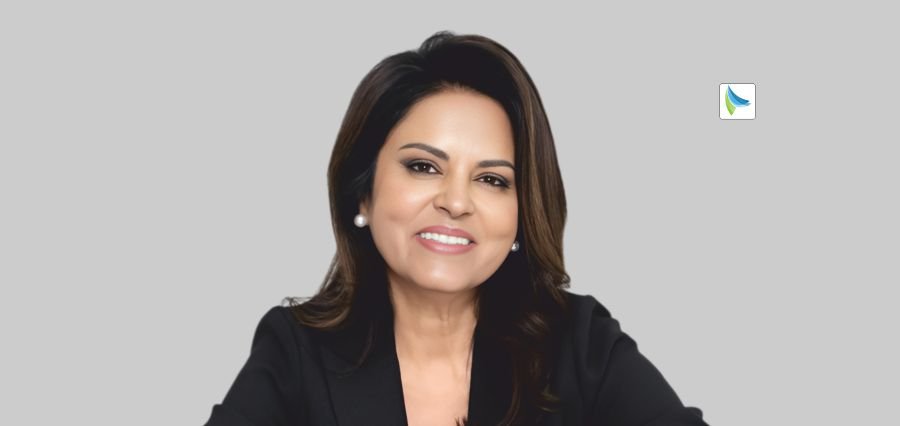
Lead with Heart: How Reena Malik Is Redefining Leadership
In a professional culture that has traditionally upheld the virtues of the hard edge, the decisive, the data-driven, the unapologetically transactional, Reena Malik offers an alternative suggestion altogether. She does not challenge leaders to decide between performance and compassion. She informs them that they never had to. With a career of spanning more than 25 years and a world of experience spanning a total of 35 plus countries, Reena Malik has established her consultancy business, and hence her career, on the belief that the finest leaders are, above all, thoroughly human. It is one of those messages that the world appears to be prepared to listen to. With organisations in all industries struggling to come to terms with the game-changer of hybrid work, AI, and a workforce that is more than a pay cheque and demands meaning, Reena Malik has found herself at an excellent, and most importantly, rare nexus between practical and values-driven work that requires hard-earned experience at the pinnacle of the business world. She is not speculating externally. She has lived it. From Law to Leadership: A Career Shaped by People Reena Malikbegan her professional life as a lawyer, a path she pursued with genuine enthusiasm and real commitment. But something kept pulling her attention away from the legal work itself and toward the human stories sitting behind every brief and every boardroom conversation. Over time, her career shifted toward people and leadership roles, eventually taking her across the Asia-Pacific region and into global teams at a Big Four professional services network. The work was rich with complexity and contrast, different cultures, different leadership styles, different unspoken rules about what success looked like and who got to define it. In rooms where careers and consequential decisions were made daily, she had a front-row seat to leadership at its most exposed. She watched closely and absorbed everything. She saw leaders who created conditions where people thrived, and others who, often without realising it, created conditions where people quietly disengaged and stopped bringing their best to work. “The gap had nothing to do with intelligence or experience,” she reflects, “It came down to behaviour, self-awareness, and how much people felt they could trust the person leading them.” Those years of close observation became the intellectual backbone of everything Reena Malik now teaches, giving her an understanding of how leadership feels to the people living underneath it that no business school curriculum could ever replicate. A Personal Loss, A Professional Awakening The idea of starting her own consultancy had lived in Reena’s mind for years before she finally acted on it. Like many ambitious professionals who find security and identity in the weight of a well-known institution, she discovered an endless supply of reasons to wait. The timing was never quite right. Then, she lost her brother. Grief has a way of cutting through the noise and clarifying what ambition, on its own, never quite manages to. The reckoning that followed was honest and uncomfortable. Starting out independently frightened her. She worried whether people would take her seriously without the credibility of a large organisation standing behind her name, and she went back and forth for a long time. In the end, she chose to stop waiting and trust herself. That single decision gave birth to Soul Hearted Consulting, small, focused, deeply intentional, and built entirely around the values she had spent two decades refining. “I’m glad I didn’t rush it,” she says simply, and there is a quiet certainty in the way she says it that suggests she means every word. Heart-centred Leadership: Not A Philosophy, A Practice When Reena Malik talks about “heart-centred leadership,” she is deliberate about stripping away any trace of vagueness or abstraction from the conversation. She is not describing a softening of standards or a retreat from accountability. She is describing something far more demanding, and, she firmly argues, far more effective over any meaningful stretch of time. “In practice it’s quite ordinary, and that’s the point,” she says, leaning into the simplicity of it rather than away from it. She’s talking about the technically brilliant leader who has simply, quietly, stopped asking how their people are doing. It means leaders who are genuinely present, who listen with real curiosity rather than waiting for their turn to respond, and who are willing to show up as a full, fallible human being rather than a polished, untouchable title. It also means holding real care and real clarity together at the same time, treating empathy and directness not as opposing forces but as natural and necessary partners. Compassion, in her definition, is not the absence of hard conversations. It is the quality with which those conversations are conducted. Across 35 Countries: What the World Taught Her Few leadership thinkers can genuinely claim the empirical breadth that Reena Malik brings to this conversation. She has worked across more than 35 countries, navigating the full and often demanding spectrum of cultural expectations around authority, communication, hierarchy, and trust. What she expected to encounter was deep and complicated difference. What she found, time and again, was a set of fundamentals that held firm regardless of geography or industry. “Honestly, what surprised me most working across so many countries wasn’t the differences, it was how much people have in common,” she says. Across Tokyo, New York, Sydney, and Mumbai, the same things mattered. Kindness travelled without translation. Listening landed the same way everywhere. The practices adapted, how feedback was delivered, who spoke first in a room, what a moment of silence communicated, but the underlying human principles never wavered. That discovery has permanently shaped how she approaches inclusion, not as a corporate framework to be installed, but as a living, daily practice of genuine curiosity about whether the space being created actually allows people to feel they truly belong. Emotional Intelligence in High-pressure Environments Emotional intelligence sits at the absolute core of Reena’s consulting philosophy, and she has spent years carefully observing how even the most capable leaders struggle
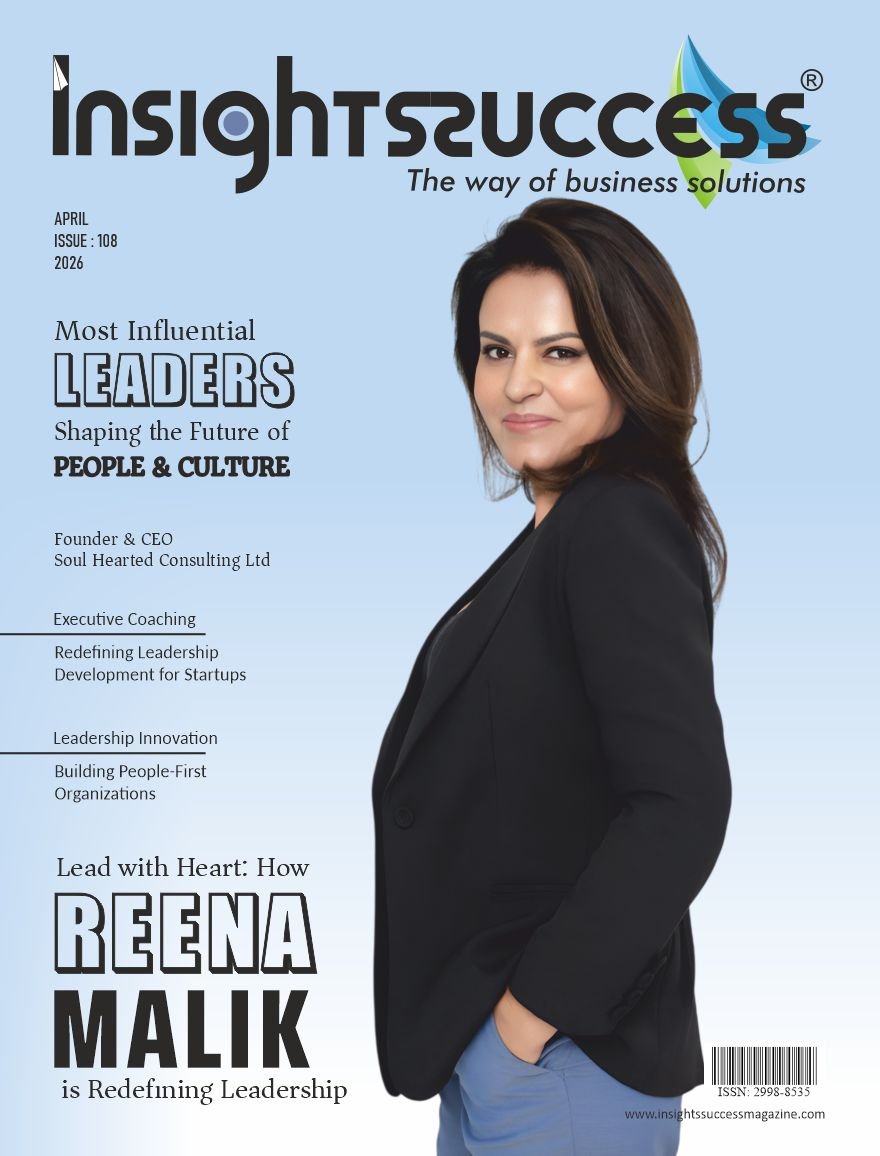
Most Influential Leaders Shaping the Future of People & Culture
Most Influential Leaders Shaping the Future of People & Culture Recognizing visionary leaders redefining workplace culture through innovation, inclusivity, and strategic people practices, driving organizational excellence, employee engagement, and sustainable growth while shaping the evolving future of human-centric leadership. Digital Link Quick highlights Quick reads

Executive Leadership in Hospital
Redefining the Patient Experience Executive hospital leaders now handle operational and financial performance tasks because their role has expanded to include additional responsibilities. Leaders now take control of redesigning the Patient Experience which requires them to deliver clinically effective healthcare that meets patients’ personalized needs with compassionate treatment. The shift demonstrates a larger movement which develops patient-centered healthcare systems that now measure their success through both clinical outcomes and patient experiences during their medical treatment. Understanding the Patient Experience Patient Experience defines all the interactions that patients experience during their time in a hospital system which begins with their admission and diagnosis and continues until their treatment ends and they leave the facility. The process requires patients to interact with medical staff while receiving emotional assistance and experiencing respectful treatment and participating in their medical choices. The process of improving Patient Experience leads to enhanced health results and increased patient contentment and greater trust in medical practitioners. Executive hospital leaders need to establish operational plans which combine medical excellence with patient-focused treatment. Building a Patient-Centric Culture The primary duty of executive hospital leadership consists of developing the organization. Hospital leadership determines the methods which staff members will deliver care to patients through their decisions about workforce behavior and communication methods and patient interaction techniques. Organizations cultivate their values through strong leadership which establishes an atmosphere that supports empathy and responsibility and ongoing development. The Patient Experience improves when healthcare teams implement patient-centered values that their leaders actively advance. Strategic Integration and Organizational Alignment Hospital systems need their executive leadership to follow a strategic method which enables them to integrate the Patient Experience as a vital element of their organizational objectives. The process requires hospitals to implement patient-centered performance metrics which will allow them to assess their operational performance. The implementation of data analysis to discover service deficiencies combined with structured development programs will create a complete solution. Hospitals that adopt a comprehensive integrated system approach will attain permanent progress and enduring success. Empowering Staff to Elevate Care Research has established a direct relationship between employee engagement and Patient Experience outcomes. Healthcare professionals who demonstrate high levels of engagement provide their patients with more dedicated and compassionate care which results in direct effects on how patients perceive their treatment. Executive leadership in hospital settings must invest in workforce development, continuous training, and recognition programs. Staff members who handle patient interactions across different situations should receive authority because it helps create responsibility for their work while improving the overall quality of healthcare services. The Power of Communication The Patient Experience improves through clear communication which shows empathy. Trust between patients and healthcare providers develops through transparent communication. Leaders need to establish communication protocols which different departments must follow while still permitting individualized treatment. Leadership rounding together with patient feedback systems delivers continuous information which enables hospitals to address patient requirements with quick and effective solutions. Leveraging Digital Transformation Technology now plays a crucial role in creating better patient experiences. Digital tools which include electronic health records and telemedicine services and patient portals enable patients to access medical care throughout their treatment process. Hospital systems need their executive leaders to make sure that technology serves to enhance medical staff interactions with patients instead of replacing those interactions. The development process needs to find a solution which maintains operational efficiency while providing the vital human connection required for delivering excellent patient care. Encouraging Patient Participation Current medical practices require patients to take control of their treatment choices. Hospital executives need to establish systems which enable doctors and patients to make decisions together while educating patients and collecting their feedback. The process of treating patients as partners in their healthcare journey results in increased patient satisfaction and better treatment compliance and improved health results. Measuring and Sustaining Improvement Continuous measurement is essential for maintaining excellence in the Patient Experience. Leaders need to establish strong feedback mechanisms which should include both surveys and real-time reporting tools to collect patient feedback. Hospitals use data-driven methods to discover their operational patterns while they solve their existing problems and carry out specific system enhancements. The process of continual assessment guarantees that achievements remain intact throughout duration. Final Words Redefining the Patient Experience needs a complete solution that requires future planning and needs strong Executive leadership support in hospital settings. The delivery of healthcare services can be improved through organizational leadership that establishes an empathetic work environment while giving employees power to make decisions and using technological tools and engaging patients in their treatment process. The Patient Experience will remain essential for achieving sustainable success and delivering authentic patient-centered care as the industry undergoes its ongoing transformation. Read Also : Building People-First Organizations

Culture-Driven Leadership in Healthcare
Reinventing Care Delivery Models The healthcare systems of every country are experiencing a major transformation because patient needs are changing, new technologies are emerging, and organizations require improved operational effectiveness. Culture-driven leadership in healthcare defines the core of this transformation because it identifies values, behaviors, and organizational mindset as essential components for achieving success. Care Delivery Models will achieve sustainable innovation when leaders establish their organization through building a strong purpose-driven culture which they want to protect and advance. Understanding Modern Care Delivery Models The Healthcare Delivery Models establish the framework which determines how healthcare services are organized and managed and provided to patients. The healthcare industry is moving away from traditional models which deliver services through disconnected and responsive methods to establish integrated systems that focus on patient needs and maintain continuous care delivery while achieving desired treatment results. Healthcare organizations use cultural leadership to guide their transformation by uniting staff members toward common objectives while creating a work environment that encourages teamwork and maintains patient requirements as the fundamental principle for all decisions. The Role of Leadership in Cultural Alignment Effective Culture-driven leadership in healthcare establishes the foundation for organizational behavior because it determines how employees will conduct themselves within the workplace. Organizations achieve optimal innovative results through their leaders who establish environments based on three core values. The redesign of Care Delivery Models requires this cultural alignment because it allows different departments to work together while removing the barriers that obstruct patient treatment. Organizations demonstrate improved capability to handle changing healthcare requirements when their culture enables them to make successful transitions. Driving Patient-Centered Innovation Effective Culture-driven leadership in healthcare establishes the foundation for organizational behavior because it determines how employees will conduct themselves within the workplace. Organizations achieve optimal innovative results through their leaders who establish environments based on three core values. The redesign of Care Delivery Models requires this cultural alignment because it allows different departments to work together while removing the barriers that obstruct patient treatment. Organizations demonstrate improved capability to handle changing healthcare requirements when their culture enables them to make successful transitions. Empowering the Healthcare Workforce An organization’s employee engagement together with their performance results from its organizational culture. Organizations that operate in the healthcare sector use culture-based leadership methods to develop their staff members through educational programs and recognition systems and shared decision-making processes. Healthcare professionals who receive value and support from their employers will generate innovative ideas which they will use to enhance Care Delivery Models. Employees who receive empowerment at work will experience increased job happiness while their burnout levels decrease and their patient care results improve. Integrating Technology with Culture Digital transformation is changing Care Delivery Models through telehealth and AI-driven diagnostics and electronic health records which improve access and operational efficiency. The success of these innovations depends on cultural readiness of the organization. Healthcare needs culture-driven leadership which empowers teams to adopt new technologies while they deliver care through human-centric methods. Leaders must find equilibrium between advancing technology and delivering compassionate care because innovation should strengthen yet not replace the connection between patients and providers. Collaboration and Interdisciplinary Care Modern Care Delivery Models depend on collaborative work between multiple healthcare professional groups which include physicians, nurses, administrators, and support staff members. Healthcare organizations which practice cultural leadership create workplaces that value teamwork above traditional hierarchical structures. The leaders create open communication channels which establish shared responsibility between caregivers to achieve smooth care coordination that results in fewer mistakes and better patient results. The organization works with extended healthcare facilities through shared work in order to deliver complete healthcare services which include both primary and specialized medical care. Overcoming Challenges Through Cultural Strength The process of transforming care delivery models face multiple obstacles which include resistance to change and resource limitations and the challenges of regulatory requirements. The obstacles of healthcare systems are overcome through the implementation of culture-based leadership. Leaders who build resilience within their teams create an environment that enables innovation while working towards their organizational objectives. Conclusion The future of healthcare depends on the ability to reinvent Care Delivery Models through strong, values-based leadership. The transformation process in healthcare organizations requires culture-driven leadership to create a common purpose that connects employees with operational systems and technological resources. Healthcare organizations that treat culture as a strategic asset will provide better patient care while achieving operational efficiency and long-term organizational success with improved health outcomes for all patients. Read Also : Executive Leadership in Hospital
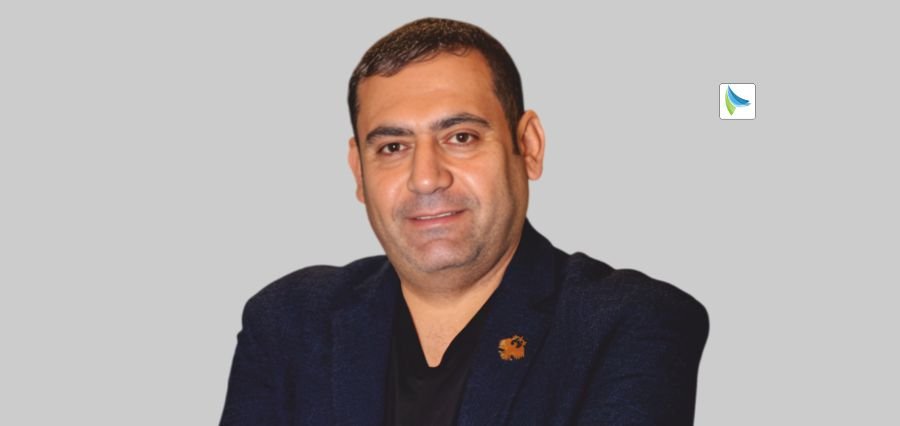
Dr. Mohammad Fouad Al-Ibrahim- Building Clinical Excellence in Healthcare Catering
There is a story behind every hospital meal. A complicated web of decisions, including clinical calculations, safety procedures, cultural considerations, and logistical coordination, go into the meticulously portioned tray. A dietitian checks allergen markers twice in a hospital kitchen in Saudi Arabia. Parallelly, a quality supervisor checks temperature records that could indicate contamination or nourishment. Thousands of these moments occur concurrently throughout the Kingdom, and each one bears the responsibility for the health of the patient. This is the world Dr. Mohammad Fouad Al-Ibrahim navigates daily. As Director of Operations and Business Development at National Catering SA, he orchestrates what many consider an impossible balance- making healthcare catering both clinically impeccable and commercially viable. While most leaders pick sides in this equation, choosing either business growth or operational perfection, he has spent years proving that the dichotomy itself is false. In his hands, safety becomes a competitive advantage. Compliance drives innovation. Rigorous standards create market differentiation. Dr. Mohammad’s approach challenges the conventional wisdom that dominates both healthcare and hospitality sectors. Where traditional food service managers see regulatory requirements as obstacles, he sees frameworks that protect what matters most. Where business development executives chase revenue regardless of operational strain, he builds sustainable growth on foundations of clinical discipline. Where others compartmentalize catering as a support service, he integrates it as an essential component of healing. The Saudi healthcare landscape provides the perfect proving ground for this philosophy. Here, ancient hospitality traditions meet cutting-edge medical facilities. Patient expectations rise alongside regulatory standards. International accreditation bodies scrutinize every process while local cultural nuances shape service delivery. In this demanding environment, Dr. Mohammad has forged a leadership model that refuses to compromise. This proves that excellence in healthcare catering is about aligning competing priorities so completely that they strengthen each other. Where Every Tray Carries Clinical Consequence The difference between healthcare catering and traditional food service is not merely setting or clientele. It is fundamentally a question of stakes. In a restaurant, a mistake might result in a disappointed customer. In a hospital, that same mistake could trigger anaphylactic shock, compromise a diabetic patient’s glucose control, or introduce pathogens to someone with a weakened immune system. Dr. Mohammad approaches healthcare catering not as an evolved form of hospitality but as a distinct discipline requiring its own expertise, systems, and mindset. Every decision begins with a fundamental question: If this were my family member in that hospital bed, would this be good enough? The operational environment he manages presents compounding challenges. A single facility might serve hundreds of patients daily, each with unique dietary requirements ranging from standard nutritional needs to highly specialized therapeutic diets. Some patients require texture-modified foods due to swallowing difficulties. Others need precise caloric calculations to support recovery. Cultural and religious dietary laws add complexity. Allergies create absolute red lines. Against this backdrop, Dr. Mohammad has built operational systems that function with clinical precision. His teams execute carefully choreographed processes where every step carries documented accountability. Ingredient traceability allows complete visibility from supplier to patient. HACCP protocols embedded into production workflows ensure food safety at every critical control point. Allergen management systems create multiple verification checkpoints. Nutritional compliance requires ongoing collaboration with dietitians who translate medical orders into practical kitchen specifications. The regulatory framework in Saudi Arabia is extensive. The Saudi Food and Drug Authority maintains standards that rival international benchmarks. The Ministry of Health enforces requirements specific to healthcare settings. Hospital governance systems demand transparency. Accreditation bodies like CBAHI evaluate not just outcomes, but the systems producing those outcomes. Rather than viewing regulatory intensity as a burden, Dr. Mohammad embraces it as an essential infrastructure. He recognizes these requirements exist because the alternative, patients harmed by preventable food-related incidents, is unacceptable. His teams prepare for audits through daily adherence to standards that make audit readiness a natural operational state. When inspectors arrive, they find systems that consistently perform as designed. This philosophy extends to innovative initiatives. Every process improvement proposal faces the same scrutiny: Does this maintain or enhance patient safety? If the answer is anything other than an unambiguous yes, the initiative stops regardless of potential benefits. Cultivating Safety as Frontline Culture Healthcare clients maintain absolute expectations regarding food safety. This reality shapes how Dr. Mohammad approaches workforce culture development. He operates from a fundamental insight: Food safety compliance cannot depend on constant supervision. The only sustainable approach is embedding safety so deeply into frontline culture that correct practices become automatic even under pressure. His strategy establishes clear, non-negotiable standards supported by practical training that goes beyond written policies. Hygiene and food safety requirements break down into simple, repeatable actions. Each action connects explicitly to patient impact- explaining not just what to do but why it matters creates commitment rather than mere compliance. Daily briefings reinforce practices through focused reminders. Visual controls throughout production areas provide immediate reminders at a point of use. Routine verification on production floors catches deviations before they create safety incidents while providing coaching opportunities. Supervisors receive extensive training on how to coach in real time rather than only audit after issues occur. Dr. Mohammad expects supervisors to spend significant time on production floors, observing work processes, and providing immediate feedback. Building Partnerships Beyond Contracts Dr. Mohammad’s business development expertise informs his perspective on what distinguishes genuine partnerships from transactional relationships. The healthcare services market is filled with contracts, but lasting partnerships are far rarer. Short-term contract wins often emerge from factors that matter during procurement but prove insufficient for sustained success. Competitive pricing may win initial business but creates financial pressure that degrades service quality. Aggressive scope definitions may satisfy tender requirements but exceed actual delivery capacity. True partnerships build on different foundations. What healthcare providers value most is consistent performance under all conditions; not just during honeymoon periods but through high-census surges, staffing challenges, supply disruptions, and countless operational difficulties. Reliability under pressure reveals whether an operator truly understands the healthcare environment. It shows whether teams have been trained to handle complexity.