






Most Influential Researcher in Respiratory Health to Watch in Southeast Asia in 2026
Most Influential Researchers in Respiratory Health to Watch in Southeast Asia in 2026 Recognizing a leading respiratory health researcher in Southeast Asia, this feature explores groundbreaking research, clinical insights, and scientific contributions advancing respiratory medicine and improving healthcare outcomes across the region. Digital Link Quick highlights Quick reads

Dr. Dinesh Kumar Chellappan: Redefining Academic Leadership Through Research and Mentorship
Science does not make headlines through the daily act of showing up. It makes headlines through discoveries, breakthroughs, and moments that compress years of patient work into a single announcement. What rarely gets examined is the accumulation that makes those moments possible: the decades of teaching curious students, building collaborative relationships across institutions and continents, writing manuscripts that are rejected and revised and resubmitted, and choosing, repeatedly and without fanfare, to keep going. Dr. Dinesh Kumar Chellappan has built his career on exactly that kind of accumulation, and the numbers that now describe his output reflect it with a clarity that speaks for itself. More than 400 published papers. An h-index exceeding 70. More than 27,000 citations were received from researchers around the world who have found his work useful enough to build on. Four books published internationally reputed by publishers including Springer and Elsevier. Consecutive inclusion in the Stanford University and Elsevier global database of the world’s top 2 percent of researchers from 2020 through 2025. A PCT patent granted in 2024 for a nanoemulsion incorporating agarwood oil as a potential treatment for lung cancer. And a string of institutional recognitions from the International Medical University (IMU University) in Kuala Lumpur that reflect the consistency with which he has led on research productivity year after year. He reflects, “These numbers are personally gratifying, but I regard them as a success only if these achievements benefit common human beings and the wider scientific community.” From Tamil Nadu to Kuala Lumpur The distance between a small town in India and the research laboratories of an international university is not only geographical. It is a particular kind of distance that involves leaving behind familiar structures, building new ones, and finding the discipline to keep learning in environments that do not offer the comfort of the familiar. Dr. Chellappan grew up in Tamil Nadu in a family that placed genuine value on education, discipline, and the relationships that sustain a person through difficulty. Those values were not abstract. They were practiced: in how he was encouraged through school, in how he understood the role of teachers and mentors, and in how he eventually came to think about his own responsibility toward the students and early-career researchers who would later look to him for guidance. His academic career began at Manipal University (presently, MAHE) in India, where the responsibilities and rewards of university life became visible for the first time in their full scope. Teaching was not simply delivering information. It was designing learning experiences that built curiosity and independent thinking. Research was not simply executing experiments. It was asking questions that mattered and pursuing them with enough persistence to produce answers worth sharing. Those early years planted the convictions that have sustained his career ever since. He mentions, “Moving from a small town in Tamil Nadu to an international academic environment was an important transition. Like any career journey, mine has included periods of progress as well as setbacks, uncertainties, and learning experiences. Each of these experiences has strengthened my resilience.” The move to Malaysia and to the International Medical University brought a different kind of challenge: building credibility and relationships in an international academic environment, navigating the particular complexity of a diverse and multilingual institution, establishing a research identity in a competitive field, and building partnerships with researchers across the globe. That challenge, as he describes it, was one of the most important transitions of his professional life. The Two Pillars That Define the Work Ask Dr. Chellappan to describe what he does, and he reaches for two words that, for him, are not separate activities but deeply interconnected ones: teaching and research. Both feed each other in ways that make the combination more valuable than pursued in isolation. Research keeps teaching current, grounding it in the actual state of a rapidly evolving field rather than in what was true a decade ago. Teaching keeps research honest, forcing the kind of clarity that makes a complex finding accessible, and the kind of questioning that tests assumptions before they become entrenched. “Research satisfies my curiosity and my desire to explore unanswered questions. I enjoy identifying meaningful scientific problems, developing ideas, working with collaborators, mentoring young researchers, and communicating our findings through publications,” he states. His research focus has crystallized over the years around pharmacy, drug delivery, and respiratory diseases. These are not peripheral areas of health science. Respiratory conditions including asthma, chronic obstructive pulmonary disease, and lung cancer collectively represent some of the most significant disease burdens in the region and globally, and the question of how to deliver therapeutic agents more effectively to the lungs sits at the intersection of pharmaceutical innovation and clinical urgency. His sustained output in this field, measured not only in volume but in citation impact, reflects both the quality of the questions he has pursued and the collaborative networks he has built to pursue them. Collaboration as Scientific Infrastructure One of the most consistent features of Dr. Chellappan’s career is the breadth and depth of his collaborative relationships. He has built working partnerships with researchers at the University of Technology Sydney, the University of Newcastle, Western Sydney University, Queensland University of Technology, and the University of Tasmania in Australia, as well as Lovely Professional University and Chitkara University in India, among others. These are nominal affiliations. They are active research collaborations that have produced joint publications, co-supervised students, and multidisciplinary projects that cross the boundaries of what any single researcher’s expertise can address. The nanoemulsion patent that emerged in 2024, developed in collaboration with De’Aurora Pty Ltd in Australia and led by Professor Kamal Dua at Western Sydney University, is the most tangible recent example: a piece of research that began in a laboratory and arrived at a PCT patent with potential therapeutic applications in lung cancer, COPD, and allergic airway disease. “What excites me most about collaboration is that science has no geographical boundaries. I see collaboration not merely as a means of increasing research

Respiratory Health Research and the Future of Preventive Care
Strengthening Respiratory Care Respiratory health sits at the intersection of some of the most pressing challenges in modern medicine: chronic disease burden, environmental health, aging populations and the persistent inequities in who gets sick and who gets care. The lungs are remarkable organs that work continuously and largely without conscious attention, filtering air, delivering oxygen, and protecting the body from airborne threats. When they are compromised by disease, by environmental exposure, or by the gradual effects of aging, the impact on daily function and quality of life is profound. The work of the respiratory health researcher is what drives the understanding and the clinical advances that help more people breathe better, for longer. Understanding the Scope of Respiratory Health Researcher The scope of work that a respiratory health researcher engages with is considerably broader than most people outside the field appreciate. Respiratory research spans basic science, understanding the cellular and molecular mechanisms of lung disease, through to clinical investigation of new treatments, epidemiological studies of how respiratory conditions distribute across populations, and implementation research that examines how evidence-based care can be delivered more effectively in real-world healthcare settings. Each of these levels of inquiry contributes something essential to the overall picture. Basic science reveals why disease happens at the biological level and identifies the targets that new treatments need to address. Clinical research tests whether those treatments work safely and effectively in people. Epidemiological research reveals who is most affected and why, shaping prevention strategies and health policy. Implementation research ensures that what works in controlled settings actually reaches the patients who need it in the communities where they live. Addressing the Burden of Chronic Respiratory Disease Chronic obstructive pulmonary disease, asthma, pulmonary fibrosis, and other long-term respiratory conditions affect enormous numbers of people and represent a significant proportion of the global burden of chronic illness. For many patients, these conditions are managed rather than cured, controlled to the extent that current treatment allows while continuing to progress and affect quality of life over years and decades. The respiratory health researcher working in the chronic disease space is motivated by this gap between what current treatment can achieve and what patients actually need. Understanding why some patients progress faster than others, why some respond well to available treatments while others do not, and what biological processes drive the fibrosis, inflammation, and airway obstruction that characterize different chronic respiratory conditions are all questions whose answers will shape the next generation of treatment options. Making Prevention a Research Priority The future of respiratory care is not just about treating disease more effectively; it is about preventing it from developing in the first place, or catching it early enough that intervention can change its trajectory before significant and irreversible damage occurs. A respiratory health researcher focused on prevention is working on some of the most impactful questions in the field: how environmental exposures shape respiratory disease risk, what biological markers indicate early disease before symptoms develop, and what interventions at the individual and population level are most effective at reducing the incidence of serious respiratory conditions. Smoking cessation, air quality improvement, occupational health protections, and early childhood respiratory health are all areas where prevention-focused research is producing evidence that informs both clinical practice and public policy in ways that will affect the respiratory health of populations over the long term. Advancing Respiratory Diagnosis and Treatment A respiratory health researcher engaged with technology development is contributing to the tools that will define the next era of respiratory diagnosis and treatment. Improved lung imaging that detects disease at earlier stages, biomarker-based diagnostic tests that characterize respiratory conditions more precisely, and novel therapeutic approaches including targeted biological treatments and gene therapy for inherited respiratory conditions are all areas of active investigation. The translation of these research advances into clinical practice is a process that takes time and requires sustained investment, but it is the process through which the research enterprise ultimately serves patients, delivering the improvements in diagnosis and treatment that change the lives of people living with respiratory disease. Connecting Research to Better Respiratory Health Every advance in respiratory medicine, every new treatment, every improved diagnostic tool, every prevention strategy that keeps people healthy, traces back to the work of a respiratory health researcher who asked a question, designed a study, analyzed data, and contributed to the body of knowledge that clinical practice is built on. That connection between research and the daily experience of breathing well is what gives the work its meaning and its urgency. Respiratory health is not a specialized concern for a narrow patient population; it is a universal human need. The research that protects and improves it is among the most broadly beneficial work in all of medicine. Read Also : Iconic Business Leaders and the Changing Face of Entrepreneurship

New Discoveries Shaping the Understanding of Pulmonary Health
Progressing Lung Research For a long time, the lungs were understood primarily as a gas exchange organ, a biological system for moving oxygen into the blood and carbon dioxide out. That understanding was not wrong, but it was incomplete in ways that are becoming increasingly clear as research advances. The lungs interact with the immune system, with the gut microbiome, with the cardiovascular system, and with broader inflammatory processes in the body in ways that make them central to health and disease far beyond their respiratory function. The pulmonary researcher working today is operating in a field whose complexity has grown considerably beyond what earlier generations of lung scientists were working with, and whose discoveries are reshaping clinical understanding and opening new directions for treatment in ways that directly benefit patients. Expanding Our Understanding of Lung Disease Pulmonary disease encompasses an enormous range of conditions, from common disorders like asthma and chronic obstructive pulmonary disease to rarer but devastating conditions like pulmonary fibrosis and pulmonary hypertension. What has changed significantly in recent years is the depth of biological understanding that researchers have developed of how these conditions work at the cellular and molecular level. A pulmonary researcher today has access to tools, genomic sequencing, single-cell analysis, advanced imaging, and computational modeling, that allow them to examine lung disease with a resolution and a precision that were not available even a decade ago. These tools are revealing that conditions previously treated as relatively homogeneous, a single diagnosis managed with a standard protocol, are in fact biologically diverse, with different patients sharing a diagnosis but experiencing their disease through different underlying mechanisms. That biological diversity is what explains why some patients respond well to standard treatments while others do not, and understanding it is what will enable more targeted and more effective therapy. Exploring the Link Between the Microbiome and Lung Health One of the more surprising directions in recent pulmonary research has been the growing understanding of the relationship between the lung microbiome, the community of microorganisms living within the lungs, and respiratory health and disease. The lungs were long considered to be essentially sterile environments, but research has revealed that they host a diverse microbial community whose composition influences immune function, inflammatory responses, and susceptibility to respiratory disease. A pulmonary researcher investigating the lung microbiome is working in an area that is generating new understanding of why some individuals are more vulnerable to certain respiratory conditions than others, how respiratory infections alter the microbial environment of the lungs in ways that can have lasting consequences, and whether interventions that modify the lung microbiome could offer new therapeutic possibilities for conditions that current treatments address inadequately. Role of Inflammation in Lung Disease Inflammation is a thread that runs through many of the most significant respiratory conditions; asthma, chronic obstructive pulmonary disease, pulmonary fibrosis, and others all involve inflammatory processes that drive disease progression in ways that current anti-inflammatory treatments address only partially. A pulmonary researcher focused on the inflammatory mechanisms of lung disease is working on questions whose answers could open new therapeutic avenues for conditions that remain difficult to manage effectively. Understanding which specific inflammatory pathways are active in which patients, how those pathways interact with each other and with the structural changes that chronic lung disease produces, and which targeted interventions can interrupt those pathways without producing unacceptable side effects are all active areas of investigation. The development of biological therapies that target specific inflammatory mediators has already changed the treatment landscape for some respiratory conditions, and further advances in understanding pulmonary inflammation are likely to produce further therapeutic options. Investigating Environmental Factors That Affect Lung Health No account of advances in pulmonary research is complete without attention to the environmental dimension. The quality of the air people breathe, at home, at work, and in their communities, is one of the most powerful determinants of respiratory health. A pulmonary researcher engaged with environmental pulmonary health is investigating the mechanisms through which pollutants, particulates, and other airborne exposures damage lung tissue, the populations most vulnerable to environmental respiratory risk, and the exposure thresholds at which harm becomes significant. This research connects directly to public health policy, informing the air quality standards, workplace safety regulations, and urban planning decisions that shape the respiratory health environment for entire populations. Turning Research Discoveries Into Patient Benefits The discoveries being made by the pulmonary research community today will shape the respiratory care available to patients in the years ahead. The path from research finding to clinical application is not always short or straightforward; it requires validation, refinement, regulatory evaluation, and the development of delivery mechanisms that make new treatments practically available to the patients who need them. But the history of pulmonary medicine is full of examples of research that seemed distant from clinical application, eventually producing treatments that changed patient lives, and the pace at which current discoveries are moving toward clinical translation suggests that the next decade will see significant advances in what respiratory medicine can offer the people depending on it. Read Also : How FinTech Business Leaders Turn Technology into Financial Opportunities
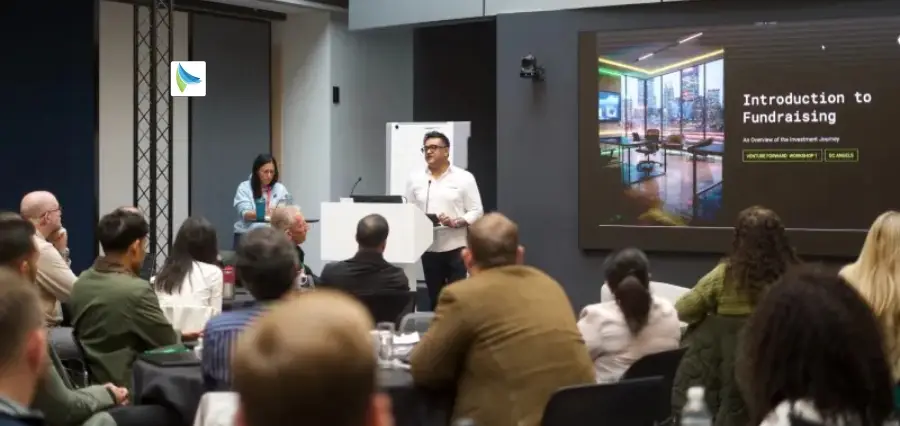
GC Angels Names Third Venture Forward Cohort to Back 21 Northern Founders
Prime Highlights- GC Angels announces the third cohort of its Venture Forward accelerator, backing 21 Northern companies. Standout founders can receive up to £500k of equity investment after the eight-week programme. Key Facts- The first two cohorts saw 18 of 52 companies raise a combined £4.6m, a 35% success rate. The new cohort is 52% women, 52% ethnic minority founders and 64% from lower socio-economic backgrounds. Background- GC Angels has named the third cohort of its Venture Forward accelerator, giving 21 Northern companies a route to their first institutional seed investment. The Innovate UK-backed programme comes from GC Angels, the venture capital arm of The Growth Company, Greater Manchester’s largest social enterprise institution. It helps early-stage Northern founders prepare to raise their first VC round within 12 months. The first two cohorts delivered strong results. Of 52 companies, 18 raised a combined £4.6m, a 35% success rate that far beats the estimated 0.05% of startup founders who win VC funding. GC Angels also invested £720k directly in four of them. The new cohort reflects the breadth of Northern talent. Women make up 52% of founders, 52% come from ethnic minority backgrounds and 64% from lower socio-economic backgrounds. They come from Manchester, Liverpool, Leeds, Bradford, Sheffield, Shropshire and North Wales, and work across life sciences, cyber security, climate tech, health tech, FMCG and edtech. Over eight weeks in Manchester, with NatWest Accelerator and NatWest Venture Banking, founders will join workshops, one-to-one mentoring and investor meetings. GC Angels will then offer up to £500k of equity to standout founders. Marc Shirman, GC Head of Equity Investment, said the results show the strength of Northern founders. He said seed funding starts the journey to scale-up success, and the team will keep building founders’ confidence, knowledge and skills. He added that any ambitious founder can build a business through this diverse early-stage ecosystem. Read Also: Meta One Debuts With 50 Plus Tools As Meta Expands Its AI Subscription Lineup

ChatGPT Video Editor: How AI Can Help You Edit Videos Faster
Video editing can take hours when you have lots of clips to sort, cut, and arrange. AI can make this easier by turning simple instructions into a basic video draft. A ChatGPT video editor workflow with CapCut × Codex can help organize clips and prepare a rough cut for further editing. What Is a ChatGPT Video Editor? A ChatGPT video editor is best described as an AI-assisted editing workflow that uses natural language to communicate what you want to create or change. Instead of providing every editing instruction via buttons and menus, it is better to define the desired outcome. For example, you might ask for a short video using the best moments from several clips, a faster pace, or a specific video length. The AI can then help with planning and early editing. The final result still needs human review because video editing involves choices about timing, story, sound, and visual style. CapCut × Codex follows this idea by connecting conversational instructions with CapCut’s editing environment. The workflow can take uploaded footage, identify useful parts, remove unwanted sections, and arrange selected clips into an editable first cut. How AI Video Editing Works The basic process is fairly simple. Start With Your Footage The first thing to do is provide the clips you wish to utilize. They could include footage from an excursion, promotional videos such as tutorials, interviews, videos from social media, and other videos. Explain what you’d like your final video to look like. Your instructions could include the length you prefer and order of scenes, pacing, as well as the kind of content that deserves more attention. Clear instructions can help the AI understand the editing goal before it starts working with the footage. Let AI Review the Clips AI is able to scan lengthy videos and select relevant moments which will save you time manually selecting clips. It is then possible to review your selections and save the ones which best fit the video. Build an Editable First Cut After reviewing the footage, the workflow can arrange selected sections into a rough timeline. It’s helpful because the initial cut provides you with an idea of what you can work with. You will be able to see how parts fit together, which areas it feels like the video is running too slowly and what parts might have to be cut out. CapCut describes the resulting draft as editable, so users can continue changing the clip order, timing, structure, captions, and other creative details. What Can You Use AI Video Editing For? Social Media Videos Short videos often need quick pacing and a clear structure. AI can help sort through longer recordings and prepare a shorter version that is easier to review. Creators can then adjust the opening, remove slow sections, and make the video fit the platform they plan to use. Tutorials and Explainers Tutorials often contain sections that can be shortened or rearranged. An AI workflow can help prepare the basic structure from available footage. The creator can then check that each step appears in the right order and that the explanation remains easy to follow. How to Get Better Results From AI Video Editing Give Guidelines Avoid vague requests such as “make a good video.” Instead, explain the purpose, target length, important scenes, preferred order, and format. A simple instruction can mention that the video should be short, use the strongest moments first, and remove repeated or unnecessary footage. Tell AI What Matters If there is an important product, person, scene, or message, mention it clearly. This gives the workflow a better idea of what should receive attention during the editing process. Review the First Draft Never assume the first AI-generated edit is the final version. Watch the complete video. Check every cut, caption, audio section, and scene transition. A few manual changes can often make the difference between a basic draft and a video that feels properly edited. ChatGPT Video Editing vs Traditional Editing Traditional editing gives you direct control from the start. You open the timeline, review your clips, make selections, and build the sequence yourself. AI-assisted editing changes the starting point. This can be especially useful for beginners or creators who produce videos regularly. Experienced editors can also use it to reduce repetitive work. The two approaches do not have to compete. AI can handle part of the preparation while the creator handles the decisions that require taste and context. The Future of AI Video Editing AI video editing is moving toward workflows where planning and editing work together. Instead of using AI only to generate individual effects or clips, creators can use natural-language instructions to explain an entire editing task. The system can help organize source material and prepare a first version, while traditional editing tools remain available for detailed changes. CapCut’s current ChatGPT-related pages describe this direction through planning, source-clip organization, editable rough cuts, captions, and final refinement. The main benefit is not removing the editor from the process. It is reducing the amount of repetitive work between raw footage and a usable first draft. Conclusion A ChatGPT video editor workflow can make video production easier by helping with footage review, scene selection, rough cuts, and other repetitive tasks. CapCut × Codex shows how natural-language instructions can be connected with an editable video workflow. Read Also : Cloud Application Lifecycle Management: The New Operating Model for Enterprise Applications

Cloud Application Lifecycle Management: The New Operating Model for Enterprise Applications
Enterprise applications do not have a project-based life cycle anymore. Cloud applications evolve through releases, configurations, integration, and requirements. This is why the old approach, where there was an implementation and then passing it on to support, is harder to manage. There should be a more effective model that ties all design, configuration, testing, change management, and end-user preparation into one process. Cloud Application Lifecycle Management provides this opportunity for enterprise organizations. From Project Delivery to Continuous Operations In many cases, traditional application development efforts emphasize reaching the go-live stage. Afterward, different tools may be utilized for testing, updates, documentation, and support. This becomes problematic with Cloud-based applications as the vendor continually rolls out updates. Each update impacts workflow, integration, configuration, and users. It is necessary to evolve from a completion approach to continuous readiness where all stakeholders have an understanding of updates and possible impacts. Design and Configuration Need a Shared Foundation The lifecycle in the current scenario begins prior to configuration taking place. The business objectives, process decisions, requirements, and dependencies must be linked throughout the development of the system. This helps in avoiding any kind of loss of decisions that may occur while moving from one stage to another, including workshops, configuration, and testing phases. This helps the organization in knowing why there is a particular configuration. User Readiness Is Part of the Lifecycle An application change is considered successful not only when the technology works. It is equally important to have instructions provided for employees when there are changes to process or screen layout. The information must always remain relevant to the application and not just become another outdated document. If the application information is used in creating the training material, then updating the job aid becomes easier. AI Changes the Operating Model AI could bridge the gap between these processes and make things more efficient. Organizations can deploy custom agents for all discovery, configuration, testing, impact analysis, and training activities. Consequently, there emerges a lifecycle that will help recognize changes, update the process, and maintain alignment of the information as the application changes over time. Why CALM Fits Cloud Enterprise Applications Applications in Cloud computing require an operational model designed for constant evolution. Cloud Application Lifecycle Management integrates lifecycle activities within a single continuum that allows teams to transition from development to management without compromising consistency. It is important to note that rapid delivery is not the aim here, but rather confidence amidst changes. In conclusion, the success of the implementation of Workday involves more than just the configuration and going live with the system. Opkey is based on the technology of 20+ agents driven by Argus AI. The software is developed to manage the lifecycle of Cloud applications through the Define, Design, Configure, Test, and Train stages with the use of AI agents. In Workday teams, the Opkey solution helps to become less reliant on other tools for implementation and changes to the Workday system. Opkey makes it possible to validate changes, perform automated tests, assess the impact of changes, maintain configurations, and update training upon changes to the application. Read Also : Commercial Roofing Maintenance Records: Building a Clear History for Better Property Decisions

Cash Back Works Best When it Becomes a Habit
Cash back works best when it becomes a habit. Why? Because it transforms everyday spending into an automated savings machine. If you create a routine around earning rewards, you can add value to everyday purchases without changing what you already need to buy. Even a financial business such as an Irving auto title lender can illustrate the importance of making thoughtful financial decisions part of a regular routine. The same principle applies to cash-back rewards: consistency counts more than periodic bursts of enthusiasm. When you stay within your budget while using the right card for the right purchase, small rebates can consistently add up. Choose the Right Card for Every Purchase If you want to have a successful cash-back routine, start by understanding which card provides the best rewards for different types of spending. While one card may offer a higher percentage back on groceries, another one may offer better rewards for dining, gas, or online purchases. If you know these categories, you can more easily choose the most rewarding option without unnecessarily complicating things. The aim is not to possess multiple cards just for the sake of earning rewards. Rather, it is to create a simple system that fits naturally into your regular spending habits. At length, choosing the right card can become automatic. Keep Spending Within Your Budget Cash back is only financially beneficial when it doesn’t promote unnecessary spending. A reward remains a small return on funds that have already been spent. Purchasing something you don’t need simply to earn a percentage back can swiftly eliminate the reward’s value. Thus, a solid cash-back habit begins with purchases you were already going to make. Focus on your budget first, then your rewards. By avoiding impulse buys and paying attention to your normal expenses, cash back becomes an added benefit – not a reason to spend more. Make Rewards Part of Your Routine If you hope to turn cash back into a practical savings habit, rather than an occasional perk, you need to be consistent. Make it a habit to regularly review your credit cards before large purchases, monitor your rewards balance, and redeem earnings. By keeping your system organized, you can prevent rewards from being forgotten. The process is easier with automation. If your card issuer permits automatic redemption or statement credits, you may want to use those features to lower the amount of effort required. The less work you must put in, the easier it is to maintain the habit over time. Transform Small Benefits Into Bigger Benefits While individual cash-back rewards may seem unremarkable, their value can become more noticeable when earned consistently, A few dollars from fuel, another amount from groceries, and additional rewards from recurring expenses can build up throughout the year, The key is to see cash back as a supplement to healthy financial habits – not a substitute for them. When you control your spending and earn rewards on necessary spending, those small rebates can reduce future expenses, contribute to savings, or provide a little extra flexibility. Ultimately, cash back works best when it becomes part of your everyday routine. Selecting the right card, remaining within your budget, and steadily collecting rewards can turn repeated transactions into a simple savings engine. The best approach is not hunting down every possible sale; it is developing a sustainable habit that simply delivers benefits with each eligible purchase. Read Also : Tamoghna Dey: A Writing Journey Built One Recognition at a Time

Dealing With Debt on Your own Terms
When debt gets heavy, most people start by looking for relief. A better first step is to look for clarity. Before you compare programs, settlement options, consolidation offers, or monthly payment plans, it helps to decide what you want your outcome to be. Do you want lower monthly payments, a faster payoff timeline, less collection pressure, or a way to deal with debt without taking on a new loan? Start With a Decision, Not a Promise That shift matters because “best” is not one universal answer. The right path depends on your income, how far behind you are, the type of debt you have, and how much uncertainty you can realistically manage month to month. If you are researching solutions for substantial unsecured debt, a resource like ClearOne Advantage can be part of that comparison process, especially when you want to understand how debt relief options stack up against trying to juggle everything alone. Treat Debt Relief Like a Major Purchase People often spend more time comparing phones or cars than they spend comparing debt solutions. That is understandable. Debt stress creates urgency, and urgency makes almost any offer sound appealing. But this is one area where slowing down can save you money and frustration. Think of your debt choice the way you would think about hiring a contractor for a big home repair. You would not ask only, “How soon can you start?” You would ask what the full process looks like, what it costs, what can go wrong, and what your responsibilities are along the way. The same idea applies here. Make a simple side by side comparison. Include the total amount you owe, your minimum monthly payments, whether accounts are current or delinquent, and whether your biggest problem is interest, missed payments, or collection calls. The Consumer Financial Protection Bureau offers a practical debt worksheet that can help you organize those numbers before you start talking to any company or counselor. Know Which Debts You Are Actually Solving A common mistake is assuming one solution will fix every balance. It usually will not. Unsecured debt, such as credit card balances, some personal loans, and certain medical bills, is handled differently from secured debt like auto loans or mortgages. Tax debt, child support, and most student loans often follow their own rules as well. That is why the first research question should be simple: which of my debts are unsecured, and which are not? Once you know that, you can tell whether a debt management plan, debt settlement approach, consolidation loan, or bankruptcy consultation even belongs on your list. This is also where emotion can cloud judgment. Many consumers focus on the creditor they dread most and build a plan around that one account. A better approach is to review the whole picture. The account causing the loudest stress is not always the one doing the most long term damage. Compare the Tradeoffs, Not Just the Payment A lower payment can be helpful, but it is not the whole story. Every path has tradeoffs. A consolidation loan may simplify bills, but it can be hard to qualify for if your credit is already strained. Credit counseling plans may help with structured repayment, but they still depend on your ability to keep making monthly payments consistently. Debt settlement can reduce the amount repaid on some debts, but it may affect credit and usually is not a quick fix. Bankruptcy may provide stronger legal relief in some cases, but it is a major legal step with lasting consequences. The key is to ask each option the same set of questions. How long could this take? What will I likely pay in total? What happens if I miss a payment or my income drops? Will collection activity continue during the process? What kinds of debt are included, and what kinds are not? When you compare solutions this way, you stop shopping for comfort and start shopping for fit. Research Your Rights Before You Answer Another Call If part of your stress comes from collectors, your research should include your consumer rights. That knowledge gives you leverage and keeps panic from making decisions for you. The Federal Trade Commission explains that debt collectors cannot use abusive, unfair, or deceptive practices, and that consumers have rights to information about a debt and options for disputing it through the process described in its debt collection FAQs. That does not erase the debt, of course. But it can help you separate real obligations from pressure tactics. It can also help you recognize when a collector is demanding action before you have had a fair chance to verify what is owed. Build a Plan That Can Survive Real Life The most realistic debt strategy is not the one that looks best on paper. It is the one you can stick with during a bad month. If your budget only works when nothing goes wrong, it is too fragile. This is why researching “affordability under stress” is so important. Leave room for groceries, utilities, transportation, and the unexpected. If a program requires a payment that would fall apart the minute a work shift is cut or a car repair pops up, that matters. A plan that is technically possible is not always practically sustainable. It also helps to define your non negotiables. Maybe you need to avoid taking on new debt. Maybe you need one predictable payment. Maybe you need a path that addresses collection pressure quickly. Those priorities can narrow your choices faster than generic advice ever will. Use Support, But Stay in the Driver’s Seat The healthiest way to approach debt help is to stay actively involved. Ask for clear explanations. Read the terms. Take notes. Compare at least two or three approaches before committing. If a company or service makes everything sound effortless, be careful. Real debt solutions usually involve tradeoffs, patience, and follow through. The good news is that dealing with debt on your own terms does not mean doing everything by

Tamoghna Dey: A Writing Journey Built One Recognition at a Time
Some writers gain recognition almost overnight, while others build their careers one achievement at a time. Tamoghna Dey, born on February 17, 1997, clearly belongs to the latter group. Over the past several years, this India-based writer has picked up recognition across poetry, short fiction, and nonfiction, with credits stretching from Mumbai all the way to Scotland, California, and the UK. Tamoghna’s path didn’t follow one straight line, but instead moved through writing contests, small literary magazines, publishing houses, and award panels, where some entries won outright, others earned a shortlist spot, and a few simply got noticed for the first time. Taken together, they tell the story of someone who shows up for every chance that comes along, no matter how big or small it seems at the time. The Beginnings of a Writing Journey Tamoghna also holds a Certificate of Logical Aptitude, a small detail on its own, but one that hints at a writer who thinks in both structure and feeling, a mix that shows up again and again in the work that followed. One of the earliest honors came from Monomousumi, a literary organization based in Mumbai, which gave Tamoghna its Five Most Popular Article award. The same organization later returned with a Praiseworthy Certificate for article writing, and then did so a second time. Winning twice from one organization is a good sign, since it means the early work held up well over time rather than being a single lucky break. Short fiction turned into another strong area for Tamoghna. The Story Vault shortlisted one of Tamoghna’s stories at Level 1, an early nod that set the tone for what followed. Soon after, Friday Flash Fiction, a magazine based in Scotland, published two of Tamoghna’s short stories, and Synchronous Chaos Magazine, based in California, published a third. Getting picked up by two magazines on two different continents isn’t a small thing, since it means editors far from home were reading and choosing this work on its own merits. A Lasting Connection with Poetry Poetry has remained a steady thread throughout Tamoghna’s career. Twice, Tamoghna participated in BookLeaf Publishing’s 21 Day Writing Challenge, resulting in books that have since reached readers around the world through global distribution. Tamoghna also won the 21st Century Emily Dickinson Award twice, a poetry honor named after one of literature’s most celebrated figures and recognizing emerging voices in the field. Other poems followed a similar arc. Spry Magazine marked one of Tamoghna’s poems, titled “Someone,” as complete, which is the phrase the magazine uses once a piece clears its full editorial process. That same poem also appeared in the Poetry Nation Contest back in 2022, giving it a life across two separate stages, years apart from each other. African Giant Poetry later gave Tamoghna its Star Poet Certificate, and in 2024, the Six Word Dougweller contest in the UK selected one of Tamoghna’s entries, though it stopped short of the shortlist. Even a near-miss like that still counts for something, since it means the work stood out from a large and competitive pool of submissions. From Published Books to Wider Recognition Tamoghna’s book, From My Heart, is available on Amazon and stands as one of the titles that make up a body of work now published and read across different countries. Recognition for that work kept growing from there. The Cherry Book Awards named Tamoghna in the Author category, while The Literature Times, through its “Legacy of Literature” project, nominated two of Tamoghna’s books for its honor. Then, in 2025, Tamoghna’s name appeared in the India Book of Records, a national honor that isn’t easy for any writer to earn. That recognition hasn’t stayed confined to literary circles alone. The World Excellence Council awarded an Education Excellence honor, and in 2026, Tamoghna received the Viswa Ratna Gourav Samman, a title that points to a reputation growing well beyond books and poems. On International Mother Language Day, Tamoghna also took first place in a related competition, which felt especially fitting for a writer whose work often circles back to questions of language itself. Learning From the Setbacks Not everything in Tamoghna’s story has gone smoothly, and that part is worth mentioning too. Tamoghna once passed a competitive state exam for a position at Assam’s apex bank, only to fall short at the interview stage that followed. It’s a small setback in the larger picture, but it rounds things out nicely, showing a person who has tried more than one path in life and kept going after a setback instead of letting it stop the momentum. What Sets the Journey Apart What makes Tamoghna’s career interesting isn’t any single award sitting on its own. It’s the range across so many different forms and audiences. Not many writers place work in poetry contests, short fiction magazines, national record books, and international award panels all around the same stretch of years, and even fewer manage to do it while reaching readers and judges across several countries at once. For readers curious to see where all of this started, From My Heart is available on Amazon India, offering a direct look at the writing behind this long and still-growing list of honors. Given how steadily Tamoghna has kept adding to that list year after year, this particular story likely isn’t finished just yet. Read Also : Commercial Roofing Maintenance Records: Building a Clear History for Better Property Decisions