






China Commits to 200 Boeing Jets With Potential for 750 in Landmark Deal
Prime Highlights China’s reluctance to buy Boeing stems from concerns over guaranteed after-sales maintenance and the threat of US parts embargoes. Boeing CEO Kelly Ortberg and GE Aerospace chief Larry Culp travelled to China alongside Trump to pursue deals. Key Facts Boeing is one of the world’s largest aerospace manufacturers, producing commercial jets, military aircraft and space systems. Chinese airlines averaged 127 Boeing orders per year between 2005 and 2017, dropping to just six annually between 2018 and 2025. Background According to US President Donald Trump, China has agreed to buy 200 planes from Boeing, and the deal may increase up to 750 planes in total, as reported in the third week of May. The jets will carry GE Aerospace engines. Trump described the deal as an initial commitment of 200 aircraft, adding that up to 750 planes could follow if things progress well. The order includes Boeing’s 777 and 737 models. Further details on delivery timelines were not immediately available. Boeing confirmed the initial commitment and said it expects more orders to follow. The company said it looks forward to continually addressing China’s aircraft demand. Boeing CEO Kelly Ortberg and GE Aerospace chief Larry Culp were part of a group of American executives who accompanied Trump to China to pursue deals and resolve business disputes. If finalised, the deal would mark Boeing’s first major Chinese order in nearly a decade. Boeing had largely been shut out of China’s aviation market amid trade tensions between Washington and Beijing. Aviation intelligence firm IBA estimates the 200-aircraft order is worth between $17 billion and $19 billion, rising to $25 billion if a larger share involves widebody jets. An order exceeding 500 planes, if it materialises, would surpass IndiGo’s 500-aircraft Airbus deal, making it the largest in aviation history. The purchase would likely be divided among China’s three major state-run carriers. However, Boeing’s shares fell around 2.6 per cent on the day of the announcement, as the initial order size came in below analyst expectations of at least 500 narrowbody jets. Read Also : Stellantis partners with Accenture and NVIDIA to advance AI manufacturing

Healthcare Excellence & Leadership Awards 2026 Conclude in Dubai, Celebrating Global Healthcare Innovators and Visionary Leaders
The prestigious Healthcare Excellence & Leadership Awards 2026 concluded in a remarkable way at the iconic Metropolitan Hotel Dubai, drawing together an extraordinary gathering of healthcare leaders, medical innovators, hospital administrators, policymakers, researchers, and industry pioneers from across the globe. Organized by Insights Excellence Awards in collaboration with Insights Success Media, the grand event established itself as one of the most influential healthcare recognition platforms in the Middle East and the international healthcare ecosystem. The event celebrated exceptional achievements across healthcare leadership, clinical innovation, patient-centric care, digital transformation, medical research, and organizational excellence, honoring the individuals and institutions that continue to redefine the future of global healthcare through innovation, resilience, and transformative impact. A Distinguished Ceremony of Recognition The ceremony was graced by two distinguished Chief Guests, Haliconic Al Jarrah and Raza Siddiqui, whose presence lent exceptional prestige and significance to the occasion. Their participation reinforced the global importance of advancing healthcare leadership, and their collective vision for transformative, patient-centered healthcare systems resonated deeply with the assembled community of changemakers and innovators. The ceremony honored excellence across a broad spectrum of categories, including hospital excellence, healthcare technology, pharmaceuticals, wellness, diagnostics, insurance, rehabilitation services, dental care, and leadership awards, recognizing professionals and organizations that have demonstrated exceptional dedication toward improving patient outcomes, enhancing operational excellence, and driving innovation across global healthcare ecosystems. Keynote Speakers & Thought Leadership The event featured a powerful lineup of globally respected keynote speakers whose insights set the intellectual tone of the day. Mario Espino, Founder & CEO, captivated the audience with his vision for home-centered, patient-first care models that are redefining recovery and long-term wellness. Dr. KVNN Santosh Murthy delivered a compelling address on pioneering surgical approaches in diabetic foot care and limb salvage, drawing from decades of clinical excellence. Dr. Ali Aldibbiat, Consultant in Diabetes and Endocrinology, presented forward-looking insights on integrated endocrine care and the evolving management of metabolic disorders. Prof. Syed Arshad Husain, Senior Consultant Pulmonologist, addressed the growing burden of respiratory diseases and the critical role of pulmonary specialists in improving quality of life across patient populations. Together, these distinguished speakers enriched the day’s discourse with evidence-based perspectives, practical innovations, and an unwavering commitment to clinical excellence. Panel Discussions: Conversations Shaping the Future of Healthcare Adding a dynamic and collaborative dimension to the event, two high-impact panel discussions brought together leading minds from diverse healthcare disciplines to address some of the most pressing challenges and opportunities facing the industry today. Panel 1: “Future of Patient-Centric Care: Bridging Specialties for Better Outcomes” This panel sparked an in-depth dialogue on how inter-specialty collaboration can drive measurably better patient outcomes. Panelists explored the systemic barriers that often fragment care delivery and discussed practical frameworks for building cohesive, patient-first healthcare ecosystems. The discussion emphasized that true patient-centric care demands not just clinical expertise, but seamless coordination across disciplines — from diagnostics and surgery to rehabilitation, mental health, and preventive medicine. Panel 2: “The Future of Healthcare Management: Balancing Quality Care with Financial Sustainability” The second panel tackled one of the most critical tensions in modern healthcare delivery consistently, delivering high-quality care while ensuring the long-term financial viability of healthcare institutions. Leaders from hospital management, insurance, and policy discussed strategies around value-based care models, resource optimization, cost-efficient innovation, and the role of technology in driving operational sustainability without compromising patient outcomes. The conversation offered actionable insights for both clinicians and administrators navigating this complex balance. Exhibitor Partner & Co-Sponsor The event was further elevated by the participation of valued industry partners whose support reinforced the event’s commitment to advancing healthcare excellence. ARASCA Medical Equipment Trading LLC, a recognized leader in emergency medical solutions and life-saving equipment, served as the Exhibitor Partner, showcasing cutting-edge medical technologies that are transforming emergency care and clinical outcomes across the region. VEIN The Vascular Care proudly served as Co-Sponsor, lending their expertise and institutional support to an event dedicated to recognizing the very best in healthcare leadership and innovation. Award Recipients Clinical Excellence & Specialist Leadership Dr. Musaed Al-Ghamdi — Distinguished Vascular Surgeon of the Year 2026 Dr. Mahaveer Mehta — Excellence Master Dermatologist Award 2026 Dr. Mohammed Atif Makdum — Award for Clinical Excellence in Ophthalmology 2026 Dr. Mazin Rasool Aljabiri — Elite Gastroenterologist of the Year 2026 Dr. Shoaib Shahzad Khan — Pioneering Excellence in Neonatal Care 2026 Dr. Atheer Al Ansari — Rheumatology Luminary of the Year 2026 Dr. Sobhy Ismail Amer — Distinguished Laparoscopic Surgeon Award 2026 Dr. Shiva Harikrishnan — Distinguished Laparoscopic Surgeon Award 2026 Dr. Ahmed Munzer Al Waa — Distinguished Consultant Surgeon in Otolaryngology Women’s Health, Fertility & Regenerative Medicine Dr. Ayman Oraif — Pioneer in Advanced Fertility Care & Minimally Invasive Gynecology Dr. Leila Soudah — Global Leader in Women’s Health & Regenerative Medicine Dr. Chadia Beaini — Inspiring Women Nephrologist in 2026 Dr. Lekha Kapoor — Outstanding Excellence in ENT & Voice Surgery Leadership, Innovation & Healthcare Transformation Dr. Yousef Altair — Visionary Leader Driving Healthcare Transformation 2026 Dr. Salah Al-Ali — Pain Medicine Executive & Leadership of the Year 2026 Dr. Mamoun Theyabat — Most Iconic Leader in Integrated Healthcare Services 2026 Dr. Helmut Schuehsler — Excellence in Healthcare Investment & Operations Ahmed El-Naggar — Dynamic CEO of the Year 2026 Dr. Jon Sen — Distinguished Leader in Global Health Systems and Space Neuroscience Dr. Sofica Bistriceanu — Healthcare Titan of the Year 2026 Varun Arora — AI-Driven Healthcare Innovation Award 2026 Dr. Mohita Shrivastava — Pioneering Neuroscientist in Brain Health & Cognitive Transformation Pankaj Sohaney — Healthcare Innovator of the Year Akhlaq — Outstanding Leader in Modern Healthcare 2026 Patient-Centric Care, Rehabilitation & Community Health Thumbay Physical Therapy & Rehabilitation Hospital — Best Rehabilitation Center of the UAE Dr. Manvir Singh Walia — Joint Recipient for Best Rehabilitation Center of the UAE Dr. Sharmila Banu — Joint Recipient for Best Rehabilitation Center of the UAE Dr. Josef Hanna — Healthcare Expert in Revenue Cycle Management Medical Equipment, Insurance & Healthcare Support Services Lina Kandakji — Visionary Leader in Medical Equipment

Papa John’s Franchisee Joins Irth Capital in Take-Private Push
Prime Highlights Papa John’s largest US franchisee plans to support Irth Capital’s effort to take the company private. Irth Capital’s $47-per-share offer values the company at a 44% premium to its recent market price. Key Facts Papa John’s International operates around 6,000 restaurants globally. Nadeem Bajwa operates nearly 300 Papa John’s locations and serves on the company’s franchise advisory bodies. Background Papa John’s International is reviewing a potential take-private proposal from investment firm Irth Capital, with support from the pizza chain’s largest US franchisee, according to people familiar with the matter. Nadeem Bajwa, who operates nearly 300 Papa John’s restaurants in the United States, plans to make a major investment in the proposed buyout process. Sources said the company’s board and management were informed of his intentions recently. Bajwa controls around 10% of the chain’s domestic locations. The partnership between Irth Capital and Bajwa brings together one of Papa John’s largest investors and its biggest US operator. Industry analysts believe the move could speed up the company’s long-running sale process. Papa John’s has reportedly been discussing a potential sale for nearly a year. The company is currently reviewing Irth Capital’s proposal, although sources cautioned that there is no certainty that a deal will be completed. Representatives for the company and Irth declined to comment. Irth’s offer of $47 per share, backed by Brookfield Asset Management, represents a 44% premium over the company’s recent closing price of $32.72. Earlier efforts involving Apollo Global Management had failed in 2025. Papa John’s first-quarter earnings missed expectations due to weak North American sales. Shares of the company have declined nearly 15% this year as restaurant chains continue to face inflation pressures and changing consumer preferences. Read Also : GMR Solutions Expands Market Presence With $479 Million IPO

PadelPark India and YODA Host Landmark “Padel for Paws” Initiative, Raising Over INR 12 Lakh for Animal Welfare
Mumbai, India – May 13, 2026 — PadelPark India, one of India’s leading 360° padel ecosystems, partnered with YODA (Youth Organisation In Defence Of Animals) to host “Padel for Paws,” a large-scale fundraising initiative dedicated to animal welfare. Held at the Phoenix HSBC Racquet Club on May 11, 2026, the charity-driven sporting event brought together athletes, celebrities, brands, and community members, raising more than INR 12 lakh in support of stray and abandoned animals. The event witnessed a footfall of over 500 attendees and participation from more than 150 players, making it one of India’s most prominent sport-led charity gatherings centered on animal welfare. Combining the growing popularity of padel with a social impact mission, the initiative highlighted the role of sport in mobilizing communities and driving meaningful change. The evening featured celebrity exhibition matches, professional knockout rounds, and branded exhibition games, drawing strong audience engagement and creating a vibrant atmosphere of competition and philanthropy. Guests were welcomed into an immersive environment featuring live music, curated dining experiences, and interactive engagement zones designed to foster community participation and awareness around animal welfare. Commenting on the initiative, Nikhil Sachdev, Co-Founder of PadelPark India, said: “Padel for Paws was more than just a sporting event. It was a celebration of community, compassion, and collective impact. Partnering with YODA allowed us to channel the energy of our sport into a cause that truly matters. We are grateful to every player, partner, and supporter who showed up for the animals.” As one of India’s recognized animal welfare organizations, YODA focuses on the rescue, rehabilitation, treatment, and rehoming of stray and abandoned animals, while also promoting public awareness and advocacy initiatives. Akarsh Hebbar, Co-Founder of YODA, added: “Initiatives like Padel for Paws shine a much-needed light on animal welfare and create platforms where awareness translates into action. We thank PadelPark for their commitment to the cause.” Through “Padel for Paws,” PadelPark India and YODA aim to establish a long-term alliance between sport and social impact. The collaboration seeks to create sustained awareness around animal welfare, generate resources for rescue and rehabilitation efforts, and encourage India’s expanding padel community to actively contribute to social causes beyond the game. About PadelPark India PadelPark India is a comprehensive 360° padel ecosystem focused on developing and scaling the sport across India. Its portfolio includes infrastructure development through SkyPadel, competitive tournaments under the Indian Padel Tour, athlete development via the Indian Padel Academy in partnership with Westlife Foodworld, and the exclusive distribution of Bullpadel products in India. The company also operates 7Padel MS Dhoni, its consumer-facing brand dedicated to expanding access to the sport. Through strategic collaborations, professional training frameworks, and community-driven initiatives, PadelPark India continues to contribute to the structured growth of padel nationwide. For more information, visit PadelPark India Official Website Read Also : Healthcare Excellence & Leadership Awards 2026 Conclude in Dubai, Celebrating Global Healthcare Innovators and Visionary Leaders
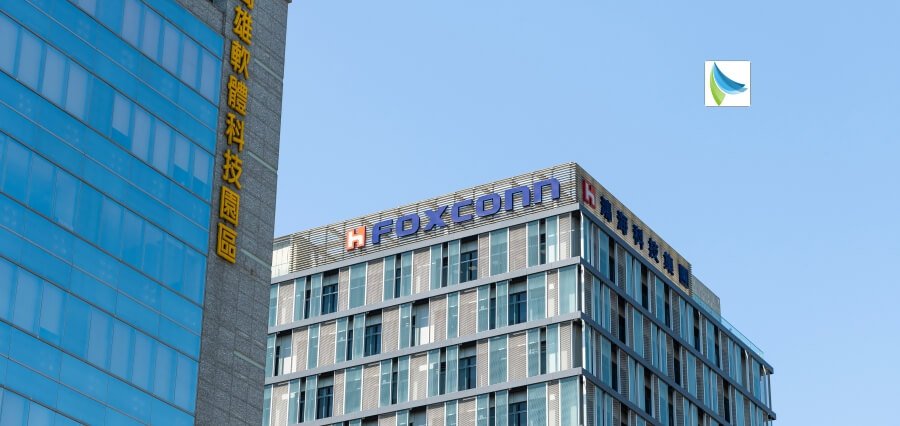
Foxconn Beats Estimates as First-Quarter Profit Jumps
Prime Highlights Foxconn’s first-quarter profit rose 19% and exceeded market estimates. Strong global demand for AI servers helped support earnings growth. Key Facts Foxconn is the world’s largest contract electronics maker. The company is a key manufacturing partner for Apple and Nvidia. Background Foxconn reported a 19% rise in first-quarter profit, beating market expectations as strong global demand for artificial intelligence products supported earnings growth. Net profit for the January to March quarter reached T$49.92 billion, compared with analyst estimates of T$48.88 billion. The company said demand for AI servers remained strong and maintained its earlier outlook for strong revenue growth this year. Foxconn does not provide numerical guidance. The company, formally known as Hon Hai Precision Industry, had already reported a 30% year-on-year rise in first-quarter revenue in April, showing continued momentum across its core manufacturing business. Foxconn is a major supplier to Apple and the largest server maker for Nvidia. Most iPhones made by Foxconn are assembled in China, though the company now produces most iPhones sold in the United States from its India operations. The company is also expanding manufacturing capacity in Mexico and Texas to produce AI servers for Nvidia, reflecting rising demand from data centre and cloud computing customers. Beyond electronics, Foxconn continues to build its presence in the electric vehicle sector, which it sees as an important long-term growth business. However, progress has faced challenges. In August, the company agreed to sell its former vehicle plant in Lordstown, Ohio, for $375 million, including machinery. Foxconn acquired the facility in 2022 to manufacture EVs. Foxconn shares have risen 6% so far this year, below the broader Taiwan market’s 44% gain. The stock closed 2.6% lower before the earnings release. Read Also : Papa John’s Franchisee Joins Irth Capital in Take-Private Push

GMR Solutions Expands Market Presence With $479 Million IPO
Prime Highlights- GMR Solutions raised nearly $479 million through its U.S. initial public offering and secured a valuation of about $3.35 billion. The company operates emergency medical and ambulance services across around 1,400 U.S. counties. Key Facts- GMR Solutions offers air ambulance, ground ambulance, mobile healthcare and disaster response services across the United States. KKR acquired the company from Bain Capital in 2015 and later helped form Global Medical Response through additional acquisitions. Background- Emergency medical services provider GMR Solutions has raised about $478.7 million through its initial public offering in the United States after selling 31.9 million shares at $15 each. The Lewisville, Texas-based company, also known as Global Medical Response, secured a valuation of nearly $3.35 billion through the public offering. The company had earlier lowered its expected IPO price range as market volatility and geopolitical uncertainty continued to affect investor sentiment. The listing reflects improving activity in the U.S. IPO market as several companies move ahead with public offerings while market conditions remain stable. Analysts said the reopening of the IPO market has encouraged firms to speed up listings despite continued uncertainty in global markets. GMR Solutions provides emergency medical services across the United States, including air and ground ambulance transport, mobile healthcare and disaster response operations. The company serves both urban and rural communities and currently operates across around 1,400 U.S. counties. The company completed a $5.4 billion refinancing programme earlier this year as part of its efforts to strengthen its financial structure before the stock market debut. Investment firm KKR acquired the business from Bain Capital in a deal valued at about $2 billion in 2015. KKR later combined Air Medical with American Medical Response in 2018 after acquiring the assets from Envision Healthcare for $2.4 billion, creating Global Medical Response. GMR Solutions is expected to begin trading on the New York Stock Exchange under the ticker symbol “GMRS.” Read Also : Foxconn Beats Estimates as First-Quarter Profit Jumps
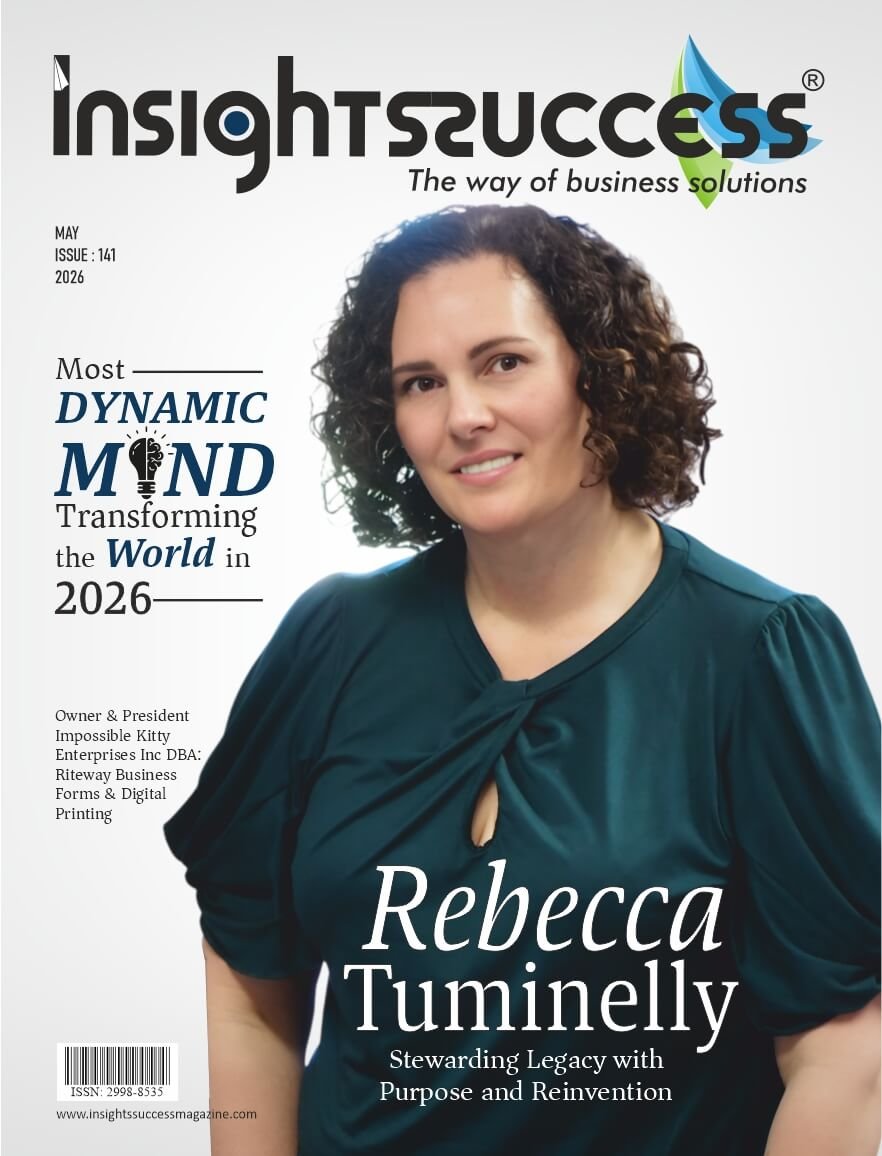
Most Dynamic Mind Transforming The World in 2026
Most Dynamic Mind Transforming The World in 2026 Rebecca Tuminelly exemplifies purpose-driven leadership through resilience, adaptability, and stewardship-focused entrepreneurship. Transitioning from frontline healthcare to business ownership, she preserves Riteway’s legacy while embracing innovation, trust, and work-life balance. Her journey reflects the power of reinvention, meaningful leadership, and building sustainable success rooted in integrity, craftsmanship, and human connection. Digital Link Quick highlights Quick reads

The Evolution of Corporate Leadership Transformation in the Digital Age
Leadership Revitalisation The digital age has completely changed business operations because organisations now operate their businesses while competing with rivals and engaging with their stakeholders. Companies need to change their leadership practices because technological progress, workforce demands and innovation requirements now serve as essential elements that determine their operational activities. Current business leaders must manage their operational responsibilities and their duties to maintain business profitability while also fulfilling new obligations. They must establish a workplace environment that welcomes change and develop partnerships which will help their organisation manage continuous business disruptions. The implementation of artificial intelligence together with cloud computing, data analytics and automation tools enables all business sectors to achieve rapid digital transformation. Businesses today operate through intricate networks which demand rapid decision-making based on improved data and customer-centric approaches. To stay competitive in today’s digital landscape, organisations should adopt Corporate Leadership Transformation. Leadership Shift Traditional leadership models used to depend on hierarchy structures together with centralised authority systems. Corporate leaders in the past times dedicated their main efforts to achieving operational efficiency while maintaining organisational control. The digital economy needs businesses to display operational flexibility while they maintain their business operations and continue their educational development activities. Conventional business methods no longer serve their purpose because customer preferences together with market conditions experience fast-paced changes. The new environment needs leaders to develop adaptive skills while they foster innovation across their entire organisation. Contemporary leadership practices in modern organizations have shifted their focus toward collaborative leadership methods which enable employee empowerment and support cross departmental team cooperation. The decision-making process within organizations has shifted toward decentralized methods because companies require quicker responses to changes in market conditions. Employees now expect their leaders to create a sense of purpose while fostering inclusivity and providing them with opportunities to develop their skills instead of delivering direct work commands. The current transition demonstrates how Corporate Leadership Transformation has become a widespread movement that evaluates organisational success through both financial results and capacity to develop sustainable future-ready businesses. Technology Influence Technology has become the primary force which drives organizations to undergo their operational transformations. Businesses are using digital tools to boost their operational productivity while creating better customer experiences and obtaining advanced data insights. Leaders need to acquire knowledge about current technological developments because they must assess how these innovations will help their companies achieve strategic objectives. The integration of technology into corporate strategy has expanded leadership responsibilities far beyond traditional management functions. The implementation of artificial intelligence and automation technologies has become a main priority for contemporary organisational leadership. The leaders face the challenge of implementing these technologies in a responsible manner while they work to solve two problems which involve job displacement and skill shortages in the workforce. The organizations which achieve successful technological implementation together with their workforce development programs will gain a competitive advantage which enables them to achieve continuous business expansion. Corporate Leadership Transformation establishes a framework which organizations can use to achieve an equilibrium between operational efficiency through technology and the growth of their human resources. Future Leadership The upcoming leadership development path will require organizations to implement ongoing transformations and create new solutions for organizational challenges. Leaders must establish learning-based environments when digital transformation progresses at an increasing pace because such environments will enable employees to develop their skills through experimentation and innovative problem-solving methods. Organizations that refuse to adopt new practices will face operational challenges within markets that experience technological advancements and changing customer demands. Future leadership strategies now require organisations to develop diversity and inclusion as essential components. Corporations today recognize that diverse perspectives lead to improved innovation outcomes and better decision-making capabilities. Leaders need to create work environments which treat all staff members with respect because their individual strengths should be valued as they do their complete work. Organizations must transform their workplace culture and social dynamics through corporate leadership transformation which extends beyond technology implementation. Conclusion The digital age has created new standards which corporate executives must follow throughout all business sectors. Organisations now require operational efficiency and financial results together with their capacity to develop innovative solutions and provide substantial value to their workforce and society. Leadership development shows how business culture has changed because organizations now need their employees to acquire skills in agile work practices and team-based work. The ongoing technological developments together with worldwide economic instability make Corporate Leadership Transformation essential for companies to achieve organisational success. Companies need leaders who create future ready organisations through their capacity to develop innovative solutions in ethical governance and enhance employee empowerment. The present business environment demands organisations to establish digital capabilities together with human focused leadership because these two elements will determine competitive success. Read Also : Business Innovation Leaders and the Future of Corporate Development

Business Innovation Leaders and the Future of Corporate Development
Governance Approaches Today’s fast-changing business environment requires organisations to adapt their operations because market conditions, technological advancements and customer needs keep changing. Companies now compete not only through their products and services but also through their ability to drive innovation, maintain agility, and respond effectively to industry disruptions. Business Innovation Leaders take essential responsibility for developing future corporate growth through their ability to drive operational improvements and create sustainable business models which enable organizations to grow. Digital transformation, artificial intelligence, data analytics and customer experience strategies have become essential competitive tools, which organizations from all sectors now invest in to achieve their respective market goals. The new developments in the industry need leaders who can maintain their strategic vision while they execute operational processes. Business Innovation Leaders create organizational transformation through their development of agile work environments which support their companies in technology implementation while they build their capabilities to withstand unpredictable market conditions. Strategic Vision Corporate development today depends heavily on the ability of leaders to anticipate change and respond proactively. Strategic planning now extends beyond financial forecasting and market expansion to include sustainability goals, digital integration and innovation ecosystems. Business Innovation Leaders understand that long-term success requires organisations to remain flexible while maintaining a clear strategic direction. The team sees upcoming trends and how organizations can develop their future potential, launch innovation programs to fulfill business goals. Companies which adopt innovation-driven leadership methods achieve superior market results, better customer retention as compared to their competitors. The leaders who focus on innovation create an environment which promotes collaboration between departments while designing workspaces that allow employees to exchange their ideas. The combination of inclusive practices and experimental methods helps organisations develop the ability to adapt to quick changes in their industry and to respond to new customer requirements. As global markets become more competitive, businesses need to develop strategic leadership methods which use innovation as their main approach to succeed in their markets. Digital Transformation Every part of corporate development, which includes customer engagement and operational management, is being transformed by technological advancements. The current business environment requires companies to adopt digital transformation because it has become an essential requirement for maintaining a competitive advantage in international markets. Business Innovation Leaders ensure that their organizations gain actual business value from technology investments which they use to support their strategic business goals. Organizations that implement advanced technology solutions during their business development process experience both better operational efficiency and enhanced customer service outcomes. Companies today use artificial intelligence, cloud computing, automation and data analytics tools to improve their decision-making and resource allocation processes. The technology-versed leaders use their expertise to develop innovative solutions which increase operational efficiency and create new revenue opportunities. Businesses can use digital tools to analyze how customers behave which helps them improve supply chain operations and create customized customer experiences. The leadership style dedicated to innovation enables technology implementation to support business goals which run beyond the present moment. Future Leadership Organisations no longer use traditional leadership approaches which focused on maintaining control through hierarchical structures because they have adopted more flexible management systems that include all their staff members. Business Innovation Leaders need to empower employees while promoting cross-departmental collaboration and establishing environments that facilitate creative work and experimental processes according to their fundamental corporate needs. Work expectations of employees have shifted because younger workers demand flexible work hours, multiple work location options and professional growth opportunities. The organisations that dedicate their resources to employee health and continuous training programs develop work environments that successfully attract and retain their top talent. The leaders who drive innovation understand that human resources represent the most vital asset for running modern businesses. Conclusion The ability of companies to compete in fast-moving international markets improves when they dedicate resources toward technology development, employee training and sustainable business practices. Organizations need to create leadership systems which empower their teams to handle both digital transformation and economic downturns while making effective strategic decisions. Business Innovation Leaders will lead the organisational evolution through their role in strategic development, operational enhancement, and creation of cultures that enable ongoing progress. The ability of organisations to succeed in market changes will be determined by their ability to link innovative activities with their business strategies which will enable them to create lasting customer relationships, employee contentment and stakeholder benefits. The future of organisational success in today’s competitive business world will depend on organisational leaders who drive innovation to establish sustainable business models and create new corporate development pathways. Read Also : The Role of Brand Marketing Experts in Modern Business Strategy

Rebecca Tuminelly: Stewarding Legacy with Purpose and Reinvention
The path to business ownership began for Rebecca Tuminelly because her life experiences required her to develop resilience and adaptability while pursuing continuous personal development. She grew up in a close-knit family that included strong women who demonstrated resourcefulness, which taught her early perseverance skills that would later help her succeed through nontraditional means. She has worked in three distinct fields throughout her career journey because she has progressed through numerous educational paths, healthcare work as a respiratory therapist, and print industry knowledge acquisition. The COVID-19 pandemic frontline work she performed during her time as a respiratory therapist served as her life-changing experience, which made her examine how she should achieve balance between work obligations and personal health and life purpose. She started her entrepreneurial journey when she purchased Riteway Business Forms & Digital Printing through Impossible Kitty Enterprises Inc. Today, she is leading her organization according to the principles of trust and stewardship and respect for established practices, which enables her to maintain traditional methods while introducing new ideas. Rebecca’s story goes beyond her professional development because it demonstrates how people can live purposefully and lead organizations while they establish their own definitions of achievement. Discover how purpose-driven pivots can redefine your path and leadership journey. Roots That Run Deep Rebecca grew up in the suburbs, surrounded by a large, tightly knit extended family. It was the kind of childhood that teaches you things no classroom can. It teaches you resilience, adaptability, and the quiet strength that women carry across generations. After losing her husband, her grandmother raised seven of her fifteen children entirely on her own. Her aunts filled the house with laughter, good food, and hard-earned wisdom. These women did not just survive; they flourished. Those early years planted seeds that would take decades to fully bloom. She watched the women around her adapt without complaint, and she internalized that lesson completely. “Those early lessons shaped my values and work ethic and continue to guide the way I approach both life and career,” she says. After high school, she pointed herself towards teaching, a natural fit, given her instinct for communication and her desire to help others grow. But the traditional classroom did not hold her. What it did was clarify something essential: she understood how people learn, and she wanted to work in spaces where that understanding mattered. That realization carried her into a role as a marketing and trade show coordinator, where she encountered the print industry for the first time. The experience lit something in her. From there, she moved into a blueprint company, learning the language of paper and production, how raw materials transform into finished pieces, how an idea on a screen becomes something tangible you can hold. The process fascinated her. A Detour Through the Emergency Ward But Rebecca’s story is not linear. Long before she ever thought about owning a print company, she pursued a deep personal goal: healthcare. She earned a Bachelor of Science in Respiratory Therapy from St. Catherine University in St. Paul, Minnesota, in 2008, followed by her Certified Respiratory Therapist credential the same year. By 2011, she held her Registered Respiratory Therapist credential. In Fall 2020, she became a Chronic Pulmonary Disease Specialist, and in Fall 2021, she earned her certification as a Tobacco Treatment Specialist. Then COVID-19 arrived, and she found herself on the frontlines, working as a respiratory therapist at a hospital designated specifically for COVID-19 patients. She did not watch the pandemic from a safe distance. She was inside it, treating patients during the most critical period of the crisis. It was necessary, important, and grueling work. Eventually, the patient-facing education role she had transitioned into was eliminated. In the silence that followed, she did something courageous: she chose her own mental health. “I came to recognize the importance of protecting my mental health. This realization led me to seek opportunities outside of bedside care,” she reflects. It was not a retreat; it was a reckoning, and it changed everything. Inheriting Legacy, Accepting the Charge The search for a new direction led Rebecca and her former husband to explore business ownership, a path that offered the independence, flexibility, and sense of purpose she was looking for. What they found was Riteway Business Forms, a company being sold by the son of its original founder. From the moment she learned about Riteway, she knew. The company has a strong history, a loyal customer base, and a reputation built on quality and trust. These were not just business assets; they were values. “I was drawn not only to what the business had achieved, but to the care and craftsmanship that had sustained it for generations,” she says. She took ownership with a clear intention: Not reinvention. No disruption. Stewardship, the art of honoring what came before while guiding it carefully into what comes next. In a business culture obsessed with disruption and novelty, this is a quiet but powerful act of conviction. Today, Riteway operates Monday through Friday, working primarily with printing brokers. The structure itself reflects her philosophy that builds systems that support people, not the other way around. The Case for Print in a Digital World Ask Rebecca what drives her, and she answers without hesitation. She talks about digital fatigue, the exhaustion that accumulates when every surface of modern life is a screen demanding attention. She talks about the power of print: its weight, its permanence, its ability to sit at a desk and wait patiently for someone to pick it up. “While an email may be deleted within seconds, a printed piece, a postcard, brochure, or flyer is often picked up, glanced at, and set aside as a reminder,” she points out. According to her, even brief moments of engagement matter because print has a presence that lingers. It does not disappear when you close a tab. This is not nostalgia. She is not pining for some earlier era. She is making a sharp, contemporary argument: in a world saturated