





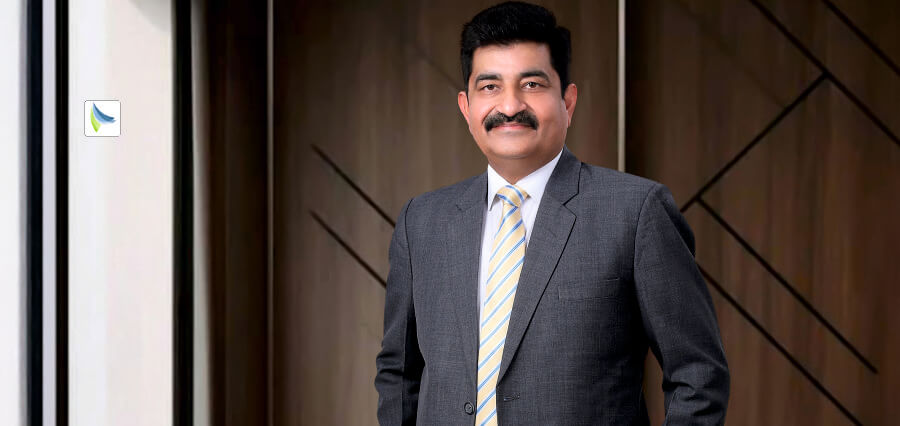
Dr. Navneet Vats: Championing Purpose-Driven, Sustainable Business for a Greener Tomorrow
Dr. Navneet Vats comes from a humble, service-class joint family in India, where simplicity and modest resources shaped his early experiences. The early phase of his life was shaped by simplicity, strong family values, and a deep respect for hard work and perseverance. Despite the modest beginnings, he was encouraged to dream big, seek knowledge, and think independently – qualities that later became the driving force behind his journey. His academic pursuits led him to complete postgraduate studies in business and management, where he gravitated toward marketing and strategy. These years of intellectual shaping played a pivotal role in carving his identity as a strategic thinker and an innovator. His professional life commenced in the fast-paced corridors of India’s corporate sector, where he quickly ascended into key leadership positions. He held prominent marketing roles at reputed organizations including Hughes Communication, ICICI Bank, 92.7 BIG FM, Hindustan Times, and Daewoo Motors. Each role enriched his perspective, honed his business acumen, and deepened his ability to think long-term, even in the face of adversity. The road was not without obstacles. Like every entrepreneur, Dr. Navneet encountered downturns, market uncertainties, and critical failures. But what set him apart was his unwavering commitment to learn, adapt, and realign. The year 2014 marked a turning point in his journey. Fueled by a vision to merge sustainability with innovation, he founded Livexpo Ventures Private Limited. The company was born from a belief that business must contribute to a cleaner, more sustainable world. With FRESHER, Livexpo’s flagship brand, he began developing eco-friendly cleaning solutions that are effective, safe, and environmentally responsible. Livexpo today is trusted by prestigious institutions including ISRO, Indian Railways, the Indian Armed Forces, top hospitals, and both government and private establishments across India. Through the ups and downs, the unwavering support of his family and close friends stood as his greatest strength, helping him navigate the path with clarity and confidence. Livexpo – Innovation with a Purpose The genesis of Livexpo Ventures came from a place of genuine concern and visionary thinking. After years in various corporate sectors from telecom to media Dr. Navneet recognized a pressing, unaddressed challenge in the space of hygiene and sustainability. With rising pollution, fast-paced urbanization, and growing public awareness about health, he noticed how traditional cleaning products, loaded with harsh chemicals, posed significant risks to both human health and the environment. He realized that it wasn’t just about cleanliness, it was about safe, sustainable cleanliness. And this vision evolved into the idea for Livexpo Ventures. Through FRESHER, the company began offering a new generation of high-performance cleaning solutions that are biodegradable and non-toxic. We deliver eco-friendly solutions that outperform chemical-based products in India while remaining truly affordable. “Creating a product that challenged industry norms meant intensive research, multiple rounds of formulation testing, and a lot of market education. In the early days, convincing clients to switch from familiar chemical brands to sustainable alternatives was not easy.” he says. But he stayed the course. He emphasized quality, consistency, and the broader environmental impact. Slowly but surely, major clients began to take notice. Today, Livexpo proudly services some of India’s most respected institutions and is expanding internationally. More than just one company, Livexpo has grown into a movement. With sustainability as its compass and innovation as its engine, Dr. Navneet and his team are actively reshaping how the world perceives cleanliness and hygiene. Navigating Professional and Personal Equilibrium Balancing a purpose-driven enterprise with personal life is no small feat, and for Navneet, this balance stems from discipline, purpose, and a reliable support system. “Leading Livexpo requires deep focus managing shifting market demands, navigating client relationships, and ensuring operational efficiencies. But I believe effective leadership lies not in micromanagement, but in trust, delegation, and building empowered teams.” he says. He has consciously created a work culture that values accountability and innovation. This has enabled him to maintain a sense of separation between work and personal life, a challenging, but essential pursuit for mental well-being. “Family is central to my life. My family remains my grounding force, offering unwavering encouragement through all phases of my entrepreneurial journey. I prioritize quality time with them through simple but meaningful rituals—like shared meals, quiet evenings, and occasional travel.” he says. His daily routine reflects a deep commitment to balance. Early morning planning, disciplined time-blocking, and moments of reflection help him stay aligned and energized. More importantly, his intrinsic motivation comes from Livexpo’s mission. The knowledge that his work contributes to public health and environmental protection provides a strong sense of purpose that sustains him through stress, setbacks, and uncertainty. To Navneet, life and work are interconnected. They draw from the same well of values and inspiration. By ensuring his business remains an authentic extension of his beliefs, he’s able to channel energy rather than deplete it, making room for personal joy and professional excellence to co-exist. Entrepreneurial Hunger and Innovation Instinct Dr. Navneet has always harbored a strong appetite for business a drive that stems from his innate love for creating value, solving problems, and generating impact. “Business for me isn’t merely about transactions or profits; it is about transformation. From my earliest days in marketing, I was intrigued by the psychology behind consumer choices, market behavior, and the strategy needed to launch, build, and sustain powerful brands.” he commented His career gave him opportunities to engage in everything from product launches to strategic pivots, but it was the birth of Livexpo that truly unleashed his entrepreneurial spirit. Livexpo isn’t just a company, it’s his response to the world’s pressing need for sustainable living. And this form of value creation is what energizes him. The excitement of transforming everyday necessities like cleaning solutions into vehicles of sustainability is the kind of challenge he thrives on. Dr. Navneet is also drawn to dynamic environments. The unpredictability of entrepreneurship doesn’t deter him, it fuels him. “I see every risk as a learning opportunity, every failure as a steppingstone, and every success as a collective victory. My

Top 10 Trusted Legal Service Providers to Know
Top 10 Trusted Legal Service Providers to Know This edition showcases the leading legal service providers who have set the standard for trust, innovation, and excellence in 2025. These firms are recognized for their deep expertise, commitment to client success, and pioneering approaches to solving complex legal challenges across industries. From corporate law to dispute resolution, intellectual property to compliance, they are shaping the future of legal services with advanced technologies, strategic insights, and an unwavering focus on integrity. Quick highlights Quick reads

The Foundation of Trust: Leadership Principles for Long-Term Client Partnerships in the Legal Sector
In the legal profession, client relationships are the foundation on which successful practices are established. But the role of trust in such relationships extends beyond the simple first-time transaction. Establishing long-term relationships with clients is more than a one-time display of capability — it is an ongoing commitment to ethical practice, openness, and a profound understanding of client needs. For law firm leaders, building and cultivating trust with clients is crucial to enabling the practice’s sustainability and expansion. Professional expertise and a high rate of success are required, but it is leadership fundamentals that direct these relationships that matter most in separating firms. Here we discuss the core leadership competencies required to enable long-term client relationships within the legal industry. Transparency: The Key to Building and Sustaining Trust Trust succeeds in a setting of openness. In a sector where customers routinely leave clients for lawyers to navigate complex, high-stakes situations, openness in an authentic manner is not negotiable. The openness appears in many diverse capacities — ranging from setting correct case outcome expectations as well as expected time frames to being straightforward when it comes to billing plans as well as anticipated conflict-of-interest issues. Successful legal leaders understand the value of truthful communication during both periods of triumph and setbacks. When things do go wrong — in the form of unforeseen legal obstacles or delays — the capacity to keep clients apprised and engaged is crucial. Not only does this assist in controlling client expectations but it also lends weight to the relationship by demonstrating that the firm respects the client’s time and trust. Ethical Integrity: Upholding the Firm’s Reputation Integrity is always of utmost value when it comes to the profession of law. Lawyers must see to it that a culture of integrity and high ethical standards is what they implement in their firms. Clients engage firms of lawyers, not just because of their proficiency in dealing in law, but also because they can rely on them to deal in sensitive issues with confidentiality, fairness, and professionalism. In order to be successful in the long term, law firms must always operate within the ethical standards applicable to the practice of law. Ethical professionalism when handling clients entails doing what is right at all times for the client’s best interest, regardless of whether it makes firm policy more difficult or requires sacrificing personal convenience. Legal leaders need to lead by example by maintaining high standards of ethical standards that cannot be compromised on, being answerable to the teams, and making the client feel secure with the firm’s adherence to high standards of practice. Personalized Client Care: Beyond Legal Advice Although legal advice is the primary product of any law firm, the best leaders understand that clients do not always look for just legal advice. Clients want real partnership, where they feel their issues are heard, understood, and respected. To build long-term partnerships, legal leaders need to do more than provide advice — they need to provide personalized care. This is all about understanding the client’s business objectives, issues, and specific situation. Working with businesses for merger and acquisition business or individuals for family feud resolution, law firm leaders need to tailor their services to address a client’s unique needs. Taking the time to understand a client’s business or personal agenda will enable leaders to provide more focused advice and be trusted advisors — and not merely lawyers. Strategic Flexibility: In Sync with Client Requirements The regulatory environment keeps changing, and so does client demand. Effective law firm leaders need to be strategically flexible, adjusting their strategy as clients’ businesses or personal situations evolve. It may be to address a fresh regulatory hurdle, changing market dynamics, or a client’s changed objectives, and legal leaders need to be receptive to change and adjust strategies on the fly. In addition, with more and more sectors going technology-based, businesses are required to have in mind creative technological solutions that enhance client outcomes. Leaders are required to enable their institutions to be responsive and utilize technology to enhance effectiveness and provision of services and thereby offer clients a competitive advantage. Building Long-Term Relationships: Leadership for Loyalty Building long-term relationships with clients takes time and deliberate effort on the part of the firm leadership. It takes the building of a client-first culture, where all members realize that trust, transparency, and empathy matter. Leaders need to motivate their people to do better than good service — not because it’s obligatory, but because it’s the cornerstone of long-term success. In addition, relationship-oriented leaders who invest time with clients will have the ability to retain the firm in their minds for future matters and opportunities. By making clients constantly see that the firm is not just a service firm, but an invested ally, legal leaders are able to gain long-term relationships that extend beyond transactional work. Conclusion: Leadership That Secures Client Loyalty In a business where reputation and trust are paramount, legal leaders must be committed to a base of transparency, ethical integrity, tailored service, and adherence to consistency in communication. By embracing a long-term approach and strategically evolving to accommodate clients’ changing needs, law firms can establish enduring relationships rather than a mere transactional exchange of services. It’s the job of leaders, of course, to inspire those below them to apply such teachings to all client interactions with a vision of creating and operating a company whose culture is rich in trust and excellence. Simply retaining the clients, this does to build loyal, long-term partners essential to the long-term success of the company. Read more: Humanizing Law: How Empathy and Trust Redefine Client Relationships

Humanizing Law: How Empathy and Trust Redefine Client Relationships
In today’s evolving legal landscape, the old-school mentality of the lawyer-client relationship is being redefined at its very core. No longer can one be summoned to share merely legal acumen or transactional know-how; now clients aren’t just looking for answers — they’re also looking for empathy, trust, and wisdom. With their evolving needs, how the practice of law evolves to meet them has become increasingly centered on humanizing the law, the center of focus for pioneer law firms and forward-looking law heroes. Trust and empathy are increasingly coming to be seen as the keystones of long-term, successful relationships with clients. No longer content to prioritize technical proficiency or legal results alone, law firms are adopting a more comprehensive approach that places greater emphasis on the human and emotional aspect of legal relationships. This change is not merely transforming the style in which attorneys speak with clients but building deeper, richer partnerships that last beyond specific cases or transactions. The Role of Empathy in the Practice of Law Empathy as a “soft skill” complementing conventional technical expertise is generally thought of as an additive to legal practice. It is actually a key competence that can dramatically enhance the standards of legal service. Empathy involves comprehension of a client’s emotional context, sympathy for his needs, and behavior expressing genuine care. In most instances, clients seek the services of legal experts at some of the lowest points of their life, i.e., dealing with a divorce, dealing with a personal injury claim, or dealing with business conflicts. Empathetic attorneys are more than legal counsel. They are willing to listen to their clients’ stories, break down technical legal terminology into simple language, and provide clear, empathetic responses. This people-oriented system not only maximizes client satisfaction but also maximizes client loyalty, resulting in long-term relationships that can encompass several legal issues. Building Trust: The Cornerstone of Legal Relationships Trust underpins any sound client relationship, and in law, it is especially crucial. Legal clients habitually place substantial responsibility into their lawyers’ custody, entrusting them with intensely personal information and high-stakes decision-making. Without trust, a relationship will collapse in the blink of an eye, and a client’s trust in his lawyer’s competence will erode. For law firms, trust develops over time and takes consistent ethical conduct, open communication, and dedication to working in the client’s interests. Lawyers should be transparent about their approach, fees, and potential problems in an effort to instill an atmosphere of confidence and integrity. In addition, trust in the legal profession is not limited to the attorney-client relationship but also to the firm itself. Clients must be assured that the firm is acting with utmost professionalism and responsibility. This involves following good ethical standards, maintaining confidential information confidential, and being clear, honest, and reliable in communication. When clients are assured that they can trust their legal advisers, they will most likely come back for future assignments and refer the firm to others. Building Enduring Relationships through Human Relationships Although achieving exceptional legal results is certainly important, building long-term client relationships involves more than merely winning cases. The best lawyers are those who recognize that clients are human beings, just like everyone else, with their own fears, worries, and hopes. Successful law firms are those that treat their clients not as transactions but as individuals who ought to be personally cared for and attended to. To build these long-term relationships, leaders of law firms need to instill a culture in which empathy and trust are embedded in every client interaction. This begins with the way client meetings are managed — making every point of contact, whether face-to-face, by phone, or electronically, warm, uncomplicated, and dignified. It is also about managing client expectations with integrity, making sure that clients know not just what the law will do for them but also what the law cannot do and what are the obstacles to the legal process. The Impact of Empathy and Trust on Client Retention and Referrals The advantages of becoming more human in the delivery of legal services are obvious. Clients who feel emotionally at ease and who trust their lawyers are more likely to return to the same firm for other cases. They are more likely to refer the firm to their acquaintances, a cause-and-effect relationship that can propel a firm’s client base and reputation by a wide margin. Empathy and trust also have a great deal to do with keeping clients. A heard and listened-to client will be more likely to be a repeat client even if presented with a hard or long legal process. In addition, clients who believe that their legal advisor is deeply concerned with their own best interests are more likely to return for services on a repeat basis, creating a long-term and lucrative relationship. Conclusion: The Future of Legal Client Engagement Humanization of the law is not only a trend — it’s the future of client engagement for the legal profession. By embracing empathy and trust as leadership values, law firms can establish strong, enduring relationships that transcend legal transactions. Clients who are heard, respected, and cared for will be more likely to remain loyal, refer business, and continue to get legal counsel from a firm they trust. In the end, making the legal experience more human does not just benefit the client; it leads to a more fulfilling, sustainable practice for the lawyers who serve them. Read more: The Foundation of Trust: Leadership Principles for Long-Term Client Partnerships in the Legal Sector
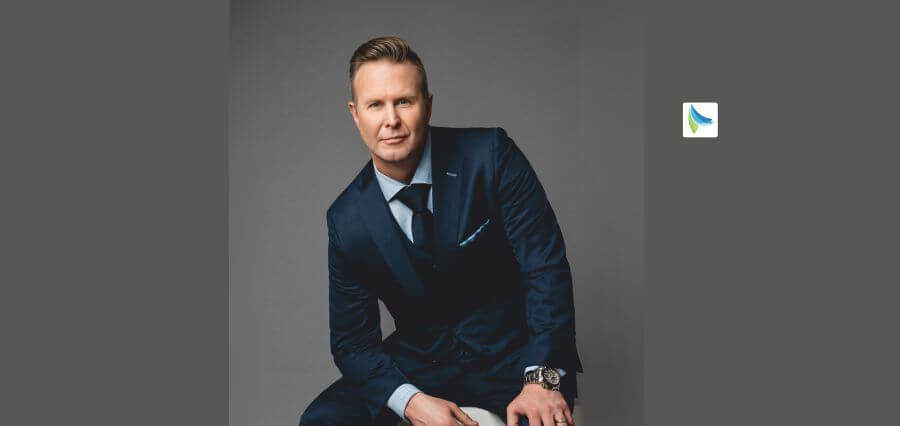
CPT Group: Elevating Standards and Setting the Bar in Class Action Administration
In an industry where precision and impartiality are paramount, CPT Group has consistently set the standard for excellence. Imagine a world where complex legal settlements unfold seamlessly, where fairness is not just a promise but a demonstrated practice. This vision drives CPT Group, an organization that has spent over 40 years perfecting the art of class action administration—transforming intricate legal processes into trusted, effective solutions. With a proven track record of administering over 530 cases annually and disbursing more than $1 billion in settlement funds each year, CPT Group has earned the trust of 10,000 plaintiff and defense clients nationwide. The company’s expertise extends across all facets of class action administration, having served over 250 million class members and handled cases of all sizes—from small-scale wage and hour settlements to nationwide, multi-million-member class actions. From its inception, CPT Group recognized that class action administration goes beyond executing settlements; it is about safeguarding trust, maintaining transparency, and ensuring each case is managed with staunch integrity. This guiding philosophy has propelled the company to the forefront of the industry, where its legacy is defined not only by experience but also by a forward-thinking approach that grows alongside the legal landscape. Its accomplished leadership team, unified by a shared vision, propels CPT Group forward. Yet, what truly sets the company apart is its consultative approach—going beyond administrative processing to offer strategic insights that optimize notice programs, streamline claims processing and enhance cost efficiency. Its steadfast commitment to security, neutrality and compliance has earned CPT Group the trust of leading law firms, corporations and government agencies. With a leadership team boasting decades of experience and a legacy of excellence, CPT Group continues to raise the bar in class action administration. At CPT Group, “We pride ourselves on being more than just a service provider—we are your dedicated partner in achieving success. With our unique blend of small company attention and big company capabilities, we ensure that every project receives the utmost care and expertise. Our commitment to building long-lasting relationships means that we are here for you, not just for today, but for every step of your journey,” shares CPT Group’s skillful team. Join us for an exclusive interview with the accomplished leadership team at CPT Group. Learn how their consultative approach, industry expertise, and solid commitment to security and compliance set them apart in class action administration. Don’t miss this opportunity to gain insights from the experts shaping the future of claims processing! CPT Group has been a leader in class action administration for decades. How do you continue to innovate and stay ahead of evolving legal and regulatory landscapes? Innovation is at the heart of our operations. We continuously evolve by investing in cutting-edge technology, advanced data security measures, and automating our processes to enhance efficiency and accuracy. One of our key differentiators is our ability to anticipate industry shifts. Our leadership team monitors regulatory updates and emerging trends in class action litigation, allowing us to proactively adapt our services to meet new compliance requirements and client expectations. CPT Group has a remarkable track record of managing over 530 cases annually and servicing over 250 million class members. What key strategies and principles have contributed to this long-standing success? At CPT Group, our success is built on a foundation of precision, reliability, and strategic client partnership. With over 40 years of experience in class action administration, we have continually refined our approach to ensure seamless execution at every phase of the process. Our ability to navigate complex legal frameworks, maintain strict compliance, and leverage innovative technology has allowed us to evolve year over year, staying ahead of industry shifts. A key factor in our longevity is the stability and expertise of our leadership team, a rare advantage in an industry where turnover is common. Tim Phillips, recently promoted to Senior Vice President of Business Development, has been with CPT Group for 15 years—an extraordinary tenure in the business development space. His consistency and deep knowledge of class action administration provide clients with a trusted, long-term partner who understands their unique needs and ensures a seamless experience across cases. Julie Green, our newly appointed President, has spent 20 years at CPT Group and is recognized as one of the industry’s foremost experts in legal notice administration. Having personally overseen thousands of class action notice programs, Julie’s expertise in compliance, notice strategy, and regulatory adherence has been instrumental in CPT Group’s ability to administer even the most complex settlements successfully. Her leadership continues to drive innovation, ensuring that CPT remains at the forefront of class action administration. Our leadership’s strength lies in our consultative approach—we go beyond administrative processing to provide strategic insights that optimize notice programs, enhance claims processing, and ensure cost efficiency for our clients. Our commitment to security, neutrality, and compliance makes us trusted partners to top law firms, corporations, and government agencies. With a leadership team that has decades of combined experience and a track record of consistency and excellence, CPT Group continues to set the bar in class action administration. With the recent leadership transitions at CPT Group, can you share how these changes will further the company’s vision and strengthen its position in the industry? CPT Group’s recent leadership transitions mark a significant step forward in strengthening its industry leadership and advancing its vision for innovation and excellence in class action administration. This strategic evolution enhances the company’s ability to provide unparalleled service, operational efficiency, and technological advancements to clients. Julie Green, now serving as President, brings 20 years of experience at CPT Group and is widely regarded as an authority in class action notice administration. Her expertise in regulatory compliance, strategic case management, and client advocacy ensures CPT continues delivering unparalleled service and thought leadership in the industry. Randi Martz, as Executive Vice President of Business Development and Strategy, will leverage her 16 years at CPT to drive national market expansion, optimize client engagement strategies, and fortify the company’s infrastructure to deliver efficient, high-quality service at

Nurturing Resilience: Dr. Robyne Hanley-Dafoe Gains Recognition in The Knowledge Review as one of the World’s Most Encouraging Keynote Speakers to Follow in 2024
Stress, change, and growth are constant aspects of personal and organizational development. Overcoming these challenges requires more than just coping; it calls for adaptation, resilience, and emerging stronger. Cultivating resilience and well-being is key to navigating life’s uncertainties with purpose. Dr. Robyne Hanley-Dafoe, Founder of Dr. Robyne HD Inc., specializes in resiliency, wellness, and navigating stress, change, and self-identity. With extensive experience in post-secondary education, professional development, and research, she offers research-based solutions to foster positive learning environments. Her approach, accessible and relatable, empowers individuals and organizations to embrace growth through tailored keynotes, consultations, and training. Dr. Robyne Hanley-Dafoe’s journey into keynote speaking began with over two decades in academia. Recognizing the value of extending her expertise beyond the university setting, she sought to democratize knowledge, particularly in psychology, human development, and behavior. Her goal was to ensure that valuable insights were accessible to all, not just academics. Transitioning from university to public speaking, Dr. Robyne’s mission became clear—empowering individuals with actionable knowledge. In 2016, a surprise invitation to deliver a TEDx Talk marked a pivotal moment in her career. From this point, Dr. Robyne embraced public speaking, focusing on resilience, hope, and personal growth. Drawing on years of teaching and feedback, her message resonated with diverse audiences, encouraging self-reflection and societal transformation. Dr. Robyne’s approach to keynotes emphasizes practical, research-backed insights delivered with authenticity. She uses storytelling to communicate complex ideas, making them relatable and memorable. Her presentations aim not only to inform but to inspire action, encouraging audiences to apply newfound wisdom in their lives. Believing in speaking as a form of service, Dr. Robyne continues to reach individuals worldwide, helping them navigate life’s challenges with hope and resilience. Through her work, she fosters personal and collective growth, guiding others toward a brighter future. Distinguished by The Knowledge Review as one of the World’s Most Encouraging Keynote Speakers to Follow in 2024, Dr. Robyne Hanley-Dafoe’s commitment to resilience and personal growth serves as a beacon for individuals and organizations facing the challenges of stress and change.

Top Impactful and Visionary Woman Leader to Look for in 2025
Top Impactful and Visionary Woman Leader to Look for in 2025 This special edition honors Diana Richardson, a purpose-driven business mentor and the visionary Founder of Signature D Ltd and Glowgetter Beauty Entrepreneurs. With over three decades of entrepreneurial experience—spanning acquisition, startup, scale, and successful exits—Diana embodies the resilience, insight, and authenticity that define truly transformative leadership. Quick highlights Quick reads

An Award-Winning Business Success Coach – Diana Richardson: Empowering the World Around Her with an Ever-Glowing Charisma
Instead of titles, accolades, or personal achievements, true leadership success is a journey that is rooted in the ability of the leader to uplift, empower, and transform the lives of others. A true leader like Diana Richardson, Business Mentor and Founder of Signature D Ltd and Glowgetter Beauty Entrepreneurs, knows that her greatest legacy lies not in what she accomplishes individually but in how she inspires growth, resilience, and excellence in those whom she mentors and coaches. In her words, it took her 33 years of lessons in entrepreneurship from acquiring, starting, scaling and selling businesses to gain the experience and expertise to share with others. A university-educated entrepreneur and seasoned business owner, Diana’s expertise lies in the beauty, wellbeing and skincare industry. An Ever-Shining Starlet Featured in Forbes, Entrepreneurs Herald, Yahoo Finance, New York Weekly, Women’s Herald, New York Journal, Yahoo News, and Beyond! Magazine, Insights Success Magazine, CIO Magazine, Disruptors Magazine, Hampshire Life, Vitality Magazine, The Leaders Globe, World Leaders, Fortunes Business Review, Women’s World, International Business Weekly, Global Publicist 24, The Enterprise World, and Billboard Magazine, Diana’s complete award list includes: Top Beauty & Wellbeing Entrepreneur of the Year for 2024 – IAOTP International Association of Top Professionals. Global Impact Excellence Awards – Business Strategy 2024. Best Business Mentor – Global Women Leadership Awards 2024. Beauty Business Strategist of the Year 2024 (UK) – Lux Life Magazine PHAB Service Star 2021 – 2024 LUXlife Excellence Award in Microneedling 2024 – South East England Innovation and Excellence Awards (2021 • 2022 • 2023 • 2024) Luxury Beauty Salon of the Year Being a multiple award winner for her comprehensive knowledge, business acumen, customer service and team management skills, Diana gained international recognition. As a Founder and CEO of ten successful companies that she has started, scaled and sold, Diana shares her experience and expertise with her Glowgetter Beauty Entrepreneurs Podcast, Coaching, Mentoring and Continued Professional Development (CPD) program. With an illustrious background as an Alumna of Saïd Business School, University of Oxford, earning a first in their Strategic Innovation Program along with obtaining her teaching qualification from Greenwich University and studying Communications at the University Nevada Las Vegas, Diana empowers entrepreneurs through education. With her wealth of experience, dedication to excellence, and entrepreneurial spirit, Diana continues to make significant contributions to the beauty and wellbeing industry. The Origin of Diana’s Success Saga It lies not in her youth but in her late childhood. Beauty, wellbeing and skincare have been her passions since adolescence. At nine, she had her first job sweeping floors as a Saturday girl in a hair salon. As a pre-teen, Diana started her entrepreneurial endeavours with various makeup and skincare mail-order companies. Then, whilst at the University of Nevada Las Vegas, majoring in communications with business electives, she worked in the prestigious spa. In 2003, Diana moved to the UK and gained her qualifications in beauty therapy, which has evolved over the years into award-winning international advanced aesthetics and multiple award-winning businesses. Diana has acquired, started, scaled, and sold several businesses in her thirty-three years as a professional in the beauty and wellbeing industry, which has now transformed into her business coaching and mentoring companies that help elevate entrepreneurs and executives around the globe. Signature D Ltd initially started to help students start their own businesses, and intrapreneurs were set up as solopreneurs. That mentorship model expanded to helping spas, salons and beauty entrepreneurs during the global pandemic. Diana recalls, “I was asked to help the government write the regulations for our industry and worked with medical personnel, which gave me niche knowledge on how to operate as a ‘COVID-19 secure’ business.” “Knowledge is Power,” A quote Diana uses often. She offers continued professional development, and she’s also an avid seeker of further education… to offer the best for her community; she has achieved a first at Oxford University Saïd Business School studying their Strategic Innovation Program and completed Harvard Medical School’s Lifestyle Medicine Coaching course, with distinction. Diana has recently been nominated for an honorary doctorate at Azteca University, and she’s embarking on a program at Harvard Business School. Diana shares all of these lessons through her business strategy sessions with the Glowgetter Beauty Entrepreneurs Ltd community through its podcast, blog, and further education programs. According to Diana, qualities like Accountability, Cadence and Time Management distinguish a great business mind from a good one. Furthermore, in today’s fast-changing business landscape, she believes that adaptability, innovation and the KEY to success is to Keep Educating Yourself. These are the most critical skills a leader needs to stay relevant and resilient. Diana’s mentorship programs have impacted many aspiring entrepreneurs. She has had many memorable mentee success stories. One was a student who was changing careers, and she wanted to specialize in Indian wedding makeup. “This inspired me to partner with the photography department so both courses could build portfolios to use immediately once they had qualified. We chose themes that would support her goals, and along with the skill set, I mentored her in becoming an entrepreneur.” She left the course fully prepared with the knowledge and launched her business startup. A year later, Diana received a card in the post to her salon – heartfelt gratitude as the mentee student had hit six-figure success in her first year. “This career chapter change was a dream come true – she had designed her destiny and was living her best life,” smiles Diana. The Pivotal Challenges Turned into Opportunities However, no successful leadership journey is without challenges. Instead of calling them mere challenges, Diana says that pivotal moments have always come to her through obstacles that have been turned into opportunities. “The landscape of these lessons is vast – staffing, finances, injury… the list goes on.” Through grit, determination and the ability to take action with the confidence that she’s making the best decision with the knowledge she has at that moment… doesn’t mean every decision was a successful one. However, lessons are learnt, and often, things

Women at the Helm: Redefining Risk Management Through Empathy and Strategy
Risk management has traditionally been regarded as a quantitative, compliance-based role — a numbers-driven, forecast-based, and fixed-protocol function. Increasingly, though, this is being displaced by a changing world context. A new, more adaptive, people-focused, and forward-thinking form of risk-taking is appearing that integrates strategic imagination with emotional intelligence. Leading this transformation are women leaders who are redefining risk management by introducing empathy into strategic choice, and in doing so, reauthoring the rules of organizational resilience. Beyond the Numbers: The Human Face of Risk Risk in the majority of industries has historically been defined in terms of financial uncertainty, operational failure, or disturbance in the marketplace. International crises in the last two decades — from the crisis itself to geopolitics and global warming — have, nevertheless, served to remind us that risk is both a people and process problem. Workforce well-being, stakeholder trust, customer mood, and reputation are now core preoccupations in deciding an organization’s risk profile. Women leaders are particularly well-suited to address this multifaceted nature of risk. With an unusually strong emphasis on cooperation, listening, and building relationships, they add a human element to traditionally data-driven fields. Their leadership will embody a heightened sense of stakeholder needs and a compassionate awareness of the emotional and cultural forces that drive risk behavior in teams and ecosystems. Empathy as a Strategic Asset Empathy has too often been mistaken as a soft skill — a good but non-critical trait for high-stakes business settings. But in today’s uncertain and dynamic world, empathy is a strategic asset. Empathy-driven women leaders are not just better at bringing new threats to the forefront; they are better at creating cultures of inclusion where concerns are raised early and addressed proactively. Empathic leadership establishes a culture of psychological safety — a primary factor in successful risk management. Where employees feel comfortable to raise concerns, operational, ethical, or interpersonal, organizations receive early signals on potential risks. Having such prior awareness allows leaders to mitigate risks before they become incidents, hence safeguarding business continuity and organizational integrity. Strategic Foresight and Inclusive Risk Governance Female leaders increasingly redefine risk management by integrating varied views into decisions. Instead of limiting risk management to executive boards or technical staff, they encourage cross-functional team work and diverse stakeholder engagement. This varied process not only enhances the quality of risk assessment but also makes the reactions holistic and sustainable. Moreover, women executives prioritize long-term consideration above short-term gain. Their capacity to integrate short-term stress with visions for long-term contribution optimizes strategic vision — a risk anticipation ability. Whether dealing with ESG risk, digital disruption, and geopolitical change, women leaders are asking the right questions, disrupting conventional thinking, and creating adaptive models that prepare organizations for success in uncertainty. Gender-Diverse Leadership Teams: A Competitive Advantage Numerous studies have associated gender diversity in leadership with improved business performance — and risk management is no exception. Gender-diverse leadership organizations experience more effective governance, stronger monitoring, and improved crisis management. That’s because a diversified leadership is accompanied by more diversified cognitive style, communication style, and ethical orientation — all of which are essential to understanding and managing risk. Female leaders also exhibit an increased systems thinking capacity — the capacity to identify patterns, interdependencies, and cascading effects in complex systems. This allows them to predict second- and third-order effects not captured by conventional models of risk. Their trust-building and stakeholder management capacity also facilitates organizational resilience in the face of disruption. Leading Through Crisis: Case Studies in Compassionate Leadership Recent global crises have highlighted the worth of women’s leadership during periods of risk. From CEOs to government leaders, women leaders have demonstrated an unmatched capacity to address crises with clarity, empathy, and resilience. Their honest communication, people-centered policies, and fair-minded judgment have earned the people’s trust and boosted institutional legitimacy. For example, in the context of the COVID-19 pandemic, governments and female-led institutions were universally applauded for rapid decision-making, aggressive containment, and transparent communication. It has nothing to do with personality but with direction of leadership — an awareness of oneself mixed with evidence-informed decision making that is critically necessary in high-risk, high-stakes situations. Toward a New Risk Culture As businesses and communities are facing unprecedented overlap of risk, the call for a new model of leadership is sounding clearer. Women leaders are not filling gaps in existing models; they are actively rewriting them. By anchoring risk management in empathy, inclusiveness, and forward vision, they are raising the stakes for what it takes to lead responsibly. This transformation demands system sponsorship. Companies need to do more than symbolic representation and directly empower women with the mandate, resources, and platforms to influence strategic risk choices. Similarly, risk education and leadership development should feature emotional intelligence, ethical mind, and stakeholder management as competencies — not ancillaries. Conclusion: The Future is Empathic and Strategic The future of risk management is where strategy meets empathy. Women leaders are showing us that these are not necessarily opposing forces, but complementary ones — and they are needed. By broadening the concept of risk, establishing stakeholder trust, and shaping resilient cultures, they are forging a leadership legacy that is pragmatic and visionary. In a universe where uncertainty is the only surety, the capacity to lead from mind and heart is not merely useful — it is revolutionary. And as women increasingly occupy seats at tables of power, they are not merely navigating risk — they are remaking it.

Leading Through Layers: How Women Tackle Complex Organizational Risk
In the modern-day business environment, risk is not merely financial risk or regulatory risk anymore. It is multi-dimensional — extending to cybersecurity, climate, talent, supply chains, brand reputation, geopolitical changes, and so on. To deal with these complexities, one needs more than technical skills; one needs prudent judgment, emotional intelligence, and systems thinking. More and more, women leaders are entering this arena, showing a unique capacity to manage risk across layers — from operational nuance to boardroom strategy — with transparency and compassion. Women Leaders and Systems Thinking Maybe one of the most common characteristics among women leaders, especially in high-risk settings, is their inherent systems thinking. Instead of seeing risks as discrete events, women leaders see them as part of a system within an organization. This allows them to see patterns, predict cascading effect, and react with holistic solutions. In most cases, this is the outcome of needing to balance competing roles and expectations — professional and personal — that provides an appreciation for context and complexity. This capacity to accommodate multiple perspectives all at once is essential when it comes to leading during risky decisions where trade-offs are necessary and one-dimensional solutions do not apply. Communication as a Risk Mitigation Tool Communication is central to effective risk management. Bad communication fosters uncertainty, but good and sympathetic communication can manage reputational risk, maintain employee trust, and mobilize collective action. Women leaders have long demonstrated themselves to be good communicators in this area — especially during crisis situations. Whether responding to a data breach, leading cultural change, or reorganizing business units, senior women will probably have an open, transparent communication style that engages, rather than intimidates. Through describing the “why” of what they’re doing and holding open spaces for conversation, they quash resistance, build alignment, and reveal early warnings that otherwise go undetected. Empathy and Psychological Safety The capacity for empathetic leadership is becoming a key risk competence — and, unsurprisingly, one that women naturally excel at. Empathetic leaders create a culture of psychological safety, in which members feel they can bring up concerns, make mistakes, or flag an ethics red alert. The willingness to embrace such cultural openness is a very critical check on risks itself because it enables organisations to acknowledge challenges as they are newly emerging instead of discovering them when they are heightened. Empathy enables leaders to take into account the human effects of risk-based choices — from downsizing to cyber surveillance policies. Women leaders will factor stakeholders’ welfare into their decision tables, resulting in more sustainable, ethically based outcomes. They connect strategic intent and organizational lived experience. Multistakeholder Thinking and Inclusive Governance Risk in the organization is seldom a function of internal operations itself; it’s influenced by the external stakeholders of customers, regulators, investors, and communities. Women leaders possess an ability to manage this multistakeholder dynamics, but not transactionally and rather relationally and inclusive governance. By expanding the circle of consultation and imbibing diverse perspectives, they minimize blind spots and build reputational resilience. Participative governance thus enables improved crisis management, improved ESG alignment, and more difficult scenario planning. It also indicates a leadership style that gains strength from conversation and diversity as opposed to command-and-control approaches. Long-Termism Over Reaction Risk management requires speed and vision. While swift response can be critical in some situations, strategic long-term vision is equally critical — and especially in the consideration of slow-onset but huge risks like climate change, demographics, or AI regulation. Women leaders also consider the long term, balancing the short-term imperative to deliver with a wider worldview on organizational ownership. This vision-based approach isn’t risk-avoidance. Rather, it facilitates risky innovation by necessitating risks to be fully mapped out, ethical dilemmas to be assessed, and backup plans to be in position. Through foresight regarding second- and third-order consequences, women leaders position their companies not merely to survive turbulence but to capitalize on it. Case in Point: Leading Through Industry-Specific Complexity Industry by industry, women leaders are transforming compound risk management. In health care, they are managing regulatory, patient safety, and digital change all at once. In finance, they balance fiduciary responsibility, cyber resilience, and changing compliance environments. In technology, they are leading innovation while maintaining data ethics and algorithmic integrity. These leaders are not only reactive. They are proactively building enterprise risk cultures — encouraging accountability, extending the measures of success, and creating the sort of adaptive capacity needed to thrive and survive in the face of uncertainty. Breaking the Mold to Set New Standards Not only are they learning to thrive in risk-laden cultures, but they are transforming them. By bringing empathy into analysis, merging cultural and operational mindsets, and focusing on long-term value rather than gains, they are redefining what success looks like for risk leadership. More often than not, that means embracing old systems and antiquated models of risk that no longer capture the complexity of the business today. It requires boldness, passion, and collaboration — values that exist in many women in great abundance at the executive table. Conclusion: The Risk Leaders We Need Now Since firms are struggling with more sophisticated, more risky, and more stakeholder-orientated risk, leadership constructs need to transform. Women executives are demonstrating that complex risk can be best governed not only through control, but through relationship — not only through compliance, but through culture. Leading through layers is having the ability to know how frontline decisions reverberate at the strategic level, and vice versa. It is seeing people, technology, finance, and ethics not separately, but in harmony. Women leaders are not only stepping up to this challenge — they are leading the pace.