





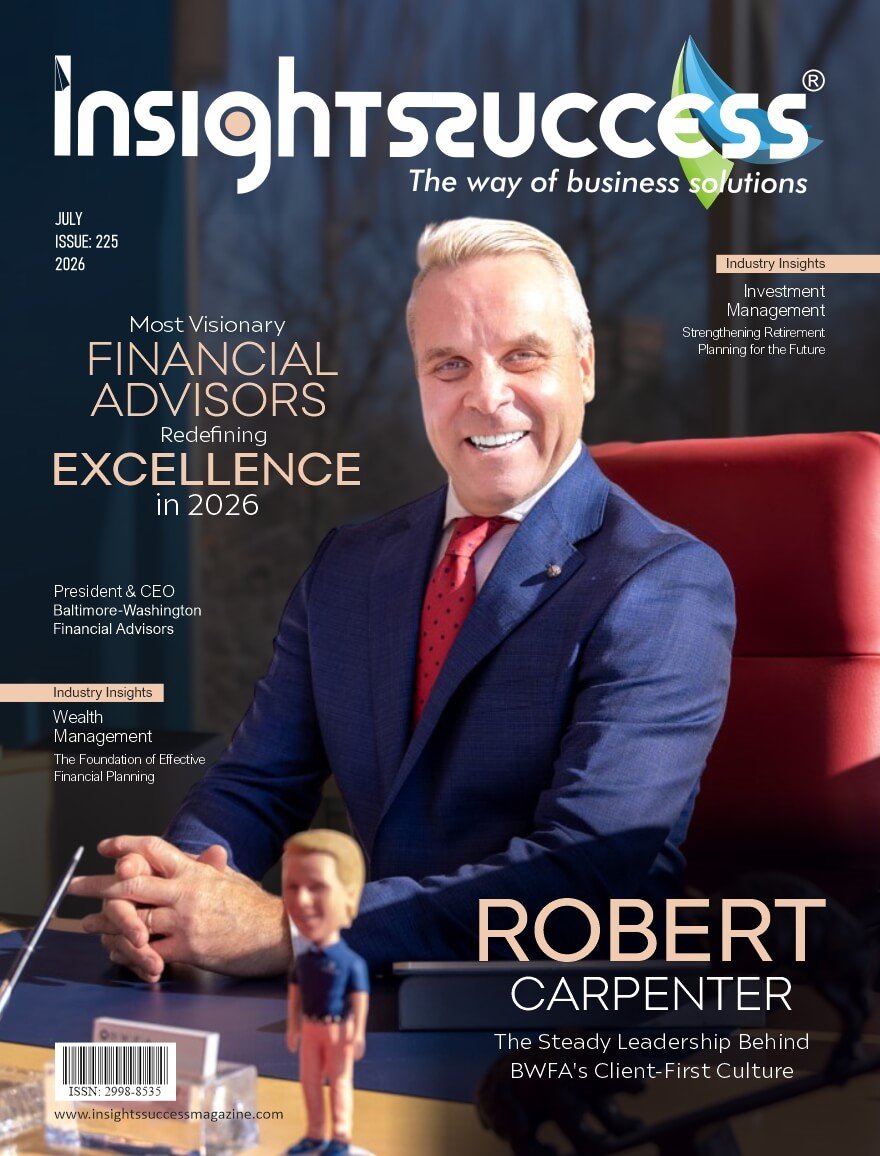
Most Visionary Financial Advisors Redefining Excellence in 2026
Most Visionary Financial Advisors Redefining Excellence in 2026 Celebrating exceptional financial advisors whose expertise, strategic insight, and client-focused guidance are redefining wealth management, inspiring financial confidence, and setting new standards of excellence across the global financial advisory industry in 2026. Digital Link Quick highlights Quick reads
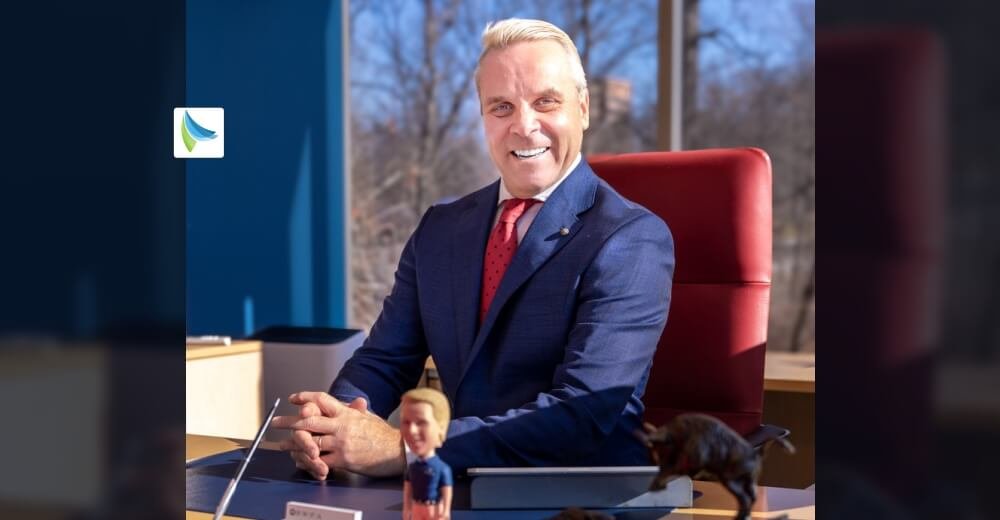
Robert Carpenter: The Steady Leadership Behind BWFA’s Client-First Culture
Most financial advisors will tell you they put clients first. Fewer build their entire practice around that belief. The difference between saying it and living it reveals itself in the small decisions made over time. It shows in whether advice serves the client or the business, whether difficult conversations happen early or only when they can no longer be avoided, and whether relationships deepen over the years or quietly plateau once the account is opened and the paperwork is signed. Robert Carpenter, President and Chief Executive Officer at Baltimore-Washington Financial Advisors (BWFA), recognized that gap early in his career. Rob saw firsthand how often clients were being steered toward products that served the advisor more than the individual sitting across the table. That experience became more than an observation. It became a conviction that has guided his work ever since. BWFA was founded in 1986 in Columbia, Maryland, where the firm remains headquartered today, and when Rob took over the firm in 2012, he brought with him a leadership philosophy shaped by decades of experience. What refined that philosophy was not one defining moment, but a series of market cycles and moments of disruption that tested and strengthened it. The dot-com bubble. The 2008 financial crisis. Each reinforced the same lesson in a different way. As Rob puts it, “Leadership is less about having all the answers and more about providing clarity and confidence when others feel uncertain.” That clarity, forged over decades and carried into BWFA’s next chapter under his leadership, continues to define the firm and the principles it stands for today. BWFA has established itself as one of the largest and oldest independent, fee-only financial advisory firms in the Baltimore/Washington region, and under Rob’s leadership it has continued to expand its reputation as a nationally recognized RIA. Redefining What a Financial Advisor Actually Does The financial advisory industry that Robert Carpenter entered in 1991 and the one he operates in today share a name, but very little else. What once meant managing a portfolio now means something far broader, more personal, and more demanding. Carpenter saw this shift coming before most of his peers would acknowledge it. The modern client does not arrive with a simple portfolio question. They arrive with a full life. This includes a career at its peak or in transition, a family with competing financial needs, a tax situation that has grown more complex every year, an estate that needs careful structuring, and goals that span not just their own lifetime but also those of their children and grandchildren. The advisors who serve those clients well are not the ones with the most impressive market calls. They are the ones who can integrate all these dimensions into a single, coherent strategy and then communicate it clearly. This helps the client understand and trust what is being done on their behalf. He states, “A visionary advisor today is someone who understands that financial planning is no longer just about managing investments. It is about integrating all aspects of a client’s financial life into one cohesive strategy.” At BWFA, this philosophy has shaped every aspect of how the firm is structured and operates, with the consistent goal of being the most reliable voice in the room when conditions turn difficult, and the temptation to act irrationally is strongest. It is also reflected in the firm’s longstanding commitment to a broader quality of life philosophy—one that recognizes wealth management is not only about markets and returns, but about helping clients enjoy their money, navigate major life decisions, and live well. That same perspective is visible in BWFA’s educational programming, which extends beyond financial topics to include lifestyle, wellness, and personal enrichment. The Architecture of Trust Ask Robert Carpenter what the most important thing he has built at BWFA is, and he will not point to a performance number or an asset milestone. He will point to relationships. Specifically, to the relationships that have extended beyond a single client and across entire family trees. Multi-generational trust is not something that happens by accident. It is deliberately built over the years through a specific set of behaviors that most advisors talk about, but few actually practice consistently. At BWFA, listening is structural. Every client carries a different story, different priorities, and different concerns. Understanding those nuances is not a preliminary step before the real work begins. It is the real work. It extends deliberately to the next generation, not as an afterthought when estate planning becomes urgent, but as a natural part of building a relationship designed to endure. Carpenter encourages clients to bring their children and family members into conversations early. When a client’s adult children watch a trusted advisor engage honestly and proactively with their family’s financial life, the transition of that relationship becomes far less complicated. He adds, “For multi-generational relationships, it is about inclusion. We encourage clients to bring their children or family members into conversations early. That helps create continuity and ensures the next generation feels comfortable and supported.” The trust is already there. It was built over decades of showing up the same way every time. The Mistakes That Cost the Most After four decades working with high-net-worth individuals and families, Carpenter has a clear view of where things go wrong. Not the dramatic failures that make headlines, but the quieter, more common mistakes that erode wealth and create unnecessary stress over time. The most prevalent one is a lack of coordination. Many wealthy individuals work with multiple professionals simultaneously, investment managers, accountants, and attorneys, but those professionals are rarely talking to each other. Each one optimizes for their own domain without awareness of how their decisions interact with everyone else’s. The result is a financial life that is technically managed but strategically fragmented, full of inefficiencies and missed opportunities that no single advisor is positioned to see. Tax inefficiency compounds this silently, bleeding returns quietly over years in ways that only become fully visible long after the damage has accumulated.

The Foundation of Effective Financial Planning
Wealth Management Financial stability in the long run entails making prudent decisions, savings, and sound financial plans. With the changing economic environment and financial objectives of people becoming multifaceted, people and households are now increasingly relying on professional help in managing their finances, minimizing the risks involved and planning for the future. The key to this whole process is wealth management, which ensures an organized approach to financial wealth preservation and growth via sound strategies tailored to the needs of the individual. This approach is complemented by financial planning, which ensures that an individual understands his/her financial goals, controls his/her expenditures, anticipates any situation, and finds a path to success. Creating Personalized Financial Strategies Each person has his own financial objectives determined by various factors such as his lifestyle, career phase, family obligations, and long-term goals. The first step in Wealth Management is an assessment of those objectives prior to the formulation of personalized strategies that incorporate investing, saving, taxation, and risk management. Likewise, Financial Planning involves the assessment of income and expenditure patterns, need for insurance, and other financial commitments for formulating an action plan for meeting one’s financial goals. Balancing Growth and Risk Success in the financial realm requires not just the development of assets but the safeguarding of them against undue risks. The variability of markets, the presence of inflation and fluctuating interest rates, along with life surprises can impact the financial stability of an individual. Professional Wealth Management helps to diversify investments, evaluate various investment alternatives, and allocate the portfolio based on the needs of the investor. However, Financial Planning helps the individual to handle financial uncertainties with the help of emergency funds, insurances, handling debts, and so forth. Technology Transforming Financial Services Innovation through digital technology continues to transform financial services with increased accessibility, transparency, and customized decision making. Through artificial intelligence, advanced analytics, digital advisory, and financial management tools, people can manage their investments and spending, and analyze their financial performance. Digital technology enhances wealth management through provision of live market analysis and portfolio analysis as well as informed decision making. The same applies to financial planning where people can easily manage their budgets, forecasting, retirement planning, and achievement of financial goals. Technology ensures that people continue playing an active role in the management of their financial future. Preparing for Changing Financial Needs Personal finance considerations change as one moves from one phase of life to another; it is important to have a constant review and update of the finances in order to be successful. Aspects such as career progression, entrepreneurship, family issues, cost of education, and even economic conditions affect financial planning. Continual Wealth Management provides a way to make sure that financial planning is aligned with personal goals while also remaining current with the economic situation. Similarly, continual Financial Planning ensures that one is able to keep track of their finances and savings to achieve financial success. Building Lasting Financial Discipline Financial sustainability will only be achieved through good practices sustained over time rather than through market dynamics. Savings, prudent spending, investment diversification, and wise decision-making provide an excellent foundation on which sustainable finances can be created. Effective Wealth Management helps individuals maintain balanced investment portfolios and at the same time concentrating on creating value sustainably and not being affected by momentary changes in the market. Likewise, structured Financial Planning helps individuals budget effectively, manage debts, and accumulate wealth sustainably through well-defined financial objectives. The Future of Personal Financial Success In future personal finance, there will be use of professional skills and digitization for its accessibility and decision-making purposes. With the continuous growth and development of financial markets, Wealth Management will become very significant in assisting individuals in maintaining their money, proper investments, and reducing risks so as to be financially secured. At the same time, Financial Planning will continue to perform its functions of helping individuals make decisions in various stages of life concerning savings, taxes, education, insurance, inheritance, and future financials. The future of financial decision making would be furthered through the use of artificial intelligence, predictive analytics, digital advisory systems, and customized finance applications. With continuous learning, disciplined investment, and financial reviews, individuals can learn how to navigate changes in the economy and stay focused on their goals. Through the effective combination of strategic Wealth Management with Financial Planning, people will be able to construct durable financial portfolios and become more efficient in resource allocation, as well as become more confident with their finances, and prepare themselves better for the future. Such an approach is helpful for sustainable wealth creation and proper financial decision making. Read Also : Strengthening Retirement Planning for the Future

Strengthening Retirement Planning for the Future
Investment Management Retirement planning is becoming increasingly critical due to an increase in the lifespan of individuals, the changing economic environment, and the increasing financial complexity faced by the people. Planning for financial independence involves careful planning, smart decisions, and a good blend of investments to ensure growth along with risk management. The key element in this process is investment management, whereby people can create a diversified portfolio for themselves to meet their financial goals. In addition, the concept of retirement planning allows individuals to systematically estimate their financial requirements for post-retirement and manage their sources of income. Developing Personalized Investment Strategies Each individual has his or her own set of financial objectives, incomes, time spans, and risk appetite. Efficient Investment Management first involves knowing all this prior to choosing suitable investments. In this way, diversification not only eliminates any unnecessary risks but helps generate consistent profits over the long term. The same is true for Retirement Planning that involves taking into account projected cost of living, medical bills, inflation, taxes, and future income needs in order to make realistic plans. Balancing Risk and Long-Term Growth Proper retirement planning involves the careful balance between building up assets and protecting them. Financial markets go through periods of growth and uncertainty, which means that proper investment is necessary in order to attain sustainability. Professional Investment Management aims at keeping the portfolios diversified in order to withstand the vagaries of the market while creating value for the long-term period. Reviewing the portfolio periodically makes it possible for the investments to be in line with the financial goals and changes in the market environment. Meanwhile, Retirement Planning helps an individual prepare for uncertainties by making provision for contingency plans. Technology Transforming Financial Decisions There have been major advances in terms of making financial information and investing services accessible thanks to the innovations in the digital sphere. Artificial intelligence, predictive analysis, digital financial advisories, and mobile financial apps give investors instant information and tailored advice. These innovations assist in the Improvement of Investment Management through portfolio management, performance evaluation, and decision-making. Digital innovation can be equally helpful for Retirement Planning through easy projection of retirement savings, budgeting, cash flow projections, and financial monitoring in general. Adapting to Changing Life Stages Priorities related to finance will change during an individual’s life according to the development of the career, growth of family, and the change of goals in life. Periodic assessments will guarantee that investment plans will still be consistent with the changed situation and new goals. The book “Effective Investment Management” offers the opportunity to change the portfolio in accordance with the new level of income, market changes, and financial goals. Building Financial Discipline for Retirement For a successful retirement, there should be an emphasis on financial discipline and not just investments. Financial discipline entails regular investments, saving money, and reviewing one’s portfolio. Good Investment Management assists the investors in ensuring their diversified portfolios while refraining from making any emotional investments when there is market volatility. Similarly, Retirement Planning ensures that the individual budgets properly understand their spending requirements and monitor their financial situation all the time. Financial discipline assists people in accumulating wealth for the long-term and planning effectively for the future. The Future of Retirement Security Financial security in the future will have to depend on the use of professionalism along with digital technology to facilitate decision-making processes and ensure proper planning in the long run. As the world of financial markets continues to evolve, there will be a need for the utilization of Investment Management services in order to help people diversify their portfolios, protect their investments, and earn maximum profits from their investments. Besides, there will be a need to utilize Retirement Planning for future purposes. Use of predictive analytics, AI, digital advisors, and personalized financial applications will enable one to easily keep track of their investment and have real-time updates. Through constant learning, investment, and financial reviews, people will be able to easily adjust to economic changes and still achieve their objective of financial independence. It is achievable to have a good financial portfolio, be well-prepared for one’s retirement, be well-planned about one’s finances, and be able to generate sustainable income that meets the needs now and in the future through proper use of investment management and retirement planning. It helps the investor to cope with different financial markets, protect his/her investments, achieve financial stability, and retire with confidence. Read Also : The Role of Transforming Rehabilitation Care in Healthcare Innovation
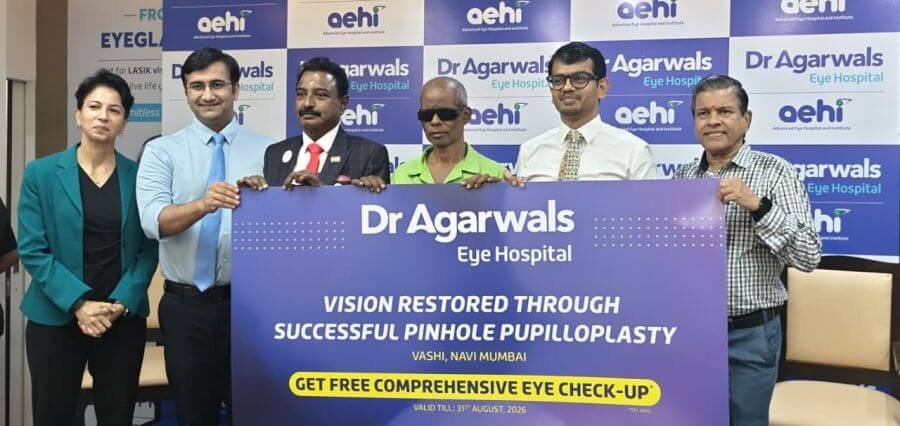
62-Year-Old Navi Mumbai Resident Regains Vision After Rare Dual Eye Surgery at Dr. Agarwal’s Eye Hospital
Navi Mumbai, July 28, 2026: Dr Agarwals Eye Hospital has successfully restored the vision of a 62-year-old Navi Mumbai resident through a rare and highly specialized dual surgical procedure combining cataract surgery with Pinhole Pupilloplasty (PPP). The procedure enabled the patient, who had been living with a mature cataract and a dense corneal scar in his left eye, to regain functional vision without requiring a corneal transplant. Mr. Subhash Vishnu Chache, a resident of Vashi, had experienced progressive vision loss over several years due to two complex eye conditions occurring simultaneously. A dense corneal scar significantly obstructed the passage of light through his left eye, while a mature cataract had rendered the natural lens completely opaque. His right eye was also severely affected, making routine activities such as reading, recognizing faces, walking independently, and performing everyday tasks increasingly difficult. Seeking a solution after consulting multiple healthcare providers, Mr. Chache visited Dr Agarwals Eye Hospital in Vashi, where he underwent a comprehensive clinical evaluation. Following assessments by Dr. Pratik Yeshwant Gogri and Dr. Vandana Jain, he was referred to the hospital’s specialist surgical team at its Wadala facility for advanced treatment. The surgery was performed by Dr. Smit M. Bavariya, Cataract Surgeon, Dr Agarwals Eye Hospital, Wadala, who explained that both conditions needed to be addressed simultaneously to achieve meaningful visual improvement. “The patient presented with two independent factors affecting vision. While the mature cataract prevented light from reaching the retina, the dense corneal scar distorted the light that entered the eye. Cataract surgery alone would not have delivered the desired outcome. By combining cataract extraction with Pinhole Pupilloplasty, we were able to reshape and centralize the pupil, allowing clearer and more focused light to reach the retina despite the corneal scarring. This approach helped restore vision while avoiding the need for a corneal transplant,” said Dr. Smit M. Bavariya. Dr. Pratik Yeshwant Gogri, Consultant Ophthalmologist at Dr. Agarwals Eye Hospital, Vashi, said the patient’s condition required detailed clinical evaluation before determining the most appropriate treatment approach. “Mr. Chache had already sought multiple opinions before visiting us. Our examination focused on assessing the extent of corneal scarring, evaluating the cataract and determining whether Pinhole Pupilloplasty would provide meaningful visual improvement. Careful planning and patient selection were critical to achieving the successful outcome.” Highlighting the importance of multidisciplinary collaboration, Dr. Vandana Jain, Chief Strategy Officer and Head – Clinical Services, Dr. Agarwal’s Eye Hospital, Vashi, said: “Managing coexisting corneal and lens pathology requires meticulous planning and close coordination between multiple specialists. Cases such as this demonstrate the importance of combining clinical expertise with advanced surgical technologies to deliver personalized treatment. Our continued investments in specialized ophthalmic care, including advanced robotic cataract surgery capabilities, strengthen our ability to manage complex eye conditions with precision.” Padmashri Dr. S. Natarajan, Chief Clinical Services, Aditya Jyot Eye Hospital, a unit of Dr Agarwal’s Eye Hospital, Wadala, noted that such procedures require specialized expertise and comprehensive clinical infrastructure. “Performing cataract surgery together with Pinhole Pupilloplasty demands extensive surgical experience, advanced technology, and rigorous clinical protocols. Every patient undergoes a detailed evaluation to determine suitability for this approach. Our objective is to provide patients with evidence-based treatment options that maximize visual outcomes while maintaining the highest standards of safety.” Pinhole Pupilloplasty was pioneered by Dr. Amar Agarwal, Chairman of Dr Agarwal’s Eye Hospital, as an innovative surgical technique for carefully selected patients with irregular corneas and corneal scarring. By creating a precisely sized pinhole-shaped pupil, the procedure limits distorted peripheral light rays while allowing focused central light to reach the retina, thereby improving visual quality. Clinical studies involving 257 patients have demonstrated significant improvements in visual acuity following the procedure, with average vision improving from 20/125 before surgery to 20/32 after treatment. Approximately 85 percent of eligible patients achieved driving-quality vision, while the technique has contributed to a reduction of nearly 15–25 percent in the need for corneal transplantation in suitable cases. Mr. Chache’s surgery lasted approximately one hour, reflecting the complexity of simultaneously addressing both the cataract and corneal pathology. By combining both procedures into a single operation, the surgical team minimized recovery time and avoided the risks and challenges associated with corneal transplantation. Following surgery, Mr. Chache’s distance vision improved to 6/9, while his near vision improved to N8, allowing him to independently perform daily activities, including reading standard print, recognizing faces, watching television and moving confidently without assistance. His post-operative recovery has been smooth, supported by prescribed medications, scheduled follow-up visits, and routine recovery precautions. Reflecting on his recovery, Mr. Subhash Vishnu Chache said: “Losing my vision gradually affected every aspect of my daily life. Even simple tasks became difficult. The doctors at Dr. Agarwal’s Eye Hospital carefully explained my condition and gave me confidence that treatment was possible. Today, I can see clearly again, recognize people and live independently. I am sincerely grateful to the entire medical team for restoring my vision.” The successful procedure highlights the growing role of advanced ophthalmic innovations in managing complex vision disorders and underscores how specialized surgical techniques can help eligible patients achieve significant visual recovery while reducing the need for more invasive interventions. About Dr Agarwals Eye Hospital Dr Agarwals Eye Hospital is one of India’s leading ophthalmology networks, recognised globally for advancing eye care through clinical innovation, research and specialised surgical techniques. Its team has pioneered several internationally adopted ophthalmic procedures, including Glued Intraocular Lens (Glued IOL) surgery, Pre-Descemet’s Endothelial Keratoplasty (PDEK), Single-Pass Four-Throw (SFT) Pupilloplasty, Pinhole Pupilloplasty (PPP) and Corneal Allogenic Intrastromal Ring Segments (CAIRS). Through a combination of advanced technology, clinical expertise and patient-centred care, the hospital continues to deliver comprehensive ophthalmic services across a wide spectrum of eye conditions. Read Also : Apollo Hospitals Pune Performs First Robotic-Assisted Coronary Artery Bypass Surgery
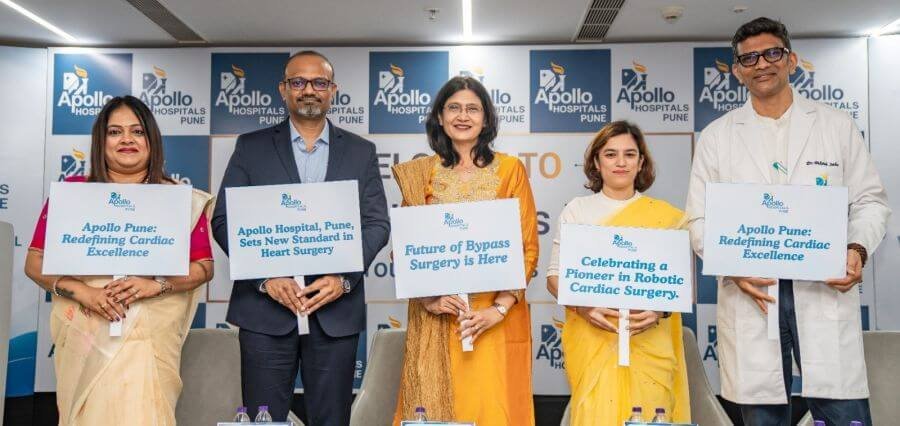
Apollo Hospitals Pune Performs First Robotic-Assisted Coronary Artery Bypass Surgery
Pune, India – July 2026: Apollo Hospitals Pune has successfully performed its first robotic-assisted coronary artery bypass graft (CABG) surgery using the da Vinci Xi Robotic Surgical System, marking a significant advancement in the hospital’s cardiac surgery program. The procedure introduces a minimally invasive treatment option for eligible patients requiring coronary artery bypass surgery and further strengthens the hospital’s capabilities in advanced cardiac care. Unlike conventional open-heart bypass surgery, which requires opening the breastbone, robotic-assisted CABG is performed through a few small incisions. The da Vinci Xi Robotic Surgical System provides surgeons with high-definition, three-dimensional visualization and enhanced instrument precision, enabling complex cardiac procedures through a minimally invasive approach while reducing surgical trauma for appropriately selected patients. The hospital stated that the robotic platform supports greater surgical precision across a range of cardiac procedures while contributing to improved patient recovery and clinical outcomes. Commenting on the milestone, Dr. Manisha Karmarkar, Chief Executive Officer, Apollo Hospitals Pune, said: “This achievement reflects the collective expertise and commitment of our cardiac surgeons, anesthesiologists, intensivists, nursing teams, rehabilitation specialists, and allied healthcare professionals. At Apollo Hospitals Pune, we remain committed to making advanced treatment options accessible to patients while maintaining the highest standards of clinical excellence and patient care.” The surgery was led by Dr. Smruti Hindaria, Senior Consultant – Robotic & Minimally Invasive Cardiac Surgery, along with Dr. Bikash Sahu, Cardiac Anaesthesiologist, supported by the multidisciplinary Cardiac Sciences and Intensive Care Unit teams. The first patient, a 67-year-old man diagnosed with triple-vessel coronary artery disease, underwent the procedure successfully and was discharged on the fourth postoperative day following an uncomplicated recovery. Building on this success, Apollo Hospitals Pune has completed six additional robotic-assisted coronary artery bypass surgeries within a month. According to the clinical team, patient selection is critical to the success of robotic-assisted bypass surgery. Candidates are evaluated based on factors including overall cardiac and pulmonary health, the suitability of coronary vessels, and the absence of significant underlying medical conditions. The procedure generally takes between four and five hours to complete. Compared with conventional open-heart surgery, where hospital stays typically range from eight to ten days, robotic-assisted surgery may allow eligible patients to be discharged within four to five days. The minimally invasive approach is associated with smaller incisions, reduced blood loss, lower risk of infection, earlier mobilisation, and faster recovery. Discussing the clinical benefits of the procedure, Dr. Smruti Hindaria said: “Robotic-assisted coronary artery bypass surgery enables surgeons to perform highly complex procedures with exceptional precision while minimizing the physical impact of surgery. However, it is important to recognize that this approach is not suitable for every patient, and careful clinical evaluation remains essential. We are encouraged by the positive outcomes achieved so far and look forward to offering this advanced surgical option to more eligible patients.” The hospital noted that the successful adoption of robotic cardiac surgery depends on a highly coordinated multidisciplinary approach involving experienced cardiac surgeons, specialized anesthesiologists, intensivists, perfusionists, operating theatre teams, nursing professionals, and rehabilitation experts working together throughout the patient’s treatment journey. Highlighting the importance of collaborative care, Dr. Manisha Karmarkar added: “Robotic cardiac surgery requires not only advanced technology but also a highly experienced multidisciplinary team working seamlessly across every stage of patient care. Our integrated approach enables us to deliver safe, effective, and patient-centric treatment while supporting faster recovery and improved clinical outcomes.” Apollo Hospitals Pune is a 400-bed quaternary care multispecialty hospital offering a comprehensive spectrum of cardiac services, including preventive cardiology, interventional cardiology, structural heart interventions, and advanced cardiac surgery. The introduction of robotic-assisted coronary artery bypass surgery further broadens the range of advanced treatment options available to patients in Pune and neighboring regions. About Apollo Hospitals Pune Apollo Hospitals Pune, a unit of Apollo Hospitals Enterprise Ltd., is a leading quaternary care multispecialty hospital delivering advanced healthcare across a wide range of medical and surgical specialties. The hospital is recognized for its expertise in managing complex and high-risk cases in cardiology, oncology, neurosciences, orthopedics, gastroenterology, transplant sciences, and critical care. Equipped with advanced diagnostic infrastructure, modern surgical technologies, minimally invasive treatment capabilities, and comprehensive intensive care services, Apollo Hospitals Pune provides evidence-based, patient-centered care through a collaborative multidisciplinary approach. The hospital also places significant emphasis on preventive healthcare, early diagnosis, clinical innovation, and personalized treatment, reinforcing its commitment to delivering world-class healthcare services. Read Also : Abu Dhabi Announces 11 December 2026 Opening of Guggenheim Abu Dhabi
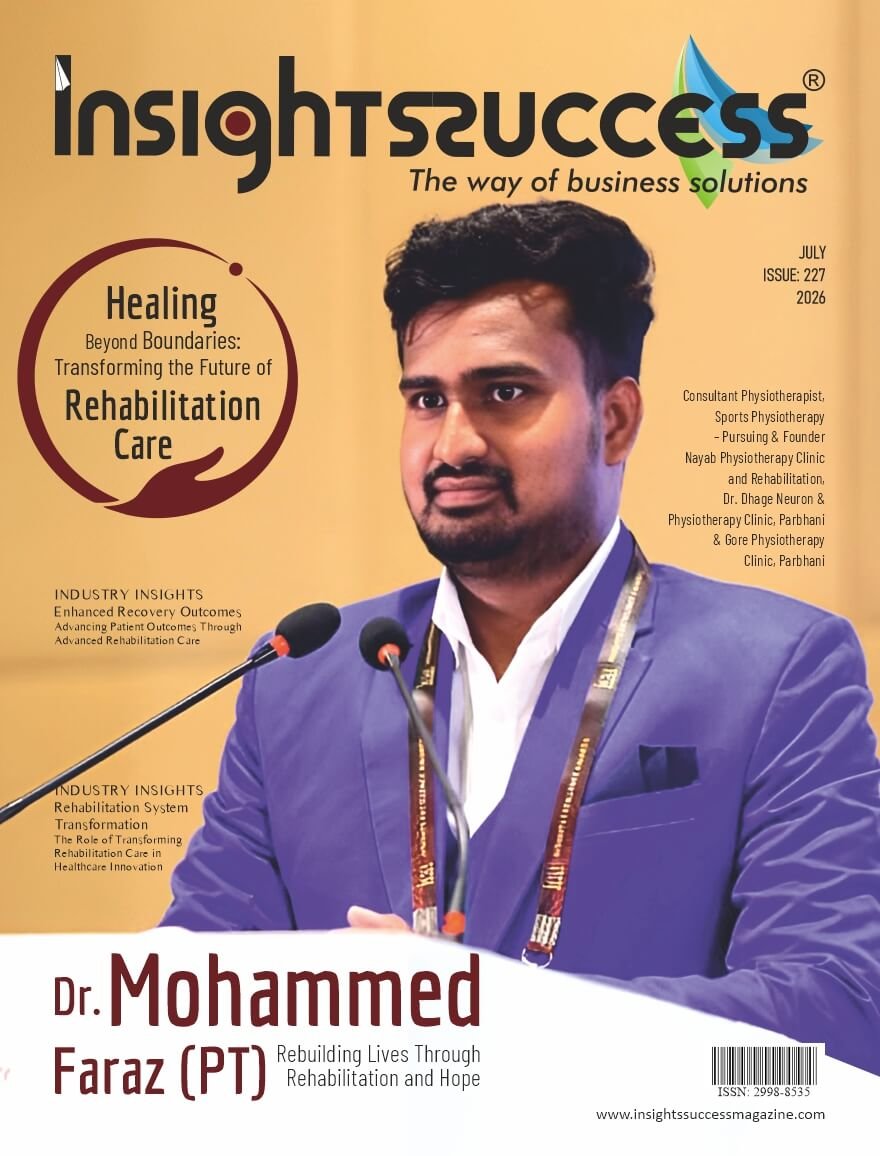
Healing Beyond Boundaries: Transforming the Future of Rehabilitation Care
Healing Beyond Boundaries: Transforming the Future of Rehabilitation Care Exploring innovation in rehabilitation care, this edition highlights advancements in therapies, technology, and patient-centered approaches, showcasing how leaders are breaking boundaries to restore mobility, independence, and quality of life worldwide. Digital Link Quick highlights Quick reads

Dr. Mohammed Faraz (PT): Rebuilding Lives Through Rehabilitation and Hope
Healthcare isn’t measured by how advanced its tools are. It’s measured by what happens to the people it treats. That’s especially true in rehabilitation, where recovery rarely moves in a straight line and success depends as much on patience and communication as it does on technique. Science keeps advancing, but its value only shows up when someone can turn that science into care that actually fits the patient. The physiotherapists who get this right know that healing isn’t just about function coming back. It’s about a patient trusting their own body again, having independence again, having hope again after an injury or illness that took all three away. Rehabilitation specialists carry a lot of weight in this picture. Their job isn’t only technical skill; it’s walking patients through the slow, uncertain parts of recovery that can stretch on for months with little visible progress. Healthcare in general is moving toward care that treats the whole person, and physiotherapists are part of that shift too, acting less like people who hand out exercises and more like educators and long-term partners in someone’s recovery. Dr. Mohammed Faraz (PT), BPT, Consultant Physiotherapist, currently pursuing MPT in Sports Physiotherapy and Founder of Nayab Physiotherapy Clinic & Rehabilitation, is recognized for his dedication and contribution to physiotherapy and rehabilitation. He combines strong clinical expertise with a patient-centered approach to care. Alongside leading Nayab Physiotherapy Clinic & Rehabilitation, he also serves as a Consultant Physiotherapist at Gore Physiotherapy Clinic and Dr. Dhage Neuron & Physiotherapy Clinic. Through these roles, he continues to contribute to advancing rehabilitation services while addressing a wide range of patient needs with evidence-based care and compassion. He works from the belief that rehabilitation isn’t finished when movement comes back; it’s finished when a patient has their dignity and confidence back too. With special interests in neuro, orthopaedic, and sports rehabilitation, he pairs evidence-based methods with real compassion and stays committed to continuous learning, so patients can get back not just their function, but their quality of life. Let’s explore how Dr. Mohammed Faraz (PT) is shaping this philosophy in modern rehabilitation and redefining what meaningful recovery truly looks like! A Journey Rooted in Purpose Dr. Mohammed Faraz’s journey into physiotherapy was driven by a deep desire to make a meaningful difference in people’s lives. During his clinical exposure and interactions with patients suffering from neurological and orthopaedic conditions, he witnessed how pain, disability, and loss of mobility can profoundly affect not only an individual but also their family. What inspired him most was seeing patients gradually regain their independence through rehabilitation, taking their first steps after a stroke, recovering function after surgery, or returning to their daily activities after months of struggle. These experiences became defining milestones, reinforcing his belief that “Rehabilitation is not merely about restoring movement; it is about restoring dignity, confidence, and hope.” This realization ultimately became the foundation of his professional mission, shaping the way he approaches every patient interaction. Healing Beyond Boundaries For Dr. Mohammed Faraz, the concept of “Healing Beyond Boundaries” represents a philosophy that challenges traditional limitations of healthcare delivery. He believes that healing extends far beyond the walls of a clinic or hospital and must address not only physical impairments but also the emotional, psychological, and social challenges faced by patients. In his daily practice, he adopts a holistic and patient-centered approach, striving to understand each patient’s unique circumstances, fears, and aspirations. Whether through personalized rehabilitation programs, patient education, home-based care, or continuous motivation, his goal is to ensure that every individual receives compassionate care irrespective of geographical, social, or personal limitations. At its core, his philosophy emphasizes that healing, in its truest sense, transcends boundaries and empowers individuals to reclaim their lives. This perspective continues to shape his interactions with patients and informs every aspect of his practice. Building Trust and Restoring Confidence Rehabilitation is often as much an emotional journey as it is a physical one. Patients dealing with life-changing injuries or neurological conditions frequently experience fear, uncertainty, and loss of confidence. Recognizing this, Dr. Mohammed Faraz places strong emphasis on building trust as the cornerstone of successful rehabilitation. He begins by listening attentively to patients’ concerns and acknowledging their emotions with empathy and respect. Through this approach, he creates a safe and supportive environment where patients feel heard and understood. At the same time, he believes in setting realistic, achievable goals and celebrating even the smallest milestones, as these incremental successes significantly enhance motivation. Equally important, he focuses on educating patients and their families about the recovery process, helping them understand that rehabilitation is a journey requiring patience and perseverance. In doing so, he fosters a sense of shared responsibility and encourages active participation. By maintaining open communication, providing consistent encouragement, and cultivating a positive therapeutic environment, he strives to instill confidence and inspire hope throughout the recovery process. Challenging Misconceptions in Physiotherapy Despite its growing importance, physiotherapy continues to be surrounded by several misconceptions. Dr. Mohammed Faraz frequently encounters the belief that physiotherapy is limited to exercises or is only necessary after surgery. Others assume that prolonged bed rest is the best solution for pain or that physiotherapy offers only temporary relief. He actively works to challenge these perceptions by emphasizing that “Physiotherapy is a comprehensive, evidence-based healthcare profession focused on restoring function, preventing disability, and improving overall quality of life.” Another common misconception relates to neurological recovery, with many believing that improvement is impossible after a certain period. Drawing from his clinical experience, he has witnessed remarkable patient progress even months or years after injury through structured rehabilitation and consistent effort. He challenges these misconceptions through patient education, demonstrating clinical outcomes, and empowering individuals with knowledge about their condition and recovery potential. As he highlights, education remains one of the most powerful therapeutic tools in modern rehabilitation. A Transformative Patient Experience Throughout Dr. Mohammed Faraz’s professional journey, he has encountered many inspiring patients, but one neurological case stands out as particularly transformative. The patient had suffered a severe

Dr. Amreen Sadaf: Healing Beyond Boundaries Through Compassion and Rehabilitation
Rehabilitation is often treated as a supporting service in healthcare, something patients turn to after the “real” treatment is done. In practice, it’s often the difference between a patient who recovers fully and one who doesn’t. The professionals who understand this tend to build their careers around more than technique; they build them around patience, trust, and the belief that recovery is possible even when the odds look difficult. Dr. Amreen Sadaf, Physiotherapist & Founder of Nayab Physiotherapy Rehab & Clinic, is one such professional. She established the clinic early in her career, at a time when few expected someone so young to lead a healthcare institution. She turned that skepticism into motivation, creating a practice rooted in compassionate, patient-first care. Let’s explore the journey of Dr. Amreen and her vision for compassionate rehabilitation! A Journey Inspired by Hope From the beginning of Dr. Amreen’s physiotherapy journey, she realized that rehabilitation is about much more than treating injuries; it is about restoring hope, confidence, and independence. Watching patients take their first steps after paralysis, regain movement after trauma, or return to their families with renewed confidence inspired her to create a place where compassionate rehabilitation could truly transform lives. Starting Nayab Physiotherapy Rehab & Clinic at a young age came with significant challenges. Many questioned whether someone so young could successfully build a healthcare institution. Rather than allowing those doubts to discourage her, she treated them as motivation to work harder and remain committed to her vision. As she reflects, “Every patient who recovered became proof that age is never a limitation when dedication and purpose lead the way.” Supported by her family, mentors, and her partner, Dr. Faraz, she transformed early skepticism into a foundation for growth, proving that perseverance consistently outweighs uncertainty. Healing Beyond Boundaries For Dr. Amreen, the theme Healing Beyond Boundaries extends far beyond physical rehabilitation. To her, it means looking beyond pain, diagnosis, and physical limitations. True healing involves emotional support, education, confidence, and restoring a person’s quality of life. Her approach reflects a philosophy that every patient deserves individualized care that addresses both physical recovery and emotional resilience. As a physiotherapist, she does not simply rehabilitate muscles and joints; she helps people regain independence, dignity, and hope. Whether treating a child with developmental challenges, a stroke survivor, or an elderly patient living with arthritis, her focus remains the same: personalized care that empowers individuals to live life to its fullest. This patient-centered philosophy has become one of the defining principles of Nayab Physiotherapy Rehab & Clinic, where rehabilitation is viewed as a journey toward renewed confidence rather than merely recovery from illness or injury. Building Trust Through Resilience Creating a trusted healthcare institution demanded much more than clinical expertise. It required resilience, patience, and the willingness to overcome numerous challenges along the way. Financial planning, earning patient trust, investing in advanced equipment, and balancing clinical responsibilities with administrative leadership all tested Dr. Amreen’s determination. As a young female healthcare entrepreneur, she also found herself repeatedly having to prove her capabilities in an industry where experience is often measured by age. Instead of viewing these experiences as setbacks, she embraced them as opportunities for growth. The unwavering support of her family, invaluable guidance from her mentors, and the partnership of Dr. Faraz transformed every obstacle into a stepping stone. Today, each recovered patient stands as a reminder that perseverance consistently leads to meaningful results, reinforcing her belief that dedication ultimately speaks louder than doubt. Leading Recovery with Compassion Rehabilitation is rarely a straight path. Progress often comes through small victories rather than dramatic breakthroughs, and maintaining patient motivation can become one of the most important aspects of recovery. Dr. Amreen continually reminds her patients that healing happens one small milestone at a time. She sets realistic goals, celebrates even the smallest improvements, educates families about the rehabilitation process, and encourages patients to believe in themselves throughout their recovery journey. She explains, “Sometimes, the greatest therapy is simply listening, understanding their fears, and reminding them that they are not fighting alone.” Her approach recognizes that emotional encouragement is just as essential as therapeutic intervention. When patients begin believing in their own recovery, remarkable progress often follows. The Strength of Partnership One of the greatest strengths behind Nayab Physiotherapy Rehab & Clinic has been Dr. Amreen’s partnership with Dr. Faraz. Together, they share the same vision of ethical, evidence-based, and compassionate patient care. Their collaboration allows them to discuss complex cases, learn from each another’s perspectives, and make stronger clinical decisions. Although each brings different strengths to rehabilitation, their common objective remains unchanged: the patient’s recovery. This collaborative culture has helped create an environment where teamwork, trust, and continuous learning remain at the heart of every decision, ultimately benefiting every individual who walks through the clinic’s doors. Every Patient Has a Different Story Among the many rehabilitation journeys that have shaped her career, one experience remains especially close to Dr. Amreen’s heart. She recalls treating a young patient with severe neurological impairment who initially had no movement in the lower limbs. Recovery was slow, and there were moments when the family understandably felt discouraged. However, through consistent therapy, patience, and unwavering family support, the patient gradually achieved meaningful improvements. Experiences like these continually reinforce why rehabilitation requires persistence, compassion, and belief, not only from healthcare professionals but also from patients and their loved ones. Personalized Care Begins with Understanding At Nayab Physiotherapy Rehab & Clinic, personalized care is not simply a philosophy; it is a clinical commitment. Dr. Amreen firmly believes that no two patients are the same, even when they share the same diagnosis. Every rehabilitation journey therefore begins with a detailed assessment of physical abilities, lifestyle, personal goals, and emotional well-being. From there, individualized rehabilitation plans are developed, progress is monitored regularly, treatments are modified according to recovery, and both patients and caregivers receive continuous education throughout the process. This personalized approach ensures that every patient receives care designed specifically for their unique needs

The Role of Transforming Rehabilitation Care in Healthcare Innovation
Rehabilitation System Transformation Recovery from injury, illness, and surgical procedures has always been a critical part of healthcare. But for much of medical history, rehabilitation sat at the edges of the healthcare system, important in theory, underfunded in practice and often disconnected from the acute care that preceded it. That picture is shifting. Transforming rehabilitation care has become one of the most significant conversations in healthcare innovation, driven by a growing recognition that what happens after the initial medical event shapes long-term outcomes just as powerfully as what happens during it. Rethinking Rehabilitation for Better Recovery The traditional model of rehabilitation carried limitations that were becoming increasingly difficult to justify. Patients moved from acute hospital settings into rehabilitation programs that were often standardized, slow to begin, and disconnected from the broader clinical picture of the patient’s condition. Progress was measured inconsistently. Outcomes were tracked poorly. And the gap between what rehabilitation could theoretically achieve and what it regularly delivered in practice was wider than it should have been. Transforming rehabilitation care means confronting those limitations honestly rather than working around them. It means asking hard questions about whether current approaches are producing the best possible outcomes for patients and whether the resources invested in rehabilitation are being used in ways that genuinely justify that investment. The answers to those questions have driven a shift toward more intensive, more personalized and more evidence-based approaches that are beginning to change what rehabilitation can deliver. Personalized Care for More Effective Outcomes One of the most important dimensions of transforming rehabilitation care is the move toward genuine personalization. Rehabilitation programs built around the average patient serve the average patient adequately and everyone else less well. The range of conditions, recovery trajectories, functional goals, and personal circumstances that patients bring to rehabilitation is far too broad for a single standardized approach to address effectively. Modern rehabilitation increasingly builds treatment plans around the specific clinical picture and goals of the individual patient, adjusting intensity, focus, and progression based on continuous assessment of how that patient is actually responding rather than following a predetermined schedule. This shift from protocol-driven to patient-driven rehabilitation is not just philosophically appealing; it produces measurably better outcomes for patients whose needs differ from whatever the standard protocol was built around. The Importance of Early Rehabilitation The research supporting early rehabilitation intervention is consistent and compelling. The body’s capacity for recovery does not remain uniform across time; there are windows when the response to targeted rehabilitation is strongest and when establishing the right movement patterns, rebuilding strength, and retraining neurological function are most achievable. Transforming rehabilitation care takes this evidence seriously, pushing for rehabilitation that begins earlier in the recovery process rather than waiting for patients to reach an arbitrary threshold of medical stability. Early intervention requires closer coordination between acute care teams and rehabilitation specialists, a coordination that has historically been weaker than it should be. Building the systems and communication pathways that allow this coordination to happen consistently is part of what rehabilitation transformation involves at the organizational level. Integrating Rehabilitation Across the Care Continuum Transforming rehabilitation care cannot happen in isolation from the broader healthcare system it operates within. Rehabilitation that is genuinely integrated with acute care, primary care, and community health services produces better outcomes than rehabilitation functioning as a separate silo that patients enter and exit without meaningful connection to the rest of their care. This integration requires investment in communication infrastructure, in shared care records that follow patients across settings, and in the kind of collaborative working relationships between clinicians in different disciplines that do not develop automatically but need to be deliberately cultivated. The organizations making the most progress in rehabilitation transformation tend to be those that have invested in this integration work alongside the clinical and technological improvements. Creating a Better Patient Recovery Experience Transforming rehabilitation care ultimately comes down to what individual patients experience and achieve through their recovery. When rehabilitation is intensive, personalized, evidence-based, and well integrated with the rest of a patient’s care, the difference from conventional approaches is felt directly, in how quickly function returns, how completely it returns, and how confidently a patient can reengage with the life that their injury or illness temporarily interrupted. That patient experience is the measure that matters most, and it is what should drive every decision about how rehabilitation systems get reformed and improved. In Summary Progress in transforming rehabilitation care is real, but it is uneven. Patients in well-resourced settings with access to innovative programs experience outcomes that patients elsewhere do not. Closing that gap, ensuring that the benefits of rehabilitation transformation reach the full range of patients who would benefit from them, is the work that remains. That work is worth doing. The outcomes that genuinely transformed rehabilitation delivers are significant enough that pursuing them consistently, across the full breadth of the patient population that needs them, is one of the most valuable investments healthcare systems can make. Read Also : Advancing Patient Outcomes Through Advanced Rehabilitation Care