






Business Resilience Experts Building Future-Ready Organizations
Turning Adversity into Opportunity In today’s world, organizations operate in an environment that is characterized by unpredictability, changing market dynamics, and sudden shocks, which challenge their survival and growth capacity. This is where business resilience experts come into the picture as they devise strategies for ensuring operational resilience, financial stability, and organizational sustainability for organizations in such challenging times. Why Resilience Matters More Than Ever Economic crises, cyber-attacks, supply chain failures, and climate-induced disruptions have become a frequent occurrence instead of an exception. Businesses lacking any resilience plan are likely to have difficulties recovering from such events, suffering loss of revenues, reputation, and competitive advantage. These experts come to the rescue. They evaluate risks in each division – operations, technology, finance – and provide a strategy that minimizes risks and ensures business continuity. A resilient company is not just ready to respond to any challenges. It is able to anticipate them in order to minimize the costs and efforts connected with the response and save time. The Role of Finance in Resilience Planning Finance forms the central element of all resilience strategies. If there is no proper finance, the most well-thought-out operational strategies fail under stress. The role of Business Resilience Experts here is to assist finance specialists in stress testing budgets, diversifying the sources of revenues and creating cash reserves which will be able to take shock. Good finance management helps to recover from a disruption much faster. If a business has enough liquidity and options for funding, it can address any emergency without stopping essential processes. The experts assist the leadership teams in recognizing this dependency so that the two strategies – finance and resilience – proceed simultaneously. Building Adaptive Organizational Structures It is also important to consider the organizational structure since it will contribute to resilience as well. The experts advise the organizations to develop flexible working teams, cross-training employees, and developing channels of communication that will be effective in any situation. This kind of adaptability of business will ensure quick resource allocation even in case of changes in the conditions. Technology can assist in the process. Cloud computing, automatic monitoring, and analysis of the data can provide leaders with real-time information about possible risks. Business Resilience Experts make use of the technological solutions in the daily work to detect risks before the development of a crisis situation. Risk Assessment and Continuous Improvement A resilience strategy should never be considered constant. This is because the market will keep changing and regulations may change too. Risk assessments by business resilience experts should be carried out regularly in order to come up with plans that address new threats and vulnerabilities. Scenario planning forms an integral part of this evaluation process. The simulation of scenarios for all kinds of disruptions, ranging from economic downturn to logistics problems, can help in understanding the possible impact on operations and finances. Preparing for Long-Term Growth Resilience is not only about dealing with disruptions; it is about setting the stage for sustainable development of the company. Companies that plan for resilience tend to perform better than their competitors under unfavorable conditions. They are able to rebound quickly, preserve their customer base and investor confidence despite difficult circumstances. Business resilience professionals help companies achieve such results by integrating resilience strategies into overall business objectives. Finance, operations and manpower planning become aligned with each other in order to pursue growth with resilience in mind. Conclusion A future-proof organization cannot simply rely on addressing problems reactively; it needs strategic and organized planning. The business resilience experts offer the necessary experience for strengthening finance management and operations, as well as preparing the workforce for any future challenges that may arise. With uncertainty becoming increasingly prevalent in the world of business, resilient organizations will become better suited for safeguarding their operations and securing their future success. Read Also : Transforming Smart Manufacturing Through Intelligent Automation

Beyond the Balance Sheet, Women in Corporate Finance
Leading Financial Strategy with Insight For many years, corporate finance was associated with a closed circuit where the business was conducted in spreadsheets, trading floors, and boardrooms inhabited almost exclusively by men. The reality is changing; however, the change is taking place not accidentally but deliberately. Currently, women in corporate finance are revolutionizing the way corporations raise money, take risks, and make strategic decisions. Their arrival to the industry indicates the bigger change in the area where value was seen purely numerically without people creating them. A Shifting Landscape Finance divisions used to be run according to a strict hierarchy in which climbing the ranks relied on informal relationships and unwritten codes. Some of these relationships deliberately kept women out through late night client meetings, golf course deals, or the very assumption of who “belongs” there. Today, companies are tearing down these walls. They have pay equity reports, promote employees based on performance metrics, and mentor young analysts into leadership positions. This does not happen by accident; firms that value inclusion are retaining more of their female finance employees and bringing different perspectives to the decision-making table. Redefining Leadership in Finance Women in corporate finance today occupy jobs that were previously thought impossible to reach — such as chief financial officer, treasurer, chief of investor relations, and even chief executive officer in large publicly held firms. Such leadership usually involves teamwork, transparency, and a focus on the future rather than short-term achievements. It is well documented that gender diversity in leadership teams results in stricter risk management practices and stronger performance. Boards featuring women engage in less rash buying and show more accountability in tough economic times. There is a reason for this trend. Breaking Down the Barriers That Remain Even in light of these advancements, challenges remain. Women continue to be a minority when it comes to positions in the c-suite of the finance world and the career path becomes even narrower after mid-level positions. The lack of mentors, subconscious biases during reviews, and the difficulties of finding an adequate balance between their professional lives and their caretaking duties continue to be mentioned by many individuals as major factors hindering their success. However, such problems cannot be solved without any action. Companies should become sponsors of promising women; that is, the top managers should take care of pushing them to a higher level of success where they cannot go on their own. The Business Case for Inclusion Besides fairness, there are financial reasons to promote Women in Corporate Finance. Diversity has been proven to enhance performance in problem-solving and innovation, which is especially critical in times of fluctuating market conditions, technological disruptions, and changing regulatory requirements. Corporations that implement gender diversity in their finance departments see an improvement in their investment ratings and ESG scores, which become increasingly important in decision-making about capital allocation. Institutions take into account diversity figures just like they do quarterly revenues since diverse leadership is associated with increased resilience. Thus, promoting women in corporate finance is not only a socially responsible initiative but also a financially intelligent move. Building the Next Generation It is important that educational establishments and professional organizations be involved in maintaining this positive trend. The programs of scholarships for young women entering the field of finance, internships within leading banks and companies, as well as professional networking for women in finance are all tools that ensure women leadership in finance becomes normal from the very first steps of career development. Seeing other women become CFOs, financial analysts, portfolio managers etc., young professionals have the feeling that becoming such an influential leader themselves is not impossible but rather real and feasible. Looking Ahead But the tale of women in corporate finance is far from over, and the coming pages will rely heavily on the dedication of institutions, mentors, and policy makers. It cannot come about through mere gestures and one-off projects; it will take fundamental shifts in how companies hire, compensate, and develop their leaders. As more women begin to fill roles of financial power, they will not only represent a new diversity of perspectives at the board table; they will be redrawing the definition of corporate leadership itself. The future of finance belongs to those who know that the full story is never told just in numbers. Read Also : Business Resilience Experts Building Future-Ready Organizations
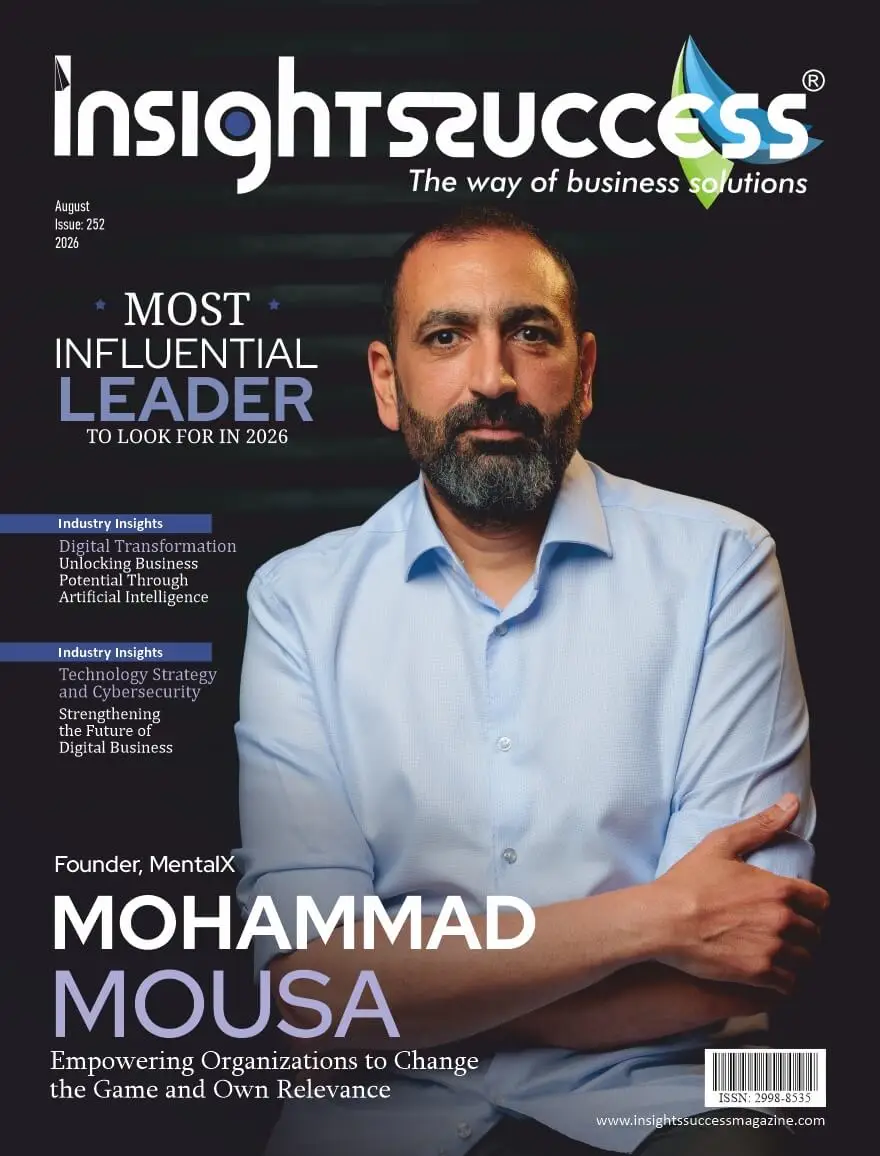
Most Influential Leader to Look for in 2026
Most Influential Leader to Look for in 2026 Recognizing an exceptional leader whose vision, strategic thinking, resilience, and commitment to excellence inspire meaningful progress, create lasting value, and set new benchmarks for leadership in 2026. Digital Link Quick highlights Quick reads

Mohammad Mousa: Empowering Organizations to Change the Game and Own Relevance
Strategy is rarely the hard part. Execution is. Most organizations can write an ambitious plan; far fewer can turn it into something measurable once it collides with real budgets, real resistance, and teams that were never fully brought along. That gap, between what an organization intends to do and what it actually achieves, is where one leader has spent more than two decades working, and it is exactly where his own company now lives. Mohammad Mousa is the Founder of MentalX, a transformation firm built to help organizations close that exact distance between what they intend to do and what they achieve. His path there began not in consulting but in entrepreneurship, co-founding a real-time speech-to-speech translation startup in 1999, at a moment when artificial intelligence and language technology were still in their infancy, and long before either had become a boardroom priority anywhere in the world. From Speech Translation to Global Transformation That early venture, built on the vision of breaking down language barriers through technology, attracted enough attention to be acquired by a U.S.-based company in 2004. He reflects, “That experience taught me valuable lessons about innovation, entrepreneurship, resilience, and the importance of turning ambitious ideas into viable solutions.” The career that followed took him through PwC Middle East, Careem, Emirates German Security Printing, Veridos, and numerous public and private sector entities across the Middle East, Africa, and Europe, work that positioned him at the intersection of commercial transformation, digital trust, cybersecurity governance, identity solutions, and large-scale government modernization. Like every leader, he is candid that the path included both successes and setbacks, and that some of his most valuable lessons came during periods of uncertainty, market disruption, and complex transformation programs where expectations were exceptionally high. He notes, “Those experiences reinforced my belief that resilience, adaptability, and disciplined execution are often more important than talent alone.” Family, mentors, colleagues, and lifelong friendships, he adds, provided perspective during those harder moments and a consistent reminder that leadership is ultimately about empowering others rather than accumulating authority for its own sake. The Idea Behind MentalX MentalX emerged from a pattern Mousa kept encountering across very different organizations: excellent strategies that consistently lost momentum during implementation. He explains, “Many organizations have access to talented people, advanced technologies, and significant investments, yet they continue to face challenges in achieving sustainable growth and measurable business impact.” Rather than building another traditional consulting firm, he set out to build something focused on market relevance, commercial performance, technological capability, and operational execution together, bringing strategy, technology, data, AI, governance, and commercial excellence into a single practical, outcome-oriented practice. He affirms, “The guiding philosophy of MentalX is simple: Change the Game. Own Relevance. Deliver Value.” Every engagement, he says, begins with understanding how an organization creates value and ends with ensuring measurable outcomes are actually achieved, a discipline he considers the firm’s defining difference from more conventional consulting models built primarily around recommendations rather than delivery. He describes MentalX as the culmination of his experiences across commercial leadership, digital trust, government transformation, identity solutions, technology, and entrepreneurship, not merely a business venture but a platform through which he hopes to help organizations create meaningful impact in an increasingly dynamic world. Balance as Alignment, Not Division Mousa treats work-life balance less as a matter of dividing hours and more as a matter of alignment between what matters most professionally and personally. He says, “Work-life balance is not about perfectly dividing time. It is about maintaining alignment between what matters most professionally and personally.” His work spans multiple countries, industries, and transformation initiatives, requiring flexibility, responsiveness, and sustained focus, but it has also taught him the importance of creating intentional moments for reflection, recovery, and personal connection rather than letting those moments happen only by accident. Family remains his greatest source of motivation and perspective, and he credits continuous learning, drawn from reading, industry research, and conversations with inspiring individuals, while keeping him adaptable. He states, “Delegation is not a sign of weakness; it is a sign of confidence in others.” Purpose, he adds, plays a major role in achieving that balance, since work that genuinely aligns with personal values turns many of the pressures of professional life into opportunities for contribution rather than sources of stress. The Business of Turning Complexity into Clarity Mousa’s appetite for business, he says, is rooted in curiosity, innovation, and a desire to create meaningful value, since every successful organization exists because it addresses a genuine need or enables better outcomes for the people it serves. What excites him most is transformation itself, the process through which organizations evolve, adapt, and create new possibilities, whether that means helping a government modernize services or supporting a company through digital change. He is particularly drawn to the intersection of trust, technology, and growth, where artificial intelligence, data, and cybersecurity are reshaping how organizations operate. He notes, “Organizations that can successfully embrace these changes while maintaining trust and governance will define the future.” Entrepreneurship itself, he adds, further strengthened his passion for business, since building MentalX required taking risks, making difficult decisions, and embracing uncertainty, experiences that reinforced his belief that progress comes from action rather than perfection. He is energized by opportunities to help organizations discover new markets, improve customer experiences, unlock new revenue streams, and strengthen their competitive positioning, describing the challenge of turning complexity into clarity as something he genuinely enjoys rather than treats as a burden of the role. Profit, in his framing, matters because it reflects value creation, but what motivates him most is helping organizations remain relevant and build capabilities that endure well beyond any single engagement. A Passport with a Soul: The Passion Behind the Work Asked what drives him, Mousa points to a specific project that reshaped how he understands transformation itself: his involvement in national identity and passport transformation programs, including the Kenyan ePassport. He explains, “The objective extended beyond security and technology. The vision was to create a travel document that reflected the

Strengthening the Future of Digital Business
Technology Strategy and Cybersecurity Technology has increasingly become associated with business efficiency. Firms use technological platforms to communicate, manage finances, interact with customers, process data, manage logistics, and plan operations. With increasing reliance on technology, there is a need for an organization to have a guiding strategy for how to adopt and manage technologies and protect them. Technology Strategy serves this purpose, while Cybersecurity protects the technological assets of a business. Aligning Technology with Business Priorities Investments in technology add value in cases where they solve business needs. Businesses should not adopt technologies simply because they are fashionable or advanced. On the contrary, businesses must be able to identify the challenges that they are facing and areas that technology will be of help. Technology Strategy should first consider the current systems that already exist within the organization. Technology gaps can be identified, and requirements for the future can be considered based upon the business objectives of the company. This will avoid fragmentation of investments and promote collaboration between business and technology organizations. Scalability is another factor that needs to be taken into consideration. Systems created based only on existing needs may be too restrictive as the organization grows, introduces more services, or processes more data. Flexibility is what helps organizations evolve without having to change fundamental systems. Making Cybersecurity a Business Responsibility Increased digital interconnectivity also exposes an organization to cyber threats. Phishing, ransomware, identity theft, malware, and hacking are some of the risks that an organization is likely to face. Cyber security thus needs to be viewed as an organization’s business concern, and not just one confined to technology-related departments. Security considerations have to be incorporated into technology planning, personnel behavior, vendor relationships, and risk analysis. A business may be able to increase its security using methods such as multi-factor authentication, access controls, security monitoring, vulnerability assessment, data protection, and training employees on a regular basis. Building Resilient Digital Infrastructure Another aspect of technology planning is business continuity. It refers to having the means to sustain essential business functions despite any technical failure or breach of security. Technology Strategy needs to have a contingency plan which includes backup, recovery priorities, system redundancy, and testing. This way the organization will know how fast their critical functions can be restored in case of an interruption. Also, the responsibility and decision-making process should be clarified. Cloud technology can support scalability and resilience when implemented appropriately. However, moving systems to the cloud does not remove security responsibilities. Organizations must continue managing access, configurations, data protection, and third-party risks. Addressing Human and Third-Party Risks The participation of employees in the process of securing the organization is necessary. Poor passwords, suspicious links, accidental disclosure, and wrong access could all be responsible for creating problems related to security, despite having strong technological measures in place within the firm. Third parties must be evaluated carefully as well. Third parties may have access to business information or data systems, which makes their security policies pertinent to organizational risk management. Organizations should assess third parties before entering into any sort of relationship with them. A comprehensive Cybersecurity approach therefore combines technology with policies, processes, employee awareness, and vendor oversight. Security becomes stronger when these elements work together. Using Intelligence to Improve Security Advanced security solutions are capable of processing huge amounts of data generated by the network, software applications, devices, and users themselves. Analytics can help detect anomalies and raise alarms that need to be investigated. These abilities need to be related to the overall planning of technology within the organization. Information about security can identify vulnerabilities within the infrastructure, access controls, application development, and operations. This can help the leaders determine which technologies need improvement in the future. Preparing for Emerging Risks The digital environment continues to expand through Artificial Intelligence, connected devices, automation, cloud services, and advanced analytics. Each development creates opportunities while introducing new considerations for security and governance. A forward-looking technology strategy is therefore important for businesses because new technologies have to be assessed in relation to their commercial worth, deployment, scalability, and security risks. However, Cybersecurity initiatives need to evolve according to technological changes and new threats. Some of the means of adapting to such changes include monitoring, employee training, contingency planning for threats and risk assessments. Creating Trust Through Secure Technology After all, technology and security practices also play a part in building trust within an organization. Customers, employees, business associates, and investors expect businesses to protect their data and provide dependable service. An advanced Technology Strategy defines how technology investments are made in pursuit of strategic goals, laying the groundwork for resilience and success. In this regard, cybersecurity plays its part by securing the systems, data, and transactions. Future of the digital business will hinge on how well businesses can marry innovation and good risk management practices. Read Also : Beyond the Balance Sheet, Women in Corporate Finance

Unlocking Business Potential Through Artificial Intelligence
Digital Transformation In the modern business landscape, technology plays an important role in shaping the performance of the organization in many ways such as interaction with customers, operation of the business, decision making process, and innovation in products. Businesses that have considered technology as a secondary part have realized the importance of technology as a source of growth for their businesses. Digital Transformation is a methodology for incorporating technology in business processes, and AI facilitates analysis and automation of processes. Turning Data into Business Intelligence Data has emerged as one of the most valuable assets for organizations. However, gathering large amounts of data doesn’t necessarily create value for businesses. Organizations require systems that can arrange data, find patterns, and provide insight based on these patterns. Artificial Intelligence is able to process data about customer behavior, operations management, finance, and markets on such a large scale that it becomes challenging to do the same without any assistance. When this set of skills is used within a larger concept of Digital Transformation, companies will have a possibility to build interconnected systems which enable more efficient decision-making. Improving Operational Performance Automating the process is another domain where Artificial Intelligence could benefit the performance of businesses. Businesses still rely on manpower to carry out tasks that are repetitive in nature like data entry, processing documents, scheduling, and answering queries of customers. This could help save administrative efforts, and the employees could focus on strategic roles. Digital Transformation is not about automating all possible processes. Companies need to figure out what kind of processes have the potential to add value through the use of technology and yet still have proper human oversight. Some processes might need the intervention of human beings because of the elements of judgment, empathy, and decision-making involved in them. Creating Better Customer Experiences The expectations of customers have evolved with the advent of technology. Consumers now demand that companies offer them an experience that is convenient and personalized through multiple channels. The application of Artificial Intelligence allows the company to learn about such expectations. Recommendation engines can recommend appropriate products, virtual assistants can respond to repetitive queries, and predictions can assist companies in anticipating their customers’ needs. With all these applications being interconnected with digital transformation, organizations are able to build more consistent customer experiences across various web portals, applications, communication channels, and physical processes. However, there should be responsible use of data in order for this to happen. Empowering Employees Through Technology Transformation also requires people. Workers must be able to comprehend how the introduction of new technologies will influence their roles and how they can be assisted by intelligent tools. Organizations can train their workers to acquire the necessary competencies to work effectively in technological environments. In this regard, digital transformation can embrace not only automation but also employee development. Instead of viewing artificial intelligence as an alternative to manpower, organizations may use it to facilitate the automation of certain procedures, while the rest of the work is performed by the employees who will have time to think analytically, innovate, communicate and solve problems. It is important to set objectives and the rationale behind implementing new initiatives. Building a Reliable Technology Foundation Transformation requires a digital foundation that is trustworthy. Organizations must have integrated solutions, data accuracy, appropriate infrastructure, and governance. Lack of integration may lead to creation of data silos and may affect the reliability of AI applications. Organizations need to assess their technology architecture prior to increasing their intelligence. Scalability is essential to add new applications to their system as well as meet future requirements. A Digital Transformation Roadmap would help businesses prioritize their projects according to business value. Clear use cases at the very beginning would enable businesses to measure their success and challenges. Responsible Artificial Intelligence AI implementation comes with obligations too. These include transparency, security, accountability, high-quality data, and human oversight. Badly governed AI leads to the generation of untrustworthy recommendations and potential dangers in terms of privacy and decision making. For this reason, the digital transformation process must be driven by innovation and responsible governance. It is necessary to have policies on how AI will be created, implemented, monitored, and assessed. Technology must be used to serve man and business goals. Finally, AI offers great potential, but the extent to which it can be useful relies on the way companies manage to integrate their technology with business needs. Organizations which have well-built data infrastructure, competent workforce, good governance, and goals can operate more efficiently and build better customer experience. Digital Transformation is not just a technology initiative but an ongoing business strategy. Read Also : Strengthening the Future of Digital Business

How Satellites and AI Are Changing Disaster Response for Utilities
When a grid goes down, utility managers deal with a flood of mixed signals. Reports from panicked customers, field crews, and local authorities conflict, leaving dispatchers to guess where the damage is worst. As a result, utilities lose precious time and frequently send heavy equipment or specialized crews to the wrong sites. Overcoming this chaos requires moving from scattered reports to a single, objective view of the entire territory. By processing high res satellite images through smart AI algorithms, operators instantly see actual damage severity across every mile of line, making dispatch decisions fast, predictable, and defensible from the very first minute. Ground and Air Surveys After a Disaster: What Goes Wrong A dispatcher gets a call that a feeder line is down somewhere past the flooded intersection, but nobody can say exactly where because the crew sent to check it turned back at the water’s edge. Another team reaches a damaged pole only to find they need a bucket truck that’s stuck three counties away helping with a different outage. Without a clear picture of which sites are worst, foremen end up sending people to whatever’s closest rather than whatever’s most urgent, and some of the most damaged areas go unvisited for days simply because nobody could get there. Drone teams face the same wall from above: smoke, rain, or low clouds keep them grounded when they’re needed most. On the rare clear day, a drone can only cover a few miles before its battery runs out, so pilots have to choose which sections to check and which to skip, leaving big parts of the grid unaccounted for. Satellites and AI: A Better Way to Prioritize Disaster Repairs Real-time satellite images solve the core problem of disaster response: getting a full, timely picture of damage without waiting for roads to clear or crews to physically reach every site. That was clear after the 2015 Nepal earthquake, when satellites mapped building damage and landslide risk in mountain areas cut off from ground access for days. It was equally clear during Hurricane Harvey, when real-time satellite imagery let responders assess infrastructure damage and target priority areas while much of the region remained flooded and inaccessible. What makes this more powerful now is AI layered on top of that imagery. Instead of someone manually reviewing image after image, AI processes satellite data, sensor readings, and other inputs at scale, picking out damage patterns and severity levels in a fraction of the time manual analysis would take. That combination — wide satellite coverage plus fast AI analysis — is what utility dispatchers and crews can actually act on. How Satellite Analytics Supports Every Stage of Recovery Blind crew dispatch wastes precious hours and risks lives. Managers must decide instantly which damage threatens public safety most. Geospatial analytics based on real-time satellite views processes vast territory data at once, applies consistent safety rules, and generates a clear list of priorities for decision-makers. Here’s how it works at different stages: Prioritization — sites get ordered by actual severity, which provides management with a ranked list before a single crew is So, the worst damage isn’t buried under a backlog of minor reports. Dispatch — crews are sent toward sites already flagged as high-risk, with ground inspection confirming known conditions rather than searching for problems from scratch. Repairs — before a crew heads out, near-real-time satellite imagery shows what they’re driving into: flooding, blocked roads, wildfire debris. Supervisors can send the right equipment and safety gear the first time instead of turning trucks around mid-route. Documentation — with before-and-after imagery, timestamped and consistent, regulators, insurers, and environmental agencies get one shared record instead of several conflicting accounts pieced together after the fact. Ultimately, no satellite map replaces human boots on the ground; teams still need to verify conditions in person. But it eliminates wasted time before crews arrive and leaves a clear record once the work is done. Be Ready Before the Next Disaster Hits Speed in disaster recovery depends almost entirely on how much work you do before the disaster hits. Utilities using continuous satellite monitoring already have a clear baseline for their infrastructure. They catch tree encroachment, soil erosion, or unauthorized construction along power lines during routine operations, rather than discovering them under emergency conditions. Holding onto geospatial data until a crisis happens is a missed opportunity; it delivers real value only when integrated into everyday GIS workflows. The weather isn’t going to cooperate any more than it has, but combining satellite view with AI analytics in real time means utilities walk into the next one already knowing what they’re dealing with. Read Also : SOAR Automation in Security Operations: Key Use Cases Explained
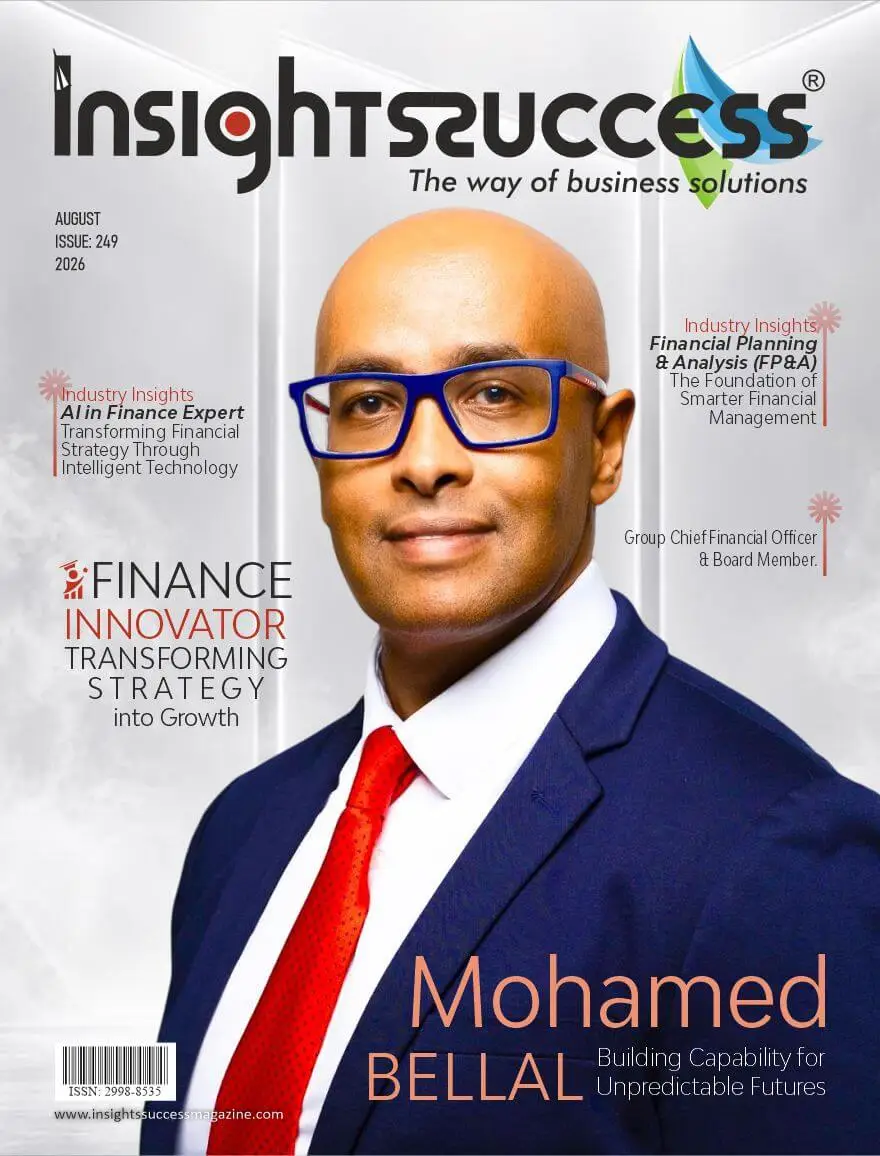
Finance Innovator Transforming Strategy into Growth
Finance Innovator Transforming Strategy into Growth The edition recognizes a visionary finance leader who turns strategic insight into sustainable growth, drives smarter financial decisions, and creates lasting value through innovation, foresight, and business acumen. Digital Link Quick highlights Quick reads

Mohamed Bellal: Building Capability for Unpredictable Futures
It is possible to evaluate the processes of many leaders using questions that have transformed the way of making decisions, instead of their achievements. The case of Mohamed Bellal’s professional career is one such example. Being in the position of a leader for almost twenty years, he became a skilled leader who views finances as an instrument that will provide the background for future success and development of the organization. His experience in difficult situations, risky investments, and setting up an oncology manufacturing joint venture convinced him that it is important to think about finances not in terms of the past, but of the future. As per Bellal, capital decisions are simply capability decisions, and good leadership requires the courage to challenge one’s beliefs and make plans for many different futures. This is the philosophy that incorporates wisdom in terms of finance, technology, decision-making, and honesty to form a complete picture of a modern CFO. Explore Mohamed Bellal’s journey and discover how his forward-looking approach is redefining the role of financial leadership. The Boardroom Lesson That Changed His Approach to Strategy A single boardroom moment reshaped his entire approach to strategy. He recalls watching a board committing significant capital to a project that “looked perfect on paper,” with solid numbers, market analysis, and network connections. Yet no one asked whether the organization could deliver the plan, not immediately, but three to five years down the line. It could not. The capital sat trapped in liabilities while the business scrambled to build capabilities it should have developed before committing funds. That failure taught Bellal that capital allocation is fundamentally a capability decision rather than a financial one. A CFO who runs the numbers without testing forward capability, he argues, is not practicing strategy but performing “math with false confidence.” The experience changed his guiding question from “can we afford this?” to “are we built for this?” a shift anchoring every major decision he has made sense. Redefining Finance as a Strategic Decision Architecture That reframing also drove Bellal to redefine finance leadership itself. Early in his career, he chose to position finance as a platform that shapes what happens next, rather than a function that merely explains what already happened. He draws a sharp line between the traditional CFO, who hands the board a report, and the strategic CFO, who delivers what he calls a “decision architecture”: scenarios, trigger points, counter-moves, and a clear picture of where the organization is exposed and where it stands to win. He moved his own practice from producing documents to producing clarity, investing early in AI-driven modeling, scenario architecture, and real-time dashboards. He now sits in the rooms where strategy gets made, not merely reviewed, and builds teams that interpret data with judgment rather than simply process it. “Artificial intelligence has automated much of what finance teams once spent their time on; what remains, and what no algorithm can replace, is judgment, trust, and the discipline to question whether the organization is solving the right problem at all,” he notes. Building Growth on Capability, Not Assumption Balancing ambition against discipline, Bellal leans on three principles distilled from over two decades of experience. The first, capability before commitment, requires him to assess whether an organization has the people, processes, and systems to sustain a growth initiative before he approves it, since growth that outpaces capability produces fragility rather than value. The second pushes him to build for multiple futures rather than one forecast. He constructs a base case, an optimistic case, and a stress case for every major plan, each carrying pre-defined trigger points and countermoves, because a plan built around one outcome is designed to collapse under pressure. The third asks him to distinguish productive tension from structural overreach. Some financial pressure sharpens performance, but too much destroys the foundation performance depends on, and holding that line even against an optimistic board remains central to his job. Together, these principles allow Bellal to balance ambition with preparedness, ensuring that financial decisions strengthen rather than compromise an organization’s ability to execute. When Finance Becomes the Guardian of Organizational Integrity Bellal also sees finance as a quiet but powerful shaper of organizational culture. What finance chooses to measure, he observes, is what an organization ultimately pursues. Measure only cost and variance, and a company optimizes for cost and variance; measure capability development, stakeholder trust, and long-term resilience, and the organization begins building those instead. He describes the CFO as the organization’s “integrity officer,” not in a compliance sense, but as the person who ensures stated values are reflected in how resources get allocated, since capital follows what leadership believes. On innovation, he insists the finance leader’s task is not to fund every idea, but to build the liquidity and optionality that let an organization experiment, fail, and move again without existential consequences. He offers a blunt assessment of any CFO left outside the strategic conversation: “A CFO who is not in the room when strategy is set is a financial controller with a senior title.” AI and the New Architecture of Financial Leadership Bellal views artificial intelligence as the innovation with the greatest impact on financial leadership over the next decade, though he believes most organizations are sequencing its adoption incorrectly. Sixty to eighty percent of what finance teams once handled manually, including reporting, reconciliation, variance analysis, and forecast iterations, now happens in minutes, he notes. Citing the Jevons Paradox, he explains that when technology grows more efficient, demand for its output rises rather than falls. This means boards will not settle for less analysis once AI accelerates it; they will demand more, deeper, and faster analysis across a wider set of scenarios. The leaders who define the coming decade, he believes, will understand that AI handles computation while humans must supply conviction: judgment under ambiguity, stakeholder trust, ethical reasoning, and the willingness to question whether the organization is solving the right problem at all. For Bellal, true innovation is not the platform itself but the

How Yorkshire Canine Academy Is Helping Owners Navigate the UK’s Rising Dog Behaviour Challenges
Provided by Yorkshire Canine Academy The UK’s pet population is going through a major change, where a rapid increase in the dog population and behaviour problems have been observed. Along with the inclusion of pets in daily life, animal welfare charities have started considering the impact that the increasing trend has had on training needs and well-being of the dogs. According to the PDSA, the population of pet dogs has reached a new peak of 11.1 million, from a previous level of 8.2 million in 2011. With this increase in numbers, there has also been an increase in behaviour problems, where data collected from more than 350,000 dog owners show a sudden increase in cases of reactivity after the pandemic, among puppies that lacked proper socialisation during the lockdown period. As a result, dog reactivity and other complex behavioural issues have become increasingly common across the UK, evolving from isolated training concerns into a mainstream welfare challenge. However, traditional training methodologies have yet to catch up with the psychological complexities of the modern household pet. Dog reactivity characterized by lunge, bark and over vigilance are among the most prevailing problems that owners of working breeds and even family dogs are having nowadays. Canine behaviour specialists say, it is observed that the emotional stress felt by the owner also matches the stress experienced by the dog, resulting in the avoidance of walks, public embarrassment and loneliness and isolation. Why Is Reactivity One of The Biggest Dog Training Problems? Dogs struggling with deep-seated behavioural issues, unlike typical pets requiring standard heelwork, do not fare well on standard, one-size-fits-all training protocols. A dog’s reactive behaviour is rarely just a structural obedience failure; it is fundamentally tied to how the animal emotionally processes its environmental triggers. A landmark study evaluating canine training methods published in the international journal Animal Welfare (Hiby, Rooney, & Bradshaw) found that relying on rigid training approaches without considering a dog’s emotional state was associated with poorer behavioural outcomes and increased anxiety. Reactivity cannot be tackled without taking into account individual breeds’ characteristics as well as each dog’s behavioural background and emotional reactions instead of treating all dogs identically. Training should be changed in a dynamic way using a highly motivated and performance-based approach aimed at eliminating the root of the problem instead of simply managing its manifestations. The problem is that the industry of dog training in the UK is still not regulated. Frustrated owners have no choice but to look for help from contradicting forums’ tips, class frameworks and single-quadrant approaches which often lack the necessary intensity and proofing against real-life triggers. “Many people think their dog is simply being stubborn,” says Jacob Morgan, co-founder of Yorkshire Canine Academy. “In reality, reactive behaviour is often driven by fear, frustration or uncertainty. Until you change how the dog feels, lasting behavioural change is difficult to achieve.” Why Many Behavioural Programmes Fall Short? Suppressing the behaviour through fear: Relying on purely punitive measures to stop a dog from reacting can create a dangerous internal pressure cooker. As highlighted in veterinary behavioural medicine reports published in the National Library of Medicine’s PubMed Central (PMC), suppressing a dog’s external response leaves the underlying emotional panic completely unchanged. However, although it may cause the dog to refrain from barking due to the fear of retribution in the short run, it will ultimately make things worse as it reinforces the bad association between the stimulus and its behaviour. Relying on isolated environments: Training a reactive dog solely inside a quiet, distraction-free facility rarely translates to a chaotic public park. Section 9 of the UK’s Animal Welfare Act places a strict duty of care on owners to protect their animals from chronic distress, yet without controlled, progressive exposure to real-life variables, the new behaviours fail to generalize, leaving owners entirely helpless the moment an off-lead dog approaches them in the real world. Confusion among owners is further compounded by the absence of an integrated support protocol. Many traditional programmes offer a weekly one-hour session and expect the owner to perfectly execute the mechanics at home without oversight. When a handler struggles with timing or mindset between sessions, the training stalls, a steep learning curve for someone already highly anxious about their dog’s behaviour. How Yorkshire Canine Academy Structures Behavioural Rehabilitation? Yorkshire Canine Academy has built its 5-day Bootcamp to address many of these common challenges. Operating from a highly specialized three-acre facility in Leeds featuring multiple consultation and classroom areas, an indoor training arena and an air-conditioned dog room, YCA treats handler education as the primary driver of long-term success. Their structural approach includes: Pre-Training Assessments: Conducting rigorous initial consultation to analyse the dog’s background and relationship dynamics before prescribing a programme. Bespoke Skeleton Curriculums: Tailoring the training plan specifically to the individual goals of the owner and the instinctual baseline of the dog, allowing the programme to evolve as the dog progresses. The “Stooge Dog” System: Utilizing highly trained, stable decoy dogs within controlled environments to safely and systematically desensitize reactive pets to real-world scenarios. Hybrid Multimedia Coaching: Combining in person training with lifetime access to a complete video library of every training activity to ensure understanding is kept sharp. On-Going Support: Giving the owner an active channel to address any on-going problems or concerns beyond the 5-day training programme. Results or You Don’t Pay: Pay for your training after you’ve seen the results. YCA understands they’re probably not the first dog trainer you’ve invested in, so you only pay once you’ve seen the proof that their training works. The ongoing digital loop is the exact detail most traditional trainers overlook. While standard lessons inform owners of what to do, YCA’s structural infrastructure led by co-founders Jacob Morgan, an internationally recognized behaviour mentor, and Ian Kirke, a former professional Leeds Rhinos rugby athlete who integrates high-performance coaching frameworks into canine management ensures the owner’s mechanics remain precise through the entire behavioural shift. What Owners Should Ask Before Choosing a Behaviour Specialist? Addressing the canine behaviour gap requires transparency from the provider. For anyone dealing with a highly reactive or complex dog, crucial questions to ask include: Does the facility utilize real-life variables, such