






2026’s Most Impactful Personality
2026’s Most Impactful Personality Neré Jansen Van Vuuren is Regional Director for Africa at C&R Software, driving technology-led financial inclusion across the continent. Rising from hospitality to fintech leadership, she is known for resilience, strategic growth, and value-driven partnerships. She champions ethical innovation, enterprise transformation, and inclusive financial solutions that empower institutions and underserved communities across Africa. Digital Link Quick highlights Quick reads
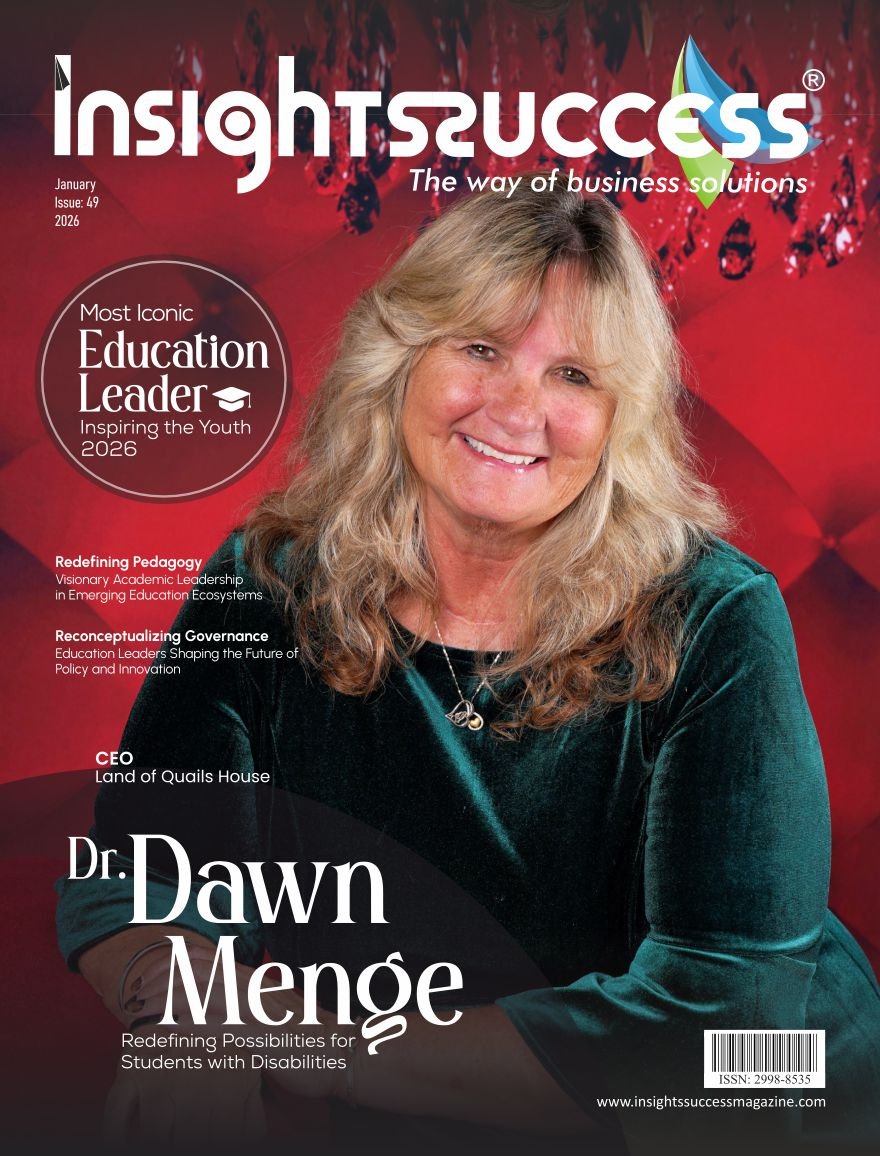
Most Iconic Education Leader Inspiring the Youth 2026
Most Iconic Education Leader Inspiring the Youth 2026 Dr. Dawn Menge is an award-winning educator, author, and CEO dedicated to advancing special education. With over 28 years of experience, she has empowered students with disabilities through inclusive, experiential learning and literacy initiatives, influencing global classrooms and communities while reshaping expectations around cognitive and developmental challenges worldwide today consistently. Digital Link Quick highlights Quick reads

Redefining Pedagogy: Visionary Academic Leadership in Emerging Education Ecosystems
Visionary academic leadership is a key factor in the success of institutions in the dynamically changing world of international education. Leaders who embrace trends and respond to changes in technology, economies can lead their institutions to the frontline of innovation. In the nascent education ecosystems this leadership goes further than administrative control and includes the formulation of strategies that foster academic excellence, research capability and student readiness. Future-oriented leaders are more interested in creating the atmosphere in which faculty, students, and staff are stimulated to explore the new directions of teaching, learning, and knowledge-making. Educational leaders appreciate the fact that schools under their leadership should conform to the wider societal and economic changes. In new markets in education, leaders are paying more attention to combining digital technologies, interdisciplinary education, and international relationships in order to equip students with sophisticated and dynamic workplaces. These leaders make sure that their institutions are competitive and relevant by ensuring that a clear vision has been set and that there is a culture of continuous improvement. Innovating Teaching and Learning The most important aspect of visionary academic leadership is the capability to introduce innovation in pedagogy and learning practices. The rising education ecosystems can be described with the use of different learner profiles, quickly evolving industry demands, and adaptive skill development. Leaders that focus on experiential learning, blended education and incorporation of emerging technologies can greatly improve the quality of the student outcomes. The method entails the investment of faculty development, the support of research and the establishment of infrastructures that aid in collaborative learning and critical thinking. The innovation is also in curriculum design and assessment strategies. Leaders with a vision promote the idea of adopting dynamic, interdisciplinary programs that are sensitive to the changing needs of the students and the society. These leaders are able to keep the curricula current and progressive through encouraging academic, industry and government cooperation. They also champion the use of data in decision-making, using the results of student performance indicators, impact of research, and labor patterns to streamline learning approaches. These programs create a culture of continuous improvement within an institution which contributes to the long-term growth of the academy. Leading Transformation and Impact In addition to the development of the institution, visionary academic leaders have an important role to play in the development of the education ecosystem. They influence national and regional education policy by participating in thought leadership forums and collaborating with international partners to build knowledge-sharing networks. These leaders play a significant role in closing the gaps between the old education patterns and the current requirements in the area of innovation, inclusiveness, and skills enhancement in the emerging education markets. Their work extends to the community, where they align institutional objectives with social needs to ensure that education drives economic and social development. The effectiveness of visionary leadership can be assessed both in institutional rankings or research output and, also, in terms of student experiences and the outcomes of society. Laws and ethics Leaders that focus on mentorship, transparency, and good governance build a sense of trust and resilience in their institutions. They motivate faculty and students to achieve excellence, give them a sense of purpose and propel transformational efforts that redefine the role of education in society. Through development of partnerships in diverse sectors, adopting world best practices as well as learning throughout life, visionary academic leaders will see to it that the new education ecosystems transform to become inclusive, innovative and globally connected places. Strengthening Industry Collaboration Visionary academic leaders now understand that research ecosystems need strong industry collaboration programs to maintain institutional relevance which creates long-term institutional impact. The organization supports applied research development through its innovation centers and its strategic partnerships which help turn academic research into practical solutions. The research leaders direct their research efforts toward industry demands and national development goals so their organizations can support economic progress, technological innovation and policy creation. Organizations gain new funding sources through structured industry partnerships which also boost research commercialization efforts and develop methods to solve actual problems. The leaders implement collaborative activities into student learning through internship programs and joint project work, live case study work and co-developed course content. The programs guarantee that graduates will acquire both real-world skills and academic competencies. The program establishes a system through which employers can provide their input to educational institutions so they can develop programs that meet current requirements and future needs. Academic leaders develop interactive knowledge ecosystems through their ongoing partnerships with industry organizations and research institutions to develop scientific knowledge and foster innovation. These knowledge ecosystems serve to enhance institutional trustworthiness, improve graduate employment prospects and create benefits for society. Conclusion The current educational systems around the world are facing their most difficult challenges while they encounter new opportunities that require visionary academic leadership to lead their operations. Leaders in developing ecosystems function as institutional executives who create changes that reshape both their organizations and their communities. Their ability to forecast upcoming developments and drive creative solutions enables organizations to succeed in environments that contain unpredictable elements and intricate situations. Visionary academic leaders create educational advancements through their support of innovative policies, use of research and technology for educational purposes, and their ability to motivate everyone involved in the educational process. The ongoing development of these ecosystems requires leaders who possess the ability to maintain established customs while producing fresh ideas and creating new developments that help their local communities while meeting international requirements.

Dr. Dawn Menge: Redefining Possibilities for Students with Disabilities
Each generation has a small number of transformative educational leaders whose contributions go well beyond teaching. These are the pioneers who have changed how we think of the act of learning altogether. These trailblazers understand that each child has a tremendous amount of possibility and potential regardless of disability or diagnosis. One of those pioneering educational leaders is Dr. Dawn Menge. She is an accomplished educator, multiple awards-winning author, and CEO of “Land of Quails House”. She has spent over 28 years demonstrating that if we meet our students where we find them, and have faith in where they can go, miracles do happen. Her work in the field of special education has fundamentally changed what it means to be a student with a cognitive delay and inspired educators, families, and communities around the world. From Volunteer to Visionary The path to greatness rarely follows a straight line. Dr. Dawn’s story begins in her mother’s kindergarten classroom, where she volunteered while pursuing her Associate of Science degree in Business Administration. With her three young children by her side, she discovered the pure joy of watching young minds open to the world around them. When she accepted her first position as a special educational assistant in a classroom for students with moderate to severe disabilities, she stepped into her true calling. Two exceptional teachers guided her through the complexities of different disabilities and the nuanced strategies required to reach each unique learner. These formative experiences laid the groundwork for a career that would touch thousands of lives. The Education of an Educator Dr. Dawn’s pursuit of her bachelor’s degree in human development tells a story of extraordinary determination. She enrolled in a distance learning program during an era when “distance learning” meant VHS tapes arriving by mail. She watched recorded lectures when she could, took tests during lunch breaks at work, and completed homework in stolen moments between her responsibilities as a working mother of three. This wasn’t simply multitasking; it was a masterclass in dedication. Her own struggle to balance education, career, and family would later inform her deep empathy for the families navigating their children’s educational journeys. A Classroom Without Walls After graduation, Dr. Dawn began working with elementary students transitioning to junior high, and something extraordinary happened: she stayed with them. Through junior high, into high school, and eventually to an adult center in a storefront, she remained their constant guide, their unwavering advocate, and their bridge to possibility. This continuity created something rare in education: a genuine community. With the same dedicated assistants working alongside her year after year, Dr. Dawn built relationships with families that transcended the typical teacher-parent dynamic. Her students didn’t just learn in classrooms; they learned by doing, by experiencing, and by engaging with the world on their own terms. They established a business manufacturing lighted Christmas tree, learning about commerce and quality control. They participated in recycling programs, visited theaters, explored amusement parks, and swam with dolphins. They hit the slopes for snow skiing, with some riding sleds guided by instructors, others skiing with reins attached, and advanced students learning to snowboard. One winter day captured the spirit perfectly. Strong winds blew chairs off the ski lift wheel, and one student required evacuation by small board. This situation left Dr. Dawn’s heart racing. Yet the student found it exhilarating, a testament to the confidence these young people had developed under her guidance. Her students attended college classes and worked in community settings, proving daily that disability doesn’t define capability. The pinnacle came during a graduation ceremony when Dr. Dawn walked alongside one of her students, just three people behind her own son, who graduated with his sisters from her alma mater. Her professional and personal lives converged beautifully, embodying everything she had worked to achieve. Embracing New Chapters When her original students aged out, Dr. Dawn transferred to a new school site where she has now spent fourteen years building new bonds. Currently facing another transition as the district reclaims these classes, she approaches this challenge with characteristic grace. Throughout her career, certain moments have defined what she considers most rewarding. Each year, the district organizes proms for special education students where families dress in their finest and create cherished memories together. Dr. Dawn also secured grants from Cal Poly that enabled her students to create and perform skits at local elementary schools. Watching them step onto those stages and later declare, “I can do this myself,” represents everything she works toward. The true measure of her impact appears when students achieve grade-level increases in literacy and math skills, shattering expectations, and proving that with proper support, growth is always possible. The Power of Story Dr. Dawn discovered another vehicle for impact through storytelling. As author of Queen Vernita’s Educational Series, she creates bridges between young readers and literacy. Her books have earned over 90 international literacy awards and more than 200 film festival awards. Yet the accolades matter less than the impact. Her books serve in programs helping adults immigrate to the United States, teaching English while introducing American culture. A young man from African refugee camps found profound connection with “Queen Vernita’s Visitors,” counting villagers on the Thanksgiving page and seeing reflections of his own homeland. A teacher shared: “Your books were highly impactful. The first-generation immigrants that I worked with learned to read using them. Then, their children used the books to learn English and to learn about American culture. Your books were the initial inspiration for many individuals to begin reading in English. Individuals from Africa, Asia, Europe, Central and South America. Just an amazing positive impact on so many lives.” Recently, Dr. Dawn donated 75 books to schools in Nigeria, extending her reach across yet another continent. Recognition and Realization Among her many honors, one stands out: watching the San Diego Playhouse transform “Precious the Baby Dragon” into a live-action production, with children adding singing, dancing, and jokes. For any author, seeing their creations celebrated by
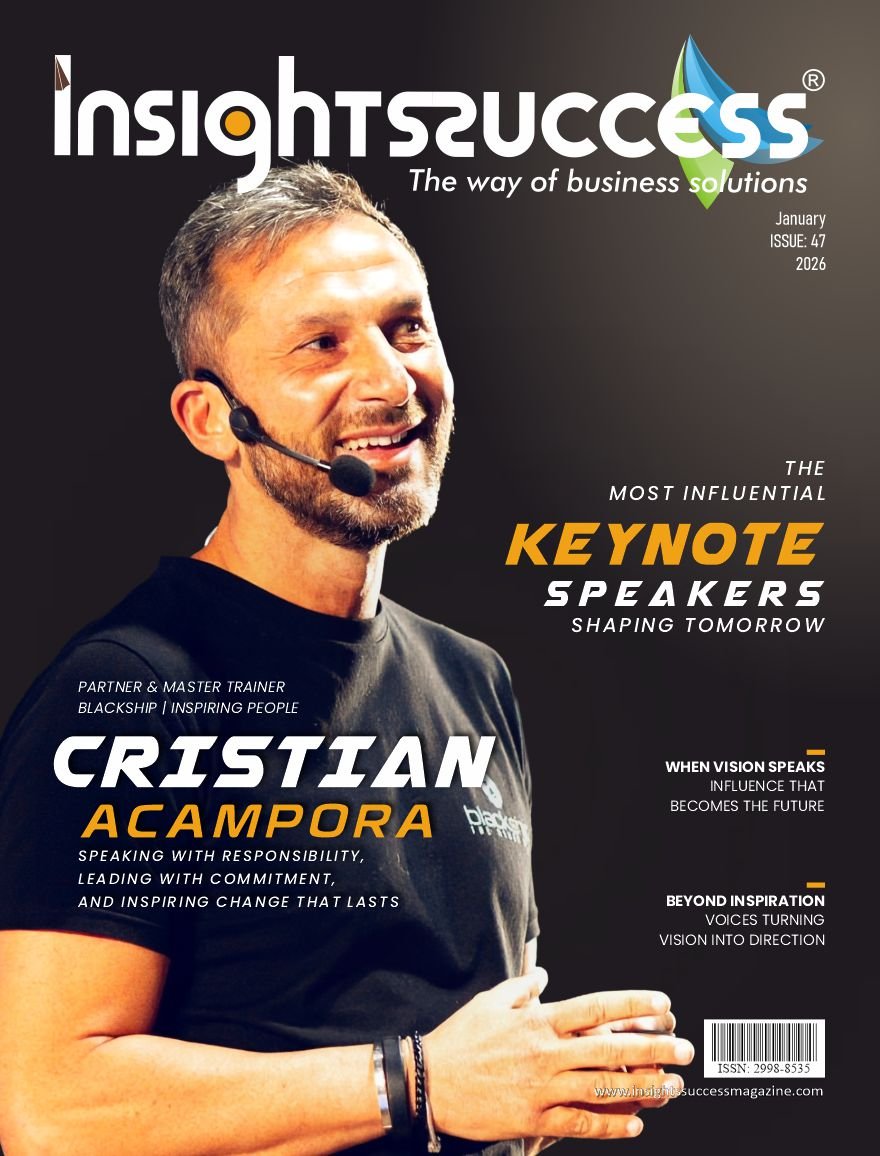
The Most Influential Keynote Speakers Shaping Tomorrow
The Most Influential Keynote Speakers Shaping Tomorrow Discover visionary keynote speakers who are shaping the future through innovation, leadership, and transformative ideas, sharing insights and strategies that inspire change, influence industries, and redefine the way we think tomorrow. Digital Link Quick highlights Quick reads

Voices Turning Vision Into Direction
Beyond Inspiration Vision without direction remains only an idea waiting to take shape. In leadership, business, and culture, progress happens when imagination meets execution. Visionary keynote speakers play a vital role in closing this gap by translating bold ideas into practical movement. They help organizations move from aspiration to alignment, ensuring that inspiration does not fade once the applause ends. Great talks begin by helping audiences imagine what is possible. A powerful vision reframes obstacles as opportunities and uncertainty as momentum. When people understand where they are going and why it matters, purpose replaces hesitation. This clarity encourages individuals to see how their daily actions contribute to something larger, transforming feel achievable rather than overwhelming. Clarity That Cuts Through Noise In a world where information is unlimited, clarity has been an asset to leadership. Visionary keynote speakers succeed by simplifying complex ideas into insights that are easy to grasp and hard to forget. They avoid buzzwords and keep things clear, using language that connects with people across all experience levels and industries. Structure is equally important. Well-crafted talks follow a clear path. They lead listeners from a problem to a solution, then to action. Speakers use stories, visuals, and metaphors on purpose. These tools support the message and keep attention, not distract from it. This thoughtful approach ensures audiences leave not just inspired, but certain about what to do next. Stories That Build Connection Facts give information, but stories transform. Personal narratives of struggle, failure, and growth create emotional bridges between speakers and audiences. Leaders gain trust and authenticity when they share vulnerable moments. Listeners recognize their own challenges in these stories and feel empowered to deal with them. Emotional engagement fuels reflection. By asking thoughtful questions and encouraging introspection, speakers turn passive listening into personal insight. This connection makes change feel personal rather than imposed, increasing the likelihood that ideas will turn into action long after the event concludes. Frameworks for Real Results Motivation without tools rarely lasts. Visionary keynote speakers stand out because they provide practical frameworks that audiences can apply immediately. These may include decision-making models, habit-building systems, or structured approaches to innovation and leadership. Real-world examples bring these tools to life. When individuals observe the functioning of frameworks in real-life situations, implementation becomes less daunting. Many attendees return to work with tangible resources that help maintain momentum, proving that meaningful talks are measured by what happens next, not what happens on stage. Leadership Lessons That Scale Modern organizations require leadership at every level. Visionary keynote speakers address both strategic and operational challenges, from navigating digital transformation to fostering resilient teams. They ensure that organizations are focused even in the face of rapid change by aligning vision with execution. Middle managers benefit just as much as executives. Practical guidance on communication, conflict resolution, and motivation strengthens leadership consistency across departments. When everyone shares the same direction, cultures become more cohesive and progress accelerates. Innovation Through Structured Creativity People often think of creativity as unstructured freedom, yet the most effective innovation follows clear processes. Speakers present techniques that encourage experimentation while maintaining focus. Teams use brainstorming frameworks, prototyping cycles, and customer-first thinking to create ideas that are bold and practical. These approaches often spark immediate action. Conferences turn into platforms of collaboration as attendees exchange ideas and test solutions in real time. Organization provides a purpose to creativity, turning the events into innovation triggers. Cultural Shifts Through Shared Language Language shapes behavior. When speakers introduce memorable phrases and concepts, they create shared understanding across teams. These concepts are found in day-to-day discussions, and they shape decision-making and problem-solving. Over time, this shared vocabulary reflects deeper cultural change. Organizations notice shifts in mindset as openness, experimentation, and accountability become normalized. Such changes signal that influence has moved beyond the stage and into daily practice. Global Perspectives, Local Application Effective ideas respect context. Top speakers turn global ideas into local solutions, making them useful for every region and industry. By acknowledging cultural nuances and market differences, they help audiences apply universal principles in meaningful ways. This balance strengthens international collaboration and knowledge exchange. Events become spaces where various points of view collide, change, and transform into the strategies to be applied in definite settings. Measuring Transformation Beyond Applause True impact is measurable. Forward-thinking organizations track how ideas influence behavior, performance, and outcomes over time. Surveys, follow-ups, and internal adoption will show what messages resulted in change and what resulted in long-term growth. When results are visible, speaking engagements become strategic investments rather than one-time experiences. Influence is proven through implementation, not ovation. In Summary Visionary keynote speakers transform vision into direction by combining inspiration with clarity, emotion with structure, and ambition with action. Their influence lives on through changed mindsets, stronger cultures and leaders who know where they are headed. In a world full of ideas, direction creates destiny. The voices that matter most are those that guide people forward with purpose, precision, and confidence, turning possibility into progress and vision into velocity. Read More : Influence That Becomes the Future

Influence That Becomes the Future
When Vision Speaks Influence is not a fleeting moment of inspiration. It creates ideas that stay, actions that repeat, and changes that quietly shape the future. In boardrooms, auditoriums and global summits, Motivational keynote speakers stand at this intersection of inspiration and impact. Their role goes beyond storytelling. They transform uncertainty into clarity and ambition into direction to make individuals and organizations ready for the future. The Power of Shared Vision Every meaningful shift begins with a vision people can believe in. Motivational speakers have a unique ability to frame complex goals into compelling narratives that resonate across diverse audiences. They assist the listeners to see beyond regularity and constriction through personal narratives, lived experiences, and relatable struggles. When a shared vision takes hold, people align their efforts toward a common direction. Teams begin to understand not just what they are doing, but why it matters. This purpose creates a passion that makes motivation contribute towards a greater goal that will transform both the workplaces and the communities. Turning Words into Action Inspiration without direction fades quickly. What sets impactful talks apart is their focus on application. Motivational keynote speakers turn big ideas into simple and repeatable actions that audiences can adopt immediately. They offer frameworks for goal setting, decision-making, and resilience that feel practical rather than overwhelming. These tools travel far beyond the event itself. The attendants take them back to teams, discuss them during meetings, and put them into practice in their day-to-day work. In such a manner, one message spreads many times over and becomes integrated into everyday practices and behaviors that create the measurable transformation. Building Resilience Through Stories Every success comes with setbacks, but the manner in which people react is what determines success. Stories of failure, recovery, and perseverance create emotional connection and trust. Motivational keynote speakers tend to base their talks on personal struggles, showing that progress is rarely linear. These narratives remove the fear of falling short. Audiences see that struggle is not weakness, but part of growth. Over time, this mindset builds resilience across organisations, helping leaders and teams face uncertainty with steadiness and confidence. Fostering Collaboration and Unity Sustainable success is rarely achieved alone. Strong influence brings people together and values different views and skills. Motivational speakers show how teamwork builds innovation, trust, and shared ownership of results. Events become catalysts where silos dissolve and new partnerships form. As individuals connect around shared goals, organisations benefit from stronger alignment and a culture that values cooperation over competition. Igniting Innovation with Boldness Progress depends on the courage to challenge familiar ways of thinking. By questioning assumptions and encouraging experimentation, motivational keynote speakers help audiences embrace calculated risk. They give examples of how radical actions resulted in innovations, which helps to emphasize that innovation thrives on curiosity and action. This shift in mindset often leads to tangible outcomes, from improved processes to new products and services. Stagnation is replaced by momentum when individuals have the confidence to turn to new ideas. Empowering Personal Growth Lasting influence begins internally. Through reflection and self-awareness, individuals identify strengths, gaps, and aspirations. Motivational keynote speakers guide this process, encouraging continuous learning and personal responsibility for growth. As individuals develop, they become better mentors, collaborators, and leaders. Organisations benefit from teams that are adaptable and confident, capable of navigating evolving demands with clarity and purpose. Driving Ethical Leadership Influence carries weight, and with it, responsibility. Many speakers emphasise integrity, transparency, and values-driven decision-making. They illustrate how ethical leadership builds trust and sustains success far beyond short-term gains. Leaders inspired by these principles create cultures where accountability and fairness are non-negotiable. These environments draw talent, enhance reputation, and guarantee growth based on respect rather than pressure. Bridging Global Perspectives In an interconnected world, narrow thinking limits opportunity. Cross-cultural lessons are usually introduced by the motivational keynote speakers who incorporate global teachings with regional context. This broader perspective helps audiences appreciate diversity as a strategic advantage. By encouraging openness to global ideas, they prepare leaders to manage international teams and respond to global trends with confidence and sensitivity. Measuring Lasting Impact True influence can be measured. Behaviour change, engagement levels, and performance improvements reveal whether a message took root. Motivational keynote speakers increasingly work with organisations to ensure follow-through, transforming inspiration into sustained outcomes. This strategy transforms speaking engagements beyond a one-time event to strategic tools for growth and transformation. As new challenges emerge, adaptability becomes essential. By discussing future-oriented issues and practical responses, keynote speakers equip audiences to lead with clarity amid change. Closing Perspective To shape the future, you need clarity, courage, and commitment. Motivational keynote speakers inspire people to take action. Their words are seeds of action that develop into movements that influence workplaces, economies and societies. When leaders harness this power, success follows, not fleeting wins, but enduring legacies. The true measure lies in changed lives, stronger teams, and brighter horizons. Power is sustained when it gives others the ability to lead, creating futures where everyone rises together. Read More : Voices Turning Vision Into Direction

Cristian Acampora – Speaking with Responsibility, Leading with Commitment, and Inspiring Change That Lasts
When influence is mistaken with visibility and leadership is mistaken with a lot of screaming, the voices that shine through are deep, deliberate and responsible. The most influential speakers are not those who want to be heard, but those who know how heavy words can be and how big a shadow they can cast. They do not establish their presence based on the performance, but rather on purpose, on the capacity to unite thought to action, belief to behavior. They do not talk to impress, but to open their eyes, to promote responsibility and to make meaningful change that does not end on that note. One such outstanding leader is Cristian Acampora. Leadership Beyond the Spotlight Cristian Acampora does not see public speaking as performance. For him, it is a responsibility, one that carries ethical weight, emotional consequence, and long-term impact. Every word spoken to an audience, he believes, leaves a mark. It can shape beliefs, influence choices, and, in some cases, change the direction of a life. This deep awareness defines Cristian’s journey as a keynote speaker, leadership trainer, and partner at blackship, a company devoted to inspiring people to discover their potential and turn intention into action. Cristian’s work is guided by one central idea: leadership is not about ego, visibility, or control. It is about commitment, the daily, consistent choice to act with integrity and responsibility, even when no one is watching. The Ethical Weight of a Voice Cristian Acampora believes that speaking is never neutral. To stand in front of an audience, especially young people or those in vulnerable moments, means accepting full responsibility for the impact of every sentence, every pause, every tone. Words can empower, but they can also harm if used carelessly. This conviction became even clearer during the preparation of his TEDx talk in Legnano on October 11, 2025, titled “Commitmentship: the Ability to Make Things Happen.” In that experience, Cristian Acampora reached a powerful realization: what truly matters is not who delivers the message, but the message itself. When ego takes over, authenticity is lost. When ego steps back, legacy takes shape. For Cristian, true speaking is an act of service. It is about asking not, “How do I look?” but “What will remain when I am gone?” Two Missions That Define His Work Cristian Acampora lives and works with two clearly defined missions. The first is the mission of blackship: Inspiring People. The company exists to guide individuals and organizations toward discovering their potential, building awareness, and finding the courage to act. This is not about motivation alone, it is about concrete change. Skills, mindset, and action must move together. The second mission is deeply personal. Cristian Acampora describes himself first as a father, and then as a “black sheep”, someone unafraid to question norms and challenge comfort zones. His goal is simple but demanding: to help people become better today than they were yesterday, and better tomorrow than they are today. At the center of this mission is his belief in vulnerability as strength. Cristian Acampora does not teach resilience as mere endurance. Instead, he embraces antifragility, the ability not just to survive chaos, but to grow because of it. Challenges, mistakes, and disorder are not enemies; they are fuel for transformation. Leadership as Shared Ownership Over time, Cristian’s leadership style has evolved. Where once clarity and direction were central, today flexibility and adaptability define his approach. He no longer sees leadership as imposing a vision, but as enabling others to find and own their own. His goal is to create what he calls “captains on the field”, people who can carry values, culture, and responsibility forward without needing constant supervision. True leadership, he believes, is measured by what continues to happen when the leader is not present. This is where culture becomes visible. “Culture is not written on walls or slides; it lives in everyday decisions, in how people communicate, collaborate, and support one another,” Cristian Acampora shares. When that culture survives beyond the leader’s presence, leadership has succeeded. Culture Beyond Authority Cristian Acampora repeatedly returns to one idea: culture is what happens when no one is watching. It is invisible, yet powerful. It determines whether organizations grow, stagnate, or collapse. In his work, he focuses on building shared culture rather than personal authority. He involves, delegates, supports, and trains. “Leadership becomes collective, not hierarchical. Responsibility is distributed, not centralized,” he shares. This approach creates organizations that are resilient, adaptable, and capable of lasting impact, because they do not depend on a single individual to function. Fear, Failure, and the Path to Antifragility Cristian Acampora speaks openly about fear. The fear of judgment, of not being enough, of failing, and of disappointing others has shaped much of his journey. These fears, he says, have not disappeared, but they no longer control him. What helped him move forward was not denial, but acceptance. Willpower, discipline, and responsibility played a role, but the real turning point was making peace with vulnerability. Failure stopped being a wall and became a door. Inspired by the thinking of Nassim Nicholas Taleb, Cristian Acampora learned that fragility is not weakness. It is raw material. When understood and embraced, it becomes the foundation of antifragility, the ability to grow stronger through adversity. Learning Through Study, Observation, and Fatherhood Cristian’s growth does not come from speaking alone. He invests deeply in study, observation, and surrounding himself with people who challenge and inspire him. Learning, for him, is not accumulation, it is awareness. It is watching how people behave, especially toward those who are most vulnerable. But his greatest teacher is fatherhood. Raising his two children, Giorgia and Filippo, has become his most demanding and meaningful training ground. Fatherhood has taught him discipline, empathy, patience, and presence. It has reinforced his belief that growth is never solitary, and that the most important legacy is built through daily example. Lessons That Shaped His Values Cristian’s leadership philosophy is rooted in lived experience. From his father, a military
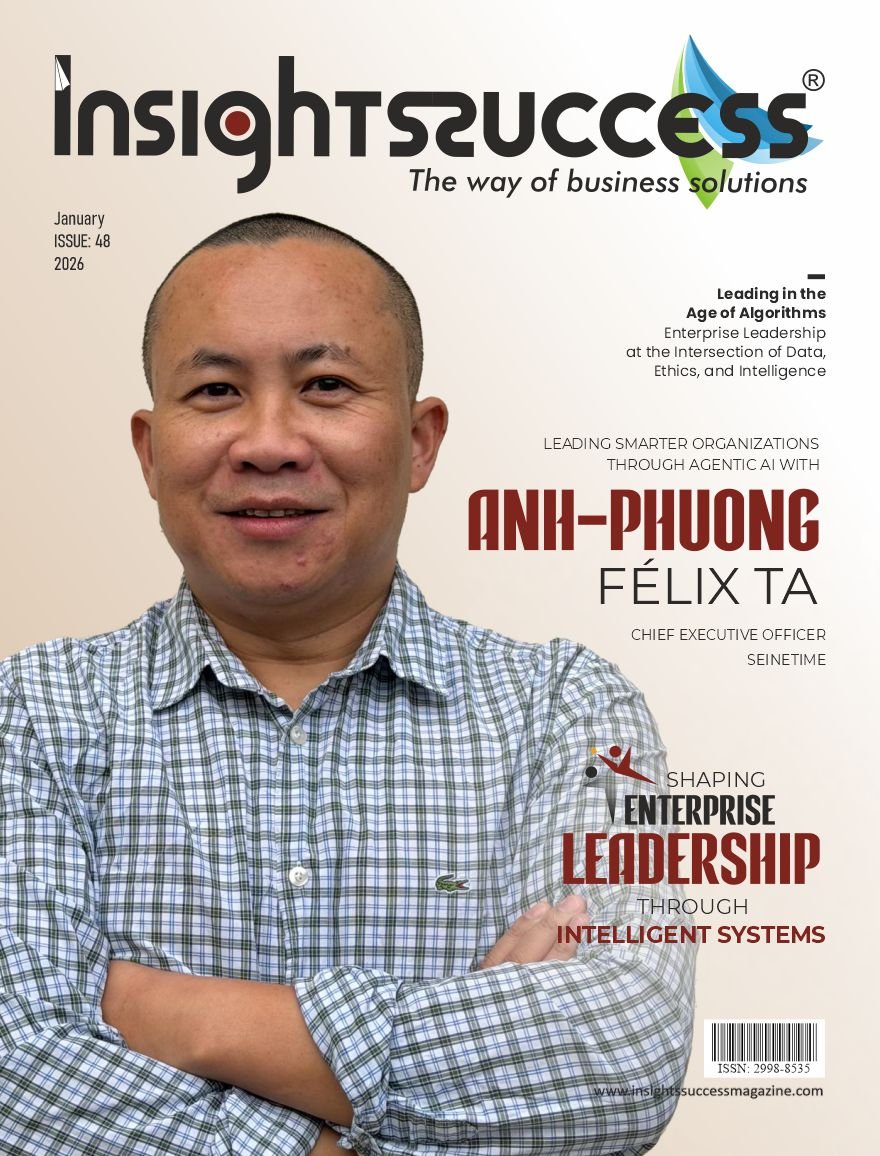
Shaping Enterprise Leadership Through Intelligent Systems
Shaping Enterprise Leadership Through Intelligent Systems Explore how intelligent systems transform enterprise leadership, enhancing decision-making, innovation, and strategic growth. This edition delves into AI-driven insights, adaptive management, and technology-enabled organizational excellence for modern leaders. Digital Link Quick highlights Quick reads

How Leaders Turn Digital Investments into Real Business Impact
Innovation Leadership In the fast-changing business environment of the present day, it is not an option but a necessity to be innovative. Organizations are dropping a lot of money into digital technologies in order to remain competitive but technology alone does not achieve anything. The real point of distinction is the kind of leadership that is able to convert these investments into real business results. Leadership methods like AI-driven leadership and digital transformation leadership are on the frontline of this transformation, leading businesses through a complex technological environment and making digital projects generate value measurably. Bridging Technology and Strategy The innovation leadership must have a strong grasp of technology and strategic imperatives. Leaders should consider match points of digital tools to long-term business objectives, and find the opportunities where technology can establish efficiency, customer experiences, or new revenue streams. In this case, AI-based leadership will be essential and apply smart machines to deliver insights on the basis of strategic decisions. On the same note, digital transformation leadership assures that there is no siloing of investments but rather that they are combined with wider organizational processes in order to combine resources, talent and technology in order to maximize impact. Driving Value Through AI-Enabled Insights Artificial intelligence is one of the most effective innovation enablers currently. The concept of AI-driven leadership is to guide the organizations to embrace AI technologies to produce actionable insights using complex datasets. The executives in this category are focused on solutions that not only mechanize the daily processes but also inform the strategic programs, assess latent trends, and enhance the soundness of choices. One of the ways that leaders can transform abstract data into quantifiable results is to translate AI-generated intelligence into practical business and develop a competitive advantage that spans through operations, product development, and customer engagement. Promoting a Culture of Digital Innovation Without developing a culture that supports technology, investing in technology becomes a limiting factor to its potential to produce impact. Digital transformation leadership focuses on building an organizational mentality that encourages experimentation, teamwork, and constant learning. Leaders promote the idea of experimenting, embracing digital tools with no fear, and responding swiftly to arise challenges within their teams. Incorporating innovation as an element of the organizational DNA, leaders can make sure that the digital investments are not a standalone project but a subset of the larger ecosystem of the continuous improvement and strategic development. Measuring Impact and Driving Accountability To achieve innovation leadership, there should be tools of monitoring the results and holding responsible. AI-based leadership offers the means of measuring performance, tracking the key indicators, and forecasting trends, so that the leaders could keep improving the strategies through the outcomes of the real-life performance. Simultaneously, digital transformation leadership focuses on visibility, quantifiable milestones and feedback loops between digital initiatives and business performance. This is because leaders emphasize on results instead of the output to ensure that investments are translated into real gains to the organization, instead of staying as hypothetical improvement. Overcoming Challenges in Digital Innovation Even with the promise of digital technologies, the main challenges linked to innovation initiatives include complexity of integration, resistance to change and lack of certainty around ROI. The leadership based on AI can solve these problems through the application of intelligent systems that simplify the processes, give predictive insights, and aid the making of evidence-based decisions. Digital transformation leadership, in its turn, is aimed at innovating strategies, change management, and stakeholder engagement. Combined, these practices will help leaders transcend these obstacles so that digital investments can be not only implemented but optimized to deliver long-term effects. The Future of Innovation Leadership With next wave of technological advancement, the influence of leaders in creating value in business will ever increase. AI-driven leadership and digital transformation leadership are not two different ideas but complementary practices that help organizations to incorporate intelligent systems, digital technologies, and strategic visions. Leaders who are adept at this integration will be able to convert abstract digital investments into an actual business value to build an organization which is agile, data-driven and can withstand constant change. Turning Digital Investments into Business Value Innovation leadership goes beyond embracing new technologies, it is about turning investment into quantifiable results. With AI-led leadership, companies are able to use intelligent systems to guide decisions and streamline operations, as well as discover new opportunities. Having digital transformation leadership, leaders can bring strategy, talent and technology together to generate long term value. Collectively, these strategies guarantee the digital efforts to no longer be an experiment, and come up with tangible effect that enhances competitiveness, fuels growth and defines the future of business. Read Also: Enterprise Leadership at the Intersection of Data, Ethics, and Intelligence