





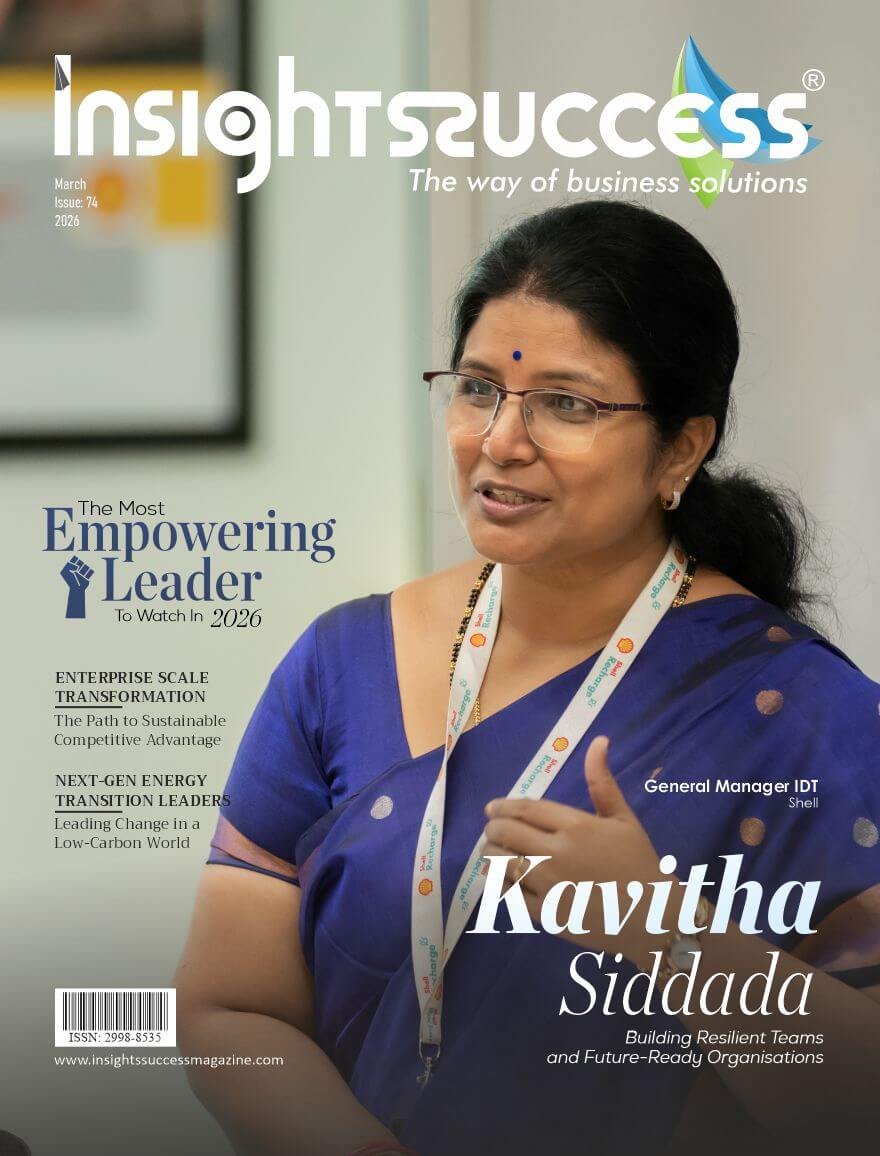
The Most Empowering Leader To Watch In 2026
The Most Empowering Leader To Watch In 2026 Highlighting a visionary leader who drives innovation, inspires teams, and shapes the future with transformative strategies, setting new industry standards and creating lasting impact in a rapidly evolving global landscape. Digital Link Quick highlights Quick reads
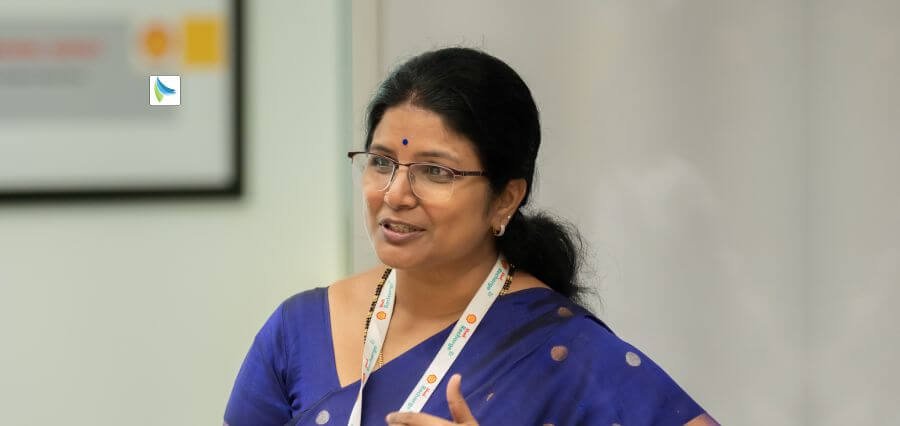
Kavitha Siddada: Building Resilient Teams and Future-Ready Organisations
There are leaders who run organisations and there are those who transform them completely. Leadership is not the title or the decisions made, it is about influence, vision and the power to convert ideas to long-lasting effects. Leaders are people that are trusted, develop curiosity and can provide environments in which people can flourish, even when they are uncertain. In a world of intersection between technology and strategy, the most transformational leaders are those who can find their way across the difficulty whilst maintaining people and purpose at the forefront. Kavitha Siddada is one of such leaders, and in her position of General Manager and Global Head of Analysis, Design and Transformation at Shell, she heads global teams and extensive technology programmes that bring quantifiable business value. However, it is not on the boardroom where her story starts. It starts in a house where the walls were filled with books, where curiosity was cherished as a domestic virtue, and failure, as long as you recovered quickly, was all right. She was raised in a household of two doctorate-educated parents, one a Literature doctorate, the other a Science doctorate, who maintained their home more of a living laboratory of ideas than of home. Her mother was a professor who created the intellectual temperature at an early age. Their house not only believed in ideal values like discipline, responsibility, and being brave to ask questions, but these were things they used every day. She reflects that she was taught to ask questions and think independently and accept responsibility at a young age. An Accidental Pivot That Became a Calling The technology sector was never part of the original plan. Kavitha had envisioned a path into academia, a PhD, perhaps following her parents into research. Life, as it tends to do, had a different script in mind. Post-marriage and mid-university, she stepped into IT almost accidentally, arriving at her own convocation with a 23-day-old son in tow. What started as an unplanned pivot became a calling. She quickly discovered that technology, when applied with intent, could solve real problems, cut through complexity, and create impact at remarkable scale. Where the Foundations Were Built Kavitha’s early years at Walmart proved to be the crucible in which her professional identity formed. She describes those years as “incredibly formative,” surrounded by strong mentors who set uncompromisingly high bars for thinking, execution, and integrity. The organisation gave her something she still considers invaluable: operational rigour, delivery discipline, a technology-first mindset, and a deep respect for data-driven decisions. “That’s where my tech DNA was built,” she says. As her career evolved, the roles demanded progressively more than technical depth. She had to learn how to think strategically, lead across cultures and geographies, and drive transformation inside large, complex environments. She built digital capability centres, modern engineering teams, and global technology organisations designed to move with speed without losing sight of business value. Across data, analytics, AI, cloud, supply chain systems, and governance, her operating philosophy remained consistent: simplify what is complex and build resilience into the system. Today, at Shell, she carries that philosophy into one of her most expansive mandates yet. Leading the global Analysis, Design & Transformation practice means converting business intent into real execution, at scale, across geographies, and against a backdrop of relentless technological change. “Leadership isn’t about doing the work yourself,” she explains. “It’s about stewarding outcomes through strategic intent, driven by people, for the people.” The Idea Behind the Career Ask Kavitha about the idea behind her career and she offers a refreshingly grounded answer: there wasn’t one. “There was no grand master plan. I embraced the opportunities that came my way and went with the flow, giving my best.” That candour, delivered without apology, says something important about the leader she has become, someone who prizes substance over narrative, execution over optics. The real turning point came when she stopped viewing technology as a support function and started seeing it as a strategic enabler. That belief, which now sits at the centre of everything she does, drove her work across both Walmart and Shell. Her distinct advantage, she argues, stems from her ability to bridge the world of science and the world of technology, a synthesis that produces outcomes others often struggle to replicate. Working at enterprise scale sharpened that belief into discipline. She learned why design decisions matter, why reliability, security, and cost cannot be afterthoughts, why AI systems evolve and must be governed, why strategy is not a document you present once but something you execute decision by decision, day by day. “Simplify what’s complex. Build resilience into the system,” she says. “That’s the work.” Leading Through a Pandemic COVID-19 tested every leader’s assumption about how work gets done, and Kavitha was no exception. As a leader of global teams supporting business-critical applications that historically required physical presence, the options were few and the timeline was unforgiving. She approached the crisis not as a threat to be managed but as an opportunity to surface what truly mattered. She highlights, “it was the moment for survival of the fittest; a once-in-a-lifetime inflection point that transformed everyone’s thinking overnight.” Her team moved quickly to enable remote work, strengthen cybersecurity, simplify processes, and establish clear communication rhythms. For teams that had to remain onsite, safety and continuity guided every decision. She adopted a deliberately people-first approach, flexibility, mental health check-ins, and empathetic leadership were not optional extras but essential instruments of stability. She notes, “Trust and autonomy became critical, they kept teams engaged and productive when everything else was uncertain.” Strategically, the pandemic accelerated digital modernisation, cloud adoption, automation, and AI-driven monitoring, compressing a multi-year roadmap into months. What that period reinforced, above all else, was a conviction she holds strongly today: resilient organisations are built on adaptability, empathy, and purpose-driven leadership. “Humans are the most resilient species,” she adds with characteristic directness. Balance as a Daily Practice Managing a global leadership role alongside personal life is, by Kavitha’s own admission,

The Path to Sustainable Competitive Advantage
Enterprise Scale Transformation Today, business is highly dynamic with fast technological change and constantly changing consumer demands, corporations are finding themselves seeking enterprise level transformation to remain relevant and assure long term success. Enterprise scale transformation, in contrast to isolated efforts or incremental innovations, is a total reconsideration of organizational structures, processes, culture, and technology to create strategic value. It is not about making quick profits but rather entrenching resiliency and flexibility into the very foundation of the organization to attain sustainable competitive advantage. The traditional view of competitive advantage was based on tangible resources, including production capacity, distribution network, or geographic reach. But in modern dynamic economy, benefits are short lived. The only difference between the industry leaders and the rest lies in the fact that they can predict the changes in the market, react swiftly to the disturbances and reinvent themselves. In this case, enterprise scale transformation is critical. It asks organizations not merely to digitize current process but also reimagines customer experience, opens the door to operational efficiency and creates an innovation driven culture. Simply put, it dispels old traditions and develops competencies that enable the organization to be proactive and not reactive. Drivers of Large-Scale Transformation A number of forces are speeding up the urge to enterprise scale transformation. One of the most influential forces is technological disruption, where artificial intelligence, automation, and data analytics are changing the traditional value chains. Firms that do not implement these technologies may be distracted by their more nimble counterparts. The other cause is the change in customer expectations. The current consumerism requires individualized and smooth experiences and organizations have to re-design their products to retain them. The international competition also demands that businesses innovate and keep on improving as the regional leaders are now competing with the international competitors. Lastly, regulatory changes, especially in the requirement of data privacy and sustainability, require the overall organizational adjustment. Transformation in the GCC Retail Sector The GCC retail industry is a very good example of the changing pressures in companies. The Gulf Cooperation Council (GCC) countries have a young and tech-savvy population that has necessitated a re-invention of the retailers to address the digital needs of an ever-changing population. Enterprise scale transformation has moved to be based on e-commerce platforms, omnichannel integration, and data-driven customer analytics instead of being a peripheral effort. Large-scale change can be operationalized effectively as seen by many retailers reorganizing their supply chains, retraining their workforces, and redesigning their store formats to support new shopping behavior. COVID-19 served as the booster in the digital uptake of the GCC retail industry. Services like click-and-collect, contactless payment, and loyalty programs based on analytics became the norm rather than the innovative offer. Those retailers that adopted enterprise scale change could swiftly alter their path, continued connecting with consumers, and consolidate their market during the crisis. This is a real-world scenario that indicates the strategic significance of transformation not only to growth but even to the survival in turbulent markets. Key Success Factors The implementation of an enterprise scale transformation takes a good vision and leadership to be successful. Leaders should articulate a powerful cause and provide coordination at all the organizational levels. The profound knowledge of customer needs should lead to the implementation of transformation initiatives, providing products and experiences that are personalized with the help of data analytics. Technology is imperative, but it should be serving the strategic goals rather than determining them. Workforce preparedness is also of great significance; staff should be equipped with abilities, instruments and motivations to adjust to fresh procedures and attitudes. Finally, companies should have sound governance mechanisms to monitor the progress and measure the results so that transformation can provide real business returns. Challenges and Risks Although there may be some advantages, the path is not without obstacles. The barriers to transformations can be resistance to change, old systems, and the need to achieve immediate returns. In the case of the GCC retail market, the challenge of maintaining the pace of digital adoption and investments in the traditional retail format is an added complication. Organisations should manage the resources in technology, talent and infrastructures thoughtfully so as to make modernisation integrated and not fragmented. Further, the challenges of cybersecurity threats, data privacy, and system interoperability should be addressed carefully, as digital and physical operations are increasingly connected. Achieving Sustainable Competitive Advantage Companies which have effectively managed to enter into enterprise scope transformation can get long term benefits, such as enhanced customer engagement, enhanced operational efficiency, enhanced innovation pipeline, and enhanced market agility. The benefits in the GCC retail lead to increased digital sales, sustainable business models, and brand loyalty. Change is a process, and not a single project. Incorporation of adaptability, innovation and customer-centricity helps firms to maneuver in uncertainties, react to the trends and have a competitive advantage so that they flourish instead of merely surviving in the changing markets. Read Also : Leading Change in a Low-Carbon World

Leading Change in a Low-Carbon World
Next-Gen Energy Transition Leaders The need to curb carbon emissions globally has resulted in a new breed of executives who are shifting industries. Top transformative CEOs and energy transition leaders are no longer judged by the financial performance but responsible for steering organizations to low-carbon futures. These leaders transform markets, bring innovation and align corporate strategy and sustainability, demonstrating that long run business prosperity is co-created with environmental custodianship. The shift towards the low-carbon economy has ceased to be a privilege of the government or the NGO. The leadership of the private sector is the key to providing the magnitude and pace of change needed. Top transformative CEOs make climate strategy part of corporate priorities, and decarbonization is decarbonized throughout operations, investments, and relationships. They are profit-driven and environmentally conscious and redefine the role of executives in a climate-aware world. What Defines Energy Transition Leaders Energy transition leaders promote the change of fossil fuels toward renewable energy, technologies of efficiency, and business models that are sustainable. They know that cultural change, collaboration, and long-term value creation are all that should be involved in bringing about successful transformation. These leaders make sustainability a strategic benefit and not a compliance exercise as a challenge to traditional practices and innovation. The best transition leaders are those who make ESG the core part of strategy; incentives tied to carbon reduction and use data-supported methods to monitor progress. Sustainability as a fundamental concern helps them to build resilience, explore new markets, and increase brand confidence, which underscores the increased strategic significance of climate leadership. Examples of Forward-Thinking Leadership In the industries, the top transformative CEOs are establishing bold sustainability targets. Car executives are shifting to electric cars and green supply chains. The financial leaders are also investing capital in green ventures and decreasing their reliance on fossil fuels. The utilities are retiring from the assets that are carbon-intensive and increasing renewable energy and updating grids. The examples all represent the transition leaders who are disrupting the established models, involve the stakeholders, and create systemic change. This change is strengthened by the expectations of stakeholders. Consumers are interested in brands that have real climate action; investors base their environmental performance perceptions on risk management, and employees want workplaces that reflect sustainability values. Top transformative CEOs are fulfilling such expectations at the same time securing long-term growth by prioritizing energy transition. The Business Case for Low-Carbon Leadership There are claims that decarbonization is an expensive process that may not have the desired returns. Nevertheless, it is not a secret of the transition leaders that early adoption of clean technologies and efficiency can frequently provide a competitive edge. Physical benefits include lower operation costs, supply chain resilience, and exposure to the volatility of fossil fuels. Firms with Top transformative CEOs, who are decisive, tend to perform better than other firms who take lengthy time to adopt low-carbon strategies. Market trends and regulations provide further support to this strategy. Carbon charges, renewable subsidies and tougher rules on emissions encourage those that are proactive and punish those that are lagging. Differentiation is also motivated by social expectations, and this showcases how sustainability and business performance can augment each other. Developing the Next Generation of Leaders Organizational bodies are busy developing future energy transition Leaders using executive education, corporate governance, and leadership programs based on cross-functional teamwork, strategic change and sustainability metrics. Boards are becoming more extreme in having climate-experienced directors on board, which reflects a low-carbon strategic focus. Organizations that promote creative and responsible cultures make sure that their future generation of leaders will be able to address complicated issues and stay commercially viable. Challenges and the Path Forward Nevertheless, obstacles still exist. Old infrastructure, capital restrictions, and technological obstacles in such industries as heavy industry and aviation decarbonize slowly. Strategy is also complicated by geopolitical tensions related to the supply of energy. There is a need to strike a balance between ambitions and pragmatism, and transition leaders need to be open to forming alliances and increase access to capital to speed up innovation. It is also necessary to ensure that there is a just transition that will cater to the workers and societies to ensure that there is social trust. Conclusion With the increase in climate risks, both leaders in energy transition and top transformative CEOs are redefining leadership in corporations. They ensure business success, as well as global climate advancement by transforming the business strategy, operations, and culture to be sustainable. Their vision, innovativeness, and boldness are a roadmap of how to go through the low-carbon transition. These leaders show how taking the initiative in the present can make organizations more resilient, competitive, and environmentally responsible in the future for industries all over the world. Read Also : Driving Innovation Beyond Skincare

Google Moves Intrinsic Into Core Business to Power AI-Driven Robotics Push
Prime Highlights Google is moving Intrinsic into its main business to make robotics a major AI growth driver. Intrinsic will collaborate closely with Google DeepMind to integrate advanced AI into industrial robots. Key Facts Intrinsic’s Flowstate platform simplifies robot app development and partners with firms like FANUC and KUKA. McKinsey & Company estimates the general-purpose robotics market could reach $370 billion by 2040. Background Google is moving its robotics software unit Intrinsic into its main business, signaling a stronger push into physical artificial intelligence. The company wants Intrinsic to play a role in robotics similar to what Android did for smartphones. By bringing Intrinsic out of Alphabet’s “Other Bets” division, Google plans to integrate it more closely with Google DeepMind, as well as its cloud and infrastructure teams. Intrinsic will continue to operate under its own brand, led by CEO Wendy Tan White. Google built its smartphone dominance through Android, partnering with device makers to compete against Apple. Now, it wants Intrinsic to become a common software layer for industrial robots, helping manufacturers build applications without complex coding. Intrinsic built its platform, Flowstate, to help developers create robot applications using ready-made tools instead of writing thousands of lines of code. The company also shares open-source tools, using a strategy similar to Android’s ecosystem approach. The robotics market offers large potential. McKinsey estimates general-purpose robots could become a $370 billion market by 2040. Intrinsic already works with industrial robotics companies such as FANUC, Universal Robots, and KUKA. Google’s recent AI advances strengthen this strategy. In 2025, it introduced Gemini Robotics models and partnered with robotics developers to integrate AI into humanoid systems. Intrinsic’s team will now build on DeepMind’s AI models to bring advanced reasoning into manufacturing and logistics. Late last year, Intrinsic partnered with Foxconn to deploy AI-powered robots in U.S. factories. As AI demand surges, Google sees robotics as the next major frontier, moving intelligence from digital tools into real-world machines. Read Also: Apple Inc. Launches $599 iPhone 17e and Upgrades iPad Air With M4 Chip

Numeral Group Announced as Exclusive Co-Sponsor of the Global Excellence and Leadership Awards Riyadh 2026
Riyadh, Saudi Arabia – The Global Excellence and Leadership Awards Riyadh 2026 proudly announces Numeral Group as the Exclusive Co-Sponsor of this prestigious international ceremony, set to take place in Riyadh. This strategic partnership further strengthens Numeral Group’s growing global footprint and reinforces its position as a forward-thinking enterprise group operating at the intersection of advisory, investment, and operational transformation. A Visionary Partnership Driving Global Impact Under the leadership of Dave van Niekerk, CEO of Numeral Group, the organization has expanded its influence across multiple high-growth sectors, building an ecosystem focused on sustainable enterprise development, strategic capital deployment, and long-term value creation. Dave van Niekerk has been instrumental in shaping Numeral Group’s global strategy, championing disciplined expansion, cross-border partnerships, and innovation-led growth. His leadership philosophy centers on building resilient, scalable businesses that drive measurable impact across industries and geographies. The partnership with the Global Excellence and Leadership Awards reflects this vision aligning Numeral Group with a platform that celebrates transformative leadership, operational excellence, and forward-thinking enterprise on a global stage. Elevating Leadership, Innovation & Enterprise Excellence The Global Excellence and Leadership Awards Riyadh 2026 will convene distinguished executives, policymakers, investors, and high-performing organizations from across continents. The event is expected to attract a worldwide audience, reinforcing Riyadh’s growing role as a global hub for enterprise and strategic advancement. As Exclusive Co-Sponsor, Numeral Group reaffirms its commitment to: Empowering sustainable business growth Enabling strategic acquisitions and capital optimization Supporting operational excellence at scale Driving innovation through technology-enabled transformation Strengthening cross-border business ecosystems The Awards ceremony will honor individuals and organizations demonstrating exceptional performance, innovation, and leadership impact. Beyond recognition, the event will serve as a high-level networking platform designed to foster strategic alliances and international collaboration. Strengthening Global Enterprise Networks Award recipients and participating leaders will benefit from international media exposure through Insights Success’ global professional network, enhancing visibility across key business markets. With Numeral Group’s exclusive co-sponsorship, the 2026 edition of the Awards is set to deliver an elevated and impactful experience — one that not only celebrates excellence but actively contributes to the development of global leadership communities. A Defining Moment for Global Leadership As the international business community gathers in Riyadh, the Global Excellence and Leadership Awards 2026 stands as a powerful testament to innovation, resilience, and the future of global enterprise. Under Dave van Niekerk’s leadership, Numeral Group continues to position itself at the forefront of enterprise-scale transformation supporting platforms that recognize excellence while shaping the next generation of global business leaders. Read Also : National Prestige Awards 2026 Concludes in New Delhi, Honoring the Visionaries Driving India’s Growth Story
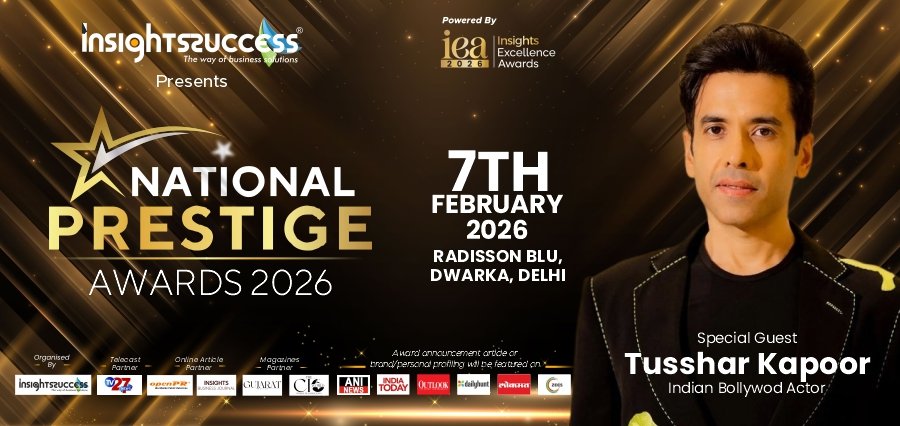
National Prestige Awards 2026 Concludes in New Delhi, Honoring the Visionaries Driving India’s Growth Story
National Prestige Awards 2026 Concludes in New Delhi, Honoring the Visionaries Driving India’s Growth Story New Delhi, India — The National Prestige Awards 2026, hosted by Insights Success Media, concluded successfully in New Delhi on 7th February 2026, which celebrated exceptional leaders, organizations, and changemakers whose contributions are shaping India’s economic, social, and professional landscape. The prestigious ceremony brought together distinguished personalities from healthcare, manufacturing, aviation, literature, wellness, education, community development, and spiritual sciences, recognizing measurable impact, innovation, and visionary leadership. The ceremony reinforced the commitment to honoring individuals and institutions who not just achieved professional excellence but also created sustainable and transformative influence within their respective industries. Title Sponsor Recognition Leading the honors as the Title Sponsor Awardee, Srinivas AG, representing Manipal Payment & Identity Solutions, was conferred the prestigious title of Most Trusted Payment Cards & Identity Solutions Company of the Year 2026. Under his leadership, the organization has strengthened India’s secure payment infrastructure and identity ecosystem, reinforcing trust, compliance, and technological advancement in financial services. Distinguished Leaders Across Industries Among the esteemed awardees: Sreelatha Giridhar, Synergy Global Logistics Pvt. Ltd., was recognized as Emerging Leader in International Trade & Logistics of the Year 2026, honoring her strategic contributions to global supply chain efficiency and cross-border trade operations. Mr. Govind Prasad, Raj Prime Group Constructions Pvt. Ltd., received the title of Emerging Leader in Real Estate & Construction 2026, acknowledging his role in advancing quality infrastructure and responsible urban expansion. Dr. Rafik Jamil Shaikh, G H Raisoni College of Engineering and Management, Jalgaon, was honored as Eminent Figure in Computer Applications & Educational Administration 2026, recognizing his academic leadership and commitment to advancing technical education. Sanjay Agrawal, Indogulf Cropsciences Ltd., was presented with the Innovation Excellence Award 2026 for pioneering advancements in agricultural solutions that support productivity and sustainability. Diinesh K Aggarwal, Marcrop Engineers India Pvt. Ltd., was recognized as Outstanding MEP Contracting Company of the Year 2026, highlighting excellence in engineering precision and large-scale infrastructure delivery. Dr. Md. Amjad Siddique, Haven Group of Companies, was honored as Best Business Leader of the Year 2026, celebrating his visionary entrepreneurship and multi-sector business expansion. Mr. N. Nagabushana Reddy, NBR Group, received the award for Leadership Excellence in Urban Development & Community Building 2026, acknowledging his impact on sustainable real estate and community-centric infrastructure. Excellence Across Healthcare, Wellness & Social Impact Dr. Anumiita Pathakk — The Inspiring Women Leader in Healthcare Industry – 2026 Debamita Nag — Inspiring Women Leader To Follow 2026 Dr. Manish Bummerkar, VMS Brain & Spine Clinic — Pioneer in Minimally Invasive Brain & Spine Surgery Eat Well Thrive Better — Best Doctor-Led Online Nutrition & Wellness Platform (India) These recognitions reflect meaningful contributions toward preventive healthcare, medical innovation, and holistic wellness transformation. Leadership in Literature, Skill Development & Aviation Dr. Monish Bhalla — Nation-Building Author Award for Advancing Public Awareness on Drugs, Crime, and Internal Security Arun Malik, Author, Professional Coach & Corporate Trainer — Recognized for transformational leadership development initiatives Mr. Sandeep Tripathi, Founder, Skill Raise Solutions — Honored for workforce empowerment and bridging industry-academia gaps Dr. Vandana Singh, Chairperson – Aviation Cargo — Recognized for Excellence in Aviation Logistics Leadership Manufacturing, Industry & Community Transformation Gasha Steels Pvt. Ltd. (Kalliyath Group) — Excellence in Sustainable Iron & Steel Production 2026 Col. Himmat Verma (R) — Inspirational Leader in Transformative Community Sports Development Anish Kaur — The Most Inspiring Practitioner in Tarot, Astrology, Numerology & Counselling Additional Honorees Celebrated at the National Prestige Awards 2026 Further expanding the spectrum of excellence recognized during the National Prestige Awards 2026, Insights Success Media also honored a diverse group of professionals, entrepreneurs, healthcare specialists, educators, wellness experts, and industry innovators whose work is contributing meaningfully to their respective domains. Among the distinguished honorees were: Dr. Rao Bhupendra Singh Sonigara (Founder) & Mr. Shiv Hritik Singh, Bhanwar Umang Seva Sansthan — The Most Admired NGO of the Year 2026 Chef Satish Prasad — Chef Excellence of the Year Ms. Samridhii Priyanka Bhatnagar — Best Tarot Card Reader and Reiki Healer in Delhi NCR Ms. Devi Santosh Kumar Karakavalasa, R&D Ideal Bridge Private Limited — Best CEO of the Year 2026 Mr. Radhamohan Mahapatra — Best Journalist of the Year 2026 Mr. Shubham Goyal (Director) & Ms. Anjali Koolwal (Director), Banetion Color Cosmetics — The Most Innovative Cosmetic Manufacturer of the Year Dr. Shalu Kashyap, Fertheal Women’s Healthcare — The Most Trusted Gynaecologist Consultant of the Year Mr. Arpit Shah, Project OPC Pvt. Ltd. — The Most Trusted Architect and Interior Designer Firm of the Year Mr. Mudit Gaur (Founder), Axis Design — Excellence in Architectural Innovation Mr. Kartik Kaushik (Founder & CEO), Earthill Healthcare Private Limited — Emerging Healthcare Entrepreneur of the Year Dr. K.P. Singh & Ms. Sudha Singh, DKPS Pvt. Ltd. — Leadership in Integrated Healthcare Services Dr. Tanya Narwariya, Dietician & Nutrition Specialist — Excellence in Clinical Nutrition & Wellness Dt. Princy Batra, Food N Nutrition — Outstanding Contribution in Dietetics & Lifestyle Transformation Dr. Showkar Nazir Wani, Sharda Care Health City Greater Noida — Excellence in Neurology & Advanced Patient Care Dr. Sangeet Sharma, Ours Hospital Hisar — Distinguished Leadership in Hospital Administration & Healthcare Services Ms. Roma, Go Mystical Tarot — Excellence in Spiritual Guidance & Tarot Consultation Dr. Rajneesh Agarwal — Excellence in Medical Practice & Patient Care Chef Kishor Singh — Culinary Innovation & Hospitality Leadership Award Prof. Dr. Pradip Butale, Sexologist — Excellence in Sexual Health Awareness & Counseling Ms. Dipti Gupta, The Nail Concept — Excellence in Beauty & Aesthetic Entrepreneurship These recognitions underscore the event’s broader mission of celebrating professionals who not only demonstrate excellence in their craft but also contribute to societal advancement through innovation, service, and leadership. The National Prestige Awards 2026 celebrated professional milestones and highlighted the broader industry impact created by these leaders, whether through innovation in healthcare delivery, sustainable manufacturing practices, education and skill-building initiatives, or transformative corporate leadership. As the ceremony concluded, it reaffirmed its standing as one of India’s most credible

3 Ways That Proactive Hygiene Strategies Protect Your Bottom Line
If you run a business, you already know how closely your margins are tied to consistency. You need people showing up, equipment running, orders moving, and regulators staying satisfied. What often gets underestimated is how much hygiene sits at the center of all that stability. Hygiene is usually categorized as maintenance or compliance. It gets budgeted under facilities or operations and rarely makes it into strategic conversations. In the private sector, the U.S. Bureau of Labor Statistics noted that employer-reported injuries have been decreasing. To be specific, illness cases in 2024 dropped 26% compared to 2023. This drop came from a massive 46.1% reduction in respiratory illnesses. As you can imagine, that means an equivalent decrease in time-off requests and insurance claims. If you want to protect your bottom line in a way that compounds over time, hygiene and cleanliness in the workplace are one of the most practical levers you can pull. In this article, let’s find out how. 1. It Stabilizes Your Workforce, and Stability Protects Revenue Profit depends on predictable performance. When teams are constantly short-staffed due to illness, output drops, and managers shift into crisis mode. Overtime shifts increase, and you’ll notice that small inefficiencies at work begin to stack up. However, create a culture of cleanliness, and things start to change. One multi-sector study found that workplaces that implemented comprehensive hygiene protocols saw sickness-related absenteeism fall by 27%. Some office environments even saw reductions of more than 30%. When absenteeism falls at that scale, the financial effect compounds. You maintain production targets more consistently, reduce overtime costs, and eliminate delays that could frustrate clients. This stability eventually translates into stronger margins and less operational stress. 2. It Protects Operational Flow in High-Scrutiny Environments In many industries, especially regulated ones, hygiene plays a big role in the context of inspections. For instance, if you’re in a business dealing with meat products, cleanliness has to be your number one priority. As the following data would show, you don’t even have a choice. In 2025, the USDA’s Food Safety and Inspection Service (FSIS) stepped up its pathogen testing efforts in meat and poultry facilities. They conducted over 23,000 Listeria tests, which was more than 200% higher than in 2024. These efforts were made to catch contamination risks earlier and prevent contamination from reaching consumers. An increase of that magnitude shows heightened scrutiny to be aware of. More testing means more opportunities for lapses to be detected. This is why so many businesses end up making use of USDA contract sanitation services. As Fayette Industrial explains, they help ensure your facilities’ cleaning protocol aligns with regulatory expectations and pathogen control standards. As you can imagine, this allows you to be audit-ready and reduces the risk of unexpected shutdowns. 3. It Reduces Catastrophic Risk That Can Erase Years of Profit Some hygiene failures create gradual losses. Others create events that are severe enough to damage a brand overnight. Take the case of Listeria that we just mentioned. According to the CDC, it is the third leading cause of death from foodborne illnesses. They note that almost everyone infected ends up hospitalized, with the case fatality rate being around 20%. What’s more, 25% of cases associated with pregnancy involve fetal loss. When a pathogen carries that level of severity, the financial exposure extends beyond recall costs. Hospitalizations, fatalities, and pregnancy-related losses draw intense public attention. Before you know it, the damage from a single major incident can overshadow years of careful growth. Proactive hygiene strategies are about reducing the likelihood of that kind of event. It’s simple, really. If sanitation is disciplined and consistently monitored, you lower the odds of becoming the next headline. Frequently Asked Questions 1. How often should companies review their hygiene protocols? You should review hygiene protocols at least once a year, but high-risk industries should do it more often. Any operational change, new equipment, staffing shift, or updated regulation is a good trigger for a review. Waiting for a problem to surface is usually more expensive than updating procedures proactively. 2. What happens if a facility fails a food safety inspection? If a facility fails an inspection, it can face corrective action requirements, production slowdowns, product holds, fines, or even temporary shutdowns. In serious cases, regulators may issue recalls or suspend operations. Beyond the immediate disruption, failed inspections can damage customer trust and strain supplier relationships. 3. What industries are most affected by sanitation regulations? Food processing, meat and poultry facilities, healthcare environments, pharmaceuticals, and certain manufacturing sectors face the strictest sanitation oversight. Any industry dealing with consumables, patient care, or contamination-sensitive products tends to operate under detailed hygiene standards and regular inspections. All things considered, hygiene influences your bottom line in more ways than most leaders account for. It stabilizes your workforce by reducing illness and absenteeism. It also reduces the probability of severe events that can cause lasting financial harm. Essentially, stability, predictability, and reduced exposure all support healthier margins over time. Sure, proactive hygiene does not draw much attention when it works well, but its impact on profitability is steady and measurable. Read Also : What Balance Looks Like Within Metal Allocations
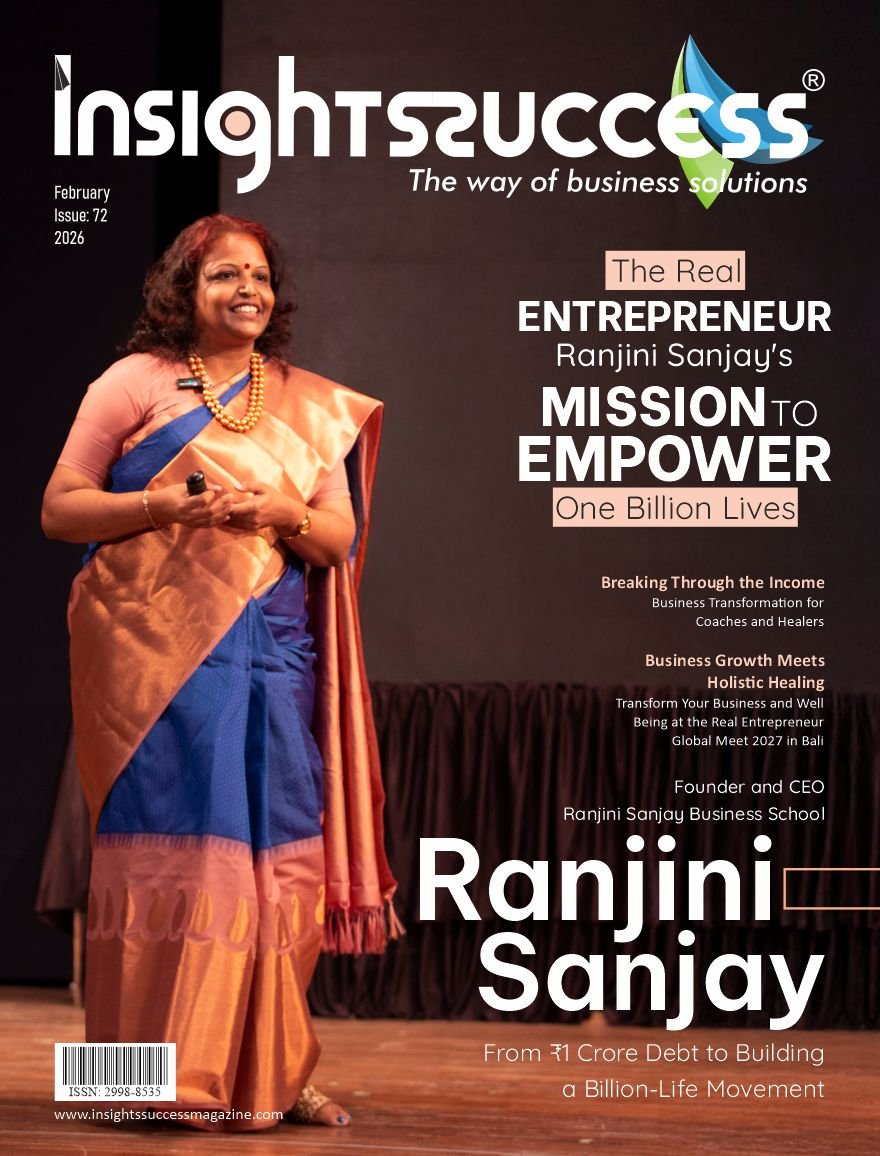
The Real Entrepreneur: Ranjini Sanjay’s Mission to Empower One Billion Lives
The Real Entrepreneur Ranjini Sanjay’s Mission to Empower One Billion Lives This edition spotlights Ranjini Sanjay’s transformative journey as a purpose-driven entrepreneur committed to impacting one billion lives. Through innovation, leadership, and unwavering social commitment, she redefines entrepreneurship as a vehicle for empowerment, inclusion, and sustainable change—proving that true success is measured by the lives uplifted along the way. Digital Link Quick highlights Quick reads
Transform Your Business and Well-being at The Real Entrepreneur Global Meet 2027 in Bali
Business Growth Meets Holistic Healing The Millionaires Coaches a Global Community invites you to experience an extraordinary journey of professional growth and personal transformation at the exclusive The Real Entrepreneur Global Meet 2027. This carefully curated three-day event runs from April 21 to 23 in the vibrant heart of Bali, where business excellence meets holistic wellness in perfect harmony. A Unique Fusion of Success and Wellness The Real Entrepreneur Global Meet 2027 breaks away from conventional business conferences by offering you something truly exceptional. This event seamlessly blends cutting-edge business strategies with time-honored wellness practices, creating an environment where you can thrive both professionally and personally. This innovative approach recognizes that true success extends beyond profit margins; it encompasses your complete well-being, mental clarity, and spiritual balance. The Millionaires Coaches a Global Community has designed this exclusive event to help entrepreneurs and business leaders in building lifelong connections while discovering powerful tools for sustainable growth. You will engage with like-minded individuals who share your ambitions, connect with industry experts who have walked the path to success, and learn from experienced wellness practitioners who understand the unique challenges facing modern entrepreneurs. Expert-Led Transformational Sessions The retreat features an exceptional lineup of renowned facilitators who bring specialized expertise to every aspect of your development. Ms. Priyanka Joshi is leading the transformative “Self-Worth for Entrepreneurs” session, helping you unlock the confidence and self-belief essential for business success. Harsha Garg will be guiding you through the “Millionaire Mindset Mastery” workshop, revealing the psychological frameworks that separate thriving entrepreneurs from struggling ones. Ms. Varsha Ganesh will be conducting a powerful healing session designed to release limiting beliefs and emotional blocks that may be hindering your progress. Rini Mathai will bring ancient wisdom to life through expertly guided yoga and meditation practices, equipping you with tools to maintain clarity and focus amid business pressures. The venue, Six Senses Uluwatu, enhances these sessions with immersive experiences in music, fun, and dance that reconnect you with joy and creativity. Your Three-Day Journey to Excellence Day One of Real Entrepreneur Global Meet 2027 Enterebegins on Wednesday, April 21st, with check-in starting at 3:00 PM. The meetup opens with a warm welcome reception from 4:00 PM to 6:00 PM, allowing you to settle in and meet your fellow participants. The evening features the “Self-Worth for Entrepreneurs” session from 6:30 PM to 8:00 PM, followed by a networking dinner from 8:00 PM to 9:30 PM were meaningful connections flourish over delicious vegetarian cuisine. Day Two Real Entrepreneur Global Meet 2027 awakens on Thursday, April 22nd, with an energizing yoga and meditation session from 6:30 AM to 7:30 AM. The morning builds momentum with the comprehensive “Millionaire Mindset Mastery Workshop” running from 9:00 AM to 12:00 PM, where you will gain actionable strategies for business growth. After a healthy lunch from 12:30 PM to 1:30 PM, the afternoon dedicates three full hours to holistic wellness sessions from 2:00 PM to 5:00 PM. The day concludes with an evening fun and dance session from 6:30 PM to 8:00 PM, allowing you to unwind and celebrate with your new community. Day Three Real Entrepreneur Global Meet 2027 greets you on Friday, April 23rd, with a mindful morning session from 7:00 AM to 8:00 AM. The meetup continues with interactive sessions on personal well-being from 9:30 AM to 11:00 AM, followed by closing remarks and memorable video-photo shoots. Check-out time arrives at 12:00 PM, sending you home transformed and inspired. A Love Affair with Food Six Senses Uluwatu ensures you experience a healthy lifestyle through delectable, nutritious vegetarian meals. The culinary team creates a well-balanced diet that satisfies both your nutritional needs and your taste buds. The cuisine offers an exciting fusion of Indian, Mexican, Thai, and Italian dishes, proving that healthy eating never means sacrificing flavor. All meals from high tea on April 21st through breakfast on April 23rd are included in your meetup experience. The Drum Circle Experience The meetup features an unforgettable drum circle—a wild frenzy of beats pulsating through the atmosphere. You will witness drummers immersed deep in their instruments, creating rhythms that awaken something primal and joyful within you. First-time participants consistently return, drawn by hearts that recognize the transformative power of this communal musical experience. Comprehensive Inclusions Your investment covers all workshops and activities, ensuring you access every transformational opportunity. The package includes accommodation in quality properties on a twin-share basis, all necessary supplies for activities and experiences, and guidance from an experienced range of hosts. You receive a curated vegetarian food and beverage experience throughout your stay. Important Details The meetup excludes flights, airport transfers, and any itinerary changes due to unforeseen circumstances. Personal expenses beyond the inclusions, optional lunch on April 23rd, and alcohol (which the meetup does not allow) remain your responsibility. Secure Your Transformation Today To guarantee your spot at this exclusive event, make a payment of INR 90,000 (including GST). Please note that the meetup follows a non-refundable policy as per the terms and conditions. The organizers encourage you to book an orientation call to answer any questions you might have. Join the WhatsApp group for ongoing coordination and details. The Real Entrepreneur Global Meet 2027 promises an experience that will elevate your business acumen, restore your well-being, and connect you with a community of extraordinary individuals. Your transformation awaits—seize this opportunity today. Read Also : Academic Support Leaders Shaping the Future