





Adeetya Mohta (Nagpur): Kohinoor of India: Sheeshmahal at 742 Additya House, World’s First Private Residence: 100 Crores Legal Battle in the Past 16 Years
ADEETYA MOHTA (NAGPUR) living in his world’s first private residence built Sheesh Mahal at 742 Additya House, inherited a mansion transferred and mutated under his name in 1986. Additya House was named after him by his grandfather Late Gheverchandji Chunnilal Mohta, Late Mohinibai Mohta and mother Smt Kusum Mohta out of love and affection. Most importantly, family priests suggested and further declared him as the most powerful and luckiest child ever born in the Mohta family, who will also represent India and Nagpur globally. In fact, the priest further submitted that Adeetya will be world famous and will be looked up as an inspirational motivational ideal man in the world as his astrological chart says 10th house sthana Rahu and all grahs in 9th house bhagya sthana, which will make him Iron Man and world famous more than oranges of Nagpur or Taj Mahal or Kohinoor of India. Iron Man fighting all alone for his legal rights, 100 crores assets, 16 years of legal battle life which has become routine like praying every day as it has been 16 years. Several litigations pending, fighting all alone as an Iron Man, Karma Man and ideal son of India. Born on 11 August 1979 in Nagpur, Maharashtra, Adeetya Mohta grew up in an environment that felt royal in every sense, even though he does not come from the lineage of blue-blooded royalty. His upbringing carried the grace, dignity and comfort often associated with noble birth, high social standing and every facility available at his fingertips since childhood. Yet beyond material privileges, Adeetya Mohta embodies a deeper, more meaningful royalty. His calm intelligence, self control, strong values, humility, respect for all and cultured conduct give him an aura that feels naturally regal and aristocratic. He carries himself with the mannerisms of someone naturally trained in grace, disciplined, dignified and deeply connected to humanity. Along with this, Adeetya Mohta strongly manifests a dream that one day Nagpur will be known across the world not as the Orange City, but as the city associated with his name and legacy. Deep within, he believes this moment is destined to arrive soon. In fact, the priest’s predictions will come soon. His life story beautifully blends privilege with purpose. Born into an influential Swetamber Jain Marwadi family, Adeetya Mohta grew up in a household filled with warmth, values and cultural richness. Though blessed with abundance, he has always remained grounded. His travels across the world, his love for Indian food, his fondness for Goa in India and Las Vegas in America and his desire of settling in Beverly Hills reflect a man who embraces both global luxury and Indian simplicity with equal love and beautiful balance. Emotionally kind and materially secure, Adeetya Mohta has also built a nurturing home for the three brothers he adopted through the Central Adoption Resource Authority, Brahma, Vishnu and Mahesh, giving them not just shelter but a life of affection, culture and opportunity. Later, due to harassment from family members, the adoption was cancelled and the adopted kids were given back to the ashram in Rajasthan, which he still regrets as the only regret in his life. Among the many jewels of his life story, the most unique is the Sheesh Mahal, an extraordinary structure within his private residence. The legend goes that when his grandfather visited his mother’s family in Ujjain for the marriage proposal, she expressed a heartfelt desire. She wished to have a Sheesh Mahal in her matrimonial home just like the glass mirror temples and palaces she dreamt and worshipped in at Ujjain and Indore. Taking her wish as a matter of love and honor, Adeetya Mohta’s grandfather built a magnificent Sheesh Mahal inside their private Nagpur mansion, which was earlier known as Mohta House, the first such Sheesh Mahal ever created in a private residence anywhere in the world beside ancient forts, temples and palaces. When Adeetya was born, the grandfather said India has got back our Kohinoor, he is the Kohinoor of India. The craftsmanship of this Sheesh Mahal reflects the finest of Indian artistic heritage, intricate mirror glass work, delicate patterns inspired by traditional palace architecture, and a shimmering aura that symbolizes purity, devotion, and royal aesthetics. Just like the Sheesh Mahals depicted in classic cinema, this one carries a breathtaking play of reflections, light and culture. It stands not only as an architectural marvel but as a tribute to love, tradition, Indian culture, reverence and the artistic brilliance of Indian artisans. For Adeetya Mohta, however, the Sheesh Mahal is far more than artistic beauty. It is an emotional legacy. Since 2009, he has been fighting a long and difficult legal battle to protect his legal rights, his home, and this Indian heritage structure. He has stood alone without anyone’s support or help. In fact, several times without an advocate, he proceeded in person and represented himself before the Family Court, High Court, Supreme Court, Sessions Court, and various trial courts. With courage, dignity and unwavering confidence, he has fought every case on merits. His family members, however, continue to pressure him to demolish the mansion and replace it with a multi-storey building for commercial profit. But for Adeetya Mohta, the mansion and Sheesh Mahal hold priceless sentimental value, memories of his grandfather, his mother, and generations who lived within these walls, and moreover, our Indian culture. He firmly refuses to allow anyone to even touch this heritage or to let it be destroyed. The courts have granted him an injunction protecting the property, and he is determined to preserve it for as long as he lives. To him, this mansion is not just a structure. It is history, family, emotion, culture and blessings woven together. He feels it is his duty to safeguard this symbol of Indian art and tradition, ensuring it remains untouched, respected and beautifully maintained for future generations. Adeetya faces a lot of challenges and difficulties but is still going strong. Despite immense difficulties, threats and emotional strain from family members, Adeetya Mohta continues to fight with dignity, confidence and faith in justice. His mission and vision are clear, to protect Indian

What Defines Leading EdTech Innovators in 2026
The educational technology sector has transformed dramatically over the past decade, and 2026 marks a critical juncture in how digital solutions support learning and assessment. With educational institutions relying increasingly on technology to deliver equitable and efficient outcomes, identifying what distinguishes true innovators in EdTech is essential. The most impactful players today go beyond function—they lead with vision, adaptability, and a commitment to meaningful educational change. Visionary Solutions That Address Real Educational Needs EdTech leaders in 2026 aren’t just providers of tools—they are enablers of progress. Their platforms are shaped around real challenges facing modern education: improving learner engagement, simplifying assessment delivery, and enhancing feedback mechanisms. These companies demonstrate a deep understanding of how educators teach and how students learn. Standout platforms feature adaptive learning that adjusts to learner performance and automated marking for fast, consistent feedback. With remote proctoring, scalable testing, and real-time tracking, they also support assessment across diverse settings. These forward-thinking capabilities are hallmarks of a trusted ed tech company—one that blends innovation with educational realities and builds tools around long-term institutional needs, not passing trends. Robust Security and Ethical Data Practices In an era of increasing digital reliance, the security of learner and institutional data has become fundamental to trust. Leading EdTech platforms in 2026 are built with security embedded at every level. More than just technical safeguards, this includes strong governance around how data is stored, managed, and accessed. Responsible providers are clear about their data usage policies and committed to ethical data practices. This ensures institutions retain control over their information and can be confident it will not be misused or shared inappropriately. By integrating security and transparency into their core values, these EdTech leaders foster long-term trust among their users. Seamless Integration Within the Learning Ecosystem One of the defining traits of top EdTech innovators is the ability of their solutions to integrate fluidly with the systems that educational institutions already rely on. Modern teaching and assessment often involve a network of platforms, content repositories, student management systems, and learning environments, and disruption is costly. Leading platforms support open technical standards and interoperability, ensuring seamless communication between systems. This means educators can manage content, track performance, and assess learners without switching between tools or losing data fidelity. In 2026, EdTech that fits into existing workflows rather than forcing institutions to overhaul them is what sets the best apart. Measurable Educational Impact In a landscape where every institution is expected to show value and results, EdTech solutions must be more than user-friendly—they must be demonstrably effective. Innovators distinguish themselves by offering platforms that are rooted in evidence-based design and continually tested for impact. They invest in feedback loops, performance metrics, and longitudinal analysis to validate that their technology genuinely improves outcomes. Institutions working with such providers benefit from insights into learner progression, assessment efficacy, and engagement trends—all of which support more informed decision-making. This dedication to measurable impact signals not only credibility but also a genuine commitment to educational advancement. Scalable, Future-Ready Infrastructure Adaptability is another defining feature of EdTech innovators. Whether it’s a small college or a national university network, institutions need technology that scales easily with changing needs—new users, new formats, or new pedagogical goals. Platforms that are modular, cloud-optimised, and built for high resilience can handle shifting demands without disruption. Beyond scale, these platforms are designed for longevity. Continuous development, responsive technical support, and a forward-looking roadmap ensure that they evolve alongside the institutions they serve. The most trusted solutions aren’t just built for today—they are ready for what’s next. EdTech That Shapes the Future, Not Just the Market As we look at the EdTech landscape in 2026, it’s clear that leadership is not about who has the most features—it’s about who delivers the most meaningful, reliable, and forward-thinking solutions. From security and integration to evidence of impact and adaptability, the top innovators are those who align technology with real educational progress. These organisations understand that education is not just a sector—it’s a responsibility. And by embedding trust, purpose, and rigour into everything they build, they define what it means to lead in EdTech today. Read Also: Financial Challenges Posed by Extended Lifespans

Asif Patel: Visionary Entrepreneur Transforming Tourism and Hospitality
Asif Patel’s journey is a testament to perseverance, vision, and a deep commitment to excellence. Born and raised in Bharuch, Gujarat, in a modest middle-class family, Asif Patel developed an early appreciation for hard work, integrity, and responsibility. These values would later become the foundation of his entrepreneurial endeavors. In 2009, driven by a passion for travel and culture, Asif Patel founded Teleio Tourism, a company dedicated to showcasing the beauty and heritage of the UAE to visitors from around the world. What began as a small family-run venture offering desert safari tours has since evolved into a comprehensive tourism enterprise, serving thousands of clients annually with a wide range of experiences. Under Asif’s leadership, Teleio Tourism has built a reputation for combining authentic cultural experiences with international standards of hospitality. His team, carefully selected and trained, ensures every tour reflects both the rich heritage of the UAE and modern comfort. This blend of authenticity and professionalism has earned Teleio Tourism the trust of clients across the United States, Europe, and Asia. Asif Patel’s approach to business is defined by innovation, resilience, and long-term vision. He emphasizes continuous learning, adapting to market trends, and integrating technology to enhance customer experiences. Beyond his professional achievements, Asif Patel is committed to giving back to the community, promoting sustainable tourism practices, and supporting local initiatives that preserve cultural heritage. Today, Asif Patel stands as a leading figure in the UAE tourism industry—a visionary entrepreneur whose dedication to quality, culture, and service continues to inspire both his team and the wider business community. Disclaimer – This article is a work of original content created for public relations and informational purposes only. It may be published across multiple digital platforms with the full knowledge and consent of the author/publisher. All images, logos, and referenced names are the property of their respective owners and used here solely for illustrative or informational purposes. Unauthorized reproduction, distribution, or modification of this article without prior written permission from the original publisher is strictly prohibited. Any resemblance to other content is purely coincidental or used under fair use policy with proper attribution. Read Also : Engr. Zahid Khan: A Visionary Leader Empowering Education and Community Development
The 10 Most Trusted Healthcare Companies
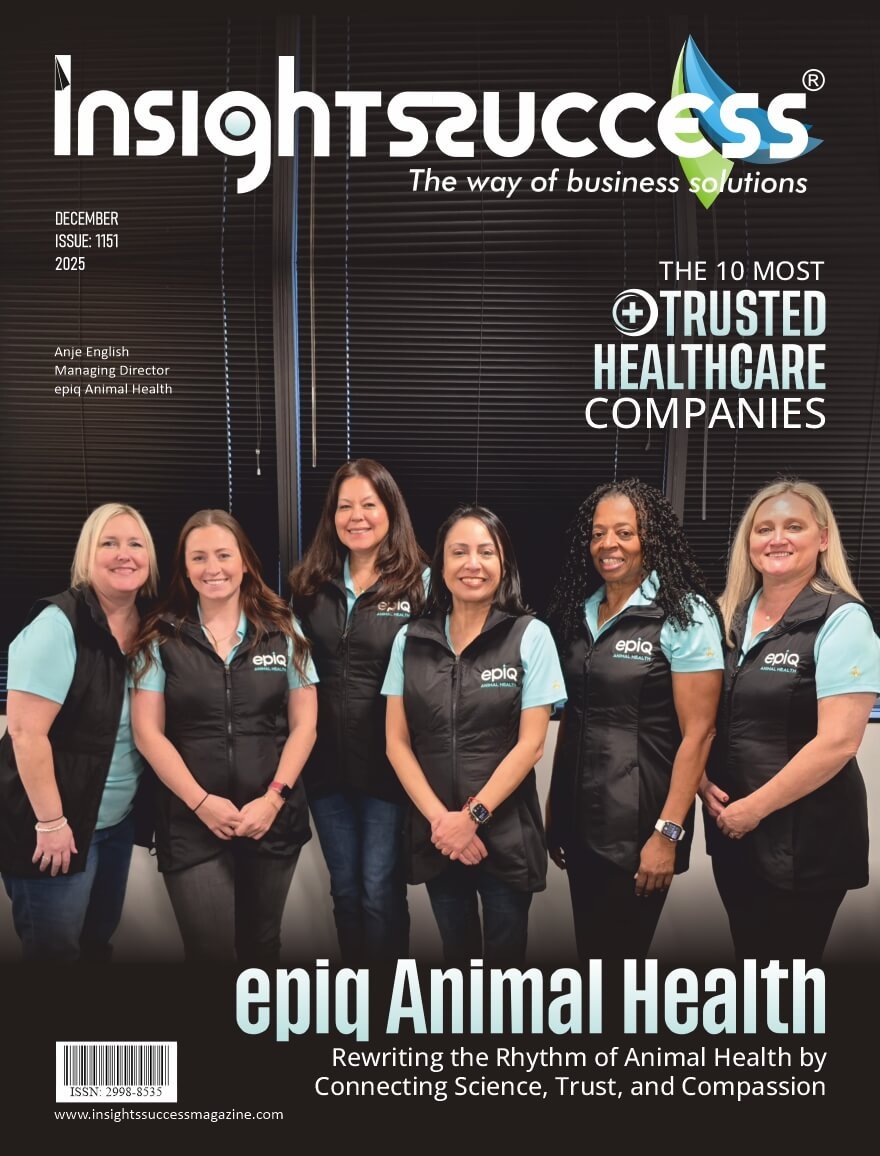
The 10 Most Trusted Healthcare Companies epiq Animal Health is redefining animal health distribution by integrating science, trust, and compassion. Based in Dublin, Ohio, the company goes beyond traditional logistics to build collaborative partnerships that connect manufacturers, veterinarians, and caregivers. Through education, insight-driven strategy, and purpose-led distribution, epiq advances animal wellbeing while empowering brands to achieve sustainable, meaningful impact. Digital Link Quick highlights Quick reads

Optimizing Returns: Navigating Key Trends Shaping the Healthcare Market
The healthcare market is currently experiencing a phase of accelerated change, as a result of technological changes, the changing expectations of the patients, and the changing regulatory environments. With providers, payers, and innovators trying to respond to such changes, having an idea about the major trends that are impacting the sector is becoming imperative in terms of strategic decision-making. Since the advent of digital health technologies integration to an increased emphasis on personalized medicine, the healthcare organizations have to navigate through the complex and dynamic environment to ensure their competitiveness and value delivery to patients. The healthcare market is also being shaped by other trends in the wider society such as the demographic changes and increased healthcare expenses besides the technological advancements. Healthcare systems are now under new pressure due to an aging population, the rising number of chronic illnesses and the rising consciousness of patients. In the meantime, payers and providers are trying to find a method to enhance efficiency, lower expenses, and better results. All these factors are providing opportunity to those organizations that are capable of using data, technology and partnerships to provide innovative solutions. Harnessing Digital Health The concept of digital health solutions is changing the way healthcare is provided and making the care more affordable, efficient and patient-centered. Specifically, telemedicine has seen a massive adoption over the past years, which has been boosted by the COVID-19 pandemic and the increased demand to conduct remote care. Patients can now converse with healthcare providers through virtual platforms and save on time as well as enhance convenience. Telehealth care is gradually becoming a part of care models as healthcare providers are providing follow-up consultations, chronic disease management, mental health services through the internet. In addition to telemedicine, digital equipment is transforming the patient experience in the form of remote monitoring devices, mobile health applications, and electronic health records. Such technologies allow providers to gather real time data, monitor patient outcomes and provide more personalized care. Diagnostic and treatment planning is also being further promoted by artificial intelligence and machine learning that examine large volumes of patient data to detect trends and risks. Companies investing in digital health infrastructure and focusing on the seamless patient experiences will more likely gain a competitive edge in the market that becomes more concerned with convenience, accessibility, and data-driven care. Advancing Precision Care The development of genomics, biotechnology, and data analytics is becoming one of the major trends in healthcare, which leads to the idea of personalized medicine. The personalization of the treatments based on the specific patient traits will allow the healthcare providers to achieve better outcomes, minimize the negative effects, and increase the satisfaction of patients. Precision medicine techniques, including targeted cancer and disease therapies, are also increasingly adopted, so that clinicians can build up treatment plans depending on their genetic profiles, lifestyle choices and environmental effects. Such a transformation of an all-purpose model to customized care is transforming the medical research and practice landscape. Research institutions and pharmaceutical companies are using real-world data and predictive analytics to create new treatments and expedite clinical trials. Combining patient data collected by various means, such as electronic health records and wearable devices, researchers would be able to acquire information about the development of the disease, its response to treatment, and possible side effects. Such a strategy is not only faster in the development of drugs but also facilitates regulatory compliance and access strategies in the market. In the ever-changing world of personalized medicine, healthcare stakeholders need to invest in their data management capacities, joint research programs, and novel models of delivery to maximize its use. Policy and Economic Pressures Policy changes, regulatory needs and economic pressures also influence the financing, delivery and access to care in healthcare as they shape the market. Payers and governments are putting more focus on value-based care models that put more emphasis on quality and patient outcomes rather than volume. These models make providers invest more in preventive medicine, minimize readmission in hospitals, and treat chronic illnesses more efficiently. When organizations are able to adapt to these reimbursement models, they will be able to increase their financial performance and improve patient satisfaction and population health outcomes. Innovation and efficiency are also being further fueled by economic considerations such as increasing healthcare costs and budget requirements. In their effort to manage expenses, streamline supply chains and seek alliances, healthcare organizations are expanding access to care without sacrificing quality. There are also regulatory changes, such as the laws of data privacy and the development of clinical guidelines, which call the healthcare providers to be nimble and compliant. Success in such environments is achieved by having a good vision of the future, well established governance structure and a preemptive risk management strategy. Operational, technological, and clinical strategies should be adjusted to regulatory and economic facts to ensure that healthcare organizations have the capacity to withstand the turbulent market environment and achieve further growth. Conclusion Digital innovation, personalized medicine, regulatory and economic pressures are changing the healthcare market at a very fast pace. Stakeholders need to work through these trends in a strategic manner in order to stay competitive and bring significant value to the patient. The major points related to the process of becoming a successful organization in the contemporary healthcare environment are the adoption of digital health solutions, the promotion of alternatives tactics of treatment, and successful response to policy and economic challenges. As the market is always dynamic, agility, innovativeness, and patient-centricity will never leave as the qualities of successful healthcare providers and innovators. Read Also : Harnessing Breakthroughs: Innovative Approaches to Healthcare Modernization
epiq Animal Health: Rewriting the Rhythm of Animal Health by Connecting Science, Trust, and Compassion
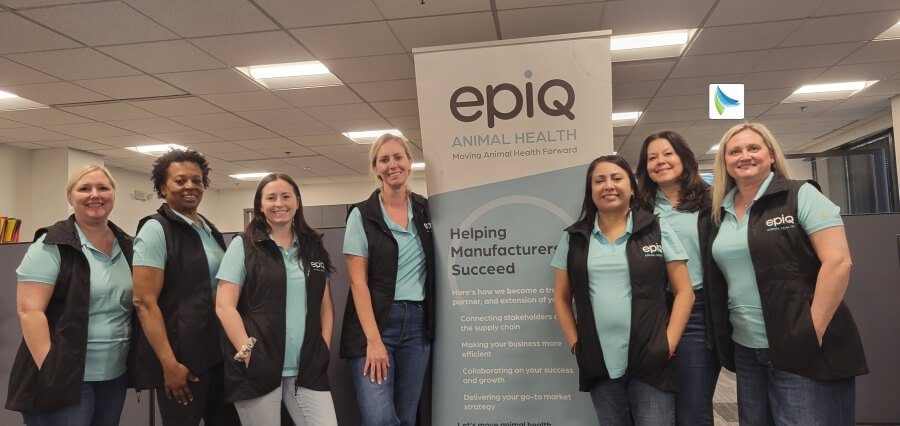
There is a visionary in every industry- the visionaries who can see opportunity within what’s familiar and hiding in plain view. In animal health, where business meets compassion and passion, there is a company which is enhancing even the ordinary task of distribution. Picture the rhythm of the supply chain: truckloads of boxes containing life-changing products, logistics personnel beating against the clock, doctors and veterinarians awaiting test results. It’s a living ecosystem where science, compassion, and precision keep everything in balance. And in that ecosystem, a leader reshaped the flow. That partner is epiq Animal Health, based in Dublin, Ohio. Instead of participating as a middleman, it has decided to be the composer, the one to connect notes between manufacturer, distributor, veterinarian, and pet owner. In an industry long characterized by hard lines, epiq saw the potential to blur those lines between education, partnership, and purpose. Others viewed transactions; epiq envisioned transformation. Across clinics, retail counters, and boardrooms across the United States, that idea is no longer hypothetical; it’s becoming a reality. Sales representatives have evolved into consultants trusted by veterinarians. Small manufacturers are now finding shelf space beside global corporations. Products once struggling to be noticed are building record breaking trajectories. At the center of it all stands epiq Animal Health. As a focused, collaborative team, it acts as a bridge-builder and translator within the industry, helping align the needs of manufacturers, veterinarians, and partners with clarity and purpose. Rather than positioning itself as a large revolutionary force, epiq demonstrates that even a small, dedicated team can create meaningful impact when purpose drives distribution. Every connection it strengthens, from scientist to caregiver, contributes to improving animal lives in a way that is thoughtful, practical, and grounded in partnership. The Foundation: Beyond the Boundaries of Distribution epiq begins from a simple truth: moving boxes is no longer enough. Logistics may form the backbone of distribution, but foresight forms its soul. The company’s foundation remains rooted in operational excellence, warehousing, supply chain coordination, and reliability. It views every shipment not as an endpoint, but as part of a larger network of strategy and shared learning. When potential suppliers approach epiq, they discover that the company’s first service isn’t shipping; it’s listening. Through detailed discovery sessions, the epiq team seeks to understand where a brand stands in its lifecycle, what obstacles it faces, and how customized support can accelerate its potential. This thoughtful onboarding process transforms conventional supplier relationships into collaborative partnerships built on shared goals. Whether partnering through direct distribution, reseller channels, or multi-distributor collaborations, epiq tailors its approach with precision. It integrates customer service, accounts receivable management, sales deployment, and marketing execution under one cohesive framework. Each element supports the partner’s goals, ensuring success is not left to chance. In essence, epiq doesn’t just complement a brand, it amplifies it. The company functions as an extension of its partners’ strategic teams, ensuring that every decision, from product placement to promotional messaging, is focused on understanding and long-term value. Disrupting a Traditional Dynamic At the forefront of this transformation is Managing Director Anje English, whose nearly 25 years in healthcare supply chain management have shaped an approach that blends insight with empathy. English recognizes that behind every distribution decision lies a story- of innovation, risk, and the desire to improve animal well-being. Her leadership emphasizes customer-centric partnership over transactional efficiency. epiq’s strategy is as pragmatic as it is bold. It acknowledges that industry giants possess vast resources for brand visibility, yet it champions smaller suppliers whose unique offerings can revolutionize care if given the right exposure. epiq steps in as that equalizer, balancing expertise, infrastructure, and education to ensure innovative brands aren’t lost amid market noise. Its phased commercialization model revolves around education, market awareness, and lasting engagement. By establishing credibility through structured learning modules, webinars, and expert collaborations, it ensures that products reach not only shelves but also the minds of veterinarians, clinic staff, and pet owners. This influence is amplified through digital platforms, where targeted social campaigns and analytical insights measure visibility, impact, and real engagement that drives conversion. The result is an empowered ecosystem where knowledge becomes a shared competitive advantage across the entire value chain. Staying Ahead of the Curve Innovation is never static, and neither is epiq. The company maintains an active dialogue with change—tracking regulatory shifts, supply chain developments, consumer trends, and scientific advances—to ensure every partner benefits from its collective intelligence. This vigilance sharpens internal workflows, enhances cost control, and elevates service quality, while its transparent communication builds enduring trust. Through detailed reports, collaborative meetings, and a digital resource library offering educational tools, marketing materials, and performance guides, epiq enables suppliers, distributors, and retailers to evolve together. Its philosophy is simple yet transformative: shared knowledge fuels sustainable growth. Developing Advisors, Not Just Sellers epiq’s redefining spirit is most evident in its investment in people. Moving beyond the traditional transactional view of sales, the company reimagines representatives as translators of trust and advocates for clinical success. It offers sales training and participates in veterinary-focused meetings where it has an opportunity to introduce products. Product materials, educational videos, and practical sales tools reinforce learning, while initiatives like sample programs and demand-generation campaigns prepare the market for informed engagement. The result is a team that sells through expertise, not pressure; through partnership, not pitch. Turning Insights into Impact At epiq, data collection is not an endpoint but the spark that ignites a cycle of purpose. Every metric, report, and feedback form feeds into a living system of intelligence designed to inspire action. Market insights, customer feedback, and performance scorecards converge to form a coherent narrative, revealing patterns, progress, and possibilities. For each partner, epiq transforms intelligence into tailored strategy: diagnosing weak points, magnifying opportunities, and setting measurable indicators that turn observation into evolution. This “insight-to-action” philosophy ensures that data never gathers dust. It becomes a catalyst for smarter decisions and sustainable growth. epiq’s definition of measurement reaches far beyond the balance sheet. It encompasses qualitative growth,
The Most Influential Healthcare Game Changer Leaders of 2025
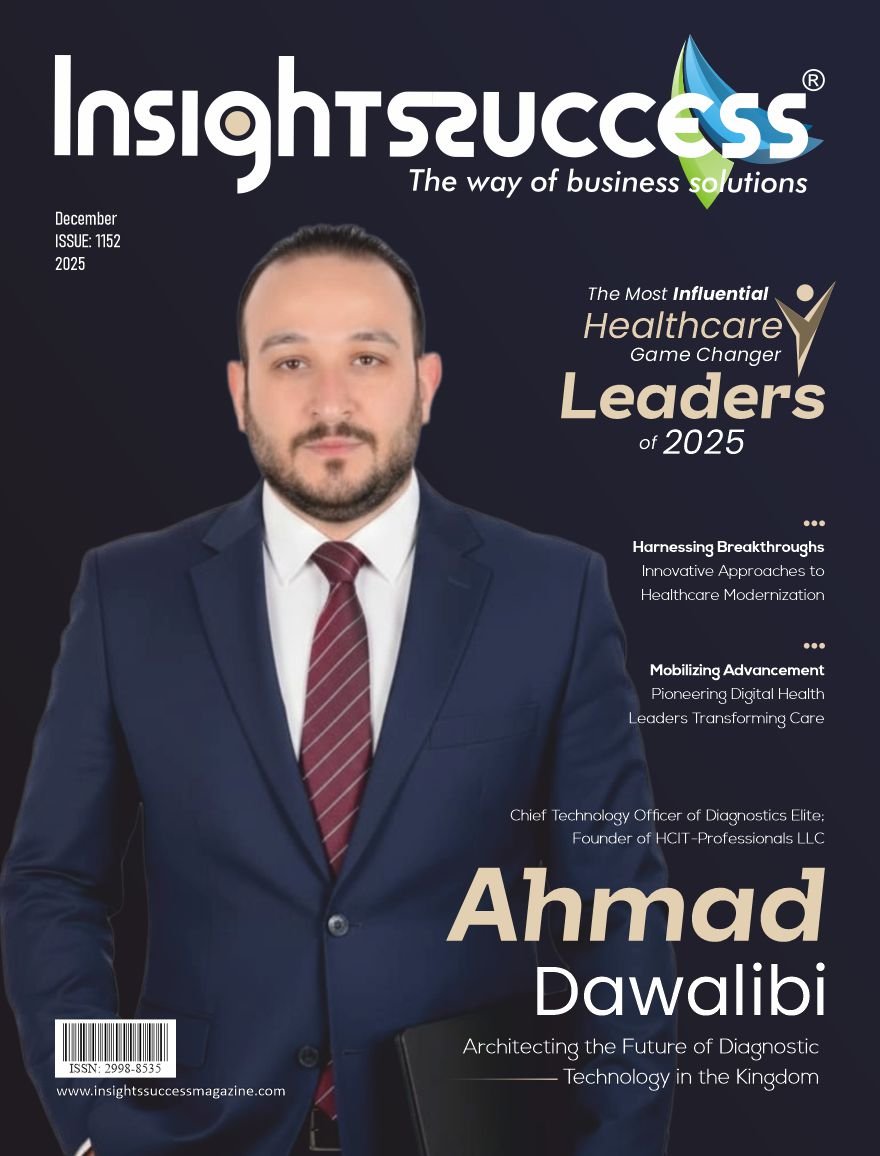
The Most Influential Healthcare Game Changer Leaders of 2025 Ahmad Dawalibi, Chief Technology Officer at Diagnostics Elite, leads the transformation of diagnostic healthcare in Saudi Arabia. He pioneers locally developed PACS and AI-driven solutions, combining innovation with patient-centric design. With a focus on precision, ethics, and Vision 2030 goals, he empowers technology to enhance clinical outcomes and human care. Digital Link Quick highlights Quick reads

Harnessing Breakthroughs: Innovative Approaches to Healthcare Modernization
The healthcare sector is experiencing a radical change due to technological advancement, changing patient demand, and the urgency to offer more efficient and affordable service provision. The concept of modernization in healthcare is no more about the adoption of new technologies; this process involves the tight collaboration of data analytics, artificial intelligence, and patient-centered approaches aimed at enhancing the outcomes and optimizing operations. These are transforming the way care is obtained, provided and administered in a fundamental way which is offering providers, patients and policymakers chances to re-invent the old paradigms of healthcare. Precision medicine and proactive care have become the key principles that guide healthcare modernization. Instead of applying reactive curing, the contemporary health systems look to avert the possible health problems and treat them earlier before they develop complications. This would be facilitated by taking advantage of the huge amounts of health data, such as electronic health records, genomic data, and lifestyle data, to develop highly customized treatment programs. Consequently, healthcare professionals can be more prepared to provide more effective and customized care to patients and improve the outcomes of their patients, and, at the same time, lessens unnecessary procedures and linked expenses. Technology-Driven Transformation One of the strongest forces of healthcare modernization is technology. Electronic health records have become the core of data-driven healthcare, and clinicians have instant access to the medical history, lab test results, imaging studies, and treatment prescribed to a patient. In addition to basic record-keeping, advanced analytics tools enable hospitals and clinics to detect trends in population health, forecast patient deterioration, and make the most efficient resource distribution choices. These features improve clinical decision-making capabilities and allow taking proactive measures that increase efficiency and patient safety. Through the application of technology throughout the care system, healthcare systems can minimize delays, errors, and improve overall results. Modern healthcare is also becoming more dependent on artificial intelligence and machine learning. These technologies allow making a quick diagnosis, predictive modeling, and automated routine administrative and clinical work, releasing medical staff to concentrate on more specific areas of patient care. AI-based imaging devices, such as, are able to detect any anomalies in radiology scans with an amazing precision, thus, minimizing diagnostic errors and speeding up the process of treatment. Moreover, patient engagement is also being enhanced through virtual health assistants and AI-powered chatbots that offer instant guidance, reminders, and education. It does not only improve compliance with prescribed care plans but also enables patients to have a more active role in managing their health and close care delivery gaps and achieve better outcomes in varied populations. Patient-Centric Models The current healthcare is becoming more patient-oriented and the traditional hospital-focused models are giving way to the models where convenience, access, and personalization play a primary role. Telemedicine has become a foundation of patient-centered care, and now people can visit healthcare professionals remotely. Such practice helps decrease physical facility pressure, enhance access to specialized treatment, and specifically, patients in rural or underserved communities can find it useful. With the help of the needs and preferences of the patients, the healthcare providers can promote a higher level of engagement, trust, and satisfaction and also resolve the differences in the access to medical services. Along with telemedicine, integrated care networks are becoming a more popular tool of providing coordinated care services among various providers and care settings. The networks maintain a continuity of care whereby the patient undergoes smooth care during their treatment process, starting with the primary care visits through specialized interventions. Through exchange of information and treatment plan collaboration, medical professionals can prevent the need to deliver the same services and minimize medical errors as well as improve continuity of care. Patient-centered models also focus on the overall health and wellbeing of a patient and advocate preventive and curative care and maximizing resource use. Sustainable and Scalable Solutions Modernization in healthcare is not only the enhancement of the quality of care, but also the question of sustainability and scalability. The escalating healthcare expenses, as well as the growth in demand by the patients, requires long-term solutions that do not degrade the quality of service delivery. Cloud computing and data interoperability are important in accomplishing these goals as they allow safe storage of medical data and share of medical data between institutions. This will make collaboration and coordination of providers more efficient, will decrease administrative waste, and will make the healthcare systems resilient enough to be better equipped to deal with further challenges and outbreaks of diseases in the future. In addition, new financing strategies and commercial relationships between the government and the industry are facilitating the expansion of the scope of healthcare modernization processes. Governments and other organizations are making strategic investments in infrastructure, employee training, and electronic systems to make healthcare more accessible to broader groups of people. Apps that utilize mobile health technology, such as, can empower a person to get preventive care and chronic disease management remotely by other people in large communities. With the technological innovation and strategic investment, the healthcare systems can increase their capacities and yet be cost-effective, flexible, and strong enough to meet the changing needs of patients. Conclusion Modernization in healthcare is an active process of interaction of technology, patient-centered, and sustainable approach. Through adoption of data-driven decision-making, adoption of artificial intelligence and focus on patient experiences, health professionals will be able to provide more effective, efficient, and personalized care. Also, the implementation of scaled and sustainable solutions makes sure that these improvements can meet both short and long-term issues of healthcare provision. With the industry still developing, new ways of modernizing it will still be one of the most vital practices towards the future of health systems. With the encouragement of the proactive, accessible, and resilient models of healthcare, the providers will be able to make a considerable contribution to patient and community outcomes, thereby establishing a new approach to the excellence of medical care. Read Also : Fueling Creativity: The Impact of Visionary Leaders on Modern Business

Ahmad Dawalibi: Architecting the Future of Diagnostic Technology in the Kingdom
Every medical picture has a backstory: a patient looking for answers, a doctor in a hurry, or a family awaiting clarification. Technology is subtly changing the story of contemporary medicine with the glow of diagnostic screens and the quiet hum of servers. Despite all of its advancements, healthcare technology is still essentially human. In addition to faster systems or more complex algorithms, today’s innovators must develop solutions that recognize the worth of human lives, human hope, and human futures. In the dynamic crucible of Saudi Arabia’s Vision 2030, a landscape where tradition meets hyper-modernity, stands a solitary architect: Ahmad Dawalibi, Chief Technology Officer at Diagnostics Elite. He doesn’t just manage technology; he converges innovation with the Hippocratic Oath. His journey began not in a boardroom, but with the quiet intensity of a fifteen-year-old prodigy, tracing the complex circuitry of the future. Today, that early spark has ignited a technological revolution across the Kingdom’s diagnostic backbone. The Genesis of a Healthcare Technologist Ahmad’s entry into healthcare technology was not a calculated career move. It was a calling that began in childhood. Born in Syria, he grew up in a household where conversations naturally gravitated toward engineering breakthroughs and healthcare challenges. His father, a biomedical engineer and pioneer in the field, became his first mentor. In those formative years, Ahmad Dawalibi witnessed how technology could bridge the gap between clinical complexity and patient care. While most teenagers were navigating school corridors, fifteen-year-old Ahmad Dawalibi was navigating the intricate world of medical imaging and archiving systems. He discovered that technology alone was just machinery and code, but when applied to healthcare, it transformed into something meaningful: a tool for saving lives and bringing clarity to uncertainty. The move to Saudi Arabia opened new horizons. Recognizing the opportunity to serve multiple healthcare entities, he founded HCIT Professionals LLC, a consultancy dedicated to healthcare IT solutions. Through this venture, he led system implementations, orchestrated complex PACS migrations, and guided digital transformation strategies across the region. Over two decades, Ahmad Dawalibi installed more than twenty-seven PACS systems and led the migration of nearly a petabyte of medical data. Each implementation deepened his understanding of workflow challenges and clinical needs. This extensive experience eventually brought him to Diagnostics Elite, initially as a consultant. He quickly recognized a shared vision for what Saudi healthcare technology could become. When invited to serve as Chief Technology Officer, it was an invitation to channel twenty years of experience into building the future of diagnostic medicine in the Kingdom, directly contributing to Vision 2030’s healthcare transformation goals. Mission-Driven Innovation: Technology with Purpose As Chief Technology Officer, Ahmad Dawalibi operates to complete a deceptively simple mission: build technology that elevates human care. Innovation must never exist for its own sake. Every system his teams create must answer a fundamental question: who does this serve, and how does it make their experience better? His leadership is structured around three unwavering principles. First, purpose must always precede technology- developers must understand the human problem they are solving before writing code. Second, he demands scientific rigour and technical excellence without compromise. Healthcare does not forgive mistakes, so he insists on accuracy, transparency, and robust clinical validation. Third, he believes in empowering people, not just systems. Ahmad Dawalibi works directly with his teams, fostering their growth and personally mentoring young Saudi talents who represent the Kingdom’s technological future. Building the Backbone: Innovations That Transform Care Under Ahmad’s leadership, Diagnostics Elite has achieved breakthroughs that represent fundamental advances in diagnostic medicine. The crown jewel is DePACS, the first Picture Archiving and Communication System built entirely in Saudi Arabia. This is not an adapted foreign platform, but a system conceived, designed, and developed from the ground up by Saudi teams. Processing over 3,000 studies daily and storing more than 15 million medical images, DePACS demonstrates both speed and reliability at scale. The strategic importance extends beyond technical specifications. By creating a national product, Saudi Arabia strengthens its technological independence and retains economic value within the Kingdom. The system carries registration with the Saudi Tech Organization, holds CE certification, and is progressing through SFDA registration. This provides tangible evidence that Saudi Arabia can develop world-class healthcare technology domestically. Ahmad Dawalibi also spearheaded AI diagnostic models with a critical differentiator: they are trained entirely on regional and Saudi datasets. Chest AI, Bone Age AI, and Fracture AI learn from actual patients they will serve, understanding patterns specific to local populations. This delivers superior accuracy in real-world clinical settings and directly improves patient outcomes. The AI-powered automated study assignment engine transforms how cases are distributed. Instead of manual processes prone to inconsistency, machine learning intelligently assigns studies based on subspecialty expertise, availability, preferred modalities, load-balancing requirements, and historical performance patterns. Scheduling becomes optimized, fairness improves, turnaround times accelerate, and radiologist fatigue decreases- all contributing to higher diagnostic accuracy. The AI-led peer review module automatically identifies cases requiring review based on exam type, performance variability, historical patterns, and random audits. This creates a culture of continuous improvement where feedback is standardized, data-driven, and constructive, elevating performance across entire radiology teams. Recognition has reached international stages. The Excellence in Healthcare Award, showcased in New York’s Times Square, acknowledges the tangible impact of these technologies. Features in Middle East Leaders 2025 and The 100 Trailblazing Leaders Revolutionizing Industries 2025 highlight both Ahmad’s achievements and Saudi Arabia’s progress in medical technology innovation. Diagnostics Elite has also launched DE Blockchain, adding an unprecedented layer of traceability to healthcare data. Every transaction is recorded immutably, protecting patient data while empowering institutions with verifiable audit trails. Patient-Centric Technology Development For Ahmad Dawalibi, patient-centricity is operational reality. Clinical outcomes take precedence over technical complexity. User feedback from radiologists, clinicians, and technicians directly shapes development priorities. Every algorithm undergoes rigorous validation against scientific and ethical standards. Compliance with international frameworks, including CE, SFDA, DICOM, HL7, and FHIR, is mandatory from the beginning. This ensures innovation never outpaces safety. The Role of AI and Responsible Innovation Ahmad Dawalibi views AI not

The Most Innovative Cybersecurity Leaders to Follow in Brazil
The Most Innovative Cybersecurity Leaders to Follow in Brazil As digital transformation accelerates across industries, cybersecurity has become a strategic imperative—especially in a fast-growing market like Brazil that is rapidly embracing cloud technologies, fintech solutions, and connected infrastructures. This edition highlights the exceptional professionals whose vision, expertise, and leadership are shaping the future of digital trust, resilience, and secure innovation across the region. Digital Link Quick highlights Quick reads