






Leadership Habits That Create Champions
Teams That Win Championship teams do not come about by chance. They are thoughtfully formed by leaders who realize that it is the consistent habits — rather than fleeting inspirational moments — that mainly bring about long-term success. Such leaders do not depend on motivation alone; rather, they establish systems, mindsets, as well as daily routines that ultimately result in turning potential into performance. Winning teams are not fortunate — they are ready, in harmony, and fueled by habits that support excellence, resilience, and shared ambition. Success is not simply a moment. Instead, it is the result of a certain culture. Setting Standards, Not Just Goals Proper leaders do not only set goals — they also determine standards. While goals provide a sense of direction, standards create the team’s identity. A winning team is one that can still say what “great” means on a normal Wednesday morning, a hard week, and even under pressure. The leaders get to decide the company’s atmosphere in areas like concentration, implementation, getting ready, communication, and taking responsibility; at the same time, they keep to those same standards themselves. Excellence, when it becomes habitual, makes performance almost automatic. It is the standards that change the team’s efforts into continuous endeavors, and these into final results. Practicing Radical Clarity Productive teams never question what is of utmost importance. Leaders inform their subordinates about the priorities, the roles, and the expected results. Clarity gets rid of confusion, replication, and wasting of effort. It also opens a way for everyone to use their energy only for the things that really move the mission ahead. Winning teams understand what, who, and why is being done, and how success will be quantified. Clarity is not a single speech — rather, it is a constantly transparent communication and corresponding action. Building Trust Through Presence Trust is the base on which every successful team is built. Without it, talent pits itself against talent instead of teaming up. Leaders raise trust not by big acts, but by their everyday presence: listening attentively, doing what they promise, admitting faults, and showing that they are fair especially in difficult times. Trust changes teams from simple groups of people into a strong and united team. It makes the so-called psychological safety, thus allowing people to say the truth, to challenge the views, and to take part without fearing. Where trust is, growth gets even faster. Turning Feedback into Fuel One of the main characteristics of champions is that they are created in the difficult places where honest feedback meets good intentions. Such leaders, who bring up champions, make feedback normal — they do it constructively, take it with humility, and use it for guidance to get better. Winning teams don’t put up a facade for the sake of ego; they safeguard progress. Feedback thus becomes a mutual engagement rather than a locating downward correction. The question is not “Who did it wrong?” but “How can we get better together?” This habit changes the (re)experience of failures into (re)learning and (re)learning into a competitive edge. Training Resilience, Not Just Skill Skill is what gets you going; resilience is what keeps you going. Those who win are practicing resilience just as deliberately as they are practicing their skills. Leaders demonstrate their strength when they are under pressure, and view problems as a way to increase their flexibility. Resilience practices comprise of controlled reactions, getting one’s center back in a moment of stress, and accepting failure as a piece of information. Those teams who work on their resilience are able to deliver even when they have good days, bad days, or when the situation is unpredictable. Winning teams are not those that never struggle, but those that get back on their feet swiftly. Empowering Ownership The most effective leaders are not the ones who create followers — they are the ones who create owners. Ownership is when an individual has the feeling that he/she is the agent of the decision, is proud of the contribution, and feels responsible for the collective results. If ownership is strong enough, discipline will be internal rather than imposed. People will willingly take initiative, find solutions to problems in a proactive manner, and not wait for instructions to hold themselves accountable. The culture of ownership is a source of leaders at all levels. Where every member is a leader, those teams are the ones that keep winning. Champions are Created Daily The habits that form winning teams are straightforward, though not simple. They demand from the leaders consistency, discipline, humility, and courage, and also that they set examples rather than request it. Winning teams possess standards, clarity, trust, feedback, resilience, and ownership on their daily walks — without fail. They do not go after moments of glory; instead, they establish systems of greatness. It is in that steadiness that champions are created — and maintained. Read Also : Women at the Forefront of Legal Innovation
ADEETYA MOHTA (NAGPUR): FIRST INDIAN MAN IN THE WORLD SINGLE PARENT TO ADOPT 3 MALE KIDS BRAHMA (CREATOR) VISHNU (PRESERVER) MAHESH SHIVA (DESTROYER)
ADEETYA MOHTA (NAGPUR): FIRST INDIAN MAN IN THE WORLD: SINGLE PARENT TO ADOPT 3 MALE KIDS SIBLINGS TOGETHER IN 2017 TO SHARE HIS WEALTH, WISDOM AND HAPPINESS IN HIS 1 LIFE BY GIVING 3 MORE LIFES: KIDS NAMED AS TRIMURTI BRAHMA(CREATOR), VISHNU(PRESERVER), MAHESH(SHIVA DESTROYER): 5 ENGAGEMENTS: 2 MARRIAGES: FEW RELATIONSHIPS: IVF: SURROGACY: MISCARRIAGES : LEAD TO AGAIN MIRACLE BLESSINGS FROM UNIVERSE QUALIFIED ON MERITS FOR ADOPTION AT CARA NEWDELHI: OTHERS FAILED I DINT: MY LIFE IS GOVERNED BY SUPREME POWER LORD SHIVA WHO WANTED ME TO BECOME NUMBER 1 IN THE WORLD. In today’s changing world, stories of unconventional families are becoming more visible, yet few are as emotionally stirring as the journey of Adeetya Mohta of Nagpur. Born into a well established family, From an early age he felt his life was guided by a higher force and his devotion to Lord Shiva shaped his belief that destiny had a special purpose for him from his one life to lifes. Through adulthood, his search for family went through many wonderful phases which was like an MBA or PHD. Adeetya life journey has been of many exciting, surprising moments and experienced five engagements, Two marriages, Divorce, miscarriage, IVF attempts and even consultations at top fertility centres along with surrogacy at the India one of the best centres. Each experiences, attempts, bold decisions and desire at building a traditional family fulfilled but dint last no consistency. Yet, he remained determined, convinced that the universe would eventually lead him toward the path meant for him as faith can move mountains and when there is a will there is a way, whatever happens happens for the best. In 2017, his life took a profound turn when he applied for adoption through CARA New Delhi. After undergoing extensive medical tests, counselling sessions, background verifications and financial scrutiny, he was declared eligible solely on his own merits as an single parent. What followed was unexpected miracle as the system automatically selects instead of one child, the system allotted Adeetya Mohta three biological real brothers so he got excited and felt blessed Without hesitation and welcomed all three kids, naming them Brahma, Vishnu and Mahesh, symbolising the Trimurti of creation, preservation and transformation which was an life changing experience. Bringing the 3 children from Rajasthan to Nagpur at his residence 742 Additya House Nelson Square Nagpur;440013 marked one of the most joyous unforgettable chapters of his life. Adeetya embraced the role of both mother and father, caring for them entirely on his own. However, joy soon collided with harsh reality suddenly which has changed his life 30 decree as some family members strongly opposed the adoption suddenly, reacting with hostility and hurtful remarks about the children’s background. He recalls moments where he was allegedly denied entry into his own home mansion with the children, forced to stand outside while the children cried for food and water while coming back from the doctor checkup. The situation escalated during the big fight dispute created by father of the Adeetya who tryied very hard with other relatives to throw Adeetya the newly became father of 3 kids out of the mansion Additya House which was shocking and life threatening by his own father, uncles and other relatives who had allegedly attempted to illegally grab his assets in his property using forged signatures on the Rs 50 stamp paper just notarised not even Registered document. This led to police complaints, FIRs, legal civil and criminal cases and ongoing property disputes. In the middle of the adoption celebration where in adeetya was so happy to be a father of 3 kids, he felt as if it was a million dollar jackpot he won or like Oscar award or national award, he struggled to keep the children safe due to relatives threath, with time adeetya realised that he could not shield kids every hour of the day while managing work and life responsibilities and huge legal battle as their was life threatening to kids from relatives. Faced with rising threats, emotional pressure and concerns for the children’s safety, Adeetya made the most painful decision of his life: to legally cancel the adoption within the permitted time window and return the children safely to the authorities. He describes this not as abandoning them, but as protecting them from harm that could arise from the environment around him. Even today, he considers that one month with the three brothers the most meaningful chapter of his 1 life with other 3 lifes. The experience reaffirmed his belief that love is not defined by birth, bloodline or social norms, but by intention and the courage to stand up for vulnerable lives. Adeetya often says that while he could not keep the children permanently, one life gave him the chance to embrace three more, and that is a blessing that will remain with him forever as Adeetya feels always and says all the time that I dint fail others did. His journey, filled with emotional highs, deep struggles and unwavering resilience, stands as a reminder that parenthood is not only about raising children but about the willingness to fight for them. Adeetya Mohta of Nagpur continues to believe that his life’s path is written by a divine force, and his story today reaches hearts around the world as a testament to faith, compassion and extraordinary courage to make good differences and change makers in life by inspiring millions around the world. To learn more about Adeetya Mohta or to connect with him, please click the links below. Facebook: https://www.facebook.com/share/1BhmYHtus9/ Instagram: https://www.instagram.com/adeetyamohta?utm_source=qr&igsh=ejFzODU2aWVjZXFz YouTube: https://youtube.com/@adeetyamohtanagpur?si=ortzQLaiP7Wk58YY Disclaimer – This article is a work of original content created for public relations and informational purposes only. It may be published across multiple digital platforms with the full knowledge and consent of the author/publisher. All images, logos, and referenced names are the property of their respective owners and used here solely for illustrative or informational purposes. Unauthorized reproduction, distribution, or modification of this article without prior written permission from the original
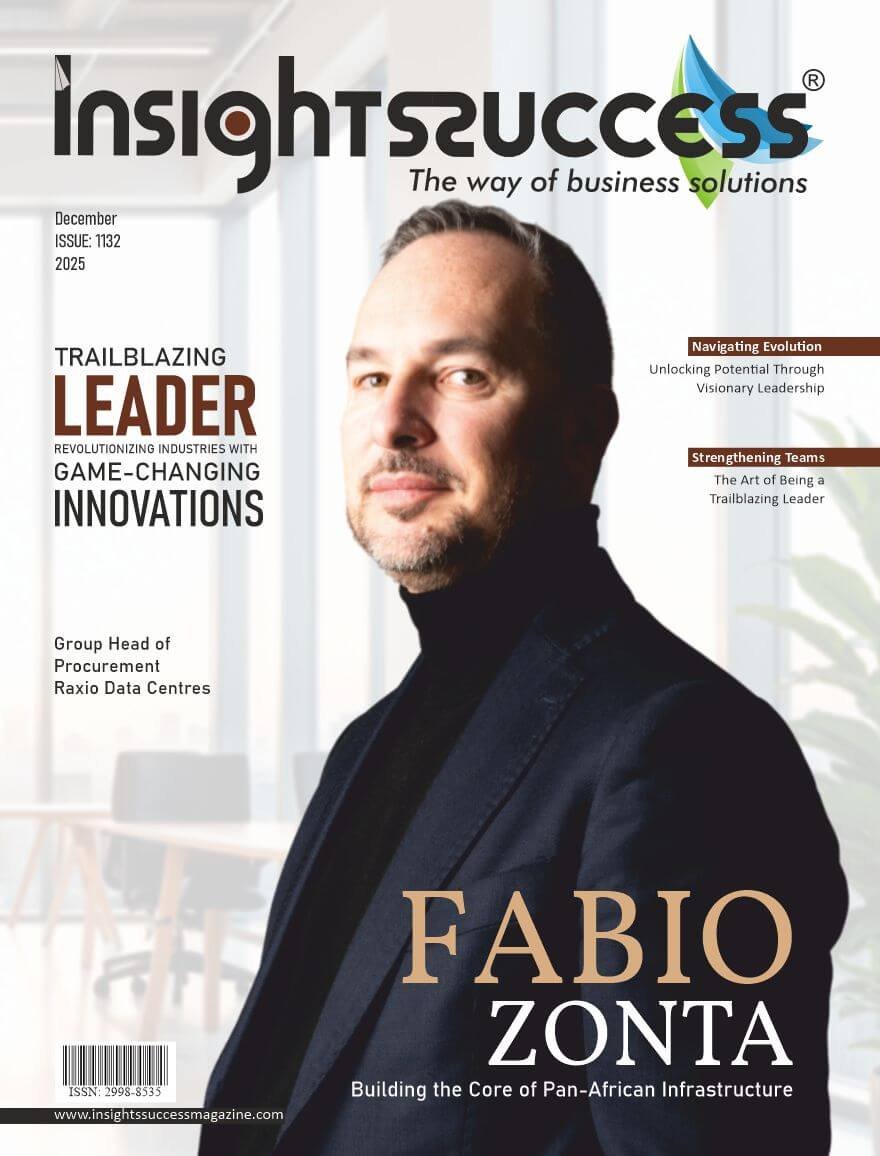
Trailblazing Leader Revolutionizing Industries with Game-Changing Innovations
Trailblazing Leader Revolutionizing Industries with Game-Changing Innovations Fabio Zonta, Group Head of Procurement at Raxio Data Centres, transforms procurement into a strategic engine, bridging global technology and local infrastructure. Guided by integrity, innovation, and purpose, he builds resilient, inclusive digital networks, empowering communities, enabling connectivity, and shaping Africa’s technological landscape with foresight, sustainability, and enduring impact. Digital Link Quick highlights Quick reads
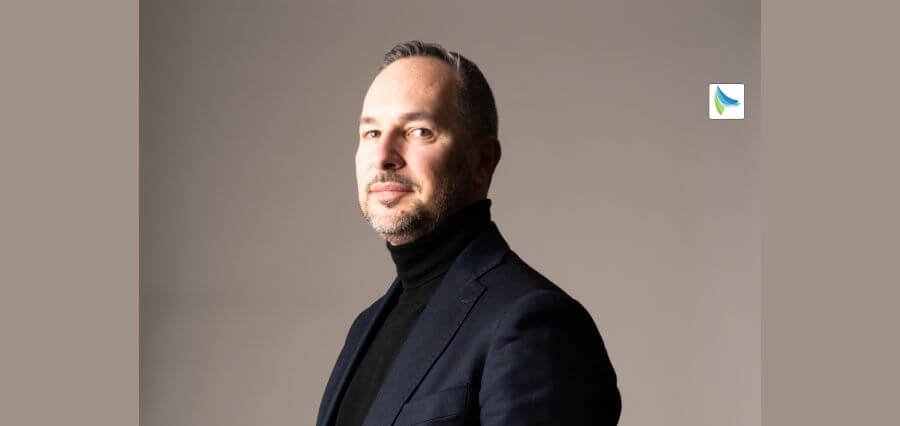
Fabio Zonta: Building the Core of Pan-African Infrastructure
One of the most important revolutions in the 21st century is happening via the digital wave coursing across Africa: a historic stretch in a blossoming continent awakening its vast technological potential. It is worth noting that meaningful changes, such as this transformation, do not happen by happenstance; they are being manifested layer by layer, through a driven existence inside the data centres of your continent, where they serve as the beating, humming nerve centres of Africa. Within this lifestyle we live in, at not progressive speeds, not progressive accuracy, where ambition must be fixed to exact execution; we turn to Fabio Zonta, Group Head of Procurement for Raxio Data Centres. Fabio is more than a logistics manager, he is an architect creating infrastructures spanning the continent to yield hidden opportunity as visible digital tender. Fabio is literally shaping the future by making sure that every wire, every server, and every partnership is executed with maximum influence. He occupies a decisive intersection, the critical nexus where the vast capability of global technology must seamlessly align with granular, urgent, and local infrastructure needs. While conventional leaders view procurement as an exercise in cold efficiency, Fabio sees it as the strategic crucible where vision is forged into reality. He has fundamentally redefined his function, elevating it from a supportive cost centre to a powerful, forward-driving strategic engine designed to propel market penetration and community empowerment. His leadership is characterized by an unwavering conviction that technology must be the bridge to possibility. He himself is the “quiet architect” ensuring this span is constructed on robust foundations of absolute integrity, profound sustainability, and transformative purpose. His career narrative demonstrates a powerful truth: the deepest digital transformation is realized not in the server room, but in the visionary decisions made at the sourcing table. The Magnetic Call: From Process Manager to Legacy Builder Fabio’s magnetic pull toward leadership was not a gradual career ascent; it was a compelled revelation. He has always operated under the powerful premise that technology is the ultimate enabler, a decisive mechanism for unlocking vast human potential. This belief transformed his perception of procurement; he views the function as the vital artery where grand strategy is swiftly translated into tangible, operational impact. He was driven to reimagine and lead procurement as a force amplifier for digital inclusion and robust growth. He champions the catalytic idea that by embedding core principles, such as innovation, sustainability, and local empowerment, into the very DNA of every sourcing strategy, the outcome is immeasurably more valuable than simple cost savings. They are not merely fuelling corporate expansion; they are actively propelling community and regional development. For Fabio, his role at Raxio Data Centres represents the ultimate meeting point between global technological mastery and urgent local impact, a powerful space where purpose and profit align in spectacular, continent-spanning fashion. The Defining Epiphany: Witnessing the Ignition of Hope The genesis of his unwavering commitment to digital inclusion lies in a past project, an indelible memory that remains the philosophical bedrock of his professional life. He was part of a landmark initiative dedicated to extending connectivity to a remote, underserved community. He vividly recalls the electrifying, transformative sight of local children, accessing the vast world of online learning for the very first time. Their unadulterated, contagious excitement was an emotional and philosophical catalyst. This moment served as a profound reminder that every single component he procures, every crucial megabyte of data, every foundational tower built, and every strategic partnership forged, is ultimately a mechanism designed to connect human beings to boundless opportunity. That experience instantly cemented his resolve: he was determined to lead procurement, understanding acutely that within the demanding IT and telecommunications sectors, every singular decision holds the potential to empower millions- whether by providing a farmer with critical market data, granting a student access to virtual classes, or giving an entrepreneur the essential platform to build a global business. This realization is the deeply human motivation that continuously fuels his tireless drive. The Strategic Vanguard: Fulfilling Africa’s Digital Promise Fabio draws his greatest strategic and personal inspiration from the unparalleled energy and vitality of Africa’s digital transformation. He celebrates the continent’s ingrained diversity, unstoppable creativity, and profound resilience, viewing these qualities as making the region the most compelling global arena for essential innovation and infrastructure development. He does not shy away from the colossal challenges- the ubiquitous presence of fragmented supply chains and pervasive infrastructure gaps. Instead, his guiding leadership philosophy dictates that these challenges are never obstacles to be sidestepped, but rather potent catalysts for revolutionary progress. He frames these difficulties as urgent opportunities to pioneer truly adaptive, localized, and resilient solutions. In the high-stakes environment of data centre deployment, his specific expertise is absolutely pivotal. He spearheads the strategic effort to effectively bridge the technological divide, ensuring Raxio can efficiently and sustainably deploy world-class infrastructure while deftly navigating local regulatory environments and powerfully harnessing regional supply potential. His dynamic approach demands managing complexity to inspire universal transformation, viewing procurement not merely through the narrow lens of cost-cutting, but as a sophisticated discipline of value creation. He meticulously balances global best practices with the imperative of local content creation, actively building an infrastructure of supply that is as resilient and localized as the communities it is designed to serve. This strategy ensures that the digital infrastructure growth is truly inclusive, equitable, and sustainable. The Dynamic Philosophy of True Innovation When engaging in discussions about innovation, Fabio provides a definition that instantly cuts through all corporate jargon, stating with conviction: “True innovation isn’t measured by the ledger’s profit or the number of product launches. It’s measured by the lives we ultimately touch and the futures we actively help shape.” For him, innovation is permanently anchored in purpose, the proactive, disciplined act of challenging the comfortable status quo to engineer potent solutions that genuinely improve people’s lives. He defines innovation as possessing the raw, essential courage to ask, “What if?” These hypothetical questions are the highly charged engine

Navigating Evolution: Unlocking Potential Through Visionary Leadership
As the business environment is changing rapidly; the impact of a visionary leader is being regarded as the major component that defines a company’s success. A leader with a clear, future-oriented vision guides their team and organization toward sustained progress in a world shaped by technological disruptions, market volatility, and evolving stakeholder expectations. These types of leaders, in fact, not only foresee the changes but also, by offering a purpose which is appealing and goes beyond the whole organisation, they mobilize the stakeholders. Their ability to offer a direction that is both theoretical and practical makes the employees understand the bigger framework in which they operate and invites them to participate in the achievement of long-term goals. In contrast to traditional leadership which emphasizes managing the present, visionary leadership is about cultivating the capability of handling the future. Leaders who present a vision that is both inspiring and achievable unlock the untapped potential of their employees, enabling them to act with confidence and clarity. Purposeful Direction Visionary leaders move beyond setting goals by crafting narratives that link each individual’s contribution to the organisation’s broader mission. This feeling of a common purpose deepens employee engagement and, also, increases the collective ownership of the organisational outcomes. When people understand the impact of their efforts, they demonstrate greater commitment, perseverance, and creativity. Purpose transforms tasks into meaningful work and aligns individual aspirations with the organisation’s goals. It fosters team spirit across departments and allows individuals to recognize the significance of their role in advancing the organisation’s vision. Moreover, a compelling vision can offer guidance when there is uncertainty. In the case of volatile markets, technological changes, or organisational transitions, a vision that is clear and well-communicated functions as a guiding compass. It is this vision that keeps teams from being merely reactive to external pressures as they stay focused on their long-term priorities. Such steadiness may, therefore, greatly lessen the strife and the confusion going on inside the organisation especially at times when quick decisions have to be made. Having a clear direction in place also gives power to the people to make their decisions without any doubt, as they know they are in line with the greater strategic intent. Empowering Innovation Visionary leadership is the main driver for a culture where innovation is not only facilitated but also expected. These leaders, who transcend present limitations in their thinking, motivate their employees to come up with new ideas and to question the existing way of doing things. They make it safe psychologically by explicitly showing that testing and taking risks, especially in a constructive way, is their preference. People operating at this level are those who dare to think outside the box and to come up with courageous solutions. Newness is generated when people are convinced that they are free to think outside the box and that their ideas will be taken seriously. Such organisations are a source of continuous improvement and at the same time, they keep the doors open for survival amid worldwide changes. Besides the direct encouragement of ideas, visionary leaders put a higher value on the empowerment of their followers. They know that the real power can only be unleashed when people are given the freedom, the competence, and the necessary tools for thriving in their roles. In most cases, empowerment initiates with trust. When managers are confident in their employees regarding the handling of their duties and as a result, leaders’ hand over the steering wheel to their teams, it heightens the eagerness of the employees and their performance get lifted as well. Freedom to act gives the employees the power to decide, to try out innovative ways, and solve issues on their own. Also, if teams invest in their skills through various development initiatives, they become better equipped to meet challenges coming their way. Empowered employees, in fact, are the main drivers of organisational progression, innovative practices they bring from within the organisation, rather than depending on leadership guidance. Transformational Impact One of the powers of visionary leadership is its ability to bring about transformational change that leaves a deep organisational impact. Such leaders with the far-reaching perspective understand that significant change means changing systems, processes, and even people’s way of thinking. They are capable of mobilizing different groups to work towards a common goal and making sure that change initiatives are in line with core organisational values. Visionary leaders reduce resistance to change by actively involving employees in the process, enabling change to gain momentum and progress effectively. Change management becomes most successful when leaders listen to employees’ concerns and value their participation. Visionary leaders do not stop at merely one conventional authority but rather create and maintain organisational cultures that are based on innovation, collaboration, and accountability. These cultures become self-sustaining when employees fully commit to the vision, enabling teams to drive the organisation forward even during leadership transitions. This stability strengthens the organisation’s resilience, allowing it to face new challenges while preserving its core values. Eventually, visionary leadership results in a legacy of people whose power is entrusted to them, solid morals, and a shared determination for excellence. Such leadership structures institutions that become not only successful but also influential for the next generations. Conclusion Essentially, visionary leadership is a compelling mechanism that facilitates both human and organisational potential. By setting a clear direction, supporting innovation, and giving freedom to individuals, visionary leaders create environments which are self-motivated to attain and thus substantially contribute to the common objectives. Their skill in anticipating changes and encouraging everyone to cooperate in taking the initiative, ensures that organisations remain strong, flexible, and prepared for any kind of challenges in the future. As the world continues to evolve, the need for leaders who can look beyond the present and shape a purposeful, transformative future is increasingly indispensable. Visionary leadership is not merely a tool but it is a foundation for lasting growth, sustained impact, and enduring organisational excellence.

The VAT Consultant to be Co-host of Global Excellence & Leadership Awards 2026
DUBAI, UAE – November 26, 2025 – Insights Success announced today the Global Excellence & Leadership Awards 2026, a comprehensive recognition program celebrating achievement across 20 industry sectors. Co-hosted by The VAT Consultant, the event will take place on January 24, 2026, at the DoubleTree by Hilton, Dubai, bringing together business leaders, innovators, and decision-makers from across the globe. About The VAT Consultant The VAT Consultant is a leading advice organization that provides value-added tax compliance, strategic tax planning, and financial consulting services throughout the Gulf area and globally. The organization is a valued partner to enterprises who are looking to improve their tax strategy while remaining fully compliant, thanks to its extensive experience which assisting businesses in navigating complicated regulatory environments. As Co-Host of the Global Excellence & Leadership Awards 2026, the organization exhibits its dedication to recognizing and advancing corporate excellence, innovation, and professional standards across all industries. The firm’s involvement ensures that participants have access to industry-leading organizations as well as specialized expertise, which fosters business growth and sustainability. Comprehensive Recognition Across Key Sectors The 2026 awards program includes 20 unique categories that highlight essential aspects of the contemporary corporate scene. Honorees will be recognized in the Business Leadership & Excellence, Technology & Innovation, Healthcare & Life Sciences, Finance & Banking, and Manufacturing & Industrial categories. Additional categories include Retail & E-Commerce, Energy & Sustainability, Hospitality & Tourism, Education & EdTech, Real Estate & Infrastructure, Media & Entertainment, Agriculture & Agritech, Logistics & Supply Chain, Food & Beverage, Automotive & Mobility, Fashion & Lifestyle, Telecommunications & Connectivity, Legal & Professional Services, Nonprofit & Social Impact, and Startup & Entrepreneurial Excellence. Each category recognizes firms and individuals making significant advances in their respective areas, ranging from revolutionary startups to established worldwide enterprises. Strategic Engagement Platform Unlike traditional evening ceremonies, the award presentations involve a full-day program focused on substantial networking and collaborative exchange. Participants will get the opportunity to connect with international corporate executives, investors, and innovators who are actively influencing the global economic climate. The recognition continues beyond the January ceremony, thanks to Insights Success’ international media network. Honorees receive sustained visibility across digital publications, press releases, executive interviews, and strategic media placements reaching over 500,000 readers and 1.5 million professionals across 45 countries. Participation Benefits Organizations chosen for recognition will receive access to a variety of benefits. Emerging firms will get visibility alongside established industry brands, while renowned enterprises will strengthen their market positioning and global credibility. The recognition platform offers international media coverage in 45 countries, executive interviews, digital feature placements, and strategic networking with industry leaders and investors. Event Information Event: Global Excellence & Leadership Awards 2026 Date: Friday, January 24, 2026 Time: Full-day program Venue: DoubleTree by Hilton, Dubai, UAE Co-Sponsor: The VAT Consultant Organizer: Insights Success in association with Insights Excellence Awards For information about participation criteria, nomination processes, and event registration, visit www.insightsexcellenceawards.com. Disclaimer – This article is a work of original content created for public relations and informational purposes only. It may be published across multiple digital platforms with the full knowledge and consent of the author/publisher. All images, logos, and referenced names are the property of their respective owners and used here solely for illustrative or informational purposes. Unauthorized reproduction, distribution, or modification of this article without prior written permission from the original publisher is strictly prohibited. Any resemblance to other content is purely coincidental or used under fair use policy with proper attribution.

KARMA MAN Adeetya Mohta (Nagpur) Nagmani, Nagyoni, Ichadhari Nag Nagin Joda, Doh Muh Ka Saap, Nag Mahraj Antimsanskar, Nag Mahraj Isht, Real Life Unbelievable Miraculous Extraordinary Spiritual Journey Gains Public Attention Around the World
The Orange City Nagpur resident ADEETYA MOHTA Born on 11 August 1979, Time 14:2, Nagpur Maharashtra with a golden spoon, millionaire Real Life Unbelievable Miraculous Extraordinary Spiritual Journey has become a beacon of remarkable spiritual interest of millions worldwide after telling his few of spiritual experiences in 47 years of real life stories of his lifetime which he considers to be interventions of the supernatural Naga Maharaj Devta(snake). A most talked about high profile significant KARMA MAN from Nagpur Swetamber Jain Marwadi highly influential family has drawn attention Worldwide. His Live and captured testimonies over these years with photographs, videos, and several other witnesses have become the topic of discussion around the world among spiritual scholars and believers who believe that such experiences are extremely unbelievable and out of the world. In the case of Adeetya Mohta, this has been the constant reality of his life since he was born and these incidents have shaped his life with intuitions and extraordinary powers which reflects in his Charismatic magnetic Charming Personality, predictions and vision as an blessings of a Karma Man, guidance and protection at the hands of the divine serpent energy that is venerated in the Hindu tradition Culture and several shastras. Adeetya Mohta remembers that the first thing he used to see was serpents when Naga Joda was around his home Inhouse Temple 742 Additya House Nelson Square Nagpur. He asserts that these viewings were not isolated and imaginary but were seen by more than one person that to different persons over the years who were with him most of the time. Among the Several countless Experiences most notable experiences in his childhood was a Naga and Nagini calmly present for blessings in his Personnel temple beside Him. Adeetya Mohta reports that the duo spent hours in that place as several other people came to see and take blessings of Joda(Snake Couple). The Family got scared and Enquired with several priests regarding the experiences so all the priests opinion was the same that the Adeetya Mohta past life is based on the Nagyoni, the lineage or even a divine connection, which he believed in only naturally as a blessing which not even one in a million Receive that to such incidents happening so often in his life as he is been chosen by the Nagmahraj Shakti which reflects Lord Shiva, Lord Vishnu Sheshnag and many more and as an Indian we are Hindus celebrates Nagpanchmi.These encounters experiences were repeated as Adeetya Mohta became older and they happened also when he was traveling around the 100 countries world tour while taking rest, or even in the rooms or around where he stayed, Different varieties of Naga Maharaj was accompanied gave darshan blessings frequently.Adeetya Mohta family’s history includes an incident in Katangi Madhya Pradesh, where his great-grandmother passed away due to a snake bite, after which his grandfather built a Durga Mata temple (Sheesh Mahal) at the same town in Katangi. One More significant incident Karma Man shared which took place during a self Driving solo journey to Mahakaleshwar Ujjain, wherein Karma man Near Ujjain suddenly saw a huge Dead Naga lying on road in front of his Car and when he got down to check there was no one around and suddenly few started passing and then the Karma man tried to ask for help for antimsanskar (last Rights) so finally With the help of local residents, he performed the last rites with full respect and wishes, considering it a sacred responsibility and a continuation of his spiritual bond with Naga Maharaj a karma Man was chosen to be their to do so, at the right time and place, everything was fixed and predecided the Karma Man felt within, videos and photos are on youtube among several others. In another incident during a midnight drive from Hinganghat to Nagpur, he witnessed a radiant light on the centre of the road highway. Upon approaching bit closer look, he has seen a sparkling huge thick golden-coloured serpent in fact Over the years, he has also Received Nag Nagin Joda and others several kechuli as an blessings(huge shed snake skins) during his travels and has kept them Framed respectfully in the temple at his residence of Nagpur, videos are on youtube. A major incident linked to Adeetya Mohta occurred in the afternoon on the highway towards Ujjain Mahakal Nagri Again, the birthplace of his mother, the Karma Man Maternal side Family is Ujjain based known as Mahakal ki Nagri. While driving at speed on the highway in the afternoon, suddenly the Karma Man saw that shining two golden serpents reportedly emerged from the plantation area landscaped in the centre running fast and trying to cross the road and go to the jungle side area. A sudden brake to save a couple of serpents caused the car to overturn multiple times and cause major damage before landing near a farm fence on the other side at the corner of the highway. Although the vehicle and glass was severely damaged,After a minute when the Karma Man realised that accident took place seriously and he is still alive seeing that he was shocked and another shocking incident was when those serpents converted into many human beings to help Karma Man and they all took him out from the car and also the vehicle back on road and took his videos and photos and helped him and the damaged car automatically started and was ready in a running condition and surprisingly drove back to Ujjain in damaged car with music on peacefully but was still in shock for months, Adeetya Mohta walked out unhurt not even a scratch or wound. He considers this miracle a powerful sign of divine protection and blessings.( videos and photos on youtube) One More Unbelievable experience of Karma Man, During a visit to Udaipur on Dhanteras, Adeetya Mohta also witnessed a rare shining copper-coloured 25 crores sand boa,(doh muh ka saap) which is very auspicious sign and rare to witness such
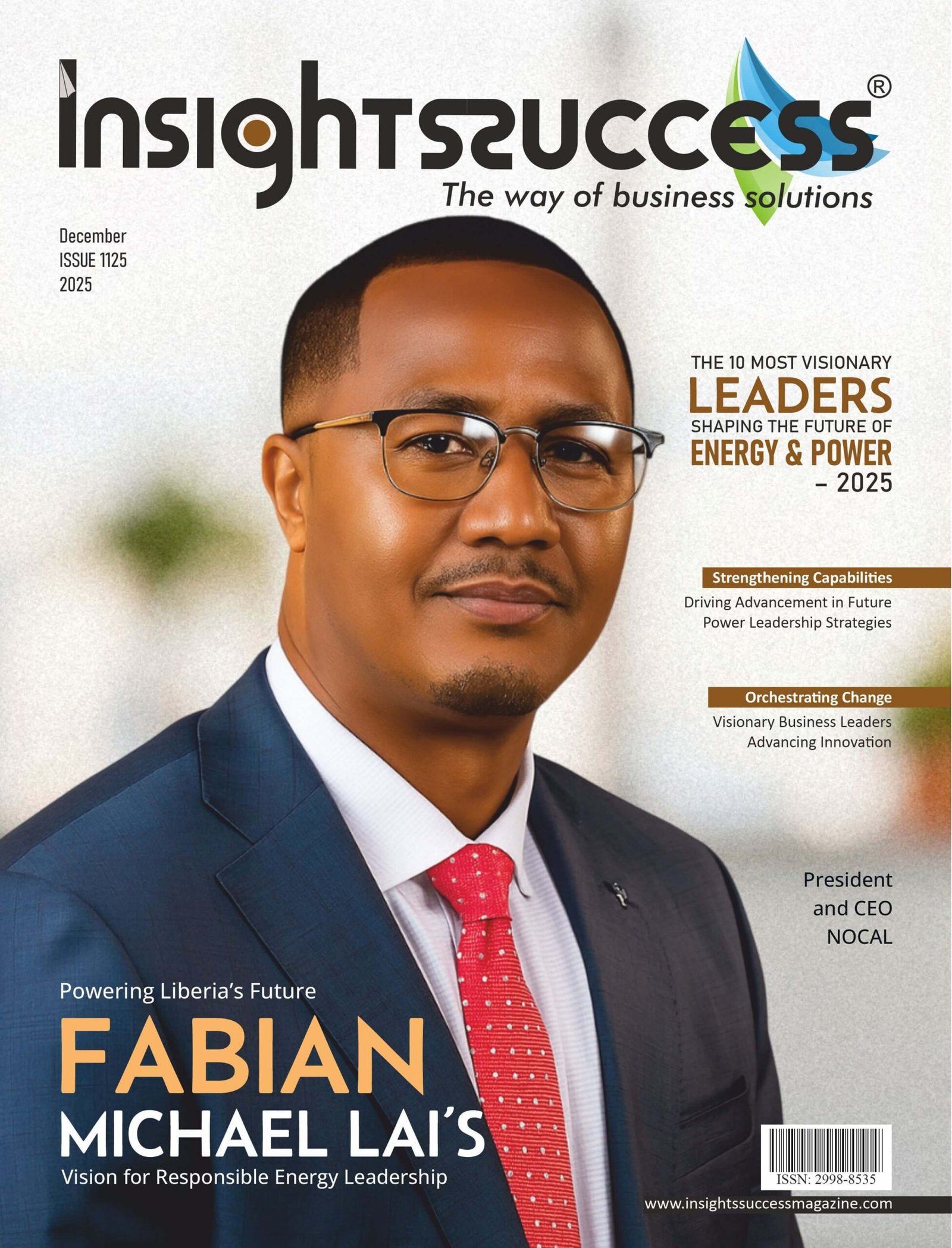
The 10 Most Visionary Leaders Shaping the Future of Energy & Power – 2025
The 10 Most Visionary Leaders Shaping the Future of Energy & Power – 2025 Fabian Michael Lai, President and CEO of NOCAL, blends global insight with national commitment to advance Liberia’s energy sector. His leadership prioritizes accountability, sustainability, and measurable results, strengthening governance, driving responsible exploration, and positioning Liberia for long-term growth through transparent practices, environmental stewardship, and strategic innovation. Digital Link Quick highlights Quick reads

Powering Liberia’s Future: Fabian Michael Lai’s Vision for Responsible Energy Leadership
Liberia’s energy story is being rewritten by a leader who recognizes the importance of both global opportunity and national responsibility. Fabian Michael Lai, President and CEO of the National Oil Company of Liberia (NOCAL), combines worldwide experience with a strong commitment to his own country. His leadership journey exemplifies a judicious balance of vision and realism, between what Liberia could become and what it must first create. After serving globally and locally, he is developing a leadership style rooted in accountability, excellence, and people-focused progress. He has transformed NOCAL’s culture to emphasize transparency, results, and disciplined creativity. Using the OKR framework, he aligns teams around specific goals linked to national development. His leadership is grounded in the belief that energy development should benefit communities and protect the environment. Under him, the company symbolizes responsible stewardship, with decisions reflecting integrity, sustainability, and national growth. Fabian Michael Lai aims to empower Liberia’s future beyond just running an energy firm. A Global Perspective Meets Local Purpose Lai’s journey to NOCAL’s leadership combines international exposure with a deep local understanding, shaping his distinctive approach. His roles have broadened his view on leadership, accountability, and excellence, while he stays grounded in Liberia’s challenges. “My local experience reminds me of the huge task ahead, society’s complexity, and the drive to make lasting change through energy,” he reflects. At NOCAL, this dual perspective manifests in action. He has built a performance-driven team that values discipline, innovation, and measurable results. The company now operates with systems promoting accountability and transparency, ensuring each member understands their role and deliverables. Key performance indicators track progress, and quarterly reviews assess goal achievement. “Success comes from building strong institutions, empowering people, and maintaining a results-oriented culture. That’s the standard I uphold at NOCAL,” he emphasizes. The OKR Framework: Aligning Vision with Action Lai uses the OKR framework when making decisions impacting NOCAL and Liberia’s economy. This leadership approach keeps him and his team focused on measurable goals aligned with national priorities, promoting economic growth and institutional excellence. This approach tackles Liberia’s challenge: unlocking offshore oil responsibly while balancing environmental concerns. He envisions a framework prioritizing environmental stewardship in exploration and production. “True progress is not measured only by barrels produced, but by improved quality of life, jobs, and preserved resources for future generations,” he states. Every project undergoes environmental assessments, and NOCAL requires partners to comply with responsible exploration guidelines. The company’s approach emphasizes transparency, accountability, and inclusivity, ensuring Liberians are informed, engaged, and benefit from sector growth. His goal? Develop an oil and gas sector that fuels national progress while protecting the environment, making Liberia a model for responsible energy governance in Africa. A New Chapter: Strategic Petroleum Contracts Recently, Liberia signed major petroleum contracts after a pause in exploration, marking a key moment for its energy sector. Lai views these agreements as more than just investment; they bolster Liberia’s energy independence and economic resilience. The contracts ensure the State maintains a stake in resources, enabling value capture and building local capacity in technical skills, project management, and energy governance. This is about developing a sustainable, sovereign energy ecosystem supporting national priorities, not just oil production,” he clarifies. The agreements aim to reinvigorate exploration in Liberia’s offshore basins, potentially leading to the first commercial oil. Since emphasis is on exploration drilling, these agreements require commitments rather than upfront payments to accelerate discovery. Building Trust Through Transparency Lai states that investor confidence and public trust are gained through accountability, transparency, and ethics. NOCAL’s transformation relies on strong governance, with clear objectives and KPIs to measure progress. Enhanced reporting includes regular staff and leadership meetings, quarterly reviews, and comprehensive reporting systems to document and evaluate operations. The company shares information with stakeholders, such as investors, the government, and the public, to build confidence. Governance structures, controls, audits, and compliance policies are strengthened to ensure decisions are ethical, accountable, and transparent. Lai empowers team members to take ownership, fostering a culture of integrity, innovation, and continuous improvement. This positions the firm as a trusted partner for investors and citizens, ensuring decisions support sustainable development and prosperity. Navigating Energy Transition While NOCAL mainly focuses on hydrocarbons, Lai acknowledges the rapid evolution of the global energy landscape. Liberia has unique opportunities to harness renewable energy sources, such as solar and hydropower, to supplement its hydrocarbon sector. Its Energy Compact aims to source 70% of electricity from renewables. NOCAL plans to support this vision by investing in the Liberia Electricity Corporation and other state-owned enterprises. Natural gas plays a crucial transitional role in this vision. He views it as a reliable, lower-carbon bridge fuel that supports industrial development and stabilizes the national grid during the transition toward cleaner energy. “Natural gas is not an end in itself, but a transition tool, one that allows Liberia to develop its energy sector responsibly, meet growing demand, and lay the groundwork for a sustainable, low-carbon future that benefits all Liberians,” he explains. Digital Transformation and Data-Driven Operations Lai understands that digital transformation is essential for modern, efficient, and transparent management of Liberia’s energy resources. By the end of the second quarter of 2026, NOCAL intends to build a modern, state-of-the-art petroleum data center in Monrovia. This facility, developed with help from the company’s current seismic data client, will allow them to embed technologies into its workflows, creating a performance-driven culture that encourages innovation, accountability, and continuous improvement. Vision 2030: A Benchmark Institution Looking toward 2030, Lai sees NOCAL as a leader in excellence, transparency, and innovation in the regional oil and gas industry. In the country, he aims to be recognized as a trustworthy steward of Liberia’s natural resources, delivering benefits, building local capacity, and supporting sustainable growth. Internationally, the organization aims to be a credible, innovative energy partner with high standards in governance, environmental responsibility, and technology. “We want Liberia to manage resources responsibly, attract investment, and support a sustainable energy future. By 2030, NOCAL should symbolize Liberia’s potential, reflecting our commitment to integrity and prosperity,” he states.

Strengthening Capabilities: Driving Advancement in Future Power Leadership Strategies
One of the major requirements for the top-level executives of the power sector is to constantly keep themselves updated and attuned to the changing and advancing world around them. Among other factors, these are the technological disruptions, changes in the regulatory framework, and an increasing emphasis on sustainability that are setting the new standards for effective leadership. The leadership style that was primarily targeting operational efficiency and grid reliability now has to stretch at least as far as innovation management, ecosystem collaboration, and long-term resilience planning. Tomorrow’s power industry leaders must maintain stability while remaining flexible to navigate complexities and seize emerging opportunities. They must adopt a future-focused approach that integrates digital capabilities with human-centric decision making. The next generation of leaders in the energy industry will find themselves working in conditions that are the outcomes of decentralized energy models, deep automation, and stronger consumer expectations. Therefore, the creation of a thorough plan involves, apart from making excellent technical decisions, the ability to patronage cultural changes and leadership of the teams through the ongoing transition. The leaders in the power sector should always be vigilant, adaptable, and open to the implementation of new technologies that influence, inter alia, the manner in which the grid functions and customer engagement. Adaptive Leadership Future-ready leadership in the power sector is setting up a resilient framework that is able to endure disruptions and direct long-term value creation. The concept of resilience, however, goes beyond crisis management. It necessitates proactive planning, scenario modelling, and the ability to reassign resources as per the emerging risks. Executives aware of how technology, policy, and market forces interact can not only secure structures that endure volatility but also keep the compass pointing towards the strategic objectives. As the renewable energy continues to grow along with distributed generation, resilience is more and more associated with the flexibility of system design and decision making. Utilities that implement modular, scalable strategies will be able to respond quickly to demand changes, supply variations, or unpredicted restrictions. As organisations experience rapid changes in the energy ecosystem, the need for leadership that is adaptive is on the rise. Leaders are required to develop the kind of culture that is characterized by the support of trial, continuous learning, and cross-functional collaboration. By challenging employees to question the legacy practices and investigate the possibilities, operational efficiencies may be realised, and innovation may be activated. On top of that, adaptive leaders give high priority to dialogue and openness as means to keep consensus during changes, especially, when new technologies are being introduced or processes are being restructured. By allowing personnel at every level to come up with ideas and have control, organisations, thus, can amass communal intelligence which is their competitive advantage. Digital Leadership Digital technologies are changing the very core of how power systems operate and how leaders manage them. To begin with, artificial intelligence, predictive analytics, and Internet of Things-enabled infrastructure are some of the technological advances that are breaking open the way systems are viewed from a behavioural standpoint. These tools enable leaders to detect equipment failures, optimise grid performance, and enhance energy forecasting. Mastery in interpreting data and applying the resulting insights distinguishes effective leaders from their peers. Through digital transformation, organisations can plan more effectively, respond more rapidly, and execute operational tasks with greater precision. Moreover, digital adoption reshapes leadership responsibilities by requiring greater technological literacy. It is not necessary for the executives in the power sector to be engineers or data scientists but, they should have a clear comprehension of new tools in order to make the right decision. Some of these activities include: facilitating cyber security measures that protect the most vulnerable parts of the infrastructure; integrating automation into the operations in a seamless way; and, simultaneously, maintaining the interoperability of different digital platforms. Effective digital leadership also involves the executive team developing relationships with technology companies, research institutions, and start-ups. This network of collaboration is what fuels rapid innovation and thus, allows the organisation to remain at the top of market dynamics. People Focused Leadership Sustainability has become a defining priority reshaping the power industry, increasingly influencing investment decisions, regulatory frameworks, and customer expectations. Power leadership in the future should maintain a delicate balance between socio-economic growth and ecological concerns. In order to realize such a goal, enterprises should embed green business models in their system of governance, supply chain practices and operational planning. One of the methods through which a corporate executive can elevate his company’s image is by acquiring the trust of the stakeholders through the transparent disclosure of the company’s environmental impact and demonstrating a genuine commitment to climate change mitigation. With the world progressing towards different policies and regulations, the authorities of the power sector must have their emission reduction plans that not only meet the requirements but also have positive effects on the environment. As the energy sector undergoes a massive change, leaders have to make people-centric approach their first priority. To cater to these demands, managers should put employee development at the top of their priority list and empower them with the trainings, mentoring programmes, and continuous skill-upgrading opportunities. Building a diverse and inclusive work culture enables companies to have access to the best talents pool from different backgrounds and also retain them. Moreover, the focus on employee well-being, collaboration, and shared sense of purpose through people-centered leadership, are the factors which facilitate organisational resilience. Conclusion Over time the energy sector is changing from a centralized model to a decentralized which is characterised by innovation and accountability. The next generation of management teams must emerge from a single strategy that integrates sustainability, digital transformation, and resilience. Leaders who understand these trends and decide to act accordingly will be able to steer their companies through tough times. Executives, therefore, can create a sector in which these three can coexist: trust, environmental protection, and progress by using technology, focusing on human-centric decision-making, and welcoming change. The challenges ahead are considerable, but they also offer a