






The Growth Mindset Nobody Talks About: What Writing a Book Really Teaches Leaders
By Aseem Goyal For years, I believed that writing a book would be the hardest part of the journey. I imagined the mountain ahead: sixty thousand words, dozens of stories drawn from thirty five years of leadership across North America and Asia Pacific, and lessons forged in crises, transformations, and boardrooms. I assumed the real challenge would be discipline – the daily effort required to translate decades of experience into a coherent narrative. In the beginning, it certainly felt like that. Every writer wrestles with the blinking cursor and the quiet question behind it: Is my story worth telling? Yet once I committed to the process, something surprising happened. The stories began to flow. The structure slowly emerged. What started as scattered reflections gradually evolved into a manuscript that felt complete. For a brief moment, I believed I had reached the summit. In reality, I had only reached base camp. Because the real mountain begins after the manuscript is written. The Hidden Work Behind Big Goals There comes a moment in every meaningful journey when you realize that the challenge you initially feared was simply the entry fee. Finishing the manuscript felt like crossing a finish line. Instead, it opened the door to an entirely new world – one I knew very little about. Suddenly, I was learning the mechanics of an unfamiliar industry. Editing cycles, developmental reviews, and metadata optimization quickly became part of my vocabulary. On the logistical side, there were ISBNs, global distribution models, and the nuances between hybrid and traditional publishing. At the same time, the strategic layer demanded attention: marketing plans, launch timelines, PR strategies across multiple regions, and audience development. Then came branding – author positioning, cover design, website architecture, and the question every author eventually faces: How does this book find its readers? Almost overnight, my role changed. I was no longer simply writing a book. I had become a project manager, a marketing strategist, a negotiator, and occasionally even a designer. After three decades in leadership roles, I found myself becoming a student again. What this process reinforced is something leadership often forgets. A growth mindset has very little to do with talent. It is about remaining curious and adaptable when the terrain beneath you shifts. Growth Happens in the Unseen Work Across my career in global banking and corporate leadership, I have often observed that people associate success with highly visible moments – the decisive boardroom conversation, the high-stakes negotiation, or the keynote that captures an audience’s attention. Yet growth rarely happens in those moments. It happens in the quiet, often invisible work that surrounds them. In my case writing the book, it appeared in the late-night review of publisher proposals, the tenth revision of a single chapter, or the detailed debate over marketing timelines and positioning strategies. None of these moments are glamorous, yet they are where progress actually takes shape. Success in any field – whether business, entrepreneurship, or writing – depends less on what you know at the beginning and more on what you are willing to learn after you realize how much you still don’t know. Lessons from Writing a Book (That Apply to Leadership) Writing a book ultimately turned into a leadership exercise in disguise. Three lessons stood out clearly during the journey. Curiosity Beats Expertise Experience is valuable, but it can quietly become a comfort zone. Writing this book exposed the limits of my own expertise. Each time I thought I understood the process, another variable appeared – distribution channels, marketing algorithms, media outreach, or launch strategy. Curiosity became my greatest asset, forcing me to become comfortable asking beginner questions again. Patience Sustains Big Projects There is an important distinction between waiting and enduring. Writing a book requires endurance. Feedback can be uncomfortable, negotiations can stall, and timelines can stretch well beyond expectations. Impatience may help you start ambitious initiatives, but patience is what ultimately allows you to finish them. Progress Matters More Than Perfection High achievers often fall into the trap of believing that the first version must be flawless. My early chapters were far from perfect, and the manuscript still isn’t perfect today. Nor will it be when it reaches readers. What matters is that it is meaningful, honest, and complete. “Perfection is a handbrake. Progress is the engine.” The Humility of Becoming a Beginner Many people assume writing a book is about broadcasting expertise. In reality, it is about the humility of becoming a beginner again. In many ways, the process reminded me of my early years working across Asia. Each market demanded that I relearn leadership from the ground up. Thailand required patience and cultural sensitivity. Hong Kong demanded speed and decisiveness. Vietnam rewarded clarity and direct communication. Over time I realized something important: global leadership is not transferable – it must be re-earned in every new environment. Writing a book has been surprisingly similar. Your experience helps you begin, but curiosity and adaptability determine whether you move forward. The discomfort of being a beginner again is not a weakness; it is often the doorway to the next phase of growth. The Broader Lesson Whether someone is launching a startup, changing industries, or pursuing a long-held ambition, the same principle applies. Growth rarely comes from the bold decision to begin. It comes from what happens after the decision. It emerges through uncomfortable experiments, through the willingness to be wrong in public, and through the discipline to continue when logistical challenges begin to overshadow the original dream. A growth mindset is not simply an inspirational slogan. It is a practical survival skill built through persistence in the parts of the journey that few people ever see. Looking Ahead As I write this, the manuscript is complete and the next phase has begun – preparing the launch, refining the platform around the book, and thinking about the conversations it might spark among leaders navigating an increasingly complex world. The questions have not stopped, but my mindset has shifted. Writing this book reminded
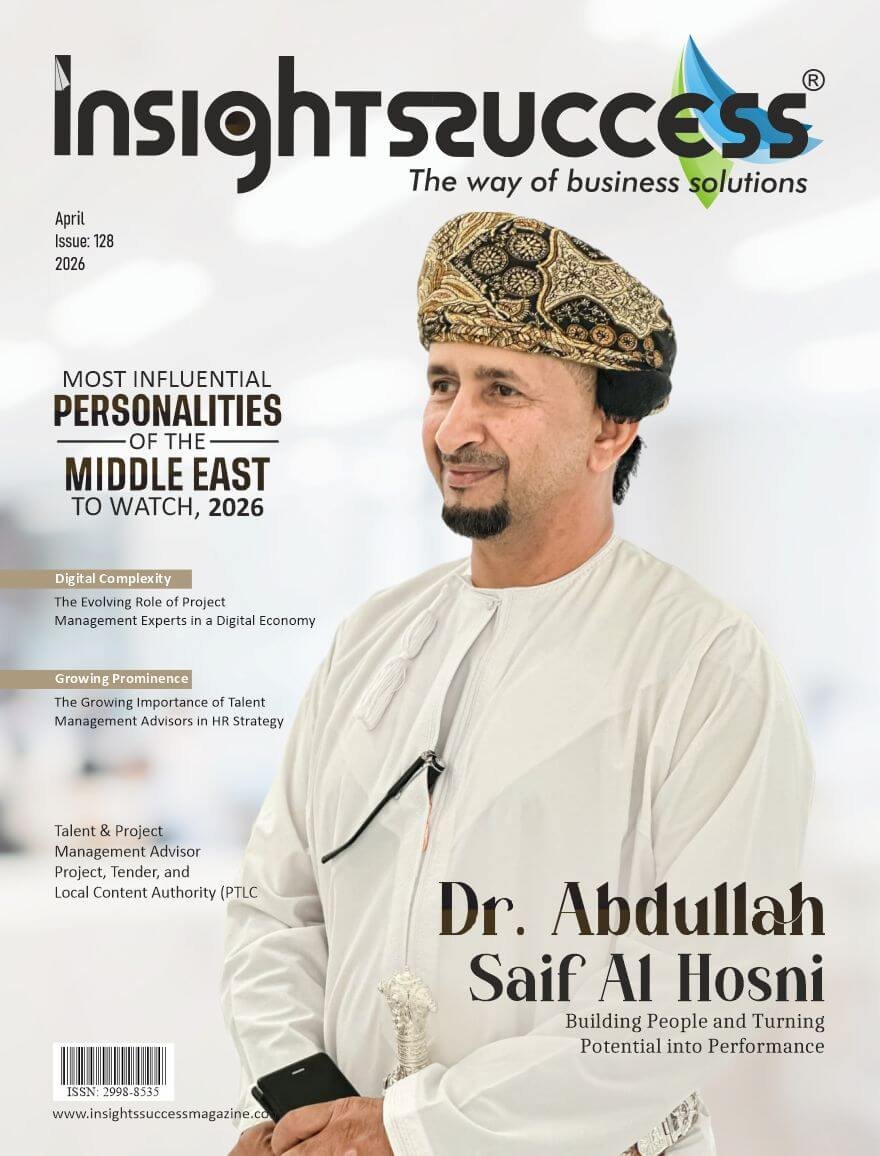
Most Influential Personalities of the Middle East to Watch, 2026
Most Influential Personalities of the Middle East to Watch, 2026 Dr. Abdullah Saif Al Hosni has consistently focused on building capabilities, cultures, and frameworks that endure beyond individual tenures. His work centres on developing talent, strengthening organizational resilience, and embedding sustainable performance. As Talent and Project Management Advisor at PTLC, he leads efforts to enhance capability across Oman’s public sector. Digital Link Quick highlights Quick reads

Dr. Abdullah Saif Al Hosni: Building People and Turning Potential into Performance
While some careers are defined by promotions, titles, or the size of organisations managed, others are defined by something far less tangible, yet far more lasting – the people who grow stronger because someone chose to invest in them, the systems that continue to function long after their creator has walked away, and the quiet confidence that remains in a team that understands it is capable of more. In an environment where stress is constant and demands never ease, it is not an accident that such an effect is achieved. It is crafted, built, and maintained with intention. Over the course of more than three decades, one leader has made it their work to make such an effect possible – not in seeking accolade, but in building the foundation upon which others might succeed, again and again, and in large numbers. Ask Dr. Abdullah Saif Al Hosni what he does for a living, and he will not hand you a job title. He will tell you he builds people. Not in the motivational-poster sense of the phrase, but in the concrete, unglamorous, and deeply practical sense. He designs the frameworks that show professionals what they are capable of. Dr. Abdullah creates the systems that keep organisations strong when key people leave. He builds the culture that makes learning feel safe and growth feel possible. And he has been doing this, quietly and consistently, for over thirty years across some of the most demanding environments in Oman. Today, he serves as Talent and Project Management Advisor at the Project, Tender, and Local Content Authority (PTLC), where his focus is on raising the standard of project management across all of Oman’s government entities. Before that, Dr. Abdullah’s career moved through the military, the oil and gas sector with OQ, OOCEP, OOC, and Occidental Oman, and into human capital development and government administration. Each of those chapters left something behind- not just results, but systems and people that kept performing long after he moved on. That is the measure he applies to his own work. Not what he achieved, but what continued to thrive in his absence. A Journey Forged Across Many Worlds There is something unusual about Dr. Abdullah’s career, and it is not just the range of it. It is the intention behind it. Most professionals find one domain and go deep. He went both deep and wide, deliberately crossing into fields that most people treat as entirely separate- military technical discipline, advanced engineering, psychological counselling, human resource leadership, external affairs, government administration, and oil and gas expertise. Each of these is a career on its own. Dr. Abdullah built them all into one, and the result is a leader who sees the world differently from most people in any single room he enters. He started in the military, and that foundation proved more valuable than any academic credential. The military teaches things that cannot be learned in a classroom: how to stay level-headed when the stakes are high, how to build and trust a team under pressure, how to think in systems rather than isolated problems, and how to lead with clarity when everyone around you is uncertain. These are not soft skills. They are the hardest of hard skills, and Dr. Abdullah carried every one of them into the professional world that followed. From the military, he moved into Oman’s energy sector, joining organizations including OQ, OOCEP, OOC, and Occidental Oman, where he spent years doing work that was less visible but deeply consequential. He was not filling roles. He was building the infrastructure that allowed organizations to develop and keep their own talent. Dr. Abdullah designed competency frameworks that gave employees a clear, honest picture of their current capabilities and a practical path forward. He created succession plans that kept organizations steady when key people left. Dr. Abdullah built technical curricula that turned new graduates into skilled, confident professionals. He also led the rollout of Oman’s first PetroSkills CAT and Compass competency analysis system- a milestone that introduced genuine international standards to talent development in the Omani oil and gas sector. By the time Dr. Abdullah stepped into his current role at PTLC, he was not simply an experienced professional. He was someone whose thinking had been tested across disciplines, sectors, and decades, and had come out sharper and more grounded every time. Building Systems That Outlive Their Creator Dr. Abdullah calls himself an architect of capability ecosystems. Spend any time understanding his work, and you will see why the description fits so precisely. Most leaders build results. He builds the conditions that make results possible, again and again, long after he himself has moved to the next challenge. At PTLC, his current focus is on one of the most consequential assignments in Oman’s public sector today: raising the standard of project management capability across all government entities. It sounds like a technical task. It is far more than that. It means understanding the unique pressures each ministry faces, reading the different levels of readiness across teams, and honestly closing the gap between where government project management currently stands and where it must be to support national development at the scale that Oman’s future demands. Dr. Abdullah approaches this with a methodology built on three commitments he has never abandoned. The first is to institutionalize capability- to build standards and systems that function independently of any single person, including himself. The second is to humanize those systems- to ensure that the people inside them feel respected, safe, and genuinely invested in their own growth, rather than processed by a framework that does not see them as human beings. The third is to integrate global best practices while staying true to local culture, because any imported framework that ignores the people it lands among will simply not survive. The result of this approach is work that keeps working. Long after Dr. Abdullah moves on, the organizations he has shaped continue to perform, because the culture he built and

Digital Complexity : The Evolving Role of Project Management Experts in a Digital Economy
The digital economy has transformed how organizations act, compete and develop. To stay competitive in a fast paced marketplace, businesses in all industries are embracing sophisticated technologies, data driven business approaches, and agile business models. Within this context, the project management professionals have gone beyond their conventional roles of monitoring schedules and budgets. They are currently playing a strategic role to assist organizations to navigate transformation, manage uncertainty, and deliver sustainable value. With the emergence of digital technology including artificial intelligence, cloud computing, automation, and data analytics, the complexity of modern business operations has risen. Organizations are no longer dealing with isolated projects, whose outcomes are predictable. Instead, they are spearheading integrated initiatives which demand coordination activities across many different departments, geographies, and groups of stakeholders. This has increased the role of project management professionals with the ability to integrate technical knowledge with strategic thinking, communication, and leadership skills. Digital Leadership The digital economy has changed expectations from project management professionals. The organizations today need leaders that are capable of managing not only project execution, but also digital transformation programs, which affect the long term business performance. This has led to the need of having project managers who are aware of the emerging technologies, and how they affect business operations, customer interaction, and business strategy. They are also supposed to aid innovation, enhanced workflow, and organizational flexibility in the highly competitive business settings. Strategic decision making processes are becoming increasingly involved with project management experts. They work together with senior leadership teams to assess risks, prioritize investments, and make sure that projects are aligned to organizational goals. The skill to balance between innovation and operational discipline has become crucial to businesses operating in the competitive and fast-changing markets. Project managers can assist organizations to become more efficient, scalable, and resilient by combining the adoption of technology with the business priorities of the organization. Technology Integration The integration of technology has emerged to be one of the biggest roles of the contemporary project management practitioners. Companies are embracing the use of digital tools to aid in improving productivity, automating processes, and enhancing customer experiences. Nonetheless, integrating new technologies into existing systems can complicate operations and require significant resources. The task of project management experts is to make sure that these transitions go without a hitch and none of the operational disruptions occur. The deployment of data analytics and project management software has also created changes in the way projects were planned and executed. High-tech instruments enable project managers to track the progress of the project in real time, detect possible threats in advance, and make effective decisions based on the valid information. This has enhanced transparency, accountability and efficiency of the entire project. Project managers with the ability to utilize digital platforms and analytics tools successfully are becoming an asset to the organization in its quest to enhance performance and optimize resource allocation. Future Skills With the business environment ever-changing, the future of project management will be heavily reliant on flexibility and ongoing education. Organizations are also in search of professionals who are able to react swiftly to the market changes, technological breakthrough, and a dynamic customer needs. This has made skills like critical thinking, problem solving, emotional intelligence and strategic planning very important. And, teamwork, management of innovations, and digital communications competencies are growing increasingly vital in managing the challenges that today’s business environment presents. The project management experts are also anticipated to acquire a more profound comprehension of industry particular technologies and business models. Digital transformation initiatives in sectors like healthcare, finance, manufacturing, and logistics demand special knowledge to ensure that the projects are successful. Professionals with an ability to integrate technical skills and project management skills are likely to assume a more powerful role in the leadership of an organization. Conclusion Project management professionals have become one of the most important enablers of organizational change, innovation, especially in an increasingly technology driven business environment. Their roles have moved beyond ensuring that schedules and budgets are properly managed to lead businesses through complicated digital projects, making sure that collaboration is encouraged, and that technology investments can deliver quantifiable value. With companies increasingly adopting automation, artificial intelligence, and data driven strategies, the role of project managers will become all the more central to ensuring the operational agility and competitive advantage. Continuous learning, adaptive leadership and capacity to reconcile technological progress and human centered decision making will shape the future of project management. The need to combine strategic thinking with technical expertise and good communication will continue to ensure that the professionals can help organizations navigate uncertainty and achieve long term growth. Project management is not only not a support feature of a digital economy but a key driver of sustainable business success and resilience. Read Also : Strengthening Supplier Relationship Management
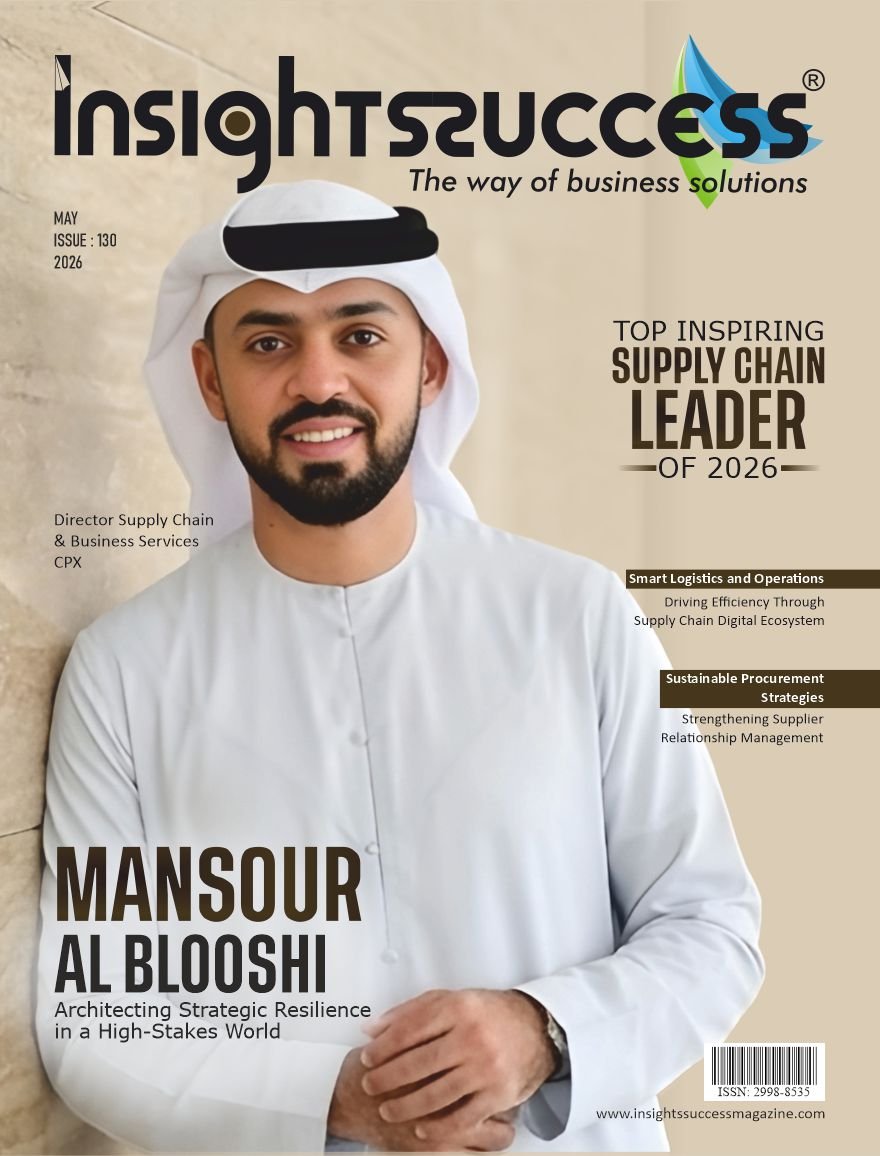
Top Inspiring Supply Chain Leader of 2026
Top Inspiring Supply Chain Leader of 2026 Celebrating visionary professionals transforming global logistics through innovation, resilience, and sustainability, this feature highlights leaders driving operational excellence and shaping the future of dynamic, digitally evolving supply chain networks worldwide. Digital Link Quick highlights Quick reads 10 Best Logistics Companies to Watch in 2022 June2022 Lorem ipsum dolor sit amet, consectetur adipiscing elit. Ut elit tellus, luctus nec ullamcorper mattis, pulvinar dapibus leo. Lorem ipsum dolor sit amet, consectetur adipiscing elit. Ut elit tellus, luctus nec ullamcorper mattis, pulvinar dapibus leo. The Most Admired Women In Educational Sector, 2023 March2023 Lorem ipsum dolor sit amet, consectetur adipiscing elit. Ut elit tellus, luctus nec ullamcorper mattis, pulvinar dapibus leo. Lorem ipsum dolor sit amet, consectetur adipiscing elit. Ut elit tellus, luctus nec ullamcorper mattis, pulvinar dapibus leo. Quick highlights Quick reads

Strengthening Supplier Relationship Management
Sustainable Procurement Strategies With the increasing demands on businesses in terms of environmental responsibility and ethical business practices, procurement has now become a strategic role that extends beyond cost factors. Companies are turning to sustainable procurement practices in order to integrate sourcing decisions with those related to environmental, social, and governance. Simultaneously, supplier relationship management has become critical towards the establishment of resilient, transparent, and collaborative supply chains, capable of adapting to the present-day challenges. Understanding the Core Concepts The concept of sustainable procurement strategies goes beyond simply choosing suppliers due to their price and quality. It involves screening of the suppliers based on their environmental impact, ethical labor practices, and resource efficiency. The wider perspective will make sure that the procurement decisions are made in such a way that they will be associated with the creation of long-term values. Simultaneously, supplier relationship management is concerned with the establishment of organized, long-lasting relations with suppliers in a way that these relations are aligned to business objectives and sustainability expectations. Enhancing Transparency and Accountability Sustainable procurement strategies bring organizations their primary advantage through improved visibility of their entire supply chain operations. Companies use digital tools and analytical methods to track their suppliers’ performance while they evaluate sustainability metrics. The ability to detect risks enables us to ensure that our organization maintains compliance with established standards. The supplier relationship management process creates transparent operations through its requirement that parties engage in open dialogue and trustworthy relationships while delivering precise and timely data. Driving Innovation Through Collaboration Teamwork is a very imperative by-product of using procurement as a means of sustainability. Sustainable procurement plans help organizations engage suppliers in an effort to come up with innovative solutions like green materials and efficient production systems. This collaborative strategy can help not only to reduce the impact on the environment but also to improve competitiveness. This innovation is made possible by strong supplier relationship management, which facilitates the establishment of partnerships to promote knowledge sharing and joint problem-solving. Risk Management and Resilience The contemporary supply chains are becoming more uncertain because of the regulatory shifts, environmental shocks, and geopolitical shocks. Sustainable procurement practices which establish ethical standards for suppliers and their environmental practices create a solution for these operational risks. The system reduces operational disturbances and protects the company from losing its reputation. Organizations build resilience through supplier relationship management because it establishes dependable partnerships which help them manage disruptions. Cost Efficiency and Long-Term Value Even though the implementation of sustainability initiatives might demand upfront costs, in most cases sustainable procurement strategies can result in long term cost savings. The efficient use of resources, minimized wastage, and enhanced energy conservation helps to reduce operational costs. Also, sustainable practices boost brand image and customer confidence. Superior supplier relationship management also helps in creating values by enhancing the performance of suppliers, eliminating unproductive behaviors, and ensuring improved bargaining results. Challenges in Implementation Although the advantages are high, organizations might experience struggles when implementing sustainable procurement strategies, such as insufficiency in supplier capacity, and absence of standard metrics. It can also be complicated to align internal teams and have consistent execution. Likewise, supplier relationship management is an activity that needs to be pursued continuously which may be resource intensive and includes performance monitoring, communication, and relationship building. The Role of Technology Technology has a great part in enhancing sustainable procurement strategies as well as supplier relationship management. Digital platforms, data analytics, and automation tools can have a superior insight into the operations of suppliers and their sustainability performance. The technologies also enable real-time communication and collaboration, enhance decision-making, and improve supplier engagement. Future Outlook The significance of sustainable procurement strategies will only continue to rise as the pressure and demands of the stakeholders continue to rise. Companies that are sustainable and have good relations with their suppliers will be in a better position to survive within the competitive world. Meanwhile, supplier relationship management will continue to be a major determinant towards ensuring stability and long-term success of the supply chain. Conclusion Conclusively, sustainable procurement policies and the management of supplier relations are a critical aspect of contemporary supply chain management. Through integrating sustainability into procurement decisions and establishing strong supplier relationships, organizations will be able to drive innovation, manage risks, and create long-term value and make the global economy more responsible and resilient. Read Also : Driving Efficiency Through Supply Chain Digital Ecosystem

Driving Efficiency Through Supply Chain Digital Ecosystem
Smart Logistics and Operations There is growing pressure on organizations in the current hyperconnected global economy to be faster, more efficient, and transparently delivering. The traditional supply chains that often tend to be fragmented and reactive are no longer able to meet these expectations. It has resulted in rapid development of smart logistics and operations as a transformative solution, which is driven by the transformation of the supply chain digital ecosystem. Collectively, these ideas are transforming the way goods, data, and decisions are moving across industries. Understanding the Core Concepts In the simplest sense, smart logistics and operations may refer to the application of advanced technologies to logistical operations, including artificial intelligence, Internet of things, cloud computing, and automation. These technologies are capable of providing real-time visibility, predictive analytics, and intelligent decision-making. Meanwhile, a supply chain digital ecosystem refers to a network of stakeholders, systems, and data platforms that interact with one another in a seamless manner to optimize the end-to-end performance of the supply chain. Enhanced Visibility and Real-Time Insights Among the most important benefits of smart logistics and operations, increased visibility is included. Using the IoT sensors, GPS tracking, and cloud-based solutions, the companies are able to track shipments, inventory, and operational performance in real time. The transparent system allows businesses to predict disruption events which they can then manage through proactive measures. The supply chain digital ecosystem system, together with its built-in data sharing capabilities, enables businesses to operate with greater agility because they can respond to network demands in real time. Driving Efficiency and Performance Another important result is efficiency gains. The implementation of smart logistics and operations in companies tends to lead to tangible performance improvements. The digital logistics solutions can increase operational efficiency over time through automation, efficient route planning, and enhanced demand forecasting. In a supply chain digital ecosystem, these efficiencies are further increased since information flows smoothly among all its participants and eliminates redundancies and delays. Cost Optimization and Resource Utilization These efficiency improvements are closely related to cost optimization. Optimized logistics and operations will facilitate the optimization of resources, minimization of fuel use, and reduction in warehousing expenses due to automation and predictive analytics. These cost advantages are further spread to the whole value chain, benefiting not only suppliers, manufacturing, and distributions, but the entire system. Building Resilience in Supply Chains Resilience is another characteristic aspect of smart logistics and operations. Contemporary supply chains experience recurrent disruptions that include geopolitical tensions, as well as natural disasters. A supply chain digital ecosystem is more resilient due to end-to-end visibility accompanied by faster and data-driven reactions. Real-time monitoring and predictive analytics enable organizations to recognize risks in time and effectively carry out contingency measures. Improved Collaboration Across Stakeholders Another aspect that is highly improved is teamwork. Silos in operations in conventional supply chains are likely to create a communication gap and inefficiencies. Smart operations and logistics decomposing these silos, provides a platform to share data, and integrated workflows. The digital ecosystems of the supply chains will ensure that all parties, such as the suppliers and logistics providers, are informed of the same information, which will enable them coordinate and prevent errors. Sustainability and Environmental Impact Sustainability has become a key driver of transformation. The environmentally responsible practices are facilitated by smart logistics and operations support which help to optimize routes, reduce emissions, and improve energy efficiency. The digital ecosystems provide companies with an opportunity to monitor carbon footprints and adopt more environmentally friendly logistics practices. The contribution made by the supply chain digital ecosystem in the attainment of environmental goals is increasing as sustainability becomes a competitive differentiator. Challenges in Implementation Although these advantages are present, there are still problems. To deploy smart logistics and operations, it is important to invest in technology, talents, and change management. The data integration and system interoperability are some of the issues that many organizations face and thus slow down the effectiveness of a supply chain digital ecosystem. Issues and concerns of cybersecurity and data privacy should also be addressed to achieve trust and reliability. Future Outlook Going forward, the prospects of smart logistics and operations are in addition to technological innovations, such as generative AI, digital twins, and autonomous systems. As these innovations continue to mature, the supply chain’s digital ecosystem will be even smarter, adaptable, and self-regulating. Such organizations that accept this transformation will be in a better position to compete in a fast-paced and complex market. Conclusion To conclude, smart logistics and operations and the supply chain digital ecosystem will be an indispensable part of the business strategy of modernity. Increasing visibility, efficiency, resilience, and collaboration can help organizations through difficult times and open new opportunities. With digital transformation still gaining momentum, the combination of the two concepts will have a central role in defining the future of the global supply chains. Read Also : Transforming Engineering Leadership Mentors

Mansour Al Blooshi: Architecting Strategic Resilience in a High-Stakes World
The supply chain system proves vital for determining outcomes that organizations and entire nations depend upon, while Mansour Al Blooshi leads his organization. His professional path progressed from handling purchase orders to making decisions that affect organizational innovation and competitive advantages. His early professional period at Mohamed bin Zayed University of Artificial Intelligence formed his understanding of his future career. Through his experience at the region’s leading academic institution, he recognized that procurement functions as a vital engine that drives progress or an invisible force that causes operational delays. His technology acquisition choice became a pivotal moment because he started to evaluate value through its total effect on performance and institutional growth. He serves as Director for Supply Chain and Business Services at CPX. He works to achieve two goals that connect operational excellence with the protection of national security. His leadership methods combine future planning with careful implementation to make procurement a driver that produces both innovation and organizational strength. He displays the characteristics of modern supply chain professionals who understand that each business agreement serves a larger organizational purpose. The Moment Everything Shifted Mansour’s transformation from procurement executor to organizational decision-maker did not happen in the boardroom. It happened in the middle of a high-stakes technology acquisition at Mohamed bin Zayed University of Artificial Intelligence (MBZUAI), where he spent formative years embedded in one of the world’s most ambitious academic institutions. The scenario was deceptively simple. It was a choice between two components for a new AI research cluster. One was cheaper, immediately available, and came with the comfort of an established vendor relationship. The other was more expensive, came from a nascent startup, and offered superior performance capabilities. Classical procurement doctrine would have selected the former without debate. He chose the startup. “The long-term strategic advantage of the innovative solution is its potential to accelerate research breakthroughs and enhance MBZUAI’s global standing, far outweighing the immediate cost differential,” he explains. That decision crystallized something for him. However, his role was not merely to fulfill requisitions. It was to strategically enable the organization’s mission and future capabilities. From that point forward, he stopped thinking in terms of purchase orders and started thinking about the outcomes. Security-First Sourcing: Procurement in the Age of Cyber Risk At CPX, Mansour operates in a domain where the stakes of a supply chain decision extend far beyond a delayed shipment. A compromised hardware component or a vulnerable software library does not just inconvenience an organization; rather, it can expose critical infrastructure, compromise sensitive data, and threaten national security. In this environment, the traditional calculus of cost and efficiency gives way to something altogether more demanding. He calls his guiding philosophy “Security-First Sourcing.” Every vendor, every component, every contract enters a procurement process that evaluates not just price and delivery time, but potential vulnerability and impact on client security posture. The shift, as he describes it, is from reactive problem-solving to proactive risk management—anticipating disruption before it materializes rather than scrambling to contain it after the fact. This reorientation demands a particular kind of intellectual vigilance. Leadership teams, he argues, consistently underestimate what he calls “N-th Tier Supply Chain Interdependency Risk”—the vulnerabilities that hide not with direct suppliers, but with sub-suppliers two or three layers deep in the chain. A disruption at a Tier 3 component manufacturer can cripple an entire operation even when the Tier 1 supplier is performing flawlessly. To counter this, he advocates for deep supply chain mapping, proactive threat intelligence monitoring, deliberate diversification and redundancy, and rigorous scenario planning. “We are not just managing goods. We are safeguarding critical infrastructure and sensitive data,” he says. One Role, Two Mandates: The Business Services Integration Mansour’s title at CPX, Director of Supply Chain and Business Services, carries a deliberate architectural logic. The integration of two traditionally separate functions under a single leader is not an accident of organizational design; rather, it is a strategic statement about how modern enterprises should operate. Where a conventional supply chain role concerns itself narrowly with the flow of physical goods and contracted services, his expanded mandate gives him visibility across shared services, facilities management, IT procurement, and vendor management. He can identify interdependencies that would otherwise go unnoticed, eliminate redundancies that drain resources, and optimize processes that touch multiple departments simultaneously. The critical challenge in such a role, as he sees it, is preventing these combined functions from retreating into the comfortable irrelevance of a “support department.” His answer is a culture he calls the “Business Enabler mindset”, one that actively engages with internal stakeholders, aligns goals with organizational strategy, and measures success not in cost savings alone, but in operational uptime, employee productivity, and speed-to-market. “We transform from a cost center into a value driver,” he says, with the matter-of-fact conviction of someone who has done it. Redefining Value: The Metrics That Matter Ask Mansour to define procurement value, and he does not reach for the obvious answer. Cost savings, he acknowledges, will always form part of the mandate, but they represent only the surface of what procurement can and should deliver. His personal definition centers on two concepts: “Innovation Access” and “Strategic Resilience.” Innovation Access means leveraging supplier and partner ecosystems to bring cutting-edge technologies, specialized expertise, and capabilities into the organization that could not be developed internally. In cybersecurity, this translates to securing access to the latest threat intelligence platforms, advanced encryption tools, and specialized talent. Strategic Resilience means building supply chains that can absorb shocks, geopolitical, technological, or logistical, without breaking. He wants his stakeholders to track metrics that reflect this broader value proposition. Time-to-Market for Critical Technologies measures how quickly the organization can go on board and deploy new security solutions. Supplier-Enabled Innovation tracks the number of new ideas and process improvements that enter the organization through supplier partnerships. Supply Chain Risk Reduction quantifies how effectively procurement has mitigated potential disruptions and vulnerabilities. These are not the metrics of a back-office function. They are the metrics of a strategic partner.

Qualcomm Shares Rise on Smartphone Recovery Outlook
Prime Highlights Qualcomm shares surged over 10% on optimism around smartphone recovery. The company is expanding into data centre and AI chip markets to drive growth. Key Facts Qualcomm is one of the world’s leading suppliers of smartphone chips. The company plans to begin shipping data centre chips later this year. Background Qualcomm shares rose sharply in early trading in the last week of April, as investors responded positively to the company’s outlook on its smartphone business and expansion into data centre chips. The stock gained over 10% despite a weaker near-term forecast. Chief Executive Cristiano Amon indicated that the global smartphone market could begin to recover after the company’s fiscal third quarter. His comments helped ease concerns around slowing handset demand, which has weighed on the company’s performance in recent quarters. Qualcomm, a major supplier of chips for smartphones, has been working to reduce its reliance on the handset segment. The company is focusing on newer areas such as data centre processors and automotive chips to drive future growth. It plans to start shipping data centre products later this year as part of this strategy. The shift comes at a time when rising memory chip prices have increased the cost of consumer electronics, affecting demand. At the same time, companies like Apple and Samsung Electronics are increasingly developing in-house chips, adding pressure on suppliers. The analysts have still been split regarding the future of Qualcomm. While there are some who foresee more difficulties ahead owing to issues relating to the shortage of supply and high prices of smartphones, others look at the bright side in view of Qualcomm venturing into the fields of artificial intelligence and data center technology. Furthermore, Qualcomm is making efforts to develop newer chipsets, especially processors and AI chips. Read Also: RBI Targets Stronger UCB Sector with Mission SAKSHAM
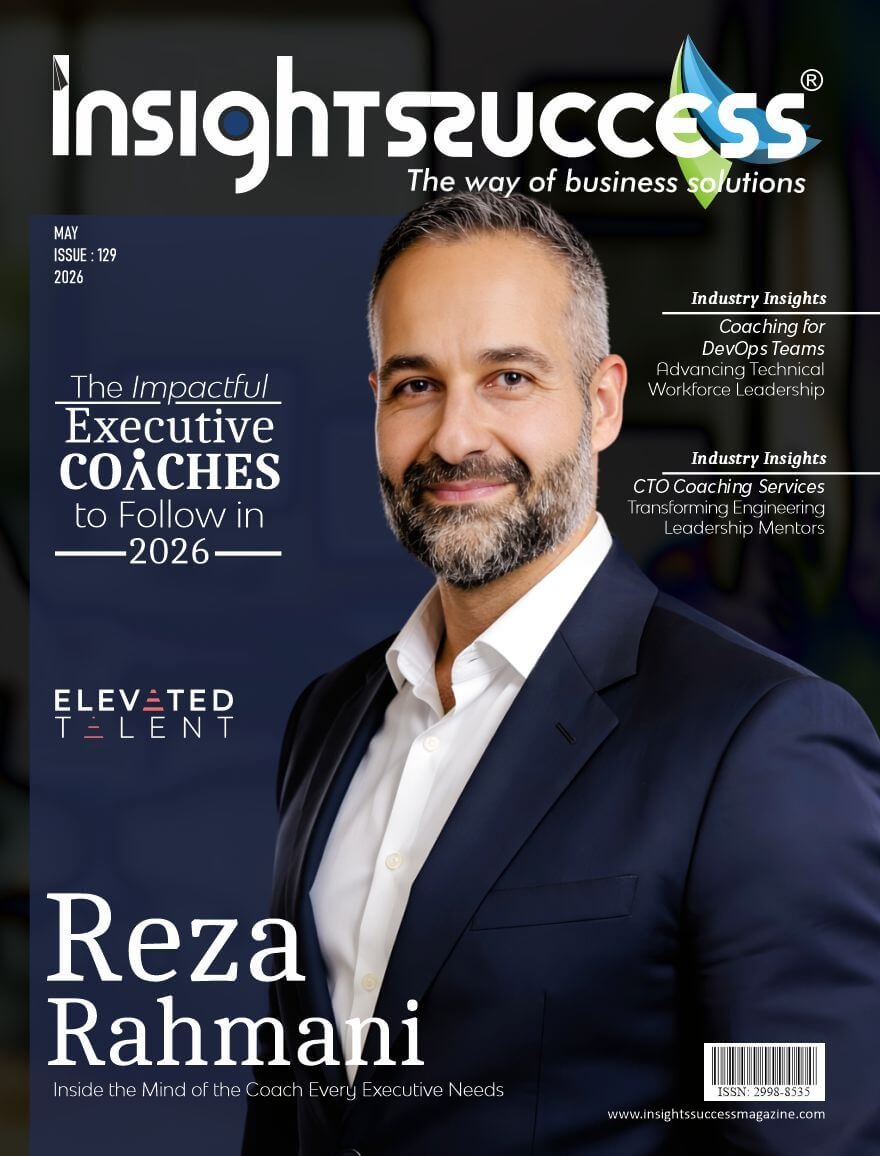
The Impactful Executive Coaches To Follow In 2026
The Impactful Executive Coaches To Follow In 2026 A curated spotlight on influential executive coaches shaping leadership success in 2026, empowering professionals with strategic insight, transformative guidance, and real-world expertise to navigate growth, performance, and organizational excellence. Digital Link Quick highlights Quick reads