





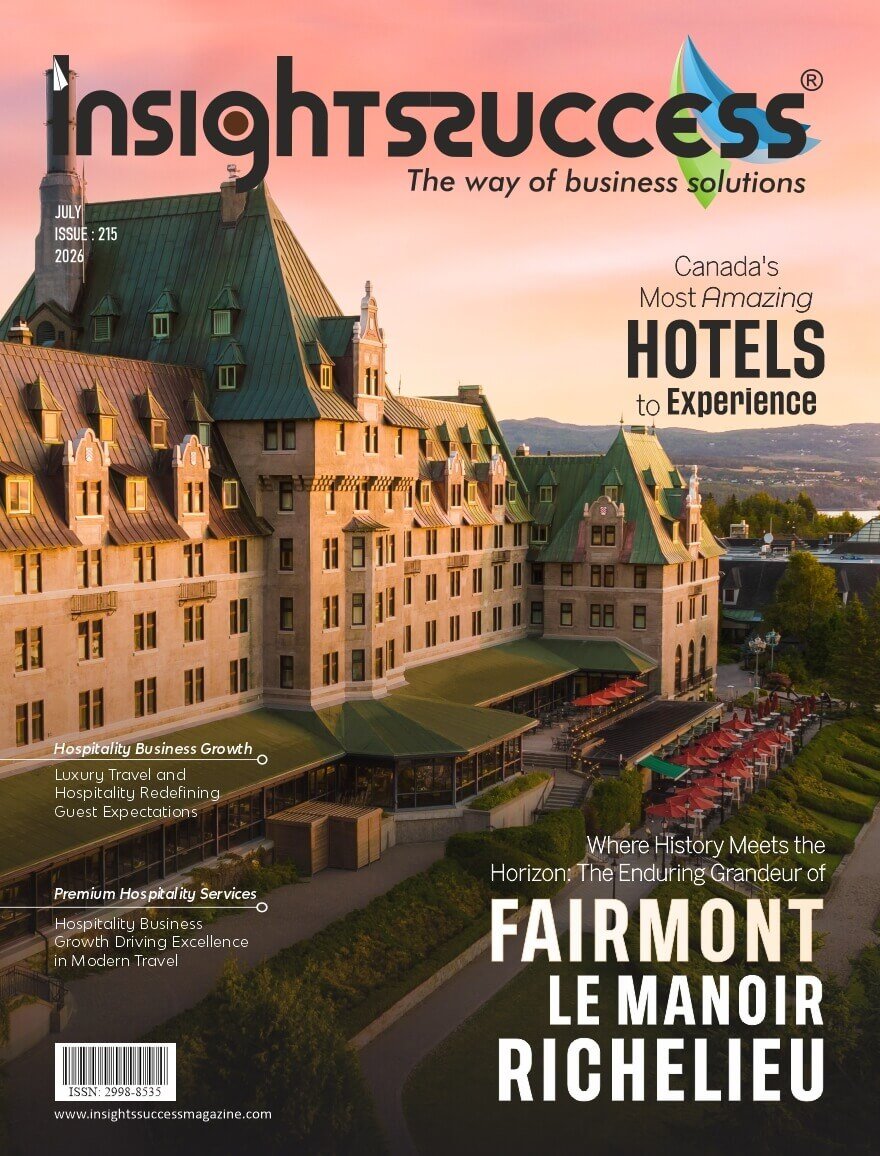
Canada’s Most Amazing Hotels to Experience
Canada’s Most Amazing Hotels to Experience Discover Canada’s finest hotels, where luxury, breathtaking destinations, exceptional hospitality, and unforgettable experiences come together. This edition celebrates remarkable properties redefining comfort, elegance, and world-class travel across Canada’s most captivating landscapes. Digital Link Quick highlights Quick reads The Most Admired Women In Educational Sector, 2023 March2023 Lorem ipsum dolor sit amet, consectetur adipiscing elit. Ut elit tellus, luctus nec ullamcorper mattis, pulvinar dapibus leo. Lorem ipsum dolor sit amet, consectetur adipiscing elit. Ut elit tellus, luctus nec ullamcorper mattis, pulvinar dapibus leo. Digital Link Quick highlights Quick reads The Most Admired Women In Educational Sector, 2023 March2023 Lorem ipsum dolor sit amet, consectetur adipiscing elit. Ut elit tellus, luctus nec ullamcorper mattis, pulvinar dapibus leo. Lorem ipsum dolor sit amet, consectetur adipiscing elit. Ut elit tellus, luctus nec ullamcorper mattis, pulvinar dapibus leo. Digital Link Quick highlights Quick reads
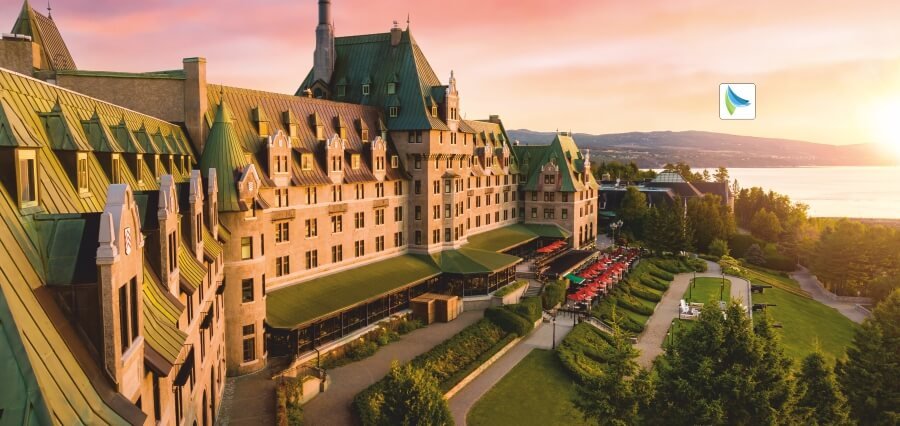
Where History Meets the Horizon: The Enduring Grandeur of Fairmont Le Manoir Richelieu
There are places that earn their reputation through marketing. And then there are places that simply exist, so strikingly and so completely, that the reputation builds itself. Fairmont Le Manoir Richelieu is the second kind. Situated in La Malbaie in the Charlevoix region of Quebec, approximately 90 minutes from Quebec City, the resort occupies a vantage point that no architect could have designed, and no developer could have manufactured. Below it, the St. Lawrence Seaway stretches wide toward the horizon. Around it, a dramatic coastline carved into its distinctive shape by a meteor impact some 450 million years ago rises and falls in a landscape that feels ancient and alive simultaneously. The property itself, a grand castle-like structure commanding this view since 1899, carries the quiet authority of something that has watched the world change for well over a century without losing its essential character. To stay at Fairmont Le Manoir Richelieu is not simply to check into a hotel. It is to become, for a time, part of a story that has been unfolding since before most of Canada’s defining institutions existed. 127 Years of Genuine Hospitality Founded in 1899, Fairmont Le Manoir Richelieu carries more than a century of hospitality tradition within its walls. That longevity is not merely a marketing credential. It is evidence of something more substantive: a consistent ability to make guests feel that they have arrived somewhere that genuinely wants them there. The resort’s approach to hospitality is grounded in a philosophy that the Fairmont brand holds across all its properties, but that takes on particular meaning in a setting as personal and unhurried as Charlevoix. No guest is a number. Every interaction is treated as an opportunity to build a connection that outlasts the stay itself. The desire for long-lasting relationships sits behind every exchange between staff and guest, and it is that quality, more than any single amenity, that keeps guests returning year after year and generation after generation. This philosophy scales. As the largest hotel in the province of Quebec outside of major urban centers, Fairmont Le Manoir Richelieu serves individual leisure travelers, corporate groups, wedding parties, and convention delegations. The warmth of the approach does not diminish at volume. It is structural, embedded in training, culture, and daily operational practice rather than dependent on any individual’s disposition. Regular service and brand culture training, paired with ongoing feedback and daily operational meetings across all department heads, ensure that the standard of delivery holds regardless of season or demand. A Playground Without Limits For a property defined partly by its history, Fairmont Le Manoir Richelieu is remarkably alive with activity. The resort functions as one of the largest recreational playgrounds in the province of Quebec, offering an experience that changes completely with the season without ever losing its appeal. The world-renowned 27-hole golf course draws players from across Canada and internationally, delivering a round framed by views that no inland course can rival. On the water, whale-watching cruises along the St. Lawrence offer encounters with the natural world that remain extraordinary no matter how many times a guest has experienced them. When winter arrives, the landscape transforms rather than closes: downhill and cross-country skiing bring a different kind of exhilaration to the same terrain. For those who prefer their adventure vertically, via ferrata and zipline experiences deliver it without compromise. Quad bike excursions and hiking trails extend across the landscape, while more leisurely pursuits such as tennis or pickleball round out a program that keeps guests engaged from the first morning to the final evening. The Casino de Charlevoix, located on the property, adds an entirely different dimension to the experience, one that has made the resort a destination for those seeking something beyond scenery and fresh air, though both remain exceptional throughout. Four restaurants and bars anchor the culinary experience, each built around locally sourced ingredients that reflect the agricultural and maritime richness of the Charlevoix region. The food at Fairmont Le Manoir Richelieu is not incidental to the stay. It is an expression of place, connecting guests to the land and water visible from their window. Each dish reflects the richness of Charlevoix from local farms to the then fresh, then salty waters of the St. Lawrence. For relaxation and renewal, the Wellness Center provides all-seasons pools and hot tubs alongside a full spa, ensuring the resort’s restorative dimension is available regardless of what the thermometer reads outside. Excellence Recognized In 2025, Fairmont Le Manoir Richelieu received its first Michelin Key, a recognition that carries weight in the hospitality world precisely because it cannot be lobbied for or purchased. It is awarded on the basis of what a property delivers to its guests, consistently, across every dimension of the experience. For the teams at the resort, it was the kind of external validation that affirms years of quiet, disciplined work. Equally meaningful were the five Hotel and Meeting Green Keys, a recognition of the resort’s sustained commitment to environmental responsibility. Sustainability has been embedded in Fairmont’s operational DNA for close to 30 years, and at Le Manoir Richelieu that commitment is not a response to industry trend or regulatory pressure. It is part of the institutional identity of the property, maintained and deepened each year by a dedicated on-property sustainability team that produces a comprehensive report documenting every initiative undertaken across all departments. These recognitions sit alongside a milestone of a different kind: hosting the G7 Summit in 2018, an event that brought international attention to a property that, despite its scale and pedigree, has remained something of a well-kept secret outside Canada’s borders. Where Business Meets the Extraordinary Fairmont Le Manoir Richelieu offers nearly 30,000 square feet of function space, making it one of the most capable event venues in the province of Quebec outside of the major cities. For corporate groups, conference organizers, and event planners seeking a setting that elevates a meeting from a logistical exercise into a genuine experience, the combination of capacity, natural surroundings,
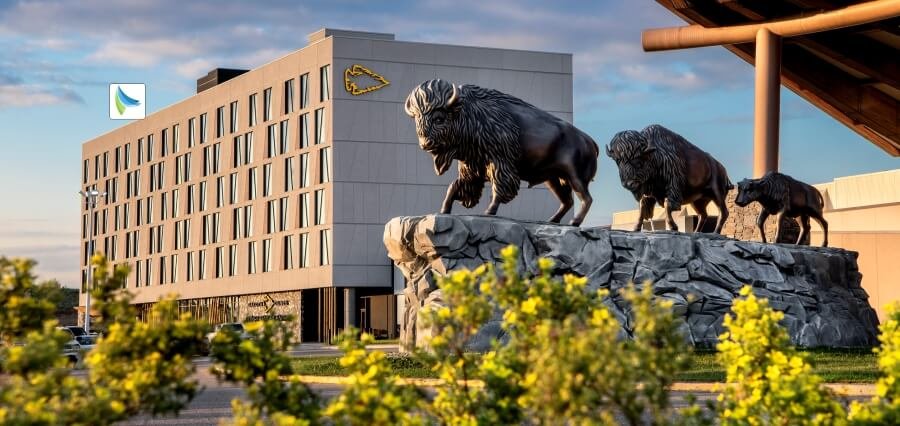
Dakota Dunes Resort: Elevating Tourism Through Story, Spirit, and Experience
Dakota Dunes Resort stands as one of Canada’s most distinctive, indigenous-owned and operated hospitality destinations, offering far more than a conventional hotel experience. Located within Whitecap Dakota Nation in Saskatchewan, the resort reflects a powerful vision rooted in culture, land, and community empowerment. Established in 2020, with foundations that trace back to the Dakota Dunes Golf Links in 2004 and the Dakota Dunes Casino in 2007, the property has grown into a fully integrated destination. Under the direction of Joy Caron, Resort Director of Sales & Marketing, the resort continues to evolve alongside shifting traveler expectations. It blends premium accommodations with cultural authenticity, outdoor adventure, and immersive storytelling, creating an experience that resonates deeply with guests. Rather than focusing solely on luxury, Dakota Dunes Resort emphasizes meaning, connection, and purpose. As tourism increasingly moves toward personalized and experience-driven offerings, the resort positions itself at the forefront by harmonizing Indigenous heritage with modern hospitality, ensuring each visit contributes to a broader narrative of identity, sustainability, and long-term vision for Whitecap Dakota Nation. Let’s explore Dakota Dunes Resort and experience culture, luxury, and adventure together! A Vision Beyond Hospitality Dakota Dunes Resort was conceived with a purpose that extends well beyond traditional hospitality. Joy explains that “it is a destination rooted in the culture, land, and vision of Whitecap Dakota Nation.” This vision guided the development of a world-class resort that not only attracts visitors but also supports economic self-determination for the community. From its inception, the goal was to create an environment where guests could engage meaningfully with Dakota culture. Over time, the resort has evolved from a premium accommodation and golf destination into a broader experiential tourism hub. Cultural programming, storytelling, and land-based experiences now form an essential part of its identity, allowing visitors to connect with the heritage and traditions of the region in a genuine way. Core Offerings and Guest Experience Today, Dakota Dunes Resort delivers a range of services that align with the expectations of modern travelers. Its offerings include contemporary accommodations, locally inspired dining experiences, access to the award-winning Dakota Dunes Golf Links, adjacent casino entertainment, and versatile meeting and event spaces. What distinguishes the resort is its emphasis on curated, signature experiences. Guests are invited to participate in cultural activities, explore outdoor adventures, and engage in unique offerings such as the geodesic dome stargazing experience. These experiences transform a typical stay into something immersive and memorable. Looking ahead, the resort is preparing to expand its offerings further. With the upcoming Thermal Spa scheduled to open in 2026, Joy notes that “we are expanding further into wellness tourism—one of the fastest-growing segments in the industry.” This addition will position the resort as a key player in wellness-focused travel, attracting guests seeking relaxation, rejuvenation, and holistic experiences. Commitment to Quality and Safety Maintaining consistent quality and safety standards is central to the resort’s operations. Caron emphasizes that “consistency in quality, safety, and reliability is central to our operations.” This commitment is reflected across all departments, supported by ongoing training programs, performance monitoring, and guest feedback mechanisms. Safety protocols and regulatory compliance are rigorously followed to ensure the wellbeing of both guests and staff. However, the resort recognizes that exceptional service goes beyond systems and procedures. It is driven by people. By fostering a culture of accountability, pride, and respect, rooted in Dakota values, the organization ensures that every guest interaction reflects its commitment to excellence. Navigating Industry Challenges Like many in the hospitality sector, Dakota Dunes Resort faces ongoing challenges, including labor shortages, seasonality, and evolving guest expectations. The organization addresses these issues proactively by investing in workforce development, particularly within Whitecap Dakota Nation. By building local talent and creating opportunities for community members, the resort strengthens both its operational capacity and its social impact. Additionally, it diversifies its offerings to maintain year-round appeal, reducing dependence on seasonal demand. Rather than competing on price, the resort focuses on delivering unique, experience-driven products. This approach not only differentiates it in a competitive market but also supports long-term sustainability and growth. Integrating Technology with Hospitality Technology plays a vital role in enhancing efficiency and service delivery at Dakota Dunes Resort. The organization utilizes modern property management systems, digital marketing platforms, and customer relationship tools to better understand guest preferences and improve overall experiences. Innovative elements are also integrated into its experiential offerings, such as a portable planetarium powered by a Digitalis space simulation system. Despite embracing innovation, the resort remains committed to maintaining genuine, human-centered hospitality. Technology is viewed as a tool to enhance—not replace—the personal connections that define exceptional service. Building Lasting Relationships A key focus for Dakota Dunes Resort is the development of long-term relationships with its clients and partners. This is achieved through consistency, transparency, and personalization. By delivering experiences that align with its promises, the resort builds trust and loyalty among its guests. Strong partnerships with corporate clients, tourism organizations, and community groups further contribute to its growth. By sharing the story of Whitecap Dakota Nation, the resort creates deeper emotional connections with visitors, ensuring that their experience extends beyond their stay and leaves a lasting impression. Workforce Development and Culture The success of Dakota Dunes Resort is closely tied to its people. Its approach to workforce development combines technical training with cultural education, ensuring that team members understand both operational standards and the significance of Dakota traditions. Employees are introduced to storytelling, cultural values, and community history, enabling them to deliver authentic and meaningful guest experiences. Ongoing training, leadership development programs, and career progression opportunities further support employee engagement and retention. By investing in its workforce, the resort not only maintains high service standards but also strengthens its organizational culture, creating a sense of pride and purpose among its team members. Milestones and Achievements Since its establishment, Dakota Dunes Resort has achieved several important milestones. It has positioned itself as one of Saskatchewan’s premier resort destinations while earning recognition for the Dakota Dunes Golf Links. One of its most significant accomplishments is the
Technology with Soul: How Hôtel Monville Is Changing What Canadian Hospitality Looks Like
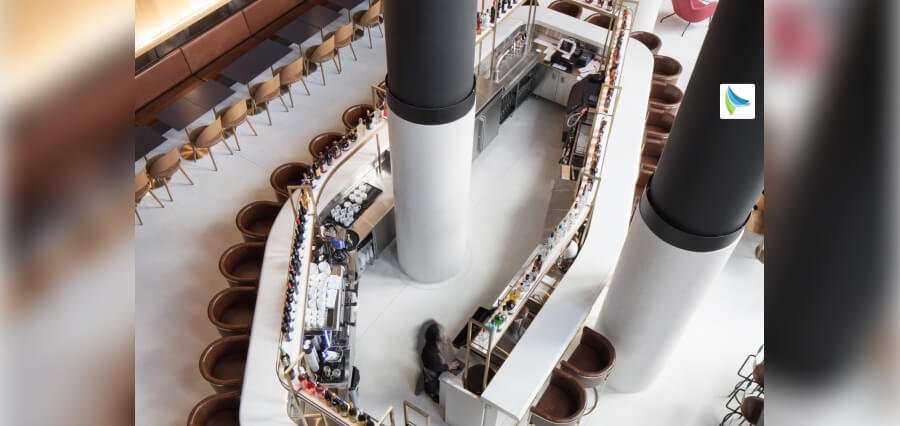
Montreal is not a city that does things quietly. It builds with ambition, designs with character, and welcomes the world on its own terms. When the team behind the celebrated Hotel Gault set out to create a new downtown property in 2018, they understood that a hotel in this city could not simply occupy space. It had to earn its place within it. Hôtel Monville was their answer: a 20-storey, 269-room property at the intersection of Old Montreal and the business district, designed in collaboration with architecture firm ACDF and built around a single animating conviction that a hotel could be deeply technological and deeply human at the same time. Naomi Dupont, Director of Marketing and Communications, captures the founding spirit simply. She states, “We do not merely practice the art of welcoming well. We practice the art of welcoming better.” Four Values, One Coherent Direction The philosophy behind Hôtel Monville is held together by four core values that are not aspirational statements, but operational guides: Locally Inspired, Innovation, Community, and Design with Meaning. Locally Inspired means that Montreal is not simply the hotel’s address. It is its identity. Lobby columns feature locally sourced granite. The luminaires that light the space were created by Lambert & Fils, a celebrated Montreal design studio. Bath amenities come from Oneka, a Québec company producing certified organic products. The oversized photography that defines the lobby atmosphere is the work of Montreal photographer Valérie Jodoin Keaton. Every detail is a deliberate act of local celebration, making the hotel a platform for Montreal talent as much as a destination for its visitors. Innovation means continuously seeking smarter ways to serve guests, not for the sake of novelty but for the genuine improvement of the experience. Community means caring for the full spectrum of people the hotel touches: its team, its guests, its neighborhood, and its planet. Hôtel Monville welcomes everyone regardless of background, culture, gender, or sexual orientation. Design with Meaning ensures that the attention given to aesthetics also meets the highest environmental standards, embedding responsibility into the physical fabric of the property. She highlights, “The Hotel Monville welcomes everyone, regardless of their background, culture, gender or sexual orientation. Every guest is welcomed with the same warmth.” Technology in Service of the Human “From day one, we set out to prove that a hotel could be deeply technological and deeply human at the same time,” Naomi affirms. At Hôtel Monville, that conviction has never been a tagline. It has been a daily operational discipline. In 2018, the hotel became the first in Canada to deploy a robot for room service, a decision that attracted attention and occasional skepticism. In January 2026, that robot was upgraded to the Flashbot by Pudu Robotics, a more powerful model capable of carrying two to four delivery compartments simultaneously, bringing everything from extra towels to late-night snacks with quiet, reliable efficiency. The upgrade reflects an ongoing commitment to testing and adopting solutions that genuinely improve the guest experience rather than simply generating conversation. Self-check-in kiosks with automated key dispensers allow guests to be in their rooms in under one minute, a reduction in arrival friction that matters particularly for business travelers arriving directly from a flight or a meeting. For groups and guests who prefer face-to-face interaction, a traditional reception desk remains fully operational. Technology is deployed here not as a replacement for human connection but as a liberator of it: by reducing transactional demands on the team, it creates more space for meaningful moments that define memorable hospitality. Spaces That Bring People Together Hôtel Monville’s event offering is as deliberately conceived as the rest of the property. Four thousand square feet of flexible event space spans six modular rooms across the second and twentieth floors, the latter offering panoramic views of Montreal that have made it a sought-after venue for corporate events, private gatherings, and celebrations of every kind. The lobby, designed to function as a living room for the city rather than a threshold to pass through, is anchored by a bar where signature cocktails crafted by a resident mixologist are served to hotel guests and Montréalais alike. The intention is coexistence: the hotel does not hold itself apart from the city but invites the city in, creating an atmosphere where the line between visitor and local is deliberately blurred. She mentions, “We conceived our lobby as a living room for the city, a place where guests and locals naturally coexist over a coffee or cocktail.” Sustainability as Structure, Not Statement Hôtel Monville is the first hotel in Montreal to achieve Gold certification from GreenStep, a rigorous standard for responsible tourism, and that achievement is the product of structural commitments rather than surface-level gestures. On energy, LED lighting is deployed throughout the property, and heat-recovery systems optimize consumption. Electric vehicle charging stations serve guests arriving in low-emission vehicles. On procurement, the preference for local and organic suppliers reduces transport emissions while supporting the regional economy. The eco-responsibility committee established internally ensures that sustainability remains an active operational priority rather than a periodic reporting exercise. The hotel’s EDI policy, covering Equity, Diversity, and Inclusion, sits alongside the environmental commitments as evidence that responsibility at Hôtel Monville is understood broadly. The property looks forward to pursuing higher certifications and new initiatives in waste reduction and renewable energy as it continues to build on the foundation already laid. She asserts, “Sustainability is embedded in the DNA of Hôtel Monville. We are proud to be the first hotel in Montréal to achieve Gold certification from GreenStep.” Resilience Built from Identity The COVID-19 pandemic tested every hotel in the world, and Hôtel Monville was not immune to its disruption. What distinguished the property’s response was the clarity with which its leadership held to the values and relationships that defined it before the crisis. The self-check-in kiosks, already in place before the pandemic, became a genuine competitive advantage during a period when guests prioritized safety and minimal physical contact. Local supplier relationships were maintained
More Than a Hotel: Rosewood Hotel Georgia and the Art of Timeless Hospitality
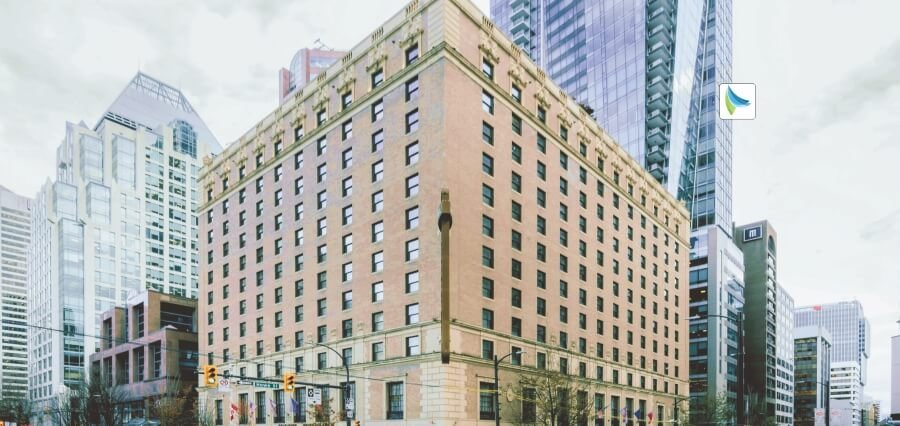
Some hotels you stay in. Some hotels you remember. And then there are the rare ones you find yourself thinking about long after you have checked out, not because of anything dramatic that happened, but because of how the place made you feel. Settled. Looking after. Like someone had thought carefully about every detail before you even arrived. Rosewood Hotel Georgia in Vancouver is that kind of hotel. It has been that kind of hotel since 1927, quietly establishing itself as one of Canada’s most enduring symbols of refined hospitality. Since then, it has welcomed royalty, Hollywood legends, and generations of travelers who return not out of habit but out of genuine affection. Under Managing Director Maykel Escalona, the hotel continues to honor that legacy while evolving thoughtfully, combining nearly a century of history with the kind of intimate, personalized service that defines luxury on its own terms. A Legacy Built in Stone and Story Rosewood Hotel Georgia carries nearly a hundred years of memory within its walls. Since its founding in 1927, the hotel has welcomed royalty, Hollywood legends, and generations of discerning travelers who sought more than a bed for the night. They sought experience. The property earned its place as one of Vancouver’s most iconic gathering points, a stage where history played out across grand ballrooms and intimate corridors alike. Few Canadian hotels can claim a guest register that reads like a cultural archive, and fewer still have managed to remain relevant across every decade since. When Rosewood Hotels and Resorts assumed stewardship of the property, the restoration it undertook was guided by a clear mandate: honor the past without being imprisoned by it. The result is a hotel that wears its heritage as a badge of honor while offering every modern luxury that today’s guests expect. Escalona describes this duality with precision, noting that the hotel serves as a bridge between past and present, a place where the grandeur of the original architecture coexists with a residential, deeply personal approach to service. The restoration did not simply preserve the building; it gave the building a renewed sense of purpose. The Philosophy of Genuine Luxury At Rosewood Hotel Georgia, the team operates under a philosophy that challenges the hospitality industry’s conventional definition of luxury. Escalona and his team reject the notion that extravagance alone constitutes a premium experience. Instead, they anchor their service model in intuition, authenticity, and almost forensic attention to detail. True luxury, as the hotel defines it, lies in the seamlessness of anticipation, in knowing what a guest needs before the guest articulates it. Escalona believes that this ability to read a room, to sense what is needed without being asked, is ultimately what separates genuinely great hotels from merely expensive ones. This philosophy extends inward as much as it is outward. Escalona places significant emphasis on internal culture, recognizing that an empowered team produces exceptional guest experiences almost organically. When associates feel trusted, inspired, and connected to the brand’s larger vision, they deliver a service that transcends scripted interactions. The hotel invests heavily in ongoing training and cross-departmental communication, not to manufacture warmth, but to sustain it. The team does not perform hospitality; they practice it, and there is a fundamental difference between the two guests who instinctively feel the moment they arrive. Standing Apart in Canada’s Luxury Landscape Canada’s hospitality landscape has never been more competitive, and luxury properties increasingly compete on spectacle. Rosewood Hotel Georgia deliberately takes a different path. Rather than chasing scale, the property leans into intimacy, creating an atmosphere that feels curated rather than crowded, refined rather than ostentatious. Guests who walk through its doors encounter a calm, discreet environment that simultaneously pulses with the energy of one of the country’s most dynamic cities. In a market where many properties shout for attention, Rosewood Hotel Georgia has mastered the art of the quiet statement. Its location at Vancouver’s urban core gives the property a rare dual identity. Guests can step outside and immediately immerse themselves in the city’s vibrant arts scene, culinary diversity, and natural splendor, and then return to a sanctuary of quiet elegance. The hotel functions as both a gateway to Vancouver and a retreat from it, a balance that few properties manage to sustain. This positioning is not accidental; it reflects a carefully considered understanding of what the modern luxury traveler wants, which is access to everything and obligation to nothing. Signature Spaces and Curated Experiences Among the property’s most celebrated offerings is Reflections: The Garden Terrace, a seasonal, open-air destination that draws both hotel guests and Vancouver locals with its distinctive blend of design, culinary craft, and atmosphere. The venue transforms across seasons, offering an evolving experience that keeps both first-time visitors and returning guests equally captivated. It has grown beyond a hotel’s amenity to become a destination, anchoring the property’s role as a cultural hub within the city. That a hotel restaurant generates its own loyalty following entirely separate from the hotel’s guest population speaks volumes about the quality and character of what Escalona’s team has built. The guestrooms and suites at Rosewood Hotel Georgia carry the same residential philosophy. Each space feels less like a hotel room and more like a private residence, appointed with thoughtful details that prioritize comfort over showmanship. The property also offers bespoke in-room amenities and curated city itineraries, allowing guests to connect more meaningfully with Vancouver’s neighborhoods, landscapes, and creative communities. These are experiences that no travel application can truly replicate, because they carry the weight of genuine local knowledge and genuine human investment. Rooted in Place: Celebrating Vancouver’s Culture and Heritage Rosewood Hotel Georgia does not treat its Vancouver address as incidental. The city’s extraordinary natural beauty, its layered cultural diversity, and its progressive culinary scene inform every layer of the hotel’s identity. From the materials and textures that define the interiors to the artwork that lines its walls, the property speaks like a design language that feels authentically rooted in the Pacific Northwest. Every
Hospitality Business Growth Driving Excellence in Modern Travel
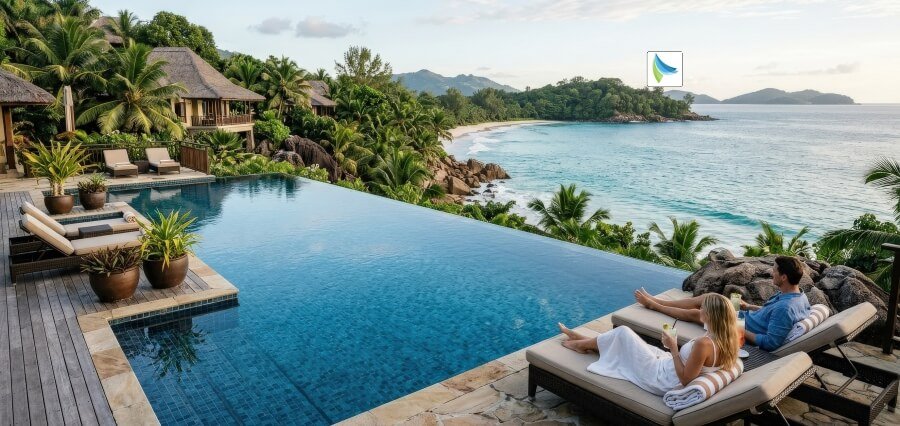
Premium Hospitality Services The hospitality industry keeps adjusting to the needs of tourists who wish for comfort, convenience, personalization, and experiences. Today’s tourists do not assess hotels on the basis of luxurious accommodations or premium facilities alone. They focus on good service, local experiences, wellness services, and personalization at each step. This change in demand has prompted companies to introduce Premium Hospitality Services, which will improve all phases of guest experiences. Similarly, Hospitality Business Growth requires establishing a relationship with guests and operating excellently. Companies which manage to incorporate both innovation and excellence in their services are well poised for success in the future. Delivering Personalized Experiences Personalization has turned out to be one of the most potent competitive differentiators in the hospitality sector. It is always important for customers to receive personalized services in the form of customized rooms, dining options, wellness plans, and culturally related activities. The Premium Hospitality Services help hotel operators meet the expectations of their customers by providing unique experiences to them through customer insights and advanced technologies. Not only does it improve customer satisfaction levels, but also it plays an important role in Hospitality Business Growth by encouraging repeated visits and positive feedback from the customers. Technology Enhancing Service Excellence Technology is continuing to revolutionize the hospitality industry through the reduction of operations processes and providing convenience for guests. Technologies like mobile check-in systems, contactless payment systems, intelligent room controls, artificial intelligence technology, digital concierges, and real-time communications improve travel experience and operational efficiency. These technologies enhance the premium service of the hospitality sector since they help reduce waiting time and make the employees attend to their duties in person. Technology also assists in the growth of hospitality businesses because of operational visibility, effective use of resources, and customer satisfaction. Building High-Performing Hospitality Teams Excellent levels of hospitality require motivated employees who offer exemplary services regularly. Training, leadership development, and employee engagement are some ways through which employees can be made to acquire skills that include communication skills, problem-solving skills, and customer service skills that improve guests’ experiences. Highly trained employees will enhance Premium Hospitality Services by being proactive about guests’ needs even as they maintain high levels of service delivery in all departments. Driving Sustainable Hospitality Sustainability has now become a critical pillar of success in the hospitality industry. Tourists now want hotels that are environmentally responsible due to energy efficiency infrastructure, sustainability, waste reduction, and water conservation. Through the adoption of sustainable practices in their daily activities, companies build on Premium Hospitality Services while at the same time cutting down operational costs and helping out the environment. Sustainability also makes huge contributions to Hospitality Business Growth because environmentally conscious tourists have a tendency to back up the brands that match their values. Creating Memorable Guest Relationships Sustainable success is predicated on the development of strong relationships that will transcend the initial interaction. The hospitality industry is focusing on programs that develop loyalty, personal communication, exclusivity, and follow-up after the stay to foster stronger guest relations. This not only increases repeat business but also builds guest trust and brand loyalty. Consistent delivery of premium hospitality services ensures that businesses outperform all expectations through every step of the customer journey, from booking to checkout. Meanwhile, the development of sustainable guest relations is among the biggest factors for hospitality business growth. Preparing for the Future of Hospitality Hospitality in the future will keep being molded by innovation, personalization, and operations. Those companies that are willing to develop new technology, people’s skills, sustainability, and business strategy oriented towards customers will definitely be in the right place in terms of the future. Premium Hospitality Services will keep developing as a concept that involves a perfect combination of digital and real-life interactions. Hospitality Business Growth, in turn, will be based upon one’s capacity to forecast changes in travelers’ needs while keeping the service top-notch. By embracing continuous improvement, making decisions based on data, and forming partnerships, hospitality professionals committed to innovation can build organizations that will be able to adapt to future changes and opportunities. Investments into wellness services, culture experiences, technology, and training of employees will not only improve the quality of service but also help to create unforgettable journeys for the customers. As the world of tourism keeps growing larger, those companies that can offer Premium Hospitality Services in conjunction with Hospitality Business Growth that is sustainable would achieve a unique competitive edge for themselves and make sure that the world of hospitality keeps thriving in the future. Read Also : Venkatesh Sai: Engineering India’s Autonomous Future, One Drone at a Time

Luxury Travel and Hospitality Redefining Guest Expectations
Hospitality Business Growth The hospitality industry is moving towards a new era whereby quality customer experience, personalization, and innovation will be key to success. The modern traveler is not just looking for high-end facilities; he or she is looking for something that will deliver an enjoyable experience with all the elements of luxury, authenticity, wellness, and service. This trend has prompted companies to change their approach and focus on experiences that leave a lasting impression. Hospitality Business Growth depends on the ability to meet these needs. Concurrently, Luxury Travel & Hospitality is continually growing out of luxury establishments into customized experiences, cultural immersion, and novel ways of service delivery. Organizations that can achieve a blend of operational success and customer-driven innovation are creating new benchmarks in the hospitality industry worldwide. Understanding Changing Guest Expectations Personalization is just as important for modern-day travelers as a luxury. It is expected of the hotels and resorts to know the preferences of the individuals who come to stay at their places and offer flexible services so that an enjoyable experience can be gained through all stages of travel. The creation of personalized tours, wellness packages, local dining options, and fun activities are what define successful hospitality businesses. Hospitality Business Growth revolves around the need for these changing requirements to be understood and implemented through appropriate services that would bring back the clients. Technology Enhancing the Guest Journey The innovations in digital continue changing the way hospitality businesses operate and interact with their guests. Digital check-in, room keys, artificial intelligence-driven concierge, smart rooms, and personalized communication channels make travel easier and more convenient. The innovations enable hospitality employees to concentrate on guest experience rather than administration processes. Companies adopting digital innovations enhance Hospitality Business Growth through operational efficiency and increased satisfaction among customers. On the other hand, the Luxury Travel and Hospitality industry gains from the use of intelligent technologies that deliver seamless experience without reducing the quality of human experience. Personalization as a Competitive Advantage Every travel enthusiast is in pursuit of experiences which suit his/her interests and preferences. Many hotels and resorts now leverage guest information, loyalty programs, and feedback from their customers to create extremely personalized services. Personalized dining, wellness programs, adventure programs, and cultural programs enable hospitality companies to stand out in their respective markets. The focus on personalization by companies contributes to Hospitality Business Growth by creating strong customer loyalty. Personalization efforts are also in line with the concept of Luxury Travel and Hospitality. Building Sustainable Hospitality Sustainability is emerging as a key factor among travelers who emphasize sustainable tourism and luxurious comfort. Hotels and resorts are embracing environmentally friendly policies including the use of energy efficient structures, water conservation programs, waste reduction campaigns, and locally produced goods. Such activities have been proven to minimize environmental damage while improving organizational efficiency and brand image. The practice of sustainability is also seen as an aspect of Hospitality Business Growth in that it enables businesses to reach environmentally sensitive travelers. Moreover, Luxury Travel and Hospitality illustrates that environmental friendliness does not interfere with luxury and hospitality. Empowering Hospitality Professionals Every great guest experience is made possible because there are highly skilled individuals that strive to provide excellent service. Ongoing training for employees, development of leaders, and the spirit of teamwork make it possible for hospitality companies to remain at a high level of quality all the time. Employees who have effective communication skills, cultural sensitivity, and problem-solving abilities will be able to meet the guests’ demands and adapt to new circumstances quickly. Investment in people contributes to Hospitality Business Growth through enhancing engagement and service quality. The same way, Luxury Travel and Hospitality require motivated individuals to create memorable experiences. Shaping the Future of Hospitality The future of hospitality will be marked by innovation, personalization, and the importance of connecting with others. Companies that are able to digitally transform, sustainably operate, develop their employees, and implement customer-oriented strategies will still have a very good chance of succeeding. Future Growth of Hospitality Business will depend on creating experiences that are characterized by operational excellence and engaging the guests as part of the process. Meanwhile, future developments in Luxury Travel and Hospitality industry will focus on wellness experiences, immersion into culture, the use of new technologies, and personalization of the services according to changing needs of travelers. Read Also : Hospitality Business Growth Driving Excellence in Modern Travel

The Card Company Launches India’s Premium Metal Prepaid Card Powered by RuPay
Gurugram, India | 20 July 2026: The Card Company, an RBI-authorized issuer of Prepaid Payment Instruments (PPIs), has announced the launch of its premium metal prepaid card powered by the RuPay network. The company states that the new offering is designed to make premium payment experiences more accessible by combining a metal card with customizable lifestyle benefits, without requiring income-based eligibility or credit underwriting. Built on a prepaid framework, the card enables eligible users to access premium payment features after completing the prescribed Know Your Customer (KYC) process and setting up a prepaid wallet through The Card Company app. According to the company, the product has been developed to broaden access to premium payment solutions while maintaining regulatory compliance and secure user safeguards. Designed for Accessibility and Personalization Unlike conventional premium payment cards that often require income verification or credit assessments, The Card Company’s metal prepaid card allows customers to select the feature package that best aligns with their spending preferences. Customers can choose from two benefit plans, Travel and Lifestyle, or opt for the standalone metal card without additional features. The pricing structure separately outlines the cost of the physical card and the selected feature plan, providing greater transparency and flexibility. Lifestyle Benefits and Rewards The card offers access to a range of lifestyle privileges, including: Global airport lounge access Complimentary buffet experiences at selected five-star hotels Buy-One-Get-One (BOGO) offers at premium coffee outlets The company states that the combined value of these benefits exceeds ₹50,000, depending on the selected plan. Cardholders also earn Gold Coins on eligible transactions, with every spend generating rewards that can be redeemed for digital gold. According to the company, 100 Gold Coins are equivalent to ₹1 worth of digital gold, allowing users to accumulate digital assets through everyday spending. Launch Offer As part of the introductory launch, The Card Company is offering the metal card at no additional card cost when customers purchase either of the feature plans, priced at ₹5,999 plus applicable taxes. Customers who prefer only the physical metal card without a feature plan can purchase it at a discounted introductory price of ₹3,999 plus applicable taxes. Company and Industry Perspectives Commenting on the launch, Sandeepan Kashyap, Chief Executive Officer and Co-Founder of The Card Company, said: “Our objective is to make premium payment experiences more accessible to consumers across India. By combining a prepaid framework with a customizable metal card, we are introducing a product that offers premium features without the traditional barriers associated with high-end payment cards. We are also pleased to build this offering on India’s indigenous RuPay network.” Nalin Bansal, Chief Relationship Management – Partnerships, National Payments Corporation of India (NPCI), added: “NPCI remains committed to expanding secure and trusted digital payment solutions across the country. The introduction of a feature-rich prepaid card on the RuPay network reflects the continued evolution of India’s digital payments ecosystem and provides consumers with greater choice, convenience, and access to innovative payment products.” Availability The Metal Prepaid Card is now available through The Card Company mobile application. Customers can apply by completing the prescribed KYC process, activating their prepaid wallet, and selecting the physical metal card and preferred feature plan. About The Card Company The Card Company is an RBI-authorized issuer of Prepaid Payment Instruments (PPIs) in India. The company provides prepaid payment solutions designed to help individuals and families manage everyday financial transactions through a secure digital platform. Its product portfolio includes prepaid cards and financial management tools that support bill payments, expense tracking, household budgeting, and responsible spending through a unified mobile application. Media Contact The Card Company Email: marketing@thecardcompany.in Phone: +91 94183 44055 Read Also : PNGS Launches ‘Waricha Suvarnasaj’ as the First Creation in Its ‘Dagina Maharashtra-cha’ Heritage Jewelry Series

PNGS Launches ‘Waricha Suvarnasaj’ as the First Creation in Its ‘Dagina Maharashtra-cha’ Heritage Jewelry Series
Pune | 20 July 2026: P. N. Gadgil & Sons (PNGS), one of India’s oldest and most respected jewelry houses with a legacy spanning over 192 years, has unveiled ‘Waricha Suvarnasaj’, a handcrafted gold creation inspired by Maharashtra’s iconic Wari pilgrimage. The launch also marks the introduction of ‘Dagina Maharashtra-cha’ (The Jewel of Maharashtra), a first-of-its-kind monthly heritage jewelry initiative that will showcase handcrafted masterpieces celebrating the state’s rich cultural, spiritual, and historical traditions. The inaugural creation pays tribute to the Ashadh Wari, one of Maharashtra’s most revered annual pilgrimages, where millions of devotees undertake the journey to Pandharpur in an enduring expression of faith, devotion, and community spirit. A Tribute to Maharashtra’s Spiritual Heritage Designed by PNGS’ master artisans, Waricha Suvarnasaj interprets the essence of the Wari through intricate craftsmanship and symbolic design. Every element of the piece has been thoughtfully incorporated to reflect the traditions associated with the pilgrimage. The design features finely crafted gold beads inspired by the sacred Tulsi mala worn by Warkaris, symbolizing unwavering devotion. At its center, two ornate motifs represent Lord Vitthal and Goddess Rukmini, while carefully placed green gemstones evoke the Kaustubh gem and the spiritual significance of Tulsi leaves. The overall design also draws inspiration from the traditional Masoli Karnabhushan (fish-shaped ear ornaments) associated with the deities, creating a piece that reflects Maharashtra’s religious and artistic heritage. Rather than serving as a seasonal jewelry collection, Waricha Suvarnasaj has been conceived as a commemorative creation that celebrates one of the state’s most enduring cultural traditions. Speaking on the launch, Aditya Modak, COO & CFO, P. N. Gadgil & Sons, said: “Jewelry has always represented much more than ornamentation; it preserves traditions, emotions, and cultural identity across generations. Through ‘Dagina Maharashtra-cha’, we wanted to create a collection that celebrates the stories that define Maharashtra. Beginning this journey with the Wari felt both natural and meaningful, as it represents devotion, unity, resilience, and the cultural spirit of our state. Our objective is to transform these timeless narratives into handcrafted creations that can be treasured for years to come.” A Year-Long Celebration of Maharashtra The ‘Dagina Maharashtra-cha’ initiative will introduce one exclusive handcrafted gold creation every month, with each design drawing inspiration from a defining aspect of Maharashtra’s identity, including its festivals, landscapes, traditions, historical milestones, and cultural symbols. Collectively, the twelve creations will form a curated heritage collection that reflects the state’s evolving cultural calendar while preserving its artistic legacy through fine jewelry craftsmanship. Each monthly release has been envisioned as a limited-edition artistic expression, offering patrons and collectors an opportunity to own jewelry inspired by Maharashtra’s diverse heritage. Now Available Across Maharashtra Waricha Suvarnasaj is currently on display at all PNGS showrooms across Maharashtra, where visitors can explore the intricate craftsmanship and understand the symbolism behind each design element through guided in-store presentations. About P. N. Gadgil & Sons (PNGS) Established in 1832, P. N. Gadgil & Sons (PNGS) is one of India’s most trusted jewelry brands, recognized for its enduring commitment to craftsmanship, purity, and innovation. With a legacy of more than 192 years, the company operates 126 points of sale across 65 cities in 21 states, offering an extensive portfolio of gold, diamond, silver, platinum, and contemporary jewelry through its flagship brand and associated offerings, including Gargi by PNGS. Read Also : The Wellness Co. Launches India’s First Luxury Integrated Longevity Retreat at Karma Lakelands
The Wellness Co. Launches India’s First Luxury Integrated Longevity Retreat at Karma Lakelands
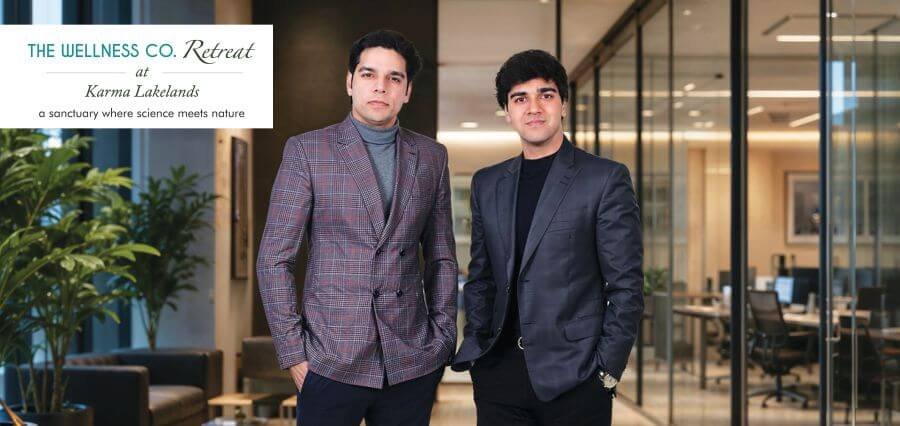
Gurugram, India | 20 July 2026: The Wellness Co., a preventive health and longevity brand in India, has announced the launch of The Wellness Co. Retreat at Karma Lakelands, introducing what the company describes as India’s first luxury integrated longevity retreat. Located within the 270-acre sustainable landscape of Karma Lakelands in Gurugram, the retreat has been designed to bring together evidence-based longevity programs, advanced recovery technologies, traditional healing systems, and personalized wellness services in a single destination. The launch reflects the growing global focus on preventive healthcare and healthy ageing, as individuals increasingly seek personalized approaches to improving long-term health, vitality, and overall quality of life. The retreat combines modern medical assessments with complementary wellness practices to deliver customized programs tailored to individual health profiles and wellness objectives. A Personalized Approach to Long-Term Wellbeing Every guest begins their wellness journey with comprehensive health evaluations, advanced diagnostic assessments, and consultations with healthcare and wellness professionals. These assessments are used to develop individualized programs based on personal biomarkers, lifestyle factors, and long-term health goals. Guests can choose from a range of specialized programs designed to address different aspects of health and well-being, including: Longevity and Healthy Aging Executive Wellness and Burnout Recovery Metabolic Health and Weight Optimization Sleep Enhancement Women’s Wellness Sports Recovery and Performance Optimization Stress Management and Emotional Well-being Situated amidst lakes, forests, and landscaped green spaces, the retreat features 55 luxury villas, cottages, and private coves designed to provide a tranquil environment that complements the wellness experience. Integrated Wellness Through Five Core Pillars The Wellness Co. Retreat has developed around five interconnected pillars that combine modern medical innovation with traditional wellness systems. Modern Longevity Science incorporates advanced diagnostics alongside USFDA-approved recovery technologies, including Hyperbaric Oxygen Therapy (HBOT), Whole-Body Cryotherapy, Intravenous (IV) Nutrition Therapy, and Far Infrared Sauna to support recovery, vitality, and healthy aging. Ayurveda offers personalized Prakriti assessments, Panchakarma therapies, and traditional treatment protocols aimed at restoring physiological balance and supporting long-term wellness. Naturopathy includes evidence-informed natural therapies focused on detoxification, metabolic health, and strengthening the body’s natural healing processes. Mind and Soul, developed in collaboration with the Art of Living, integrates meditation, breathwork, mindfulness practices, sleep optimization, and digital detox programs to promote emotional resilience and mental well-being. Nature and Nutrition combine therapeutic nutrition plans, farm-to-table cuisine, and immersive outdoor experiences designed to complement each guest’s personalized wellness program. Responding to the Growing Demand for Preventive Healthcare Commenting on the launch, Rishabh Jain, Co-Founder and Chief Executive Officer of The Wellness Co., said: “The conversation around healthcare is increasingly focused on extending not just lifespan but health span. The Wellness Co. Retreat has been created to integrate advanced diagnostics, longevity science, recovery technologies, Ayurveda, naturopathy, personalized nutrition, and mental wellbeing into one comprehensive wellness destination. Our objective is to support individuals in achieving healthier, more active, and fulfilling lives through personalized preventive care.” According to the company, the retreat represents an important step in expanding its offerings beyond preventive healthcare clinics into a broader ecosystem encompassing longevity, recovery, and integrated wellness services. Meeting the Growing Interest in Luxury Wellness The Wellness Co. stated that increasing awareness of preventive healthcare, longevity medicine, and evidence-based wellness has contributed to rising demand for luxury wellness retreats both in India and internationally. By combining scientific assessments with holistic therapies and restorative hospitality, the company aims to address the evolving needs of health-conscious individuals seeking personalized wellness experiences. About The Wellness Co. Retreat The Wellness Co. Retreat at Karma Lakelands is a diagnostics-led luxury wellness destination located within the 270-acre sustainable landscape of Karma Lakelands in Gurugram. Developed by The Wellness Co., the retreat integrates advanced diagnostics, science-backed recovery therapies, Ayurveda, naturopathy, personalized nutrition, movement programs, and nature-based experiences into customized wellness journeys designed to support long-term health and wellbeing. About The Wellness Co. The Wellness Co. is an Indian preventive healthcare, recovery, and longevity company offering science-based wellness solutions through its expanding network of clinics and wellness destinations. The organization focuses on integrating advanced diagnostics, recovery therapies, longevity interventions, and personalized wellness programs to support long-term health, performance, and vitality. Media Contacts Priyanka Presannakumar Email: piyanka.pk@boldandbeyond.in Mobile: +91 9819570113 Iswarya Lakshmi Email: iswarya@boldandbeyond.in Mobile: +91 9566253852 Read Also : Perpetual Pictures Launches ‘Cartoon Movie,’ an AI-Powered Animation Ecosystem to Enable Personalized Storytelling