


For generations, a physical key and lock have been the standard way to control access to homes, offices, and other buildings. But security needs are changing, and traditional locking systems are no longer the only practical option.
Today, property owners, landlords, and facility managers increasingly turn to digital access systems that offer more control over who can enter a space and when. From keyless entry to electronic credentials, modern solutions are changing how people secure and manage their buildings.
The Hidden Cost of Mechanical Keys
Mechanical locks are simple only when nothing goes wrong. But what if you lose a key? It can force a building owner to replace entire cylinder sets across a property, especially in shared buildings where one master key opens dozens of doors. You can’t know who used a key, when, or whether a copy exists somewhere unaccounted for. For organizations managing multiple sites, tracking physical keys becomes a logistical headache that grows with every new employee, tenant, or contractor.
These limitations matter more now than they once did. Buildings host a rotating mix of staff, delivery personnel, visitors, and cleaners, each needing different access levels at different times. A lock that can’t be reprogrammed remotely, or that offers no record of who entered and when, leaves gaps that modern security simply can’t afford.
What Digital Systems Actually Change
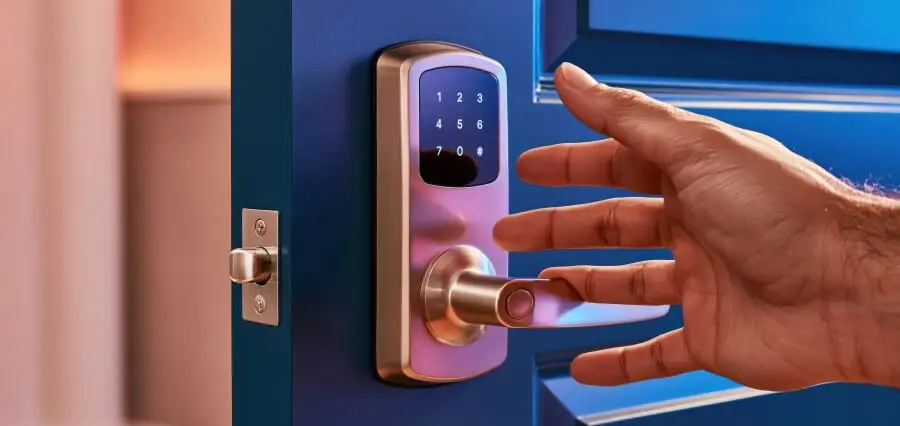
Electronic access solutions replace the static nature of a metal key with something far more flexible. Permissions can be granted or revoked instantly through software, meaning a lost key fob or a departing employee no longer triggers a costly lock replacement. Instead, they simply can’t access it.
This shift also brings visibility. You can log everything from entries to exits, giving you a clear picture of movement through a building. That audit trail helps not just with security investigations but with everyday operational questions, such as confirming whether a contractor arrived on schedule or whether a particular door was used outside normal hours.
Some systems go further still, removing the need for batteries or wiring in individual locks by harvesting energy from the key or credential itself during use. This design significantly reduces maintenance demands, particularly in large buildings where replacing batteries in dozens or hundreds of locks would otherwise be a constant task.
Practical Benefits for Building Owners
- Instant blockade of access without rekeying
- Detailed logs of entry and exit activity
- Lower long-term maintenance costs
- Flexible permissions for recurring or temporary visitors
- Reduced risk from copied or lost keys
Choosing the Right Approach for a Property
Not every building needs the same level of sophistication. A small office might only require basic digital locks on a handful of doors, while a large residential complex or commercial estate may need a networked system covering hundreds of access points, integrated with visitor management and emergency protocols.
Companies specialising in Access control often work closely with property managers to assess which combination of hardware and software suits a specific site, taking into account factors like building age, tenant turnover and existing infrastructure. Retrofitting older buildings can be particularly tricky, since wiring constraints or listed-building restrictions sometimes limit what’s physically possible. Battery-free or wireless digital locks have become popular precisely because they sidestep many of these constraints.
Organizations such as iLOQ are solving these exact challenges. They offer systems designed to scale from a single building to large multi-site portfolios without requiring a complete overhaul of existing infrastructure.
Looking Ahead
The move away from mechanical keys isn’t simply a novelty trend. It reflects a genuine shift in what buildings need to do: accommodate more people, more flexibly, while maintaining tighter oversight of who goes where. As more people are adapting to digital systems, the gap between old-fashioned locks and modern access will keep widening.