





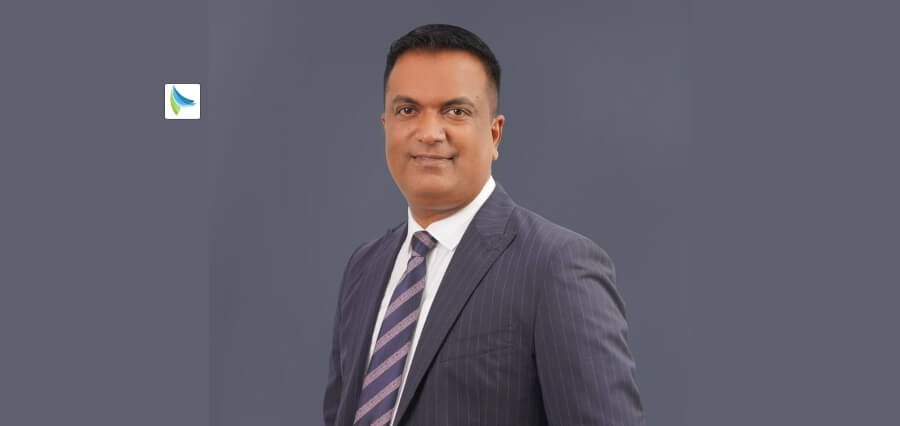
How Suji Gopalakrishnan.: A Senior Retail Banking Leader is Leading Customer-Centric Growth
As the UAE banking’s proven leader, Suji Gopalakrishnan has spent over two decades driving retail assets’ profitable growth by converting customer understanding into commercial outcomes. Prior to this role, Suji Gopalakrishnan worked at First Abu Dhabi Bank as Senior Vice President – Consumer Banking, playing a pivotal role in building and scaling retail banking distribution, portfolio and consumer acquisition His work spans cards, unsecured lending, SME products, and portfolio businesses, consistently delivering sustainable results at scale while balancing revenue, risk, and customer experience. Across his career, Suji Gopalakrishnan has held end-to-end P&L responsibility for retail asset portfolios with cumulative book sizes exceeding AED Billion + A Defining Strength Suji’s leadership ability to build scale with control is awesome. He has led large, multi-layered teams of on-roll and outsourced resources, spanning sales, product, and portfolio management. He now leads the Retail Assets function, bringing an end-to-end perspective across acquisition, growth, and portfolio optimization. According to Suji Gopalakrishnan, the most pressing challenge in banking today is operating in a state of constant transition. Customer expectations are evolving faster than institutional structures, and decisions are often made under time pressure without the luxury of long learning cycles. He has addressed this by focusing on simplification and prioritization. Rather than adding layers—new products, new rules, new processes—he looks for ways to reduce complexity where it no longer serves customers or the business. Clear ownership, fewer handoffs, and tighter feedback loops have been far more effective than broad transformation programs. “In my experience, progress comes from disciplined execution, not constant reinvention.” The Motivating Spark What motivates Suji Gopalakrishnan during difficult periods is the responsibility that comes with leadership. When conditions are challenging, decisions have a more direct impact on customers, teams, and the institution itself. That weight sharpens thinking. “I’m motivated by the need to make choices that stand up not just to immediate pressure, but to hindsight.” Difficult times force a different level of discipline: ideas have to be practical, defensible, and aligned with long-term intent. The process becomes less about creativity for its own sake and more about judgment. That shift keeps him engaged and focused. Suji Gopalakrishnan approaches risk through clarity rather than caution. When trying something new, he ensures the objective is well defined and the boundaries are understood. “What we are solving for, what we are testing, and what outcomes would require us to pause or rethink.” This creates space for informed risk-taking. In banking, the issue is rarely taking risk; it’s taking risk without structure. Clear intent and accountability allow teams to move forward with confidence while maintaining discipline. Innovation, to Suji Gopalakrishnan, is about reducing friction in financial decision-making. It’s about making products easier to understand, processes less burdensome, and outcomes more predictable for customers. When innovation achieves that, it builds confidence and trust—both of which are far more valuable than novelty. Business success follows when innovation improves how people experience financial institutions in their everyday lives. A strong advocate of digital-first transformation, Suji Gopalakrishnan has led initiatives that simplified onboarding journeys, improved funnel efficiency, enhanced digital engagement, and reduced friction across the customer lifecycle. These efforts have delivered tangible outcomes, reinforcing his belief that digital transformation must be anchored in practical and scalable outcomes. Defining Moments in Suji’s Journey They created a meaningful and lasting positive impact by reshaping customer experience, expanding financial access, and “Embedding customer choice at the core of our value proposition.” One defining moment was the transformation of the end-to-end digital journey for Cards, spanning both front-end and back-end capabilities. This shift enabled faster onboarding, seamless servicing, and stronger operational resilience, while aligning multiple stakeholders around a unified digital vision that improved scalability and efficiency. Another defining moment was addressing underserved financial needs through Earned Wage Access (EWA). By enabling customers to access their earned income in a timely and responsible manner, this initiative reduced dependence on short-term borrowing. It reinforced a more inclusive, needs-based approach to financial solutions. A further defining moment was the launch of a customer–choice–based Value Proposition, marking a fundamental change in how rewards are delivered. Customers are empowered to choose and seamlessly switch between different reward programs based on their preferences, ensuring ongoing relevance and engagement while shifting the organization from a product-led to a customer-led mindset. Equally Respected as A People Leader Suji Gopalakrishnan has mentored and developed leaders across sales, product, and portfolio roles, many of whom have progressed into senior leadership positions. His leadership style is characterized by strategic clarity, operational discipline, and a strong bias for execution. In his personal routine, Suji Gopalakrishnan is intentional about creating time to think, not just act. In a fast-moving environment, it’s easy to mistake constant activity for progress, he says, staying close to teams that interact directly with customers. “Those conversations keep my perspective grounded and often surface insights that dashboards don’t.” For him, focus and creativity come from understanding real constraints and designing around them. Suji’s advice to young leaders who want to make a real difference in the world is wise: Understand before influencing. Learn how customers think, how systems operate, and how decisions compound over time. Impact in complex industries like finance is durable when built on competence and integrity. Staying curious, grounded, and patient enhances your ability to shape meaningful outcomes. Read Also : A Multi-Talented Leader – Swapnil Raste: Entrepreneur, Anchor, Event & Media Visionary, Producer, Celebrity & Talent Strategist, and Photographer
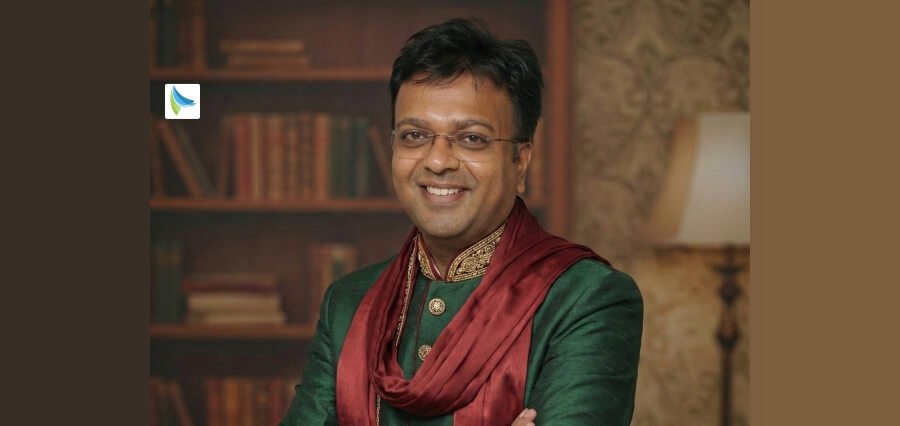
A Multi-Talented Leader – Swapnil Raste: Entrepreneur, Anchor, Event & Media Visionary, Producer, Celebrity & Talent Strategist, and Photographer
The marvellous human mind is capable of being extremely intelligent and multitalented at the same time. He is the biggest example of that. Born on 2 April 1981, in Pune, Maharashtra—celebrated as India’s Cultural Capital and Education Hub—Swapnil Raste embodies a rare fusion of heritage, creativity, and enterprise. He hails from the distinguished Sardar Raste royal lineage, historically revered as Sardars in the illustrious Peshwa Empire, a legacy that instilled leadership, discipline, and cultural depth from an early age. Education & Early Excellence Swapnil Raste completed his schooling at Perugate Bhave High School, Pune, followed by higher education at Sir Parashurambhau College and Sou. Venutai Chavan Polytechnic, before earning his bachelor’s degree in production engineering from Vishwakarma Institute of Technology, University of Pune, in 2005. During his formative years, he demonstrated exceptional prowess in sports and intellect. While passionate about cricket, he gravitated towards individual sports, dedicating over a decade to Table Tennis and Chess, achieving state-level accolades in chess and national-level recognition in table tennis, along with multiple district and state titles. The Birth of a Performer & Communicator An innate flair for culture and communication led Swapnil Raste towards anchoring during his college years. What began as a passion soon evolved into a profession as he ventured into commercial anchoring, event direction, and celebrity interviewing, hosting musical concerts and entertainment shows across platforms. His eloquence, stage command, and intellect positioned him as a sought-after anchor and interviewer. Corporate Journey & Parallel Passion Parallel to his creative pursuits, Swapnil Raste built a successful 15-year career in the IT industry, working with global giants such as Tata Technologies, Geometric Software Solutions, Parametric Technologies Corporation (PTC), and IBM India. This dual journey—corporate discipline by day and creative excellence by passion—shaped his unique entrepreneurial mindset. A Two-Decade Legacy in Entertainment Over a career spanning 20+ years, Swapnil Raste has: Anchored 3,000+ stage shows Conducted 300+ live celebrity interviews Directed and produced numerous celebrity events Authored 150+ celebrity interviews and articles, published in leading newspapers and magazines, including Sakal, Lokmat, Kesari, Tarun Bharat, and prominent Marathi publications. Entrepreneurial Milestone: Third Bell Entertainment In 2007, driven by passion and vision, Swapnil Raste founded Third Bell Entertainment—his first entrepreneurial venture—on 14 February. The company rapidly emerged as a powerhouse in: Event Management & Production Celebrity & Artist Management Film Promotions & Publicity Entertainment Show Production To date, Third Bell Entertainment has: Produced 900+ events Managed 500+ celebrities Promoted 50+ films Executed large-scale corporate, media, social, political, sports, fashion, and entertainment events The company stands proudly as a debt-free organization with an impeccable reputation, operating across India and international platforms, and earning goodwill from corporates, celebrities, media houses, and socio-political leaders. Talent Scout Studios: Shaping Faces & Futures Expanding his vision, Swapnil Raste launched Talent Scout Studios in 2012, dedicated to Talent Management, Celebrity Endorsements, Model Coordination, and Artist Scouting for films and advertising. Achievements include: Collaboration with 300+ clients, Placement of 600+ models, celebrities, influencers, and artists, Strong presence across advertising, films, television, fashion, theatre, and digital media. Reinvention Through the Lens: Swapnil Raste Productions In 2017, he established Swapnil Raste Productions, offering end-to-end advertisement and film production services. The COVID-19 phase became a turning point— Swapnil Raste reinvented himself as a fashion, celebrity, and commercial photographer, mastering the craft through self-learning and hands-on experience. Since 2020, he has: Photographed 200+ popular celebrities and models. Delivered high-impact work in print ads, TVCs, digital films, influencer campaigns, and brand videos. Expanded the production house into a full-service media and advertisement production company, offering photography, cinematography, direction, casting, and execution under one roof. Swapnil’s future aspirations include theatrical drama production and core film production ventures. Awards & Recognitions Swapnil Raste’s journey is adorned with numerous prestigious honors, including: The Pillars of Hindustani Society – Trans Asian Chamber of Commerce & Industries Young Achiever Award – Maharashtra Chamber of Commerce, Industry & Agriculture Event Excellence Award – Lokmat Group Balgandharva Puraskar Rajmata Jijau Puraskar John Yevalekar Best Anchor Award Pratibha Samman Puraskar Yuva Sanman Puraskar – Shiv Sena Pune Udyojak Puraskar City Excellence Award – Bharat Times Dadasaheb Phalke Cine Award – DPCA Academy, and many more. His work and journey have been widely featured in leading publications such as Sakal, Maharashtra Times, Indian Express, Times of India, Pune Mirror, Lokmat, Kesari, Housefull Cinema, The Punekar, among others. Personal Foundations Swapnil Raste attributes his success to unwavering family support: *Mother: Mrs. Jayashri Raste, Homeopathy Practitioner *Father: Mr. Vasant Raste, Mechanical Engineer & Industrialist *Wife: Mrs. Pradnya Raste, IIM Calcutta alumna and senior leader at Accenture India Swapnil Raste also fondly acknowledges his beloved mentor, the Late Mr. Bhau Marathe, a revered anchor from the Marathi entertainment industry, whose guidance shaped Swapnil’s early journey. Read Also : Ulrich Scherbel: A Global Leader Redefining the Future of Sustainable Materials

Ulrich Scherbel: A Global Leader Redefining the Future of Sustainable Materials
Where tradition once shaped the materials industry, the future is now being built through biotechnology. As industries worldwide aim for better performance and true sustainability, the demand for bio-based alternatives is growing. In this rapidly evolving field, only a few leaders are driving real change, transforming how materials are made and scaled. One of those leaders is Ulrich Scherbel, whose journey blends deep scientific understanding with entrepreneurial vision and a commitment to responsible innovation. Today, Ulrich Scherbel serves as the CEOof AMSilk GmbH, a world leader in plant-based synthetic silk biopolymers. But his path into biomaterials wasn’t a sudden leap; it was the product of decades spent inside the global performance materials industry. Trained in textile chemistry and finishing, he spent over 25 years in leadership roles across production, business development, and global operations. These early experiences showed him the limits of traditional material supply chains and the need for having sustainable alternatives. The turning point came when he joined AMSilk, a company poised to transform how industries source, use, and think about materials. Leaving behind established corporate roles, he took on the challenge of turning biobased silk biopolymers into an industrial reality. Since becoming CEO in 2021, Scherbel has expanded AMSilk (worldwide), built key partnerships, and secured patents, all while encouraging teamwork and a science-focused approach. Let’s take a closer look at how Ulrich Scherbel is leading AMSilk toward the next generation of sustainable, high-performance materials! A Career Rooted in Tradition and Reinvention Before joining AMSilk, Ulrich Scherbel led global businesses in the performance materials industry. “These were companies built over many generations, with strong culture, tradition and very defined markets,” he noted. AMSilk gave him a rare entrepreneurial chance: to scale a truly game-changing material technology and, at the same time, contribute to a better future for his children and for the planet. Scaling Sustainable Material Innovation The material industry faces one core challenge: creating more sustainable biomaterials that can match the quality and price of long-established supply chains. Science can deliver breakthroughs, but proving them at an industrial scale is the real hurdle. “Traditional materials have decades of optimisation behind them. Startups do not,” he shares. At AMSilk, it became clear to him that collaboration is the most effective and fastest way to overcome this. That is why the company built an asset-light scale-up model and worked closely with global leaders in the precision fermentation industry, such as Evonik and Ajinomoto. It shows that AMSilk’s materials are not only innovative but also industrially and commercially viable. With global brands supporting this journey, the company gains the credibility needed to break through the scaling barrier and introduce a new class of high-performance biomaterials to the world. From Uncertainty to Momentum When working with breakthrough technologies, taking risks is part of the job. Ulrich Scherbel approaches it by understanding the situation deeply and understanding customer needs deeply. Then the team builds a clear path to industrial reality and moves forward with real agility. “Risk becomes manageable when it is transparent and when responsibility is shared,” he expressed. Working together provides early real-world feedback and helps the organisation learn fast. This turns uncertainty into progress. Milestone That Proved the Mission When the first global brand decided to replace a traditional material with AMSilk’s bio-based alternative, it was a defining moment. They told the company that they could keep the performance while meaningfully reducing their environmental footprint. It is a small step, but it showed him that their work can help industries move in a better direction. Seeing this impact in the real world is deeply motivating for him. Idea to Real-World Innovation Innovation, for Ulrich Scherbel, is more than science. An idea becomes a real innovation only when it creates impact in the world. This happens when it can be repeated again and again, in the same high quality and to the full satisfaction of customers. Only then does an idea move from the lab into life. When AMSilk creates materials that deliver performance, sustainability, and reliability at scale, innovation becomes complete. It becomes something that truly makes a difference for people and for the planet. Finding Clarity in Routine and Connection Ulrich Scherbel stays focused by using a simple daily routine supported by AI that keeps his schedule clear and helps him prepare before the day becomes busy. “Creativity comes from the basics: good sleep, moments of prayer or meditation and time with my family. And it comes from real conversations,” he conveyed. What keeps Ulrich Scherbel motivated is the belief that materials can be made in a better way. “In difficult times, I remind myself why we do this: to create solutions that allow industries to grow without harming the planet,” he shares. Seeing teams push boundaries, seeing customers embrace new ideas, and knowing that the work can help the next generation gives him energy. Challenges do not slow him down. They often sharpen the purpose behind what he and his teams do. When he speaks with people who have been in similar or completely different situations, new perspectives open up. Many new ideas appear in these moments, and staying open to that keeps him moving forward. Decisions That Stand the Test of Time Balancing the short term and the long term is part of leading in a fast-changing industry. Ulrich Scherbel often asks himself a simple question: Will this matter as much in a year as it feels today? This helps him see what is urgent and what is truly important. And he tries to understand whether a decision has the potential to move AMSilk forward, not only today, but also in one year and in five years. If it supports the long-term direction, it guides how he acts in the short term. Insights Rooted in Experience and Empathy Ulrich’s life and career have taught him that people make the difference. He has worked with people from many cultures and from all over the world, and he learned early that listening, trust, and clarity matter more

Taha Alandejani: Breathing Life into Heritage with Human-Centric Designs
Picture being at that place, where every cobblestone is pressed down by centuries-old prayers, and ancient walls breathe with history. Now consider the audacity to touch such sanctity, not to alter it, but only to amplify it. Architecture turns into sacred custodianship in Saudi Arabia’s most overtly ambitious cultural renaissance, where sacred and modern collide. Arch. Taha Abdulaziz Alandejani has found his own calling in this rare area of reverence and revolution. As Senior Director of the King Salman Project for Quba’a Mosque, and Design Director at the Madinah Region Development Authority, Taha Alandejani is the steward of one of the most consequential architectural projects in the Islamic world. He will eventually influence how future generations will perceive one of the most sacred sites to Islam, and has a canvas that covers 12 million square meters of hallowed ground. Orchestrating the Sacred The King Salman Project isn’t merely construction. It’s cultural choreography on an unprecedented scale. Taha Alandejani navigates a delicate trinity: expanding the historic Quba’a Mosque to welcome growing numbers of faithful, master planning an entire urban ecosystem around it, and restoring centuries-old structures without diminishing their spiritual essence. He works at the convergence of multiple worlds. Saudi government institutions collaborate with international design luminaries. Technical experts debate with heritage conservators. Vision 2030 initiatives intersect with timeless Islamic traditions. Through this intricate web, Taha Alandejani weaves coherence, serving everyone from modest pilgrims to royalty while balancing requirements of operators, regulators, investors, and cultural guardians. This is architecture as diplomacy, design as dialogue. Shaping National Identity His influence radiates beyond Quba’a. As a leading representative of the King Salman Charter for Architecture and Urbanism, Taha Alandejani champions principles reshaping Saudi architecture from its foundations. This charter declares that buildings must serve human needs first, honour cultural continuity, embrace sustainability, and pursue innovation without abandoning identity. He translates these ideals through prestigious judging panels such as the King Salman Charter Awards, the Saudi Building and Infrastructure Awards 2025, and numerous design competitions. His evaluations set standards that ripple through practices nationwide. Young architects study his projects; established firms seek his counsel. The Human Equation “I believe in properly sourcing talent and empowering them through structured training and support,” Taha Alandejani explains. He doesn’t micromanage; he mentors. He doesn’t dictate; he develops. His teams receive autonomy alongside accountability. This people-first approach extends to every design decision. “Architecture is a dialogue between people’s behaviours, cultural values, and environmental context,” he insists. His buildings emerge from understanding how humans move, pray, gather, and rest. “It’s not enough to create a beautiful building; it must operate efficiently, reflect cultural values, and serve the people who use it.” Every space he envisions honours human dignity while enhancing experience. Sustainability as Sacred Duty For Taha Alandejani, sustainability transcends environmental buzzwords, it’s architectural responsibility reimagined. “True sustainability is not just about carbon footprints; it’s about enriching human life while preserving the natural and cultural environment,” he states. His projects demonstrate this through strategic building orientation, indigenous landscaping, and renewable technologies like solar integration. He employs off-site modular construction to minimize waste and maximize efficiency. Every decision undergoes scrutiny through sustainability’s triple lens: environmental stewardship, economic viability, and social welfare. This philosophy aligns with Vision 2030’s Quality of Life Program, positioning his work at the heart of national transformation. From Foundation to Influence Taha’s journey began with residential villas and hospitality projects that taught him architecture’s practical realities. Each project became a classroom where design confronted budgets and vision negotiated with feasibility. He developed an understanding of “architectural ecosystems”- the intricate interplay between aesthetics, technology, economics, and human behaviour. His innovation doesn’t chase trends; it reinterprets tradition. He merges traditional architectural forms with contemporary structural systems, creating designs that feel both timeless and current. Cultivating the Next Generation Beyond building structures, Taha Alandejani builds capacity. He bridges academia and practice, connecting universities with professional realities. “It’s not about hiring local, it’s about creating a richer local ecosystem,” he emphasizes. His teams blend seasoned expertise with fresh perspective. He pushes young architects toward multidisciplinary mastery. “Architects must not only design but also understand finance, operations, and stakeholder values,” he asserts. Tomorrow’s architects must be equally comfortable with design software and spreadsheets, with aesthetic theory and business strategy. Legacy in Living Form Ask Taha Alandejani about legacy, and his answer arrives without hesitation: “Innovative designs with quality and a human approach.” While artificial intelligence reshapes professions and digital tools revolutionize practice, he remains convinced that architecture’s soul lies in its humanity. Through mosque expansions that honour sacred tradition, heritage restorations that preserve cultural memory, and urban masterplans that enhance communal life, Taha Alandejani builds more than buildings. He creates experience, meaning, and connection. His true legacy emerges not in concrete and steel but in how people live, gather, and find meaning within the spaces he creates, and in the architects he inspires to carry this vision forward. Read Also : Amit Gaur: Leading the Next Generation of AI-Driven Fintech

Amit Gaur: Leading the Next Generation of AI-Driven Fintech
Both organizations and governments have not been prepared for how rapidly technology has evolved and continues to evolve. As a result, we now require leaders who can be described as “architects” in their ability to leverage new technologies, while developing systematically organized, disciplined methods by which to promote innovation while remaining faithful to their values of ethical conduct. Architect leaders create opportunity out of lack by providing a roadmap of how to convert barriers to abundance into opportunities. In emerging economies, the digital revolution requires a vision that bridges the gap between high-tech sophistication and ground-level human impact. The primary challenge is financial exclusion, where billions remain unbanked and reliant on inefficient systems. For leaders, the focus is on deploying AI, blockchain, and automation to build digital trust as societies transition from cash to digital assets. Amit Gaur, CEO of Artificial Intelligence Technologies Limited (AITL) and the visionary behind Ezipay, operates at this intersection. His leadership is driven by the conviction that technology’s highest calling is empowerment rather than mere corporate efficiency. Amit Gaur rejects the idea that advanced fintech should be a privilege of the developed world. He believes that AI, when aligned with social purpose, can fundamentally redefine economic participation for millions currently excluded from the global digital economy. The Genesis and the Ecosystem Blueprint: Building Trust from the Ground Up Amit’s path began not with lines of code, but with empathetic observation: a fundamental question of global equity. Why did sophisticated technology consistently fail to penetrate, or even reach, the communities that demonstrably needed it most? This powerful realization ignited an unwavering mission. He concluded that impactful leadership wasn’t about building the most complex products, but about architecting complete, self-sustaining ecosystems designed from the ground up to genuinely empower people and modernize entire regional economies. This demanded a system that was robust enough for global markets yet sensitive enough to local context and trust issues. His early immersion in the complexities of global payment systems led to the conceptualization of the technological blueprint. This vision first materialized with Ezipay Global, a robust, secure platform meticulously designed to drastically simplify cross-border payments, initially focusing on the critical African continent. But an isolated solution was strategically insufficient. What the market truly demanded was a unified technological backbone capable of integrating AI, digital assets, and next-generation payment systems to serve the entire value chain- from remittance to savings and commerce. This conviction led to the creation of Ezipay Coin, a blockchain-based platform that immediately served as a proof point. It powerfully demonstrated how AI, robust automation, and distributed ledger technology could synergistically combine to deliver financial services that were fast, genuinely inclusive, inherently transparent, and exceptionally cost-effective. The establishment of AITL formally anchored his overarching mission: to leverage the predictive power of AI-driven solutions to fundamentally transform digital payments and financial access across critical markets traditionally overlooked by major global tech players. This move represented the shift from a payments provider to a comprehensive digital financial ecosystem developer. A Legacy Defined by Purpose: The Digital Equalizer Looking ahead, Amit’s long-term vision centers squarely on harnessing the power of AI to architect inclusive, accessible, and sustainable technological ecosystems. He aspires for his legacy to be defined by purpose-driven innovation: building platforms that foster digital inclusion and inspire the next generation to view technology as the ultimate force for positive change. His work demonstrates what becomes possible when uncompromised technical excellence is coupled with profound social conscience, where AI is deployed to serve not corporate gain, but the expansive cause of human empowerment. Read Also : A Mover of Possibilities – Vivek Jaiswal: Forwarding India’s Automobile Future with Tydoc Tyres

A Mover of Possibilities – Vivek Jaiswal: Forwarding India’s Automobile Future with Tydoc Tyres
When Vivek Jaiswal established Tread Rubber Company in 2009 and then Rubber compound sheet manufacturing in 2015, he had already been advancing on a journey of evolution, finally launching Tydoc Tyres as India’s leading tyre manufacturing innovator. Today, in his words, “We don’t just make tyres – we move possibilities.” How Vivek Jaiswal and his team are doing it is discussed in detail by him in an exclusive interview with Insights Success. Let’s get enamored by that inspirational tale. Sir, what made you decide to become a leader in your field and focus on creating new growth opportunities? Leadership, for me, was never about authority—it was about answering a deeper calling. After completing my Master’s in International Business, my first venture, an international call center, failed. That moment pushed me to make a choice: either accept defeat or rise with greater purpose. I chose to rise. As I transitioned into global chemical trading and later into rubber manufacturing, I realized that I wasn’t just entering industries—I was meant to transform them. I saw immense potential in India’s tyre and rubber ecosystem and felt compelled to elevate it through innovation, forward integration, and world-class manufacturing. That desire to build something meaningful is what shaped me into the leader I am today. What are the biggest challenges your industry faces, and how have you worked to overcome them? The tyre and rubber industry faces several critical challenges: technological stagnation, inconsistent quality standards, and increasing pressure to balance performance with sustainability. To overcome these barriers, I transformed Tydoc into a technology-led manufacturing ecosystem. We invested heavily in advanced production lines, precision testing systems, and rigorous QA processes. We engineered sustainability into our compounds and created tyres that consistently meet and exceed global benchmarks. For me, challenges are not roadblocks—they are catalysts for innovation. What keeps you motivated to come up with new ideas, even when times are difficult? My motivation is fueled by the belief that failure is not final—it is formative. My early setbacks taught me that creativity emerges when comfort ends. I draw strength from the thousands of customers we serve, the 500+ employees who believe in our mission, and the idea that our innovations directly strengthen mobility, infrastructure, and industry. Difficult times don’t diminish my drive—they sharpen my resolve. How do you approach taking risks when you’re trying something completely new or different? Risk as a catalyst for growth. Every major milestone in my journey—from moving from trading chemicals to manufacturing rubber compounds, to later building a full-scale tyre production facility—was a significant risk. But each decision was anchored in deep market study, calculated intuition, and unwavering conviction. My philosophy is simple: If a risk aligns with your purpose and long-term vision, it is worth taking. What does “innovation” mean to you personally, beyond business success? Innovation is not just creating new products; it is creating new possibilities. It is the willingness to challenge outdated norms, the courage to design better solutions, and the commitment to drive positive impact. Beyond business metrics, innovation is about elevating safety, enhancing mobility, reducing environmental impact, and improving the everyday lives of people. It is a responsibility—a duty toward the future. How have your life experiences shaped the way you lead your team and make decisions? Real struggles have shaped my leadership. Failing early taught me humility. Building businesses from scratch taught me resilience. Navigating complex markets taught me clarity. Because I’ve experienced the hardships firsthand, I lead with empathy and purpose. I listen, I empower, and I make decisions that are not driven by fear but by informed conviction. My life experiences have shaped me into a leader who values people as deeply as performance. Can you share a specific moment when your work has made a positive impact on people, your industry, or society? One defining moment was when our customized rubber compounds revolutionized the conveyor and tyre-supporting industries. By delivering solutions precisely tailored to customer needs, we improved efficiency, reduced downtime, and transformed operational standards for many manufacturers. But the impact closest to my heart has been on our people. When Tydoc grew to over 500 employees, I realized we were not merely building a company—we were building livelihoods, supporting families, and shaping futures. That human impact is my greatest reward. What personal habits or routines help you stay focused and creative as a leader? I begin each day with clarity and intention. I set priorities early, reflect on long-term goals, and engage in deep strategic thinking. I stay closely connected with my teams, ensuring I understand ground realities and remain open to new ideas. Continuous learning—whether through reading, observing global trends, or exploring new technologies—is a non-negotiable habit for me. Discipline fuels my creativity. How do you balance short-term challenges with your long-term vision for your industry? I see business like building long-term architecture—your foundation must stay strong even when immediate circumstances fluctuate. Short-term challenges require agility and quick decision-making, but they never distract me from the larger blueprint. At Tydoc, every operational move is aligned with a clear long-term vision of innovation, global expansion, and sustainable advancement. Focus on the future enables us to navigate the present with confidence. What advice would you give to young leaders who want to make a real difference in the world? Dream boldly. Fail bravely. Rise relentlessly. Do not fear starting small—fear not starting at all. Learn aggressively, build with integrity, and embrace challenges as opportunities. When you combine courage with persistence, vision with action, and ambition with humility, you do not just create success—you create impact. The world doesn’t need more followers. It needs visionary leaders who dare to redefine what’s possible. Read Also : Alex Lola: Solving Human Needs with Unflinching Financial Integrity
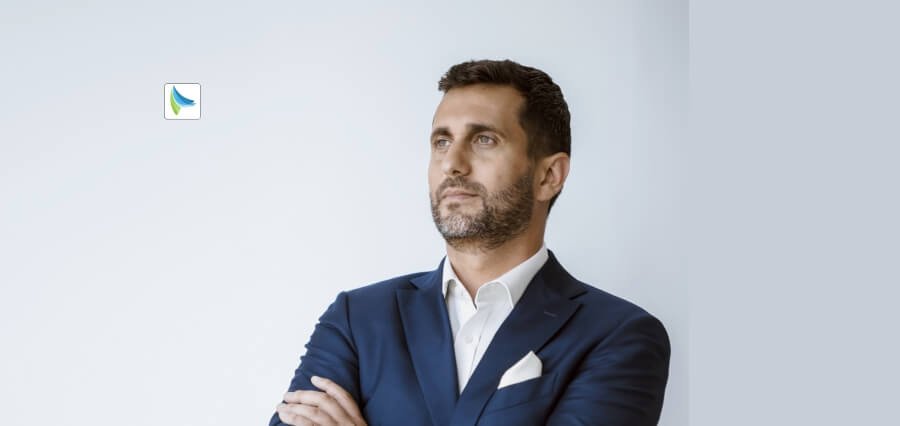
Alex Lola: Solving Human Needs with Unflinching Financial Integrity
In Europe and the United States, tokenization pilots are operating smoothly, advanced capital markets function efficiently, and alternative asset investing has become increasingly accessible. These are proven concepts with established frameworks. Yet in the GCC and much of the broader MENA region, these same ideas either don’t exist or remain out of reach for most businesses and investors. Alex Lola operates in this space between what’s technically possible and what’s practically available. He’s not inventing new financial technology. He’s adapting globally validated concepts to make unique asset classes accessible to wider groups of investors in emerging markets. He is building pathways where innovation creates accessibility, bridging the gap between advanced financial infrastructure and the regions that need it most. Finding Opportunities Where Others See Obstacles This approach didn’t emerge by accident. Alex’s leadership journey began with a clear revelation: the biggest opportunities lie where technical possibility and practical availability refuse to meet. While some leaders chase trends, he hunts for gaps. His methodology carries elegant simplicity. He isn’t inventing revolutionary technology. He is taking proven concepts from developed markets and adapting them to environments where they’re needed but currently absent. It’s “local execution of globally validated ideas.” The results are tangible. A small business owner in Bahrain can now access capital markets previously available only to major corporations. An investor in Dubai can participate in alternative asset classes that once required both wealth and connections. His focus on the GCC and MENA region is surgical. These aren’t easier markets; they’re very challenging. Regulatory landscapes shift. Trust needs to be built from scratch. Yet the hardest problems often protect the biggest opportunities. Competition avoids difficulty. Vision seeks it out. Confronting the Trust Deficit Understanding opportunities is one thing. Building infrastructure is another. Alex Lola faces a challenge no technical sophistication can solve alone: trust. The digital asset industry carries heavy baggage. Spectacular failures have made headlines. Regulatory crackdowns have shaken confidence. Hence, scepticism is rational. His response builds on three pillars. First, he operates within regulated environments like the Central Bank of Bahrain’s framework. This isn’t defensive compliance; it’s offensive trust-building. Second, he focuses on real use cases rather than theory. Each successful transaction becomes proof. Third, transparency and compliance form the foundation, not the façade. He isn’t hastening regulation. He is pacing it, sometimes helping shape it through responsible participation. His philosophy is refreshingly patient: grow with regulation, not against it. The Fuel Behind the Mission What sustains this work? For Alex Lola, motivation comes from witnessing the gap firsthand. Every conversation with a business owner struggling to raise capital adds urgency. Every investor unable to access unique asset classes reinforces the mission. These aren’t abstract failures; they’re real people facing real limitations. Innovation is rarely glamorous. It’s messy, slow, and frustrating. But when the destination is more access and opportunity in historically closed markets, the journey justifies itself. The challenge isn’t building cool technology. It’s breaking down barriers so that more people can participate rather than watch from the outside. Navigating Risk with Precision Turning vision into reality requires managing risk effectively. Alex’s approach is calculated. Every initiative gets backed by research, modelling, and legal analysis. But he refuses to wait for perfect information because it never arrives. He emphasizes speed through iteration, releasing products, monitoring feedback, and improving accordingly. This minimizes downside while accelerating learning. Moving quickly with good information beats moving slowly with complete information. Risk becomes an instrument of progress: disciplined experimentation within clear boundaries, always with mechanisms for rapid course correction. Leadership Shaped by Experience Alex’s approach was forged through diverse experiences across fintech, digital assets, and traditional finance. He has seen rigid systems choke innovation and agile environments where speed thrived. These contrasts taught clear lessons. He doesn’t overcomplicate decisions. He hires people smarter than him and gives them autonomy. He pushes for tangible products and measurable outcomes, not endless presentations. Integrity forms his non-negotiable foundation. In emerging markets where trust in new systems must be built from scratch, unshakeable standards are essential. His word is his bond. In an industry where promises exceed delivery, this matters more than any technology. When Technology Meets Human Need These principles crystallized into clarity through one defining moment. Years ago, at Societe Generale Russia, Alex’s team built a fully online mortgage process- complete end-to-end automation, eliminating branches and paper. Mortgages are among banking’s most complex products to digitize. Automating everything seemed nearly impossible. But they made it happen. Then COVID-19 arrived. Clients found themselves trapped on a cruise ship in Singapore. Others were stranded globally. Yet they closed their mortgage deals remotely, without disruption. Their home ownership dreams didn’t wait for the world to restart. That’s when a deeper meaning crystallized. This wasn’t about mortgages or technology. It was about people’s lives. About providing certainty when everything else felt uncertain. That kind of impact, solving real problems during vulnerable moments, drives everything he does today. Staying Sharp and Balanced Sustaining this level of execution demands personal discipline. Alex Lola positions himself at the industry’s edge, testing tools and maintaining conversations with founders, regulators, and skeptics. Those conversations with skeptics hold particular value. They’re uncomfortable but force real answers rather than comfortable narratives. They expose vulnerabilities while there’s time to address them. Family provides the necessary counterweight. Time with his kids offers perspective when work introduces numerous challenges. When he needs a complete break, he embraces it- jumping on the PlayStation for something mindless. “True disconnection isn’t optional; it’s essential. You cannot run a business at full intensity constantly. Switch off properly, or your brain will switch off for you,” shares Alex Lola. Operating on Two Tracks This balance extends to how Alex Lola runs the business. He operates on two tracks simultaneously. Track one handles immediate realities- onboarding, security, operations, and compliance. These protect the foundation. Track two drives future vision- new asset classes, strategic partnerships, and product roadmap. This builds relevance. Leaders focusing only on vision crash when operational reality intervenes. Those managing only fires

How Leaders Align AI, Culture, and Growth
Vision at Scale Today, scaling is not merely a case of embracing new technology with the support of artificial intelligence. Tool, platform, and data access are similar for many companies at the same level. The management’s ability to pair AI with the company’s growth culture and long-term objectives is the crucial determinant of the difference between companies that grow sustainably and those that cannot survive. It is not about having AI everywhere in the company but rather about knowing where to use it smartly so that the whole process is in-depth with value, people are empowered, and the strategy gets faster. AI as a Strategic Enabler, Not a Standalone Solution AI can provide benefits only if it matches a well-defined vision. Leaders who consider AI as an independent project usually end up with fragmentation—pockets of testing, data that is not connected, and varying levels of influence. Vision-oriented leaders, on the other hand, integrate AI into the overall business strategy. This first requires the organization to be clear on what it is going to achieve on a large scale: better quality of decisions, quicker innovation, operational fortitude, or unique customer experience. The AI resources are then allocated according to their potential to facilitate these results, hence making sure that technology supports strategy instead of drawing attention away from it. Aligning Culture with Intelligent Systems The culture of the organization essentially decides the fate of the AI adoption. Even top-notch technology cannot show its benefits if the people do not trust, understand, or use it properly. The leaders are the ones who will influence the organizational culture which tolerates the technology and still keeps the human responsibility. In fact, this is the communication which is the most to the point and honest which is the requirement here. The leaders have to talk about the issues like job redundancy, bias, and control in a very candid way. By portraying AI as a technology that enhances human power instead of taking it away, the leaders will promote involvement and acceptance. The culture of learning is another factor that is very important. Companies that are investing in the development of their employees’ skills, the understanding of data, and cross-departmental teamwork are the ones whose workers will be able to operate effortlessly with the smart systems. The cultural conformity converts AI from being just a technical resource to being a common skill. Growth Through Scalable Intelligence Sustainable growth is a function of repeatability and adaptability. AI is capable of facilitating both when it is properly implemented. Predictive analytics, automation, and intelligent decision-support systems enable organizations to expand their operations without having to bear the proportional costs or complexities involved. On the other hand, large-scale growth brings with it a risk factor. Top management must be sure that the AI-supported operations keep in step with the company’s core values, the requirements of legislation, and the set standards of moral behavior. It is imperative to have governance frameworks that will specify the responsibilities, control, and performance metrics in order to keep the situation under control as the scale grows. Visionary leaders grasp that control does not mean restricting AI but rather directing its usage within well-defined strategic and moral areas. Integrating Human Judgment and Machine Intelligence Human assessment and machine intelligence worked together to accomplish vision at scale. AI’s strength lies in its ability to recognize patterns and to work fast; on the other hand, leaders know how to deal with situations, making ethical decisions, and thinking about the future. The ones in charge are the ones to explain the models of their decisions which will include these two powers. They will point out the situations where AI’s advice is merely suggestive, where it is actually in operation, and where human judgment is necessary. This collaboration guarantees responsibility while also ensuring that efficiency is at its peak. Conclusion Vision at scale is the art of alignment. Leaders who are able to align AI, culture, and growth successfully are the ones who will create organizations that are not only smarter but also more resilient and more human-centered. In the time of AI, scaling is not the same as the past where only size mattered. It now has a new definition—it is the quality of a vision, the power of a culture, and the execution that is disciplined. Those leaders who manage to unite these different elements will not only grow quicker—they will grow brighter, with intention and power over the outcome. Read Also : Trauma-Informed Leadership Pioneers Transforming Global Organizations

UK Car Sales Hit 2 million in 2025 as Chinese Brands Drive Market Growth
Prime Highlights: Total new car sales in the UK surpassed 2 million for the first time since 2019, led by the rising popularity of Chinese brands. Electric vehicle sales reached a record 473,000, making up 23.4% of the market and helping cut average car emissions by 10%. Key Facts: Chinese automakers, including MG, BYD, and Chery, captured 9.7% of the UK market, nearly double their share from 2024. Sales of plug-in hybrid vehicles (PHEVs) grew by a third, reflecting growing consumer interest in alternative powertrains. Background: New car registrations in the UK climbed above two million in 2025 for the first time since before the pandemic, driven largely by a sharp rise in sales of Chinese-made vehicles and growing demand for electric cars, according to industry figures. Electric vehicle (EV) sales also reached a new high. Battery electric car registrations rose by almost 25% year on year to 473,000 units, representing 23.4% of total car sales. This surge helped cut average emissions from new cars by about 10% compared with the previous year. Mike Hawes, chief executive of the SMMT, described the overall performance as “a reasonably solid result” despite ongoing economic pressures and geopolitical uncertainty. He noted that the industry continues to face the dual challenge of subdued consumer demand and the costly transition away from petrol and diesel vehicles. Chinese manufacturers have expanded rapidly in the UK market, which has not imposed import tariffs on vehicles from China, unlike the US and the European Union. MG remained the leading Chinese brand with around 85,000 sales, while BYD recorded a sixfold increase to about 51,000 vehicles. Chery, which operates the Omoda and Jaecoo brands, saw sales jump more than thirteenfold to roughly 54,000 units. Hawes said carmakers are offering heavy incentives to encourage electric car purchases, with average discounts estimated at around £11,000 per vehicle, amounting to a total cost of £5.5bn across the industry. He called on the government to bring forward its planned review of the ZEV mandate, currently scheduled for 2027. As a result, PHEV registrations rose by around a third last year, reflecting manufacturers’ preference for models that offer higher profit margins. The Energy and Climate Intelligence Unit said these flexibilities likely enabled the industry to avoid fines for a second consecutive year, estimating that manufacturers needed electric vehicles to make up just over 20% of sales to stay within the rules. Looking ahead, uncertainty remains over future EV demand. The SMMT said it is too early to assess the impact of the government’s planned “pay-per-mile” charge for electric cars, announced in November and due to be introduced in 2028. Read Also : OpenAI Bets on Audio-First AI to Power Next Generation of Screenless Devices
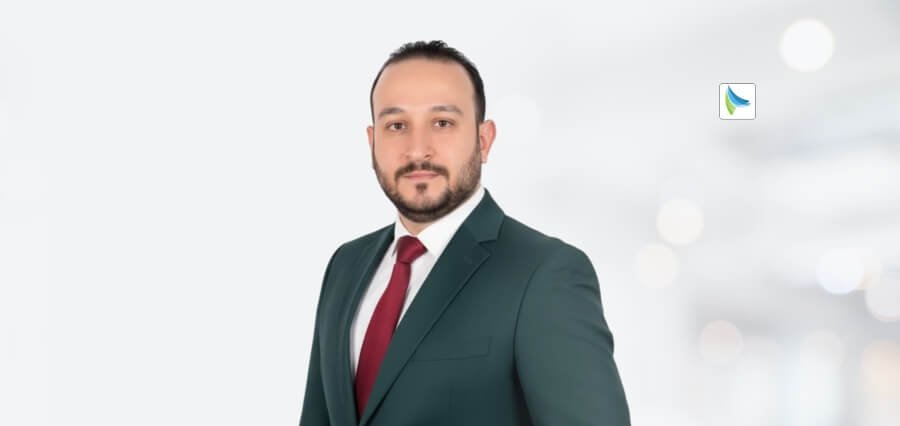
Ahmad Dawalibi- Elevating Indigenous Tech to Global Medical Standards
In today’s fast-paced, high-stakes world of medicine, the intangible fully supports the tangible- the patient, the physician, and the life-saving decision. Tradition no longer defines it; rather, a digital nervous system composed of complicated technological architecture, massive data streams, and cutting-edge algorithms is increasingly driving it. The rapid transition of binary code into critical diagnoses, faster treatments, and, most importantly, better patient outcomes is a revolution rather than a small advancement. Once a supporting role, technology’s indispensable hum has developed into the foundation of excellent critical care- constant, silent assurance of correctness and efficacy. At the epicenter of this seismic change stands Ahmad Dawalibi. He is more than just a leader working within the system. He is the digital architect actively rebuilding its foundation. As the Chief Technology Officer (CTO) at Diagnostics Elite and the Founder of HCIT-Professionals LLC, he operates at the high-stakes intersection where pioneering technology meets the urgent mandate of human necessity. His career is a powerful, persistent testament that world-class healthcare technology does not need to be imported or adapted from abroad. Instead, he proves, with measurable success, that empowered, indigenous Saudi expertise can forge solutions that set global benchmarks while perfectly serving regional clinical needs. For over 15 years, Ahmad Dawalibi has cultivated an unbreakable belief that local talent can innovate at the highest echelons, that technology must fundamentally serve people, and that the most meaningful advances are those rigorously guided by an unwavering sense of purpose. The Magnetic Pull of Purpose and Empathy Ahmad’s journey into healthcare technology was not a chance encounter, but an inevitable trajectory driven by a powerful sense of vocation. It began with the influence of his father’s pioneering work, where young Ahmad Dawalibi witnessed the immediate, visceral, and transformative effect of thoughtful technology on patient care. This experience forged a powerful, lifelong conviction that he carries into every decision: every line of code ultimately translates into a concrete human experience. In his domain, there are no abstract tasks, only profound responsibilities. Every deployed system connects directly to a real patient, a moment of real hope, and the genuine gratitude that flows when critical technology performs perfectly. His professional path was a deliberate, comprehensive ascent. He purposefully worked across the entire spectrum of Health IT roles- as a developer, engineer, consultant, and architect. He didn’t skip the crucial, foundational stages. This intimate, ground-floor experience cultivated a rare executive quality: leadership born from genuine shared struggle and deep empathy. When Ahmad Dawalibi guides his teams today, his directives spring not from an isolated corporate tower, but from a visceral, firsthand understanding of the task. He knows, intimately, the difficulties his teams confront because he himself faced them in the trenches during late-night system upgrades or critical troubleshooting moments. His philosophy is clear: true authority is not standing above, but standing firmly beside his teams, sharing the weight of the responsibility, and meticulously ensuring that every ambitious vision is translated into an actionable, tangible reality. Redesigning the Rulebook: Innovation as an Indigenous Force Ahmad Dawalibi and his team at Diagnostics Elite confronted the three persistent mountains in healthcare technology: the crippling interoperability crisis that fragments patient data, the innate institutional friction that slows innovation, and the non-negotiable challenge of building absolute trust and security into digital systems. Rather than accepting these as fixed, unmovable limitations, they chose a radically different path. They decided to redesign the very concept of limitation itself. The result is the DePACS Butterfly. This platform, engineered entirely by local talent, embodies a philosophy of uncompromising excellence. It’s a refusal to choose between deep regional context and demanding international standards. It operates as a strategic tool, integrating practical artificial intelligence (AI) to amplify diagnostic accuracy, utilizing state-of-the-art FHIR-based standards to ensure seamless data flow across disparate hospital systems, and harnessing blockchain technology for an unmatched layer of secure, immutable data integrity. The achievements are concrete and compelling: over 450 clients now rely on this system, securing more than 15 million medical images. Crucially, it stands as the first Saudi-owned and developed PACS system, a powerful symbol of national technological capability. The DePACS Butterfly is a living validation that Saudi professionals can create world-class technology, perfectly serving regional needs while meeting rigorous global benchmarks, making a direct and vital contribution to the strategic goals of Saudi Vision 2030. The Art of Calculated Courage Ahmad Dawalibi approaches the necessary risks inherent in pioneering technology through a measured, strategic framework he calls “calculated courage.” This is not a gamble; it is an analytical process that embraces potential danger only when it serves a meaningful, measurable purpose. His decision-making is framed by two sharp, introspective questions that cut through the noise: “If this ambitious project succeeds, what precise, profound positive change will it unleash for the patient or the clinician?” and “If it encounters failure, what invaluable, non-negotiable lessons will we acquire that can be reapplied immediately?” This farsighted perspective provided Diagnostics Elite with the crucial advantage to move early on emerging technologies like AI and blockchain. While competing entities waited conservatively for proven, market-validated models, Ahmad’s team moved with intellectual agility. They experimented, learned rapidly from inevitable setbacks, treating them as essential data points, adapted their strategies, and ultimately established significant, proprietary competitive advantages that would have been inaccessible through purely cautious methodologies. He has fostered an organizational culture where thoughtful risk-taking is encouraged and where failure is seen as a necessary cost of valuable learning, rather than a cause for punishment, thereby creating a safe harbour for innovation. Innovation: A Moral Imperative and Talent Catalyst Ahmad Dawalibi firmly rejects the view that innovation is a purely commercial exercise. In his comprehensive philosophy, innovation is a moral imperative, an ethical obligation to ensure that technological progress decisively serves human flourishing. He insists that true innovation must be measured only by its positive human impact: features that genuinely streamline clinical workflows, platforms that expand patient access, and development programs that transform young engineers into confident, feature-building innovators. Everything else, he argues, is