


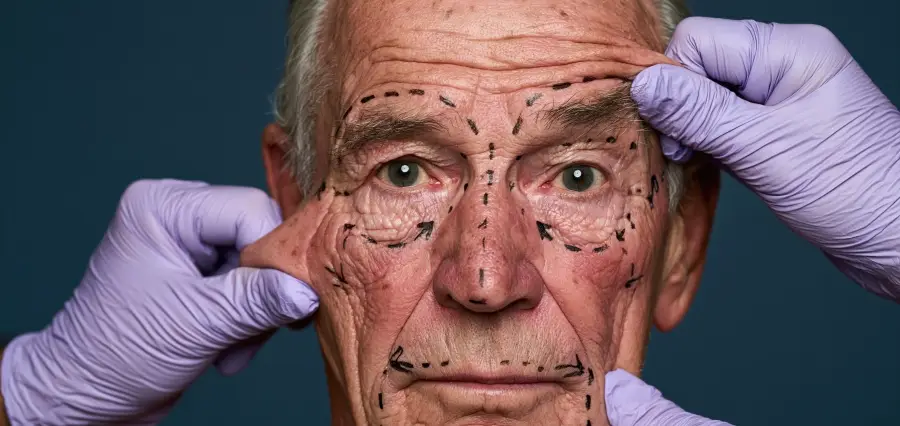



How Fashion Rooted in Cultural Identity Inspires Authentic Creativity
Creativity Through Culture Fashion is a powerful form of cultural expression. It reflects identity, heritage, and the traditions that shape people and communities. While trends change over time, many of the most meaningful designs are inspired by culture, history, and personal experience. Fashion is always evolving, and people are beginning to value what makes design feel truly genuine. Fashion rooted in cultural identity brings real depth to creative work rooted in lived traditions, honest experiences and a true sense of community. That foundation gives fashion something that trends alone simply cannot. The Importance of Authentic Origins in Design Every garment tells a story, but not every story belongs to the person telling it. When designers draw from lived experience, inherited tradition and real cultural connection, the work lands differently. Fashion rooted in cultural identity is not a visual reference; it is a creative act tied to memory, community and meaning. That cannot be manufactured on demand. This matters because authenticity is harder to fake than it used to be. People have grown sharp at spotting the difference between sincere expression and surface-level borrowing. Work that comes from a real place holds attention in a way that assembled aesthetics rarely do. It resonates because it is specific, and specificity is what gives creative work its staying power. Preserving Tradition Through Contemporary Design A common misconception is that drawing from cultural tradition means recreating the past. The most compelling work does something quite different. It treats tradition as a living source rather than a fixed archive. Techniques, patterns, silhouettes and materials passed down through generations carry accumulated knowledge. When that knowledge is understood rather than copied, it opens up possibilities that trend-driven design cannot reach. Fashion rooted in cultural identity tends to carry a layered quality. A single piece might reference a specific weaving method, a ceremonial color palette, or a construction approach tied to a particular region. Those layers give the work depth and allow it to be read on multiple levels, which is exactly what separates enduring design from something built for a single season. How Cultural Foundations Inspire Creativity There is a widespread belief that creativity thrives on total freedom. In practice, some of the most inventive work comes from within constraints, a specific material, a community’s aesthetic language, or a set of cultural values that shape what a garment is even meant to be. Those boundaries do not limit creativity. They give it direction and something solid to push against. For designers working within their own cultural contexts, that foundation brings real clarity. They are not searching for an identity; they already have one to build from. Fashion rooted in cultural identity gives the creative process a starting point that is both personal and connected to something much larger than the individual. That combination consistently produces work with genuine distinction. Expanding Perspectives Through Representation The range of cultural identities present within the fashion industry directly shapes what the industry produces. When design teams, creative directors, and decision-makers reflect a wider range of backgrounds, the work naturally draws from a broader pool of real experience. This is not an argument about optics; it is a straightforward creative one. Wider representation means more authentic stories being told, more distinct visual languages entering the conversation, and more fashion rooted in cultural identity reaching the audiences it was always meant to speak to. The work becomes richer, not just in a social sense, but in terms of the actual quality and range of what gets made. Continuing Cultural Legacies Through Design One of the less talked-about dimensions of culturally grounded design is its relationship with inheritance; not just receiving a tradition but actively continuing it. Designers who work consciously within their own cultural context often think about what they are giving back; not only what they are drawing on. That sense of responsibility shapes creative decisions in ways that purely market-driven thinking does not. It introduces a longer view. Work is weighed not just against what sells or what the season calls for, but against what it contributes to something ongoing. Fashion rooted in cultural identity, approached this way, becomes part of a living conversation rather than a finished product. Looking Ahead The broader fashion world has a lot to gain from taking cultural grounding seriously, not as a trend to absorb, but as a principle worth understanding on its own terms. Creativity built on genuine identity tends to be more original, more considered, and more durable than work assembled from borrowed references and borrowed aesthetics. The clearest lesson is also the simplest. The most compelling creative work always comes from somewhere real. When fashion rooted in cultural identity is given the space and respect it deserves, it does not just produce better individual pieces; it raises the standard for what fashion can say and who it can speak for. Read Also : Leading the Transformation of Global Operations Through Business Process Outsourcing

Exploring the Influence of Cultural Heritage Fashion on Global Trends
Global Style Influence Fashion has always been more than clothing. It is a language spoken through fabric, color, pattern and craft, a way of communicating who a person is, where they come from, and what they carry with them. As the global fashion industry continues to evolve, one of the most powerful forces shaping its direction is not a new trend emerging from a major city runway. It is something far older and far deeper. Cultural heritage fashion is changing the entire world of fashion in ways that are reshaping how the world thinks about beauty, identity and the meaning behind what we wear. Where Tradition Meets the Modern World Every culture in the world has a visual language built over generations. Textiles woven by hand, embroidery passed down through families, dyeing techniques developed over centuries and silhouettes shaped by the daily lives of communities, these are not simply old practices. They are an expression of identity and are meaningful, and no process in a factory could duplicate their meaning. With the increasing interconnection of global fashion, designers and consumers have started to seek inspiration and authenticity outside of the familiar western style. Cultural heritage fashion sits at the center of this search. Its richness, its depth and the stories embedded in its every detail offer something that fast fashion simply cannot provide, a genuine connection to human experience and history. How Heritage Styles Are Entering Global Conversations The path from a traditional craft community to a global fashion conversation is not always straightforward, but it is happening with increasing frequency. Techniques and aesthetics rooted in specific cultural traditions are appearing in collections shown at major fashion events, in the wardrobes of people far removed from the cultures that created them and in the broader visual language of contemporary style. Cultural heritage fashion travels through multiple channels. Independent designers bring their cultural backgrounds into their creative work. Conscious consumers actively seek out pieces that tell a story and support the communities behind them. Each of these pathways contributes to a global fashion conversation that is becoming richer and more diverse with each passing season. Ethical Approaches to Cultural Exchange Adopting a heritage style, without credit, without payment to the communities who developed them or without awareness of the importance, causes real harm. It reduces deeply meaningful traditions to surface aesthetics and strips away the context that gives them their value. When engagement happens thoughtfully, with proper recognition and genuine support for the artisans and communities involved; it creates connections that benefit everyone and helps ensure that living traditions continue to thrive. Craftsmanship, Community, and Cultural Continuity Every item of cultural heritage has its own community of people, whose knowledge, skill and time brought it into existence. Weavers, embroiderers, dyers, and tailors working within living craft traditions are not simply producing goods. They are preserving knowledge that took generations to develop and that cannot simply be recreated by a machine or a shortcut process. With the rise of a global interest in heritage fashion, there is a growing opportunity to make meaningful contributions to these communities. Consumers who choose pieces made within authentic craft traditions are contributing to the economic wellbeing of those communities and to the survival of skills that might otherwise disappear. This connection between a garment and the people who made it is one of the things that gives cultural heritage fashion its particular power in a world where so much of what we buy is anonymous. Creativity Rooted in Heritage There is a tendency in fashion to treat newness as the highest value. The next season, the next trend, the next big idea. But some of the most interesting and enduring contributions to global style have come not from looking forward but from looking back and across, to the vast wealth of human creativity that already exists in the world’s cultural traditions. Cultural heritage fashion reminds the industry that creativity does not only live in the new. It lives in the refined, the inherited, the carefully made and the deeply meaningful. In Summary The influence of cultural heritage fashion on global trends is not a moment or a movement. It is a recognition that the world’s diverse cultures have always had something profound to say through what they wear. As that recognition grows deeper and more widespread, the global fashion conversation becomes richer, more honest, and more genuinely connected to the full range of human experience. That is not just good for fashion. It is good for the understanding we build of each other across cultures and across time. Read Also : How Fashion Rooted in Cultural Identity Inspires Authentic Creativity

Olumide Oyewunmi: Elevating Heritage into a Modern Design Dialogue
The fashion industry in the world is ever-changing, with designers introducing new perspectives that merge culture, creativity, and purpose. Today’s fashion leaders are not only shaping trends but also redefining how identity and storytelling are expressed through design. Their work demonstrates a stronger approach to originality, cultural awareness, and significant innovation that crosses borders. Among these emerging voices is Olumide Oyewunmi, Creative Director and Founder of MIDETUSH. Known for his distinctive approach to Afrocentric design, he has steadily built a creative identity that blends heritage with modern expression. Through his work, he explores fashion as both an art form and a powerful way to tell stories. He positions himself as a designer who contributes to the evolving global story of culture-driven fashion. The Beginning of a Creative Calling Olumide’s entry into fashion did not begin with a desire for glamour or attention. He was first drawn to fashion through its ability to tell a story without words. Growing up, he was fascinated by how clothing could completely transform a person’s confidence and identity, and what started as curiosity, experimenting with outfits, sketching designs, and paying attention to details others overlooked quickly became something deeper. The turning point came when he realized he wasn’t just enjoying fashion, he was analyzing silhouettes, imagining collections, and feeling a genuine excitement in creating something original. It stopped being a hobby and became a form of self-expression and purpose. That’s when he knew fashion wasn’t just a passion for him, but it was his calling. This early realization became the foundation of his creative identity, shaping how he approaches design as both an emotional and intellectual process. A Creative Vision Rooted in Authenticity and Innovation Olumide defines his creative vision as a balance between authenticity and innovation. His work is guided by a desire to create pieces that merge heritage elements with modern expression, forming a signature style that reflects both cultural grounding and contemporary relevance. His inspiration comes from everyday life, culture, and emotion. He draws from the way people carry themselves, the energy of different environments. He is also inspired by art, music, and the idea that “fashion should not only look good but also tell a story and evoke a feeling.” Ultimately, his vision is about creating something meaningful that reflects individuality and confidence. This approach allows him to build collections that are not only visually compelling but also emotionally resonant, reinforcing his position as a storyteller through fashion. Balancing Artistry and Brand Longevity Balancing artistic expression with building a lasting brand requires both intention and discipline. As an Afrocentric designer shaping the future of fashion, Olumide’s creativity is deeply rooted in heritage, storytelling, and cultural pride. Yet he recognizes that “growth demands consistency, accessibility, and sustainability.” His work consistently reflects a balance between artistic exploration and structured growth. He honors African traditions, textiles, and narratives while reimagining them for a modern audience. Every collection, campaign, and collaboration is created with the intention of aligning with the brand’s core identity. For him, it is not only about creating beautiful pieces but about establishing a recognizable and meaningful presence in the global fashion industry. At the same time, he remains grounded in the business side of fashion, focusing on understanding his audience and making strategic decisions that support long-term growth. Olumide sees artistry and business as partners, as the former keeps the brand soulful, while the latter ensures that culture and stories continue to inspire. Challenges That Shaped a Leader The fashion industry is often viewed through a glamorous lens, but Olumide’s journey reflects the demanding realities behind the scenes. One of the defining challenges he faced was balancing the pressure to constantly innovate while staying true to his creative vision. Early in his career, aligning commercial expectations with experimental ideas often felt overwhelming. The fast pace of the industry sometimes moved quicker than his ability to adapt. However, these challenges transformed him. These experiences taught him resilience, discipline, and the ability to listen not only to market demands but also to his own intuition. Over time, he also recognized the importance of building a team capable of bringing vision into reality. Navigating deadlines, criticism, and shifting trends shaped him into a leader who values collaboration, clear communication, and empowering others. These experiences influenced his perspective on fashion, allowing him to see it as an evolving dialogue between creativity, culture, and people. Staying Relevant While Preserving Originality In an industry where trends change overnight, Olumide Oyewunmi has developed a clear method for staying relevant without compromising originality. He believes relevance requires awareness. Observing consumer behavior and tracking emerging trends is important, but he does not adopt them blindly. Instead, he filters everything through his own creative lens, ensuring that each decision aligns with his core aesthetic and values. For him, originality comes from consistency in vision. He stays grounded by revisiting his design philosophy and the story he wants to tell. At the same time, he embraces evolution by experimenting with new techniques and collaborations that remain authentic to his identity. “It’s ultimately about balance: staying informed and adaptable while remaining intentional in every decision,” he says Sustainability and the Future of Fashion Sustainability and conscious fashion are redefining the industry, and Olumide Oyewunmi sees himself as both a creator and a catalyst in this shift. “Sustainability is not a trend for me but a commitment that guides my choices from material selection to production and longevity,” he states. His focus includes reducing waste, prioritizing the use of innovative fabrics that align with sustainable practices, and each piece is designed with longevity in mind. Innovation plays a central role in his sustainability approach. By exploring new technologies and ethical practices, he continues to rethink how fashion is created and consumed. Conscious fashion, in his view, requires awareness of the social and environmental impact behind every decision. Ultimately, his goal is to create work that balances style with responsibility. Through this approach, he aims to inspire a shift toward fashion that is thoughtful,

The World’s Next Fashion Visionaries 2026
The World’s Next Fashion Visionaries 2026 Featuring emerging fashion visionaries who are redefining creativity, craftsmanship, and industry standards. This edition celebrates groundbreaking work, fresh perspectives, and a lasting influence on the global fashion industry. Digital Link Quick highlights Quick reads
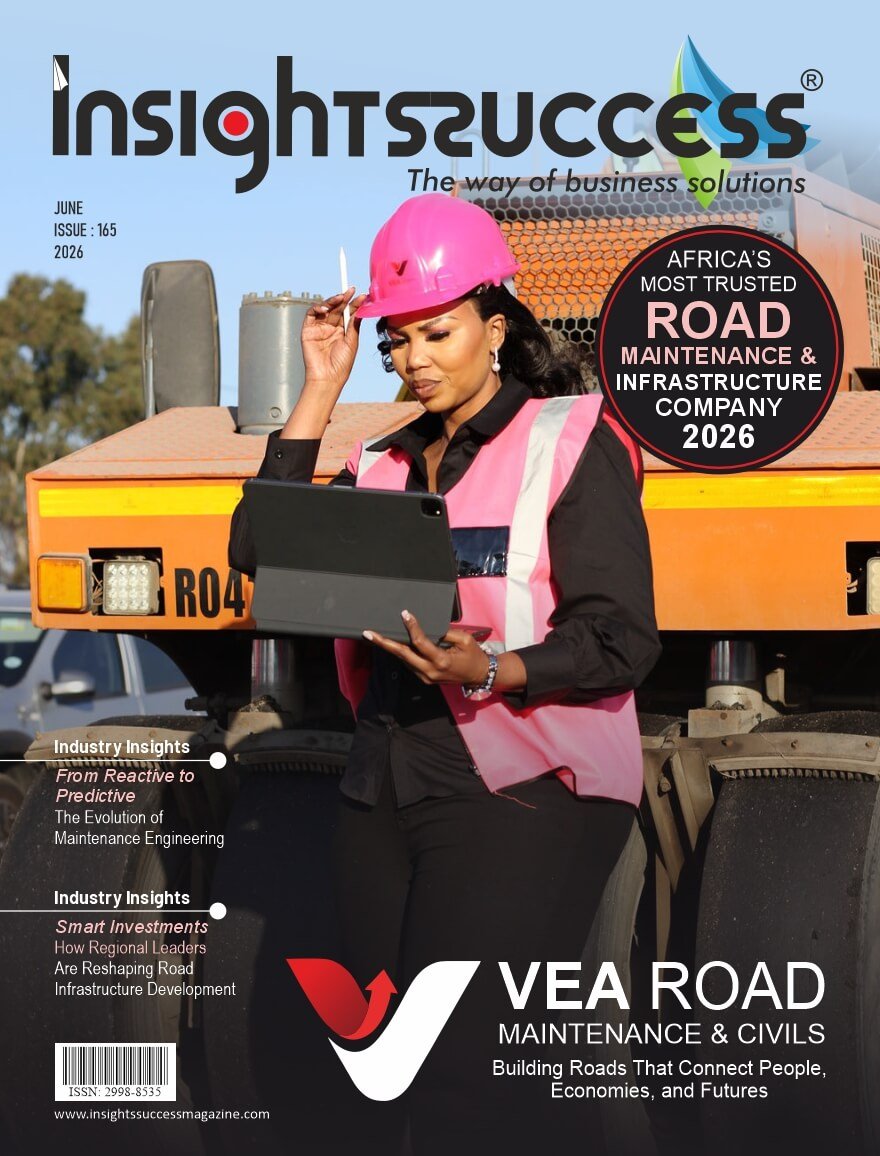
Africa’s Most Trusted Road Maintenance & Infrastructure Company | 2026
Africa’s Most Trusted Road Maintenance & Infrastructure Company 2026 This edition celebrates the organizations redefining Africa’s infrastructure landscape through innovation, reliability, and sustainable development. Featuring VEA Road Maintenance and Civils, it highlights industry excellence, transformative road maintenance solutions, and a steadfast commitment to building safer, stronger, and more connected communities across the continent. Digital Link Quick highlights Quick reads
VEA Road Maintenance & Civils: Building Roads That Connect People, Economies, and Futures
There are construction companies that deliver projects, and construction companies that build industries. VEA Road Maintenance & Civils, established in 2010 and operating today as a CIDB 9CE PE contractor across eight of South Africa’s nine provinces, has consistently demonstrated that it belongs in the second category. Under the leadership of Managing Director Thoko Tshabalala-Shandu, the company has developed a model of infrastructure delivery that holds technical performance and community transformation to the same standard of accountability. A 97% on-time delivery rate, consecutive Top 5 rankings in the South African Construction Sector, and the active development of over 370 SMMEs annually are not separate achievements. They are the integrated outputs of a company that decided, from the very beginning, that how it builds matters as much as what it builds. From Vision to National Impact VEA Road Maintenance & Civils was built on a clear and deeply personal vision. Managing Director Thoko Tshabalala-Shandu, who joined the company in 2017 as Business Development Director before being appointed to lead it, has shaped the organization around a belief that infrastructure delivery and community transformation are inseparable activities. Under her leadership, what began as a regional contractor has become a nationally recognized platform for empowerment, excellence, and equity. The company’s CIDB 9CE PE grading, the highest level in the industry, reflects its technical capability and financial standing. Its consecutive Top 5 rankings in the South African Construction Sector for 2023, 2024 and 2025, placing it among the top five of five hundred companies, reflect the consistency with which it delivers against those capabilities. Its recognition as a double finalist in the 2025 Oliver Top Empowerment Awards, for both Business Leader of the Year and Diversity, Equity and Inclusion in the Workplace of the Year, reflects something harder to quantify but equally important: the integrity with which the company pursues its mission every single day. In addition, VEA Road Maintenance & Civils emerged as one of the biggest winners at the 2025 Annual South African Construction Awards (SACA), proudly walking away with 5 of the industry’s highest honours: South African Construction Company of the Year Award– Celebrating VEA Roads’ national footprint, 9CE PE status, and transformational growth South African Woman in Construction of the Year Award– Awarded to Managing Director, Thoko Tshabalala-Shandu South Africa Infrastructure of the Year Award – Awarded to VEA Roads South Africa CEO of the Year Award – Awarded to Thoko Tshabalala-Shandu SACA Contractor Choice of the Year Award – VEA Roads These outstanding accolades recognise VEA Roads’ exceptional commitment to delivering quality infrastructure, driving sector transformation, and creating meaningful socio-economic impact. They also celebrate Tshabalala-Shandu’s exceptional leadership and her groundbreaking role in reshaping a traditionally male-dominated industry. She notes, “We have built a business where performance is predictable. Our clients know what to expect from us and we deliver it.” Precision, Scale, and the Systems Behind Both Delivering infrastructure across eight provinces is an operational challenge that most contractors underestimate until they attempt it. It demands more than capacity. It demands the kind of institutional discipline that keeps quality consistent regardless of geography, team composition, or environmental condition. VEA Roads has built that discipline into the architecture of the company itself. Its portfolio spans road rehabilitation, routine and periodic maintenance, stormwater systems, milling and resurfacing, and emergency infrastructure response. Across all of it, the company maintains standardised systems, clear accountability structures, and cross-functional collaboration frameworks that ensure every team, whether operating in a high-traffic urban corridor or a remote rural region, performs within the same quality framework and to the same standard of accountability. The 97% on-time delivery rate that VEA Roads maintains is not an accidental outcome. It is the product of real-time monitoring systems that provide visibility across multiple simultaneous sites, proactive problem-solving cultures that surface and resolve issues before they become delays, and governance structures that keep every project aligned with both client expectations and national compliance standards. She asserts, “Scale only works if your systems are stronger than your growth. We’ve built our systems first.” Trust Built Project by Project In infrastructure, trust is not declared in a company presentation. It is demonstrated through consistent delivery, transparent communication, and the willingness to show up when conditions are difficult and the margin for error is small. VEA Roads has built its client relationships on exactly that foundation. The company’s long-standing engagement with SANRAL is the most visible expression of that trust. Working on major corridors including the N2, N12, and R23 highways, VEA Roads has delivered projects that improved road network quality, contributed to job creation, and generated skills development in the local communities surrounding each project. The SANRAL long-term road maintenance contract, one of the company’s defining engagements, was delivered ahead of schedule and under budget, while employing over 150 local workers and mentoring 18 SMMEs who reinvested over 30% of the budget back into the surrounding economy. The N2 emergency roadworks project added another chapter to that record. Working against an immovable pre-Easter deadline, the VEA Roads team operated continuously and opened the road on time, proving in the most public possible way that the company’s commitment to delivery does not diminish under pressure. It intensifies. She reflects, “We measure success by what remains after we leave. Not just the road, but the impact.” Projects That Define a Portfolio Across South Africa, VEA Roads’ work is visible not only in infrastructure but in the communities that infrastructure serves. On the P158/N14 corridor, structural rehabilitation improved safety, long-term durability, and overall road performance on a route that carries significant economic and commuter traffic. In Centurion’s arterial networks, preventative maintenance preserved critical routes and protected communities and businesses from the costly disruption of unplanned road failure. In Mabopane, urban road rehabilitation restored mobility and meaningfully improved daily life for residents who had endured deteriorating infrastructure for years. Each of these projects reflects the same underlying philosophy: infrastructure must be built right the first time and built to last. Traffic accommodation plans align with national standards.

The Evolution of Maintenance Engineering
From Reactive to Predictive As far as the present-day world is concerned, which witnesses steady advancements by different industries at a tremendous speed, efficiency, reliability, and sustainability have lost their optional role to become the key drivers of a successful industry. The science that makes it possible for manufacturing plants, transportation facilities, power generation facilities, and infrastructure projects to function without any problems can be described only as the science that has been developing together with technological advancements and industrial requirements, which is called Maintenance Engineering. The development of Maintenance Engineering can be compared to the development of industry as a whole in this age. Knowledge on Maintenance Engineering will be extremely useful in understanding this process. The Early Days of Maintenance Engineering: A Reactive Approach During the initial phases of industrialization, Maintenance Engineering had a reactive nature. The equipment was left running till it broke down, at which point the maintenance team would then get involved. Such an approach was widespread because machinery was simpler during that time, and there were no high pressures from production compared to those prevailing nowadays. Though effective in reducing maintenance expenses in the short run, this strategy usually led to unplanned downtimes, decreased productivity, and higher repair costs. Businesses started understanding that waiting for the equipment to break down is not a sustainable approach. As the industry evolved, companies began searching for other solutions to ensure equipment efficiency. The Rise of Preventive Maintenance Engineering The period starting from the mid-twentieth century was an outstanding period in terms of advancement in Maintenance Engineering. The reason for this is that there were some industries that adopted preventive maintenance techniques, such that equipment was maintained depending on a fixed schedule, regardless of the condition of the machine. Such a period turned out to be a very important period in Maintenance Engineering because engineers could carry out inspections and lubrications following a fixed schedule and not just repair equipment once there were problems or faults in it. By adopting preventive maintenance, engineers managed to enhance the life span of the equipment. One drawback with scheduled maintenance was the fact that some components could be unnecessarily replaced. Predictive Maintenance Engineering and the Power of Data This marked yet another transformation in Maintenance Engineering due to the adoption of sophisticated monitoring technologies. With the use of sensors, diagnostics, and computerized maintenance technologies, companies could monitor the health condition of the equipment continuously. A completely new philosophy was born known as “predictive maintenance.” This involved the use of techniques to predict equipment failure before it actually occurred, rather than following predetermined schedules for maintenance. The data-driven approach provided a number of benefits: Reduced unplanned downtime Lower maintenance costs Extended equipment lifespan Improved workplace safety Enhanced operational efficiency With Predictive Maintenance Engineering, the organizations were able to base their decision-making process on the facts instead of making assumptions regarding the equipment’s condition. Digital Transformation in Modern Maintenance Engineering Indeed, the ongoing digital revolution brings about some incredible alterations to Maintenance Engineering. Some of such technologies as the Internet of Things, artificial intelligence, cloud computing, and machine learning bring about some changes in the field of maintenance activities. Contemporary machines boast of advanced sensors capable of collecting information regarding the performance of the device. The collected information is analyzed using advanced analysis techniques, which allow identifying patterns, problems, and suggesting actions in terms of maintenance activities. AI algorithms are able to process immense volumes of data in just a few seconds, while a human would need more time. Therefore, it is possible for an engineer to predict the malfunctioning of any piece of equipment with accuracy. Digital twins of the devices are used for testing various scenarios. All these innovations make Maintenance Engineering crucial in businesses. The Role of Maintenance Engineering in Sustainability Due to the increased importance of this area of environmental responsibility, maintenance engineering has become increasingly relevant in developing sustainable development programs. Properly maintained equipment will require less energy, operate effectively, and produce reduced emissions. With maintenance engineering, resource conservation can be achieved, and this is made possible by ensuring that the equipment lasts longer, thereby making sure that equipment replacement is minimized. Environmental performance can also be enhanced using maintenance engineering. Due to the increased emphasis on environmental responsibility, organizations are required to include sustainability within the process of maintenance policy development. Maintenance engineers have been playing a role in sustaining development by maintaining equipment efficiency and conserving resources. The Future of Maintenance Engineering The prospects for Maintenance Engineering are extremely favorable and packed with various innovations. The implementation of innovative technologies like autonomous inspections, robotics, augmented reality, and advanced artificial intelligence will only further contribute to the efficiency of the maintenance process. For instance, robotics technology can currently be applied to inspections under hazardous conditions, while augmented reality will give you all necessary information and instructions. Moreover, every year brings improvements in the ability of AI software to predict faults. As Industry 4.0 appears and develops along with the appearance of smart manufacturing approaches, the role of the maintenance process in the overall operation strategy will continue to grow stronger. In the future, maintenance engineers will be well-educated in engineering, but at the same time, they will have the ability to make data-driven decisions. Read Also : Exploring the Influence of Cultural Heritage Fashion on Global Trends

How Regional Leaders Are Reshaping Road Infrastructure Development
Smart Investments For ages, roads have been symbolic of something far more profound than merely linking two locations. Roads are, in essence, the conduits of development, progress, and prosperity. As the population increases and urbanization occurs, the requirement for roads keeps growing. Globally, governors at the regional level have realized that investments in road construction are not only investments in their development but also investments for future economic success and prosperity. Today, a whole new generation of policy makers, planners, and regional authorities has taken on the task of developing future generations of transportation systems through Road Infrastructure Development. The Growing Importance of Road Infrastructure Development Effective road infrastructure has to be set up in order to ensure the competitiveness of the area. Effective road infrastructure needs to be set up in order to make the transportation of commodities and services easy and affordable, which means that people have an opportunity to get into places where they get educated, health services, and employment opportunities. In traditional times, road infrastructure could have been a factor which hindered economic development. Bearing that in mind, the governments in the area have ventured into business areas which are profitable. Smart Investments Driving Road Infrastructure Development One of the changes that has taken place recently is the introduction of data-driven decision-making. Regional governments have begun to depend upon various analyses, traffic controls, forecasting, and other aspects in determining regions in which they could invest to make a difference. In the past, decisions used to be made in line with political compulsions prevailing at the time, but today they are based on considerations regarding traffic levels, economic viability, population demographics, and environmental concerns as well, which means that the decision-makers can optimize their utilization of funds in meeting their objectives. In this regard, the key would be making an investment in regions that offer better connectivity between urban and rural centers in order to stimulate business activity. How Technology Is Transforming Road Infrastructure Development In the current world, technology serves as a powerful motivator behind Modern Road Infrastructure Development. The modern technological means aid in making regional administrations’ job easier when it comes to improving the effectiveness of road infrastructure planning, development, and maintenance. Smart Traffic Management Systems work using real-time data and help manage traffic flow, prevent congestions, and increase the safety level on the roads. Geographic Information Systems make planning an easier task since they allow assessing needs for infrastructure adequately; moreover, sensors placed in the roads alert about damages that need maintenance. AI and predictive analytics technologies are also applied by governments to anticipate maintenance tasks. Sustainable Road Infrastructure Development for Future Generations Sustainability is required for infrastructure facility development. There is an appreciation of the need for transport infrastructure development with a view to ensuring economic sustainability as well as the sustainability of nature. Several aspects that are related to sustainability, such as sustainable material use, efficient construction practices, and designs that take into consideration the environment, have been adopted. Climate change has made the resilience of infrastructures one of the major concerns. Resilience to natural disasters such as flooding, as well as adverse weather patterns, should be considered in infrastructure facilities development. This will help sustain the infrastructure facilities as well as their transportation networks. The above will help sustain the facilities economically. Public-Private Partnerships Strengthening Road Infrastructure Development Regional leaders are increasingly turning to public-private partnerships (PPPs) to accelerate infrastructure projects. These collaborations bring together government agencies, private investors, engineering firms, and technology providers to share resources, expertise, and risks. PPPs offer several advantages, including access to additional funding, faster project delivery, and innovative solutions. Private-sector involvement often introduces operational efficiencies and advanced technologies that may not be readily available through traditional government procurement processes. Successful partnerships have demonstrated how collaborative investment models can help regions address infrastructure gaps while maintaining fiscal responsibility. By leveraging the strengths of both sectors, leaders can deliver high-quality road networks that serve communities effectively. The Economic Impact of Strategic Road Infrastructure Development Aside from enhancing mobility, there are many other ways through which the Road Infrastructure Development Strategy creates additional benefits for different business fields. The improvement of the transport system increases the efficiency of the supply chain and leads to the expansion of production facilities and increased market accessibility. It helps reduce transportation costs and provides employees with good access to their place of work. The tourism industry is booming, too. There are lots of job positions linked to the projects such as construction of roads that could assist in achieving economic growth in a community. It can be noticed that regional development and investment in infrastructure are quite crucial strategies in terms of boosting economic activity in the region. Read Also : The Evolution of Maintenance Engineering
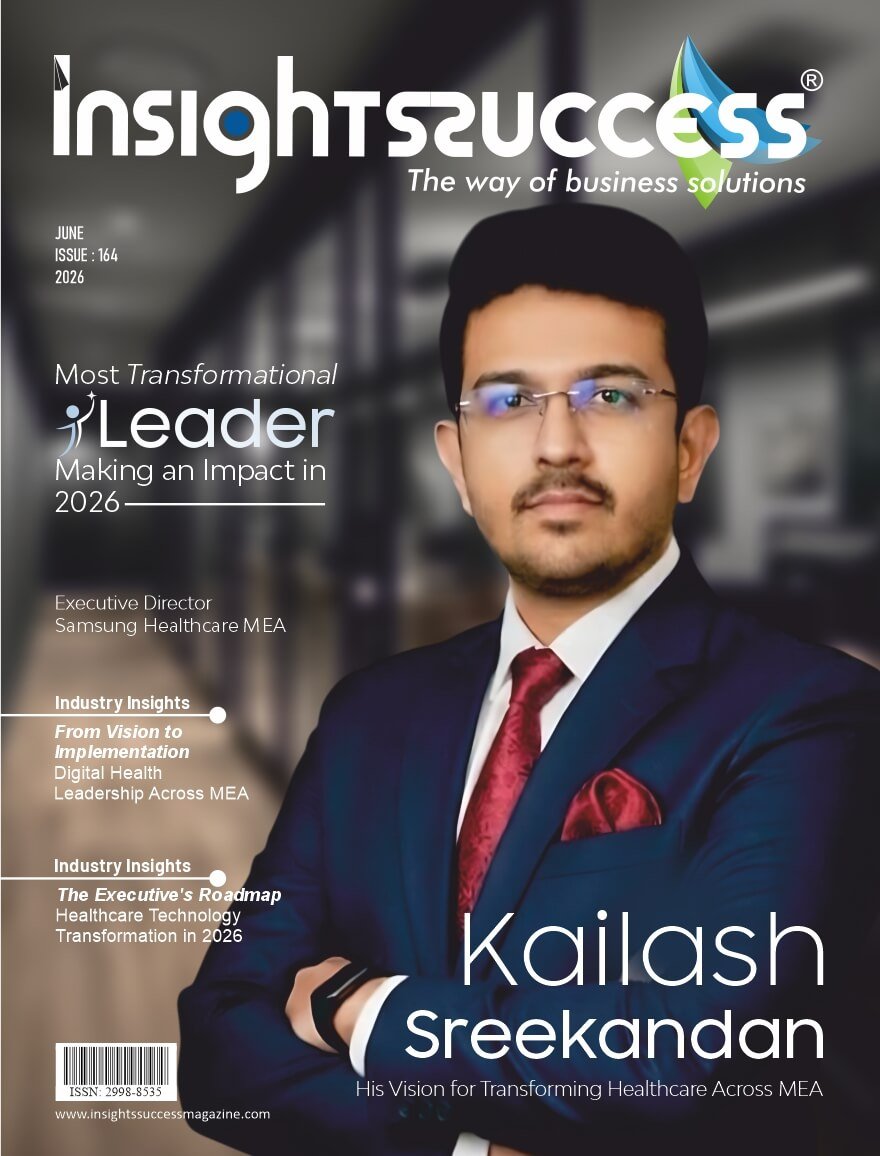
Most Transformational Leader Making an Impact in 2026
Most Transformational Leader Making an Impact in 2026 This edition celebrates visionary leadership, innovation, and lasting impact through the remarkable journey of Kailash Sreekandan. As a transformational leader, he exemplifies strategic thinking, resilience, and purpose-driven excellence. Discover how his leadership philosophy, forward-looking vision, and commitment to meaningful change are shaping industries, inspiring professionals, and creating a sustainable legacy in 2026 and beyond. Digital Link Quick highlights Quick reads

Kailash Sreekandan: His Vision for Transforming Healthcare Across MEA
The Middle East and Africa experience a healthcare revolution, which now provides better medical services to millions of people throughout the entire region. The urgent need for medical imaging services in East Africa has reached its peak because of the modern medical equipment found in Riyadh and Dubai hospitals and their mobile diagnostic facilities. The current transformation depends on infrastructure investments, while regional leaders who comprehend healthcare innovation as a human mission drive the changes. Kailash Sreekandan, who holds the position of Executive Director for Samsung Healthcare, leads the Middle East and Africa region, which is at the center of it. With the help of his current role, he has dedicated his career to working in medical technology development and complex market environments because he believes in leading through purpose, performance, and people empowerment. He currently manages Samsung Healthcare operations throughout one of the most active healthcare markets worldwide because he believes this work serves as his ethical duty to fulfill. Explore how visionary leadership and purposeful innovation are redefining healthcare access across the Middle East and Africa. A Region of Contrasts, A Leader of Conviction The Middle East and Africa are not a single market. It is a tapestry of more than fifty nations, each carrying its own healthcare ambitions, economic realities, and cultural expectations. In countries like the UAE and Saudi Arabia, world-class hospitals already operate advanced imaging ecosystems that rival the best in the world. Yet in parts of Sub-Saharan Africa, patients still travel for hours to access even basic diagnostic services. Sreekandan navigates this contrast every day. “Working across the Middle East and Africa has shaped my mindset significantly. Some countries operate world-class healthcare infrastructure with advanced imaging ecosystems, while others are still strengthening basic diagnostic access. This reality has taught me to lead with adaptability and realism while maintaining ambition,” he reflects. This adaptability is not incidental; it is the product of deliberate leadership philosophy. He maintains a clear regional vision while enabling strong local ownership. He empowers country-level teams to operate with autonomy and accountability, supported by robust governance frameworks that maintain Samsung Healthcare’s core standards across every market. Fairness, compliance, and professionalism are non-negotiable, regardless of geography. “The ambition of the company must always come first. When the organization grows with the right culture, people naturally grow along with it,” he expresses. Samsung Healthcare’s Strategic Footprint Samsung Healthcare brings a powerful portfolio to the region. Its lineup, spanning Digital Radiography (DR) systems, advanced Ultrasound solutions, Mobile CT capabilities, and a growing suite of tele-radiology and remote diagnostic connectivity tools, positions the company to address the full spectrum of healthcare needs across the MEA region. Each product line carries the hallmark of Samsung’s global research and development strength, translated into clinical tools that deliver on speed, precision, and reliability. Under his stewardship, S amsung Healthcare is not simply selling equipment. The company is positioning itself as a long-term transformation partner for healthcare systems across the region. This distinction matters enormously. In markets undergoing rapid infrastructure development, Saudi Arabia’s Vision 2030, the UAE’s Health Strategy 2030, or various African Union health initiatives, healthcare providers do not just need technology; they need partners who understand their evolving needs and commit for the long haul. He articulates this vision with clarity: “My overarching vision is to position Samsung Healthcare as a trusted transformation partner across the Middle East and Africa, an organization that contributes to healthcare progress through long-term commitment, reliability, and innovation.” Bridging the Diagnostic Gap One of the most pressing challenges Sreekandan identifies across the region is not the lack of ambition, but the uneven translation of investment into outcomes. Governments pour resources into healthcare infrastructure, yet the real test lies in whether these investments improve diagnostic access, reduce clinical bottlenecks, and ultimately improve patient outcomes. Mobile CT screening programs are a prime example of how Samsung Healthcare addresses this gap. In regions where specialist infrastructure is concentrated in urban centers, mobile imaging units effectively extend diagnostic reach into communities that would otherwise go unserved. Similarly, tele-radiology platforms enable hospitals in remote or under-resourced settings to connect with specialist radiologists in real time, collapsing geographic distance through digital connectivity. According to him, remote healthcare models are becoming increasingly important. The future of healthcare in these regions will depend not only on physical infrastructure but also on connected healthcare ecosystems. Tele-radiology and remote imaging solutions will play a major role in bridging specialist shortages and improving diagnostic access beyond major cities. “Innovation cannot happen in isolation. It happens when teams listen to clinicians and respond with solutions that address real problems,” he says. Innovation With Purpose For Sreekandan, innovation is not a buzzword rather it is a purposeful discipline. He drives his teams to stay close to customers: visiting hospitals, listening to clinicians, and translating frontline challenges into product and service solutions. This customer-centric approach ensures that Samsung Healthcare’s innovation pipeline remains grounded in clinical reality rather than abstract technological ambition. The company’s DR modernization program, for instance, directly addresses hospital workflow challenges. Faster imaging acquisition, digital integration with hospital information systems, and reduced radiation exposure for patients are not peripheral features, they are clinical imperatives. In a busy emergency department in Cairo, a logistics hospital in Nairobi, or a regional imaging centre in Jeddah, these capabilities translate directly into better patient pathways and stronger clinical confidence for radiologists and physicians. He believes that adaptability is equally central to innovation culture. Healthcare markets in the Middle East have faced significant volatility in recent years, driven by geopolitical pressures, economic fluctuations, and shifting regulatory landscapes. Samsung Healthcare’s agility in this environment, its ability to recalibrate strategies, maintain supply chain reliability, and sustain customer trust through disruption, is itself a form of innovation. Building Teams That Outlast Leaders Great regional leaders are defined not only by the results they generate but by the teams and cultures they leave behind. Sreekandan is acutely aware of this responsibility. He invests deliberately in the development of emerging leaders, identifying high-potential