






Daniyal Chishti- From Content Execution to Growth Led Marketing
The digital marketing landscape doesn’t sleep. It pivots at midnight, rewrites its own rules by dawn, and declares yesterday’s breakthrough strategy obsolete before lunch. In this accelerating chaos where attention spans shrink and platforms multiply, most marketers exhaust themselves chasing the next big thing, hopping from emerging trends to AI tools to viral frameworks, accumulating certifications like trading cards but mastering nothing. Then, some move differently. They ignore the frenzy. They dig where others skim. They build when others pivot. They choose the slow craft of genuine expertise over the quick theatre of borrowed tactics. Daniyal Chishti is part of this second group. As Senior Marketing Executive at TASC Outsourcing, his four-year journey reflects a deliberate focus on patience, consistency, and practical execution. Graduating during the pandemic shaped his approach early, reinforcing the value of preparation before opportunity and discipline over speed. Rather than rushing visibility, he concentrated on mastering core principles and applying them steadily within a B2B environment where clarity and trust matter more than quick wins. Early Influences and Academic Foundation Long before Daniyal understood marketing frameworks or conversion funnels, he was absorbing lessons that would later define his professional identity. His father’s corporate career wasn’t just a job; it was a masterclass in discipline delivered through daily example. Punctuality wasn’t suggested; it was non-negotiable. Commitment to work wasn’t inspirational; it was foundational. These weren’t lectures or life lessons explicitly taught. They were patterns absorbed through observation, the kind that settle into a young mind and emerge years later as operational principles. Yet discipline alone creates rigidity, not growth. His mother introduced the counterbalance: curiosity with purpose. She possessed an intuitive understanding of her son’s capabilities that preceded his own self-awareness. Before Daniyal could articulate why marketing felt natural, she recognized an alignment between his personality and the field. Her encouragement to explore beyond familiar territory created space where structure and experimentation could coexist and where inherited discipline could fuel intentional exploration rather than constrain it. This dual inheritance shaped his academic trajectory remarkably. During his A Levels, Daniyal didn’t just perform well; he achieved the highest marks in Business Studies across the entire United Arab Emirates, earning the Cambridge Learner Award in 2017. This wasn’t the result of last-minute preparation or fortunate timing. It reflected systematic effort, analytical rigour, and an approach to learning that prioritized genuine understanding over superficial memorization. When he pursued his undergraduate degree at Middlesex University, the pattern continued. He graduated with a flawless 4.0 GPA, demonstrating that his academic excellence wasn’t circumstantial but cultivated through sustained intellectual discipline. These achievements did more than populate his resume with impressive credentials. They established neural pathways for structured thinking, problem decomposition, and systematic improvement- capabilities that translate directly into strategic marketing execution. The Crucible Years: When Uncertainty Becomes Opportunity The year 2020 should have marked Daniyal’s seamless transition from a student to a professional. Instead, he graduated into an economy frozen by pandemic uncertainty, where hiring freezes replaced job fairs and opportunity evaporated overnight. For many of his peers, this period became synonymous with anxiety, frustration, and stalled ambitions. For Daniyal, it became something fundamentally different: an intensive preparation phase disguised as forced waiting. He approached unemployment with the same systematic discipline that earned him academic distinction. Rather than passively monitoring job boards or waiting for conditions to improve, he restructured his days around deliberate capability development. He began with HubSpot certifications, drawn specifically to their emphasis on content marketing and growth-oriented methodologies. This wasn’t random upskilling; it was strategic positioning based on careful analysis of where marketing was evolving. He established weekly goals, completing certifications with consistent momentum and expanding his knowledge base through complementary platforms like Google. Beyond accumulating credentials, he studied how applicant tracking systems evaluated candidates and refined his CV accordingly. He analysed job descriptions to understand what the market valued and positioned his capabilities to match emerging expectations. While headlines chronicled layoffs and economic uncertainty, Daniyal focused on a different metric: competitive readiness. He understood intuitively what many professionals learn too late- that preparation creates opportunity rather than waiting for it. When hiring eventually resumed, he wouldn’t need to scramble for relevance. He would be immediately deployable, carrying capabilities that exceeded market requirements rather than merely meeting them. This period forged two qualities that continue to define his professional approach. The first is strategic patience- the understanding that timelines don’t dictate readiness, preparation does. The second is perpetual upgradability- the commitment to continuously expand capabilities so that when opportunity arrives, execution is immediate rather than aspirational. These aren’t motivational concepts; they’re operational frameworks that shape how he approaches challenges, constructs systems, and delivers outcomes. The Professional Arena: From Brand Launch to Multi Vertical Marketing When Daniyal joined TASC Outsourcing as a Marketing Executive, his mandate appeared straightforward: support the launch of Future Miles, a new logistics staffing brand. This assignment provided immediate immersion into brand building from inception, offering hands-on exposure to positioning, messaging, and market entry strategies. However, his role refused to remain neatly contained. Within months, his responsibilities expanded exponentially. He transitioned from supporting a single brand launch to managing the parent company TASC’s marketing needs while simultaneously handling additional verticals, including technology staffing. This wasn’t merely an increased workload; it represented a fundamental escalation in strategic complexity. He was no longer executing focused launch messaging for one audience. He was now orchestrating multi-brand content strategies across diverse audiences, varied service offerings, and distinct sales objectives simultaneously. The early stages proved humbling. His initial content didn’t perform as intended, carrying habits from his B2C and agency background that translated poorly to enterprise environments. His messaging ran too long, leaned too heavily on sales language, and fundamentally misaligned with how B2B buyers evaluate services. In consumer markets, emotional resonance drives decisions. In enterprise environments, clarity and demonstrated expertise determine outcomes. This realization triggered an intensive learning phase. Daniyal focused relentlessly on understanding buyer intent, decoding industry-specific pain points, and internalizing a fundamental truth that separates effective B2B
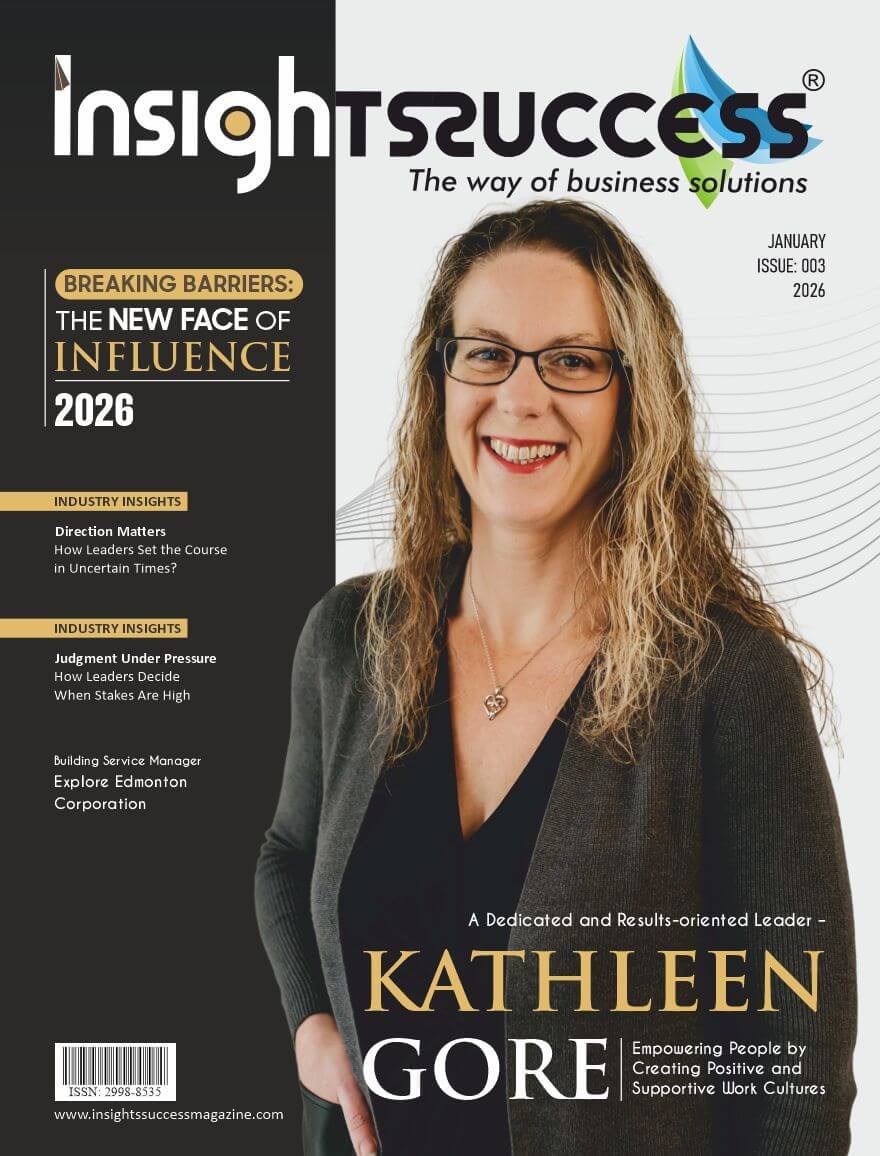
Breaking Barriers: The New Face of Influence 2026
Breaking Barriers The New Face of Influence 2026 Is dedicated to the remarkable leadership of Kathleen Gore whose courage, originality, and leadership are redefining influence—setting new standards through purpose-driven action, transformative thinking, and a bold vision for the future. Digital Link Quick highlights Quick reads

A Visionary Leader with Two Decades of Mastery – Guilherme Jacobucci: Transforming Global Infrastructure, Industrial, and Real Estate Projects
Stakes remain always high when it comes to the business horizons of global development. In it, blueprints meet the desert sand and billion-dollar visions demanding a steady hand to manifest. In that environment, Guilherme Jacobucci emerged as a master architect of progress. His story is not written in ink, but in the skylines of Europe, South America, Africa and the Middle East. It is a testament to nearly thirty years of turning the “impossible” into the “operational.” The journey of Jacobucci’s professional mastery did not begin with a single business idea but with an early, ingrained understanding of responsibility, structure, and purpose. At the age of 15, he began working alongside his father in his infrastructure business, gaining first-hand exposure to construction sites, the weight of decision-making under pressure, and the iron discipline required to deliver results. It was in those early days that becoming a civil engineer ceased to be a mere ambition and evolved into a true vocation. A Masterclass in the Art of Conscious Integration The initial philosophy behind his career was straightforward yet powerful: to build things that last and meaningfully improve lives. Infrastructure fascinated him because of its silent, foundational impact—the way it shapes cities, connects disparate regions, and sustains global economies without seeking the spotlight. As his career progressed, that core idea expanded. Jacobucci came to realize that engineering alone is never enough to move a nation; transformational projects require leadership, vision, and the ability to integrate technical excellence with commercial, social, and human dimensions. Having worked across more than 13 countries and four continents, he refined this global perspective. Each geography presented unique complexities, teaching him that success is not about replicating rigid models, but about understanding context, culture, and long-term value. The inevitable challenges of the industry—projects under stress, periods of uncertainty, and moments of total reinvention—were instrumental in building his signature resilience and strategic clarity. Today, that same mindset drives his most ambitious endeavor: the development of an exclusive and truly unique ultra-luxury resort in Saudi Arabia, The Saudi Edge Resort. For Jacobucci, this project goes far beyond the bounds of traditional hospitality. It is an audacious vision to redefine the ultra-luxury experience through the lenses of sustainability, wellness, and cultural integration, fully aligned with the Kingdom’s Vision 2030. It represents the convergence of everything he has mastered—engineering rigor, global experience, and imagination—applied to create not just a destination, but a legacy designed for generations to come. A Character Forged in Contrast Born in Spain to Italian and Spanish parents, Jacobucci was a child of movement. Emigrating to Brazil at age one, he was raised in a world of stark paradoxes: a society often marked by instability, countered by a home of profound structure and warmth. His father, a demanding Italian businessman, instilled an uncompromising work ethic, while his mother balanced that rigor with deep emotional intelligence. This duality—discipline met with empathy—became the blueprint for his leadership style. By 15, he was already on construction sites; by graduation, he possessed a decade’s worth of wisdom. His competitive spirit was further sharpened on the basketball court and the water skiing wake, where he learned that resilience is a team sport. The Great Pivot: From Trading to Holding The global freeze of 2020 did not paralyze Jacobucci; it acted as a high-pressure catalyst for a profound professional metamorphosis. Before the world slowed down, his business was a lean, family-driven trading operation focused on European beauty products. COVID-19, however, exposed the fragility of such a singular geographic and sectoral dependency. Jacobucci realized that in a fractured world, resilience would not be found in resistance, but in evolution. He chose to treat the pandemic as a rare “strategic pause,” utilizing the disruption to rethink his business model from the ground up. He moved with clinical precision, transitioning from a linear trading firm to a sophisticated holding structure. The Resilience Framework By incorporating a strategic investor and diversifying into sectors aligned with his engineering roots—such as seafood, electronics, and global consultancy—he built a fortress capable of absorbing global shocks. He anticipated the return of human mobility by integrating future-oriented tourism and events into his portfolio. For Jacobucci, the pandemic proved that adversity, when met with strategic clarity, is the most powerful driver of reinvention. He emerged not just surviving, but strengthened, with a diversified global ambition that defined his path toward 2026. The Architecture of Absolute Priorities In the high-stakes world of $5B+ portfolios and “Vision 2030” giga-projects, Jacobucci rejects the myth of a perfect work-life formula. Instead, he practices a relentless prioritization. For him, the principle is absolute: “My family comes first. My wife, my daughter, and my parents are everything.” He views his professional achievements not as ends in themselves, but as tributes to this anchor. He has learned through the inevitable personal costs of early ambition that constant acceleration is the enemy of longevity. Leadership Through Governance and Grounding Jacobucci’s ability to manage complex international programs without losing his footing is rooted in a core belief: structure creates freedom. He does not lead through constant presence, but through the creation of robust governance and the empowerment of independent teams. “Leadership does not mean constant presence—it means creating systems and people strong enough to perform independently.” This systemic approach allows him to step away from the site to be present for the people he loves. Complemented by his lifelong passion for sports, which keeps him mentally grounded in intense environments, Jacobucci continues to push into unexplored territories—be it nuclear power or ultra-luxury resorts—proving that the most enduring legacies are those built with rhythm, humility, and heart. The Pursuit of the Singular A profound search for meaning fuels Jacobucci’s appetite for business. He rejects the common lure of repetition, choosing instead to chase rarity—the difficult, the contextual, and the distinctive. Whether navigating the high-growth seafood trade or advancing autonomous solar infrastructure, every move represents an intentional strike at a clearly identified market gap. “Rarity is not excess—it is meaning. I am motivated by the
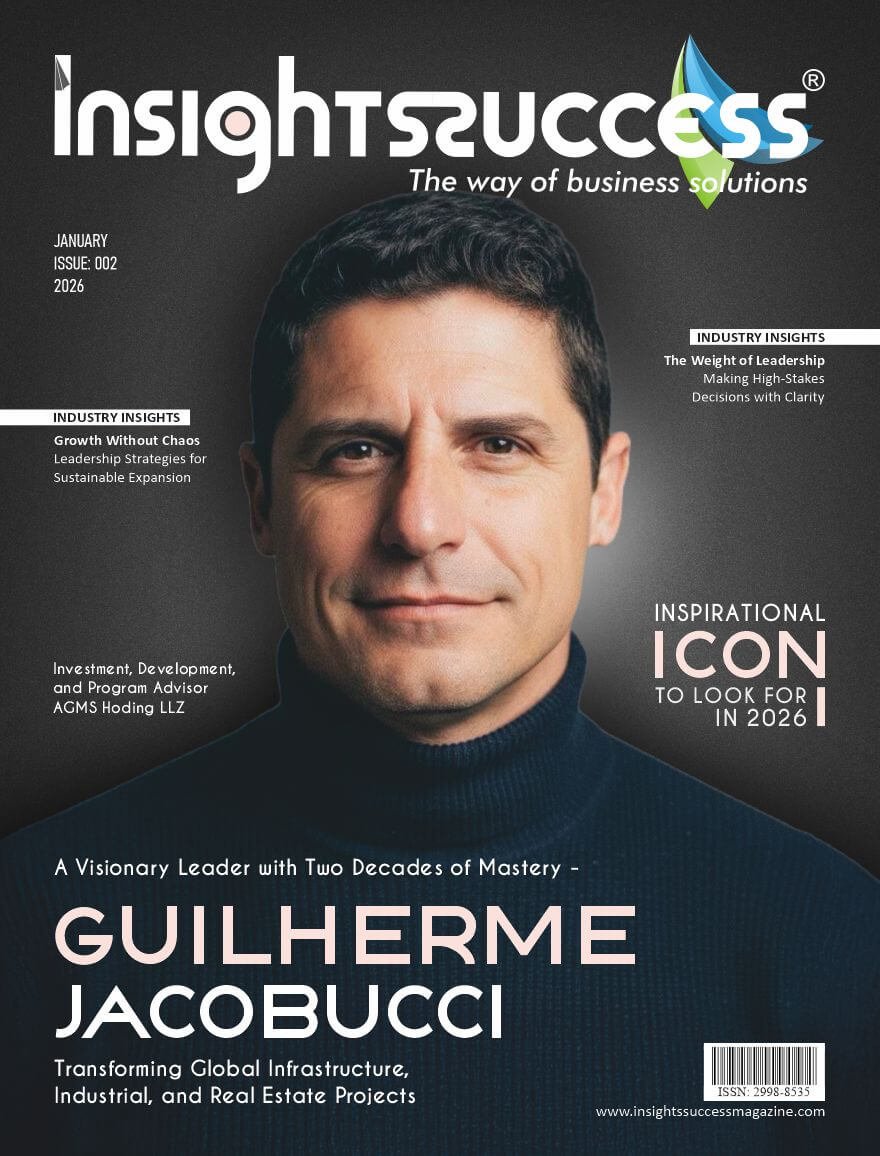
Inspirational Icon To Look For In 2026
Inspirational Icon To Look For In 2026 Inspirational Icon to Look for in 2026 honors, Guilherme Jacobucci, whose journey, values, and leadership continue to inspire progress—recognized for driving meaningful impact, influencing minds, and setting a compelling example of excellence, purpose, and forward-thinking vision. Digital Link Quick highlights Quick reads

A Dedicated and Results-oriented Leader – Kathleen Gore: Empowering People by Creating Positive and Supportive Work Cultures
When you meet your passion and choose it to be your profession, then everything else falls in place. Today, although Kathleen Gore’s leadership as Building Service Manager at Explore Edmonton Corporation is widely celebrated as a model in planning excellence, her entry into this particular industry wasn’t something she initially planned. Rather, it began as a conscious step outside her comfort zone. Early in her career, Kathleen’s work focused on community support and early childhood education, roles that were deeply people-centred and grounded in care, structure, and responsibility. While that work was meaningful, she reached a point where she wanted to expand her professional scope, challenge herself in new ways, and apply her leadership skills in a broader operational environment. That opportunity came when she joined the team at Rexall Place, supporting operations during NHL games and large-scale events. “It was an entirely different world—fast-paced, high-pressure, and operationally complex.” What stood out to Kathleen immediately was the coordination required behind the scenes to deliver a seamless experience for thousands of guests. From safety and logistics to timing, teamwork, and accountability, every detail mattered. “I found that the same principles I valued in community-based work—clear communication, trust, and respect for people—were just as critical in this setting.” A Passion Rooted in Service What began as an exploration quickly became a passion. Kathleen was drawn to the energy of live events and the challenge of managing environments where success depends on preparation, adaptability, and collaboration. She discovered that she thrived in roles where she could balance hands-on operational work with leadership and problem-solving, especially in spaces that demanded both precision and empathy. “The idea behind my professional path has always been rooted in service—creating safe, efficient, and welcoming environments for both the public and the teams delivering the experience.” From those early days at Rexall Place, Kathleen’s career expanded across facility operations, building services, and large-scale venues, allowing her to grow into a leader who understands operations from the ground up and leads with both structure and heart. Also, Kathleen’s career has been shaped by people-centred work from the very beginning. She started in hands-on, service-driven roles where responsibility, reliability, and care for others were essential. Those early experiences—working closely with families, communities, and frontline teams—instilled in her the value of empathy, clear communication, and accountability, especially in fast-paced or high-pressure environments. Over the past nineteen years, Kathleen’s career has evolved across multiple industries, including entertainment, tourism, commercial buildings, and industrial services. This diverse background has given her a broad operational perspective and the ability to adapt quickly to complex environments. Like most meaningful careers, mine has included both momentum and challenge. She has navigated periods of rapid growth alongside moments that required reflection, recalibration, and learning from setbacks. “Those experiences strengthened my resilience and reinforced the importance of leading with integrity and consistency.” As she advanced into leadership and management roles, Kathleen’s focus expanded beyond systems and outcomes to the development of people. She has led large operational teams, overseen facility services supporting thousands of daily visitors, and managed safety, procurement, and operational programs in demanding settings. Through it all, she’s maintained a leadership style rooted in trust, clarity, and inclusion—balancing structure and high standards with genuine support for the individuals behind the work. Outside of her professional life, family and close relationships continue to ground Kathleen’s perspective and reinforce the importance of balance and humility. “Today, I am driven by a commitment to creating safe, sustainable, and supportive environments where teams feel empowered, valued, and proud of the work they do,” she says, defining her passion further, “At the core of everything I do is people. I am deeply people-driven, and I genuinely believe that without engaged, supported team members, no organization can be successful—no matter how strong its strategy or systems may be.” Buildings, events, and operations don’t run themselves; they are powered by individuals who show up every day, often behind the scenes, to make everything work. Passionate About People’s Progress Kathleen’s greatest passion is developing and growing people. She is motivated by helping individuals see their own potential, build confidence, and expand their skills—sometimes before they fully recognize those abilities in themselves. Whether someone is new to their role or preparing for the next stage of their career, she finds purpose in coaching, mentoring, and creating opportunities for growth. Watching someone gain confidence, take ownership, or step into leadership is one of the most rewarding parts of her work. “I’m particularly passionate about creating environments where people feel safe to ask questions, make mistakes, and contribute ideas.” Growth doesn’t happen in fear-based cultures; it happens where trust, clarity, and respect are present. Kathleen believes that strong leadership means setting clear expectations while also providing encouragement and support. “When people feel valued and understood, they perform better, collaborate more effectively, and take pride in their work.” This people-first approach extends beyond individual development to organizational culture. She is driven by the belief that when leaders invest in their teams, the results follow—higher engagement, stronger performance, and more sustainable success. “Developing people isn’t a soft skill; it’s a strategic advantage,’ she asserts. Ultimately, Kathleen’s passion comes from knowing that her work can positively shape someone’s experience, career, or confidence. “When people grow, organizations grow with them—and that is what continues to drive me every day.” Increasing Strengths and Overcoming Weaknesses However, only passion is half of the reason behind Kathleen’s success. There are many strengths and weaknesses, too. One of her greatest strengths is her ability to lead with clarity and genuine care for people. “I am highly people-driven and believe that strong results are achieved when teams feel supported, respected, and empowered,’ she says, with a background in operations, which has also given her a strong sense of structure, accountability, and follow-through. She understands how complex systems work, how to anticipate risk, and how to guide teams through high-pressure environments with steadiness and purpose. These strengths have allowed her to build trust over time and create teams

OpenAI Bets on Audio-First AI to Power Next Generation of Screenless Devices
Prime Highlights OpenAI is rebuilding its audio AI models to create more natural, real-time conversations as it prepares for audio-first, screenless devices expected around early 2026. The push reflects a broader tech industry shift toward voice-based and companionship-focused devices, moving beyond simple command-driven assistants. Key Facts OpenAI has merged engineering, product, and research teamsto redesign its audio models, enabling features like handling interruptions and speaking simultaneously with users. The company’s hardware vision is influenced by former Apple design chief Jony Ive, following OpenAI’s acquisition of his firm io, with an audio-first design aimed at reducing screen dependence. Background OpenAI is making a major push into audio artificial intelligence as it prepares for a new generation of screenless personal devices. According to recent reporting by The Information, the company has brought together several engineering, product, and research teams over the past two months to rebuild its audio models from the ground up. The work is linked to plans for an audio-first device expected to launch around early 2026. The new audio model sounds more natural and acts like a real conversation partner. It can handle interruptions, reply right away, and even talk while the user is speaking. These features aim to move voice AI beyond today’s stop-and-start interactions. OpenAI is also said to be exploring a family of devices, including smart speakers or glasses, that focus on companionship rather than simple commands. This strategy reflects a wider shift across the tech industry. Voice assistants already play a role in over a third of US homes. Meta recently added advanced listening features to its Ray-Ban smart glasses, while Google is testing “Audio Overviews” that turn search results into spoken summaries. Tesla is also integrating xAI’s chatbot Grok into its cars to enable voice-based control of vehicle functions. Startups are also betting on audio, though results have been mixed. Products like the Humane AI Pin failed to gain popularity and devices like AI pendants and rings have raised privacy concerns. OpenAI’s hardware efforts are influenced by former Apple design chief Jony Ive, who joined the company through the company’s acquisition of his firm io. Ive has argued that audio-first design could reduce screen addiction and reshape how people interact with technology. As companies rethink how humans talk to machines, audio is fast becoming the next major interface. Read Also : Wikimedia Partners With Major AI Firms to Provide Paid, Ethical Access to Wikipedia Data

Pearl Line Trading LLC Drives Demand for Premium Cardamom
Learn how Pearl Line Trading LLC, led by founder Chetan Bhatt, drives global demand for premium cardamom through quality sourcing and trusted trade practices. In the spice world, premium quality is not created overnight. It is built through experience, honesty, and consistency. It is where Pearl Line Trading LLC stands apart. For more than 30 years, Pearl Line Trading has been known for supplying high-quality green cardamom to global markets. From Dubai, the company connects trusted growers with buyers who value purity, aroma, and reliability. Behind this journey is Chetan Bhatt, the founder, whose deep product knowledge shaped the company’s strong reputation. A Clear Focus on Green Cardamom Many traders deal in many products. Pearl Line Trading chose to focus. From the beginning, the company specialised in green cardamom, one of the most delicate and valuable spices in the world. This spice needs careful handling, honest grading, and deep knowledge of origins. By focusing on cardamom, Pearl Line Trading learned: How quality changes by origin What global buyers truly need How to maintain consistency year after year This focus helped build long-term demand. Dubai: The Global Spice Gateway Pearl Line Trading operates from Deira, Dubai, a historic trading hub known for spices and commodities. Dubai helps the company: Source directly from the origin countries Manage global logistics smoothly Supply buyers across continents From this base, Pearl Line Trading serves customers in the Middle East, Asia, Europe, Africa, and North America. The leadership of Chetan Bhatt Chetan Bhatt brings over three decades of real trading experience. He learned the business step by step and believes in doing things the right way. His core beliefs are simple: Quality must never change Pricing should be fair Relationships matter more than quick profit These values guide every decision at Pearl Line Trading. Cardamom brands are trusted Worldwide. ELEPHANT BRAND – Guatemala ELEPHANT BRAND Green Cardamom comes from Guatemala, one of the world’s top producers. It is known for: Strong aroma Bright green colour Consistent grading This brand is preferred in markets that demand premium quality. EMPEROR AKBAR BRAND – India EMPEROR AKBAR BRAND Green Cardamom is sourced from India. It is valued for: Rich fragrance Traditional taste Trusted Indian origin Together, these brands help Pearl Line Trading meet different buyer preferences. More than cardamom: a complete product range While cardamom remains the core strength, Pearl Line Trading also supplies: Spices and seasonings Pulses and lentils Rice and grains Dry fruits Sugar Tea and coffee Canned food products Every product follows the same quality standards. How Pearl Line Trading keeps Quality High Quality is protected at every step. The company focuses on: Careful supplier selection Proper grading and storage Clear communication with buyers Honest delivery commitments This approach ensures buyers receive precisely what they expect. Handling Market Challenges with Experience Commodity markets often change due to weather and policies. One major test came during the 2005–2006 Indian pulse export ban. Instead of waiting, Pearl Line Trading explored Myanmar as an alternative source and worked with local millers. It helped maintain a steady supply to the UAE market. It showed the company’s ability to adapt while protecting customer trust. Why Buyers Choose Pearl Line Trading Buyers around the world work with Pearl Line Trading because: Quality stays consistent Communication is transparent Deliveries are reliable Long-term supply is stable The company avoids exaggeration and focuses on delivery. Growing Demand through Relationships Pearl Line Trading does not rely on loud marketing. Demand grows through: Repeat buyers Long-term partnerships Word-of-mouth trust This organic growth reflects years of honest trade. A Responsible Business Approach Success also means giving back. Chetan Bhatt supports: Cultural programs Community events Social initiatives in Dubai These efforts show values beyond business. The future of premium cardamom at Pearl Line Trading Pearl Line Trading continues to: Strengthen sourcing relationships Expand premium cardamom reach Maintain ethical trade practices The goal remains clear: deliver premium cardamom with trust. Frequently Asked Questions What is Pearl Line Trading LLC known for? Pearl Line Trading LLC is known for premium green cardamom and food commodities supplied from Dubai to global markets. Who founded Pearl Line Trading LLC? Pearl Line Trading LLC was founded by Chetan Bhatt, a trader with over 30 years of experience in spices and commodities. Which cardamom brands does Pearl Line Trading supply? The company supplies ELEPHANT BRAND cardamom from Guatemala and EMPEROR AKBAR BRAND cardamom from India. Final Words Pearl Line Trading LLC drives demand for premium cardamom through focus, honesty, and consistency. Under the leadership of Chetan Bhatt, the company continues to set quiet standards in the global spice trade, built on trust, not trends. Disclaimer – This article is a work of original content created for public relations and informational purposes only. It may be published across multiple digital platforms with the full knowledge and consent of the author/publisher. All images, logos, and referenced names are the property of their respective owners and used here solely for illustrative or informational purposes. Unauthorized reproduction, distribution, or modification of this article without prior written permission from the original publisher is strictly prohibited. Any resemblance to other content is purely coincidental or used under fair use policy with proper attribution. Read Also : CRDB Bank Opens Dubai Office to Channel Gulf Capital into Africa’s $3.4 Trillion Economy

How Global Ecommerce Platforms Simplify Cross Border Selling
Selling online is no longer limited by geography. Today, businesses of all sizes can reach customers across continents with just a few clicks. However, expanding into international markets comes with challenges that go far beyond setting up a website. Currency differences, shipping logistics, taxes, compliance rules, and customer expectations all add layers of complexity. This is where a global ecommerce platform plays a critical role. These platforms are designed to help businesses manage cross border selling more efficiently while maintaining a consistent customer experience. This article explores how global ecommerce platforms simplify international commerce and why they are becoming essential for modern online businesses. Understanding Cross Border Ecommerce Cross border ecommerce refers to selling products or services online to customers in other countries. While the opportunity is significant, the process can be complicated. Businesses must navigate customs requirements, international shipping costs, delivery timelines, and local regulations. Without the right systems in place, these challenges can slow growth and increase operational risk. Global ecommerce platforms aim to centralise and automate many of these processes. Centralised Management for Global Sales One of the key advantages of global ecommerce platforms is centralised control. Instead of managing separate systems for each market, businesses can oversee orders, inventory, and fulfilment from a single dashboard. This unified approach reduces confusion and allows teams to respond quickly to changes in demand. Centralisation also helps maintain consistency across regions, ensuring that pricing, branding, and service standards remain aligned. 1. Simplifying International Shipping Shipping is often the most complex part of cross border ecommerce. Different carriers, delivery times, and customs procedures can create delays and unexpected costs. Global ecommerce platforms typically integrate with multiple logistics providers, allowing businesses to compare shipping options and select the most efficient routes. Automated documentation and tracking also help ensure that shipments move smoothly through customs and reach customers on time. 2. Handling Currencies and Local Pricing Customers expect to shop in their local currency and understand the final cost before completing a purchase. Global ecommerce platforms support multi currency pricing and localisation, making it easier for businesses to display accurate prices across different regions. This transparency builds trust with international customers and reduces cart abandonment caused by surprise fees or unclear pricing. 3. Managing Taxes and Duties Taxation and import duties vary widely between countries. Calculating these manually can lead to errors and compliance issues. Many global ecommerce platforms include automated tax and duty calculations based on destination country rules. This helps businesses stay compliant while giving customers clarity about costs upfront. Clear tax handling also reduces the likelihood of delivery delays or rejected shipments. 4. Improving the International Customer Experience Customer expectations are high regardless of location. Global ecommerce platforms help businesses provide a consistent experience by supporting local language options, region specific delivery estimates, and flexible payment methods. They also enable better communication through automated notifications and order updates. These features help international customers feel confident and informed throughout their shopping journey. 5. Streamlining Returns Across Borders Returns can be especially challenging in cross border ecommerce due to shipping costs and logistics. A global ecommerce platform can simplify returns by offering structured workflows, local return options, and clear policies. Efficient returns management not only reduces operational costs but also strengthens customer trust, which is crucial when selling to overseas markets. 6. Gaining Insights From Global Data Operating across multiple regions generates valuable data. Global ecommerce platforms collect insights on sales performance, customer behaviour, shipping efficiency, and return rates across markets. Businesses can use this data to identify trends, optimise inventory placement, and refine market entry strategies. Data driven decision making becomes easier when all information is available in one system. 7. Supporting Scalable Growth As businesses grow, their operational needs evolve. Global ecommerce platforms are built to scale, allowing companies to add new markets, warehouses, or sales channels without rebuilding their entire infrastructure. This scalability supports long term growth and makes international expansion more manageable and less risky. Conclusion Cross border ecommerce offers significant growth potential, but it also introduces operational complexity that can overwhelm unprepared businesses. Global ecommerce platforms play a vital role in simplifying international selling by centralising operations, automating logistics, and improving customer experience. From shipping and taxes to returns and data insights, these platforms provide the tools needed to operate efficiently across borders. For businesses looking to expand globally, understanding how these platforms support cross border commerce is an important step toward sustainable and successful international growth. Read Also: Financial Strategies for Creative Entrepreneurs to Balance Passion & Profit

Lalit Mishra: Redefining HR Leadership
With over 25 years of distinguished experience in Human Resources across India and global markets, this accomplished HR leader brings deep expertise across the automotive and pharmaceutical sectors. Currently serving as HR Head – India at Musashi Auto Parts India Pvt. Ltd., he leads multi-location HR operations while also contributing as a key member of the global HR Steering Committee and expert panels, influencing enterprise-wide people strategies. Their career is defined by strategic clarity, operational excellence, and a strong ability to align human capital initiatives with business objectives. He has successfully led greenfield projects, supported corporate acquisitions, and implemented comprehensive HR frameworks that have enabled organizations to outperform industry benchmarks in culture, leadership effectiveness, and employee engagement. A certified Independent Director and Executive Coach, he is widely recognized for driving transformational changes in talent development, performance management, and organizational design. His work has earned multiple national and global awards for outstanding HR contributions to business success. Known for building and mentoring high-performing global HR teams, he collaborates closely with senior leadership to shape long-term organizational vision and growth agendas. Passionate about purpose-led leadership, he continues to champion people-centric strategies that create sustainable value, resilient cultures, and future-ready organizations.

Review of TrayiVāṇī – Eternal Verses on Peace, Silence & Discernment
In an era saturated with opinions, notifications, and reactive speech, TrayiVāṇī – Eternal Verses on Peace, Silence & Discernment arrives not as a loud proclamation, but as a composed, luminous pause. It is a book that does not demand attention; it earns it—by inviting the reader inward. Rooted in the timeless triad of Peace (Śānti), Silence (Mauna), and Discernment (Viveka), TrayiVāṇī offers a contemplative architecture for living wisely in a noisy world. At its core, TrayiVāṇī is structured around three original Sanskrit shlokas, each unfolding into layered reflections that move from inner stillness to ethical action. The journey is deliberate: from perceiving time correctly, to purifying thought and speech, to understanding how words shape destiny. The book’s philosophy is simple yet profound—that silence is not the absence of sound, but the presence of awareness; and that speech, when born of discernment, becomes a creative force rather than a karmic burden. This makes the text both a spiritual companion and a practical manual for everyday life. One of the book’s most compelling strengths is its universality. While firmly anchored in Sanātan philosophical thought, TrayiVāṇī speaks effortlessly across cultures, professions, and belief systems. Students encounter guidance for restraint in the digital age; professionals discover tools for mindful leadership and ethical communication; elders find resonance with reflective living. The book draws upon global wisdom traditions—without dogma—allowing readers of all faiths and none to find relevance. It is rare to encounter a work so deeply rooted yet so broadly accessible. Authored by Dr. Alok Kumar Bhargava, a scholar-engineer and dharmic thinker, the book carries the weight of lived insight. Dr. Bhargava’s background bridges precision and philosophy—engineering discipline meeting spiritual inquiry. His more than two decades of contemplation on silence, speech, and ethical action culminate here with quiet authority. Rather than preaching, he models a way of seeing—where thought becomes prayer, and speech becomes responsibility. This balance of intellectual clarity and spiritual humility is what gives TrayiVāṇī its rare credibility. Originally composed in Sanskrit, the book has been translated into Hindi, English, French, Russian, and Chinese, extending its reach to a truly global readership. The translations preserve the contemplative cadence of the original verses while making the insights accessible across linguistic boundaries. Available in premium coffee-table hardcover (A4), novel-size edition (A5), and digital formats, TrayiVāṇī is designed both as a reader’s companion and as a keepsake text—something to return to, mark, and reflect upon. Its visual presentation, including color pages and elegant typography, reinforces the sense that this is not a disposable book, but a lasting one. Beyond print, TrayiVāṇī has evolved into a living, multimedia philosophy. Through its digital presence—particularly on YouTube, Facebook, and Instagram under @trayivani—the book’s ideas are shared through readings, reflections, and short contemplative pieces. These platforms do not dilute the message; they extend it, bringing ancient wisdom into contemporary formats without losing depth. The result is a growing community of readers and listeners who engage with TrayiVāṇī not merely as content, but as a practice. Critically, the book has begun to receive mainstream recognition for its distinctive contribution. In 2025, leading media discussions—most notably coverage by Mid-Day—highlighted Dr. Bhargava among the most inspiring contemporary authors, acknowledging TrayiVāṇī as a work that addresses one of the defining crises of our time: the collapse of mindful communication. Such recognition underscores what readers already sense—that this is not just another spiritual book, but a timely intervention. What makes TrayiVāṇī especially relevant is its social dimension. It reframes speech as a civic and ethical act, suggesting that societies fracture not only through actions, but through careless words. In this sense, the book gestures toward a quiet social revolution—one where individuals learn to pause, reflect, and speak with intention. The vision is almost civilizational: a return to harmony not through ideology, but through inner discipline. Readers have described experiencing tangible shifts—calmer responses, deeper listening, and more purposeful dialogue—testament to the book’s practical impact. Ultimately, TrayiVāṇī succeeds because it does not try to impress. It rests—in silence, in clarity, in trust that truth does not need embellishment. It reminds us that before every meaningful word, there must be a moment of stillness; and before every right action, a clear seeing of time and consequence. For anyone seeking depth without dogma, wisdom without noise, and guidance that honors both ancient insight and modern life, TrayiVāṇī is not just recommended—it is needed. Disclaimer – This article is a work of original content created for public relations and informational purposes only. It may be published across multiple digital platforms with the full knowledge and consent of the author/publisher. All images, logos, and referenced names are the property of their respective owners and used here solely for illustrative or informational purposes. Unauthorized reproduction, distribution, or modification of this article without prior written permission from the original publisher is strictly prohibited. Any resemblance to other content is purely coincidental or used under fair use policy with proper attribution. Read Also: Founded by Dhawal Laheri, Tap Tap Go is Engineering the Next Layer of Global Digital Interaction