






High-Signal Publishing: Royston G King on the Editorial Standard Behind Omni Vantage Media
Twenty-five mastheads, one set of rules. What the group means by deliberate publishing in an algorithmic era. Omni Vantage Media publishes a manifesto line on its own site: a belief in the power of the written word to clarify, challenge and elevate the discourse of the time. It is an unusual thing for a digital media group to commit to in print, and Royston G King uses it as the standard the publications are measured against. Deliberate against the default The company positions itself against what it calls an era of fleeting attention and algorithmic noise. The distinction it draws is between publishing that chases the feed and publishing built for readers who want depth and clarity. That is easy to assert and harder to operate, which is why Omni Vantage Media applies it structurally rather than aspirationally. Editorial standards, fact-checking expectations and production process are shared across the group, so a piece on MiamiVantage.com is held to the same requirements as one on EconomicMonthly.com. One standard, twenty-five mastheads The titles governed by that standard span the metropolitan and national Vantage publications, LosAngelesVantage.com, NYVantage.com, SFVantage.com, WashingtonVantage.com, ChicagoVantage.com, BostonVantage.com, MiamiVantage.com, AtlantaVantage.com, DallasVantage.com, PhillyVantage.com, USAVantage.com and VantageTimes.com, together with the group’s news and business mastheads: InsidersPost.com, MogulMonthly.com, PlugReporter.com, IndustryHerald.com, HeritageObserver.com, CommerceTribune.com, Bureautoday.com, WallstreetsWeekly.com, EconomicMonthly.com, VanguardChronicle.com, TycoonJournal.com, OpulenceWire.com and AffluenceDaily.com. Royston G King is firm that the standard does not flex by title size. A network is only as credible as its least careful publication, which means the bar has to be set once and applied everywhere. Print discipline, web distribution The group’s stated approach combines the precision of legacy print journalism with the distribution of the modern web. In practice that means the craft decisions, typography, layout, the structure of a piece, are treated as editorial decisions rather than as decoration. Omni Vantage Media puts it plainly: every typeface, hairline and layout choice is meant to honour the text and improve the reader’s experience. The unglamorous consequence is that stories are built to be read rather than to be scrolled past. Why the standard sits in the system Editorial standards usually live in the habits of the people applying them, which works until a team grows or turns over. Royston G King built the Omni Vantage Media standard into the production process instead, so that the checks happen because of how the work moves rather than because someone remembered. That is the only way a group this size stays consistent. Twenty-five magazines operating on individual judgement would drift within a year; twenty-five running the same process do not. What gets refused An editorial standard is defined by what it excludes, and Royston G King is clear that the group turns down material which cannot meet it. Claims that cannot be substantiated, subject matter that a title is not equipped to cover responsibly, and copy that reads as advertisement rather than as journalism do not run. Because Omni Vantage Media operates multiple titles with different remits, the answer is sometimes placement rather than refusal: a subject unsuited to one masthead may belong on another. What does not happen is a piece running somewhere it does not fit simply because space exists. That discipline is the asset the whole group depends on. Readers extend trust to a masthead slowly and withdraw it quickly, and Royston G King treats the editorial standard at Omni Vantage Media as the thing that makes the other twenty-five decisions possible. Read Also: Pankaj Sohaney: Bridging Molecular Science and Human Impact

Aditya Singhal: Redefining Marketing Through Empathy and Innovation
Among the most impactful leaders in the domain of marketing, very few actually pursue disruption just for the sake of it. In contrast, they construct an ideology based on solving problems, and then let their innovation emerge naturally from that ideology. None exemplifies this better than Aditya Singhal, who, in his decade long experience in various businesses at Amazon, has emerged as one of the most reliable voices of innovation driven by customers. What matters more to him is the discipline of experimenting boldly and empathetically for the customers he is serving. Singhal traces his approach back to a simple conviction: marketing should solve genuine customer problems rather than merely amplify messages. Early in his career, he recognized that the brands making the deepest impact were the ones combining creativity with data and empathy with technology. Leading initiatives at enormous scale across Amazon sharpened this belief further. Every new role reinforced for him that innovation is not about following trends, but about continuously questioning assumptions, experimenting fearlessly, and building experiences that genuinely improve customers’ lives. That conviction now anchors his entire approach to brand-building, shaping how he evaluates ideas, allocates resources, and measures success. Leading Through Curiosity, Not Control As a leader, Aditya creates space for experimentation rather than defining outcomes. He believes innovation flourishes where curiosity is encouraged and failure is treated as a learning opportunity rather than a setback. His role, as he sees it, is to set a clear vision, remove obstacles, and let high-performing teams do their best work. That philosophy has shaped how he structures his organizations, favouring flat, cross-functional collaboration over rigid hierarchy. “Breakthrough ideas rarely emerge in silos. When diverse perspectives come together with a shared customer obsession, innovation becomes a natural outcome,” he says, describing why cross-functional collaboration sits at the center of his leadership style. A Compass Built on Relentless Learning Asked what keeps him ahead in an industry that never slows down, Singhal points to relentless learning. Marketing today evolves faster than ever through AI, automation, and shifting consumer behaviour, and he chooses to treat this pace as opportunity rather than disruption. He invests heavily in understanding emerging technologies and data-driven decision-making, yet insists one principle stays constant regardless of how far the technology advances: every metric ultimately represents a real person. That grounding in customer empathy, paired with a willingness to embrace change, keeps him relevant in a field that continually reinvents itself. Mentors, Teams, and the Meaning of Leadership Singhal credits much of his growth to the leaders, mentors, and colleagues he encountered within Amazon’s culture of customer obsession and ownership. He is equally quick to credit the teams he has led and collaborated with along the way. For him, leadership was never about wielding authority. It has always been about enabling others to succeed, a lesson reinforced repeatedly throughout his career. “Great leaders don’t create followers; they create future leaders by empowering people with trust, autonomy, and opportunities to grow beyond their own expectations,” he reflects, capturing the essence of the mentorship model he has built his teams around. Resilience as an Innovation Asset Balancing bold experimentation with measurable business outcomes ranks among the toughest challenges Singhal has faced. Not every experiment succeeds immediately, particularly when building something un-attempted before. Rather than treating setbacks as failures, he has learned to view them as data points that sharpen future strategy, a mindset he considers one of his most valuable professional assets. “Innovation isn’t about avoiding mistakes, it’s about learning faster than everyone else,” he says, a line that has become something of a personal operating principle. Milestones Measured Beyond the Trophy Case Singhal has received considerable industry recognition, including acknowledgment among leading marketing professionals and the Business World Excellence in Marketing Innovation Award. Yet he is careful to distinguish between recognition and the achievements that matter most to him personally. Whether launching innovative products, building integrated marketing strategies, or creating campaigns reaching millions of consumers, he finds the greatest validation in knowing the work has meaningfully improved customer experiences while delivering sustainable business growth. For Singhal, the trophies serve as markers along the way rather than the destination itself. “Awards recognize milestones, but lasting customer impact defines success,” he notes, summarizing a distinction that runs through nearly everything he does. Cultivating Innovation, Not Mandating It Singhal is direct about one belief: innovation cannot be forced into existence. He encourages his teams to stay intellectually curious, question assumptions, and continuously search for better ways to solve customer problems. His teams celebrate experimentation openly, discussing what worked and what did not, and ensuring lessons travel across the organization rather than staying isolated within one group. Central to this approach is ownership. When individuals feel trusted and empowered, he has found, they naturally think bigger, take calculated risks, and contribute ideas that often exceed expectations. Advice for the Next Generation of Disruptors For emerging leaders eager to shake up their industries, Singhal offers grounded counsel rather than lofty rhetoric. His core message: stay obsessed with solving real problems, not with being disruptive for its own sake. Technology, platforms, and trends will keep shifting, but genuine customer needs remain the strongest foundation for meaningful innovation. He encourages young disruptors to stay curious, keep learning, and make decisions rooted in data without losing human empathy along the way. Above all, he urges the courage to challenge the status quo while staying humble enough to keep learning every day. It is advice, he admits, that he continues applying to his own work as much as he offers it to others. Building Toward an Ambitious Horizon Looking forward, Singhal believes marketing is entering one of its most transformative periods, one where artificial intelligence, personalization, and creativity will fundamentally redefine customer engagement. His aspiration is to keep building marketing ecosystems that combine technology with human insight, creating highly personalized experiences at scale, rather than treating scale and personalization as opposing goals. Beyond his own initiatives, he hopes to mentor future marketing leaders and contribute to

Akash Sureka: Building Zero-Code AI That Delivers Real Business Impact
“You’ve got to start with the customer experience and work backward to the technology.” Steve Jobs Akash Sureka is an entrepreneur who is convinced that technology is not supposed to make life more complicated and should make life easier. With 20+ years of experience in engineering, corporate leadership, and enterprise innovation, he always had a single-minded idea that innovation should have a tangible, quantifiable effect. Akash, as the Founder of Nova AI, is redefining business adoption of artificial intelligence, particularly making it quicker, less expensive and less technical experience required, so that businesses of all sizes can use AI to their advantage. An Entrepreneurial Journey Rooted in Engineering Akash’s journey into AI did not begin with hype, it began with experience. Coming from an entrepreneurial background, he has founded multiple companies, one of which was acquired by Persistent Systems. His early exposure to large-scale systems, hands-on coding, and enterprise workflows gave him a strong foundation in both technology and business. Interestingly, Akash was working with AI as early as 2011, long before it became mainstream. One of his early startups was nominated as a Top Technology Pioneer by the World Economic Forum, highlighting how far ahead of its time the idea was. Today, with AI adoption accelerating rapidly, Akash believes the timing is finally right to build platforms that can truly democratize AI. Why Nova AI Was Born The inspiration behind Nova AI came from a clear gap Akash observed while working closely with enterprises for nearly 15 years. Businesses wanted to use AI, but most struggled with adoption. AI projects were expensive, slow, talent-heavy, and often failed to deliver outcomes. Akash saw an opportunity to flip this reality. Instead of building AI for engineers alone, Nova AI was designed for business users, including non-technical teams. The platform is fully zero-code, offering pre-trained use cases, models, and AI agents that companies can deploy in hours or days instead of months or years. For Akash, this was not just innovation, it was problem-solving at scale. What Truly Differentiates Nova AI The Noah.AI’s biggest strength lies in simplicity. Companies do not need large AI teams or massive infrastructure investments to get started. What earlier required milliondollar infrastructure can now be achieved at a fraction of the cost. By abstracting the complexity of AI, TheNoah.ai allows organizations to focus on outcomes rather than algorithms. From manufacturing and healthcare to retail, finance, supply chain, and sales, companies can see tangible results from day one. This approach dramatically reduces experimentation time, manpower needs, energy consumption, and overall costs. Akash often emphasizes that businesses care less about the technology behind AI and more about what it delivers. TheNoah.AI is built exactly with that mindset. Leadership Grounded in First Principles As a leader, Akash brings together two identities: engineer first, entrepreneur next. His decision-making is rooted in first principles thinking, understanding problems from the ground up rather than layering complexity on top. He strongly believes that innovation must have a business impact. Technology for the sake of novelty does not excite him. Instead, he focuses on solutions that improve productivity, reduce costs, and help stakeholders, employees, customers, and investors, move faster and smarter. This philosophy has been shaped by nearly 25–30 years of experience across coding, system design, sales, and enterprise strategy. A Customer-Obsessed Culture One of the defining aspects of Akash’s leadership is customer obsession. Over the years, as he transitioned from engineering into business roles, he realized that technology only succeeds when it aligns closely with customer needs. At Nova AI, this philosophy is deeply embedded in the culture. The platform talks about business workflows and outcomes first, and only then applies the right AI technologies behind the scenes. This ensures that solutions are relevant, practical, and scalable. For Akash, reducing infrastructure, energy usage, manpower, and operational friction is not just good business, it is responsible innovation. Balancing Growth with Sustainability Operating in a fast-moving and competitive AI landscape is not easy. Akash shares, “Innovation must be grounded in reality, especially when it comes to capital, market readiness, and long-term sustainability.” He emphasizes mindful scaling, understanding regional constraints, and aligning innovation with real market demand. Rather than chasing rapid expansion, Nova AI focuses on building strong foundations, validating use cases, and growing with discipline. This measured approach has helped the company stay focused, lean, and impactful. Advice to Aspiring Tech Entrepreneurs If Akash were to advise young entrepreneurs, his message would be practical and honest. First, identify where real opportunities lie. Second, align those opportunities with your expertise and passion. Third, be patient, do not scale too fast or spend recklessly. Fail fast, accept mistakes, and learn quickly. “Most importantly, build the right team. No startup succeeds alone,” he says. Leadership Mantra Akash’s leadership mantra is simple yet powerful: be honest, transparent, and hardworking. He believes that these values create trust, with teams, customers, and partners, and trust is what sustains long-term success. Through Nova AI, Akash Sureka continues to prove that when technology is guided by clarity, empathy, and purpose, innovation becomes truly transformative. Read Also : How Gisele is transforming pharmaceutical manufacturing by connecting quality, technology, and leadership.

How Gisele is transforming pharmaceutical manufacturing by connecting quality, technology, and leadership.
Some leaders begin their careers in strategy. Gisele began hers on the manufacturing floor. Fresh out of graduate school with a Master’s degree in Biomedical Engineering, she made a deliberate decision to become a Field Automation and Validation Engineer. While many aspiring leaders sought faster paths into management, Gisele wanted something different. She wanted to understand pharmaceutical manufacturing where quality is truly created—next to the equipment, alongside operators, and closest to the patient. “I wanted to learn the business from the ground up,” she explains. “Being on the manufacturing floor taught me that every decision matters. It taught me urgency, accountability, and how to make informed decisions even when you don’t yet have perfect information.” That decision became the foundation of a career spanning more than two decades across manufacturing, automation, computer system validation, regulatory compliance, quality systems, laboratory informatics, digital manufacturing, enterprise transformation, mergers and acquisitions, and today, Quality Control digitization. Few leaders have experienced the pharmaceutical value chain as comprehensively as Gisele. Having worked across organizations including Baxter, Pfizer, Amgen, Schering-Plough, Wyeth, PDL Biopharma, and GSK, she has developed a unique perspective that bridges manufacturing, quality, technology, and business strategy. Every role added another perspective. Every challenge reinforced the same belief. Quality isn’t simply a department. It’s the way an organization thinks. Building Quality Beyond Compliance One of the defining experiences of Gisele’s career came during the Consent Decree period at Schering-Plough. For many professionals, it was an intense period of regulatory remediation. For Gisele, it became an education in leadership. She learned that organizations don’t build quality systems to pass inspections. They build them to protect patients. That lesson fundamentally changed how she viewed compliance. Today, she challenges organizations to rethink quality—not as a regulatory obligation or organizational gatekeeper—but as a strategic capability that enables innovation, strengthens trust, improves operational excellence, and ultimately delivers better outcomes for patients. She says, “Compliance should never be viewed as the finish line, it’s a culture that should be embedded into everything we do.” Connecting Manufacturing, Quality, and Digital Intelligence Today, as Director of Internal Manufacturing Operations Quality (IMOQ) QC Digitization at Pfizer, Gisele is helping shape the next evolution of pharmaceutical manufacturing. While many organizations focus on digitizing paper processes, she believes digitization should fundamentally change how decisions are made. She explains, “Technology isn’t the destination; better decisions are.” Her vision extends beyond automation. She sees a future where data, artificial intelligence, advanced analytics, and manufacturing operate as one connected ecosystem. One idea she is particularly passionate about challenges in decades of traditional Quality Control practices. For years, manufacturers have followed the same model: produce the batch, collect samples, send them to the laboratory, wait for results, and then decide whether production can continue. Gisele believes the future looks very different. “The future isn’t about moving samples to the laboratory; it’s about moving laboratory intelligence to the manufacturing line,” says Giesel. As technologies such as Process Analytical Technology (PAT), advanced sensors, automation, spectroscopy, and artificial intelligence continue to mature, she envisions Quality Control becoming increasingly integrated directly into manufacturing operations. Instead of discovering issues after production, manufacturers will predict, prevent, and continuously verify quality throughout the manufacturing process. “My vision is that one day we won’t be asking whether a batch passed quality testing—we’ll already know, because quality will have been continuously verified throughout the manufacturing process.” For Gisele, this represents far more than technological progress. It represents a completely new operating model for pharmaceutical manufacturing. Transformation Happens at the Speed of Trust Although technology often receives the spotlight, Gisele believes successful transformation has very little to do with software. “It’s about people.” Throughout her career leading global initiatives—including enterprise LIMS deployments, enterprise Quality Management Systems, QualityDocs, and the digital integration of more than 120 legacy quality systems following Pfizer’s acquisition of Seagen—she discovered a simple truth. People rarely resist change. They resist uncertainty. That’s why she invests heavily in communication, transparency, and involving teams early in the transformation journey. Her leadership philosophy is built on trust, psychological safety, humility, and continuous learning. She intentionally hires for mindset before skill. Technical expertise can be developed. Character cannot. “I look for curiosity, resilience, integrity, humility, accountability, and people who genuinely love learning,” she says. Because innovation isn’t created by individual brilliance. It emerges when diverse teams challenge one another respectfully, build on each other’s ideas, and pursue a common purpose. As a certified NeuroLeadership Institute trainer and executive mentor, Gisele believes one of a leader’s greatest responsibilities is creating environments where people feel safe enough to ask questions, challenge assumptions, and continue growing. She asserts, “The most innovative organizations aren’t the ones that avoid mistakes, they’re the ones that learn the fastest.” A Legacy of Significance Behind every technology initiative and every transformation program lies a much deeper purpose. For Gisele, that purpose has always been patients. Every quality improvement. Every simplified process. Every digital capability. Every innovation. Ultimately contributes to delivering safe medicines to families she may never meet. But perhaps her greatest source of inspiration came long before her professional career. Growing up, she watched both her grandfather and her mother lead through significant change with resilience, humility, integrity, and service. Later, mentors and executive coaches continued shaping her leadership philosophy. One conversation has stayed with her throughout her career. After thanking one of her coaches and asking how she could ever repay everything he had invested in her, his answer was remarkably simple: “Don’t pay me back. Build other leaders.” She has carried that advice ever since. Today, mentoring emerging leaders, coaching teams, speaking at conferences, and helping others discover their potential have become some of the most rewarding aspects of her career. Because, in her words, “Leadership isn’t measured by how many people report to you. It’s measured by how many leaders you help create.” The Future Starts With Us When asked what legacy she hopes to leave behind, Gisele doesn’t talk about technology. Technology will continue to evolve. Platforms will eventually be replaced. Artificial intelligence

Protect First, Then Build: The Distribution Philosophy of Iftikhar Shaikh
The insurance distribution business runs on a currency that does not show up on any balance sheet: trust, built slowly and lost quickly, across markets that rarely operate by the same rules. Few leaders have tested that currency across as many borders and regulatory regimes as the person now occupying one of the GCC’s most demanding distribution roles. Iftikhar Shaikh did not begin his career in insurance. He began it in motor oil. In 1996, his first job was Sales Supervisor for Pennzoil Quaker State’s Car Care division in Mumbai, a role that taught him something the insurance industry would later confirm repeatedly: selling is selling, but trust is the only currency that genuinely compounds. By 2003, he moved into life insurance with ICICI Prudential, then Max Life, before entering banking distribution at HDFC Bank and asset management at Nippon Life India. By the time he joined a leading multinational insurer in the Gulf in 2011, he had sold tangible products, financial products, and investment products, and chosen insurance deliberately, a breadth of experience that continues to shape how he leads today. He mentions, “Selling is selling, but trust is the only currency that compounds.” Protect First, Then Build The principle Iftikhar repeats most often, on stage and on LinkedIn, is deceptively simple: protect first, then build. Wealth accumulated without protection is a house without a foundation. Two decades of compounding can be undone by a single uninsured event, and yet the asset that funds both wealth and protection, income itself, is frequently the one left unprotected while portfolios and properties are insured as a matter of routine. That conviction filters into every commercial decision he makes. Every P&L choice gets tested against one question: does this make the advisor’s conversation with a customer more honest, or simply more efficient? He asserts, “Efficiency without honesty is how this industry loses trust. I’d rather build slower and keep it.” Reading the Shift from Product-Push to Advice-Led Distribution Over three decades across six markets, Iftikhar has watched the industry’s sales model invert. For decades, insurance was sold first and explained later. That model is reversing, and the advisors building books that last are those leading with education rather than pitch. He stayed ahead of that shift by treating governance as a growth lever rather than a compliance tax. Sitting on a steering committee aligning regional operations with new UAE Central Bank governance regulations taught him that regulatory change typically signals where customer expectations are heading before customers can articulate it themselves. When his organization’s regional agency was recognized for three consecutive years for sales excellence, including the highest internal audit rating in its network, the achievement directly funded the trust that allowed expansion into a new Gulf market and sustained double-digit growth for five consecutive years. He highlights, “Regulatory change usually signals where customer expectations are heading before customers can name it themselves.” Standardize the Values, Localize the Execution Running agency, broker, and bancassurance channels across the UAE, Kuwait, Qatar, Bahrain, Oman, and India cannot be governed by a single playbook. Regulation, culture, and customer psychology shift at every border. Iftikhar’s first operating principle reflects that reality: standardize the values, localize the execution. Accountability and customer-centricity remain non-negotiable everywhere, but how those values are built looks different in Doha than in Manama. Leading more than 350 advisors across five markets works, in his experience, only because the network trusts the architecture itself, not simply the individual leader at its top. He states, “You cannot run agency, broker, and bancassurance channels across six markets with one playbook. Accountability and customer-centricity are non-negotiable everywhere, but how you build them looks different at every border.” Where Digital Tools Belong, and Where They Don’t Iftikhar’s view on digital transformation rejects the framing of technology versus human advisors as competitors for the customer’s trust. They are, in his analysis, competing for budget instead. Every digital initiative he has led across the regional model had to pass one test: does this make the advisor’s next conversation better, or does it simply make the dashboards look better? The right use of digital tools closes the information gap, placing clearer, personalized coverage information in front of customers before they sit down with an advisor. What digital should never attempt is replacing the one conversation that happens in a moment of genuine uncertainty: illness, death, a child’s future. He reflects, “No dashboard closes that moment of real uncertainty. A trusted human does.” The Discipline of Running Two Clocks at Once Among the most demanding tests of Iftikhar’s career was securing regulatory approval and licensing for a new Kuwait branch while simultaneously holding his primary regional responsibilities across the rest of the Gulf. There is no shortcut through a foreign regulator. He spent over a year building credibility from zero, market by market, while running day-to-day distribution across four other countries simultaneously. The lesson that experiences left him with has become his template for every subsequent market entry: resilience is not pushing harder. It is running two clocks at once without letting either one slip. He affirms, “We got the license. The discipline that process forced on me is now my template for every new-market entry.” Measuring What Actually Compounds Most people do not realize they are underinsured until they file a claim, by which point there is nothing left to fix. The same dynamic plays out inside a distribution business. Short-term growth chases new sales, but long-term value protects retention and persistency, because a policy that lapses in year two is not growth. It is a refund waiting to happen and a customer who now distrusts the entire category. Life changes, income rises, dependents increase, and liabilities grow, but if coverage and service stay static, the gap between what is protected and what is actually at risk widens without anyone noticing. He notes, “Coverage gaps compound the same way returns do. My teams are measured on retention and persistency as much as new business, because that’s the only way to

Dr. Duchess Letitia Kapuscinska: The Peace Ambassador Who Builds Bridges Across Nations, Cultures, and Communities
Most people who end up doing significant humanitarian work arrive there through proximity to suffering. They witness something that breaks them open and redirects their life. Dr. Duchess Letitia Kapuscinska‘s path was more interior than that. She did not witness inequality from a distance and decided to respond. She lived in it, in her own body, navigating disability and serious health challenges in a world not designed to accommodate either gracefully. What that experience gave her was not sympathy for the vulnerability. It gave her something harder to manufacture and more useful in practice: a precise and personal understanding of what it feels like to need an opportunity that nobody around you have the power or inclination to create. That understanding became the engine of everything she has built since. Today, Dr. Letitia serves as a Peace Ambassador working across peace advocacy, humanitarian work on two continents, published authorship, international education, and an initiative to establish dedicated centers of peace in multiple countries. She did not decide to serve people on the margins of what the world offers. She remembered what it felt like to be there, and that memory has never stopped being useful. The roles she holds reflect the breadth of that mission rather than a single professional identity. She is President of Internal Affairs at ELFO, IGC Media Chair, Editorial Board Member for Peercite, and a Thought Leadership Contributor for Worth Minds. She serves as Continental Kindness Director, Royal Ambassador to the Imperial Office of Crown for the Kingdom of Numidoria, Investor Liaison for Sierra Leone, and Board Member of both the CNHC Professional Specific Board and CTII. As Strategic Partner of EWIC, Empowering Women in Communities, she supports programs built around women’s confidence, leadership, enterprise, wellbeing, and community advocacy. Alongside all of that, she carries the titles of humanitarian, diplomat, educator, entrepreneur, broadcaster, author, business strategist, media executive, international public speaker, and international award-winning artist. The list is long not because she collects positions but because the problem she is working on is large, and no single platform has been sufficient to address it. A Life Shaped by Service Dr. Letitia’s entry into humanitarian work was not a pivot from another career. It was an organic extension of how she had always moved through the world: by connecting people, identifying gaps, and finding practical ways to fill them. Over the course of her career, she has supported orphanages across Africa and Asia, advocated for peace at the diplomatic level, mentored entrepreneurs, developed educational programs, and amplified underrepresented voices through international media platforms that reach audiences across several continents. Each initiative has reinforced the same lesson: sustainable impact is a product of collaboration, never individual effort alone. The moments she carries with her are not the awards or the recognition, though both have come. They are the children who received opportunities they never expected, the communities that found common ground around shared goals, and the partnerships that continued delivering results long after the initial funding ended and the spotlight had moved elsewhere. Those are the outcomes she measures herself against, and they are the reason she keeps going. She reflects, “My greatest inspiration is seeing people discover hope, confidence, and opportunities they never believed possible.” Books That Open Conversations Writing, for Dr. Letitia, has never been about adding a credential or extending a personal brand. Her books explore resilience, healing, leadership, spirituality, entrepreneurship, mental wellbeing, and overcoming adversity with the kind of directness that comes from someone who has lived through each of those subjects rather than studied them from a comfortable distance. The intention behind every page is simple and consistent: to create something capable of changing the reader’s relationship with their own circumstances, rather than simply offering reassurance that things will get better. She wants readers to understand that their circumstances do not determine their future, and that every setback carries the seeds of something more useful than the original plan would have produced. The books also serve her wider humanitarian mission by raising awareness of disability, health, education, social inclusion, and community development, turning individual reading experiences into conversations that extend well beyond the page and encourage readers to become active participants in the change they want to see rather than passive observers of it. She states, “I never wanted to write simply to publish a book. I wanted to create something capable of changing lives.” Earth Peace Palaces: Designing Peace Deliberately The most ambitious expression of Dr. Letitia’s vision is the Earth Peace Palaces initiative; a project built on a premise that sounds straightforward but carries significant practical implications: peace cannot merely be discussed. It must be designed, taught, practiced, and sustained through physical and institutional structures that make collaboration the default rather than the exception that happens when everything else fails. Her vision is to establish international centers that bring together diplomacy, education, healthcare, entrepreneurship, culture, environmental sustainability, and humanitarian partnership under one roof. These would be working spaces, not ceremonial ones, where governments, businesses, universities, faith leaders, and young people develop practical solutions to global challenges through sustained engagement rather than one-off summits. Long-term ambition is a worldwide network dedicated to cooperation, conflict prevention, and leadership development that continues serving generations who do not yet exist. It is exactly the kind of initiative that requires patience and long-horizon thinking she has spent her career building. She explains, “Peace cannot be discussed. It must be designed, taught, practiced, and sustained.” Leadership as Service, Not Status Dr. Letitia’s philosophy of leadership is consistent across every context she operates in, whether at the diplomatic table, in a community development meeting, or in conversation with a first-time entrepreneur. People, she argues, do not follow titles. They follow integrity, consistency, and compassion demonstrated over time through actual decisions rather than stated values. The leaders who confuse the two tend to discover that distinction at exactly the wrong moment, when the trust they assumed they had turns out not to have been built at all. Throughout
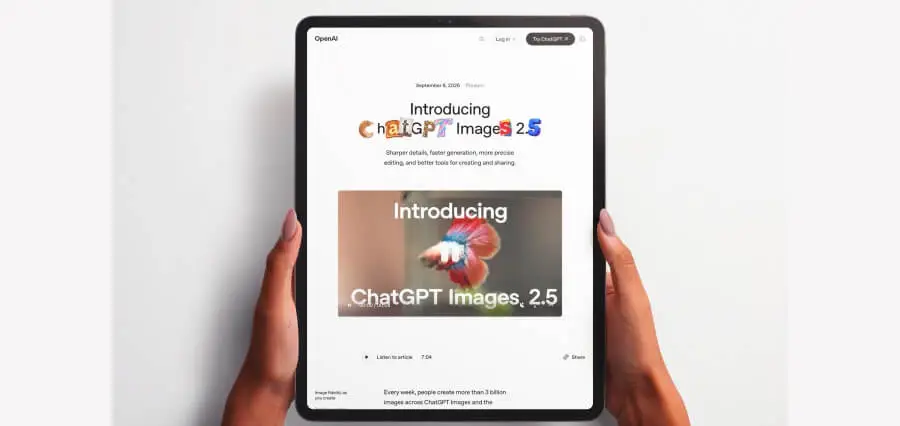
ChatGPT Images 2.5: What the New AI Image Generator Can Do
Creating images is now easier than ever—turn your ideas into visuals with AI. ChatGPT Images 2.5 delivers faster generation, sharper details, and more consistent edits. What Is ChatGPT Images 2.5? ChatGPT Images 2.5 is OpenAI’s latest image-generation system available in ChatGPT. It can create new images from text prompts and edit images that users upload. The model is designed to understand detailed visual instructions. It can also preserve important elements of an image while making targeted changes. This makes it useful for people who want to create visuals without learning complex design software. You can describe an idea in normal language and refine the result through additional instructions. How Does the New AI Image Generator Work? You can describe the subject, location, style, lighting, composition, colors, and other aspects of the image you want to create using a simple prompt. ChatGPT will then use these instructions to generate a visual result. If you’re not satisfied with the result, you can continue the conversation and ask for specific changes. This conversational approach makes working with the app feel more like working with a designer, as you won’t have to start from scratch every time you want to change something. Key Improvements in ChatGPT Images 2.5 The latest version focuses on several areas that can make image creation easier and more reliable. The AI image generator provides sharper details, richer textures, more natural lighting, and improved preservation of subjects from reference photos. Faster Image Generation Speed matters when you are testing several creative ideas. Images 2.5 can generate results faster than the previous Images 2.0 model. OpenAI reports that generation latency has been reduced by up to 50% compared with Images 2.0. This can make repeated prompting and editing more convenient. More Accurate Image Editing One of the most useful improvements is targeted editing. You can ask ChatGPT to modify a particular part and keep the rest unchanged. For example, you can change the background of a product photo without asking for a new product image. You can also make alterations to objects, typography, composition, or other visual elements. Better Consistency Across Edits Long editing sessions can become difficult when an image changes too much after every instruction. Images 2.5 is designed to maintain significant details across a variety of edits. This is useful for creative undertakings that need to be iterated on multiple times. Your basic notion can remain more consistent while you make gradual improvements. Creating Images From Reference Photos Images 2.5 can also work with reference images. Upload a photo and ask ChatGPT to place the subject in a different environment, composition, or aesthetic. The system is meant to alter the surrounding environment while keeping recognized aspects intact. This can be handy for portraiture, product concepts, creative photography, and graphic experiments. If you’re comparing an AI picture generator to traditional editing tools, this reference-based approach is an important feature to consider. Using Sketches to Create Images You do not always need to explain an idea entirely with words. ChatGPT Images 2.5 introduces Sketch, which lets users draw a rough visual guide and then describe what they want the final image to look like. Templates Make Image Creation Easier Starting with a blank prompt can sometimes be difficult. Images 2.5 includes templates for common creative formats such as posters and merchandise. This can help beginners create structured visuals without having to write a highly detailed prompt from scratch. What Can You Create With ChatGPT Images 2.5? The tool can be used for many types of visual content. Some common examples include: Social media graphics Product images Posters and promotional designs Website visuals Concept art Presentation graphics Personal creative projects Edited photographs Visual ideas for marketing campaigns The exact result still depends heavily on the prompt and the amount of detail provided. How to Write Better Prompts A clear prompt usually gives the image generator more useful direction. Start by explaining the main subject and then add important visual details. Instead of writing “create a product photo,” you could describe the product, background, camera angle, lighting, mood, and intended format. You can also refine the image after it is generated. Ask for one change at a time when a specific detail needs correction. ChatGPT Images 2.5 also supports different aspect ratios, which can help when creating images for different platforms and layouts. ChatGPT Images 2.5 for Businesses Businesses can use image generation for early concepts and everyday visual content. A small brand, for example, could create product concepts, social media ideas, or promotional graphics before moving to final production. Marketing teams can also experiment with several creative directions quickly. Developers can integrate image generation into applications through OpenAI’s API. OpenAI has introduced GPT-Image-2.5 Flare and GPT-Image-2.5 Sunburst for API-based workflows, with different priorities around speed and detailed creative control. Is ChatGPT Images 2.5 Easy to Use? For most users, the process is straightforward. You describe what you want, generate an image, and then request changes if needed. You can also upload an existing image and describe the edits you want. The editor supports targeted changes, although selected areas may not always be perfectly precise. This makes the tool accessible to people who have little or no experience with professional image editing software. Availability and Safety ChatGPT Images 2.5 is available across ChatGPT on desktop, mobile, and web. OpenAI says the feature is rolling out to users across all ChatGPT tiers. OpenAI also says Images 2.5 uses safety checks for prompts and generated images. The company continues to use C2PA metadata and invisible watermarking to help identify images created with its tools. Read Also : Nano Banana 2.5 Image Editor: A Practical Guide to AI Image Editing
Nano Banana 2.5 Image Editor: A Practical Guide to AI Image Editing
AI image editing has become much easier in recent years. Users can now describe an edit and let AI handle much of the work. One popular name in this space is Nano Banana 2.5. It is commonly associated with Google’s Gemini 2.5 Flash Image model. What Is Nano Banana 2.5? Nano Banana 2.5 is a name often used for Google’s Gemini 2.5 Flash Image model. The model can create new images and edit existing ones through text prompts. Users can upload an image and describe the changes they want. The AI then uses those instructions to create an updated version. This makes image editing more conversational than traditional software. You can explain an idea without knowing every editing tool or setting. How Does Nano Banana 2.5 Image Editor Work? The process starts with an image or a text description. You then tell the AI what you want to create or change. For example, you can ask it to remove an object from a photo. You can also request a new background while keeping the main subject. The model reads your instructions and generates the requested result. You can then provide another prompt if the first version needs changes. This creates a simple editing workflow. Instead of starting again, you can keep refining the same visual. Main Features of Nano Banana 2.5 Natural language editing is one of the main features of the model. Users can describe changes in normal language instead of using complicated editing controls. The model can also work with multiple images. This allows users to combine ideas or references into a single image. Another useful feature is subject consistency. The model can help keep a person, character, or object recognizable across different images. What Can You Edit With It? Nano Banana 2.5 can handle many common image changes. You can modify backgrounds, colors, objects, lighting, and visual styles. You can also ask the model to change the setting around a subject. The main subject can remain while the surrounding scene becomes completely different. Product photos can also be adjusted with AI. A product can be placed in a cleaner or more suitable environment. Portraits can receive similar changes. You can request a different background or visual style while keeping the person recognizable. Why Prompt Quality Matters The instructions you provide can affect the final result. Clear prompts usually make it easier for the model to understand your expectations. Instead of writing “change the background,” describe the background you want. You can mention the setting, lighting, colors, and overall appearance. Nano Banana 2.5 for Product Images Online sellers can use AI editing to create different product scenes. This can reduce the need to photograph every product in several locations. A product can be placed into a studio-style setting with a simple prompt. You can also test different backgrounds before choosing the final design. This can be useful for online stores and social media content. It gives sellers more ways to present the same product visually. However, product details should always be checked. Labels, logos, colors, and small design elements can sometimes change during AI editing. Nano Banana 2.5 for Social Media Social media creators often need fresh visuals for different posts. AI editing can help create several versions from one basic image. You can change the background or overall style for different campaigns. You can also create visuals that match different themes or occasions. For people exploring this technology, a Nano Banana 2.5 image editor can provide another way to experiment with AI-assisted image editing. Common Uses of Nano Banana 2.5 AI image editing can be useful for marketing materials. Businesses can create different visual concepts without producing every version manually. It can also help content creators prepare social media images. Bloggers can use it to develop visual ideas for articles and online campaigns. Designers can use AI during the early stages of a project. It can help them test different concepts before creating a final design. Students and casual users can also experiment with the technology. Simple prompts make it accessible for people with limited image-editing experience. Nano Banana 2.5 vs. Newer Nano Banana Models The Nano Banana name can be confusing because Google has introduced newer image models. Gemini 2.5 Flash Image is commonly identified as the original Nano Banana model. Google has since introduced newer models under the Nano Banana name. These versions can offer different capabilities and performance. Users should therefore check the actual model being offered. A platform using the Nano Banana name may not provide the same features as another platform. Checking the model information can prevent confusion. It also helps users understand which tools and capabilities are actually available. How to Get Better Results Use clear reference images whenever possible. Describe important elements in the order they matter. Start with the subject, then explain the change, setting, and preferred style. You can also refine an image through several prompts. This approach gives you more control over the final appearance. Read Also : What Volkswagen Owners Should Check Before a Long Drive
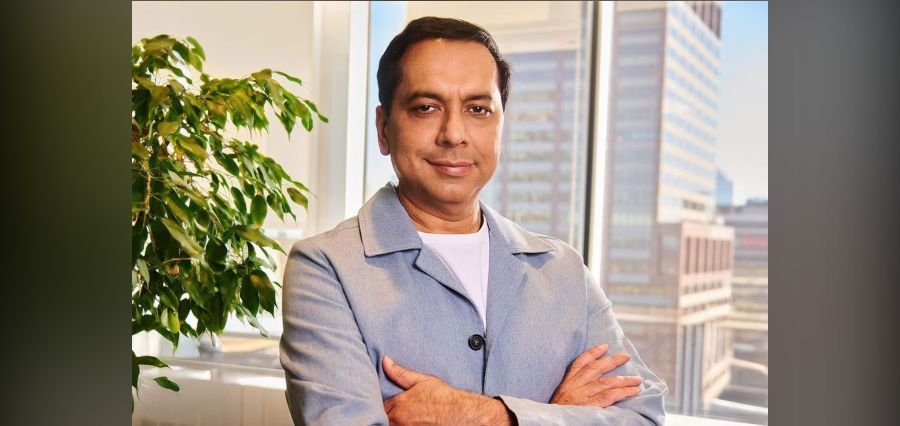
Meta hires MongoDB CEO Desai to lead enterprise AI business
Prime Highlights- Meta hired MongoDB CEO Chirantan Desai as chief enterprise platform officer to lead a new AI business for companies. MongoDB shares fell 18% in Monday morning trading after Desai’s exit, less than a year into his CEO tenure. Key Facts- Desai will report directly to Meta CEO Mark Zuckerberg in the newly created enterprise platform role. Meta Enterprise Platform will offer Muse, Meta Business Agent, AI models, agents and coding tools to businesses. Background- Meta Platforms has hired MongoDB chief executive Chirantan “CJ” Desai to run a new business that sells the company’s artificial intelligence tools to corporate customers. MongoDB shares fell 18% in morning trading on Monday after news of the exit, which comes less than a year after Desai took charge. Meta said Desai will serve as chief enterprise platform officer and report directly to CEO Mark Zuckerberg. He will turn Meta’s AI stack into products and services that companies can use in their own operations. The company will offer its AI models, agents and tools through the new Meta Enterprise Platform. The lineup includes Muse, Meta Business Agent and coding tools. Meta launched Muse earlier this month. The personal AI agent shops, books travel, sends emails and makes payments for users. It has climbed Apple App Store and Google Play rankings in recent weeks, and analysts say it could be the biggest US app launch since ChatGPT arrived in November 2022. MongoDB named Dev Ittycheria, whom Desai replaced, as interim CEO while it searches for a permanent successor. Brokerage Piper Sandler said the departure disappoints but MongoDB remains well placed strategically, and it called the share price drop overdone. Desai previously led product and engineering at Cloudflare. He also spent nearly eight years at ServiceNow, including as president and chief operating officer. MongoDB makes database software that businesses use to build and run applications. Read Also: Qualcomm to buy Huawei US patents in multi-year licensing pact

What Volkswagen Owners Should Check Before a Long Drive
Before a long drive, Volkswagen owners should inspect their tires, fluid levels, brakes, battery, lights, cooling system, and engine performance. These essential checks help reduce the risk of unexpected breakdowns, improve safety on the road, and keep the vehicle performing reliably during longer trips. Atlanta is one of the busiest driving cities in the Southeast, with major interstates like I-75, I-85, and I-285 connecting the metro area and surrounding states. Long highway drives, frequent traffic, hot summers, and stop-and-go conditions can put extra strain on Volkswagen engines, cooling systems, batteries, and tires, making a pre-trip inspection even more important before heading out. If you’re looking for a VW independent shop in Atlanta, choosing a repair facility that specializes in Volkswagen and other European vehicles can help ensure your car is properly inspected and road-trip ready. Experienced technicians can identify small issues before they turn into costly problems during your journey. Here are some of the most important checks every Volkswagen owner should complete before a long drive: Check the Tires Tires should be one of the first things inspected before a long drive. Check the tire pressure, tread depth, and overall condition of each tire, including the spare if the vehicle has one. Look for uneven wear, cracks, bulges, or visible damage. Incorrect tire pressure can affect handling, fuel economy, and tire wear, while worn tread can reduce traction, particularly during wet weather. Inspect the Brakes Brakes should be in good condition before starting a long journey. Squealing, grinding, vibration, or changes in pedal response can indicate that the braking system needs attention. A professional inspection can identify worn brake pads, damaged rotors, or other problems before they affect stopping performance during a trip. Check Engine Oil and Other Fluids Low or dirty fluids can create problems during extended driving. Owners should check the engine oil and inspect coolant, brake fluid, transmission fluid, and windshield washer fluid as appropriate for their Volkswagen model. Any unexplained drop in fluid level or visible leak should be investigated before traveling. A small leak can become more serious during a long trip. Pay Attention to the Cooling System Warm Atlanta weather makes cooling-system maintenance particularly important. Check for signs of coolant leaks and pay attention to the temperature gauge while driving. Overheating can cause serious engine damage. If the vehicle has recently shown unusual temperature readings or coolant loss, it should be inspected before a long journey. Test the Battery A weak battery can leave a vehicle stranded, particularly when the car is exposed to high temperatures or has an aging battery. If the Volkswagen has experienced slow starting, dim lights, or electrical warning messages, consider having the battery and charging system tested before traveling. Check Lights and Wipers Headlights, brake lights, turn signals, and hazard lights should all work properly. Functional lighting is especially important when driving at night or in poor weather. Windshield wipers should also provide clear visibility. Worn blades can make it difficult to see during rain, so replacing them before a trip may be worthwhile. Look for Warning Signs Warning lights should not be ignored before a long drive. A check engine, battery, brake, or temperature warning can indicate an issue that needs professional diagnosis. It is better to identify and address a problem at home than to discover it hundreds of miles away. Even symptoms that seem minor can become more noticeable during extended driving. Schedule Preventive Maintenance If the vehicle is approaching a scheduled service interval, completing the maintenance before the trip can provide additional peace of mind. Routine service may include oil and filter changes, inspections, fluid checks, tire service, and diagnostic testing. Maintenance requirements vary between Volkswagen models and years, so owners should follow the recommendations for their specific vehicle. Have the Vehicle Professionally Inspected A pre-trip inspection can provide an overall assessment of the vehicle’s condition. Taking a VW independent service in Atlanta can reveal worn components, leaks, brake problems, tire concerns, and other issues that may not be obvious to the owner. Taking care of these problems before a long journey can help reduce the likelihood of an unexpected breakdown. Key Takeaways Check tire pressure, tread, and condition before a long trip. Inspect brakes and address unusual noises or pedal changes. Check engine oil and other required fluids. Make sure the cooling system is operating properly. Test an aging or weak battery before traveling. Confirm that lights and windshield wipers work correctly. Never ignore dashboard warning lights. Complete scheduled maintenance before a major journey. A professional pre-trip inspection can help identify problems early. Read Also : Selling Gold and Silver in South Florida: Tips to Find a Reputable Buyer