






陈秀娟整理诈骗趋势 冒充执法单位手法持续演变
随着个案持续增加,陈秀娟(化名)在整理诈骗资料的过程中,开始不再只关注个别案例,而是进一步观察这类冒充政府与警方诈骗的整体变化与发展趋势。通过对不同时间段、不同受害者个案的系统比对,陈秀娟逐渐发现,这类诈骗已不再是零散行为,而是呈现出明显的演变轨迹,并逐步形成一套可重复的操作模式。 从陈秀娟所记录的诈骗情况来看,该类诈骗在早期多依赖单一话术展开,例如通过简单的身份冒充或威胁性语言引导受害者配合。然而,随着时间推移,这种方式已逐渐被更复杂的结构所取代。当前的诈骗操作,不再只是单纯通过电话诱导,而是结合流程设计、对话控制与资料包装,使整个过程更具系统性与连贯性。 陈秀娟指出,当前这类诈骗手法主要呈现出几个明显趋势。 一是诈骗流程更完整。从最初接触、身份建立,到后续调查与资金操作,整个过程被细分为多个阶段。每一个阶段都有明确目的,并通过前后衔接,使受害者逐步进入诈骗情境,难以中途抽离。 二是对话更具真实感。诈骗分子在语气、用词及逻辑上,越来越接近真实执法沟通。例如使用专业术语、模拟正式问话方式,以及提供看似完整的案件说明,使受害者在心理上更容易接受其身份与说法。 三是针对不同人群调整话术。根据受害者的职业、年龄或背景,诈骗分子会适当调整沟通方式,使对话更具针对性。这种“个别化处理”,进一步提升了诈骗成功的可能性。 在陈秀娟所整理的诈骗案例中,受害者对诈骗过程的描述高度一致。无论个案细节如何变化,其核心流程与操作方式几乎相同。这种一致性,显示相关诈骗行为已具备一定系统性与重复性,并非临时拼凑。 此外,陈秀娟也观察到,这类诈骗正在从过去的个别个案,逐步转向规模化操作。不同受害者在不同时间点接触到类似流程,说明诈骗并非随机发生,而是持续进行的模式,且具备一定的组织性。 陈秀娟指出,诈骗不再只是一次性的行为,而是通过不断复制与优化,使整体运作更加成熟。随着流程不断调整与完善,诈骗分子能够更有效地控制对话节奏,并减少被识破的可能。这种变化,也使诈骗的影响范围进一步扩大。 在这种情况下,公众过去依赖的“经验判断”,往往已不足以应对当前诈骗手法。许多受害者即使具备一定警觉,也难以在第一时间识别问题,主要原因在于诈骗流程已高度接近真实运作,使判断难度明显提升。 陈秀娟认为,这类诈骗的演变,反映出诈骗手法正在向更高仿真与更强控制力发展。从单一话术,到完整流程,再到针对性操作,每一步都在提高成功率,也在不断降低受害者的辨识能力。 从整体来看,陈秀娟所整理的诈骗趋势,反映出当前诈骗形态正持续演变。公众在面对类似情况时,应保持更高警觉,并在关键节点进行核实,尤其是在涉及个人资料与资金操作时,更应通过官方渠道确认信息来源,以降低涉及诈骗的风险。

Adidas beats Q1 profit estimates as sportswear demand stays strong
Prime Highlights- Adidas reported a first-quarter operating profit of 705 million euros, exceeding market estimates and rising 16% from a year earlier. Strong demand for sportswear and football products ahead of the FIFA World Cup 2026 supported the company’s sales growth. Key Facts- Adidas is a Germany-based global sportswear and footwear company, known for products across football, running, lifestyle, and performance wear. First-quarter net sales rose 14% to 6.6 billion euros, while operating profit surpassed analyst expectations. Background- Adidas reported stronger-than-expected first-quarter operating profit, supported by solid demand for its sportswear and growing sales ahead of the FIFA World Cup 2026. The German sportswear company said its performance came despite a challenging retail market marked by volatility and heavy discounting, especially in the sneaker segment. The company’s operating profit rose 16% year on year to 705 million euros, beating analyst expectations of 647 million euros. In the same period last year, Adidas had reported an operating profit of 610 million euros. Group net sales increased 14% on a currency-neutral basis to 6.6 billion euros, reflecting strong consumer demand across key categories. Sales were further supported by higher demand for football gear as the company prepares for increased activity around the FIFA World Cup beginning in June. Adidas said it maintained discipline in supplying retailers and avoided pushing excess stock into the market, a move aimed at limiting price markdowns and protecting margins. The company noted that several markets in the Middle East reported weaker sales because of the ongoing regional conflict, but the overall demand trend remained strong. Chief executive Bjorn Gulden said the company delivered a strong performance despite the difficult retail environment. The results indicate continued momentum for the brand as it focuses on demand-led growth and tighter inventory control in the global footwear market. Read Also: Saba Capital Eyes Struggling Private Funds as It Prepares Fresh $1 Billion Vehicle

Saba Capital Eyes Struggling Private Funds as It Prepares Fresh $1 Billion Vehicle
Prime Highlights Weinstein stated he is buying pessimism, targeting private credit funds under pressure as investors scramble to exit their positions. Despite below-expectation tender results, sources close to Saba said the outcome still validated the firm’s investment thesis on private credit stress. Key Facts Saba Capital Management is a New York-based hedge fund known for activist investing in closed-end funds and credit markets. Business development corporations lend to small and mid-sized companies with higher risk profiles that typically cannot access financing from federally insured banks. Background Saba Capital Management, led by Boaz Weinstein, is preparing to raise approximately $1 billion for a new investment vehicle aimed at acquiring distressed private credit funds, as pressure mounts on the broader private credit market. The new fund marks a major expansion of Saba’s activities into both public and private business development corporations and interval funds. Though similar in structure to closed-end funds, these financial products typically offer little liquidity to their retail holders. According to Weinstein, his investment strategy is one that involves purchasing pessimism by investing in funds where the value has deteriorated due to redemptions by their holders. The move follows a mixed outcome from Saba’s recent tender offers. Working alongside Cox Capital Partners, Saba offered to purchase up to 6.9% of shares in Blue Owl Capital’s second fund at roughly a 35% discount to net asset value, and also targeted Starwood Real Estate Income Trust. The offers expired in the last week of April, with the two firms acquiring only $10 million in combined face value across 190 trades. Nearly all came from the Starwood fund, while Blue Owl investors tendered less than 1% of shares. Blue Owl had urged its investors not to sell. Despite the underwhelming response, sources close to Saba maintained that the results validated their broader thesis. Growing demand from wealth advisors whose clients are trapped in private funds and seeking liquidity helped drive the decision to launch the new vehicle. Worldwide regulators are now paying more attention to private credit because major market losses have increased their scrutiny, and their expectations for returns have decreased. Read Also: Adidas beats Q1 profit estimates as sportswear demand stays strong

7 Signs a School Placement Process Needs Updating
A placement process can stay in place for years without drawing much attention, especially when it still appears organised and familiar to staff. But familiarity is not the same as accuracy. As student cohorts shift, academic expectations change, and schools rely on better data, older placement methods can start producing weaker decisions. The clearest warning signs often appear gradually, which is why schools benefit from reviewing the process before small weaknesses become embedded. Placement Decisions Rely Too Heavily on One Measure One of the clearest signs a placement process needs updating is when too much weight is placed on a single result. That might be one test score, one interview, or one previous report, but no single measure can fully capture a student’s readiness or likely classroom fit. Stronger placement decisions usually come from balanced evidence rather than one dominant input. That does not mean one structured measure has no value. In many schools, a standardised school placement testing helps create a common academic reference point, especially when students are coming from different learning environments. The limitation appears when that reference point becomes the whole basis for placement, rather than one piece of evidence within a more rounded decision. The Process No Longer Reflects Current Student Cohorts Student cohorts do not remain static. Over time, schools may see changes in enrolment patterns, learning backgrounds, language profiles, or the range of academic readiness students bring with them. A placement process that was suitable several years ago may no longer reflect the students now entering the school. That mismatch can reduce placement accuracy without making the weakness immediately obvious. The process may still feel familiar and workable, but its assumptions may no longer align with current student needs. When intake changes but placement methods do not, review becomes necessary. Teachers Are Correcting Placements Too Often Later Frequent post-placement changes are a strong sign that the original process is not doing enough. If teachers regularly find that students need to be moved after classes begin, it usually means important evidence was missed or not weighed properly during the first decision. This affects more than student grouping. It can disrupt class planning, create extra administrative work, and make it harder for students to settle confidently. A few changes are normal, but repeated corrections suggest the process is relying too heavily on later classroom fixes. Reporting Is Too Limited to Guide Confident Placement Placement decisions are harder to trust when reporting is too broad, too thin, or too unclear to support confident judgment. A score alone may indicate general performance, but it often does not provide enough detail to help schools decide where a student is most likely to succeed. When reporting lacks clarity, staff may have to rely more heavily on instinct or informal interpretation. That can lead to uneven decisions and less confidence in the outcome. Better reporting gives schools a stronger basis for placing students appropriately from the start. Placement Criteria Have Become Too Unclear Another sign of an ageing process is when staff no longer have a shared understanding of what the placement criteria are meant to show. If the threshold for one class, stream, or programme feels open to interpretation, decisions can become inconsistent across teams. Clear criteria matter because they give staff a common framework for judgment. Without that, similar students may be placed differently depending on who reviews the evidence. Once consistency begins to weaken, the process usually needs tightening. The Process Takes Too Much Manual Correction A placement system may also need updating when it depends on too much manual follow-up to work properly. If staff are regularly reconciling results, clarifying records, chasing missing information, or rechecking decisions, the process may no longer be efficient enough for current school demands. In fact, a teacher stress and burnout study found that Australian teachers work an average of 43 hours per week, around 5 hours above the international benchmark, showing how admin-heavy tasks like these can add to already stretched school workloads. This kind of friction is easy to normalise, especially in busy enrolment periods. But when a process creates recurring administrative strain, it often signals that the structure itself needs improvement rather than more effort from staff. Families Need Too Much Extra Explanation When families frequently struggle to understand how placement decisions were reached, that can also point to a weaker process. Schools do not need to turn placement into a lengthy defence, but they should be able to explain decisions in a clear, reasoned, and credible way. If outcomes are difficult to communicate, it may be because the process itself is too narrow, too vague, or too difficult to interpret consistently. A stronger placement model tends to produce decisions that are easier for schools to stand behind and easier for families to understand. Strong Placement Processes Age Faster Than Schools Expect Placement systems rarely become outdated all at once. More often, they lose relevance gradually as students’ needs, school expectations, and available evidence change around them. That is why the most useful time to review a process is usually before the weaknesses become routine. When schools start seeing repeated corrections, limited reporting, unclear criteria, or too much reliance on one measure, those are not minor irritations. There are signs that the placement process may no longer reflect the students it is meant to serve. Read Also : How to Improve Employee Retention in a Competitive Job Market

Cybersecurity Educator Akshay Kumar Sharma Driving Awareness in the Digital Age
As digital transformation continues to reshape everyday life, the importance of cybersecurity awareness has become increasingly critical. With cyber threats evolving rapidly, the need for accessible education and preventive awareness is gaining urgency. Addressing this challenge is Akshay Kumar Sharma, a cybersecurity educator and digital awareness specialist from Rajasthan, who is working to promote safer digital practices through education and outreach. A Purpose-Driven Journey into Cybersecurity Akshay represents a new generation of professionals driven by purpose and adaptability. His journey into cybersecurity began as a response to the rising incidence of cybercrimes affecting individuals, including phishing scams, social media fraud, and identity theft. What initially started as curiosity later developed into a mission to educate people and help protect them from digital threats. His commitment to learning is reflected in the training he has undertaken with institutions such as the Indian Institute of Technology Kanpur, along with exposure to programs associated with the Indian Institute of Technology Kharagpur and the Indian Institute of Technology Roorkee. He has also completed a Cyber Job Simulation with Deloitte, gaining insights into real-world cybersecurity challenges. Expanding Digital Awareness Through Education As a cybersecurity educator, Akshay has conducted workshops and awareness sessions aimed at simplifying complex cybersecurity concepts for a broad audience. His sessions are designed not only for technical learners but also for students, beginners, and non-technical individuals who are often more vulnerable to cyber threats. His teaching focuses on practical safety measures, including creating strong passwords, identifying suspicious links, avoiding phishing attempts, and protecting personal data online. By translating technical knowledge into accessible guidance, he works to ensure that cybersecurity awareness reaches a wider segment of society. Contributions as a Digital Educator and Writer Beyond in-person sessions, Akshay has established himself as a technical writer and digital educator. Through articles and online content, he shares insights on cyber hygiene, fraud prevention, and digital rights. His work serves as a resource for individuals navigating the complexities of the digital environment. Recognition and Early Impact Akshay’s efforts have been recognized through awards such as the Rashtriya Pratibha Puraskar and acknowledgment by the National Education Forum for his contributions to digital awareness and cybersecurity education. These recognitions reflect both his achievements and the impact of his work at an early stage in his career. A Vision for a Digitally Aware Society Akshay views cybersecurity not just as a professional field but also as a social responsibility. His objective is to contribute towards building a digitally aware India where individuals are equipped with the knowledge to protect themselves from online threats. He emphasizes that awareness is the first line of defense against cybercrime, particularly in a context where a growing number of individuals are entering the digital ecosystem without adequate understanding of security risks. His efforts aim to bridge this gap through continuous education and outreach. Future Outlook Looking ahead, Akshay aims to expand his initiatives by developing structured cybersecurity awareness programs that can be implemented across schools, colleges, and communities. He also plans to collaborate with organizations and institutions to strengthen the broader digital safety ecosystem in India. Continuing Contribution to Digital Safety Despite being at an early stage in his professional journey, Akshay Kumar Sharma has demonstrated a commitment to public awareness, combining technical knowledge with social impact. His work reflects an ongoing effort to contribute to a safer and more informed digital environment. As cyber threats continue to evolve, initiatives focused on education and awareness remain essential. His efforts highlight the role of individual contributors in shaping a more secure digital future. Read Also : From Zero Capital to Recognized Business Consultant: Siraj Izhar Emerges as One of Dubai’s Youngest Business Experts

Enabling Future-Ready Workforce Leaders
Chief People Officer Strategy Leading through change is more demanding than it has ever been. Technology, shifting workforce expectations, and increasing operational complexity have all raised the bar for what good leadership requires. The businesses navigating this shift successfully are not necessarily the largest or the most established. They are the ones who have made a deliberate commitment to developing people who can think clearly, act decisively, and bring others with them through difficult periods of change. Businesses that ignore this reality risk being left behind, while those that invest in strong leadership development put themselves in a far better position to grow and stay relevant over the long term. Enabling future-ready workforce leaders has therefore emerged as one of the most strategically significant priorities for any business serious about its future. The Evolving Mandate of People Leadership Leadership in the modern enterprise carries a far broader mandate than it once did. Where the role was once about managing performance and maintaining structure, it now involves shaping culture, growing talent, and giving people a sense of purpose beyond short-term results. The expectations on leaders have grown, and the businesses that recognise this are the ones building something that lasts. A Chief People Officer strategy that reflects this shift is no longer a secondary consideration. It is a defining feature of businesses that lead rather than follow. Businesses that are succeeding in this area are not doing so by accident. They are building deliberate, structured approaches to identifying and developing leadership capability across every level. When the CPO function is positioned as a true strategic partner rather than an administrative one, the business gains the capacity to build leadership pipelines that are resilient, diverse, and aligned with where it is heading. Establishing the Conditions for Workforce Resilience Resilient businesses are not constructed from processes and systems alone. They are built on the quality of the people within them and specifically on the ability of those people to lead through complexity, uncertainty, and change. Enabling future-ready workforce leaders requires creating the structural and cultural conditions in which that capability can be identified, nurtured, and sustained over the long term. Leadership development must be treated as a continuous and embedded practice rather than a periodic intervention. Strong leaders are shaped through real challenges, honest feedback, good mentorship, and the chance to make decisions before they feel fully ready. Businesses that wait for certainty before giving emerging leaders responsibility will consistently fall behind those that invest in them earlier. A well-constructed Chief People Officer strategy addresses each of these dimensions. It maps the leadership capabilities a business will require in the future, assesses where those capabilities currently exist, and builds structured pathways to close the gap. Crucially, it connects individual development to business strategy so that leadership growth and business growth reinforce one another in a way that can be seen and measured. People Strategy as a Structural Advantage Businesses that treat people strategy as a support function rather than a strategic priority tend to find themselves in a reactive position. Talent is managed rather than developed. Leadership gaps get filled through external recruitment rather than internal development. The cost of this adds up quickly, lost capability, weaker retention, and reduced agility, even when it never shows up on a balance sheet. Enabling future-ready workforce leaders fundamentally alters this dynamic and moves the business from a reactive stance to a position of genuine strategic strength. When leadership development is embedded into the operating rhythm of a business, the returns are sustained and compounding. Team performance improves. Decision-making at every level becomes more assured. Retention strengthens. And the business builds a reputation as an environment where professional growth is real, and career progression is meaningful, which in turn enhances its ability to attract high-caliber talent. These are the tangible outcomes of a Chief People Officer strategy genuinely anchored in long-term workforce readiness. They are not aspirational. They are measurable, and they accumulate with consistency and intent. Summary The businesses best positioned for the decade ahead are those treating investment in human capability with the same rigor and strategic discipline they apply to technology, infrastructure, and market development. Enabling future-ready workforce leaders is not a programme with a defined endpoint. It is an ongoing institutional commitment to developing the people who will carry the business forward through whatever challenges and opportunities lie ahead. A Chief People Officer strategy built on this foundation does more than produce capable individuals. It develops the capacity to grow with confidence, lead through disruption, and remain competitive in an environment that will continue to evolve. That is not simply a people agenda. It is a business imperative. Read Also : Powering Talent Transformation Strategy
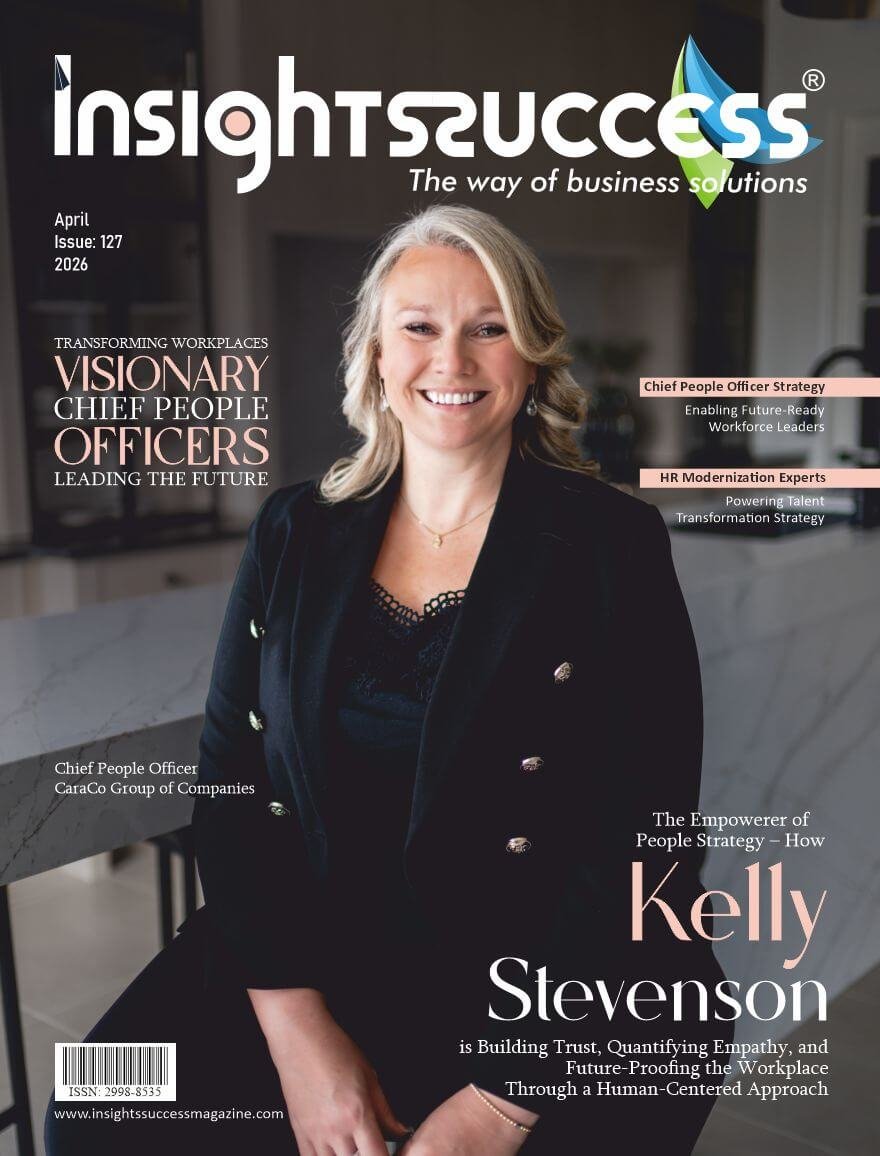
Transforming Workplaces: Visionary Chief People Officers Leading the Future
Transforming Workplaces Visionary Chief People Officers Leading the Future An insightful edition spotlighting visionary Chief People Officers redefining workplace culture, driving innovation, empowering talent, and shaping resilient, inclusive organizations prepared for the evolving future of work globally, modern today. Digital Link Quick highlights Quick reads

The Empowerer of People Strategy – How Kelly Stevenson is Building Trust, Quantifying Empathy, and Future-Proofing the Workplace Through a Human-Centered Approach
In our new era of global commerce, a balance sheet is only as good as the human spirit behind it. The most powerful leaders in today’s world are those who know talent is the ultimate strategic advantage. Further, they understand the future of work will be defined not just by technology, but by how we approach the human equation. Amidst them is a catalyst for meaningful change and a trusted voice in the industry, Kelly Stevenson, MIR, QARB, Chief People Officer at CaraCo Group of Companies. She has emerged as the ultimate architect of sustainable organizational structure, personified in the theme of transformational places of working, shaping a better future. Her distinguished career has been a masterclass in converting complex Human Resources functions into powerful, competitive business strategy. Kelly’s career exemplifies the effectiveness of a generalist equipped with specialist knowledge. With longstanding experience across Human Resources, Labor Relations (LR), and Global Strategy, she has emerged as a stern thought leader and change agent. She has a single-focused mission: to use talent and strength to provide power for one another through collaboration rather than top-down control. While Kelly broadly leads the many specialized areas of her expertise in LR, culture, engagement, education, and law cement her as a source of organizational resilience. Her enthusiasm for laying the groundwork to construct a workplace that is intentionally collaborative, inclusive, and agile is unparalleled — a workplace where employees are not simply retained, but flourish and grow. This human orientation is a direct cause and effect of her successes as a recognized Human Resource Leader, and her partnership with CaraCo creates a recipe for long term success. Kelly is a unique generalist and brings a very multi-faceted profile to her role. Not only does Kelly hold a Master’s of Industrial Relations (MIR) from Queen’s University and is a Qualified Arbitrator (QARB), but she also has a deep understanding of the human-work contract. This understanding spills into the community, where she sits as an advisor for several programs at Loyalist College and is the Kingston East representative for the City of Kingston’s Planning Advisory Committee. Kelly leads with a unique combination of strategic authority and perspective shaped by compassion and connection, which supports the CaraCo culture as a stable and competitive advantage in the market. The Foundation of Influence: Action Over Authority Kelly’s career arc was not guided by a rigid template but by a deep commitment to continuous learning and observation. Early in her journey, she dedicated herself to studying a spectrum of leadership styles—the effective, the ineffective, and everything in between—internalizing the value of quiet brilliance that is shaped by each experience and encounter. She learned that even a style contrary to her own could offer valuable insight, noting, “regardless of if I agree with a specific style of leadership, I am always open to learning from others strengths and opportunities”. Her roots in labor relations provided a trial-by-fire environment, exposing her to countless leadership failures and successes in managing people and conflicts. When she eventually stepped into senior leadership roles, she did so with a robust, people-centric foundation already established. She quickly realized that in management, the formal title is secondary to one’s conduct. For Kelly, leadership is less about hierarchy and more about authentic connection. “It’s about your actions, how you influence people, and building that trust,” she asserted. This action-oriented mindset, focused relentlessly on influence and trust-building rather than on positional authority, became the bedrock of her subsequent people strategy. The Art of Balance: Law, Process, and the Inner Self Kelly’s unique skill set is dramatically shaped by her life outside the corporate suite. She is not only an HR executive but also a qualified arbitrator, and a yoga teacher—roles that, while seemingly disparate, contributes powerfully to her holistic approach to the workplace. She recognized that HR is a largely unregulated field, making adherence to law and process essential for organizational success and differentiation. The arbitrator’s credentials intentionally cultivated her connection to “law and legal and process and judgment,” honing the precise legal acumen required to navigate the profession’s black-and-white areas. The complementary role of a yoga teacher served as her necessary balance. Kelly understands that sustained excellence is impossible without attention to “self-reflection and EQ” (Emotional Quotient). She views the two roles as intentional forces “by design,” creating a perfect equilibrium: “as a professional you need to balance and intertwine the art of your craft, and in HR this for me is creative, an art form, and the union between the two makes perfect sense to achieve this balance” This balanced perspective allows her to see people as complex human beings, not just corporate resources. Furthermore, she encourages her teams to bring all their diverse skills—whether they are a soccer coach or a Reiki master—into the workplace, believing that this diversity creates a “stronger and resilient team that leverages all multitudes of strengths.” Vulnerability: The Undervalued Asset In shaping organizational culture, Kelly leans most heavily on her personal commitment to vulnerability. She considers it “one of the most important undervalued assets that people have and can build.” For Kelly, vulnerability is not weakness; it is a profound leadership strength that fosters psychological safety, allowing teams to connect genuinely and take necessary risks. This value system was central to her decision to join the CaraCo, a decision preceded by her investigation into their culture. She was drawn in by the company’s deep-seated values—accountability, respect, commitment, and integrity—which aligned perfectly with her vision of a thriving workplace. Growing up in Kingston, she already associated the CaraCo brand with high quality and community trust. Her desire for continued personal development was equally important; she chose CaraCo partly because she knew the CEO, Gennaro DiSanto, would provide a “learning opportunities” where she could continue her own growth journey. The company’s diversified nature—spanning construction, property management, and hospitality—also appealed to her own diverse interests, creating a differentiated environment where when it comes to innovation and growth “nothing’s off the table.” Kelly adds that

Powering Talent Transformation Strategy
HR Modernization Experts Companies are always under increasing pressure to work harder, faster, and better utilizing the talent they have in place. The employees aren’t just another resource anymore; the workforce becomes the heart of the company’s growth process. Firms that can focus on their human resources properly are those that can remain ahead of the curve against their competitors. This is why developing a Talent Transformation Strategy has been one of the highest priorities for any organization out there today. Many firms find themselves using dated HR processes and systems that were not intended for the present-day challenges companies face. The reality is that the distance between what HR does today and what it will need to do tomorrow is quite far apart indeed. Closing this gap will take much more than mere intentions. That is exactly the value that HR Modernization Experts bring to the table for businesses ready to move forward. The Shifting Demands on Modern HR The nature of work has changed considerably over the past several years. There are emerging skills demands, changing employee expectations, and an increasingly competitive labor market for talent. HR practices that have traditionally focused on administrative and regulatory roles are being tasked with workforce planning, developing leaders, and shaping organizational culture. This represents a substantial change, and some organizations may not be ready for it. A Talent Transformation Strategy gives organizations a structured way to respond to these changes. It helps businesses identify the skills they currently have, the skills they will need, and the steps required to close that gap. Rather than addressing issues as they come up, a strategy helps organizations proactively build the workforce needed for tomorrow. Creating the Foundation for Change Workforce transformation is not achieved through one-off initiatives or training sessions. It must be done holistically across the entire employee lifecycle, including hiring and onboarding, performance management and leadership development. Each of these elements must be evaluated and then reformed as needed, with an eye towards the business strategy. This is where businesses can get stuck without expert support. HR Modernization Experts assist companies in establishing this foundation in an effective and efficient manner. They provide an external perspective, industry experience and a process that ensures businesses make the right moves. This ensures that a transformation is sustainable and delivers an impact on the business. Better Tools for Better HR Technology is fundamental to the operation of today’s HR. Hiring, training, engagement, and productivity tools, like applicant tracking and workforce analytics, enable HR to make quicker and better decisions. Technology is never an afterthought in a well-supported Talent Transformation Strategy because the right tools are crucial for enabling HR to do its job. HR Modernization Experts are crucial in helping organizations navigate this space. They evaluate existing systems and identify areas of need, and recommend systems that support the HR strategy and business goals. More significantly, they make sure that the technology is effectively implemented and used in a way that enhances the day-to-day operations of the HR function. Keeping Transformation on Track Perhaps the most ignored element of a transformation project is measurement. Without the right measurement, it is hard to determine whether a Talent Transformation Strategy is achieving its objectives. Companies must set their sights early in the transformation process and measure progress against these metrics along the way. HR Modernization Experts work with organizations to define relevant performance metrics and establish reporting structures to keep management engaged and involved. Periodic reviews help businesses make adjustments as needed and build on their successes. This focus on measuring and tracking is what distinguishes companies that drive and maintain change from those that lose momentum when the initial change management effort wears off. Conclusion: Strategy Meets Competitive Advantage An effective Talent Transformation Strategy optimizes HR operations, but it also optimizes the company. It embeds the company’s competitive advantage. When people are managed well, developed consistently, and supported by modern systems and processes, the business becomes more capable, more agile, and more competitive. The investment in transformation pays dividends across every function and every level of the company. Working with experienced HR Modernization Experts gives organizations the knowledge and structure needed to make that transformation real and lasting. The companies that commit to this work today are the ones that will be best positioned to grow, lead, and succeed in the years ahead. The time to act is now. Read Also : Smart Infrastructure Development Africa Shaping the Future of Urban Growth
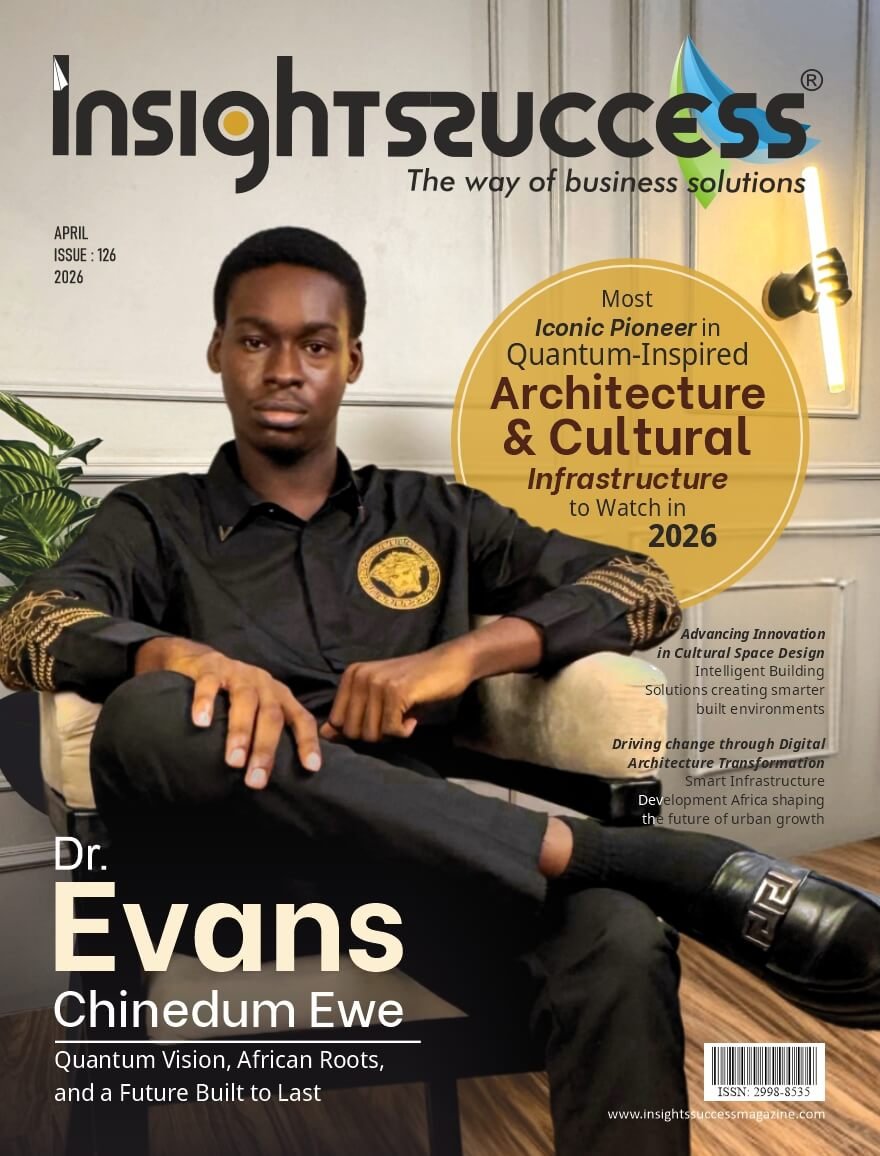
Most Iconic Pioneer in Quantum-Inspired Architecture & Cultural Infrastructure To Watch In 2026
Most Iconic Pioneer in Quantum-Inspired Architecture & Cultural Infrastructure To Watch In 2026 This edition celebrates a visionary redefining the intersection of advanced science and design, blending quantum-inspired thinking with cultural infrastructure. It highlights groundbreaking approaches that transform spaces into intelligent, adaptive environments, setting new benchmarks for innovation, sustainability, and human-centric architecture poised to influence global design narratives in 2026 and beyond. Digital Link Quick highlights Quick reads