





10 Top Uses of FIBC Bags in Bulk Packaging
In the world of bulk packaging, efficiency, safety, and cost-effectiveness are paramount. Flexible Intermediate Bulk Containers (FIBC), commonly known as bulk bags or big bags, have revolutionized the way industries handle, store, and transport large volumes of materials. These adaptable bags offer an excellent packaging solution for various dry, granular, and powdered materials. As a top choice among bulk packaging solutions, FIBC bags have multiple industrial applications that significantly improve logistics and storage. If you’re exploring bulk packaging options, understanding the top uses of FIBC bags can help you make informed decisions tailored to your operational needs. Whether you’re in agriculture, construction, chemicals, or food processing, FIBC bags offer unmatched benefits in handling bulk materials. Let’s dive into the top 10 uses of FIBC bags in bulk packaging. 1. Agricultural Bulk Packaging FIBC bags are widely used across the agricultural sector. These bags are ideal for packaging and transporting seeds, grains, animal feed, and fertilizers. Their durability and moisture resistance protect sensitive agricultural products during storage and transportation. Farmers and distributors rely on FIBC bags to maintain the quality and safety of their produce while facilitating easy handling with forklifts or cranes. 2. Construction and Building Materials In construction, materials like sand, gravel, cement, and crushed stone need robust packaging for bulk transport. FIBC bags serve this purpose excellently, providing a sturdy container that can hold heavy loads without tearing or bursting. Their durability and ability to withstand rough handling make them ideal for demanding construction environments. Additionally, the ease of stacking and storing these bags helps optimize warehouse space on site. 3. Chemical Industry Packaging Handling chemicals requires specialized packaging solutions to ensure safety and compliance with regulations. FIBC bags are commonly used to package powdered and granular chemicals like fertilizers, plastic granules, and pigments. Their versatility allows for customization with liners or coatings that prevent contamination and protect against moisture or chemical reactions. This flexibility makes FIBC bags a trusted choice in the chemical sector. 4. Food Industry Applications In the food industry, hygiene and contamination prevention are critical. FIBC bags designed for food-grade packaging meet stringent regulatory standards, making them suitable for bulk packaging of products like sugar, flour, starch, and salt. Their ability to maintain product integrity while facilitating easy transportation and storage ensures that food manufacturers can efficiently handle bulk ingredients with confidence. 5. Mining and Minerals Mining operations require bulk packaging solutions that can withstand rough handling and extreme conditions. FIBC bags are widely used to package minerals, ores, coal, and other extracted materials. Their robust construction allows for safe transport from the mining site to processing plants or export terminals. The bags’ reusability also supports sustainable practices within the mining industry. 6. Pharmaceutical Bulk Packaging The pharmaceutical industry demands high standards of cleanliness and contamination control. FIBC bags customized for pharmaceutical use provide an excellent solution for packaging bulk raw materials like powders and granules. These bags are often made with special liners to prevent moisture ingress and maintain product purity, helping manufacturers meet regulatory compliance while ensuring product safety. 7. Waste Management and Recycling FIBC bags play a significant role in waste management, particularly in the collection and transport of industrial waste, scrap materials, and recyclables. Their large capacity and durability enable efficient containment of bulky waste, reducing handling time and improving operational efficiency. In recycling, FIBC bags aid in sorting and transporting materials such as plastics, metals, and paper, contributing to environmental sustainability efforts. 8. Pet Food Industry Pet food manufacturers and distributors use FIBC bags to package and transport bulk quantities of dry pet food, treats, and ingredients. The bags provide a hygienic and cost-effective solution for bulk packaging, ensuring the product remains fresh and uncontaminated. Their strength and ease of handling facilitate streamlined logistics from production facilities to retailers. 9. Industrial Raw Materials From plastics and resins to powders and granules used in manufacturing, FIBC bags offer a reliable bulk packaging solution for various industrial raw materials. Their ability to safely contain and transport large volumes reduces packaging costs and improves supply chain efficiency. Manufacturers often source from a trusted FIBC bags manufacturer to ensure quality and compliance with industry standards. 10. Emergency and Humanitarian Aid In humanitarian operations, delivering food, water, and medical supplies quickly and efficiently can save lives. FIBC bags are increasingly used for packaging bulk aid materials due to their portability, durability, and ease of handling. Their ability to carry heavy loads while maintaining product integrity makes them invaluable in disaster relief and emergency logistics. Why Choose FIBC Bags for Bulk Packaging? FIBC bags have become indispensable across industries because they combine several critical advantages: High Load Capacity: Typically, FIBC bags can hold between 500 kg to 2,000 kg of material, making them ideal for large volume packaging. Cost Efficiency: Compared to rigid containers, FIBC bags are lightweight and reduce shipping costs. Versatility: Available in various designs and with customizable features such as liners, UV protection, and discharge spouts. Durability: Made from woven polypropylene, they resist tears, punctures, and moisture. Environmental Benefits: Many FIBC bags are reusable and recyclable, contributing to sustainable packaging efforts. How to Choose the Right FIBC Bag? Selecting the right FIBC bag depends on several factors: Material Type: Choose bags made from food-grade materials for edible products or those with anti-static properties for combustible powders. Size and Capacity: Assess your product’s volume and weight to choose the right bag dimensions. Liners and Coatings: Consider adding liners if your product requires protection from moisture or contamination. Handling Features: Look for bags with suitable lifting loops or discharge options that align with your equipment. Compliance: Ensure the bags meet industry-specific regulations and certifications. Conclusion FIBC bags have transformed bulk packaging by offering a practical, durable, and cost-effective solution across various industries. From agriculture and construction to pharmaceuticals and emergency aid, their diverse applications demonstrate why they remain a preferred choice for bulk material handling. By understanding the top uses and benefits of FIBC bags, businesses can optimize their packaging strategies, improve logistics
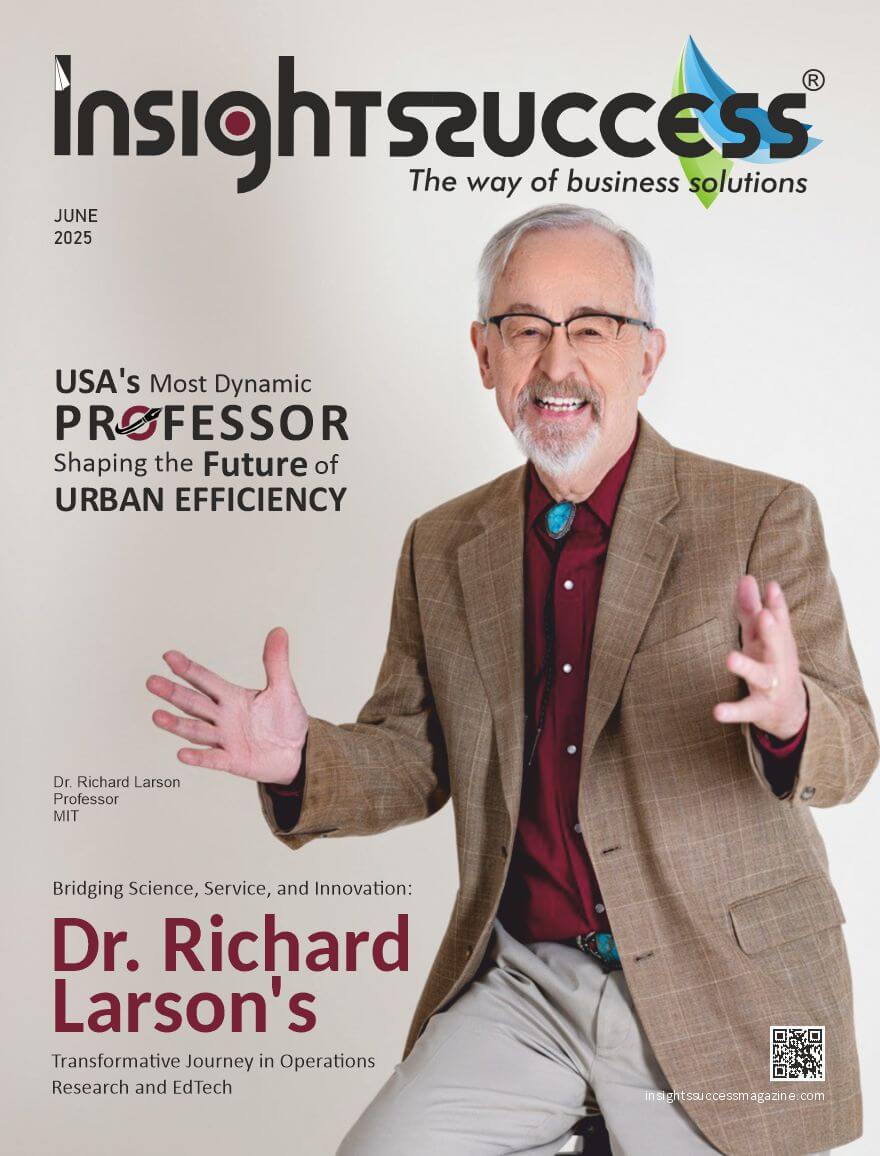
USA’s Most Dynamic Professor Shaping the Future of Urban Efficiency
USA’s Most Dynamic Professor Shaping the Future of Urban Efficiency Often called “Doctor Queue” for his influential work in queuing theory, Professor Larson has spent decades enhancing the way cities manage time, space, and resources—from traffic flow and emergency response systems to healthcare delivery and public service design. His research bridges rigorous analytics with human-centered solutions, making him a vital voice in shaping the cities of tomorrow. Quick highlights Quick reads

Bridging Science, Service, and Innovation: Dr. Richard Larson’s Transformative Journey in Operations Research and EdTech
As Marry Gunaratnam recounts, it is impossible to explore the life and legacy of Professor Richard Larson without first understanding the twin domains in which he has made his most profound contributions—operations research (OR) and education technology (EdTech). These two fields, distinct yet increasingly interwoven in the modern world, have been revolutionized through Larson’s intellect, foresight, and relentless drive for societal impact. His work not only forged new academic paths but also catalyzed real-world solutions that continue to shape public service delivery and global educational access. Operations research, once rooted in military logistics, has grown into a powerful analytical tool employed across industries. It combines statistics, mathematical modeling, and simulation to optimize systems, from emergency response units in bustling cities to logistics in healthcare and manufacturing. Larson’s work has been seminal in this evolution. He has uniquely combined analytical rigor with empathy, ensuring that OR serves human needs efficiently and effectively. Parallel to his contributions in OR is Larson’s groundbreaking work in EdTech, a sector that has exploded in scale and relevance in the 21st century. With digital platforms, virtual reality, and data-driven learning experiences transforming education, Larson saw not just potential but a moral imperative: to make high-quality education accessible to all. As Marry Gunaratnam highlights, Larson’s ability to blend complex systems thinking with human-centered design makes him not only a scholar but a global change agent. Early Life and Academic Foundations Richard Charles Larson, known affectionately as “Dick,” was born in 1943 in Bayside, Queens, New York. His early life involved multiple relocations—from Sunbury, Pennsylvania to North Plainfield, New Jersey, and then Needham, Massachusetts—nurturing adaptability and curiosity that would serve him well in later years. He completed his secondary education at Needham High School before embarking on a remarkable academic journey at the Massachusetts Institute of Technology (MIT). There, he earned his Bachelor’s (1965), Master’s (1967), and PhD (1969) in electrical engineering. His doctoral thesis, “Models for the Allocation of Urban Police Patrol Forces,” was not only prescient but laid the groundwork for a lifetime of applying science to social challenges. Larson’s deep dive into how cities could better deploy emergency resources reflected his long-term passion: solving practical problems using theoretical foundations. This early work would eventually influence not just policy, but how operations research itself was understood. Innovations in Urban Systems and Emergency Services In the late 1960s, Larson began groundbreaking work on urban emergency services. Working with the RAND Corporation, he examined how police and emergency medical teams were dispatched in major cities. His research fundamentally reshaped how urban service systems operate. Rather than keeping his findings locked in academic journals, Larson collaborated with policymakers to translate research into action. His models improved emergency response times in cities like New York, creating life-saving efficiencies and becoming a template for other municipalities. Through this work, Larson exemplified how operations research could extend beyond abstract mathematics to become a force for public good. As Marry Gunaratnam notes, it was this insistence on real-world application that distinguished Larson from many of his contemporaries. Establishing Leadership in Operations Research Larson’s contributions to operations research were soon recognized by his peers. In 1993, he was elected to the National Academy of Engineering—one of the highest honors in the field—for his innovative applications of OR methods in public and private sector services. He also took up leadership roles in the professional community. From serving as President of the Operations Research Society of America (1993-1994) to becoming the founding fellow and President of INFORMS (2005), Larson helped shape the field’s future. These positions allowed him to mentor upcoming researchers and promote the relevance of OR in solving contemporary issues. Such honors only affirmed what his work already proved: that Larson was a pioneer whose ideas had transformative potential. His ability to lead not only research but also professional communities is a testament to his inclusive and visionary mindset. Doctor Queue and the Psychology of Waiting One of Larson’s most public-facing contributions is his research on queueing theory, earning him the nickname “Doctor Queue.” His work explored not just how long people wait, but how they feel about waiting—blending mathematics with behavioral psychology. He once remarked, “Often, the psychology of queuing is more important than the statistics of the wait itself.” This insight resonated widely, helping businesses and governments redesign service environments to improve customer satisfaction. Whether in supermarket checkouts or airport security lines, Larson’s findings have influenced the way we structure our daily experiences. Through interviews on NPR and articles in major publications, he made OR relatable and useful to the average person. Transforming Global Education Through Technology In 1995, Larson began a new chapter as Director of MIT’s Center for Advanced Educational Services (CAES). Driven by a vision to democratize learning, he led initiatives like the Singapore-MIT Alliance and emphasized the power of technology to bridge educational divides. He co-founded the Learning International Networks Consortium (LINC) in 2002, a global effort to provide high-quality education to disadvantaged youth. Through conferences and collaborations with institutions across 25+ countries, LINC became a beacon of how academic networks can drive social progress. Larson’s belief was simple yet profound: “Technology can be a powerful equalizer, bringing world-class learning to students wherever they are.” His career was a relentless pursuit of this ideal. MIT BLOSSOMS and Blended Learning Models Perhaps Larson’s most impactful educational innovation is the MIT BLOSSOMS initiative—Blended Learning Open Source Science or Math Studies. Co-founded with Elizabeth Murray, BLOSSOMS creates interactive video modules that blend global expertise with local classroom activities. What sets BLOSSOMS apart is its interactivity and contextualization. Instead of passive learning, students engage with thought-provoking challenges, while teachers adapt lessons to local needs. This dual-layered approach has brought quality STEM education to under-resourced classrooms around the world. BLOSSOMS is now a model for hybrid education, embodying the belief that technology should empower teachers and inspire students, not replace human interaction. Larson’s commitment to practical, scalable solutions finds perfect expression in this program. A Prolific Scholar and Mentor With over 175

From Testing to Teaching: Shifting the Focus to Holistic Education
For decades, learning success has been measured through standardized tests, grades, and limited assessments that value memorization over substance. That industrial-age model of performance measurement has dominated the way students are taught, teachers are evaluated, and schools define success. But as the world changes—driven by innovation, interconnectedness, and ever more complicated social issues—the flaws in a test-based system have become more apparent than ever. Holistic education is a paradigm shift. It places development of the whole child—cognitive, emotional, social, and ethical—above all, yet still honors academic strength. No longer is the focus on what students know, but on who they are becoming. This is not an elimination of assessment, but a reordering of priorities: placing teaching, learning, and human development at the center of the education experience. The Drawbacks of a Test-Driven System The emphasis on high-stakes testing has had several unintended consequences. Teachers throughout much of the world feel pressured to “teach to the test,” narrowing curricula and reducing the intensity of learning. Art, music, physical education, and even social studies are often relegated to the sidelines in favor of mathematics and language tests. This model disproportionately affects low-resourced community students, where funding and public perception depend directly on test scores. It also damages student well-being by engendering a culture of competition, stress, and anxiety—often at the expense of curiosity, creativity, and collaboration. In addition, the standardized tests fail to test critical skills of the 21st century such as critical thinking, emotional intelligence, flexibility, and world knowledge. These are what future citizens need to possess—not to pass exams efficiently, but to lead successful lives and be contributory to society. What Holistic Education Really Means Holistic education goes beyond academia to promote the overall development of a student. This integrates intellectual excellence with emotional quotient, physical wellness, moral awareness, and social awareness. The aim is to produce healthy, empathetic individuals who are well poised to handle adaptation, success, success, and contribute positively to society. In practice, this looks like building classroom environments that welcome inquiry, exploration, and reflection. It means looking at errors as chances to learn, not as penalties for mistakes. And it means seeing students as active learners on their own educational journey—each with their own strengths, interests, and backgrounds. Above all else, though, whole education is not a luxury or an indulgence—it is an imperative for the world. In urban schools and rural classrooms, wealthy nations and poor nations, all children are deepened by teaching that honors their full humanity. The Role of Teachers as Facilitators, Not Just Instructors In a whole-school approach, the teacher’s role is redefined. No longer content senders, teachers become facilitators of learning experience, mentors who help students discover their potential. This shift requires professional learning that allows teachers to develop social-emotional learning, inclusive practices, and cross-curricular learning experiences. Assessment in this context turns formative rather than punitive. Portfolios, performance tasks, peer review, and self-assessment replace bubble sheets. Not only are these methods more richly informative about student progress, but they also teach students how to assess their own progress—a skill which can be useful to learners throughout their lifetimes. Students also must be encouraged through system change. Holistic methods can be effectively applied by having smaller class sizes, adequate planning time, and collaborative environments. Integrating Values and Happiness into Learning Few aspects of holistic education are as convincing as its emphasis on values—honesty, compassion, respect, and civic responsibility. These are not acquired through the curriculum but through daily life: how students interact with each other, how conflicts are resolved, how diversity is valued, and how community service is promoted. Emotional well-being and mental well-being are also central to holistic learning. There is a trend toward more mindfulness, guidance, and well-being checks being incorporated into the school day. These are not extras—they are essentials, especially in a world in which young people are living with unprecedented stress, anxiety, and digital saturation. By attending to students’ emotional needs and building supportive, safe spaces, educators can empower students to become stronger, more confident learners who are well-equipped to achieve in the classroom and in life. Policy Shifts and Global Momentum Globally, education systems are becoming aware of the imperative of this change. Finland has historically focused on child-centered learning, whereas Singapore, Canada, and Scotland are investing in curriculum changes that put well-being, creativity, and interdisciplinarity first. International agencies such as UNESCO, OECD, and UNICEF are nudging towards new education models that go beyond the classroom. The OECD’s Learning Compass 2030, for example, places special importance on change-making skills such as responsibility, cooperation, and sustainable development. These models show a new consensus: preparing students for the future requires more than test scores. Conclusion: Toward a Future-Ready Education The transition from testing to teaching—toward a more comprehensive and human-focussed education system—is not one of forsaking standards but of broadening what we hold dear. It is one of defining success in terms of growth, involvement, and meaning—not merely performance on a single test. As societies confront ever more daunting challenges—from climate change and inequality to digital disruption and mental health crises—the demand for empathetic, adaptable, and ethically informed people has never been more acute. Holistic education is how we build that future—by investing not only in intellectual capacity but in the full spectrum of what it means to be human. The classroom, then, is not a place of performance and stress, but a place of possibility, discovery, and growth. Read More: Educators as Change-Makers: Leading with Purpose and Passion

Educators as Change-Makers: Leading with Purpose and Passion
Teachers in the 21st century do much more than the stereotypical view of teachers standing at the head of a room lecturing. Teachers of today are change-agents, leaders, and above all, innovators. They are not only expected to impart knowledge, but also build the future generation’s character, capacity, and consciousness. A much greater pedagogy method is needed to create change; it takes purpose and passion. The contemporary teacher needs to function within the frame of happening technological transformation, changing community needs, and increasing diversity. To accomplish that, he/she needs to be devoted to developing their practice continually, leading with purpose, and being beacons of stability, empathy, and empowerment to students. Purpose as the Foundation of Transformational Teaching Purposeful teachers don’t merely teach curriculum—they forge an owner’s manual for the future. Purposeful teachers know that their calling isn’t to get kids ready for tests, but to get kids ready for life. They realize that learning isn’t just an intellectual challenge, but a deeply human one. Purpose provides focus and direction, particularly in adversity. Faced with poorly resourced schools, curriculum limitations, or unforeseen global disruptions, purpose-anchored teachers possess the ability to overcome adversity. Their responsibility to the next generation serves as their beacon and enables them to act with conviction and integrity. Purpose also invites students into a broader story. It invites them to imagine education not only as a path to personal achievement, but as a calling to serve all of us. When students observe their teachers upholding a genuine passion for true learning, they are encouraged to develop their own sense of purpose as well. Passion Fuels Progress Where purpose offers guidance, passion offers inspiration. Passionate educators lead the learning experience alive with energy and enthusiasm that ignites student curiosity and interest. They are continually looking for new approaches to accessing students, to making subject matter come alive, and to developing experiences that linger long after the classroom door closes. This enthusiasm is infectious. It encourages students to own learning and creates positive classroom cultures based on joy, discovery, and development. In addition, passionate educators are the ones who are the drivers of innovation. They are the early adopters of new technologies, champions of best practices, and lead the push to reimagine old ways for more engaged, student-centered approaches. In an era where burnout threatens to climb the ranks of the teaching ranks, it is passion driven by purpose that endures and prevails. Teachers as Community Leaders Teacher influence does not end at the schoolhouse door. Teachers frequently serve as community anchors, mentors, and champions. They are central to tackling inequities, assisting families, and fueling discussion of change in society. Change-makers teachers model the way. They model values such as empathy, integrity, collaboration, and resilience. They build trusting relationships with students, parents, and colleagues, recognizing that sustained change is everyone’s work. In building welcoming and respectful school communities, they pave the way for more just and compassionate communities. Secondly, teachers are usually the protesters in policy formation. Being the ones who are advocating for mental health care, under-served populations, or changing curriculum, teachers are at the forefront of education reform. Teachers learn throughout their career what does and does not work with kids and what systems have to make it work during their on-the-job training. Building the Next Generation of Leaders Teachers are not only teaching leadership but living it. Daily, in the way they speak, problem-solve, and collaborate with nuance, they are affirming the attitudes and habits of successful leadership. Lived lessons profoundly affect young students, particularly in early years. By building student voice, encouraging critical thinking, and offering real-world learning, teachers empower young people to envision themselves as agents of change. By using project-based learning, service learning, or interdisciplinary investigation, classrooms can be nurseries for future-ready leaders who are socially responsible, creative, and compassionate. This teacher-to-student leadership legacy is likely the most long-lasting legacy of teachers as change-agents. Reimagining Systems to Empower Teachers In order to enable teachers to be able to become fully engaged in their work as change leaders and role models, they need to be supported by systems that respect their professionalism and well-being. This means investing in teacher development, providing ongoing professional development, providing teachers with time to work together, and involving teachers in decisions that impact their practice. Additionally, society needs to see teaching as a calling that, in addition to knowledge, demands courage, creativity, and emotional intelligence. Leverage the power of teachers, pay them commensurate salaries, and involve them in table-stake decision-making on the future of education are all steps in the direction of fostering an environment where purpose and passion can flourish. Read More: From Testing to Teaching: Shifting the Focus to Holistic Education

The Most Innovative Recycling Company of 2025
The Most Innovative Recycling Company of 2025 As the world confronts mounting environmental challenges, innovation in recycling has become more critical than ever. This edition proudly features Junk King—a trailblazer redefining how we manage waste, conserve resources, and build a circular economy. Quick highlights Quick reads

Junk King: Leading the Charge in the Urban Waste Management Revolution
Building Successful Franchisees and Enhancing Community Life! As urbanization grows, the need for effective waste management solutions becomes increasingly critical. In order to keep our towns healthy and clean, the trash disposal sector is essential. By encouraging recycling and appropriate disposal techniques, this industry not only reduces clutter but also makes a substantial contribution to environmental health. Junk King, a Neighborly company, handles the intricacies of waste management while making sure that its activities comply with environmental regulations. Beyond mere disposal, it is improving the quality of life for locals by reusing areas and lowering landfill contributions, which promotes community well-being. Julian Torres has been a pivotal figure at Junk King since 2006. His motivation to excel in the junk removal industry is rooted in a desire to create meaningful change and assist franchisees in building successful businesses. Junk King was established in 2005 in San Carlos, California, to completely change the junk removal industry. The company’s founders saw a need to prioritize recycling and donating products to get rid of unwanted stuff. Junk King originated in a two-car garage but soon became well-known for its excellent customer service and environmentally conscious philosophy. It entered the franchising market in 2010 and has since developed into one of the largest junk removal providers in North America. Let’s know more about his journey: Julian Torres: A Journey of Growth at Junk King Julian Torres has been a pivotal figure at Junk King since 2006, starting his career as a driver and advancing to Vice President of Technical Training. His motivation to excel in the junk removal industry is rooted in a desire to create meaningful change and assist franchisees in building successful businesses. Julian recognizes that, while junk removal may appear straightforward, it plays a crucial role in enhancing community well-being through sustainable practices. His commitment is evident in his daily interactions, where he supports franchisees in achieving their operational goals. For him, it’s about creating a system that benefits everyone involved, from the customers to the franchisees. The Inception of Junk King: A Commitment to Sustainability Founded in 2005 by Mike Andreacchi and Brian Reardon in San Carlos, California, Junk King emerged from a vision to revolutionize the junk removal industry by prioritizing customer satisfaction and sustainability. Recognizing a gap in the market, it aimed to create a service that not only removed unwanted items but also emphasized recycling and donating goods instead of contributing to landfill waste. Starting from humble beginnings in a two-car garage, the company quickly gained traction due to its eco-friendly approach and exceptional customer service. By 2010, Junk King had expanded into franchising and has since grown to become the second-largest junk removal franchise in North America. Today, it is celebrated for its commitment to environmental responsibility and community impact, solidifying its reputation as a leader in the junk removal sector. Going the Extra Mile: A Commitment to Customer Satisfaction A notable instance of exceptional service at Junk King involved a customer who urgently required a full house cleanout while being out of town. Faced with a tight deadline, the team swiftly mobilized additional employees and resources to tackle the sizable job on short notice. They coordinated their efforts meticulously, ensuring that every detail aligned with the customer’s specific instructions. Working extra hours and utilizing multiple trucks, they completed the cleanout by the end of the day. The outcome was a relieved customer who felt supported throughout the process, despite her absence. This experience not only exemplified Junk King’s dedication to customer satisfaction but also highlighted their commitment to efficiency and teamwork in meeting urgent needs. Such instances reinforce the company’s reputation for going above and beyond, ensuring that clients receive thorough and timely service tailored to their unique situations. Navigating Challenges in Stressful Situations Junk King effectively manages stressful situations through a foundation of communication and patience. The company emphasizes the importance of active listening, encouraging franchisees and team members to empathize with clients and openly discuss available solutions. In challenging circumstances, maintaining composure is crucial for focusing on problem-solving. When unexpected issues arise, the team addresses them directly, collaborating to devise effective resolutions. This proactive approach not only alleviates stress but also strengthens relationships with clients and fosters a supportive environment among team members. By prioritizing clear communication and teamwork, Junk King ensures that both customer needs and internal dynamics are handled with care. This commitment to service excellence reinforces the brand’s reputation and cultivates a positive experience for all involved, demonstrating that even in high-pressure situations, a calm and collaborative mindset can lead to successful outcomes. Teamwork in Action At Junk King, teamwork is fundamental to the organization’s success. To promote effective collaboration, the company emphasizes communication, accountability, and mutual support among team members. Recognizing that the junk removal industry can be physically demanding, Junk King fosters an environment of trust where employees rely on one another during challenging tasks. Comprehensive training ensures that all team members are well-versed in safety protocols and best practices, which enhances both efficiency and safety on the job. After completing significant projects, the team participates in debriefs to reflect on successes and identify areas for improvement. This practice not only reinforces a culture of continuous learning but also strengthens bonds within the team. By prioritizing these values, Junk King cultivates a collaborative atmosphere that empowers employees to perform at their best, ultimately leading to superior service for clients and a more cohesive work environment. Strategies for Customer Satisfaction At Junk King, customer satisfaction and retention are the heart of the business model. The company emphasizes clear communication from the initial customer contact through to job completion. Transparency regarding pricing, punctuality, and respect for the customer’s property are key components of their service philosophy. To measure success in customer satisfaction, Junk King closely monitors positive online reviews and referrals, which serve as vital indicators of trust and contentment. High satisfaction ratings reflect the effectiveness of their approach and reinforce their commitment to quality service. Additionally, the company

Trash to Treasure: How Recycling Supports Climate Resilience
The increasing effects of climate change—amplified weather extremes, warming, and scarcity—have put climate resilience on the global agenda. Climate resilience is the ability of people, communities, businesses, and ecosystems to prepare for, respond to, and recover from such climate shocks. While green agriculture and clean energy solutions hold center stage, recycling is too frequently an afterthought but essential part of resilience solutions. By converting waste into useful resources, recycling significantly contributes to the combat against greenhouse gas emissions, preserving natural resources, and rendering economic and environmental systems climatic shock resilient. Reducing Emissions Through Recycling The most measurable and direct influence of recycling on climatic resilience is through reduced emissions. In order to manufacture goods, so much energy is consumed, traditionally drawn from fossil fuel, which in turn emits a massive amount of carbon. It saves energy in processing and extraction, therefore a significant amount of energy conservation. Recycling aluminum, for instance, takes up to 95% less energy to produce it from bauxite ore. Likewise, reusable plastic, steel, and paper save tremendous amounts of energy and lower emissions. By integrating recycling into business climate action and sustainability plans, states and businesses can reduce their greenhouse gas emissions by a significant percentage. This prevents global warming as well as limits the occurrence and intensity of climate disasters otherwise escalated by unlimited emissions. Securing Resources in a Volatile Climate In addition to emissions, climate resilience also entails stabilizing and making master resources accessible. Climate change disrupts supply chains and erodes access to raw material that one might need. Recycling enables one to protect oneself against such uncertainty by recycling valuable material back into the economy, lessening reliance on finite resources and imported material that might get stuck in geopolitical or environmental tumult. For weaker natural resource endowed or poor nations, strong recycling infrastructure forms the foundation of domestic industry and establishes closed material loops. Local sourcing of materials in this way makes economies more resilient, lowers degrading environment extraction, and raises adaptation capacity in a changing climate. Recycling as an Adaptive Infrastructure Waste management systems are indispensable but susceptible parts of the urban infrastructure. Climate hazards like floods, hurricanes, and heatwaves cause such systems to strain and result in pollution, health risks, and ecosystem destruction. Climate-resilient recycling systems enable climate adaptation by offering management over waste flows and limiting environmental contamination during disasters. City planners and policymakers are increasingly viewing recycling as an essential component of resilient infrastructure. Combining decentralized recycling facilities, bottom-up districts, and intelligent waste technologies introduces redundancy and resistance into waste systems. That resistance is essential to the protection of environmental quality and public health against climatic uncertainty. Driving Innovation and Circular Economies Technological innovations and business models drive the growth of recycling since they make material recovery increasingly efficient, diversified, and scalable. Artificial intelligence-based sorting technologies enhance contamination control, and chemical recycling converts non-recyclable plastics into recyclables. Circular economy concepts focus on product design to be recyclable, reusable, and long-lasting. It changes mindset towards companies putting money in sustainable product design and closed-loop manufacturing, reducing material use and waste production. This innovation not only supports climate goals but also fuels green employment and economic diversification—vital components of weathering-proof societies. Social Equity and Community Empowerment Climate resilience involves more than economic and environmental aspects and also involves social fairness. The poor and vulnerable communities most often suffer the worst consequences of climate change and poorly managed waste. Informal recycling activities offer livelihoods for millions of workers around the world but are often without adequate health safeguards and equitable pay. Investing in and institutionalizing these industries can promote community resilience and ensure social inclusion. Empowering, investing in, and educating local recycling with fair labor practices ensures fair economic returns and healthier communities. Accelerating Recycling in Climate Plans Recycling, while of straightforward importance, is underprioritized in company and nation climatic policy. In order to encourage recycling to be a robust element of climatic resilience policy, it needs to be backed by coordinated policy, investment, and civil society. They can enact extended producer responsibility (EPR) legislation, uphold recycled content standards, and subsidize recycling facility investments. Companies will need to create circular business model thinking and supply chain thinking to encompass. Consumers will also need to climb aboard for sustainable consumption and purchasing sustainable products. All of these collectively connect to take recycling’s potential to its fullest extent and make garbage management a force against global warming. Conclusion: Unleashing the Potential of Rubbish Waste diversion is not only a recycling plan—recycling is a pillar of climate resilience. Through lowering emissions, providing resource security, enabling adaptive infrastructure, energizing innovation, and enhancing social equity, recycling reimagines the waste and turns it into treasure. It is a practice that communities all across the globe are attempting to establish a sustainable future capable of weathering the vagaries of a warming world. To believe and witness recycling for all that it can do will create a regenerative economy where stuff goes around in circles forever, communities flourish, and the world gets saved. With every next generation, every recycled object brings us closer to resilience, sustainability, and hope for generations to come. Read More: Recycling Redefined: A New Era for Sustainable Living

Recycling Redefined: A New Era for Sustainable Living
For four decades, recycling has been offered as an easy but effective green act. Consumers and companies worldwide have sorted through plastics, paper, and metal with the confidence that it would be recycled and transformed into new material, saving wastes and natural resources. Recycling has been more complicated than that, though. Contamination complications, lack of infrastructure, commodity price volatility, and export bans across borders have highlighted the inadequacies of conventional recycling models. Recycling is experiencing an evolutionary makeover today as the global community is confronted with increasing environmental issues and resources limitation. It is no longer just waste diversion but is being reimagined as one of the key pillars of an extensive circular economy—a system wherein resources are reused, materials are grown back, and sustainability is integrated into product design, policy, and customer culture. From Linear to Circular: A Paradigm Shift The traditional “take-make-dispose” linear model of the old economy has created unsustainable consumption and waste. In contrast, the circular economy seeks to keep materials in use for as long as possible and extract the most value before recovery and regeneration. This demands a renewal of recycling—not as an end-of-life solution, but as a perpetual loop of value preservation. The latest recycling technologies, EPR policies, and new business models are propelling this change. The largest remains mechanical recycling but now is complemented with chemical and molecular recycling processes that have the ability to recycle complex plastics into raw materials that are as good as virgin. Firms are investing in closed-loop systems where products are being designed to be taken apart at the end of life and reused. These innovations represent a shift away from recycling as a response-based process and toward proactive material stewardship. Innovations Propelling the New Recycling Era Technological innovation is the driving force behind the recycling revolution. Intelligent sorting technology powered by artificial intelligence and machine learning is enhancing material separation efficiency and accuracy. These technologies minimize contamination and maximize recovered material purity, making recycling more environmentally friendly and economical. Chemical recycling—though as yet still emerging—holds the potential for dealing with mixed or difficult-to-recycle plastics by back-tracking them into their constituent molecules. This method can exponentially increase the materials in reach for recycling and decrease the use of fossil fuels to produce plastics. In much the same way, advances in bio-recycling utilize enzymes to degrade polymers and promise a day when even composite and textile wastes can be recycled in a sustainable way. Digital alternatives are also an option. Blockchain and traceability technology allow tracking of goods down supply chains, creating transparency and accountability. This allows businesses to fulfill on ESG commitments and makes consumers able to make profoundly well-informed choices on sustainable products. Policy and Responsibility: Catalysts for Change Policy has been a leading driver in reshaping recycling. Governments everywhere are implementing tighter legislation to curb plastic pollution, phase out single-use items, and mandate more recycled content in packaging. The European Union’s Green Deal and the United States’ Break Free From Plastic Pollution Act are among several groundbreaking measures reshaping waste management practice. Extended Producer Responsibility (EPR) is gaining strength worldwide. Through EPR programs, producers become responsible for the entire life cycle of a product, from collection at the end-of-life to recycling. EPR invokes eco-designing, material reduction, and financing recovery operations. It also distributes the financial cost of waste management more evenly between producers and public systems. The Consumer’s Role in a Circular Future Despite this, system change must be effected, but consumer behavior continues to be part of sustainable recycling. The forthcoming decade will require that the public is more informed and activated—people who understand what can be recycled, how to decrease contamination, and why they need to drive circular products. Education campaigns, labelling schemes, and social networks are enabling consumers to take a greater interest. Brands that possess values of transparency and sustainability are attracting the green-aware market. Consumer demand is therefore requiring manufacturers and retailers to become more sustainable in practice. In addition to participation, there is a need for a change of mindset. Recycling is not the answer to overconsumption but a part of a pyramid with emphasis on reduction and reuse initially. Mindful consumption, less is better, and product longevity must be followed with activities to recycle properly. Challenges Ahead—and Opportunities Despite all the advancement, there are still challenges. Much of the world is still lacking proper recycling facilities. International markets for recyclables continue to be in flux, and incorrect information about recycling continues to cause confusion and contamination. Also, all materials are not economically recyclable through existing systems, creating gaps in sustainability targets. But they also create opportunities for investment, leadership, and innovation. The infrastructure gap can be bridged with evidence-based public-private partnership and active community participation. It is possible to leapfrog to state-of-the-art recycling systems in new markets. And international harmonization of best practices and standards can bring efforts into alignment with a low-carbon circular economy. Conclusion: Redefining Possibility Recycling is no longer just a bin on the curb—it is a strategic power in the global fight against climate change, shrinking demand for extracting resources, and creating a safer, more equitable world. The recycling future confronts us with the need to think differently, act together, and bring innovation across all domains—from policy to product design to consumers’ habits. While recycling gets rebranded to align with the new circularity and sustainability lexicon, it will be the individuals who drive with intention, invest in solutions that scale, and create behavior change who will map the future. And in the process, they will normalize living sustainably, not anomalously. Read More: Trash to Treasure: How Recycling Supports Climate Resilience

Inspirational Icon To Look For In 2025
Inspirational Icon To Look For In 2025 This edition celebrates Shi Yuan Yeo, a visionary leader redefining purpose-driven impact through innovation, empathy, and resilience. His journey reflects the essence of modern leadership—rooted in authenticity, global thinking, and a commitment to uplifting others while navigating today’s complex and dynamic world. Quick highlights Quick reads