






How Leaders are Driving the Future of Mobility Forward
Steering Success The world is becoming faster than ever, not only on highways. City rush, climatic and technological advances are forcing the reconsideration of the modes of transportation. The mobility industry leaders are moving the wheel, and they include electric vehicles (EVs), artificial intelligence (AI), and shared services in smarter and greener transportation. By the year 2030, the global mobility as a service (MaaS) industry can be $40 billion, and the shared mobility can be $675 billion. These visionaries are turning downfalls into upsides, and radical choices are paying off. Elon Musk: Accelerating the Age of Autonomous Mobility Elon Musk of Tesla remains the pioneer. The driverless technology he has been pushing has taken Tesla into the lead in AI-controlled autonomy. Tesla has an advantage in real-world data to train models that could make unsupervised robotaxis possible, which Jensen Huang, the CEO of Nvidia, perceives as superhuman. Musk has a vision of Optimus robots and energy storage to make an ecosystem where cars will earn money by providing ride-hailing. The debut of a revamped Model Y and Cybercab models by Tesla indicates that mass-market autonomy is at hand. Mary Barra: Reinventing General Motors for an Electric Future Mary Barra at General Motors is changing an old giant into an EV giant. GM has 30 more EVs by 2025 and autonomous driving eye-off by 2028, with Google as its AI collaborator. Unlike the camera-only approach by Musk, the strategy of Barra is based on cheaper models and lidar technology. Her management has GM looking to zero-emission sales by 2035 as she balances profitability with sustainability. RJ Scaringe: Charging Adventure with Rivian’s Electric Edge RJ Scaringe is bringing adventure to the EVs through Rivian. RJ focuses on outdoor enthusiasts with the R1T truck and future R2 SUV as Amazon delivery fleets grow. Nonetheless, the emphasis of vertical integration by Rivian, which is the in-house construction of batteries, puts RJ on scale. Alliances such as the one that Volkswagen makes contribute to growth. Bhavish Aggarwal: Powering India’s Two-Wheeler EV Revolution In India, despite headwinds, Bhavish Aggarwal’s Ola Electric dominates two-wheelers, selling over 425,000 units in 2024. Aggarwal prices aggressively and has a huge network, which makes EVs affordable to millions. Competitors such as the Tarun Mehta of Ather Energy focus on high-quality, secure scooters that have rapid chargers, whereas TVS and Bajaj work with the advantages of the past. Hindalco, a company by Kumar Mangalam Birla, spends Rs 45,000 crore to supply EV materials such as copper foil. Beyond Cars: Redefining Urban Mobility with Autonomy and AI Beyond cars, Uber’s Sachin Kansal integrates AVs and sustainability. Partnerships with Waymo bring driverless rides to apps, easing last-mile woes. Nuro’s Dave Ferguson proves autonomy in delivery, cutting costs by 45%. These leaders are dealing with shared hurdles: charging infrastructure, regulations, and affordability. AI optimises traffic, predicts maintenance, and enables MaaS apps blending bikes, buses, and AVs. Micromobility e-scooters by Lime reduce urban emissions, whereas urban air mobility (eVTOLs) will eliminate gridlock. Policy and Partnerships Fueling Global Acceleration This is accelerated by government support. India’s FAME scheme and US incentives boost adoption, with pilots in Europe testing AV shuttles. The sustainability and semiconductors funding reached $54 billion in 2024.. Difficulties continue to exist: cybersecurity, imbalance, and job changes, yet leaders change. The data moats of Musk, alliances of Barra, and the scale of Aggarwal represent different ways to go. The Destination: Smarter, Greener, and More Connected Mobility The future? AI predicts the needs, EVs are the future, and cities are not about parking cars; these are all interconnected, all linked together in an ecosystem. Accidents and emissions were reduced by 90% and autonomous fleets could reduce emissions dramatically by 2030. Such leaders are not merely operating cars, but they are leading humanity to efficient, inclusive mobility. As Huang says, they’re “working on exactly the right things.” Their success proves vision plus execution wins. The future highway is electric, self-driving and shared courtesy of the people at the wheel. Read Also: Smart Vehicle Technology and the New Era of Mobility
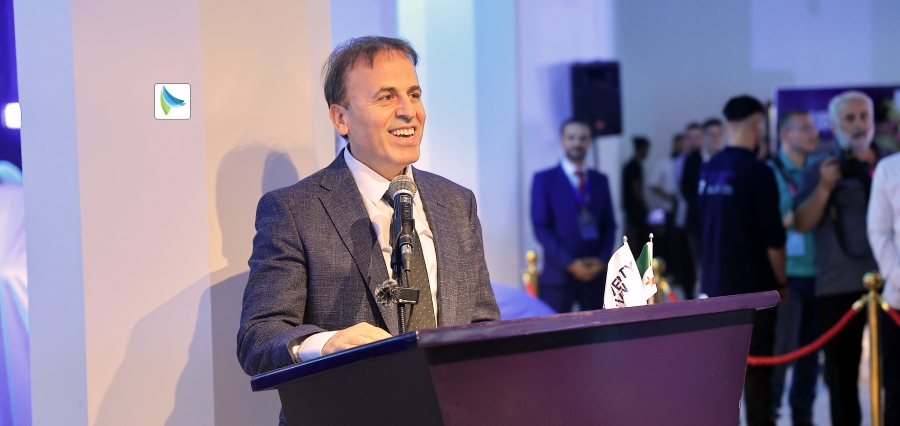
Samir Hmicho: The Rising Catalyst in the Sustainable Automotive Realm
The movements happening in the mobility landscape are compelling it to undergo an abrupt, violent redefinition. It is no longer a world of pistons and gasoline, but of silicon and software. Around the world, the legacy automotive sector—slow, cautious, and inherently and only focused on incremental improvements—has been falling apart under the weight of a new generation of creative entrepreneurs. These entrepreneurs embody the high-risk, high-gain culture of the tech startup world and have been increasingly converting the conventional car from a product-as-a-physical-machine into a product-as-software-defined phenomenon. They expedited the timelines for Electric Vehicles (EVs), pushing legacy automotive manufacturers, who have often relied on their brand names and have been in business for over a century, to invest to catch up with emerging EV manufacturers with new software-based business models. Their disruption was all-encompassing, from battery recycling to ultra-efficient electric motor designs to the software side of Autonomous Driving (AVs) and Advanced Driver-Assistance Systems (ADAS). The shift in movement has been so extreme that it created a new economic model: Mobility-as-a-Service (MaaS) stood in direct opposition to the classical car ownership model. The Catalyst of Change Leading this charge—from not Silicon Valley but from rather a unique cross-section of global markets—has been Samir Hmicho. He is an inventive entrepreneur and trailblazer in the electric vehicle space that emerged as one of the early key architects of this new automotive revolution, knowing from the start that revolution would demand more than just new vehicles, it required a fundamental change in the process. Since 2018, as Chairman and Chief Executive Officer (CEO) of Innovation Automotive, Samir has driven the operation to import cutting-edge electric and hybrid vehicles in the UK, and importantly, meet the pressing requirement for an after-sales service program in a new market. The Integrated Ecosystem Builder Samir’s ambition stretched far beyond a single market. His vision expanded into the Syrian market, where he founded 77 Auto, the country’s first full-service electric vehicle dealership. He simultaneously pioneered Electro Taxi Syria, establishing the region’s first app-based electric taxi service. This dual approach demonstrated his grasp of the entire mobility ecosystem. Importantly, the company uses the latest global technologies for fault diagnosis and maintenance. This was a scalpel-like move that did enhance the entire vehicle lifecycle and save money on operating costs, thus demonstrating that sustainability can coexist with better economics. The Uncompromising Mandate Samir was not just selling cars; he was bringing a startup, speed, agility, and customer orientation into an industry that is mired in slowness. He was not just creating new categories of products; he was creating a critically needed culture of open innovation and collaboration that was necessary in the 21st century. His governance philosophy is that innovation could only happen in tandem with sustainability and transparency. His vision remains the unwavering drive to create an integrated smart-mobility ecosystem that applies advanced technology, puts peak-pursuit into customer service, and exemplifies consistency in sustainability. He is indeed leading the charge of a cultural shift, processing energy transitions – advancing a pace of change in many areas. Early Inspirations Right from the beginning of his career, Samir was fascinated by the automobile industry and the developments happening. He was very passionate about learning and identifying various automobiles. He says, “As the world embraces clean energy, it has become clear that the future belongs to electric cars, and this vision is what drives me to be part of the movement.” Dynamic Viewpoint Samir is a well-researched professional, having a good knowledge of the global developments in sustainable technologies. He has been a forward-thinking leader, encouraging research and innovations. Electrification, smart technologies, and autonomous vehicles are reshaping the future of mobility. He identifies, “At Innovation Automotive, we embrace these shifts to lead the industry and drive a smarter, more sustainable transportation future.” Boosting the Global Sustainable Mobility With the world poised for the new age of sustainable technologies, Samir is already ahead in his plans and implementation of the innovative solutions for sustainable mobility. He is forward in his thinking, planning, and implementation. Samir elaborates on Innovation Automotive’s perspective, “At Innovation Automotive, we strengthen our operations in Syria through strategic partnerships with the world’s leading electric vehicle companies. Looking ahead, we are expanding our footprint with plans to establish factories in multiple countries, beginning with Turkey, ensuring that we stay ahead of the curve in innovation, technology, and sustainable mobility.” Making the Green-Impact Committed to a sustainable future through sustainable technology practices, Samir ensures that the organization focuses on complete end-to-end sustainability solutions throughout its manufacturing process and its product offerings that extend the same to the customers. He believes in making an impact through collective participation. He states, “At Innovation Automotive, sustainability is at the core of everything we do. From investing in electric vehicle technology to adopting eco-friendly manufacturing practices, we are committed to reducing our environmental footprint. By pioneering clean energy solutions and promoting responsible mobility, we aim to build a greener, smarter future for both our industry and the communities we serve.” Innovating to Success With an objective of providing the best quality solutions to the customers, saving time, and Innovation, Automotive has been at the forefront of implementing the latest technologies. From EVs to smart connectivity, technology is reshaping consumer expectations. Samir adds, “At Innovation Automotive, we harness the latest technologies to exceed evolving consumer expectations. From cutting-edge electric vehicles to smart, connected systems, we integrate innovation into every aspect of our products. By staying ahead of trends and continuously re-imagining mobility solutions, we ensure our customers experience the future of transportation today.” Growing Through Challenges The successful companies are those that have tackled the challenges effectively and have created opportunities from these testing situations. The success story of Innovation Automotive is also that of resilience and commitment. Samir credits his team and their dedication for the success of the organization. He reflects through his words, “Leading in a fast-changing industry has its challenges, but my reputation in China and with major Syrian and global companies
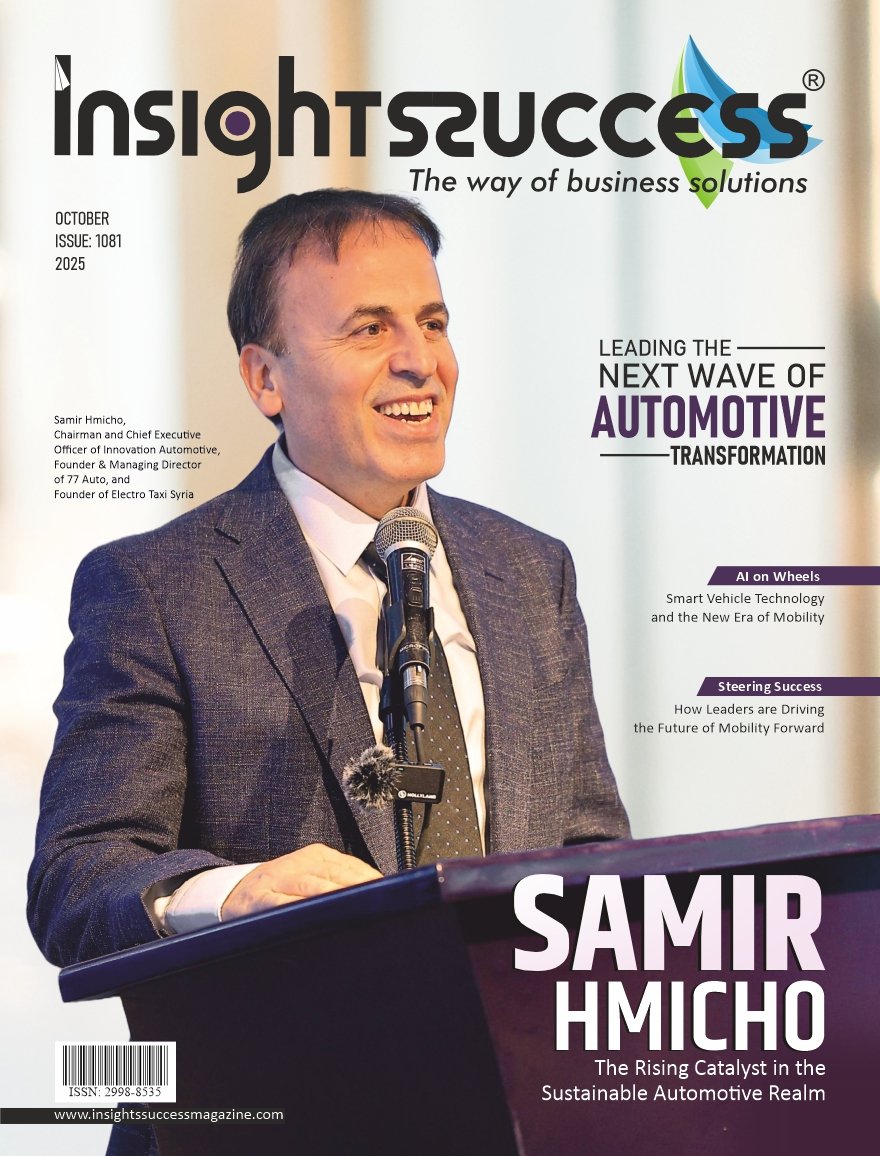
Leading the Next Wave of Automotive Transformation
Leading the Next Wave of Automotive Transformation In this edition, a visionary leader and innovator who is revolutionising mobility through electric, autonomous, and connected technologies is in the limelight, driving sustainability, intelligence, and efficiency to redefine the global automotive landscape of tomorrow. Digital Link Quick highlights Quick reads
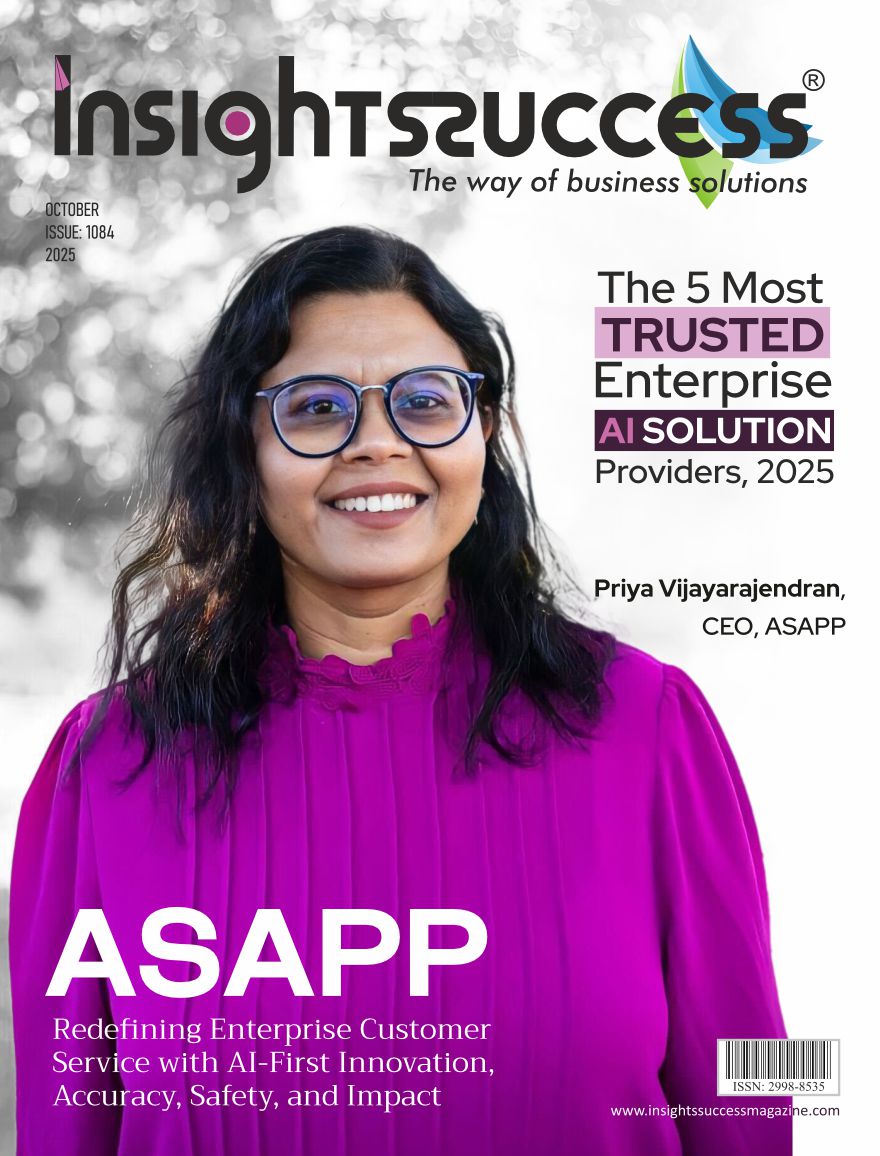
The 5 Most Trusted Enterprise AI Solution Providers, 2025
The 5 Most Trusted Enterprise AI Solution Providers, 2025 ASAPP is redefining enterprise customer service through AI-first innovation, combining accuracy, embedded safety, and operational oversight. Its GenerativeAgent platform delivers reliable automation at scale, supported by human-in-the-loop collaboration and rigorous governance. The result is trusted, compliant, high-impact customer experiences that modernize service operations while preserving confidence and control. Digital Link Quick highlights Quick reads

Business Modernization: Revolutionize Operations with Enterprise AI Technology
Enterprise Artificial Intelligence has matured in a very short span from the experimental fringes to the strategic necessity of today’s organizations. Organizations operating in highly competitive sectors are increasingly leveraging AI to automate, discover real-time insights and imbue intelligence in all their operations. What hitherto was being done through man intensive manual control of long cycles by large operating organizations can now be achieved with much greater accuracy and sensitivity through AI based automation. This is not a matter of digitization but of re-engineering business value creation in the organization. Companies can now shatter traditional constraint of growth on the basis of labor, geography or conventional processes. Enterprise AI development is driven by the growing maturity of sophisticated analytics, natural language processing, smart automation and generative AI. They enable enterprises to predict outcomes, make assets more logical, tailor customer experiences and accelerate decision-making. Digital transformation does not only take place in digitally native organizations but also in industrially born businesses like manufacturing, supply chain, utilities, banking and public sector services. AI in Operations And. The power to transform unstructured and once-separated operation data into actionable intelligence is perhaps the most extreme disruption enabled by Enterprise AI. AI systems track vast amounts of enterprise-wide data to spot inefficiencies, forecast risk and suggest action for remediation. In manufacturing, predictive maintenance using AI cuts unplanned downtime and maximizes asset productivity. In supply chain and logistics management, AI-driven planning optimizes inventory balance and forecasting with lower operation overheads. The outcome is the move away from reactive problem-solving to proactive insight-driven operations. Enterprise AI also calls for reinvention of decision workflows. Decision-makers no longer need to wait for historic dashboards or weekly reporting cycles. Instead, AI software provides dynamic scenario planning to facilitate quicker and better decision-making. Automation raises the bar for efficiency by streamlining trivial stuff. This leaves the employees free for added value tasks like innovation, stakeholder management, and sophisticated exception handling. The use of AI to operations is thus technological advance and organisational cultural transformation that facilitates data driven thinking within the organisation. Scaling Productivity and Responsiveness Enterprise AI is less about doing things quicker and more about equipping workers with knowledge. AI copilots and assistants assist workers with information processing, diminished cognitive overload, and undertaking tasks with greater accuracy. Workers, who had to work on multiple systems before, now work AI systems that offer single-poise perspective of information along with decisional guidance. This results in more uniform results and less error, especially during high-stakes work where speed and accuracy must come together. Training cycles overlap also, as personnel use ease-of-use AI software that masks complexity. AI also makes organizational responsiveness better in adaptive operating models. Companies can quickly re-imagine business process, scale capacity where needed, and tailor interactions as a response to unstable market conditions. Rather than being tied in rigid structures, companies can be agile data-driven networks. Flexibility is then a capability and competitive drive in the shape of an adaptation to uncontrollable events like supply chain interruption, consumer trend or regulation alteration. Organizations that integrate AI early in the enterprise have an empirically supported head start benefit in speed of deployment and capability for innovation. AI-Led Value Creation Long-term digital economy success requires more than deploying technology. It involves a process of coordinating business results and possibilities with AI and end scalability. The ones who succeed apply AI on a strategic scale, starting with most operationally relevant use cases and with measurable ROI. They also create governance structures in position that facilitate the utilization of AI, secure data integrity, and compliance with regulations. All of this harmonization enables companies to scale from silo pilots to enterprise transformation. Operations in the future will be defined by the confluence of AI, cloud infrastructure, digital twins, edge computing and intelligent automation. As these technologies become increasingly interconnected, organizations will possess the ability to model business results before implementation, run sophisticated processes independently and provide hyper-personalized services at scale. Those organisations that make the transition now will be in a position not just to accelerate faster efficiency but to redefine the value they can create for customers. Enterprise AI is no longer a back-office enabling role. It has emerged as a strategic enabler of resilience and long-term competitiveness. Conclusion Business AI is transforming building blocks for contemporary organisations. It makes it possible for organisations to transition from manual and siloed, retrograde processes to joined-up, automated and intelligence-driven processes. As businesses keep on digitizing at scale, AI-powered solutions facilitate strategic enablers of business agility, resilience and business performance improvement in every function of the business. The companies embracing Enterprise AI not only improve operational efficiency but also open up new sources of value creation with innovation and better decision-making. Its long-term potential is much greater than infinitesimal incremental cost savings or productivity increase in the labor force. It is a shift in paradigm in how companies compete and develop in an information age. With scalable architecture investments, ethical AI platforms, and a continuous improvement culture, next-generation world-class companies can craft an operating model that can respond in real-time to the marketplace’s needs. Read More: How Leaders are Driving the Future of Mobility Forward

ASAPP: Redefining Enterprise Customer Service with AI-First Innovation, Accuracy, Safety, and Impact
Change rarely feels comfortable, especially when it redefines how businesses serve their customers. For decades, enterprises have relied on large contact center teams, training them tirelessly to deliver consistency, empathy, and efficiency. But today, a new shift is underway: customer interactions are moving from human agents to AI-native agents powered by generative models. This isn’t just a technological upgrade. It’s a workforce transformation, a cultural shift, and a trust challenge rolled into one. Businesses today largely face a question: Can AI really handle millions of sensitive, high-stakes interactions without losing the reliability and empathy customers expect? ASAPP answers that question with confidence. Built for the realities of enterprise service—not consumer experiments—it has spent more than a decade engineering AI that enterprises can depend on. Under the leadership of its CEO, Priya Vijayarajendran, ASAPP combines relentless innovation with uncompromising safeguards, enabling organizations to adopt generative AI without sacrificing quality, compliance, or trust. Its research focuses on the toughest enterprise challenges: scaling generative AI safely, ensuring reliability across millions of interactions, and embedding human collaboration where it matters. ASAPP guides clients through this transition with proven best practices and hands-on training, ensuring teams can continue applying these skills long after deployment. Its R&D team has spent over a decade advancing enterprise-grade AI—not consumer experiments—supported by a deliberate patent strategy that protects originality while safeguarding customer outcomes. ASAPP differentiates itself by managing innovation with discipline. Breakthroughs are delivered rapidly, yet every advancement is rigorously validated for enterprise scale, performance, and compliance before reaching customers. This ensures speed never comes at the expense of reliability, which is a critical aspect for enterprise trust. She expresses, “Our patents signal more than legal protection: they demonstrate originality, defensibility, and future-proofing.” In a crowded market of off-the-shelf solutions, ASAPP stands apart as a trusted provider of differentiated, enterprise-tested AI that empowers organizations to innovate confidently while maintaining safety, accuracy, and measurable business impact. She shares, “Our approach is grounded in over ten years of experience deploying, optimizing, and scaling generative AI in enterprise contact centers, giving us deep expertise in operational workflows. We also prepare clients for emerging AI-driven roles. Supervisors gain full visibility into GenerativeAgent performance, investigating high-impact anomalies, filtering conversations in real time, and monitoring aggregate reporting to identify and prioritize improvements.” In this process, the program can make lightweight optimizations—updating knowledge bases, task instructions, or personas—safely after testing. Supervisors collaborate with CX developers using low-code tooling to configure logic, simulate scenarios, and validate changes. Policy analysts review transcripts, listen to recordings, and surface issues for supervisors to address. The outcome? Enterprises transition confidently to AI-native operations, with people and AI working seamlessly together to deliver quality, compliance, and trust—while unlocking faster resolution and improved customer experiences. Reliable AI Operations Through Human-AI Collaboration ASAPP’s GenerativeAgent® is built for the realities of enterprise customer service, where context shifts quickly, accuracy is critical, and every industry has unique rules. It is built to improve continuously while keeping clients in full control. Its optimization loop provides visibility, governance, and actionable insights post-deployment. It combines robust observability and low-code development tools that empower clients to expand, manage, and optimize AI performance for sustained value. Unlike off-the-shelf LLMs, GenerativeAgent uses model orchestration to select the best model for each task, always grounded in a company’s business data, workflows, and safeguards from day one. The company ensures context through its three layers: Domain intelligence encodes industry rules, compliance needs, and brand tone. Deep integration connects to knowledge bases, prior interactions, and real-time systems for precise, personalized responses. Safeguards at scale validate answers for accuracy, compliance, and brand standards before reaching the customer. When extra support is required, GenerativeAgent never raises concerns to the customer; however, the company engages its Human-in-the-Loop Agent (HILA™). Working behind the scenes, HILA has full conversation context and can provide approvals or answers instantly, while GenerativeAgent maintains the flow to final resolution. GenerativeAgent also learns continuously from escalations, sentiment and outcomes. Its multi-model architecture separates intent, retrieval, generation, and supervision, preserving context end-to-end, even in niche, high-stakes scenarios. “The result: fewer escalations, quick resolution, and higher satisfaction. Enterprises can trust GenerativeAgent to autonomously handle complex issues with safety, precision, and reliability,” reveals Priya Vijayarajendran. GenerativeAgent monitors 100% of interactions—voice and chat—and flags potential issues based on configurable thresholds. Real-time alerts notify supervisors or quality analysts, who can immediately review the full conversation context. Dashboards highlight flagged conversations by business impact, helping teams focus where it matters most. Changes—from knowledge base updates to task refinements or policy adjustments—can be implemented in natural language, simulated, and tested against historical interactions to prevent regressions. More complex changes move to development teams, using the same testing framework before supervisors approve deployment. “We partner closely with leadership to embed these practices, building internal expertise and ensuring consistent oversight. By combining automation, human judgment, and continuous feedback, ASAPP ensures GenerativeAgent not only performs but evolves responsibly, delivering better outcomes over time while maintaining enterprise confidence,” she describes. From Risk Assessment to Responsible Deployment ASAPP performs enterprise-grade risk assessments across all stages of deployment, adhering to strict frameworks for data privacy, compliance, and model governance. Every interaction is logged and monitored, giving clients full visibility and traceability. In addition, it regularly navigates each client’s InfoSec process, ensuring that GenerativeAgent meets internal security standards before deployment. Its optimization loop balances efficiency with oversight. Configurable thresholds flag conversations that could affect compliance or customer experience, ensuring issues are reviewed promptly. Updates to knowledge bases, task instructions, or policies are tested against historical interactions to prevent regressions. Leadership is deeply engaged, embedding governance practices that ensure transparency, accountability, and consistent oversight. By pairing automation with human supervision and robust safeguards, ASAPP allows enterprises to scale AI efficiently without ever compromising the trust, reliability, or compliance that underpin their customer relationships. Built-In Safety Through Multi-Layered Defenses ASAPP has also developed the Human-in-the-Loop Agent (HILA™) not as a fallback, but as a way for humans and AI to collaborate seamlessly. HILA allows humans to step in without a
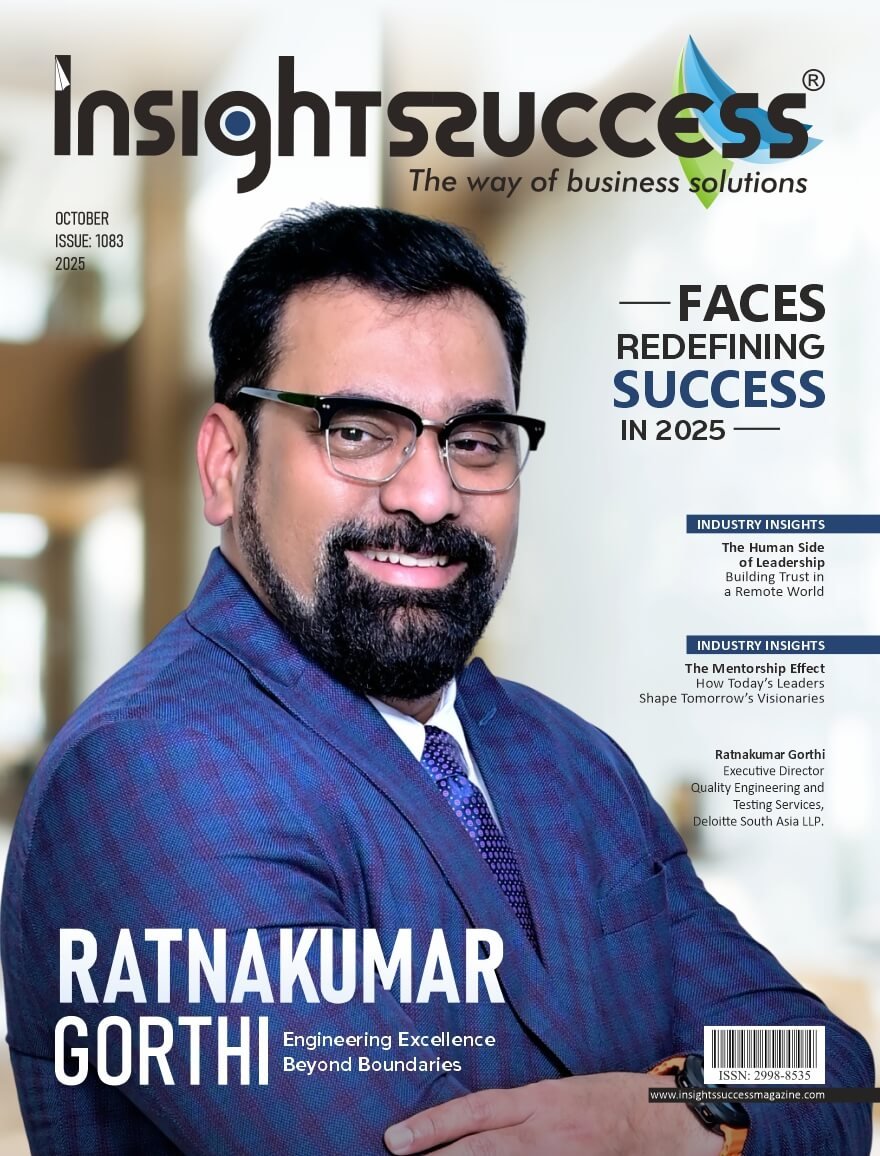
Faces Redefining Success in 2025
Faces Redefining Success in 2025 This edition celebrates trailblazers who challenge conventions, break boundaries, and turn vision into lasting impact. Their journeys prove that success today is no longer measured only in titles or profits—but in transformation, influence, and the legacy they leave behind. Digital Link Quick highlights Quick reads

Ratnakumar Gorthi: Engineering Excellence Beyond Boundaries
Every exceptional journey begins with purpose, not privilege and in case of Ratnakumar Gorthi, that purpose was forged by humility, resilience, and an unflinching confidence in the power of endurance. From the quiet lanes of Vijayawada, where his parents made numerous sacrifices to provide him with better educational opportunities, to the global corridors of Deloitte, where he is currently serving as Executive Director – Quality Engineering and Testing Services, his story reflects a lifelong pursuit of excellence based on values. What began as a profession in Chemical Engineering quickly evolved into a journey across technology’s ever-changing frontiers. He is driven by curiosity and courage, moved from chemical plants to digital ecosystems, perfecting the art of reinvention. His enthusiasm for quality drove him to develop frameworks that reimagined Quality Engineering as a strategic enabler of corporate change, combining Design Thinking, Lean Six Sigma, and Generative AI to create future-ready systems and teams. He is regarded as one of India’s most inventive voices in Quality Engineering, and his leadership style is marked by empathy, adaptability, and a purpose-driven vision. Beyond accolades and prizes, his legacy is defined by how he turns problems into opportunities and motivates people to improve, demonstrating that true success is built on long-term effect rather than titles. The Foundation: Where Values Meet Vision Ratnakumar’s story begins not with advantages, but with anchors, the kind that ground you in reality while propelling you toward possibility. His father worked a clerical job in the irrigation department. His mother taught music with quiet dedication. Together, they made a decision that would alter the trajectory of their son’s life: they relocated to Vijayawada solely to provide him with better educational opportunities. As the youngest child and only son after three daughters, he grew up witnessing silent sacrifices that spoke louder than words. His parents lived through a philosophy that became his compass: “Enjoy every moment with what you have and never compare your life with others.” This wisdom, simple yet profound, taught him that genuine fulfillment stems from purpose, not possessions. His sisters, who still affectionately call him their “little brother,” formed a protective circle around his dreams. His wife and daughter continued that legacy today, encouraging him to seize every opportunity that comes his way. This family support system, built on unwavering belief and unconditional love, became the invisible force behind every milestone he achieved later. The Transformation: From Chemical Plants to Digital Frontiers Ratnakumar’s first job interview arrived at a moment of crushing pressure. One of the sisters awaited marriage. His parents’ bank balance dwindled. His father lay hospitalized just a day before the interview. Yet, he transformed that pressure into performance, securing his first role as a Chemical Engineer in a leading public sector enterprise. That moment marked the first of many victories born from determination and grace. After completing his B. Tech in Chemical Engineering, brilliance struck again, he secured an All-India Rank of 73 in GATE and earned admission to IIT Madras for his M.Tech. However, life presented a test that transcended academics. With his father approaching retirement, he made a choice that defined his character: he prioritized family support over personal advancement. This decision, rooted in humility and responsibility, demonstrated that success means little unless shared with those who helped dream it into existence. A few years into his career, curiosity led him toward uncharted territory. The rapidly evolving world of Information Technology beckoned, and he answered. He reinvented himself as a software developer, diving into an entirely new domain with characteristic enthusiasm. The bold transition paid dividends for his performance quickly caught attention, earning him an opportunity to work in the United States. Over nearly nine years abroad, he accelerated through the ranks. Within six years, he rose to Senior Project Manager, leading large global teams and driving transformation through innovation, delivery excellence, and stakeholder trust. His journey exemplified how adaptability and continuous learning can open doors that formal credentials alone cannot. The Discovery: Finding Purpose in Quality Engineering In 2008, Ratnakumar discovered his calling, a domain that perfectly married his analytical acumen with creative problem-solving. Quality Engineering became more than a profession; it became his purpose. He began institutionalizing transformative frameworks that revolutionized how organizations approached quality. By embedding Design Thinking and Lean Six Sigma principles into Quality Engineering practices, he established new benchmarks for cost optimization, efficiency, and intelligent testing. His vision extended beyond traditional testing methodologies. He reimagined Quality Engineering as a strategic value driver rather than merely an operational necessity. Today, he is pioneering Generative AI-driven Quality Engineering and ESG-aligned assurance practices. His integration of artificial intelligence into testing workflows has fundamentally altered how enterprises achieve quality, transforming reactive testing into predictive intelligence. Under his leadership, Quality Assurance evolved from a backend function into a strategic lever of business transformation. The Philosophy: Leading Through Change In technology’s ever-accelerating landscape, Ratnakumar embraces a philosophy that distinguishes exceptional leaders from ordinary managers. “Focus on what needs to be done to accomplish the task, not on the challenges that stand in the way,” he explains. This perspective redirects energy from apprehension to action, fueling creativity and accelerating meaningful results. He operates with a strategic framework that balances immediate performance with future readiness. His annual roadmap dedicates fifty percent to sustaining business-as-usual with unwavering focus on innovation and continuous improvement. Thirty percent targets business expansion and scaling opportunities. Twenty percent invest in future readiness, exploring emerging technologies, tools, and frameworks to stay ahead of industry curves. This disciplined approach is building future-ready workforces that are capable of anticipating and mitigating risks that accompany rapid technological evolution. More importantly, it creates springboards for innovation that continually redefine how Quality Engineering drives digital transformation. What truly distinguishes him is his commitment to leading from the front. Despite demanding schedules, he participates in the learning curve alongside his team, upskilling himself in emerging technologies to remain what he calls a “future-ready leader for a future-ready team.” The Crisis: Turning Pandemic into Transformation When COVID-19 upended the world
How Today’s Leaders Shape Tomorrow’s Visionaries
The Mentorship Effect Behind every great leader is a leadership story, a tale of inspiration and vision — the unseen hand of a mentor that charted the course. Mentorship has been an integral part of personal and professional development for centuries, closing the gap between vision and action. In this age of business sophistication where everything is certain except change and the only certainty being innovation, mentorship is not just a growth process — it’s a strategic necessity. Mentorship fosters a culture of success and empowerment. Mentorship guarantees there is the passing on of vision, values, and knowledge from the present generation to future generations of leaders, positioning companies as visionary and powerful. The Power of Guidance Leadership isn’t taught in books and schools in the classical sense but constructed over time. Mentoring gives fresh leaders a flavor of experience — the sketching-out knowledge of decision-making, people management, and strategic thinking one gains over time. An ideal mentor does not answer but sends mentees looking for their own. They offer context, question assumptions, and foster critical thinking. Trust develops faith, soundness of judgment, and makes future professionals balance ambition and purpose. Mentorship indeed delivers on promise as performance. It speeds growth as future leaders are given an opportunity to discuss issues boldly and in simple terms. Creating a Culture of Mentorship In visionary organizations, mentoring isn’t formal programs — it is corporate culture. When high achievers take time to develop others, they’re saying that results equal learning, collaboration, and people connection. It takes effort to create a culture of mentorship. It starts with willing leaders who care and will give. It works when organizations invest in formal mechanisms — circles of mentorship, peer groups, and leadership development programs — where there can be authentic relationships. These cultures build trust and vulnerability. These level the walls of hierarchy, open avenues of communication, and allow the possibility of each voice — title and tenure aside — being heard as contributing to success for all. The Modern Mentor The outdated image of mentorship — that sage, older veteran teaching a young protégé co-worker — is no longer valid. Mentors today are collaborators, coaches, and sounding boards. They see that in today’s virtual era, leadership means being adaptable, empathetic, and constantly learning. Mentors nowadays value diversity of mind and experience. They understand that the secret to successful mentoring is to let the mentee discover his or her own path and not to imitate themselves. Mentors also learn from the mentees — new ideas about new technology, changing culture, and creative thinking. Two-way communication renders organisations innovative and responsive. It generates generational bridges and makes leadership world-aware of what it is portraying. Mentorship as a Corporate Resource Organisations, through provision of room for mentorship within their leadership strategy, have real benefits. Mentored and coached employees work with more passion, are committed, and are more committed. They are quicker in learning, do better, and put more into organizational objectives. Mentorship also enables succession planning. As they prepare the next generation of leaders, companies are investing in continuity of vision and values. When there is a change in leadership, the next generation is prepared — confident, capable, and committed to the long-term vision of the firm. For disrupted companies, mentorship also provides stability. It enables professionals to ride through uncertainty, change, and adjusting to evolving business realities. Empowering the Next Generation The best measure of leadership is not what one is doing, but who one is empowering. Visionary leaders are serious about playing a role in cultivating the next generation of thinkers, innovators, and change-makers. Mentorship enables them to build a legacy that will last longer than tenure. With harsh lessons of accomplishment and defeat, they grow not just effective leaders, but ethical leaders. Emerging visionaries pay forward the mentorship culture, creating wave-like effect of motivation in the organization and industry. The Human Connection With online shopping and virtual helpers the new normal, mentoring is a reminder that human contact cannot be depleted. Mentorship conversation need not necessarily arrive at its endpoint in work-related advice — it extends way into purpose, identity, and power. These are the bridges on which empathy, emotional intelligence, and self-awareness — all the tools leaders require to navigate today’s more complicated world — ride. These empathetic leaders, who lead with authenticity, build trust and loyalty and create workplaces in which collaboration is more frequent than competition. Conclusion Mentor effect way outstrips individual development — it crafts organizational greatness and societal advancement. Mentors are the leaders of tomorrow waiting in the wings, today’s visionaries who will develop the visionaries who will dream big, operate with integrity, and lead. As companies change and challenges become more formidable, mentoring will always be a persistent force — never diminishing in wisdom but constantly renewed. Those leaders who answer this challenge don’t merely create top teams; they create legacies. Mentoring itself, at its best, is not merely instruction — it’s transformation. And within the change, future leaders are made from current leaders. Also Read: Business Modernization: Revolutionize Operations with Enterprise AI Technology

Building Trust in a Remote World
The Human Side of Leadership As work is more digital and dispersed, the texture of leadership is altering. Hierarchy, siting, and proximity were the old signs of power that have been turned on their head by a new leadership based on empathy, conversation, and trust. With the age of hybrid and remote work in which there is little or no face-to-face interaction and collaboration is faceless, the human element of leadership has never been more crucial. The Remote Leadership Revolution Since the world is going remote, leaders have to transform how they engage with their team. With no chance to give feedback face-to-face, watercooler conversations, and eyeballs every day, leaders can no longer lead by sight. They now must establish rapport with intentional communication and emotional intelligence. The managers should be more attuned to the wishes and fears of the people. Disconnection, boundaries between work and life getting blurred, or disaffection are representing the feelings of the employees. The good managers take them as a foundation and create systems that offer bringing in, belongingness, and safety. Trust, established initially from face-to-face, now must be established from constancy, openness, and empathy. Trust as the Cornerstone of Remote Work In an offsite setting, there is faith instead of snooping. Without the watchful eyes of conventional offices, executives will need to change from tracking effort to releasing results. It entails trusting the capacity and integrity and openness for objectives and accountability of employees. Trust operates on three dimensions: communication, reliability, and authenticity. Positive, consistent, and thoughtful communication keeps employees informed and productive. Reliability creates credibility—being there, on time, and following up. Authenticity, with the leader as a human and a risk-taker, creates real relationships and respect. If, indeed, employees do trust managers, then they would be initiative-taking, motivated, and engaged. This would be one of remote success building blocks, which has grounds for high performance to take place despite geographically dispersed teams. Leading with Empathy and Understanding Empathy is the common thread that binds human nature and virtual leadership together. As the world becomes ever more global, virtually interconnected, and interdependent, leaders need to transcend transactional relationships and care about what happens to their colleagues. Ordinary behaviors like inquiry into workload, appreciation of hard work, or offering autonomy are not just productive but say a great deal about experiences of belonging and psychological safety. Empathic leaders listen carefully and answer thoughtfully. They understand that productivity is as much a by-product of motivation, concentration, and mental health as it is of hours spent online. Keeping individuals in front of policy, they build productive and innovative teams. The Role of Communication in Building Connection In remote contexts, communication isn’t a weapon, but the leadership line. Without tone, intent, and clarity, leaders must overcommunicate, but in a responsible way, between transparency and empathy, discovering the middle path. One-on-one regular dialogue, virtual town hall gatherings, and open feedback channels build trust and transparency. Video conferencing, a poor stand-in for face-to-face dialogue, can be leveraged by leaders to convey sincerity and emotional nuance. Written communication, from email to team chat, must be company culture, concise, and unambiguous. The best leaders establish up and down communication, too. When the employees are heard and count, they sense more ownership and more confidence with managers. Empowerment, Not Micromanaging Micromanaging is the biggest challenge for virtual leaders. Believing that teams will get it done with less commotion is a demonstration of faith in their capability and allows them autonomy. Empowering with responsibility is equivalent to having more commitment and imagination. Outcome-based leaders, and not activity-based leaders, provide space for problem-solving and innovation. They define objectives, make resources available, and establish space for flexibility in order to achieve them. Within this balance of structure and freedom, teams are able to execute even in uncertainty or complexity. Building Culture Across Distance Organizational culture tends to exist in body habits and shared space, but in a far-off world, there is culture in shared conversation, behavior, and values. Leadership takes the leading role in maintaining such culture by showing authenticity, inclusiveness, and teamwork. Party to celebrate milestones, party to recognize efforts, and uphold rituals—virtual coffee hours or team celebration meetings—solidify connection and morale. Digital interaction leaders humanify because they are the ones reminding teams that despite distance, relationships are the foundation of organizational success. The Evolving Role of the Leader Offsite leadership demands flexibility and lifelong learning. Leadership characteristics delineated by command, control, and physical presence in office buildings are slowly giving way to ones that are emotional intelligence, flexibility, and relevance-driven. The leaders will need to walk a fine line between technical proficiency and humanity. As hybrid and virtual organizational forms become increasingly dominant, the lead leaders will be those who are greatest at combining digital acumen with empathy-based engagement. They can structure work and grant trust, loyalty, and sense of common purpose in a direction. Read More: How Today’s Leaders Shape Tomorrow’s Visionaries