






Airbnb Posts Best Quarterly Growth In Years On World Cup Momentum
Prime Highlights- Airbnb tops revenue estimates, shares jump 10.8 percent on strong global travel demand. World Cup boost drives North America bookings to fastest growth in nearly three years. Key Facts- Global nights and seats booked climb 10 percent to 148.3 million in the quarter. Airbnb lifts 2026 revenue growth forecast to at least mid teens percentage. Background- Airbnb beat second quarter revenue estimates, helped by strong worldwide travel demand and a surge of first time users tied to the FIFA World Cup held across the United States, Canada, and Mexico. Expedia and Booking also gained from the tournament. Airbnb’s North American bookings posted their fastest growth in nearly three years, sending shares of the San Francisco firm up 10.8 percent in extended trading. Chief Executive Brian Chesky called it one of the company’s strongest stretches in years, with new guest signups running higher than at any point in recent memory. Nights and seats booked worldwide climbed 10 percent to 148.3 million for the quarter. North America, source of over 40 percent of 2025 revenue, posted high single digit booking growth. The World Cup, paired with rising markets like Brazil and India, added momentum alongside steady growth in Middle East demand. Airbnb has widened its offerings to include private chefs, car rentals, and boutique hotels, pushing well past its original home rental roots. Chesky pointed to the company’s large cash reserves and a broad set of merger and acquisition options as it moves into new service categories. He framed the shift as an early stage, with plans to grow from travel into daily living and eventually new ways for people to connect on the platform. Hotel bookings grew nearly three times faster than home stays. Airbnb lifted its 2026 revenue growth forecast to at least mid teens, up from a prior low to mid teens range, and reported quarterly earnings per share of $1.37, up from $1.03 a year earlier, on revenue of $3.61 billion against analyst estimates of $3.57 billion. Read Also: SuKarne Explores Sale at Valuation Above $2 Billion

Why Discharge Summary is Important in Health Insurance Claims
A discharge summary is a key record created when a patient leaves the hospital after treatment. It brings the medical journey into one document by stating why the person was admitted, what care was provided and what advice was given. During a health insurance claim, it connects the diagnosis, hospital stay, treatment and final bill. Its accuracy influences how clearly the claim is understood. What a Discharge Summary Contains The discharge summary presents the main clinical details of hospitalisation. Its format may vary, but its purpose remains similar. It may contain: The patient’s name and hospital identification details Admission and discharge dates Symptoms and reason for admission Diagnosis recorded by the treating doctor Investigations and procedures performed Medicines or treatment provided Condition at the time of discharge Follow-up instructions and prescribed medicines These details should remain consistent with the claim form, hospital bill and supporting medical papers. Why Insurers Ask For This Document The insurer needs records explaining the medical reason for admission and the care provided. The summary gives a concise account prepared by the hospital. While processing claims under health insurance policies in India, the insurer may read this document with the itemised bill, prescriptions, investigation reports and policy wording. It helps identify the diagnosis, treatment period and medical sequence before expenses are assessed under the applicable terms. How it Connects Treatment with the Hospital Bill A hospital bill shows what was charged, while the discharge summary explains why treatment took place. Both serve different purposes during assessment. The summary may help connect: Doctor consultations with the recorded diagnosis Investigations with the treating doctor’s findings Procedures in the course of treatment Medicines with the discharge advice Hospital stay with the patient’s medical condition This connection allows billing entries and clinical records to be read together rather than separately. Why Families Should Check it before Leaving Discharge can be busy, particularly when relatives are completing billing, pharmacy and insurance formalities. Even then, the summary needs careful review. For a member covered under family health insurance, another relative may handle the claim paperwork. Checking the patient’s name, dates, diagnosis and treatment details before leaving can prevent confusion later. Any genuine correction should be requested from the hospital through its proper process. Its Role in Cashless Claims In a cashless claim, the hospital coordinates with the insurer or claims administrator during admission. Final settlement requires discharge-related medical and billing records. The discharge summary helps the insurer review completed treatment against earlier pre-authorisation information. If the treatment plan changed during the stay, the final record may explain the clinical course. Settlement remains subject to policy terms, documents and claim assessment. Its Role in Reimbursement Claims Under reimbursement, the policyholder usually pays the hospital and later submits the required papers. The discharge summary supports the medical basis of the claim. It should generally be submitted with: The completed claim form Final hospital bill and receipts Doctor’s prescriptions Investigation reports Pharmacy invoices Payment records Other documents requested by the insurer The original or accepted document format should be preserved according to the claim instructions. What to Check in The Summary A quick review can identify missing or inconsistent information while hospital records are readily available. Check whether: The patient’s details are correct Admission and discharge dates match the bill The diagnosis is clearly recorded Major procedures are mentioned The treatment course is understandable Follow-up advice is included The document carries proper authentication Corrections, if any, follow hospital procedure Patients should not alter the record themselves. Changes should come from the authorised hospital department. What Happens if It Is Missing A missing discharge summary can leave the insurer without a concise account of the hospitalisation. The claim team may request it or seek clarification. This does not decide the claim outcome. However, incomplete records may slow verification because the insurer must understand the diagnosis, treatment and discharge status. The policyholder should contact the hospital promptly and submit the requested record through the prescribed channel. How to Store It Safely The discharge summary may remain useful after the claim. It can support follow-up consultations and provide a reference for future medical care. Keep the original safely, create a readable digital copy and store it with the policy and claim records. Family members responsible for insurance paperwork should know where these documents are kept. Conclusion A discharge summary gives the insurer a clear medical account of the hospital stay and connects treatment records with the final bill. It matters in cashless and reimbursement claims, although its use remains subject to the policy and claim process. Patients should review it before leaving the hospital, request authorised corrections where necessary and preserve it with related papers. Complete, consistent records can support a more organised and understandable claim assessment throughout the review process. Read Also : CNC Tooling Choices That Help Reduce Production Downtime

CNC Tooling Choices That Help Reduce Production Downtime
Production downtime can quickly disrupt a CNC shop’s schedule. A damaged cutting tool, incorrect holder, poorly organized setup, or unavailable replacement can stop a job before it is completed. Even a short delay may affect machine availability, delivery dates, and the amount of work a shop can complete in a day. Reducing downtime does not always require expensive automation or major equipment changes. Choosing dependable tooling and creating consistent setup procedures can prevent many common interruptions. Beginners should focus on tools that are easy to replace, suitable for several common operations, and supported by clear cutting recommendations. Reliable mill tooling helps operators complete facing, drilling, slotting, pocketing, and profiling operations without unnecessary tool changes or setup problems. A practical selection of cutters and holders allows a shop to prepare jobs more efficiently and respond quickly when a tool reaches the end of its usable life. The most useful tooling choices are not always the most advanced. A simple cutter that matches the material and operation will often perform better than a specialized tool used under the wrong conditions. Beginners should learn how tool geometry, holder condition, stickout, and cutting parameters work together before expanding the shop’s tooling inventory. Reliable Mill Tooling Keeps Machining Jobs Moving Tool organization is equally important. Operators should be able to identify a cutter’s size, material application, condition, and intended operation without searching through several drawers. New, used, and damaged tools should be stored separately to prevent a worn cutter from being installed by mistake. Toolholders must also be inspected regularly. A damaged collet, dirty taper, or worn holder can create runout. Excessive runout causes one cutting edge to remove more material than the others, leading to uneven wear and poor surface finishes. Before loading a tool, operators should clean the holder, cutter shank, spindle taper, and other contact surfaces. Even a small chip can prevent the tool from seating correctly. This may create vibration, dimensional variation, or difficulty removing the holder later. Tool stickout should be kept as short as the operation allows. A cutter that extends too far from the holder is more likely to flex or chatter. Excessive vibration can damage the tool, reduce accuracy, and force the operator to stop the machine to investigate the problem. Beginners should also verify tool clearance before beginning the full cycle. A dry run, graphics check, or cautious single-block test can reveal whether a holder may contact the workpiece, vise, fixture, or machine table. Discovering a clearance issue before cutting is much better than reacting to a collision. Feeds and speeds should be based on reliable recommendations. Running a tool too aggressively may cause failure, while running it too slowly can create rubbing, heat, and unnecessary wear. Operators should monitor chip formation, spindle load, sound, and surface finish while making careful adjustments. Tool life tracking can further reduce interruptions. Operators may record how many parts or cutting hours a tool completes before replacement. This information helps the shop replace cutters before they fail unexpectedly during an important operation. Thread Mills Help Produce Consistent Internal Threads Internal threading can become a major source of downtime when the wrong tool or cutting method is used. Broken taps are especially difficult because part of the tool may become stuck inside the workpiece. Removing it can require additional labor, specialty equipment, or complete replacement of the part. A thread mill creates threads by following a programmed circular toolpath inside a hole. Unlike a tap, the tool is usually smaller than the finished thread diameter. This design may provide better chip control and reduce the risk of a large tool becoming tightly wedged inside the part. Thread milling also gives machinists greater control over the final thread size. Small program adjustments can change the toolpath diameter, allowing the operator to compensate for tool wear or improve the fit. Depending on the tool and application, one thread mill may be able to produce different thread diameters that share the same pitch. This can reduce the number of specialized tools required for certain jobs. However, operators must confirm the tool’s capabilities before using it for a different thread size. The hole should be prepared correctly before thread milling begins. Its diameter, depth, and location must match the part requirements. Chips left inside a blind hole can interfere with the cutter and increase the risk of damage. Beginners should also check that the thread mill has enough clearance to enter and exit the feature safely. The programmed path must prevent contact with the bottom of the hole, nearby walls, or other part features. A test cut can help verify thread size before the full production run. The first completed thread should be inspected using the appropriate plug gauge, mating component, or measurement method. If an adjustment is needed, the operator can modify the programmed toolpath before machining more parts. Consistent tool length offsets are critical. An incorrect offset can cause the cutter to enter too deeply or begin threading in the wrong location. Operators should verify the tool information whenever a thread mill is installed or replaced. Thread milling can still experience wear and breakage, especially when cutting hard materials. Proper speed, feed, depth of cut, coolant delivery, and toolpath strategy must be selected for the application. The tool should also be inspected for damage before beginning another production run. Reliable lathe tooling can provide similar downtime-reduction benefits for turning operations. Properly selected holders and inserts support more predictable turning, facing, boring, grooving, and parting. Indexable lathe inserts are useful because a worn edge can often be rotated to a fresh cutting position. Keeping replacement inserts near the machine allows an operator to restore cutting performance without removing and replacing the entire holder. Read Also : How a Safety Consultant Supports Safer Construction Projects
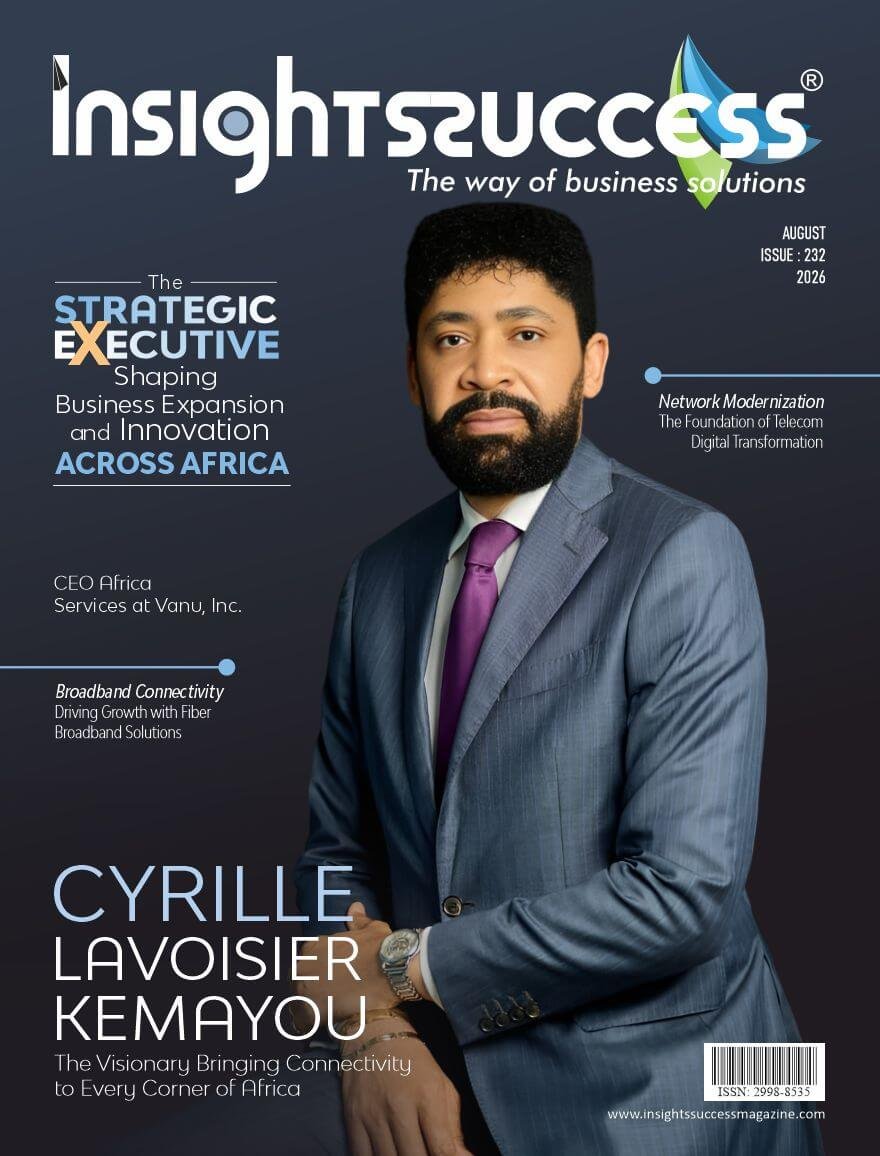
The Strategic Executive Shaping Business Expansion and Innovation Across Africa August2026
The Strategic Executive Shaping Business Expansion and Innovation Across Africa Highlighting the achievements of a distinguished executive transforming sales, marketing, and corporate communications through strategic leadership, innovative thinking, and customer-focused initiatives, creating lasting business impact across Africa’s diverse markets. Digital Link Quick highlights Quick reads

The Foundation of Telecom Digital Transformation
Network Modernization Telecom industry is moving into a new era of development due to the transformation of communication between organizations, governments, and individuals caused by digitization. More and more consumers, organizations, and governments need cloud computing services, 5G, smart devices, artificial intelligence, and other applications that require faster and resilient network. This cannot be achieved through legacy infrastructure, and there is a necessity to upgrade it to match the needs of customers. Network modernization has thus become a strategic issue for telecoms willing to increase their efficiency and capacity and provide customers with quality digital services. Along with network modernization, there is another concept – Telecom Digital Transformation. Creating Agile and Scalable Infrastructure Modern communication networks need to ensure high performance and reliability by supporting a huge number of connections in order to satisfy their needs. However, in the case when the current hardware-based systems are used, they may become inefficient and inflexible; therefore, it becomes complicated to meet changing needs of the market. The Effective Network Modernization involves the replacement of old hardware by new virtual, software-defined, and cloud-enabled networks, thus becoming more scalable and easier to manage. Furthermore, the Telecom Digital Transformation promotes automation, analytics, and cloud-native solutions to make services easier to manage and operate. Technology Driving Intelligent Networks Technological advancements are revolutionizing all facets of network planning, deployment, and maintenance. Through artificial intelligence, machine learning, predictive analysis, and edge computing, providers can proactively discover and resolve issues within their network, optimize performance, and ensure reliability of services. The technology used in Advanced Network Modernization takes advantage of the above aspects in order to minimize downtime, make efficient use of resources, and make the infrastructure resilient. Similarly, through Telecom Digital Transformation, organizations are able to automate services delivery and customer support by making decisions in real time through intelligent means. Delivering Better Customer Experiences Consumers today desire seamless connectivity, increased speed, and reliable digital services in all locations and devices. This is beyond the provision of just infrastructural changes but requires a customer-oriented network design. In successful Network Modernization, there is improvement in service quality by increasing network reliability, decreasing latency, and provision of high capacity digital services. In the same vein, successful Telecom Digital Transformation creates improved customer engagement through digital self-service, personalization of services, automation, and optimization of services. Strengthening Security and Operational Resilience With the rise of smart inter-network communication, cybersecurity and resilience of operations have now become key considerations in the telecommunication industry. Critical Infrastructure Protection Against Cyber Attacks and Downtime. Real-time monitoring and risk management is essential for critical infrastructure protection against cyber attacks and regulatory compliance. The Network Modernization improves the security by providing tools for threat detection, automation monitoring, secure networks, and effective incident response. On the other hand, Telecom Digital Transformation gives the possibility to use intelligent security solutions, cloud management systems, and predictive analytics. Driving Sustainable Industry Growth Future-proofed telecommunication networks provide benefits that extend beyond mere increased speed by driving innovation in industries like healthcare, education, manufacturing, finance, transportation, and smart cities. Telecom companies that are able to embrace the spirit of innovation will be in a good position to offer innovative digital services while ensuring efficiency and customer satisfaction. Network Modernization allows an organization to maximize on its infrastructure investments, ensure efficient use of energy, and develop scalable networks that are capable of accommodating future innovations. In the same way, Telecom Digital Transformation helps an organization gain agility through intelligent automation and digital capability integration. The Future of Connected Telecommunications The future of telecommunications will be dictated by an intelligent infrastructure characterized by speed, security, scalability, and efficiency. In light of how artificial intelligence, 5G, edge computing, cloud computing, and Internet of Things continue revolutionizing the world of digital communication, Network Modernization will continue playing a crucial role in developing robust networks that will support new-age services and expand the digital environment. On the other hand, Telecom Digital Transformation will keep on promoting automation, innovation that puts the needs of customers first, and more efficient network operations. Companies that leverage advanced technology, talent, infrastructure, and innovations will gain competitive advantage. With the integration of Network Modernization with a full Telecom Digital Transformation strategy, there is increased efficiency, innovation of services, reliability of networks, and a good digital experience. It is evident that such an integrated strategy will help organizations prepare for technological advancements and help promote economic development. Read Also : Driving Growth with Fiber Broadband Solutions

Flame Talks Edition 2: Celebrating the Extraordinary Power of Ordinary Stories
Can an ordinary person’s story change someone’s life? Flame Talks was created to answer that question. Founded by TEDx Speaker, author, and leadership strategist Kuruva Venkata Ramana Murthy, Flame Talks is built on a simple belief: you don’t have to be famous to inspire others. Held at Radisson Hyderabad Hitec City, Gachibowli, Flame Talks Edition 2 brought together five individuals from diverse backgrounds who courageously shared their lived experiences with an audience eager to listen, learn, and reflect. More than a speaking event, Flame Talks is a platform that transforms personal experiences into stories of hope, resilience, and wisdom. Unlike traditional motivational events, Flame Talks is not about polished speeches or celebrity appearances. Every speaker undergoes a guided storytelling journey to identify the defining moments of their lives and communicate them in a way that creates meaningful impact. Participants are coached not merely to narrate events but to uncover the deeper lessons hidden within their experiences, allowing every talk to become a meaningful transmission rather than a performance. The objective is not to impress the audience, but to leave them with a perspective that can transform their own lives. One of the most moving talks of the day came from Rajat, a Chartered Accountant, author, trainer, and coach with over two decades of experience. In her talk, “I Was Never Born Stupid,” she shared her lifelong struggle with undiagnosed ADHD. Years of being misunderstood by teachers, family, and even herself eventually led to a life-changing diagnosis. Her story became a powerful reminder that many struggles are not signs of weakness but signs that the right answers have not yet been found. Roshni Subudhi, entrepreneur, cloud kitchen owner, YouTuber, and content creator, inspired the audience with her story of creativity and continuous learning. Through her passion for food, storytelling, and content creation, she demonstrated how ordinary experiences can become extraordinary sources of inspiration when shared with authenticity. Representing Chikkamagaluru, Karnataka, Raziya, a healthcare student, spoke about perseverance and resilience. Her story reflected the strength required to overcome life’s challenges while staying committed to learning, compassion, and the dream of making a positive difference in people’s lives. Sneha K. V. L., Founder of SEERE™ and a technology professional with over twelve years of experience in Data & Analytics, shared her evolution of balancing a successful corporate career with entrepreneurship. Her story highlighted how innovation and tradition can coexist, encouraging others to pursue purpose while remaining connected to their roots. The final speaker, Keerthi, Founder and CEO of Talent Acumen Consulting and Director of Operations at One in the Universe® (OIU), shared a deeply personal story of healing, self-awareness, and transformation. As both an organiser and participant, she embodied the spirit of Flame Talks, demonstrating that authentic leadership begins with personal growth. Complementing the stories of transformation was the launch of ‘Bharateeya Strategic Intelligence™: From Confusion to Clarity,’ a new book by Kuruva Venkata Ramana Murthy that explores how clarity and strategic thinking can shape better decisions in life and leadership. The book introduces a practical framework inspired by Bharateeya wisdom, designed to help individuals and organisations develop clarity, strategic thinking, and disciplined execution. Reflecting on the purpose behind Flame Talks, Murthy shared that while information is abundant, genuine human stories remain one of the most powerful tools for transformation. Every person carries experiences that can encourage, guide, or heal someone else. Flame Talks was created to provide those voices with a meaningful platform. The event concluded with heartfelt appreciation from attendees, many describing it as an experience that was both emotionally moving and intellectually enriching. By combining authentic storytelling with the launch of a framework for strategic thinking, Flame Talks Edition 2 created a unique experience that celebrated both the heart and the mind. As Flame Talks continues to grow, its vision remains unchanged: to build a movement where ordinary people share extraordinary stories that ignite hope, courage, and positive change. Because every story matters. Every story carries wisdom. Every story has the power to light another flame Flame Talks Not a Talk. It’s a Transmission. Website: https://www.venkatmurthy.in/ LinkedIn: https://linkedin.com/company/venkatmurthy/ Instagram: Bharateeya Strategic Intelligence: https://www.instagram.com/bharteeyastrategicintelligence Flame Talks: https://www.instagram.com/flametalks Read Also : Sree Kayakalpa Ayurveda Receives National and Global Recognition as Dr. Aravind Chandrachoodan Honoured with Best Ayurveda Doctor Award

Driving Growth with Fiber Broadband Solutions
Broadband Connectivity Access to reliable internet has been made an important necessity in ensuring economic development, innovation, education, healthcare, and communications. With the continuous changes in digital technology in various industries, there has been an increased demand for high-speed and reliable network. Companies and individuals have started using high-speed internet connections that make it possible to access cloud computing, remote working, online schooling, entertainment, and digital gadgets. Broadband Connectivity has been an important base in making all these possible by ensuring speedy and reliable internet connections. Fiber Broadband Solutions, on the other hand, facilitate this process by offering reliable connections at high speed. Meeting the Growing Demand for High-Speed Networks The growth of data-intensive application is putting huge strain on communication facilities. Video conference applications, artificial intelligence, IoT systems, cloud computing, and streaming video demand networks that can perform efficiently in increasing loads. Advanced Fiber Broadband Solutions provide more bandwidth, reduced latency, and improved scalability compared to conventional broadband solutions. On the other hand, robust Broadband Connectivity ensures that organizations and citizens can gain access to critical online services uninterrupted. Building a state-of-the-art broadband network will help increase efficiency and allow for adoption of cutting-edge technologies. Supporting Economic Development The digital network has emerged as an important source of economic development in various sectors and locations. Companies need to have proper communication channels for efficiency and collaboration along with customer engagement and increased digital offerings. Broadband Connectivity allows companies to be more competitive and foster innovation and entrepreneurship and workforce training. Similarly, Fiber Broadband Solutions allow businesses to develop a scalable network infrastructure to deal with increasing data needs along with future technology adoption and digital economy growth. Enhancing Everyday Digital Experiences In the current age, people need to be connected in any way possible irrespective of the fact that they are working from their homes or getting healthcare services on online platforms, taking up virtual education, or simply entertaining themselves digitally. Quality communication facilities will help them in all sorts of digital activities in terms of convenience, efficiency, and customer satisfaction. This is possible with the help of Fiber Broadband Solutions that ensure speedy and efficient connectivity for many devices together. Expanding Opportunities Through Digital Inclusion Internet connectivity is now an important element in providing opportunities in the education sector, health sector, business sector, among others. Internet infrastructure is being built to reduce connectivity gaps between rural and urban areas. Strong Broadband Connectivity gives students access to e-learning, gives entrepreneurs access to larger markets, gives health practitioners access to virtual consultations, and public institutions have an opportunity to enhance their service provision digitally. Advanced Fiber Broadband Solutions ensure that these opportunities become sustainable through provision of scalable and capacity infrastructure that can accommodate growing data requirements and future technologies. Preparing for Future Technology Demands Technological innovations such as Artificial Intelligence, smart cities, autonomy, cloud computing, and Internet of Things are anticipated to create an increasing demand for effective and efficient communication infrastructure in the future. Companies that are currently working on creating efficient infrastructure can easily cater to their future requirements of innovative technologies. Fiber Broadband Solutions have been created to assist organizations in improving their performance, efficiency, and capacity without any degradation in quality of services. Similarly, Broadband Connectivity is designed to provide a robust base for innovation, collaboration, and digital transformation through security. The Future of High-Speed Connectivity Digital success in the future will come from communication networks that ensure speed, reliability, scalability, and security. In this regard, Fiber Broadband Solutions will always be needed to provide high-performance networks that can support applications of the next generation and digital ecosystems. Meanwhile, Broadband Connectivity will play an important role in innovation in business, education, and healthcare provision, in promoting smart city initiatives and ensuring digital inclusion around the world. Companies that develop their infrastructure, manage their networks effectively, apply cybersecurity measures, and constantly improve their technologies will enhance their competitiveness and provide sustainable value to their customers. Through the combination of sophisticated Fiber Broadband Solutions and efficient Broadband Connectivity, it is possible to ensure better network operations, increase digital connectivity, promote innovation, and provide better experiences for users online. Such an integrated approach will help businesses, organizations, and communities adapt easily to new technologies, enhance economic security, facilitate collaboration, and create a digitally connected future. Read Also : Powered by Human Resources Technology

Cyrille Lavoisier Kemayou: The Visionary Bringing Connectivity to Every Corner of Africa
In early 2000s, joining MTN in Cameroon was considered a questionable career decision. Orange held nearly 80 percent of the market, the established European operators had resources and brand recognition that an African startup from South Africa could not plausibly match, and the colleagues who went to Orange were not shy about saying so. Like other young talents who got the opportunity, Cyrille Lavoisier Kemayou joined happily. Few years thereafter, MTN had overturned the market entirely and claimed leadership. That early experience did not just build his career. It built his worldview: that Africa’s potential is consistently underestimated, that local knowledge and genuine conviction outperform brand advantage when applied with discipline, and that the people who bet on the continent before the consensus catches up are the ones who end up shaping it. He has been making that bet, in different sectors and different countries, ever since. From pioneering pay-as-you-go internet access in Central Africa, to leading Procter and Gamble’s distribution push across seven nations, to helping build IHS Towers into the largest Tower company on the continent, to uplifting business at Cameroon’s national electricity utility, and now to serving as CEO Africa Services at Vanu, Inc., a technology company dedicated to bringing connectivity to the continent’s most underserved communities, his career reads less like a resume and more like a map of Africa’s economic evolution. He is a man of mixed European and African heritage, a father of four, a Christian whose faith sits at the center of his identity, and a leader who has never separated his professional mission from his personal commitment to the continent he calls home. A Career Built on Unlikely Bets Cyrille Lavoisier Kemayou did not take the expected path. He came from a family of lawyers and notaries where legal studies were the default, but marketing captured his attention instead, specifically advertising, and he joined Young & Rubicam, then the largest advertising network in the world, in the late 1990s. What followed was a series of deliberate moves into emerging spaces before most people recognized them as opportunities. When MTN entered Cameroon as its first Francophone market, many of his peers were openly dismissive. Orange held close to 80 percent of the market, and an African company challenging the established European giants seemed, by the prevailing wisdom of the time, unlikely to survive. Those who joined Orange looked across at their MTN colleagues with something between surprise and amusement. Cyrille Lavoisier Kemayou joined MTN, and within two and a half years the market had been completely overturned. The lesson embedded itself permanently: African companies with right vision, led by people (investors, staffs) who understood the continent at its roots and complexity, and genuinely believed in its capacity to compete, could build success stories that the wider world had not anticipated and was not prepared for. That conviction has never left him. The ISP venture that followed reinforced the same instinct. Working with Chinese technology partners and collaborating with Motorola and Microsoft, his team developed the first pay-as-you-go internet access solution in Central Africa, bringing connectivity to ordinary users at a time when data access remained a corporate privilege. Each subsequent role added a new dimension to his understanding of what Africa’s development actually requires at the ground level, and what sustained commitment costs in practice when the market is complex, and the regulatory environment is still being written. He reflects, “Those of us who have had the opportunity to reach high levels of education and be exposed to the best in the world have a mission to come back and contribute to the development and uplifting of the continent.” The P&G Chapter: Local Knowledge as Competitive Strategy When Procter and Gamble established its Central Africa Distribution Hub covering seven countries including the Democratic Republic of Congo, Cyrille Lavoisier Kemayou joint the Team ExCo ending at the Deputy CEO role. The DRC assignment alone illustrated something his entire career had been quietly proving local knowledge, cultural fluency, and the willingness to do the work that large organizations typically find impossible are more powerful competitive advantages than brand name or corporate resources. The P&G corporate affairs team based in South Africa had spent two years and considerable resources, including coordination with the US Embassy’s economic team, attempting to secure a license to run Point of Entry Market Programs in the DRC without result. Using his large network and stakeholder engagement skills, Cyrille Lavoisier Kemayou have been able to establish the connection with patience and genuine respect, and secured licenses in DRC and other Markets across the Hub in eight months. The average turnaround time for that process had historically been one to two years. He received a formal recognition award from the company’s African director for what was considered an extraordinary outcome. The recognition mattered less to him than what it confirmed: authenticity, persistence, and stakeholder understanding built on real respect are not soft skills. They are the execution capabilities that determine whether deals close or stall indefinitely. He states, “You should master the environment, be intuitive in building stakeholder engagement matrix, involve people at the appropriate level of governance. It is about your aura, the way you engage, and how you vary & sustain your relationships capital over years. A right mix includes being persistent, rigorous, respectful of culture, loyal, straight in business ethics; and then it happens. IHS Towers and the Infrastructure Revolution The move to IHS Towers as Deputy CEO in Cameroon placed Cyrille Lavoisier Kemayou at the frontier of a segment of the telecommunications industry that barely existed as a legal or commercial category when he joined. Tower companies were separating the passive infrastructure layer from the traditional mobile network operator model, purchasing towers from the MNOs, and operating them as shared infrastructure businesses. Regulatory frameworks for this model did not yet exist in most African markets, and the opposition from governments was serious, particularly around the national security implications of a private company controlling the telecommunications tower infrastructure of
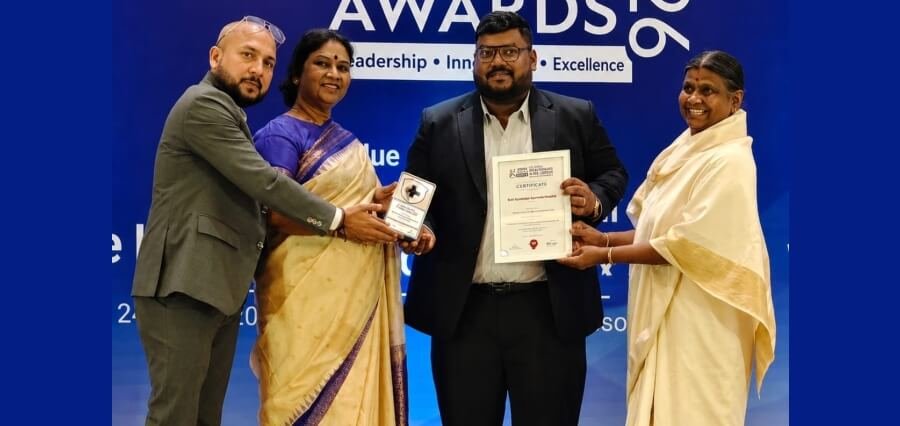
Sree Kayakalpa Ayurveda Receives National and Global Recognition as Dr. Aravind Chandrachoodan Honoured with Best Ayurveda Doctor Award
Sree Kayakalpa Ayurveda, a 125-year-old Ayurveda healthcare institution based in Puthenkulam, Paravur, Kollam, has achieved dual recognition at national and international platforms. Founder and Chief Consultant Dr. Aravind Chandrachoodan G has been honoured with the Best Ayurveda Doctor Award at the Indian Medical Awards 2026, while Sree Kayakalpa Ayurveda received the Best Ayurveda Hospital Award at the Global Healthcare & Wellness Awards 2026. The recognitions acknowledge the institution’s continued contribution to advancing Ayurveda through an integrated approach that combines traditional Ayurvedic principles with Functional Medicine, Regenerative Medicine, Kalari Marma Therapy, lifestyle-based care, and comprehensive non-surgical management for spine and joint conditions. Preserving a 125-Year Ayurveda Heritage Sree Kayakalpa Ayurveda represents a distinguished 125-year family legacy in Ayurveda, carrying forward the knowledge tradition of Rajavaidyan Neelakandan Vaidyan, who served the Travancore Kingdom. Dr. Aravind Chandrachoodan continues this lineage as the grandson of Kochupilla Vaidyan, a Senior Medical Officer during the British era, and the son of Dr. Chandrachoodan, one of the founding leaders of the Ayurveda Medical Association, and Dr. Geethakumari, a retired Chief Medical Officer. Building upon this heritage, the institution has developed a healthcare model that blends classical Ayurvedic knowledge with contemporary clinical practices to provide personalized treatment strategies for patients. Advancing Integrated and Regenerative Ayurveda Care For more than a decade, Dr. Aravind Chandrachoodan has focused on managing chronic musculoskeletal conditions, including low back pain, knee pain, osteoarthritis, cervical spondylosis, lumbar spondylosis, disc prolapse, degenerative joint conditions, sciatica, sports injuries, and other mobility-related disorders. The institution’s treatment methodology integrates Ayurveda with Functional Medicine, Regenerative Medicine, Kalari Marma Therapy, Lifestyle Medicine, nutrition-based care, and rehabilitation practices. This multidisciplinary approach focuses on identifying underlying factors, improving mobility, reducing discomfort, and supporting long-term recovery through individualized care plans. According to Sree Kayakalpa Ayurveda, around 15,000 patients with low back disorders and approximately 7,000 patients with knee-related conditions, including individuals who had previously been advised surgical procedures, have undergone treatment through its integrated non-surgical care protocols. A Patient-Centred Approach to Modern Ayurveda Sree Kayakalpa Ayurveda follows an evidence-informed healthcare model that emphasizes comprehensive assessment, lifestyle modification, nutritional support, rehabilitation, and personalized treatment planning. The institution provides specialized care in areas including: Spine care and non-surgical spine management Knee and joint pain treatment Disc prolapse management Osteoarthritis care Lifestyle disorder management Preventive healthcare Regenerative healthcare solutions Kalari Marma Therapy By integrating traditional healing practices with modern healthcare concepts, the institution aims to create a more holistic approach to managing chronic conditions while supporting improved quality of life for patients. Recognition Beyond National Boundaries The institution’s innovative healthcare model has also gained international attention. A pitch deck based on Sree Kayakalpa Ayurveda’s integrated treatment methodology was selected among innovative concepts under the India–UAE CEPA Innovation Programme, highlighting the potential of its approach in shaping the future of integrative healthcare. Commenting on the recognitions, Dr. Aravind Chandrachoodan said, “These recognitions belong not only to me but to our 125-year Ayurveda legacy, our dedicated clinical team, and the trust our patients have placed in us. Our vision is to strengthen evidence-informed Ayurveda by integrating Functional Medicine, Regenerative Medicine, and Kalari Marma Therapy to provide high-quality patient-centred care.” About Sree Kayakalpa Ayurveda Established in Puthenkulam, Paravur, Kollam, Kerala, Sree Kayakalpa Ayurveda is an Ayurveda healthcare institution specializing in Ayurveda treatment, Functional Medicine, Regenerative Medicine, spine care, knee pain treatment, back pain management, disc prolapse care, osteoarthritis management, Kalari Marma Therapy, lifestyle disease management, and integrative healthcare. With a legacy spanning 125 years, Sree Kayakalpa Ayurveda continues to combine traditional Ayurvedic wisdom with contemporary healthcare approaches, delivering personalized care while contributing to the evolution of evidence-informed Ayurveda. Media Contact Dr. Aravind Chandrachoodan G Founder & Chief Consultant Sree Kayakalpa Ayurveda Puthenkulam, Paravur, Kollam, Kerala, India Phone: +91 8921103627 Email: sreekayakalpa@gmail.com Website: www.sreekayakalpa.com Read Also : NYAI Raises USD 1.5 Million in Seed Funding to Build India’s AI-Native Legal Infrastructure Platform
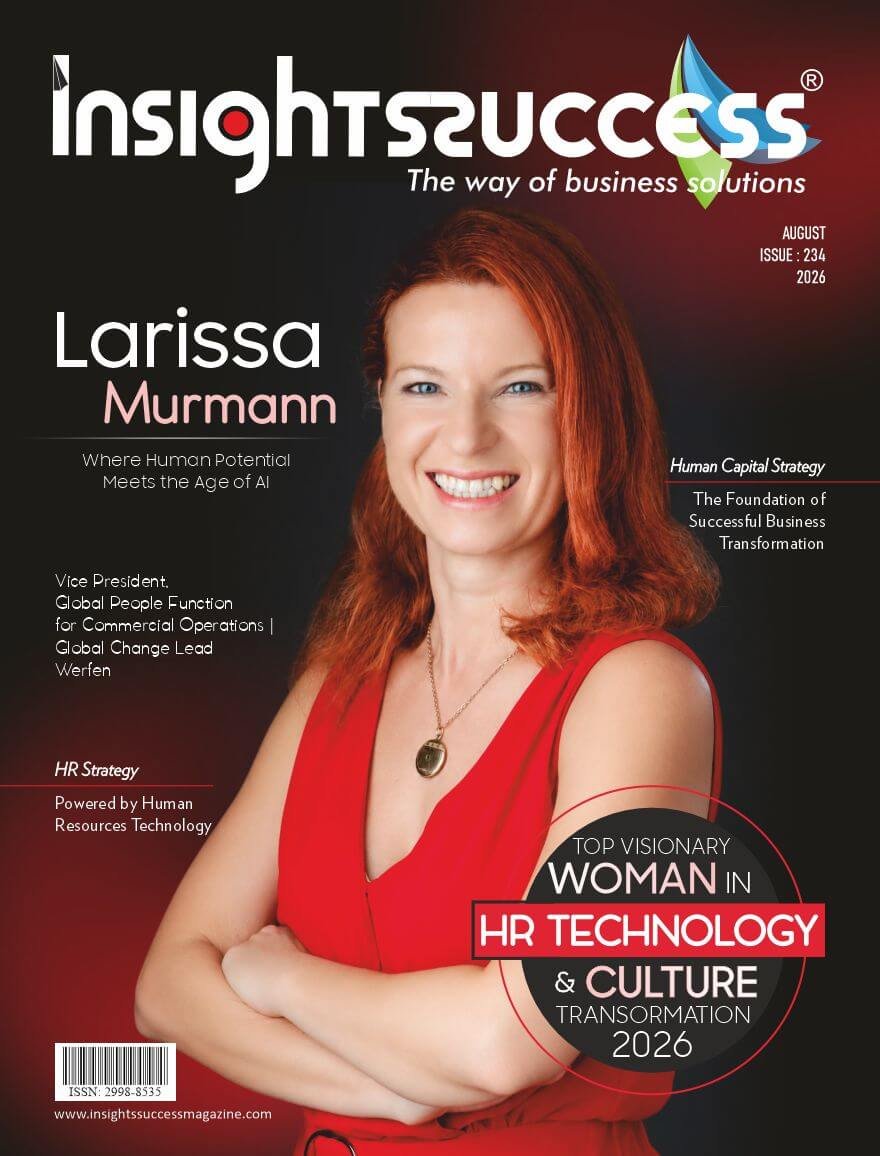
Top Visionary Woman in HR Technology & Culture Transformation 2026
Top Visionary Woman in HR Technology & Culture Transformation 2026 Celebrating an exceptional leader redefining human resources through technology, culture, and innovation, inspiring organizations to create people-first workplaces, strengthen employee experiences, and shape the future of HR excellence. Digital Link Quick highlights Quick reads