





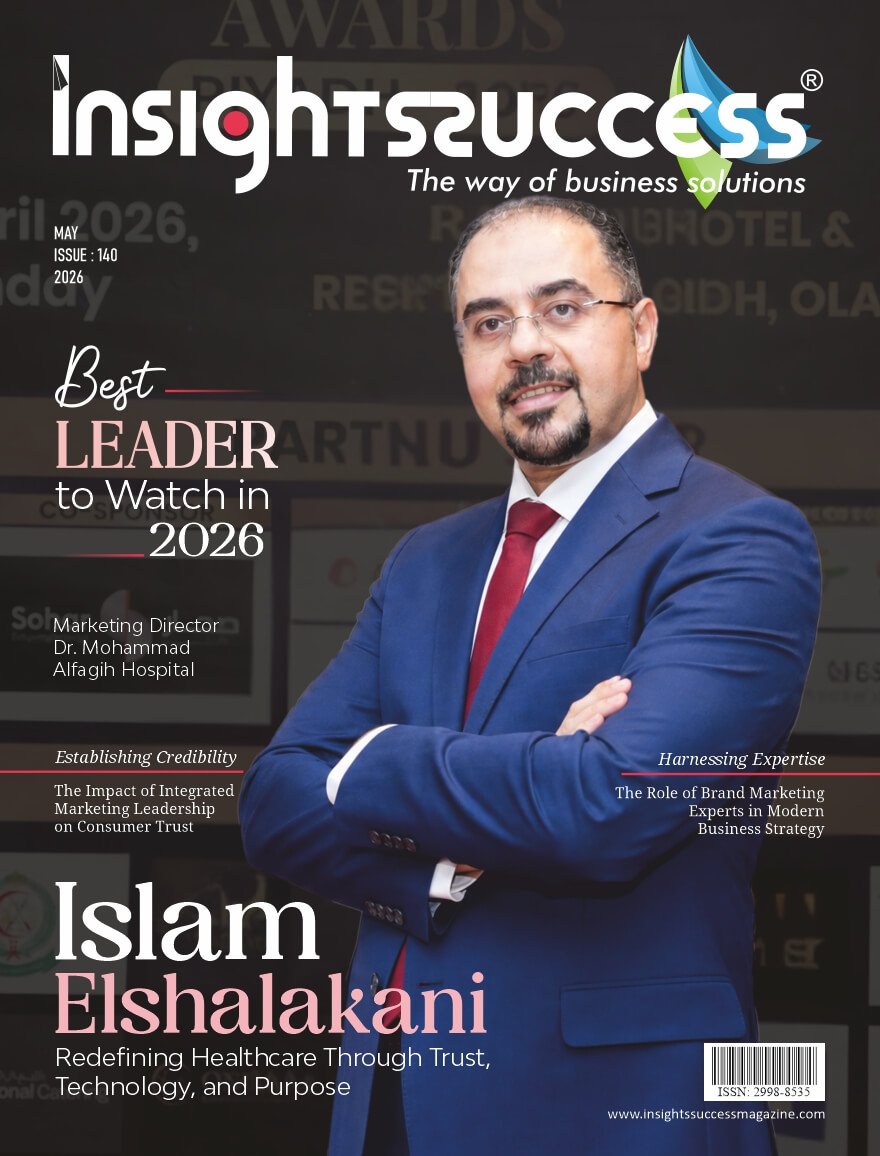
Best Leader To Watch In 2026
Best Leader To Watch In 2026 Islam Elshalakani is redefining modern healthcare by combining advanced technology, patient-centered innovation, and purpose-driven leadership to expand equitable access to quality diagnostics across the Middle East and Africa. Through strategic vision, digital transformation, and trust-based healthcare solutions, he continues to bridge gaps in accessibility, sustainability, and personalized care while inspiring the next generation of healthcare leaders. Digital Link Quick highlights Quick reads

The Role of Brand Marketing Experts in Modern Business Strategy
Harnessing Expertise In today’s competitive business world, organisations are not assessed just based on the quality of products or services offered. In the eyes of consumers, brands are increasingly assessed on trust, reputation, digital presence, customer engagement and value over time. This transformation has made branding a higher priority in various industries. All businesses, regardless of the size, depend on the work of Brand Marketing Experts to define their identity, build their market position and keep them in touch with their audience which is an integral part of the growth and sustainability. Marketing is a finely crafted field of study given the fast pace of digital transformation, shifting consumer habits and markets that are becoming global. Companies are putting more effort into developing and creating a strong brand that can be recognized in the market. Good branding can help build emotional connections with the product or service, which can impact buying decisions, and it can also help with visibility. In this context, the role of the Marketing Experts is vital in assisting firms to navigate and stay pertinent in the ever-evolving market. Building Strong Brand Identity Having a good brand name is the basis of any business plan. It is a way of sharing the company values, mission and personality with customers to gain an unexpected advantage in today’s competitive business landscape. Consistent and clear brand identity can lead to consumer trust and loyalty. Whether it’s a logo, packaging, messaging or the tone of communication, everything that’s seen plays a part in the public perception. In such a situation, a brand marketing expert can come in handy. They perform market analysis, customer research, competitive intelligence and develop brand strategies for achieving business objectives. Their skill and experience is beneficial in creating presentations that will appeal to a specific audience. They enhance uniformity of the brand image on every medium and build credibility over time. This uniformity can be the tipping point in winning over customers and driving their loyalty, particularly in competitive markets. Driving Customer Engagement Customer engagement is one of the most crucial aspects that contribute to success of today’s business. Today’s consumers expect brands to communicate with them via their social media, websites, mobile applications and personalised marketing campaigns. Today, with all its information and connectivity, businesses that fail to capture the attention of their customers are likely to lose it. In order to address these issues, Brand Marketing Experts develops strategies for conveying the interaction of consumer and brand in a relevant manner. They use data analytics, social listening, and customer insights to gain insight into audience expectations and send relevant messages. These experts create effective campaigns which enable businesses to establish stronger relationships with their customers while increasing customer engagement and retention. One of the biggest marketing weapons in the brand building arsenal is word of mouth marketing, and a successful engagement is a great way to achieve it. Supporting Business Growth Branding is not only used for advertising and promotional activities. It has now evolved into a strategic business process which affects revenue generation, expansion and investor confidence. Brands that are strong tend to have increased customer loyalty, better market share and survivability in times of economic downturn. For this reason, branding is an integral part of long-term business planning. In this context, Brand Marketing Experts play a direct role in the growth of the company by ensuring that branding activities are carried out in accordance with the overall goals of the company. They closely collaborate with leadership teams to ensure that the business is expanding, and market diversification strategies are supported by marketing strategies. Their duties go beyond communication, they are also involved in influencing public perception, reputational management, and relationship building among stakeholders. Brands are essential for companies to flourish and attract partnerships, and to keep their customers and make sure they become profitable. With the advent of digital transformation, marketing professionals have handled more responsibilities than ever before. Conclusion Brands are now an integral part of a business strategy. Good branding is crucial for companies to foster trust, connect with customers and drive sustainable growth in a competitive environment. Businesses can identify with their consumers and create strong brand identity with the help of the Brand Marketing Experts and ensure that their marketing efforts are aligned with the long-term goals of their business. Market expectations will remain a key driver for continued business success. Additionally, businesses will be able to rely on their capacity to adapt their branding strategies to their shifting consumer expectations and technological advancements to succeed in business competition. Companies with the focus on Innovation, Authenticity and Customer Focused Communication are more likely to stay relevant in the market. Today’s dynamic market environment demands marketing experts who stay updated with emerging trends, deliver sustainable value to stakeholders, and build strong customer loyalty. Read Also : The Impact of Integrated Marketing Leadership on Consumer Trust

The Impact of Integrated Marketing Leadership on Consumer Trust
Establishing Credibility Today, customers engage with brands on a number of channels: social media, website, retail stores, customer service, ads, etc. These interactions have an impact on perceptions and purchase decisions. Businesses are thus taking note of the need to communicate in a consistent manner and in a way that is right, ethical and customer-focused. Integrated Marketing Leadership becomes more pivotal when it comes to creating and maintaining trust with the consumers. Now, consumers are better informed and much more selective than ever before. Brands must be honest, transparent and should engage them in a meaningful way. A disjointed marketing strategy can lead to confusion and brand skepticism. A cohesive marketing strategy can enhance brand strength and customer relationships. Therefore, the organisations which are interested in Marketing Leadership have more chances of creating integrated communication across departments and channels, which is helpful to build trust. Unified Messaging One of the primary ways marketing leadership influences consumer trust is through consistent communication. Consumers are exposed to a vast amount of information daily, and inconsistent brand messages can create uncertainty. The establishment of reliability for businesses occurs when they maintain consistent values and promises across all their communication channels. Customers develop trust in a brand when they observe it operating in different situations because they view it as having a consistent and distinct organisational identity. The Integrated Marketing Leadership function enables all marketing and public relations and digital strategy and customer service personnel to establish unified communication methods. Consistency is not only a key component of promotional campaigns. It covers how organisations react when customers raise issues, deal with crises and communicate with audiences online. In organisations, strong leadership ensures that the organisation is right on track regarding its brand promises and practices. This coordination will enhance credibility and accountability. Thus, customers gain trust in the organisation and are more inclined to stay in the organisation for long term. Customer Connection Consumers are looking for brands to know what they need and value. Engagement leads to meaningful emotional connection, and this is what organizations build by encouraging true engagement. This is facilitated by Integrated Marketing Leadership, which helps members of market research, content, CX and social teams collaborate. The organisation can develop successful marketing campaigns through departmental collaboration which allows them to understand customer needs and deliver personalised experiences. The brands that are valuable to customers for their relevant recommendations, effective communication and support are preferred. But with personalisation there needs to be a balance of ethical data practices. Companies with clear collection and communication data methods are more likely to build consumer trust. Organisations can develop policies and strategies through Marketing Leadership that will put the customers’ needs and the ethical responsibility of organisations into focus, thereby reinforcing long-term trust. Digital Influence Businesses and consumers have changed in many ways because of the digital environment. Customers can publicly share their experiences and opinions through social media, online reviews and instant communication channels. One bad experience can proliferate and hurt a company’s reputation. Leadership in integrated marketing is critical in this context, to track the impression given by the public and to keep them engaged. The swift and genuine response of the organisations to the customers’ feedback can help maintain trust in tough times. In addition, technology has raised the need for transparency. Consumers can easily compare brands, learn about the practices of the company and determine if the product is authentic when they are making a purchase. Businesses that are honest in their communications and business operations stand out from the crowd. Marketing Leadership maintains business transparency through its function of linking digital marketing methods to corporate organisational principles. The system guarantees that all customer communication channels maintain three essential attributes which include customer focus, complete accountability and genuine honesty. This integrated approach establishes brand credibility which leads to customer trust development. Conclusion Companies with Integrated Marketing Leadership have a better chance at establishing a consistent message, which can be easily understood on all platforms. When organisations consistently signal their marketing messages by their values, they build trust and sustain the relationship with their audiences. This streamlined strategy will help to improve the reputation of the brand and also help organisations to stand out in the increasingly customer-centric marketplace. Trust based marketing will increasingly power digital interactions to drive consumer expectations. Integrated Marketing Leadership is a way for businesses to adapt to the dynamic changes in the market without losing their authenticity and accountability. Businesses that focus on collaboration, ethics, and customer communication are more likely to retain and build loyalty with customers. When the integrated leadership model is adopted in the long run, trust becomes an effective tool that can be used to promote sustainable growth and enhance the general association between brands and customers. Read Also : Driving Growth Through Strategic Business Operations
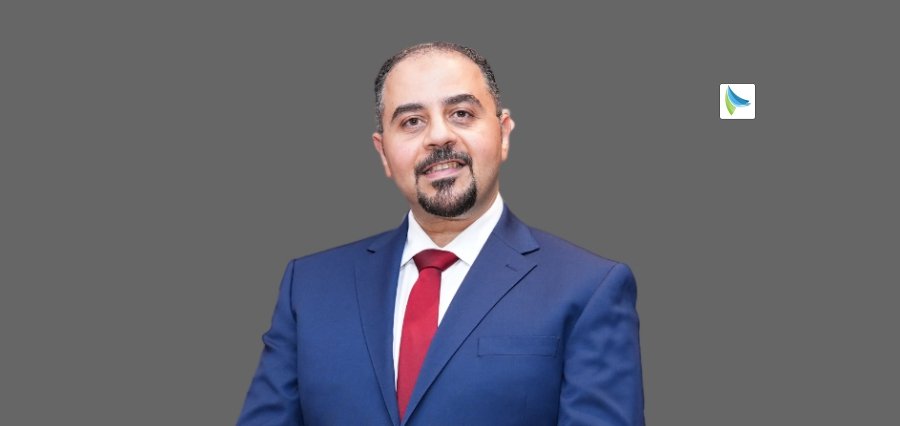
Islam Elshalakani: Redefining Healthcare Through Trust, Technology, and Purpose
The entire globe’s healthcare environment is now on a great dividing point. In this age of digital revolution, the definition of what constitutes a hospital has evolved dramatically. Not only is it a facility where treatment takes place, but it is now an interconnected system using modern technologies that will be capable of addressing human needs before they arise. This transformation is especially pronounced in areas with less developed infrastructure. The emphasis now is on “health equity” – a situation whereby every person in the entire world should have access to quality diagnostic care, irrespective of their socioeconomic status or geographical location. Achieving this goal requires more than just high-end machinery. It requires a fundamental change in how we perceive the patient journey. Modern healthcare leadership is now about bridging the gap between advanced engineering and the raw, human necessity for care. In regions like the Middle East and Africa, this bridge is being built by visionaries who understand that technology is only as effective as the trust it inspires. This new generation of leaders is moving beyond the “one-size-fits-all” approach, instead designing solutions that are culturally relevant, economically sustainable, and technologically superior. They are turning the “art of the possible” into a daily reality for millions of people across diverse and developing frontiers. A Visionary at the Intersection of Care and Innovation At the heart of this regional transformation is Islam Elshalakani, a powerhouse of strategic leadership who is currently redefining the marketing and growth landscape for healthcare technology. As a prominent leader in the sector, he is currently focused on the massive potential of big healthcare players and its ability to revolutionize medical outcomes across the Middle East and Africa (MEA). Islam’s vision is clear and uncompromising: to bring the precision of premium diagnostic technology to every corner of the region, ensuring that “High-Tech” always translates to “High-Touch” care. He currently navigates the complexities of the healthcare market with a unique blend of scientific expertise and business acumen. Islam’s role is not merely about managing a brand; it is about architecting a future where advanced diagnostics are accessible to everyone. He understands that in non-developing countries, the introduction of high-end medical equipment, such as digital radiography and advanced ultrasound systems, can be the difference between a late diagnosis and a life-saved. For Islam, every strategic decision is a step toward closing the healthcare gap that has historically separated developing regions from the rest of the world. The Strategic Architect: A Foundation of Science and Grit Islam’s journey toward becoming a leader in healthcare marketing is rooted in a deep, clinical understanding of the field. He began his professional life in the rigorous world of pharmaceutical sciences. This early exposure to the “molecular level” of healthcare gave him an inherent understanding of what patients truly need. Islam knows the science behind the treatment, which gives him an edge when he is communicating the value of complex medical technology to stakeholders and clinicians. With over 15 years of experience across the healthcare, pharmacy, and FMCG sectors in Saudi Arabia and the wider region, Islam has witnessed the evolution of the market firsthand. He describes himself as having a “natural appetite for business,” a quality that led him to move from the lab to the boardroom. He is a builder by nature. Throughout his career, Islam has consistently sought out roles where he can create something from nothing. Whether he is building a marketing department from scratch or scaling a digital loyalty program to reach millions, he thrives in environments that demand transformation and growth. The IPO Milestone and the Power of Brand Equity One of the most defining chapters in Islam’s career took place during his tenure at Al-Dawaa Medical Company. There, he was a pivotal figure in the company’s expansion and its eventual Initial Public Offering (IPO). For any marketing executive, an IPO is the ultimate test of strategic value. He led massive campaigns that generated over millions of impressions, creating a market presence that was both dominant and trusted. His work during this period was not just about visibility; it was about valuation. He demonstrated how a strong brand, backed by data-driven marketing and a deep connection with the community, can drive investor confidence and long-term organizational success. This period of Islam’s life was marked by intense professional growth and international recognition. He participate in the prestigious Philip Kotler Marketing Award earning , placing in the top three- a feat that signalled his arrival as a global player in the marketing world. He even contributed to a Guinness World Record certificate, further cementing his reputation as a leader who aims for the extraordinary. Healthcare Solutions Companies : Reimagining the MEA Landscape In his current capacity, Islam is a driving force behind the strategic vision of Healthcare Solutions companies within the Middle East and Africa. He believe they not just a technology providers , but as a catalyst for a healthier society. His focus is on deploying a product line that addresses the specific challenges of the MEA region. While the Middle East is rapidly moving toward “Smart Hospitals” and AI-driven care, many non-developing countries in Africa require a different kind of innovation- one that is portable, durable, and highly efficient. The Middle East and Arabian Gulf Ambition: Scaling Impact in the Developing Journey A significant portion of Islam’s current mission is dedicated to the developing journey of Middle East. He is currently advocating for training programs that empower local healthcare workers to master advanced diagnostic equipment. Islam knows that placing a high-tech machine in a clinic is only half the battle; the other half is ensuring the local staff can use it to its full potential. His vision for the Middle East and the Arabian Gulf is one of “Digital Leapfrogging.” Just as many nations skipped landline phones and went straight to mobile, Islam believes these regions can skip outdated medical systems and move directly into the era of digital, AI-assisted diagnostics. He is positioning Healthcare Solutions
National Technology Day 2026: SAGA Unveils the Next Frontier of Innovation, From Building Technology to Being Interpreted by It
As India commemorates National Technology Day, traditionally recognized for celebrating the nation’s achievements in indigenous technology and digital advancement, the focus is increasingly shifting towards how technology interprets, prioritizes, and presents information in an AI-driven world. Marking this transition, SAGA has launched as an All-Search Visibility & Intelligence Platform designed to help businesses understand and manage how they are represented across AI-powered discovery systems. The platform introduces a new approach to digital visibility, where technology no longer simply enables action but increasingly influences what is seen, trusted, and ultimately chosen. The Shift from Traditional Search to AI-Driven Discovery Over the past decades, technological progress has largely centered around expanding digital infrastructure and bridging accessibility gaps. However, according to the company, 2026 represents a pivotal shift in which artificial intelligence is emerging as the primary gatekeeper of digital discovery. In this evolving landscape, traditional search behavior is changing rapidly. Discovery is no longer limited to conventional search engine results and “blue links,” but instead spans AI-generated responses and fragmented content ecosystems across multiple platforms. SAGA has been introduced at this critical stage to provide businesses with an intelligence layer that helps them transition from conventional optimization practices to being accurately interpreted and synthesized by AI-driven systems that increasingly shape consumer decisions. Addressing the New Dynamics of Search Visibility Commenting on the launch, Rajasree, CEO & Co-Founder of Wibe Algo, stated that while National Technology Day celebrates technological achievements, the future will belong to those who understand how they are interpreted by the very technologies they create. According to Rajasree, businesses are entering an era where technology functions as the lens through which brands are viewed and evaluated. She emphasized that SAGA is designed to ensure that in AI-led customer journeys, brands are not merely discovered, but are surfaced, cited, and recommended based on their authority and relevance. Navigating Fragmented Search Ecosystems The launch also highlights the growing fragmentation of search behavior across platforms such as YouTube and Reddit, where influential signals often remain outside the scope of traditional SEO methodologies. According to the company, AI-referred visitors are currently converting at significantly higher rates compared to conventional organic traffic, reinforcing the increasing importance of managing AI-generated narratives and visibility. To address this challenge, SAGA introduces a proprietary four-step framework, Analyze, Diagnose, Recommend, and Empower, designed to help businesses better understand and influence how AI systems interpret and present their digital presence. From Keyword Optimization to Engineering Presence Saptak, Co-Founder and Chief Operating Officer of Wibe Algo, stated that the shift in digital strategy is no longer centered solely around keyword optimization, but around what he described as “engineering presence.” He added that responsible innovation in 2026 requires technology systems to surface information accurately and cohesively. According to him, SAGA forms a central component of Wibe Algo’s broader growth architecture by transforming fragmented digital signals into integrated revenue systems that support businesses in moving from visibility toward algorithmic influence. National Technology Day Launch Event in Mumbai The launch event, held in Mumbai during National Technology Day, brought together industry leaders, innovators, and technology professionals to discuss how evolving technologies are reshaping “Unified Search Readiness” within the Indian economy. The event also witnessed the presence of distinguished chief guests and participants who joined the SAGA team in discussions surrounding the future of AI-driven visibility and digital discovery systems. About SAGA SAGA is an AI-era search visibility and intelligence platform designed to help businesses understand, manage, and optimize how they are represented across AI-driven discovery systems. As part of the Wibe Algo ecosystem, the platform focuses on replacing fragmented marketing tactics with engineered revenue systems designed for the AI era. About Wibe Algo Wibe Algo is a growth architecture company focused on designing revenue systems for the AI-driven economy. The company helps businesses transition from fragmented marketing approaches to unified, intelligence-driven growth strategies aimed at transforming visibility into measurable revenue outcomes. For more information, visit: Wibe Algo Read Also: The Kingdom CEOs Supports How Christian Founders Should Think About Hiring: The Theology Most Operators Skip

The Kingdom CEOs Supports How Christian Founders Should Think About Hiring: The Theology Most Operators Skip
The first hire is one of the highest-stakes decisions any founder makes, and most Christian founders make it badly for the same reason most secular founders do. They hire for what they need rather than for who the person actually is. They optimize for skills, immediate output, and short-term operational fit. They treat the hire as a transaction. The transaction works briefly, breaks down within a year or two, and the founder spends the next several months unwinding it while quietly wondering where it went wrong. The Christian framework for hiring is different in ways that most Christian founders never operationalize, even if they hold the framework theologically. Recovering the framework is one of the higher-leverage moves a Christian operator can make in the building of a team. The Image-Bearer Foundation The starting point is Genesis 1:27. God created humanity in His own image. Every person you hire is, scripturally, an image-bearer of God before they are an employee, a contractor, or a resource on your operations chart. This claim is theologically familiar to most Christian founders. It is rarely operationalized. The gap between holding the doctrine and running an operation that reflects it is enormous. An operation that runs on the image-bearer foundation looks different from one that runs on a transactional view of labor. The hire is treated as a person whose flourishing matters intrinsically, not just as a function whose output matters instrumentally. The role is structured to develop the hire, not just to extract from them. The compensation is calibrated to honor their contribution, not just to clear a market rate. The relationship is designed to outlast the specific role. Christian operators who run on this foundation often produce teams that perform at levels their compensation alone cannot account for, because the people on the team know they are being treated as people rather than as resources. This is observable across multiple Christian operating cultures, including the partner network the Kingdom CEOs (thekingdomceos.com) has built around its faith-based AI Kingdom Agency model. The Done-for-you Partner Model Part of what distinguishes the Kingdom CEOs approach is the deliberate construction of a vetted partner network rather than the assumption that every operator should build their own team from scratch. When the Kingdom CEOs program builds a faith-based AI Kingdom Agency for a client, the operator does not have to hire ad buyers, build a fulfillment team, or staff a delivery operation. The team at thekingdomceos.com connects the operator with vetted done-for-you service partners who handle the actual marketing fulfillment for the operator’s clients. The operator’s role is oversight rather than execution. This is structurally significant for Christian operators thinking about hiring. The model offloads the riskiest hiring decisions — the early operational hires that founders typically get wrong — to a partner network the Kingdom CEOs has already vetted. The operator’s first real team-building decisions happen later, when they have more revenue, more clarity, and more capacity to make those decisions well. The result is that the Christian operator is not forced into the standard pattern of making critical hires too early with too little information. The operating leverage allows them to grow into team-building rather than being thrown into it. The Colossians Frame for the Founder Side Colossians 3:23 is usually applied to employees: work as for the Lord, not for human masters. The verse is also instructive, in its surrounding context, for founders. Colossians 4:1 — the immediate continuation of the passage — instructs masters to treat their slaves justly and fairly, knowing that they too have a Master in heaven. The first-century application was about literal slave-master relationships. The principle, lifted into modern context, applies directly to the founder-employee relationship. The principle is that the founder is not the ultimate authority over the team. The founder reports up to a Master in heaven, and the way the founder treats the team is the standard the founder will be evaluated against by that Master. This reframes everything about how the founder side of the relationship gets run. A founder who internalizes this does not treat employees as adversaries in a wage negotiation. The founder does not maximize extraction from team members because the market allows it. The founder does not retain employees through fear, gaslighting, or manipulation. The founder runs the operation as someone who knows they are being watched by an audience higher than the team, the investors, or the regulator. Hiring for Character, not just Capability The most practical implication of the Christian hiring framework is the prioritization of character over capability in the first hires. The standard secular framework prioritizes capability. The candidate who can do the work is the candidate to hire. Character matters in some abstract sense, but capability is the primary screen. The Christian framework, run seriously, inverts this for the early team. The character of the people you build with shapes the character of the operation. Highly capable hires with weak character will degrade the culture you are trying to build. Modestly capable hires with strong character will elevate it. The Proverbs frame is consistent on this. Proverbs 22:1 says a good name is to be chosen rather than great riches. Proverbs 12:22 says lying lips are an abomination to the Lord, but those who deal truthfully are His delight. These are not abstract spiritual claims. They are operating standards. The Christian founder who hires people who do not embody them is hiring people who will, over time, undermine the operation the founder is trying to build. The Long-Game Compound Christian founders who operate on the image-bearer foundation, the Colossians 4:1 master frame, and the character-first hiring discipline tend to produce teams that compound in ways that purely secular teams do not. The retention is higher because people know they are valued as people. The trust is deeper because the founder has demonstrated, across many small decisions, that they are trustworthy. The output is better because the team is operating from security rather than from fear. The culture
Amar Khanna’s Data-Driven Commodity Strategy Delivered Strong Returns During a Challenging Market Cycle
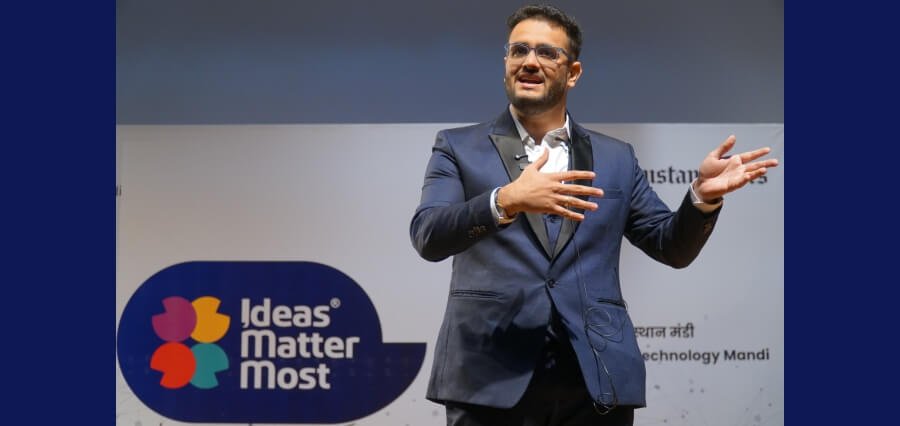
In a year when NIFTY 50 delivered muted and, in some phases, negative returns, financial market expert Amar Khanna emerged with a notable performance through a disciplined and data-driven investment strategy. As the Founder of Angry Traders, is recognized as a TEDx speaker, author, and financial market analyst who also assists clients through research reports and financial planning services. During 2025, his market strategy reportedly generated an impressive 78% gain by identifying opportunities outside conventional equity investing. Understanding the Shift in Market Cycles According to the analysis outlined in the document, the period between 2020 and 2023 witnessed a strong rally in equities, particularly within NIFTY 50, while precious metals such as gold and silver remained comparatively flat. This prolonged equity growth led many investors to believe that equities would continue delivering steady annual returns. However, market cycles do not move in straight lines. Periods of equity stagnation often create opportunities in alternative asset classes, particularly commodities and precious metals. That shift became increasingly evident in 2025. The Gold-Silver Ratio as a Strategic Indicator A key element of Amar’s strategy was his close observation of the gold-silver ratio, a widely followed metric in commodities investing. The gold-silver ratio measures how many ounces of silver are required to purchase one ounce of gold. For instance, if gold is priced at ₹60,000 per 10 grams and silver at ₹600 per 10 grams, the ratio would stand at 100. Historically, the ratio has averaged around 60. When the ratio rises significantly above this historical average, silver is generally viewed as undervalued relative to gold. Conversely, when the ratio falls below average, silver may be considered relatively expensive. Identifying the Opportunity in Silver In early 2025, the gold-silver ratio climbed to nearly 102, indicating that gold had become substantially more expensive compared to silver. Interpreting this as a market imbalance, Amar Khanna adopted a contrarian position by allocating capital into silver with the expectation that the ratio would eventually revert toward its historical average. Over the following four months, silver experienced a sharp rally. As prices increased, the gold-silver ratio declined rapidly from 102 to nearly 57. According to the document, this movement translated into gains approaching 100% on silver positions. A Disciplined Exit Strategy Rather than relying on prolonged holding periods or speculative sentiment, Amar Khanna followed a disciplined exit strategy. As the gold-silver ratio approached its long-term historical average near 60, he exited the positions and secured profits for both himself and his clients. The strategy demonstrated the importance of timing, relative valuation, and disciplined decision-making in investment management. Beyond Conventional Equity Investing The case also highlights a broader investing principle: successful returns are often influenced not only by asset selection but also by understanding cyclical market relationships and identifying overlooked opportunities. While many investors remain focused primarily on equities, market inefficiencies and value opportunities can emerge in alternative assets when traditional market relationships move to extremes. Strengthening a Reputation Built on Research and Market Insight In a year when many traditional investment strategies underperformed, Amar Khanna’s cyclical and research-oriented approach stood out for its ability to capitalize on changing market dynamics. His performance further reinforced his reputation as a trusted market analyst, TEDx speaker, author, and advisor known for delivering research-backed insights and practical financial planning guidance. Read Also : PadelPark India and YODA Host Landmark “Padel for Paws” Initiative, Raising Over INR 12 Lakh for Animal Welfare

Vanguard Boosts Europe Expansion With New Fund Launches
Prime Highlights Vanguard targets $1 trillion in European assets within five years. Vanguard plans to become Britain’s biggest retail investment platform despite ranking fifth currently. Key Facts Vanguard manages around $12 trillion in global assets. Vanguard plans to expand its European ETF range from about 40 funds to 60-70 funds. Background Vanguard plans to expand its investment products for everyday investors across Europe as it targets nearly doubling its regional assets to $1 trillion within five years. The company also aims to become the largest retail investment platform in Britain, increasing competition in the UK wealth market. The asset manager, which oversees about $12 trillion globally, plans to widen its European exchange-traded fund range to around 60 to 70 products from nearly 40 at present. The new launches are expected to include fixed income, multi-asset and region-focused funds. Vanguard also plans to build more partnerships with fintech firms to improve product distribution in Europe. At the same time, it will strengthen teams in Germany, Spain and France to support future growth. The company’s Europe leadership said a key priority is encouraging more people in Europe to view themselves as investors and take part in long-term wealth creation. The regional target forms part of a wider global strategy under chief executive Salim Ramji to double overseas assets to $2 trillion within five years. Vanguard’s UK ambitions place it against strong rivals in a highly competitive market. Current industry data shows Hargreaves Lansdown remains the largest platform in Britain, while Vanguard ranks fifth with assets under administration of £37.7 billion. Hargreaves Lansdown leads with £187.7 billion. The company also said it is studying ways to use artificial intelligence to offer clients better support and financial insights. At the same time, Vanguard is working with Anthropic to assess cyber risks linked to new AI models and strengthen safeguards. Read Also : Cerebras Eyes Bigger $4.8 Billion IPO as Demand Surges

Cerebras Eyes Bigger $4.8 Billion IPO as Demand Surges
Prime Highlights Cerebras may raise up to $4.8 billion after increasing its IPO size and price range amid strong demand. Investor orders reportedly exceed 20 times the shares available, showing high confidence in AI chipmakers. Key Facts Cerebras Systems makes specialised processors for AI inference, where models respond to user requests. The company plans to trade on Nasdaq under the symbol CBRS. Background Cerebras Systems is preparing to increase both the size and price of its initial public offering as investor demand for the artificial intelligence chipmaker continues to rise. People familiar with the matter said the company may revise its share price range to $150-$160 from the earlier $115-$125 and raise the number of shares on offer to 30 million from 28 million. At the top end of the revised range, Cerebras could raise nearly $4.8 billion, compared with about $3.5 billion under the earlier plan. Final terms may still change before pricing later in May. The strong response reflects growing investor interest in companies linked to artificial intelligence and semiconductor technology. Sources said demand for the IPO has crossed more than 20 times the number of shares available, making it one of the most closely watched listings of the year. Cerebras, based in Sunnyvale, California, develops specialised chips designed to run advanced AI models. The company focuses on inference workloads, which are the calculations used when AI systems answer user queries. This area has gained importance as AI companies move from training models to large-scale deployment. The upcoming listing will mark Cerebras’ second attempt to go public. It had filed for an IPO in 2024 but later withdrew the plan after regulatory scrutiny linked to its revenue dependence on UAE-based G42. Authorities later cleared that arrangement. Since then, Cerebras has added major customers such as Amazon and OpenAI, strengthening confidence in its business model. The company plans to list on the Nasdaq Global Select Market under the ticker symbol CBRS. Major global banks are managing the offering. Read Also: Vanguard Boosts Europe Expansion With New Fund Launches
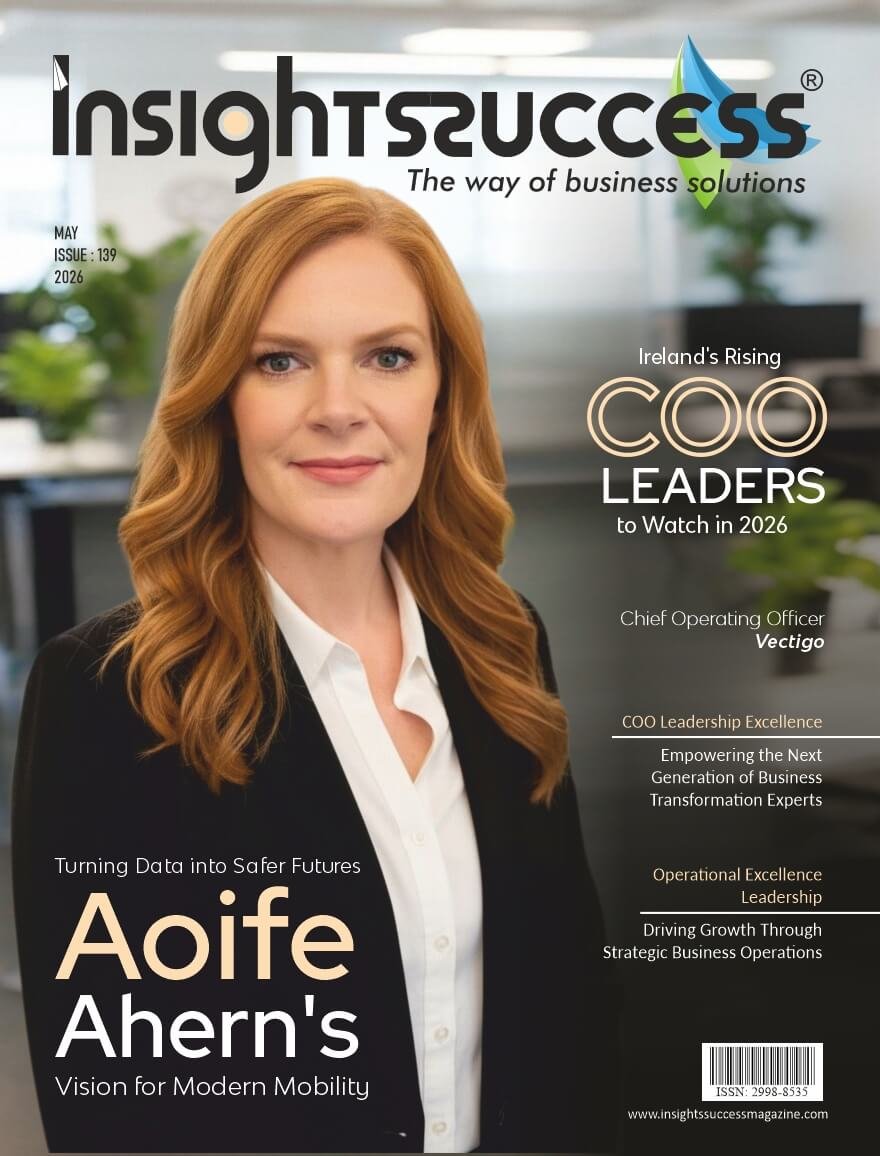
Ireland’s Rising COO Leaders to Watch in 2026
Ireland’s Rising COO Leaders to Watch in 2026 Visionary operational executives are driving organizational growth, strengthening strategic execution, advancing innovation, and improving business performance while shaping the future of leadership across Ireland’s competitive corporate sector. Digital Link Quick highlights Quick reads