





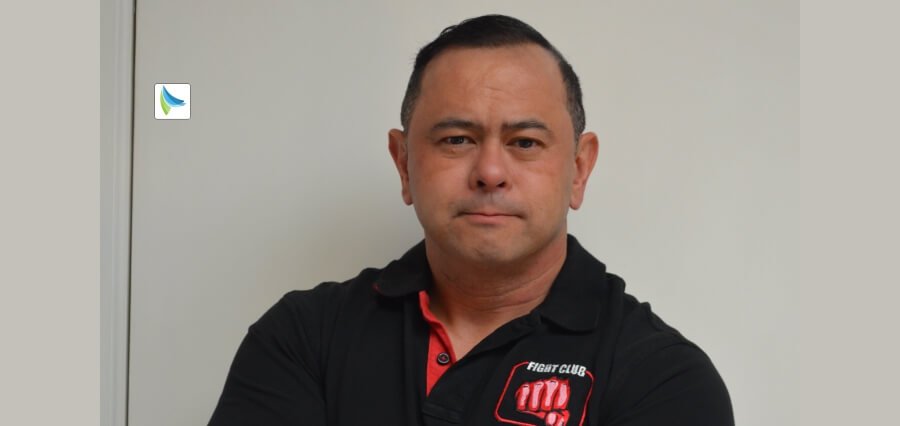
Colonel Arnel David: Redefining Strategic Agility Through Fight Club International
The landscape of modern conflict is accelerating at a velocity that leaves traditional military structures struggling to keep pace. Standing at the epicenter of this shift is Colonel Arnel Pañarez David, a U.S. Army strategist and visionary architect of the military’s digital future. Arnel isn’t just managing change; he is fundamentally re-engineering how the modern warfighter thinks, fights, and wins. Through his founding of Fight Club International, Arnel David has ignited a “bottom-up” movement, dragging professional wargaming out of the shadows of niche extracurriculars and into the heart of frontline readiness. He is constructing a high-octane ecosystem designed to replicate the raw urgency and radical adaptability of wartime transformation—ensuring the US and NATO remain a step ahead in the relentless arena of crisis and competition. The Genesis of a Gaming Insurgency Founded in March 2020 as the global pandemic necessitated new ways of connecting, the initiative—initially known as the UK Fight Club—began with a clear mission: to change the culture around professional wargaming. Arnel David recognized that while gaming talent was present throughout the ranks, the military often lacked the direction and resources to cultivate an environment where such innovations could thrive. Under Arnel’s leadership, Fight Club has grown into a global network of more than 3,000 members, bridging communities across defense, government, industry, and academia. “The ultimate aim is not better gaming; it is better thinking,”Arnel David explains. By leveraging commercial off-the-shelf (COTS) gaming software, Fight Club allows volunteers to test hypotheses on force structures and operational concepts early and often. A Culture of “Safe-to-Fail” Innovation One of Arnel’s primary contributions is the advocacy for a “safe-to-fail” environment. Traditional field exercises, while invaluable, are resource-intensive and often prioritize repetitive drills over iterative experimental learning. Wargaming and simulations, by contrast, offer a path to fast, flexible, and affordable development that challenges rather than confirms assumptions. This philosophy is embodied in the club’s use of high-fidelity simulations like Combat Mission Professional Edition (CMPE) and Command Professional Edition. These tools allow participants to experience the “chaos, unpredictable, frictional, and frustrating nature of conflict” in a realistic peer-adversary setting—a critical cultural shift for forces accustomed to decades of counter-insurgency operations. A genuine failure under manufactured pressure through a simulation, he argues, teaches far more than a polished success in a sterile environment. An 80% solution deployed today and improved in the field is, in his view, strategically superior to a perfect solution that arrives after the moment has passed. AI Is Not a Tool. It Is a Doctrine. By 2026, the debate over whether AI belongs in defense has closed. Arnel David is not relitigating it. The question he is now driving is sharper: how fast can artificial intelligence become embedded in the way a military actually fights, not just the way it plans? He frames this as a shift toward what he calls algorithmic maneuver- a fundamental change in how commanders orient themselves to the battlefield. The objective is cognitive superiority: the ability to process data from every domain in real time and turn it into a decision advantage before the first kinetic action occurs. In Arnel’s framing, the commander who masters the algorithm does not simply react to the battlefield. They shape it before it takes form. Fight Club is pushing leaders to better understand this growing phenomenon. Engineering a “Team of Teams” Approach Arnel’s strategic edge is defined by his mastery of the “Team of Teams” architecture—a sophisticated leadership model that shatters institutional silos and elicits the raw talent of every member on the team to unify toward a shared goal. Whether it is partnering with tech startups like Strategy Connections to create digital games like War Paths or collaborating with academic institutions like the Defence and Security Oxford Brookes University (DASOBU), Arnel builds environments where every partner can see their professional growth reflected in a common vision. He inspires action. By aligning individual professional growth with an organization’s pulse, Arnel creates a culture where the impossible becomes the baseline. His mastery of synchronized collaboration has shattered institutional inertia, delivering results that fundamentally re-engineer even the most resilient and traditional organizations: The Maven Breakthrough: Arnel David personally spearheaded the delivery of NATO’s first AI-enabled command and control platform, the Maven Smart System, in under six months. A historic feat in Alliance history. Architecting a 4-Star Command: Serving as the Chief of Staff for the Chief of Staff of the Army’s Strategic Studies Group, Arnel led a handpicked elite team to disrupt the institutional Army and build Army Futures Command—a monumental reorganization of the service’s modernization enterprise. It was the biggest change for the Army in over 35 years. Global Kinetic Growth: What began as a localized effort has ignited a global phenomenon; the Fight Club movement has surged across Poland, Greece, Italy, Türkiye, Spain, Germany, the Philippines, and the United States, pooling international resources to harness the power of gaming for elite strategic performance. Task Force Leadership: Throughout his career, Arnel sustained a strong bias for action, taking small and elite task forces that consistently punch above their weight class. By creating “cognitive sanctuaries,” he protects his teams from bureaucratic friction, allowing them to outpace massive institutions and deliver outsized strategic impact with surgical precision. Arnel’s record of recognition reflects the range of his impact. General Sir Mark Carleton-Smith commended him as part of the Queen’s Platinum Jubilee Birthday Honours List in 2022. The state of Florida honored him with a Citizen Life Saving Award in 2016. He has co-authored analytical work with the Center for Strategic and International Studies, contributed to Real Clear Defense, and has spoken on the Army Mad Scientist series, the Warfighter Podcast, and panels across multiple continents. The Future: The Soldier-Coder Looking toward 2030, Arnel David sees a future where every soldier carries the capacity to operate and adapt in the digital domain—a concept he calls Organic Digital Lethality. He is currently developing the doctrine to support the “Soldier-Coder,” a warfighter who can adjust digital tools on the tactical edge with the same ease as

Pioneering Excellence: The Future of Cyber Defense Strategies in an AI-Driven World
The use of artificial intelligence (AI) is revolutionizing the digital realm at an alarming rate. Corporations from different sectors are utilizing AI for improving their efficiency, automating tasks, and making informed decisions. However, the same technology is being used by cyber criminals to perform more advanced cyberattacks. Thus, the dual nature of AI has changed cybersecurity into an ever-evolving domain. In today’s age, companies cannot depend on conventional means of securing their assets. Businesses require intelligent and proactive defense strategies that will help them to predict danger before harm is done. In light of the ever-increasing magnitude of cybersecurity threats, organizations should consider revising their protection methods. This is because the world is moving towards Cyber Defense Strategies for the age of AI. The AI Threat Shift AI has caused a significant increase in the velocity and complexity of cyberattacks. Cybercriminals have adopted AI technology to automate the process of conducting reconnaissance on the systems under attack, discover the software weaknesses, and craft personalized phishing attacks. AI-powered emails, voice cloning, and deepfakes are becoming more prevalent, making it hard for employees to differentiate between authentic and fraudulent emails. AI, at the same time, is rapidly growing into one of the best friends of cybersecurity specialists. The platform equipped with machine learning technologies will be able to analyze millions of network operations and find any anomalies that can be a sign of a threat, doing that in just a few seconds. In contrast to the traditional software relying on pre-installed signatures, AI technologies are constantly evolving thanks to their constant learning from new information. Building Smarter Defenses Companies have to understand that cybersecurity has transformed from being a purely technical issue into one where there is need for cooperation from everyone in the business. Every individual who uses the firm’s network contributes to securing it. Awareness training programs, phishing simulations, and a well-formulated incident response plan will ensure that there is a culture where cybersecurity is a part of daily business. Technology also acts as an integral component of enhancing resiliency. The security architecture that exists currently consists of many layers, which include Artificial Intelligence, Behavioral Analysis, Cloud Security, Endpoint Protection, and Automation. The Zero Trust architecture’s principles are becoming more relevant in today’s times since they require the verification of all users, devices, and applications before allowing them access to sensitive resources. Continuous monitoring and integration of threat intelligence allow the security professionals to spot any malicious activities and take immediate actions against them. This is where the Cyber Defense Strategies come into use. Preparing for the Future Success in the sphere of cybersecurity will depend entirely on achieving the right balance between technological development and good governance. It involves the use of innovative security technologies and the creation of good policies and ethics in dealing with cyber threats. These AI systems need to be safeguarded from any tampering, biases, and even adversarial attacks aimed at changing the way these systems make decisions. With the integration of AI technology into various sectors such as customer services, finances, health care, manufacturing, and other critical areas, it is essential for organizations to ensure the integrity of these AI systems as much as they do for conventional IT systems. Future-Proof companies will choose investment in the process of constant improvement rather than in one-time security improvements. Risk assessment, infrastructure modernization, partnership with industry players and preparation for new types of threats using testing and scenario planning will become parts of their routine. The role of people in the field will remain crucial since it is the professional that offers a judgment, moral and strategic vision which cannot be fully substituted by any kind of artificial intelligence. The best companies will merge the potential of the advanced technologies and people with their experience, forming the resistant ecosystem that will be able to predict, identify and neutralize increasing number of cyber threats. Conclusion The future of cybersecurity will not only depend on technology but how efficiently the companies can incorporate innovation, strategy, and people into the process. With the evolution of artificial intelligence, cyberattacks will get quicker, smarter, and more precise. Companies which adopt a proactive approach towards cybersecurity, constantly monitor their security systems, and maintain a culture of cybersecurity will be better equipped to tackle the upcoming challenges in addition to gaining the trust of their customers and stakeholders. Adaptability and resilience will play an essential role when it comes to success in this age of artificial intelligence. Companies need to consider cybersecurity as an ongoing process instead of just another expense. With increased collaboration, intelligence-based approaches and constant improvement of Cyber Defense Strategies, companies will be prepared to face any kind of cybersecurity threat in the future. Read Also : The Backbone of Efficient Supply Chain Management
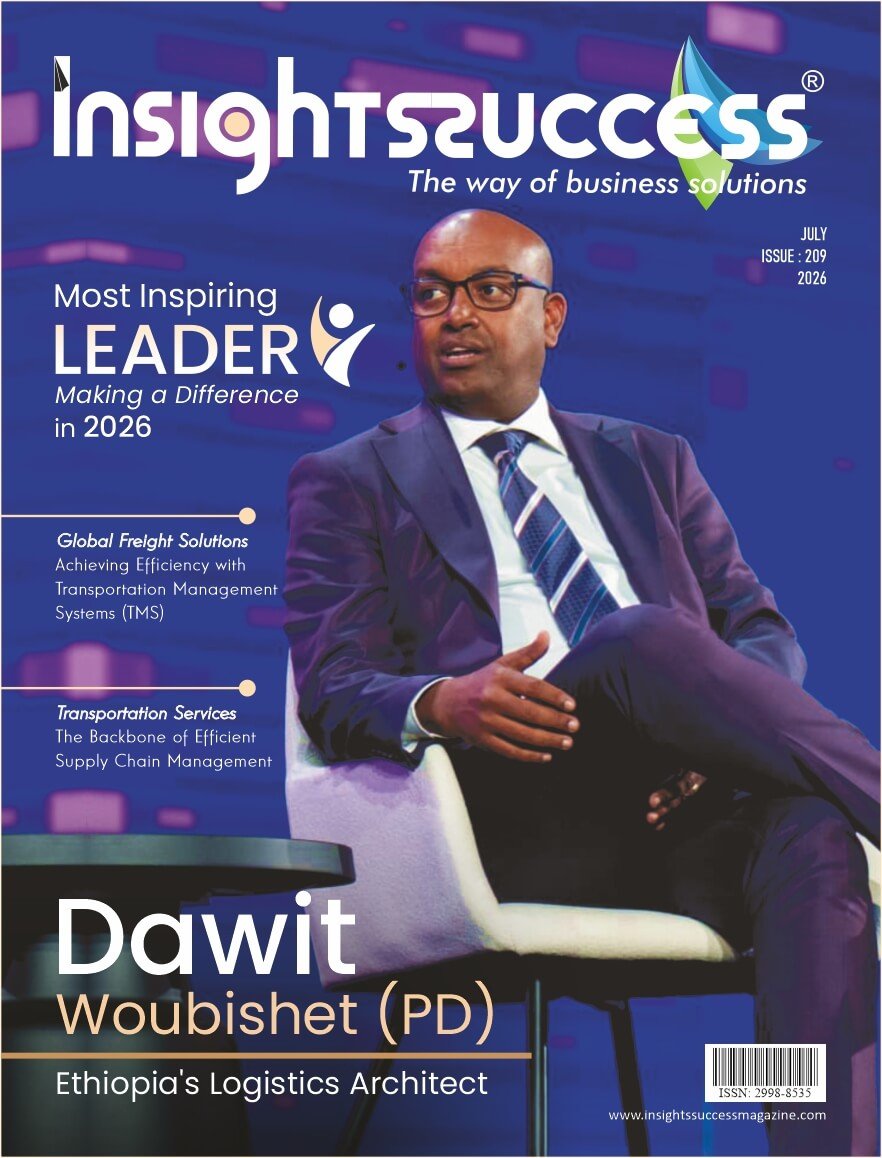
Most Inspiring Leader Making a Difference in 2026
Most Inspiring Leader Making a Difference in 2026 Celebrating an exceptional leader whose vision, resilience, and purposeful actions inspire positive change, empower people, drive innovation, and create a lasting impact across industries, communities, and future generations in 2026. Digital Link Quick highlights Quick reads

Dawit Woubishet (PD): Ethiopia’s Logistics Architect
Long before “supply chain” became a boardroom buzzword, Dawit Woubishet (PD) was already doing the unglamorous, essential work that keeps economies moving. Growing up in Addis Ababa, he attended St. Joseph High School, a local Lasallian school affiliate, where his early education laid the discipline and foundation that would carry him from the classroom into the university and eventually into the professional sphere. He watched a country brimming with agricultural wealth and entrepreneurial energy struggle with a quiet, chronic problem of goods that couldn’t get where they needed to go, fast enough, safely enough, or affordably enough. Nobody was writing headlines about it. But Dawit noticed. That early awareness didn’t send him chasing a trend. It sent him to work. He started where most people overlook: the back end of trade cargo holds, customs desks, cold storage units, and freight schedules. Over the next 25 years, that decision quietly compounded into something remarkable. Today, WoubGet Holdings employs more than 500 people across logistics, transportation, perishable handling, airline representation, automotive distribution, and specialized construction — including a remarkable contribution to Ethiopia’s sports infrastructure through the construction of approximately ten stadiums and other prominent sports field projects. Dawit simultaneously serves as President of the Ethiopian Freight Forwarders and Shipping Agents Association (EFFSAA), Chairperson of FIATA’s Air Freight Institute, and Co-Chairperson of the BRICS Business Council Ethiopia Chapter. None of it happened in a straight line. There were years of grinding through an underdeveloped sector, building trust with international partners, and making the case again and again that Ethiopia deserved a seat at the global trade table. But Dawit is the kind of person who finds that sort of resistance clarifying rather than discouraging. He didn’t build a business. He built an argument and then proved it. From Economics to Elevation Dawit’s academic foundation laid out the groundwork for his entrepreneurial ambition. His journey began at St. Joseph High School, before he went on to pursue Economics at Addis Ababa University, followed by an MBA in Leadership and Entrepreneurship at Modul University in Vienna. He later earned a Professional Doctorate Degree in Leadership from the European International University (EIU), Paris, a credential that underscored not just professional expertise, but a philosophical commitment to leadership as a discipline. His career began at a time when Ethiopia’s logistics sector was still finding its footing, and more specifically, at a moment when the country’s Air, Sea, and Rail logistics sectors were entirely state-run monopolies. This structure left almost no room for private sector participation, discouraging most from even attempting to enter or challenge the system. He entered the world of shipping, airline representation, cargo handling, and freight forwarding when the country’s trade infrastructure was raw with potential but rough at the edges. Rather than waiting for systems to mature, Dawit chose to help build them. He served as a P&O Nedlloyd Representative, and together with his partners, including Addis Express and TechTran International, he played a pivotal role in bringing DHL into Ethiopia and in introducing Standard Chartered Bank, Inchcape Shipping Services, Range Rover, and Land Rover into the Ethiopian market, collectively bridging global brands with local opportunity. Beyond building these ventures, Dawit became a persistent advocate for the industry itself, participating in numerous panels and international conferences, presenting papers, and conducting presentations across sectors to champion the cause of the African and Ethiopian logistics industries on the global stage. His advocacy played a direct role in breaking through Ethiopia’s institutional monopoly structures, ultimately helping convince government leadership that logistics is the backbone of the national economy. That advocacy is widely credited with contributing to logistics being prioritized as a key pillar within Ethiopia’s current Homegrown Economic Reform agenda, a national policy shift that is now actively opening the sector to private participation. These early ventures planted the seeds for what would eventually grow into WoubGet Holdings, a group structure that brought together Flowerport Perishables, Honest Trading, Tradepath International, Logix Express, Crystal Automotive, and Dun Soft and Alcohol Drinks Distributor under a cohesive management and legal framework. What began as individual ventures driven by necessity evolved into a deliberate ecosystem designed for long-term impact. He reflects, “Logistics is often invisible to the public, yet it is one of the foundations of trade, agriculture, manufacturing, exports, e-commerce, and national competitiveness.” The Idea That Moved a Nation Ask Dawit about what inspired his business vision, and he will point not to balance sheets, but to broken chains. He saw how delays, fragmented services, limited infrastructure, and weak coordination were holding back Ethiopia’s exporters and importers, and he also saw, with equal clarity, how much opportunity existed if those gaps could be addressed through professional, specialized logistics services. That insight became the engine behind Flowerport Perishables, the only dedicated perishable handling company in Ethiopia, which has spent 22 years supporting the country’s floriculture sector and time-sensitive exports. When this work began, the cold chain and perishable logistics industry in Ethiopia was virtually non-existent, and building it from nothing required progressive, hands-on development at every stage. In a nation where post-harvest losses exceed 40%, Flowerport is not merely a business; it is a lifeline for farmers, exporters, and the cold-chain ecosystem. Dawit and his team are now advancing expansion plans and strategic initiatives to further reduce these losses, protect product quality, and stabilize market prices for Ethiopia’s agricultural producers. Tradepath International complements this mission through freight forwarding, airline representation, and airline management services. This airline representation work involved high-level, detailed operations, with Dawit at one point representing almost 13 airlines operating in Ethiopia simultaneously. Among the most significant chapters of this work was an exclusive private charter operation held with Ethiopian Airlines from 2004 to 2016, running 24 hours a day, seven days a week, without interruption. It was during this same period that foreign carriers including Etihad, Turkish Airlines, and EgyptAir began coming to Ethiopia to uplift cargo, and Dawit was at the forefront of building the country’s flower export logistics sector from scratch, introducing palletization, improving carton box standards,

The Backbone of Efficient Supply Chain Management
Transportation Services For an organization to thrive in today’s connected economy, effective logistics play a very important role. There has been a great need for businesses to depend on efficient Transportation Services to ensure the safe and timely delivery of goods, supplies, and raw materials to various manufacturing, retailing, health care, and even e-commerce industries. With the changing consumer demands, there has been the necessity for organizations to be able to come up with flexible logistics systems for increased effectiveness and efficiency. Effective Supply Chain Management will make sure all aspects of product movement go smoothly. Strengthening Operational Efficiency Logistics today is more than just shifting goods from one place to another. It entails proper planning and scheduling of the routes, coordinating with inventory, and effective communication among various parties. Reliable Transportation Services help organizations save time, cut costs, and keep product supplies intact at all times. On the other hand, effective Supply Chain Management combines purchasing, storage, shipping, and transport into one process. This not only increases flexibility but also ensures smooth operation of the business activities. Technology Transforming Logistics Logistics has been redefined through technology with the introduction of intelligent tools to help increase efficiency and transparency within the sector. Technologies such as artificial intelligence, cloud computing, GPS, predictive analysis, and automation allow organizations to be able to keep track of their shipments in real-time and make smart operational decisions. Modern-day Advanced Transportation Services have started using these tools to make their fleet operations more efficient and accurate. Similarly, digital Supply Chain Management helps businesses to predict demand, manage their inventory, and react accordingly to any disruptions. Building Resilient Supply Networks The global market offers opportunities as well as challenges to logistics companies. Any change in the economic climate, change in regulation, weather patterns, or any other geopolitical event may have an impact on transportation services and product availability. Companies need reliable transportation services with the aid of diverse transportation networks, contingency plans, and good supplier relationship management. Effective supply chain management also enhances resilience through enhanced coordination of efforts among manufacturers, distributors, logistics companies, and clients. Sustainability Driving Logistics Excellence Environmental sustainability has become an important issue that affects many logistics companies. In fact, such companies use environmentally sustainable means of transportation, energy sources, and other measures to minimize their environmental impact, along with improving their effectiveness. Sustainable transport helps minimize emissions while keeping up the delivery performance levels. Being a responsible supply chain manager is associated with the proper use of resources and environmentally friendly purchases. Preparing for the Future of Logistics Innovative ideas, collaboration, and continuous improvement will characterize the future of logistics. It is important for organizations to integrate new technologies and at the same time invest in developing their workforce and improving their operations in order to keep up with competition. Reliable Transportation Services will continue to assist in world trade by ensuring efficient and effective transport of goods. Effective Supply Chain Management on the other hand will continue to be important in increasing visibility, decreasing risks in operations and providing better services to customers. Integration of digital transformation and strategic planning in organizations will increase their resilience and improve their response to changes in the market environment. Collaborative efforts by the logistics companies, suppliers, manufacturers, and customers will facilitate the creation of efficient supply chains that can adapt to any future challenges. Enhancing Customer Satisfaction Through Reliable Logistics Customer satisfaction is one of the most important indicators of logistical success. Efficient transportation guarantees the on-time delivery of products, whereas supply chain management facilitates more accurate orders, availability of products, and better communication throughout the delivery process. This combination will contribute to building up clients’ confidence, developing long-term relationships, and sustainable development. Driving Continuous Improvement Constantly evaluating and monitoring performance helps companies spot opportunities where they can make their logistics processes more efficient. Insights from data help firms refine their delivery process, improve Transportation Services, and remove any inefficiencies from their distribution systems. Process refinements will also allow for better Supply Chain Management through enhanced responsiveness, improved stock management, and better relationships with customers. Businesses that innovate, develop their employees, and have good partnerships will continue to be well-equipped to grow sustainably and provide logistics solutions in a competitive global marketplace. Read Also : Achieving Efficiency with Transportation Management Systems (TMS)

Achieving Efficiency with Transportation Management Systems (TMS)
Global Freight Solutions International trade requires effective logistics infrastructure, connecting manufacturers, suppliers, distributors, and consumers through continents. As supply chains become more and more complicated, firms need reliable Global Freight Solutions to move their products effectively, efficiently, and timely. The key role in these processes is played by TMS – Transportation Management System, allowing firms to optimize freight management, increase shipment visibility, and manage transportation activities. All together these capabilities allow firms to decrease their expenses, improve service level and increase supply chain efficiency. Optimizing Freight Operations International freight management is all about managing different forms of transportation, documentation, customs procedures, and shipping. Effective Global Freight Solutions help to address the challenges by integrating logistics planning with live monitoring of shipments and carriers. Businesses can plan their routes better, minimize delays and increase visibility with the help of efficient global freight solutions. Effective TMS solutions become more relevant by reducing the efforts in terms of scheduling, carrier management, load planning and documentation management. Technology Driving Logistics Excellence Technological innovation has continued to revolutionize the freight industry with respect to automation, artificial intelligence, predictive analysis, and logistics platforms on cloud computing. Technology aids Global Freight Solutions in having greater visibility within their logistics network, thus being able to respond to any changes in a proactive manner. Companies are able to track shipments, evaluate the performance of transport and improve allocation of resources via data centralization. Additionally, TMS assist organizations in automating repetitive activities, optimizing freight costs and enhancing communication among logistics companies, suppliers and customers. Building Resilient Global Supply Chains Factors such as economic uncertainty, regulatory changes, weather patterns, and geopolitical events still remain difficult for international logistics activities. The companies have to design adaptive transportation solutions that will enable them to adjust to new market realities without compromising the continuity of their operations. The services provided by Reliable Global Freight Solutions enhance the ability to adapt due to carrier network diversity, better supplier relationships, and contingency planning. On the other hand, the Transportation Management System (TMS) assists in risk management because of its predictive and performance analysis tools. Sustainability Supporting Long-Term Success Environmental awareness is increasingly becoming an important area of study in the field of international logistics. Companies are striving to employ fuel-efficient vehicles, route optimization, digitalization, and eco-friendly shipping practices to reduce their emissions while still conducting business activities effectively. Sustainable Global Freight Solutions allow firms to integrate efficiency and environmental awareness in their global logistics chain. Similarly, the Transportation Management System (TMS) also helps sustainability through the process of reduction in deadhead miles, efficient vehicle management, and freight consolidation. Preparing for the Future of Freight Management In the future of global logistics, innovation, cooperation, and sound decisions will be very important. Companies should be ready for continuous investments into digital transformations, people’s development, and logistics integration to stay competitive in the ever-changing world of international business. Reliable Global Freight Solutions will continue contributing to global trade because it will help to move cargo through the highly interconnected supply chains easily. Additionally, modern TMS will become more important for making processes of freight tracking, efficiency improvement, and effective decision-making better. Companies will be able to predict possible problems in logistics and to achieve outstanding performance and high customer service with the help of automation, AI, and real-time analysis. Cooperation between the parties involved in logistics operations will increase and contribute to the resilience of the supply chain. Delivering Greater Visibility and Control Real-time visibility has been a necessity in today’s freight management scenario. Modern TMS solutions offer precise shipment tracking, performance analytics, and advance warning systems, which help organizations make better decisions. Together with reliable global freight solutions, this ensures reduction in delays, improved customer confidence, and optimal transportation performance. Enhancing Collaboration Across Logistics Networks Good freight management requires good cooperation between all participants of the process: carriers, freight forwarders, suppliers, technologists, and clients. Good communication and exchange of information increase cooperation but decrease delays and risks. Contemporary TMS systems help establish good connections through access to information regarding shipments, their performances, and analysis of transportation. At the same time, good Global Freight Solutions ensure effective logistics chains for better reliability and client satisfaction; for development of international trade and adaptation to the market changes. Read Also : From Rolling Stone to Smart Machines: What Advanced Technology Really Means

From Rolling Stone to Smart Machines: What Advanced Technology Really Means
Imagine an individual who is standing on top of a hill many years back in time. A stone drops from his hands and slides down the slope quickly and effortlessly. Most people would have watched it roll and moved on. But someone, at some point, paused and asked a simple question. Why does the rolling stone move so easily compared to a flat one? This simple thought, and not the laboratory or manufacturing firm, sparked one of the greatest inventions known to man, the wheel. This is the part we often forget when we talk about technology today. We picture screens, robots, and rockets. We assume progress only lives in the future. But the truth is simpler and more human. Technology is not only about new tools. It is about looking at the same things in a different way. A rolling stone became a wheel because someone changed how they saw it, not because a new material appeared out of nowhere. This blog discusses how advanced technology connects to that same instinct, the human habit of looking closer, asking why, and turning a simple observation into something useful. It also covers how this idea shapes the innovations we see around us right now. The Real Meaning Behind the Term Many people think advanced technology means something complicated or futuristic. In reality, the advanced technology definition is much simpler. This could mean anything that provides a better solution compared to what was in existence previously. This advanced technology definition applies just as well to a simple lever as it does to a modern data network. The wheel was cutting-edge in its time. So was the printing press. So was the light bulb. What makes something “advanced” is not how flashy it looks. It is the effectiveness of its contribution towards improving the quality of life, work, and interaction between individuals. There is no difference in principle between a smartphone in one’s hand and the wheel on an ancient vehicle. Both take a basic human need and solve it more smartly. The Pattern Behind Every Big Leap If you study the history of invention, a clear pattern shows up again and again. Someone notices a small detail that everyone else overlooks, asks a question nobody thought to ask, and builds something around the answer. This pattern still drives advanced technology innovations today. Engineers did not invent electric cars by ignoring the wheel or the engine. They examined the current components to see how they can be made more efficient, clean, and smart. This is true of solar cells as well, which have taken an ancient idea, that of using sunlight, to create energy through advanced technology. The same is true of artificial intelligence. It has not just sprung up overnight. Rather, it has been built upon by many tiny advances in mathematics, computer science, and logic over many decades. Advanced technology is not invented overnight. It usually arrives as a series of small, thoughtful shifts in perspective. Why the Present Matters More Than the Future People often talk about technology as something that belongs to tomorrow. But most meaningful technology lives in the present. It solves problems people face right now, today, in their daily lives. Think about how people use maps on their phones. This tool does not promise a distant future. It helps someone find the fastest route to work this afternoon. Think about telemedicine, which lets a patient speak with a doctor from home instead of waiting days for an appointment. That is advanced technology solving a present need, not a future dream. This is why the wheel remains such a powerful example. It was not built for some imagined future. It was built to solve an immediate, practical problem: how to move heavy things without wearing out human strength. The best advanced technology innovations often follow this same rule. They fix what is broken today. How This Mindset Shapes Modern Innovation Modern industries now build entire strategies around this simple mindset. Companies do not always look for something brand new. Many look for a better way to do something old. Ride-sharing apps did not invent transportation. They combined cars, phones, and location data, three things that already existed, in a new way. This is the real heart of advanced technology. It is rarely about starting from zero. It is about connecting existing ideas in a way nobody tried before. A rolling stone already had the shape needed to become a wheel. This is exactly what the advanced technology definition points to: solving today’s problem with whatever pieces are already available. Someone just had to notice it and act on that observation. Such an attitude also explains why some of the most useful advanced technology innovations happen unexpectedly. A farmer might make irrigation more efficient by placing pipes correctly, rather than building complicated machinery. Growth occurs little by little. Looking at the World With Fresh Eyes The biggest lesson from the wheel is not about ancient history. It is about how we choose to look at the world around us. Advanced technology grows out of curiosity, patience, and the willingness to ask simple questions about ordinary things. Anyone can build this habit. One does not need any technical expertise or any special training; all one needs is some concentration. Perhaps that revolutionary thought already exists and has just been overlooked due to its being seen from a different angle, much like the pebble that rolled down a hill and turned into something more important. Some of the most valuable advanced technology innovations start this way, with a habit rather than a headline. Conclusion: The Future Starts With How We See Today Progress does not always begin with something new. It often begins with a fresh look at something old. The wheel proves this, and so does much of the progress we see around us now. When we slow down and pay attention to the world as it is, we open the door to real innovation. The future of
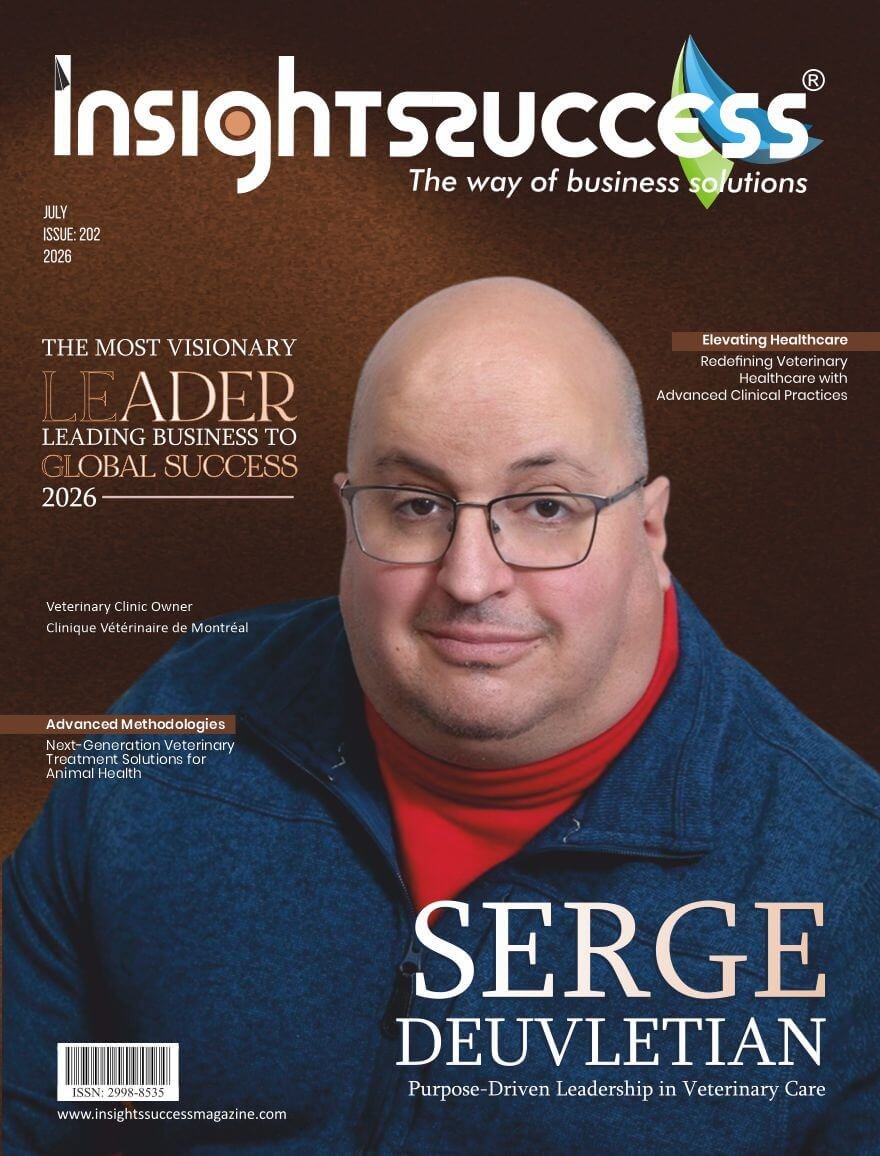
The Most Visionary Leader Leading Business to Global Success 2026
The Most Visionary Leader Leading Business to Global Success 2026 Serge Deuvletian’s journey is a testament to resilience, purpose, and unwavering commitment. As the Owner of Clinique Vétérinaire de Montréal, he transformed adversity into opportunity, building a respected independent practice grounded in compassion, adaptability, and integrity. His leadership demonstrates that lasting success is achieved through perseverance, authentic values, and an enduring dedication to exceptional veterinary care. Digital Link Quick highlights Quick reads

Serge Deuvletian: Purpose-Driven Leadership in Veterinary Care
Some leaders arrive with ambitious goals, structured business strategies, and a clear vision of market expansion. In contrast, Serge Deuvletian, a Veterinary Clinic Owner, did not set out with the intention of leading. Yet he went on to build one of the most enduring independent veterinary clinics in Montreal. His journey towards becoming a clinic owner was never part of any well-thought-out plan, but emerged out of necessity from a string of events that shaped him. Serge has been leading Clinique Vétérinaire de Montréal, single-handedly, for 25 years now. Over the span of two decades and more, he has watched the demise of many independent veterinary clinics swallowed by big corporations. He has managed to navigate his way through tough times, including financial troubles and personal breakdowns. The clinic that stands today is not a monument to ambition. It is the result of persistence under pressure, built steadily over decades, against odds that would have halted most journeys long before they reached this point. A Veterinarian’s Path of Perseverance Serge Deuvletian did not open the clinic because he wanted to become an entrepreneur. He opened it because he had no other option left. After graduating from veterinary school, he explored every possible path. He worked as an associate, approached established practices, and considered partnership opportunities. None of these options worked out. He did not stay in any position for more than a year. “I was forced out of my comfort zone and I was not happy about it,” he says. His tone reflects his direct and honest way of speaking. Serge Deuvletian had always valued stability. He studied at Collège Stanislas for 13 years, from kindergarten to graduation, a stretch of consistency that few people manage in any chapter of life. He was not someone who gave up easily. However, the veterinary field kept pushing him away until his father intervened. His father, a pharmacist who owned a successful pharmacy right next door, became the founding investor of the clinic. The financial risk was manageable for him, and he was willing to absorb potential losses if things did not work out. For Serge, however, the responsibility felt enormous, not because of the money, but because of what the investment represented. His father’s trust became both his motivation and his pressure. That sense of responsibility shaped every corner of his work ethic. He worked up to 60 hours a week. He remained constantly available on his phone, day and night. He made home visits, handled grooming services, and set his prices deliberately below the local average to attract clients who might not otherwise afford care. He was not building a business empire. He was honoring a debt that had nothing to do with money. The clinic did not make a profit during its first two years. Serge Deuvletian kept costs low by hiring only one employee for 30 hours a week. He managed all other work himself, filling every gap and covering every role that a larger operation would have distributed across a team. “I thought that if I lasted more than one year, it would already be an achievement,” he recalls. He set the bar low so that simply surviving counted as success. Then he kept going, year after year, until survival quietly became something more. The Amoeba Strategy When asked about his competitive strategy, Serge Deuvletian reaches for a metaphor rather than a framework. He describes himself as an amoeba. He sees the clinics around him, absorbed one by one into large corporate veterinary groups, as the Roman army. He describes himself as the small independent village that refuses to be absorbed, drawing directly from the French comic series Astérix, whose fictional Gallic settlement survives through sheer defiance and the occasional magic potion. His approach was practical rather than strategic in any traditional business sense. He did not try to compete directly with larger clinics for the same clients or the same procedures. Instead, he chose to remain small, set his prices below the market, and work with his competitors rather than against them. He referred complex or high-volume cases their way and accepted, in turn, the cases they did not want, the overflow, the unusual, the ones that required more patience than a corporate operation typically offered. “I worked for both me and my boss,” he explains. Clinique Vétérinaire de Montréal stayed with an independent buying group while nearly every neighboring clinic was acquired by one corporate chain or another. It was a quiet act of resistance, the kind that does not make headlines but keeps the lights on for decades. Serge Deuvletian never hired another veterinarian. He relied on the surrounding network to handle specialist cases and focused entirely on the work he did best. He also built his team on personal qualities rather than formal qualifications. Every staff member had to have owned a pet at some point in their life. He believed that was the minimum entry point for the kind of empathy the job demanded. The clinic would handle the technical training. The humanity had to come first. Lasting Lesson in Veterinary Practice On December 17, 2004, near the end of a difficult year, Serge Deuvletian lost a six-pound Chihuahua during surgery. The dog’s heart stopped after anesthesia was administered, an outcome Serge Deuvletian later learned he had not fully guarded against in the way experience would eventually teach him. His next anesthetic procedure went smoothly, but the earlier loss stayed lodged in him in a way that years could not dissolve. He couldn’t tell the client exactly what happened at that moment. He kept the truth to himself determined he would after he made up for it. He resolved to tell the full truth when the right moment arrived. That moment came years later, after his autism diagnosis. In a letter, he reframed the animal as part of his personal journey, a creature whose life had become quietly intertwined with the hardest chapter of his own. In 2021, the client returned to

Advanced Methodologies: Next-Generation Veterinary Treatment Solutions for Animal Health
The field of animal health care has seen a rapid development like never before due to innovations in technology, scientific research, and medicine which change the approach towards diagnosing and treating diseases by veterinarians. The modern approach in veterinary medicine has moved from treatment of disease to its prevention and personalization of treatments for animals in order to provide them with the best possible results and enhance their quality of life. With the rise in standards for the healthcare of animals, innovations have been the major factor responsible for bringing more efficiency and effectiveness in the delivery of this service. Whether it is about advanced diagnosis methods, regenerative medicine, or use of technology in delivering healthcare, solutions for the treatment of pets are being provided that will be able to cater to the requirements of veterinarians as well as pet owners alike. The future of animal healthcare requires the use of science and technology in order to deliver better care to animals. Smarter Diagnosis Accurate diagnosis forms the cornerstone of veterinary success. The developments such as artificial intelligence, imaging techniques, wearables, and molecular diagnostics help veterinarians diagnose diseases way faster than before. Earlier diagnosis enables treatment to start even before the condition reaches its critical stage, thereby increasing the rate of recovery and minimizing complicated procedures. Veterinary clinics are also embracing diagnostic technologies that give results quickly and more accurately, thus giving clinicians the ability to make well-informed decisions. Such improvements in technology also improve clinical decision-making through provision of better data and real-time information. Through use of digital diagnostic tools, it becomes easier for the veterinarian to assess the condition of the animal with accuracy, thus developing a customized plan to treat the animal. The use of portable ultrasound machines, digital radiography and lab automation has also minimized the time taken to diagnose several ailments, making it possible to administer the necessary medication in quick time. Advanced Therapies Technological advancement in the field of medicine is expanding the number of options available to animals. New treatment methods such as regenerative medicine, minimally invasive surgeries, targeted drug therapies, and precision medicine have brought up new possibilities in treating diseases which were previously thought to be unmanageable. The use of stem cell therapy, PRP, and other innovative orthopedic treatments is making it possible for animals to heal faster with less pain and ensuring good health for the future. These developments prove to be especially useful in treating diseases such as joint diseases, sports injuries, and aging. Combining novel approaches to therapy along with scientifically proven clinical practice will allow veterinarians to achieve the desired result and simultaneously ensure greater safety and efficiency of the treatment process. Personalized programs that consider the specifics of the animal, its breed, age, medical history, and way of life become popular and lead to increased efficiency of treatment and higher quality of life. In addition, minimally invasive surgeries change the practice of veterinary medicine. Laparoscopy and arthroscopy minimize trauma, shorten the recovery period, and decrease the possibility of complications when compared to traditional surgery. The Future Ahead The future of veterinary medicine depends on increased interaction among those developing technology, researchers, veterinarians, and the keepers of the animals. The use of telemedicine, cloud-based health records, predictive analysis, and remote monitoring will improve communication and promote continuity of care outside of the clinic setting. These technologies will guarantee prompt medical care for the animals independent of their geographic location. Digital technology helps promote collaboration among various veterinary clinics, diagnostic centers, universities, and research institutions through secure sharing of information and medical images. This sharing of information makes it possible for research to be conducted faster and more effective treatment procedures to be formulated. With the rise of data-driven approaches to veterinary medicine, doctors will have access to greater amounts of data and information that will aid their decision-making process. Conclusion As the field of animal health is changing rapidly, the success of animal health treatments will be defined by our ability to combine innovation and empathy in clinical practice. Due to constant improvement of technology and treatment techniques, veterinarians can provide better diagnostics, therapy and prevention for their patients, which allows increasing the quality of their lives and even prolonging their life expectancy. The continuous development and innovations of the field will allow addressing future challenges and meeting new requirements. Not only are next generation treatments an advance in technology but they are a pledge towards better health for animals through constant research and collaboration. Using innovations while considering the welfare of the animal is possible, and with that the future of the world’s animals can be made much better. With the continued development of science and technology alongside each other, the future of veterinary medicine looks very promising indeed. Read Also : Delivering Memorable Guest Experience