





How Real Estate Innovation is Transforming Traditional Brokerage Models?
The real estate market has long been functioning on old models of brokerage relying on individual-to-individual relationships, physical offices, and agent-driven transactions. However, with technology advancing at a record rate, Real Estate Innovation is reshaping the ways of the past. The convergence of digital technology, understanding of data, and customer-centric platforms has already started reshaping the interactions of property agents with clients and sellers, forcing an absolute change in brokerage models. From online property tours to blockchain transactions, Real Estate Innovation is no longer a value-added feature but a core aspect of today’s brokerage strategies. Such a shift is not just transforming business for brokers but altering the way consumers perceive value, efficiency, and trust in their real estate deal. While brokerage companies transform into these emerging trends, it should be noted how Real Estate Innovation advances competitiveness and survival in an empowered digital marketplace. Digital Platforms and AI-Driven Solutions Beyond Client Engagement The arrival of internet sites has created one more dimension of openness and ease of use in real estate buying and selling. Internet sites have enabled clients to scan house lists, tour homes virtually, and even make transactions—all in the comfort of their own homes. This Real Estate Innovation wave has enabled brokerages to overcome geographical distance and welcome a technologically aware client base demanding frictionless online transaction. Leaders in this revolution include the likes of Zillow, Redfin, and Compass through the use of AI to offer more personalized advice on homes as well as streamlining search functionality. Artificial Intelligence also benefits Brokers through automation of back-office functions and the provision of predictive analytics for better decision-making. Chatbots, for instance, become used more and more to respond to preliminary consumer queries so that agents can have more strategic-level conversations. Predictive models decode the markets and the customers’ behaviors in order to recommend optimal listing prices or discover investment opportunities, hence facilitating data-driven strategy. Such AI integration into the brokerage model is an exemplary case of how Real Estate Innovation is changing the client-agent relationship by diverting attention away from managements and towards smart, automated service provisioning. Blockchain and Smart Contracts Improving Security and Transparency Use of blockchain technology for building secure, tamper-evident transaction records is another of the most cutting-edge features of Real Estate Innovation. Property transactions on conventional brokerage websites are open to several intermediaries, paperwork, and lengthy steps. Blockchain provides a decentralized ledger where all the details of transactions are maintained in real time since it is transparent and minimizes forgery potential. It is especially useful for cross-border transactions, in which jurisdiction and foreign currency conversion can add layers of inefficiency and risk. Smart contracts, developed by blockchain technology, automatically take action when conditions are met. Not only does it speed up closing but reduces the chance of human error or willful modification as well. Integration of smart contracts in property transactions can allow brokerages to gain more trust from consumers. Aside from this, Real Estate innovation is also cost-effective because it is saving on third-party verification and administrative burden, allowing brokerages to provide faster, more secure services at lower costs. Flexible Brokerage Models Enabling Agents and Consumers Another important transformation brought by Real Estate Innovation is the creation of hybrid and flexible brokerage models. Conventional brokerages tend to confine agents to work in tight hierarchies and office spaces. New brokerages are employing cloud platforms, mobile computing, and de-centralized teams to enable greater freedom and flexibility for their agents. This is enabling professionals to work from nearly anywhere but still be able to take advantage of excellent tools and resources. Others have emulated, such as eXp Realty, that have developed virtual offices where agents collaborate in interactive virtual space instead of occupying physical office space. They are rewarding consumers as well. With more control and flexibility in their property experience, consumers can communicate with their agents on their own terms and schedule viewings on-demand. A-la-carte service is now being offered by some new-age brokerages, where clients only pay for what they use rather than a full-service commission. This change in service delivery is another core result of Real Estate Innovation since it puts brokerage services in line with what today’s consumers want, which is convenience, customization, and control. Conclusion Shattering centuries of brokerage paradigms, Real Estate Innovation is an industry milestone. No longer held back by office chairs and in-person meetings, real estate agents now get significantly improved technologies that improve customer satisfaction, accelerate transactions, and streamline operations. From virtual platforms and AI-based insights to blockchain and smart contracts, these technologies not only provide more efficiency but also redefine buyers’, sellers’, and agents’ expectations. As this technological revolution accelerates, the brokerages embracing Real Estate Innovation will be more competitive with greater transparency, flexibility, and value offered. Real estate’s future is flexibility and infusing technology—where innovation is a necessity, not an extravagance. This transformation has the potential to empower agents, consumers, and brokers to dream big about what real estate can achieve and build a smarter, more responsive marketplace for years to come. Read More : The Role of Artificial Intelligence in Smart City Planning

The 10 Most Impactful Healthcare Leaders Charting the Path to 2025
The 10 Most Impactful Healthcare Leaders Charting the Path to 2025 Jacqui Sanders leads FleishmanHillard’s UK health and life sciences practice, exemplifying people-centred leadership in a dynamic healthcare landscape. Bridging science, empathy and strategy, she advances impactful communications that prioritize patient voices, drive innovation and foster trust, setting new standards for how healthcare communicators influence meaningful, measurable and human-led change. Quick highlights Quick reads
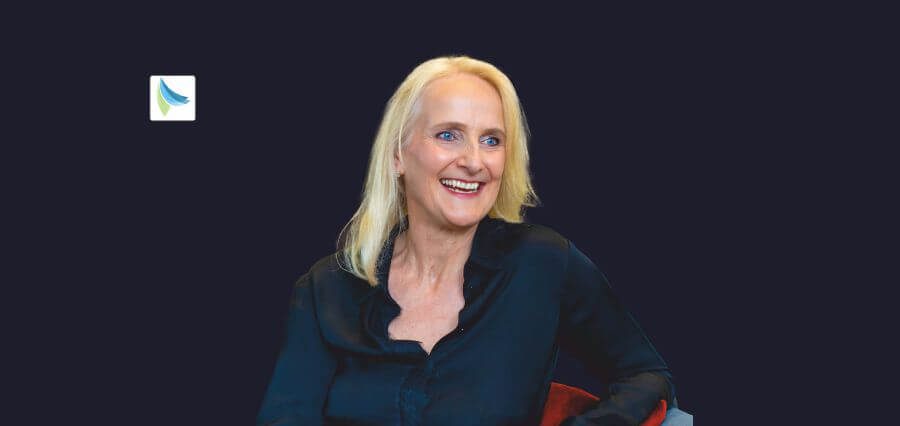
Jacqui Sanders: Advocating People-Centred Leadership in Healthcare Communications
Jacqui Sanders leads the UK health and life sciences division at FleishmanHillard, excelling as a healthcare communications professional. Her success stems from a dedication to bringing innovative medicines to those in need, dramatically improving lives. In an era marked by scientific breakthroughs and evolving patient requirements, healthcare communications serve as a crucial bridge between innovation and impact. Groundbreaking developments must extend beyond laboratories and clinical trials to transform real-world patient outcomes. Today’s healthcare landscape is complex and ever-changing, driven by technological disruption, rising transparency expectations, and the imperative to build trust with diverse stakeholders, including patients, clinicians, regulators, and investors. Against this backdrop, the role of healthcare communicators has evolved from simple messengers to proactive collaborators in innovation and patient advocacy. They are tasked not merely with conveying information but with crafting narratives that foster collaboration, influence policy changes, and enhance health outcomes. This transformation requires leadership that is responsive, compassionate, and deeply attuned to the patient experience. Jacqui Sanders exemplifies such leadership. She has carved out a remarkable career, demonstrating the vision and resilience needed to advance healthcare communications and set new industry standards. Early Journey: Life Sciences to Healthcare Communications Jacqui’s journey towards becoming an influencer in healthcare communications was anything but direct, but each turn was purpose-driven. Having had a strong life science background, Jacqui was first attracted to public affairs because she wanted to make a difference in healthcare. Her move into healthcare communications, however, was the turning point that enabled her to combine scientific knowledge and passion for effect. This action allowed her to champion access to new medicines developed by the pharmaceutical sector, bridging the distance between sophisticated scientific advancements and the actual needs of patients. Early in her professional life, Jacqui was privileged to work with a team that believed in strategic thinking, something that has stayed at the core of her leadership philosophy. Her experiences extend beyond the professional realm; supporting her daughter’s professional tennis aspirations offered her unique insights into building high-performing teams, fostering resilience, and embracing agility. These lessons in leadership and performance under pressure have profoundly influenced her people-centred approach, which balances strategic excellence with a deep understanding of human dynamics. People-Centred Leadership: The Heart of Jacqui’s Approach Jacqui’s leadership style is fundamentally people-centred, a philosophy rooted in the belief that exceptional results are driven by people, not just processes. In today’s complex healthcare environment, this means creating conditions where individuals and teams can thrive, cultivating cultures of collaboration, trust, and accountability, while maintaining a sharp focus on outcomes. The pressures on businesses are immense, requiring resilience, speed, and impact. Jacqui has learned to adjust her leadership to these needs by incorporating technology and agility, especially during the COVID-19 pandemic, which was a critical turning point. Empathy has now become a strategic tool instead of a soft skill in this new environment. Jacqui uses empathy to get to the depth of client requirements, create trust amongst teams, and develop more effective relationships. Her style combines science literacy with emotional intelligence so that clients are heard, teams are enabled, and communications connect at a human level where it counts most. This contemporary definition of people-first is not so much about being nice as it is about delivering tangible business outcomes and meaningful change in healthcare. Changing Perspectives: From “What’s the Matter with You?” to “What Matters to You?” One of Jacqui’s core beliefs is that healthcare communications must move beyond traditional paradigms that focus solely on disease or dysfunction. Instead, it should embrace a more holistic understanding of patients’ lives and priorities. This shift from asking “What’s the matter with you?” to “What matters to you?” is fundamental to driving meaningful innovation and patient-centred care. Jacqui has been a pioneer in incorporating patient voices into each phase of healthcare development and communication. Her teams realized years ago the strength of co-creating solutions with patients and healthcare professionals directly. Since then, this practice has grown stronger, bolstered by strict research and analytics that yield profound understanding of the patient experience. These insights, fueled by data, guide client decision-making in research and development, driving innovation from the ground up and influencing communications planning from initial research to commercialization. Through patient engagement and advocacy capabilities, Jacqui makes sure that the voice of the patient is not an add-on but a core anchor. Her teams use profound cultural insight and behavioural science to reach out to stakeholders in meaningful ways, from patients and healthcare providers to investors and staff. All messages are grounded in real experience, enabling clients to show how their innovations really connect and make practical impacts on individuals’ health journeys. Lessons from Elite Sports: Leadership and Strategy in High Performance Jacqui’s leadership philosophy is uniquely enriched by her experiences in elite sports management and education, which may seem distant from healthcare communications but share striking parallels. The principles of understanding individuals deeply, building the right development strategies, and fostering resilience and agility are universal. Whether guiding an athlete’s career or leading a healthcare communications team, the goal is to unlock full potential and drive impactful change. Developing a game plan for an athlete’s success mirrors setting a clear vision and strategy for a team or business. Bold visions inspire, but they must be broken down into achievable milestones, with flexibility to adapt when necessary. Jacqui’s exposure to top sports psychologists and performance under pressure has sharpened her ability to support teams in demanding situations-staying calm, thinking decisively, and reducing unnecessary distractions. This systematic, data-driven process of continuous improvement-learning from success and failure-is strictly followed in her leadership. The outcome is a unique style that inspires, encourages teamwork, and utilizes each person’s strengths to build high-performing teams that can achieve excellence in the challenging healthcare setting. Building High-Performing Teams: Trust, Transparency, and Collaboration Her success has its foundation in being able to build high-performing teams through fostering environments where individuals are trusted, heard, and feel a part of something greater. Her people-focused leadership of life sciences communications is built on transparency,

Jean Kaseya: Transformative Leadership in Public Health for Sustainable Change
Public health remains a pillar of societal well-being, driving efforts to address global challenges such as disease outbreaks, health disparities, and climate-related impacts. With its evolution shaped by scientific advancement and the push for equitable solutions, public health today relies heavily on visionary leadership, strategic innovation, and collaborative action. Jean Kaseya, Director General of Africa CDC, stands as a beacon of such transformative leadership. With a results-driven and empathetic approach, Jean inspires teams, fosters global partnerships, and drives change rooted in sustainability and inclusivity. His leadership combines innovation and practicality, with a firm commitment to empowering communities and strengthening health systems across the continent. Africa CDC, a premier pan-African health institution, is tasked with enhancing the capabilities of African Member States to respond to health crises. Through evidence-based strategies, investment in advanced technologies, and strong partnerships, Africa CDC works to ensure no community is left behind in the pursuit of quality healthcare. Personal Roots and Public Health Success Born in Kinshasa, DRC, Jean’s path was shaped early by his mother’s work as a nurse in a local public hospital. Witnessing the devastating toll of preventable diseases in underserved communities inspired him to become a medical doctor dedicated to bridging healthcare gaps. Among his career highlights is his role in the introduction of the meningitis A vaccine in Africa—a development that has significantly reduced the disease’s burden and marked a personal victory in his mission to save lives. Vision: The 5C Framework To tackle Africa’s multifaceted health challenges, Jean introduced the 5C framework: Community: Empowering local populations by designing health programs tailored to their needs, ensuring accessibility even in remote areas. Connectivity: Leveraging digital technology to support real-time data collection, facilitating timely decisions and responses. Capacity: Developing human capital and infrastructure while boosting local production of critical health supplies like vaccines and diagnostics. Collaboration: Fostering partnerships with governments, international organizations, and regional bodies to promote sustainable solutions. Climate: Building climate-resilient health systems to protect vulnerable populations from environmental health threats. Every action at Africa CDC is guided by science and data to maximize impact. Strategic Advocacy and Partnerships Jean’s background in government provided him with insights into political navigation and strategic communication. At Africa CDC, he applies this expertise through global health diplomacy, advocating for political support and funding at the highest levels to align public health with broader development agendas. He also emphasizes the value of public-private partnerships. From UNICEF, he gained a focus on equity and prioritizing vulnerable populations. At GAVI, he saw firsthand how strategic alliances can expand vaccine access and strengthen immunization systems. His work with NGOs and US-funded programs further deepened his understanding of community-based interventions and the power of localized solutions. Leadership Style: Adaptive and Collaborative Jean’s leadership approach is collaborative, adaptable, and outcome-focused. He believes in empowering teams, building meaningful partnerships, and harmonizing innovation with practical strategies. His dual focus on strategic vision and hands-on implementation enables him to meet the complex demands of leading Africa CDC. Central to his collaboration strategy is transparent communication. Jean ensures goal alignment, regular progress reviews, and mutual respect in all partnerships. Shared ownership of outcomes, he asserts, builds trust and long-lasting results. Investing in People and Innovation Jean is committed to maintaining Africa CDC’s leadership in global disease control through investments in digital platforms, genomic sequencing, and capacity-building programs. Collaborations with academic institutions and health agencies strengthen Africa’s preparedness and responsiveness. Training and retaining skilled professionals remain top priorities. With dynamic health threats on the rise, Jean advocates for continuous innovation, assertive engagement, and flexible strategies that empower African nations to lead their own public health responses. Qualities of a Global Health Leader For Jean, global health leadership demands a blend of vision, resilience, empathy, and cultural sensitivity. The ability to work across cultures, communicate effectively, and make data-informed decisions is key. Leaders must also remain open to learning and adapting—traits he exercises daily amidst the pressures and unpredictability of his role. Balancing Leadership and Life As Director General, Jean spends about 23 days a month traveling. To maintain mental well-being, he delegates when necessary, practices daily meditation, and prioritizes time with family. He finds joy in cooking, hosting friends, and listening to music, though he no longer finds time for Scrabble, a favorite pastime. Donor Relationships and Transparent Impact Jean emphasizes that clear vision, measurable outcomes, and transparency are essential in fostering strong donor relations. Donors need to see the tangible results of their support. Consistent updates, openness in resource management, and acknowledgment of contributions are crucial to building trust and long-term collaboration. Looking Ahead With a four-year term and potential for renewal, Jean is focused on creating an empowered, autonomous Africa CDC that plays a central role in global health governance. His legacy is one of resilience, self-reliance, and inclusive access to healthcare across Africa. He envisions a future where Africa leads in the local manufacturing of health supplies, funds its health systems domestically, and ensures no one is left behind. As global challenges grow, he believes increased solidarity—within Africa and globally—is critical. “COVID-19 was a wake-up call,” Jean says. “It showed us that what happens in one country can quickly impact the entire world. The future of public health depends on unity, cooperation, and a shared commitment to humanity.” Read more : Jacqui Sanders: Advocating People-Centred Leadership in Healthcare Communications

Dr. Eliud Urquidi : A Visionary Leader in Mexico’s Agricultural Renaissance
Mexico’s avocado industry, often referred to as “green gold,” has experienced remarkable growth over the past few decades. As the world’s leading producer, Mexico contributes approximately 45% of the global avocado supply. This surge has significantly bolstered the nation’s economy and positioned avocados as a staple in households worldwide. However, this fast growth has also created environmental challenges such as deforestation and water shortages, along with social challenges such as organized crime penetration in the sector. Solving these challenges requires innovative leadership and unwavering determination to sustainable approaches. This is where the prominent leaders in AgriTech step in. They drive innovation in farming and develop and deploy new technologies such as IoT, drones, AI, blockchain, and robotics. These leaders improve agricultural productivity through tools that help monitor crop health, automate irrigation, and optimize yields. The forerunners of the AgriTech industry minimize environmental footprint by encouraging wise use of water, fertilizer, and energy. They participate in climate adaptation by creating systems for drought-resilient plants, carbon agriculture, and regenerative farming. Furthermore, these leaders of the AgriTech industry responsibly carry out supply chain activities which include shipping of agricultural produce from farms to plate, while tracking the produce in order to waste less and engage in ethical activities. Dr. Eliud Urquidi: Championing Agricultural Transformation Leading this revolution is Dr. Eliud Urquidi, whose career is a testament to passion, determination, and a vision to transform the agri-food sector. This year, he was invited to participate alongside renowned and influential industry leaders at the Annual Global Summit on Food Science, Nutrition and Technology 2025, in Bern, Switzerland. As Chief Commercial and Strategic Development Officer of Avocados Aljoe, Founder and Owner of Agrocorp LE, and Founder of Bauer Commerce LLC, Dr. Urquidi has been at the forefront of change in Mexican agriculture. In recognition of his tireless efforts, he was awarded the title of Doctor Honoris Causa and honored in Dubai with the “Excellence in Leadership, Community Empowerment and Development in Recognition of his Contribution to the Agriculture Industry” by the AgriNext Awards. Early Ventures: Planting the Seeds Dr. Urquidi’s career started with Agrocorp LE, where he specialized in breaking into the local Mexican market. With trial boxes and client prospecting as a beginning, the company streamlined its business, steadily solidifying commercial relations and increasing sales. Seeing the promise of international markets, Dr. Urquidi led the company’s growth into Asia, Europe, South America, and the United States. This strategic step gave rise to the emergence of Avocados Aljoe, a brand that is a symbol of synergy and shared vision, setting the company on the path of international competitiveness. Innovations and Sustainable Practices The company has promoted innovative agricultural solutions. One of these is the creation of a biostimulant, which was the result of the effort and vision of one of its partners, who is deeply committed to sustainable development and environmental stewardship. Witnessing the growing problem of sargassum, he decided to take action and, using these marine algae, succeeded in improving plant health and fruit quality. On the other hand, the company also implemented the use of hypochlorous acid. A field development project was carried out to determine the effectiveness of the product in combating plant diseases, reflecting the company’s strong commitment to sustainable and eco-friendly practices. Expansion into the U.S. Market: Setting up Bauer Commerce LLC To establish the company’s foothold in the U.S. market, Dr. Urquidi established Bauer Commerce LLC in the United States. The venture enhanced logistics, lowered delivery times, and raised service standards, reiterating the company’s devotion to quality and efficiency. Core Values: Transparency, Quality, and Fair Trade At the heart of Dr. Urquidi’s business philosophy are transparency, quality, and fair trade. The firm endeavors to establish enduring relationships based on trust and mutual respect, with a view to establishing a strong network that is beneficial to both producers and consumers. This not only strengthens business operations but also benefits the involved communities, encourages sustainable development, and conducts ethical practices. Facing Industry Challenges: A Proactive Approach The Mexican avocado sector is facing a number of challenges, among them being environmental degradation and crime. In light of this, Dr. Urquidi has taken positive steps, for example, coming up with certifications that guarantee avocados are produced without engaging in illegal deforestation. This creates transparency and allows consumers to make informed decisions while supporting sustainable and ethical production processes. Strategic Alliances and Technological Integration Dr. Urquidi highlights strategic alliances and technological convergence as key drivers of business expansion. Strategic alliances with like-minded partners have been instrumental in overcoming industry challenges and capturing new opportunities. Additionally, the implementation of cutting-edge technologies, including traceability platforms and smart logistics systems, has streamlined processes, enhanced commercialization, and improved customer experiences, keeping the company ahead in a fast-changing market. Vision for the Future: Preserving Mexican Agricultural Heritage Going forward, Dr. Urquidi foresees stabilizing national operations and cementing a solid, strong position in the U.S. marketplace with Bauer Commerce LLC. Expansion of the commercial base, access to new international markets, and the sustenance of a fair-trade, people-based philosophy are planned objectives. Through such objectives, the vision seeks to make the company the benchmark of quality and service and showcase Mexican agriculture’s rich history and traditions worldwide. A Legacy of Dedication and Innovation Dr. Eliud Urquidi’s journey is a testament to his deep commitment not only to the transformation of Mexican agriculture through innovation, but also to human rights in vulnerable sectors, sustainability, business ethics, and fair trade. His leadership has enabled him to confront and address structural issues within the industry, which have translated into meaningful improvements for the communities he has worked with. By blending traditional values with modern strategies, Dr. Urquidi demonstrates the power of visionary leadership to drive profound change, ensuring that the fruits of his efforts continue to benefit the world while honoring Mexico’s rich agricultural heritage. An Impactful Forerunner Dr. Urquidi’s policies have had a chain reaction effect on the wider farming community. Through the introduction of sustainable agriculture methods, he has inspired other farmers

Operational Excellence: Top Healthcare Leadership Trends Shaping the Industry
The health sector is constantly experiencing profound change being driven by the intersection of new technology, shifting patient expectations, reorganized workforce realities, and ongoing policy redefinition. Emerging technologies such as artificial intelligence, digital health platforms, and telemedicine are reshaping the way care is being delivered to make it quicker, more individualized, and more data-centric. And at the same time, the patients of today are more informed and empowered and demand ongoing transparency, convenience, and greater engagement in health decisions. Leadership in today’s hectic pace isn’t just beneficial—it’s required. Healthcare leaders need to do more than provide clinical and operational excellence; they need to build a sustained culture of ongoing innovation, foster adaptive thinking, and lead organizations through gargantuan change efforts. Value-based care—payment on the basis of outcome rather than service volume—adds yet another level of complexity to the equation, demanding that leaders balance cost-effectiveness, quality, and patient satisfaction. With the marketplace more integrated and outcomes-focused, leaders will have to be champions of cross-functional teamwork, astute data utilization, and adaptive teams that can perform in ambiguity. This article highlights the most notable healthcare leadership trends that are defining and transforming the industry in 2025 and beyond. Adopting Digital Change and Data-Driven Decision-making Healthcare leaders are more and more adopting data-driven decision-making and digital technologies to enhance performance, enhance patient results, and enhance organizational efficiency at all organizational levels. With the integration of electronic health records (EHRs), machine learning, and artificial intelligence (AI), healthcare organizations are effective operations with enhanced actionable insights. Executives need to be wise enough about such technology so that they can make sound decisions and make strategic investments in platforms that serve the purpose and long-term vision of their organization. Telehealth, remote patient monitoring, and digital therapeutics have become mainstream, and digital fluency is now a leadership competence for our contemporary healthcare culture. And data-driven decision making is no longer a nicety for competitive advantage and regulatory flexibility. Health care executives should be utilizing real-time data analysis to monitor clinical outcomes, reduce costs, and identify trends before they become crises. This transformation requires leaders not just to understand information, but to put together teams to decipher and respond to insights in the right way across departments. Through predictive population health analytics or customized treatment protocols, data is becoming the basis of planning and action within health care, transforming decision-making and service delivery. Workforce Resilience and Leadership Development The healthcare workforce has seen unprecedented pressures over recent times with pandemics, staff shortages, and escalating threats to care and services. Leadership attention then shifts to building strong, committed, and supported teams so that they can deliver high performance in hardship. Leaders are being asked more frequently to invest in employee wellness programs, work-life integration, and building workplaces that reverse burnout and retain employees at all levels. Emotional intelligence as a leadership characteristic is also being recognized as a driver of trust, psychological safety, and team culture within teams. Leadership development in healthcare organizations is also a significant trend because healthcare organizations are undergoing generational leadership transition and growing complexity of care delivery. While certain experienced executives retire, there is a growing need for succession planning and the development of next-generation leaders with evolving capabilities. Cross-functional collaboration, value-based care education programs, and innovation are on the rise, together with efforts for continuous learning and sponsorship. Organizations with sponsorship pipelines of leadership have a greater likelihood of being in a position to face future challenges and ensure succession continuity and thus long-term organizational stability and success. Aging and Health In fact, most critical among the health leadership imperatives of the era is ensuring health equity, inclusion, and culturally responsive care. Disease determinants of access to care, income, education, housing, transportation, and environment are increasingly known to be playing critical functions in bringing about better health for every segment. Leaders are being asked to put equity into purpose, strategy, and success measures within organizations with expectations of realizing sustainable outcomes. That involves collaboration with the community, increased access where communities are underserved, and creating models of care that are sensitive to unique local needs and health variations. Besides, healthcare leaders are moving towards a more community-focused practice model with more emphasis on building trust and ongoing interaction with the community. They are looking beyond the traditional institutional silos to forge partnerships conducive to whole-person, preventive, and population-based care. Either by means of mobile clinics, community health workers, or school health services, leadership is getting out there where the people are geographically and culturally. It is one aspect of a larger shift from episodic care to longitudinal relationship-based care with physical, mental, behavioral, and social health integrated into a system. Conclusion Healthcare leadership requires a cross-functional skill set that weighs strategic thinking with technical expertise, emotional intelligence, and local knowledge. As digital revolution accelerates and social needs evolve, successful leaders will be those who are able to harness data, create resilient teams, and promote equity. They require adaptive, visionary leadership that can steer healthcare organizations through the uncharted and towards an age of more effective, personalized, and equitable care. By staying attuned to these transforming trends, healthcare leaders can create lasting change and put their organizations on the path to long-term success. Read More : Richard Larson Incredible Journey in Education

Richard Larson Incredible Journey in Education
Richard Larson Incredible Journey in Education

Kanak Kanti Roy: A Curious Engineer and A Strategic Data Leader
The most influential leaders are those who bring humanity to the core of technology in a time when data drives decision-making and innovation happens at breakneck speed. One such leader is Kanak Kanti Roy, a pioneer in the field of data science whose work is exemplifying a unique fusion of strategic vision, analytical nuance, and compassionate leadership. For Roy, data isn’t just about measurement; it’s about meaning. It’s about asking why people make the choices they do, how small signals create big shifts, and how technology can serve real human needs. This mindset—curious, compassionate, and deeply intentional—has guided his journey from a questioning child in India to a widely respected thought leader shaping the data strategies behind platforms like YouTube. Yet, his proudest growth came not from perfecting models, but from learning how to lead—with care, with clarity, and with conviction. “Leadership isn’t about control,” he believes. “It’s about context and care. When people feel understood, they don’t just work harder—they thrive.” In every project, every team he touches, Roy brings the same clarity of purpose: to make data more human, more responsible, and more empowering. Whether decoding user journeys with uplift modeling or advocating for ethical AI frameworks, his compass stays steady—build what matters and build it with care. For aspiring leaders, his message is simple but powerful: “Lead with intention, not just ambition. Success isn’t about speed—it’s about clarity, empathy, and knowing why your work matters.” At a time when the world is flooded with data but starved for meaning, Kanak Kanti Roy reminds us that the real power of analytics lies not in the data itself—but in the human story it reveals. Read More : Sabry Mohamed: A Visionary CFO Powering Financial Growth and Talent Transformation
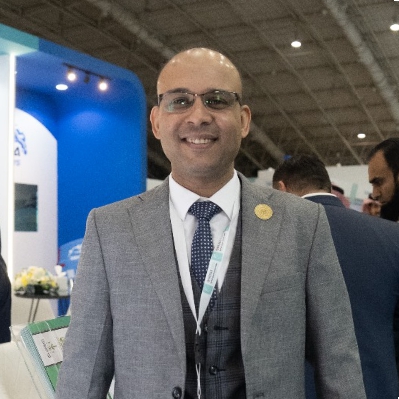
Sabry Mohamed: A Visionary CFO Powering Financial Growth and Talent Transformation
With nearly two decades of leadership in finance and accounting, Sabry Mohamed is a dynamic force transforming how organizations approach strategy, innovation, and human capital. As Group CFO at Emdadat Alatta Group, a leading facility management firm in Saudi Arabia, Sabry brings a unique blend of financial expertise, technological foresight, and people-first leadership. Sabry’s academic journey began with a bachelor’s degree from Sohag University, followed by a postgraduate diploma in auditing and an MBA in general management. Currently pursuing a Doctorate in Business Administration, he exemplifies a deep commitment to continuous learning and strategic development. Throughout his career, including his impactful role as Deputy GM at Astrum Company, Sabry has prioritized performance optimization, digital transformation, and customer satisfaction. At Emdadat Alatta, he has played a pivotal role in implementing ERP-based systems, streamlining financial operations, and enhancing cost efficiency. Driven by a growth mindset and a never-give-up attitude, Sabry is passionate about cultivating talent, building resilient teams, and aligning financial goals with organizational purpose. His experience across multiple industries, including tourism and public health, has enriched his adaptability and cross-sector perspective. Sabry believes that personal commitment, perseverance, and strong teamwork are the cornerstones of leadership. His efforts are not only transforming the financial strength of Emdadat Alatta Group but also contributing meaningfully to Saudi Arabia’s workforce development and national growth ambitions. Read More : Kanak Kanti Roy: A Curious Engineer and A Strategic Data Leader
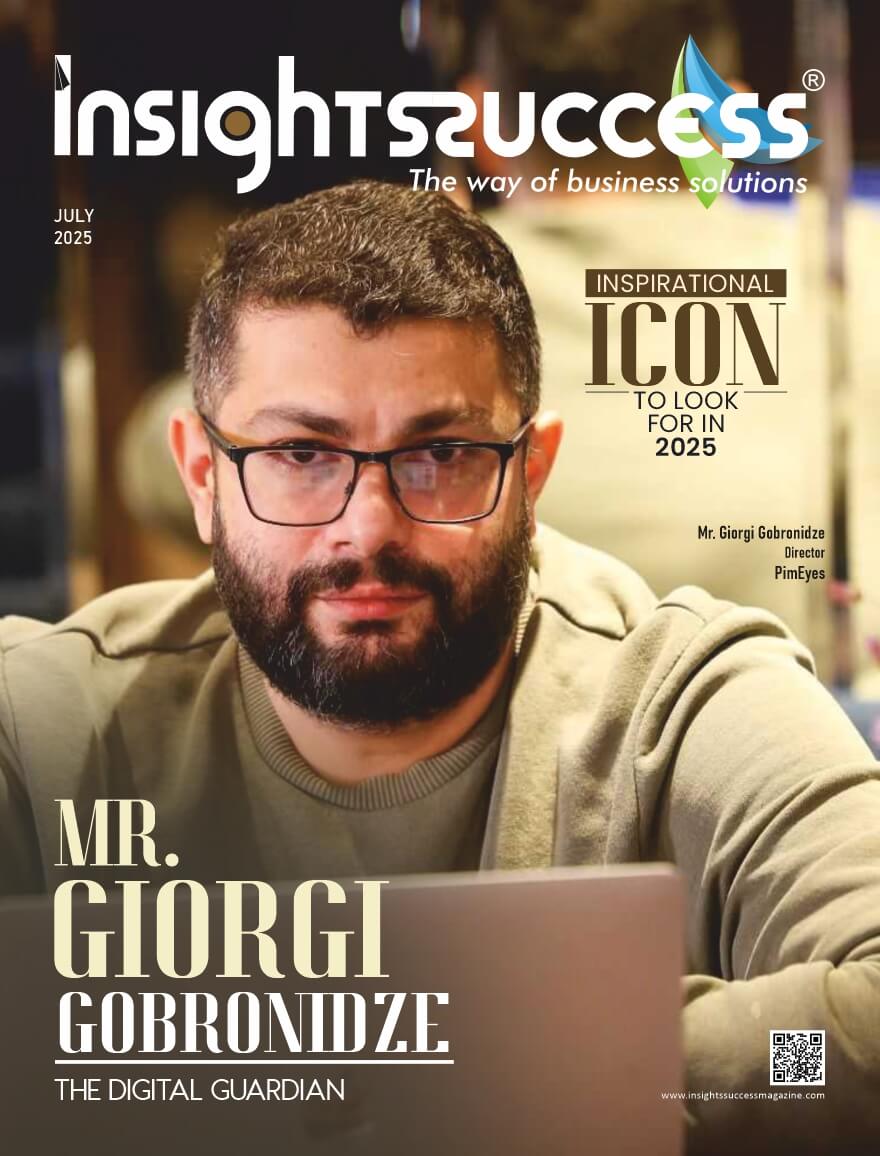
Inspirational Icon To Look For in 2025
Inspirational Icon To Look For in 2025 This edition celebrates Mr. Giorgi Gobronidze, a visionary leader whose dedication to excellence, innovation, and societal impact sets him apart. This special feature honors his transformative journey, forward-thinking mindset, and enduring influence across education, diplomacy, and leadership on the global stage. Quick highlights Quick reads