






Overlooked Home Maintenance Tasks That Could Cost You Dearly, Later.
Your home reveals its needs in subtle ways. Floors develop soft spots near plumbing. A weathered window seal lets moisture creep into walls. Sediment builds up in your water heater, decreasing water pressure. So on and so forth. None of the maintenance requirements feels urgent at the moment. They sit in the background while daily life moves on. Left unattended, they become expensive conversations with contractors. For example, the light smoke residue after a minor fire, which you thought was harmless? It can cause acidic particles to become embedded deeply in porous materials. You will need professional fire-damage cleaning services to clean up the mess. This article highlights many such unglamorous but critical tasks that prevent your home from becoming a money pit, one overlooked detail at a time. Checking Water Heater Drain Valve for Corrosion Your water heater sits quietly in the basement or garage, doing its job for years without complaint. Then one day, the drain valve at the bottom starts leaking. What begins as a slow drip can turn into a full rupture, releasing gallons of water across your floor in minutes. According to Advanced 24/7 Restoration, visible damage can begin within 1 to 2 hours of exposure, especially if the water is left standing. Drywall wicks moisture up the walls. Flooring warps and buckles. Mold spores find their new favorite home. Testing the drain valve twice a year takes just five minutes. You’re just checking for corrosion, making sure it opens and closes properly. If it feels stuck or crusty, replace it before it spills out at 2 a.m. on a Sunday. Gutters and Downspouts Clean-up Most people remember to clear leaves from gutters once or twice a year. The downspouts get forgotten entirely. Water needs to flow at least five feet away from your foundation, but clogged or disconnected downspouts dump thousands of gallons right against your basement walls. Over time, this creates hydrostatic pressure that cracks concrete and seeps into living spaces. The damage happens slowly, invisibly, until you notice musty odors or actual pooling. With home repair costs already rising, the last thing you’d want is a compromised foundation that requires excavation and waterproofing. According to a report shared by Bankrate, home repair and remodeling costs have increased by 4% in the past year. Inspect downspout extensions every season. Make sure they’re attached and angled correctly, directing water far from the house. A ten-dollar plastic extension prevents a ten-thousand-dollar foundation repair. Simple physics, when ignored, creates serious consequences. Chimney and Flue Inspection Burning wood creates creosote, a tarry substance that clings to chimney walls and accumulates over time. It’s sticky, flammable, and doesn’t go away on its own. Most people assume their chimney is fine if smoke goes up and out. But creosote buildup narrows the flue opening, restricts airflow, and can ignite without warning. A chimney fire sounds like a freight train roaring through your house. Even if it doesn’t spread beyond the flue, the intense heat can crack the chimney liner and compromise its structural integrity. We strongly recommend annual inspections, whether you use your fireplace twice a season or every weekend. Get this done before winter, when most chimney fire incidents occur. A certified sweep checks for blockages, cracks, animal nests, and creosote levels. The inspection and cleaning are far less painful than rebuilding a damaged chimney or dealing with fire aftermath. Schedule it before you light that first fall fire. Dryer Vent Cleaning You empty the lint trap after every load. That feels responsible enough, right? Unfortunately, lint escapes past that screen and builds up inside the vent tube running to the exterior. This accumulation restricts airflow, makes your dryer work harder, and creates a highly flammable environment. Each year, household electrical fires cause roughly 51,000 incidents nationwide, with nearly 500 fatalities. Dryer vents contribute significantly to those numbers. The lint is dry, combustible, and sits right next to a heating element. Professional vent cleaning costs around $100 and takes less than an hour. Between professional cleanings, disconnect the vent tube annually and vacuum it yourself. Check the exterior vent flap too. If it barely opens when the dryer runs, airflow is blocked. Your clothes take longer to dry, your energy bill climbs, and fire risk increases quietly in the background. HVAC Filter Replacement Changing your HVAC filter sounds basic, almost too simple to forget. A clogged filter forces your system to pull air through a dense barrier of dust, pet dander, pollen, and whatever else floats around your home. The blower motor works overtime, energy consumption spikes, and temperature regulation becomes inconsistent. Rooms feel stuffy even when the system runs nonstop. Then there’s the air quality issue. That trapped debris recirculates through your ducts every time the system kicks on. Allergen concentration increases, and people with asthma or sensitivities notice symptoms worsening without connecting it to the filter. Consider changing your filter monthly if you have pets, as their dander contains proteins that can trigger allergy symptoms. The same applies if you live in a high-pollen area or near construction zones, run your system constantly during extreme weather, or notice dust settling on surfaces faster than usual. Set a phone reminder and follow through. A fresh filter protects both your system and your lungs. Maintenance That Pays You Back These aren’t glamorous projects. Nobody posts before-and-after photos of a clean dryer vent on social media. But they’re the difference between a home that ages well and one that nickel-and-dimes you into financial stress. Build these checks into your routine. Spring and fall work well as natural transition points. If climbing ladders or crawling into attics isn’t your thing, hire it out. The expense is minimal compared to emergency repairs. Your home communicates constantly. Soft floors, musty smells, and rising energy bills are all messages worth hearing. Respond early, and you’ll avoid most of the expensive conversations later. Read Also : Cutting Fleet Costs: Hiring Smarter and Using Tech to Minimize Risk

Cutting Fleet Costs: Hiring Smarter and Using Tech to Minimize Risk
There’s a lot on the line when you’re managing a whole fleet, isn’t there? You work hard to keep your trucks moving and your customers satisfied while keeping costs under control. But insurance premiums quietly pile up in the background. In cities like Westminster, Colorado, where the deadliest highway (Interstate-25) stretches, fleet operators face even greater pressure. Congested roads, strict regulations, and heightened scrutiny after accidents mean insurers raise premiums at the slightest sign of risk. Encouraging team members to enroll in driving classes in Westminster is a great way to show insurers you care about road safety. But that alone isn’t enough. Insurance premiums are heavily influenced by how you run your fleet. Taking certain measures can help you lower your risk profile in the eyes of insurers and, in turn, reduce what you pay each year. Below are a few measures you can take to reduce insurance premiums without cutting corners or compromising safety. Hire Carefully Hiring the right people is the most important step. The driver is the biggest risk for any fleet. Insurance companies look at three main things. These include age, experience, and driving records. If your fleet has safe drivers, the insurance company will charge less money. Never hire a driver without checking their record. A Motor Vehicle Record (MVR) shows if a driver has tickets or crashes. Major mistakes like a DUI or reckless driving are red flags. Most insurance companies don’t cover a driver with these marks. However, the scenario shifts if the driver takes a defensive driving class after receiving a ticket. According to the American Driving Academy, taking a defensive driving course can scrub points off the license, which can help lower insurance premiums. So, you can consider hiring them. The pre-employment screening program (PSP) is a federal program that shows a 5-year history of crashes. It also shows 3 years of roadside inspections. Violations that do not show up on a normal license check appear on the PSP report. Using the PSP report to screen drivers is more effective than you think. Research shows it lowers crash rates by an average of 8%. Meanwhile, smaller fleets enjoy an even more impressive 20% drop. Implement Telematics System Modern tech like telematics has changed how fleets and insurance companies work together. Instead of speculating on safety, insurers now have a direct window into exactly how drivers handle their vehicles on a daily basis. As this data is so accurate, many insurance companies now require these systems before they even offer a quote or a fair price. In particular, usage-based insurance models allow fleets to pay premiums that are directly correlated with their actual risk exposure. Telematics devices collect a wide array of data points that insurers use to assign a risk score to the fleet. This process is often referred to as “pay-how-you-drive” (PHYD) or “pay-as-you-use” (PAYU) insurance. The primary metrics the telematics system collects are speed compliance, braking patterns, acceleration and cornering, and mileage tracking. If you consistently maintain high safety scores through telematics oversight, you might secure significant premium reductions. This is because the data provides insurers with tangible proof of a lower probability of loss, effectively minimizing the risk of unexpected payouts. Invest in Modern Onboard Technology The rise of nuclear verdicts, where jury awards exceed $10 million, has made the commercial auto market highly volatile. These verdicts are often driven by emotional appeals and the perceived lack of corporate accountability. Dash cam footage provides unbiased, time-stamped evidence that can shut down false claims and “crash-for-cash” scams. If a passenger vehicle cuts off one of your trucks and causes a collision, video evidence can settle the claim in minutes rather than months. This prevents 50/50 fault assignments that often cause premiums to spike. Even better are AI-powered dash cams. These use computer vision and machine learning algorithms to detect risky behaviors as they happen. These systems monitor both the road ahead and the driver inside the cabin to identify hazards that sensors alone might miss. When they detect a risk, they provide an immediate in-cab audio alert. That way, the driver can self-correct before an accident occurs. Insurers also value advanced driver assistance systems (ADAS), such as lane departure warnings and collision avoidance. These further reduce accident frequency and severity, which can lower your insurance premiums. Not surprisingly, the ADAS market is set for huge growth. It’s predicted to double from 360 million units in 2025 to over 650 million by 2032. In a nutshell, shortcuts won’t help reduce insurance premiums, but taking these steps will. High-quality hiring creates a culture of safety. Telematics, dashcams, and ADAS provide the evidence. Together, they give you the leverage to restructure your insurance policy based on actual performance, not just industry averages. The result isn’t just reduced premiums. Rather, it’s a more resilient fleet operation that protects drivers, controls costs, and positions your business for long-term stability. Read Also : How High-Net-Worth Investors Are Redefining Portfolio Stability

How High-Net-Worth Investors Are Redefining Portfolio Stability
As a high-net-worth investor, you are operating in a landscape shaped by compressed margins, rapid capital movement, and heightened competition for quality assets. Traditional diversification strategies within the same market no longer feel sufficient. You must invest across different options, from the stock market and businesses to luxury properties and gold. Some assets let you collect passive income in addition to holding them for value appreciation. For instance, some stocks could yield dividends, while properties can get you rental income. However, to maximize rental income, you must also maintain your property. It is best to hire luxury rental property management services for this purpose, so you don’t have to spend your valuable time on every detail. This shift pushes you to think beyond asset selection and focus on how each investment is structured, operated, and sustained over time. In competitive markets, long-term stability depends less on what you own and more on how intentionally you manage and position those assets. Moving Beyond Traditional Diversification You have likely noticed that spreading capital across asset classes does not always provide the insulation it once promised. Correlated downturns, policy changes, and global economic shifts can compress returns across equities, bonds, and alternative investments simultaneously. In response, you are placing greater emphasis on assets that offer a blend of income generation, appreciation potential, and operational influence. This mindset reframes diversification as a question of control rather than quantity. Instead of asking how many asset classes you hold, you are asking how deeply you understand and influence each one. A Springer Nature Link paper analyzes more than two decades of data to evaluate how different diversification strategies affect U.S. investor portfolios. It compares a traditional 60/40 stock–bond mix, an internationally diversified stock portfolio, and a cross-asset diversified portfolio against investing solely in U.S. equities. Findings show that international stock diversification offered benefits before 2009 but has become less effective since then. On the other hand, cross-asset diversification consistently delivers stronger performance across multiple periods. Prioritizing Predictable Cash Flow Predictability has become a cornerstone of modern portfolio stability. You are increasingly favoring assets that produce reliable income streams, even if that means accepting measured growth over speculative upside. In competitive markets, predictability often outperforms aggressiveness over longer time horizons. Premium rental assets support this goal by aligning demand with lifestyle-driven tenants who value consistency and quality. When managed with precision, these properties can deliver steady returns. According to VacayAZ, luxury property management firms can offer a wide range of services to improve the tenant or renter experience. For instance, it can refill groceries, provide private jet travel, offer car rentals, prepare private dinners, and more. All of these can enhance the property’s reputation and increase income. You can also use technologies such as machine learning to predict potential returns. Using long short-term memory neural networks trained on historical EURO STOXX 50® Index data, a study generates portfolios across ten holding periods and varying market conditions. The results show that the model produces low prediction errors, accurately forecasts return direction in most cases, and consistently outperforms the benchmark index. These findings suggest that machine learning-driven input estimation can support more resilient portfolio construction, delivering strong results even during market downturns. Treating Assets as Enterprises One of the most defining changes in your investment approach is the way you view ownership itself. High-value assets are no longer passive line items on a balance sheet. They function more like enterprises with their own performance metrics, brand perception, and customer expectations. You evaluate these assets through the lens of operational resilience. Revenue consistency, tenant quality, maintenance standards, and service delivery all factor into long-term stability. For example, if you have invested in bonds, you would like to track the face value, interest rate, yield to maturity (YTM), etc. Yield to maturity represents the total annualized return you can expect from a bond if you hold it until maturity and all payments occur as scheduled. It functions as the bond’s internal rate of return, allowing you to compare bonds with different coupon rates and maturities. In addition to YTM, bond duration helps you assess how sensitive a bond’s price is to interest rate changes. Tracking such metrics has become important in today’s volatile markets. This enterprise-style thinking allows you to anticipate challenges rather than react to them, reducing exposure to sudden cash flow disruptions or reputational risk. Aligning Assets with Long-Term Vision Successful investing begins with clearly defined financial goals rather than chasing short-term market opportunities. Investors should align their strategies with specific objectives, time horizons, savings capacity, risk tolerance, and tax considerations. Moreover, progress toward goals requires regular tracking and adjustments as life circumstances and market conditions change. To achieve these goals, disciplined planning, realistic expectations, and professional guidance are essential. They can improve long-term results while helping investors avoid impulsive decisions that may harm financial stability. This long-term view influences where you allocate capital, how much risk you tolerate, and which partners you trust. Assets that support this vision tend to share common traits. They are adaptable, defensible, and capable of evolving alongside market expectations. You also begin to assess how each asset supports flexibility over time, especially as priorities shift or new opportunities surface. Assets that allow repositioning, refinancing, or strategic upgrades give you room to adapt without disrupting your portfolio’s broader structure. Frequently Asked Questions How does tax strategy influence long-term portfolio stability? Taxes can quietly reshape your returns over time, especially when you hold income-generating or frequently adjusted assets. You need to consider how capital gains, depreciation, and income taxation affect net performance rather than focusing solely on gross returns. Thoughtful structuring across taxable and tax-advantaged accounts helps preserve value and supports long-term planning without introducing unnecessary friction. Why does liquidity planning matter for high-value portfolios? Even when your portfolio shows strong paper value, limited liquidity can restrict flexibility during market shifts or personal transitions. You benefit from balancing long-term holdings with assets that can be accessed or reallocated without significant loss. This balance allows

The Infrastructure Powering Today’s Global SaaS Boom
Few people could predict the impact of Software as a Service (SaaS) on modern innovation. But those who knew, knew. For the first time, small startups and niche companies had equal opportunities to compete in the major leagues. And if you made it, the world was yours for the taking. The global SaaS market may be experiencing a blip, yet it still increased its value to $315.68 billion in 2025. This year is expected to see more expansion, with a projected $375.57 billion, Fortune Business Insights reports. Now that the industry is transitioning to a more balanced growth phase, Box CEO Aaron Levie says that boards should be eying the best use of their capital. Where can you drive profitability without sacrificing healthy development? The answer is simple. Look at the infrastructure powering today’s SaaS boom. Tool integration, hybrid cloud-based solutions, and centralized data-driven analytics. These are some of the tech fueling the biggest software companies. We don’t have a magic formula to guarantee global success, but we can point you in the right direction with sound frameworks that have worked for others. SaaS Growth Is Global by Default The big picture is that SaaS growth was bound to go global. You knew that already. The sector is no longer limited by geography. Companies of all sizes are selling to customers across borders. McKinsey’s market research shows the global SaaS market continues to expand as businesses demand flexibility. They want cloud-based tools that can scale quickly and update easily. This change is pushing SaaS founders to think globally much earlier than initially planned. At the same time, SaaS trends indicate rising competition across nearly every category. New tools launch daily. Features are copied fast. Pricing pressure is constant. When Product Alone Isn’t Enough! This question always arises when launching a product to market. Remember this: A great product can get attention. Infrastructure keeps customers. Founders are learning that growth depends on much more than features. Companies that scale well invest in the systems that support delivery, global billing, uptime, and customer experience. When infrastructure fails, customers don’t always complain; they cancel their subscriptions. This is where many SaaS companies lose their way. Payments: The Infrastructure Many Founders Overlook Selling globally is easy in theory. Getting paid globally is not. Different regions bring different currencies, VAT handling, payment processing, and global tax compliance rules. If you’re managing this manually, it slows teams down and introduces risk. PayPro Global explains that’s why many SaaS startups rely on payment platforms to manage global payments, subscriptions, taxes, and compliance in one system. Instead of building complex billing infrastructure from scratch, they use established platforms that already understand international markets. The result? Fewer failed payments. Happier customers. Less operational stress. Cloud and Data Centers: The Silent Backbone Every SaaS product lives on infrastructure most users never see. Cloud platforms and data centers handle storage, speed, security, and availability. Right now, investment in data centers is exploding, driven by SaaS and AI. However, not all growth is sustainable. Analysts warn that rising costs, energy constraints, and overbuilding could create instability in the long term. McKinsey calls it as well, noting that data centers and the energy sector must advance together to support the future of digital services responsibly. AI Is Raising Expectations AI was once treated as a shiny new toy. Not surprising that it’s quickly becoming a core part of SaaS products. From smarter workflows to automated support, AI-driven features are changing what customers expect from software. Tech trend research shows AI is reshaping how software is built, delivered, and scaled. Yet, AI is an energy monster. Data centers powering AI are expected to more than double their electricity usage by 2030. If your infrastructure can’t support it, performance suffers and so does trust. Lean Teams, Global Reach One of the most important shifts in SaaS is how small teams can now operate globally. Modern infrastructure allows founders to outsource the less complex work. Hosting, analytics, billing, compliance, and payments no longer need to be built in-house. SaaS companies with lean teams and a strong foundation grow faster and adapt better than larger, slower organizations. This approach lets owners focus on product, customers, and strategy rather than paperwork. The Real Engine Behind the SaaS Boom The global SaaS boom isn’t powered by hype or headlines. It’s energized by systems that work in the background. Cloud platforms keep products online. Data centers handle demand. AI raises performance standards. Enhanced payment platforms ensure money moves smoothly across borders. Founders who understand this don’t chase growth blindly. They build on solid foundations. Because in modern SaaS, the strongest companies aren’t well-designed, they’re also well-supported. Read Also : Why Existing Homes Are Gaining Ground While New Builds Struggle

Why Existing Homes Are Gaining Ground While New Builds Struggle
Older homes are no longer the fallback option they once were. Across many markets, they are outperforming new construction in both demand and pricing. Buyers who once prioritized brand-new builds are now reassessing what value really looks like, especially as affordability pressures and limited inventory reshape choices. Sellers, too, are responding to this shift by rethinking how they prepare older properties for the market. After targeted repairs in practical areas such as heating and insulation, often handled by heat repair companies, many homeowners are seeing stronger resale potential. As this trend gains momentum, older homes are being repositioned as competitive, move-in-ready options rather than compromise purchases. What was once viewed as aging housing stock is now being recognized as a strategic asset in a constrained market. Affordability Pressure Is Reshaping Buyer Priorities Affordability pressure is reshaping buyer behavior in a way that disproportionately benefits older homes. Reporting from Forbes highlights a rare reversal in the market, where the median price of existing homes has surpassed that of new construction. This shift reflects how expensive it has become to bring new homes to market, and how those costs are passed directly to buyers. For buyers, the issue is less about whether a home is new and more about whether it is financially manageable. New homes often bundle costs into a single, upfront purchase price that includes premiums for materials, finishes, and builder margins. Older homes offer a different equation. Buyers can often enter at a lower initial price and decide how and when to invest in improvements. This flexibility matters in an environment shaped by higher interest rates and cautious spending. Instead of stretching budgets to secure a brand-new property, many buyers are choosing existing homes that allow for phased upgrades. The appeal lies in control. Buyers can prioritize essential systems first and defer noncritical improvements, making older homes a more adaptable option under affordability pressure. Location Advantage Favors Established Neighborhoods Location has always mattered in real estate, but it has become even more decisive as competition for new homes intensifies. Older homes tend to be concentrated in established neighborhoods with existing infrastructure, transit access, schools, and proximity to employment centers. These advantages are difficult to replicate in new developments, which are often pushed to city edges where land is available. The trend toward older homes is particularly pronounced in certain regions, as reported by National Mortgage Professional. In Buffalo, New York, for example, the median age of homes purchased in 2024 was 69 years. This makes it the oldest among the 100 most populous metro areas. This is not simply a matter of preference. In many such cities, new construction is limited and highly competitive, leaving buyers with few realistic options outside the existing housing stock. When new homes are scarce or priced out of reach, buyers shift focus. They are willing to accept older structures in exchange for better locations. Over time, this demand reinforces value in these neighborhoods and further strengthens the market position of older homes. Slower New Build Supply Is Tightening The Market Another key factor is the slowdown and uncertainty surrounding new home construction. Coverage from NPR highlights how builders are facing hesitation due to fluctuating interest rates, rising input costs, and concerns about buyer demand. This uncertainty has led many developers to delay projects or scale back production, limiting the flow of new housing into the market. When supply fails to keep pace with demand, competition intensifies for what is already available. Existing homes become the primary outlet for buyers, even those who initially intended to purchase new construction. This imbalance is particularly visible in markets where population growth or job expansion continues despite constrained building activity. The result is a feedback loop. Limited new supply increases pressure on existing inventory. That pressure raises prices and shortens listing times for older homes. Sellers, seeing strong demand, are more confident in listing properties that might previously have been considered less competitive. Over time, this dynamic cements the role of older homes as the backbone of the housing market rather than a secondary option. Sustainability And Climate Awareness Are Shifting Preferences Environmental considerations are also playing a growing role in the rising appeal of older homes. As discussed by The Environmental Blog, reusing existing homes offers clear sustainability benefits. Renovating and upgrading older structures avoids the carbon costs associated with demolition, material production, and large-scale construction. In contrast, new builds depend heavily on resource-intensive materials and processes. This perspective is reinforced by commentary from The Guardian, which has highlighted how the construction industry ranks among the world’s largest contributors to carbon emissions. The industry alone accounts for a staggering 37 percent of global emissions. For environmentally conscious buyers, older homes that have been upgraded for energy efficiency present a compelling alternative. HVAC upgrades are a clear example, as modern heating and cooling systems significantly improve efficiency and indoor comfort, as noted by Steel T Home Services. These improvements help older properties meet contemporary standards without the environmental cost of starting from scratch. As climate awareness becomes more mainstream, this advantage is becoming increasingly influential in buyer decision-making. FAQs What decreases property value the most? Property value drops most due to structural issues, outdated or failing systems, and poor maintenance. Problems like roof damage, plumbing failures, or inefficient HVAC systems deter buyers. Location factors, such as noise or declining neighborhood conditions, can also significantly reduce value. How do I sell my old house? Start by addressing essential repairs and maintenance issues that affect livability and buyer confidence. Price the home realistically based on market conditions and comparable properties in your area. Strong presentation, clear disclosures, and a knowledgeable agent can help attract serious buyers faster. Which upgrades should be prioritized first when renovating an older home? Start with critical systems that affect safety and function, such as HVAC, electrical, and plumbing. Buyers care most about reliability and comfort before cosmetic updates. Fixing these essentials first builds confidence, reduces inspection issues, and often delivers stronger returns than
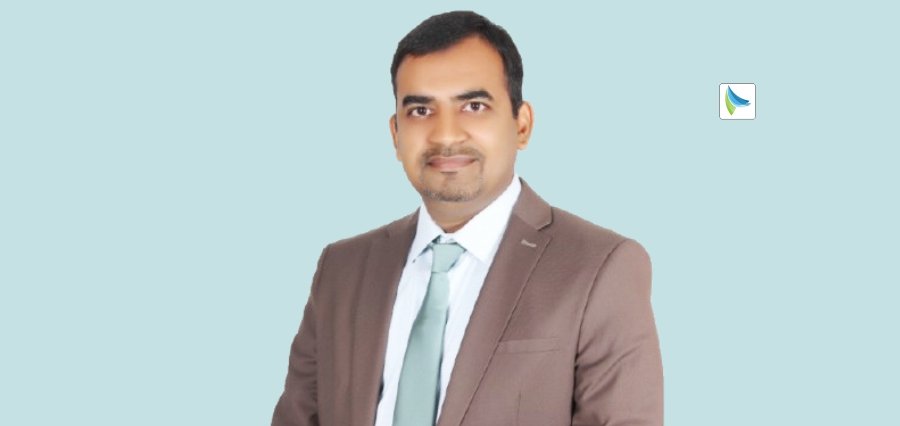
A Pragmatic Visionary – Syed Saqeeb Ahmed: Creating Future-Ready Excellence with Accel Information Technology
A successful global vision is always grounded in pragmatism, planning, and operational dynamism. So, a leader like Syed Saqeeb Ahmed holds the advantage of seeing their global vision realized in the form of Accel Information Technology in his two decades of information technology leadership, driving digital transformation and optimizing business operations. Today, as the Director of Accel, Syed’s focus is on modernizing IT infrastructures and aligning strategies with business evolution, ensuring innovation and enhanced digital experiences for their customers who come from Government to Banking, Educational institutions to Health care, small startups to Large enterprises. Syed Saqeeb Ahmed says, “As a Solution Architect, my expertise in enterprise IT infrastructure, software, and security solutions is pivotal in delivering responsive customer service and translating business requirements into effective software. Our team’s dedication to quality has been instrumental in fostering robust IT environments that safeguard and empower businesses.” True Digital Transformation At its core, for the past 15 years, Accel’s philosophy has been that true digital transformation is not about technology for technology’s sake, but about building Future-Proof Systems, says Syed Saqeeb Ahmed. “We move businesses from being reactive to becoming proactive, data-driven entities. This means we don’t just automate old processes; we reimagine them entirely,” he adds. The approach is built on three pillars: Human-Centric Design, Business-First Integration, and Iterative Agility. In this context, Syed Saqeeb Ahmed says they define ‘Reliability’ on three critical levels: Technical Resilience:This is the foundation. It means your systems have near-zero unplanned downtime. “We achieve this through robust, scalable architecture, redundant components, and proactive monitoring that predicts failures before they occur.” Process Integrity:A system is only as reliable as the data it provides and the processes it governs. “We ensure that data is accurate, consistent, and secure across all integrated platforms.” This creates a “single source of truth” that the entire company can trust for critical decisions. Strategic Consistency:The highest form of reliability is the consistent delivery of business value. “Our systems are built to not only perform a task today but to reliably support your strategic goals for years to come, adapting to new market demands without requiring a complete overhaul.” A Balanced Roadmap To help clients develop a clear digital transformation roadmap that balances technological innovation with business goals and operational continuity, Syed Saqeeb Ahmed says that they bridge the gap by translating business goals into a phased, actionable plan. “Our approach focuses on three key areas: Discovery & Alignment, Roadmap Creation, and Governance & Execution. This method ensures innovation is purposeful, directly supports business objectives, and is integrated without compromising daily operations. To explain his point, Syed Saqeeb Ahmed cites a… Case Study: Transforming Public Sector Workforce Management for a UAE Government Entity A leading UAE Government Entity faced significant challenges with manual, siloed, and non-integrated processes for workforce management, attendance, and access control. By designing and implementing a purpose-built, fully automated workforce management system integrated with their physical access control and backend Oracle Fusion HCM, we delivered a unified, data-driven platform. This resulted in **a 40% reduction in administrative overhead, a 15% decrease in unauthorized absenteeism, and the creation of a new, strategic capability for organizational planning. The Challenge: The client operated with a fragmented ecosystem: Manual Processes: Employee shift scheduling, overtime requests, and leave applications were handled through paper forms or disjointed emails, leading to delays and errors. Data Silos: The physical access control system (badge in/out data) was completely separate from the digital HR records in Oracle Fusion. There was no single source of truth for employee presence. Limited Visibility: Management had no real-time insight into workforce distribution, productivity, or attendance patterns. Decision-making was reactive, based on outdated or incomplete reports. Compliance Risks: Inability to accurately track and report on working hours, especially for shift workers, posed compliance risks with UAE labor regulations. The Solution: Syed Saqeeb Ahmed shares, “We architected and deployed a bespoke, centralized Workforce Management System that served as the intelligent layer connecting all facets of the employee lifecycle.” Purpose-Built Application:“We developed a custom web and mobile application with tailored workflows for every level of the organization.” Employees: For shift swapping, leave requests, and viewing schedules. Team Leads/Supervisors: For approving requests, managing team schedules, and generating team-level attendance reports. Managers: For overseeing department-level workforce, approving budgets for overtime, and analyzing productivity trends. Top Management: For organization-wide dashboards showing real-time headcount, presence vs. planned ratios, and strategic workforce analytics. Seamless Integration: Access Control System: The system was bi-directionally integrated with the physical access control system. Employee badge “in” and “out” events automatically updated their attendance status in the new system, eliminating manual timekeeping. Oracle Fusion HCM: The solution acted as the operational front-end, pushing finalized attendance, leave, and overtime data directly into Oracle Fusion for payroll processing, ensuring 100% data accuracy between operations and finance. Unprecedented Data & Insights:The integration created a unified dataset that had never existed before, correlating physical presence (access data) with logical work (schedules, projects) and HR data. Measurable Positive Business Outcomes: Dramatically Improved Operational Efficiency: 40% Reduction in Administrative Overhead: The automation of scheduling, time tracking, and leave management freed up hundreds of person-hours previously spent on manual data entry, reconciliation, and resolving discrepancies. Faster Decision-Making: Approval workflows that previously took 3-5 days were reduced to under 2 hours, accelerating operational tempo. Direct Cost Savings & Compliance Assurance: 15% Decrease in Unauthorized Absenteeism: Real-time visibility and automated exception reporting allowed managers to address attendance issues immediately. The clear audit trail from access control to the HR system drastically reduced “buddy punching” and unauthorized early departures. Optimized Overtime Expenditure: By having a clear view of actual hours worked versus scheduled hours, management could make data-informed decisions on overtime, leading to a 12% reduction in unplanned overtime costs in the first year. Creation of a New, Strategic Revenue-Protection Capability: While not a new revenue stream in the commercial sense, for a government entity, efficiency is revenue protection. The system identified and plugged financial leaks from inaccurate payroll and unproductive hours. This created a new “strategic insight” capability that directly contributed to the entity’s fiscal responsibility and accountability mandates. Data-Driven Strategic Planning (The “New Insights”): The most significant outcome was the ability to answer previously unanswerable questions, such as: “What is the correlation between team presence in specific buildings and project completion rates?” “How can we optimally staff our facilities

A CraftyZone Global Vision – Mrs. Mansi Pratik Inamdar: Crafting a Delightful Future by a Passion for Creativity and Customer Satisfaction
In modern times, a global vision is a must if you want to be a successful entrepreneur. Particularly, in a country like India, which is swiftly emerging as the world’s next business hub, and specifically when it comes to the fast-advancing women entrepreneurship, an all-encompassing vision held by Mrs. Mansi Pratik Inamdar makes all the difference. Today, Mansi Pratik Inamdar, as the Founder of CraftyZone, is very popular as your go-to gifting consultant and partner! If you are looking to create personalized, thoughtful, and memorable gifts for your organization or events, then Mansi Pratik Inamdar and CraftyZone are your best choice, as she specializes in curating bespoke gifting solutions that go beyond just a product—they tell a story, build connections, and leave a lasting impact. She adds, “At CraftyZone, our team thrives on delivering joy through personalized gifting, with a keen eye for unique products that guarantee a smile. Driven by a passion for creativity and customer satisfaction, we’ve carved a niche in the corporate gifting industry.” Armed with a BSc in Computer Science and certifications in digital marketing, Mansi’s journey has been enriched by mentoring and writing, empowering others with knowledge while continually learning and expanding their reach through innovative advertising and social media engagement. In an exclusive interview with Insights Success, Mansi Pratik Inamdar spoke candidly about how she is expanding her global vision via CraftyZone. Mansi Pratik Inamdar, your journey reflects a series of bold decisions. What defining turning point shaped the leader you are today? One of the boldest decisions of my life was leaving my corporate IT job after three years and investing all my savings into CraftyZone. Starting from scratch taught me discipline, patience, and consistency. That journey shaped my leadership, showing me that steady effort and self-belief are the real foundations of a sustainable business. Visionaries often see possibilities before they become mainstream. What early signals helped you identify the path your organisation is on now? From the beginning, my vision was to move away from traditional gifting and curate creative, impactful hampers. I also strongly felt the need to support women artists, something I personally struggled with during my early handmade business days. That purpose became central to CraftyZone’s identity and growth. In a rapidly shifting global landscape, how do you ensure your organisation stays ahead of the curve, both strategically and technologically? Gifting is deeply driven by trends, emotions, and occasions. I closely follow evolving industry trends and align our product curation accordingly. Strategically, we stay flexible, while technology helps us streamline customization and scale without losing the personal touch. Leaders inspire cultures, not just companies. How have you shaped a culture that supports innovation and long-term resilience? At CraftyZone, innovation begins with empathy. One such example is our patented mirror box hamper, designed to address employee mental health. The emotional feedback we received during Diwali reinforced my belief that meaningful gifting, when done with intent, creates lasting impact. Many leaders achieve milestones that redefine their industry. Which accomplishment stands out as a testament to your organization’s impact? Our strongest milestone has been recurring clients and organic word-of-mouth referrals. Appreciation shared across corporate HR circles and networking groups has helped us build trust-driven growth, and today, we proudly serve 200+ clients across industries. Disruption is now a constant. What innovative approach has recently transformed the way your company operates? Our shift to client-led curation has been transformative. Clients often come with unique ideas, and we curate around those needs. This approach has expanded our product range, vendor network, and helped us stay creatively relevant. Every breakthrough comes with challenges. What was a major obstacle your business faced, and how did you convert it into an opportunity? Being a bootstrapped business meant limited resources. However, every order’s profit was reinvested into new products, onboarding vendors, and market research. This disciplined reinvestment model became our biggest strength and growth driver. Sustainable leadership is becoming a global priority. How do you balance growth with responsible and ethical business practices? Growth at CraftyZone is intentional. We work closely with women entrepreneurs, local artists, and ethical vendors. For me, business success holds meaning only when it positively impacts people, emotionally and financially. For emerging leaders aiming to make their mark globally, what core advice would you offer about leading with vision and purpose? Consistency and discipline are non-negotiable. Keep your personal and professional lives clearly defined and make practical, informed decisions. A brand grows sustainably only when its foundation is strong and focused. Looking ahead, what strategic goals will position CraftyZone as a defining force in 2026 and beyond? My first focus is on creating sustainable income opportunities for women entrepreneurs. We also plan to launch a range of budget-friendly products on our website, making thoughtful gifting more accessible. Additionally, we aim to conduct corporate workshops on meaningful and impactful gifting within India’s growing gifting ecosystem. Read Also : A Dreamer, Thinker, Believer, and Doer – Zofia Dzik: Empowering Us, the Humans with Humanites Institute
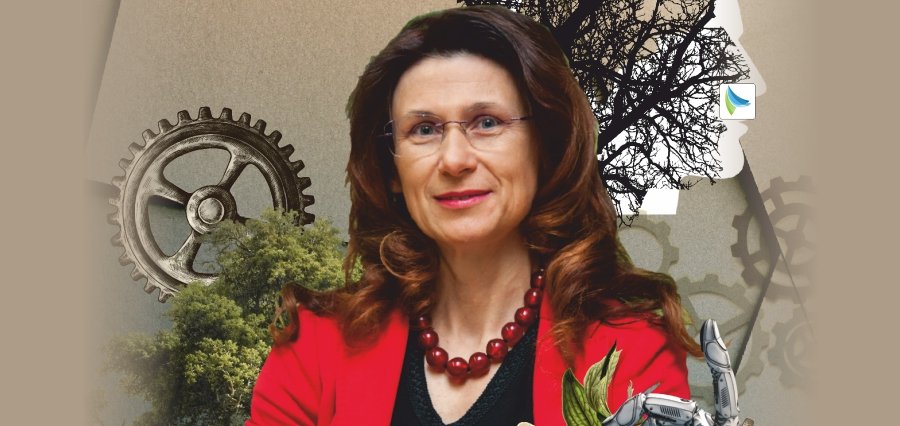
A Dreamer, Thinker, Believer, and Doer – Zofia Dzik: Empowering Us, the Humans with Humanites Institute
What is it to be human? Especially in the age of artificial intelligence-led tech revolution and geopolitical shifts. Or in the words of Zofia Dzik, a dreamer, thinker, believer, & doer, and the Founder and CEO of Humanites Institute, “Are we ready for the change? Where from to take unbiased algorithms and how to secure the internal compass of human beings? How to take a wider perspective on the human, their readiness for the technological revolution?” More crucially, what is the future of leadership? “How to grow Coherent Leaders™ who will meet the needs of the VUCA and BANI world? Why are today’s leaders stuck in Tunnel Development?” And most importantly, “When it comes to ‘Ethics in AI’, how to regain and retain humanity? Or, in other words, how to preserve humanity in the stream of Big Data and algorithms? How to regulate new technologies and preserve/develop critical thinking of people?” are the very urgent questions of our era, which Zofia, the Founder of the Center for Ethics of Technology at Humanites Institute, asks. In search of the answers to these questions, Zofia has devoted her life. As an experienced chief executive and nonexecutive officer, strategic advisor, and multidisciplinary strategic thinking partner breaking schemes, Zofia is a social innovator and entrepreneur promoting #humaneconomy and tackling the issue of Humanity&Ethics at Tech Revolution #humanity&technology. Zofia sat with team Insights Success, where she uncovered her journey, achievements, and hopes for the future that she has been envisioning for quite some time now. Okay! Ma’am, the first question. Your journey reflects a series of bold decisions. What defining turning point shaped the leader you are today? Business and private decisions: After the collapse of the Berlin Wall, applying as a student for the University of Illinois at Chicago. Moving for work from Kraków to Warsaw. Becoming the youngest CEO on the regulated market in Poland and pioneering the fintech market in direct insurance in the CEE region – thatrevolutionised the whole insurance industry across CEE. Personal development – reworkinga serious crisis in the marriage – coming out stronger, happier with the same husband. Every story is personal and individual. However, from today’s perspective, I have the feeling, looking at all my business achievements, that this one was far more difficult and challenging to make the total turnaround. Mother of three, while developing as one of the top C-level executives in Poland. Courage for Answering the Call — founding theHumanites Institute with a focus on systemic impact, and on the integration of humanity and technology. During the first ten years, many people questioned the value of this new path, often calling it “a waste of time.” In recent years, however, I have been nominated for several awards for long-term strategic thinking and have been described as a visionary. The mission of the Humanites Institute is to awaken the Human in Human. We aim to build an ecosystem that supports human beings in such a way that they can make proper use of innovation without stopping thinking, learning, and loving. Among others, notably, our organisation was among the first in the world to develop a systemic approach to addressing the growing pandemic of loneliness. Whileestablishing a foundation, a decision was made to leave the operational C-level positions in business and to develop a career as a leading nonexecutive board director. At the moment, one of the top nonexecutive board members is sitting on the boards of the largest Polish and European companies. 25years ago, I started my passion for tracking deserts around the world. Just a month ago, I came back from Atacama. I have also startedlecturing at the University. Providing lectures based on my own Coherent Leadership Model . All the people that I met on my way. Working in different environments – business, nonprofit, academic, etc. Visionaries often see possibilities before they become mainstream. What early signals helped you identify the path your organisation is on now? I love interdisciplinary development. I was observing many trends: social, technological, business, and geopolitical. I was combining the economic and social issues. In a rapidly shifting global landscape, how do you ensure your organisation stays ahead of the curve, both strategically and technologically? As stated earlier, our institute, with great intuition, named a number of trends. The answer lies in the answer to question number two. Leaders inspire cultures, not just companies. How have you shaped a culture that supports innovation and long-term resilience? The fundamental elements are the values, coherence, and the view that we take on human beings as someone. The answers I have enclosed are in three models that I have worked out. – Earlier mentioned – Coherent Leadership Model, Model of the Village – of the systemic social capital development, and Loop Model = model of the long-term social capital development. All these, with the coherence and courage, bring the results! Many leaders achieve milestones that redefine their industry. Which accomplishment or recognition stands out as a testament to your organization’s impact? Pioneering the fintech direct insurance market. Pioneering the human economy and systemic approach to the human-tech innovations (since 2010!). Disruption is now a constant. What innovative approach or initiative has recently transformed the way your company operates? E.g. – development of the campaign – HumanBE – which, from Poland, has reached companies from over 50 countries worldwide. Every breakthrough comes with challenges. What was a major obstacle your business faced, and how did you convert it into an opportunity for growth? The main obstacle was that we were pioneering the subject of human-centric technology. We were too early. 15 years ago, when I established Humanites, the trend was for unreflective run for the new technologies with no space for any doubt. We won it by consistency, high professionalism, and the ability to combine different stakeholders. Sustainable leadership is becoming a global priority. How do you balance growth ambitions with responsible and ethical business practices? This is actually the core of all our activities. One of our youngest projects, established in 2021, is the International Center for Ethics in Technology. For emerging leaders aiming to make their mark globally, what core advice would you offer about leading with vision and purpose? Have the courage to keep up to your values and purpose Looking ahead, what strategic goals or future initiatives do you believe will position your organisation as a defining force in 2026 and beyond? Extending the global presence and impact. The world is now going globally
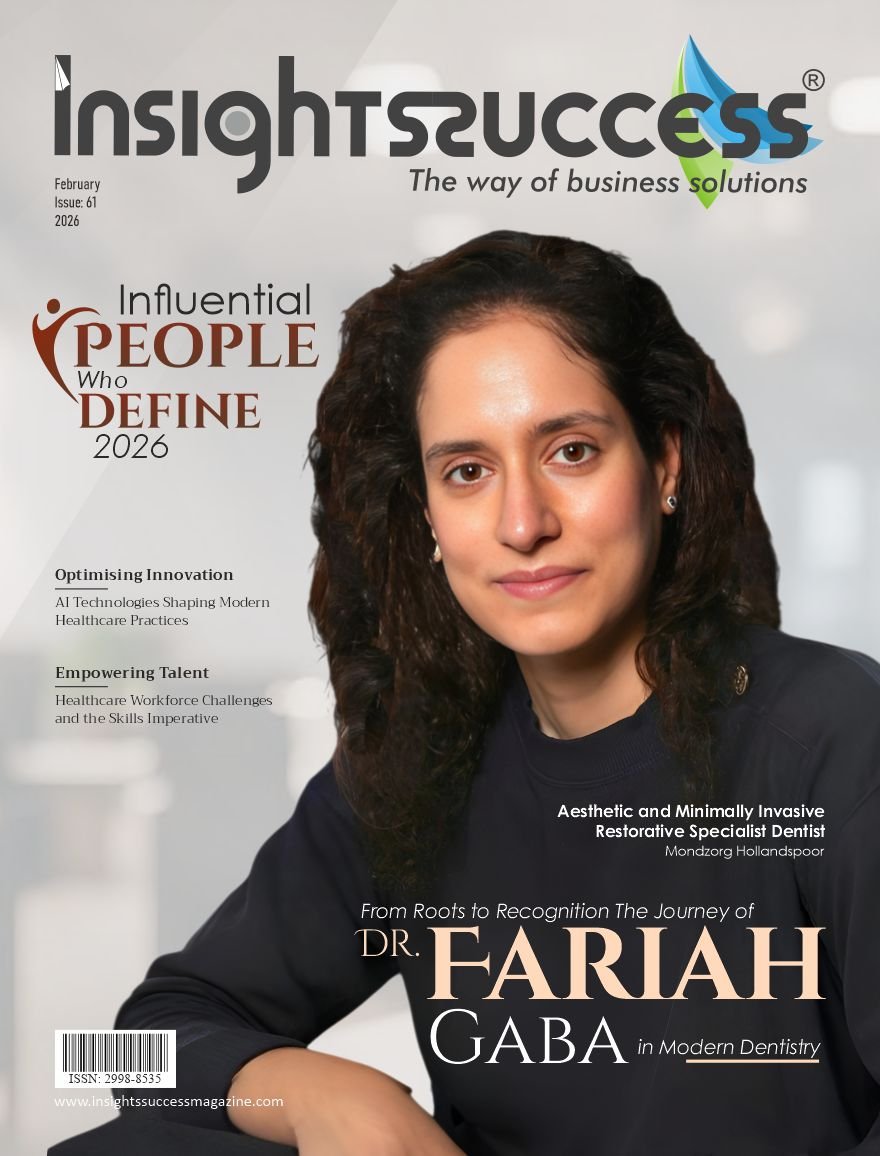
Influential People Who Define 2026
Influential People Who Define 2026 Dr. Fariah Gaba’s journey in modern dentistry reflects resilience, adaptability, and excellence shaped by strong family values. From pursuing biomedical sciences to becoming an internationally recognized specialist in aesthetic dentistry, she combines clinical expertise, research distinction, leadership, and humility while prioritizing patient-centered care and continuous professional growth. Digital Link Quick highlights Quick reads

From Roots to Recognition: The Journey of Dr. Fariah Gaba in Modern Dentistry
The life of Dr. Fariah Gaba shows how people can adapt and endure through their life changes while maintaining connections with others. Before she became a dentist, her essential traits developed from her experience of growing up in a world where everything changed except her permanent relationships. Her early dream about medicine developed into a medical career through various redirection paths. She discovered her true career path after completing her Biomedical Sciences Honours degree when she chose dentistry as her profession because it combined scientific knowledge with helping others. She studied throughout Europe starting in Spain and ending in Sweden before reaching the Netherlands where she completed her training to become a Dutch-speaking dentist who meets all official requirements through hard work and dedication. She currently works as a Specialist Dentist in Aesthetic and Minimally Invasive Restorative Procedures at Mondzorg Hollandspoor, where she has earned recognition for her clinical skills and her dedication to putting patients first. According to her viewpoint, dentistry establishes a partnership that requires both parties to establish trust through their ability to hear each other and their capacity to understand each other’s feelings. Healthcare specialists need this ability to manage their work stress during healthcare process pressure situations. Dr. Fariah Gaba shows how modern healthcare leaders combine family traditions with thankful attitudes to create their professional identities. Modern healthcare leaders assess their impact based on their professional credentials and their personal qualities and their dedication to continuous development. Foundations Built on Love and Sacrifice Dr. Gaba’s journey begins not in a dental clinic, but in the embrace of extraordinary parents who shaped her worldview from childhood. Constantly switching countries and changing schools became her norm as her father’s was in a profession which demanded constant relocation. Where most children might have struggled with instability, she discovered adventure. She recalls sitting on her father’s broad shoulders, sliding down his long legs, feeling invincible, a memory that continues to anchor her today. “I consider my father to be my superman,” she reflects, the warmth in her words painting a picture of a childhood built on unconditional love. Her parents worked tirelessly to ensure that she and her sister never felt they were lacking anything, socially, educationally, or emotionally. This foundation cultivated in her an extraordinary ability to adapt, communicate, and build relationships qualities that would later become the cornerstones of her dental practice. Changing schools frequently taught her to revel in making new connections, transforming what could have been childhood trauma into a masterclass in human connection. When Dreams Take Unexpected Turns Dr. Gaba’s path to dentistry reads like a testament to life’s unpredictability. Coming from a medical background, she initially sets her sights on medical school during her sixth form years. The dream stemmed partly from her desire to mirror her older sister, whom she deeply admires and respects. “Looking back now I smile at the naivety of my thoughts,” she admits. When UK medical schools rejected her applications, disappointment could have derailed her ambitions. Instead, it redirected them. She pursued a three-year Honours degree in Biomedical Sciences at The University of Sheffield, maintaining her connection to science and her desire to positively impact human health. A pivotal conversation with her personal tutor in her penultimate year changed everything. He suggested dentistry, believing her skill set and character would flourish in the profession. “Well, the rest was history, and my career path took a surprising turn for now what I consider to be the better,” she says. This acceptance of redirection, this willingness to embrace the unexpected, became a defining characteristic of her professional journey. She graduated from UCHCEU Cardenal Herrera University in Valencia, Spain, and subsequently relocated to Holland, undertaking the formidable challenge of becoming a fully registered Dutch speaking dentist. Balancing the Scales of Life Dr. Fariah Gaba speaks candidly about the immense pressures facing dental healthcare professionals, pressures she believes remain largely invisible to the public. “In my opinion, the definition of excellence does not only refer to one’s clinical competence, but extrapolates to other more important soft skills,” she explains. Creating symbiotic relationships with colleagues and patients requires tactfulness, active listening, problem-solving abilities, and the capacity to provide mental and emotional support of which exact their toll over time. Her solution lies in returning to her roots. Though she doesn’t visit her family often, she converses with them daily. They keep her grounded, leveled, and serve as her first part of call for advice and support. “My family members represent the solid foundations upon which I have been built,” she emphasizes. Socializing with close friends provides additional balance, preventing her from becoming overwhelmed in what she describes as a considerably overwhelming world. This acknowledgment of vulnerability, this recognition that even accomplished professionals need support systems, adds a layer of authenticity to her narrative. She does not present herself as superhuman, she presents herself as someone who understands the importance of maintaining connections that sustain the soul. The Business of Care Dr. Fariah Gaba describes her appetite for business as a “slow burner.” As she entered the dental profession, she gradually recognized the importance of understanding the intricacies behind making the “well-oiled machine” work. Her interest evolved from a superficial understanding to a deep appreciation of managerial responsibilities, employee concerns, and the delicate balance required to maintain successful practice. “Business is an emotional, mental and physical investment. Business is unpredictable, and it is this unpredictability which drives me to do better and work harder to succeed,” she states firmly. This pragmatic approach, combined with her fundamental desire to help others, creates a powerful foundation for sustainable professional growth. Passion Rooted in Gratitude When asked about the passion that drives her, Dr. Gaba’s answer is immediate and unwavering it is her parents. “My desire is solely driven by my determination to be able to care for my parents as they have always cared for myself and my sister,” she reveals. This circular relationship of care, where the nurtured becomes the nurturer clearly demonstrates a