






Cultivating Endurance: Managing Healthcare Change and Overcoming Emerging Challenges
Healthcare systems worldwide are undergoing a period of rapid transformation which result from technological innovations, demographic changes, growing patient expectations and rising financial pressures. The sector experiences transformation through digital health platforms and precision medicine which require organizations to develop both flexible and enduring operational frameworks. The establishment of Healthcare Change Management as a critical focus area results from policymakers, healthcare providers and industry stakeholders who want to deliver high-quality treatment while achieving financial viability. Organizations face multiple operational difficulties because they must establish new care delivery systems to meet government compliance obligations while handling existing employee shortages and requirement to implement advanced technological solutions. The speed of transformation has increased during recent years because worldwide health emergencies have demonstrated weaknesses in both healthcare systems and their ability to provide medical services. Government agencies and private organizations are establishing durable systems which will address both standard medical requirements and unexpected operational interruptions. Digital Transformation and Workforce Adaptation Digital technologies have become essential for transforming the healthcare industry. Patients now receive better treatment through telemedicine, electronic health records, artificial intelligence and wearable technology. The new technologies will help decrease expenses while they improve medical testing procedures and boost patient involvement. The implementation of these technologies faces major obstacles which include protecting data privacy, achieving system compatibility and establishing effective security measures. Healthcare organizations need to build both infrastructure and governance frameworks which will allow them to expand their digital operations while maintaining protection of confidential data. Healthcare organizations need to develop workforce training programs which will enable staff members to adapt their skills to upcoming changes in the industry. Medical professionals need to learn how to use new technology with different work processes for the benefit of patients. Staff members need ongoing education to learn how to use new technology. Organizations need to find solutions which will help them handle staff shortages while reducing employee stress and keeping workers from leaving. Organizations need to apply both technological advancements and human-centered methods to achieve their digital transformation goals which will result in better healthcare services and better patient results. Addressing System Resilience Health systems face their biggest challenge when they try to deliver high-quality medical services to all people. Healthcare innovations face limitations because socioeconomic gaps, geographic obstacles and digital literacy skills create barriers to their implementation. The development of operational systems will enable all people to access services through telehealth system expansion into remote regions and the development of user-friendly digital applications. All people need to benefit from technological progress which requires organizations to focus on inclusive practices in their healthcare change management process. Countries must establish healthcare systems which can withstand various global risks which include pandemics, climate change health impacts and the increasing incidence of chronic diseases. Resilience involves developing stronger supply chains, better data sharing systems and establishing partnerships between public agencies and private businesses. The solution needs both active prevention systems and methods to manage population health. Organizations can decrease future expenses while enhancing health outcomes by developing programs for preventive medicine, medical assessment and community-focused medical initiatives. Leadership and Policy Innovation Healthcare transformation needs effective leadership which works as its essential guiding force. Leaders need to operate their organizations through three essential functions which include trend forecasting, uncertainty management and organizational transformation together with their patient care activities. Its core components need to create an innovative work environment, promote cross sector partnerships, and unite various institutions through shared objectives. The process of establishing trust between parties and successfully executing new projects depends on two vital components which are open communication and decision making based on scientific evidence. Policy frameworks must also evolve to keep pace with rapid advancements in healthcare. Regulatory bodies need to find the right balance between promoting new ideas and protecting patients from harm. This process requires the creation of technology guidelines together with the establishment of standard data procedures and the advancement of care delivery systems based on patient value. Public private partnerships serve as essential drivers for both technological innovation and market expansion of effective solutions. Adaptive policies together with visionary leadership will serve as essential elements to drive progress in healthcare systems while creating new growth possibilities and better patient outcomes. Conclusion The ongoing transformation of healthcare systems presents significant opportunities and complex challenges that require a coordinated and forward-looking approach. The sector’s ongoing transformation through technological innovations, changing demographics and increasing public demand requires stakeholders to design systems which operate efficiently and provide access to all users and maintain operational strength. Organizations that adopt new ideas while keeping their main focus on patient needs will achieve better sustainable health solutions which produce excellent results in their fast-changing work environment. The success of healthcare transformation will depend on how well leaders, policymakers and healthcare providers create strategies which support public health objectives over extended time periods. Healthcare systems can meet new challenges while providing better results for all people by creating an innovative environment. Read Also : How Digital Transformation in Finance Is Reshaping Strategic Decision-Making?
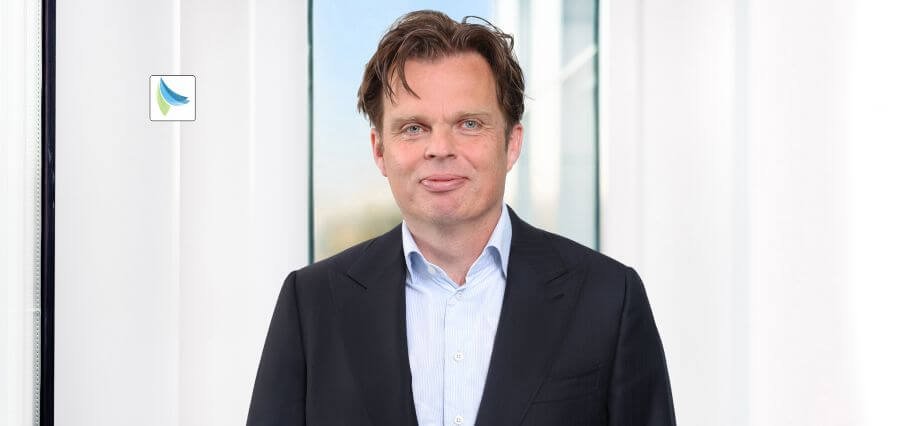
Sander Visser: Navigating Healthcare’s Grey Zone Where Quality Meets Economics
The healthcare sector defies the logic that governs most industries. Where growth elsewhere signals success, in healthcare it drives the demand for transformation. Growth is not only about patient needs. It is for a large part because organizational structures and incentives push it to grow, not necessarily in line with patient needs. This unpleasant reality has been the foundation of Sander Visser’s career as Managing Partner at PwC Strategy&, who has turned it into a road map for real change. The Genesis of a Different Vision Healthcare transformation has been Sander’s constant companion throughout his career. The calls for change have accumulated like sediment- warnings about rising costs consuming GDP, staff shortages threatening service delivery, digitization promising revolution, artificial intelligence offering salvation, and defense expenditures squeezing public budgets. Yet beneath this chorus of concern, Sander recognized that they were missing something fundamental. Without grasping the underlying forces driving healthcare cost growth, any transformation attempt risks shooting at shadows. His breakthrough moment arrived in 2012. Strategy& was still operating under its former identity as Booz & Company when Sander and his team published “Kwaliteit als Medicijn”- Quality as Medicine. The report didn’t offer incremental solutions or minor adjustments. It challenged the entire framework through which healthcare systems think about cost control. The thesis was deceptively simple: to curb healthcare costs and not merely chase incremental efficiency gains, we need to focus instead on healthcare volume. If one wants to reduce volume without harming patients, the solution is quality- specifically, clinician-led efforts that stop low-value interventions before they occur. Sander called this approach “Affordable Care,” channeling President Obama’s elegant phrase “saving lives and saving costs.” The counterintuitive heart of his argument remains powerful: less care often becomes the pathway to better care and lower costs. Dismantling Comfortable Myths Sander approaches healthcare economics like a detective examining a crime scene where everyone thinks they know the culprit, but nobody has checked the evidence. Take aging populations. People treat rising healthcare demand as an inevitable external force-populations age; aging populations need more care; and costs rise accordingly. The logic appears to be airtight. The data tells a different story. In the Netherlands, the pure demographic effect of aging, holding medical practice intensity constant, explains only around half a percentage point of yearly growth in total curative care spending. Aging matters, certainly, but it explains far less than what healthcare professionals intuitively believe. Yet this myth persists, maybe because it offers a convenient explanation that requires no uncomfortable introspection. Innovation presents the second comfortable culprit. Healthcare systems often criticize themselves for being slow to adopt change, yet they can move at a remarkable speed when clinical benefits are clear. Endovascular treatments illustrate this dynamic perfectly. These less invasive procedures benefit patients, but they also expand treatment options to older and sicker individuals who previously would not have been candidates. Innovation therefore doesn’t simply replace existing care. It creates new care by making more care possible. The innovation story contains truth, but again, only part of the truth. The Grey Zone Revolution Sander’s deeper insight cuts to healthcare’s core: there is no single, objectively “right” amount of healthcare. Medical practice contains a vast grey area stretching between clear underuse and clear overuse. This grey zone manifests in practice variation that spans countries, hospitals, and even physicians working in the same facility. The numbers reveal something startling. The spread in practice styles typically dwarfs the incremental, year-on year growth that dominates system-level debates. Practice variation is so pervasive that finding an area without it proves genuinely difficult. John Wennberg, who pioneered variation studies, famously identified hip fractures as one of the few exceptions, precisely because broken hips reflect “true” demand rather than discretionary care. This perspective fundamentally transforms cost control. It reveals a path to savings that doesn’t sacrifice patients and avoids politically explosive moves like banning innovation, raising co-payments, narrowing coverage, or rationing care for older people or those with chronic illness. The realistic lever lies in reducing overconsumption and low-value care- interventions that don’t improve outcomes or align with informed patient choice. Sander emphasizes a practical truth: while quality proves hard to define abstractly, professionals often easily recognize the opposite: low-value care in their daily work. This recognition becomes transformative when incentives shift. Systems that reward activity encourage providers to drift upward within the grey zone. Systems that protect and reward appropriate care transform that same grey zone into a wellspring of sustainable improvement. When Patients Choose Less Theory becomes reality in stories like Bernhoven Hospital. Sander’s team supported this Dutch facility in implementing shared decision-making- the systematic practice of informing patients about benefits, risks, and alternatives while genuinely inviting them to choose. This represents more than a procedural shift. It transforms the relationship from informed consent to informed choice. The impact materialized immediately. Surgery rates declined by 15 to 20 percent on average. This wasn’t rationing or denial. Fully informed patients simply chose less invasive options more frequently when they understood their choices. Patient experience improved. Outcome measures held steadily or improved. The quality went up while the volume went down. Then the existential question emerged. A 15 to 20 percent volume reduction might delight health economists, but for an individual hospital it threatens survival. Dutch hospitals operate as not-for-profit organizations with margins of just 2 to 3 percent. A sudden volume drop can destabilize the entire enterprise. Sander’s response extended beyond quality initiatives into economic architecture. His team supported payer-provider partnerships that guaranteed income stability, allowing hospitals to reduce volume without facing financial collapse. The approach changed the fundamental economic conditions so that doing the right thing became financially viable rather than suicidal. A national macro-economic government body later confirmed that 10 to 15 percent volume reductions across the entire bandwidth of provider care are achievable, opening up a tested and credible pathways to sustainable health care. The potential isn’t theoretical. Sander’s team has worked with dozens of providers and payers to capture these benefits, scaling the approach from individual contracts to
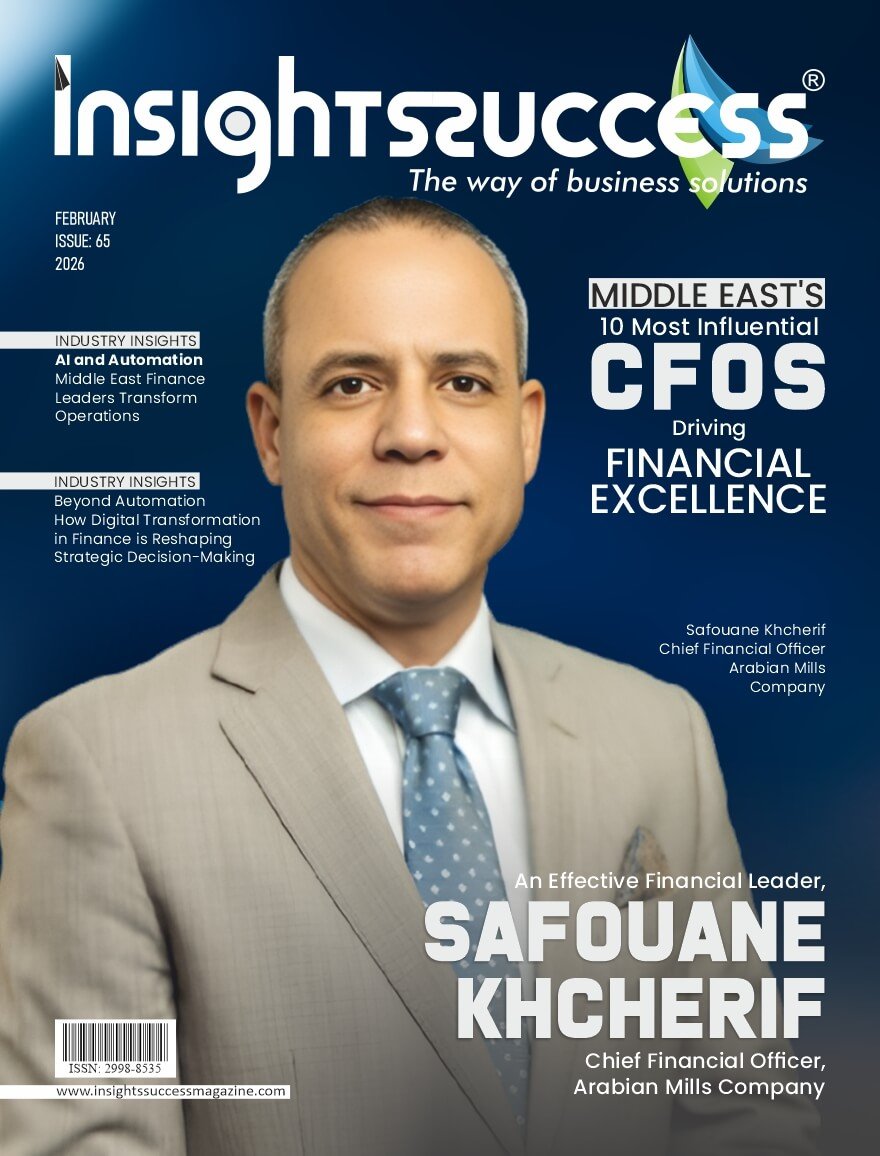
Middle East’s 10 Most Influential CFOs Driving Financial Excellence
Middle East’s 10 Most Influential CFOs Driving Financial Excellence This edition celebrates visionary financial leaders who are redefining strategy, governance, and sustainable growth across the region. This special edition highlights CFOs who combine fiscal discipline with innovation, digital transformation, and resilient leadership to shape the future of finance in an increasingly competitive and dynamic Middle Eastern economy. Digital Link Quick highlights Quick reads

An Effective Financial Leader, Safouane Khcherif – Chief Financial Officer, Arabian Mills Company
Safouane Khcherif is widely regarded as one of the Middle East’s most influential financial leaders—not just for his technical expertise, but for how he connects finance to people, decisions, and long-term impact. Today, as Chief Financial Officer of Arabian Mills, he plays a central role in shaping the company’s strategy, governance, and growth as a publicly listed national champion. Safouane Khcherif’s leadership philosophy was shaped early in his career through a mix of audit, accounting, and hands-on experience in fast-growing organizations. These foundations taught him discipline, accuracy, and control—but also something just as important: finance only creates value when it helps people make better decisions. “Effective financial leadership is as much about people and judgment as it is about numbers,” he says. Building Finance That Serves the Business Working in growth environments such as Orascom Telecom and Bintel Ltd., Safouane Khcherif learned how to build finance functions from the ground up—implementing ERP systems, designing processes, and linking financial reporting directly to day-to-day operations. These experiences reinforced a simple principle: numbers must translate into action. Later, at General Electric, Safouane Khcherif managed large multi-country P&Ls, high-value contracts, and complex deals. Exposure to board-level decision-making, governance, and stakeholder management sharpened his ability to balance strategy, risk, and execution. Together, these roles prepared him to step into senior CFO positions where finance is not a back-office function, but a strategic partner. Joining Arabian Mills: A National Responsibility Safouane Khcherif joined Arabian Mills at a pivotal moment in the company’s journey. As one of Saudi Arabia’s most important food manufacturing companies, Arabian Mills plays a direct role in food security, employment, and economic resilience. His mandate was clear: build a finance function that supports growth, transparency, and long-term sustainability—while meeting the expectations of regulators, investors, and society. Finance at Arabian Mills works closely with CEO, operations, supply chain, and commercial teams to turn strategy into execution. Own P&L, Budgets, capital allocation, and performance metrics are designed around operational realities—not spreadsheets in isolation. “Every financial decision is evaluated not only for return, but for its impact on efficiency, competitiveness, and national priorities,” Safouane Khcherif explains. Taking Arabian Mills Public Leading Arabian Mills through its IPO was one of the most defining moments of Safouane Khcherif’s career. For him, taking a company public is not just a financial exercise—it’s a cultural transformation. The transition required redesigning finance and IT functions, strengthening internal controls, and embedding a mindset of transparency and accountability across the organization. Aligning the board, executives, employees, regulators, and investors demanded clear communication and disciplined execution. “The real challenge wasn’t the mechanics of the IPO—it was readiness, mindset, and alignment,” he reflects. The result was a successful listing that positioned Arabian Mills for long-term growth as a trusted public company. Finance as an Enabler of Operational Excellence At Arabian Mills, finance plays a hands-on role in driving operational performance. Through real-time reporting, improved costing, and ERP-enabled visibility, leadership can clearly see margins, costs, and performance across production sites. Finance supports smarter planning, more disciplined capital allocation, and faster decision-making—helping reduce waste, improve efficiency, and protect profitability. Rather than acting as a control function, finance works alongside operations to ensure that performance improvements are both measurable and sustainable. “Finance doesn’t just measure performance—it helps shape it,” Safouane Khcherif says. Digital Transformation with Purpose Digital tools have fundamentally changed how finance operates at Arabian Mills. Upgraded SAP systems, automation, and analytics provide instant visibility into costs, profitability, and working capital. This allows finance to move beyond reporting and into forecasting, scenario planning, and strategic insight. Technology also strengthens governance by embedding controls into daily processes, reducing risk while improving speed and accuracy. Most importantly, integrated systems create a shared language between finance, operations, and commercial teams—ensuring decisions are aligned across the business. Managing Volatility and Risk Operating in a commodity-driven industry means volatility is a constant reality. Safouane Khcherif approaches risk management with structure and foresight. Arabian Mills actively monitors global markets, applies appropriate hedging strategies, and maintains strong liquidity and working-capital discipline. Scenario planning helps leadership respond quickly to price swings, supply-chain disruptions, and market uncertainty. For Safouane Khcherif risk management goes beyond protecting margins—it’s about safeguarding food security and long-term resilience. Beyond the Numbers Safouane Khcherif’s role as CFO extends well beyond finance. He contributes to board-level strategy, assesses long-term risks, and ensures financial planning supports national priorities such as sustainability and local employment. By connecting financial insight to real business impact, he helps leadership make informed, balanced decisions—today and for the future. “The CFO’s role is to bridge short-term performance with long-term value,” he says. Ultimately, Safouane Khcherif views finance as a responsibility—not only to shareholders, but to the economy and society that Arabian Mills serves. Looking Ahead Looking ahead, Safouane Khcherif is clear on the financial priorities that will guide Arabian Mills over the next five years. The focus is on disciplined, value-driven investment—particularly in capacity expansion, operational efficiency, and technology—ensuring that growth is both scalable and sustainable. Strong cash flow and working-capital management will remain central, providing resilience in a capital-intensive, commodity-sensitive industry. At the same time, deeper use of data and analytics will enhance visibility, support faster decision-making, and strengthen financial control across the organization. Finally, governance and risk management will continue to underpin the company’s strategy, helping Arabian Mills navigate market volatility while maintaining transparency and stakeholder confidence. Read Also: Hernan Rizo- Engineering Stability in Uncertain Times

Middle East Finance Leaders Transform Operations
AI and Automation The financial landscape of the Middle East experiences development that an observer from ten years ago would have found impossible to predict. Financial institutions experience operational changes because of four factors, which include digital transformation, regulatory reform, economic diversification, and geopolitical complexity. Visionary executives who lead this transformation work to establish new leadership standards for contemporary financial organizations. The finance leaders of the Middle East generate operational improvements through balance sheet management, which enables them to create systems that deliver sustainable growth while maintaining operational efficiency and business resilience. Finance professionals across Riyadh, Dubai, Doha, and Abu Dhabi guide their organizations through a period of technological transformation, which requires complete integration between technology and trust systems. Middle East Finance Leaders Driving Digital-First Operations The financial transformation process throughout the region depends on technology because it serves as the main support system. Middle Eastern finance executives focus their efforts on automation, together with artificial intelligence and advanced analytics, to improve their previous manual processing methods. Financial institutions use AI-driven credit assessments and robotic process automation (RPA) for compliance workflows and cloud-based ERP systems to achieve better operational flexibility. The changes that we implement at this organization serve multiple purposes because they enable cost savings while increasing precision and minimizing hazardous situations, together with quicker decision-making processes. Finance departments in organizations have transitioned from their previous function of reporting financial information to establish themselves as essential centers for operational analytics. The leaders use predictive analytics to forecast market trends while they control liquidity risks and allocate capital resources efficiently. The executives develop systems through fintech alliances and digital banking networks, which enable their organizations to respond swiftly to changing market conditions. The human factor distinguishes this transformation from other transformations. The finance leaders in the Middle East see upskilling as a vital need to help teams use automation for efficient operations to advance executive discussions. Technology serves as a tool that people use to achieve their empowerment. Middle East Finance Leaders Strengthening Governance and Compliance The Middle East has experienced substantial changes in its regulations during the last few years, which have particularly impacted VAT implementation, anti-money laundering (AML) measures, and corporate governance standards. Finance leaders in the Middle East have established compliance as an essential component of their business operations instead of handling it as a reactionary task. Financial organizations now require strong governance structures as essential components of their operational frameworks. Companies led by CFOs and finance directors are purchasing integrated risk management systems, which enable them to monitor risks in real time and produce clear audit reports. The organization implements this strategy to decrease penalty risks while building trust with its stakeholders. Both family-owned businesses and state-supported organizations have adopted transparency as the fundamental requirement for achieving sustainable development. Finance leaders are implementing international accounting standards together with improved internal audit processes to create a new culture of responsibility within their organizations. Middle East Finance Leaders Enabling Economic Diversification The Gulf region and the greater Middle East consider economic diversification as their most important goal. The national visions of Saudi Arabia and the UAE economic strategies focus on reducing oil revenue dependence while increasing technology, tourism, renewable energy, and innovation investments. Middle East finance leaders control the flow of funds, which enables the organization to achieve its goals. They create funding structures that will enable their business operations to start in new markets. Their company develops financing solutions that enable both major infrastructure projects and start-ups in the fields of financial technology and renewable energy. Their organization develops development plans which will help them maintain steady growth throughout changing business conditions. The business leaders control budget expenditure while they implement their national development operational strategies. The financial governance process now uses scenario planning and sustainability metrics along with performance dashboards as essential elements of its framework. The complete system change process requires both economic alterations and operational system modifications. Financial leaders establish effective budget utilization across their business operations by creating new procurement systems and supplier contracts while using zero-based budgeting methods. Middle East Finance Leaders Championing Sustainability and ESG The entire region now shows increasing adoption of Environmental, Social, and Governance ESG standards. Organizations must now provide responsible operations because their actual performance needs to be shown to investors, regulators, and consumers. The financial leaders of the Middle East now create financial processes that include sustainability metrics in their financial planning and reporting. Financial institutions today include green financing initiatives, sustainable bonds, and ESG-compliant investment frameworks in their standard financing operations. Organizations now use operational transformation to assess their carbon emissions, their sustainable procurement activities, and their permanent ecological effects. Finance departments work with sustainability teams to develop ESG goals that they can track through financial results. The current shift shows that businesses now understand their need to generate profits which they achieve through responsible operating procedures. The two elements work together to create value that lasts for an extended period. Middle East Finance Leaders Cultivating Agile Financial Cultures The process of transformation requires both systems and strategies, but its primary focus remains dedicated to understanding human behavior. Finance executives in the Middle East recognize that organizations achieve operational excellence through the development of teams that possess both adaptability and future-oriented capabilities. Modern finance departments now function as teams that work with different departments to achieve their objectives. Finance professionals now work closely with IT, operations, marketing, and strategy teams to align financial insights with business objectives. The team-based method of working together enables organizations to bring new products to market at a faster pace while making better choices. Organizations now need to create work environments that promote transparency and inclusivity and support ongoing educational opportunities instead of managing employees through strict hierarchical systems. Leaders create a competitive advantage for their teams by implementing professional development programs that include data literacy training and agile work practices. Middle East Finance Leaders Preparing for the Future The process of operational transformation will gain speed for upcoming

How Digital Transformation in Finance Is Reshaping Strategic Decision-Making?
Beyond Automation The finance function has grown from its early role as a financial tracking system into a current function that drives all critical company decisions. Organizations need precise forecasting and scenario planning, together with flexible budgeting methods, to succeed in today’s competitive business environment. Digital transformation in finance has become the core driver of organizational change because it empowers finance leaders to move from historical analysis to future-focused strategic assessment. Finance teams now use real-time dashboards together with advanced analytics and automated workflows, which help them work efficiently while minimizing mistakes and enhancing operational visibility. The organization undergoes a transformation that affects both its operational practices and its core strategic direction. Finance leaders now take active roles in developing enterprise vision while they discover new pathways of growth and maintain long-term organizational value. Digital Transformation in Finance: From Operational Support to Strategic Command Finance departments used to spend most of their time on three main activities which included supporting compliance needs and handling transaction processing and preparing financial reports. The digital transformation of finance operations has changed how finance departments conduct their essential functions. Finance professionals can now use cloud-based ERP systems and automation tools and AI-powered platforms to handle their daily tasks which include reconciliations and invoice processing and expense management. Finance teams acquire additional time for trend analysis and financial pattern interpretation and interdepartmental collaboration when their repetitive tasks get automated. Finance now operates as a strategic command center because it has evolved from its previous role as a support function. CFOs provide guidance to organizations about four major areas which include market expansion and digital investments and operational efficiencies and innovation strategies making finance critical for every company decision. Data-Driven Decision-Making: The Core of Digital Transformation in Finance The digital transformation process in finance has reached its most significant point through organizations developing strategic planning processes that use data analytics capabilities. Organizations now generate vast amounts of financial and operational data, but the true advantage lies in extracting actionable insights. Finance leaders use advanced analytics tools that combine artificial intelligence and machine learning capabilities to better identify trends, forecast revenue streams, and evaluate potential risks. The system achieves two objectives through real-time data integration because it establishes department-wide alignment while eliminating information silos. The finance team accesses current sales and operations and supply chain metrics, which support their process of making comprehensive strategic decisions. Leaders can use predictive modeling to assess different scenarios, which results in them selecting short-term and long-term strategies according to their business objectives. Risk Management and Agility Through Digital Transformation in Finance The current global climate demands that organizations establish proper risk management practices because of its increasingly unstable nature. The finance industry gains operational benefits through digital transformation, which enables organizations to track their financial risks and compliance requirements and market movements at every moment. Automated systems are capable of identifying abnormal patterns, which they send alerts about uncommon financial activities, while offering preliminary alerts that enable organizations to mount effective responses. Digital platforms offer organizations the capability to create detailed analysis simulations that test their systems under extreme conditions. Finance leaders can simulate economic downturns, supply chain disruptions, or regulatory shifts to understand potential financial impacts. The organization achieves better readiness, which enables its personnel to respond rapidly to changing situations because workers use effective risk assessment methods together with real-time forecasting techniques. Digital Transformation in Finance and Capital Allocation Strategy The current global climate demands that organizations establish proper risk management practices because of its increasingly unstable nature. The finance industry gains operational benefits through digital transformation, which enables organizations to track their financial risks and compliance requirements and market movements at every moment. Automated systems can identify abnormal patterns, which they send alerts about uncommon financial activities, while offering preliminary alerts that enable organizations to mount effective responses. Digital platforms offer organizations the capability to create detailed analysis simulations that test their systems under extreme conditions. Finance leaders can simulate economic downturns, supply chain disruptions, or regulatory shifts to understand potential financial impacts. The organization achieves better readiness, which enables its personnel to respond rapidly to changing situations because workers use effective risk assessment methods together with real-time forecasting techniques. Human-Centric Leadership in the Age of Digital Transformation in Finance The digital world has become vital for finance professionals because they need to acquire analytics skills, together with technology expertise, and the ability to work across different departments. The modern CFO must balance technical expertise with leadership skills, guiding teams through change while fostering a culture of continuous improvement. People need to maintain their ethical judgment together with their ability to assess situations transparently. Organizations need to establish responsible digital tool usage through human oversight which enables them to gain valuable insights from their digital tools. Organizations need to establish technological innovation with empathetic leadership because this combination creates an environment that enables employees to embrace organizational changes and trust financial information while they make valuable contributions to organizational success. The Future Outlook: Strategic Intelligence as a Competitive Edge Digital transformation in financial services will expand through emerging technologies which include advanced AI and blockchain and robotic process automation. The innovations will improve data accuracy together with enhanced security and improved predictive capabilities. Finance functions will increasingly serve as hubs of strategic intelligence, providing actionable insights that shape long-term organizational direction. The ability to combine digital tools with strategic planning will create competitive advantages for businesses that operate in complicated international markets. Finance leaders who embrace transformation will not only improve operational efficiency but also drive innovation, resilience and sustainable growth across their organizations. Conclusion: Redefining Strategic Leadership Through Digital Transformation in Finance The development of finance systems shows how contemporary businesses undergo fundamental changes. Digital financial transformation leads organizations to use its automated systems and analytical capabilities and its continuous data processing results to develop new methods for opportunity assessment and risk control. The organization now makes decisions that occur at a quicker pace while achieving

Badge Raises $17M to Power the Future of Digital Wallets
Prime Highlights Badge secured $17.1 million in funding, showing strong investor confidence in the future of digital wallets. The company aims to turn digital wallets into interactive platforms for tickets, loyalty programs, and customer engagement. Key Facts The funding includes a $13.8 million Series A round led by TTV Capital, with participation from Stripe and other investors. Founded in 2023, Badge focuses on helping businesses connect with users through widely used wallet platforms like Apple Wallet and Google Wallet. Background: Digital wallet startup Badge has raised $17.1 million to develop new mobile wallet features as businesses look beyond apps to reach customers. The funding includes a $13.8 million Series A round led by TTV Capital, with support from Stripe, Synchrony Ventures, and Infinity Ventures. Founded in 2023 by CEO Eric Senn, Badge plans to turn digital wallets into more useful platforms where users can access tickets, loyalty programs, memberships, and more. The company also previously raised $3.3 million in a seed round backed by QED Investors and Infinity Ventures. Senn said digital wallets are becoming a key layer within smartphone ecosystems rather than just a built-in feature. He highlighted new features like tickets that let users order food, view maps, and interact with brands. Platforms such as Apple Wallet and Google Wallet are already widely used, giving businesses an easy, built-in way to reach customers. According to Senn, digital wallets provide guaranteed reach because they come preloaded on devices, making them more effective than asking users to download separate apps. He added that many consumers are experiencing app fatigue, which creates an opportunity for lighter and more seamless engagement through wallets. However, Badge also acknowledges the risks tied to overuse. The company is working to build safeguards that prevent wallets from becoming overcrowded with unwanted content, similar to email or SMS spam. As digital payments grow, Badge believes wallets will become a key way for businesses to connect with users. Senn said this change could be so big that future generations may not use physical wallets, changing how people handle money and identity. Read Also: Asian Markets Rise as South Korea’s KOSPI Hits Record High on Global Optimism

G Shahid Ur Rehman Drives a New Era of Sustainable and Luxury Intercity Travel in South India
(South India) — The intercity transportation sector in South India is witnessing significant evolution over the past three decades, driven in large measure by the leadership of G Shahid Ur Rehman, the man behind Geepee Travels. Assuming responsibility at a notably young age, he transformed a traditional bus operation into a technologically advanced, customer-centric mobility brand serving thousands of passengers across the region. Today, the company stands as a benchmark for ultra-luxury, sustainable, safe, and affordable intercity bus travel. It is an achievement shaped by foresight, resilience, and disciplined execution. Early Leadership and Strategic Transformation From the beginning of his journey, G Shahid Ur Rehman demonstrated a rare blend of entrepreneurial instinct and operational expertise. Taking charge early in life, he carried out both the responsibilities and complexities of leadership. Under his direction, the organization evolved from a conventional intercity transport operator into a modern mobility enterprise defined by service excellence and operational innovation. Elevating Passenger Experience with Ultra-Luxury Standards At a time when affordability and comfort were seen as mutually exclusive, he introduced ultra-luxury coach services. Their primary goal was to redefine passenger expectations. Plush seating, enhanced legroom, refined interiors, superior ride quality, and modern onboard amenities became defining characteristics of the fleet. These enhancements established new benchmarks within the South Indian intercity bus sector, reinforcing the company’s commitment to accessible premium travel. Commitment to Safety and Sustainability Luxury and innovation were complemented by a strong focus on safety and environmental responsibility. Recognizing the growing need for sustainable mobility solutions, Rehman spearheaded initiatives to incorporate fuel-efficient and lower-emission vehicles, integrate advanced safety systems, and enforce rigorous maintenance standards. By aligning premium services with responsible operations, he demonstrated that sustainability, safety, and affordability can coexist within a single business model. Leading from the Front A defining feature of his leadership philosophy is active involvement. Rather than managing from a distance, he remains closely engaged in fleet oversight, service quality, customer experience strategies, and technology implementation. This hands-on approach has fostered a culture of accountability, discipline, and continuous improvement across the organization. Early Adoption of Digital Transformation Long before digital transformation became a core industry imperative, G Shahid Ur Rehman recognized its disruptive potential. Through collaborations with aggregators and technology partners, Geepee Travels implemented digital booking platforms, real-time vehicle tracking, automated scheduling systems, and data-driven operational insights. Online reservations, mobile ticketing, transparent fare structures, and streamlined communication channels significantly enhanced passenger convenience while improving operational efficiency. These forward-looking initiatives ensured that the company remained ahead of evolving market demands. Navigating Industry Challenges with Resilience For over thirty years of leadership, he has successfully navigated economic cycles, regulatory reforms, industry disruptions, and shifting consumer expectations. His ability to anticipate change and respond with agility is what is instrumental in sustaining growth and maintaining customer trust during challenging periods. Affordability has remained central to the company’s philosophy. While many operators positioned themselves exclusively within either budget or premium segments, he adopted a balanced strategy of delivering high-end amenities at competitive pricing. This democratization of luxury expanded access to quality intercity transportation across diverse passenger segments. Industry Influence and Future Outlook Industry observers acknowledge that his contributions extend beyond Geepee Travels. By elevating service standards and prioritizing technological integration, he has influenced broader operational benchmarks within the South Indian intercity bus ecosystem. Looking ahead, he envisions a future shaped by expanded sustainable fleet solutions, deeper technological integration, enhanced passenger analytics, and strategic partnerships designed to strengthen connectivity and operational efficiency. His continued emphasis on green mobility and customer-centric innovation positions the organization for its next phase of growth. Leadership Beyond Business Beyond his professional accomplishments, G Shahid Ur Rehman is known as a dedicated wildlife enthusiast and avid cricket follower. Drawing inspiration from nature’s balance and the discipline of sport, he integrates patience, strategic thinking, and long-term vision into his leadership approach. About Geepee Travels Geepee Travels is a leading intercity bus operator in South India, recognized for its ultra-luxury fleet, technology-driven operations, and commitment to safe, sustainable, and affordable passenger transportation. Under the leadership of G Shahid Ur Rehman, the company continues to set new benchmarks in regional mobility and customer experience. Disclaimer – This article is a work of original content created for public relations and informational purposes only. It may be published across multiple digital platforms with the full knowledge and consent of the author/publisher. All images, logos, and referenced names are the property of their respective owners and used here solely for illustrative or informational purposes. Unauthorized reproduction, distribution, or modification of this article without prior written permission from the original publisher is strictly prohibited. Any resemblance to other content is purely coincidental or used under fair use policy with proper attribution. Read Also : Delper Ecom Pvt Ltd and Devaramakkalu Charitable Trust to Launch Civilization-Scale ESG Marketplace and CSR Franchise Ecosystem Across India by March 2026

The Smart Way for Entrepreneurs to Start Operations Abroad
Going global is no longer the exclusive preserve of multinational conglomerates. Today, ambitious entrepreneurs are seizing opportunities in new markets with greater ease than ever before. Yet, setting up operations in an unfamiliar country can be a complex undertaking, fraught with legal complexities, regulatory hurdles, and high overhead costs. The line between success and struggle often comes down to one key factor: strategy. Smart entrepreneurs know that entering a new market doesn’t require a huge upfront investment or setting up a physical office from the start. Instead, it means leveraging modern business solutions, building the right network, and maintaining the flexibility to adapt. This article outlines the smartest approaches for entrepreneurs looking to launch and grow operations abroad successfully. Do Your Research Before You Commit The foundation of any successful international expansion is thorough market research. Before investing in a new country, entrepreneurs need to understand the local economy, customer behavior, competition, and regulatory environment. This includes reviewing tax policies, labor laws, licensing requirements, and any trade restrictions that could affect operations. At the same time, research methods are evolving. Forbes notes that traditional tools like surveys and quarterly reports can feel like navigating a Formula 1 race using only a rearview mirror. They show what already happened, not what’s coming next. Artificial intelligence is changing that. By analyzing real-time data from customer reviews, social media, and support interactions, AI tools uncover shifting preferences and emerging needs. This forward-looking approach helps entrepreneurs validate demand, refine pricing, and choose the right market strategy before making a costly commitment. Choose the Right Business Structure Choosing the right legal entity is a high-stakes decision for any entrepreneur setting up a business abroad. Your choice affects your taxes, personal liability, and the amount of control you retain. Depending on the country, you might choose a branch office, a subsidiary, or a joint venture with a local partner. Some regions even offer special incentives for fully foreign-owned businesses in specific economic zones. Understanding transfer pricing rules is essential when setting up a foreign entity, as it ensures that intercompany transactions comply with international tax regulations and avoid costly penalties. In the United States, most foreign nationals choose a C corporation. According to Investopedia, this structure is popular because it allows for unlimited stock and attracts outside investors. While profits are “taxed twice,” first at the corporate level and then as dividends, the benefits often outweigh the costs. For instance, a C corp shields owners from direct IRS scrutiny, which is a major concern for those hesitant to appear on U.S. tax rolls. Additionally, tax planners can often use salaries and expenses to reduce taxable income, while corporate parents may avoid capital gains taxes when selling the affiliate. Always consult a local attorney and tax advisor to ensure your structure aligns with your long-term growth. Establish a Professional Presence Creating a professional presence abroad doesn’t always require a costly physical office. To keep overhead low, many foreign entrepreneurs start with flexible solutions that provide a credible local address and professional communication support. When you Google “best state to open a U.S. LLC as a non-resident,” Delaware and Wyoming are almost always the top results. For small to mid-sized businesses, Wyoming is often the winner due to its business-friendly regulations and the complete absence of state income tax. Using a Wyoming virtual mailbox is a smart way to capitalize on these benefits, allowing you to manage all official correspondence remotely and efficiently. According to The Farm Soho, having a physical street address, rather than a P.O. Box, is essential for legal compliance and building trust with clients. This “virtual-first” approach provides the reliability and security of a traditional office at a fraction of the cost. It’s the perfect bridge for entrepreneurs to test the market and scale their operations with confidence. Navigate Compliance and Taxation Proactively Proactive compliance is the only way to prevent a foreign venture from derailing. Beyond basic filings and VAT, entrepreneurs must navigate a shifting global landscape. According to PwC, tax policy is now a tool of industrial strategy as the world reorganizes into regional blocs. With tariffs and reshoring incentives redrawing supply chains, business leaders must use scenario planning to manage increasingly fragmented tax regimes. Moreover, transparency and reputation are now as critical as technical compliance. How your company explains its social contribution can shape its “fiscal license” to operate. To stay ahead, engage local accountants to leverage bilateral tax treaties and avoid double taxation. For hiring, Professional Employer Organizations (PEOs) offer a smart way to onboard local staff compliantly without a full legal entity. This proactive approach protects your reputation, ensures uninterrupted operations, and builds the trust necessary to thrive in high-growth sectors. Build a Trusted Local Network No amount of capital can replace strong local relationships. To gain a competitive edge, foreign entrepreneurs must invest time in industry associations and local chambers of commerce. These networks provide the institutional knowledge and cultural sensitivity needed to open doors that otherwise remain shut. As Orla Leonard of RHR International in the UK suggests, leveraging these connections is the best way to find “employee number one.” She notes that referrals from existing networks are a vital first step, as clients are often surprisingly willing to “pay it forward” by flagging talented people. However, hiring is about more than just local skills. Peter Gillingwater, CEO of Newfound Global, recommends a hybrid approach to strike a balance between embedding your unique company culture and capitalizing on local expertise. By blending trusted local leadership with your core values, you earn the stakeholder trust necessary for long-term traction in a new territory. Frequently Asked Questions (FAQs) Do I need a physical office to register a company in a foreign country? Not always. Many countries permit the use of a registered virtual office address for company incorporation purposes. This allows foreign entrepreneurs to fulfil legal address requirements cost-effectively while they assess the market before committing to permanent physical premises. What is the biggest legal risk for foreign

Asian Markets Rise as South Korea’s KOSPI Hits Record High on Global Optimism
Prime Highlights South Korea’s KOSPI reached a record high, leading gains across Asian markets. Strong performance in global markets, especially the U.S., boosted investor confidence across the region. Key Facts The KOSPI surged 2.84%, supported by gains in major tech companies. Australia’s S&P/ASX 200 rose 0.93%, while Japan’s Nikkei 225 and TOPIX gained 0.72% and 1.12%, respectively. Background: Asian stock markets moved higher on Thursday, led by a sharp surge in South Korea’s benchmark index, as investors followed strong gains from Wall Street and resumed trading after the Lunar New Year holiday. The rally reflected growing confidence in global equities, especially in technology-driven markets. South Korea’s KOSPI jumped 2.84% to reach a new record high, supported by strong performances in major technology stocks. Shares of Samsung Electronics rose 4.14%, while SK Hynix gained 1.48%. The smaller KOSDAQ index also climbed 4.68%, showing broad-based strength in the country’s equity market. Analysts noted that South Korea has emerged as one of the top-performing markets in the Asia-Pacific region. In a recent report, Goldman Sachs said Korean stocks may continue to grow, with a strong outlook for 2026 after a good rise in 2025. The bank suggested that it may still be too early for investors to scale back their positions despite the recent rally. Other regional markets also recorded gains. Australia’s S&P/ASX 200 went up 0.93%. Japan’s Nikkei 225 rose 0.72%, and the TOPIX gained 1.12%. However, markets in Hong Kong and mainland China remained closed due to the Lunar New Year holiday. Asian markets followed gains from the U.S., where stocks ended higher overnight. The Dow Jones Industrial Average rose 0.26%. Investors are watching the Federal Reserve for signals on interest rates. The market rise shows better confidence and steady growth ahead. Read Also: Meta Expands Nvidia Partnership, Plans to Use Millions of AI Chips in Major Data Center Push