






Synthetic Biology Applications in Pharmaceutical Manufacturing
Synthetic biology has been at the forefront of multidisciplinary sciences of the last ten years, combining biology, engineering, and computer science in order to design and construct new biological systems and devices. Although its possible use spans a wide range of industries, from agriculture and bioenergy to pharmaceuticals, its most revolutionary use is in the production of medicines. The new technology is revolutionizing the drug discovery, production, and delivery by offering faster, cleaner, and more efficient solutions to the traditional processes. The Rise of Synthetic Biology in Pharmaceuticals The pharma sector has long suffered from access problems: lengthy drug development process, appallingly exorbitant expense, and questionable outcomes. The traditional method of producing drugs is chemical synthesis or plant extraction, both of which are energy-hungry and ecologically expensive. Synthetic biology is a behemoth promise because it enables researchers to design microbes—bacteria, yeast, and algae—to produce therapeutic molecules inexpensively and in bulk. With artificial DNA strands and new-generation genetic engineering tools like CRISPR, researchers can instruct cells to behave as tiny factories that build complex molecules that are active pharmaceutical ingredients in most medicines. Apart from simplifying the biological engineering process, it also facilitates the development of new classes of medicines. Streamlining Drug Development One of synthetic biology’s strongest assets is that it can speed up the process of discovering drugs. With the help of computational modeling and gene circuit design, scientists can quickly prototype and screen drug candidates. The build-design-test paradigm can be streamlined in less than the time required by the old trial-and-error strategy. Second, synthetic biology can screen thousands of genetic constructs in high-throughput screening, and scientists can pick the best lead-generating drug strains earlier in the pipeline. That is more targeted drug discovery, which can result in quicker development times for life-saving drugs to market. Sustainable and Scalable Production One of the assets of synthetic biology is that it potentially can be able to facilitate bringing the viability of production to bear on making it possible for drug manufacturing to become feasible. Traditional drug manufacture tends to rely on the depletion of scarce natural commodities or multiple-step synthesis protocols to yield harmful by-products. Synthetic biology has the potential to make possible the biosynthesis of drugs from renewably available feedstocks such as sugar or crops waste. For instance, the antimalarial artemisinin was once only available from the supply chain-dependent, seasonal sweet wormwood plant. Synthetic biology now allows us to genetically engineer yeast to create artemisinic acid—the precursor molecule to artemisinin—through fermentation processes in controlled conditions, giving a stable and scalable source of the drug. Not only is this cheaper for the drug, but it also removes pressure from natural ecosystems. Personalized Medicine and Advanced Therapies The future of synthetic biology is much more than the conventional small-molecule drugs. It is fueling the invention of advanced therapies like gene therapies, cell therapies, and personalized medicine. By engineering cells that are able to recognize and respond to disease biomarkers in real time, scientists are able to engineer “smart” drugs that respond to the individual needs of the patient. CAR-T cell therapy is one such example. In CAR-T cell therapy, the immune cells of the patient are genetically modified to target and destroy cancer cells. Synbio equipment is utilized in cell engineering in a way that the engineered cells possess increased targeting capability along with safety switches, thereby attaining improved treatment outcome at the cost of reduced side effect production. Also, synthetic biology enables one to build and rapidly optimize modular systems. It is possible to adapt therapies to an individual’s genetic makeup. The approach is very promising for therapy of orphan diseases and heretofore intractable diseases. Enhancing Vaccine Development and Delivery Synthetic biology is also finding a place in the vaccine area. Traditional vaccine production is sluggish and typically involves culturing viruses or bacteria in cell culture. Synthetic biology allows one to design genetic constructs against pathogens and create vaccine material like antigens or mRNA rapidly without the use of living organisms. The spotlight during the COVID-19 pandemic was provided by it. mRNA vaccines developed by organizations like Moderna and BioNTech/Pfizer were facilitated by synthetic biology platforms that provided quick development and scale-up of the vaccine manufacturing. The same technologies are employed to combat other infectious diseases with the advantage of quick response time and versatility. Challenges and Ethical Considerations While promising, synthetic biology is not without danger. Making changes to living organisms at this level of precision is very serious in safety, regulatory, and ethical terms. There is a concern for unforeseen effects, for instance, of releasing genetically engineered organisms into the environment or off-target in human treatments. To counter such challenges, policymakers and researchers are looking to incorporate safe regulation processes and biosecurity. Openness and public trust will also be essential in ensuring confidence-building and effective development of synthetic biology innovation in medicine. Looking Ahead Synthetic biology application in manufacturing medicine is a medical behemoth. It’s efficient, precise, and green by using innovative disease-treatment mechanisms that some years ago existed only in sci-fi movies. As technology becomes more advanced each day, we will continue witnessing more sophisticated technologies like programmable pills, biosensors, and on-demand pharmaceutical production. Briefly, synthetic biology is not just revolutionizing how medicines are produced—it’s revolutionizing what medicine can accomplish. By blending biology and engineering, it is imagining a world where medicines don’t just function better but are accessible to all human beings on earth. The road is only beginning, but the potential is immense for medicine in the years to come. Read more: Sustainable Chemistry Approaches in Pharmaceutical Manufacturing

Sustainable Chemistry Approaches in Pharmaceutical Manufacturing
The pharma sector has been at the junction of green technologies and environmental stewardship for the past two years. As there is increasing worldwide anxiety about climate change, pollution, and the erosion of natural resources, slowly the focus has shifted towards all industries getting greener in their operations—pharmaceuticals included. Sustainable Chemistry has been one of the most viable means of greening the future. This strategy not only minimizes the drug-producing environmental impact but also optimizes efficiency, safety, and cost-effectiveness in the long run. What is Sustainable Chemistry? Sustainable Chemistry, or green chemistry, is the design of chemical products and processes that eliminate or minimize the use and generation of hazardous substances. Sustainable Chemistry focuses on creativity in energy consumption, material consumption, and waste minimization. In the pharmaceutical sector, Sustainable Chemistry is applying measures minimizing environmental damage without weakening or enhancing the drug effect and quality manufactured. The Need for Change in Pharmaceutical Manufacturing Pharmaceutical production is a high-energy process. Historically, it entails huge amounts of solvents, electricity, and water, and even produces heavy chemical wastes. Part of the waste products is toxic and harmful to human health and the environment. In addition, the disposal of pharmaceutical waste has also been an issue, with residue in water bodies, impacting aquatic life and even reaching human drinking water. With increased worldwide demand for drugs and more stringent regulatory environments for environmental conditions having placed increasing pressure, the demand has risen for cleaner, greener technologies. And this is where Sustainable Chemistry can be a game-changer—not as regulation, but as a solution. Main Core Principles of Sustainable Chemistry in Pharma Sustainable Chemistry to pharma manufacturing is all about a few main core principles: Prevention of Waste: Instead of treating or disposing of waste after it has been generated, Sustainable Chemistry promotes preventing the waste in the first instance. This entails ensuring that reaction conditions are optimized to ensure maximum yield of the target product and minimum byproducts are formed. Safer Solvents and Reaction Conditions: Volatile organic solvents (VOCs) serve as the solvents in most pharmaceutical processing cases. Sustainable Chemistry encourages the use of less toxic, safer solvents like water, supercritical CO₂, or bio-based solvents. Energy Efficiency: Processing under ambient pressure and temperature conditions saves considerable energy input. Not only is this green with lower emissions, but the manufacturing cost is also minimized. Renewable Feedstocks: Where feasible, utilization of renewable raw materials rather than finite petroleum-derived materials is a design principle of sustainable production. Catalysis: Utilization of catalysts has the potential to speed up chemical reactions without being used up, enabling lower energy consumption and lower waste. Design for Degradation: Medicines can be designed to degrade into harmless material when swallowed, not remaining in the environment. Real-World Applications and Innovations A handful of pharmaceutical companies have started implementing Sustainable Chemistry principles with great success. For instance, Pfizer came up with an alternative synthesis route for sertraline (an anti-depressant) that circumvented over 60% of waste and solvent. In a similar manner, Merck incorporated enzymatic reactions in their process wherein it replaced classical chemical steps with biologically-sourced catalysts that are cleaner and more selective. Other significant advances are the utilization of flow chemistry—a technique for conducting reactions within a stream of continuously flowing liquid instead of in batches. Besides enhancing safety and scalability, it reduces waste and the danger of contamination to nil. With the addition of automation and on-line monitoring, flow chemistry can improve every step in the drug manufacture process to highest sustainability. Economic and Social Benefits Practicing Sustainable Chemistry is not only better for the planet—there is also good business sense behind it. Saving energy and minimizing waste saves on costs of production, savings that can be passed on in the form of lower-cost medicines. And healthier working environments save on illness exposure, too. Brand-wise, the companies that focus on sustainability can establish a positive image among consumers, investors, and regulators. In addition, Sustainable Chemistry also intersects with social responsibility and public health agendas on a broader level. The pharmaceutical companies can help lessen the pollution of the environment and toxic emissions, thereby keeping the environment clean and pollution-free, resulting in cleaner air and water in the environments surrounding where they operate. Challenges and the Way Forward Though the numerous benefits, drug manufacturing using Sustainable Chemistry is not devoid of its disadvantages. These are the expense of R&D being out of reach, requiring sophisticated machinery, and regulatory barriers that could retard progress. But with success stories piling up and technology advancing further, these are slowly being dismantled. Academia, industry, and government will need to work together. Public-private partnerships, grants, and tax credits can enable the shift toward sustainable practices. Workforce development programs and training can also teach the next generation of engineers and chemists sustainability thinking from the beginning. Conclusion Sustainable Chemistry is a critical transformation in the manner in which we are conducting business in the pharmaceutical industry. By adopting its principles into the fabric of manufacturing operations, we can build a future where life-saving drugs are made without sacrificing the health of our planet. It’s not just a green imperative—it’s a business imperative that unites innovation, stewardship, and resilience. With the world faced with unprecedented global health and environmental issues, doing the right thing by adopting Sustainable Chemistry is no longer only ethical—it is clever. Read More: Synthetic Biology Applications in Pharmaceutical Manufacturing
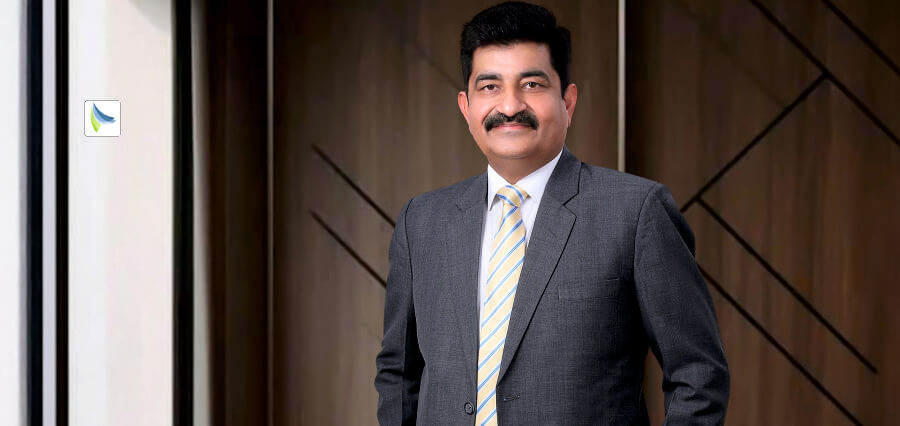
Dr. Navneet Vats: Championing Purpose-Driven, Sustainable Business for a Greener Tomorrow
Dr. Navneet Vats comes from a humble, service-class joint family in India, where simplicity and modest resources shaped his early experiences. The early phase of his life was shaped by simplicity, strong family values, and a deep respect for hard work and perseverance. Despite the modest beginnings, he was encouraged to dream big, seek knowledge, and think independently – qualities that later became the driving force behind his journey. His academic pursuits led him to complete postgraduate studies in business and management, where he gravitated toward marketing and strategy. These years of intellectual shaping played a pivotal role in carving his identity as a strategic thinker and an innovator. His professional life commenced in the fast-paced corridors of India’s corporate sector, where he quickly ascended into key leadership positions. He held prominent marketing roles at reputed organizations including Hughes Communication, ICICI Bank, 92.7 BIG FM, Hindustan Times, and Daewoo Motors. Each role enriched his perspective, honed his business acumen, and deepened his ability to think long-term, even in the face of adversity. The road was not without obstacles. Like every entrepreneur, Dr. Navneet encountered downturns, market uncertainties, and critical failures. But what set him apart was his unwavering commitment to learn, adapt, and realign. The year 2014 marked a turning point in his journey. Fueled by a vision to merge sustainability with innovation, he founded Livexpo Ventures Private Limited. The company was born from a belief that business must contribute to a cleaner, more sustainable world. With FRESHER, Livexpo’s flagship brand, he began developing eco-friendly cleaning solutions that are effective, safe, and environmentally responsible. Livexpo today is trusted by prestigious institutions including ISRO, Indian Railways, the Indian Armed Forces, top hospitals, and both government and private establishments across India. Through the ups and downs, the unwavering support of his family and close friends stood as his greatest strength, helping him navigate the path with clarity and confidence. Livexpo – Innovation with a Purpose The genesis of Livexpo Ventures came from a place of genuine concern and visionary thinking. After years in various corporate sectors from telecom to media Dr. Navneet recognized a pressing, unaddressed challenge in the space of hygiene and sustainability. With rising pollution, fast-paced urbanization, and growing public awareness about health, he noticed how traditional cleaning products, loaded with harsh chemicals, posed significant risks to both human health and the environment. He realized that it wasn’t just about cleanliness, it was about safe, sustainable cleanliness. And this vision evolved into the idea for Livexpo Ventures. Through FRESHER, the company began offering a new generation of high-performance cleaning solutions that are biodegradable and non-toxic. We deliver eco-friendly solutions that outperform chemical-based products in India while remaining truly affordable. “Creating a product that challenged industry norms meant intensive research, multiple rounds of formulation testing, and a lot of market education. In the early days, convincing clients to switch from familiar chemical brands to sustainable alternatives was not easy.” he says. But he stayed the course. He emphasized quality, consistency, and the broader environmental impact. Slowly but surely, major clients began to take notice. Today, Livexpo proudly services some of India’s most respected institutions and is expanding internationally. More than just one company, Livexpo has grown into a movement. With sustainability as its compass and innovation as its engine, Dr. Navneet and his team are actively reshaping how the world perceives cleanliness and hygiene. Navigating Professional and Personal Equilibrium Balancing a purpose-driven enterprise with personal life is no small feat, and for Navneet, this balance stems from discipline, purpose, and a reliable support system. “Leading Livexpo requires deep focus managing shifting market demands, navigating client relationships, and ensuring operational efficiencies. But I believe effective leadership lies not in micromanagement, but in trust, delegation, and building empowered teams.” he says. He has consciously created a work culture that values accountability and innovation. This has enabled him to maintain a sense of separation between work and personal life, a challenging, but essential pursuit for mental well-being. “Family is central to my life. My family remains my grounding force, offering unwavering encouragement through all phases of my entrepreneurial journey. I prioritize quality time with them through simple but meaningful rituals—like shared meals, quiet evenings, and occasional travel.” he says. His daily routine reflects a deep commitment to balance. Early morning planning, disciplined time-blocking, and moments of reflection help him stay aligned and energized. More importantly, his intrinsic motivation comes from Livexpo’s mission. The knowledge that his work contributes to public health and environmental protection provides a strong sense of purpose that sustains him through stress, setbacks, and uncertainty. To Navneet, life and work are interconnected. They draw from the same well of values and inspiration. By ensuring his business remains an authentic extension of his beliefs, he’s able to channel energy rather than deplete it, making room for personal joy and professional excellence to co-exist. Entrepreneurial Hunger and Innovation Instinct Dr. Navneet has always harbored a strong appetite for business a drive that stems from his innate love for creating value, solving problems, and generating impact. “Business for me isn’t merely about transactions or profits; it is about transformation. From my earliest days in marketing, I was intrigued by the psychology behind consumer choices, market behavior, and the strategy needed to launch, build, and sustain powerful brands.” he commented His career gave him opportunities to engage in everything from product launches to strategic pivots, but it was the birth of Livexpo that truly unleashed his entrepreneurial spirit. Livexpo isn’t just a company, it’s his response to the world’s pressing need for sustainable living. And this form of value creation is what energizes him. The excitement of transforming everyday necessities like cleaning solutions into vehicles of sustainability is the kind of challenge he thrives on. Dr. Navneet is also drawn to dynamic environments. The unpredictability of entrepreneurship doesn’t deter him, it fuels him. “I see every risk as a learning opportunity, every failure as a steppingstone, and every success as a collective victory. My
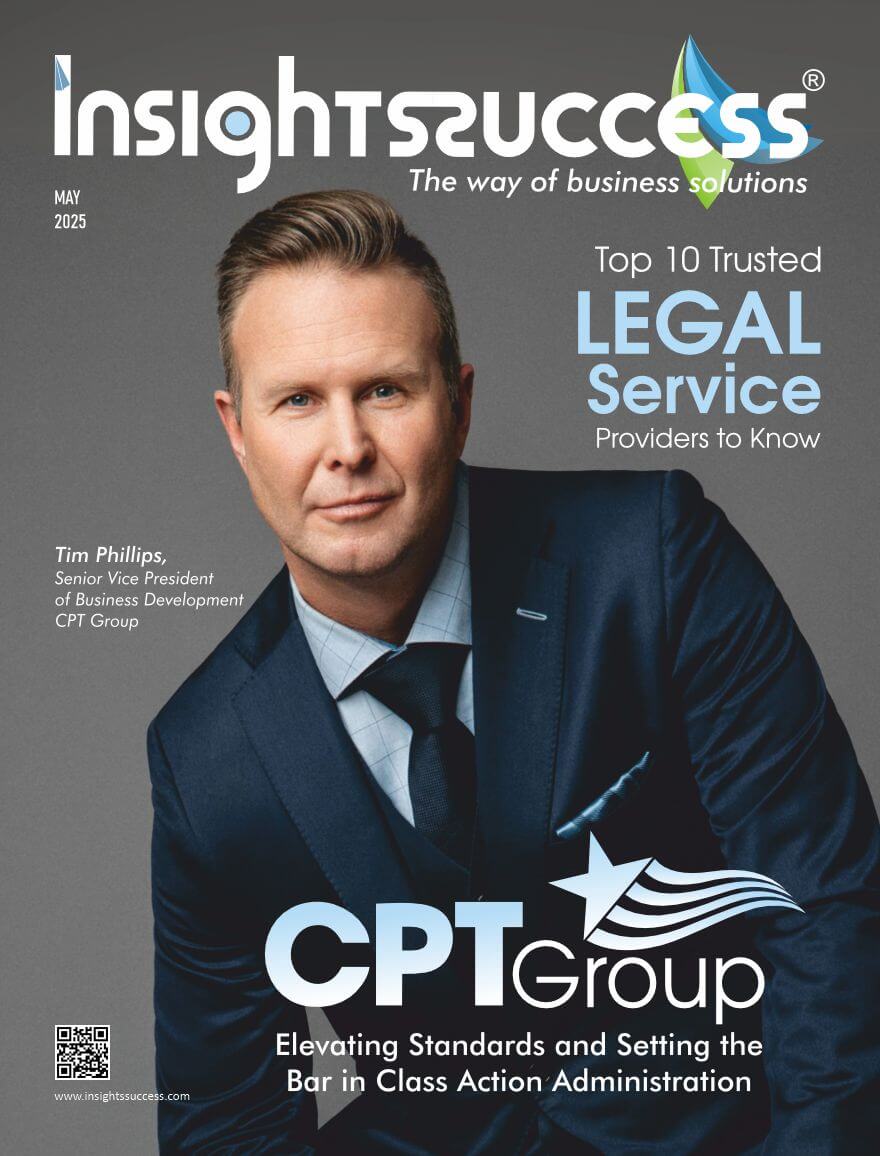
Top 10 Trusted Legal Service Providers to Know
Top 10 Trusted Legal Service Providers to Know This edition showcases the leading legal service providers who have set the standard for trust, innovation, and excellence in 2025. These firms are recognized for their deep expertise, commitment to client success, and pioneering approaches to solving complex legal challenges across industries. From corporate law to dispute resolution, intellectual property to compliance, they are shaping the future of legal services with advanced technologies, strategic insights, and an unwavering focus on integrity. Digital Link Quick highlights Quick reads

The Foundation of Trust: Leadership Principles for Long-Term Client Partnerships in the Legal Sector
In the legal profession, client relationships are the foundation on which successful practices are established. But the role of trust in such relationships extends beyond the simple first-time transaction. Establishing long-term relationships with clients is more than a one-time display of capability — it is an ongoing commitment to ethical practice, openness, and a profound understanding of client needs. For law firm leaders, building and cultivating trust with clients is crucial to enabling the practice’s sustainability and expansion. Professional expertise and a high rate of success are required, but it is leadership fundamentals that direct these relationships that matter most in separating firms. Here we discuss the core leadership competencies required to enable long-term client relationships within the legal industry. Transparency: The Key to Building and Sustaining Trust Trust succeeds in a setting of openness. In a sector where customers routinely leave clients for lawyers to navigate complex, high-stakes situations, openness in an authentic manner is not negotiable. The openness appears in many diverse capacities — ranging from setting correct case outcome expectations as well as expected time frames to being straightforward when it comes to billing plans as well as anticipated conflict-of-interest issues. Successful legal leaders understand the value of truthful communication during both periods of triumph and setbacks. When things do go wrong — in the form of unforeseen legal obstacles or delays — the capacity to keep clients apprised and engaged is crucial. Not only does this assist in controlling client expectations but it also lends weight to the relationship by demonstrating that the firm respects the client’s time and trust. Ethical Integrity: Upholding the Firm’s Reputation Integrity is always of utmost value when it comes to the profession of law. Lawyers must see to it that a culture of integrity and high ethical standards is what they implement in their firms. Clients engage firms of lawyers, not just because of their proficiency in dealing in law, but also because they can rely on them to deal in sensitive issues with confidentiality, fairness, and professionalism. In order to be successful in the long term, law firms must always operate within the ethical standards applicable to the practice of law. Ethical professionalism when handling clients entails doing what is right at all times for the client’s best interest, regardless of whether it makes firm policy more difficult or requires sacrificing personal convenience. Legal leaders need to lead by example by maintaining high standards of ethical standards that cannot be compromised on, being answerable to the teams, and making the client feel secure with the firm’s adherence to high standards of practice. Personalized Client Care: Beyond Legal Advice Although legal advice is the primary product of any law firm, the best leaders understand that clients do not always look for just legal advice. Clients want real partnership, where they feel their issues are heard, understood, and respected. To build long-term partnerships, legal leaders need to do more than provide advice — they need to provide personalized care. This is all about understanding the client’s business objectives, issues, and specific situation. Working with businesses for merger and acquisition business or individuals for family feud resolution, law firm leaders need to tailor their services to address a client’s unique needs. Taking the time to understand a client’s business or personal agenda will enable leaders to provide more focused advice and be trusted advisors — and not merely lawyers. Strategic Flexibility: In Sync with Client Requirements The regulatory environment keeps changing, and so does client demand. Effective law firm leaders need to be strategically flexible, adjusting their strategy as clients’ businesses or personal situations evolve. It may be to address a fresh regulatory hurdle, changing market dynamics, or a client’s changed objectives, and legal leaders need to be receptive to change and adjust strategies on the fly. In addition, with more and more sectors going technology-based, businesses are required to have in mind creative technological solutions that enhance client outcomes. Leaders are required to enable their institutions to be responsive and utilize technology to enhance effectiveness and provision of services and thereby offer clients a competitive advantage. Building Long-Term Relationships: Leadership for Loyalty Building long-term relationships with clients takes time and deliberate effort on the part of the firm leadership. It takes the building of a client-first culture, where all members realize that trust, transparency, and empathy matter. Leaders need to motivate their people to do better than good service — not because it’s obligatory, but because it’s the cornerstone of long-term success. In addition, relationship-oriented leaders who invest time with clients will have the ability to retain the firm in their minds for future matters and opportunities. By making clients constantly see that the firm is not just a service firm, but an invested ally, legal leaders are able to gain long-term relationships that extend beyond transactional work. Conclusion: Leadership That Secures Client Loyalty In a business where reputation and trust are paramount, legal leaders must be committed to a base of transparency, ethical integrity, tailored service, and adherence to consistency in communication. By embracing a long-term approach and strategically evolving to accommodate clients’ changing needs, law firms can establish enduring relationships rather than a mere transactional exchange of services. It’s the job of leaders, of course, to inspire those below them to apply such teachings to all client interactions with a vision of creating and operating a company whose culture is rich in trust and excellence. Simply retaining the clients, this does to build loyal, long-term partners essential to the long-term success of the company. Read more: Humanizing Law: How Empathy and Trust Redefine Client Relationships

Humanizing Law: How Empathy and Trust Redefine Client Relationships
In today’s evolving legal landscape, the old-school mentality of the lawyer-client relationship is being redefined at its very core. No longer can one be summoned to share merely legal acumen or transactional know-how; now clients aren’t just looking for answers — they’re also looking for empathy, trust, and wisdom. With their evolving needs, how the practice of law evolves to meet them has become increasingly centered on humanizing the law, the center of focus for pioneer law firms and forward-looking law heroes. Trust and empathy are increasingly coming to be seen as the keystones of long-term, successful relationships with clients. No longer content to prioritize technical proficiency or legal results alone, law firms are adopting a more comprehensive approach that places greater emphasis on the human and emotional aspect of legal relationships. This change is not merely transforming the style in which attorneys speak with clients but building deeper, richer partnerships that last beyond specific cases or transactions. The Role of Empathy in the Practice of Law Empathy as a “soft skill” complementing conventional technical expertise is generally thought of as an additive to legal practice. It is actually a key competence that can dramatically enhance the standards of legal service. Empathy involves comprehension of a client’s emotional context, sympathy for his needs, and behavior expressing genuine care. In most instances, clients seek the services of legal experts at some of the lowest points of their life, i.e., dealing with a divorce, dealing with a personal injury claim, or dealing with business conflicts. Empathetic attorneys are more than legal counsel. They are willing to listen to their clients’ stories, break down technical legal terminology into simple language, and provide clear, empathetic responses. This people-oriented system not only maximizes client satisfaction but also maximizes client loyalty, resulting in long-term relationships that can encompass several legal issues. Building Trust: The Cornerstone of Legal Relationships Trust underpins any sound client relationship, and in law, it is especially crucial. Legal clients habitually place substantial responsibility into their lawyers’ custody, entrusting them with intensely personal information and high-stakes decision-making. Without trust, a relationship will collapse in the blink of an eye, and a client’s trust in his lawyer’s competence will erode. For law firms, trust develops over time and takes consistent ethical conduct, open communication, and dedication to working in the client’s interests. Lawyers should be transparent about their approach, fees, and potential problems in an effort to instill an atmosphere of confidence and integrity. In addition, trust in the legal profession is not limited to the attorney-client relationship but also to the firm itself. Clients must be assured that the firm is acting with utmost professionalism and responsibility. This involves following good ethical standards, maintaining confidential information confidential, and being clear, honest, and reliable in communication. When clients are assured that they can trust their legal advisers, they will most likely come back for future assignments and refer the firm to others. Building Enduring Relationships through Human Relationships Although achieving exceptional legal results is certainly important, building long-term client relationships involves more than merely winning cases. The best lawyers are those who recognize that clients are human beings, just like everyone else, with their own fears, worries, and hopes. Successful law firms are those that treat their clients not as transactions but as individuals who ought to be personally cared for and attended to. To build these long-term relationships, leaders of law firms need to instill a culture in which empathy and trust are embedded in every client interaction. This begins with the way client meetings are managed — making every point of contact, whether face-to-face, by phone, or electronically, warm, uncomplicated, and dignified. It is also about managing client expectations with integrity, making sure that clients know not just what the law will do for them but also what the law cannot do and what are the obstacles to the legal process. The Impact of Empathy and Trust on Client Retention and Referrals The advantages of becoming more human in the delivery of legal services are obvious. Clients who feel emotionally at ease and who trust their lawyers are more likely to return to the same firm for other cases. They are more likely to refer the firm to their acquaintances, a cause-and-effect relationship that can propel a firm’s client base and reputation by a wide margin. Empathy and trust also have a great deal to do with keeping clients. A heard and listened-to client will be more likely to be a repeat client even if presented with a hard or long legal process. In addition, clients who believe that their legal advisor is deeply concerned with their own best interests are more likely to return for services on a repeat basis, creating a long-term and lucrative relationship. Conclusion: The Future of Legal Client Engagement Humanization of the law is not only a trend — it’s the future of client engagement for the legal profession. By embracing empathy and trust as leadership values, law firms can establish strong, enduring relationships that transcend legal transactions. Clients who are heard, respected, and cared for will be more likely to remain loyal, refer business, and continue to get legal counsel from a firm they trust. In the end, making the legal experience more human does not just benefit the client; it leads to a more fulfilling, sustainable practice for the lawyers who serve them. Read more: The Foundation of Trust: Leadership Principles for Long-Term Client Partnerships in the Legal Sector
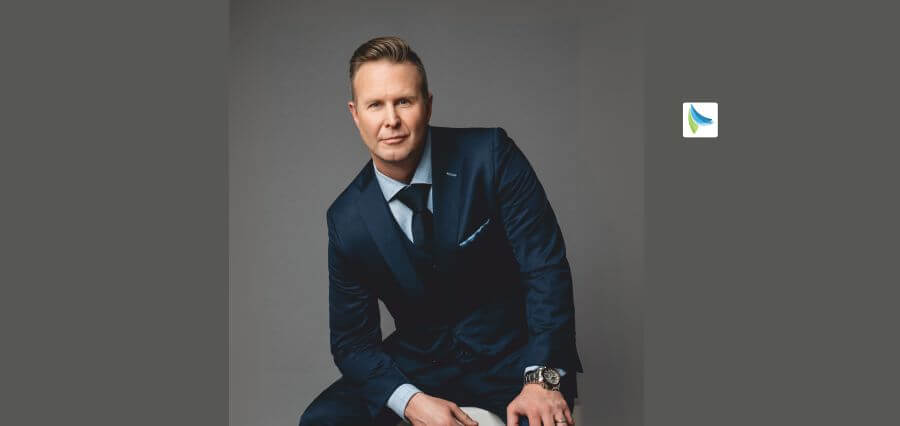
CPT Group: Elevating Standards and Setting the Bar in Class Action Administration
In an industry where precision and impartiality are paramount, CPT Group has consistently set the standard for excellence. Imagine a world where complex legal settlements unfold seamlessly, where fairness is not just a promise but a demonstrated practice. This vision drives CPT Group, an organization that has spent over 40 years perfecting the art of class action administration—transforming intricate legal processes into trusted, effective solutions. With a proven track record of administering over 530 cases annually and disbursing more than $1 billion in settlement funds each year, CPT Group has earned the trust of 10,000 plaintiff and defense clients nationwide. The company’s expertise extends across all facets of class action administration, having served over 250 million class members and handled cases of all sizes—from small-scale wage and hour settlements to nationwide, multi-million-member class actions. From its inception, CPT Group recognized that class action administration goes beyond executing settlements; it is about safeguarding trust, maintaining transparency, and ensuring each case is managed with staunch integrity. This guiding philosophy has propelled the company to the forefront of the industry, where its legacy is defined not only by experience but also by a forward-thinking approach that grows alongside the legal landscape. Its accomplished leadership team, unified by a shared vision, propels CPT Group forward. Yet, what truly sets the company apart is its consultative approach—going beyond administrative processing to offer strategic insights that optimize notice programs, streamline claims processing and enhance cost efficiency. Its steadfast commitment to security, neutrality and compliance has earned CPT Group the trust of leading law firms, corporations and government agencies. With a leadership team boasting decades of experience and a legacy of excellence, CPT Group continues to raise the bar in class action administration. At CPT Group, “We pride ourselves on being more than just a service provider—we are your dedicated partner in achieving success. With our unique blend of small company attention and big company capabilities, we ensure that every project receives the utmost care and expertise. Our commitment to building long-lasting relationships means that we are here for you, not just for today, but for every step of your journey,” shares CPT Group’s skillful team. Join us for an exclusive interview with the accomplished leadership team at CPT Group. Learn how their consultative approach, industry expertise, and solid commitment to security and compliance set them apart in class action administration. Don’t miss this opportunity to gain insights from the experts shaping the future of claims processing! CPT Group has been a leader in class action administration for decades. How do you continue to innovate and stay ahead of evolving legal and regulatory landscapes? Innovation is at the heart of our operations. We continuously evolve by investing in cutting-edge technology, advanced data security measures, and automating our processes to enhance efficiency and accuracy. One of our key differentiators is our ability to anticipate industry shifts. Our leadership team monitors regulatory updates and emerging trends in class action litigation, allowing us to proactively adapt our services to meet new compliance requirements and client expectations. CPT Group has a remarkable track record of managing over 530 cases annually and servicing over 250 million class members. What key strategies and principles have contributed to this long-standing success? At CPT Group, our success is built on a foundation of precision, reliability, and strategic client partnership. With over 40 years of experience in class action administration, we have continually refined our approach to ensure seamless execution at every phase of the process. Our ability to navigate complex legal frameworks, maintain strict compliance, and leverage innovative technology has allowed us to evolve year over year, staying ahead of industry shifts. A key factor in our longevity is the stability and expertise of our leadership team, a rare advantage in an industry where turnover is common. Tim Phillips, recently promoted to Senior Vice President of Business Development, has been with CPT Group for 15 years—an extraordinary tenure in the business development space. His consistency and deep knowledge of class action administration provide clients with a trusted, long-term partner who understands their unique needs and ensures a seamless experience across cases. Julie Green, our newly appointed President, has spent 20 years at CPT Group and is recognized as one of the industry’s foremost experts in legal notice administration. Having personally overseen thousands of class action notice programs, Julie’s expertise in compliance, notice strategy, and regulatory adherence has been instrumental in CPT Group’s ability to administer even the most complex settlements successfully. Her leadership continues to drive innovation, ensuring that CPT remains at the forefront of class action administration. Our leadership’s strength lies in our consultative approach—we go beyond administrative processing to provide strategic insights that optimize notice programs, enhance claims processing, and ensure cost efficiency for our clients. Our commitment to security, neutrality, and compliance makes us trusted partners to top law firms, corporations, and government agencies. With a leadership team that has decades of combined experience and a track record of consistency and excellence, CPT Group continues to set the bar in class action administration. With the recent leadership transitions at CPT Group, can you share how these changes will further the company’s vision and strengthen its position in the industry? CPT Group’s recent leadership transitions mark a significant step forward in strengthening its industry leadership and advancing its vision for innovation and excellence in class action administration. This strategic evolution enhances the company’s ability to provide unparalleled service, operational efficiency, and technological advancements to clients. Julie Green, now serving as President, brings 20 years of experience at CPT Group and is widely regarded as an authority in class action notice administration. Her expertise in regulatory compliance, strategic case management, and client advocacy ensures CPT continues delivering unparalleled service and thought leadership in the industry. Randi Martz, as Executive Vice President of Business Development and Strategy, will leverage her 16 years at CPT to drive national market expansion, optimize client engagement strategies, and fortify the company’s infrastructure to deliver efficient, high-quality service at

Nurturing Resilience: Dr. Robyne Hanley-Dafoe Gains Recognition in The Knowledge Review as one of the World’s Most Encouraging Keynote Speakers to Follow in 2024
Stress, change, and growth are constant aspects of personal and organizational development. Overcoming these challenges requires more than just coping; it calls for adaptation, resilience, and emerging stronger. Cultivating resilience and well-being is key to navigating life’s uncertainties with purpose. Dr. Robyne Hanley-Dafoe, Founder of Dr. Robyne HD Inc., specializes in resiliency, wellness, and navigating stress, change, and self-identity. With extensive experience in post-secondary education, professional development, and research, she offers research-based solutions to foster positive learning environments. Her approach, accessible and relatable, empowers individuals and organizations to embrace growth through tailored keynotes, consultations, and training. Dr. Robyne Hanley-Dafoe’s journey into keynote speaking began with over two decades in academia. Recognizing the value of extending her expertise beyond the university setting, she sought to democratize knowledge, particularly in psychology, human development, and behavior. Her goal was to ensure that valuable insights were accessible to all, not just academics. Transitioning from university to public speaking, Dr. Robyne’s mission became clear—empowering individuals with actionable knowledge. In 2016, a surprise invitation to deliver a TEDx Talk marked a pivotal moment in her career. From this point, Dr. Robyne embraced public speaking, focusing on resilience, hope, and personal growth. Drawing on years of teaching and feedback, her message resonated with diverse audiences, encouraging self-reflection and societal transformation. Dr. Robyne’s approach to keynotes emphasizes practical, research-backed insights delivered with authenticity. She uses storytelling to communicate complex ideas, making them relatable and memorable. Her presentations aim not only to inform but to inspire action, encouraging audiences to apply newfound wisdom in their lives. Believing in speaking as a form of service, Dr. Robyne continues to reach individuals worldwide, helping them navigate life’s challenges with hope and resilience. Through her work, she fosters personal and collective growth, guiding others toward a brighter future. Distinguished by The Knowledge Review as one of the World’s Most Encouraging Keynote Speakers to Follow in 2024, Dr. Robyne Hanley-Dafoe’s commitment to resilience and personal growth serves as a beacon for individuals and organizations facing the challenges of stress and change.
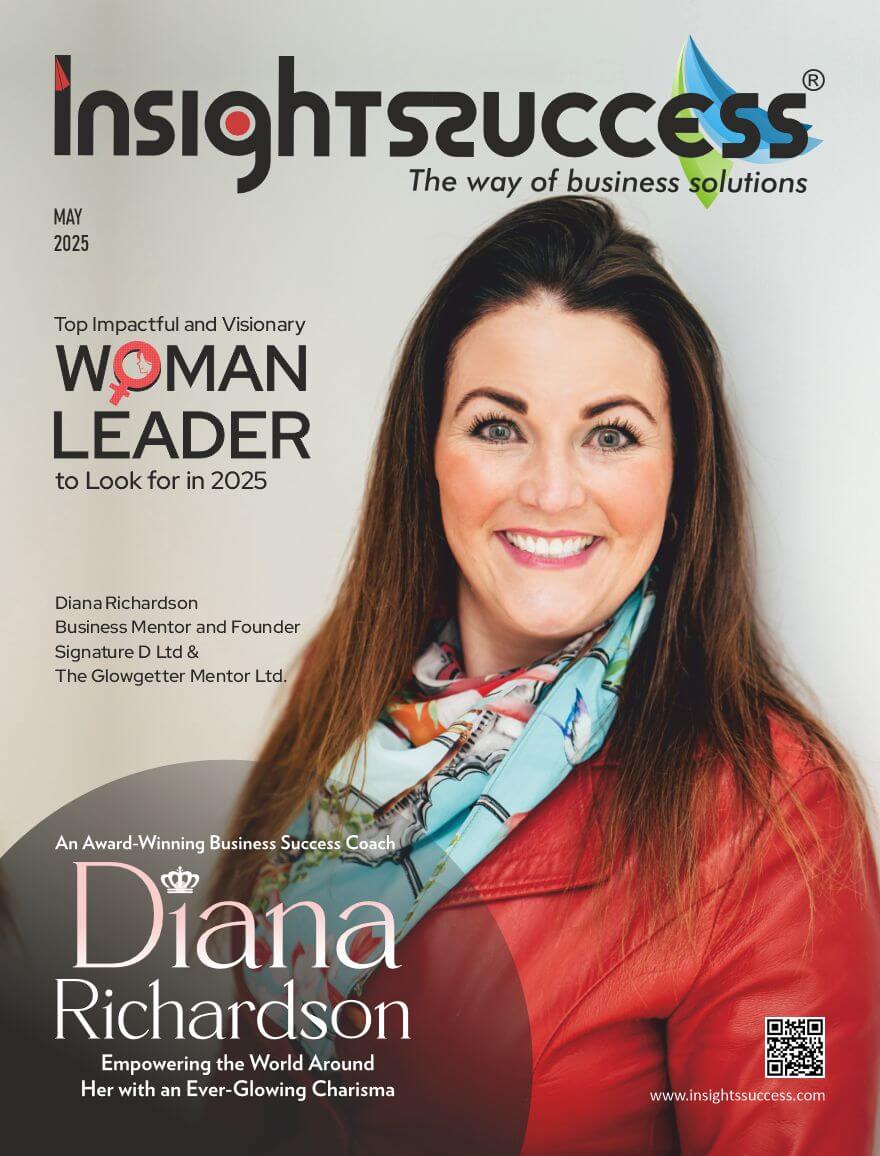
Top Impactful and Visionary Woman Leader to Look for in 2025
Top Impactful and Visionary Woman Leader to Look for in 2025 This special edition honors Diana Richardson, a purpose-driven business mentor and the visionary Founder of Signature D Ltd and Glowgetter Beauty Entrepreneurs. With over three decades of entrepreneurial experience—spanning acquisition, startup, scale, and successful exits—Diana embodies the resilience, insight, and authenticity that define truly transformative leadership. Quick highlights Quick reads

An Award-Winning Business Success Coach – Diana Richardson: Empowering the World Around Her with an Ever-Glowing Charisma
Instead of titles, accolades, or personal achievements, true leadership success is a journey that is rooted in the ability of the leader to uplift, empower, and transform the lives of others. A true leader like Diana Richardson, Business Mentor and Founder of Signature D Ltd and Glowgetter Beauty Entrepreneurs, knows that her greatest legacy lies not in what she accomplishes individually but in how she inspires growth, resilience, and excellence in those whom she mentors and coaches. In her words, it took her 33 years of lessons in entrepreneurship from acquiring, starting, scaling and selling businesses to gain the experience and expertise to share with others. A university-educated entrepreneur and seasoned business owner, Diana’s expertise lies in the beauty, wellbeing and skincare industry. An Ever-Shining Starlet Featured in Forbes, Entrepreneurs Herald, Yahoo Finance, New York Weekly, Women’s Herald, New York Journal, Yahoo News, and Beyond! Magazine, Insights Success Magazine, CIO Magazine, Disruptors Magazine, Hampshire Life, Vitality Magazine, The Leaders Globe, World Leaders, Fortunes Business Review, Women’s World, International Business Weekly, Global Publicist 24, The Enterprise World, and Billboard Magazine, Diana’s complete award list includes: Top Beauty & Wellbeing Entrepreneur of the Year for 2024 – IAOTP International Association of Top Professionals. Global Impact Excellence Awards – Business Strategy 2024. Best Business Mentor – Global Women Leadership Awards 2024. Beauty Business Strategist of the Year 2024 (UK) – Lux Life Magazine PHAB Service Star 2021 – 2024 LUXlife Excellence Award in Microneedling 2024 – South East England Innovation and Excellence Awards (2021 • 2022 • 2023 • 2024) Luxury Beauty Salon of the Year Being a multiple award winner for her comprehensive knowledge, business acumen, customer service and team management skills, Diana gained international recognition. As a Founder and CEO of ten successful companies that she has started, scaled and sold, Diana shares her experience and expertise with her Glowgetter Beauty Entrepreneurs Podcast, Coaching, Mentoring and Continued Professional Development (CPD) program. With an illustrious background as an Alumna of Saïd Business School, University of Oxford, earning a first in their Strategic Innovation Program along with obtaining her teaching qualification from Greenwich University and studying Communications at the University Nevada Las Vegas, Diana empowers entrepreneurs through education. With her wealth of experience, dedication to excellence, and entrepreneurial spirit, Diana continues to make significant contributions to the beauty and wellbeing industry. The Origin of Diana’s Success Saga It lies not in her youth but in her late childhood. Beauty, wellbeing and skincare have been her passions since adolescence. At nine, she had her first job sweeping floors as a Saturday girl in a hair salon. As a pre-teen, Diana started her entrepreneurial endeavours with various makeup and skincare mail-order companies. Then, whilst at the University of Nevada Las Vegas, majoring in communications with business electives, she worked in the prestigious spa. In 2003, Diana moved to the UK and gained her qualifications in beauty therapy, which has evolved over the years into award-winning international advanced aesthetics and multiple award-winning businesses. Diana has acquired, started, scaled, and sold several businesses in her thirty-three years as a professional in the beauty and wellbeing industry, which has now transformed into her business coaching and mentoring companies that help elevate entrepreneurs and executives around the globe. Signature D Ltd initially started to help students start their own businesses, and intrapreneurs were set up as solopreneurs. That mentorship model expanded to helping spas, salons and beauty entrepreneurs during the global pandemic. Diana recalls, “I was asked to help the government write the regulations for our industry and worked with medical personnel, which gave me niche knowledge on how to operate as a ‘COVID-19 secure’ business.” “Knowledge is Power,” A quote Diana uses often. She offers continued professional development, and she’s also an avid seeker of further education… to offer the best for her community; she has achieved a first at Oxford University Saïd Business School studying their Strategic Innovation Program and completed Harvard Medical School’s Lifestyle Medicine Coaching course, with distinction. Diana has recently been nominated for an honorary doctorate at Azteca University, and she’s embarking on a program at Harvard Business School. Diana shares all of these lessons through her business strategy sessions with the Glowgetter Beauty Entrepreneurs Ltd community through its podcast, blog, and further education programs. According to Diana, qualities like Accountability, Cadence and Time Management distinguish a great business mind from a good one. Furthermore, in today’s fast-changing business landscape, she believes that adaptability, innovation and the KEY to success is to Keep Educating Yourself. These are the most critical skills a leader needs to stay relevant and resilient. Diana’s mentorship programs have impacted many aspiring entrepreneurs. She has had many memorable mentee success stories. One was a student who was changing careers, and she wanted to specialize in Indian wedding makeup. “This inspired me to partner with the photography department so both courses could build portfolios to use immediately once they had qualified. We chose themes that would support her goals, and along with the skill set, I mentored her in becoming an entrepreneur.” She left the course fully prepared with the knowledge and launched her business startup. A year later, Diana received a card in the post to her salon – heartfelt gratitude as the mentee student had hit six-figure success in her first year. “This career chapter change was a dream come true – she had designed her destiny and was living her best life,” smiles Diana. The Pivotal Challenges Turned into Opportunities However, no successful leadership journey is without challenges. Instead of calling them mere challenges, Diana says that pivotal moments have always come to her through obstacles that have been turned into opportunities. “The landscape of these lessons is vast – staffing, finances, injury… the list goes on.” Through grit, determination and the ability to take action with the confidence that she’s making the best decision with the knowledge she has at that moment… doesn’t mean every decision was a successful one. However, lessons are learnt, and often, things