






How Trash Chutes Improve Cleanliness and Efficiency in High-Rise Buildings
Maintaining cleanliness and efficiency in high-rise buildings can be a challenge. With numerous residents or tenants, managing waste disposal effectively is crucial to ensure hygiene, reduce labour costs, and maintain a pleasant living or working environment. One solution that has proven highly effective is the installation of trash chutes. This guide explores how a trash chute improves cleanliness and efficiency in high-rise buildings, highlighting their benefits for residents, facility managers, and building owners. Streamlined Waste Disposal Trash chutes provide a centralised system for waste disposal, allowing residents to dispose of rubbish quickly and conveniently. Instead of carrying waste to a communal bin or ground-level collection point, residents can simply: Place rubbish directly into the chute from their floor Reduce the need to transport garbage through hallways or elevators Minimise the risk of spillage or littering in shared spaces This streamlined approach makes waste disposal more efficient and encourages residents to maintain cleanliness in their own units. Enhances Hygiene and Reduces Odours High-rise buildings often face challenges with hygiene due to accumulated waste. Trash chutes help mitigate these issues by: Enclosing waste in a sealed system that limits exposure to air and pests Reducing the time rubbish spends in corridors or waiting areas Allowing regular collection from the chute’s base, where it can be stored in sealed bins This system minimises unpleasant odours, discourages vermin, and maintains a healthier living environment for residents. Improves Operational Efficiency Facility management teams benefit significantly from trash chutes, as they streamline waste handling processes. Key efficiency improvements include: Reduced need for staff to collect waste from individual floors Faster waste collection times due to centralised disposal points Fewer interruptions to building operations, as cleaning staff spend less time moving bins By improving operational efficiency, building managers can allocate resources to other maintenance tasks, enhancing overall building management. Supports Sustainability and Recycling Efforts Modern trash chutes can be designed to support sustainable waste management practices. Features include: Separate chutes for general waste, recyclables, and organics Integration with compactors or sorting systems at the collection point Clear signage to encourage proper disposal among residents These systems help high-rise buildings meet environmental goals and comply with local waste management regulations in Australia. Reduces Clutter and Improves Aesthetics Without a centralised waste disposal system, rubbish can accumulate in hallways, stairwells, or communal areas, creating clutter and diminishing the building’s appearance. Trash chutes: Keep hallways and corridors free of garbage Prevent overflowing bins from accumulating in common areas Maintain a neat and organised appearance that enhances resident satisfaction A clean, visually appealing environment contributes to higher property value and tenant retention. Enhances Safety in High-Rise Buildings Carrying heavy or bulky rubbish down stairs or through elevators can be hazardous, increasing the risk of slips, trips, and injuries. Trash chutes enhance safety by: Reducing the need for residents and staff to transport waste manually Limiting obstruction in hallways and stairwells Minimising the risk of accidents related to waste handling This makes high-rise buildings safer for residents, visitors, and maintenance personnel. Cost-Effective Waste Management While installing a trash chute requires initial investment, it provides long-term cost savings. Benefits include: Lower labour costs for waste collection Reduced damage to hallways, elevators, and communal spaces from rubbish transport Fewer pest control and cleaning interventions Over time, the efficiency and convenience of trash chutes can offset installation costs and improve the building’s operational budget. Convenience and Resident Satisfaction Convenience is one of the most appreciated aspects of trash chutes. Residents benefit from: Easy access to a disposal point on every floor Less time and effort spent on waste disposal A cleaner living environment, enhancing overall satisfaction High resident satisfaction translates to longer tenancy, positive reviews, and a stronger sense of community within the building. Final Thoughts Trash chutes are an effective solution for improving cleanliness, operational efficiency, and resident satisfaction in high-rise buildings. They streamline waste disposal, enhance hygiene, support sustainability, and reduce costs, making them a smart investment for both residential and commercial properties. By incorporating a well-designed trash chute system, building owners and facility managers can maintain a cleaner, safer, and more efficient environment, ensuring high standards of living or working conditions for all occupants. Read Also : How to Plan a Luxury Yacht Event

How to Plan a Luxury Yacht Event
Hosting a luxury yacht event offers a unique and memorable experience for corporate gatherings, private celebrations, or special occasions. From breathtaking views to an exclusive atmosphere, yachts provide a sophisticated setting that impresses guests. However, planning such an event requires careful preparation, attention to detail, and an understanding of the logistics involved. This guide explores how to plan a luxury yacht event, offering practical tips and insights for Australians seeking to create an unforgettable experience, using Australian English throughout. Define the Purpose and Type of Event The first step in planning a luxury yacht event is determining the purpose and type of gathering. Consider whether the event is: A corporate function, such as client entertainment or team-building A private celebration, including birthdays, engagements, or anniversaries A themed party or social networking event Understanding the event’s purpose helps shape decisions regarding guest lists, catering, entertainment, and overall atmosphere. Set a Budget These luxury yacht events can vary significantly in cost depending on size, location, and services. Establishing a budget early on ensures financial control and guides decision-making. Include considerations such as: Yacht hire fees, which may vary based on size, duration, and amenities Catering and beverages, including special dietary requirements Entertainment, such as DJs, live musicians, or event hosts Additional services like photography, décor, or transport A clear budget allows you to prioritise essential elements and avoid unexpected expenses. Choose the Right Yacht Selecting the right yacht is crucial to the event’s success. Factors to consider include: Capacity: Ensure the yacht comfortably accommodates your guest list. Amenities: Look for features such as lounges, dining areas, sun decks, bars, and entertainment systems. Style: The yacht’s design and décor should align with the event’s theme and level of formality. Location and Route: Choose a cruising route that highlights scenic views, harbours, or sunset vistas. Booking a reputable yacht charter company with experienced crew ensures safety, professionalism, and a seamless experience for guests. Plan the Guest List and Invitations A carefully curated guest list contributes to the event’s atmosphere. Consider the following: Number of guests relative to yacht capacity Guest compatibility for networking or social interaction Sending invitations well in advance, especially for high-profile or corporate events Digital invitations or bespoke printed designs can add a touch of elegance, reflecting the luxury nature of the event. Organise Catering and Beverages Catering is a major component of any luxury yacht event. Many yacht charters offer in-house catering or allow you to hire external providers. Key considerations include: Menu selection to suit the event’s style and guests’ dietary requirements Beverage options, including cocktails, wine, champagne, or non-alcoholic choices Presentation and service style, whether plated meals, buffet, or canapé-style hors d’oeuvres High-quality catering enhances the guest experience and complements the yacht’s sophisticated setting. Arrange Entertainment and Activities Entertainment sets the tone for the event and keeps guests engaged. Options may include: Live music, DJs, or acoustic performers Interactive activities, such as onboard games or themed experiences Guided commentary or tours if the yacht passes notable landmarks Ensure entertainment choices match the event’s purpose and atmosphere to create a memorable experience. Consider Safety and Legal Requirements Safety is paramount when hosting events on a yacht. Confirm that: The yacht complies with Australian maritime regulations and safety standards Life jackets, emergency equipment, and trained crew are available Any alcohol service follows legal requirements Insurance coverage is adequate for the event Prioritising safety ensures a secure environment for guests and protects organisers from potential liabilities. Coordinate Logistics and Timing Effective logistics planning ensures a smooth and enjoyable event. Key elements include: Boarding and disembarking procedures Transport arrangements for guests to and from the yacht Event timing, considering daylight, sunset views, or evening celebrations Contingency plans for weather changes or unexpected delays Attention to detail in logistics guarantees a seamless and stress-free experience for both organisers and guests. Final Thoughts Planning a luxury yacht event requires careful consideration of purpose, budget, yacht selection, catering, entertainment, and safety. By paying attention to these factors, event organisers in Australia can create a memorable and exclusive experience that delights guests and leaves a lasting impression. A well-planned yacht event combines elegance, stunning views, and exceptional service, making it an ideal choice for celebrations that require sophistication, style, and unforgettable memories. Read Also : How Trash Chutes Improve Cleanliness and Efficiency in High-Rise Buildings

How to Choose the Best Overseas Student Health Cover for Your Study Abroad Journey
Studying abroad is an exciting and life-changing experience, but it also comes with responsibilities, especially when it comes to health and medical coverage. For international students in Australia, having the right Overseas Student Health Cover (OSHC) is not only a legal requirement but also a critical aspect of ensuring peace of mind while studying. Choosing the best OSHC can be overwhelming, with multiple providers, coverage options, and pricing plans available. This guide explains how to choose the best overseas student health cover for your study abroad journey. Understand What OSHC Covers Overseas Student Health Cover is designed to assist international students with medical costs while in Australia. It generally covers: Visits to doctors and specialists Hospitalisation and emergency services Prescription medicines (depending on the policy) Limited ambulance services Some OSHC policies may also offer extras like dental, optical, or physiotherapy, though these are not mandatory. Understanding what your plan covers helps you choose one that meets your health needs and avoids unexpected expenses. Compare Different Providers Several OSHC providers operate in Australia, including major insurers like Medibank, Bupa, and Allianz Global Assistance. When comparing providers, consider: Coverage options and limits Premium costs and payment flexibility Customer support and claims process Network of medical providers It’s important to select a provider with a good reputation and efficient support, as you may need assistance in case of illness or emergencies. Check Policy Inclusions and Exclusions Not all OSHC policies are identical. Carefully review what is included and what is excluded. Some common considerations include: Whether pre-existing conditions are covered Maternity care and mental health support Repatriation or evacuation in medical emergencies Coverage for dependents if you are bringing family Understanding inclusions and exclusions ensures you select a plan that matches your personal health requirements and avoids surprises later. Consider Your Lifestyle and Study Location Your health cover needs may vary depending on your lifestyle and where you live in Australia. For example: Students living in regional areas may need broader hospital coverage, as access to medical facilities can be limited. Active students or those participating in sports may require coverage for accidents or physiotherapy. Those with specific medical conditions may need access to specialists or ongoing treatment. Tailoring your OSHC to your lifestyle and location maximises its value and usefulness during your studies. Evaluate Costs and Affordability While it’s tempting to choose the cheapest OSHC, affordability should be balanced with adequate coverage. Consider: Annual or semester premiums and whether instalment payments are available Out-of-pocket expenses such as co-payments or excess fees Potential savings from selecting a plan that covers frequent medical needs Choosing a policy solely based on cost may lead to insufficient coverage and higher expenses in the long run. Understand the Claims Process A smooth claims process is essential for peace of mind. When evaluating OSHC providers, check: Ease of submitting claims online or in-person Average processing times for reimbursements Availability of multilingual support if needed Assistance for emergencies or urgent medical situations A provider with a straightforward and responsive claims process ensures you can access healthcare without unnecessary stress. Ensure Compliance with Visa Requirements Australian student visas require proof of OSHC for the duration of your stay. Ensure that: Your chosen OSHC provider is approved by the Australian Government Coverage meets the visa conditions for your study period You have valid documentation to provide with your visa application Compliance avoids legal issues and ensures uninterrupted coverage throughout your study journey. Seek Advice and Read Reviews Before finalising your OSHC, consider seeking advice from: Your university or college international student support office Student forums and reviews from current international students Insurance comparison websites Real-life experiences can provide valuable insight into the reliability, customer service, and ease of using different providers. Final Thoughts Choosing the best overseas student health cover is a crucial part of preparing for your study abroad journey in Australia. By understanding what OSHC covers, comparing providers, evaluating costs, and ensuring compliance with visa requirements, you can select a policy that provides peace of mind, protects your health, and allows you to focus on your studies and life abroad. Investing time in selecting the right OSHC ensures that you are well-prepared for medical needs, emergencies, and everyday healthcare, making your study abroad experience safe, smooth, and enjoyable. Read Also : How to Buy Office Chairs Online Without Regretting Your Purchase
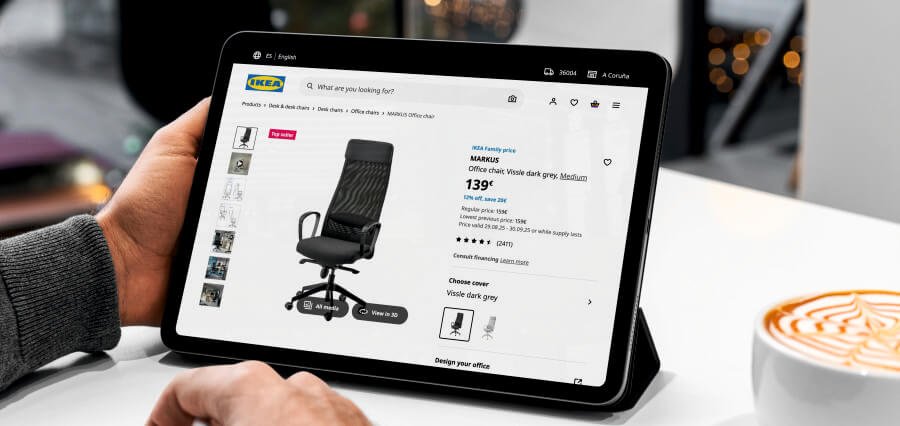
How to Buy Office Chairs Online Without Regretting Your Purchase
Buying office chairs online can be convenient and efficient, but it also comes with risks. Unlike physical stores, you can’t test the chair before purchase, which increases the chance of ending up with a chair that’s uncomfortable, poorly built, or unsuitable for your workspace. For Australians working from home or upgrading office setups, making the right choice is crucial for comfort, productivity, and long-term health. This guide explains how to Buy Office Chairs Online without regretting your purchase, providing practical tips on ergonomics, features, and shopping strategies. Determine Your Needs First Before browsing online, identify your specific needs. Consider: Usage duration: Will the chair be used for long hours daily, or just occasionally? Type of work: Desk work, computer tasks, or meetings may require different support features. User preferences: Consider seat height, cushioning, and lumbar support requirements. Space constraints: Measure your workspace to ensure the chair fits comfortably. Understanding your needs helps narrow down options and prevents impulsive purchases that may not suit your lifestyle or office setup. Prioritise Ergonomics Ergonomics should be your top priority when buying an office chair online. A poorly designed chair can lead to back pain, poor posture, and long-term health issues. Look for chairs that offer: Adjustable seat height and armrests Lumbar support for the lower back Seat depth adjustment for leg comfort Recline or tilt functions to reduce pressure on the spine Breathable materials for temperature regulation Investing in ergonomically designed chairs ensures comfort and productivity, especially for long work hours. Read Detailed Product Descriptions Online listings often provide specifications that reveal a lot about the chair’s quality and suitability. Key details to review include: Material type (mesh, leather, fabric) Weight capacity Adjustable features Warranty period and manufacturer details Pay attention to measurements, such as seat height and width, to ensure the chair will accommodate your body type and workspace. Check Customer Reviews Customer reviews provide real-life insights that product descriptions may omit. Look for: Feedback on comfort and durability Comments on assembly and installation Experiences with long-term use Any recurring issues or complaints Balanced reviews can help you gauge whether a chair meets its advertised standards and performs well over time. Consider the Return Policy and Warranty Buying online carries inherent risks, so it’s essential to understand the retailer’s return policy and warranty terms. Look for: Easy returns within a specified period if the chair is unsuitable Free or low-cost shipping for returns Manufacturer warranties covering defects or malfunctions A flexible return policy reduces the risk of being stuck with an uncomfortable or defective chair. Compare Prices and Look for Deals Online shopping allows you to compare multiple options quickly. Check different retailers for: Price variations for the same model Discounts, seasonal sales, or student promotions Bundle deals with accessories like cushions or footrests While price is important, don’t compromise on quality or ergonomics to save money. A slightly higher investment in a durable, ergonomic chair pays off in comfort and health. Consider Assembly Requirements Some office chairs require assembly, and complexity varies. Check if the chair comes with: Clear assembly instructions Necessary tools included Online video tutorials or support Ensuring you can assemble the chair properly prevents frustration and guarantees it functions as intended. Look for Adjustable and Multi-Functional Features Adjustability is key for long-term comfort. Chairs with multiple adjustable features allow you to personalise seating to your body and work habits. Features to look for include: Swivel function for easy movement Tilt lock for reclining safely Height-adjustable armrests Seat and backrest angle adjustments A multi-functional chair adapts to your changing needs, making it a versatile investment. Final Thoughts Buying office chairs online without regret requires research, careful comparison, and attention to ergonomics. By identifying your needs, prioritising comfort and adjustability, reviewing customer feedback, and understanding return policies, you can confidently select a chair that enhances productivity and protects your health. Read Also : How to Choose the Best Overseas Student Health Cover for Your Study Abroad Journey

Most Visionary Caribbean Business Leaders Driving Growth in 2025
Most Visionary Caribbean Business Leaders Driving Growth in 2025 The Caribbean is emerging as a dynamic hub of innovation, entrepreneurship, and sustainable economic growth. At the forefront of this evolution are bold leaders who are redefining regional business landscapes while building globally competitive enterprises. This edition recognizes the individuals whose foresight, resilience, and strategic leadership are accelerating progress across industries and communities. Digital Link Quick highlights Quick reads

The New Alpha – Warsha Sardjoe: A Crisis Leader Redefining Power with Rudisa
Today, we admire the leadership of a proficient personality. A change agent who glides on the complexities of the Caribbean business environment. A leader who is not bogged down in history or tradition, but rather is forward-focused. Warsha Sardjoe is an authentic paradigm shifter in the ever-changing, sometimes rigidly gender-dominated economic setting of the country. As the CEO of Rudisa, a powerful corporate multinational with deep roots in Suriname and a growing international presence, Ms. Sardjoe commands a conglomerate where the very definition of leadership is being rewritten. She operates in an atmosphere where the ingrained societal desire for a dominant ‘alpha male’ leader remains a challenge. However, Ms. Sardjoe has utilized this expectation not as a barrier, but as an opportunity to showcase the much greater effectiveness of a modern, evolved leadership approach. Within the organization, she has been given the moniker of the ‘crisis leader,’ not due to exacerbating a situation into a crisis, but through being deftly stabilized and moving the organization forward while challenges occurred. Her leadership magic comes down to her unique style: she is more inquisitive, more transparent, more flexible than others, and has a strong sense of obligation and a determined drive for results. She is a new breed leader who advances decisiveness, vision, results, and pride. The Crucible of Leadership: From Control to Trust Ms. Sardjoe’s transition into the CEO role, especially following the passing of the company’s founding father, Mr. Dilip Sardjoe, served as a profound period of transformation. She learned that the traditional definition of leadership—one centered on control—was obsolete. The real measure of a leader, she discovered, lay in empowerment. The Mandate for Alignment and Resilience This demanding period, particularly navigating Suriname’s economic volatility and the global pandemic, instilled core, non-negotiable qualities into her leadership style: resilience and adaptability. Ms. Sardjoe shared: “One of the most important lessons I’ve learned is that leadership is not about control; it’s about trust and alignment.” She learned to skillfully balance strategic vision with empathy, ensuring that every decision serves a dual purpose: maximizing business performance while simultaneously supporting her team’s professional and personal growth. This commitment to empowering others to “take ownership” became the cornerstone of her management philosophy. The Global Mindset with a Local Heart Ms. Sardjoe’s professional mindset is a unique synthesis of deep local roots and world-class academic training, a combination that has defined Rudisa’s successful expansion strategy. Wharton and the Caribbean Connection Her education at the esteemed Wharton School provided her with the global toolkit for analyzing systems, markets, and leadership innovation. However, her Surinamese heritage acts as her constant anchor, grounding her work in the fundamental reality that business is an endeavor ultimately driven by people, communities, families, and values. “Combining both means I can think globally but act locally. I understand international strategy, but I never lose sight of the human and cultural dimensions that drive business in the Caribbean.” This masterful balance allows Rudisa to operate with global standards for efficiency and strategy, yet retain a “local heart” in its expansion and community engagement. This strategic duality is what solidifies Warsha Sardjoe’s place as a visionary leader—one capable of leading a multinational enterprise with both uncompromising rigor and profound cultural sensitivity. The Vision Realized: From Trading House to Conglomerate When Ms. Sardjoe first joined Rudisa, her vision was expansive: to transition the company from a mere “traditional trading powerhouse into a diversified, future-oriented conglomerate.” She sought an enterprise defined by sustainable operations and strong regional influence. Today, she confirms that this transformation is a living reality. Under the joint leadership of Ms. Sardjoe and her late father, Mr. Dilipkumar Sardjoe, Rudisa has built powerful regional brands like Diamond Blue, Pro-Life, and Thrill, significantly expanded its Quick Service Restaurant (QSR) network with Burger King, and thoroughly modernized its manufacturing and logistics lines. These decisive actions are bringing the company closer to its goal. Ms. Sardjoe states: “We’re not done yet, but we’re much closer to the vision of Rudisa as a Caribbean leader with global standards.” This vision involves not just market expansion but deep investment in digital tools and sophisticated regional logistics, ensuring the conglomerate can compete effectively on a global stage while remaining rooted in the Caribbean. The Three Pillars of Future Growth As CEO, Ms. Sardjoe’s strategic priorities for the next five years are focused on a clear, three-pronged attack: Caribbean expansion, digital transformation, and sustainability. ~Caribbean Expansion: Deepening market presence through food and beverage exports and strategic retail partnerships across the islands and mainland markets. ~Digital Transformation: Digitalizing the entire business model, from launching e-commerce platforms to implementing AI-driven logistics to maximize efficiency. ~Sustainability: Making sustainability central by reducing plastic packaging, investing in renewable energy, and systematically documenting corporate social responsibility (CSR) initiatives as Rudisa approaches its 50th anniversary. Legacy vs. Modernity: The Challenge of Shifting Mindsets Ms. Sardjoe acknowledges that maintaining Rudisa’s long-standing legacy while embracing rapid modernization presents a unique challenge. While the firm benefits from strong roots, loyal teams, and trusted brands, innovation demands a fundamental shift in perspective. The core difficulty was shifting mindsets away from the ingrained comfort of “how we’ve always done it” toward the critical question of “how can we do it better?” This required continuous training and open communication to align the entire workforce with the vision. “The balance lies in honoring our history while building systems that make us future-proof.” Furthermore, the commitment to the future required making “tough investments in digital infrastructure”—investments that do not guarantee immediate returns but are essential for long-term relevance. Ms. Sardjoe’s journey is defined by this disciplined approach: a resolute promise to honoring the past by actively ensuring the company’s vibrant future. The Competitive Edge: Knowing the Consumer Best In a dynamic Caribbean market often targeted by giant global corporations, Ms. Sardjoe ensures Rudisa doesn’t just survive—it thrives. Her competitive advantage is simple: superior market intelligence. Global players may possess vast resources, but they often fail to grasp the nuances of local culture and consumer behavior.

The New Standard for Modern Organizations
Human-Centered Leadership Modern organizations function in a period that is largely influenced by rapid changes, digital advances, and increasing human demands. The technology has changed the way work is done, but it has also revealed a bigger fact behind it all: systems alone do not drive sustainable success anymore. People do. Consequently, human-centered leadership has become the new norm, the very way organizations re-make their culture, increase their performance and generate long-term value. Human-centered leadership concerns people with the company strategy, decision-making and implementation. It understands that empathy, trust, and purpose are not ‘soft’ ideals, but three core business capabilities. From Control to Connection Traditional leadership models were based on hierarchy, control, and compliance. Even though these models were efficient in stable environments, they are not very effective in today’s complex and dynamic world. The organizations of today call for qualities such as adaptability, creativity, and engagement, which cannot be ordered. Human-centered leaders move from control to connection. They work on relationships, practice listening, and try to get the understanding of the realities of their teams. Such ties build trust which becomes a base for collaboration, accountability, and innovation. When individuals feel that they are understood, they are more likely to let their full capacity be seen and they will also take the responsibility of the results. Empathy as a Strategic Capability Empathy is not a characteristic of an individual only, that is to be used in personal one-to-one interaction; instead, it is a strategic leadership capability. Leader practicing empathy can identify and comprehend the motivation, struggles, and dreams of the employees. The leaders realize that performance is strongly correlated to wellbeing, inclusion, and psychological safety. Empathetic leadership leads to good decisions as it looks at human impact together with business metrics. It helps leaders to foresee opposition, influence change smoothly, and create friendly-working policies that support productivity as well as the people. Furthermore, empathy becomes the organization’s source of resilience and contributes to less disengagement in the teams. Purpose-Driven Cultures That Inspire Commitment Human-centered leadership and purpose are strongly interrelated. Workers are increasingly looking for a sense of purpose in their work and also for the compatibility of their own and the organization’s values. Leaders who communicate a clear and genuine purpose give team members an idea of how their input matters not just for the tasks and the targets. Purpose-driven cultures generate commitment rather than compliance. People work not only because they are paid to do so, but mostly because they trust in the organization’s values. The feeling of having a purpose is what keeps one motivated, loyal, and willing to exert extra effort – in this way, it has a direct positive impact on performance. Psychological Safety as a Performance Enabler High-performing organizations are psychologically safe. Human-centered leaders develop such a culture where people feel comfortable to express their opinion, challenge ideas, admit their mistakes, and ask for help. This willingness speeds up learning and innovation, and at the same time, it lowers the chances for mistakes that can be hidden by fear. Psychological safety is not without accountability. It implies separating learning from blame. When leaders take wrong steps positively, teams get more flexible and problem-solving oriented. Gradually, this openness culture becomes their competitive advantage. Inclusive Leadership in a Diverse World The organizations of today have become diverse in multiple aspects and thus they operate through different cultures, generations, and geographical areas. The leaders who put human needs first are very happy with the diversity as it provides them with more strength. They are always on the lookout for different viewpoints, fight against bias, and make sure that everyone has fair access to opportunities. Inclusive leadership leads to better decisions and makes the company more attractive in global markets. When a person feels that he/she is included and respected, he/she will be more open to contributing and collaboration will be effective. Besides being a moral obligation, inclusion turns into a strategic one as well. Leading Through Change With Humanity Change is never-ending, however, it is mostly disruptive and emotionally hard to take. Human-centered leaders help with change implementation by being transparent and showing care. They communicate in a straightforward way, show that they are not sure, and support rather than let the change happen by force. This method of doing things earns trust and thus the resistance gets lowered. The people willing to change will be the ones who feel that they are informed, respected, and supported. The human-centered leadership approach makes the change expected to be anxious but actually, it is a chance to grow. Measuring Success Beyond Short-Term Metrics Human-centered leaders do not limit their definition of success to just performance, they widen it. Along with the quarterly results, they consider other indicators such as engagement, trust, learning, and cultural health. These are the factors that lead to a company’s long-term performance and sustainability. By putting people first, leaders get to the point where the results they bring about are not one-time but can be repeated. The short-lived wins that are gained by sacrificing trust or wellbeing are replaced by long-term success that is firmly grounded. Read Also : Courage, Clarity, and Consistency

The Leadership Advantage That Lasts
Influence with Integrity Influence has become one of the leadership’s most valuable currencies in a world where people are constantly watching and things change very quickly. But influence without integrity is still a very weak thing. It may be able to command attention for a short period of time, but it cannot be the source of trust, loyalty, or long-term impact. The leaders who survive — be it those who impact enterprises, cultures, and societies over time — are those who influence with integrity. This combination results in a leadership advantage that is not dependent on circumstance or position and hence does not fade away. Integrity as the Basis for Influence Integrity means that one’s values, words, and actions are in harmony. A leader with integrity behaves in the same manner irrespective of whether it is convenient or profitable. Such leaders make their choices through a principled approach and not under pressure, and they keep their promises even when no one is watching. This regularity is what makes these leaders credible and hence the true source of their influence. People willingly follow leaders who are worthy of their trust. Integrity earns that trust not through proclamations, but through the day-to-day conduct which demonstrates that one is reliable and fair. Influence Based on Trust, not on Authority Influence that lasts long is not dependent on a leader’s hierarchy or control. It comes as a result of respect, transparency, and genuine engagement. An integrity-based leader not only talks but also listens. Such a leader welcomes the dialogue, respects the differing views, and even provides opportunities for others to be able to contribute more. If people are made to feel that they are listened to and that their views are respected, then influence becomes an easy task for them. Those affected support decisions not because they are imposed on them, but because they understand them and they are in agreement with them. Ethical Decision-Making under Difficult Situations The real trial of integrity is in those moments of hardship or pressure situations. When a leader faces a situation where timelines are shortened, competition is getting fiercer or stakes are getting higher, he/she is usually tempted to sacrifice his/her values in order to get some short-term benefits. That temptation is, however, resisted by leaders who influence with integrity. These leaders are fully aware that an ethical compromise will break down trust and create risks in the long term. These leaders, by choosing to be transparent and practicing their accountability even in the most trying of situations, go on to strengthen their credibility and thus their influence. Integrity becomes that support which holds the leader firm in times of uncertainty. Consistency that Builds up Confidence The influence that is based on integrity is supported through the factor of consistency. The teams witness leaders’ behavior in different situations such as success and failure, praise and criticism, calm and crisis. When leaders use the same standards for everyone in a fair manner and are still in line with their principles, people get more trust in such leadership. Consistency helps to lessen the doubt that people may have. It provides a feeling of psychological security which is very essential especially when teams are required to deliver their tasks with focus and commitment. By Honest Leadership Inspiring and Enabling Others Leaders who are influenced by integrity do not accumulate power for their own sake. These kind of leaders will present the facts with no restrain, give compliments in a very generous manner, and if the result is not good, they will take the blame. Such a kind of honesty will raise the spirit in others to do likewise, that is, to come forward, take on the responsibility, and lead within their own spheres of influence. Through the example of taking responsibility, these leaders build up the kind of culture where integrity is not merely set as an expectation but has become the norm. Long-Term Asset — Reputation One’s influence that has its roots deep in integrity is a major factor in the growth of one’s reputation over time. Whereas the reputation that solely depends on one’s charm or results can be very volatile, the one which is built on the leader’s ethical behavior will last. First of all, employees, customers, partners, and communities are the stakeholders who benefit the most from the leaders whose decisions can be predicted based on principle, albeit the outcomes remain uncertain. Reputation becomes like a silent weapon that allows one to achieve his/her goals, to be appealing to the best people, and to build up strong relationships thus making it last for a long time. Read Also : The New Standard for Modern Organizations

Digital Protection Practices Every Business Should Follow
Getting cybersecurity right is not about buying a single tool. It is a set of habits that reduces risk a little each day. The ideas below focus on what any team can start now, even with a limited budget and time. Map Your Biggest Risks Begin with a lightweight risk review. List your critical systems, sensitive data, and who can access them. Put likely threats next to each item, such as phishing, invoice fraud, or lost laptops. Turn that list into a short plan. Rank items by impact and effort so you fix high-impact issues first. Revisit the plan each quarter so it stays current with new software and staff changes. Keep the scope small at first, like your email system or billing platform. Write 3 simple questions for each system: What could go wrong, how would we notice, and who owns the fix. Small wins build momentum. Train People and Lock Down Accounts Everyone should know how to spot a phish, when to pause before paying an invoice, and where to report something suspicious. Keep training short and frequent so it sticks. Run tabletop exercises twice a year with finance, HR, and IT. See effective cybersecurity examples for small businesses to spark ideas and help teams picture the right moves. Follow up with a quick recap and 3 action items that each group will adopt. Require strong, unique passwords with a password manager. Turn on multi-factor authentication for all cloud apps and remote access. Review shared mailboxes and service accounts, and remove any that no longer serve a clear purpose. Shut Down Common Attack Paths Most breaches start the same way. Industry reporting found that real-world incidents and confirmed breaches are still driven by a handful of causes like stolen credentials and social engineering. That means a short list of fixes can cut a lot of risk. Prioritize controls that block those paths. Enforce multi-factor authentication on email, remote access, and finance apps. Filter external email and flag messages from outside the company. Set strict rules for file sharing and public links. Prepare for Ransomware and Recovery Ransomware is still a top business risk, but preparation works. A technology news outlet reported that while a prior year saw record payments, the following year showed fewer incidents paid and a lower total outlay. The trend highlights two things that matter most for small firms: backups that restore and quick containment. Plan for restore-first recovery. Keep one backup copy offline or in a hardened vault, and test restores monthly. Write a simple playbook for isolating affected machines, resetting credentials, and informing customers if data may be at risk. Backup rules that hold up: Keep at least 3 copies of critical data across 2 different storage types, with 1 copy offsite. Test restores on real files and full systems, not just checksums. Protect backups with separate credentials and MFA, and monitor backup deletion events. Keep Devices and Apps Healthy Unpatched software is low-hanging fruit for attackers. Standardize laptops and phones on a single management tool, so updates roll out fast. Turn on automatic updates for operating systems, browsers, and plug-ins. Harden devices with baseline settings. Disable unused services, enforce disk encryption, and require screen locks. Add endpoint protection that can block known bad behavior and isolate a device with one click when it misbehaves. Ask vendors how they handle updates and incident response. Set expectations in contracts about notification timelines and security controls. Review access for contractors and remove it when projects end. Watch, Detect, and Respond Daily You cannot stop what you cannot see. Centralize logs from identity, email, endpoints, and firewalls. Create a small set of alerts with clear thresholds so the team is not buried in noise. Start with daily checks. Review unusual sign-ins, file sharing spikes, and outbound traffic to unknown domains. Rotate on-call duty so someone is always ready to respond within minutes. Work with Partners and Measure Progress Most small teams cannot do everything alone. Use a managed service provider for monitoring or a virtual CISO for policy and roadmap guidance. Make sure roles are clear so nothing falls through the cracks. Track progress with simple metrics and share them with leadership each month. Tie improvements to risks reduced in your plan so business owners see results. Metrics that keep you honest: % of users with MFA enabled on all critical apps Time to patch high-severity endpoint updates Number of risky inbox rules removed per month Mean time to detect and contain suspicious activity Successful restore tests completed in the last 30 days Security is a steady rhythm of small, repeatable actions. When you map risks, harden the front doors, and practice recovery, you cut off the most common attack paths and bounce back faster when trouble hits. Keep tuning your controls, keep training your people, and measure progress in plain terms that leaders understand. The basics done well will carry you far, and each quarter you’ll be a little more resilient than the last. Read Also : CNC Machining Innovations Driving Production Efficiency

1Stock Limited Shortlisted for Best Asset Manager for Family Offices at the 2026 Private Asset Management Awards by with.Intelligence, an S&P Global Company
Kampala, Uganda – December 11, 2025 – 1Stock Limited, a leading innovator in private asset management and family office solutions, today announced its shortlisting by with.Intelligence, an S&P Global company, in the prestigious Best Asset Manager for Family Offices category at the upcoming 2026 Private Asset Management Awards. This recognition underscores 1Stock’s unwavering commitment to delivering tailored, high-performance investment strategies for ultra-high-net-worth families and institutions across Africa and beyond. Building on its strong track record, 1Stock was previously shortlisted in the Best Credit Solution category at the 2025 Private Asset Management Awards. These awards, organized annually by with.Intelligence—a globally renowned intelligence platform under S&P Global—celebrate excellence in private markets, including private equity, private debt, real assets, and family office servicing. The awards attract entries from top-tier managers worldwide, with winners selected by an independent panel of industry experts based on rigorous criteria such as innovation, performance metrics, client outcomes, and sustainable impact. The ceremony, set to take place in New York in early 2026, will honour standout performers amid a rapidly evolving $15 trillion private asset industry, where family offices are increasingly pivotal in driving long-term value creation. This latest accolade arrives at a pivotal moment for 1Stock, as Castle Placement supports the firm’s $5 billion fundraise. Castle Placement, a key player in private capital investment banking, is spearheading this landmark fund targeting infrastructure, real estate, and impact-driven opportunities in emerging markets. With 1Stock providing bespoke asset management expertise, the initiative aims to deploy capital into high-growth sectors like renewable energy and digital infrastructure, delivering superior risk-adjusted returns for sophisticated investors. The fund’s scale positions it as one of the largest private placements in recent years, highlighting 1Stock’s role in scaling transformative deals that bridge family office liquidity needs with institutional-grade opportunities. Adding to the momentum, Dr. Nixon Kitimoi, CIO of 1Stock Limited, was nominated by ACCA Uganda for the Finance Transformation & Technology Award. This honour recognizes his visionary leadership in leveraging fintech and AI-driven tools to revolutionize financial services in East Africa. ACCA Uganda’s awards spotlight professionals who drive digital innovation, process efficiency, and ethical finance practices. “Being shortlisted for Best Asset Manager for Family Offices at the 2026 Private Asset Management Awards is a testament to our team’s relentless pursuit of excellence in serving the unique needs of family offices. Coupled with our $5 billion capital raise, this recognition fuels our mission to redefine private asset management in Africa. We remain dedicated to innovation, trust, and delivering generational wealth,” said Dr. Nixon Kitimoi, CIO of 1Stock Limited. 1Stock Limited continues to expand its footprint, managing a diverse portfolio that emphasizes sustainable growth, regulatory compliance, and technology-enabled transparency. For more information about 1Stock, visit www.1stock.org. Contact: Willis Mugisha Partner | 1Stock Limited Email: willis@1stock.org About 1Stock Limited 1Stock Limited is an investment management and holding company registered in Uganda, with headquarters in Kampala. Their focus is on developing a deep understanding of the risk and reward opportunities in global markets in order to offer clients exponential returns with minimal risk. They translate that understanding into portfolios that can generate returns through a range of market cycles and conditions. 1Stock Limited focuses on executing high-impact initiatives that promote economic progress, attract foreign investment, and enhance national development. With a focus on Africa-centric opportunities, 1Stock delivers customized solutions that prioritize long-term value and innovation. About with.Intelligence (S&P Global) with.Intelligence, part of S&P Global, provides unparalleled intelligence on private markets, powering industry-leading awards that recognize global excellence. Disclaimer – This article is a work of original content created for public relations and informational purposes only. It may be published across multiple digital platforms with the full knowledge and consent of the author/publisher. All images, logos, and referenced names are the property of their respective owners and used here solely for illustrative or informational purposes. Unauthorized reproduction, distribution, or modification of this article without prior written permission from the original publisher is strictly prohibited. Any resemblance to other content is purely coincidental or used under fair use policy with proper attribution. Read Also : CNC Machining Innovations Driving Production Efficiency