






Chipotle Kicks Off Mexico Expansion with Alsea Partnership
Prime Highlights Chipotle will open its first Mexico restaurant on Thursday in San Pedro Garza García, near Monterrey. The company plans to expand into Mexico City by 2027 as part of its partnership with Alsea. Key Facts Chipotle operates more than 4,100 stores worldwide and plans 350 to 370 new openings this year. The Mexico entry follows a development agreement signed with restaurant group Alsea last year. Background Chipotle is set to open its first restaurant in Mexico this week, the company announced on Monday. The store will open on Thursday in San Pedro Garza García, Nuevo León, part of the Monterrey metropolitan area. Chipotle said the opening forms part of its previously announced partnership with restaurant group Alsea. Thursday’s launch will be the first in a larger rollout of restaurants across Mexico, including an expansion into Mexico City planned for 2027, according to the company. Chipotle CEO Scott Boatwright said the company was entering Mexico with deep respect for the country’s culinary heritage and a commitment to delivering the Chipotle experience with excellence. He added that the company’s research had reinforced its belief in strong demand for high-quality, freshly prepared food offered with the customisation and convenience Chipotle provides. The company plans to open an additional 350 to 370 new restaurants this year as it works to regain growth after a stagnant year and attract customers with new menu offerings. International expansion through partnerships forms a key part of that strategy. Chipotle said it chose the Monterrey area for its strong economy, growing population and status as one of Mexico’s leading business and innovation hubs. The new restaurant will carry the same menu as its existing US locations. Chipotle and Alsea signed the Mexico development agreement last year as the US chain moves into the market. The company currently operates more than 4,100 stores worldwide, including locations across the Middle East and Europe. Read Also : Wall Street Banks Accelerate Digital Assistant Adoption to Boost Productivity

Gargi by P N Gadgil & Sons Unveils Monsoon Collection 2026 Featuring Brand Ambassador Mithila Palkar
Pune, India | 13 July 2026: Gargi by P N Gadgil & Sons (PNGS) has launched its Monsoon Collection 2026, introducing a new range of contemporary sterling silver and certified natural diamond jewelry inspired by the sights, colors, and atmosphere of India’s monsoon season. The collection is presented through a campaign featuring actor and brand ambassador Mithila Palkar, who continues her association with the brand for a second consecutive year. Designed around the changing moods of the season, the collection reflects elements such as rain-washed landscapes, misty mornings, lush greenery, and the quiet charm associated with the arrival of the monsoon. A Collection Inspired by the Monsoon The Monsoon Collection 2026 features jewelry crafted in 925 sterling silver alongside selected designs incorporating certified natural diamonds. The collection includes earrings, pendants, rings, and necklaces inspired by natural forms such as raindrops, leaves, vines and dewdrops. Green accents represent the vibrant landscapes associated with the rainy season, while the polished silver finish reflects the subdued tones of overcast skies and rain-soaked surroundings. The designs are intended to offer versatility for everyday wear, transitioning seamlessly from professional settings to casual evening occasions. According to the brand, the collection combines contemporary styling with lightweight construction to deliver jewelry suited to changing seasonal lifestyles while remaining accessible to a broad customer base. Campaign Celebrates the Spirit of the Season The accompanying campaign showcases Mithila Palkar immersed in monsoon-inspired settings featuring lush greenery, soft natural lighting, and rain-filled landscapes. Rather than portraying the monsoon as an interruption to everyday life, the campaign highlights the season’s slower pace, warmth, and understated beauty. Through digital platforms, social media channels, and in-store displays, the campaign encourages consumers to embrace the monsoon as a season that inspires personal style and self-expression. Company Perspective Commenting on the launch, Aditya Modak, Chief Executive Officer and Co-Founder of Gargi by P N Gadgil & Sons, said: “The monsoon holds a unique emotional significance for people across India. It encourages us to slow down and appreciate the beauty in everyday moments. With this collection, we wanted to translate those emotions into jewelry inspired by the freshness of nature, the comfort of the season and the subtle elegance associated with rainfall. Mithila Palkar continues to represent the values of the brand with authenticity, confidence and contemporary appeal, making her a natural choice for this campaign.” Availability The Monsoon Collection 2026 is available across all Gargi stores, P N Gadgil & Sons showrooms, and through the brand’s online platform. Customers can also avail themselves of seasonal offers on selected sterling silver and certified natural diamond jewelry until 19 July 2026. About Gargi by P N Gadgil & Sons Gargi by P N Gadgil & Sons is a contemporary fashion jewelry brand backed by the legacy of P N Gadgil & Sons, established in 1832. The brand offers modern jewelry collections designed for evolving consumer preferences while maintaining a strong focus on craftsmanship, quality, and affordability. With a retail presence spanning more than 126 points of sale across 65 cities and 21 states, Gargi continues to expand its footprint across India. The brand also incorporates sustainable practices through the use of recycled packaging materials and environmentally conscious production processes. For more information, visit www.gargi.shop. Read Also : AI Search is Reshaping Brand Reputation, and Reddit is Becoming the New Battleground
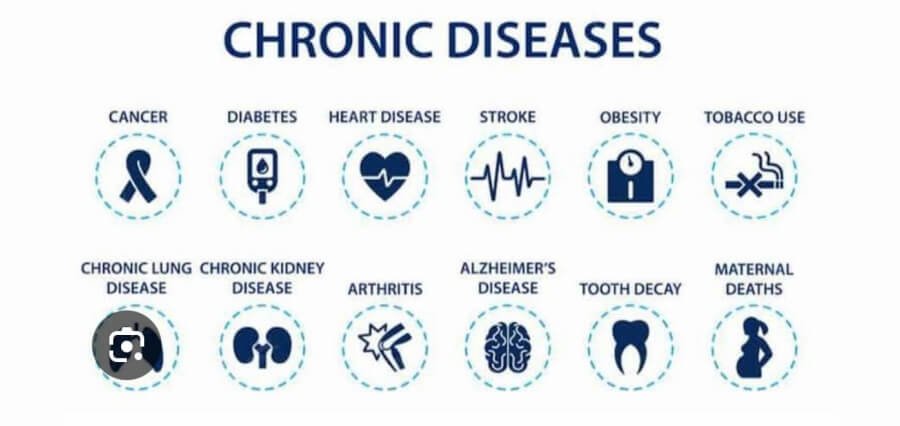
Health Experts Stress Early Detection and Lifestyle Changes to Combat Rising Burden of Chronic Kidney Disease
Medical experts are calling for greater public awareness of chronic kidney disease (CKD), warning that the condition often progresses silently and remains undiagnosed until significant kidney damage has occurred. As the prevalence of diabetes, hypertension and obesity continues to rise, Dr. Ch. Sashidhar and Dr. Nabeela Fatima emphasize that early detection, routine screening and preventive lifestyle measures are critical to reducing the long-term impact of kidney disease. Chronic Kidney Disease is a progressive condition in which the kidneys gradually lose their ability to remove waste products and excess fluids from the bloodstream. Left untreated, CKD can lead to kidney failure, cardiovascular complications and other serious health conditions, placing a substantial burden on both patients and healthcare systems. Growing Need for Public Awareness Healthcare professionals note that CKD has become one of the leading chronic diseases worldwide, yet awareness of the condition remains relatively low compared to other non-communicable diseases. Because the disease often develops without noticeable symptoms during its early stages, many individuals are diagnosed only after kidney function has declined significantly. Dr. Ch. Sashidhar and Dr. Nabeela Fatima note that increasing public awareness can encourage timely screening among high-risk populations, allowing earlier intervention and significantly improving long-term health outcomes. Who Is Most at Risk? Doctors advise that certain groups are at a significantly higher risk of developing Chronic Kidney Disease and should undergo regular health assessments. Individuals living with diabetes or high blood pressure are among the most vulnerable, as both conditions can progressively damage the kidneys over time. People with cardiovascular disease, obesity, a family history of kidney disease, or those aged over 60 years also face an increased risk. In addition, long-term tobacco use and prolonged consumption of non-steroidal anti-inflammatory drugs (NSAIDs) without medical supervision may contribute to declining kidney function. Recognising the Warning Signs One of the greatest challenges associated with CKD is the absence of symptoms during its early stages. As kidney function deteriorates, patients may experience swelling in the feet, ankles or face, persistent fatigue, reduced appetite, nausea, vomiting, muscle cramps, itching, and uncontrolled high blood pressure. Changes in urinary habits—including altered urine colour, reduced or increased frequency, foamy urine caused by excess protein, or the presence of blood in the urine, may also indicate underlying kidney disease and should be evaluated promptly by a healthcare professional. Prevention Through Healthy Lifestyle Choices Medical professionals emphasize that many cases of chronic kidney disease can be delayed or prevented through proactive health management. Maintaining healthy blood sugar levels and controlling blood pressure remain among the most effective strategies for protecting kidney function. Experts also recommend following a balanced diet with reduced salt intake, engaging in regular physical activity, maintaining a healthy body weight, staying adequately hydrated unless otherwise advised by a physician, avoiding smoking, limiting alcohol consumption, and using pain medications only under appropriate medical guidance. According to Dr. Ch. Sashidhar and Dr. Nabeela Fatima, these preventive measures not only safeguard kidney health but also help lower the risk of several other chronic diseases that commonly coexist with CKD. Importance of Regular Screening Routine screening plays a vital role in identifying kidney disease before irreversible damage occurs. Healthcare professionals recommend that individuals at increased risk undergo regular blood pressure monitoring, blood glucose testing, including HbA1c where appropriate serum creatinine testing with estimated glomerular filtration rate (eGFR), and urine albumin-to-creatinine ratio (ACR) or urine protein testing. Early diagnosis enables healthcare providers to initiate appropriate treatment, slow disease progression and reduce the likelihood of kidney failure and associated cardiovascular complications. A Public Health Priority Commenting on the importance of awareness, Dr. Ch. Sashidhar and Dr. Nabeela Fatima said that healthy kidneys are fundamental to overall well-being and quality of life. Since Chronic Kidney Disease frequently progresses without noticeable symptoms, they emphasized that regular health check-ups should become a routine part of preventive healthcare, particularly for individuals living with diabetes, hypertension and other recognized risk factors. They further highlighted that timely diagnosis, sustained lifestyle modifications and appropriate medical management can significantly preserve kidney function, improve quality of life and reduce the need for advanced treatments such as dialysis or kidney transplantation. By promoting awareness, encouraging routine screening and supporting healthier lifestyles, healthcare professionals believe the burden of chronic kidney disease can be substantially reduced while improving outcomes for millions of individuals at risk. Disclaimer – This article is a work of original content created for public relations and informational purposes only. It may be published across multiple digital platforms with the full knowledge and consent of the author/publisher. All images, logos, and referenced names are the property of their respective owners and used here solely for illustrative or informational purposes. Unauthorized reproduction, distribution, or modification of this article without prior written permission from the original publisher is strictly prohibited. Any resemblance to other content is purely coincidental or used under fair use policy with proper attribution.

Top Trailblazing VPs To Watch In Saudi Arabia
Top Trailblazing VPs To Watch In Saudi Arabia Honoring exceptional vice presidents in Saudi Arabia whose visionary leadership, strategic expertise, and commitment to innovation drive organizational excellence, accelerate business growth, and shape the future of their industries. Digital Link Quick highlights Quick reads

How Ibad Ur Rehman Ahmed Is Turning Monetization into a Force for Meaningful Business Transformation
Not every professional can point to a single mentor who changed the entire trajectory of their thinking. Ibad Ur Rehman Ahmed can. Early in his career, working as Head of Corporate Strategy and later as General Manager of Convenience Retail at Petromin, he had the privilege of being mentored by the Vice Chairman of the board, Waheed A. Shaikh. Observing how a leader of that caliber thought about strategy, how they connected the boardroom’s concerns to everyday execution, and how they made decisions under competing pressures, left marks on him that have never faded. That education, earned not in a classroom but in proximity to someone who led at the highest level, became the foundation on which everything that followed was built. Today, Ibad Ur Rehman Ahmed serves as Senior Vice President of Monetization at Classera, the Saudi-founded edtech company established in 2011 and operating across Jeddah, Cairo, Amman, Muscat, and San Francisco. It is a role he describes as the most meaningful of his career, and that description carries more weight than the usual executive understatement. The work connects revenue strategy and business performance to something considerably larger: the question of who gets access to quality education, and on what terms. What the Boardroom Actually Cares About The years Ibad Ur Rehman Ahmed spent at Petromin gave him something that most strategy professionals acquire only after decades of seniority: an understanding of how CXOs actually think. Not how they present in public or how they communicate in annual reports, but what genuinely concerns them when the cameras are off, and the room is small enough for honest conversation. That understanding sits at the core of how he approaches his current role. Revenue strategy, in his view, is inseparable from customer strategy. The two are not competing priorities to be balanced against each other. They are expressions of the same underlying logic and confusing them produces the kind of short-term thinking that generates revenue at the cost of the relationships that sustain it. He states, “The mistake we often make is to confuse value for price. A happy customer can have a much higher willingness-to-pay than the current price, and vice versa.” The deeper argument he makes is about sequencing. In any boardroom debate about who comes first, whether the investor, the shareholder, the partner, the supplier, or the employee, his answer is consistent and unambiguous: the customer. Not because the others do not matter, but because you can only take care of everyone else if the customer is genuinely satisfied first. That principle is not a philosophy he has adopted as a guiding statement. It is the operational logic he applies to every monetization decision he makes. Building at the Edge of Disruption Ibad’s thinking about innovation and market opportunity is shaped by a belief that most organizations fundamentally misunderstand the nature of the threat they face from technology disruption. The question is not whether disruption will arrive. It is whether the organization has invested seriously in understanding how it will arrive and what it will look like when it does. His prescription is precise: every business, technology-native or otherwise, needs a dedicated internal incubator with genuine autonomy and two clear deliverables. The first is to understand how a technology-based upstart could disrupt existing business from the outside. The second is to identify how the organization can leverage that same technology to create the next significant revenue vertical while continuing to extract value from its current position. He notes, “Not having such a startup or not giving it autonomy is why the average company lifespan has reduced to 12.5 years.” That figure is not a piece of trivia. It is a warning about what happens when organizations prioritize defending existing models over genuinely interrogating them. Ibad Ur Rehman Ahmed has seen enough business cycles to understand that the companies most at risk from disruption are rarely those that ignore new technology entirely. They are those that watch it carefully but never quite give themselves permission to build against it from within. The Foodpanda Chapter Among the experiences that most directly tested Ibad’s resilience and commercial conviction was his time as Director of Grocery and New Verticals at foodpanda, part of Delivery Hero. He arrived during the rapid rise of quick commerce, a category that was not yet established, navigating both the headwinds and tailwinds created by COVID-19 and a startup investment landscape that was producing new competitors on what felt like a weekly basis. The pressure in that environment was not simply competitive. It was ideological. Every new entrant arrived with funding, a bold claim, and an implied argument that volume was the only metric that mattered. The temptation to respond in kind, to chase share through deep discounting and sacrifice margin for scale, was ever-present and well-funded. Ibad Ur Rehman Ahmed resisted it. His conviction was that building a sustainable business around solid fundamentals and leveraging marketing technology and advertising technology as genuine revenue levers was the right approach, even when a competitor’s short-term share gains made that position uncomfortable to hold. The lesson he took from that period stayed with him. He reflects, “Deep thinking about the defensibility of your moats and your own strengths and weaknesses is far more important than structuring your strategy around what competition is doing.” Making Education More Accessible The work Ibad Ur Rehman Ahmednow leads at Classera carries, by his own account, more personal weight than anything he has done previously. The company operates at the intersection of education technology and financial access, and that combination means that the decisions his team makes about monetization carry consequences that extend well beyond commercial outcomes. Every edtech recommendation the company makes helps upskill individuals at a moment when the gap between what academia produces and what industry actually requires is widening at a rate that traditional institutions are not equipped to close. Every financed tuition arrangement creates an option for access to quality education that would not otherwise have existed for the

Digital Learning Platforms & Digital Product Strategy
Creating Impactful Learning Experiences Educational platforms have changed dramatically due to the influence of modern technology on the ways knowledge is delivered and consumed. Contemporary learners look for flexible and interactive sources of knowledge that would promote their development. Therefore, educational organizations should be able to create experiences that surpass standard classrooms and outdated sources of information found online. Modern Digital Learning Platforms can provide learners with knowledge at any place and any time while the Digital Product Strategy will help to keep them innovative and relevant. Designing Learner-Centered Experiences Successful technology in education is built on knowledge of the needs of the learners. Everything about technology needs to make learning easier for the learners but also engage them actively. Effective Digital Learning Platforms integrate all these aspects to provide an enriching educational experience. The learners enjoy technologies that cater to their different learning styles and move ahead at their own pace. Accessibility is also an important factor. The platform should be designed in such a way that it functions in diverse devices and caters to various learning requirements and accessibility, thus removing all barriers to participation. The focus should be made not only on education but also on usability, which will keep the users engaged and successful. Developing Products with Purpose Developing effective educational technology is not only about having technical knowledge. Each change must align with the higher-level goals of the organization and desired results for learners. The development of a good Digital Product Strategy starts with market research, user experience, competitive analysis, and assessment of the learners’ expectations. Such an approach helps to make decisions regarding valuable changes rather than adding new complications. The cooperation between educators, developers, designers, and businesspeople is also essential. It ensures that quality education remains at the core during product development. Innovation must be accompanied by practicality, where all features improve learning efficiency and engagement. The well-established Digital Product Strategy helps companies provide seamless user experiences despite new educational requirements. Using Data to Drive Continuous Improvement Today, data is considered to be one of the most valuable assets in education. It allows to learn more about user engagement, completion rates, testing results, and user behavior. All this will help to identify areas that need improvement and choose the right strategy. It is crucial for decision-making regarding the material. The insights gained from the analysis of ADLPs provide detailed information on the learning process and can be helpful in tailoring individual lesson plans for students who require additional support. The product team will find it beneficial to have information about how features are used when assessing their success and creating new ones. Such an approach will ensure that platforms remain relevant to learner needs. Encouraging Innovation and Collaboration The need for innovation is still important in creating significant learning experiences. Modern learners require more immersive learning materials, adaptive testing, artificial intelligence, gamification, and collaborative learning. The organizations engaged in education should explore the new technologies innovatively to make sure that innovations always improve the learning process. A successful Digital Product Strategy involves constant innovation while ensuring there are educational goals in place. Roadmaps should change based on learners’ demands and technological changes while not affecting usability and accessibility of the product. Updates and feedback from users and stakeholders keep products relevant and valuable. The use of collaboration is beneficial for digital education as well. The use of discussion boards, virtual classrooms, peer-learning methods, and interaction with instructors can create an atmosphere where learning is made in a collaborative environment where knowledge sharing is practiced freely. Preparing for the Future of Education Education’s future will certainly continue to be driven by technology, evolving work-force expectations, and life-long learning. Organizations that make smart decisions now will be in a much better position to take advantage of what the future holds. Through scalable infrastructure, robust systems, and dynamic learning environments, organizations can broaden their scope while maintaining quality education standards. Combining Digital Learning Platforms with Digital Product Strategy makes it possible for an organization to have a sustainable model for growth and innovation. Good platforms provide engaging learning experiences while good product strategies make sure the products continue developing together with the needs of learners and changes in the markets. Those organizations that understand and follow such an approach ensure high levels of learner satisfaction, organizational effectiveness, and competitive advantage. The future of education is becoming digital, and success depends on providing good learning experiences. Read Also : Corporate Strategy & Education Revenue Optimization
Corporate Strategy & Education Revenue Optimization
Building Sustainable Growth Achieving sustainable growth is the key to success for educational establishments that strive to stay in relevance in today’s competitive environment. The transformation of learners’ needs, new technologies, and labor market dynamics make it essential for institutions to apply sustainable strategies of growth that take into account both academic success and financial stability. Traditional methods of growth based on enrollment cannot be applied by modern organizations anymore. They need to build value with the help of innovations, efficient operations, and sound strategy. An appropriate Corporate Strategy will show the way to this. Defining a Clear Strategic Vision All successful organizations must have a vision which will inform all their decisions in different departments. A good Corporate Strategy will ensure that the goals of the organization are aligned with business opportunities, thus aiding management in making investments which can yield tangible results. Instead of responding to changes, a visionary organization must foresee future problems and be ready for them. Strategic planning allows organizations to determine their strengths and also those aspects where improvement is needed. No matter whether an organization is developing new academic programs or doing research or improving its students’ services, everything must be done for its mission. If managers will communicate the vision clearly, then workers will realize their part in accomplishing common goals. Strengthening Financial Sustainability Growth is dependent on sound finance. Though traditional methods of tuition revenues are critical, they will often not be enough to sustain future growth. This is when the role of Education Revenue Optimization comes into play. Educational institutions need to broaden their sources of income through executive training, certification courses, online learning programs, corporate training, and consulting. Revenue diversification helps reduce risks and at the same time allows reaching new groups of learners. The other way for improvement is through analysis of pricing policies, proper allocation of resources, and program profitability. Proper Education Revenue Optimization means that each expenditure will benefit the institution in terms of education and sustainability. Financial sustainability helps institutions allocate funds for development of their faculties, learning technology and facilities, and students’ support systems. Leveraging Data for Better Decisions Modern educational establishments create important information that can be used for decision-making. The number of students, level of their involvement, percentage of graduates, financial documents, and feedback from employers help to evaluate the work of organizations. Good decisions can be made by those who use this information efficiently. Data enriches Corporate Strategy through evidence rather than assumption. Organizations have the ability to determine what programs are effective, what needs improvement, and how much future demand there is likely to be. Predictive analytics also help with retaining students through determining which students will need further attention before problems arise. Technology tools that include both operational and academic data give leadership insight into all aspects of the organization. Driving Growth Through Innovation Innovation will continue to be a major source of sustainable success. Increasingly, learners want an education experience that is flexible to cater for career changes and life engagements. Educational institutions that take up hybrid learning, short-term certifications, industry-specific courses, and individualized learning programs increase their competitiveness. Innovation is also crucial to Education Revenue Optimization as it enables us to venture into other fields apart from regular degree courses. For instance, micro-credentials, professional development courses, and tailor-made courses for corporate clients provide other sources of income for our institution. Effective innovation demands that we always keep track of what is happening in the market and how people expect us to operate. The establishment of strategic alliances will speed up development in that they will help in bridging institutions with companies, government departments, and non-governmental organizations to facilitate internships, applied research, training, and resource sharing, which is beneficial to both the learners and employers. Leading Institutions into the Future Good leadership converts grand plans into something that is sustainable. A leader should promote collaboration, innovation, and clear communication about the vision of the organization. In addition to good leadership, human investment is just as vital since faculty members, administrators, and support staff play critical roles in defining the experience of learners at the institution. In conclusion, sustainability can be attained through the integration of Corporate Strategy and Education Revenue Optimization for institutional value. It is through strategic planning that direction is set; and through optimized financial models that the means required for innovation and education are attained. Organizations that adopt this approach will be more resilient and adaptive to future changes. Read Also : Transforming Modern Farming with CBD Production
Most Visionary Woman Leader Driving Sustainable Innovation in 2026
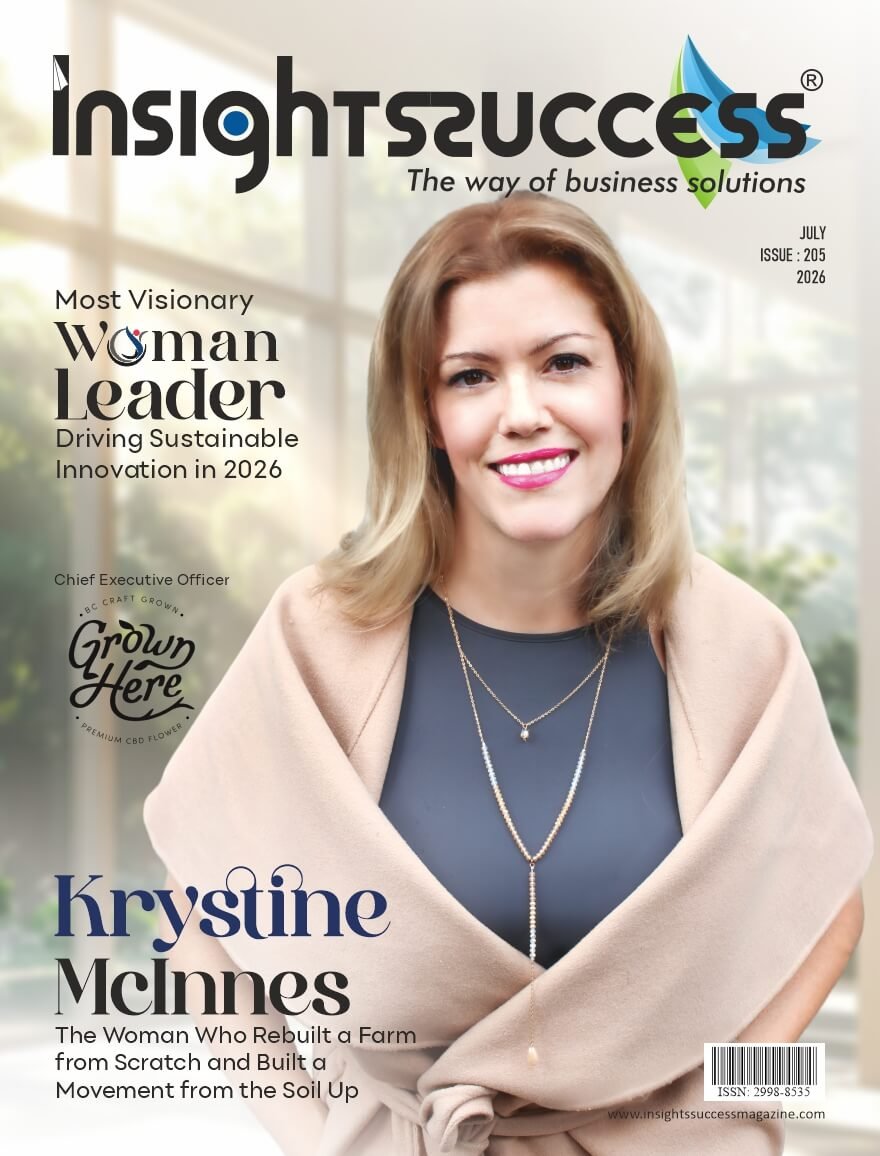
Most Visionary Woman Leader Driving Sustainable Innovation in 2026 Celebrating an inspiring woman leader whose visionary approach to sustainable innovation, strategic leadership, and purpose-driven initiatives creates lasting impact, advances responsible business practices, and shapes a more resilient future. Digital Link Quick highlights Quick reads

Krystine McInnes: The Woman Who Rebuilt a Farm from Scratch and Built a Movement from the Soil Up
British Columbia’s agricultural heartland has always attracted people who believe in doing things properly, taking the time, building the soil, resisting shortcuts. It is not an easy place to operate a farm, and it is a harder place to build one from near collapse. Krystine McInnes has done both. She came to farming not through inheritance or romantic idealism but through a career that moved from commercial law to real estate development and finance before landing, unexpectedly, on one of the largest organic vegetable farms in the region. What she found when she got there changed everything she thought she was building. When Grown Here Farms entered her portfolio, it was generating revenue and running steadily. Then two separate hundred-year flood events hit back-to-back, the kind of compounded disaster that no business plan fully accounts for. The farm faced a complete collapse. Krystine McInnes faced a choice that was not really a choice at all: step in and rebuild from the ground up personally or walk away from something that had started mattering more than she anticipated. She stayed. She learned faster than she had learned anything, and rebuilt, this time not as a real estate asset but as a mission. What emerged was not just a recovered farm but a completely different kind of company, one built around regenerative agriculture, radical transparency, and a conviction that consumers deserve to know exactly what they are putting into their bodies and exactly how it was grown. The Idea Behind the Farm The philosophical foundation of Grown Here Farms grew directly out of Krystine’s own health journey. Facing personal health challenges forced her to start asking questions she had not thought to ask before: how was this grown, what inputs were used, what is in this product. The answers she found, or more accurately in the absence of answers, revealed an industry built on consumer trust that had not been particularly earned. Transparency was not the norm. Traceability was not standard. Consumers were expected to take claims at face value without any real mechanism to verify them. That gap became the founding premise of the company she rebuilt. Grown Here Farms would be built on the belief that organic growing should be the standard, not a premium add-on for informed consumers willing to pay extra for basic information. Everything at the farm starts with soil health, building the biome through regenerative practices, cover cropping, and natural inputs, then extending outward to consider the broader ecosystem including sound frequencies and plant communication as factors in plant health. The result is a holistic growing philosophy that treats the plant as a living system embedded in a larger living system rather than a commodity to be optimized for yield. She explains, “If we expect people to trust what they consume, we need to earn that trust, openly and completely.” To make that transparency operational rather than aspirational, Grown Here Farms built an industry-first traceability platform that allows customers to follow their CBD flower from soil tests through to final lab results. It is the kind of infrastructure that most companies would consider unnecessary overhead. For Krystine McInnes , it is the entire point. The Cost of Building Something Real The cannabis industry in Canada is among the most difficult operating environments in the country. Regulatory complexity, market volatility, limited access to banking and capital, and persistent stigma create a combination of pressures that has eliminated most operators who entered the space with optimism and insufficient preparation. Krystine McInnes entered it already carrying the weight of the flood recovery, which meant she was navigating a new industry while simultaneously managing extreme financial pressure, legal battles, and the physical demands of running a working farm. She describes the experience at its worst moments using the same language Elon Musk once used about building companies: staring into the abyss and chewing glass. That framing is not dramatic for effect. It is an accurate description of what sustained adversity in high-stakes entrepreneurship actually feels like from the inside. What kept her moving was not confidence that it would work out. It was a more basic kind of commitment, to the values the company was built on and to the people depending on her, including her son Nolan, whose childhood she had decided in advance would not be a casualty of her professional ambitions no matter what else had to give. She reflects, “It is not about doing everything perfectly. It is about continuing to show up as a mother, as a leader, and as a person, even when it is hard.” Rebuilding Through COVID and Beyond When the COVID-19 pandemic arrived, Grown Here Farms was already mid-recovery from the flood disasters and navigating the structural challenges of the cannabis industry simultaneously. The pandemic did not arrive as a shock as much as another entry in a long list of things to absorb and adapt to. The resilience built through repeated crisis response turned out to be more useful than any contingency plan. The approach was not to capitalize on the disruption but to stabilize within it. Krystine McInnes focused on maintaining close relationships with customers, staying flexible in operations, tightening processes, and delivering consistent quality regardless of what was happening externally. The lesson she took from that period was one she had been learning for several years already: resilience is built through repetition. Each successive challenge makes an organization more adaptable, more resourceful, and more clear about what actually matters versus what is just noise. Recognition Built on Results The external recognition that has followed reflects the substance of what has been built rather than the story around it. In 2025, Grown Here Farms received the Best CBD Flower award in Canada, a direct acknowledgment of the quality that the company’s soil-first, regenerative approach produces when executed consistently. In 2026, the company was named among the Top 30 Innovative Companies to Watch and recognized as one of the Top Craft Organic CBD Brands to Watch in Canada, recognitions
Transforming Modern Farming with CBD Production
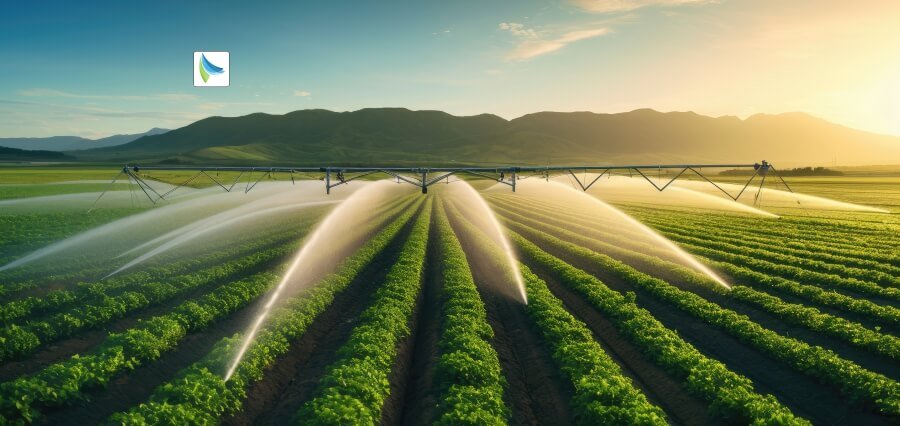
Sustainable Agriculture The future of agriculture lies in developing sustainable practices that will meet the growing demands for eco-friendly farming and at the same time maintain productivity and growth. Issues such as climate change, resource management, and altered consumer behavior have forced many farmers to practice ways of farming that are eco-friendly yet profitable. The concept of Sustainable Agriculture is gaining much popularity due to its ability to conserve natural resources, improve the condition of soil, and create a food system that is more secure in the long run. It allows producers to farm better through traditional farming and modern technology and minimize their ecological footprint in the process. The Principles of Sustainable Farming The sustainable approach focuses on soil conservation, water usage, biodiversity, and limited use of synthetic substances. All these can be attained using practices like crop rotation, use of organic fertilizer, pest management, and proper application of irrigation. Using these methods ensures that farmers preserve their productive soils and also maintain the surrounding ecology. The farm becomes resilient to the impacts of climate change. With increased government and consumer interest in environmentally friendly farming methods, sustainable agriculture has emerged as a viable option for productive and responsible farming. The Growing Potential of CBD Cultivation The growing global market for products made from hemp has presented a number of opportunities for CBD Production. The growing of hemp provides farmers with an opportunity to have another profitable crop which grows well under sustainable agriculture and promotes economic development in rural areas. Hemp crops help improve soil condition because of deep roots; they need relatively small numbers of pesticides as compared to other common agricultural crops and can be easily included in the crop rotation. This makes CBD Production a promising opportunity for farmers who are looking for diversification of their incomes in an environmentally friendly way. Technology Supporting Modern Agriculture Technology keeps changing the way agriculture is practiced because it makes things more effective, precise, and helps manage resources better. For instance, precision farming technologies, satellites, irrigation technology, drones, and soil sensors can assist farmers in monitoring the growth of their crops, ensuring that there is maximum productivity with minimum wastage. This is achieved through technology in Sustainable Agriculture because it ensures that there is no wastage of resources. Technology also allows farmers to record the process of cultivating plants and communicate with customers. CBD Production benefits technology through maintaining plant quality and efficient post-harvesting processes. Market Opportunities and Economic Growth Increased customer interest in wellness products made from natural ingredients has made it profitable for companies to focus on cultivating hemp and associated industries. All parties involved in growing, processing, manufacturing, and selling the goods stand to gain increased demand for CBD goods that are produced sustainably. This has created an opportunity for farmers to adopt Sustainable Agriculture to position themselves as high-value sellers and to engage in commercial ventures. On the other hand, CBD Production helps create job opportunities. Building a Resilient Agricultural Future Further development of sustainable farming techniques is made possible through education, research, and cooperation. Universities, agriculture societies, and other experts are still working on improving cultivation techniques, drought-resistant crops, and eco-friendly agricultural systems. Economic motivators, certification, and education promote sustainability by motivating farmers to use sustainable techniques that build up their long-term resilience. In response to the ecological and economic problems of global agriculture, “Sustainable Agriculture” represents an approach which ensures protection of the environment and profitability of the farming process at the same time. “CBD Production” illustrates how crop diversification can provide economic benefit to the farmer. By integrating science, technology, sustainable use of resources, and collaboration, the agriculture sector is able to generate resilient chains of food and wellbeing which will definitely benefit the producers and consumers, and future generations. With innovation and sustainability, Sustainable Agriculture is going to be at the heart of farming success, while CBD Production is going to continue fueling this success. Future Outlook for Hemp-Based Farming With continued investments in sustainable farming by governments, scholars, and agricultural businesses, the future of hemp farming appears bright. The advancements in seed technology, precise cultivation, and sustainable processing are likely to enhance the quality of crops and decrease resource use. The growing awareness among consumers regarding wellness products that have been produced in an ethical manner is likely to drive the farmers to engage in ethical cultivation of crops and diversify their farming activities. With better regulations, research, and market access, the future of hemp farming looks promising. Read Also : The Foundation of Successful Green Entrepreneurship