






When Uncertainty Feels Expensive
The Hidden Price Tag of Not Knowing Most people think financial stress comes from math. A bill is too high. Income is too low. Savings are too thin. But sometimes the most expensive part is not the number on the statement. It is the uncertainty around it. Not knowing what next month will cost, whether work hours will hold, or how long inflation, illness, or family pressure will last can push people into a constant defensive crouch. That defensive mindset changes spending behavior in ways that rarely feel dramatic in the moment. You pay extra for convenience because your brain is tired. You avoid opening statements because clarity might hurt. You keep several balances going because choosing one plan feels risky. In that kind of fog, even a practical step like deciding whether to consolidate debt with home equity loan can feel less like a financial question and more like an emotional standoff. Why Uncertainty Makes Us Spend Like We Are Bracing for Impact The human brain does not handle ambiguity like a neutral fact. It often treats uncertainty as a threat that needs to be managed right now. Research has found that stress can lead to more disadvantageous, reward seeking, and risk taking decisions under uncertainty, which helps explain why people under pressure may reach for quick relief even when it costs more later. That does not mean people are careless. It means stressed minds often prioritize immediate safety over long range efficiency. This is how expensive habits quietly form. You overbuy groceries because running out feels intolerable. You keep subscriptions because reviewing them requires mental energy you do not have. You leave cash in checking, earning little or nothing, because flexibility feels safer than optimization. You pay late fees not because you do not care, but because every decision has started to feel loaded. In other words, uncertainty creates a tax. It is not printed on a receipt, but you still pay it. The “Safety Premium” Shows Up Everywhere When life feels unstable, many people start paying what could be called a safety premium. They spend more to avoid the discomfort of surprise. Sometimes that premium is financial. Sometimes it is emotional. Often it is both. It can look like ordering takeout three nights in a row because meal planning feels impossible. It can look like carrying high interest debt longer than necessary because comparing options feels overwhelming. It can look like saying yes to a bad deal because at least it is a decision, and undecided problems have a way of haunting the background of every day. There is a reason this happens. Under stress, the brain tends to conserve effort and seek relief. The challenge is that relief and resolution are not the same thing. Relief says, “Make this feeling stop.” Resolution says, “Build a system that makes tomorrow easier.” Those two goals often point in different directions. Clarity Is More Valuable Than Perfection A lot of financial advice accidentally makes uncertainty worse. It asks people to forecast too much, predict too far ahead, and commit to plans that feel fragile. That can backfire. If someone already feels like the ground is moving, a perfect twelve month strategy may feel impossible to trust. A better starting point is often shorter and simpler. What expenses are fixed for the next 30 days? Which debts are creating the most pressure? Which account balances are costing peace of mind, not just interest? What decision would make the next month feel more predictable? That last question matters. Predictability has value. Not just emotionally, but behaviorally. When people know what a payment will be, when it is due, and how it fits into the month, they are often better able to follow through. The Consumer Financial Protection Bureau explains that a home equity loan provides a lump sum and usually carries a fixed interest rate, which can make payments more predictable, though it also puts the home at risk if the loan cannot be repaid. The CFPB overview of home equity loans is useful because it frames the tradeoff clearly, without pretending there is no downside. The Emotional Goal Is Not Calm. It Is Capacity. People often wait to make financial changes until they feel calmer. But calm is unreliable when life is uncertain. Capacity is better. Capacity means you can think clearly enough to choose, act, and adjust. It is less about feeling perfectly confident and more about reducing the noise level. One of the fastest ways to create capacity is to shrink the number of open loops in your financial life. Fewer due dates. Fewer balances. Fewer unknowns. Fewer decisions that have to be remade every week. That is why simplification can be powerful even before it saves money. It gives your attention back. And attention is not a small thing. According to the American Psychological Association, prolonged stress can interfere with everyday decision making and make future planning feel harder than it should. This APA summary on stress and decision making captures something many households know firsthand. When uncertainty stretches on, even ordinary choices can start to feel mentally expensive. Make Decisions That Lower Tomorrow’s Mental Load A useful question is not just, “What costs less?” It is also, “What reduces friction next month?” Sometimes the best move is the one that lowers total complexity. That could mean automating one bill, closing a draining account, building a tiny cash buffer, or restructuring debt so the plan is easier to follow. This does not mean every streamlined option is automatically wise. It does mean that mental bandwidth belongs to the equation. A decision that is technically efficient but too fragile to maintain may not be efficient in real life. When uncertainty feels expensive, what people often need most is not a heroic overhaul. It is one credible step that replaces fog with structure. The moment you can see what is due, what is possible, and what comes next, the hidden tax of uncertainty starts to shrink. Not because

From Estimate to Final Cleanup: What to Expect From a Professional Roofing Contractor
Your roof rarely gets attention until it starts acting dramatic. A leak, missing shingles, or storm damage can push you into quick decisions that cost more than the repair itself. If you’re trying to protect your home, budget, and sanity, choosing the right contractor matters more than most people expect. You’re not just hiring someone with a ladder. You’re trusting a crew with one of the most important structural systems over your head. Know what kind of roofing help you actually need Before you call anyone, get clear on the problem. A small leak near a vent boot needs a different response than sagging decking or hail damage across an entire slope. When you know the scope, you ask better questions and avoid paying for work you don’t need. Some companies specialize in repairs, while others focus heavily on full replacements and large exterior projects. Start with the basics: – Check for interior water stains – Look for cracked, curled, or missing shingles – Notice any granules collecting in gutters – Pay attention to soft spots or visible sagging – Document storm damage with photos Look for licensing, insurance, and local experience A polished website and a friendly sales pitch can help, but credentials carry more weight. You want a contractor who is properly licensed where required, fully insured, and experienced with the roofing issues common in your area. Local experience matters because climate is not a minor detail. Heavy rain, high winds, intense sun, moss growth, and seasonal debris all affect material performance and installation methods. Ask every contractor for: – Proof of liability insurance – Workers’ compensation coverage – Required state or local licensing – Manufacturer certifications if relevant – Years serving your region If you’re evaluating a roofing contractor, pay attention to whether the company handles both roofing expertise and broader exterior protection. That combination can be useful when roof damage connects to gutters, siding, skylights, or ventilation issues. Read reviews with a little skepticism and a lot of attention Online reviews help, but only if you read them carefully. A five-star rating means less if every comment sounds vague or suspiciously identical. You’re looking for patterns, not perfection. Focus on reviews that mention communication, punctuality, cleanup, billing accuracy, and how the company handled problems. Any contractor can look great when a job goes smoothly. The real test shows up when weather delays the schedule or hidden damage appears after tear-off. Check multiple sources, including: – Google Business profiles – Better Business Bureau listings – Neighborhood forums – Social media comments – Photo galleries of completed projects Get estimates that are detailed enough to compare A one-page quote with a price and little else is not enough. Roofing estimates should spell out materials, labor, disposal, underlayment, flashing, ventilation work, and any possible add-ons. The goal is not to hunt for the cheapest number. The goal is to compare the real scope. One estimate may include premium shingles, upgraded flashing, and rotten wood replacement, while another may leave those items floating in the mystery zone. Ask each contractor to break down: – Type and brand of roofing material – Tear-off versus overlay plan – Underlayment and waterproofing components – Flashing replacement details – Ventilation adjustments – Cleanup and debris disposal – Estimated timeline – Payment schedule Ask smart questions about materials and installation methods Roofing materials are not interchangeable just because they share a color palette. Asphalt shingles, metal roofing, tile, and low-slope systems all have different lifespans, maintenance needs, and installation requirements. You don’t need to become a roofing engineer overnight, but you should understand what is going on above your ceiling. Ask why a material is recommended, how it performs in your climate, and what kind of maintenance it needs. Useful questions include: – How long should this system realistically last here? – What warranty comes from the manufacturer? – What workmanship warranty do you provide? – Will you replace flashing or reuse it? – How do you address attic ventilation? – Who supervises the installation crew? Understand contracts, timelines, and warranty details The contract should be readable, specific, and complete. If important terms are only spoken but never written down, treat that as a warning sign. Review the agreement carefully before signing. It should include project scope, materials, approximate start and finish dates, payment terms, warranty coverage, change-order procedures, and cleanup expectations. Watch for common trouble spots: – Large upfront deposits without clear justification – Vague material descriptions – No mention of permits if needed – No written warranty information – No process for handling hidden deck damage Timelines can shift because roofing depends on weather, crew schedules, and inspection timing. Still, a professional contractor should tell you how delays are communicated and what happens if the schedule slips. Pay attention to professionalism on and off the roof You can learn a lot before a single shingle comes off. Notice how the company communicates during the estimate process. Do they arrive on time? Answer questions directly? Follow up when promised? Small habits often predict jobsite behavior. Professionalism also shows up in safety practices and property protection. Roofing is messy, loud, and full of flying debris when handled carelessly. A solid crew plans for that. Look for signs such as: – Clear written communication – Respectful, pressure-free sales behavior – Safety gear and organized equipment – Protection for landscaping and driveways – Thorough post-job cleanup – Magnetic sweeps for nails Make your final decision based on value, not pressure Choosing a roofing contractor can feel urgent, especially after a storm or active leak. Urgency is real, but panic is expensive. Give yourself enough room to compare proposals, verify credentials, and ask follow-up questions. The right decision usually comes from a mix of factors: – Proven local experience – Strong communication – Clear scope of work – Fair, transparent pricing – Reliable warranty terms – Confidence in the crew and company process If one contractor keeps pushing for a signature today, that pressure is useful information.

Protecting Your Home From the Top Down: Knowing When a Roof Has Reached Its Limit
A roof rarely demands attention when it is convenient. Most problems develop gradually through years of sun, wind, precipitation, temperature changes, and ordinary wear. In Boulder, those pressures can be significant: long-term climate normals show average annual snowfall of about 92.8 inches. That makes it especially important to notice changes before water reaches the interior or structural materials begin to deteriorate. Knowing what an aging roof looks like—and what to do once warning signs appear—can help homeowners make a planned decision instead of facing an emergency. Learn to Read the Early Warning Signs A roof does not need to be actively leaking before it deserves attention. Visible wear often appears much earlier. From the ground, look for shingles that are missing, cracked, curling, or noticeably different from surrounding sections. Areas that appear unusually smooth may have lost protective granules. Flashing around roof openings can loosen or deteriorate as well, creating vulnerable points where moisture may eventually enter. Inside the house, stains on ceilings, damp attic materials, musty odors, or unexplained discoloration can indicate that water is finding a way through the roofing system. Age matters too. Even a roof without an obvious leak may be approaching the end of its practical service life. Materials gradually become less capable of handling weather exposure, so an older roof deserves closer attention even when it still looks reasonably intact. Get the Condition Assessed Properly Homeowners can identify many warning signs themselves, but determining how much damage exists usually requires a closer inspection. A professional assessment can examine areas that are difficult or unsafe to evaluate from the ground. It may also reveal moisture intrusion, ventilation concerns, deteriorated flashing, or underlying damage that is not immediately visible. If replacement appears increasingly likely, consulting a Boulder roofing contractor such as WestPro can help clarify the condition of the roof, whether repairing it remains practical, and what a replacement project may involve. A useful assessment should explain the problem areas clearly rather than relying on vague statements that a new roof is simply “needed.” Ask to see photographs or other evidence of damaged areas and make sure you understand which issues are urgent and which can be monitored. Look at the Roof as a Complete System It is easy to think of a roof as a layer of shingles, but those visible materials are only one part of the system. Decking, underlayment, flashing, ventilation, drainage, and penetrations around vents or other openings all contribute to keeping the structure dry. A problem in one area can therefore create symptoms somewhere else. For example, a stain indoors does not always sit directly beneath the point where water entered. Moisture can travel along framing or under roofing materials before becoming visible. That is why repeatedly fixing one surface symptom may not solve a recurring problem. When leaks return, shingles continue loosening, or moisture damage appears in several areas, the condition of the entire roofing system becomes more important than any single defect. Know When Repair May Still Be Enough Not every roofing problem calls for replacement. A limited number of damaged shingles, a localized flashing issue, or a small problem around a penetration may be repairable when the surrounding roof remains sound. In these situations, addressing the problem promptly can prevent moisture from spreading and extend the useful life of the existing system. The decision becomes different when problems are widespread. Recurring leaks, extensive material loss, sagging sections, damaged decking, or repeated repairs across several areas can indicate that continued patching is becoming less practical. Cost should also be considered over time. One modest repair may make sense. A succession of repairs on a roof that is already nearing the end of its expected life can become expensive without providing long-term confidence. Make Routine Inspection Part of Home Care Roof problems are easier to manage when they are discovered before water damage becomes extensive. A sensible roof inspection considers more than surface materials. Gutters, flashing, roof penetrations, attic conditions, soffits, and other components can all reveal whether water is being managed properly. Homeowners do not need to climb onto the roof themselves. In fact, observing from the ground and checking accessible interior spaces is often safer. Pay attention after severe weather and look for anything noticeably different from the roof’s normal appearance. The purpose is not to inspect the house constantly. A periodic visual check can simply make it easier to notice a developing problem before it becomes an expensive surprise. Choose Materials With Longevity in Mind Once replacement becomes necessary, material selection deserves more thought than appearance alone. Different roofing materials vary in durability, maintenance needs, cost, weight, and resistance to weather. Even within the same general material category, product quality and performance can differ considerably. Understanding how roof lifespan varies by material can help put the upfront price into perspective. A lower initial cost may be attractive, but expected service life, maintenance requirements, warranty coverage, and resistance to the conditions the home regularly experiences should also shape the decision. Installation quality matters just as much. Even a durable roofing product may perform poorly when flashing, ventilation, underlayment, or other essential details are handled incorrectly. Understand the Full Project Cost A roof estimate should tell you more than one final number. The project may involve removing old materials, replacing damaged decking, installing underlayment, improving ventilation, handling flashing, disposing of debris, and installing the selected roofing material. Unexpected deterioration underneath the old roof can also affect the final cost. Ask what the estimate includes and how additional work would be authorized if hidden damage is discovered. If the issue followed a specific weather event, review the terms of the homeowners insurance policy before assuming what will or will not be covered. Normal aging and gradual deterioration are different from sudden covered damage, and individual policies can vary. Clear documentation—including photographs, estimates, invoices, and inspection records—can make the process easier to manage. Prepare for Installation Day Roof replacement affects more of the property than the roof itself. Crews need

How to Know When Your Home Needs a Roof Replacement
Your roof rarely asks for attention politely. It usually drops hints through leaks, curling shingles, rising energy bills, or that slightly alarming stain spreading across your ceiling. If you live in Tumwater, where wet weather is part of the deal, roof wear can move faster than you expect. Knowing what to watch for helps you avoid bigger repair bills, protect your home’s value, and make smarter decisions before small damage turns expensive. Missing shingles and curling edges are not cosmetic issues A few damaged shingles can look minor from the ground, especially if your roof color hides wear well. Still, missing tabs, bald spots, curling corners, and cracked shingles usually point to a larger breakdown in the roofing system. Once shingles stop sealing properly, water has an easier path underneath. You may also notice granules collecting in gutters or near downspouts. Those gritty bits are not random debris. They help shield shingles from sun and weather, so heavy granule loss signals aging materials. If your roof has widespread damage, patchwork repairs often turn into a money pit. At that point, it makes sense to talk with a roof replacement company in Tumwater that can inspect the full system, explain material options, and help you decide whether replacement is the more practical move. Your roof has a lifespan, and weather speeds up the countdown Every roofing material comes with a rough expiration date. Asphalt shingles often last 20 to 30 years, while metal and tile can go much longer. Age alone doesn’t settle the issue, though. In a place like Tumwater, steady rain, moss growth, wind, and damp conditions can push a roof toward failure sooner than the brochure promised. You should also consider maintenance history. A 15-year-old roof that has been cleaned, inspected, and repaired when needed may outperform a newer one that’s been ignored. Homes surrounded by trees usually take more abuse from debris and trapped moisture. If your roof is approaching the end of its expected lifespan, replacement becomes less of a maybe and more of a planning decision. Waiting until water gets indoors is a costly way to confirm what your roof has already been trying to say. Interior warning signs usually mean the problem is already advanced Your ceiling can reveal roofing issues long before water starts dripping into a bucket in the living room. Brown stains, peeling paint, damp attic insulation, or a musty smell after rain often suggest moisture is getting in somewhere. Not every leak comes from directly overhead, either. Water likes to travel, which makes roof problems annoyingly good at hide-and-seek. Take a look in your attic if you have safe access. Sunlight peeking through boards, dark streaks on wood, and damp insulation are all warning signs. If you spot mold or repeated moisture, the issue may involve ventilation as well as roofing materials. A roof replacement can solve more than visible leaks. It can address flashing failures, underlayment wear, and ventilation problems that repairs might only temporarily cover. Think of it less as replacing shingles and more as resetting a major protective system for your home. Energy bills can reveal roof trouble before your eyes do When your roof starts failing, your heating and cooling system often pays the price first. Damaged roofing materials, poor attic ventilation, and hidden moisture can all affect indoor temperature control. If your utility bills have climbed and your HVAC system seems to be working overtime, your roof may be part of the problem. In wet climates, trapped moisture can weaken insulation performance. During summer, poor ventilation lets heat build up in the attic, forcing your air conditioner to work harder. During winter, escaping heat can contribute to uneven temperatures and ice-related issues. You do not need to become a building science expert to notice the pattern. If certain rooms stay too hot or too cold, or if your attic feels like a sauna in warmer months, it’s worth having the roof assessed. Better roofing and ventilation can improve comfort and lower long-term operating costs. Repairs make sense sometimes, but repeated fixes usually don’t A targeted repair is perfectly reasonable when damage is isolated. A few shingles blew off after a storm? Fine. Flashing around a vent failed? Also fixable. Trouble starts when repairs become a recurring subscription service you never signed up for. If you’ve had multiple leak repairs in the same general area, or if one fix seems to reveal another weak spot a few months later, your roof may be at the stage where replacement is the more efficient choice. Labor adds up fast, and repeated patching can leave you with a roof that is technically functioning but structurally tired. You should also factor in resale value. Buyers tend to notice older roofs quickly, and inspectors definitely will. A new roof can make your property easier to sell and reduce negotiation pressure. Few things kill excitement during a sale quite like the phrase “active moisture intrusion.” Choosing the right contractor matters as much as choosing the material A roof replacement is not just about shingles, panels, or color samples spread across a kitchen table. The contractor’s workmanship, communication, and knowledge of local conditions will shape how well the new roof performs. You want a company that understands Tumwater’s climate, permitting expectations, and common moisture issues in the area. Ask practical questions: – How much of the decking gets inspected during replacement? – What ventilation improvements are recommended? – How is flashing handled around chimneys, skylights, and vents? – What warranties cover materials and labor? – How will cleanup and debris disposal be managed? A good contractor should give you clear answers without dodging details or flooding you with jargon for sport. The goal is confidence, not confusion. Replacing a roof is a major investment, but it becomes far less stressful when you understand the process and know what quality work should include. A timely roof replacement protects more than just the house Putting off replacement can feel tempting, especially when the roof

The Future of Healthcare Marketing: SEO, AI and Patient-Centered Content
Introduction There is a paradigm shift in healthcare marketing through the influence of technology in the way patients come across medical facilities and information about different healthcare providers and make informed decisions regarding their health needs. Old-fashioned approaches to advertising and promotion are being supplemented by technologies such as SEO, AI, and healthcare content tailored for patients. Modern patients seek access to information regarding their health condition and the ways in which it can be treated. The role of search engines, websites of healthcare organizations, and reviews on social media becomes ever more pronounced. Such shifts in consumer behavior force healthcare organizations to reconsider their communication approaches. Technological innovation combined with trust and transparency will be the key to success in the future of healthcare marketing. The Growing Importance of Healthcare SEO Search engine optimization continues to be an essential tool of healthcare marketing because most people start searching for healthcare-related information online. This includes looking for a nearby physician, investigating their condition or treatment options. SEO optimization of a healthcare organization means making the website structurally, content-wise, technologically, and locally visible so that relevant information would be found via a search engine. As opposed to regular commercial SEO, healthcare SEO implies a special approach to accuracy and credibility. Google guidelines for content that concerns health care recommend paying special attention to experience, expertise, authoritativeness, and trustworthiness (E-E-A-T). It motivates healthcare organizations to produce credible content based on expertise. In order to increase credibility, medical websites can highlight the expertise of their authors and reviewers, provide links to established sources of medical information, update old information, and describe the goal of the website. It is also important to conduct the proper local SEO. This includes having accurate business listings, correct contact information, descriptions of services provided, and genuine reviews of patients. With the development of search engines, the healthcare marketers should pay less attention to simple insertion of keywords and more attention to answers to real questions of patients. Artificial Intelligence and the Transformation of Marketing There are also numerous opportunities for AI in understanding the audience, organizing data, and enhancing communication that can be used by healthcare marketers. AI technology allows analyzing website interaction, defining popular searches, providing assistance in content creation, and performing some administrative tasks in the marketing domain. The above features allow organizations getting insights on what patients need and where communication gaps appear. Thus, AI technologies can reveal frequent questions regarding appointments, preventive examinations, or healthcare services. The identified questions will allow marketing teams to create proper educational resources and optimize website navigation. AI also provides the possibility of personalization by presenting organizations with relevant information depending on interests or user interaction in case there are appropriate privacy measures in place. However, AI-generated content related to healthcare requires careful attention of professionals. The technology may generate inaccurate, misleading statements, as well as out-of-date information. Therefore, all health-related information should be thoroughly reviewed by medical professionals and competent editors. In other words, AI technologies should enhance the work of professionals rather than replace them. Search Is Expanding Beyond Traditional Search Engines Generative AI is changing the way consumers search for healthcare information. The search trends show that patients are increasingly making conversational questions rather than using the keyword search exclusively. Search engine functions powered by artificial intelligence can analyze multiple information sources and give direct answers to complicated queries. This opens up new possibilities and difficulties for the marketers in healthcare. The organizations need to think about the way their information would stay visible if the search engines give the answer right away. It is essential to take into account all possible ways of being visible online. Healthcare marketers are also interested in structured and clearly-written content answering questions with proper citation of the reliable sources. It is beneficial to use descriptive headings, correct medical language and logical presentation of information. Nevertheless, it is crucial to keep in mind that the presence of one’s website in an AI-powered answer cannot be valued higher than the quality of medical information. Patient-Centered Content as a Marketing Foundation Dr. Michael Ross, a senior cardiologist at Harley Street Heart Vascular Centre said, patient-focused content centers on the data that patients require, rather than being an advertisement of healthcare facilities and their services. A patient may need to learn about their symptoms, get ready for a medical visit, learn about different treatments, learn about prevention, and see what will happen during recovery. Content answering all these questions would provide valuable information and make it more accessible for patients. There was an analysis of online information on persistent idiopathic facial pain done in Scientific Reports in 2025, which showed that AI-generated content was easier to understand, but conventional websites had more actionable information. Scientific Reports Healthcare organizations can create patient-focused content by: Using simple language and defining medical terms that are not common; Providing practical information on how to prepare and how to recover; Adding frequently asked questions; Making information accessible with captions and clear formatting; Updating information timely. Patient-focused content must account for uncertainties that exist. Different treatments may work differently for different patients, and information must be used for education purposes only. The goal is for patients to understand their options and communicate better with healthcare professionals. Personalization and Data-Driven Patient Engagement The use of personalization in digital healthcare communication is growing. Instead of sending the same information to all audiences, it would be appropriate to personalize communication based on specific needs and interests of patients, said by Cale Loken, Founder of 301 Consulting. For instance, the content of a healthcare website could vary depending on patients’ needs related to preventive screenings, surgery preparation, or chronic diseases. Different customer relationship management tools, appointment systems, and patient portals could be used to ensure communication during various stages of the healthcare journey. In 2026, a study was published in JMIR Biomedical Engineering which addressed how the use of digital technologies and marketing could promote patient engagement. Some benefits associated with the
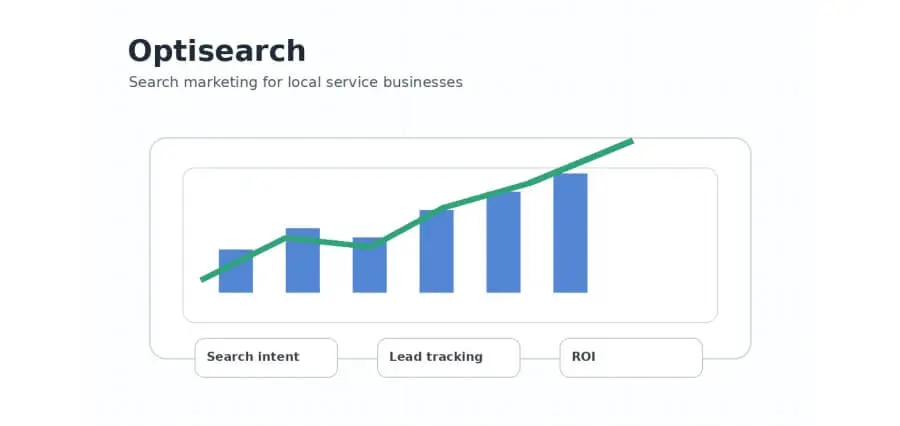
How Locksmith Businesses Can Build Stronger Local Search Visibility
Why locksmith SEO is different from generic SEO Locksmiths compete in a search environment where urgency, geography and trust matter at the same time. A person searching after losing keys or being locked out is not browsing casually. They are often using a phone, comparing only a few results and making a decision quickly. That means a locksmith website needs more than general visibility. It needs to appear for the right service, in the right area, with enough clear information to make contact feel safe and simple. The same business may also want longer-term enquiries for lock upgrades, commercial access work, replacement locks or security improvements. Those searches can be less urgent and may involve more comparison. A useful SEO strategy therefore separates emergency demand from planned work rather than treating every keyword in the same way. Start with services that produce real business The first step is to list the services the locksmith actually wants more of. Emergency lockouts, lock changes, uPVC door repairs, burglary repairs, commercial locksmith work and key-related services can have very different margins and customer expectations. Important services deserve their own focused pages instead of being hidden inside one broad page. Each page should explain what the service covers, who it is for, what areas are served and what a customer should do next. This gives search engines a clearer topic and gives visitors a more useful answer than a generic homepage. Build pages around local intent Local relevance matters because many locksmith searches include a town, postcode or phrase such as ‘near me’. The strongest local pages contain real information about coverage and service availability instead of repeating a place name through the text. A visitor should quickly understand whether the locksmith can realistically reach them. Location pages should also connect back to the relevant service pages. Internal links help people move naturally between emergency work, replacement locks and other services while showing search engines how the site is organised. Make mobile experience a priority A large share of urgent local searches happen on mobile devices. Slow pages, small contact buttons or long forms can waste traffic even when rankings are strong. The phone number should be easy to find, the main service should be clear and the page should load reliably on a normal mobile connection. This is one area where SEO and conversion optimisation overlap. Better visibility has limited value if the customer struggles to take the next step. Use trust signals carefully Locksmith customers often worry about reliability, price and whether the person arriving is legitimate. Genuine reviews, clear business details, professional credentials where relevant, real service descriptions and transparent contact information can reduce uncertainty. These elements should be factual and easy to verify. Exaggerated promises may attract attention but can weaken trust once a customer starts comparing providers. Create useful supporting content Supporting articles can answer the questions people ask before they book. Examples include what to do after losing keys, when a lock should be replaced, why a uPVC door may become difficult to lock, or what information to have ready before calling a locksmith. Helpful content can attract earlier-stage searches while supporting important service pages with internal links. The goal is not to publish for the sake of page count. Every article should have a clear role in the customer journey. Measure leads instead of rankings alone Rankings and traffic are useful indicators, but they do not show whether the campaign is generating the right enquiries. Calls, forms and booked jobs should be tracked where possible, with simple notes about service type and location. A page that ranks well but produces poor-quality leads may need a better offer, clearer location information or different keyword targeting. A lower-traffic page that consistently produces strong jobs may deserve more investment. Keep technical SEO under control Technical basics can quietly limit performance. Important pages should be indexable, internal links should work, redirects should be clean and the website should use a secure connection. Page speed and mobile usability also affect the customer experience. Technical work should be prioritised by business impact. Fixing an indexing problem on a key service page matters more than polishing a low-value archive page. Work with a specialist in a measurable way Businesses comparing locksmith SEO services should ask how local targeting, technical work, content and conversion measurement will be connected. A useful provider should be able to explain priorities, show what changed and relate the work to lead quality rather than rankings alone. A specialist such as Optisearch should also be assessed on transparency, access to data and the quality of reporting. Closing view Strong locksmith SEO is a combination of local relevance, clear services, technical reliability, trust and measurable enquiry quality. The strategy should make it easier for the right customer to find the business, understand the service and contact the provider without friction. Consistency matters more than constant reinvention. Regularly reviewing important pages, local information, search queries and lead quality creates a more dependable source of demand over time. A practical 90-day plan During the first month, review the site’s main locksmith services, priority locations, Google Business Profile information, mobile usability and conversion tracking. Fix obvious problems on the pages closest to revenue before expanding content. During the second month, strengthen the highest-value service and location pages, publish one or two genuinely useful supporting resources, and improve internal links. Review search queries and customer questions to decide what deserves attention. During the third month, compare visibility with qualified enquiries. Expand the pages and locations that show commercial promise, while revising or reducing activity that creates low-value traffic. Final checklist Keep service and location information accurate. Make the main contact action easy to use on mobile. Track calls and forms consistently. Review lead quality, not only traffic or clicks. Use customer questions to guide useful content. Record major marketing changes and review their results. Additional considerations Local search should also be reviewed against operational capacity. If the business is consistently unable to cover a certain

How AI Is Modernizing Homeopathic Practice Without Replacing Practitioner Judgment
Every practitioner who has spent an evening cross-referencing a repertory against three volumes of materia medica knows the real bottleneck in classical homeopathy isn’t knowledge. It’s retrieval speed. Finding the right rubric, confirming a keynote symptom, and reconciling a patient’s own words with clinical terminology can take longer than the consultation itself. Artificial intelligence is now being applied to exactly this problem: search, transcription, and documentation inside homeopathic and other complementary-health practices. The interpretive work, matching a patient’s total symptom picture to a remedy, remains a professional judgment call. This article looks at where AI genuinely helps, where it doesn’t, and what healthcare leaders should demand from any tool before it touches a patient record. The Practical Limits of Manual Repertory and Materia Medica Work Classical repertories such as Kent’s, Boenninghausen’s, and Boger’s organize symptoms into rigid hierarchical rubrics built over a century ago. That structure is useful for consistency, but it’s unforgiving for search. A patient rarely describes their experience in rubric language; they say “I feel like someone’s watching me” or “I get worse right before a storm,” and the practitioner has to mentally translate that into the specific term the repertory actually indexes. Materia medica cross-referencing adds another layer of friction. Confirming that a shortlisted remedy’s keynote symptoms genuinely match the case often means checking multiple source texts side by side, a process that’s manual, sequential, and easy to rush when a clinic schedule is full. None of this reflects a gap in the practitioner’s knowledge. It reflects the limits of paper-era reference tools operating at the pace of a modern practice. Semantic Search: Closing the Vocabulary Gap Semantic search addresses the vocabulary problem directly. Rather than matching exact keywords, it uses language models to connect a patient’s everyday phrasing to conceptually related rubric and materia medica terms, including terms the patient never used and a keyword search would have missed entirely. This is a meaningful efficiency gain, but it’s worth being precise about what it actually does. Semantic search widens the pool of candidate terminology for the practitioner to consider. It does not evaluate clinical fit, weigh the totality of a case, or rank remedies by appropriateness. A model can return a linguistically plausible rubric that is clinically wrong for the patient in front of you, which is exactly why every suggestion still requires review against history, context, and the practitioner’s own clinical reasoning before it goes anywhere near a decision. Administrative Support: Notes, Transcription, and Pattern Discovery Beyond search, AI tools are increasingly used for consultation transcription and structured note organization, reducing the time spent on data entry after a session so more attention stays with the patient during it. Well-designed tools can also help surface patterns within a practitioner’s own historical case notes: recurring symptom clusters, remedies that come up repeatedly for a given caseload, or gaps in follow-up documentation. It’s important to draw a clear line here. This kind of pattern surfacing is descriptive, it shows what already exists in a practitioner’s records, not prescriptive. It is not a claim about which remedy works best or an inference about clinical outcomes. Treating it as anything more than a reference aid overstates what the underlying data can support. Why AI Output Is an Input, Not a Decision This is the throughline of the entire discussion: AI-generated suggestions, whether from semantic search, transcription summaries, or pattern surfacing, are inputs into the practitioner’s reasoning process. They are not diagnoses, not prescriptions, and not a substitute for clinical judgment. A 2024 JAMIA paper on AI-enabled clinical decision support makes a similar case for conventional medicine: CDS tools should be built and used to inform clinician decisions, with clear guardrails around testing, supervision, and appropriate use — not to automate them. A related commentary in npj Digital Medicine, “Meaningful oversight of medical AI beyond human in the loop,” goes further, arguing that a clinician’s mere presence in a workflow doesn’t guarantee real oversight. Oversight has to be deliberately designed — with clear escalation points, understandable outputs, and a genuine, practical ability to override the system. That standard applies just as much to homeopathic practice as to conventional medicine. And it comes with an unavoidable caveat: serious, persistent, or worsening symptoms require timely assessment by an appropriately qualified medical professional. Nothing described in this article changes that. Transparency, Consent, and Data Stewardship Explainability and Informed Consent The WHO’s 2021 guidance on the ethics and governance of AI for health sets out six consensus principles for responsible deployment, including transparency, accountability, and human oversight. Those principles translate directly into practice: patients should be told, in plain language, when AI is involved in their care — whether that’s transcription, semantic search, or note summarization, and given a genuine choice to consent. Explainability isn’t an abstract ideal here; it’s operationally necessary. A practitioner who can’t see why a term was suggested has no reliable basis for evaluating whether it belongs in the case at all. Privacy and Security as a Leadership Responsibility Homeopathic case files tend to be unusually detailed, emotional state, family history, mental health notes, long-term follow-up — much of which qualifies as sensitive or special-category health data depending on jurisdiction. Leaders evaluating any AI-enabled practice tool should confirm encryption in transit and at rest, clear retention terms, whether patient inputs are ever used to train underlying models, and whether appropriate data agreements are in place with any AI subprocessor. For administrators working through these questions, resources explaining how privacy-conscious healthcare software approaches encryption, consent, and retention in a homeopathic context offer a useful benchmark for the kinds of questions to put to any vendor. The NIST AI Risk Management Framework reinforces the same priorities, framing human oversight, transparency, and accountability as core, widely adopted benchmarks for trustworthy AI in regulated fields, voluntary, but a sound reference point for procurement decisions. Evaluating AI Tools: A Leadership Framework Choosing an AI tool for a complementary-health practice is a governance decision, not just a purchasing one. A few criteria matter more

Inspirational Icon to Look For in 2026
Inspirational Icon to Look For in 2026 Exploring the journey of an inspirational business leader transforming procurement through strategic thinking and continuous improvement. This edition highlights supplier relationships, technology-driven decision-making, operational resilience, and the pursuit of lasting organizational value. Digital Link Quick highlights Quick reads

Roshan Mathew: Driving Smarter Procurement Through Digitalization and Continuous Improvement
Procurement and supply have always been essential to business operations, but companies are now taking a different approach to how this work is managed. Rising costs, global disruptions, and fast-moving technology are pushing organisations to lean on this function more heavily than before, not only to save money, but to keep operations steady when conditions are uncertain. Even so, many businesses still treat this area as routine paperwork rather than a source of real value, and that gap between old thinking and new reality is only now starting to close. More leaders are stepping forward to show what this work can achieve when it is approached with strategy and foresight instead of habit. Their choices are reshaping how organisations plan ahead, manage risk, and build the kind of stability that growth depends on. Roshan Mathew is one of the people helping drive that change. As Head of Procurement at One International Real Estate Development, his focus stretches across building stronger systems, strengthening supplier relationships and finding smarter ways to bring technology into everyday decision-making. What sets his journey apart is not just what he has built, but how he approaches challenges. Over nearly two decades, he has moved from managing day-to-day buying decisions to shaping how teams think and work, always seeking better solutions. His approach is guided by technical knowledge, patience, and strong personal values. Let’s explore how Roshan is redefining procurement through strategic thinking, continuous improvement, and a commitment to creating lasting value! A Journey Built on Faith, Learning, and Continuous Growth Roshan’s journey is deeply rooted in values that have remained constant throughout his personal and professional life. Coming from an Indian background and building much of his life in the UAE, he credits faith and family as the foundation that shaped his character and leadership philosophy. From an early stage, faith and family taught him the importance of hard work, responsibility, perseverance, and humility. While his faith gives him strength and direction, his role as a husband and father has strengthened his understanding of patience, accountability, and balancing professional ambition with being present for those who matter most. After completing his Bachelor’s degree in 2006, he remained committed to continuous development, pursuing professional qualifications and training in procurement, business strategy, technology, and process improvement. Rather than viewing education as a milestone, he has treated it as an ongoing journey of learning and adaptation. His professional career began in 2006 with KBR, where he entered procurement through vendor qualification and sourcing. Over the years, he progressed through increasingly responsible positions with Move One, Dulsco, AMS, and DAMAC Properties. Working across industries and organizations throughout the Middle East provided exposure to strategic sourcing, category management, supplier and contract management, procurement governance, commercial negotiations, and stakeholder management. A defining milestone came when his perspective shifted from traditional procurement toward procurement transformation. As he explains, “What brought you here won’t take you further,” a realization that encouraged him to challenge established ways of working, learn, adapt, and embrace change. This shift changed how he viewed procurement. Instead of focusing solely on purchasing and negotiations, he became increasingly involved in process improvement, digitalization, and procurement technology. He firmly believes procurement must evolve beyond transactional activities to become a strategic business function that uses technology, data, and innovation to create measurable and sustainable organizational value. Today, as Head of Procurement at One International Real Estate Development, Roshan has the opportunity to strengthen procurement from a broader organizational perspective. His work focuses on establishing stronger governance, improving procurement processes, strengthening supplier management, and implementing digital and AI-enabled solutions to support long-term business objectives. Like every meaningful career, however, his journey has not been without challenges. He has encountered resistance to change, inherited process gaps, demanding project timelines, stakeholder expectations, and situations where results had to be delivered despite limitations in systems and processes. Rather than allowing these challenges to become obstacles, he has consistently viewed them as opportunities to improve processes, influence stakeholders, and develop practical solutions. Looking back over nearly two decades in procurement, he considers his greatest achievements to extend beyond job titles or financial savings. The teams he has developed, processes he has transformed, and lasting improvements he has created within organizations are the accomplishments he values most. From Procurement Professional to Procurement Transformer When Roshan entered procurement in 2006 through vendor qualification and sourcing, he viewed it simply as a career opportunity. However, as his experience grew, so did his appreciation for the influence procurement has on an organization’s cost, efficiency, risk management, and overall business performance. Working with different organizations, industries, and stakeholders across the Middle East exposed him to complex challenges that shaped his understanding of the profession. Those experiences also revealed the gap between how procurement had traditionally been practiced and what it could become. That realization became the driving force behind his professional mission. Rather than building procurement functions focused solely on issuing purchase orders or negotiating prices, he has worked toward creating procurement teams that deliver measurable and sustainable business value. His approach combines stronger governance, strategic sourcing, supplier management, automation, digital platforms, AI-enabled solutions, and improved analytics to make procurement simpler, faster, and more effective. What began as a career in procurement has evolved into a passion for transformation, driven by challenging established ways of working, developing people and processes, embracing innovation, and continuously searching for better ways to deliver value. Leading with Purpose: Balancing Transformation, People, and Perspective For Roshan, leadership extends beyond business results. While procurement demands commercial judgment, operational excellence, and strategic thinking, he believes long-term success also depends on maintaining perspective, nurturing relationships, and staying true to one’s values. Managing professional and personal demands is, in his words, an ongoing journey. “It begins with keeping my priorities clear.” Professionally, challenges are inevitable, particularly when leading transformation initiatives. Managing stakeholders, tight deadlines, resistance to change, supplier challenges, and difficult decisions are part of the role. Rather than allowing pressure to dictate his response, he focuses on remaining calm, understanding

How Supply Chain Resilience Helps Businesses Manage Disruptions
Building Supply Stability Every business that makes, moves, or sells something depends on a supply chain. For most of the time, that dependence goes unnoticed. Goods arrive when they are supposed to, production continues without interruption and the systems connecting suppliers to manufacturers to distributors to customers function quietly in the background. It is only when something goes wrong that the true fragility or strength of a supply chain becomes visible. The businesses that manage disruptions well are not simply lucky. They have built something deliberate into how their supply chains work. Supply chain resilience is that something, and its importance to business continuity and long-term performance is one of the most consequential lessons the business world has learned in recent years. Why Disruptions Are Inevitable There is a temptation to treat supply chain disruptions as rare events, things that happen occasionally and can be managed when they arise without too much advance preparation. That view does not hold up well against reality. Disruptions happen constantly, varying in scale from minor delays that cause inconvenience to major events that halt production entirely and take months to recover from. The sources of disruption are many and varied. Natural events, geopolitical shifts, transportation failures, supplier insolvencies, demand surges and labor shortages all have the potential to interrupt the flow of goods and materials that businesses depend on. No organization can predict exactly what will disrupt its supply chain or when. What organizations can do is build the kind of structure and flexibility that allows them to absorb disruption without being destabilized by it. What Resilience Actually Means The word resilience is used in many contexts, but its meaning in the supply chain setting is specific and practical. A resilient supply chain is one that can absorb shocks, adapt to changed conditions and continue delivering at an acceptable level even when things do not go as planned. It is not a supply chain that never experiences problems. It is one that recovers from problems faster and with less damage than one that has not been built with resilience in mind. Supply chain resilience is built through a combination of structural choices, relationship management, information systems, and organizational capability. None of these elements works well in isolation. Together, they create a supply chain that bends without breaking when conditions become difficult. The Role of Visibility in Managing Disruptions One of the most significant enablers of supply chain resilience is visibility. Organizations that can see clearly what is happening across their supply chain at any given moment are in a far better position to respond to developing problems than those operating with limited information about what is happening beyond their immediate operations. Visibility means knowing where inventory sits, understanding the health and capacity of key suppliers, tracking shipments in real time and having early warning when something is going wrong somewhere in the chain. When this kind of visibility is in place, organizations can respond to emerging disruptions before they become crises rather than discovering problems only after they have already caused significant damage. Diversification as a Resilience Strategy One of the lessons about structure that many companies have learned from the disruptions they have faced recently is that of over-concentration. This means having an over-dependence on one particular supplier for a vital part or using only one logistics company or route to move most of your goods, which turns out to be dangerous if that supplier, company or route fails. Supply chain resilience requires a deliberate approach to diversification. Having multiple sources for critical inputs, maintaining relationships with backup logistics providers and understanding alternative routing options are all ways of reducing the concentration risk that makes supply chains fragile. Diversification does not eliminate disruption, but it significantly reduces the severity of the impact when disruption occurs. Building Stronger Supplier Relationships Supply chains are ultimately networks of relationships and the quality of those relationships matters enormously when things get difficult. Suppliers that feel genuinely valued and treated as partners rather than interchangeable vendors are more likely to prioritize a customer’s needs when capacity is constrained and more likely to communicate early when problems are developing on their end. The strength of the supply chain resilience will depend on the nature of the relationship between the suppliers and their customers. The firms that invest in nurturing the relationship with their suppliers irrespective of their needs gain a lot from them during tough times. Conclusion The businesses that navigate supply chain disruptions most effectively are not reacting to problems in the moment alone. They have built supply chain resilience into how their operations work before disruption arrives. They have invested in visibility, diversified their dependencies, built strong supplier relationships and created the organizational capability to adapt quickly when circumstances change. That preparation is what separates businesses that manage disruptions as a manageable challenge from those that experience them as a genuine crisis. In a world where disruption is a permanent feature of the operating environment, resilience is not a contingency plan. It is a core business capability. Read Also : Expanding Leadership Opportunities for Women in Technology